Looking back, it was at Raw Wine in 2017 when I first met Alex and Maria Koppitsch. Their wines were lovely, and equally as important, to me at least, so were its makers. I found it inconceivable that they didn’t have a UK importer. Maria was back again the following year, along with her sister. They had suffered from the very low yields afflicting Burgenland in 2016 but the wines were now even better. They had a couple of companies importing their wines, but distribution was rather restricted by their size and scope.
By the time I met up with Alex and Maria in Vienna in January 2019 things were looking up. They had given their labels a refresh and their wines were beginning to get noticed around the world. That the UK was being left behind a bit infuriated me. Jascots, who were then representing them in London, only seemed to list four of their wines. Fresh Wines in Scotland also imported a little, but their main sales seemed to be via farmer’s markets up in Perth & Kinross, although I was able to order a little online.
Alex & Maria in Vienna, 2019
Thankfully they have now found a home with Roland Wines, whose excellent list enables Koppitsch exposure to the London natural wine scene and beyond. In fact, I can source these wines in Edinburgh via Roland’s distribution up here, and that means all my favourite Burgenland producers can be purchased via a short ride into the city, in this case to Cork & Cask in Marchmont.
But perhaps we should head back to Austria. Burgenland’s shallow Neusiedlersee is without question one of my very favourite places in Europe. It’s far from just being about the wine, but the lake is almost ringed with vineyards and wine culture here has been strong since at least the 1400s. The Koppitsch family farms vineyards located at the top (north) of the lake, and are based in the town of Neusiedl am See. I’ve mentioned before how this is one of two very convenient places to start a wine tour around here, being a fairly short train ride from Vienna, and boasting a cycle hire shed right next to the railway station.
The lake itself is unusual, to say the least. It is the largest endorheic lake in Central Europe, meaning that it is a drainage basin with no outflow. It covers 315 square kilometres, most being within Austria, but around 75 square kilometres at its southern end are in Hungary. It measures approximately 36km in length and at its widest point, about 6km wide. Its maximum depth is estimated to be just under six feet (or 1.8 metres). The whole area is listed as a UNESCO World Heritage Site.
The surface area of water is surrounded by reed beds which cover at least twice the area of the lake. This is one reason that Neusiedlersee has become a major bird sanctuary, especially for storks, which can be viewed nesting in the lakeside villages. Most of them appear to prefer picture-postcard Rust on its western shore, making this village the most visited destination for tourists. The lake also has around twice the concentration of salt as most inland lakes. This, and the wind which whips over it from the Pannonian Plain, and which helps to keep the vines pest free, also gives the lake an air of the sea about it. It can get quite stormy on the water despite its shallowness.
Reed bed inlet looking out onto a bleak Neusiedlersee last August
Weingut Koppitsch is a small operation. They have around six hectares of vines which have been in the family for half a century. The terroir, sloping down to the lake, is largely a mix of clay, loam, sand, and gravel, but they also have vines on limestone and schist at higher elevations. Alex learned winemaking from his father, who had already embraced what we now call natural winemaking. Alex introduced biodynamics but the lake itself, with relatively low rainfall (though too low in 2022 with the water being at its lowest level I’ve ever seen it), makes chemical-free grape growing easier than in some places.
Alex takes care of winemaking, but his father still lends a hand, especially in the vines. Maria has their three boys to look after, but is in charge of comms, and is definitely a big part of the team, and the winery’s identity. That identity, which I think was not fully understood a few years ago, is (as Alex says) to “…make natural wine. Hence we reject all forms of artificial additives”. Natural yeasts are always used, no temperature control, and usually zero added sulphur. It should perhaps be stressed that Alex claims these vineyards have never been sprayed with conventional vineyard treatments.
The new 2022 vintage recently arrived at Roland Wines, so what do they currently have on their list?
Homok is a white blend of 40% each of Grüner Veltliner and Welschriesling with 20% Sauvignon Blanc from 30-y-o vines on sand. Whole bunches are pressed into a mix of fibreglass, acacia and stainless steel, with around six months together on lees. £24.
Perspektive Weiss is an equal blend of Chardonnay and Pinot Blanc (Weissburgunder) grown on a rocky limestone hill called Neuberg (at 260 masl). Most of the juice was direct pressed into old barriques, but 25% was fermented on the skins for eight days. Ageing is on gross lees for ten months. £28.
Touch 2021 is half Welschriesling and half gemischter satz (a co-fermented field blend of, in this case, both Grüner and Brauner Veltliner, Welschriesling, Weissburgunder, Neuburger, Sauvignon Blanc, Muskat and Traminer, plus a few they can’t identify). It’s an amber/orange wine, but is easy to drink and not at all tannic. £26.
Rosza is described as “fresh summer lemonade with sour cherry, strawberry, litchi and a hint of orange peel”. It’s a darker “Rosé”, whole bunches of Zweigelt and Pinot Noir (40% of each), with St Laurent and Syrah direct pressed in a vertical basket press, then transferred to a mix of fibreglass and stainless steel. Alex is quite a fan of fibreglass and I think some of these tanks are outside, which brings to mind the wines made by the late Sean Thackrey of Marin County. The varieties were co-fermented and saw six months on lees. £24.
Pretty N^ts (sic) is Alex and Maria’s glorious petnat, made from equal parts Blaufränkisch and Syrah. Off limestone and schist, they make just 3,000 bottles and it’s worth snapping up. It has been aptly described as a “berry punch” but I’d also draw attention to its mineral salinity. As I await the 2022, I am about to pop, as I write, my last bottle of 2021 tonight. Yes, it is sunny here. £27.50.
Rét is comprised 80% Zweigelt with 20% St Laurent off gravel, and is described as “dark cherry pecan pie”. It’s usually concentrated but easy to drink, seeing eight days skin contact before six months ageing (a mix of acacia barrels and fibreglass). £22.50. Rét is Hungarian dialect for Red, and evokes the Hungarian heritage around the lake, despite its proximity to Vienna.
Abendrot 2021 is a cuvée I’ve not yet had the pleasure of trying. The grapes, Welschriesling, Rosenmuskateller, Chardonnay, Weissburgunder, Blaufränkisch and St Laurent, come once more from the elevated Neuberg. Various ageing and fermentation methods were used for each individual variety, but ageing was on lees for eleven months. This 2021 was bottled in August 2022. Although the wine is comprised of both red and white varieties, I’m told it has good structure, and a note suggesting raspberry, lime, rhubarb, and grapefruit sounds very appealing. £28.50.
Perspektive Rot 2021 (70% Blaufränkisch, 30% St Laurent) is off limestone, the favourite soils for Blaufränkisch in this region, usually hillside vineyards on the Leithaberg. Ageing of 22 months on lees in barrique suggests (correctly) that this is perhaps more structured than many of the more glouglou wines Alex makes, and will benefit from a little time in bottle. To that end he added 5mg of sulphur at bottling. £27.50.
A Quite Soft Light 2019 is a special cuvée. Whereas most of the Koppitsch wines retail in the range of £20-to-£30 in the UK, this one goes out at £48. It’s a special selection of two barrels of Blaufränkisch, one from limestone soils and one coming off schist. Ageing was for 30 months on gross lees and in this case, Alex didn’t add any sulphur. Just 600 bottles were made.
All wines are biodynamic natural wines with zero sulphur added and from the 2022 vintage, unless stated. These arrived with Roland a few weeks ago and I know that they are currently going out for retail distribution.
If you want to try these wines, Roland have put together a six-pack containing Homok, Rosza, Rét, Perspektive Weiss, Abendrot and Touch, which comes with a Koppitsch tote bag and branded waiter’s friend corkscrew, for £155.
**This week sees a rise in duty on wine, with new complicated rules. Whilst Champagne and sparkling wine duty will actually go down by 0.19 pence, the rest is all upwards. So bear in mind the prices quoted may be more by the time you next visit a wine shop or web site.
I know this sounds a bit like an advertisement for Roland Wines, but I have no commercial relationship with them, and will receive no free wine etc. I shall be buying my 2022 Koppitsch locally, retail. I do, however, love these wines and very much like the people who make them. That’s why, along with the likes of Renner und Rennersistas and Gut Oggau, they continue to get plugged by me.
Aberfeldy. It has a nice ring to it, and it certainly is a nice place. Great food, drink, walks and more in an attractive market town on the southern edge of the Scottish Highlands, surrounded by mountains which are majestic green and grey in the sunshine, somewhat forbidding in the rain. One of the town’s finest walks, through woodland up to the impressive Moness Falls (round trip close to two hours with stops) was immortalised by Scotland’s national poet, Robert Burns, in his song “The Birks of Aberfeldy” (1787). With its proximity to Loch Tay and Glen Lyon, Scotland’s longest enclosed glen, it is a great place for a visit, and only two hours north of Edinburgh by road. Yet there’s another reason to visit which I’ve not yet mentioned. Whisky!
Now, some of you may begin to question the slow, creeping, appearance of whisky in a wine blog. I admit that after a flirtation with Scotch Whisky in my twenties I became more interested in other spirits. First it was gin and brandy, later rum, with a burgeoning interest in sake coming in the 1990s, following several visits to Japan. And there’s that worrying taste for the Negroni (only last week identified in one section of the press as the aperitivo of choice for the liberal woke elites). Wine has always been the overriding passion though. Then we moved to Scotland and I guess you just can’t ignore the local liquor. Up here, most people it seems will engage in a discussion about the spirit at some point of an evening. Apart from getting back my taste for whisky, I have come around to viewing the similarities between whisky and wine.
I’m not speaking of “taste similarities”, although you can definitely find some winey elements in the glass, more on the nose than palate. I mean that each distillery is distinct in terms of its product’s flavours and its unique history. Even the larger producing distilleries can claim to be “artisanal”. These are perhaps what you might call cultural similarities. Equally, whisky has its “wine region” equivalents (Speyside, Island etc) and even its “crus” (Campbeltown, Islay and so on).
The other wine connection is the casks used to finish a whisky’s ageing. Not all such casks were used for wine previously. Bourbon casks are the most common because, due to the particular regime for bourbon ageing, they are plentiful, but wine casks are becoming more prevalent.
Sherry casks, perhaps most often Oloroso casks, are frequently encountered but I am drawn to more limited examples. The Isle of Arran Distillery on Scotland’s most southerly whisky-producing island has finished whisky in Sauternes and Valpolicella casks and the former, in particular, has drawn perhaps too many appreciative noises in our current abode.
But I’m digressing from Aberfeldy. The distillery which has taken the name of the town, and is situated just beyond its eastern edge, was opened in 1898 by the Dewar brothers, Tommy and John junior. Their father, also John and the company’s founder, had been born on a croft only a couple of miles from the town, then a mere village which found itself on General Wade’s route to quell the clans (Wade’s military bridge is architecturally famous and as impressive as the enormous statue which sits close by, a memorial to the locally recruited Black Watch Regiment, involved in Wade’s somewhat dubious expedition).
The name Dewar should be familiar to many readers, being one of the great whisky dynasties of Scotland. Dewar’s is the biggest selling whisky brand in the USA, which helps the on-site visitor experience, Dewar’s World of Whisky, to welcome more than 35,000 visitors a year, many coming from over the Atlantic to discover their Scottish heritage, and indeed to show off their impressive connoisseurship.
Of course, like almost all the Scottish distilleries, Aberfeldy/Dewars felt the effects of industry consolidation through the 20th Century. They became part of United Distillers in 1925 (which became UDV on its merger with Grand Metropolitan in 1998), eventually finding its place as one of the Diageo brands. Diageo was forced to sell off some interests because by then the European Union, under its consumer protection competition law, wasn’t too keen on monopolistic tendencies. The Dewar brand, along with Aberfeldy, were purchased by Bacardi Corp.
And there they reside. Bacardi has invested heavily (at least £3 million) in Dewar’s World of Whisky. If Aberfeldy would be hard pushed to claim to be one of the handful of most highly regarded single malts by whisky aficionados, it can rightly claim to be one of the best three or four whisky visitor experiences in Scotland. This is why my son-in-law and I decided to take a tour.
You start out with an enjoyable short film, especially some nice black and white footage, before moving into the museum. This is nicely set out, one half being a replica Dewar’s office with pull-out drawers of artifacts etc, the other half containing various cabinets full of all sorts of relevant objects, which hopefully the photos will give some idea of.
Then you get collected by a guide and taken on a tour of the distillery. It’s all very well reading about the process of creating a single malt whisky, but seeing it does make such a difference, especially if, like me, it is your first such tour. Sadly, unlike in any winery I’ve visited, they won’t let you take any photos inside the production areas, a shame because the four enormous copper stills, the big brass spirit safes, and the giant wooden mash tuns are all highly photogenic. We also didn’t get to see inside the cask rooms, I presume because these must be bonded facilities with limited access. We did see a few barrels but they contained samples “from the barrel” for the visitors taking a superior tour.
So, what’s available? We booked (booking is essential, I would suggest) the least expensive option, the tour plus a two-glass tasting (a Dewar’s 12-y-o blend which contains both malt and grain whisky and a 12-y-o Aberfeldy Single Malt). This seemed good value at £15/head. A driver’s ticket allows you to take your samples away at no extra cost. The Connoisseur Experience gives you five older whisky samples to taste for £35, or you can blend your own whisky (10cl) for £45. Drams of Your Dreams (£80) is a bespoke tasting, based on what you have tasted previously and what you are curious to discover (usually including 32-y-o and 40-y-o samples).
Of course, there’s a whisky bar there, and the inevitable but most welcome gift shop. This was a temptation I couldn’t resist, partly because they had Royal Brackla available (in 12-y-o, 15-y-o and 21-y-o form). I like this Bacardi-owned single malt as a good expression of an Oloroso cask whisky, and it is only usually found on export markets and duty free now. There were some extremely expensive bottles for those able to afford them, but at the other end of the scale plenty of miniatures. I couldn’t resist Dewar’s Japanese Smooth, an 8-y-o blend finished in Japanese Mizunara oak. You can probably tell by now that whisky appeals to my geeky side.
I will finish with my last attempt to persuade you that whisky is worth exploring for wine lovers. It’s a tasting note. Okay, you and I know that there’s an awful lot of pretentious rubbish written in a wine tasting note, but I would suggest that this one, by Charles MacLean in his Whiskypedia (5th edn, 2022, Berlinn Ltd) really does sound so similar to what I might write after a few drams. The glass in question is Aberfeldy. “Smooth and creamy; honeycomb; pears, melon and bruised apples, light maltiness. Taste is fresh, fruity and waxy…Medium body”. The book, by the way, is my malt whisky distillery bible.
Aberfeldy is just off the A9, close to Pitlochry and Blair Athol. We rented a cottage, though hotel accommodation also exists, and the tourist is well catered for. There’s a good Italian restaurant, plenty of cafes and pubs, and a very good butcher. The Watermill Bookshop and Café is also highly recommended. However, we were told that the place pretty much shuts down after the summer season, and getting there otherwise than by car isn’t easy. But as you can see, I found it well worth the effort and I can imagine we’ll be back.
For those missing the wine, normal service will be resumed next week!
General Wade’s military bridge on the River Tay (1733)
Brad Hickey is a Chicago lad who, I assume, never thought he’d end up making wine in South Australia. He did a bit of corporate stuff, as so many of us do, but then like so many talented and creative individuals he gravitated to wine. First it was as a sommelier and writer in Paris, Portland, and NYC (working for Michelin 2* David Bouley), but he decided doing a harvest in Australia might be fun. That fortuitous decision led him to meet grape grower Nicole Thorpe, and also to gain his nickname, Brash Higgins.
The origin of that nickname which went on to become the couple’s brand (Brad and Nicole are no longer a couple, so to speak, but remain friends and business partners), lies with the Aussie pruners Brad worked with. If you know Aussie pruners, they don’t suffer fools (neither gladly nor any other way). However, if they like you, and Brad is a very affable bloke, you will get a nickname. It’s a rite of passage. Let’s just say he’s probably glad he didn’t draw the short straws because one of them was known as Knackers, another one, Bedsores. Brash because Brad is a yank, and we know all yanks are brash, right? Higgins, more obscurely, after Henry Higgins in My Fair Lady for his generally erudite manner. Always checking the rainfall and sunshine hours etc.
Nicole had a vineyard called Omensetter. You may have heard of it by now. I’m sure this is not the prime reason Brad wanted to get to know her. Omensetter was planted to Cabernet and Shiraz in 1997, on really great terroir of mineral rich clay and limestone, in McLaren Vale, but close enough to benefit from the ocean breezes off the Gulf of Saint Vincent, just 5km away. That helped them weather that late-nineties drought, along with Brad’s attention to the stats. The drought got them interested in alternative varieties, something we are now all of a sudden hearing plenty about in an Australian context. Back then they were new, but a convo with Steve Pannell, a leader in planting drought-resistant Italian vines in Australia, led them to plant Nero d’Avola, that Sicilian hot climate variety.
That one small step has in many ways been a catalyst for every other innovation the couple have made. From Amphora (made by artisans in Australia) wines, Zibibbo, Cinsault and Carignan, and to Bloom (of which more later).
Among my favourite wines from Brad, aside from Bloom, are a Cabernet Franc and a Chenin from cooler sites, a brilliant amphora-made Nero d’Avola (NDA), and an equally exciting Zibibbo (Muscat of Alexandria, also found in Sicily). The Zibibbo (ZBO) is sourced up in Riverland, but from seriously well-tended fruit, actually 70-year-old bush vines from Ricca Terra Farms. It is transformed into something special in (once more) amphora where it sees an extended maceration, 150 (sic) days on skins. It may be pale copper in colour, a little cloudy (once an horrific sin in Australia) and smell or taste like waxy confit lemon with honey and eucalyptus, but it isn’t tannic.
The pièce de resistance from Brash Higgins is Bloom. This is an oxidatively aged homage to Jura’s Vin Jaune. It’s not a replica though. The variety is Chardonnay, not Savagnin. The current vintage is 2015, which is only Bloom’s third incarnation. Bloom uses fruit from the sandy Blewitt Springs sub-region, just south of Adelaide. The wine is matured in usually just four barrels previously used for White Burgundy for a period of six-and-a-half years, similar to the ageing period for Vin Jaune. Flor grows naturally on the surface of the wine, but unlike in the Jura, Brad adds a little fresh wine periodically, which feeds the flor, but not towards the end of ageing, where the barrels get a quarter turn to keep the bungs air tight.
The result is amber in colour with very complex aromas of caramelised butter, whisky, apples, lemons, orange, Indian spices (cumin and coriander plus more), and a top note of just decipherable coconut. The palate has less acidity than most young Vin Jaune, but it’s all lemon and hazelnut with great salinity. The 2015 was bottled in August 2022 at 15% abv, and kept in their McLaren Vale cellars before release.
The current vintage has therefore only just come to the market but with a mere seventy-five cases for the world, this is something of a unicorn. I got one of the last bottles in Sydney in mid-April and Brad has around thirty bottles remaining at the winery. I am unsure whether any more bottles made it to England (other than perhaps in Brad’s luggage for his recent trip here). The previous two vintages (2008 and 2012) only came in tiny quantities via suitcases. The 2015 is around $175 in Australia, that’s around £90 and a relative bargain for such a rarity.
However, Brash Higgins isn’t all about Bloom. I’ve already mentioned some of my other favourites. New releases this year include a prestige 2010 Omensetter vineyard blend (85% Shizza and 15% Cab, made to age), Ripple 2021 (Nero/Cab blend via carbonic maceration), and a 2020 Shiraz which Brad says is spicy, iron-rich, sweet-fruited and salty. Wines I am yet to try but desperately want to include “Nymph” (a Carignan/Cinsault blend Rosé) and “Moon-Yay” (who wouldn’t want to get stuck into a zero-sulphur Pinot Meunier?).
There’s also “TWNY”, a solera project going for more than 20 years using Macallan Whisky casks which had previously been used for Oloroso Sherry and started by a couple of whisky connoisseurs. The grapes are a blend of Grenache and PX. There are 100 x 50cl etched bottles in memory of one of the project’s now sadly departed initiators ($150). Aussie “ports” are one of wine’s hidden treats. But I think this one might have to wait until my next trip to Australia.
In the UK, Berkmann Wine Cellars is now Brad’s importer/agent. They started working together before Covid, but Brad has just left London following a trip to Europe which has, among other visits, given him a chance to spend time with the Berkmann team. Berkmann currently imports Brad’s Chenin, Zibibbo, Cabernet Franc, MCC (a Mataro, Cinsault, Carignan field blend), GR/M (Grenache and Mataro co-ferment) and Cabernet Sauvignon. Hopefully, following Brad’s UK trip, we might see a few more. Check with Berkmann for retailers.
For US readers, Brad works with Hudson Wine Brokers.
In a recent email Brad was explaining how he often sees some wines get more flavour recognition in certain markets. He gave two examples. Ripple, the carbonic Nero/Cab blend mentioned above, has gone down really well in Japan, where Brad is now, with importer GRN. The wine’s sweet and sour profile reminded tasters of Japanese plums. I’m sure the wine is less of an acquired taste than the plums, which I don’t find very palatable, and Brad’s tasting note does add flavours of “summer berries and candied strawberries” as well as the pickled plums, but it’s all about flavour recognition deep in the olfactory senses.
Another example of a great pairing was discovered when Brad, as part of the time spent with Danish agent Jules Engros, made a trip to the Faroe Islands (lucky man, Koks restaurant is on my wish list). Here, under the midnight sun, ZBO (Zibibbo) made an impression with fermented fish. The thing is, in the UK we are lucky to have such a variety of culinary influences, and if you love food you will assimilate references deep in the taste part of the brain which will always be there when tasting wine, ready to seep out. But I think Australians experimenting with a myriad of alternative varieties, and novel blends, will always find new taste sensations to bring to our table.
I genuinely believe that these wines, most being not too expensive, are excellent value. They fill that gap which does seem to have grown on export markets, especially in the UK, for excellent wines which are made with great artisan care, yet are not awfully expensive. Hic! Wine lists the Cabernet Franc for £21, R&H Fine Wines has MCC for £24.99, and Cork & Cask (Edinburgh) has the Zibibbo (ZBO) at £29.95. The Chenin is around £25. For me, any wine of this level of quality under £30 is good value in my book, but good value is not enough. There’s excitement aplenty as well. I’m kinda saying go try some, aren’t I. Brad is no newbie, yet his wines are only really starting to be discovered on the UK market. Now is a good time to have a look.
For the second part of my Recent Wines for June we have a small, but very eclectic, selection. We begin with two Mosel producers. One is a young woman making boundary-pushing wines in tiny quantities, the other is a young man doing much the same, but here giving us a cider. Our third bottle is also from Germany, but from Franken. A classic of the region, but a wine dressed in very different clothes. There’s my first bottle of Waitrose supermarket’s “Loved and Found” series, this one from Spain, and then something of a rarity, a proper English red wine.
Sóley [2020], Katla Wines (Mosel, Germany)
Jas Swan has now moved on from the Stafelter Hof cellars of Jan Matthias Klein at Kröv, where she made wines for a couple of vintages, and I’m told she now resides, viticulturally speaking, at Wöllstein (Rheinhessen). Jas farmed Riesling near Kröv when in the Mosel (and may well still do) but the essence of her label has always been that of a micro-negociant, purchasing grapes not only from Germany but occasionally France too.
Sóley, which means “solo” or “not involving anything or anyone else” in Icelandic, is made from Kerner. It’s a variety I quite like, but most of the Kerner I drink (albeit infrequently) comes from NE Italy. In this case I think the fruit is from the Nahe Region. In Germany the establishment rather turn their noses up at the variety. Of course, as with all Jas’s wines, the grapes are organic and the wines are made naturally, additive free.
Fourteen days on skins hasn’t really added colour to the wine, which remains relatively pale. There’s a touch of bottle stink on opening but this blows away in a minute or two. What replaces it are aromas of crisp apple and mango. The palate is bone dry, the acidity good-to-pronounced. It’s a wine that is there purely to refresh, and it does that magnificently well, but if we are getting more philosophical, it is also a wine that poses questions about what we expect from alcoholic (12.5% abv in this case) grape juice. In other words, it may be a simple wine on one level, but on another it is massively interesting.
This bottle came from Made from Grapes in Glasgow. I seem so often to spot what turns out to be the last bottle (I’m a pro when it comes to nosing out such gems). Jas’s wines do require some sleuthing in the UK.
JPB is another member of the team of people who have made wine with Jan Matthias Klein, and knows Jas Swan well. This pear and apple cider was bottled by Jan-Philipp, but the project involved Jan Matthias and Kosie van der Merwe, along with several of their friends. It’s a wholly “natural” cider, by which I mean that the bottle contains just the juice of apples and pears, using hand-harvested, Mosel-grown, fruit from between Kröv and Wolf. It sports a great label by Janika Streblow worthy of gracing any petnat on the planet.
The first thing I noticed on pulling this from the fridge was a use by date, 1/10/22. Ouch, I only bought it this year, in March. The retailer can rest assured that this bottle was beautifully fresh. Pear dominates the bouquet and palate but the apples add acids which haven’t significantly diminished. I’m no cider expert, but I do love to have a few in the racks and when the time is right little beats a bottle. This was lovely.
I got this from Made from Grapes again. They, through their importing arm, Sevslo, have a good relationship with Jan-Phlipp Bleeke, and I’m looking forward to trying more of his wines in the future. In the meantime, check out his “Red Aquarius”, reviewed by me three months ago (Recent Wines March 2023 (Part 1), 31/03/2023).
Sylvaner 2020, Stefan Vetter (Franken, Germany)
Stefan has become more than a respected name in Franken viticulture, definitely one of the emerging stars of the region, but he makes natural wines which are modern and look, smell and taste quite different to the albeit often very fine wines made by the region’s elites. They are also somewhat different in spirit.
Stefan worked at Nittnaus in Austria’s Burgenland before managing to purchase a little vineyard back in his native region. He now has three vineyards, mostly of Sylvaner (note his “French” spelling of the variety) plus a little Pinot Noir for both red and Rosé, and makes individual cuvées of Sylvaner from each. He also makes cider from his orchards in what looks to be an idyllic location, surrounded by nature. This cuvée is not a single vineyard wine, but it doesn’t lack terroir expression all the same.
I think the key to enjoying this wine, and appreciating its nuances and depth, is not to over chill it. Lemon and lime, peach, mango, ginger and herbs, they all come through as the wine warms in the glass. When I said depth, I really meant it in this case. Some of those aromas smell as if they are coming from deep in the glass (a Zalto Universal, of course). There’s also mineral texture and great length.
A perfect pairing would have been asparagus, although it went very well with a chick pea flour omelette with black olives, mushrooms, spinach, peppers and Kashmiri chilli powder. A lovely wine, my last Vetter in the cellar. For now.
This came from Winemakers Club on Farringdon Street (London).
For those readers outside of the UK Waitrose is known as “the posh supermarket”. If its food has been considered upmarket, its wine offering, once clearly the best supermarket range in the UK, went a little off the boil over the past decade. Good wines, but largely playing safe. However, this relatively new range of wines are innovative and well-priced, intended to present customers with grape varieties they have probably never heard of. I bought a red, a Rosé and a white wine to check them out. All were retailing for £8.99.
Treixadura is certainly a lesser-known grape variety even in its homeland of Spain’s northerly Galicia region. I’d say that even the better-known varieties from here are pretty much unknown to many, except perhaps Albariño? Treixadura is quite common in the Ribeiro region though, especially in its heartland around Ribadavia. Viña Costeira is the bottler, based in Valdepereira.
We have a light and fairly simple bottle here, with a floral bouquet and a squeeze of lemon on the palate. It’s not earth-shattering of itself, but the combination of interesting flavours from a grape we don’t often see, certainly not at a major retailer, makes this worth a look. I’d say its definitely good value and we shouldn’t expect complexity at this price. Although unlikely to be a natural wine as such, it does state that it is vegan.
Times are getting harder for most of us and this range from Waitrose is most welcome. I also bought a Sciaccarellu from Corsica and an Albarossa from Piemonte. The range includes Sparkling Passerina, Zibibbo, Trincadeira, Loin de L’Oeil and Sauvignon Gris. I hope the wines sell well enough to expand the idea and range.
Surely the holy grail for English and Welsh winemakers now is proper, ageable, English red wine? Red grapes really need warmth and sunshine to ripen and if you don’t get those then there really is nowhere to hide. But here we may be onto something.
Blackbook Winery can be found in a railway arch on an industrial site in London’s Battersea, just south of The Thames. It was founded in 2017 by Connecticut native Sergio Verillo and his wife Lynsey. The urban winery idea, born in California, has taken off in London where there are now several. Blackbook is probably the one exploring the most innovative ideas. Their original intention was to try to make wine in the image of their beloved Burgundy, and there’s no doubt that their core range expresses this. That said, they like to experiment constantly, and “Field Blend” is one result.
There is one place that crops up a lot when discussing English Red Wine. It’s somewhere that a lot of wineries in other parts of Britain use to source red grapes, not that many tell you on the label (one or two can be quite cagey). This is the Crouch Valley in Essex. Other wine regions may have greater sex appeal but Essex has more sunshine.
The specific vineyard listed on the label is “South Bank Vineyard”. I’m not totally sure, given the location of the winery, whether this is a little joke (Blackbook is situated on London’s South Bank). What we do know is that there are four varieties in the bottle, presumably co-planted and co-fermented given the wine’s name. I cannot find a single source that tells me what they are, although I know there are both red and white grapes in here.
I am going to guess that there is Cabernet Noir and Bacchus among them? Cabernet Noir (aka Cabaret Noir) is a crossing of Cabernet Sauvignon and an unspecified variety, developed by Valentin Blattner in Switzerland in 1991. It was developed for the disease resistance of the secret partner and I know it grows reasonably well as far north as Lincolnshire. Of course, I could be totally wrong, because I know they source Pinot Noir from Clayhill in Essex and that fruit can have a darker profile. Anyway, it’s unusual not to find the varieties listed, even on the Blackbook web site, but doubtless Sergio has his reasons.
The wine is well structured with tannins that just don’t fit the profile of Pinot Noir or Frühburgunder (PN Précose), for example. In fact, Sergio suggests on the Blackbook web site that we should drink this between 2024 and 2032. I wouldn’t say his optimism is misplaced, but right now I think it already tastes really very good. Fermented in small open-top vats and aged in ex-Burgundy barrels, you get cherry, raspberry, and a touch of darker fruit, plus a lick of spice. Only a little sulphur was added. Just 120 cases were made. I think it’s a real pointer for the future of red wine in England, something outside of the light red category and a wine that will age.
June has sped past and we have also drunk slightly fewer wines at home this month too, a result of frequent trips away. I shall still split this into two parts, the first containing wines from Burgundy, The Jura, Moravia and my favourite Austrian sparkling wine. Part One ends with a rare treat in an old pink(ish) wine from The Lebanon (one guess).
Beaune 1er Cru “Boucherottes” 2012, Le Grappin (Burgundy, France)
My stash of Le Grappin’s Beaune Boucherottes dwindles, but I still have a small number of bottles from the early vintages. These were exciting times. Emma and Andrew injected a bit of life and excitement into the region from their original cellar in the walls of Beaune, an old gunpowder store. Their championing of some of the Côte de Beaune’s lesser-known sites added to that excitement and none more so than this forgotten Premier Cru.
Boucherottes is an eight-and-a-half-hectare site on Beaune’s southern border with Pommard. Although you never used to see it in the UK, Jadot, that exemplar of the Beaune Premiers, bottled one. Jasper Morris (Inside Burgundy, BB&R Press 2010) says that it “is actually more a fruity expression of Beaune than a tannic one” and he is very much spot on in relation to Le Grappin’s rendition.
Andrew made seven barrels of this 2012 but I suspect it is mostly all gone now? This was my own penultimate bottle from this vintage. At just over a decade old, this is very fine. In fact, I’d say magnificent. Very smooth, soft velvet, cherry fruit is the order of the day, but there is a touch of texture and a hint of liquorice on the finish.
Purchased at the cellars and nowadays mostly sold directly from Le Grappin via their annual mailing (usually available in the January of the second year after harvest).
Betty Bulles Petnat Rouge Vin de France, Domaine de L’Octavin (Jura, France)
This has always been among my favourite handful of petnats. It has a vivacity rather like its incomparable maker and this hasn’t diminished in a bottle I had left over from last summer’s purchases. It isn’t always easy to pin down the grape sources for this, though. Most will tell you it is Gamay. I was told it is made from Ardèche-sourced Gamay, but with the addition of some Muscat grapes coming from close to Perpignan. Alice Bouvot has created a frothy petnat, light and fresh with a distinctive red berry nose and palate.
As with all of Alice’s wines, this is bottled as Vin de France with no direct vintage labelling (only a batch number). For all her negoce wines, she manages the vineyard, and usually picks the grapes and transports them back to Arbois herself. She benefits from having a great many friends (and perhaps admirers) who are willing to sell her fruit. This has become a necessity following recent shortfalls in Jura harvests due to frost and hail, something which has put a massive strain on French winemakers who refuse on principle to use synthetic chemical treatments on their fruit.
L’Octavin is an exemplar of natural wine from the Jura and although prices seem to have risen quite a lot, haven’t all French imports! Alice is imported by the equally exemplary Tutto Wines, which may only have the white (Chardonnay and Molette + Muscat) Betty Bulles right now, but even if they have sold out, they can usually be trusted to have a few L’Octavin cuvées in their Tutto a Casa online shop.
If I was to compare Petr Koráb to anyone I think it would be one of the new Alsace producers, based purely on the number of cuvées he produces and the degree of innovation present in his cellar, I should add, a very beautiful old underground cellar just outside the village of Boleradice in Czechia’s prime wine country. But even then, the list of wines he produces not only exceeds that of the most profligate producers from Alsace, he exceeds them by far. Come to think of it, the other obvious name with so many bottlings that comes immediately to mind would be Stéphane Tissot, but at least in Stéphane’s case he tends to make the same wines every year.
If I am sometimes disappointed not to see the return of a favourite label next vintage, I have come to trust Petr’s experiments. When a winemaker is this good, and this confident of his fruit, there’s never any need to worry. This wine is a departure for him, however, a special bottling for Tayēr + Elementary, an equally innovative bar, restaurant, and bottle shop on East London’s Old Street. The blend consists of four varieties. Traminer, Riesling and Grüner Veltliner saw twelve months on skins in a ceramic cask, and Hibernal, a Moravian native variety, was aged in French oak.
So, the wine is described as an “amber banger”, but it is far from a tannic, orange, monster (despite 13.5% abv). Traminer seems to the fore on the nose, but that nose increases in complexity as the wine warms. I served it a little too chilled on reflection. We have violets, satsuma, and apricot, thankfully not all at once but one after the other. The palate has predominant orange citrus with spices (I’m going with ginger and fenugreek). It’s all totally balanced and an unqualified success (including the label, but that’s pretty much a given with Koráb).
The collaboration was facilitated by Petr’s UK importer, Basket Press Wines. They have done the same thing acting as the facilitator for Ottolenghi’s collaboration with Krásná Hora, another of their agencies. This small Czech wine specialist is thereby increasing the profile of Czech wines in the UK. These restaurants get fabulous wines, and perhaps a few more customers will go out and explore this fantastic emerging wine country.
Smashable/AMBR is available from Tayēr’s online shop for £35. The range now has two further cuvées, “Cherrylicious” (red blend, £35) and “Bubbletastic” (a traditional method Riesling/Chardonnay sparkling wine, £60).
Schilcher Frizzante, Ströhmeier (Styria, Austria)
Western Styria, or specifically the region known in Austria as Weststeiermark, is famous (at least in Austria) for the autochthonous grape variety Blauer Wildbacher. This grape occupies around three fifths of the region’s five hundred hectares of vineyard, yet it is almost unknown in the UK. Neither is the speciality made from it, Schilcher. Schilcher is often Rosé, though sometimes appearing more like a red wine in colour (it can be very red), and its high acids often shock those who taste it for the first time. For me, it is the sparkling version, Schilcher Sekt, which appeals most.
Franz Strohmeier tends around ten hectares of vines with his wife, Christine, on a mixed farm around the village of St-Stefan ob Stainz. This is a producer who believes in minimal intervention with a capital M. Of course, the location is fortuitously perfect for viticulture, with sunshine and generally optimum levels of precipitation, just at the eastern edge of the Alps. The microclimate is created by the warm air off the Adriatic meeting the cold Alpine air from the north and west.
This particular version of Schilcher is labelled “frizzante”, the Italian nomenclature perfectly describing a lightly sparkling red wine. It is therefore not a “Sekt” as such. Fermentation is in stainless steel, the second fermentation taking place in bottle like a Sekt, but here less pressure induces what seems like a million tiny bubbles which softly caress the palate almost like gentle pin pricks. Aromatics veer from blueberry to strawberry and the fruity intensity makes this cuvée seem a little less acidic than a full on Schilcher Sekt. It is just so refreshing, and totally different to any other sparkling wine I know. A wine of tradition too. Those whom I have introduced to this wine over the years have all loved it, unless they were merely being polite.
Strohmeier produces a wide range of small production, artisan, wines, all of them delicious. They are imported by Newcomer Wines.
Château Musar Rosé 2004, Hochar Family (Bekaa Valley, Lebanon)
I guess Château Musar has become a true wine icon. Even our builder cited it as his favourite wine recently. It has seen out most vintages in one of the world’s great conflict zones, many under remarkably difficult conditions. This alone would not create an icon. Although Musar is quirky, sometimes an understatement, it is a fine wine capable of great age. This, you will have guessed, is the Château red I am referring to. Although seen much less frequently, the Musar family also bottle a white wine and a Rosé under the Château label.
The estate was founded by Gaston Hochar in 1930, but from the time Serge Hochar took over from his father in 1959 the estate was destined for fame. Serge was a great believer in Musar’s potential, and equally, a great ambassador and communicator.
The vines lie around the villages of Kefraya and Aana in the Bekaa Valley. They sit sufficiently far from the winery that bringing them in during wartime has proved problematic. But although the red wine for which Musar is best known has remarkably missed few vintages, this 2004 is only the estate’s fourth rendition of a pink wine. The varieties forming the blend are the native varieties Obaideh and Merwah, old bush vines growing on different mountain terroirs (mostly chalky limestone with elements of schist). The colour derives from about 5% Cinsault.
The winemaking style is a deliberate nod to the blending of red juice into white wine practised in Champagne. A long fermentation (6-9 months) takes place in French oak barrels, with the wine being bottled after a year, and released generally two years later. Released in 2007, this vintage has seen a long period in my cellar. The colour has faded to onion skin, more ramato than full Rosé. Ethereal scents of clementine, apricot, quince, sweet almond, and tea leaf tease the nasal passages. The palate is like a clementine infusion on a misty, humid, morning.
I think this is definitely best served cellar cool, not fully chilled. It goes well with olives and what we might call Provençal cuisine, as recommended by the producer. I would also highly recommend North African dishes, though perhaps not too spiced. Another dish I’d suggest is that wonderful, legendary Ottoman aubergine dish, Imam Bayildi. [My culinary hero Claudia Roden has a recipe in her essential “Mediterranean Cookery” (BBC Books 1987, p/b 1989, p134 in the latter)].
The origin of this bottle is also obscured by the mists of time, but Solent Cellar is a possible source.
Whisky? No, I’m not planning to become a whisky writer now I’ve moved to Scotland. For one, I certainly don’t have the expertise. However, there’s no doubting that once you cross the border whisky becomes part of the culture in a way it isn’t back down in England, even among aficionados. If I do introduce the odd whisky article among the wine, will you forgive me, and will you read them? The world of single malts certainly has some similarities to wine, a differentiated product made from its own natural ingredients but with its own personality, in part derived by its place of production, and also its method of maturation.
Wine for me has first and foremost been about people and places. Visiting vineyards and seeing a wine in its place of birth, so to speak, has always helped me to understand it better. Whilst I’ve been reading the typical encyclopaedia-type books on whisky, to gain knowledge of the processes and individual distilleries (accompanied by a dram, of course), this book, Whiskies Galore, is a little different. As a travelogue, it’s perhaps more like some of the wine books we all know. Maybe more akin to Kermit Lynch’s Adventures on the Wine Route than the Atlas, or Pocket Wine Book style.
Ian Buxton is one of a clutch of well-known whisky writers who began working in the industry, largely in marketing, not far off forty years ago. He was Marketing Director of Glenmorangie, among other posts, starting his own consultancy business in 1991. He began his publishing career in the early 2000s and has written a string of books, including 101 World Whiskies to Try Before You Die (2012, current edn 2022).
Whisky knowledge is all well and good, but you want more from a travelogue. You want both knowledge of, and passion for (and occasionally lack of), the places visited through the landscape, the people, and the culture. This is what you get here, and this is why Alexander McCall Smith says on the back cover “Enthusiasts for whisky will delight in this engagingly written book, but so will others who love the islands”.
I have a confession. I am yet to visit any of the islands which lie off Scotland’s west coast. This is surprising because my wife has connections to Mull and I have wanted to visit Skye ever since a geography teacher described a trip there to our class when I was a teenager. Islay was the source of the first whiskies I fell for, and Islay’s wild west coast is the location of the distillery I have drunk most from, and become totally enamoured by, since I came to live in Scotland. Harris and Lewis were introduced to many of us us by natural wine’s very own Doug Wregg, through his hauntingly beautiful photos on Instagram of Europe’s whitest, sandy, beaches. Then we have the lesser-known islands, such as Arran (I shall buy some soon) and Raasay. It will take many years to explore them all.
Why a book on the island malts? I would guess that, as Buxton acknowledges in his introduction, the island distilleries have gained a romantic image. The trials of living in these wild places, and the peatiness of many of the whiskies produced out on the Atlantic Rim, to which (among others) many newbies to whisky seem partial, give the islands, and especially Islay, a particular lure. Although these islands are without doubt wild and wonderful places which attract tourists for their nature and topography, the main tourist draw, especially for Americans and Northern Europeans (including Scandinavians) is undoubtedly Malt Whisky.
What of Buxton’s writing style? I would say that the book reads slightly as if it were written in another age, yet one which brings us to the near present on the page. What do I mean? Certainly, it isn’t a criticism. The style reminds me of Robin Yapp, who some readers may have come across. Robin set up Yapp Brothers, an English wine merchant specialising in Rhône, Loire, and Provence. Having already mentioned Rhône specialist Kermit Lynch, it should be said that at around the same time, these two men from different continents were travelling unfrequented byways of France, bringing back hidden gems of wines, and getting to know winemakers who were making remarkable wines away from the spotlight.
Yapp writes highly personal prose, and his conservative style belies a liberal approach to life. In some ways Ian Buxton’s prose is conservative, and perhaps you will find in his writing echoes of an age which has disappeared in our frantic modern world. If I do not always agree with his sentiments, or occasionally his way of expression, I thoroughly enjoyed his bringing a landscape to life through a love for its soul.
Don’t imagine, however, that the book is full of whispy whisky writing. Through the evocative prose the author manages to impart all the facts you need, and perhaps imparts them in a way that helps you absorb them more easily than you might from a typical encyclopaedia.
The journey is not quite a straightforward north-to-south one, nor one that is linear in terms of time. We begin in Arran and head north through Jura, Mull, Islay (which fittingly gets two chapters), then Harris and Lewis, Raasay, Skye, and Orkney.
Arran is sometimes called Glasgow’s island by people I know, although it takes more than a couple of hours, including the ferry, to get there. That said, the ferries leave from Ardrossan frequently enough to make a day trip possible, with the Isle of Arran distillery (near Lochranza) a thirty-minute drive from Brodick, where the ferry arrives. Arran is a whisky I’ve not yet bought, but which I’ve been pondering. In that inimitable way that Instagram knows what you are thinking, I’m getting constant adverts for it. It may take me a while to get to Arran itself, but the visitor centre has won major awards.
Islay has long been known to me through Lagavulin and Laphroaig. Lagavulin was introduced to me via the United Distillers’ (now Diageo) “Classic Malts” series, launched in 1988. This original series, which also included Glenkinchie (Lowland), Talisker (Skye), Cragganmore (Speyside), Dalwhinnie (Highland) and Oban (West Highland) did a great deal to promote the single malt whisky concept. We should remember that in the sixties and seventies it was the big blends which ruled the market. There was, surprisingly, no representation in the series for Campbeltown on the Mull of Kintyre, where Springbank is the most famous producer.
Malt Whisky was, of course, the original whisky, distilled often from local crops with a local flavour. The blends were the product of the sixties and seventies marketing ethic coupled with mass amalgamations in the industry (stressing “industry”). This doesn’t mean blends are bad, but single malts, from an identified single distillery, are easy to portray as a craft spirit, whatever their production level. That’s not dissimilar to wine in many respects.
Glenfiddich was bottled as a single malt in 1970, though only at eight years old, but after the success of this product there seemed to be no stopping the single malt explosion. That’s no bad thing for we wine lovers who revel in difference and personality. The Macallan, Glenlivet and Glenmorangie soon followed. But the promotion behind the “Classic Malts” series in the late 1980s was instrumental. I won bottles of Oban and Lagavulin in one of the competitions UDV held.
Islay still holds a greater place in my heart than any other island, but now it is via another distillery, Kilchoman. Established only at the end of 2005, this small “farm distillery” is right over on Islay’s western coast, on the wild Machir Bay. Called a farm distillery on account of it using local grown barley, the private owners of Kilchoman managed to purchase the farm which supplied them, on whose land the distillery was conveniently located, in 2015. It in fact produces 25% of their barley requirements, that barley being malted on site. It goes into their product labelled “100% Islay” malt.
Like many distilleries now, the range is widened by whisky finished in a selection of specialist casks. Sometimes Oloroso Sherry, sometimes Bourbon, sometimes Port and so on. Each year Kilchoman has one or two special releases. For 2023 there’s a Cognac cask release, and Loch Gorm, their peaty malt, has an Oloroso finish. Speaking of cask finishes, I was looking for Arran’s Amarone cask release, only around £10 more than their standard 10-y-o, but sold out, at least in the outlets I know.
The cask finish does affect the flavour of the whisky. Charles Maclean (Whiskypedia, 2009 revised 2022, Birlinn Ltd, Edinburgh) suggests 80% of a whisky’s flavour can be derived from the type of cask it is matured in, which not only includes what it was originally used for, but also whether of American or European oak (American oak still dominates in general with European casks skewed more towards the specialist releases, I think).
My taste for Kilchoman is personal. Something just clicked with me, both the story and the whisky’s flavour. This is mostly not too peaty but balanced, sweet, smoky, and quite fruity, although it is perhaps silly to generalise over several different Kilchoman bottlings. They all finish with that classic Islay salinity, to differing degrees. How could a whisky made on Great Britain’s Atlantic Coast not taste salty?
Islay has, I think, a total of nine distilleries at the moment (more are always being planned, whether in reality or in someone’s dreams). I’m also quite taken with the B’s – Bruichladdich and Bunnahabhain, the former in its garish turquoise bottle in its “classic” format, which initially put me off but now quite appeals. Jura, just over the water from Islay, has one distillery. I really should get a bottle, given my passion for the wines of its French namesake.
Another island with one distillery is Mull. Until fairly recently the distillery at Tobermory, Mull’s famous, colourful, largest settlement, did not have a good reputation. However, things have changed here since a major upgrade which led to its closure for a time in 2017. They, being new owners the Distell Group, make two malts here. Tobermory is unpeated and Ledaig is quite heavily peated. The revival of this distillery is welcomed by me because my wife’s father once worked on the island as a young man, and a visit there has been planned for some time.
Of the other islands, Skye has Talisker, which must rank among the most famous of the single malts to those who have some interest in the genre, along with Torabhaig, a distillery located in the south of the island, near Armadale. This was recently restored and released a single malt, which I have tried, in 2021. Just over the water from Skye’s east coast is the small island of Raasay, and the distillery of that name is another which only went into production in 2017. The first home-produced malt began to be marketed in 2020, with positive reviews.
Who wouldn’t want to visit the co-joined islands of Harris and Lewis if they happen to follow Doug Wregg (of Les Caves de Pyrene) on Instagram. The beaches there stretch with pure white sand (on account of their great age) for miles along the Atlantic coast. On Lewis you have the famous Stones of Callanish, perhaps the greatest draw here for tourists on what is the largest single island land mass (other than Great Britain itself and Ireland) of the British Isles.
Of its two distilleries, one is on Lewis and is called Abhainn Dearg (apparently pronounced Aveen Jerrak!). This may be the smallest in Scotland, and Ian Buxton tells a funny tale of his visit there. The other distillery cites its location as Harris, and indeed it is on Harris, if only just, at Tarbert, where Harris and Lewis are cojoined by a narrow piece of land. Isle of Harris distillery calls itself a “social distillery”. It is closely linked to the community. It produces a tiny amount of whisky which is matured in Bourbon and Sherry casks on the wild Hebridean west coast, deliberately to endure the spray of the Atlantic storms.
I have yet to taste this whisky, but the distillery has in the meantime become the producer of one of the UK’s finest gins. It is easily available in Edinburgh, thankfully, because the thought of being buffeted around in a small turbo-prop to Stornaway, or worse still, braving the ferry over The Minch from Ullapool, does fill me a little with dread. Doug doubtless has a finer constitution (or maybe a cooked breakfast and a couple of drams help, I must remember to ask him). If that is at the limits of my bad weather tolerance, then Orkney may be beyond it, but there is a famous distillery at Kirkwall, namely Highland Park. It’s a fine whisky, especially its older renditions.
The author saves Orkney for last. He introduces the chapter by saying “I never came to Orkney as a child…but I have come to love it. It’s perhaps my favourite of the islands that I’ve visited, though I return happily enough to all of them and I’m aware that there’s a lot of Orkney remaining for me to discover”. Perhaps I need to brave-up!
If you want a book which digresses, this is one, and in no place more so than Orkney, where Buxton goes off on a fascinating tangent about boat building. Boats are important to Orkney both past and present. Despite the island’s remote location when viewed from the south, Kirkwall has now become a major stop for the cruise liners. Highland Park has benefited, but so has Scapa, a much smaller distillery now owned by Chivas Brothers, which overlooks the famous naval base at Scarpa Flow. Wealthy cruise passengers like nothing better than to shop when they hit dry land, and as Buxton tells us, this has strangely transformed Kirkwall’s main street.
Buxton also details how the cruise ships tend to ban the bringing of alcohol on board (because doubtless they wish to sell their own at much inflated prices). This has led to the distilleries selling large numbers of smaller format bottles which can be more easily smuggled aboard. It is funny stories like this which make this charming book so entertaining. I enjoyed it the first time and I suspect I may read it again before very long.
If you are seriously into whisky then a travelogue around Scotland’s island distillers may offer something a bit different. If, like me, you are relatively new to whisky, or at least a more serious appreciation of it, then Whiskies Galore will take you beyond a mere factual approach littered with information about Lauter mash tuns and levels of peatiness (measured in ppm phenols). It may not make you a technically proficient taster, but it will help engender a warm passion for the places where this special spirit is made.
Whiskies Galore by Ian Buxton is published by Berlinn Ltd (hardback 2017, reprinted in p/b 2021). RRP £9.99. It seems widely available up here in major book stores as well as good independents.
The map (highly recommended) is Collins Whisky Map of Scotland (2021 reprint).
Whilst good whisky is available from some very fine specialist stores, even the major supermarkets will have the product of many of the whiskies mentioned because a good number of them, despite their individuality and quality, are ultimately owned (and I should say supported to the tune of millions of pounds for development) by large drinks conglomerates. Malt Whisky is now big business, and very profitable, but it is still a fine drink.
Vin Jaune. “Isn’t it time you wrote an article about Vin Jaune”, someone said to me recently? I’m not sure whether it has any mystique to people new to wine today, but when I first became seriously interested in the 1980s, I was aware of it and something planted a seed that one day I must find out what it was. I think it might have been a photo of Château-Chalon in a book by Michael Busselle called “The Wine Lover’s Guide to France”. Busselle, who sadly died twenty years after he had published this book, was an award-winning photographer, not a wine expert, but I followed many of his wine routes of discovery through viticultural France.
At this time, we visited Burgundy every year, and one spring we decided to visit Arbois for the day, merely after looking at the map. It looked hilly and wooded, with a nice river gushing down from the plateau above. We rocked up mid-morninbg and did what everyone else did back then, after breathing deeply the scent of woodsmoke. We entered the portals of Henri Maire, whose tasting room and shop back then pioneered Arbois’s plethora of direct sales outlets to the few tourists who ventured to the Jura region back before it became fashionable.
Arbois from the Hermitage Chapel
France could be very snooty about Jura wines. Even a decade ago Parisian friends could barely contain a laugh when we used to tell them where we were going for a holiday. No beach, no ski slopes (partly untrue) and no proper wine (though tourist-crowded Beaune is a mere hour away). More fool them.
The first Jura wines I bought included a Henri Maire Château-Chalon 1976, although we didn’t drink it until many years later. It was pretty good, as it turned out, even though it was not the first Vin Jaune I drank, nor close to being the best. That Jura visit stuck in our minds and come the early 1990s, and for many years right up until Covid, a visit to Arbois would become pretty much an annual event.
Sometimes we would stay in a small gîte just outside the town, where our young children could play in the shallow stream which ran through its lovely garden as we sipped Vin Jaune with walnuts and Comté on the terrace. Most likely we would have been sipping Vin Jaune from Maison Rolet, or Domaine de La Pinte. The former made Vin Jaune in, purportedly illegal, half-Clavelins, the traditional bottle for Vin Jaune containing 62cl (the bottles are actually stamped 65cl on the base, but we won’t digress down that path). The halves were affordable. Even back then, Vin Jaune was never cheap…relatively.
This is probably the time for a little appellation law, but not too much. Vin Jaune (literally yellow wine) must be made wholly from the Jura region’s signature white variety, Savagnin. It is what the French call a Vin de Voile, meaning a wine made under a veil of yeast (called flor in Spain, cf biologically aged Sherry). Vin Jaune is far from being France’s only vin de voile, nor indeed the world’s only rendition, but the Jura is the only wine region where production of a wine of this unfortified and oxidatively aged style is common, and indeed seen as an important cultural icon. Unlike Sherry, Vin Jaune is, it is important to remember, not fortified.
Vin Jaune has peculiar and complicated production rules covering everything, including which wine may be set aside for Vin Jaune and which wine makes it through the ageing process to become one. The wine must be aged in oak (usually old oak barrels) without them being topped-up, until 15 December of the sixth year following the vintage, and a minimum of sixty months of that must be under a voile of yeast. The yeast will, the winemaker hopes, grow naturally over the surface of the wine as it ages in contact with air in the cavity left in the cask. The yeast layer in Vin Jaune is much thinner than that found in a Fino or Manzanilla cask.
The wine can then be bottled but it cannot be sold until after 1 January of the seventh year after harvest. This is why it is easy to mistake a newly-released Vin Jaune for a wine with bottle age. It is important to understand this because most Vin Jaune on release will benefit enormously from further bottle age. Many producers leave their wine in barrel longer than the minimum.
I should perhaps mention that all Vin Jaune should be tested by the appellation’s technicians, looking (interalia) at levels of acetic acid, which is one way of assessing the action of the yeast on the wine during its oxidative ageing. The veil of yeast in Vin Jaune is thin compared to that found in biologically aged Sherries, and it does occasionally break up or disappear completely. Wine not topped-up may, without the protection of flor, easily turn to vinegar.
One aspect of production worth mentioning is the type of ageing cellar used. Some winemakers age their Vin Jaune in traditional underground cellars, very cold in winter. Others use lofts where the temperature is higher. Many of course favour a mix of both to bring greater complexity to the wine, and it’s fair to say that you can’t always count on wines aged above ground as the ones that will necessarily be ready to drink sooner. Especially with modern, temperature-controlled facilities.
Vin Jaune has four appellations which can appear on the label. The first three, Arbois, Côtes du Jura and L’Etoile, will appear after the prefix Vin Jaune. Château-Chalon appears on its own. Some consider Château-Chalon the finest of the Vin Jaune wines, and it is true that some extra rules make such an argument tenable. But as always, it is the producer who counts. Several top names who have estates outside of Château-Chalon now have vines within that AOC.
The taste of Vin Jaune varies enormously, as can its colour. The classic note is usually walnut, but then you run the whole gamut of lemon, fenugreek, ginger, peat (whisky?) and coffee to name just a few. It will get more complex with age, when the high acidity of youth will mellow (though remember that drinking wine with cheese may lower your perception of the acidity of a young Vin Jaune).
Flor consumes sugar, so that, paired with high acids, will give a wine tasting bone dry. The finish should linger for minutes. If the wine fails to taste bright and fresh, often accompanied by bruised apple notes, it may well be over the hill (at whatever age). Alcohol levels are most usually between 13-15 %, remembering that this is unfortified wine.
Before looking at individual Vin Jaune producers it is worth looking at what to drink it with. As I have alluded, it is often drunk as an aperitif, with cheese and nuts. Locally it will be Comté and walnuts, which I can’t imagine being topped as a combination. The wine should be drunk no colder than cellar temperature, but it is considered more than mere ritual among connoisseurs to stand the bottle up for a few days, to open it to breath (in a cool, dark, place) for at least twelve, if not twenty-four hours before pouring, and to serve it at room temperature. My choice of glass is a Zalto Universal, filled no more than a quarter full, though some may consider me too modern. There is, as far as I know, no patented Vin Jaune glass yet produced.
If you wish to serve Vin Jaune with a meal, it does go rather well with one of the finest dishes created in France, namely poulet au Vin Jaune et morilles. Despite its name I think it honest to say that most chefs make this dish using a bottle of good oxidatively aged Savagnin table wine, merely finishing the dish with a dash of VJ. The real thing is so expensive these days that it makes little sense to pour it into the cooking when you can charge 200€ or much more for an accompanying bottle off your wine list. Many restaurants will serve it by the glass, thank goodness.
The other great Jura dish is the Morteau sausage, but this speciality is usually better served by a Trousseau or Poulsard red wine. However, Vin Jaune goes well with many dishes made with chicken, pork or rabbit where it has a cream sauce, likewise mushrooms (especially wild morilles and ceps). Perhaps I serve it most with a cheese course, one that preferably just highlights three different ages of Comté.
What of the producers? I would very broadly divide them into four types for my own amusement, as in Traditional producers, larger yet still worth pursuing producers, newer names, and the natural wine gurus. Of course, some of the first three may fall into that last camp. The recommended producers below are wholly subjective suggestions. You will certainly be able to buy Vin Jaune cheaper than these, and you may not find all of them in the UK.
Tradition
Domaine Macle: This is the name most aficionados of the pre-natural wine era think of as the height of yellow wine sophistication. Although many think this estate has been going since the 1600s, in truth Jean Macle began working a hectare of vines within the appellation of Château-Chalon (and a couple of hectares in Côtes du Jura) in the 1960s. However, the house and its magnificent cellars do date from the 17th century, and Laurent Macle will always stress the importance of ageing over viticulture and vinification in producing the finest wines sous voile. Unsurprising when you see their ancient cellars. Wink Lorch highlights peat as a Macle trademark. Certainly, this element seems to come out with time, and of all the Vin Jaune wines I know, this can transport me to Islay, though with less alcohol. Expensive but worth it.
Domaine Berthet-Bondet: This is another family affair and, if not quite so hard to source in the UK as Macle, make Château-Chalon wines every bit as worth finding. I tasted some of their wines at the Mike Bennie Jura Masterclass (see article of 7 June), but their Château-Chalon comes as a rare treat. Jean and Chantal founded this estate in the mid-1980s and have around 4 hectares for their yellow wine, planted in several of the appellation’s best known individual sites. These are immaculate Vin Jaune wines.
Jacques Puffeney: I chose Puffeney because he exemplifies the old timers. Jacques retired some years ago, selling his vines to the then Burgundian interloper who created Domaine du Pélican. However, he kept his old stocks as his pension fund and it is still possible to find his wines. His Vin Jaunes seem to combine richness, finesse, and intensity and his cuvée called Delphine is among the finest VJ’s I have drunk. His Savagnin aged under voile may only see a couple of years of oxidative ageing but it is both legend and a bargain.
Larger Producers Well, it’s all relative but this producer’s Vin Jaune is definitely worth purchasing…
Domaine de la Pinte: The domaine is south of Arbois but they have a shop in the town, almost opposite the Michelin Two-Star Maison Jeunet. This large, 35 ha, estate was the first to go biodynamic in the Jura, under cellar master and director Bruno Ciofi in 2009-10, but it has been owned by the Martin family since Roger Martin founded it in 1952. The family apparently owned the company which built France’s original autoroute network. The wines to look for here are older Vin Jaunes. They may be available at the Arbois shop, or even older from the domaine (they will fetch some over if necessary, just ask what they have). In 2019/20 they had wines from the 1980s on sale, and I have even seen (but unfortunately not tasted) VJ from my birth year in their special locked cellar room for their rarities.
Newer Names Also relative…
Stéphane & Bénédicte Tissot: I used to visit Stéphane’s parents, André and Mireille, after whom the domaine is technically still named, and I met this star in the making almost as soon as he’d got back from his international winemaking education. The whole of Australia credits Brown Brothers as his inspiration, but he’s very much a natural winemaker following a biodynamic regime, and as he farms over 50 ha of vines, that is some achievement.
Are his Vin Jaunes (and now Château-Chalon) his finest wines? Possibly not, I reserve that accolade for his finest Chardonnays myself, but they are excellent and, more importantly, the different cuvées do highlight different terroirs and slight differences in winemaking. As a Château-Chalon outsider, I think his rendition of that wine is fascinating. “En Spois” is the Arbois Vin Jaune I have drunk most vintages of, and it is one which usually drinks well without too much bottle age.
Domaine de la Tournelle: Despite the sad and tragic passing of Pascal Clairet during the Covid pandemic, La Tournelle continues under Evelyne’s direction, as does their small lunchtime summer bistro by the Cuissance. Their Vin Jaune is one which I can drink young, and this is another producer which always makes great oxidative Savagnin, whether Vin Jaune or not.
Natural Wine Camp:
Of course, I would have to name Jean-François Ganevat and Alice Bouvot (Domaine de L’Octavin) as the exemplars of the natural wine Vin Jaunes, but that may not help you very much. Ganevat makes remarkable Domaine Vin Jaune, but the last time I purchased a bottle (from Les Caves du Forum in Reims) it cost 50€…this was back when a bottle of Tissot would have been 20€-30€. It is now way beyond my purse at around £140-£150 a bottle (although I am told he does do half-clavelins, at least for the US market).
Alice Bouvot doesn’t make Vin Jaune as such, because all her wines are bottled as Vin de France, but her “Cherubin” is one of the most striking wines made in this style. It bears the distinction of having lower than usual alcohol for VJ in most vintages and (I’m not sure whether this is still the case) is bottled as 75cl. I’ve seen it in a bottle that looks very much like a clavelin, and also in a bottle that does not. I have never seen any on sale in the UK, but ask Tutto Wines, Alice’s UK importer.
Then there is Labet. Let’s not even go there. The world discovered Labet well after Ganevat, but now their wines are perhaps even harder to source. Julien makes wines as good as any, but the family has a long tradition with Vin Jaune. One of my first came from his parents, Alain and Josie. What memories.
However, there are a number of other producers who make fantastic Vin Jaune, of which to name just a few personal favourites would include…
Domaine des Bodines: This small family vineyard is on the road out of Arbois, on the edge of town, towards Dôle. Alexis and Emilie Porteret run this exquisite domaine, with I think still under five hectares of vines. They only began to make Vin Jaune from the 2011 vintage but their first wine, of which I have so far only drunk one bottle, shows enormous promise.
Domaine de St-Pierre: This domaine was set up by Parisian-born, successful Dôle-based lawyer, Philippe Moyne, but was taken over by his vineyard manager, Fabrice Dodane, when Moyne died prematurely in 2011. Fabrice quietly built up the domaine’s reputation as a fine producer of low-intervention natural wines, much of that reputation gained and recognised in the UK. Any wine from this domaine is worth grabbing, not least his Vin Jaune.
Domaine de la Touraize: This is something of a wild card. André-Jean Morin has a reasonably-sized 12 ha vignoble around Arbois, some being in fine sites, including Savagnin planted in Petit-Curoulet. Both J-F Ganevat and Fabrice Dodane also have vines here, situated in the rolling hills on the other side of the N83. The first Touraize Vin Jaune was made from these vines from the 2013 vintage. This is a very amiable couple who I have met on the natural wine fair circuit a few times and whose wines I always enjoy. They have (or had) a shop in Arbois, down on the Rue de Courcelles (near the former La Balance Restaurant), but I have never seen it open.
Pretty much all the new “superstar” winemakers have a stab at Vin Jaune eventually, and I would jump at the chance to buy from any of these. I would include those made by Philippe Bornard, whose Vin Jaune I know well. Of course, his son, Tony, now makes the wine and I am yet to try Vin Jaune created by his hands. However, Philippe was known to make some very long aged VJ cuvées which saw eight or more years under flor.
I must also mention Nicole Deriaux (Domaine de Montbourgeau). She is the queen of L’Etoile, a village most famous for its Chardonnay wines, to the west of Poligny. When Nicole took over from her father, she had a hankering to try to make Vin Jaune. If what she produces can seem in a lighter style, don’t let that fool you. These are elegant wines which age magnificently.
You will find a number of producers who make Vin Jaune which sometimes comes to market perhaps less expensively than those I have recommended. If you want to try Vin Jaune but can’t stretch to the prices charged by many of the above there are still options. Caves Jean Bourdyis widely available in the UK and US. They make both Vin Jaune and Château-Chalon, from a base at Arlay, to the west of Château-Chalon. Domaine Bernard Badoz, now run by son Benoît, is in Poligny. He makes excellent Vin Jaune which is often overlooked. Whilst few UK retailers sell more than one VJ, I have seen both these producers’ wines in The Sampler (London).
Another source for Vin Jaune, run by a couple who now have a lot more in their own cellar than I do, is Lymington’s Solent Cellar. They currently list Bornard (£120), an old Perron 1982 (£250), Pignier (in a mixed case offer), and often have Berthet-Bondet in stock. Always worth giving them a call as Simon knows his Vin Jaunes.
Finally, a mention of Frédéric Lambert. When I tasted his Château-Chalon “En Beaumont” 2013 at Mike Bennie’s Jura Masterclass in Sydney recently, I didn’t know his wines at all. He’s been farming from Toulouse-le-Château since 2003, and he has been making wine from his small plots at Château-Chalon since the 2007 vintage. Quite an easy-going version without the complexity of the big hitters, but P&V in Sydney were charging $156 (about £75) a bottle. Considering that was about half the price of the Tissot Vin Jaunes they stock, my guess is that these wines would be good value if you can find them in the UK or in France.
If you want to go off-piste, back in 2019 I tasted a remarkable wine at Les Caves de Pyrene’s Drinking Outside the Box Tasting. Marie-Pierre Chevassu is a fine producer of Jura wine just north of Château-Chalon. This, however, was a Chardonnay Sous Voile from 2017. The layer of yeast under which this wine was aged was very thin, and the ageing period was not very long, judging by the vintage, and when I tried it two years later. Just a hint of oxidative winemaking here, but a remarkable wine (see also Australia, below). I cannot explain why I never bought any. Of course, Marie-Pierre also makes very fine Château-Chalon.
Voile Wines from Further Afield
Jura isn’t the only place you find wines made under flor. A couple warrant mentioning from within France, as does one I know (apparently there are others) from Australia.
Vignobles Guillaume is part of a family business in Franche Comté, the region next to Jura, which supplies vines. Pépinières Guillaume is based in Charcenne, northwest of Besançon on the way to Gray. This department is hardly known for wines (although there are hidden vineyards in the strangest places, even on the Swiss border, but that’s another story). All of this producer’s wines are very good, especially Chardonnay and a Savagnin Ouillé, which goes by one of the Swiss names for this variety, Païen. There is also a Vin Jaune lookalike made from Savagnin, named Cuvée des Archevêques. I’ve bought the Guillaume wines from Theatre of Wine in London in the past.
The most famous French Vin de Voile from outside of the Jura is probably that of Gaillac producer, Domaine Plageoles. They make tiny quantities of a Mauzac version, which sees seven years under flor. It’s quite different to a Jura Vin Jaune with scents of orange, dried fruit, apple, and clove. I know this has been sold by Les Caves de Pyrene in the past. I have tasted more Vin de Voile from the Gaillac region but it was too far back to be able to find a record.
Last but not least, Australia. Brash Higgins “Bloom” is a belter of a wine made by Brad Hickey, native of Chicago turned winemaker, and lucky husband of local vigneronne Nicole Thorpe, based in McLaren Vale, South Australia. The current 2015 (the third vintage of Bloom, following on from 2008 and 2012) is made from McLaren Vale Chardonnay matured under flor, in oak barrels previously used for maturing white wine in Burgundy, for (obviously) six-and-a-half years.
I think production is only 75 cases from 2015, and it will cost a little over $150 in Australia. I haven’t yet seen a bottle in the UK but Brad is over here as you read this, so we live in hope. His UK agent is Berkmann Wine Cellars. Bloom is a bit of a secret, but I know one or two wine writers who have scored it very highly. It has scents and flavours of orange with ginger spice, a wine of some elegance, good acids, and great length.
You haven’t mentioned Spain, I hear you say? Well, I’ve already given you close to 4,000 words and what has been developing in Spain with unfortified Palomino would take another article. Equipo Navazos perhaps popularised making table wine from Spain’s main Sherry variety with their Niepoort collaboration in 2008, followed by Florpower, a flor-aged unfortified Palomino wine, in 2010. Since then, we have seen a number of world class wines created by other producers which have become highly sought after. I’m sure many readers know them well, especially as the ideal time to drink them is upon us.
Vin Jaune tastes wonderful at any time of year!
For further reading there is only one source in English you really need to own, Wink Lorch’s Jura Wine (2014, Wine Travel Media). If you are reading this article you probably own it. If not, it doesn’t feel out of date today despite the rollercoaster past decade in the region, though a second edition would do me nicely.
Looking just at Arbois, you can buy (in French) a handy little guide, “Arbois aux Vignobles Lumineux” from the wine museum in the town (Château Pécauld), which itself is a rainy day activity, once you have visited the Pasteur Museum.
The following maps are worth investing in:
The Promenades et Randonées “Jura L’Inattendu – Arbois Vignes et Villages” (1:25,000, or 1cm=250m) is available from the Arbois Tourist Office (and sometimes the newsagents). Great walks, including Arbois to Montigny-les-Arsures and then via Vauxelle to Mesnay, from above the Hermitage to both Pupillin and Les Planches, and La Châtelaine to La Fer a Cheval (including the castle ruins and usually a herd of chamois) being our favourites (with adaptations).
The IGN Série Bleue Salins-Les-Bains Arbois, Number 3225 O (1:25,000) complements the above for driving. Further maps in the series cover other Jura towns (Poligny and Lons, with Château-Chalon in between, are covered by 3226 ET).
Unfortunately, if you want a contextual route map you will require two of the IGN Tourisme et Découverte (green series) maps, 136 covering most of the region but Arbois and much of its vignoble just slipping onto 137. These are at a scale of 1:100,000 (1cm=1km).
May, post-Australia, brought eight wines drunk chez-nous and worthy of bringing to your attention, and I must say that for me every one of them was genuinely delicious. Ranging from the obscure to the well know, and from cheap as chips (considering they have gone up with inflation) to the now unaffordable or unavailable, they were all over the place in terms of location. Below we have wines from (in order) Toul in Lorraine, Baden, Alsace, the Drôme, Beaujolais, Champagne, the Swiss Valais and Sauternes.
“Native” 2020, Maison Crochet (Lorraine, France)
I got to know about the Crochet family via Vanessa Letort (Du Vin aux Liens, see wine 3 below). The family are assisting Vanessa and her partner with their vineyard project in Toul, on the western side of the Vosges Mountains.
This is a quintessential French family vineyard and winery based in the village of Bulligny in what is the little-known wine region of the Côtes de Toul. This is somewhere from which, despite my reputation as an inveterate explorer, I have only drunk one wine before now, a rather good “vin gris”. The vineyard was established by Lionel Crochet and Sandra Laval in the early 1990s, but their eldest son, Wilfried, took over the reins in 2016. He has undertaken conversion to organics and now to making natural wines from approximately five hectares of vines. They have consequently withdrawn from the appellation and bottle everything as Vin de France.
Native Rouge is a blend of equal parts Gamay, Pinot Noir and Chardonnay. It makes a dry red wine but with fresh acids backing up 13% abv. The grapes come from different soils, much being very old clay or limestone. Destemmed, they all undergo a 14-day maceration. Zero added sulphur, just 1,300 bottles produced.
It is surprisingly complex without losing its lovely vibrancy. The bouquet gives off something like aromas of dark cherry and liquorice. The palate balances cherry with some darker, brambly, fruit. The texture is mineral, verging on earthy but it is unquestionably a red to chill a little, despite the alcohol. Trust me on that. There is a little carbon dioxide on opening, which merely prickles on the tongue. Presumably this is added as protection against oxidation in lieu of sulphur. Glouglou with a spicy twist.
I liked this a lot. Sometimes with wines like this its kind of try it once and move on. I have a bottle of Crochet’s petnat and want to explore others in their range, but I will definitely buy more of this in the future. Around £25 from importer Sevslo and their Glasgow wine shop, Made from Grapes, or Winekraft in Edinburgh.
Rosé 2020, Max Sein Wein (Baden/Franken, Germany)
Max Baumann is a relatively new talent who works his vines near Wertheim-Dertingen, on the Main River just west of Würzburg. I was always unsure whether he is in Franken or Baden but he has just cleared it up for me. 95% of his vineyards are in Baden and 5% in Franken, Dertingen being close to the border, created when Napoleon split the region. So we are administratively in Baden but with a Franken climate and culture.
Max gained international experience, including time at Gut Oggau in Burgenland, before creating his own 3.5-ha vineyard. He was always going to make natural wine, and to achieve this he was blessed to start with 60-year-old vines on the rich soils above the river, on a terroir of limestone with red sandstone.
I’ve enjoyed all the wines made by Max and brought into the UK, except that this was my first time with his Rosé. It’s an exceptionally tasty direct-press Pinot, but is it Noir or Meunier (sources contradict each other)? Bottled with presumably some CO2 (like the Crochet above), the nose senses the prickle of gas and the wine has some tiny bubbles. It smells clean though, and blindfolded you could easily mistake it for Champagne. I described this on Insta a few weeks ago as a gorgeous “wake-up” wine. Strawberries on the nose and a good mineral streak on the tongue. It was just what I needed after a seven-hour drive, but would be equally thrilling at breakfast.
Imported here by Basket Press Wines. It might be sold out (couldn’t find it on their web site) but there are other retail sources. UK £25-ish, and FeralArt et Vin in Bordeaux has some for 20€ (thank you Mr Chancellor etc).
Guet-Apens 2019, Domaine Albert Hertz/Du Vin aux Liens (Alsace, France)
Vanessa Letort worked for and with Christian Binner before she set up her own operation so she knows where to look for cool collaborations in Alsace. Frédéric Hertz, who has now taken over from his father, Albert, has his cellar just outside the ramparts of the picture-book wine village of Eguisheim. Eguisheim is famous for its Comtes, ruined castles, and for the headquarters of the enormous Wolfberger co-operative, but Frédéric is just a small-scale producer converting a 9.5 ha vineyard to biodynamics (Demeter and Biodyvin) and natural wine processes.
Guet-Apens (which I think means to ambush or trap?) is a blend of 40% Sylvaner, 30% Muscat and 10% each of Riesling, Gewurztraminer, and Pinot Gris. The grapes are all co-fermented as whole bunches on natural yeasts and then the wine sees 12 months in old wood.
Not only does this blend work really well, I really was surprised at just how good this bottle tasted. The acidity is good but not too overt, so the wine has some balanced weight. It boasts 14% abv, yet it is dry and fresh enough to carry it off without feeling too weighty. It also has great texture which grounds it as a food wine. We drank it with Sri Lankan food at one of the popups we go to. The same friends who found a very natural petnet a bit funky a month or so ago really adored this. As did I. I think Alsace is finally coming to understand the value of blends after decades of varietal focus.
Try Sevslo, Made from Grapes and Winekraft, £27. Another wine I really want another bottle of.
Petite Fugue 2021, Clos des Cimes (Drôme, France)
Elodie Aubert worked in Priorat at Clos Mogador, no less. She may not have picked up a passion for high alcohol, but she certainly did for mountain viticulture. When she established her own winery, her production was based on grapes from the vineyard planted by her grandparents in the 1950s, in the village of Mérindol-les-Oliviers in France’s Drôme Department. Of course, her vines are at 650 masl.
Elodie uses no pesticides, nor herbicides, and to fit with the traditions of the region grazes sheep in the vineyard. She has 8 ha in total, mostly on a steep hillside with a limestone and clay mix, plus a further 2 ha of apricot trees. Her white varieties include Ugni Blanc and, you may be surprised, Chenin. Reds include Syrah and Grenache.
This is a dark Rosé, verging on light red. Think of Tavel in terms of colour. It is varietal Syrah made in concrete tank, where it is aged after fermentation for three months. Despite being darker than the trend for today’s lighter pinks, it tastes fresh and even shows some delicacy on account of its freshness and low (12.5%) alcohol. The tart red berry fruit is super thirst-quenching, but being Syrah, there’s a touch of peppery spice adding another dimension. The concrete adds a fine grained texture, but only a hint.
Sorry to be so boring folks, but this is also from Sevslo and Made from Grapes (Winekraft does not seem to have this, I think, currently just stocking just one of Elodie’s red blends). Equally boring, despite my obsession for drinking diversely, I wish I had another bottle or two of this. Especially as I think it cost a mere £20.
Morgon Côte du Py 2011, Jean Foillard (Beaujolais, France)
If this entry is a little shorter than the wines above, it is because I can’t believe many reading this will not know, or at least know of, this iconic Beaujolais wine. If I might occasionally say that I’ll take a bottle of Foillard Fleurie instead, it would be perhaps an affectation born out of knowing the Côte du Py so well. Drinking this 2011 grounded my appreciation for this often truly great wine. It isn’t all that frequently I get to drink Beaujolais of this age and as well as a great pleasure, it was an education.
I have read commentators who have said that Foillard’s wines are unstable because he uses no sulphur, and that they should be drunk young. I think this is rubbish, as proved to my palate by the last 2010 Fleurie I drank from Foillard, and now this bottle. This inspirational man knows how to make wine without additives, and thanks to his understanding, so now do many more winemakers who have drunk wine and eaten from his barbecue.
The most important word to introduce here is Pinoté. It has always been said, especially by the Gamay connoisseurs of old, that with age Gamay can become almost like Pinot Noir. I am convinced that this has happened to this 12-y-o Py. In the glass the wine changes constantly, but not in a linear way. Some moments you are smelling classic Gamay and others you are sniffing Pinot. The palate is smooooth but it still has some grip (rather than any overt tannin). It is majestic and monumental. I wouldn’t tell anyone to keep this, but it’s certainly still going strong.
This has been a long time in my cellars so its source is uncertain. It will be either The Sampler or Solent Cellar. I’ve bought Foillard from the latter but this vintage might be too early?
Final comment…the knife in the pic. This was made by “Côte du Py Knives”, so I raised a glass to him. I know a good few of you out there might own one too.
Taittinger Comtes de Champagne Blanc de Blancs 2006 (Champagne, France)
This wine needs very little introduction either, except to say that it is my very last bottle of Comtes. At over £150 a pop now, I can’t really afford it, or if I could I’d be better to spend the money on two or three cheaper bottles. However, of all the Prestige Cuvées from the Grandes Marques, this has always been my favourite. 2006 was and still is exceptionally good.
Comtes is made with fruit from only grand cru villages on Champagne’s Côte des Blancs chalk. For me, whilst I can’t place it above Pierre Péters’ Chetillons, I rate it as one of the most elegant Chardonnays of the region. I think it has a subtlety which others occasionally lack, but like that Péters, it does need plenty of age to show its colours. Peter Liem says (Champagne, 2017) that Comtes is best at 15-20 years old, so this 2006 should be at its sweet point at 17. I suspect many a £150 is wasted on a just-released vintage.
Classy acids tingling down its spine, mineral texture, complexity. For me it is a perfect aperitif Champagne because it has a lightness of touch and vibrancy. I think Dom was actually tasting this when he thought he was drinking the stars. The occasion for such extravagance? Christening a new house, though moving in is a long way off.
Taittinger Comtes is widely available for £150, or more should you wishat one very well known retailer. Not this particular bottle, but previously I have bought it during Waitrose’s “25% off 6 bottles” promotions, although it has necessitated travelling to either Oxford Street or Canary Wharf to buy in person (especially important if you care which vintage). This ’06 came from The Solent Cellar in Lymington. They previously had some 2011 for £140, so keep your eyes open. Waitrose has some Comtes listed online for £155, but of course we have no idea which vintage.
I discovered I’m running low on MTC’s wines when I plucked this out, down to just one Arvine. That’s just not good enough as Marie-Thérèse is my favourite Swiss winemaker. She practises what some are starting to call “heroic viticulture” high above the Rhône Valley at Fully. I simply love her wines, so I cannot call myself wholly objective, but I think she produces a range as good (almost) from bottom to top. She makes cuvées of Dôle and Fendant which are exemplary, and as different to the occasional travesties you once found regularly under those labels as chalk and cheese. Her Petite Arvines, including a cult sweet version, are off the scale. All wines are strictly biodynamic.
Of the four (I think) Fendants Marie-Thérèse makes, La Liaudisaz (her cellar is on the Chemin de Liaudise) is the cheapest, although it will still cost you more than £40 in the UK. We think of Chasselas (for which Fendant is the synonym here) as a grape variety to drink young, probably with the fondue or raclette, après-ski. Yet Chasselas grown with care on favoured terrain is capable of ageing perhaps twenty years. By that mark, this is a baby, yet I think it is giving pleasure right now.
At five years old this is herby and dry, and even now it has a complexity and length few will associate with the variety. There’s even a hint of richness. At 12% abv this is not a heavyweight. Fendant never should be. But there is a weight to it in comparison to the Chasselas you might drink in the Western Vaud, or in Cormayeur. It’s not quite the serious wine that Hanspeter Ziereisen makes in Southern Baden, with his prestige Gutedel 10 hoch 4, but it has real soul. It’s something you can’t exactly put your finger on, but is there in every wine this lady creates. As I’m quite fond of Chasselas anyway, not least because of the way some famous wine writers have been sniffy about it, I particularly like this one.
Alpine Wines has a few bottles of the 2018 left at £40.57. They also list another MTC Fendant cuvée from the 2021 vintage for £48.
Château Doisy-Védrines 2011 (Sauternes, France)
Most of my friends outside of the trade defer from bringing wine to dinner, for reasons many of you will understand, perhaps having the same problem. One is different, though to be fair after a lifelong love of wine she is now embarking on some WSET courses. Bringing this was quite inspired as well as generous.
When I first visited Sauternes in the mid-1980s it was in a fairly sorry state. Because the wines sold for too little the producers couldn’t afford the strict regime required to keep quality high, and sulphur was over-used as a general disinfectant. A few estates were well known enough to keep the flame alive, but few people outside the traditions of Bordeaux and Paris had time for these sweet wines.
We in Great Britain called them dessert wines, and we drank them as such. The French drank them with foie gras, which still seems to be consumed in enormous quantities at Parisian tables. The Sauternais now seem to be pushing the wines as aperitifs. However, we drank ours with dessert. The traditionalists would faint if they knew it was a chocolate cake with coconut cream and raspberries.
Doisy-Védrines is classified as a 2eme Cru (one of twelve) for what this is worth in Sauternes. It’s a small property by Bordeaux standards, yet covers 35 hectares, owned by the Castéja family, which also owns Doisy-Daëne. The château is actually located in Barsac, not Sauternes, but it isn’t too far from Yquem nevertheless. The property makes cuvées of both. The vines are mostly Semillon, with some Sauvignon Blanc and Sauvignon Gris planted, along with a tiny amount of Muscadelle.
This 2011 doesn’t appear saturated with botrytis but the balance of its famed richness with great acidity is really appealing to me. Not as unctuous as some Sauternes can be, and anyway, my wife isn’t keen on overt botrytis. It’s one reason I’ve never bought much Sauternes and Barsac. The acids carry honey and lemon flavours without cloying. The bouquet adds peach melba to the honey and citrus notes.
I think this property, certainly a few older vintages and maybe even 2011, are available from many of the well-known fine wine merchants (Justerinis, Lay & Wheeler, Berry Bros). The latter does have some on its BBX platform (in bond). The score boys (Parker, WS, WA) give it early-to-mid 90s, not that I think many of you will care. But Neil Martin does say of the 2011 Barsac from this property that it “may vie with 2009 as modern-day benchmarks from the estate”.
Mike Bennie is, along with Max Allen, one of two Australian wine writers/journalists who have informed my knowledge, and indeed passion for, the New Australia. Max came into my life via his wonderful (and I would say still essential) The Future Makers (2010), one of a small number of wine books which was so ahead of its time that here we are, in that future, drinking these wines. Mike, however, isn’t a book writing kind of guy, and his work came to me initially via Gourmet Traveller Wine Magazine and Decanter.
This was all before I knew Mike shared my passion for natural and low intervention wines, before I knew he was a founder of Sydney’s best wine company, and indeed before I knew he shared another of my passions, the wines of The Jura. My son moved to Sydney last year and had the good fortune to fall on his feet in one of the very best of the inner suburbs, at least for a young person, Newtown. This is where P&V Wine Merchants has its largest store. It was on my first visit here in April that I sussed Mike was doing a Jura Masterclass, and on inquiry there was one seat left. It was meant to be.
So, on 27 April I wandered a mere fifteen minutes up to 64 Enmore Road for an evening (as expected, rather longer than billed) with one of Australia’s best palates and greatest wine entertainers too. An informative tasting of ten wines covered far more than mere sipping, but here are those ten wines, including two from producers I had never tried (Philippe Chatillon and Frédéric Lambert).
I’ve included the prices in Aussie dollars for reference. Those who read my last article, on the Australian wines I drank on my trip, will notice a reversal in that whilst those wines were far cheaper than we have to pay in the UK once imported, these Jura wines tend to cost the Aussies more than we will pay in the UK (which in turn is very often a good whack more than you’ll pay in Arbois etc).
*Sorry some of the photos are not in full focus. The light was very low in the tasting room.
Domaine Tissot Crémant du Jura Blanc de Noirs NV ($112)
Familiar territory for me, perhaps, but I will never complain at a taste of this exemplary Crémant, especially when I don’t need to spit. Even in one of Stéphane’s entry level sparklers you get texture, fine bubbles, and genuine depth. Although Stéphane and his wife Bénédicte have built this estate up to a large one of over 50 hectares, producing a dizzying array of wines, not one wine feels as if it isn’t made with great care. The Crémants, including this Pinot Noir cuvée, can easily be a good substitute for Grower Champagne. Here you get Demeter Certified biodynamics, zero dosage and no added sulphur. The skill here is to create a zero-dosage sparkling wine which keeps the very fine acidity in balance, which Stéphane does so well.
Domaine de Montbourgeau Côtes du Jura Trousseau 2020 ($110)
Following the Jura tradition of tasting the reds before the whites/yellows, we kicked off the still wines with an example from an estate often underrated, or even ignored, aside from those who know the region well. Nicole Deriaux doesn’t jump and shout about her wines, but she is without question the star producer in L’Etoile, a village and an appellation to the southwest of Château-Chalon. As Wink Lorch points out (Jura Wine, 2014), she was for a time also the only woman solely in charge of a fine Jura estate, although thankfully that has changed somewhat in recent decades.
This Trousseau, perhaps Jura’s signature red variety, comes from vines within the wider Côtes du Jura appellation. Although Nicole has a greater focus on white wines, as has traditionally been the case in L’Etoile, this red is of no less interest, and perhaps more so for being produced in much smaller quantity than the white wines. It’s a wine with hints of both “old school” and modern. Old school perhaps in part because this is recognisably an old vine cuvée, here from 100-year-old vines. Yet it is also a product of very careful winemaking. The bouquet is heavily scented. I picked out violets over predominantly red fruits with a bit of bramble thrown in. The palate is savoury. Having not drunk a wine from this domaine for three or four years I thoroughly enjoyed doing so. If you are busy checking out the plethora of new names in the region, do not pass this producer by.
Domaine Berthet-Bondet Côtes du Jura Rouge « Trio » 2020
This domaine will soon have been producing wine in Château-Chalon for four decades and today it is still a real family affair. It’s a producer I got to know first via their Château-Chalon yellow wines, which are exemplary. Over the past ten-to-fifteen years I’ve become more acquainted with their table wines, especially their famous Savagnin range.
The trio of varieties here are Trousseau and Poulsard, of course, plus Pinot Noir. Pinot does well in the Jura, perhaps not often quite reaching the heights of the very best from the other side of the Saône Valley (but how much Burgundy actually does hit the peaks?), but still making high quality wine. The bouquet is gamey, but pleasantly so and not too overtly, as you’d expect from a wine approaching just three years of age. Like the previous wine, the palate is savoury, but it is both smooth and textured at the same time. The initial impact is of smooth cherries, then the texture gets picked up.
A delicious wine, yet again from a producer whose whites have crossed my palate far more than their reds. I don’t think P&V have stock of this, probably from Mike’s personal stash.
Philippe Chatillon « Vice et Vertus » Pinot Noir 2020 (Vin de France) ($125)
I hadn’t drunk a wine from Philippe’s own label before, but I have drunk wines which he had a hand in making. This is because this vigneron, in his seventies now, used to work at Domaine de la Pinte. It was Philippe, in the 1990s, who began the conversion here to organic farming whilst the Estate Director for the Martin family, before Bruno Ciofi (ex-Pierre Frick in Alsace) finished the job in the following decade by making La Pinte the Jura Region’s first fully biodynamic estate.
I said above that Pinot doesn’t often reach the heights of fine Red Burgundy, but this is an exception. Mike called this a “fine wine paradigm Pinot Noir”. For sure, it is a very complex wine, and with the capacity to age. Australia’s Winefront website says this, a tasting note which I cannot better. “Sappy, savoury, earthy and yet clean as a whistle”. It has the elegance of exceptional Pinot Noir but it doesn’t taste like a so-called natural wine. Superb.
Michel Gahier Arbois Chardonnay «Les Follasses» 2020 ($83)
This always feels like one of the older established producers, whose wines I came across many years ago, yet which until recently have not been all that easy to find in the UK, although they seem finally to have gained due respect. The Gahier cellar is close to the church in Montigny-les-Arsures, well known to me because I could count the number of times I stayed in or near Arbois and didn’t walk or drive to Montigny on the fingers of a chicken’s foot.
This is a resolutely uncertified organic domaine making natural wines without fanfare. Wink Lorch (Jura Wine, 2014, again…you know you need a copy) tells us that Michel’s father didn’t like using sulphur and so Michel, when he created his own vineyard, naturally followed suit. Here we have an example of classic, bright, Jura Chardonnay. It does have a nuttiness, for sure, but is also full of peach and apricot, and more exotic notes in the bouquet. This is matched by a streak of salinity in with the fresh acidity. The cuvée comes off a more chalky terroir, rather than more typical Jura marls, which may account for it missing what some tasters assume, sometimes incorrectly, to be the oxidative note they seem to expect, even from Chardonnay, in the region.
I would say that if you want to taste peerless fresh Chardonnay around Arbois, then along with some of Stéphane Tissot’s bottlings, this is a good one to try. It is certainly the most “vibrant” of Gahier’s Chardonnays, and maybe the one requiring less age in bottle. It’s none the worse for that.
We tasted these two wines from Stéphane and Bénédicte Tissot together because they exemplify the two styles of Jura’s signature Savagnin. Ouillé signifies that the barrels have been topped-up, so without air in the vessel the wine will not age oxidatively. These wines are named “Traminer” by many producers, not all, but it does give the consumer a heads-up as to what to expect. Traminer is an alternative name/synonym for Savagnin, being related to the pink-skinned Gewurztraminer. This wine has freshness, quite zippy acids and overt salinity. The nose is high-toned and it has a lightness. It’s a dry wine but the fruit has a kind of ripe sweetness to it. There is no hint of oxidation.
The Savagnin tout-court is a different beast. The vintage was nicely selected to show off the classic nutty, deliberately oxidative, bouquet with its salty yet deeper flor influence, where the space above the wine in barrel allows the oxygen to do its thing in the void.
Tissot’s oxidatively aged Savagnin is a lovely wine. It still shows real freshness and is not heavy. Some oxidatively aged Savagnin cuvées can almost feel like a “baby Vin Jaune” (as some describe them). It’s true that many Savagnins are originally earmarked as Vin Jaunes, but for a string of reasons maybe didn’t quite make the cut for the six years plus ageing required. Those can be genuine bargains.
It’s good to taste both wines together in a room full of people who, I think, in most cases had not tasted overtly oxidative wines before. Many were quite shocked by the Savagnin, although I myself found it ultimately the most rewarding of the two. But it was a valuable lesson about consumer expectation.
Domaine de Montbourgeau L’Etoile Cuvée Spéciale 2017 ($107)
This second wine from L’Etoile’s most highly regarded producer is labelled as the classic village appellation wine but it has a twist: it showcases a Jura tradition which I seem to see less and less these days, a blend of Chardonnay and Savagnin. This was originally a Chardonnay estate, in an appellation probably created to showcase Jura Chardonnay. The domaine does make a wine labelled L’Etoile from only that variety, but Nicole, when she took over, wanted to make Vin Jaune so she planted Savagnin. Now her top L’Etoile is a blend of the two varieties, although with considerably more Chardonnay than Savagnin.
The terroir for this cuvée is very rocky and the Chardonnay vines are said to be very old. The ageing regime for Cuvée Spéciale is very interesting. It starts out being fermented in oak, where it remains with classic, almost Burgundian, bâtonnage through the colder months (to keep the lees in suspension), then undergoing the malolactic. All very much classic Chardonnay élèvage. However, thereafter the wine is not topped up. During four years in old wood a thin voile of yeast/flor forms. I’d not really liken it to Vin Jaune for a myriad of reasons. It’s something different altogether, and in my experience unique. It’s a complex wine which I’d very much like to taste with a decade or more in bottle, if only. It’s a little-known Jura gem.
I’m sure most readers know, but for anyone who doesn’t, Château-Chalon is not only a very attractive village perched on a cliff above the River Seille, half way between Poligny (north) and Lons-le-Saunier (south), but it is also a special appellation for Vin Jaune-style wines from the vineyards surrounding the village and nearby Voiteur, Domblans, Nevy-sur-Seille and Menétru-le-Vignoble.
Altogether it’s a vignoble of around fifty hectares. With well over 150 vine owners there are really just a handful who make genuinely fine wines, those as good as the finest in France. These include old-established village names like Macle and Berthet-Bondet. Also of note here is Alexandra Mossu, whose father François was known, I can assure you with good reason, as the “Pope of Vin de Paille”, Jura’s sweet wine made from partially-dried grapes. Whilst a limited number of hundred point wines are made, there are still a great many worthy of our cellars.
I know little about Frédéric Lambert and have never tasted his wines. I can glean from Wink Lorch that this is an emerging family estate, a husband-and-wife team having established it in Toulouse-le-Château in 2003, with one son preparing to join (very probably already has by now) after viticultural studies. This is an estate within, if at the periphery of, the Poligny sector of the Côtes du Jura, but Frédéric has some plots at Château-Chalon and released his first wine from there in (thank you again, Wink) 2014 (the 2007 vintage).
I would call this an easy going sous-voile wine, perhaps lacking the complexity of some, even at a decade old, but certainly very nice. If we are spoilt for choice in Europe, I’d not turn down the chance to buy a bottle of this if presumably well-priced. More expensive in Australia than in the region of production, it looks remarkable value when you compare it to, for example, the cost of Stéphane Tissot’s yellow wines down under.
Domaine A&M Tissot Macvin du Jura Blanc NV ($130)
Take me back a decade or so and I would have told you I’m not a big fan of Macvin. That was rather a shame because several Jura producers back in the day had given us a bottle as a gift (as indeed had one noted Champagne producer, though in that case, Champagne’s version of Macvin, Ratafia).
Macvin is a Vin de Liqueur, Vin Doux, or technically a Mistelle. It blends unfermented grape juice with a distilled spirit which is rather like Grappa. There are versions all over France (other notable examples include Pineau des Charentes and Floc de Gascogne), and now more widely (even Australia makes some). The Jura version used to occasionally be of dubious quality, but a wine labelled Macvin du Jura (a special stamped bottle may be used) must be made from a distillate (brandy) derived from the marc (skins) of the producer’s own grapes. The rule is that the spirit is aged a minimum of 14 months (often longer). The spirit usually hits around 60% abv, with the finished Macvin weighing in at between 16% and 17% abv..
I’m not sure whether any producers have their own still (with micro-distilleries for gin all the rage in the UK and Australia, I’d not discount the possibility), but there is one famous mobile distillery which does the rounds in Jura. It’s the same tradition which stretches back a couple of centuries, except that this one is somewhat more modern and less prone to blow up.
My feelings about Macvin have softened. It can be a lovely aperitif. Although it keeps in the fridge for a long time, I think the thought of getting through a whole bottle often felt daunting. The one which most turned me onto enjoying it was made by Patrice Beguet, but Stéphane’s version is, as you’d expect, exemplary. No alcohol burn, I believe that fermentation is allowed to start briefly, creating less than 1% alcohol but helping the spirit to mix with the grape juice. This was patently not what happened in the past. Expect a sweet and quite grapey drink with a certain viscosity and a whack of alcohol. Don’t glug it from the bottle.
My only issue is that if I had $130 to spend at P&V I’d probably buy that Montbourgeau L’Etoile and spend the change on one of the their nice, cheap, Aussie petnats. At least P&V offer a 10% discount on purchases made on the night, which in the case of these lovely imports would have been worth having. No free shipping to the UK though.
This was a brilliant tasting. Mike Bennie is someone I could listen to all night, a man with not a bit of pomposity, very down to earth, and a man who thrives on sharing his knowledge. We have a lot in common, except that he has the benefit of being younger than me. It was instructive to see what Australia can get hold of from the region, and I would challenge anyone to find a better range of Jura wines on the continent. As the photos below show, the eagle-eyed will spot at least a couple of wines they would have a real job finding in the UK.
We drank some interesting wines during our three-and-a-half weeks in Australia. I set out to try to drink wines from producers I didn’t know. In the end, that only applies to half the wines here, though only in one case had I tried the exact wine before, in a previous vintage. We were mostly staying with our son, who lives in Newtown, Sydney. It’s a vibrant, young area full of vegan restaurants, record shops, thrift stores, and the city’s best wine merchant, P & V Wines, for those of us who love natural wines. So all but two of the wines here came from them (the Shoalhaven Coast Sauvignon was purchased at the winery). Many readers will know of wine journalist and competition judge, Mike Bennie, one of the company’s founders. They also have another store in Paddo (Paddington). If you are in Sydney this is the one wine merchant which I recommend you visit. The Newtown store appears to be the larger of the two.
Dr Ongo Dr Op Pinot Noir 2022, Dr Edge Wines (Tasmania, Australia)
This is a gorgeous light Pinot Noir from rising star of Tassie natural wine, Peter Dredge. Turning to wine following a sporting injury, Peter worked at Petaluma in South Australia for twelve years before moving to Bay of Fires in Tasmania as Head Winemaker. His next move involved taking over winemaking at Meadowbank, in Tassie’s Derwent Valley alongside launching his own Dr Edge label. He eventually became a partner at Meadowbank, which had become a main source of fruit for Dr Edge (his nickname at Petaluma).
A four-day maceration is enough to give this easy-drinking Pinot a bit of colour. It has a white wine level of acidity yet is packed with fresh cherry fruit, assisted by an off-the-scale fragrance. A hint of complexity is added via peppery spice and herbs, but overall, it’s a glugger. Definitely recommended for chilling. $40AUS.
Peter’s P & V connection is enhanced through making wine with Joe Holyman and P&V’s Mike Bennie under the “Brian” label.
Prosecco, Dal Zotto (Victoria, Australia)
Dal Zotto is a great family winery based in the King Valley, which is one of the high-altitude wine regions (Beechworth is another) in North East Victoria. I’ve met these guys a number of times in London at tastings organised by their UK agent, Graft Wine (formerly Red Squirrel) and they are great people, super-friendly and massive fun. This is the first of two Dal Zotto wines I drank in NSW.
Now the arguments about “Prosecco” will rear their head, I guess. In principle I would not disagree with those who would claim the name “Prosecco” for the wines produced under those DOC(G)s in NE Italy, but it should be said that Italian families like the Dal Zottos have been marketing their Glera varietal wines as Prosecco in Australia for a long time now, and of course no one out there sees it as a problem. Anyway, at least Otto Dal Zotto emigrated from the Prosecco Hills (in 1967) and his sons were the first to plant the Glera variety in Australia (1999), so they, more than most, know what they are doing.
This “Prosecco” is made specially for P&V and is an easy drinking fizz with an enticing floral bouquet. P&V suggest adding Campari or peach nectar, which would have been a nice idea – we enjoyed pretty-warm autumn days, some up to 28 degrees, down south of Sydney on the East Coast. But this went down pretty well on its own, on a family farm near Milton. I make no massive claims except for its sheer drinkability and its price. $25! Today with $1 = 53p that’s £12-£13. Seriously folks, we are being fleeced by the Chancellor.
Cupitt’s is just outside the small town of Milton, a popular stop-off for tourists and close to the beaches of Mollymook (where, at Bannister Head, Rick Stein has a smart restaurant). The wine region here is Shoalhaven Coast. It has been described by Australian Gourmet Traveller Magazine as “emerging”, and it does have a distinctive coastal climate. Although vines stretch a good distance along the coast here, they gather as small islands among pasture and there are not, as yet, all that many wineries. Cupitt’s is typical of many in that most of the fruit it processes comes from other regions. However, it does boast a vineyard (and a popular restaurant) from which they make one wine…this one.
This Sauvignon Blanc is fermented in French oak but there is little oaked character. It is clean with lemon zest and apple freshness. It’s more French-leaning than, for example, most SB that New Zealand produces though. They also suggest they don’t add sulphur to this cuvée, but for those who think they don’t like natural wines, it is not in the slightest bit funky. $36 at the cellar door.
This is a winery which perhaps makes more of its location for dining (they also make cheese here too) and “luxury” accommodation than wine, but it definitely has the potential to make good wines in a region where there is certainly a good market from relatively high-end tourism, being a two-hour drive from Sydney. As I have connections down here, I’m always keen to pop in and keep an eye on what they are doing when I visit. Their low-intervention approach also appeals. Apparently, they won a NSW “Hall of Fame” Tourism Award since my last visit.
Other wineries within the Shoalhaven Coast region include Mountain Ridge, Coolangatta Estate (a highly regarded Semillon is made here), Two Figs, Silos Estate, Mountain Ridge Wines, Cambewarra Estate (near the famous and impressive Kangaroo Valley and Cambawarra Mountain), Lyrebird Ridge, Bawley Vale and Yarrawa.
This confusingly named wine is from the Eminence Vineyard in Wurundjeri Country, Whitlands, Victoria. We are not far from the Dal Zotto winery in the King Valley. Chevaucher L’éclair means “ride the lightening”, which apparently was taken from Stephen King’s The Stand. Konpira Maru is the producer, and this is a petnat, first made in 2014, from equal parts Chardonnay and Meunier. Made as a natural wine, of course. We drank this on a trip up to Katoomba in the Blue Mountains. Hadn’t been there since 1988. It’s a bit more touristy now, but 100% worth the drive.
Aromatically it doesn’t really shout out the varieties. Lemon zest dominates the bouquet. The palate has a mix of oranges and nuts. It’s another fun petnat made for well-chilled slurping on a sunny Sydney afternoon (which means at least 300 afternoons a year). I have to say that these Aussies are totally smashing it with the labels on wines which, like the people themselves, don’t think they should take themselves too seriously. $33 is a nice price for a very nice wine (P&V again).
Gonzo 2021, Les Fruits (South Australia)
The origins of this wine are as confusing as they can be in appellation-free Australia. The label says it was conceived by “Les Fruits”, whoever they are, in Lilyfield, NSW. The fruit comes from both Barossa Valley and McLaren Vale, and it was made in the Adelaide Hills.
This is another prime example of a simple, biodynamic, Grenache and Cinsault, blend, here made by well-known natural winemaker, Tim Stock, working from the Commune of Buttons winery in the town of Basket Range (Adelaide Hills). The Grenache is from old vines in the Barossa, and the Cinsault is a mix of Barossa Valley and McLaren Vale fruit. These regions are famous for big wines from these varieties, but this is somewhat the opposite. The grapes were all co-fermented by carbonic maceration and the result is light and zippy, weighing in at just 11.7% abv. Ageing was in large, old, oak.
Strawberry-scented with rose petal fragrance, the palate adds in plums and a hint of both spice and tannin. The acids are good and there’s a twist of pomegranate on the finish. With the low alcohol and the light fruit, you can chill this down, or at least serve cellar cool. I’m loving chilled reds back home as the evenings get lighter (already it is still light towards 10.30 on a sunny day up here in Scotland). Australia may be approaching darker evenings, but they have really embraced reds for the fridge. As the retailer says, it’s fresh and exhilarating, and only $36 from P&V.
King Valley Pinot Grigio 2022, Dal Zotto (Victoria, Australia)
This second bottle of Dal Zotto wine was picked up in a bottle shop on the northern side of the harbour, on the way to lunch with friends. As the guy in the store said, “if the Italians don’t know how to make Pinot Grigio, then who does?”. I didn’t have the heart to point out that rather a lot of Italian producers actually don’t, but a few most certainly do, and this bottle was definitely in that better category.
What you get here for around $21 (a tenner, basically) is infinitely better than almost any of the Grigio you would be likely to find in any British supermarket, and it’s half the price of the better ones found at UK merchants. Perhaps unsurprising in the latter case, taking account of duty, tax and increased transport costs.
What I like is the definition in this wine. The bouquet gives off ripe pear with a hint of fennel. The palate gives more pear, a squeeze of lemon and perhaps a hint of hazelnut in the textured finish. It’s dry, but has a little weight giving it a food-friendly versatility that wines labelled Grigio (as opposed to Gris) almost never have.
I’m about to pay for a lot of building work at the moment, and the wine budget is tight. I wish I had access to wines like this to make my midweek drinking easier. I’m sure Graft Wine still brings in Dal Zotto, perhaps not this particular wine. But I highly recommend checking them out. These are great value wines, even at UK prices, good fun and from a family serious about their craft. That makes a difference.
Susan Petnat 2022, Wedded to the Weather Cloud Project (Queensland out of Riverland, Australia)
Here is another wine with a beautiful label and a confusing name. The winemaker is a guy called Doug Woodward, working out of somewhere called Meanjin, in Queensland, though the fruit was grown by the Basham family in Riverland, as it says on the back label “on the traditional lands of the First Peoples of the River Murray and Mallee”. And what fruit. Just under 90% is Fernao Pires, the Portuguese variety, macerated and pressed off skins for eleven days. The remaining grapes in the blend are Montepulciano, which saw seven days of carbonic maceration.
The result is a pale red with an orange glow. There’s a gentle sparkle, more than full on fizz, but the bubbles push out a lovely spiced cherry aroma. The palate adds zingy raspberry to the cherry notes, and continues the spice motif. Another wonderful, fun wine from P&V for $30. You know what this reminds me of? Tim Wildman’s wonderful petnats, which you can find over here in the UK, both his Riverland-sourced wines (Astro Bunny, Piggy Pop) and his English heritage varieties “Lost in a Field” project. I bet he knows Doug?
Fistful of Flowers 2022, Momento Mori (Victoria, Australia)
Dane Johns is right up there with my favourite producers in Australia. He’s a little bit on the edge of things, always innovating and experimenting. He has a particular interest in Italian grape varieties, and his Momento Mori label gives these a shop window. Fistful of Flowers blends Moscato Giallo and Vermentino and combines the characteristics of these two grapes to great effect. Most of the Momento Mori wines, including this one, come from Victoria’s Heathcote region.
The fruit was grown by the Chalmers family, who have twenty or more Italian varieties over 80 hectares on the Mount Camel Range, near Colbinnabin. Those of us who first heard of Heathcote in its early days, possibly when Robin Yapp began importing Jasper Hill, will remember that it has now famous pre-Cambrian Terra Rossa soils, red clay/loam with ironstone, jasper, dolerite and basalt on higher slopes. The Chalmers’ Vineyards now supply more than forty winemakers with sought-after fruit.
The bouquet is big, with ginger spice competing amiably with heady floral notes. It lives up to its name very well. The palate is mineral, with elderflower and crisp, juicy, apple. It’s an orange/amber wine which saw three weeks on skins. It’s a marvellous wine too (I’d go with “sensational” but some may suggest that’s too subjective). P&V sell it for $35 (around £18). Les Caves de Pyrene import Dane’s wines into the UK and I’ve seen it retail for £35 here (try Natty Boy Wines, or Les Caves’s online shop). The UK price is no one’s fault in the trade. I’m already missing Aussie prices.
I mentioned the food in Sydney and we certainly ate well, even better than on previous trips, so I thought I would add in a few pics to whet the appetite and get the stomach rumbling, along with a couple of photos from P&V…
From top, L to R, two from Golden Lotus (Vietnamese), and two from Khamza (Palestinian), both on King Street, Newtown. Eclair and cakes from Miss Sina, Marrickville. Then two from Moksh (Nepalese), also on King Street in Newtown, and the sensational Negroni variation at Bad Hombres (Mexican) in Surry Hills. The food here is very decent but you go for the cocktails! The Masman potato curry was one of the best dishes we ate, at Little Turtle (Thai) in Enmore. All the food pictured is vegan. The bottom pic is at La Petite Fauxmagerie, King Street, Newtown. Generally, I don’t really get on with any vegan cheese. This is the first time I was genuinely impressed, and they also make really good vegan “butter” which tastes as if it has come straight from a French cow. There’s a vegan bakery next door for the accompanying baguette.
P&V Liquor Merchants, Newtown and Paddo. I am eternally grateful to Jamie at Cork & Cask in Edinburgh for the recommendation to check them out. I’m yet to find a better (natural) wine merchant in Sydney.
Newtown – 64 Enmore Road, 10am to 9pm seven days a week.
Paddo – 268 Oxford Street, Weds to Sun, shop open midday, wine bar from 4pm.
If you are in Sydney check out their events. I bagged a seat at a Jura Masterclass hosted by Mike Bennie, which I will write about soon.


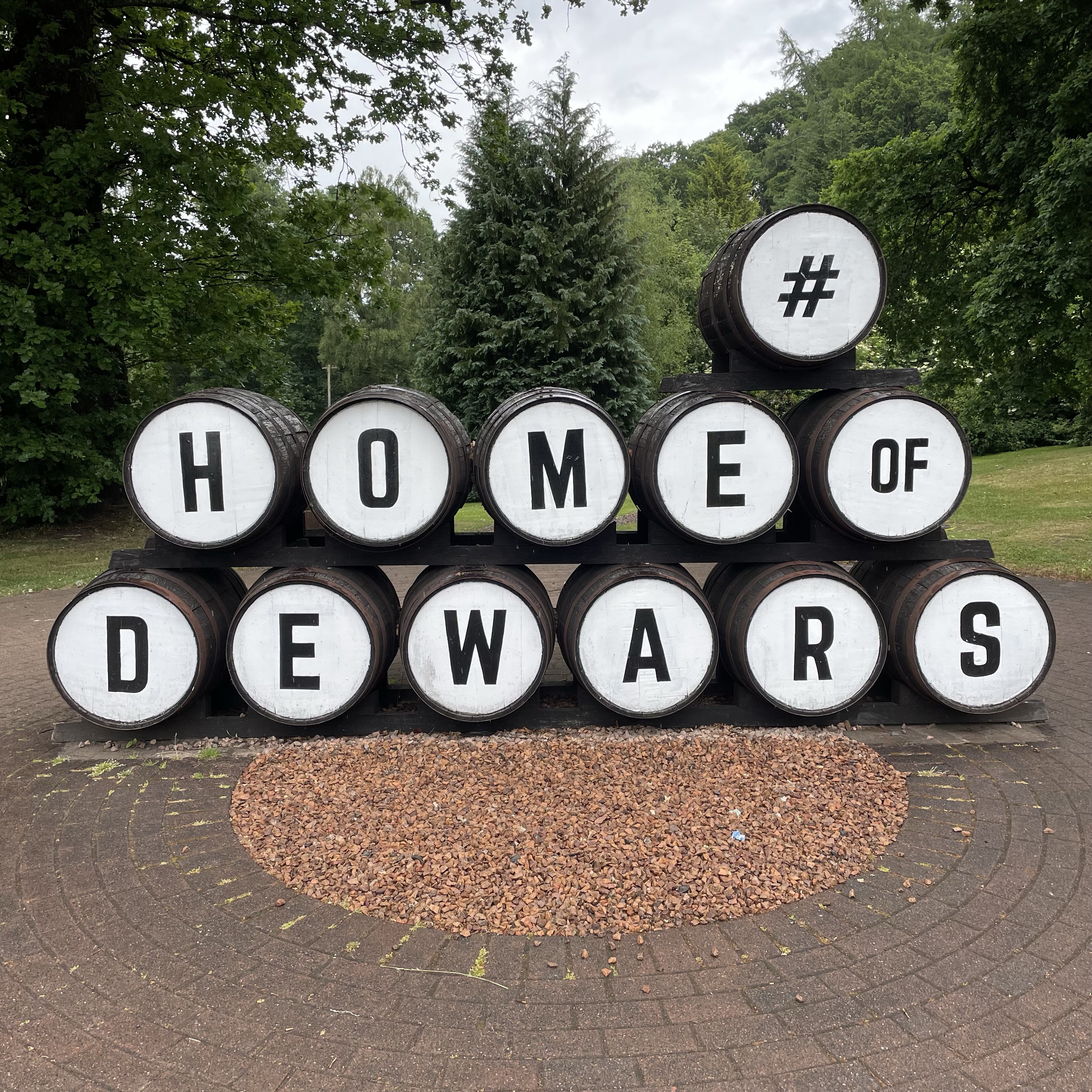
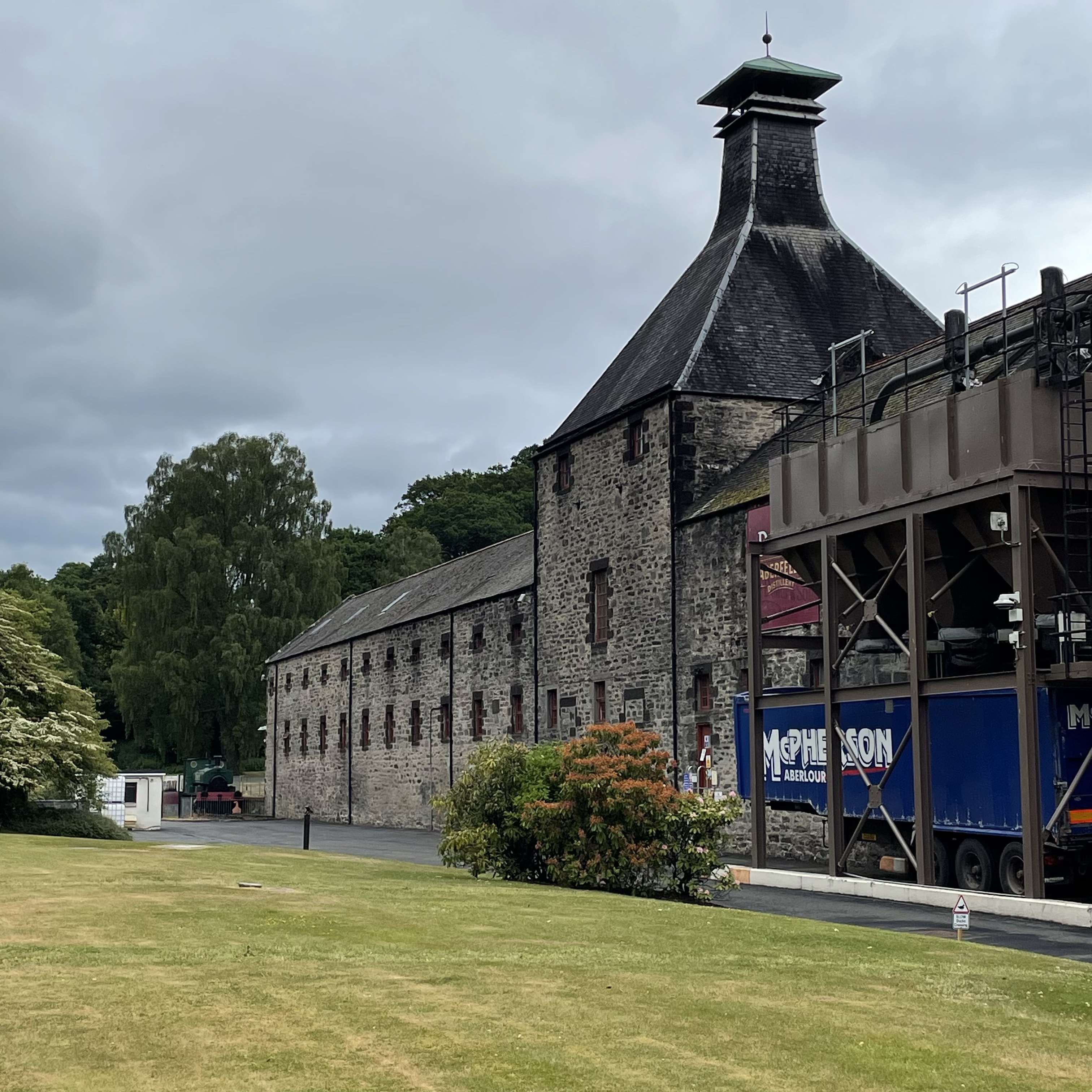
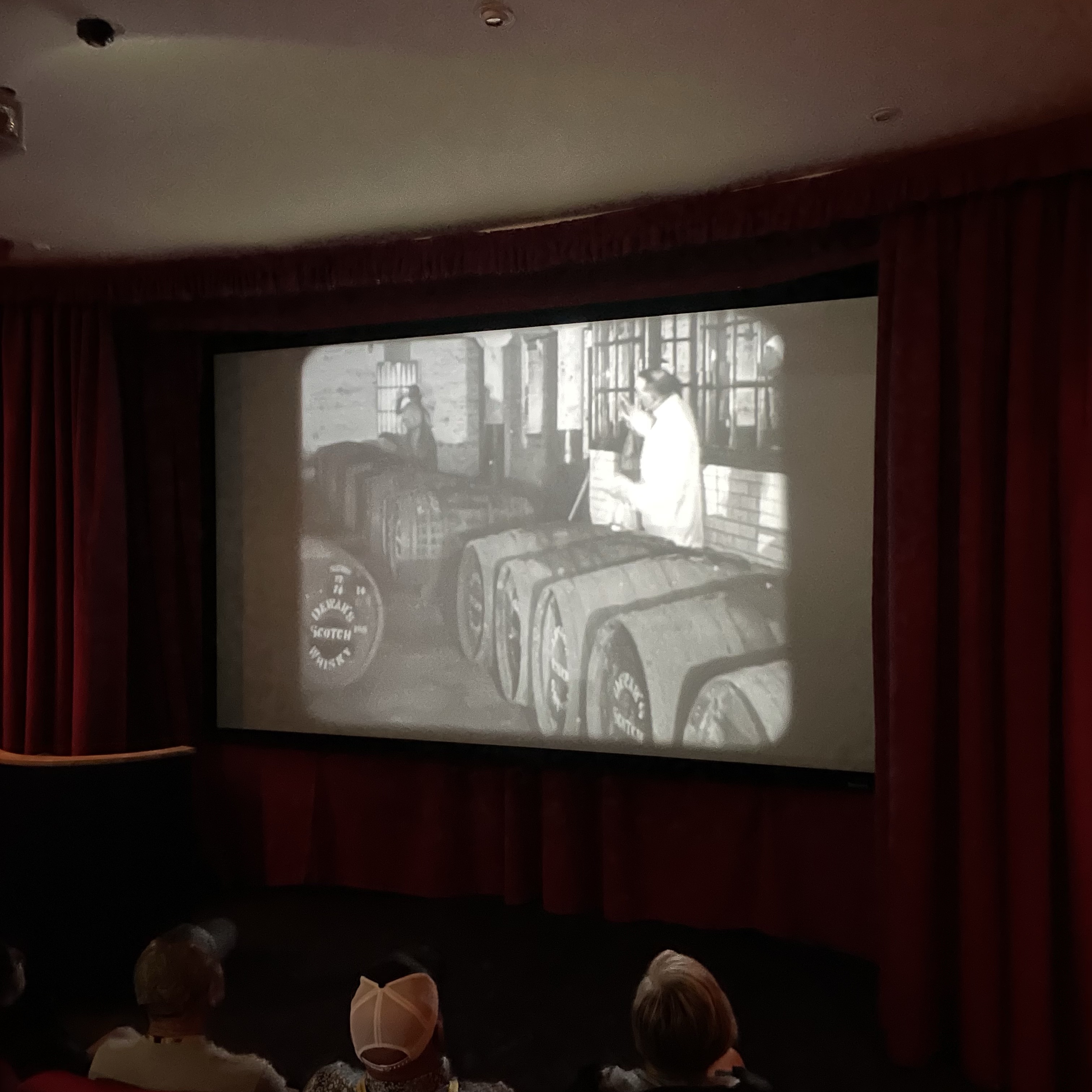
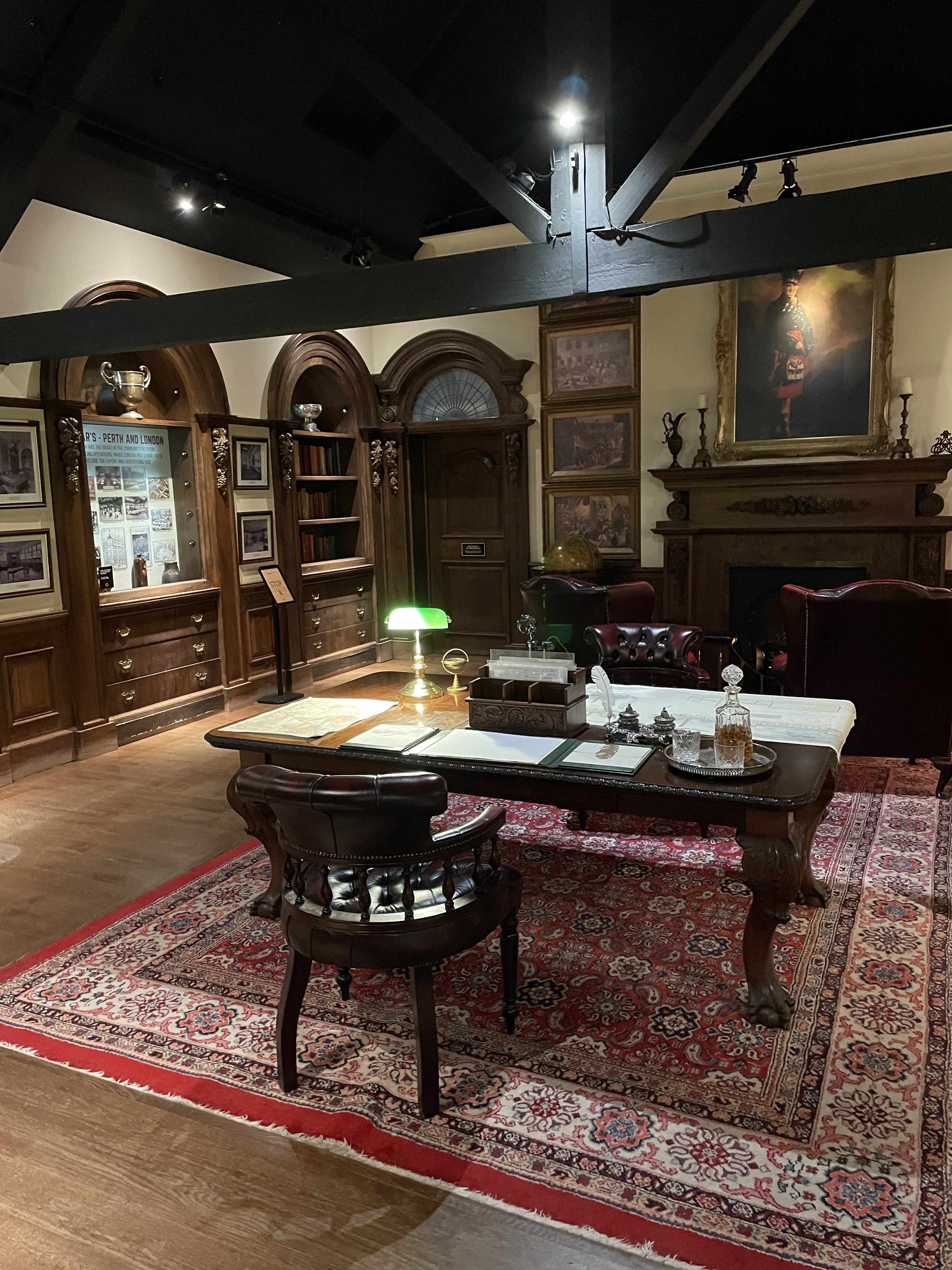
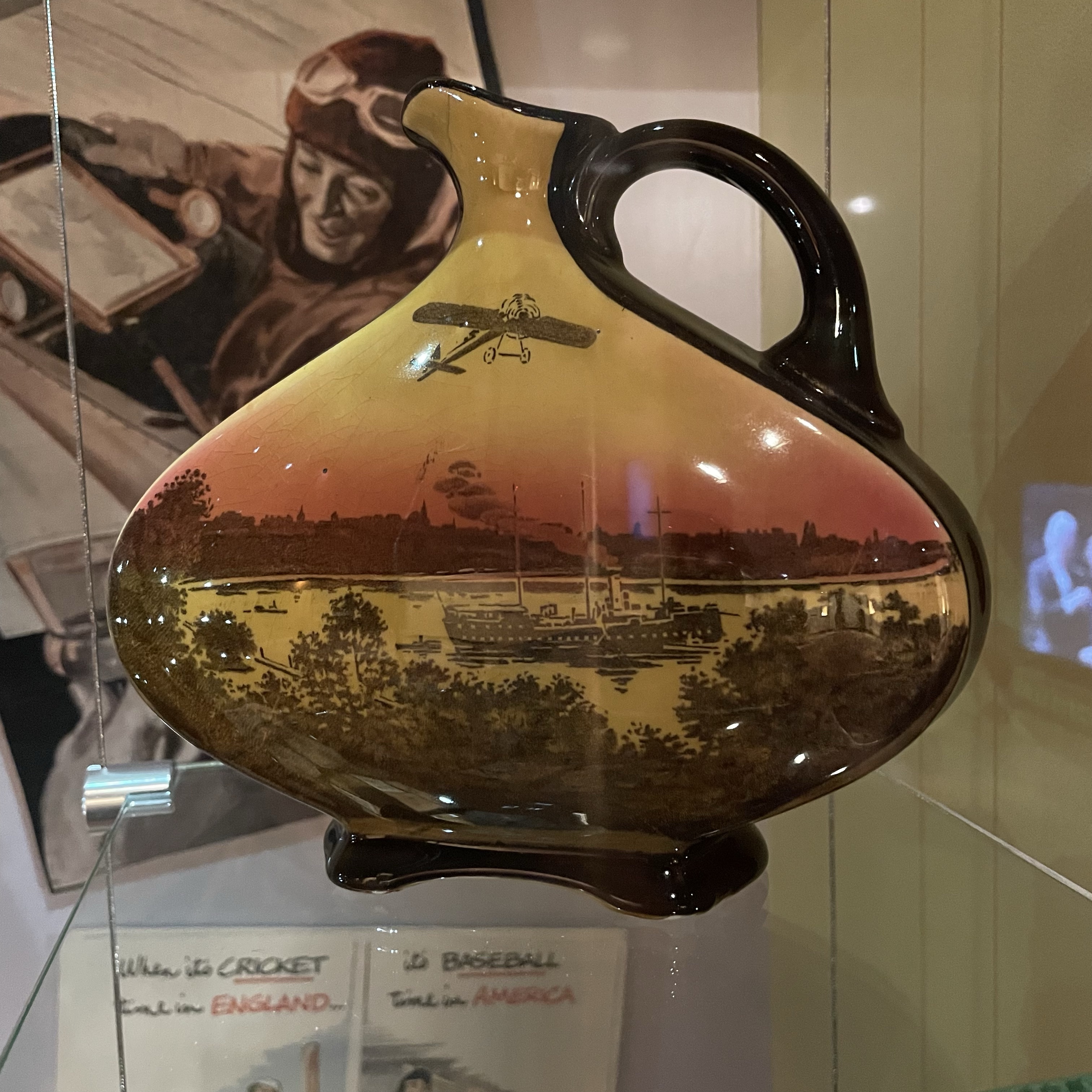

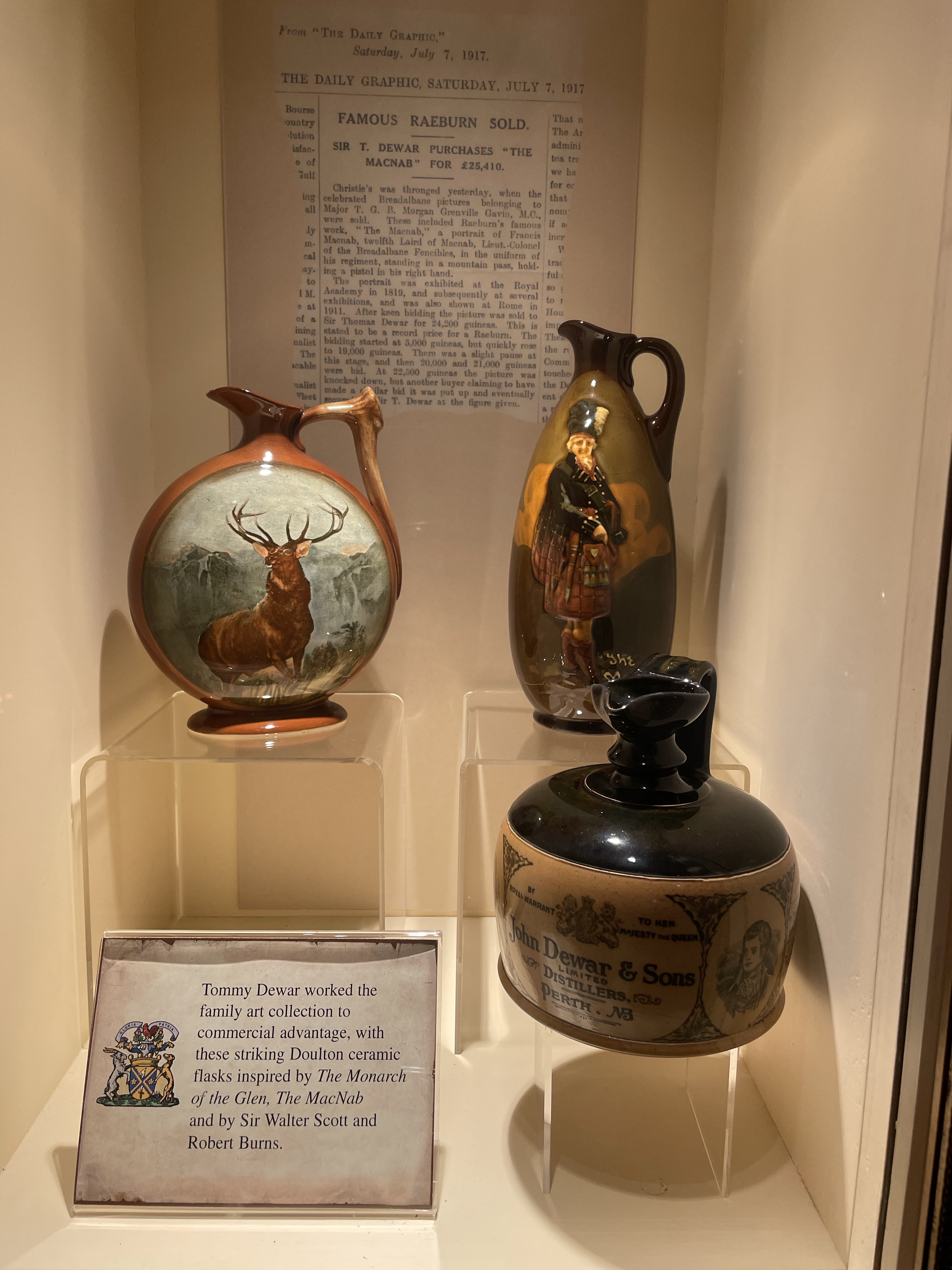
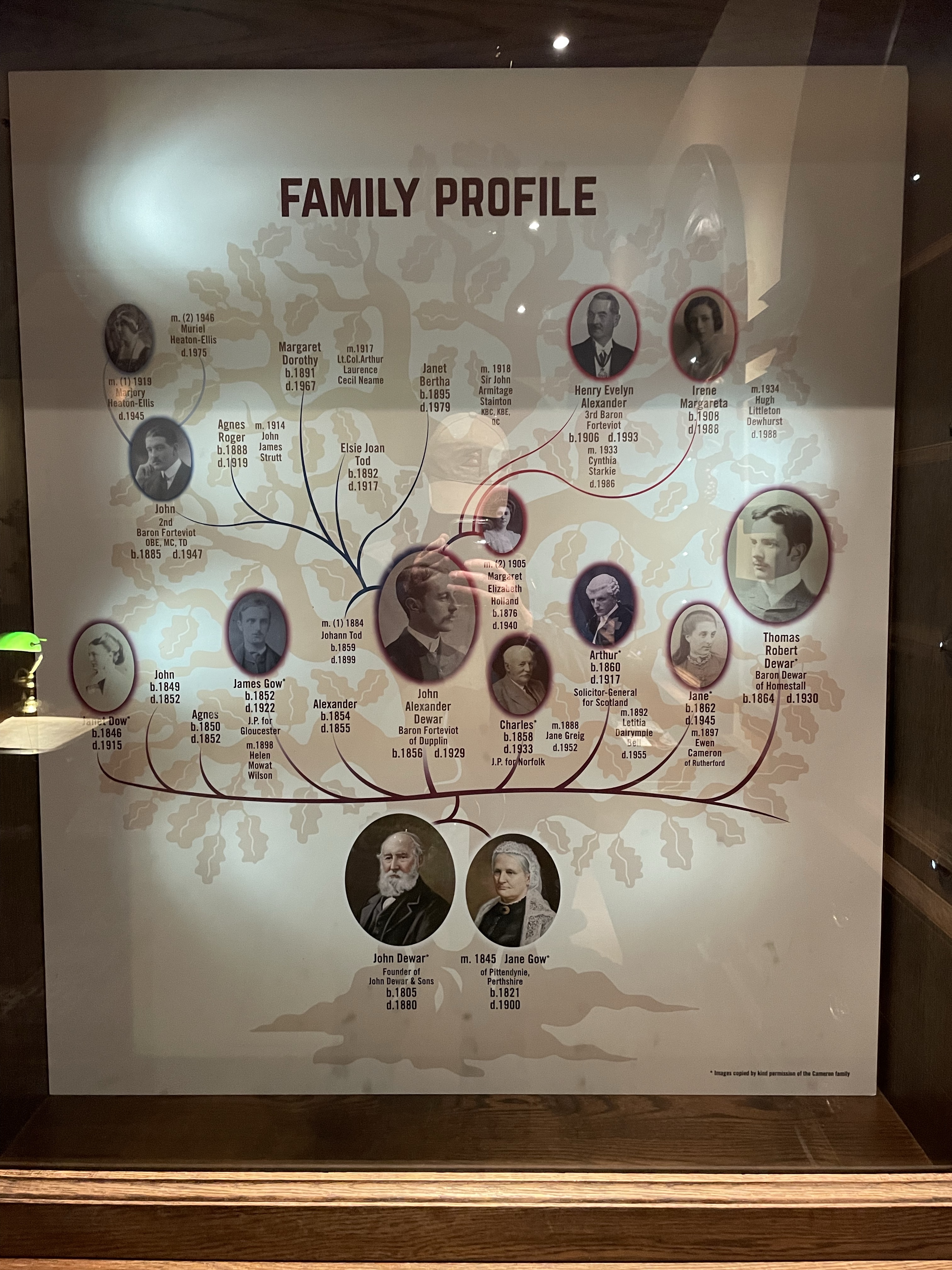
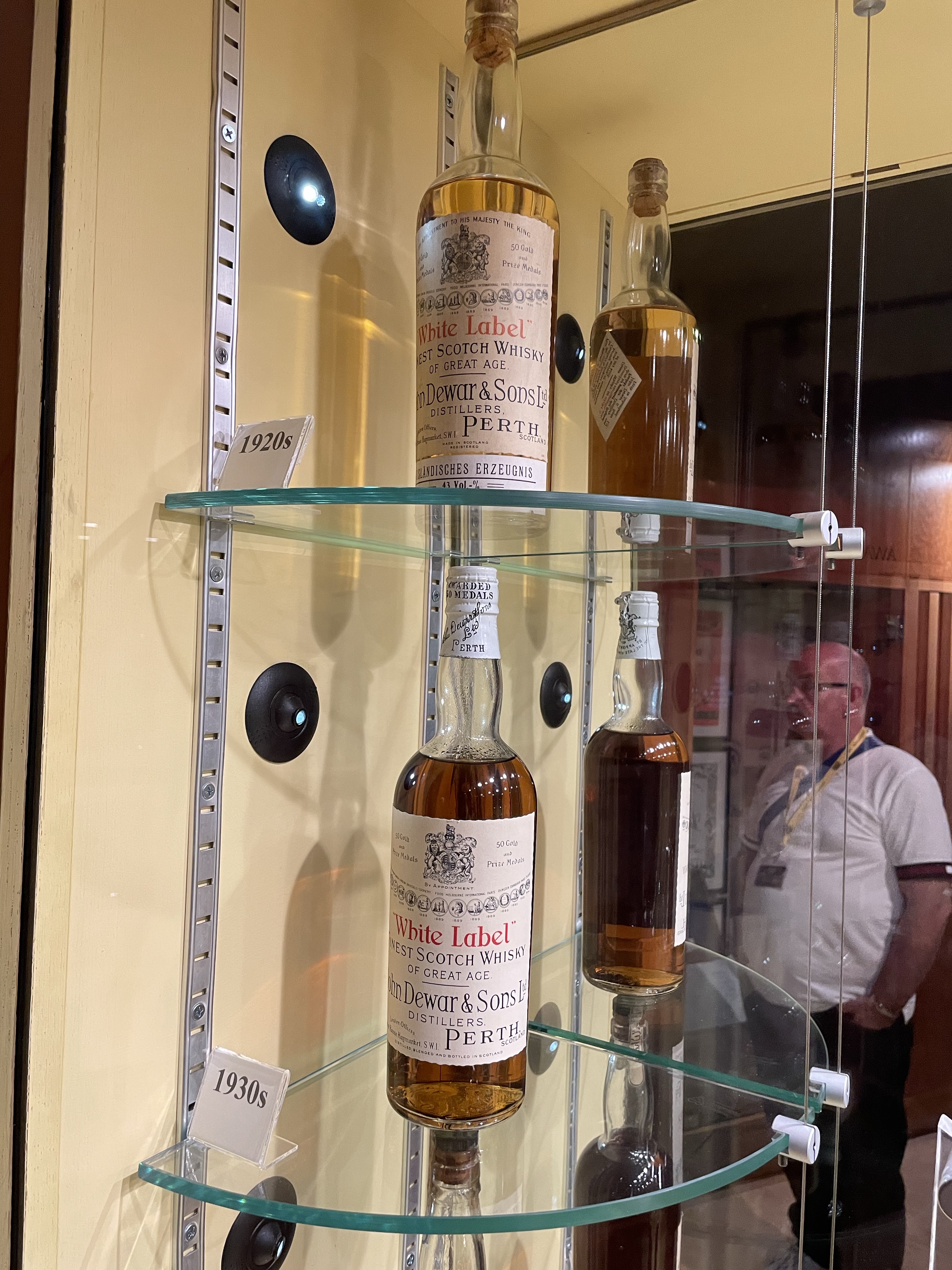
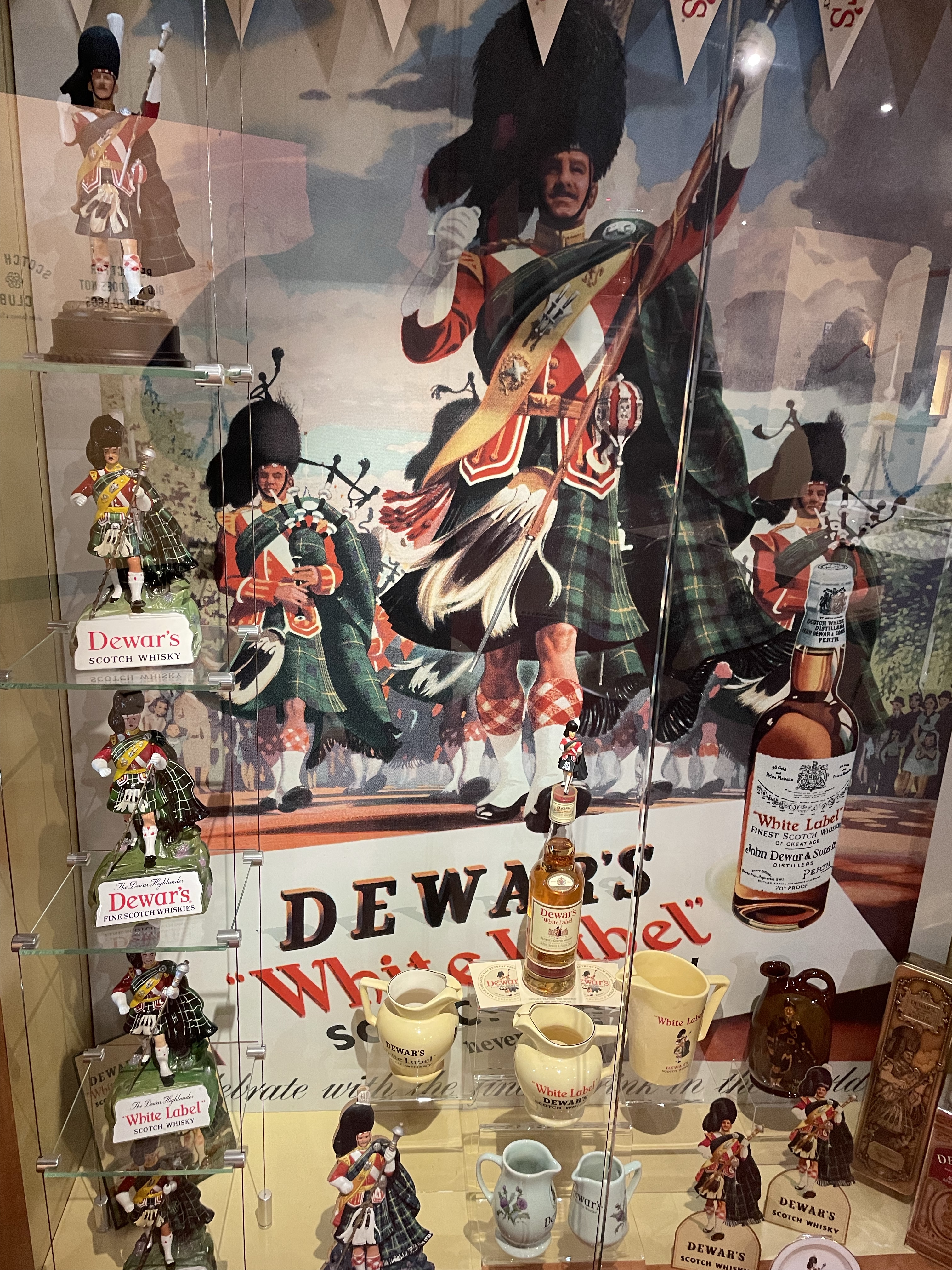
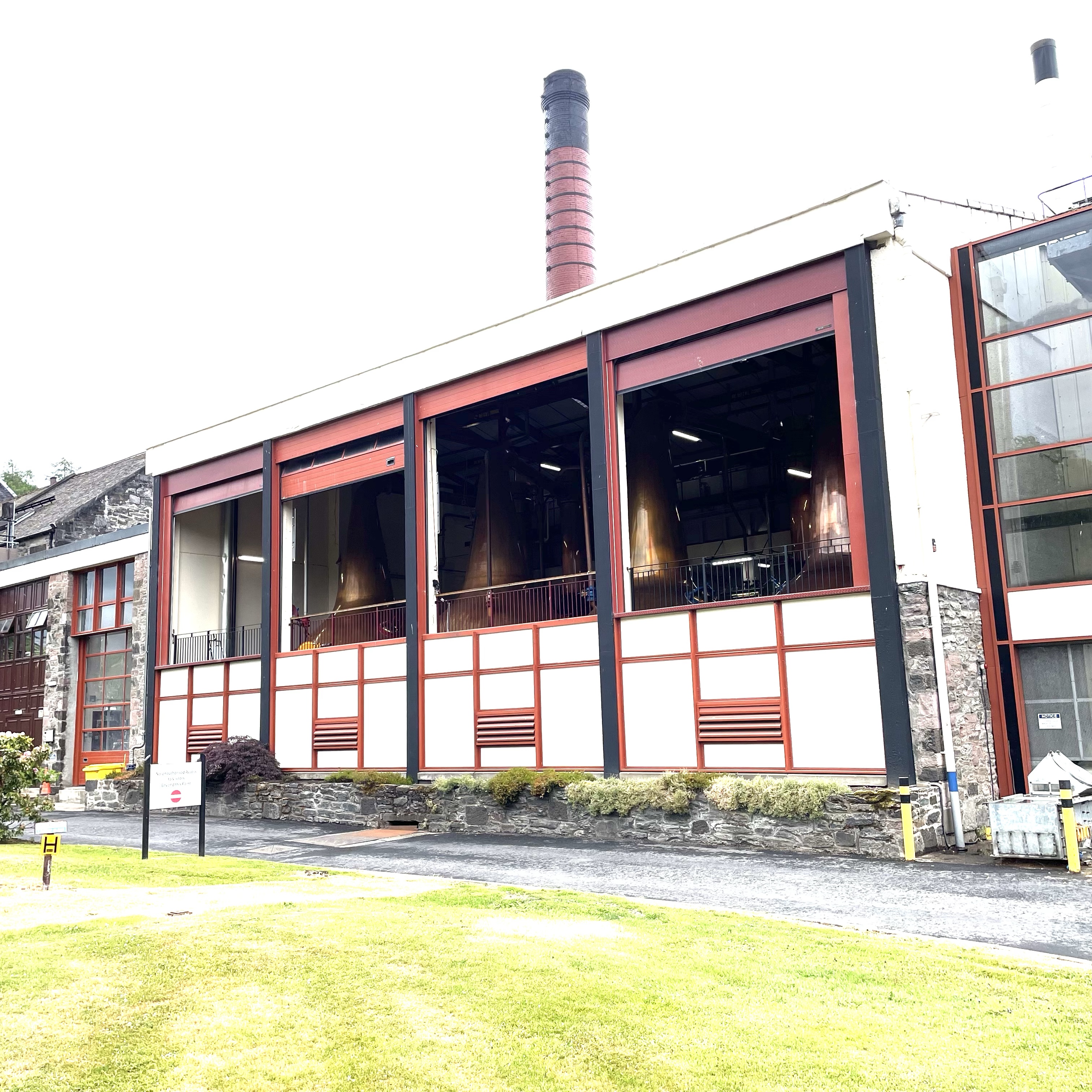
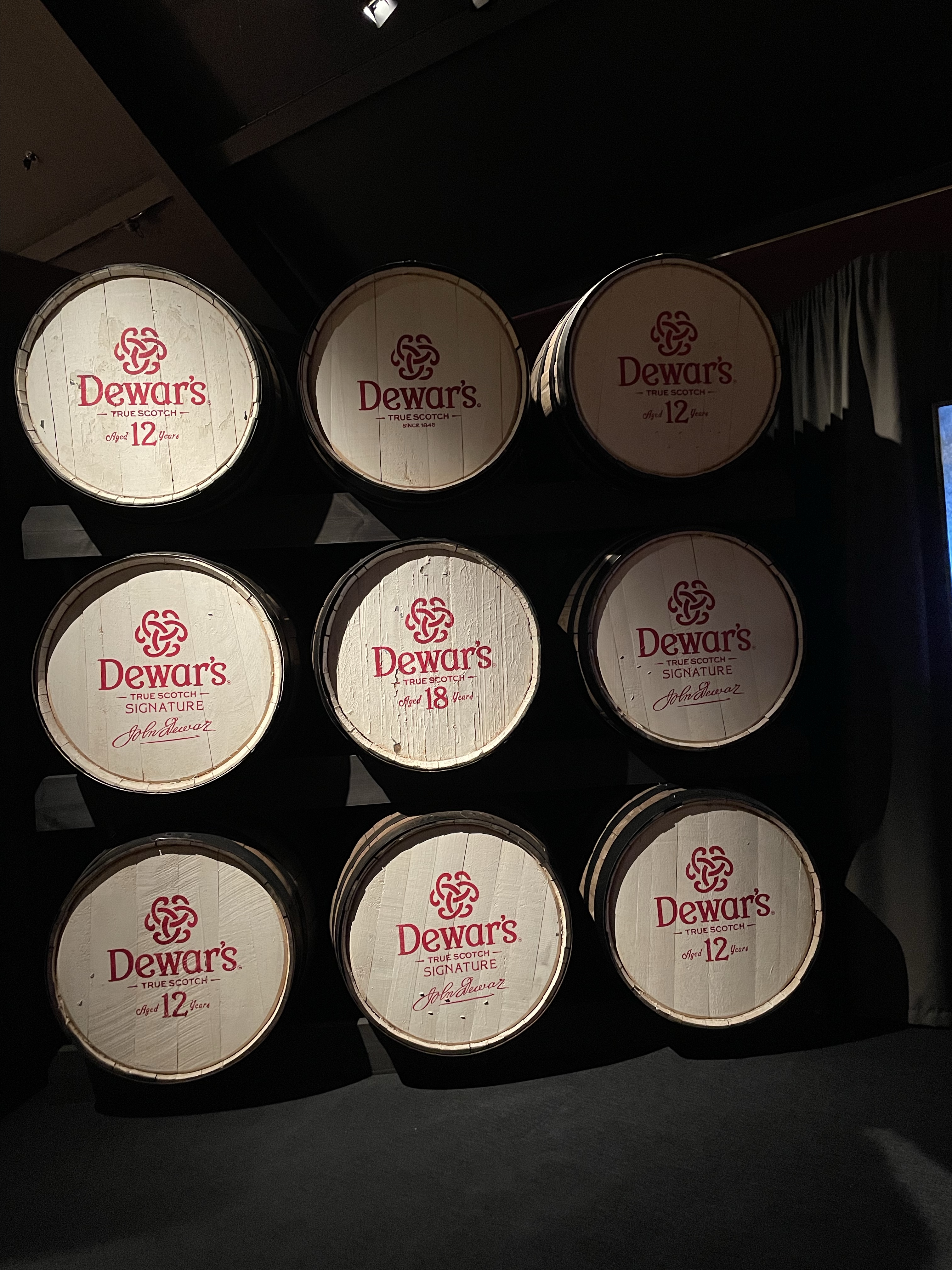

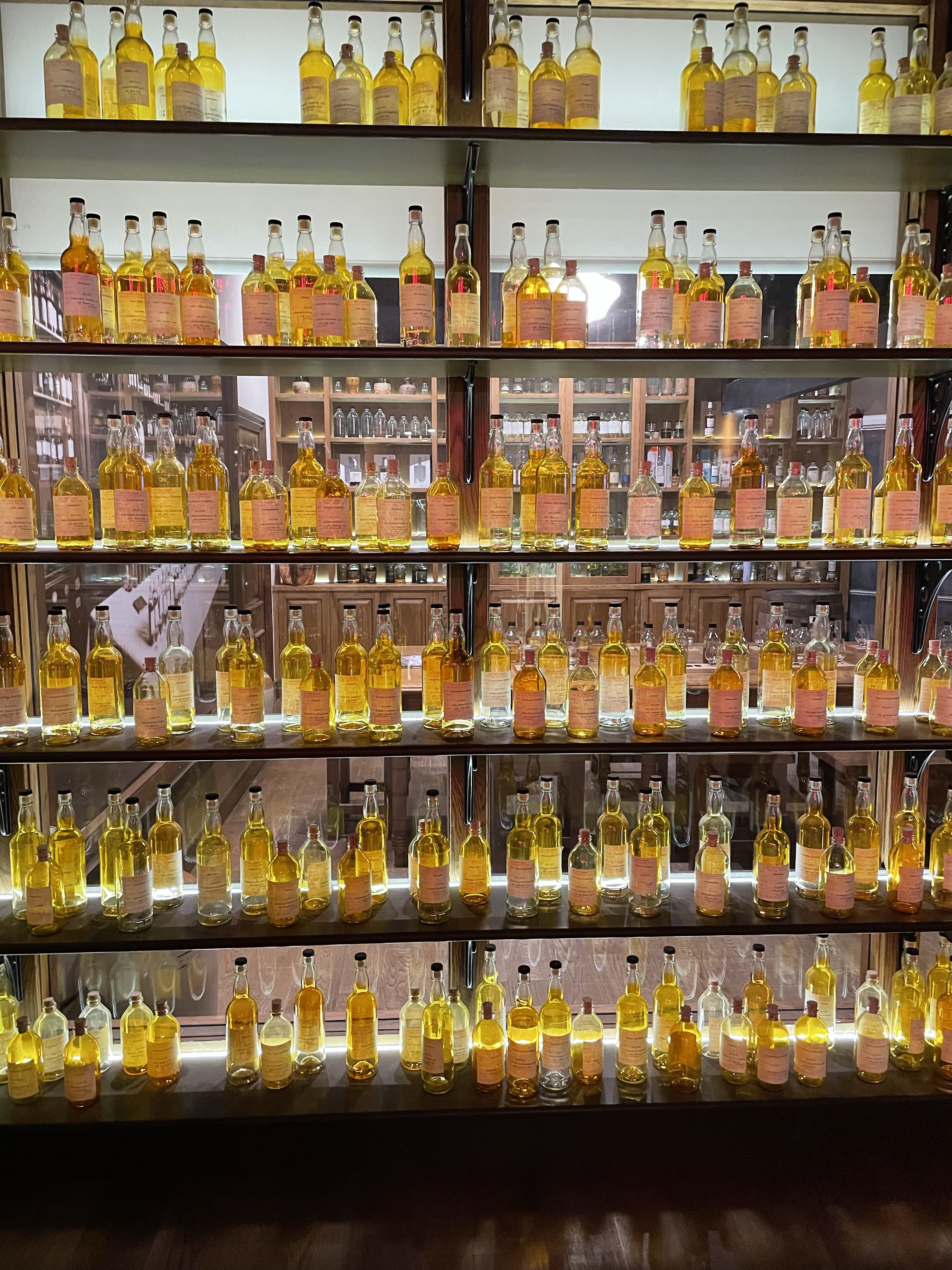
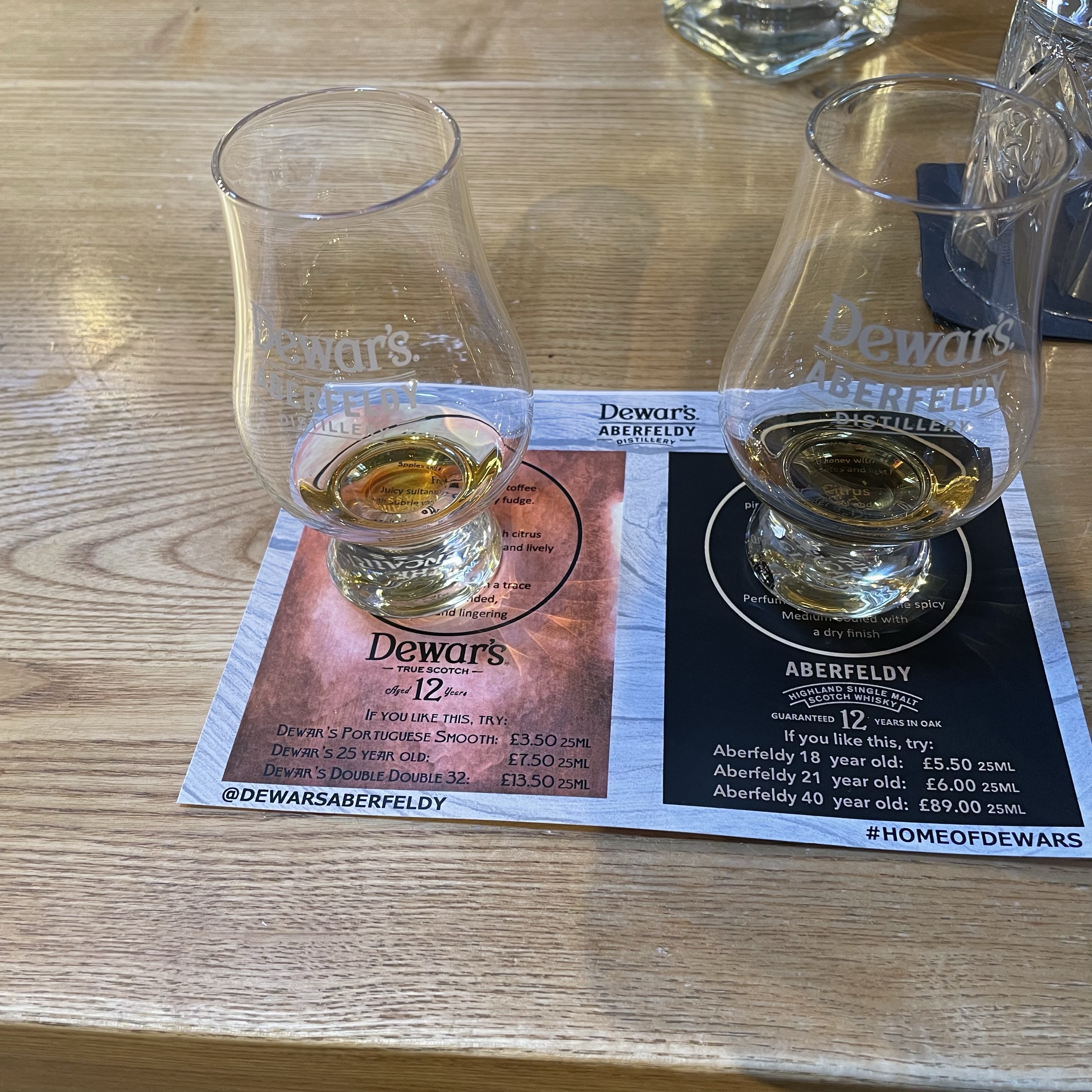
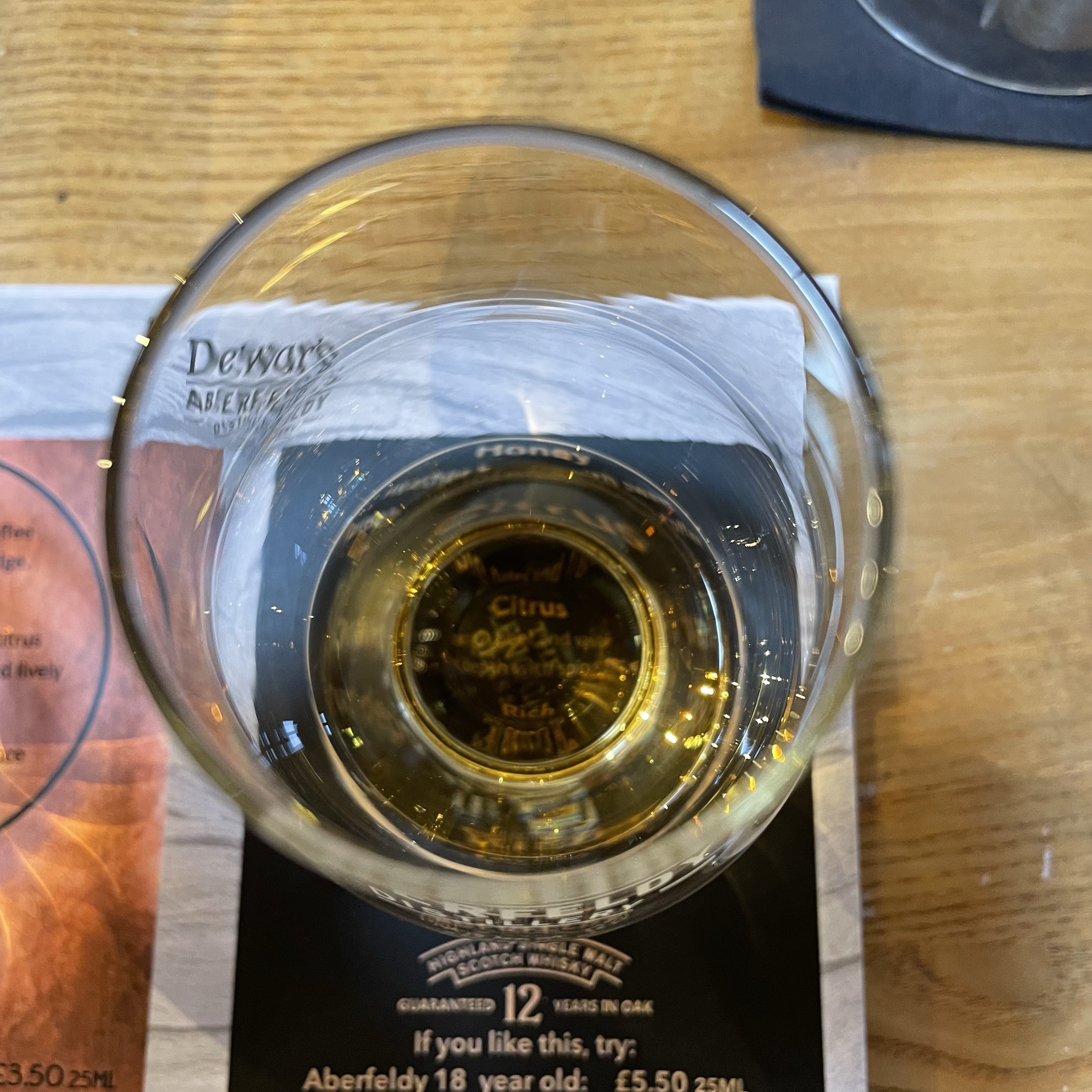
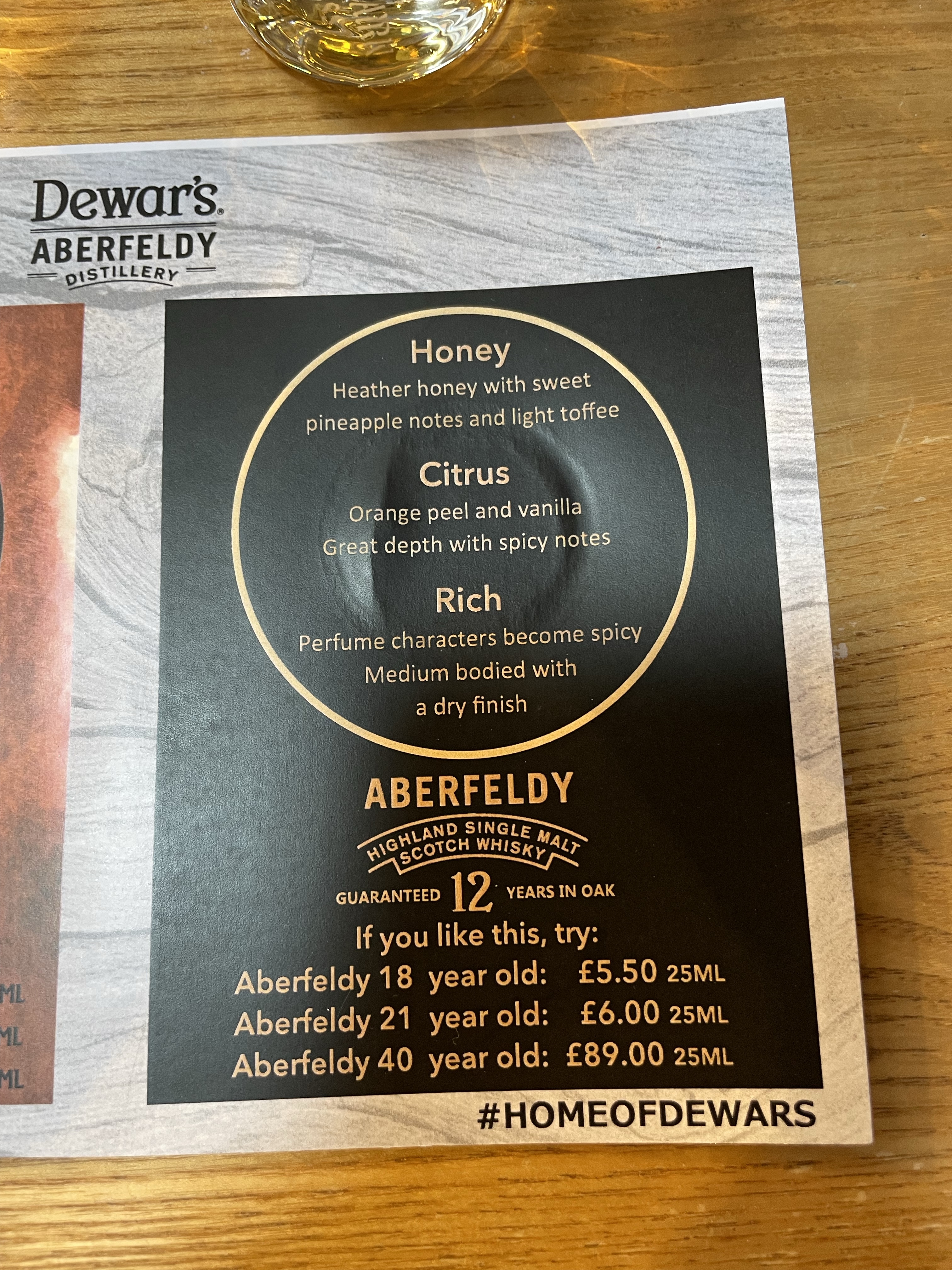
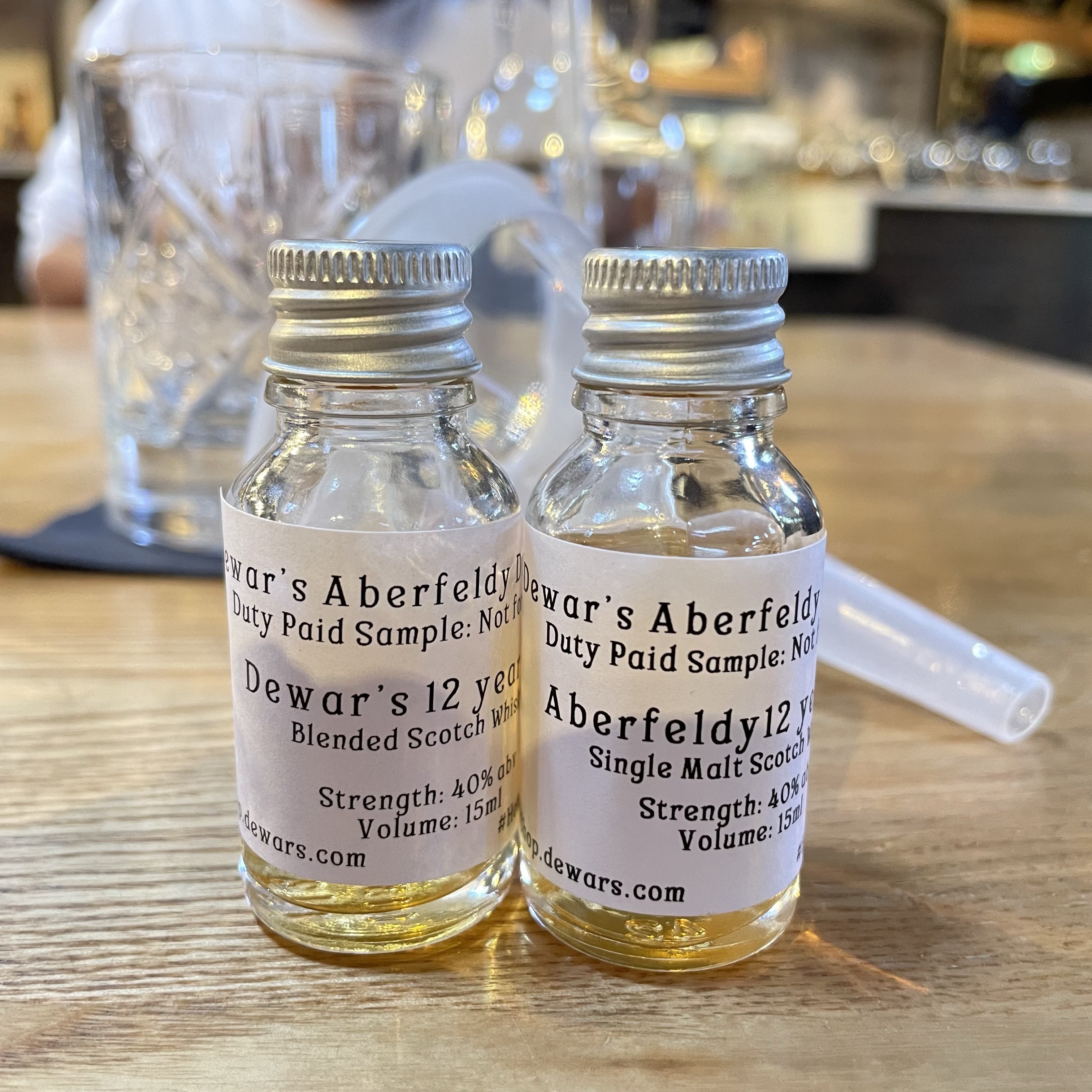
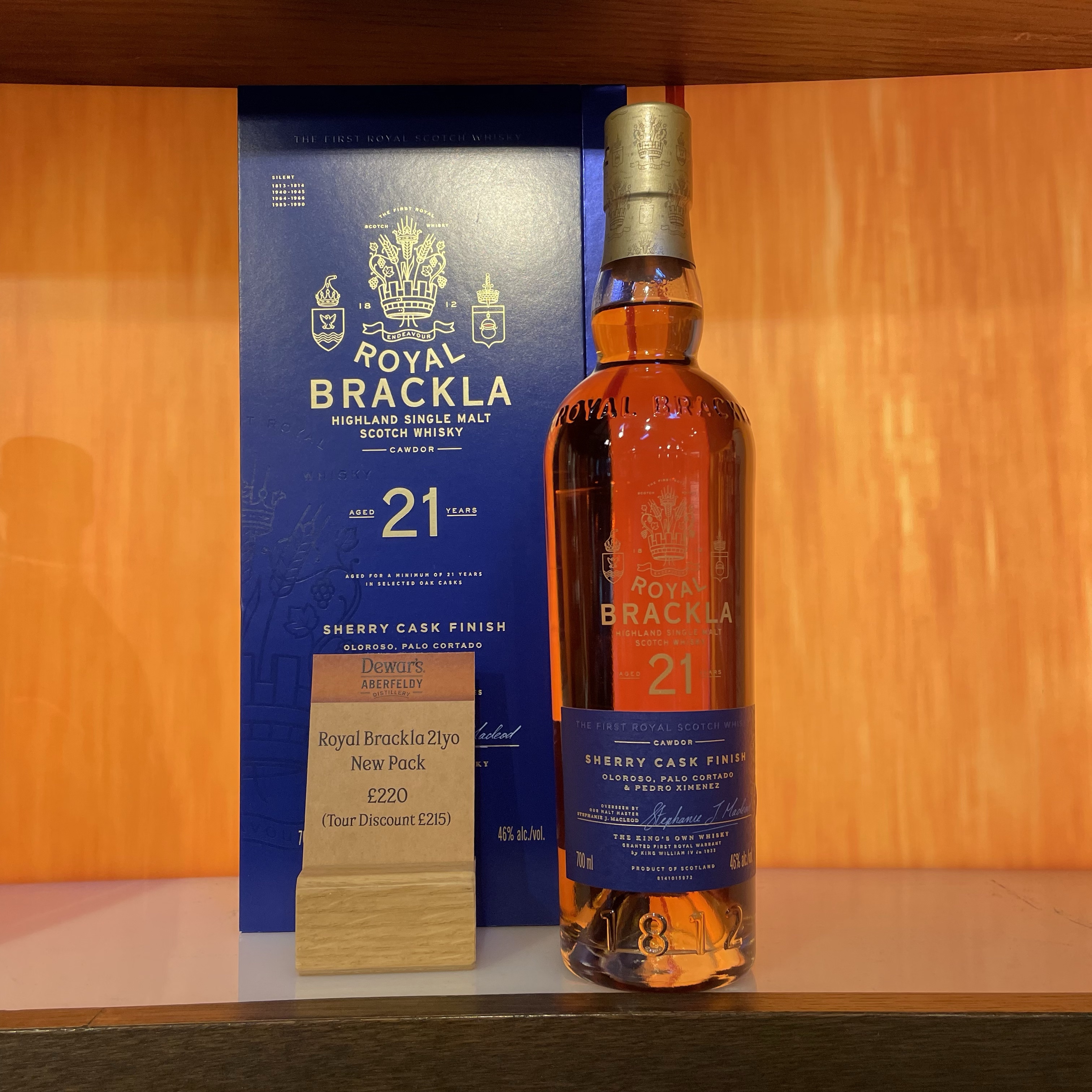
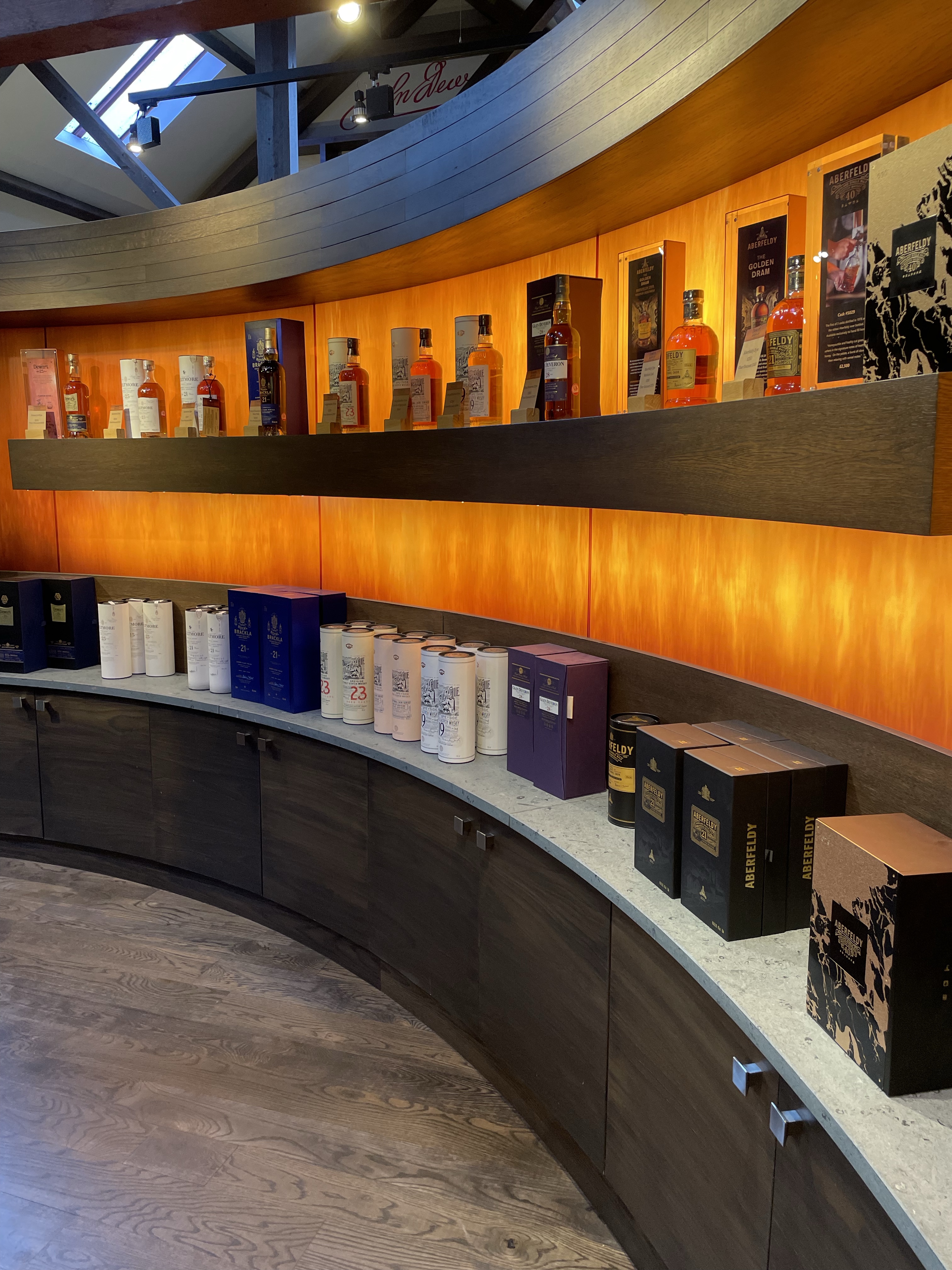
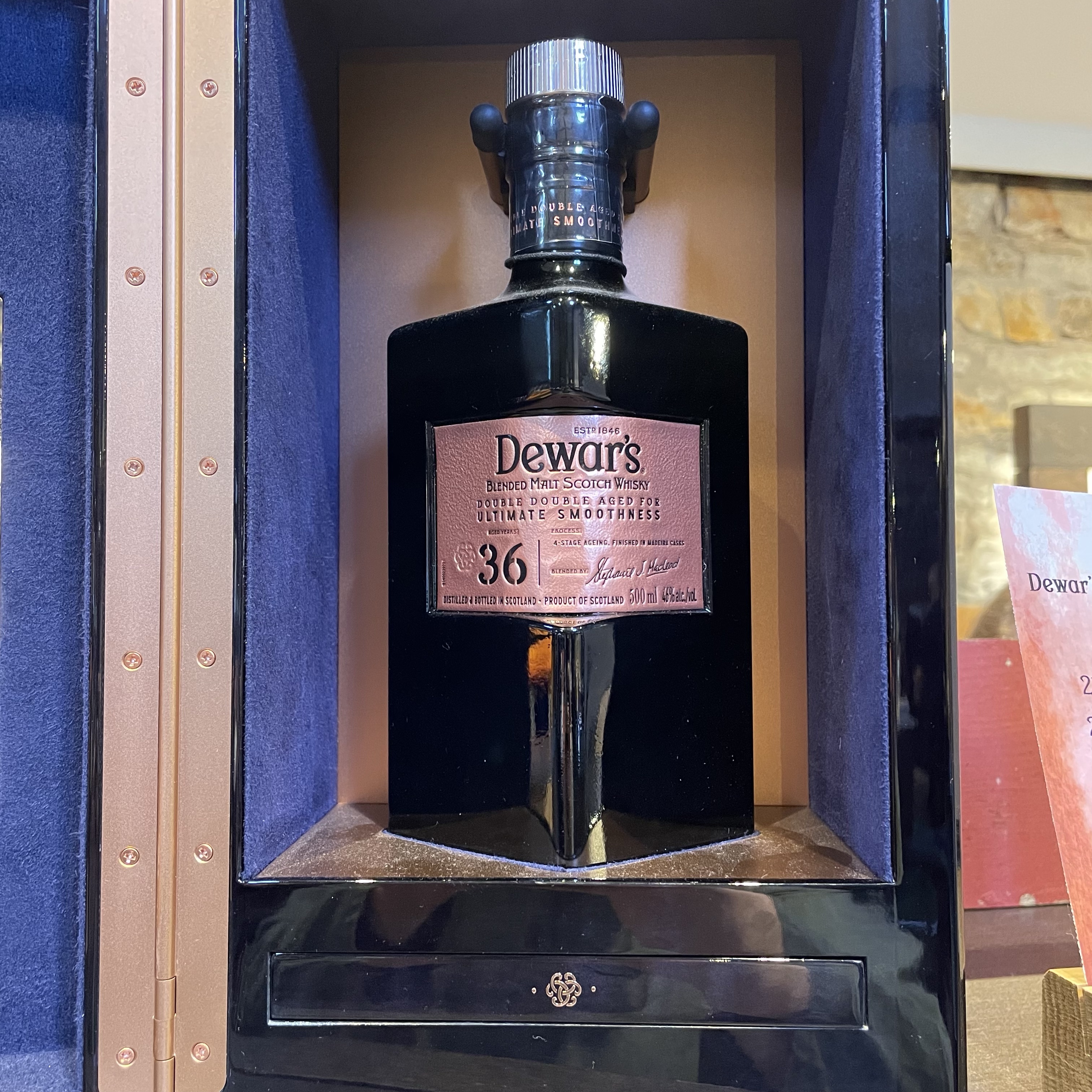
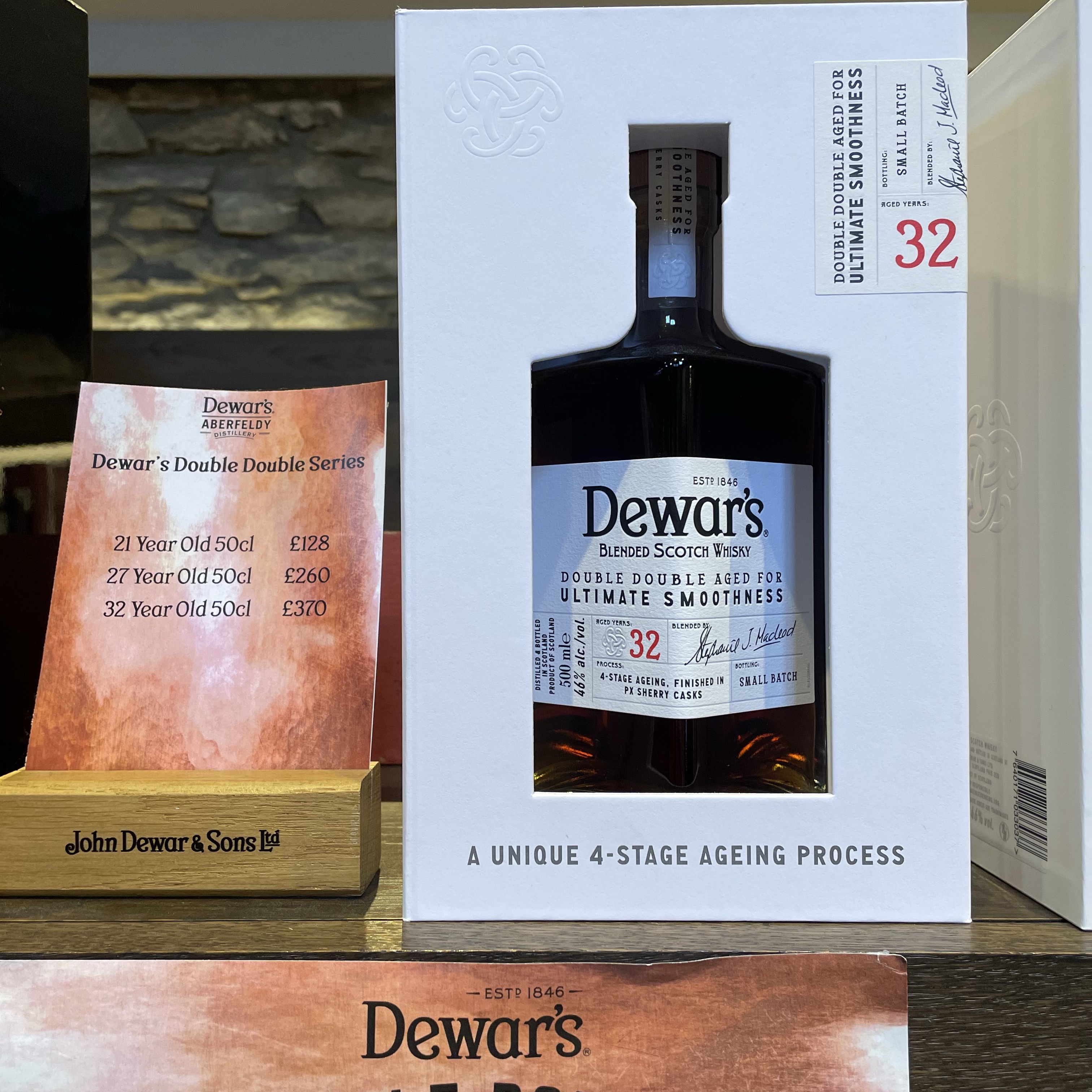
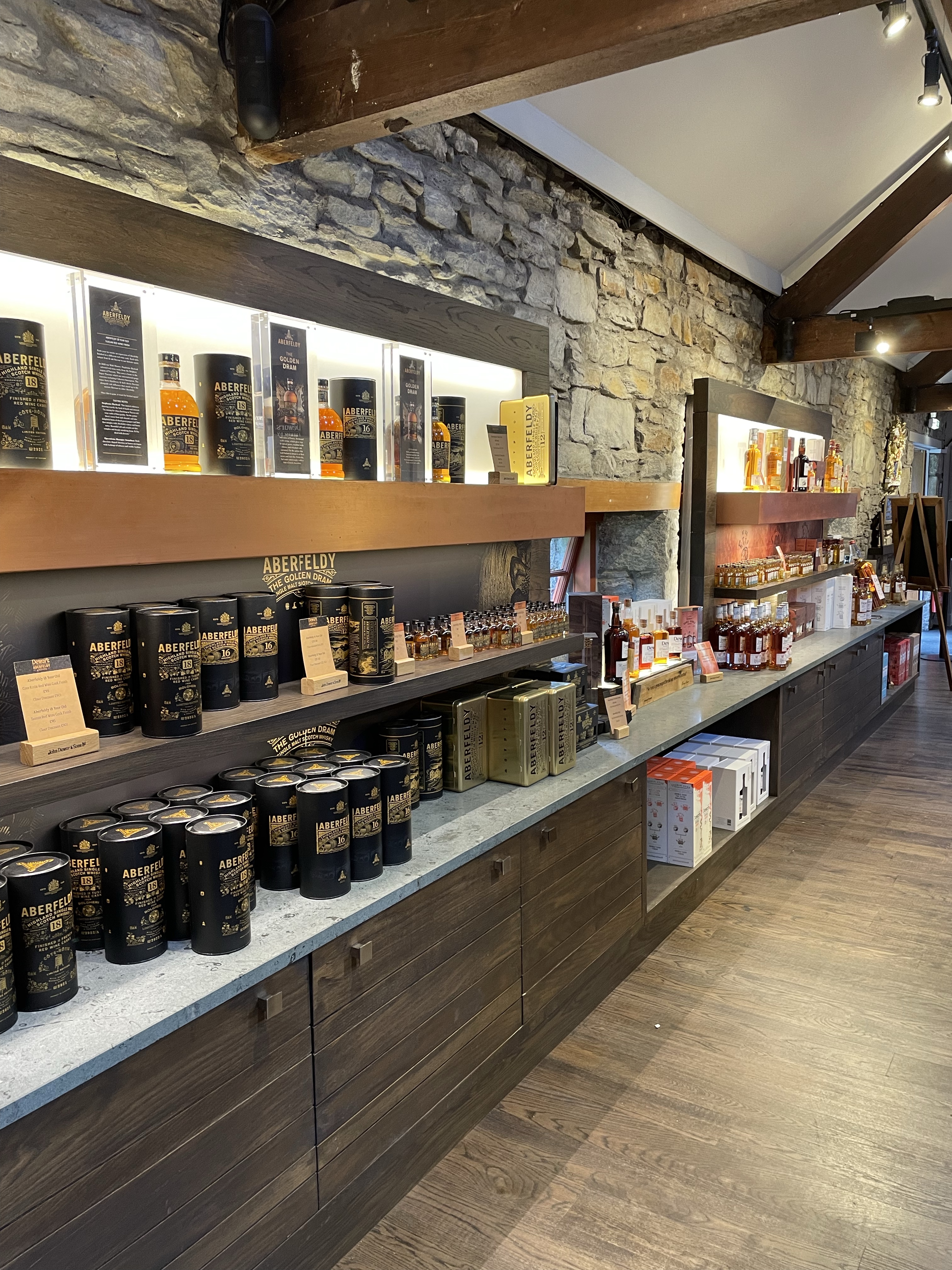
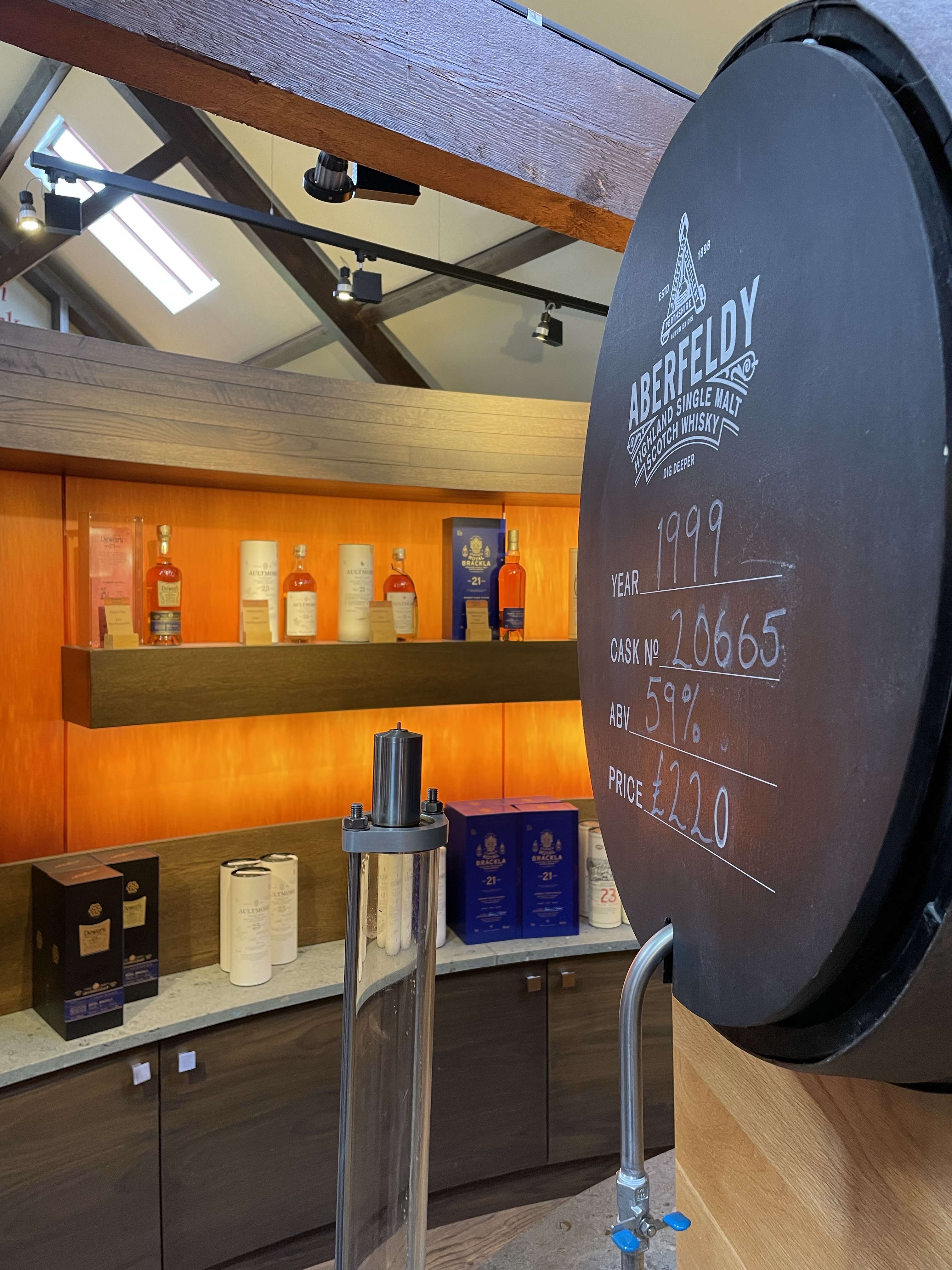
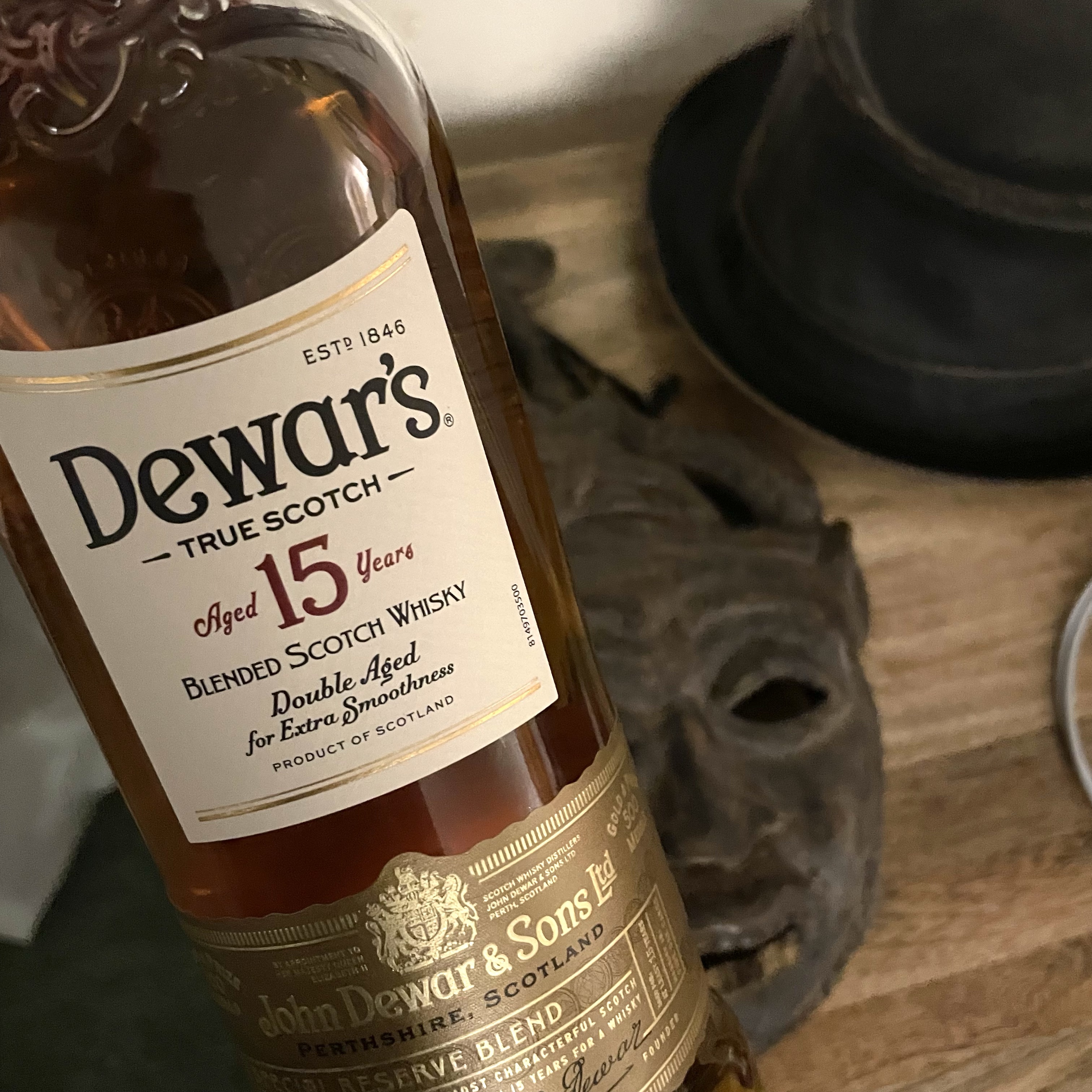
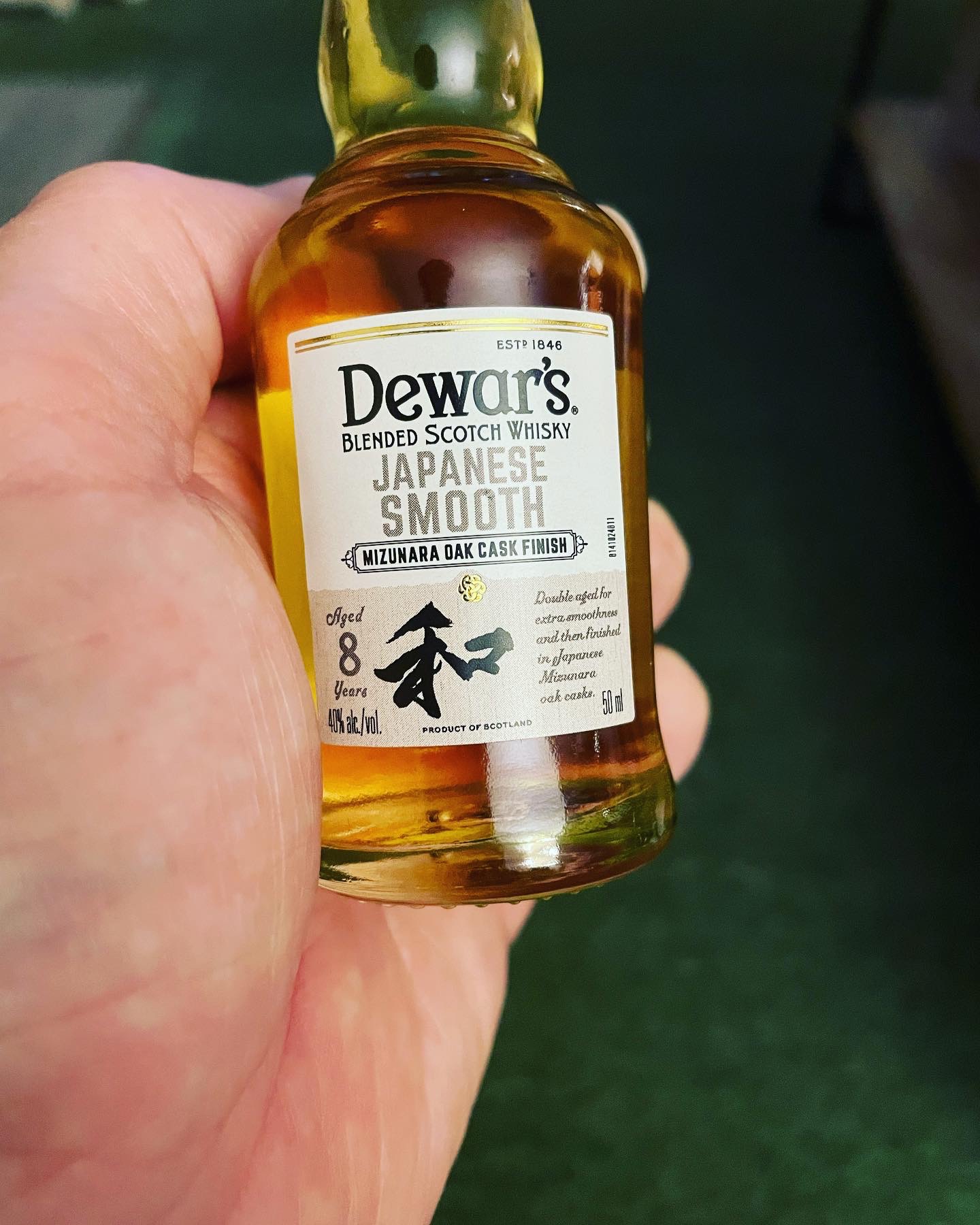

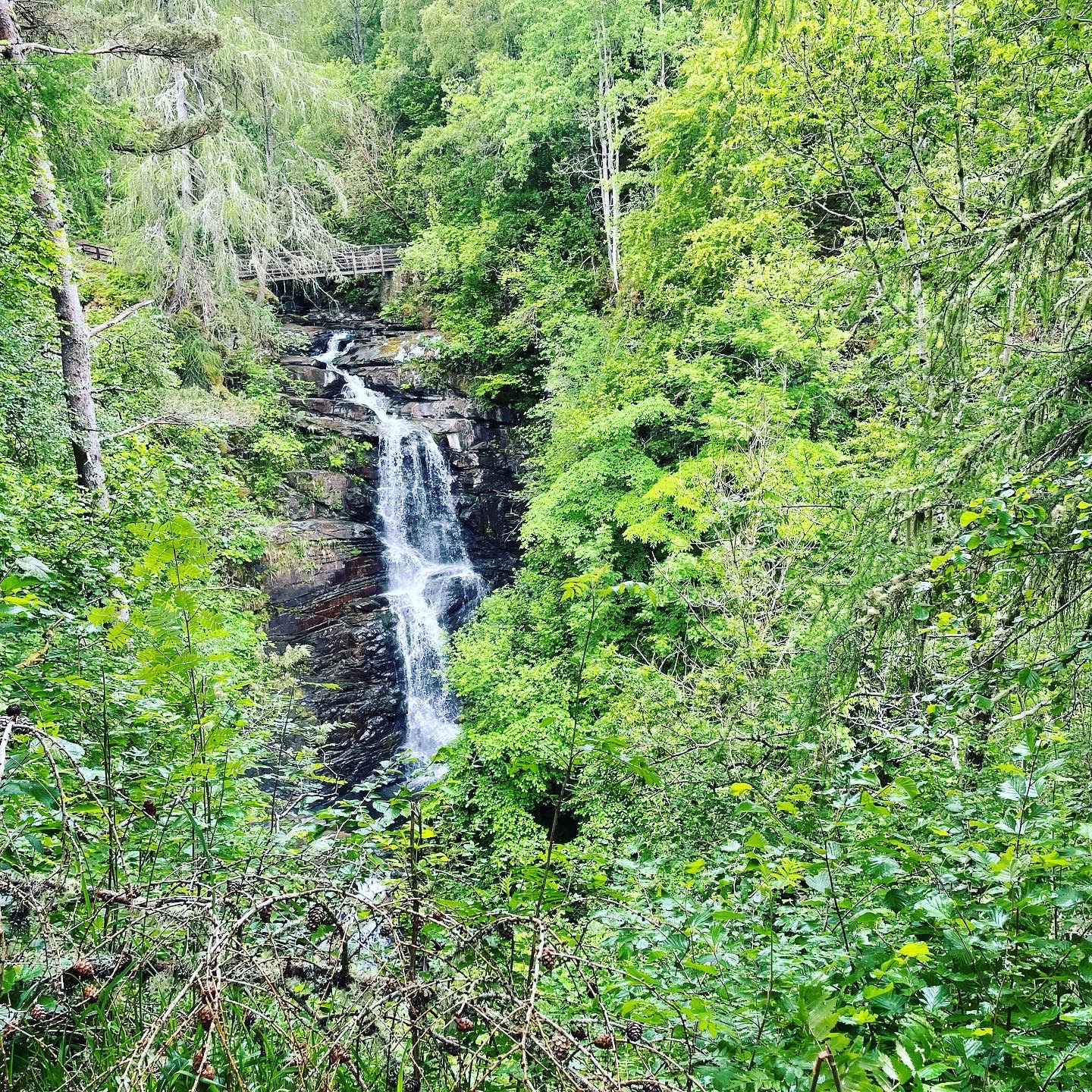
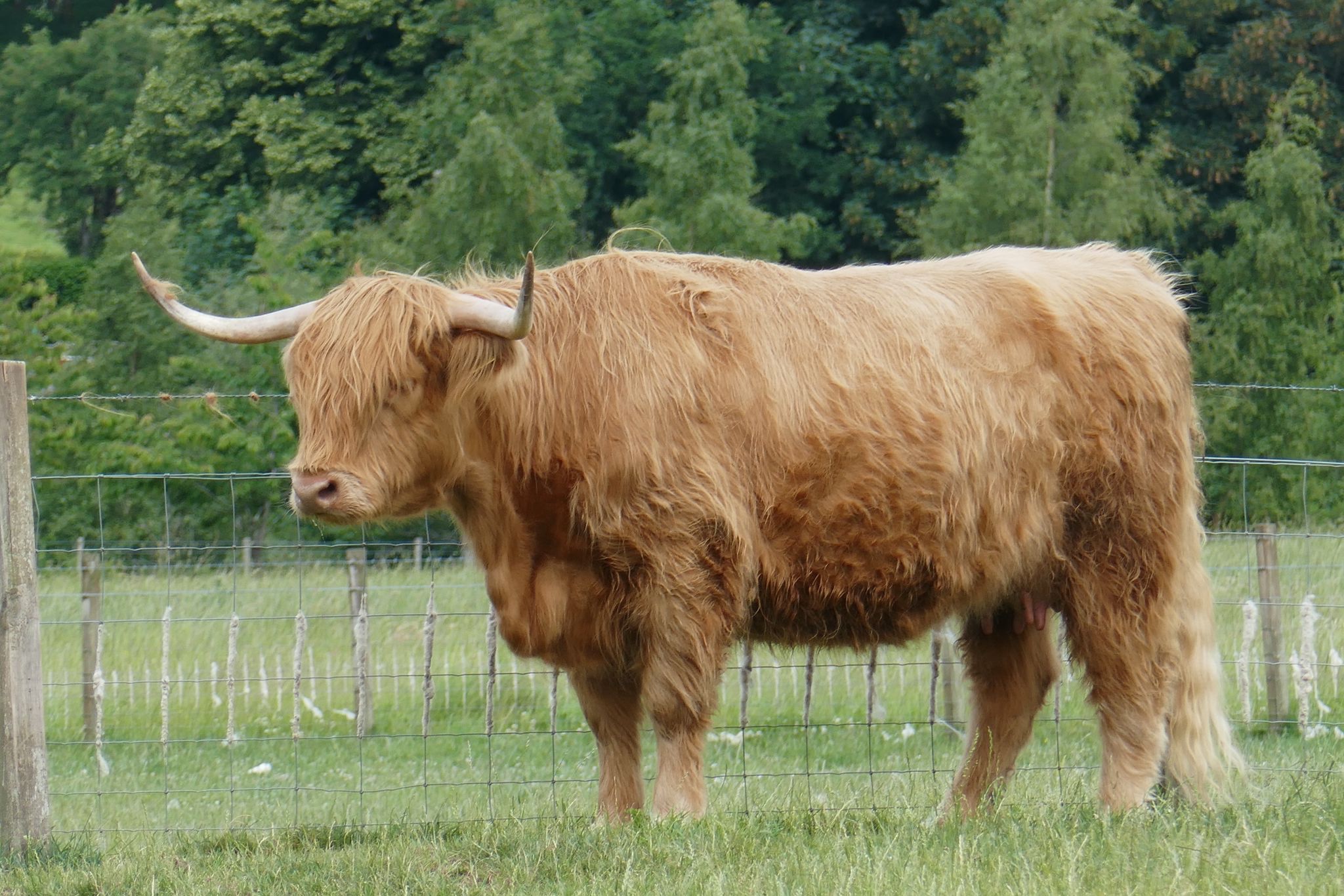
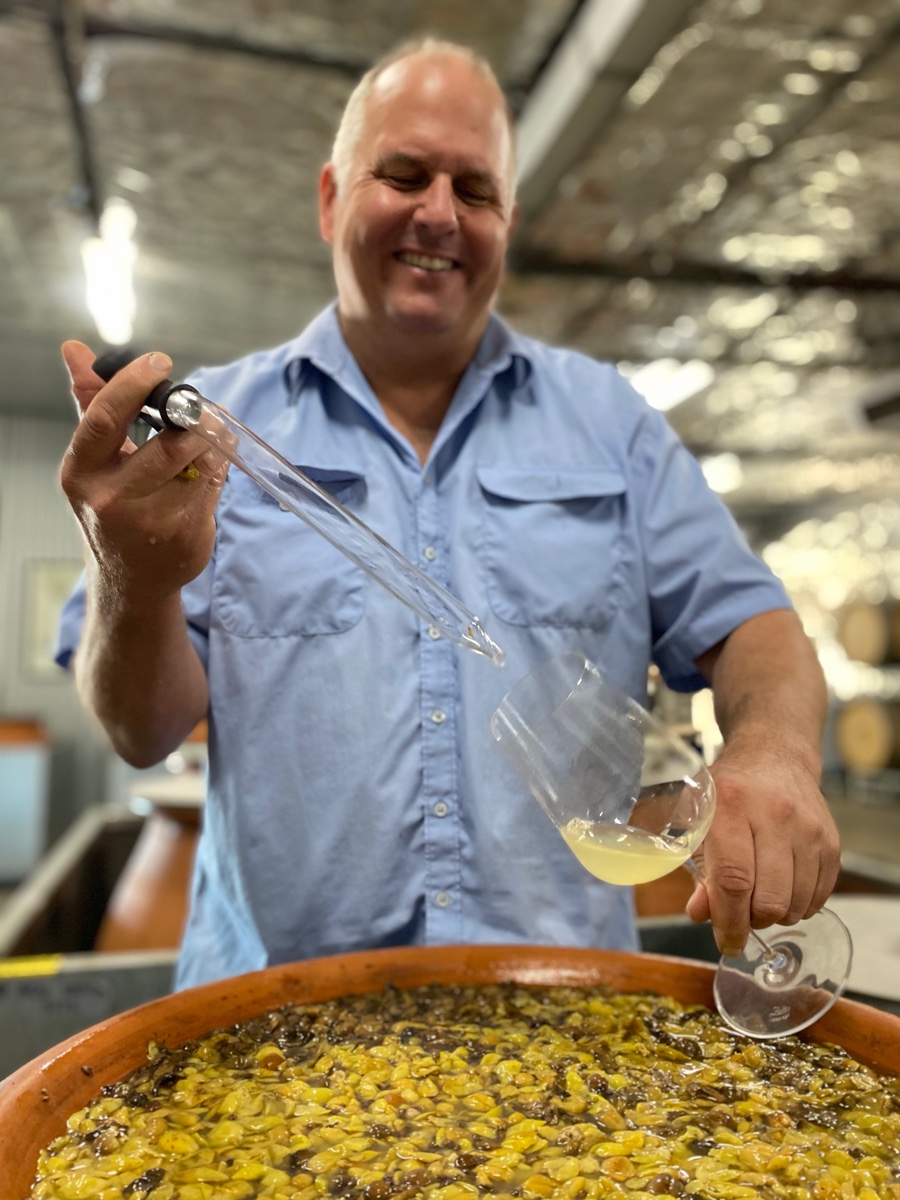
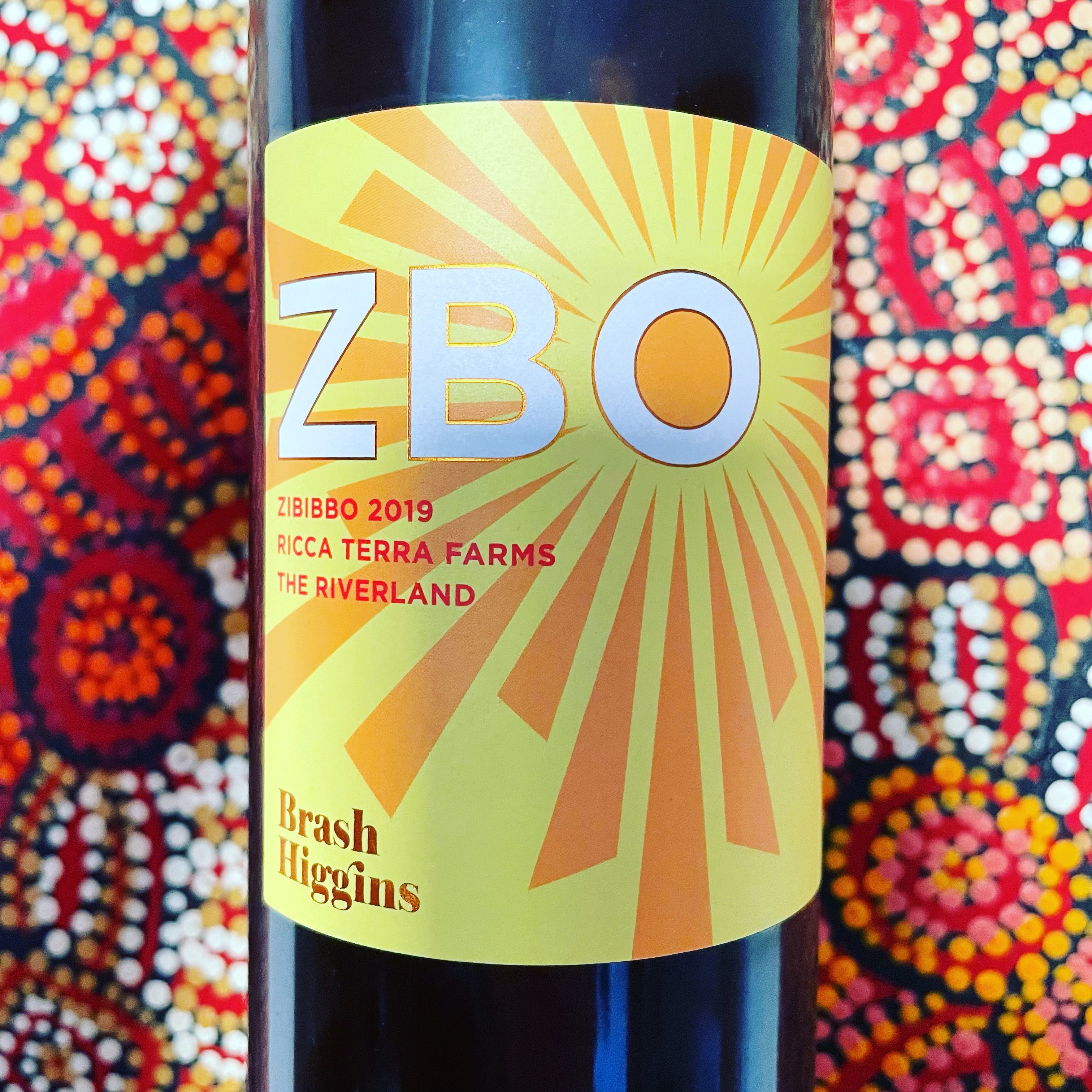
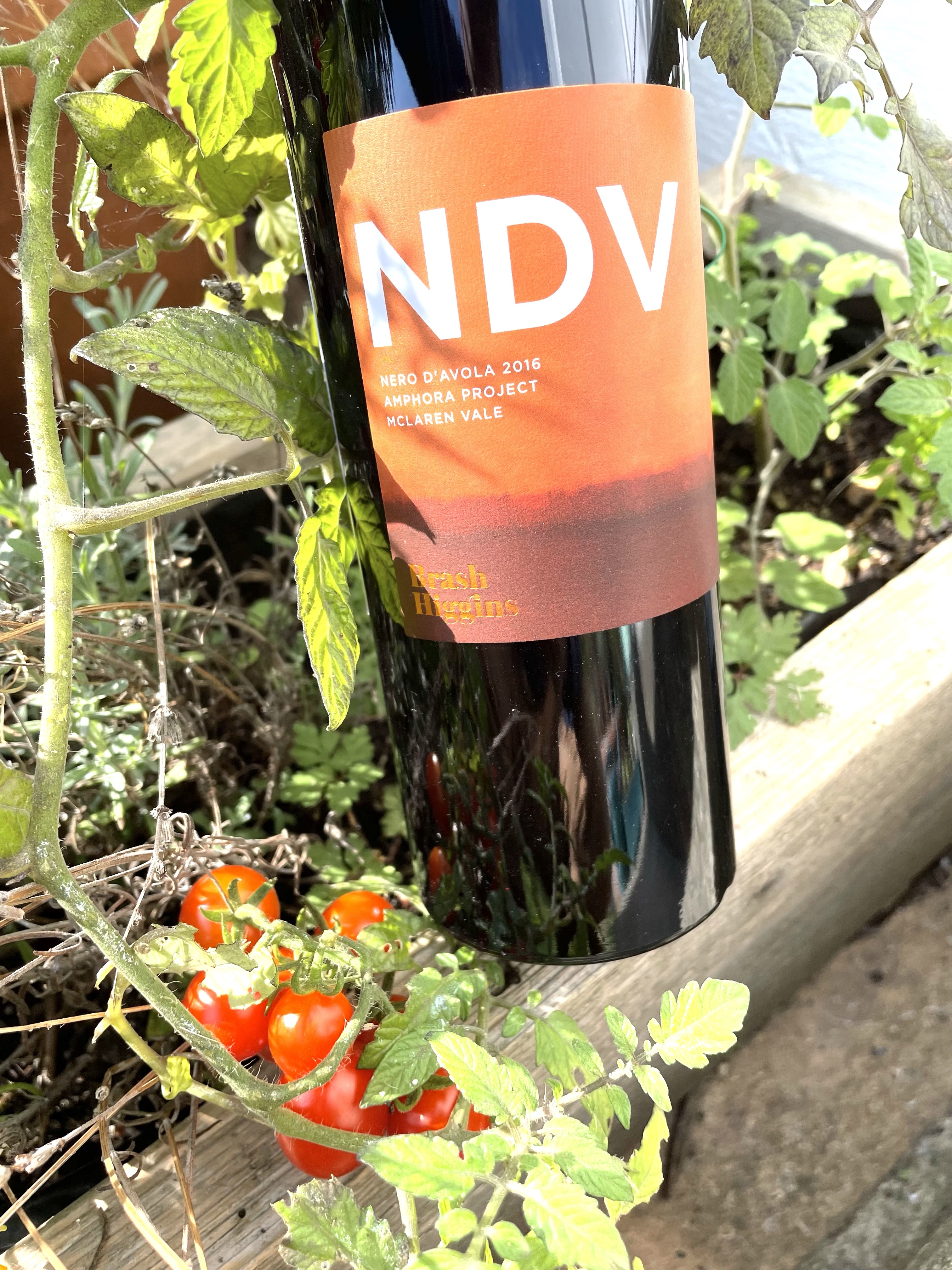

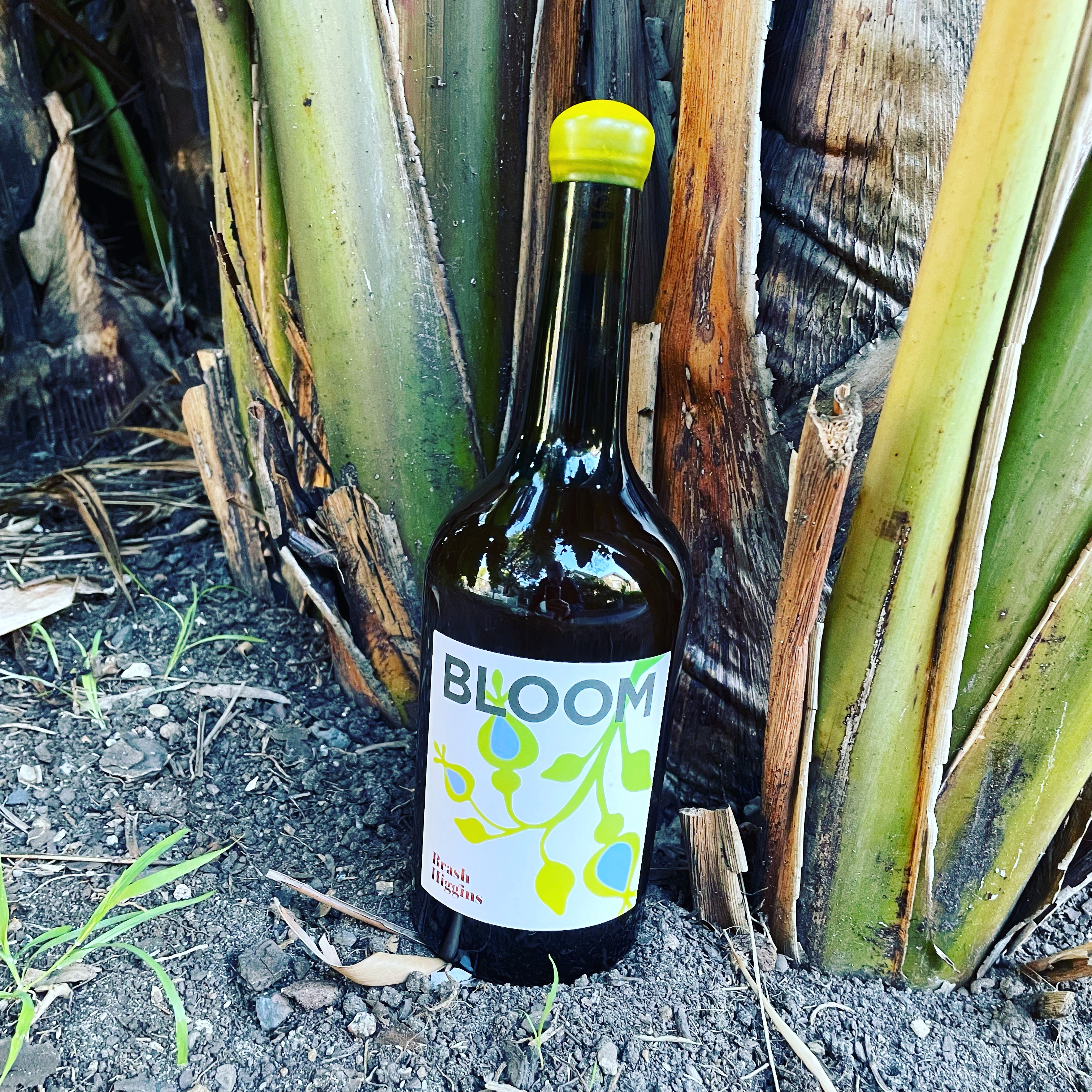
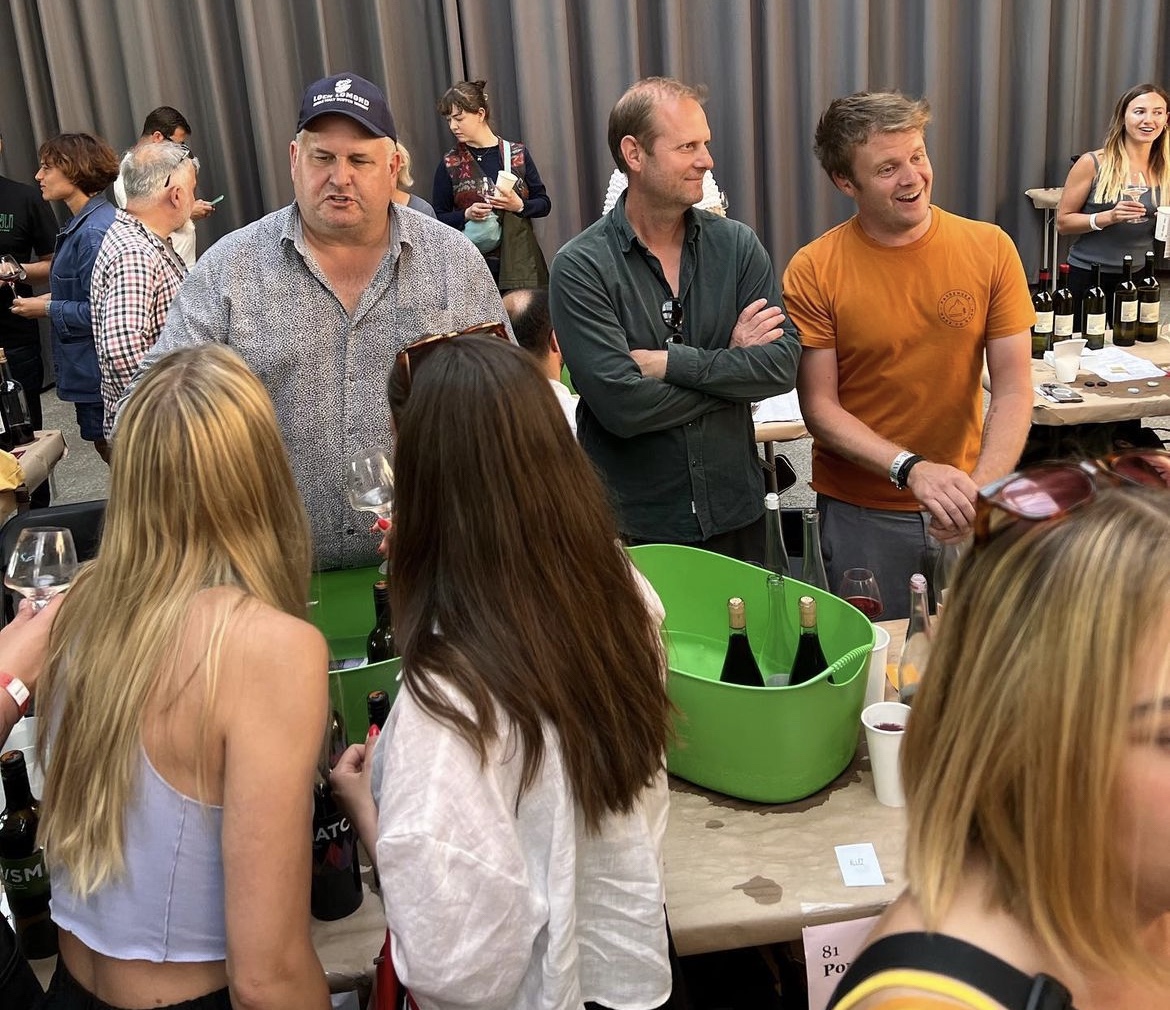
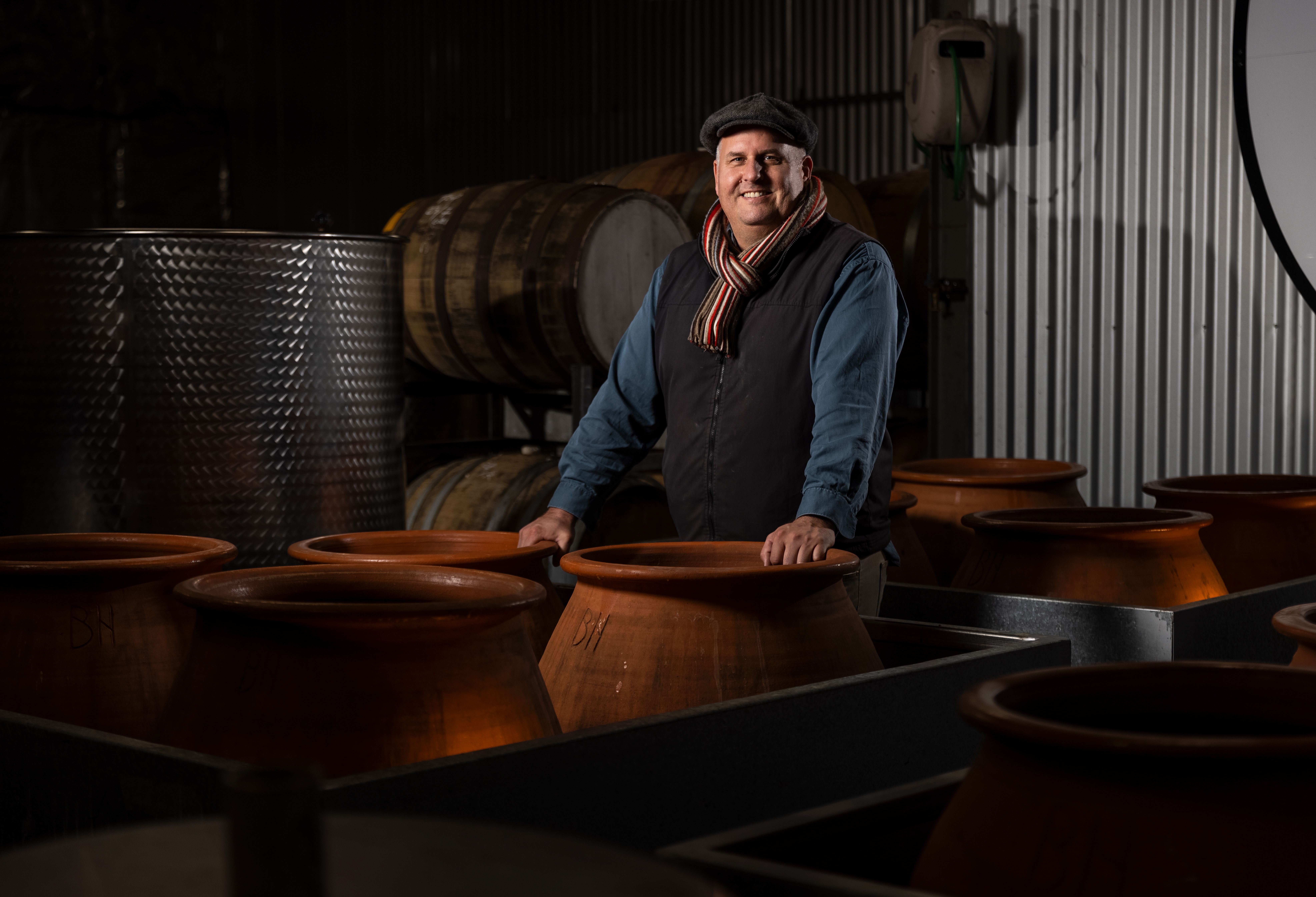


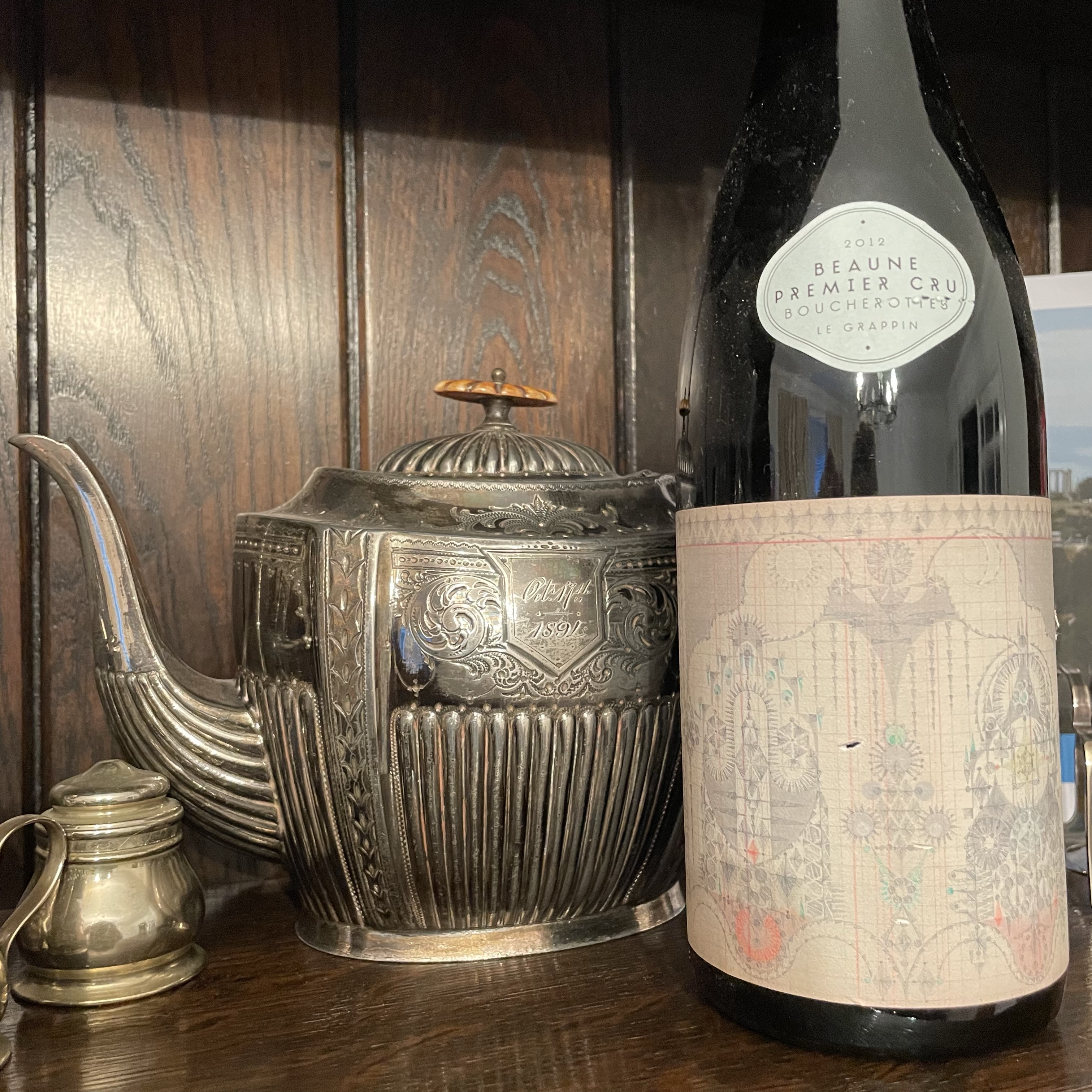


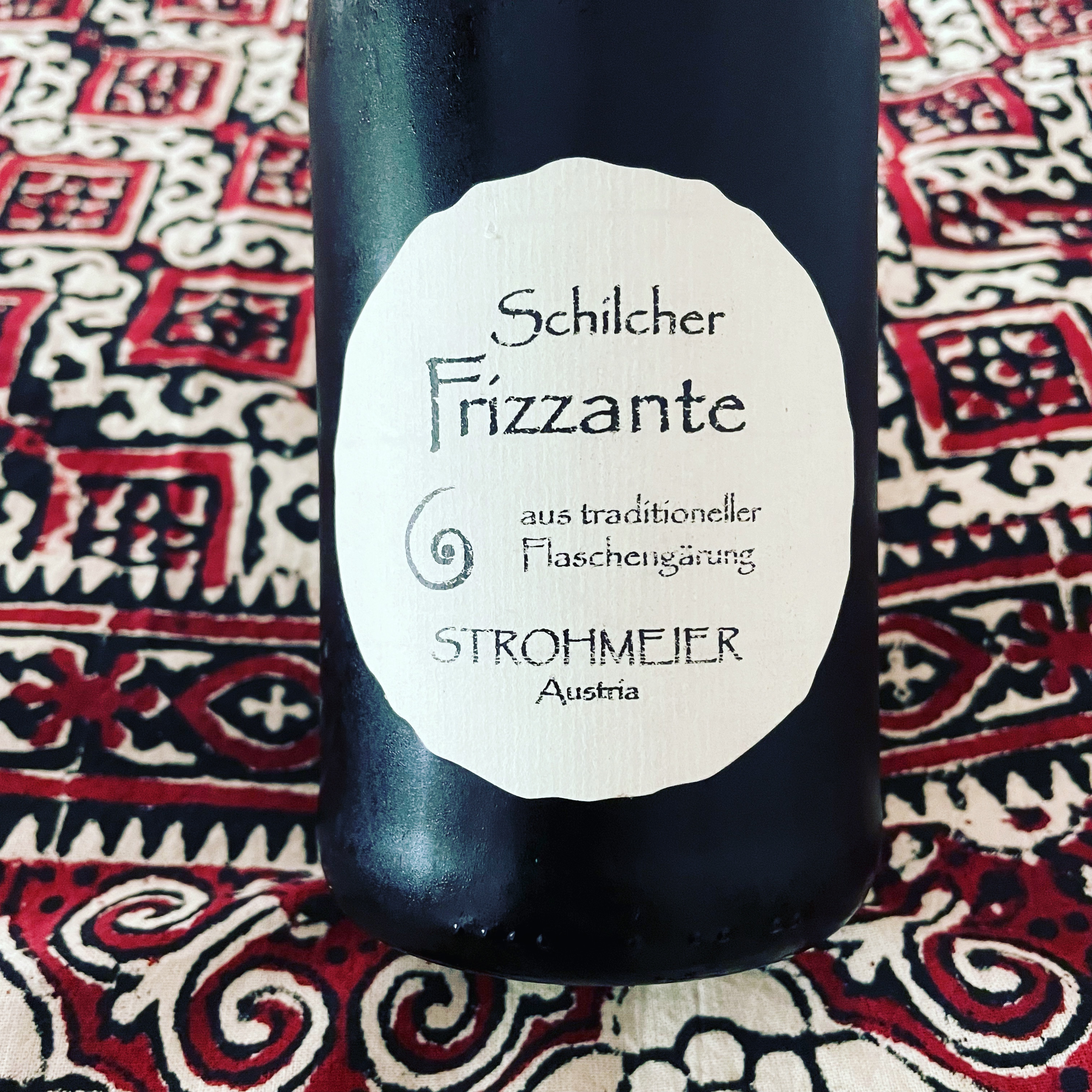
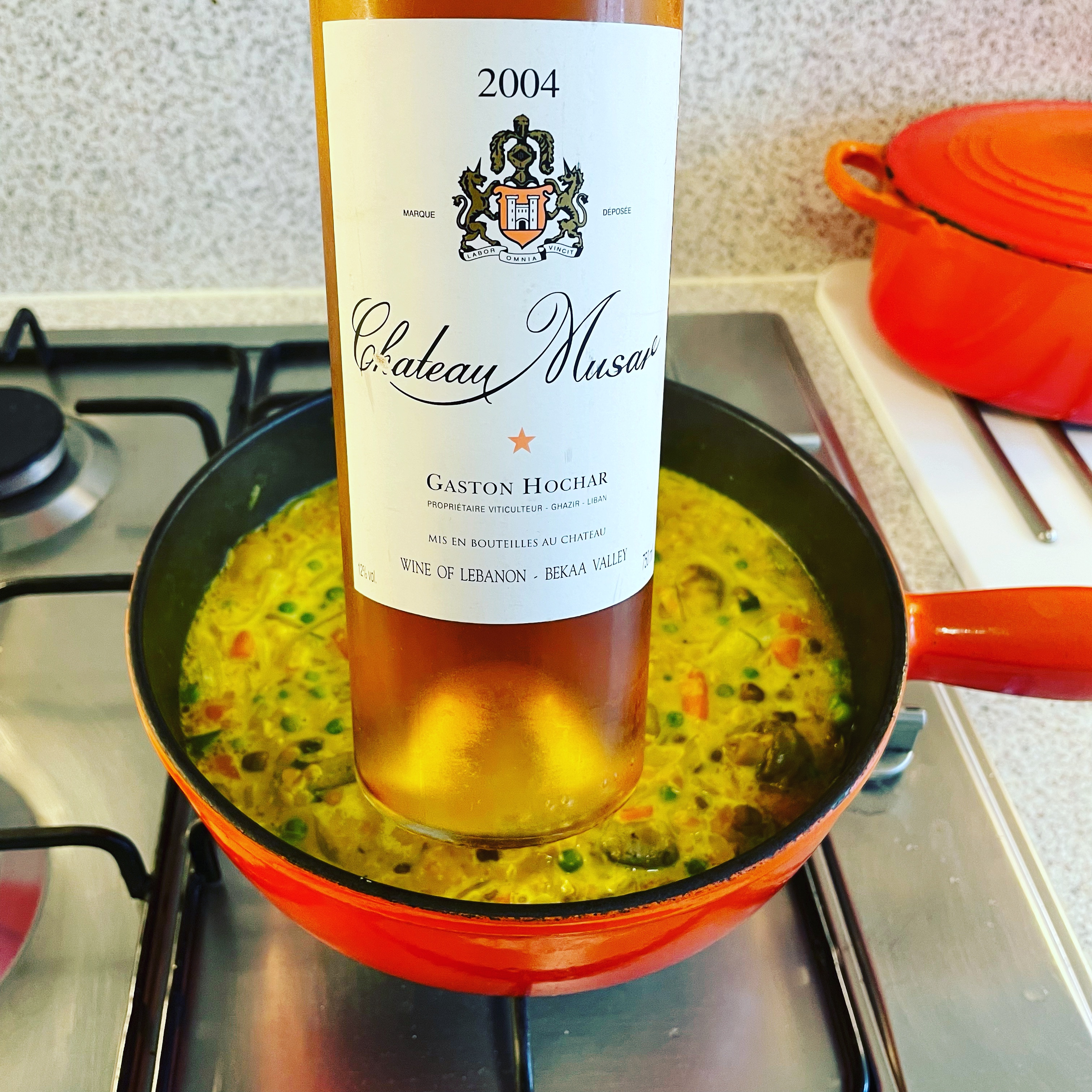
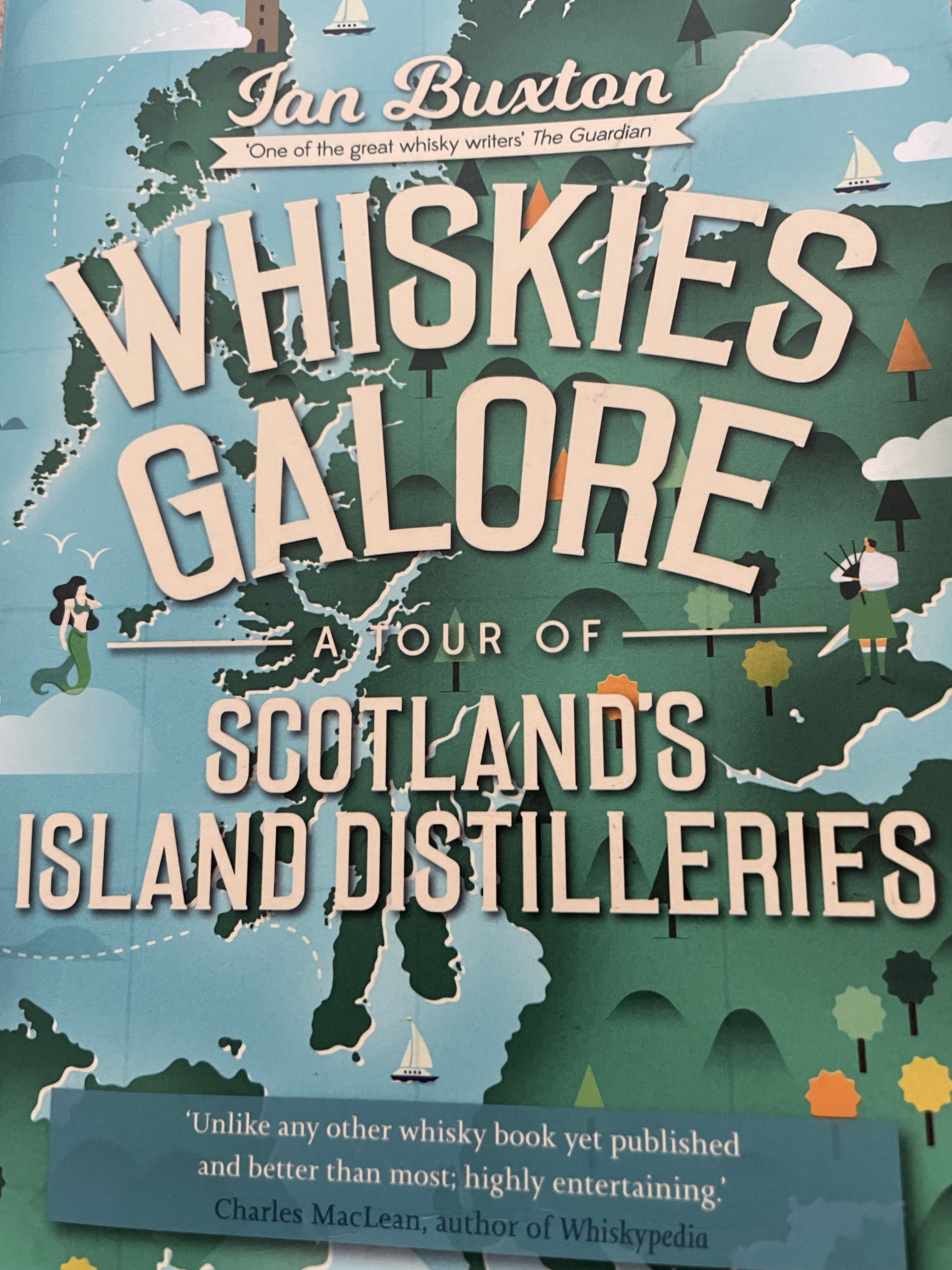
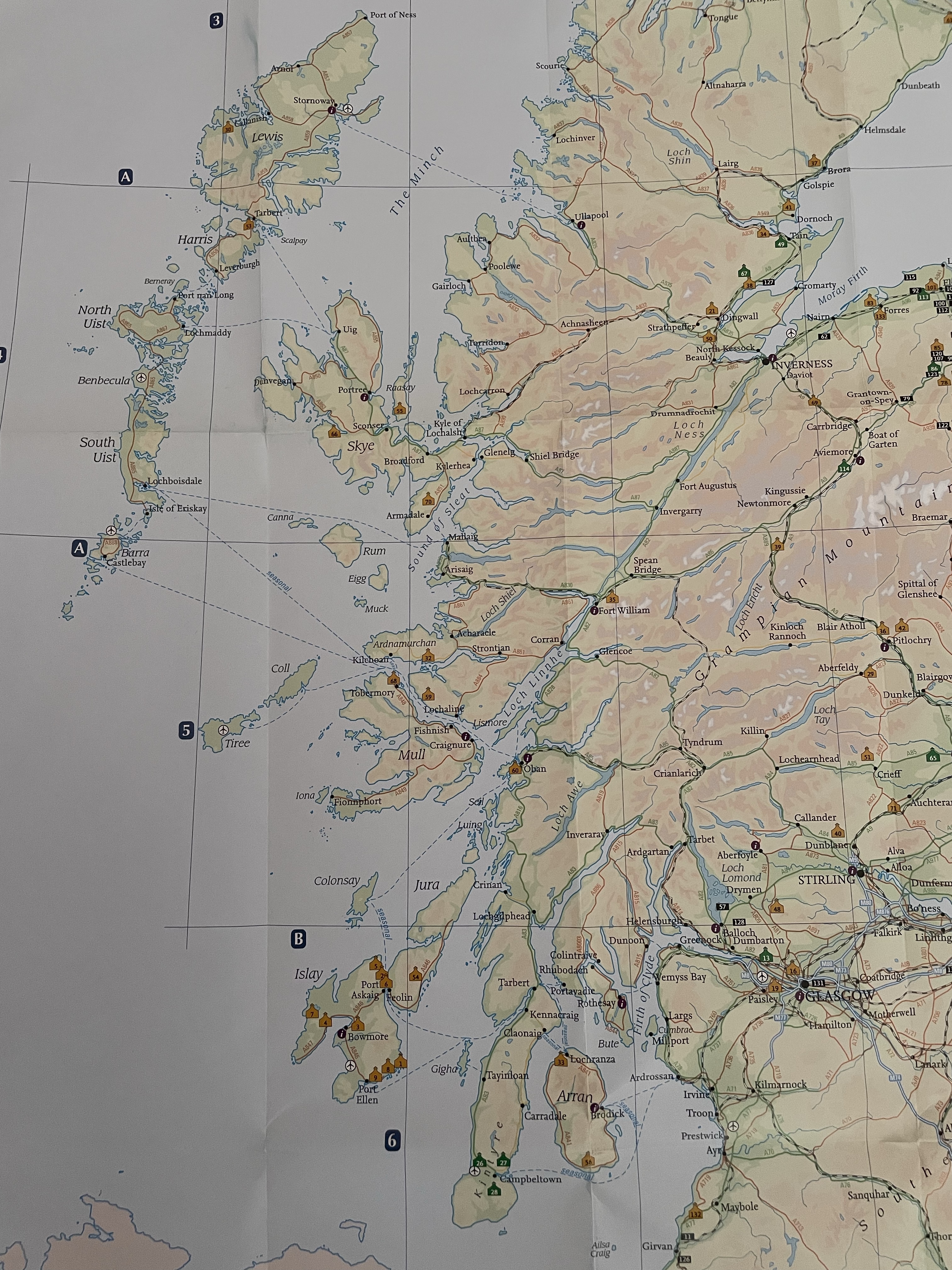
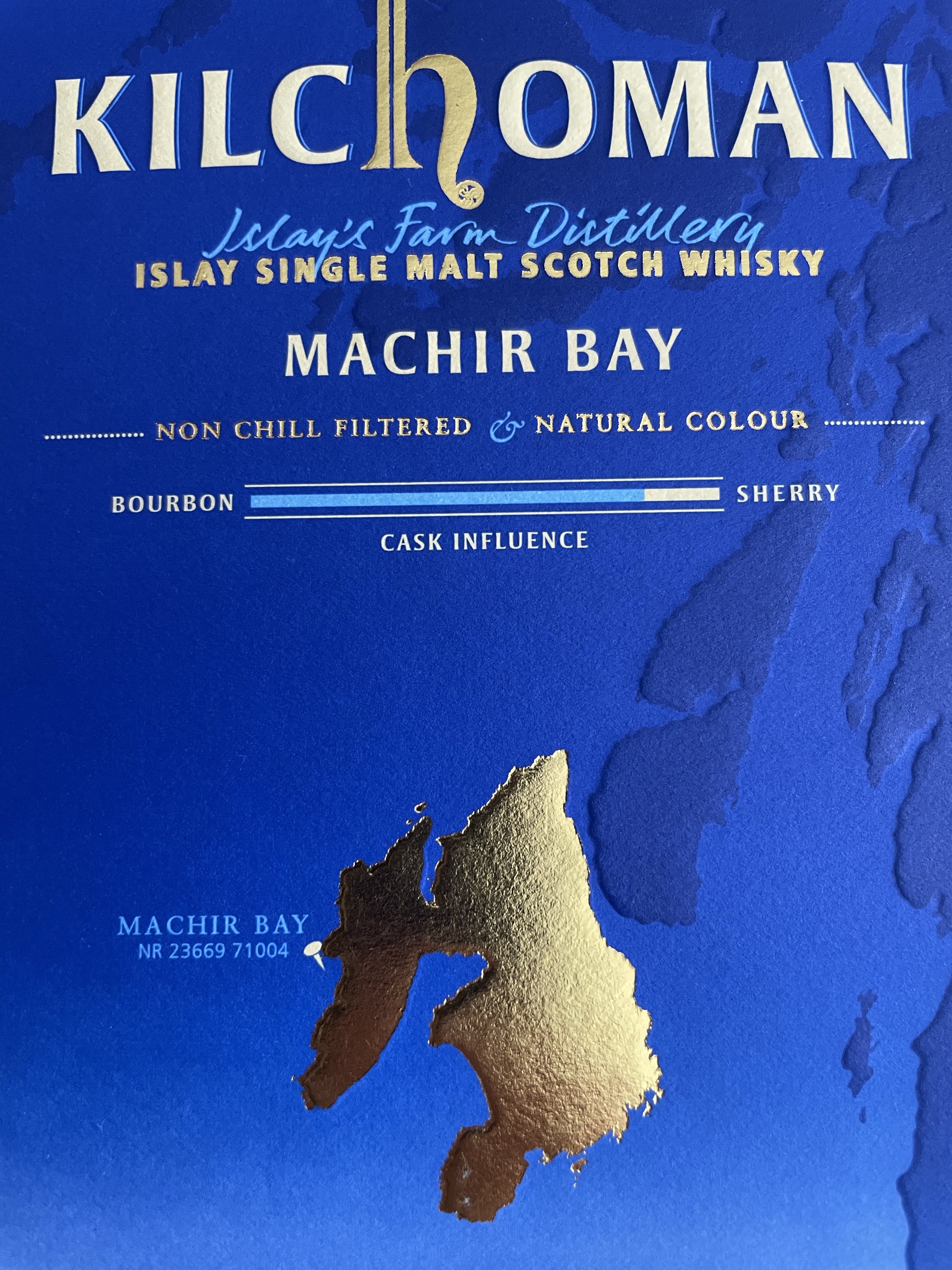
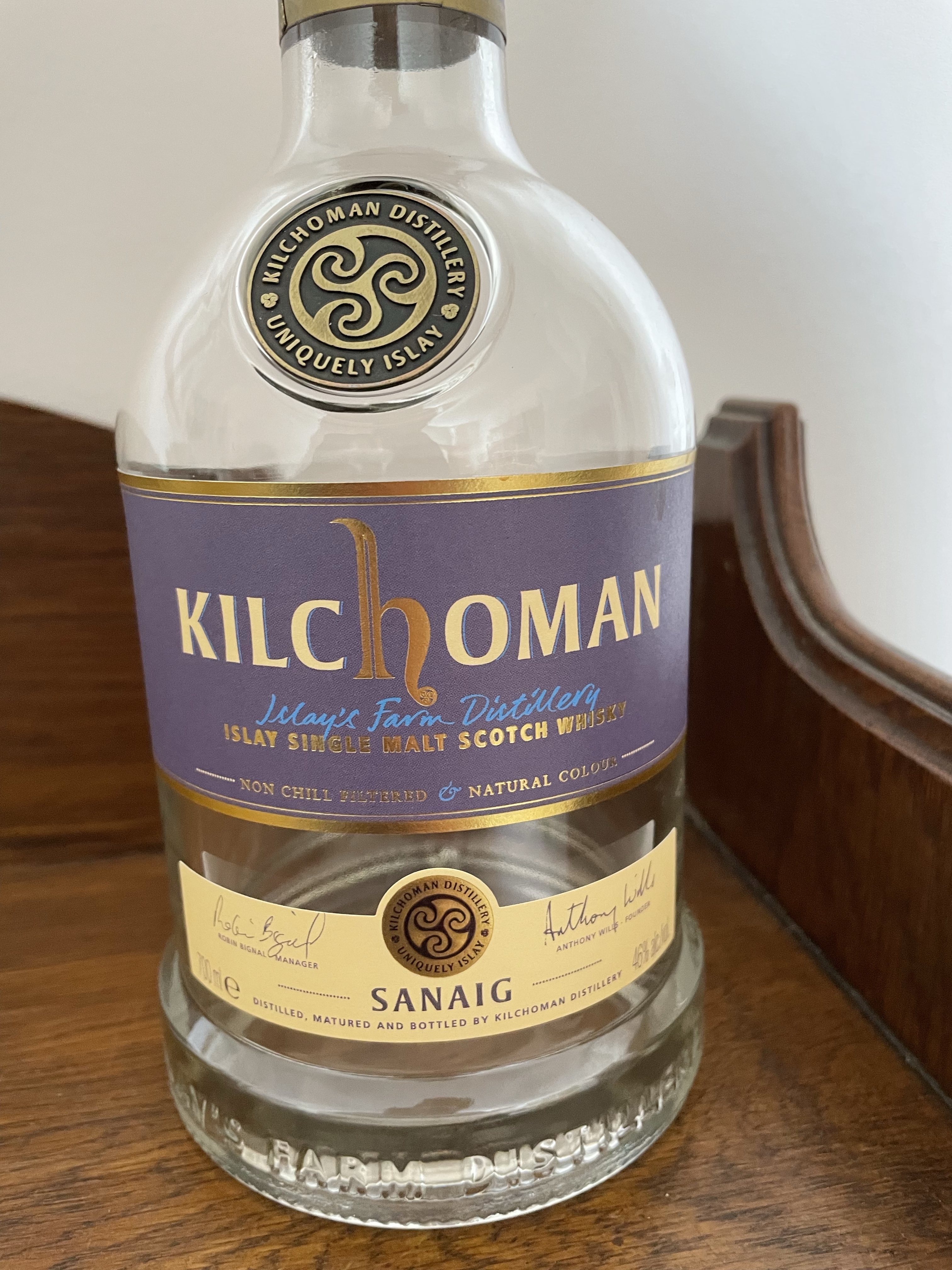

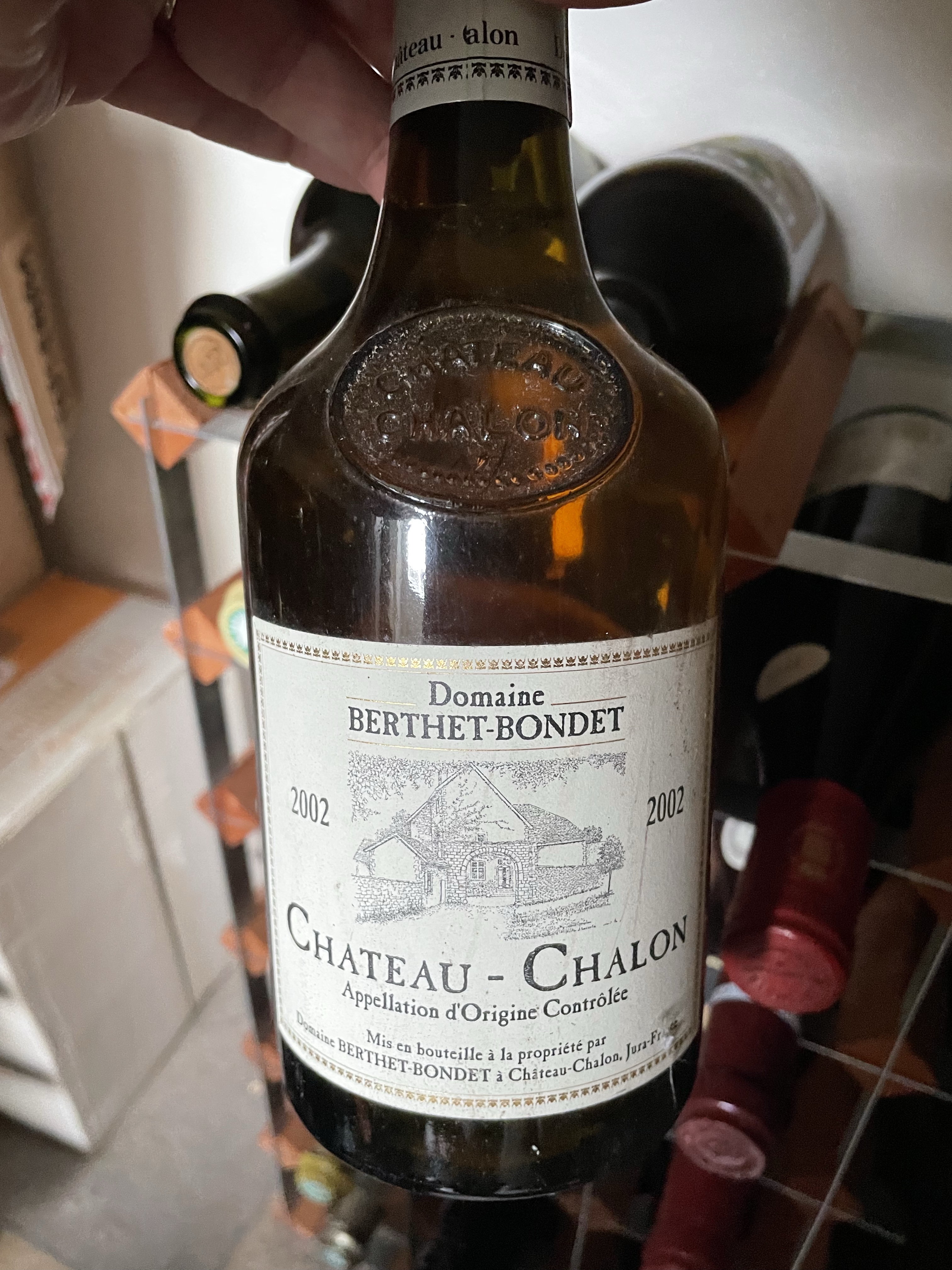
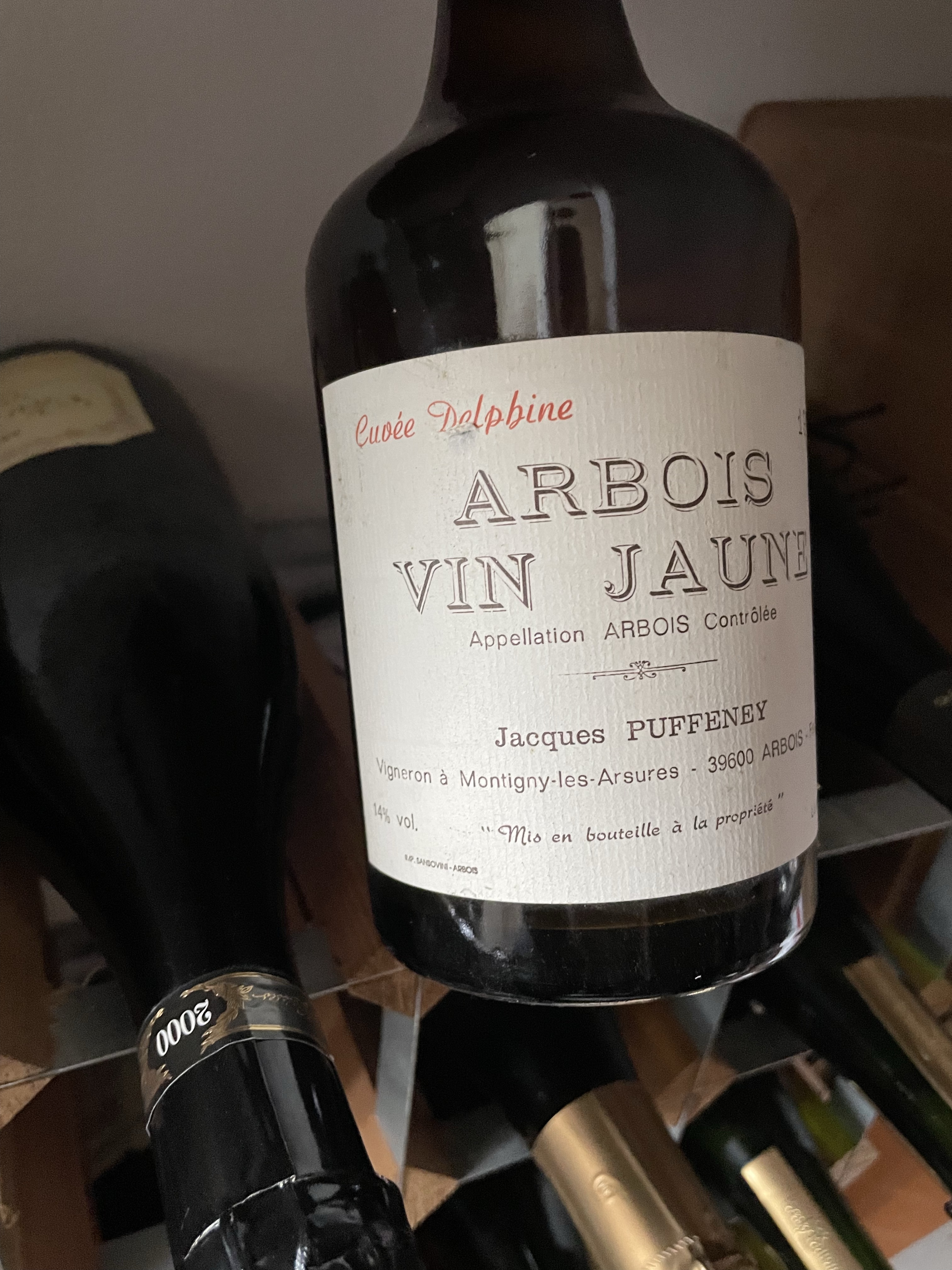
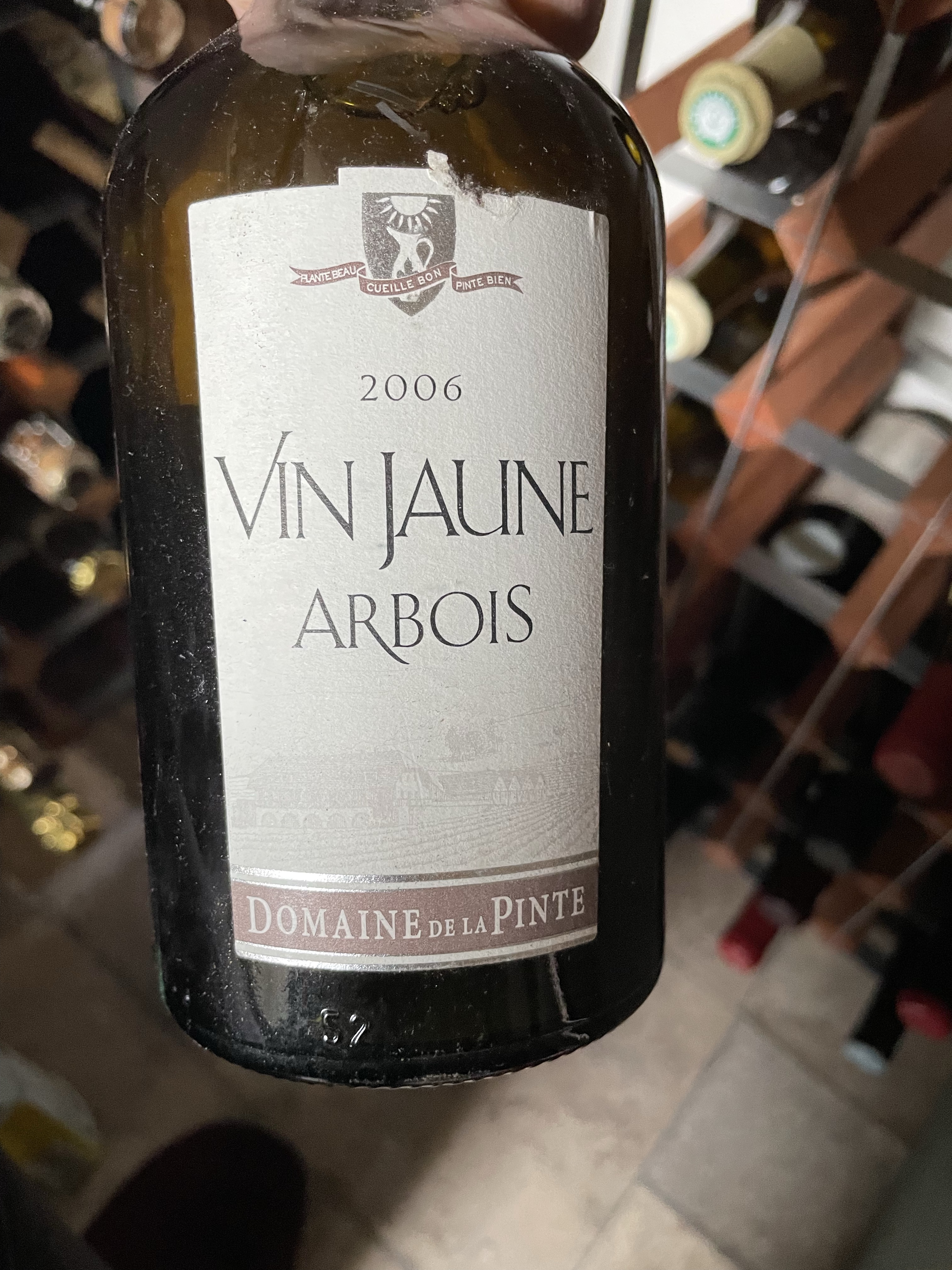
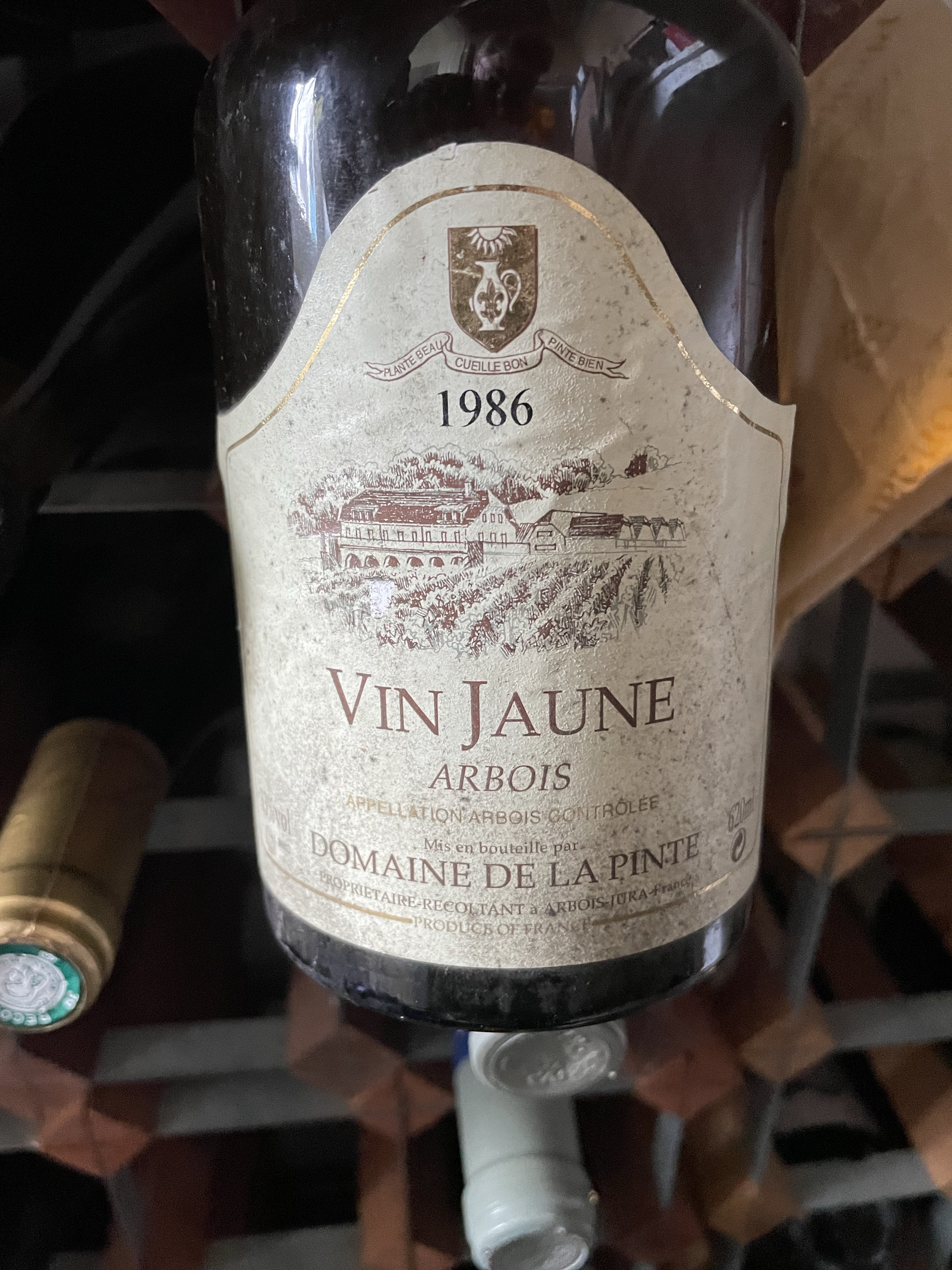
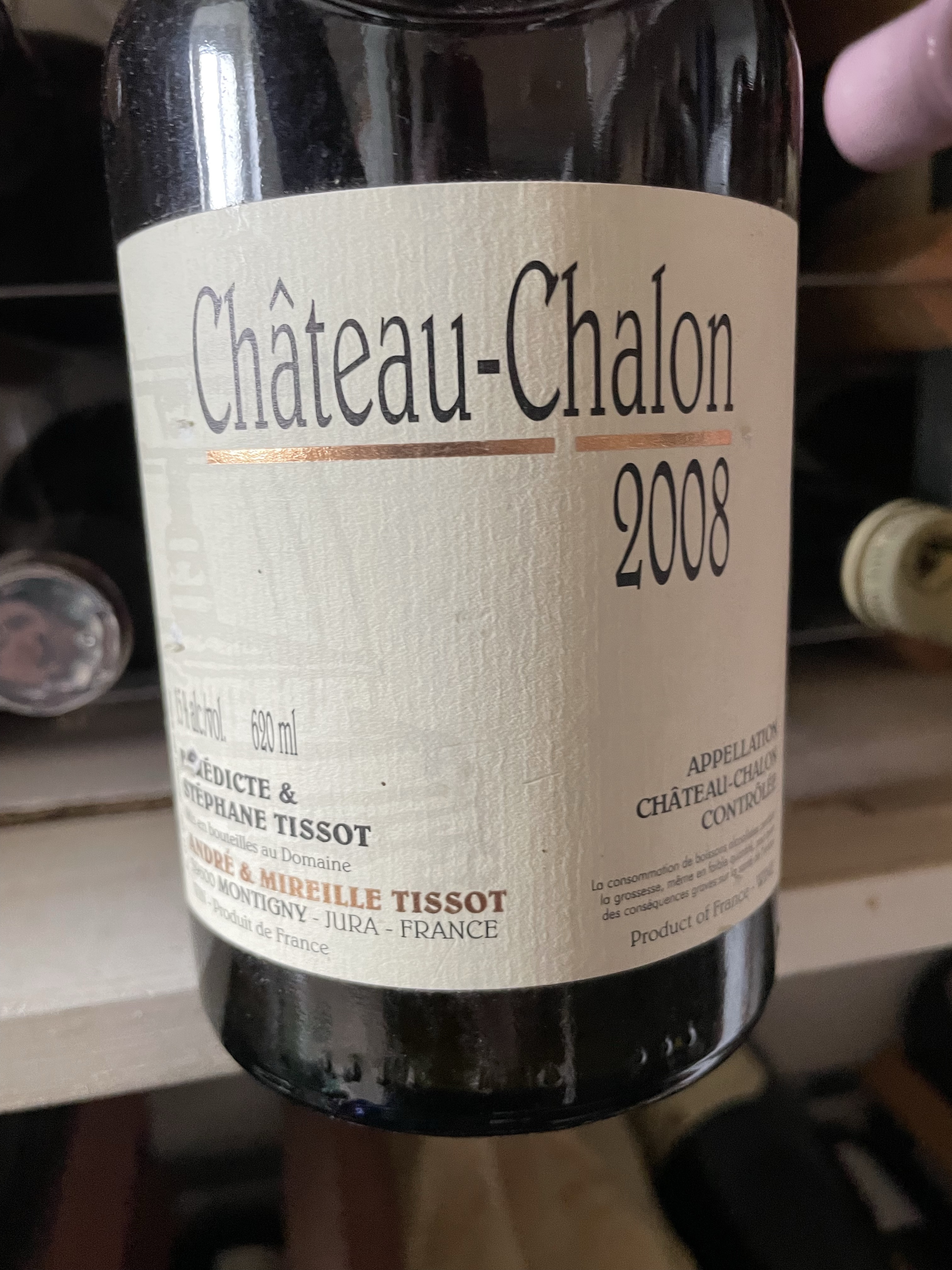
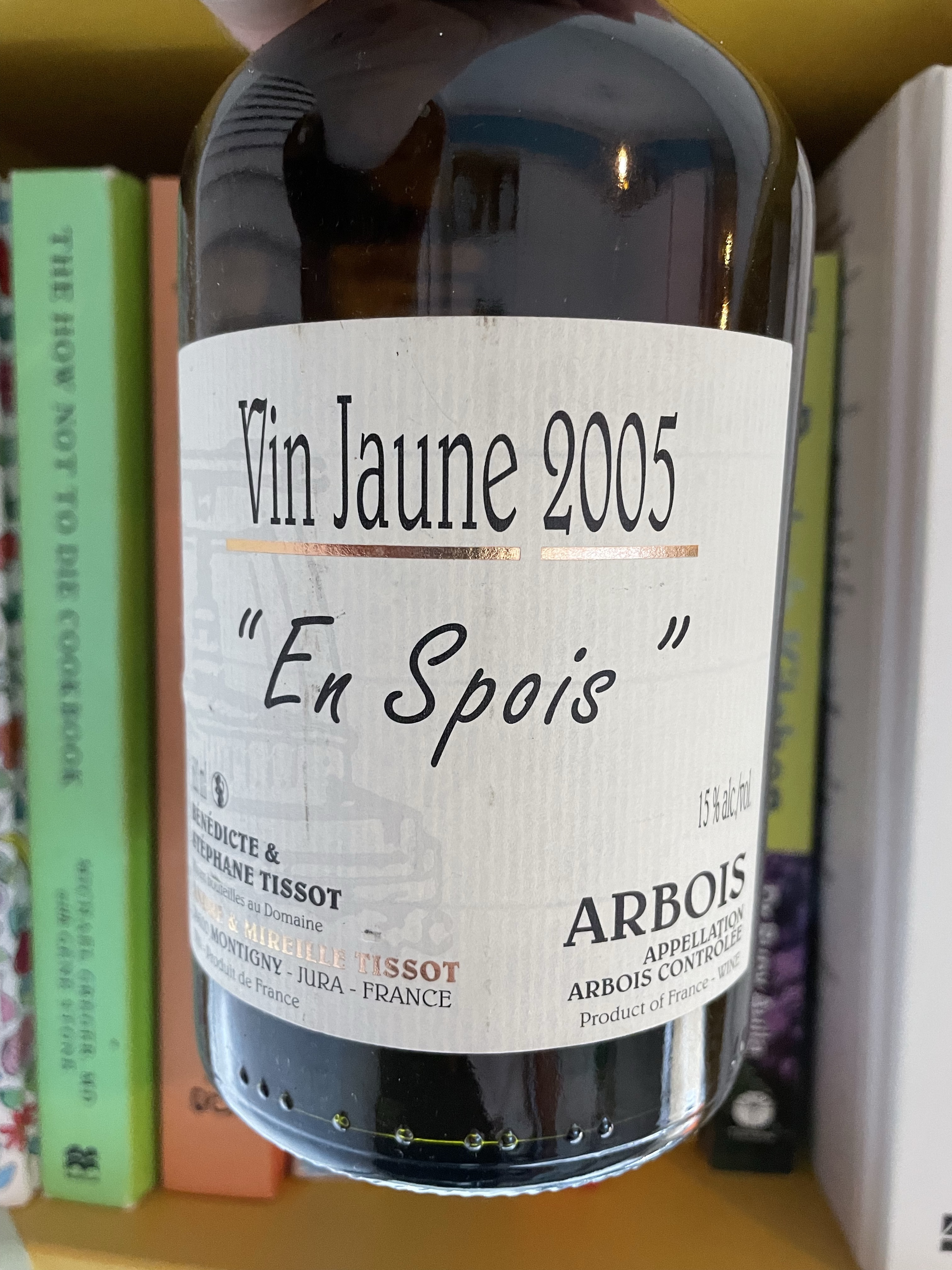
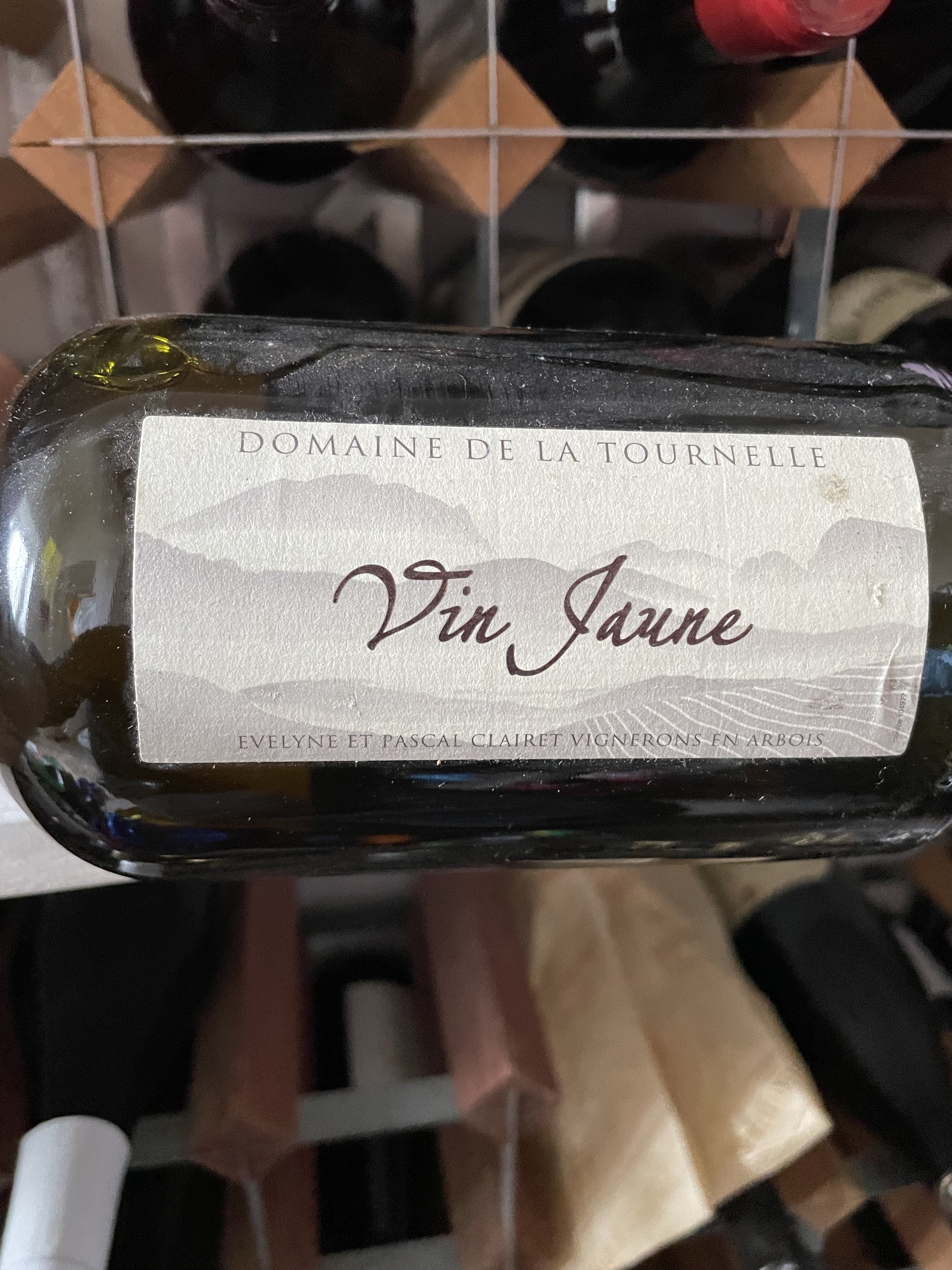
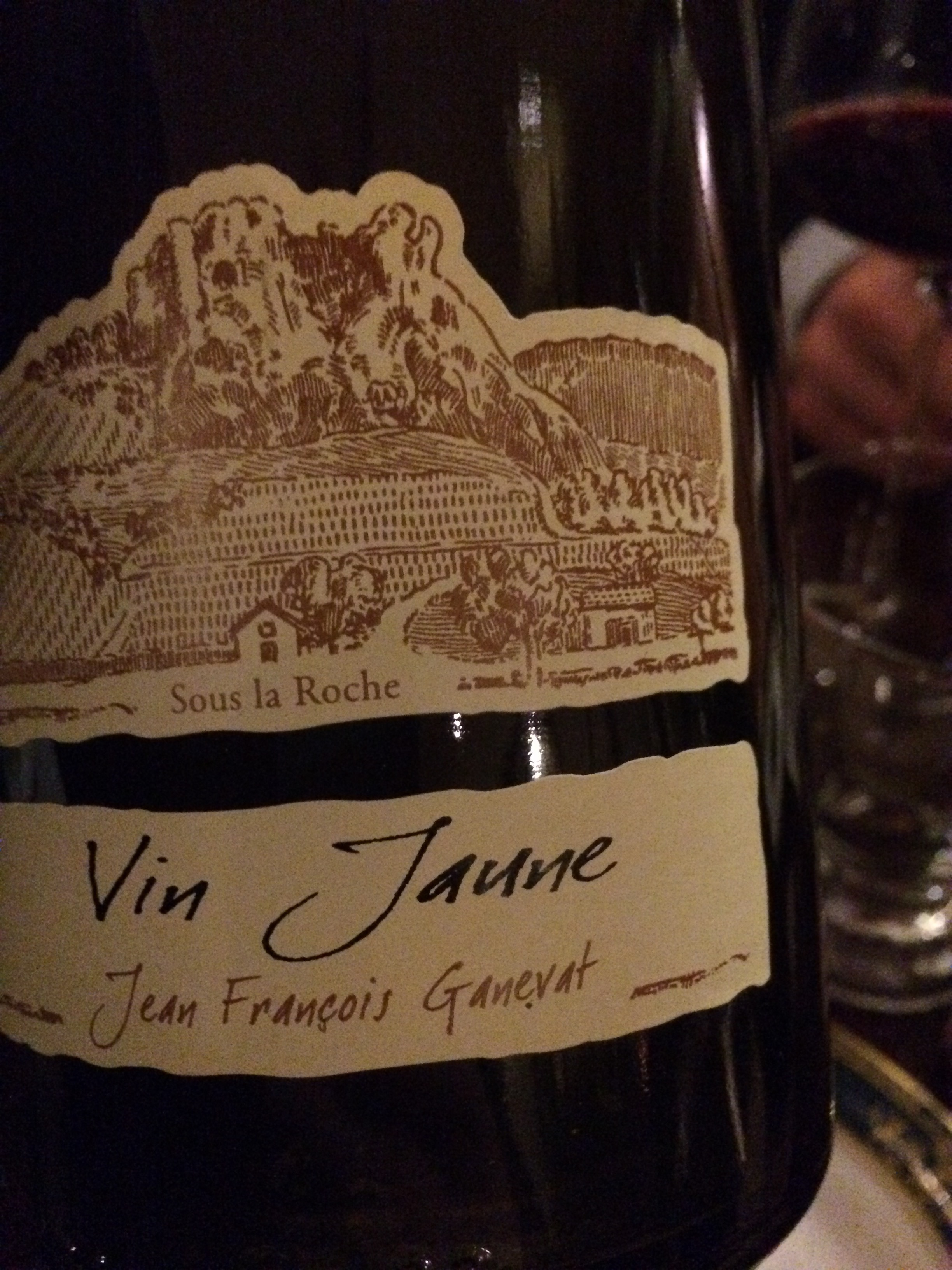
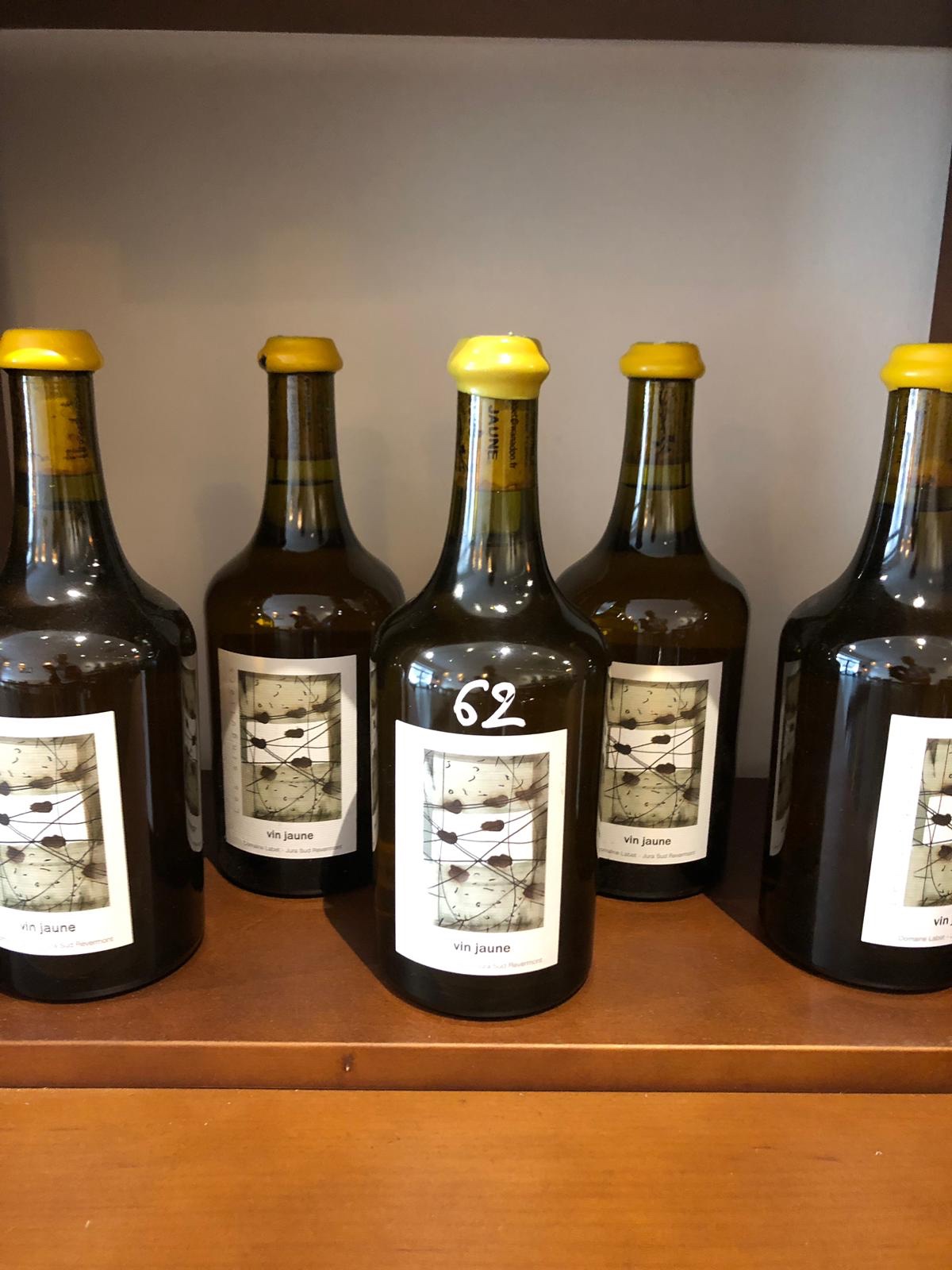
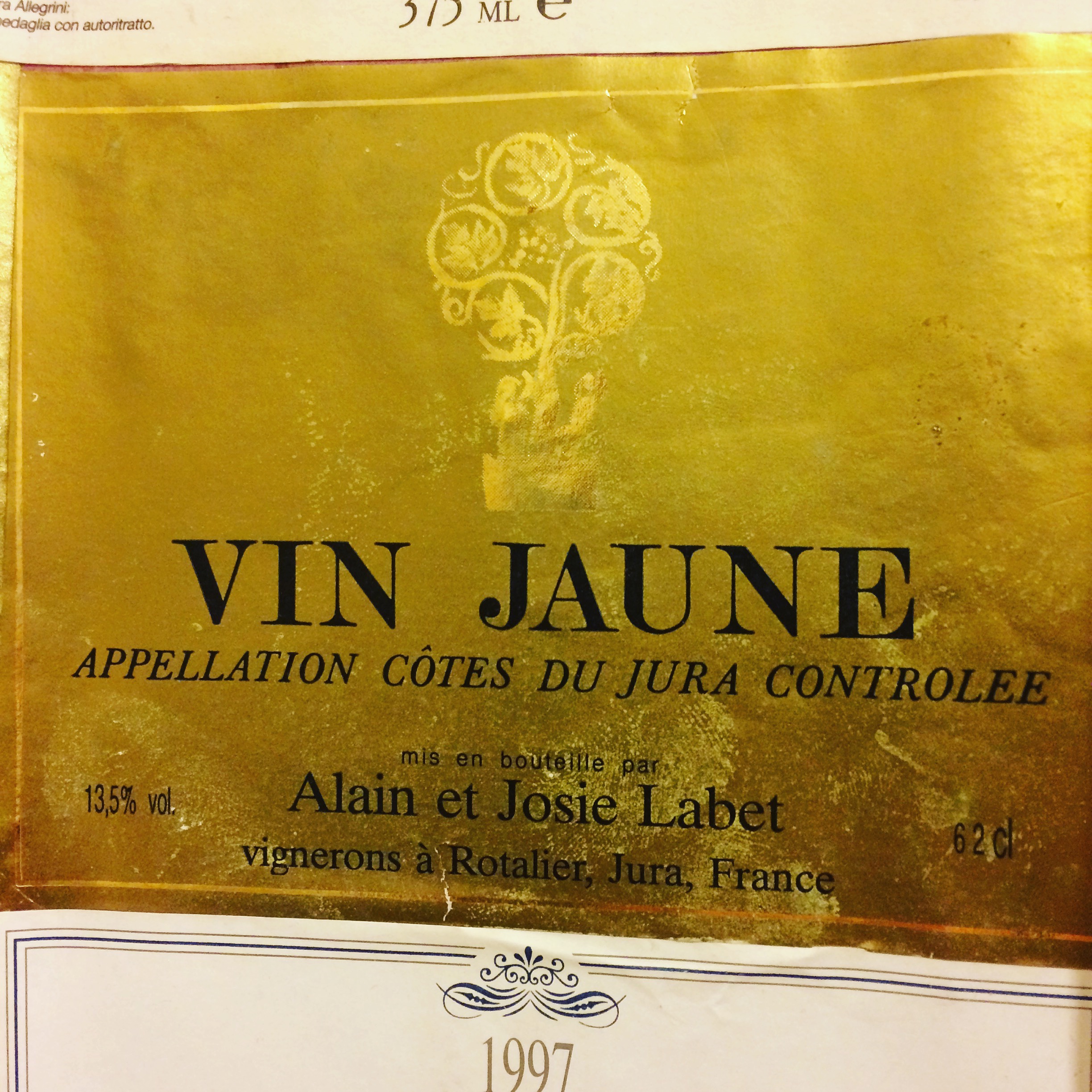
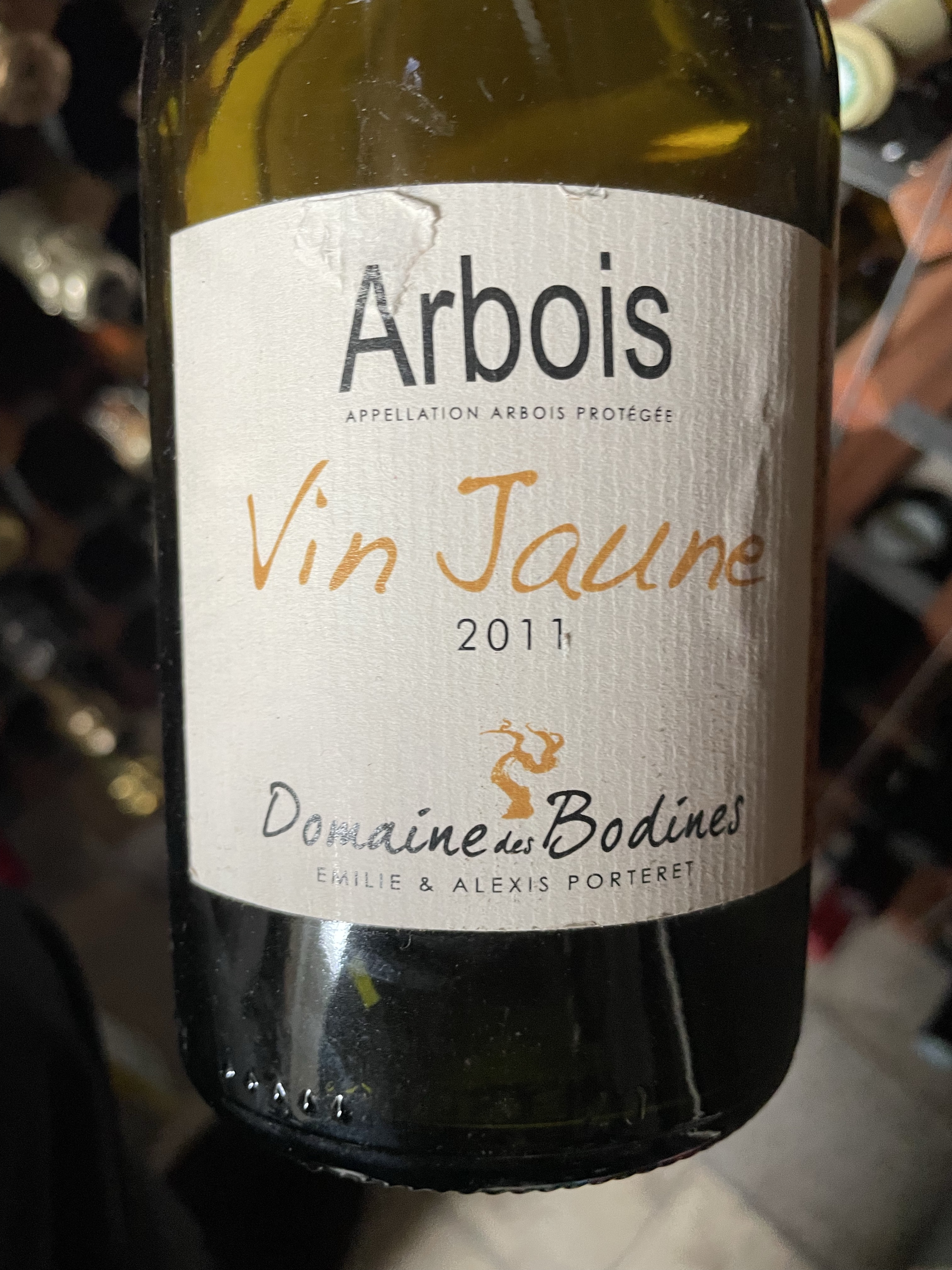
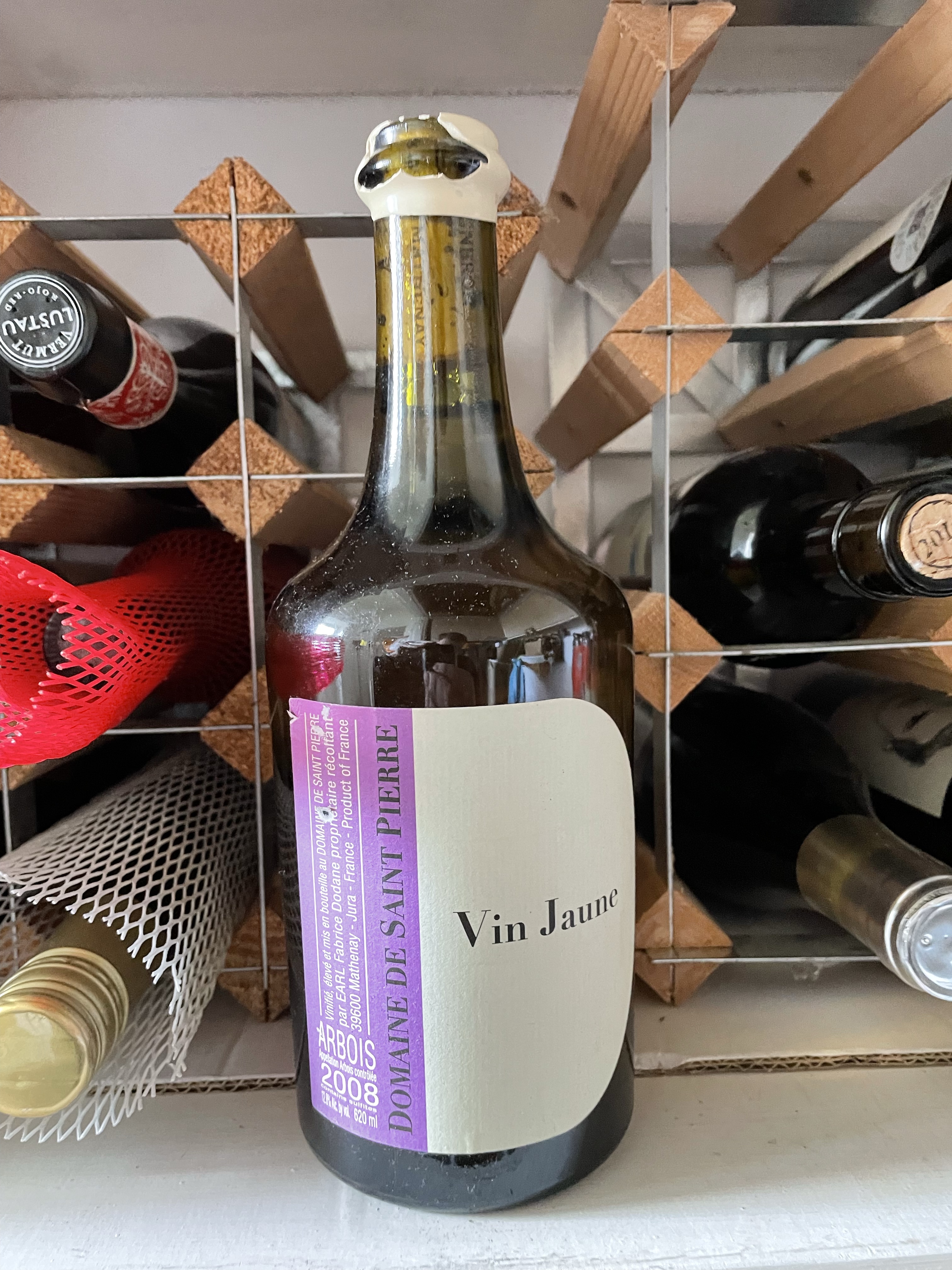
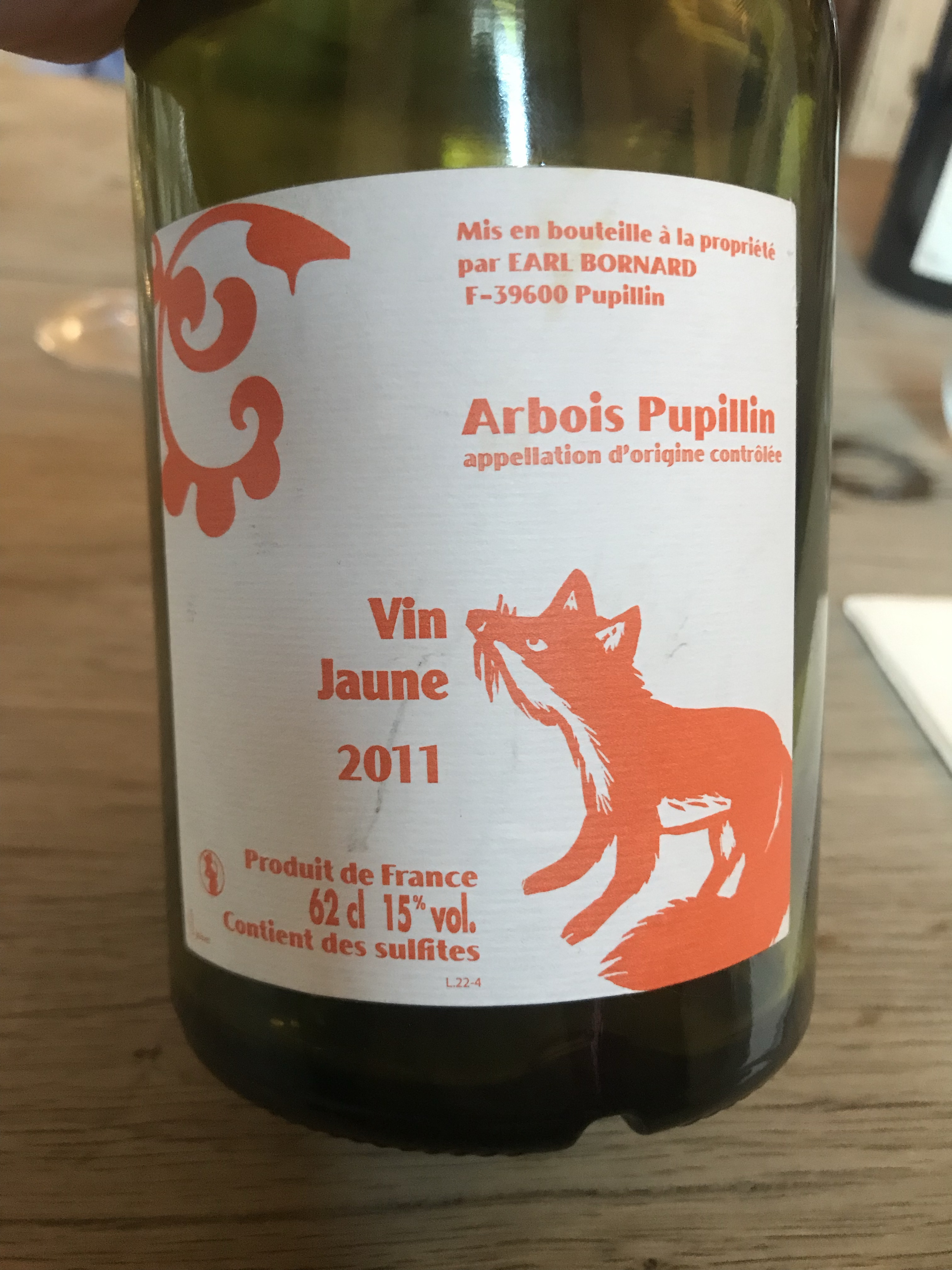
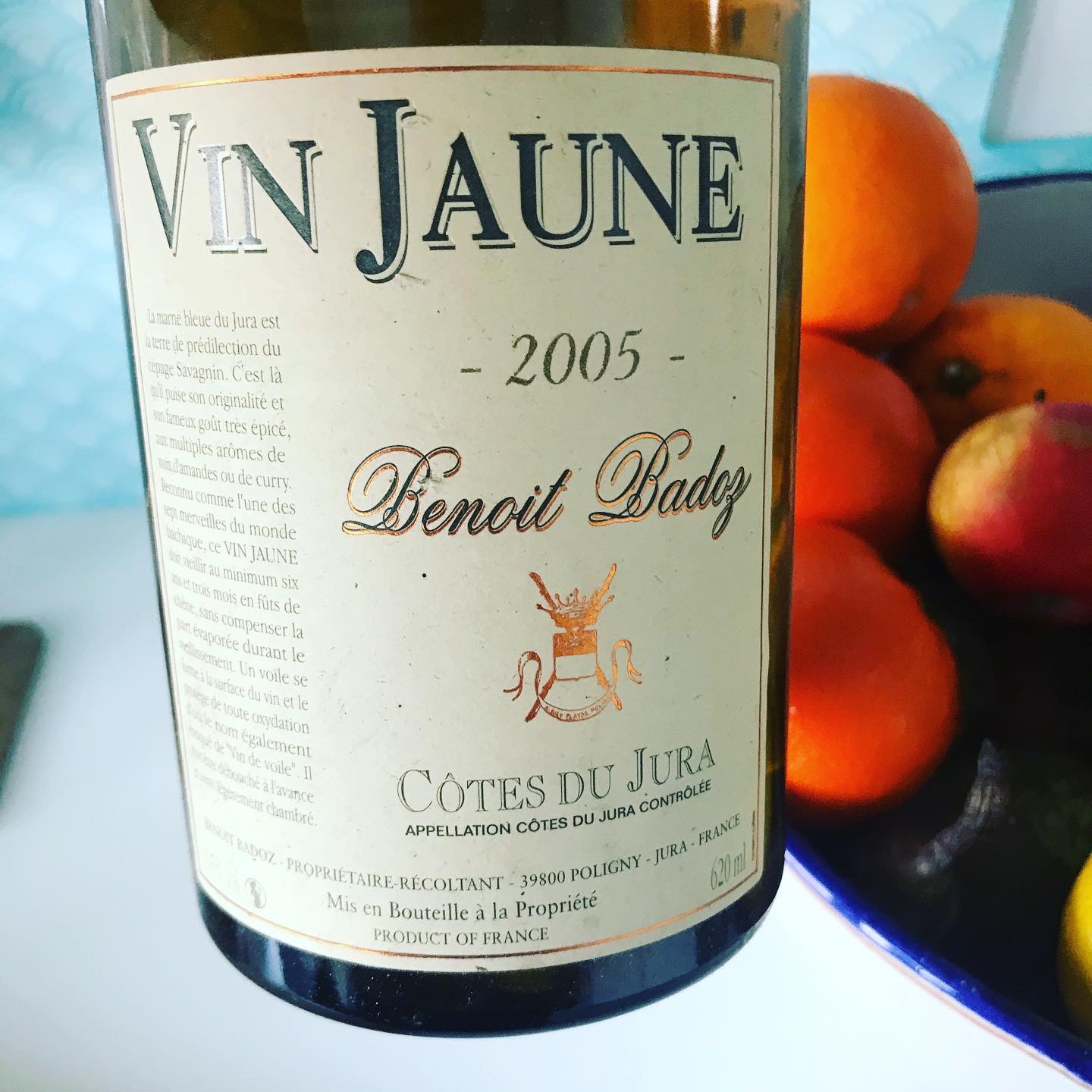
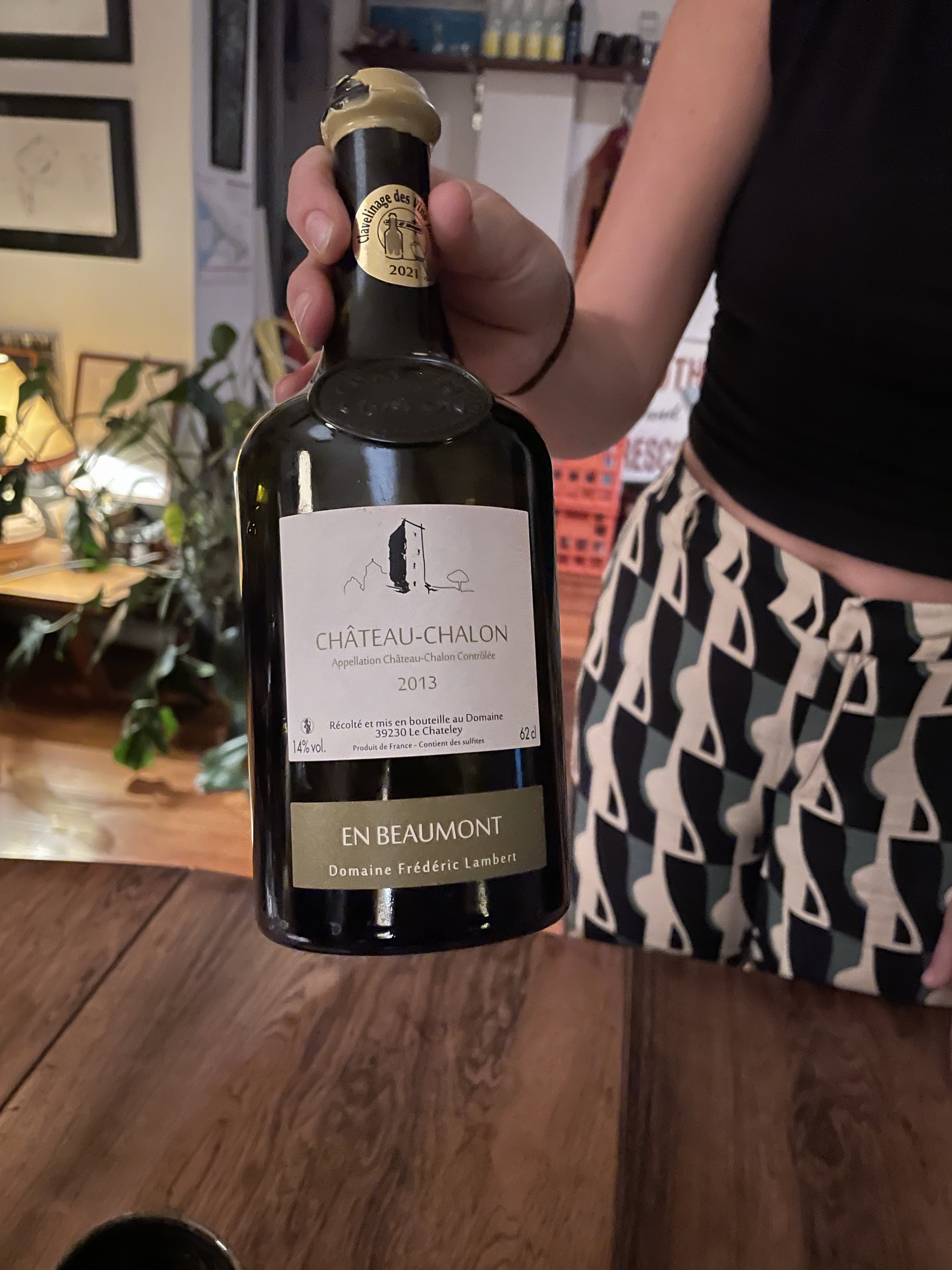

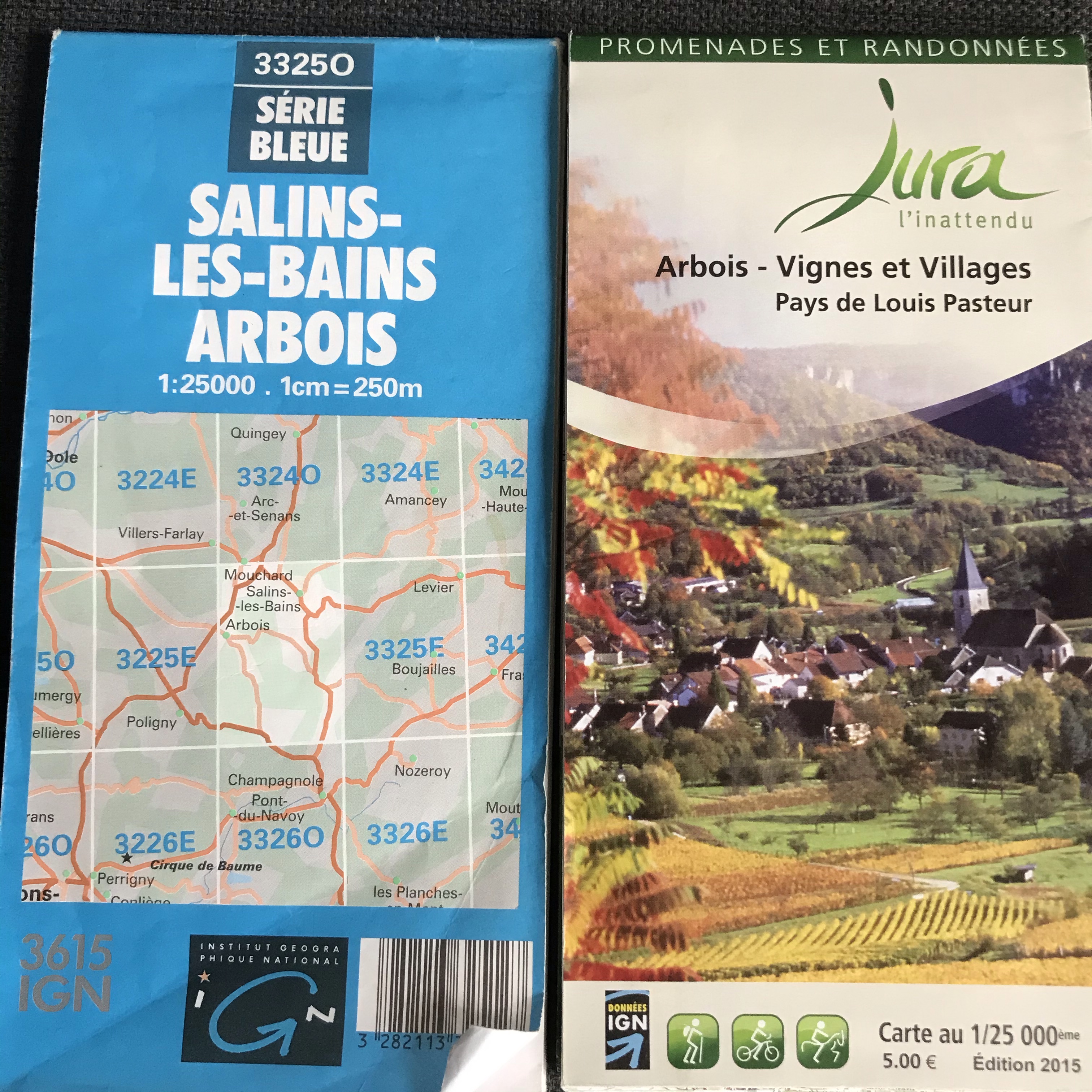
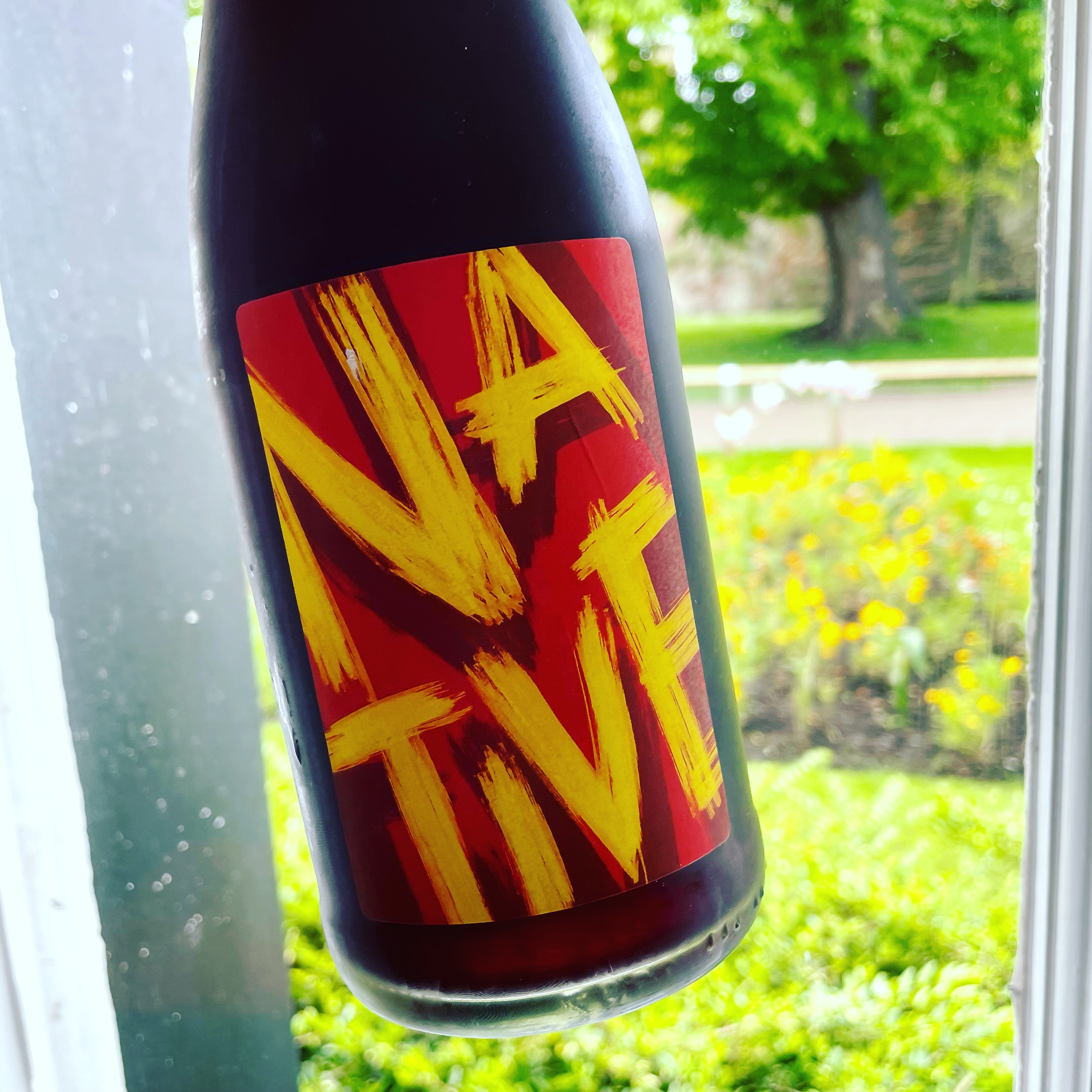
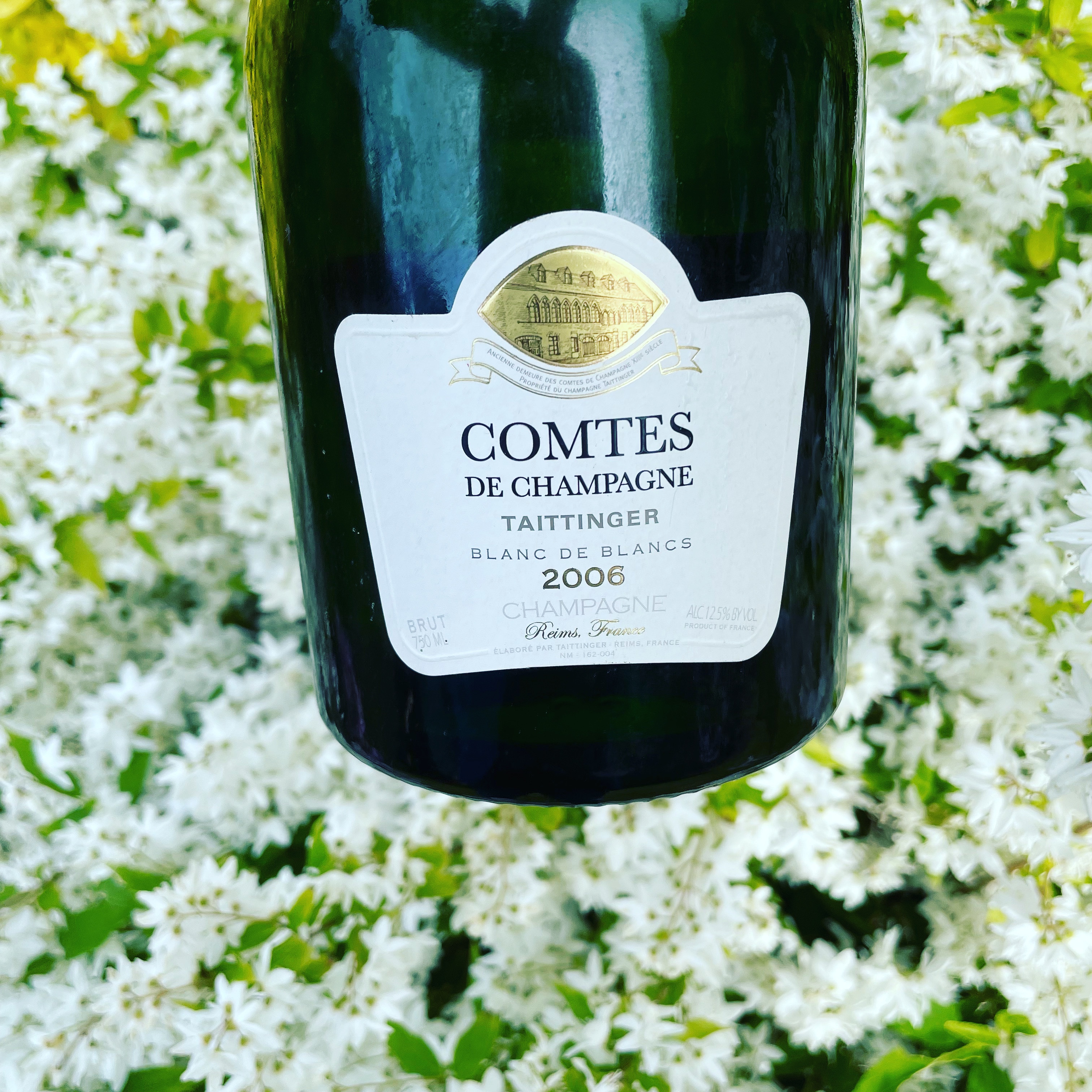

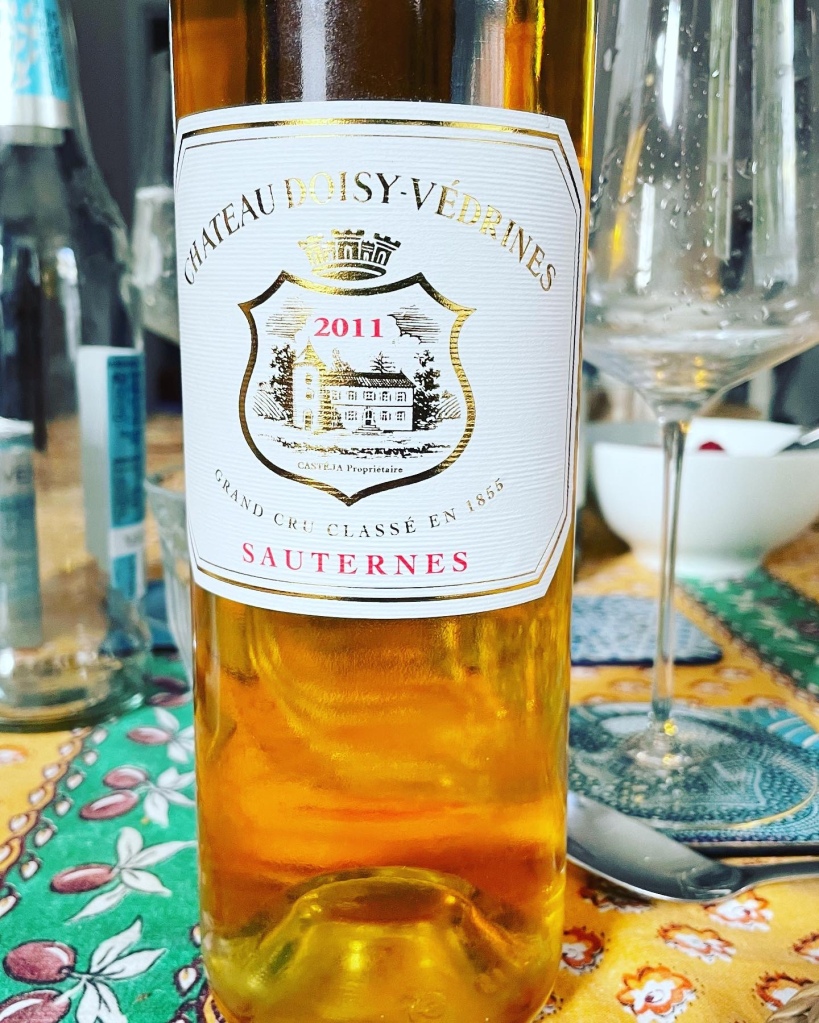
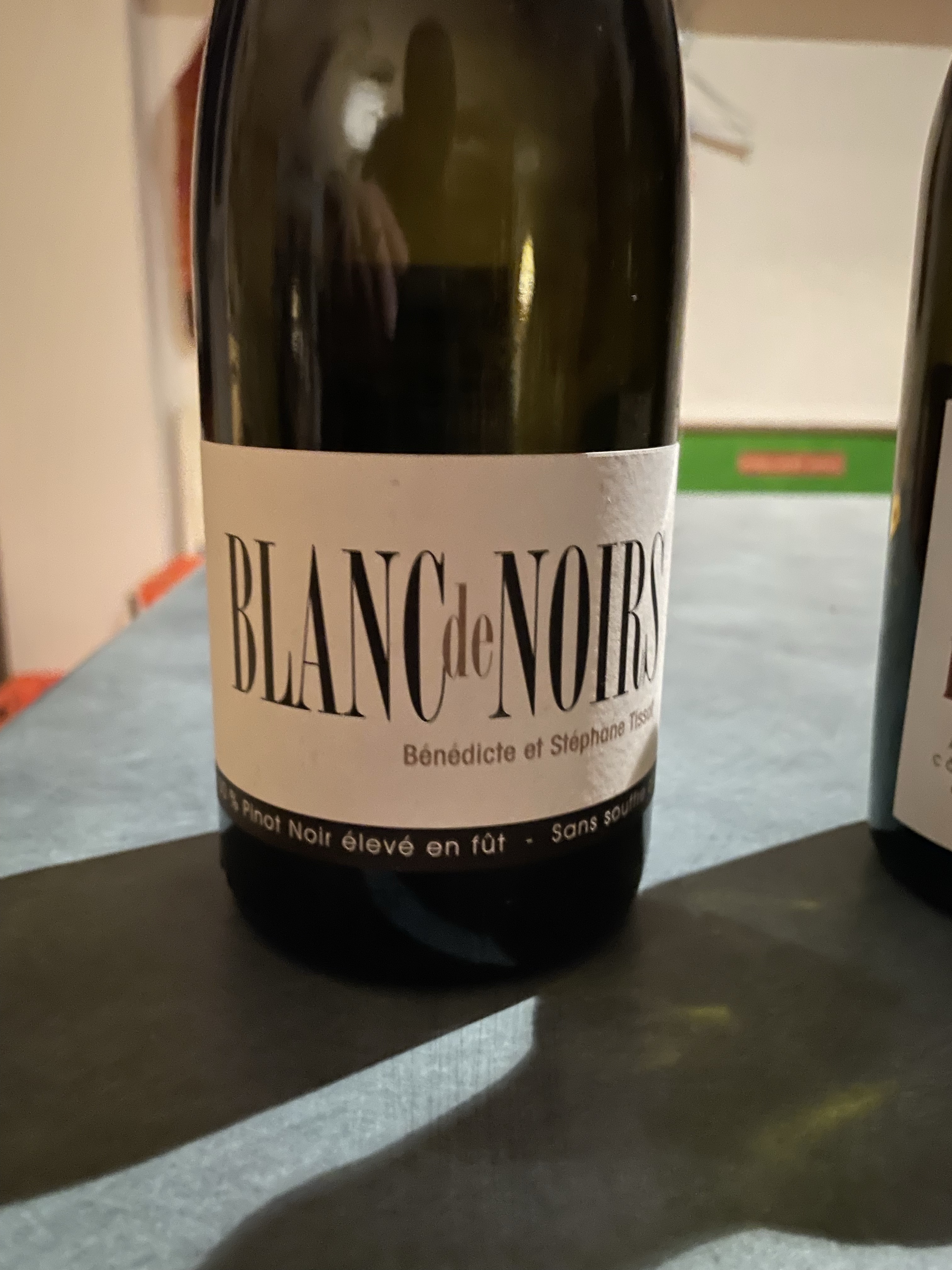

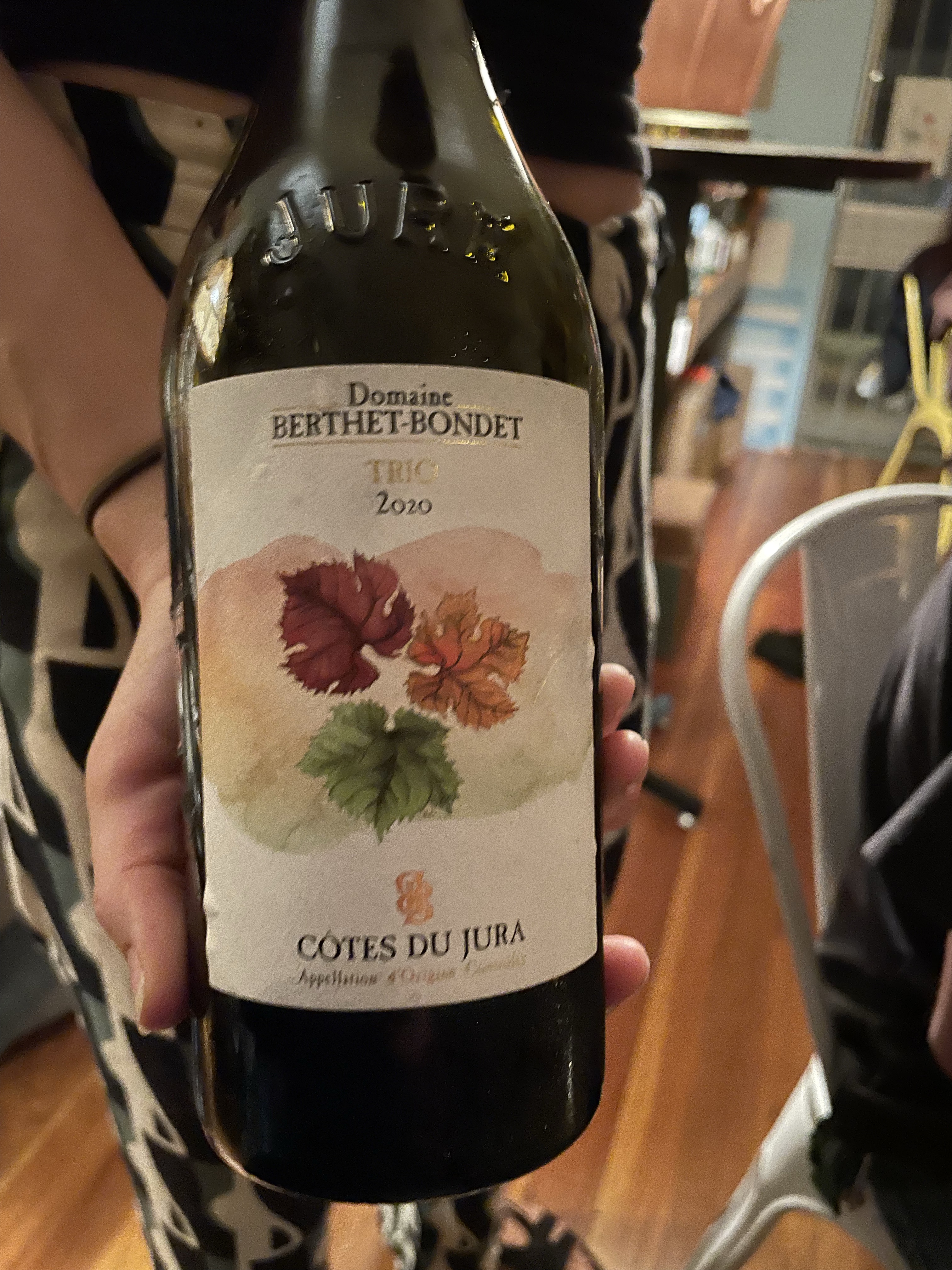
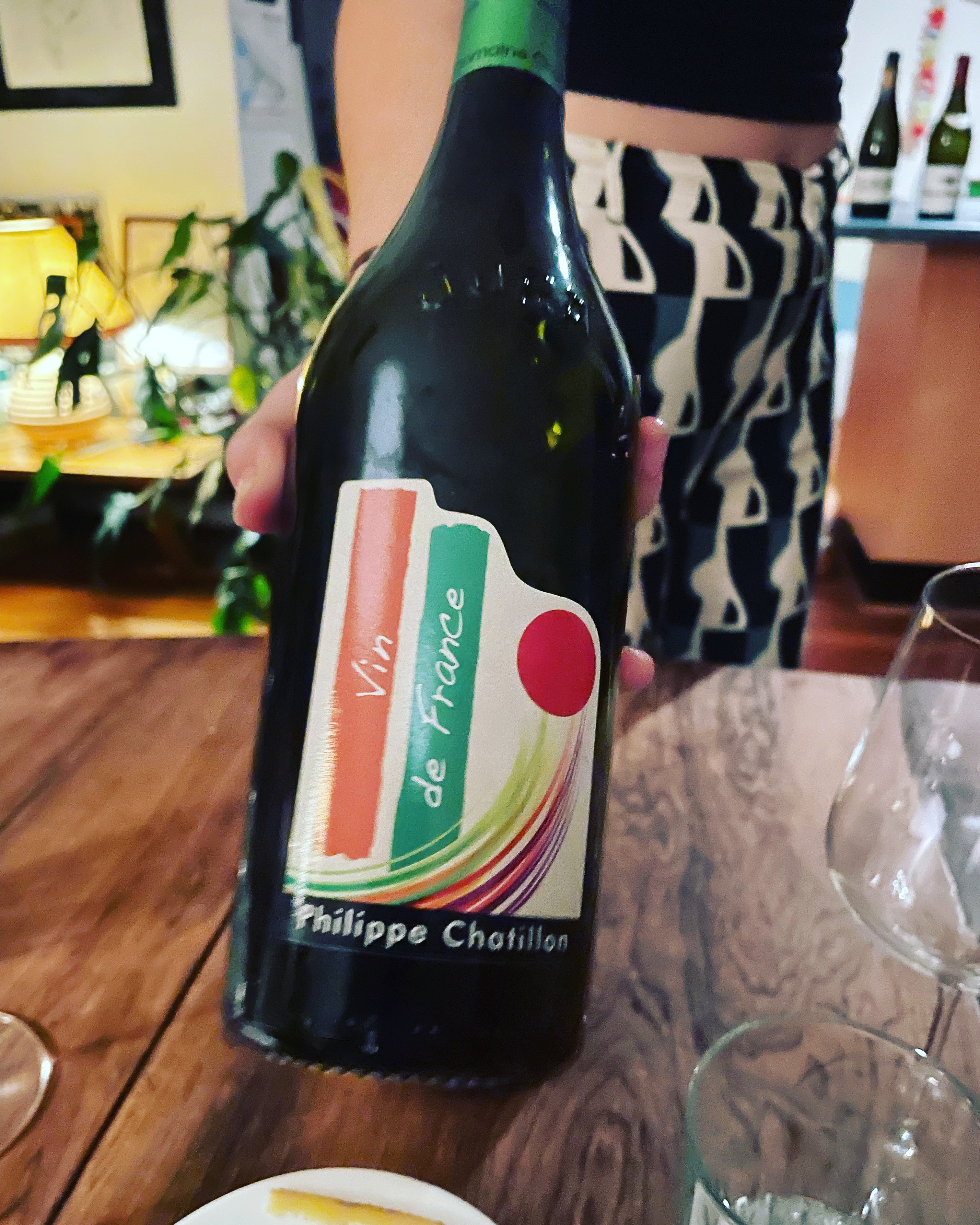
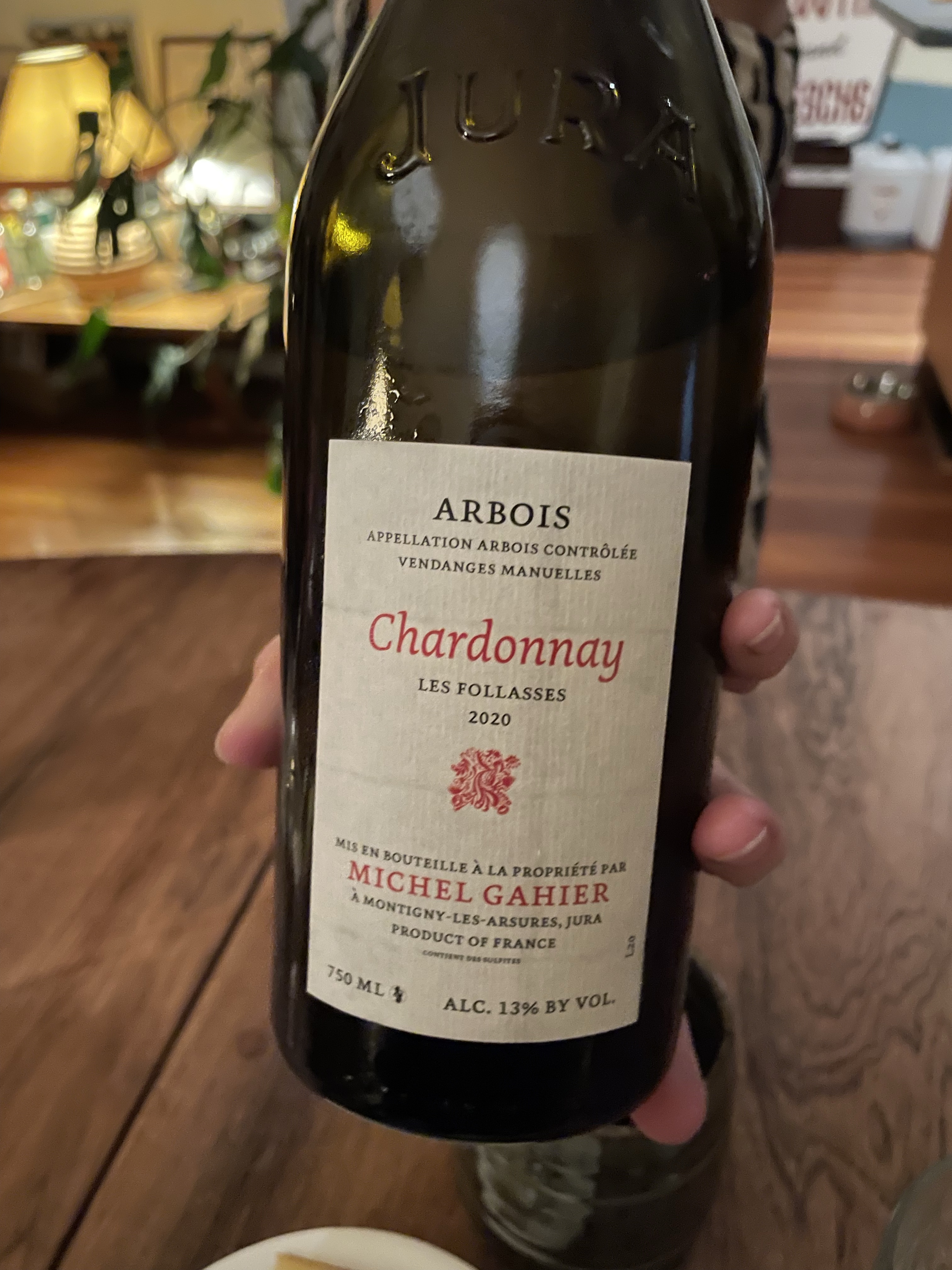
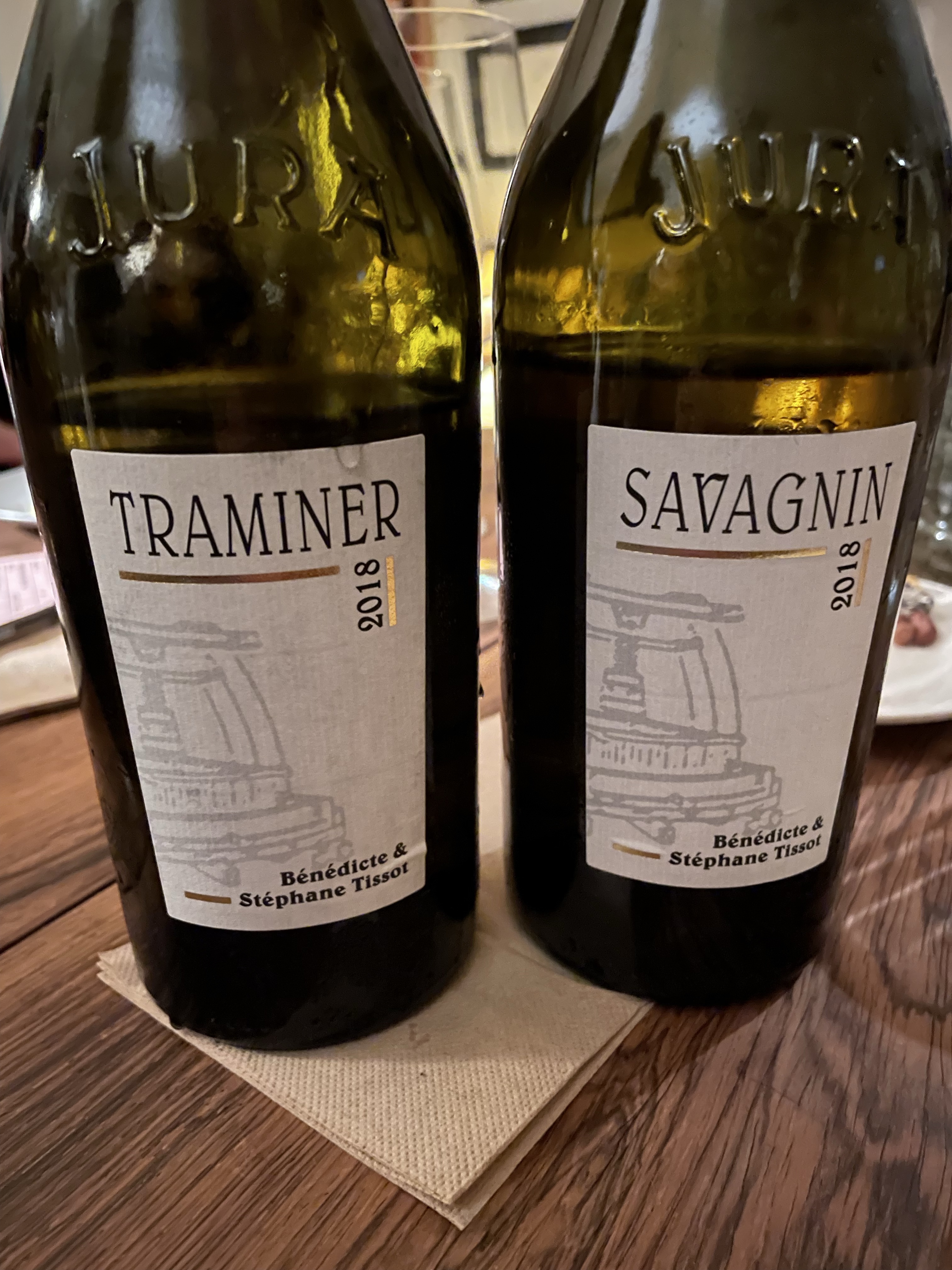


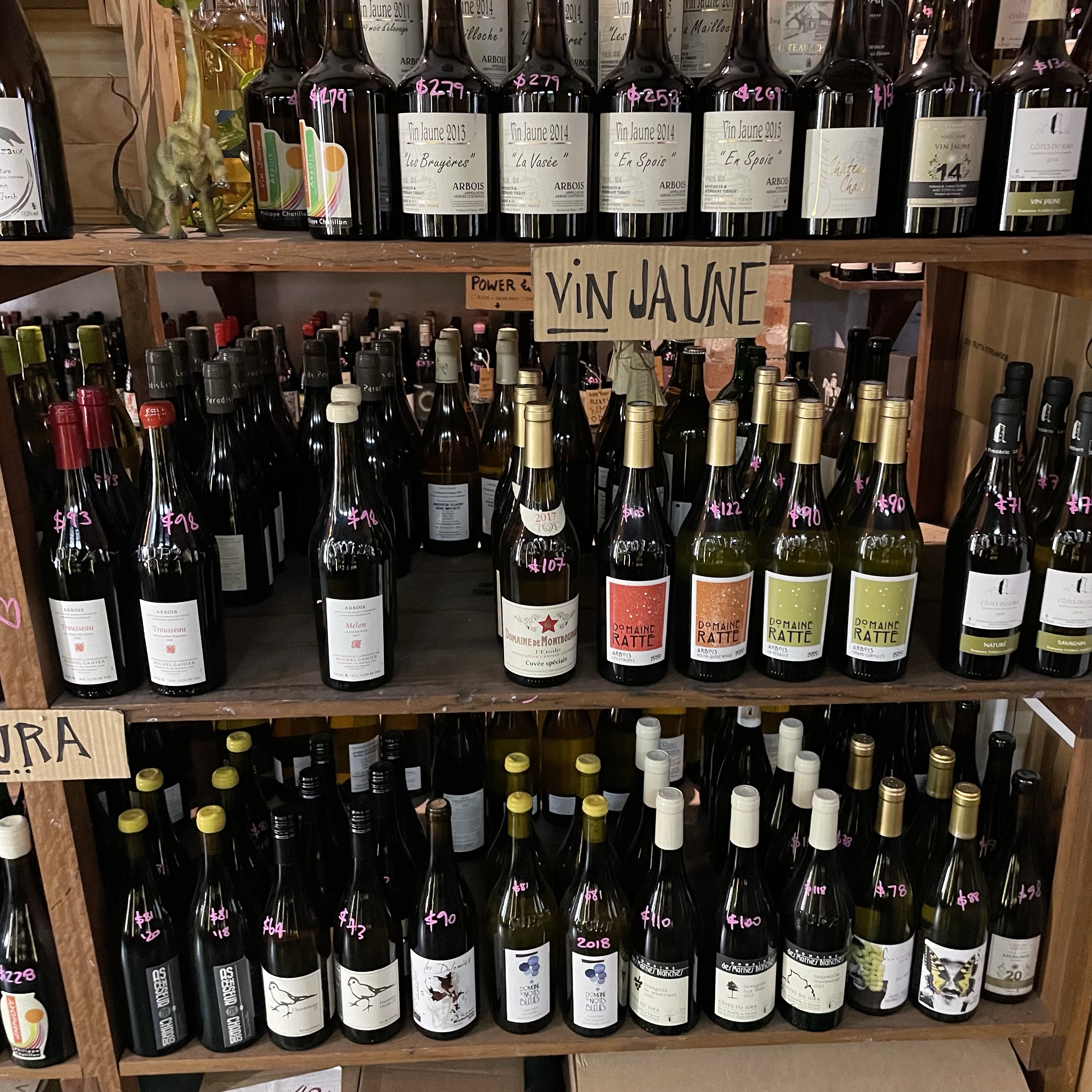
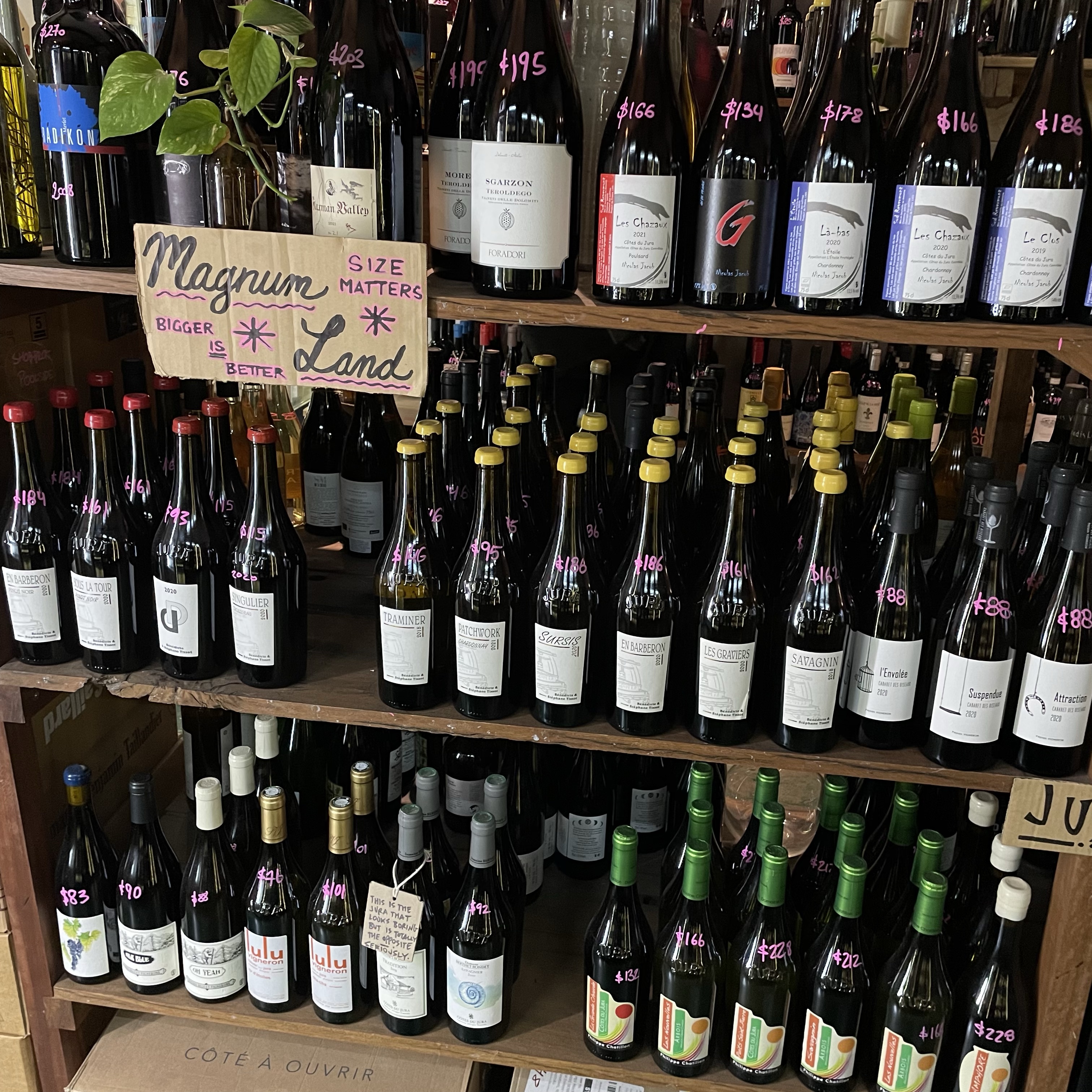
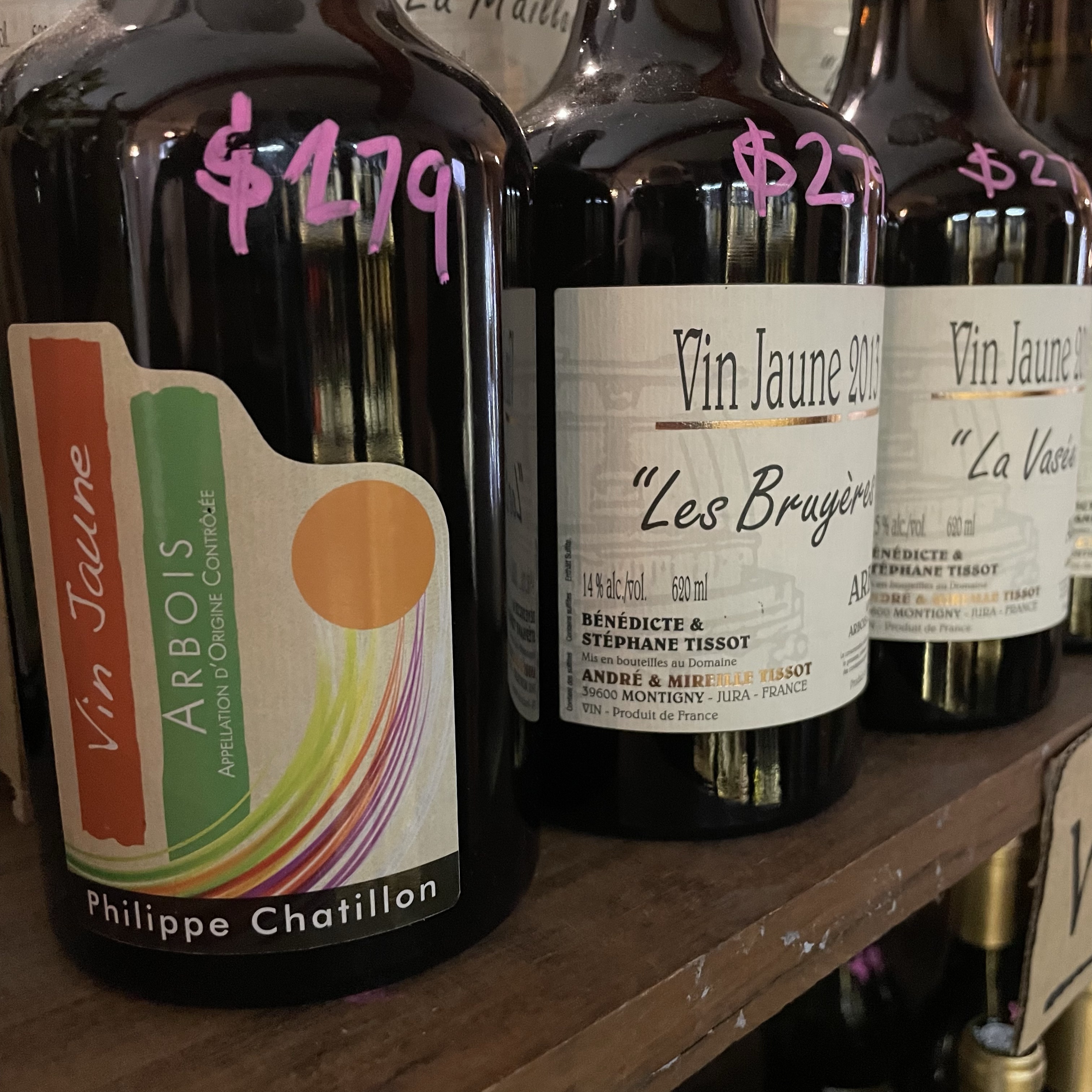
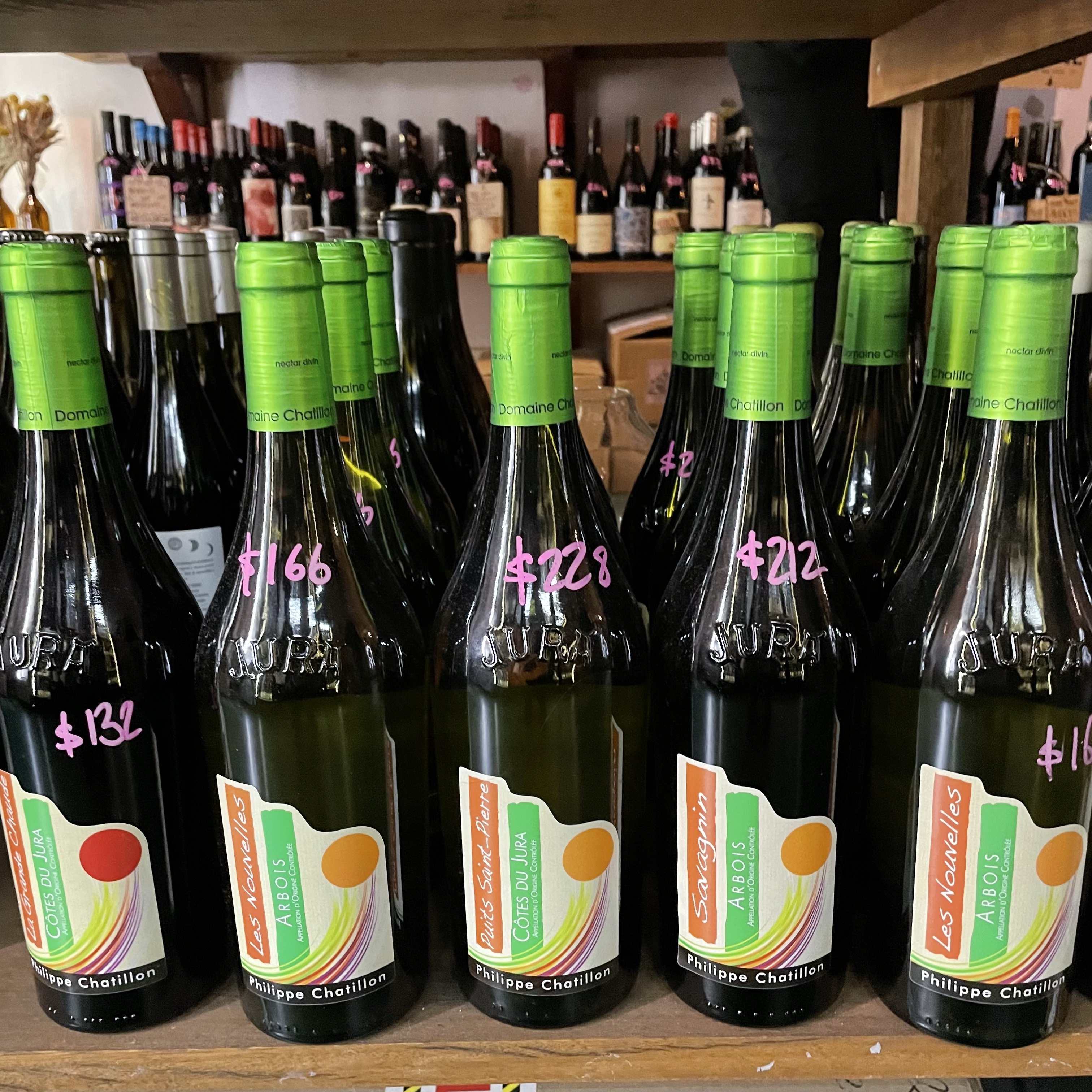
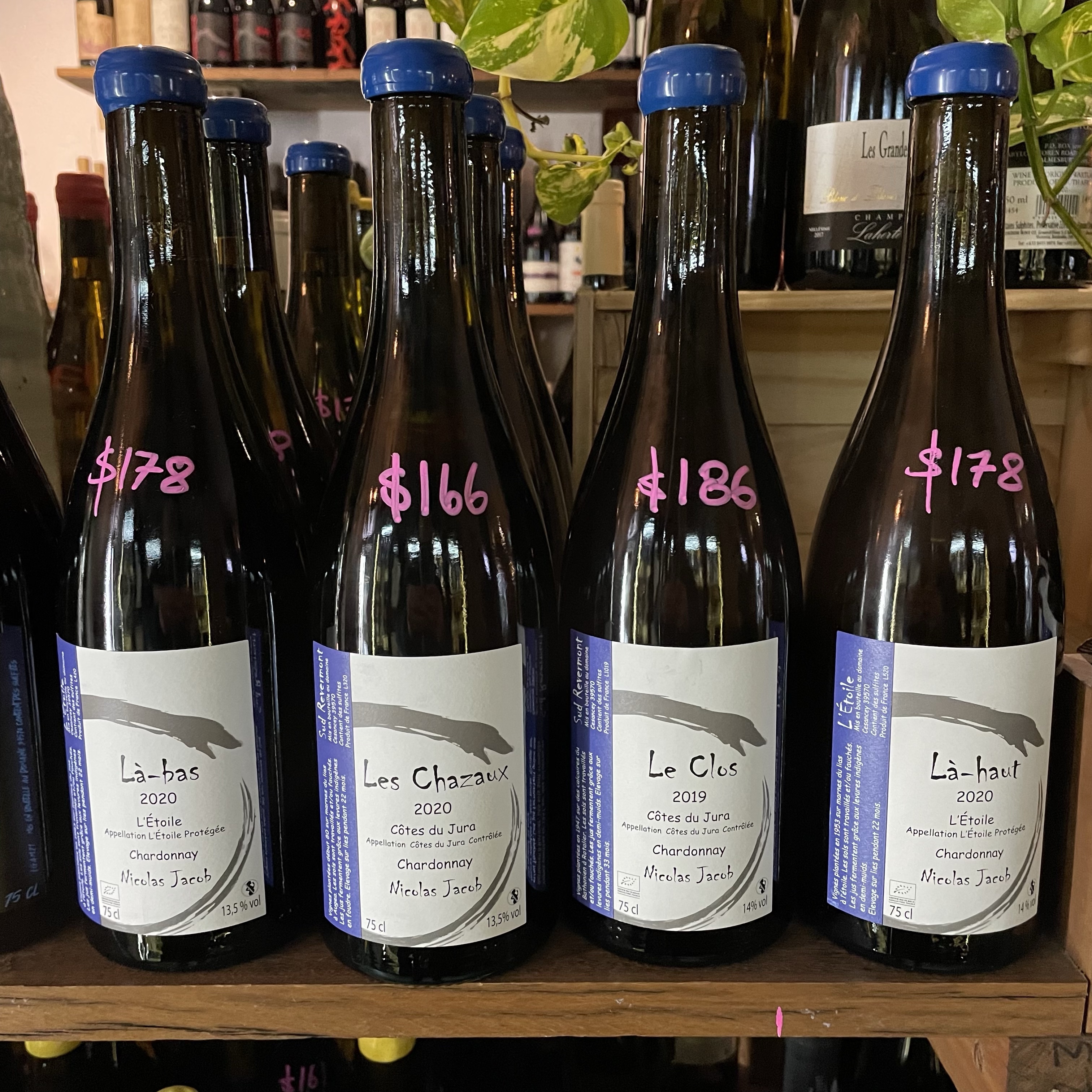
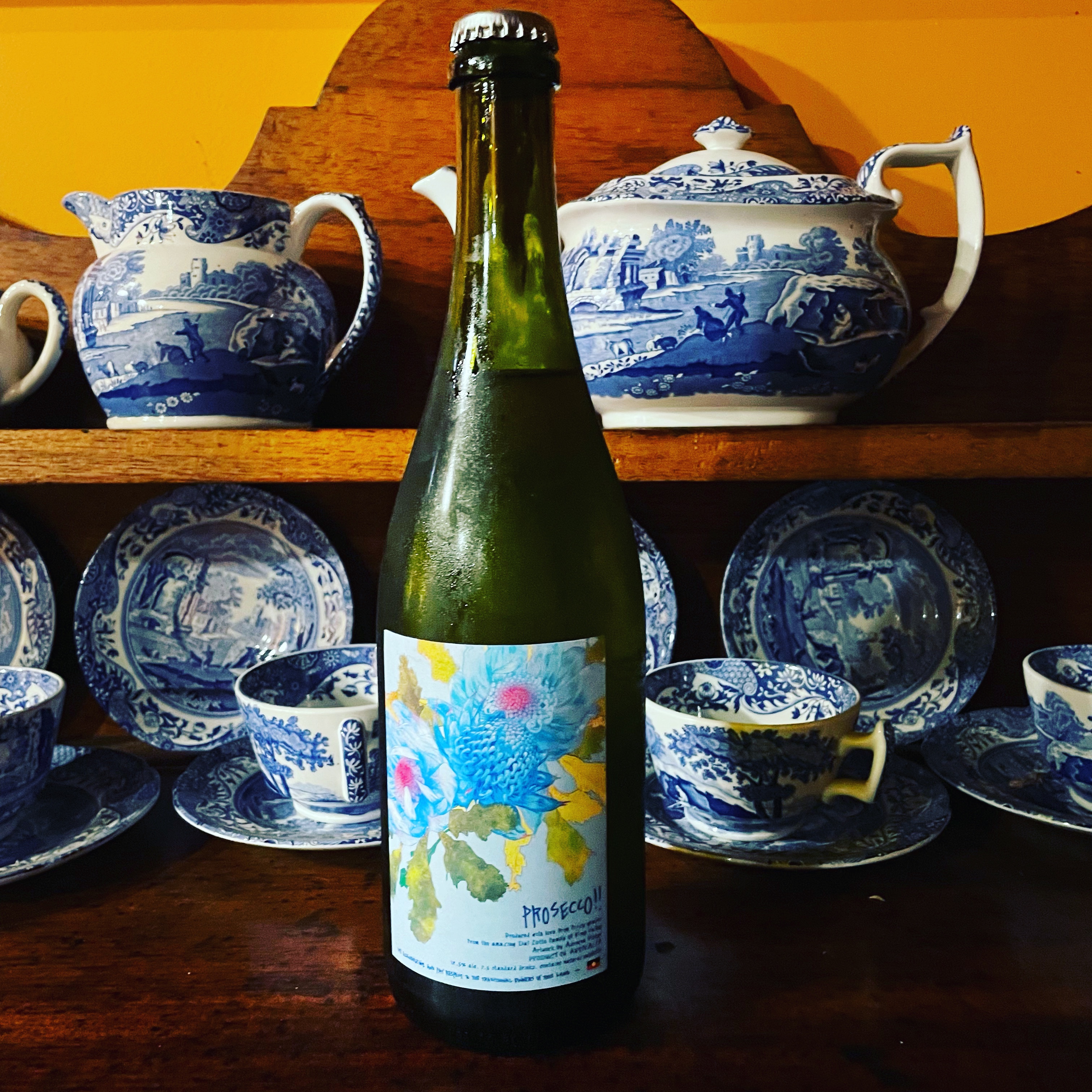

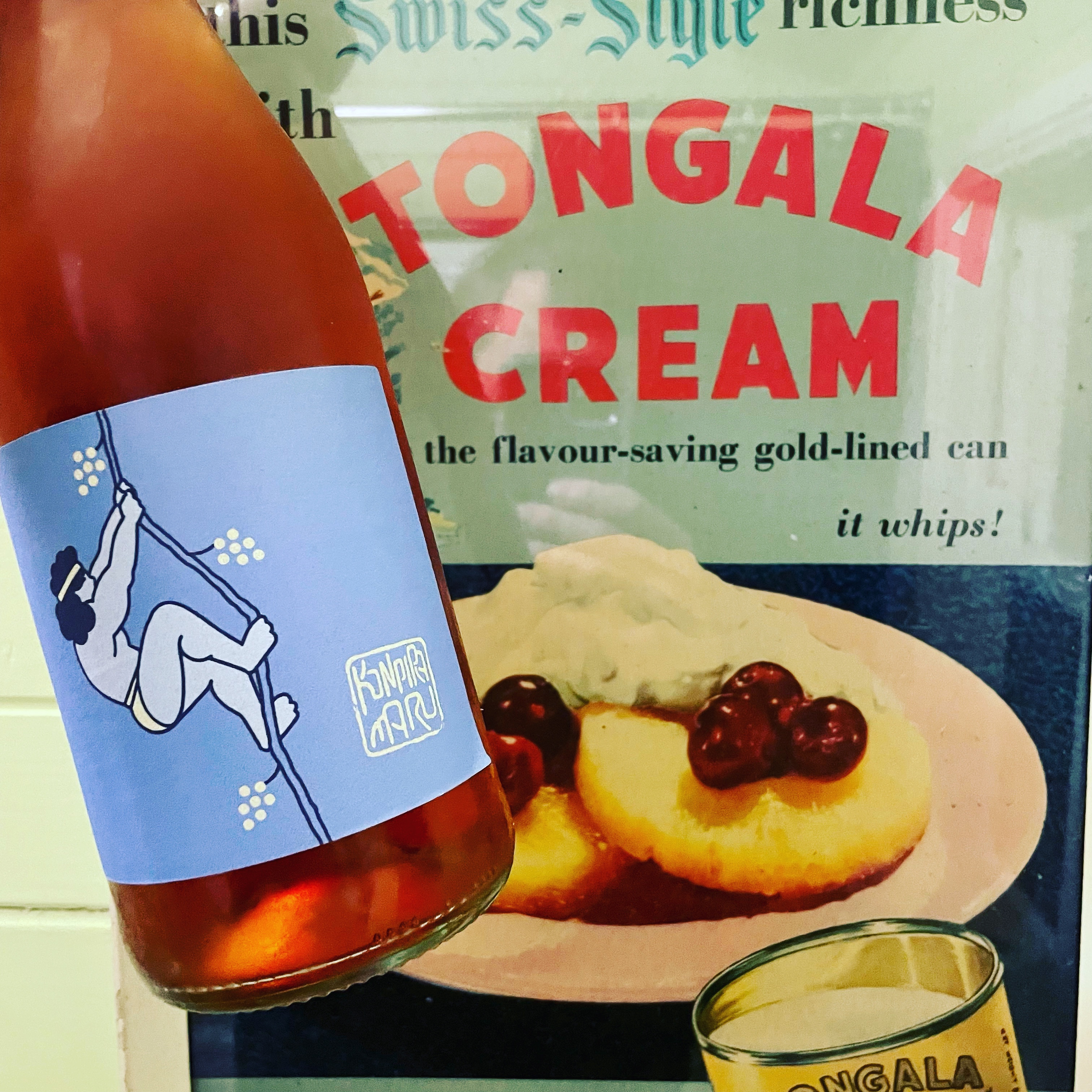
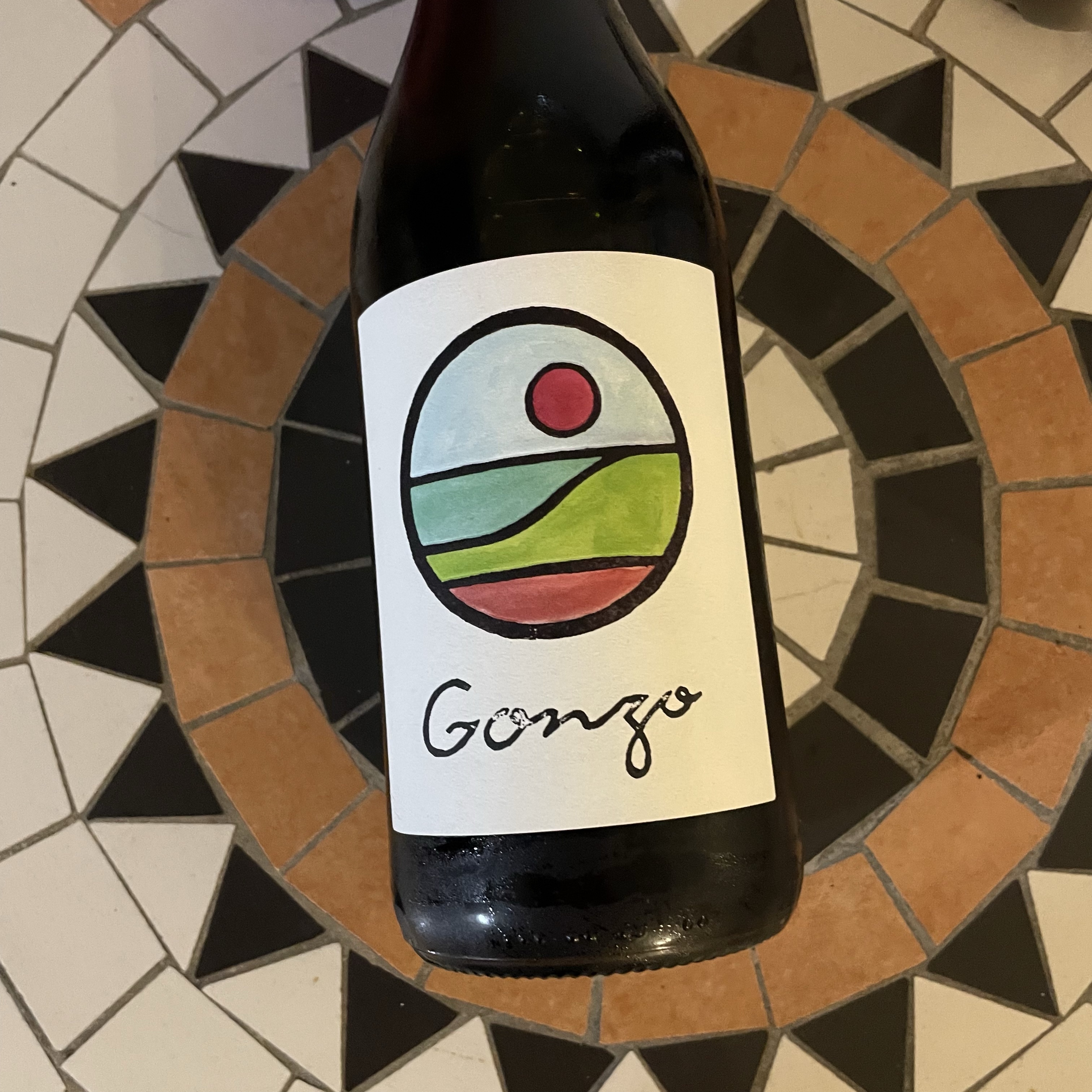
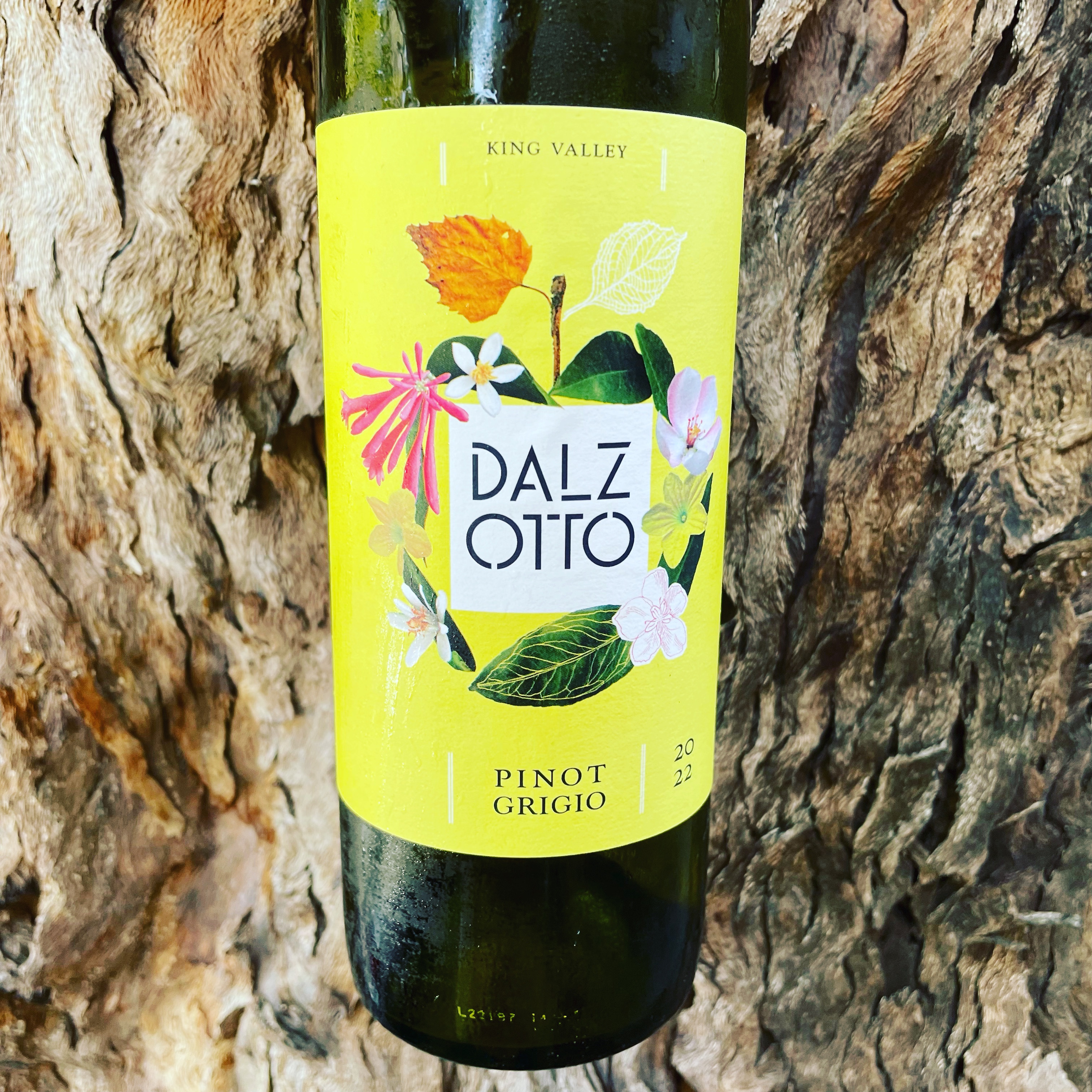
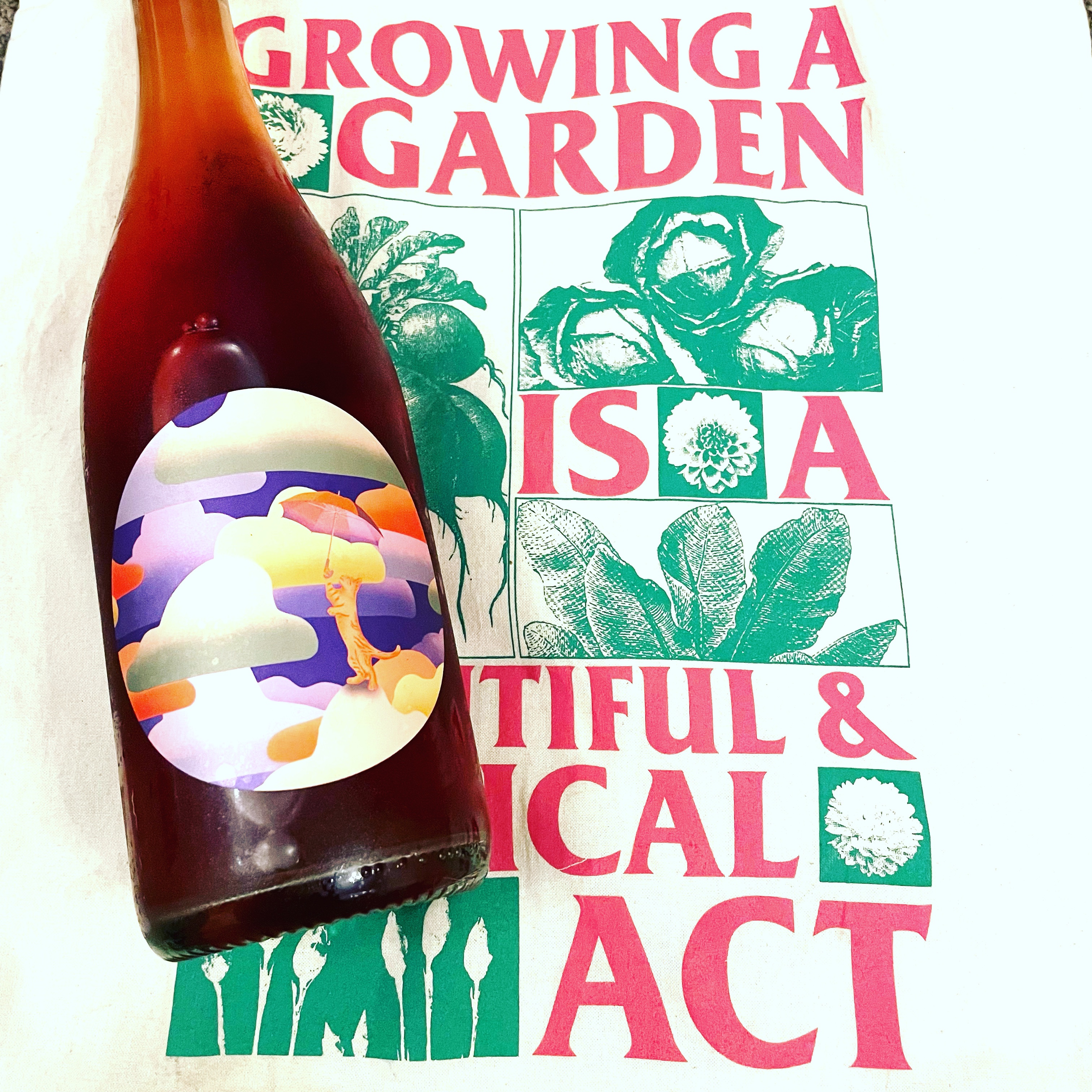
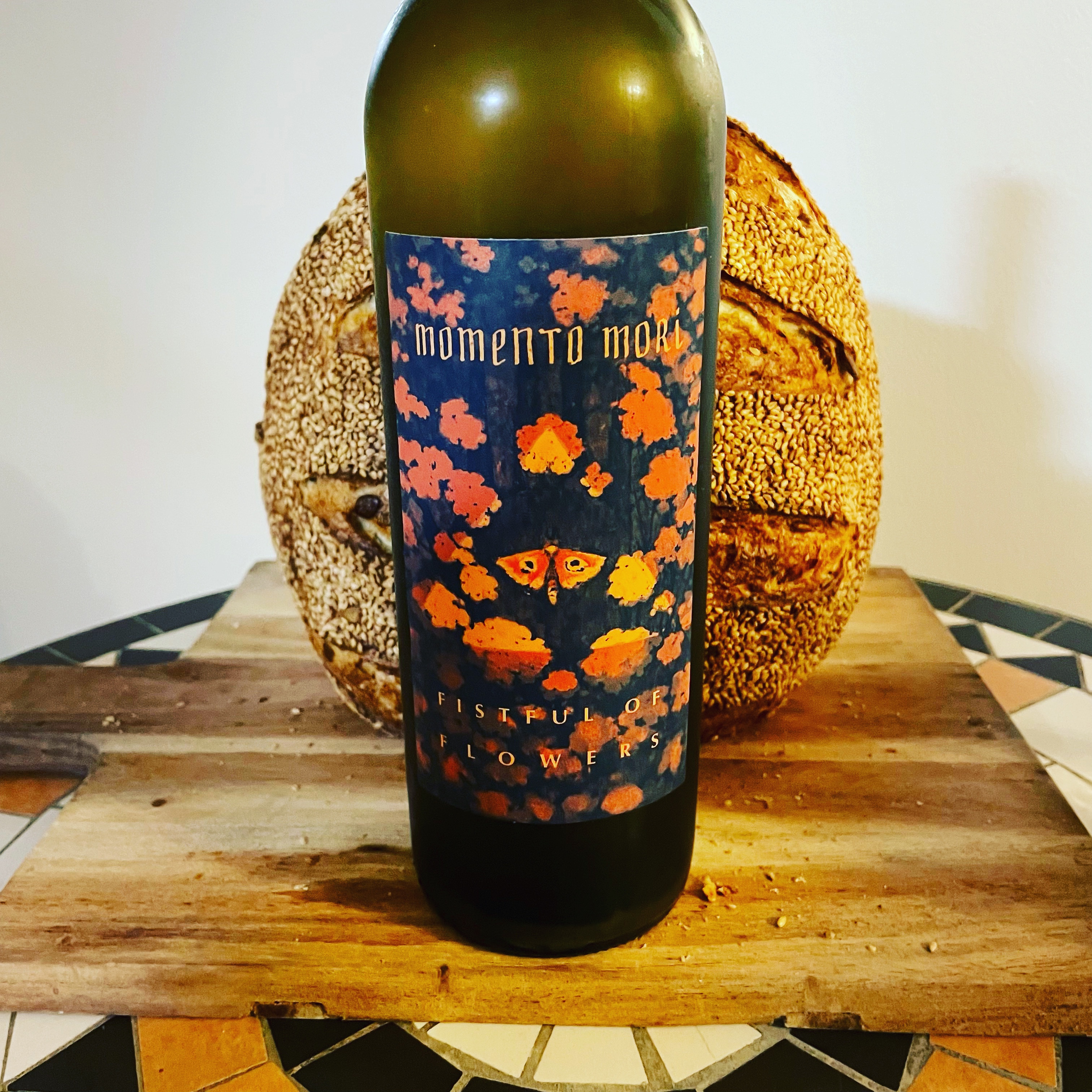



 David Crossley's Wide World of Wine