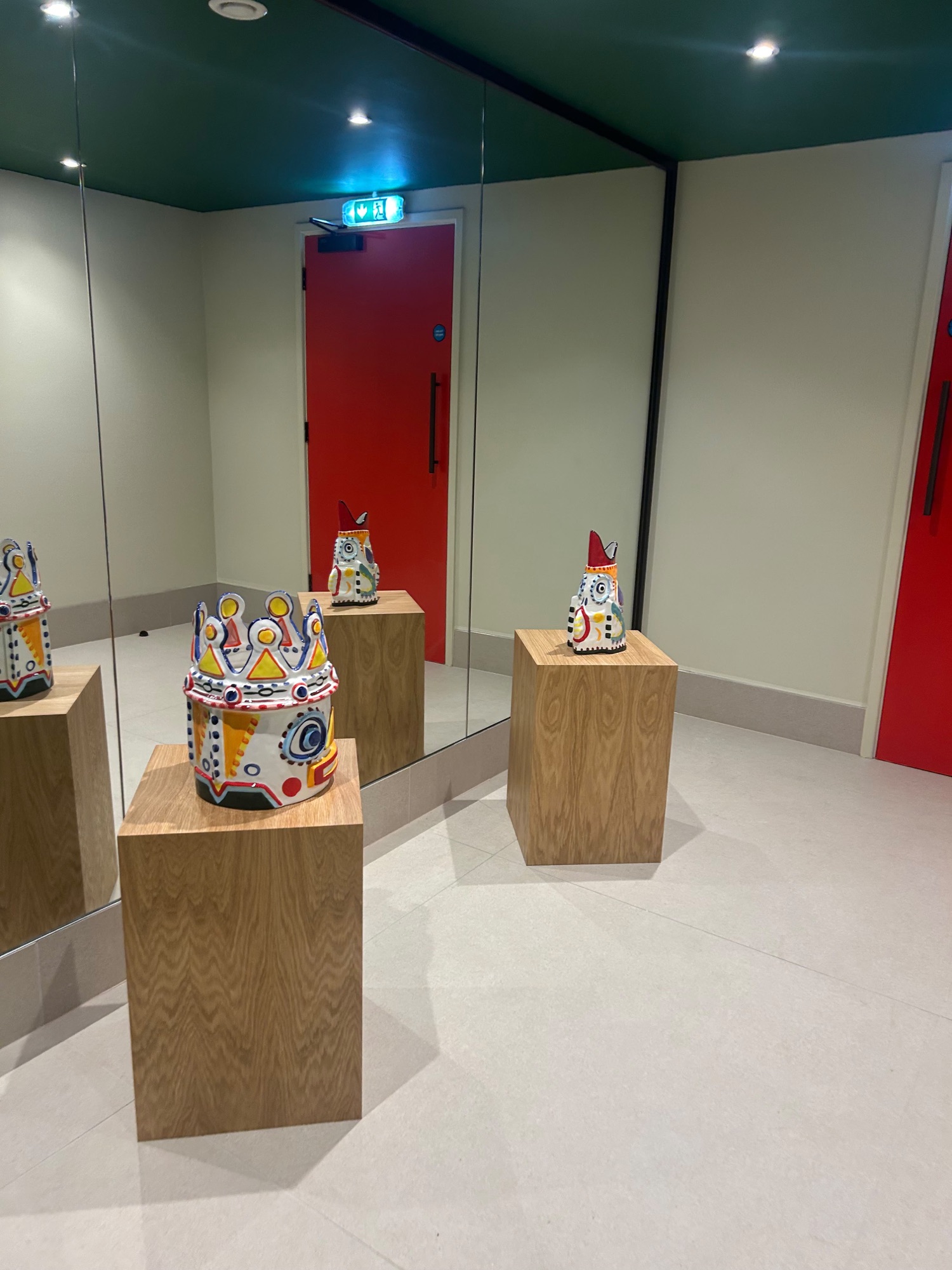
Ottolenghi does have a couple of restaurants overseas, but they are first and foremost known for their London restaurants, serving food which is fresh, and with a vibe that would be wrong to try to pin down geographically, but which does show Levantine influences. Certainly, Mediterranean and “Middle-Eastern” traditions, with a focus on top class vegetables abound. Twenty-four years after Yotam Ottolenghi opened his first deli in Notting Hill, he has finally brought his unique brand up to Scotland, opening a restaurant on Edinburgh’s smart George Street, in the New Town.
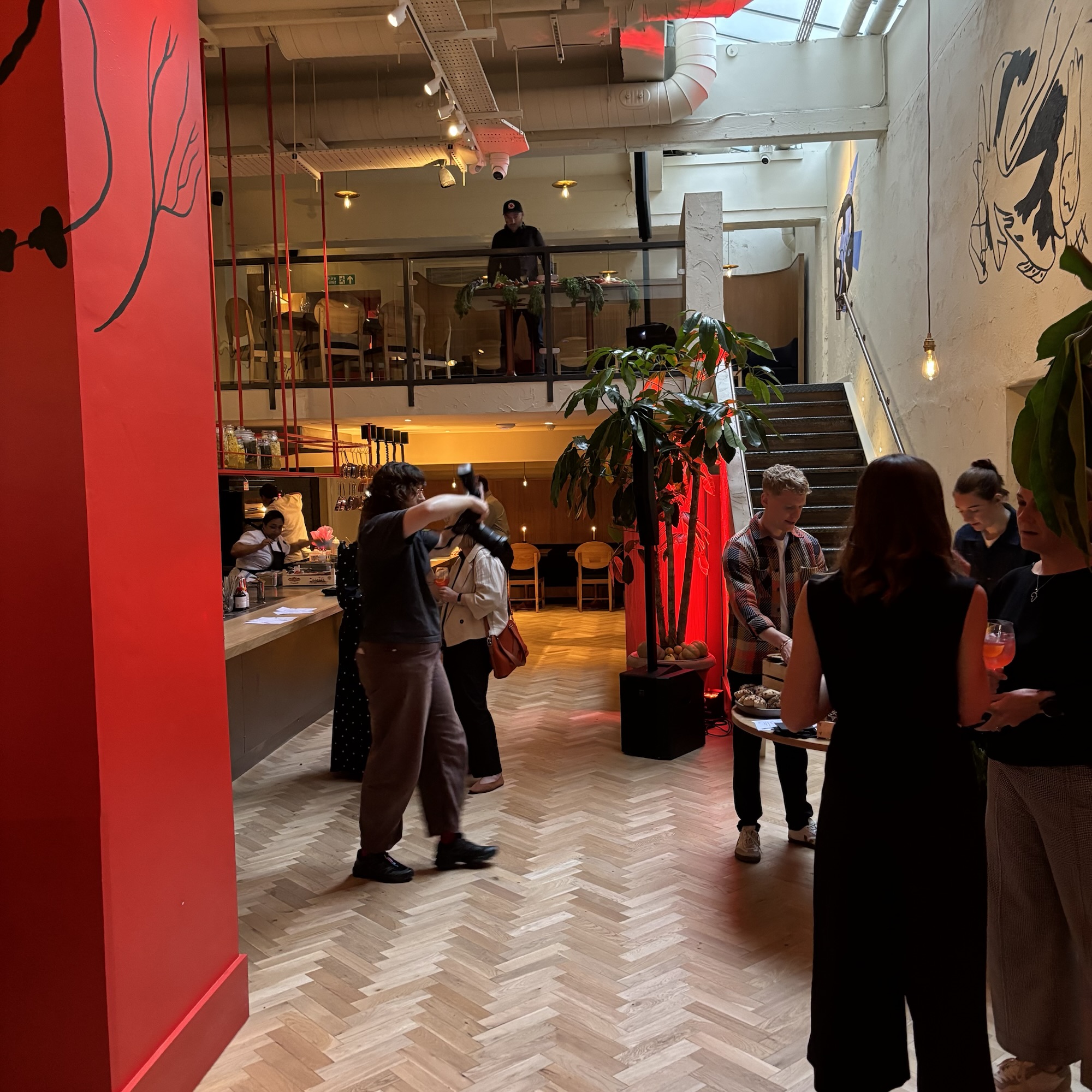
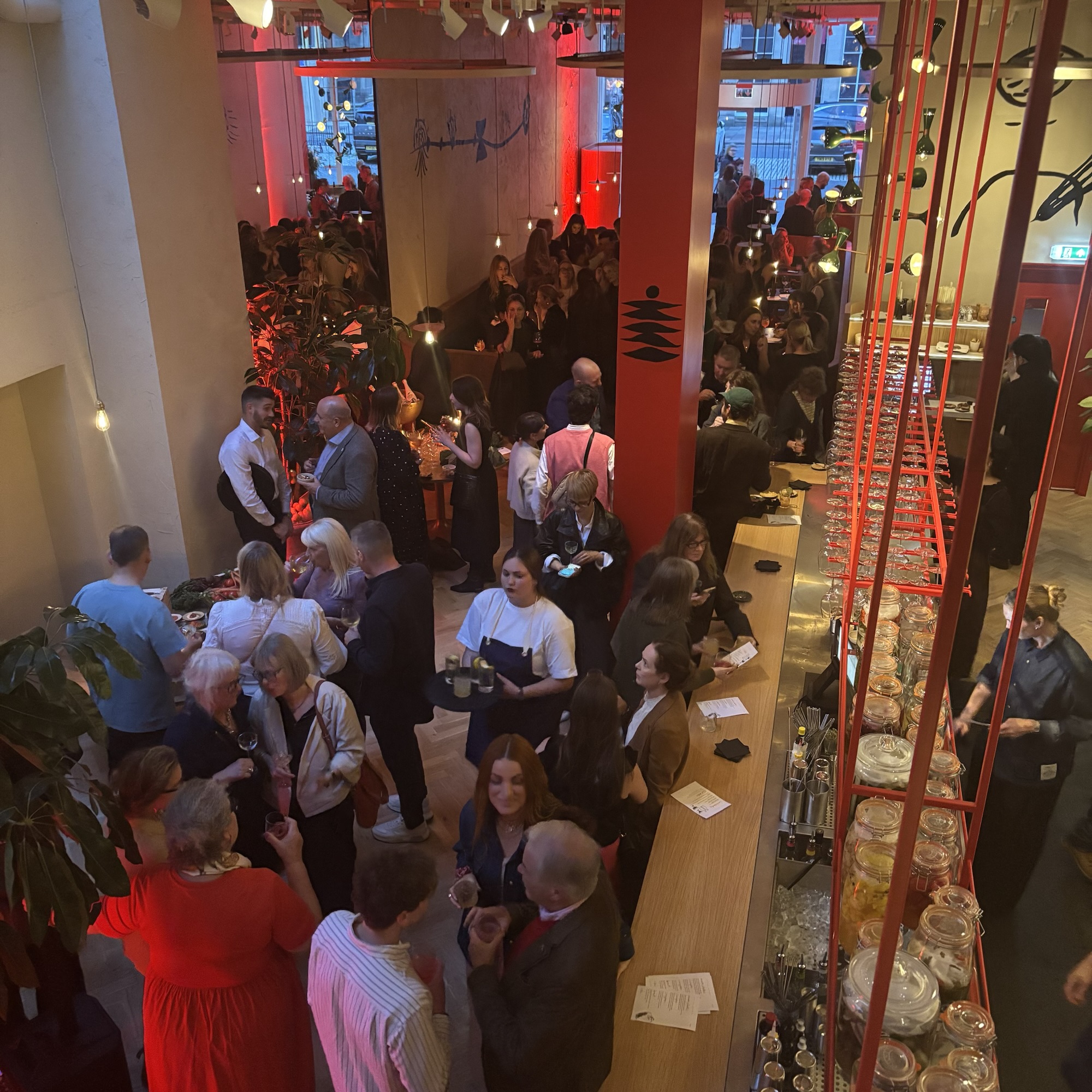
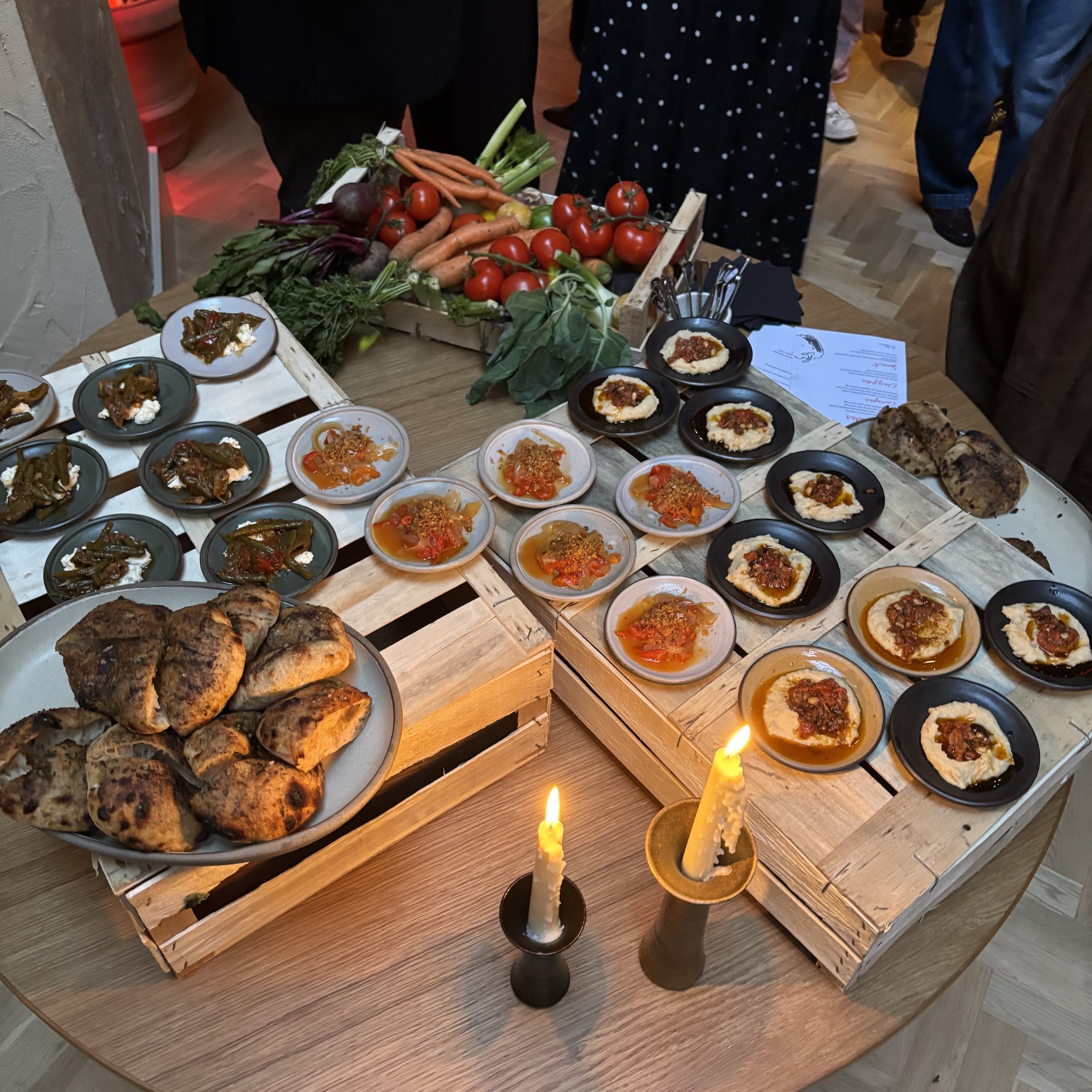
We were lucky enough to be invited to the opening party on Tuesday evening last week, where friends, supporters, suppliers and press were the first to see the pretty exciting new space, and to sample the food and drink which will be on offer. We also had an invitation to the soft opening the following day, but we were London-bound. The photos of the food which appear at the end of this article were taken by my son-in-law, Bijay Shrestha, who along with our daughter was able to take our place.
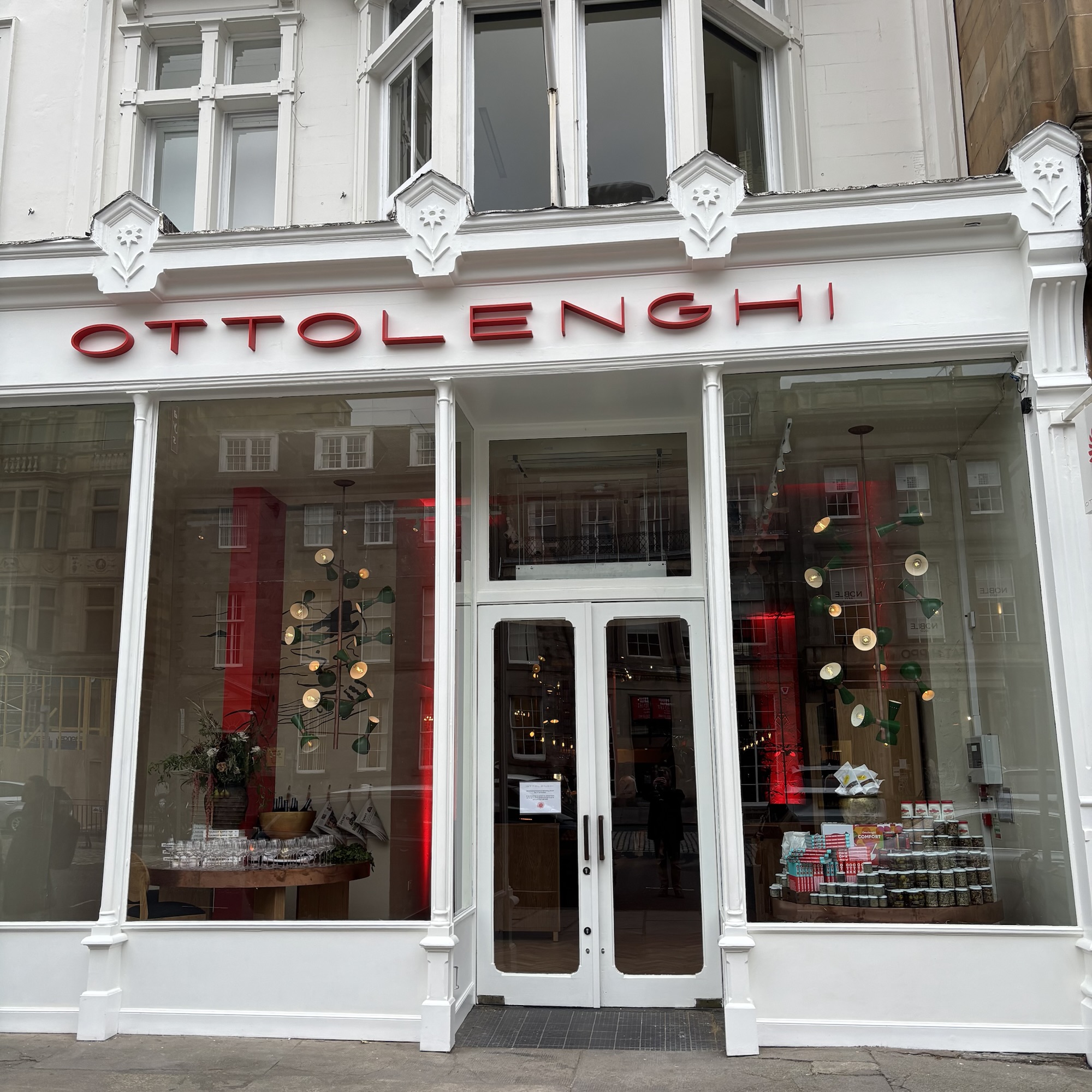
The main reason for wishing to write about Ottolenghi is that whilst the focus is certainly on the food, Ottolenghi restaurants are always equally as interesting for adventurous lovers of low-intervention wines. Not everyone knows this. So, before I come on to the food, just a few words (or more) about the wine list.
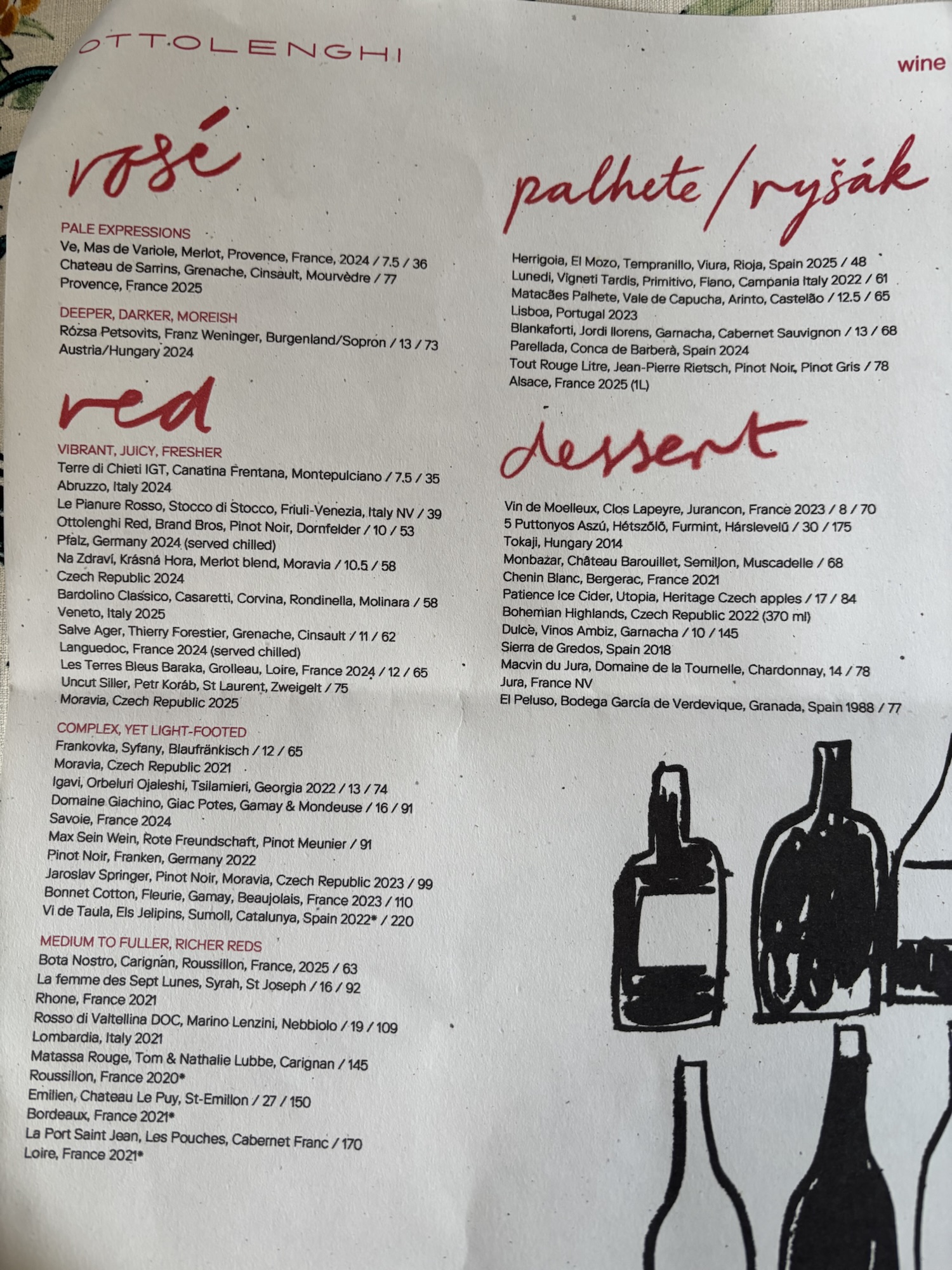
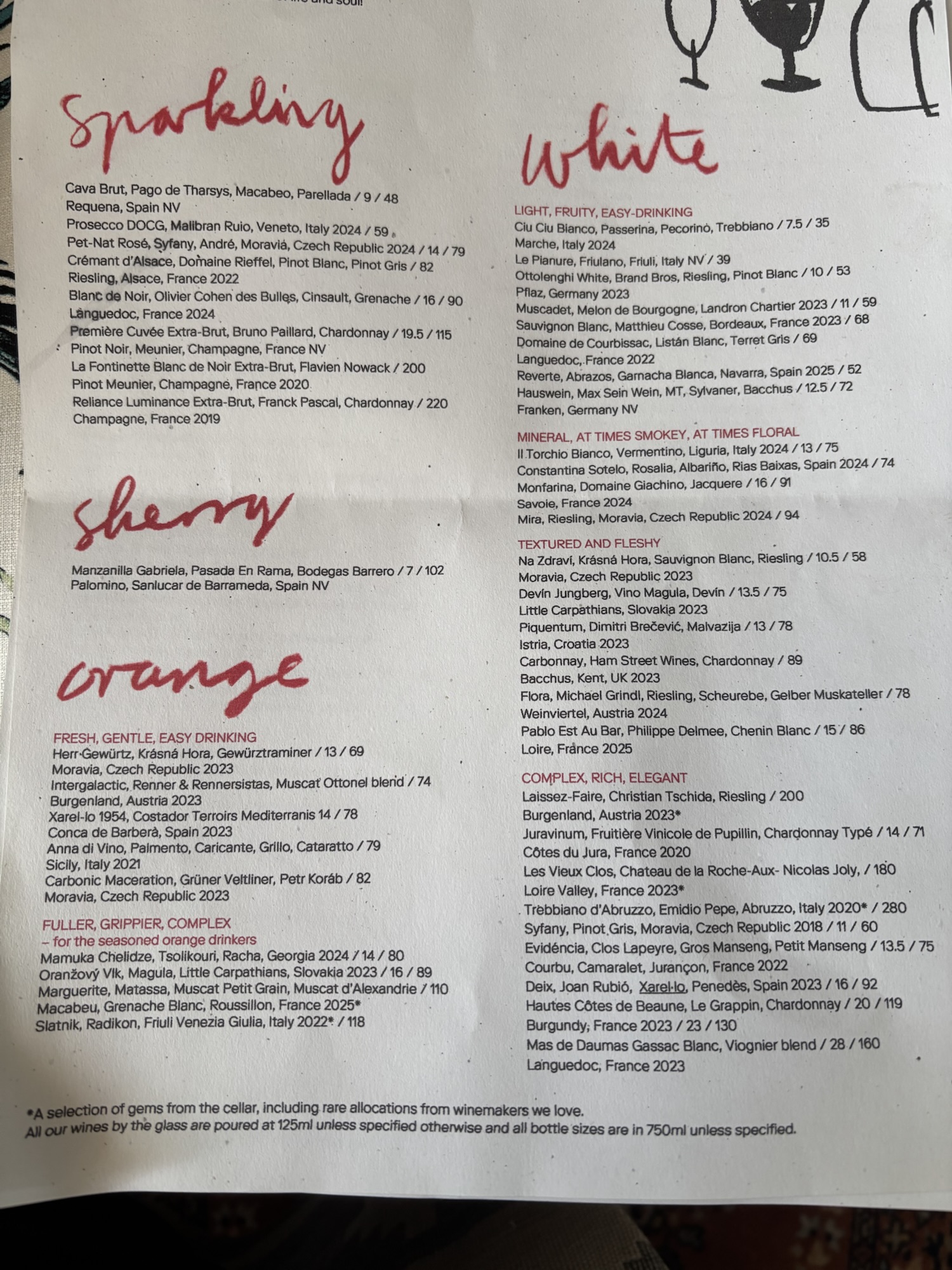
Compiled by Ottolenghi Group’s Head of Wine, Zainab Majerikova and her team, the list covers all the usual bases (red, white, sparkling, dessert) along with “pink”, Sherry, orange and palhete, the latter for light, chillable reds which are just the perfect match for much of Ottolenghi’s food, if you enjoy this summery style that I think works all year (we don’t, after all, stop drinking chilled white wine in winter, so why stop drinking chilled red?). Some headings are sub-divided further to give us all an idea what we might expect from unfamiliar names. Orange wine is, for example, divided between lighter, more gentle orange style (eg Renner und Rennersistas Intergalactic), and the grippier side of orange (eg Radikon’s Slatnik).
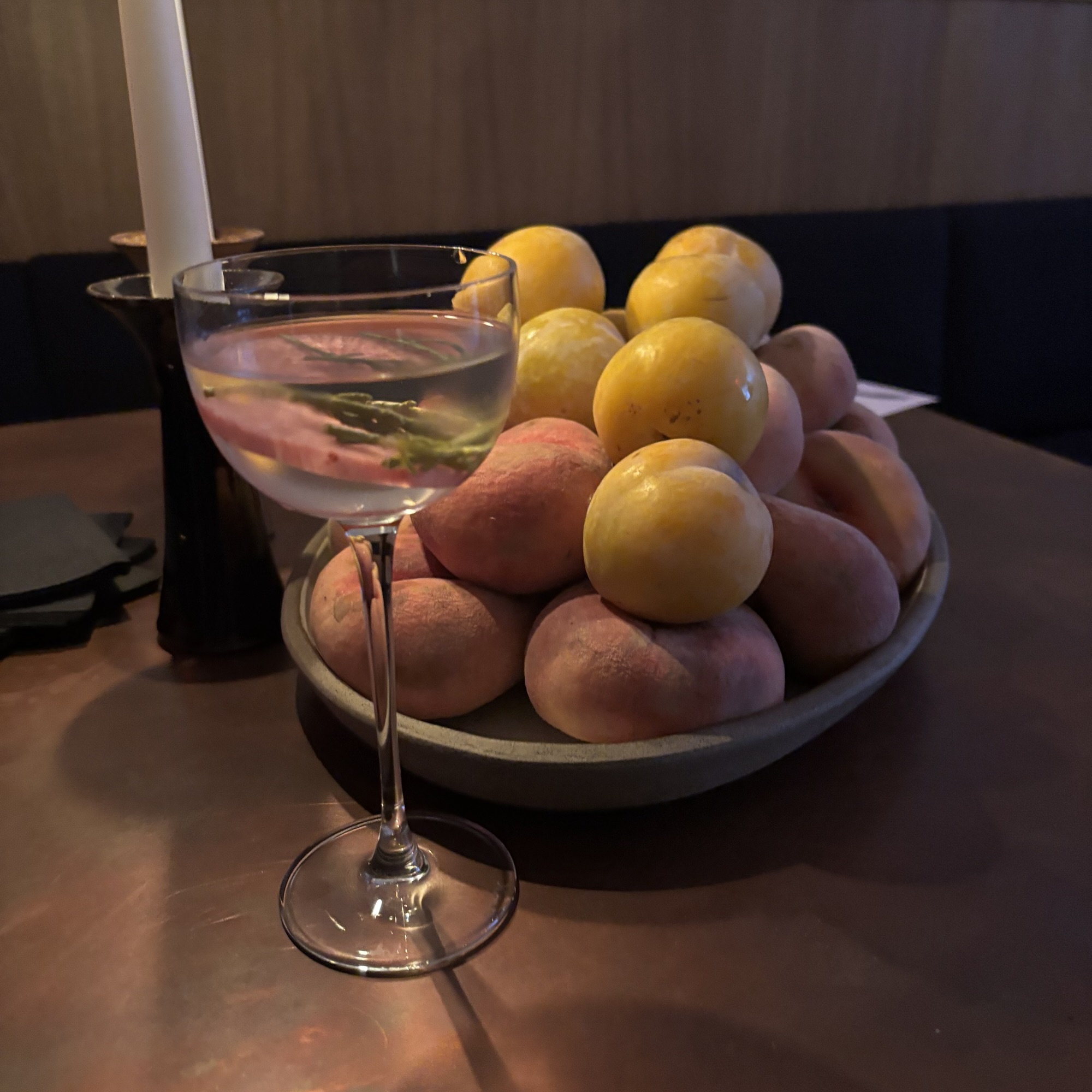
A good variety of wine was on offer at the party, but after a gin-based Martini as an apero, I wanted to try the current House Wines. That both the red and white come from Brand Bros in Germany’s Pfalz surely signals a fine intent here, and depth of knowledge in the choice. The white is a blend of Riesling and Pinot Blanc and the red, Pinot Noir and Dornfelder. I’d be very happy to drink both, and the red was served chilled, which was spot on. These house wines cost £53/bottle or £10 for a 125ml glass. Although you wouldn’t call prices here exactly cheap, you can pay less because the house wines aren’t the cheapest on the list. £35 is the price point where a bottle of red or white starts.
As the list is two pages long, there’s plenty of choice, especially those happy to splurge. If you want bubbles I’d likely go for Rieffel’s Crémant d’Alsace or Syfany’s Petnat Rosé from Czechia, but a couple of fine Champagnes (Flavien Nowak and Franck Pascal) top £200. For skin contact options I’d go with the aforementioned Renner Intergalactic, or Magula’s Oranzovy Vlk (Slovakia). If feeling flush, perhaps the Radikon (£118).
For whites, they have the wonderful Riesling from Mira Nestarecová (Czechia, wife of Milan Nestarec) which if you have yet to try, wait no longer. Ham Street Wines (Kent) are in with their Carbonnay (sic), and for the discerning and wealthy, Christian Tschida and Emidio Pepe top a strong offering in the “complex, rich, elegant” sub-section. Reds range from hidden gems of natural wine (Petr Koráb, Jaroslav Springer), stalwarts like Matassa and La Ferme des Sept Lunes, to big hitters such as Els Jelipins Sumoll (I wish, but £220) and Château Le Puy (which can also be had by the glass for £27, so maybe a chance to try it?).
Another BTG option comes in the dessert category. Utopia’s Ice Cider (Czechia) is absolutely stunning and at £17 for a glass to accompany dessert, it is really worth a look, while it lasts. The pale, chillable red category has a few good options, but a perfect choice for a table of four must surely be Jean-Pierre Rietsch’s Tout Rouge, which comes as a litre for £78. Well, J-P is after all my favourite Alsace winemaker.
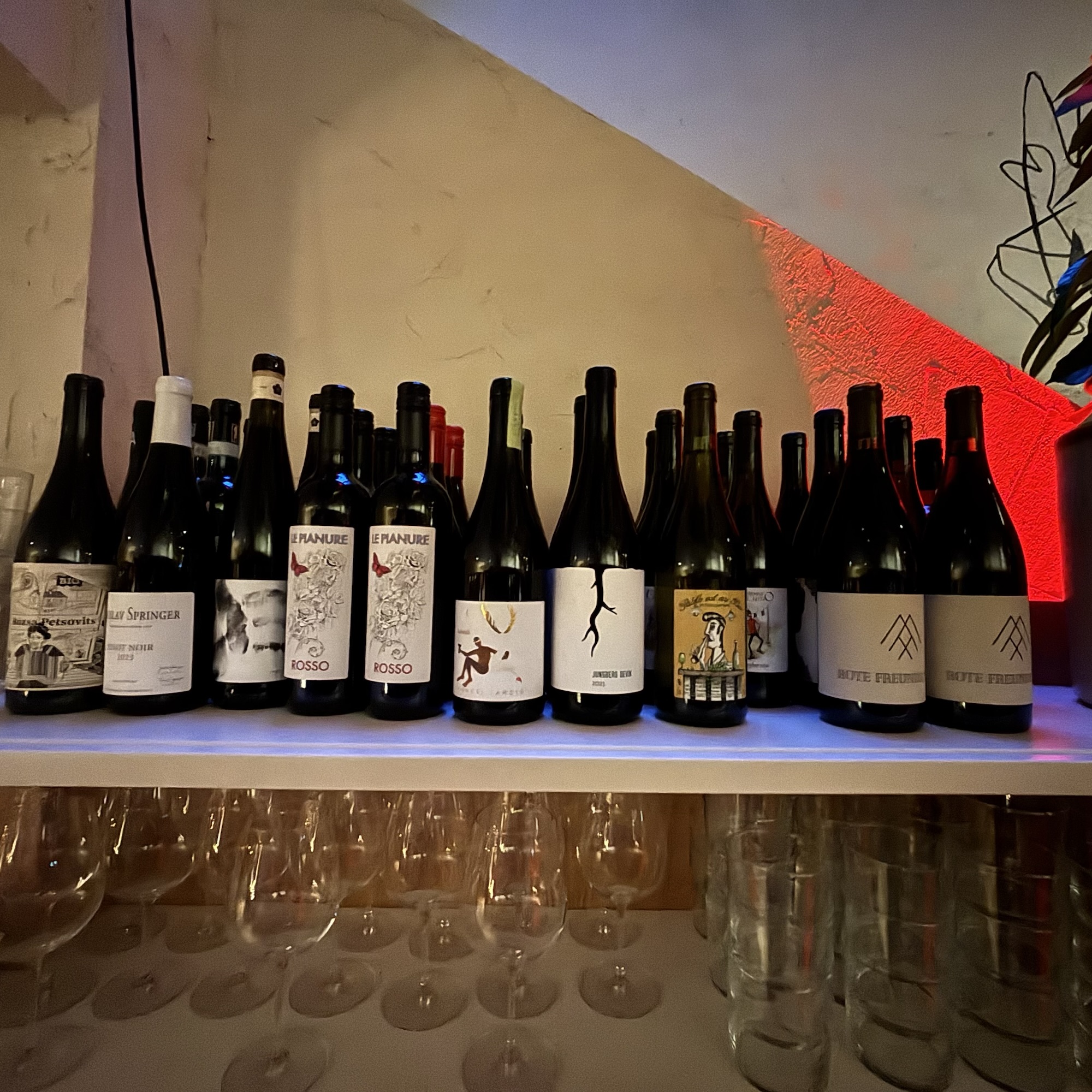
There are very nice non-alcoholic options as well (we sampled them). More traditional cocktails too, and an extensive whisky offering, including a collab between Ottolenghi and Woven Whisky Makers (blended in Leith).
The food in Edinburgh is created by Scottish Executive Head Chef Neil Campbell. Neil was born and grew up on Skye, worked in some of Scotland’s top kitchens, and then spent the last ten years with Ottolenghi. His menu, which brings vegetables to the fore, will also have a focus on fresh Scottish ingredients of the highest quality. They are working with, inter alia, Phantasie Organics for veg, where a close friend coincidentally works. They have an especially good name across East Lothian.
It’s a menu based on the idea of sharing plates, not new (my wife experienced a sharing plate lunch at Café Murano in London the following day), but the level of interest is very high. For example, Edinburgh is the first Ottolenghi to use handcrafted clay pots from Casalatina for several slow-cooked dishes which form the core of the main course. Fish comes from Ochil, John Valences and Welch, all names known to connoisseurs of Scottish seafood.
We tried several small plates based on peperonata, miso butter bean mash, and Fasolakia beans. Chicken yoghurt “cigars” were particularly inventive. The bread here, whether flatbreads with black garlic butter or “well-fired” morning rolls, is, for me, genuinely exceptional. In fact, it is all about people and food here. The second time we chatted with Yotam the first thing he asked was “how’s the food?”.
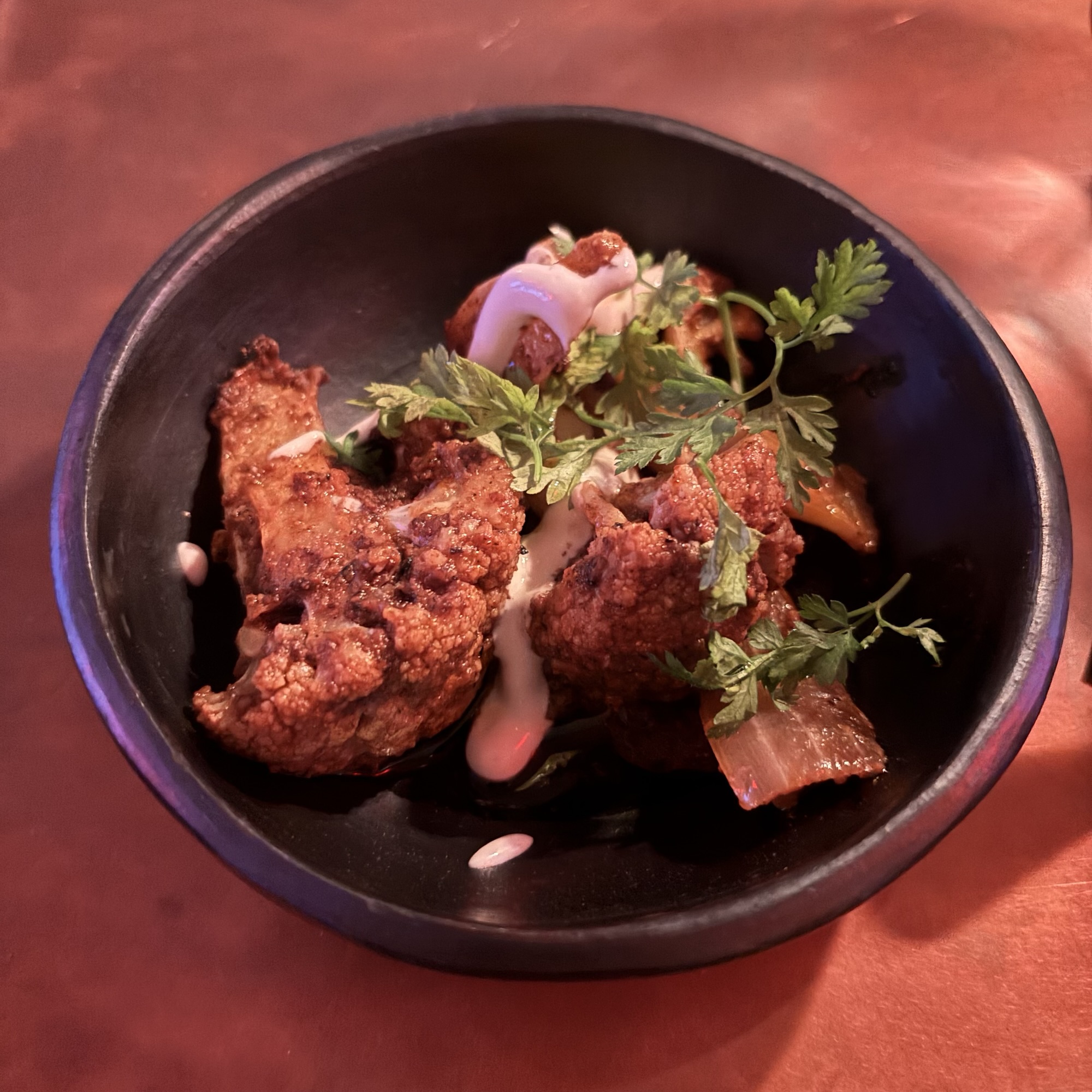
I would say it was very good indeed, and I understand from my family that lunch the next day was spectacularly good. In fact, when we get the chance to dine there properly, I am quite likely to order the clay pot and the cheesecake my daughter and son-in-law had. They drank glasses of Domaine Giachino “Monfarina” (Savoie, which I can always recommend, £16/125ml) and Krasná Horá’s Na Zdravi blend of Sauvignon Blanc and Riesling (Moravia, £10.50/glass, also delicious and I’ve bought both myself before).
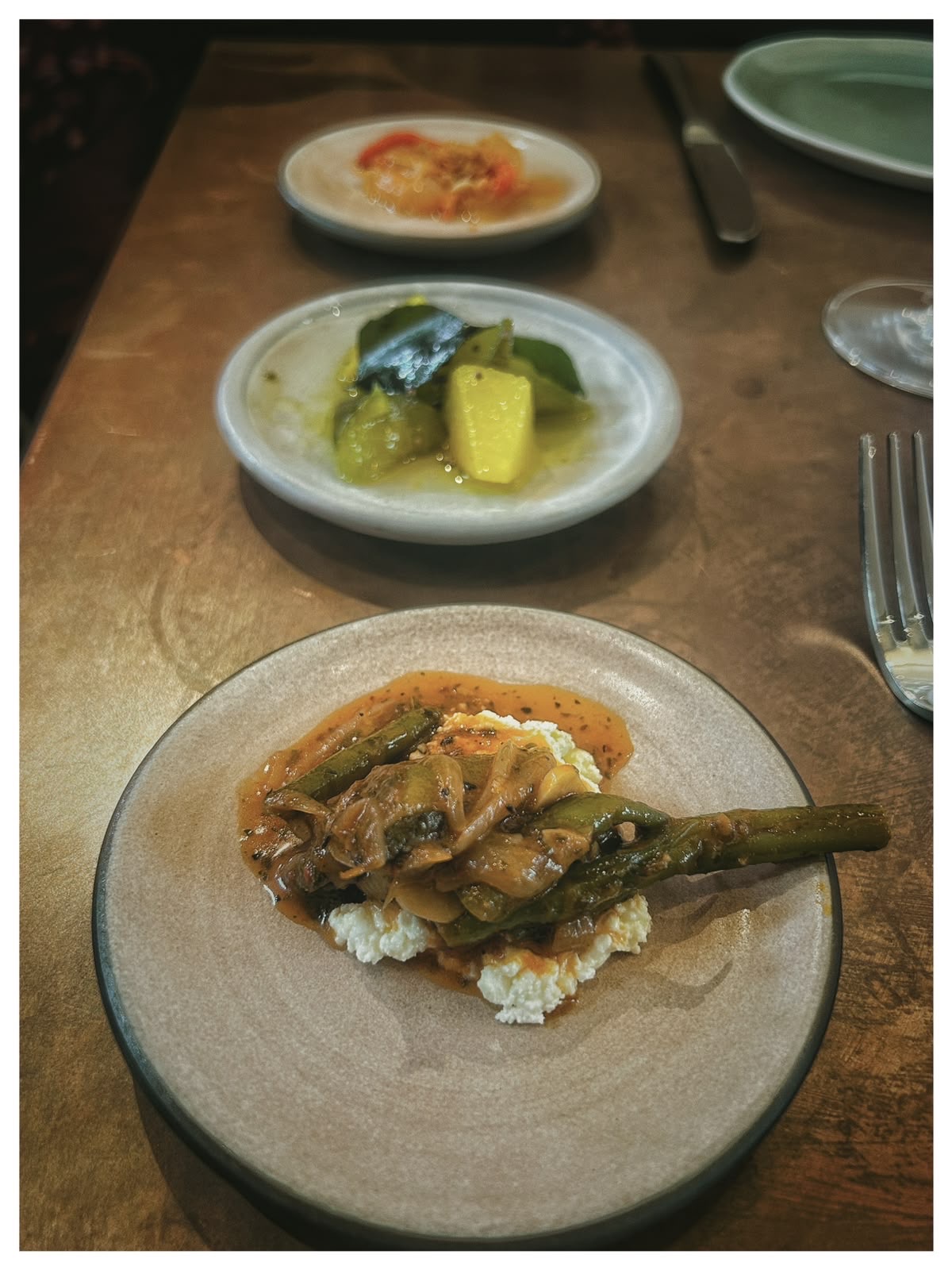
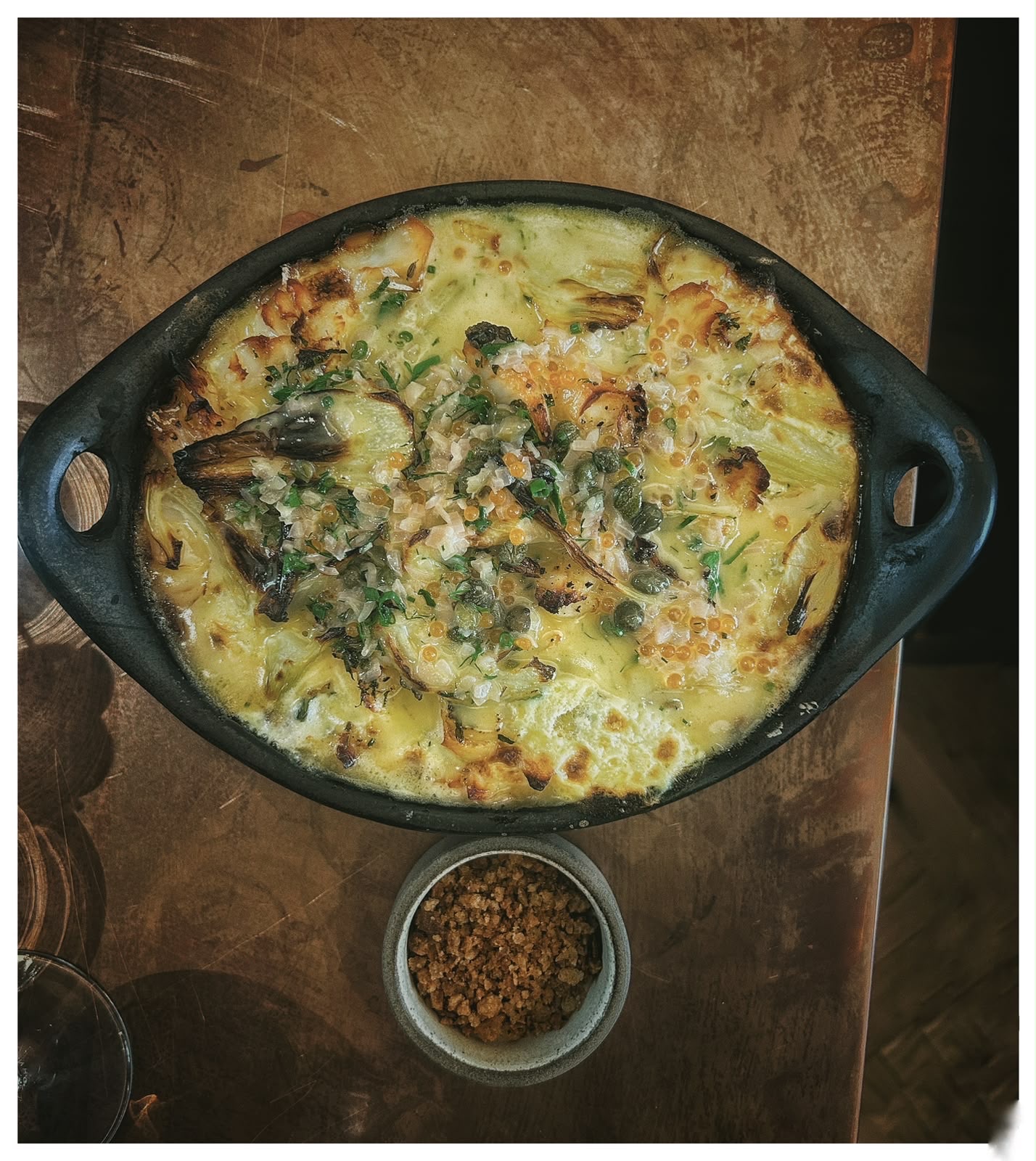
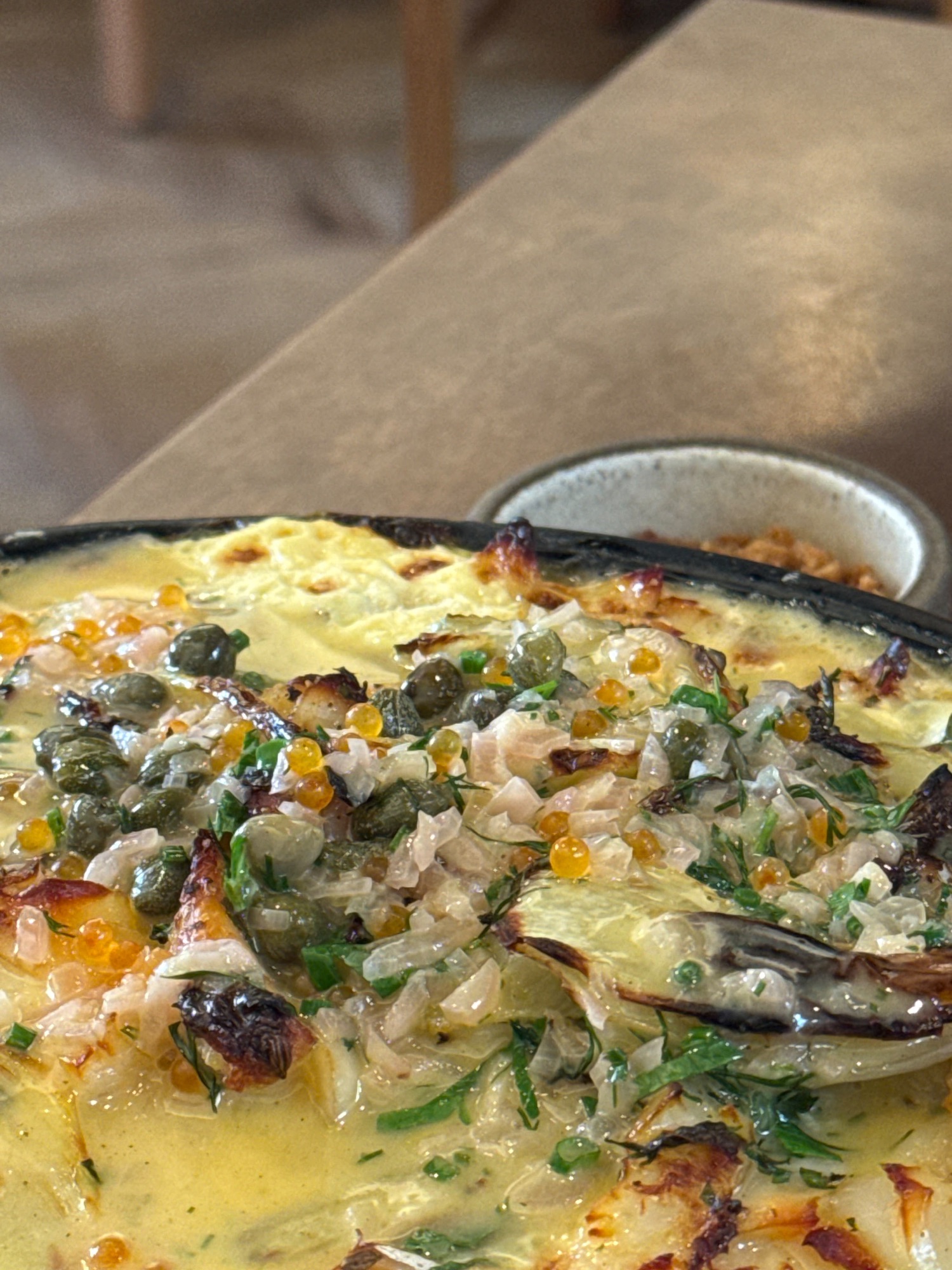
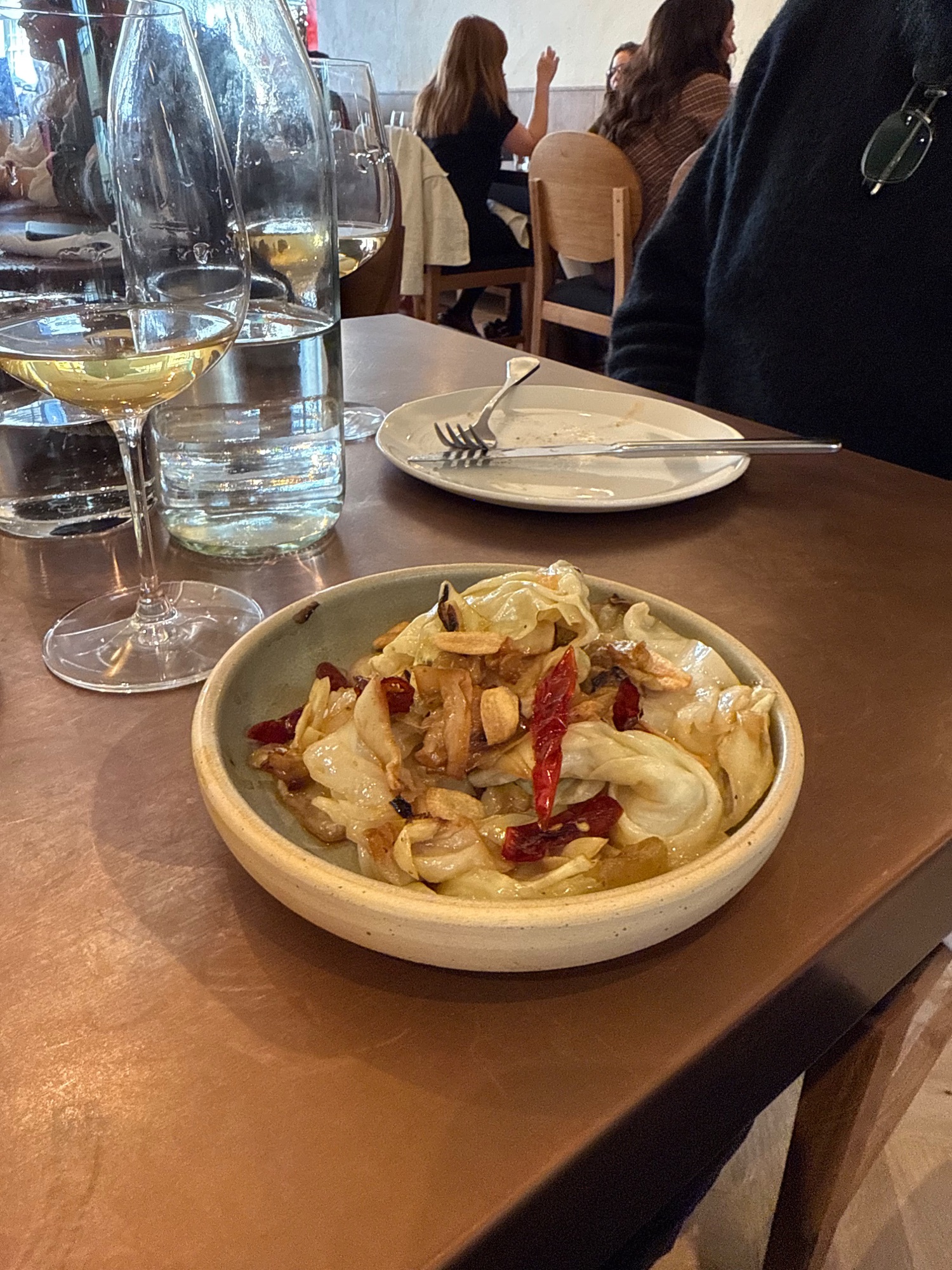
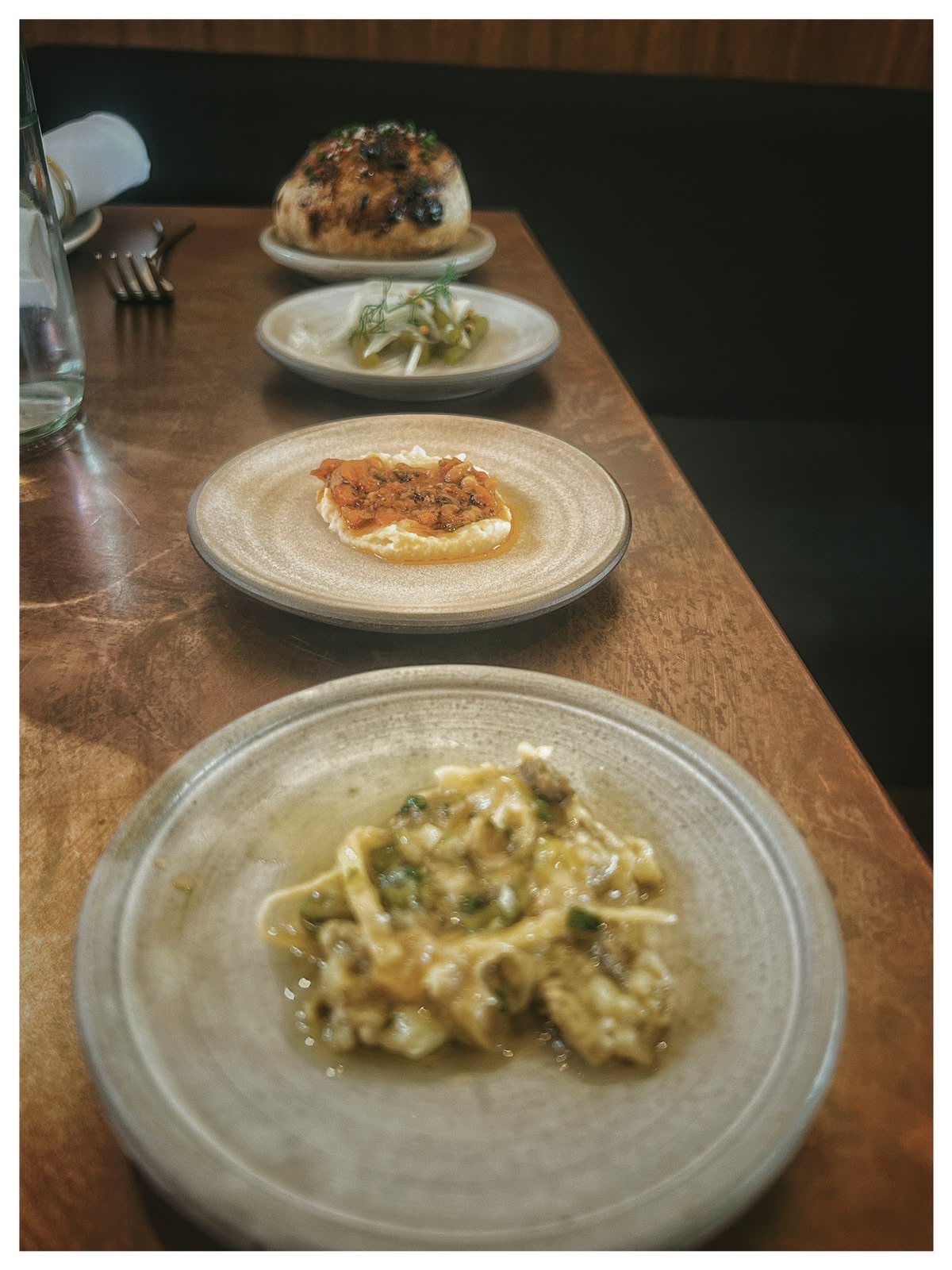
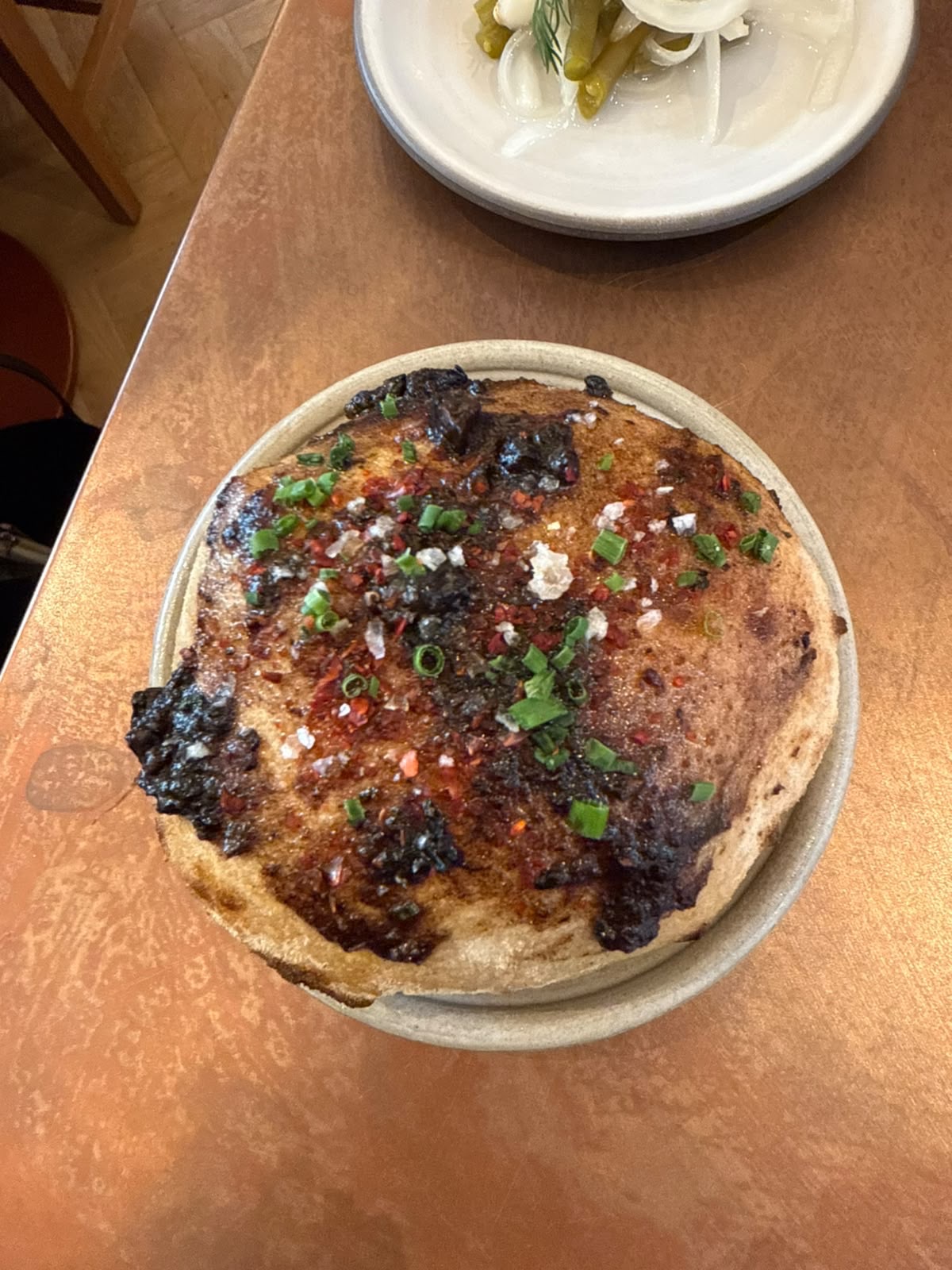
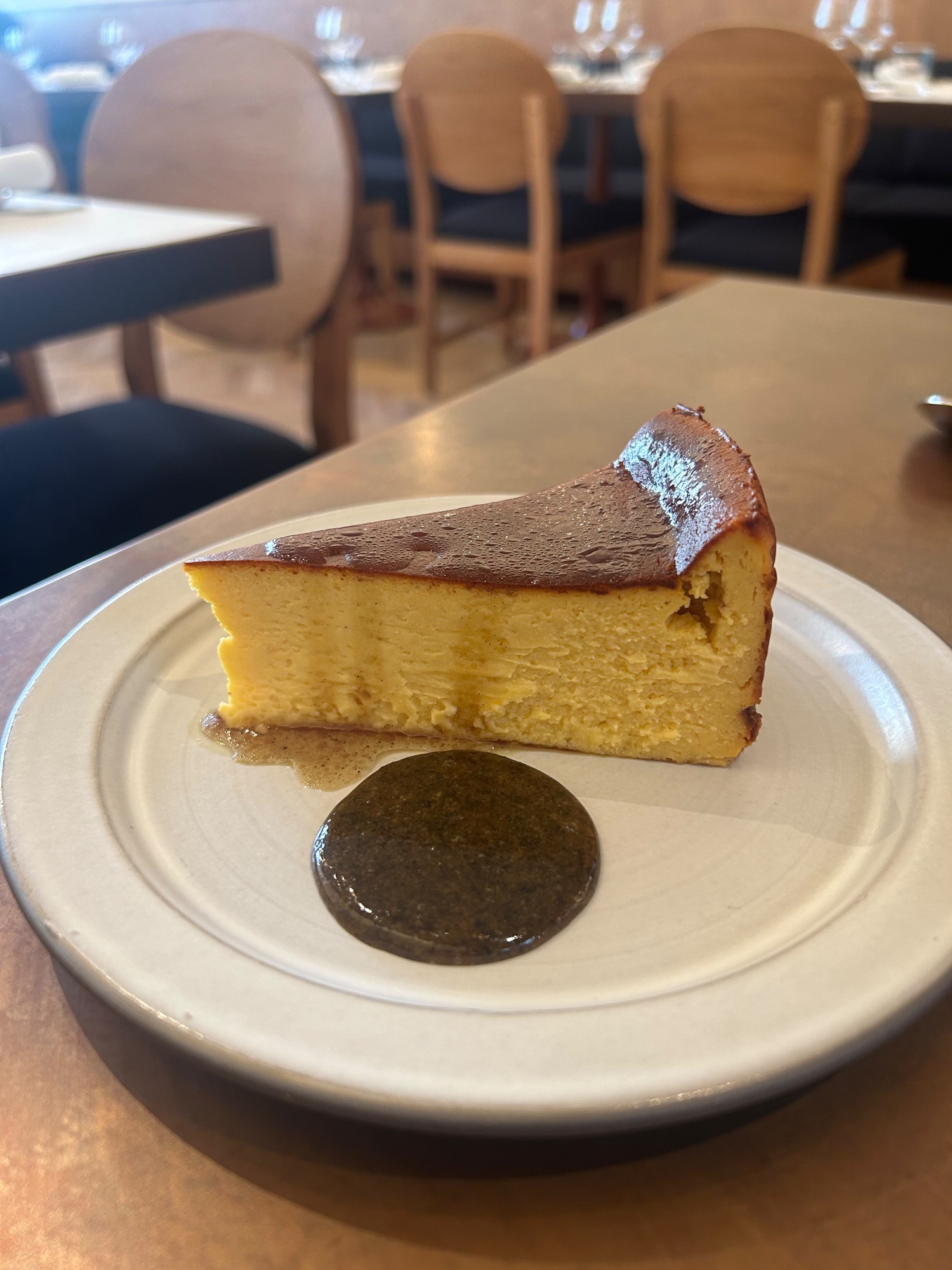
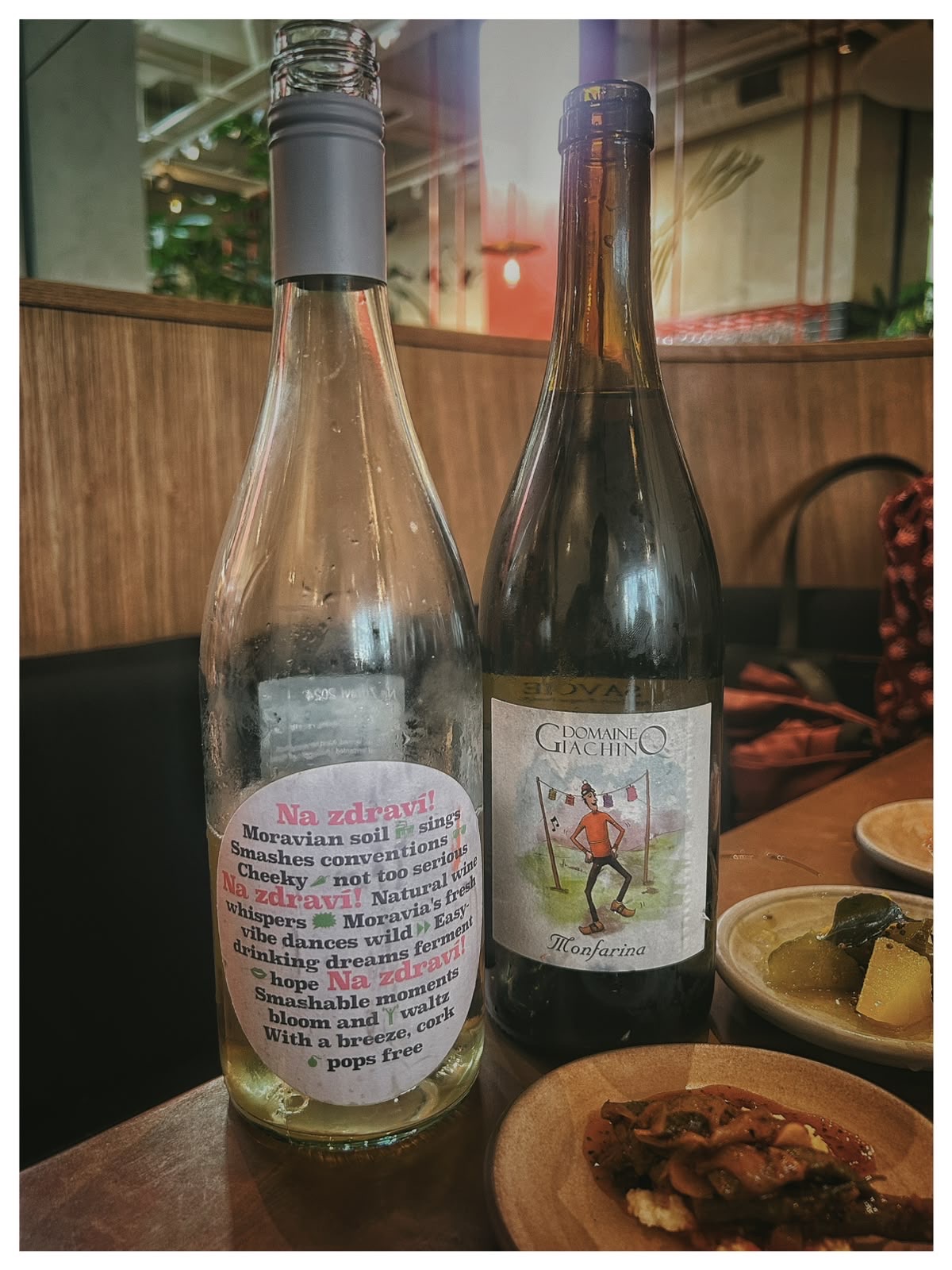
Lunch Photos by Bijay Shrestha
Of course, I’ve only scratched the surface of the food and drink available. You need to peruse the menu and wine list to get an idea of the enormous variety of what is available, but it is a menu to satisfy vegetarians and vegans as much as meat eaters, and as for drinks, you can go pretty large here, with some wines you’ll do well to find on many if any Edinburgh wine lists, but equally, a glass or two of interesting and well-chosen natural wine won’t break the bank. The wine list is pretty strong for anyone who wants to try something from a lesser-known wine region/country which they know has been very carefully selected.
Ottolenghi Edinburgh is at 92 George Street, Edinburgh. They are open seven days a week from 8 am to 10 pm (10.30 Friday and Saturday) for breakfast, lunch and dinner. Monday to Thursday they close between 3 pm and 5 pm. Friday to Sunday they are open all day. Contact the restaurant about the private dining space. Telephone 0131 388 1888 or email edinburgh@ottolenghi.co.uk .