Rhone Away Success

Things so often happen in pairs, and after reading Matt Walls‘ really interesting article on Saint-Joseph in last month’s Decanter, I was invited by Vintrepid‘s Robbie Ward to a tasting of this appellation downstairs at Planet of the Grapes’ Holborn store last night.

I remember Saint-Joseph from my early days of Northern Rhone exploration. It tended to be mainly negociant bottlings that were available then, and my first ever bottle was Jaboulet’s La Grande Pompée 1982, an El Vino’s staple if I recall.

Around this time Saint-Joseph was undergoing a massive expansion, the area under vine spreading from its heartland both north and south, and upwards, above the slope and onto flatter plateau land. Quality seemed to drop and so, for a while, Saint-Joseph dropped off the radar for serious lovers of Northern Rhone Syrah.

Today things are a little different. Prices for Hermitage and Cote Rotie have risen exponentially, as have those for once unfancied Cornas (Clape aside). Looking for good vineyards at affordable prices, Saint-Joseph’s better sites were a natural target for the region’s younger vignerons. Not that they were all readily available to snap up, as some of the region’s best known producers already had a hectare or two, and are now paying them a bit more attention.

So, could Saint-Jo’ be the go-to address now for really fine but affordable Syrah with a classic Northern Rhone profile? I think last night a few questions were answered in the positive. We didn’t have every producer, just eleven reds of which three were ringers, all served blind. The wines were, in order of tasting:

  1. Hervé Souhaut St-J 2012
  2. Mullineaux Swartland Syrah 2012, South Africa
  3. Yves Cuilleron  St-J Les Pierres Seche 2012
  4. Dard & Ribo St-J 2012
  5. Pierre Gaillard St-J Clos de Cuminaille 2007
  6. François Villard St-J 2011
  7. Zorah “Karasi” Areni Noir 2013, Armenia (Amphora)
  8. Pierre Gonon St-J 2011
  9. Chapoutier St-J “Les Granits” 2008
  10. Chapoutier St-J “Les Granits” 2001
  11. Jamsheed Beechworth Syrah 2012, Victoria, Australia
IMG-20150603-00186


[well, things did get a bit blurry by the end]

Preferring a “glass completely full” approach, I’ll just talk about the stars. The Souhaut was wonderful, very fruity and moreish, and one of the first glasses I drained (small pours, of course). Really alive. The Dard & Ribo likewise was full of life and wins the award for sweetest nose of the night. Not everyone’s cup of Syrah, but pretty popular all round. It was the only wine of the night I had spot-on identified. Although we seem to be on a “natural wine” path here, probably my wine of the night was the Gonon. I had wondered if this was Clonakilla (as a ringer). It still seemed young, with good structure, but with real potential. Of the Chapoutier “Granits”, for some reason I much preferred the 2008 over the 2001. The 08 had some tannin and earth and reminded me of a Cornas a little (Clape Renaissance?). The ’01 was quite dumb in my glass and showed a touch of nail varnish.

Of the ringers, the Jamsheed was as good as expected, and showed again what a lovely place for Syrah Beechworth has become, as if we needed reminding (Giaconda and Castagna come to mind). But perhaps the find of the night was the amphora wine from Armenia, Zorah‘s Areni Noir. Not everyone went for the minty, salty thing going on, with a touch of the vegetal – which makes it sound unappealing, but it wasn’t. Far from it, a really interesting wine which I hope to try a full bottle of some time. Not saying it was better than the Jamsheed, but just different.
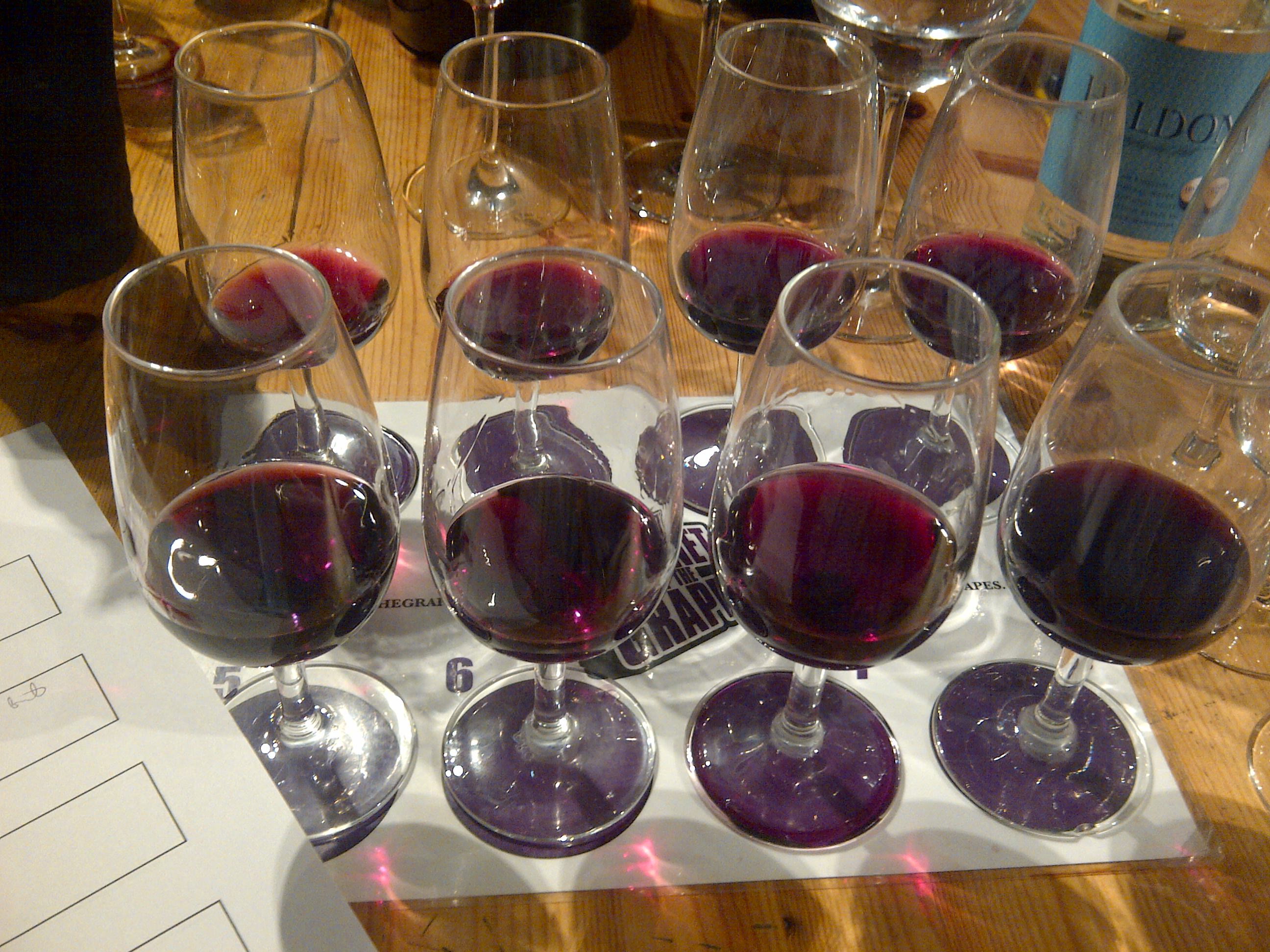
IMG-20150603-00185

As well as these wines there were a few pre-prandial sniffs on offer, of which three are worth a mention. Chapoutier Granit Blanc 2004 was nicely mature and complex. A Vin de Table from the Savennières AOC, Christine and Joel Menards’ Domaine Les Sablonnettes “Murmures” (at least I think that’s what I copied from the label but Winesearcher does not list that cuvée) was really good. It’s a Chenin aged under flor for two years and coming in at 14.5%. Classic flor nose, I had it with some certainty as a Jura, which only goes to show!

What was firmly a Jura was Patrice Béguet’s (Domaine Hughes-Béguet) “P for Patrice” Ploussard sample. Almost vibrant orange in colour, a savoury wine for cold cuts on a warm day. I don’t think anyone is importing this right now, though The Wine Society do bring over some H-B wines. We visited Patrice and his English wife, Caroline in Mesnay, a few minutes outside Arbois, last summer. They are as nice people as their wines are wonderful, well worth a phone call for anyone in the area. They are very much “natural wines”. Patrice doesn’t have a winemaking background but he’s had a lot of practical help and encouragement from some of Jura’s very top names, including Pierre Overnoy. A name to watch, I think, having spent just short of two hours tasting through his cave.

Thanks to Robbie, Planet of the Grapes, and all the great wine people present who made this such a fun evening as well as an education. Nice to meet so many new wine professionals too.
Posted in Natural Wine, Wine, Wine Agencies, Wine Tastings | Tagged , , , , , , , , , , | Leave a comment

Smells Like Teen Spirit

Having previously discussed how young people are thinking about wine these days (a theme I’ll pick up on again very soon), I have just heard about a really interesting company set up to sell premium and craft spirits by a couple of young men who met whilst studying in Bristol. They founded The Fine Spirits Company in order to sell premium and craft spirits to an increasingly adventurous and discerning clientel. and indeed they’d fit into the “wine heroes” theme were it not for the fact that they are not selling wine.

Kim Wells and Matt Parsons don’t look one bit like traditional purveyors of expensive liquors (they are young, they have no grey hair and as far as I know don’t speak with deep, gravelly voices). I’m pretty sure they’ve probably imbibed their fair share of less refined spirits on their way to the appreciation of these premium products, though possibly not to the extent of the youngsters I see round my way pouring cheap corner shop vodka into half-full Coke bottles as they enjoy the increasingly sunny half-term evenings down here on the South Coast. What Kim and Matt have clearly done is sussed that after “craft beer” must surely come “craft spirits”, not that the premium spirits revolution has been a secret over the past few years.

Their web site (thefinespiritscompany.co.uk) has a very fine array of gin (their self-proclaimed speciality), rum, whiskies and vodka. Some of their offerings are pretty specialist, some are obscure, but all of them are enticing.

Alongside the whiskies from Japan (including Nikka) there’s a clear (unwooded) whisky from FEW, based in Evaston, Illinois (cheekily named after Frances Elizabeth Willard, a prominent prohibitionist). There’s rum from LSD (this stands for Lost Spirits Distillery, though you might wonder if you follow the link to read about the producer of this particular rum). Also, check out the Black Cow vodka from Dorset, England. Allegedly the only vodka on the market made from milk by a dairy farmer, Jason Barber.

Alongside the rarer and more unusual offerings you’ll also find products from better known names like Adnams, the East London Liquor Company, Suntory even, and the Reyka Distillery, the  multi-award winning Icelandic vodka (the advert they link to is clever). Still no sign of Brighton Gin on the list, but I am sure they’ll get round to it.

Not only is the stock intriguing but their blog (via the web site) is also a good read, as are many of the producer links. It’s a really exciting range, and I wish these young guys all the luck in their new venture. I’m pretty sure that many readers of this blog would be fascinated to try some of the bottles on offer.

Posted in Craft Spirits, Wine Agencies | Tagged , , , , , , , , | Leave a comment

Oddities – May

IMG-20150527-00178

The months go by so swiftly. Yesterday we convened again at Rochelle Canteen for a convivial lunch, aided this time by glorious weather, all the windows slid right open, and London’s sunshine pouring in. As usual, a mix of regulars, occasional visitors and the odd first-timer, but this time the wine really shone like the sun for us. Every wine was truly delicious, and it is just so hard to single out a few from the sixteen bottles opened.

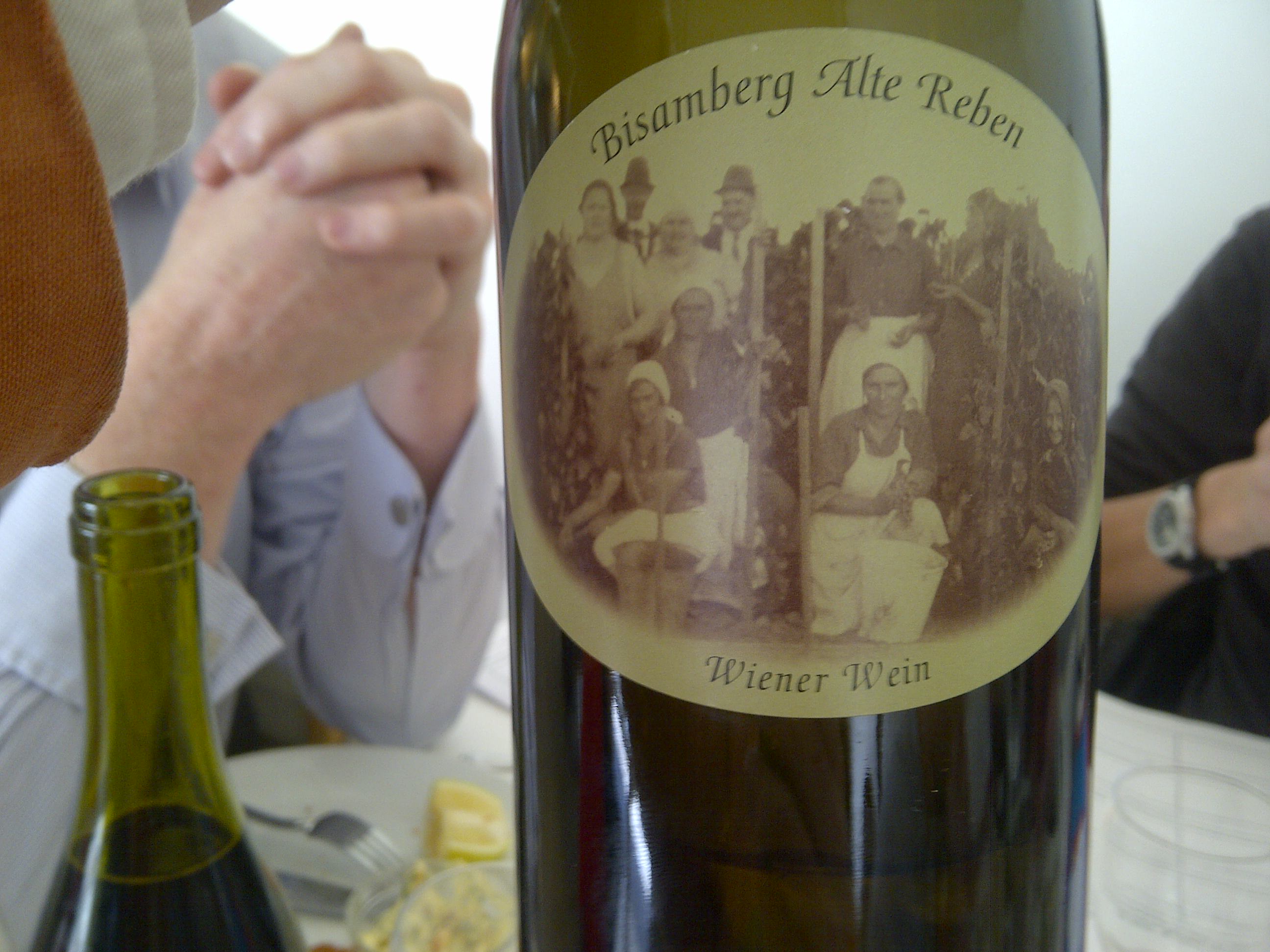
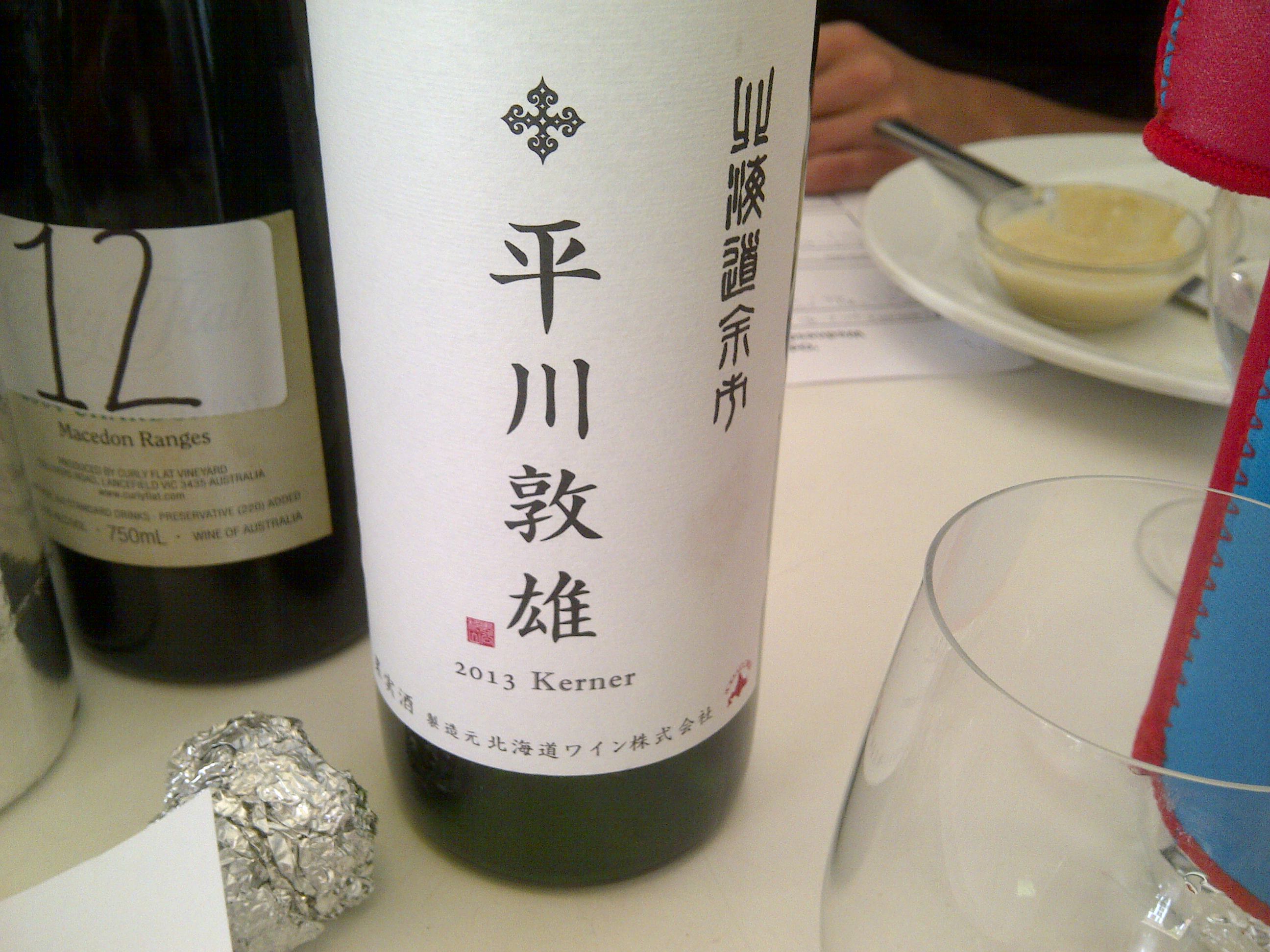
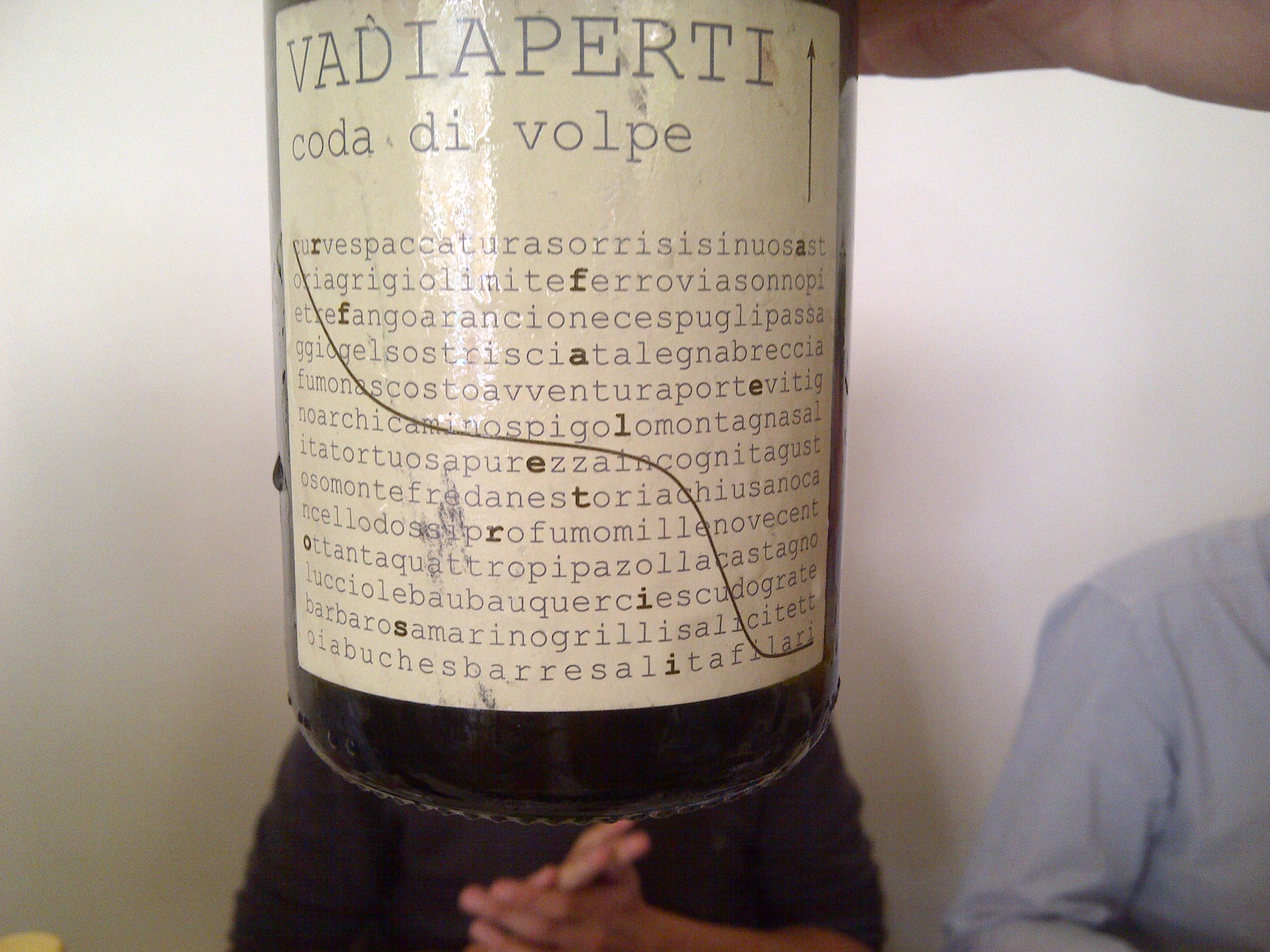
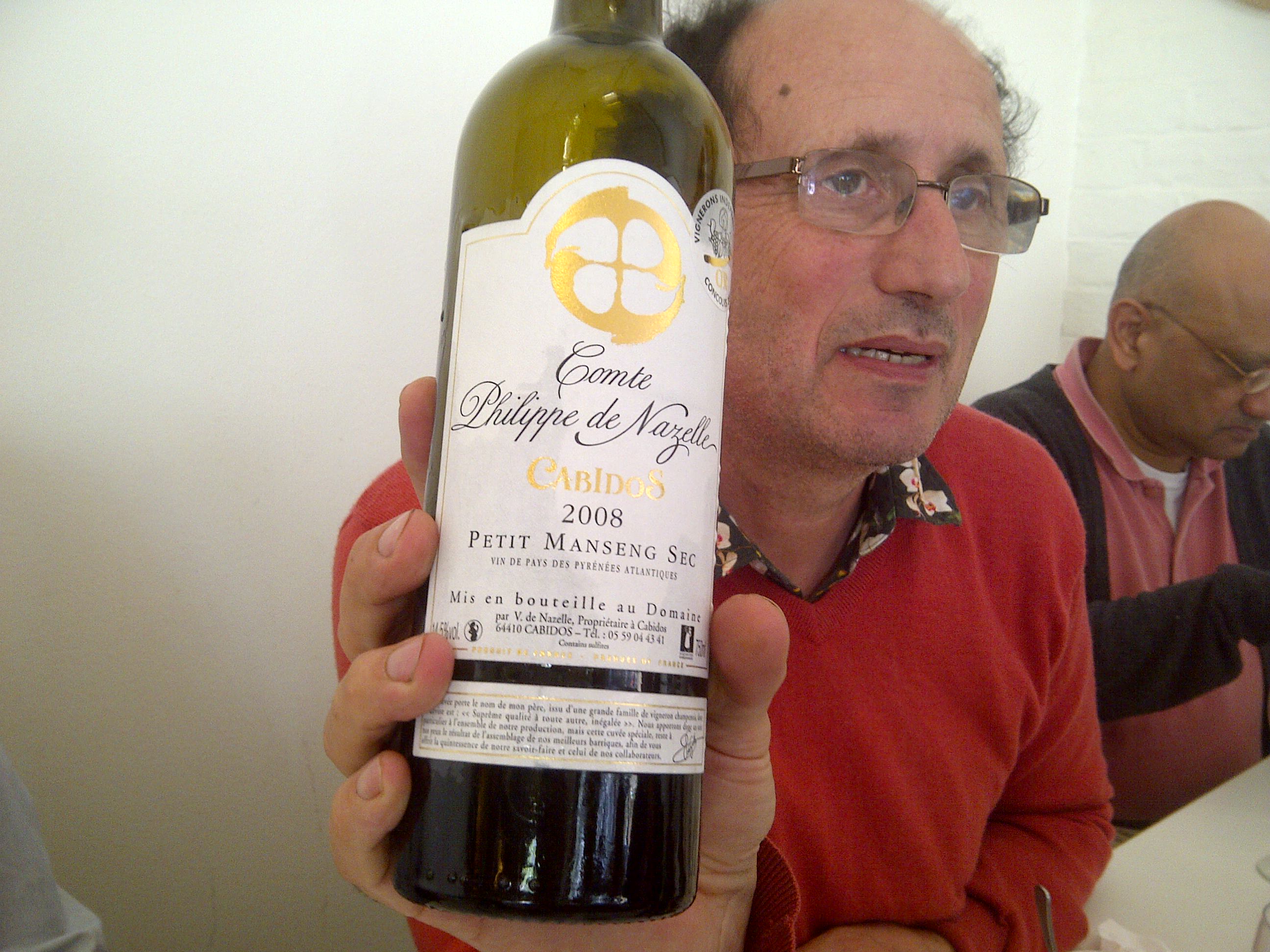
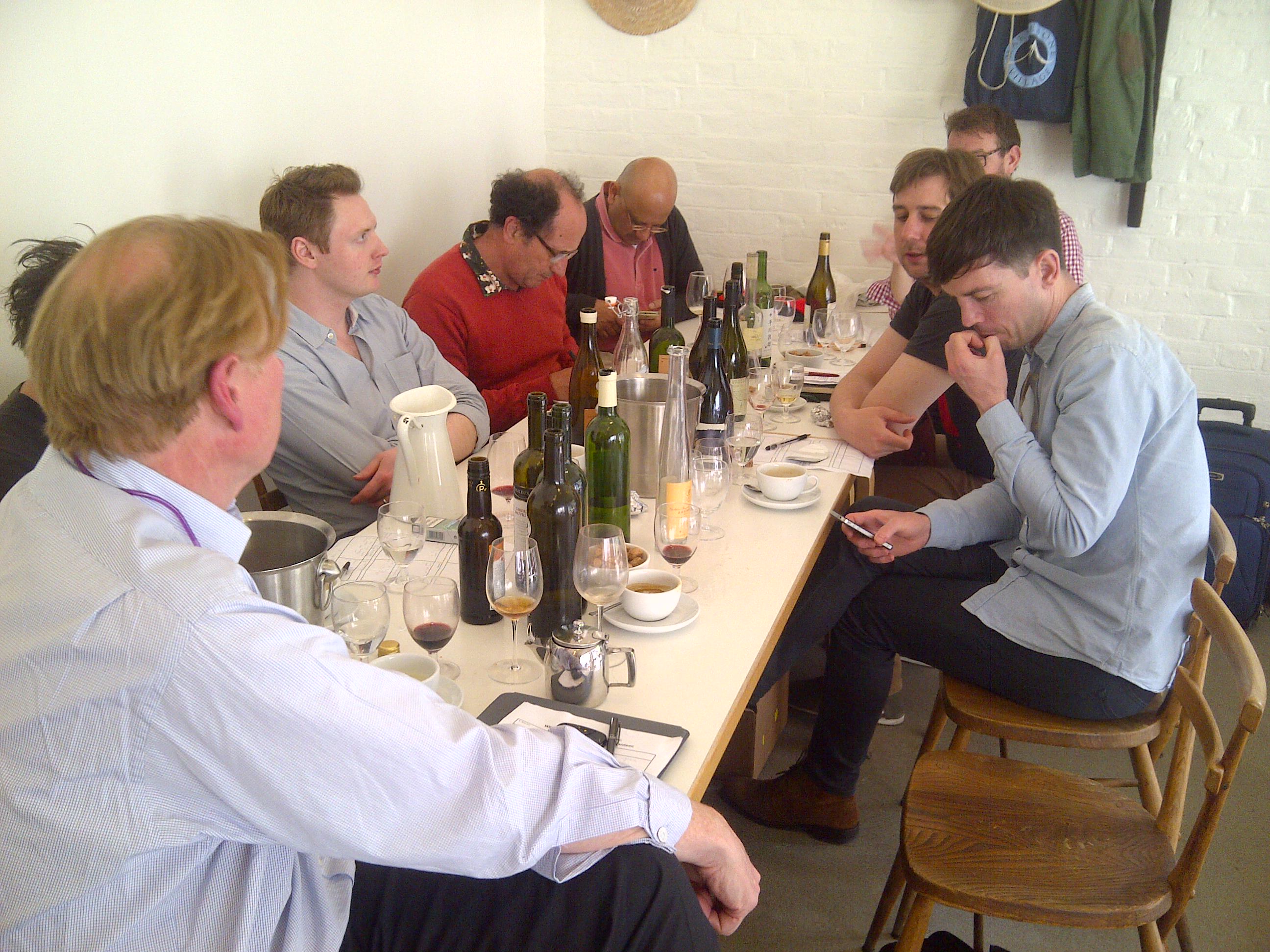
Perhaps the “Champion’s League” spots on the day went to a Greek red from Chios, a Ridge Alicante Bouschet (indeed!), a Coda di Volpe, the almost unicorn Arnot-Roberts Trousseau, a Japanese Kerner from Hokkaido and possibly my star of the show, a Petit Manseng Vin de Pays vinified dry, as profound a wine as I’ve tasted from the greater Jurançon area. But it’s all extremely subjective, so I’ll just list the wines to give those who might fancy trying some offbeat wines in the future an idea of what we are about at Oddities. Perhaps the photos will also help convey the utter confusion yet totally relaxed nature of these occasions.

The Wines

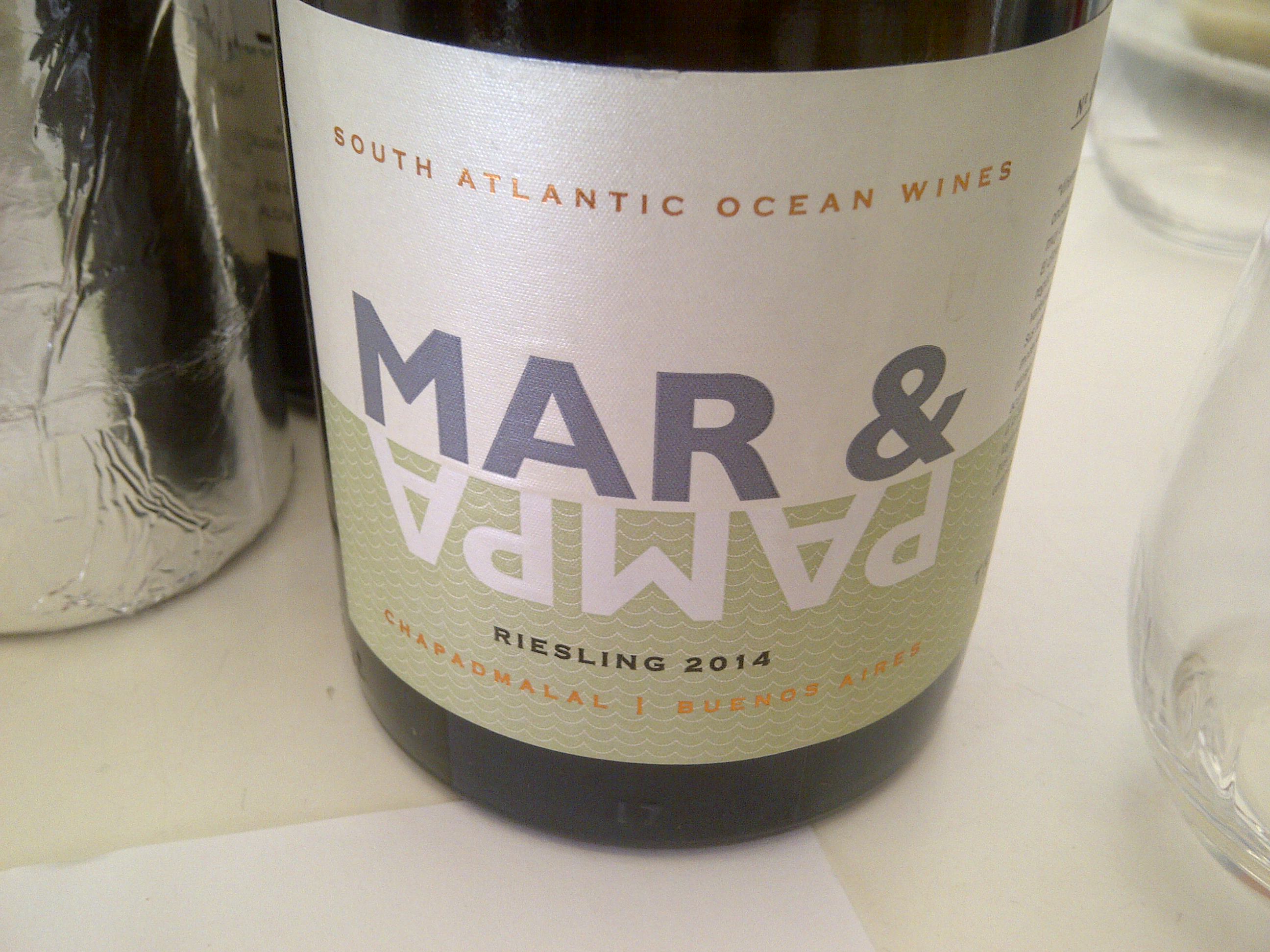
  1. Trapiche Mar y Pampa Riesling 2014, South Atlantic Coast (Argentina)

IMG-20150527-00160

2. Wieninger Wiener Gemischter Satz Bisamberg Alte Reben 2012 (Austria)

IMG-20150527-00158

3. Kerner 2013, Hokkaido (producer not recorded/translated, oops! Anyone?) (Japan)

IMG-20150527-00159

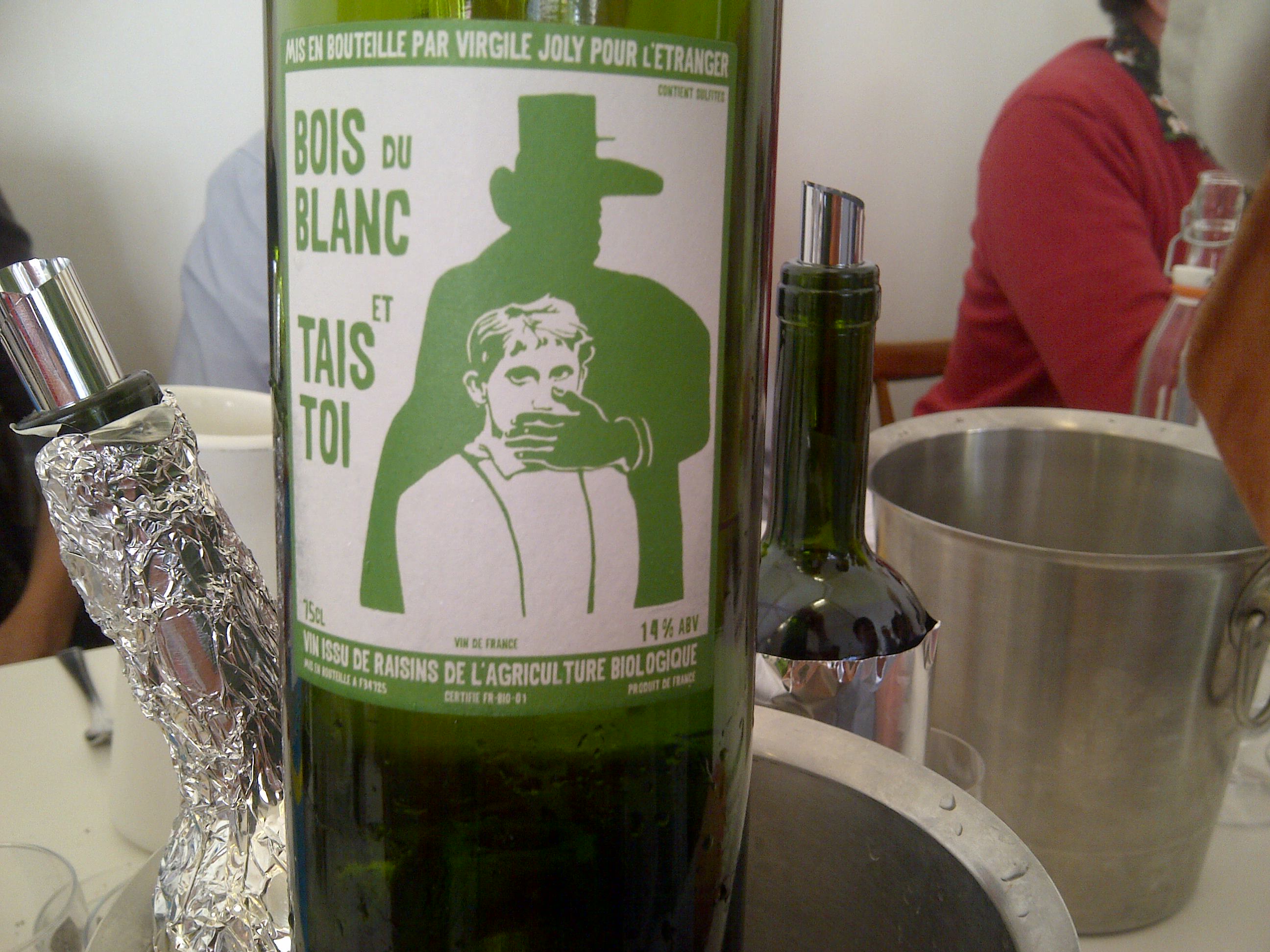
4. Virgile Joly, Bois du Blanc et Tais Toi 2006 (sourced from Tolosan) (France)

IMG-20150527-00161

5. Vidiaperti Coda di Volpe 2007, Campania (Italy)

IMG-20150527-00162

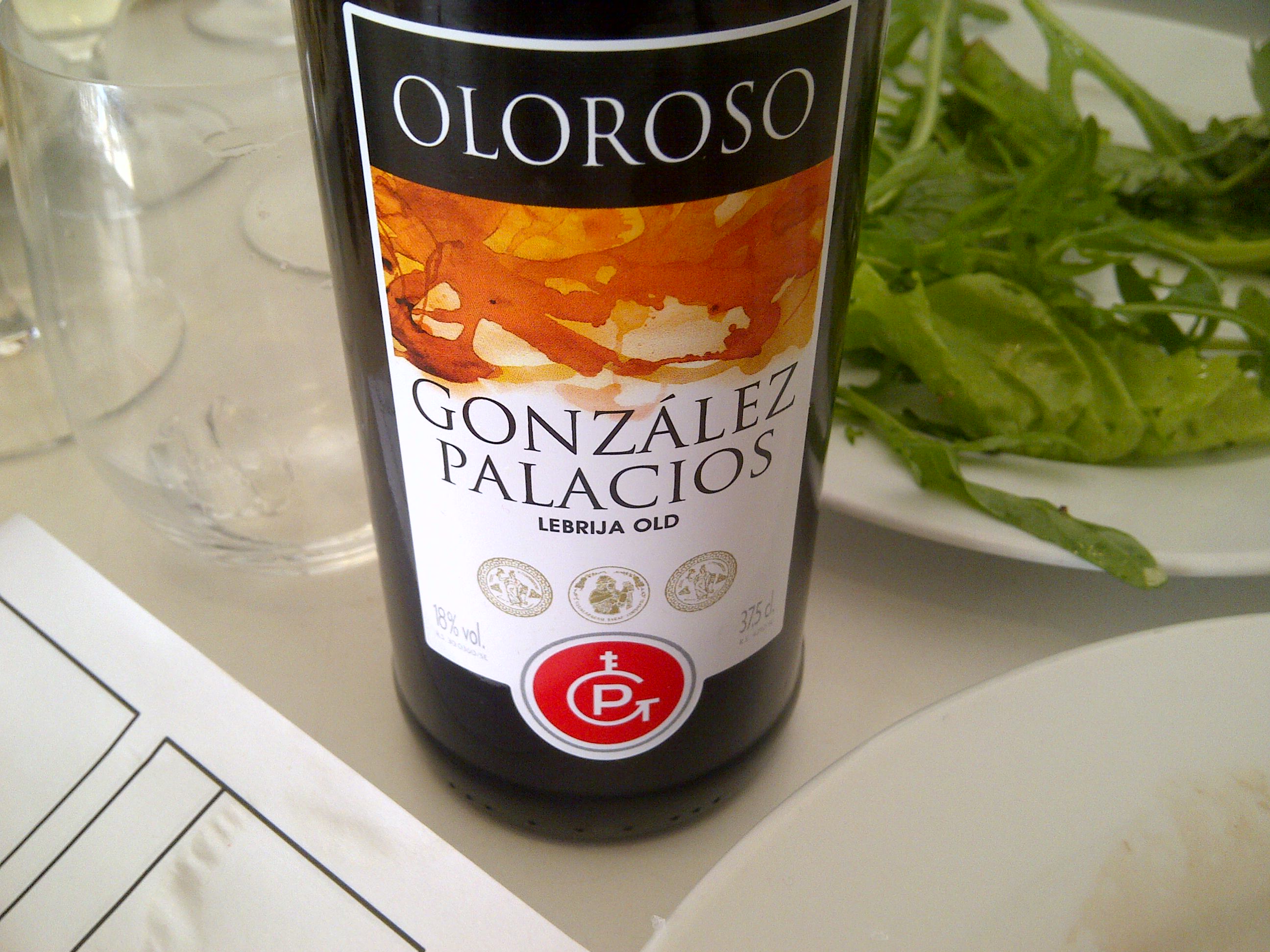
6. Gonzalez Palacios Lebrija Old Oloroso (Spain)

IMG-20150527-00163

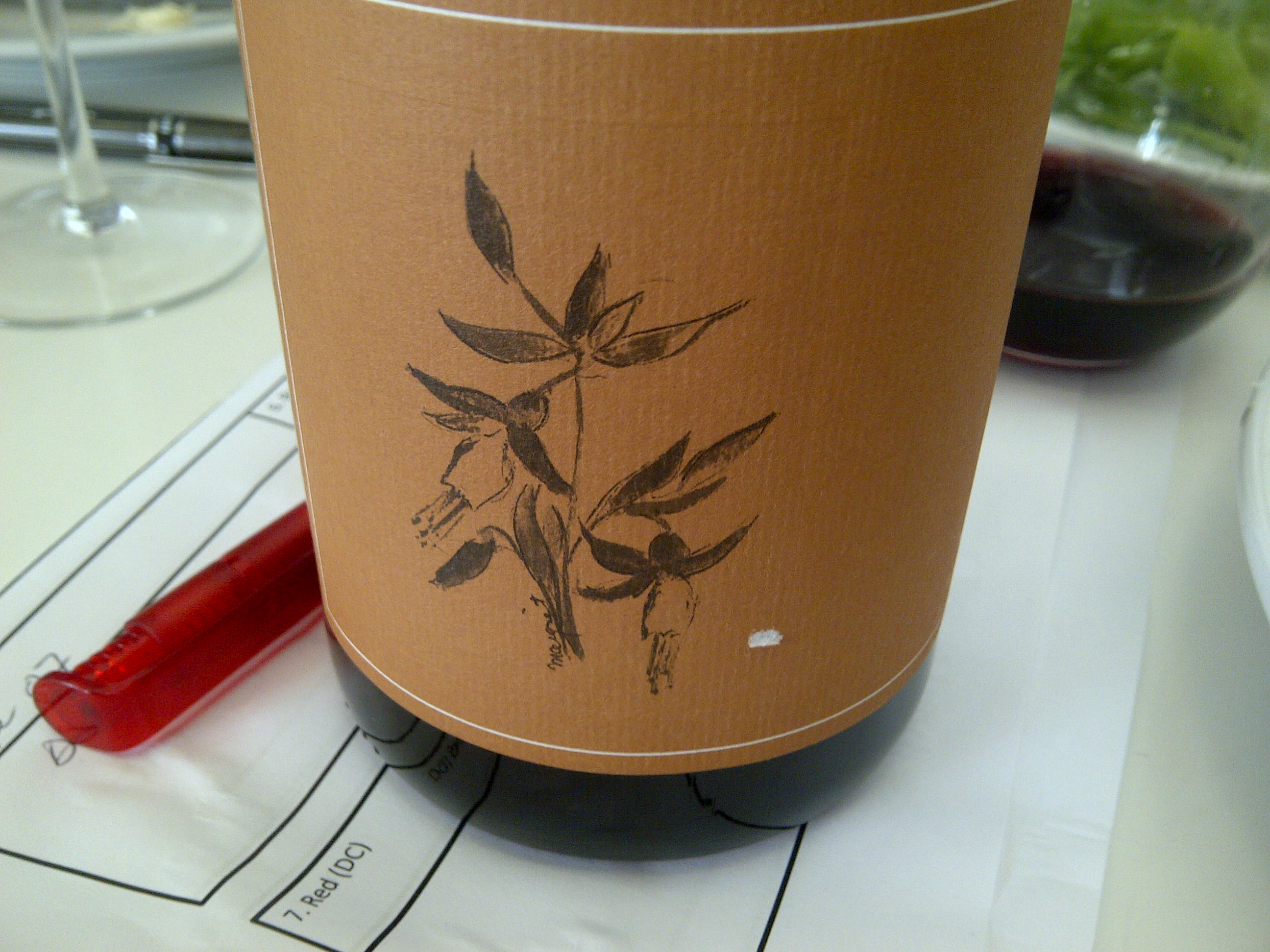
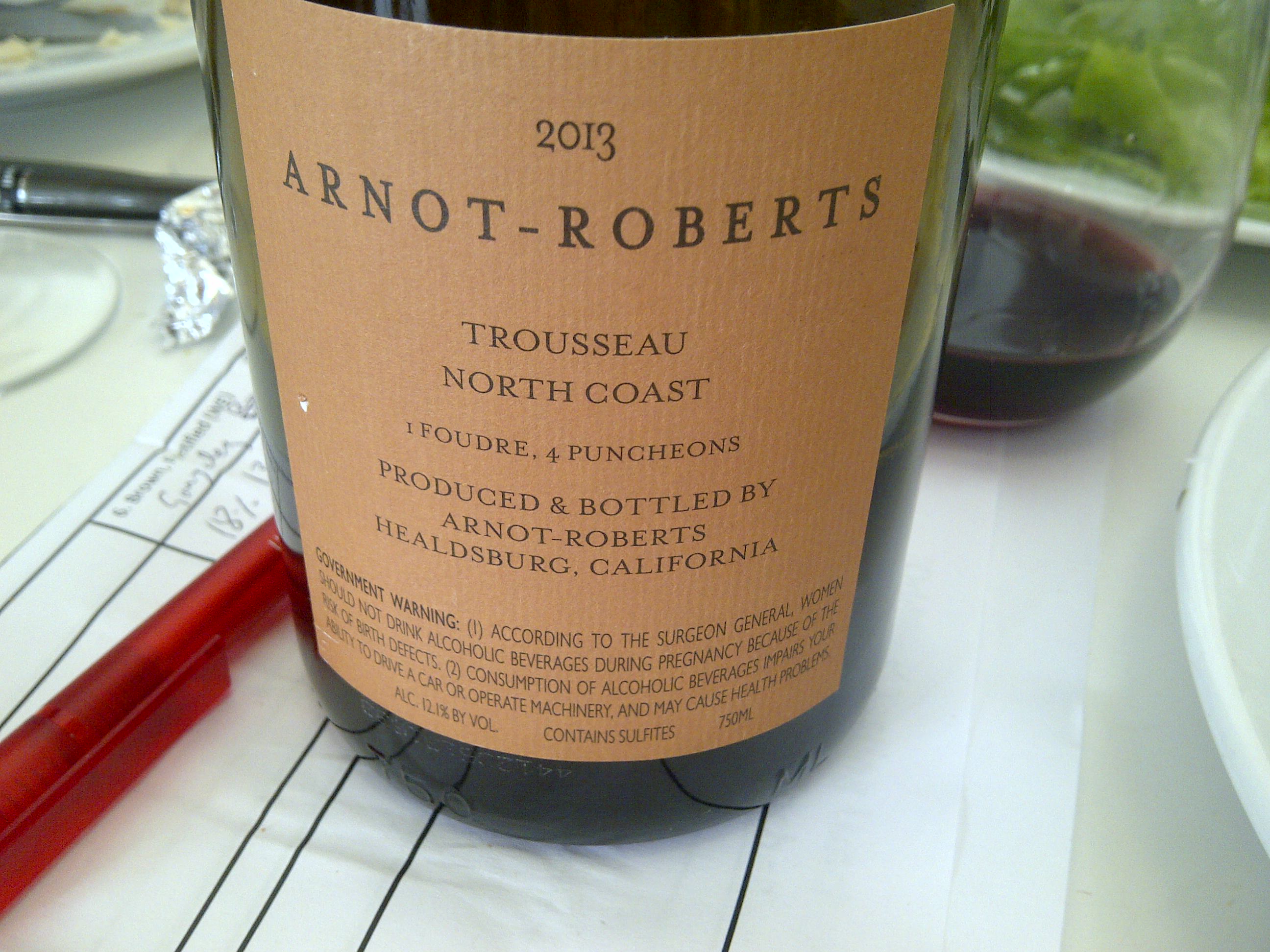
7. Arnot Roberts Trousseau 2013, California North Coast (USA)

IMG-20150527-00164 IMG-20150527-00165

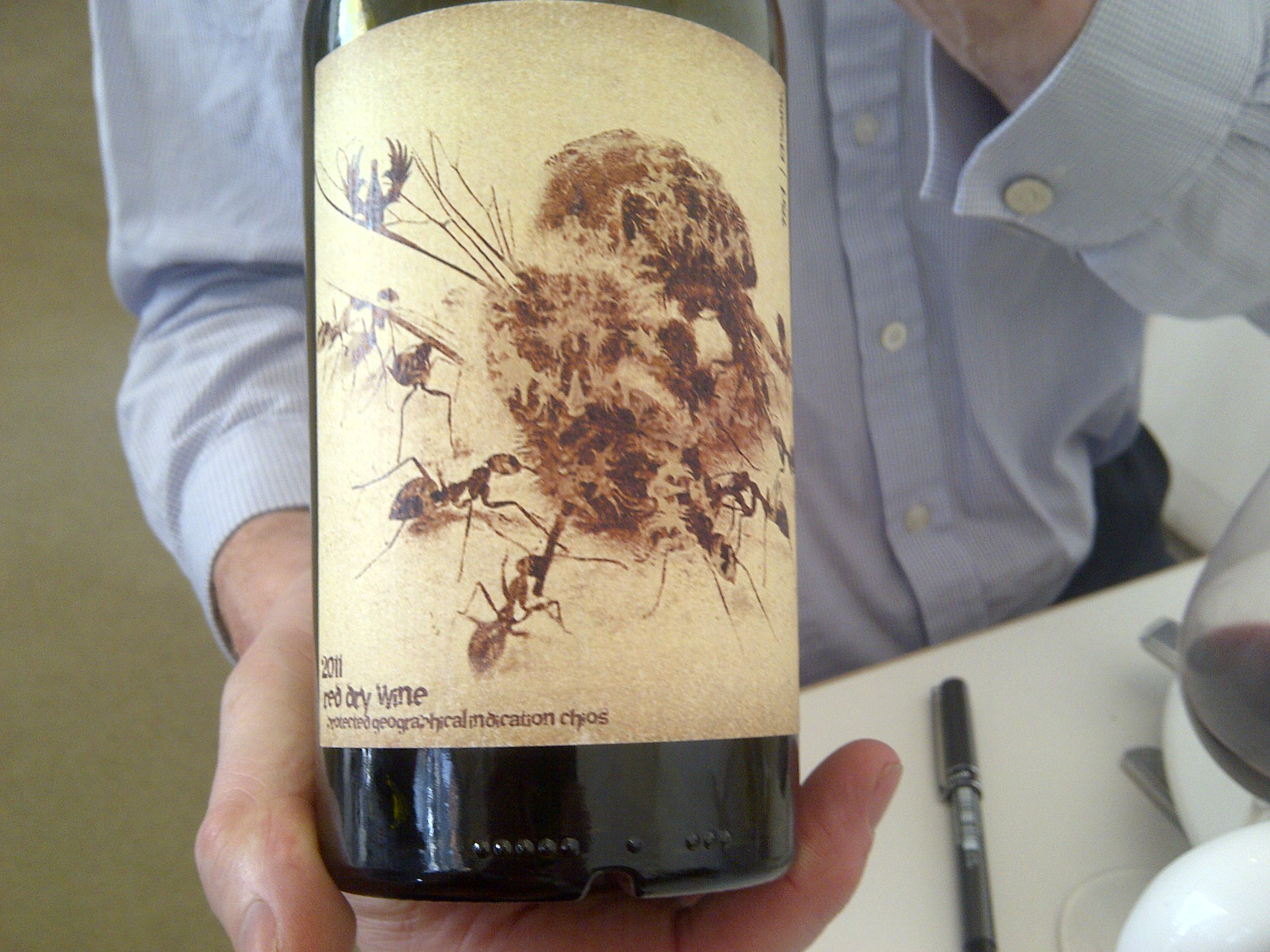
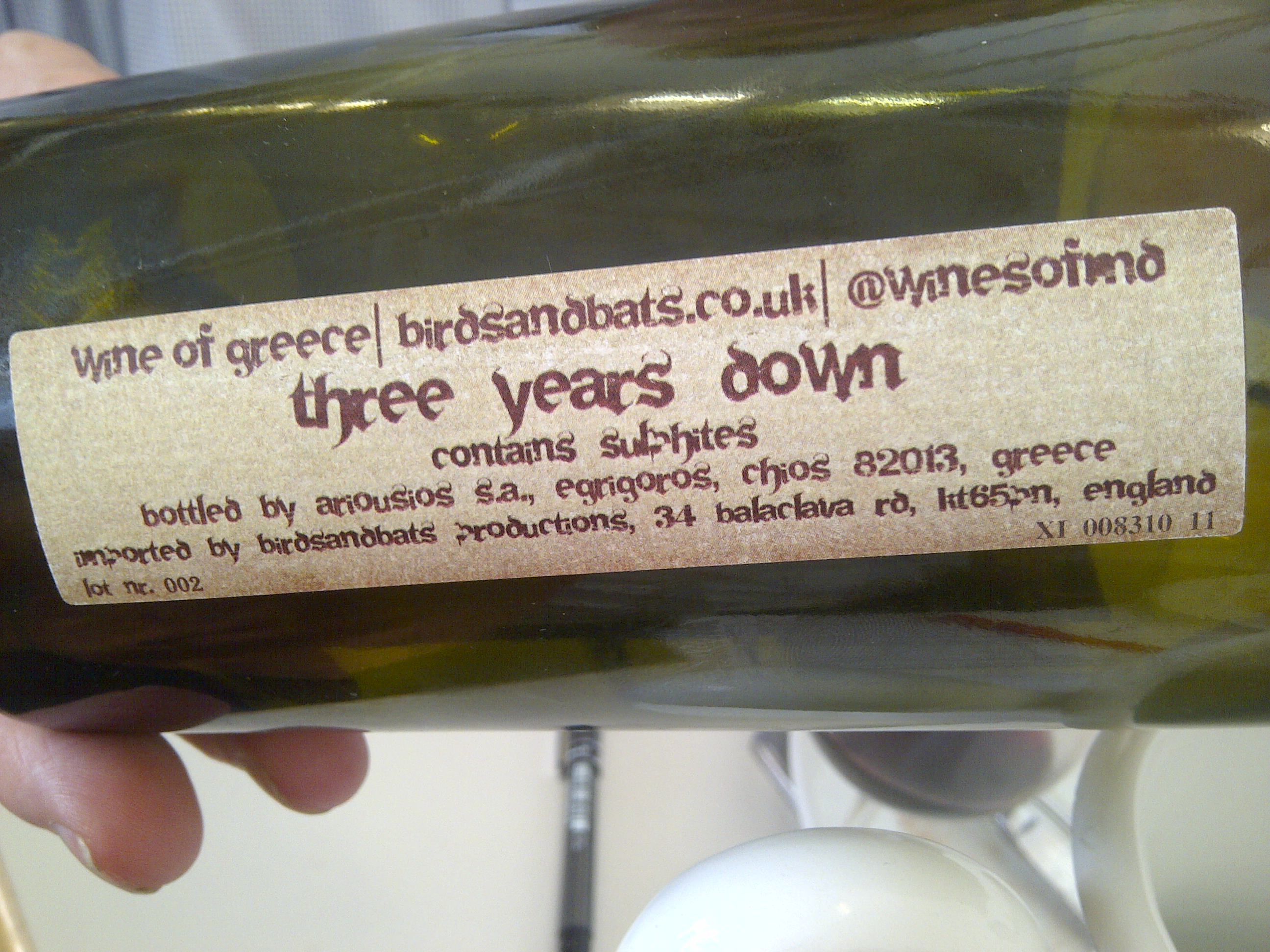
8. Ariousios “Three Years Down” 2011, Chios (Greece)

IMG-20150527-00167 IMG-20150527-00166

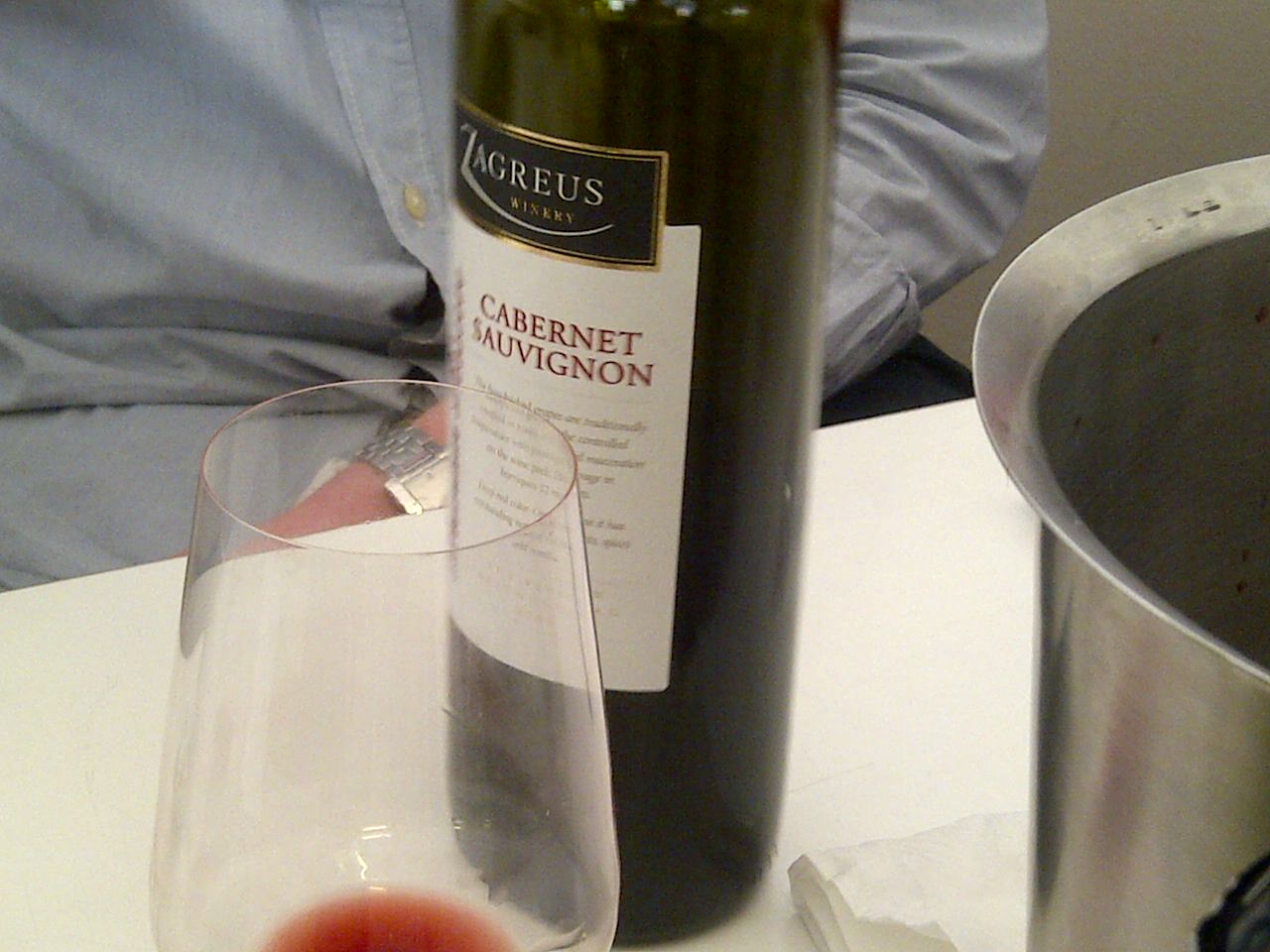
9. Zagreus Premium Reserve Cabernet Sauvignon 2006 (Bulgaria)

IMG-20150527-00169

10. Vinarija Bartulovic Plavac Mali 2001 (Croatia)

IMG-20150527-00170

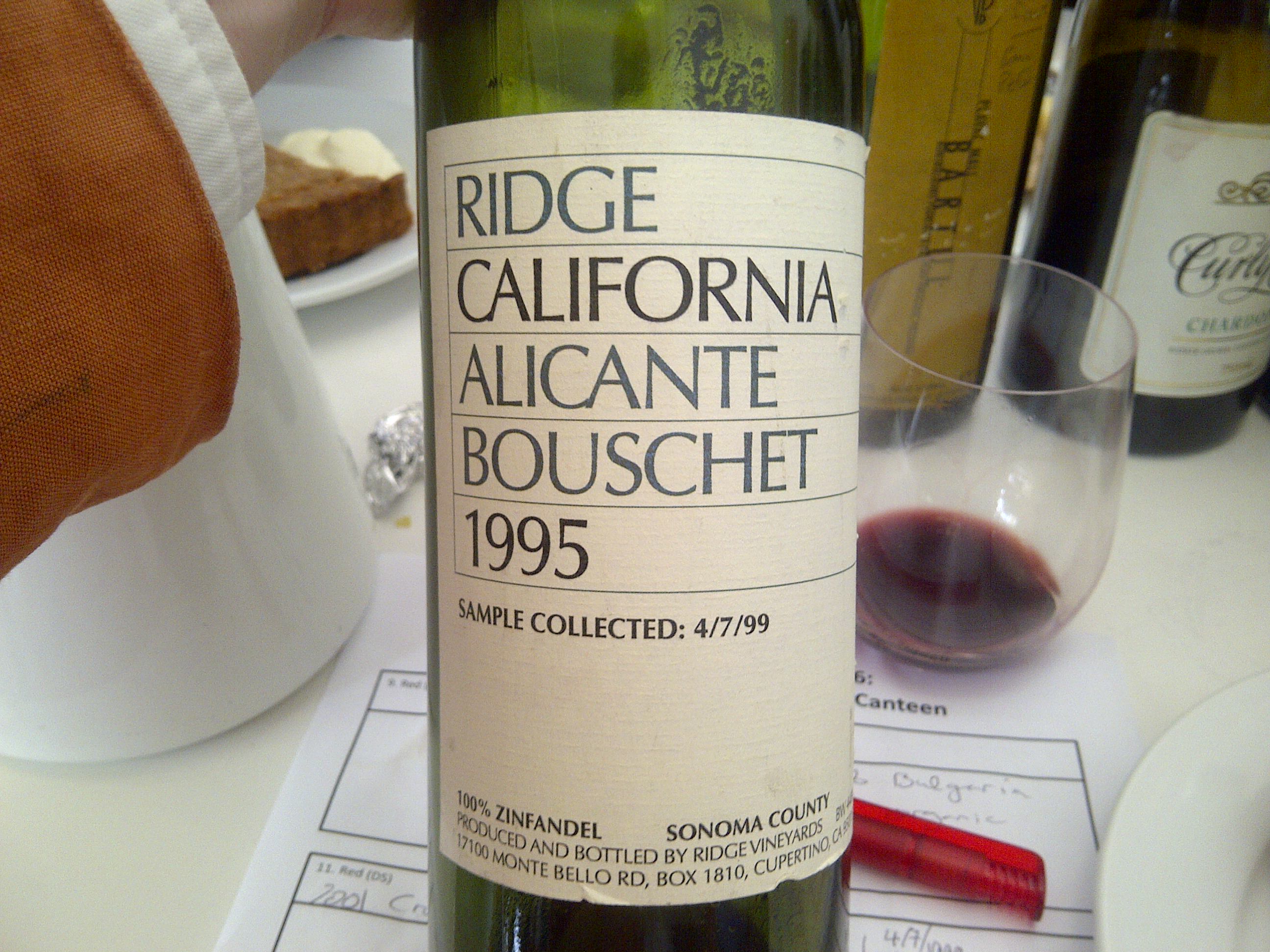
11. Ridge Vineyards Alicante Bouschet 1995, California (USA) (sample)

IMG-20150527-00172

12. Bodegas Malaga Virgen, Moscatel Reserve de la Familia , Malaga (Spain)

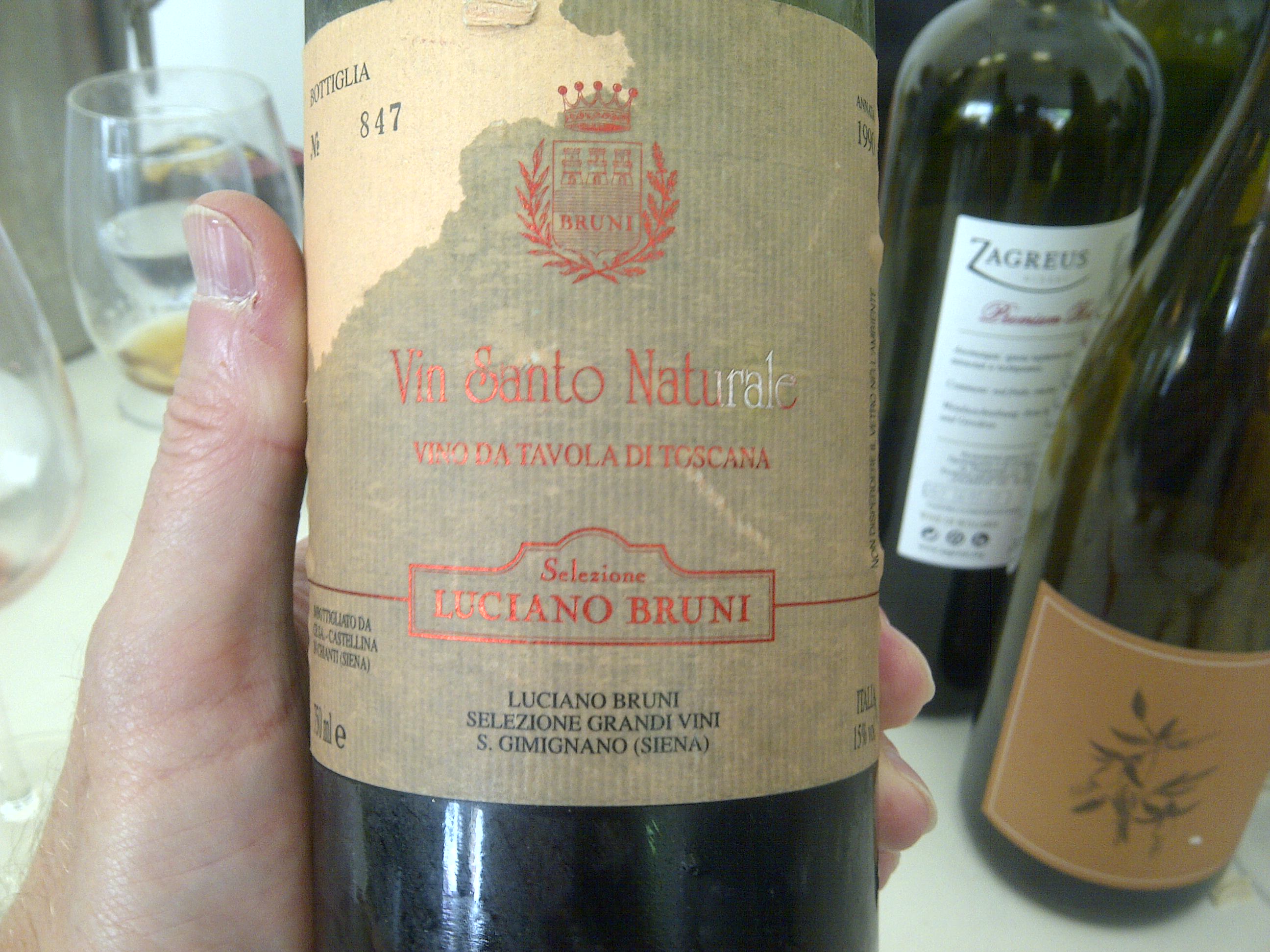
13. Luciano Bruni Vin Santo Naturale 1990 (Italy)

IMG-20150527-00173

14. Comte Philippe de Nazel Petit Manseng Sec “Cabidos” 2008, VdP Pyrenées Atlantique (France)

IMG-20150527-00175

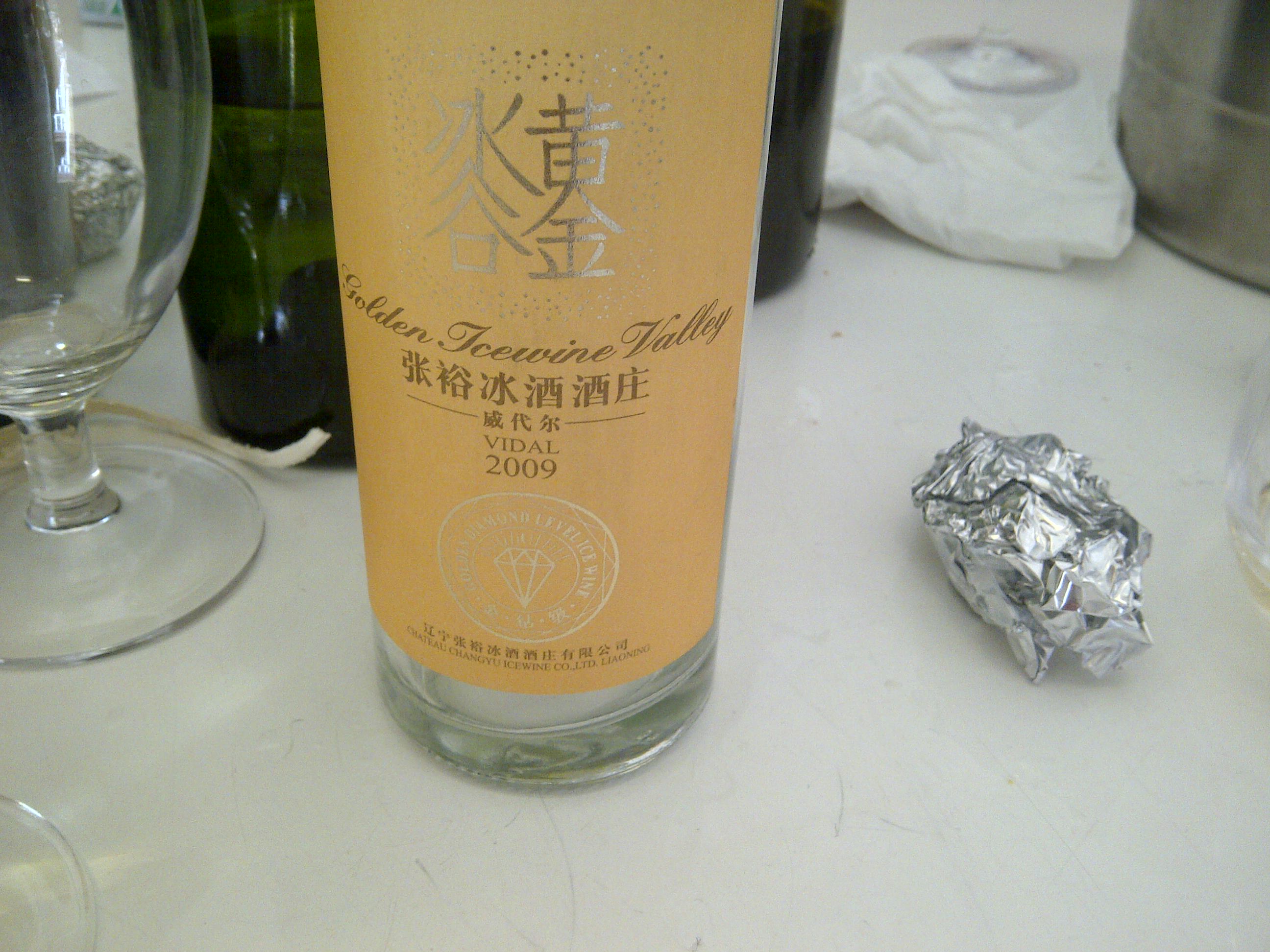
15. Changyu Gold Diamond Ice Wine 2009 (China)

IMG-20150527-00176

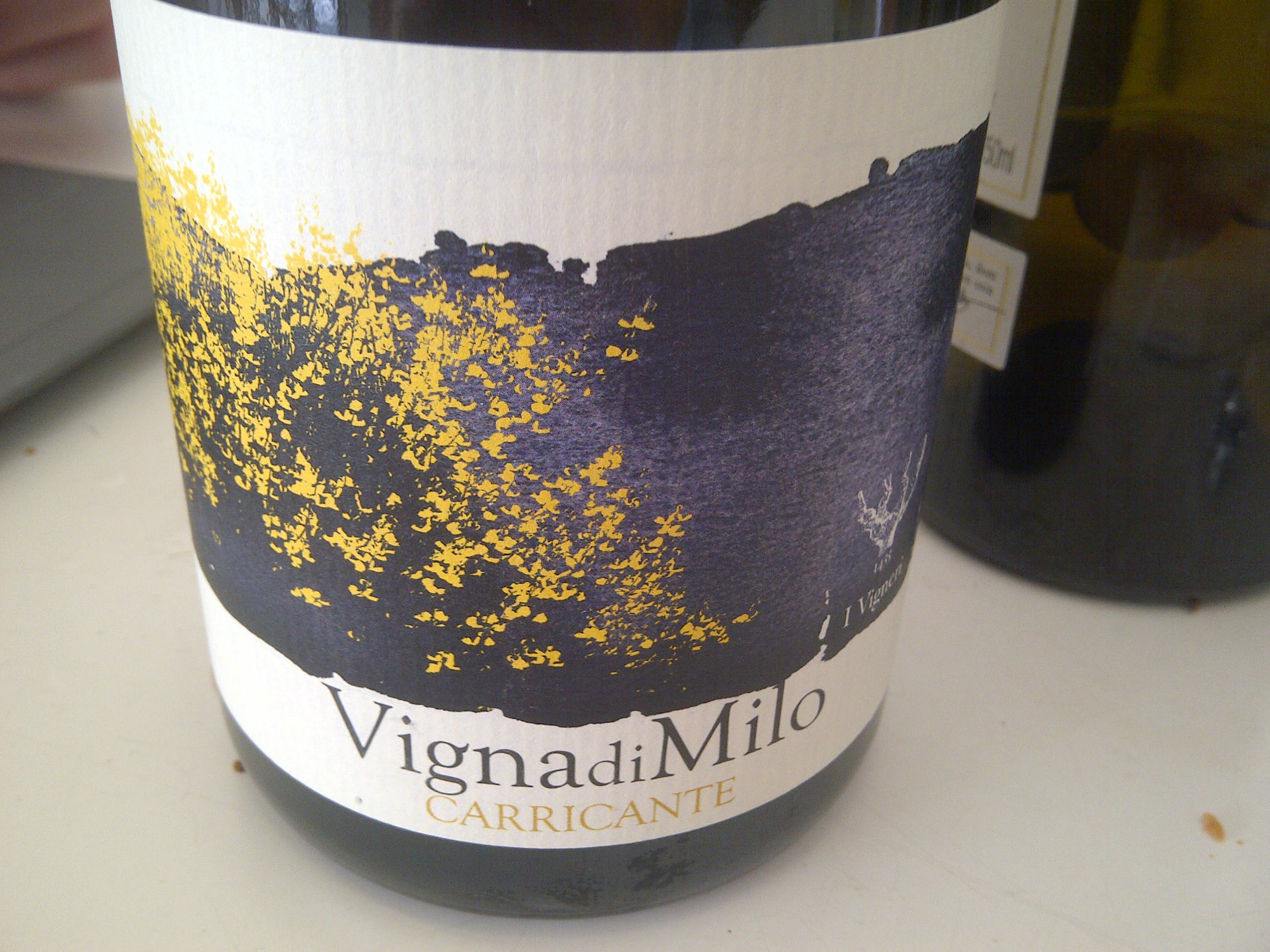
16. Salvo Foti I Vigneri “VignadiMilo Etna Bianco (Carricante) 2012, Sicily (Italy)

IMG-20150527-00177

(with apologies to the Malaga Virgen, which somehow, and sadly, didn’t make the photo call)

Of course, thanks not only go to the people who brought these lovely wines along, but also to those truly adventurous wine merchants who are brave enough to sell them. Such merchants help those of us who truly know what a really good Bordeaux or Burgundy tastes like to broaden our palates and horizons. And there’s little in wine which is more fun than tasting blind and thinking a Bulgarian Cabernet is just about any grape but, to hit upon Coda di Volpe from somewhere deep in the subconscious, and to hear some pretty astute individuals suggesting the Japanese Kerner came from NE Italy (probably the place from where I’ve had the only really good two or three Kerners I’d tasted before yesterday).

For those wondering about the food, having been eating a largely vegetarian diet for a week, I kept it simple. Deep-fried sweetbreads and a juicy bavette. Rochelle Canteen never fails to deliver, trust me. An Oddities lunch that will be hard to trump.

Posted in Wine Agencies, Wine Tastings | Tagged , , , , , , , , , , , , , , , , , , | 2 Comments

Viennese Whirl

Before Rust (see last post) we spent a week in Vienna consuming way too much food (and just about the right amount of wine). It was only my second visit to Vienna. I thought that after two visits my desire to go again would be less, but oddly that has not proved the case. It may be a small city. It may, whatever the Viennese think, seem calm and relatively quiet after London and Paris, even Bordeaux (and the traffic flows so smoothly after Istanbul and Kathmandu), but there’s so much here that seems to draw me back.

First and foremost for me, Vienna is a city of food. Okay, the galleries and museums are excellent too, but Vienna’s food culture is both varied and offers up very different culinary experiences to what we are used to on the western fringes of Europe. But as well as all the varied styles of restaurant (the Beisls, Heurigen, Buschenschanks et al) you have the cafés which provide the worst temptations imaginable. Here are a list of Viennese highlights of wanton consumption from our trip.

For restaurants, there are so many to choose from, but the Heurigen scene is something to be experienced. Best time for these is really in October when the new wine is available as part-fermented stürm, served frothing and half-fermented in stumpy beer glasses more often than not. Out near the vineyards of Nussdorf is Mayer am Pfarrplatz, an old inn where Beethoven once lived. It has a genuine atmosphere, and in autumn specialises in amazing game with a whole separate menu dedicated to “Wild”. A good alternative is Heuriger Wieninger in Stammersdorferstrasse, over on the other side of the Danube. Both are fine producers of the excellent Wiener Gemischter Satz, a blended wine, often with a slight prickle, made from at least three grape varieties from the hillside vineyards which ring the city rather beautifully. Very refreshing.

IMG-20131011-00117IMG-20131011-00115

Gemischter Satz and Stürm at Mayer-am-Pfarrplatz

The whole Vienna wine experience can be sampled along the vineyard lane that runs from Stammersdorf up the Bisamberg hill. The top end affords panoramic views of the city and the Vienna Woods, and there are plenty of wine taverns at which you can sit and take it all in.

The Beisl is a slightly different concept. The Viennese describe them as a bit like pubs but that’s not quite accurate. They do tend to serve very hearty food – schnitzel, goulash, tafelspitz (a boiled beef dish served usually with horseradish), with good beer and wine. One of the best is Glacis Beisl. Tucked behind the Museum Quarter, not easy to find (but signposted from MUMOK), at first it doesn’t seem all that promising as you go down some stark concrete steps. But it soon opens out into a delightful garden, buzzing in warm weather (it does get busy so best to book). An alternative is Wiener Beisl in Hermanngasse (also 7th district but a ten-to-fifteen minute walk out of the centre). This is more a “locals” kind of place but very typical. Try to sit in the dark, wood panelled room.

IMG-20131013-00129

Tafelspitz

Not everyone likes schnitzel, but it is the signature dish of Vienna. The place everyone says to go to is Figlmüller, tucked into a lane between Wollzeile and Backerstrasse. If size matters, then they are right, but in truth this dish can be happily sampled in many places, not least the cafés. The restaurant at the back of the Albertina and run by Do&C0 does a good one, and the terrace there is a nice place to sit if it’s sunny and warm.

Not exactly Viennese cuisine, but if you crave a good steak, then the Argentinian beef is excellent at El Gaucho, the restaurant at the bottom of the Design Tower (Sofitel) over the Danube Canal from Schweden-Platz. It does afford a great opportunity to see how a nice juicy Blaufrankisch works with steak. The bar at the top of this building, Le Loft, was designed by Jean Nouvel with dramatic ceiling artwork by Pipilotti Rist, and is one of the very best vantage points from which to see the city.

IMG-20150515-00133

400g ribeye with Blaufrankisch “V-Max”, El Gaucho

The café culture of Vienna hardly needs any introduction, but it’s hard to underestimate the pull of a big breakfast or cake and coffee in one of these establishments. They also do an excellent lunch as well. Café Central is probably the most touristy but that shouldn’t put anyone off. The beautiful surroundings are enough for a visit, but the service has always been friendly when I’ve been there. Go early to avoid the tourist queue. Landtmann, near the Burgtheatre, is a favourite of some of the locals I know. The service is generally delivered without a smile, but the place is more full of Austrians (allegedly many of whom are politicians, the Parliament and City Hall both being pretty much opposite over the Ringstrasse). The food here is unquestionably good though. The inside seating is far more interesting than the terrace. Demel on Kohlmarkt is really central and very crowded. The cakes are majestic, if pricey, as one would expect in a place so famous (it is, after all, more than 200 years old). Friends say eat there once, but we have only used it as a takeaway thus far. All the above will serve a good Sacher-Torte unless you specifically want to eat it at the Hotel Sacher’s Café, near the Opera.

IMG-20150514-00123 IMG-20131013-00125

Cakey treats, Central and Sacher

The Palmenhaus is not exactly a café, more of a restaurant inside the Jungenstil hothouse, full of tall palms, at the Hofburg end of Burggarten, but its sunny terrace is a great place to sip coffee or one of their long list of cocktails, especially in the evening sun. It’s incredibly popular though.

IMG-20150516-00140

Palmenhaus

One final café worth a mention is Korb (on Brandstatte). It’s really different, with a plain sixties interior, cheap tables, looking even a touch tired. But it’s more typical of the places where the city’s workers repair to their time honoured seat for breakfast, where the waiter will know what they want without asking. And if the coffee wasn’t good they’d be out of business.

There is certainly one more culinary experience not to be missed – the city’s legendary Sausage Stands. Here you will find the classic Burenwurst, a spicy Debreziner, the cheesy Kasekrainer and the humble Frankfurter, along with a beer if you have a thirst. Perhaps the most famous of all is the one on the Albertina Platz, just over the road from the Staatsoper. Before an opera there will be a long and very democratic line formed here, a mixture of opera goers, workers heading home, young people and tourists. This particular street food tradition goes back to the days of the Empire when portable sausage boilers hawked their wares throughout the city. In Vienna you are just never very far from the Austro-Hungarian Empire. I guess that can seem quite claustrophobic at times, but it’s what gives Vienna its unique culinary character.

IMG-20150514-00122

Café Central


Posted in Austria, Dining, Vienna, Wine, Wine Agencies | Tagged , , , , , , , , , , , , , , , , , | 2 Comments

Rust Never Sleeps

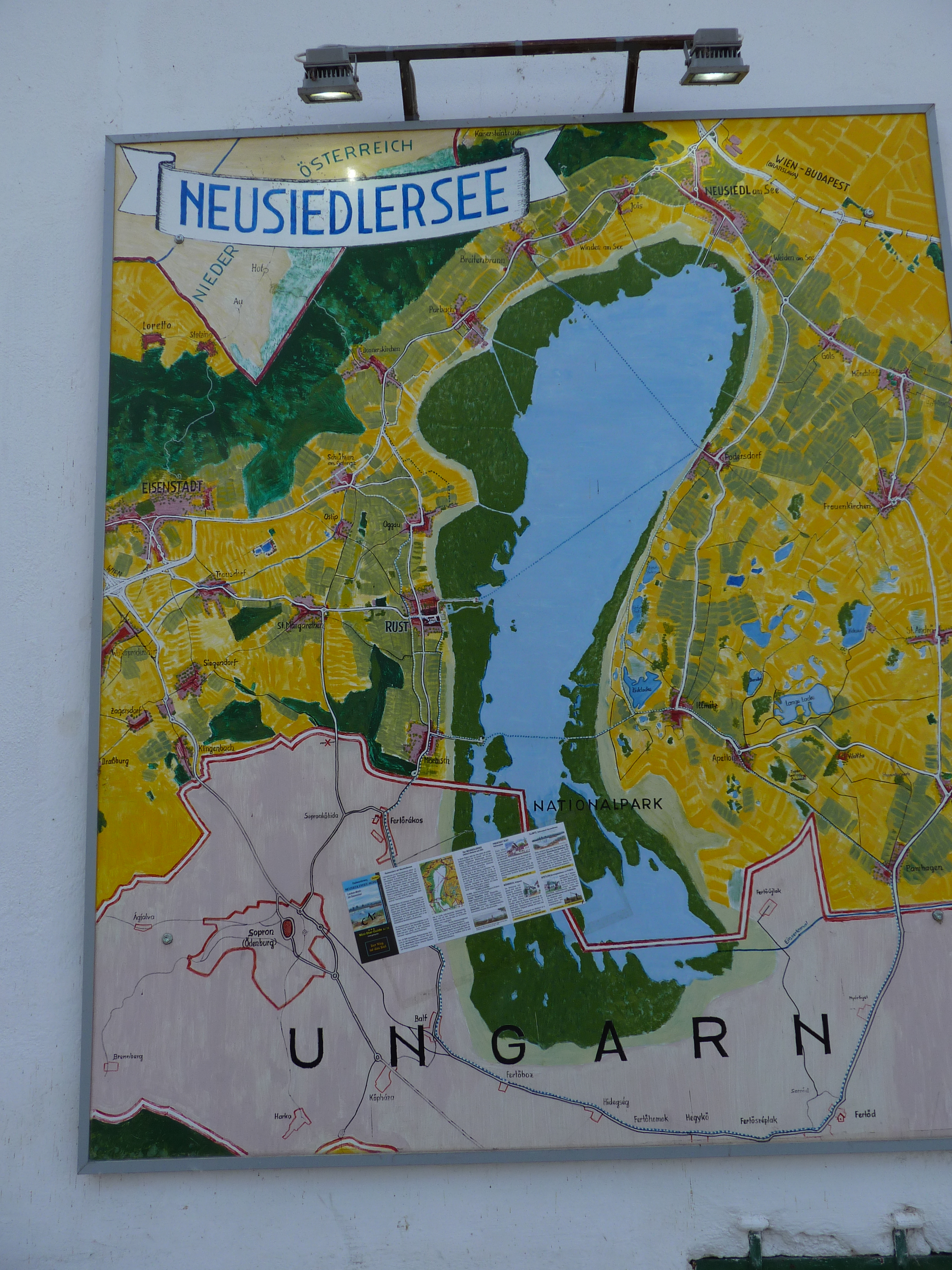
After a week of eating and drinking in Vienna, we made a journey I had been waiting to make since a planned visit to the Neusiedler See in 2013 had to be cancelled. And before talking about the wine I must talk about the region itself, because we went for wine and came back having had a great three days doing other things as well.

Vienna 2015 114 Vienna 2015 156

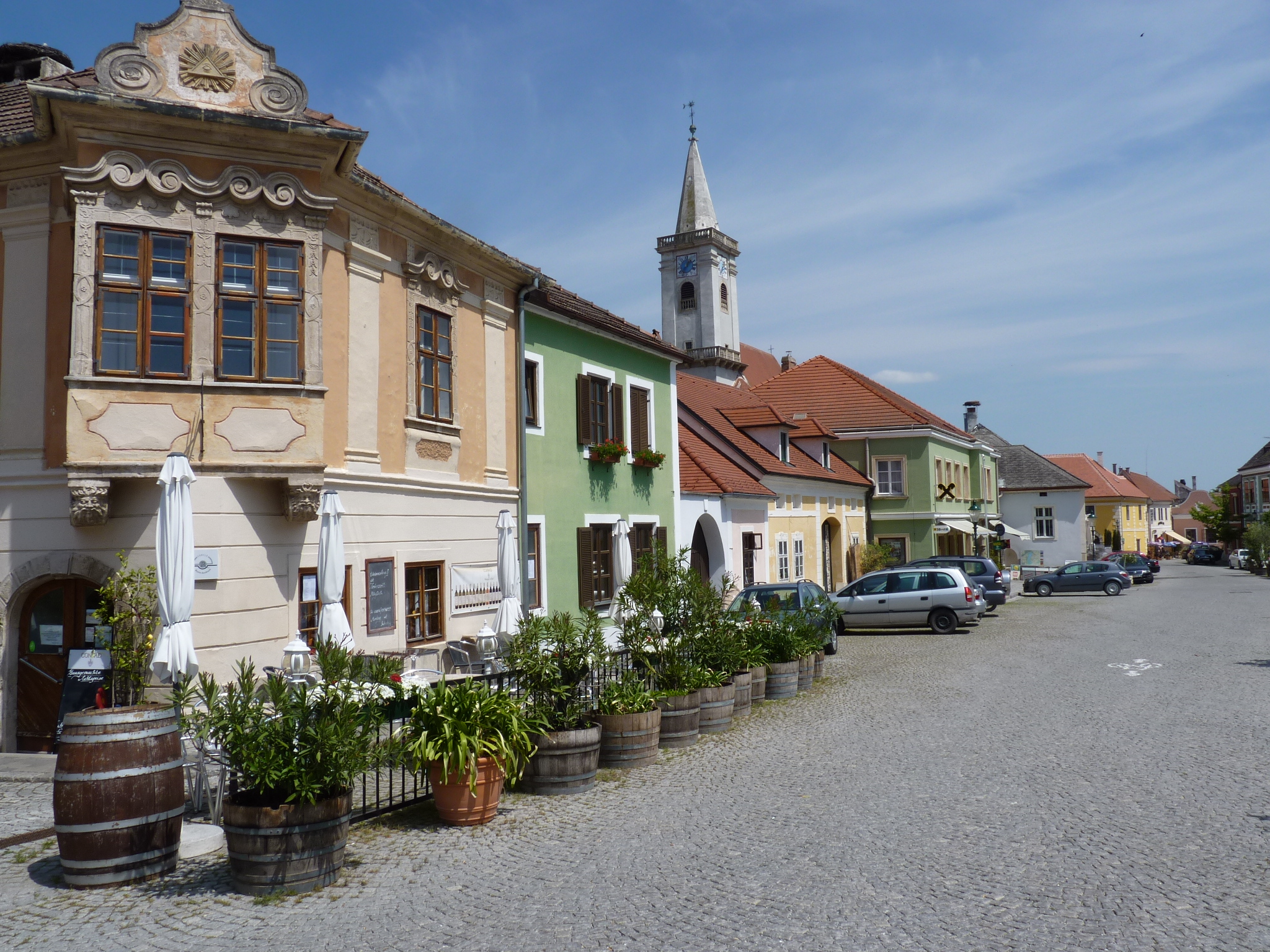
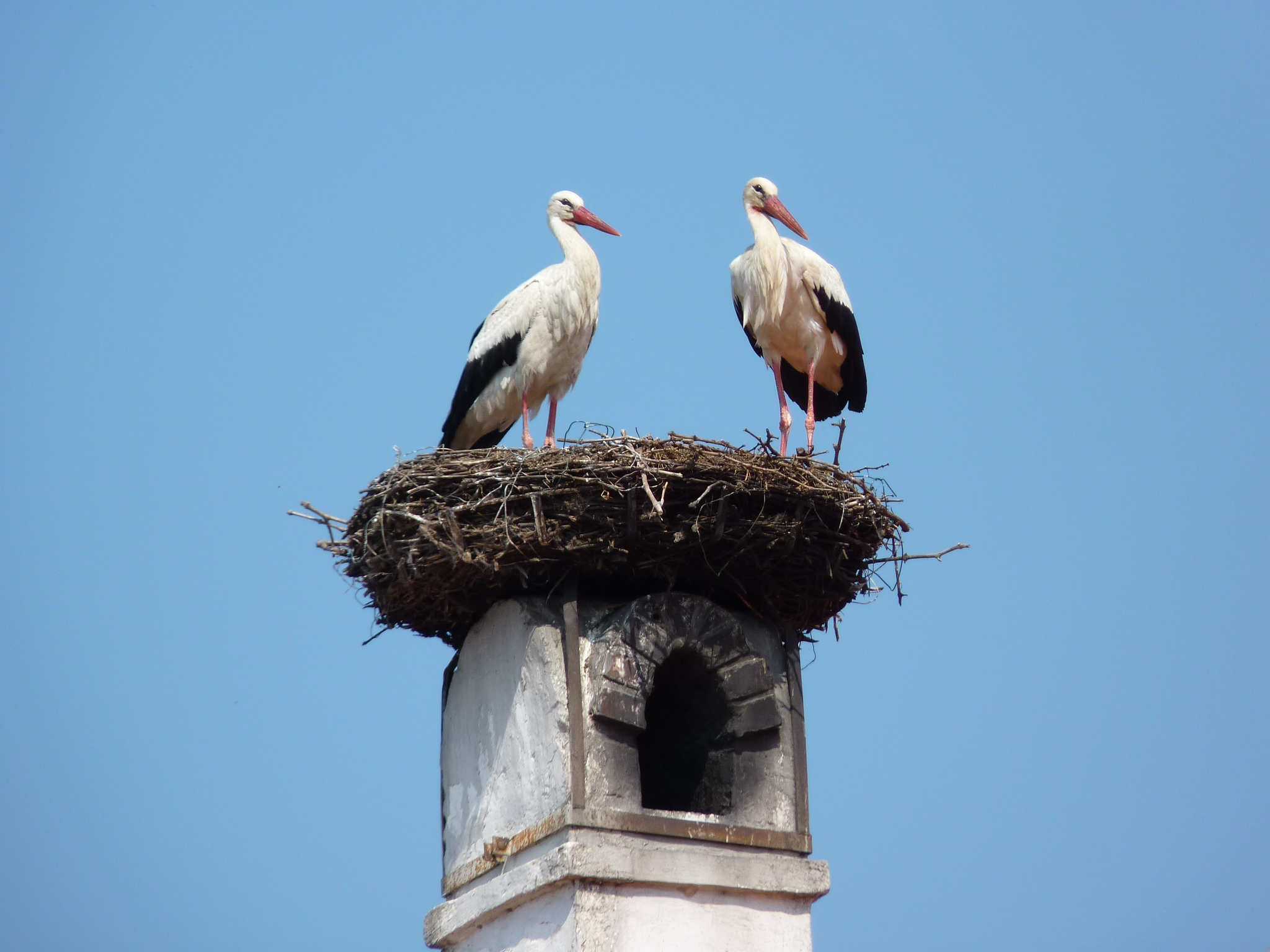
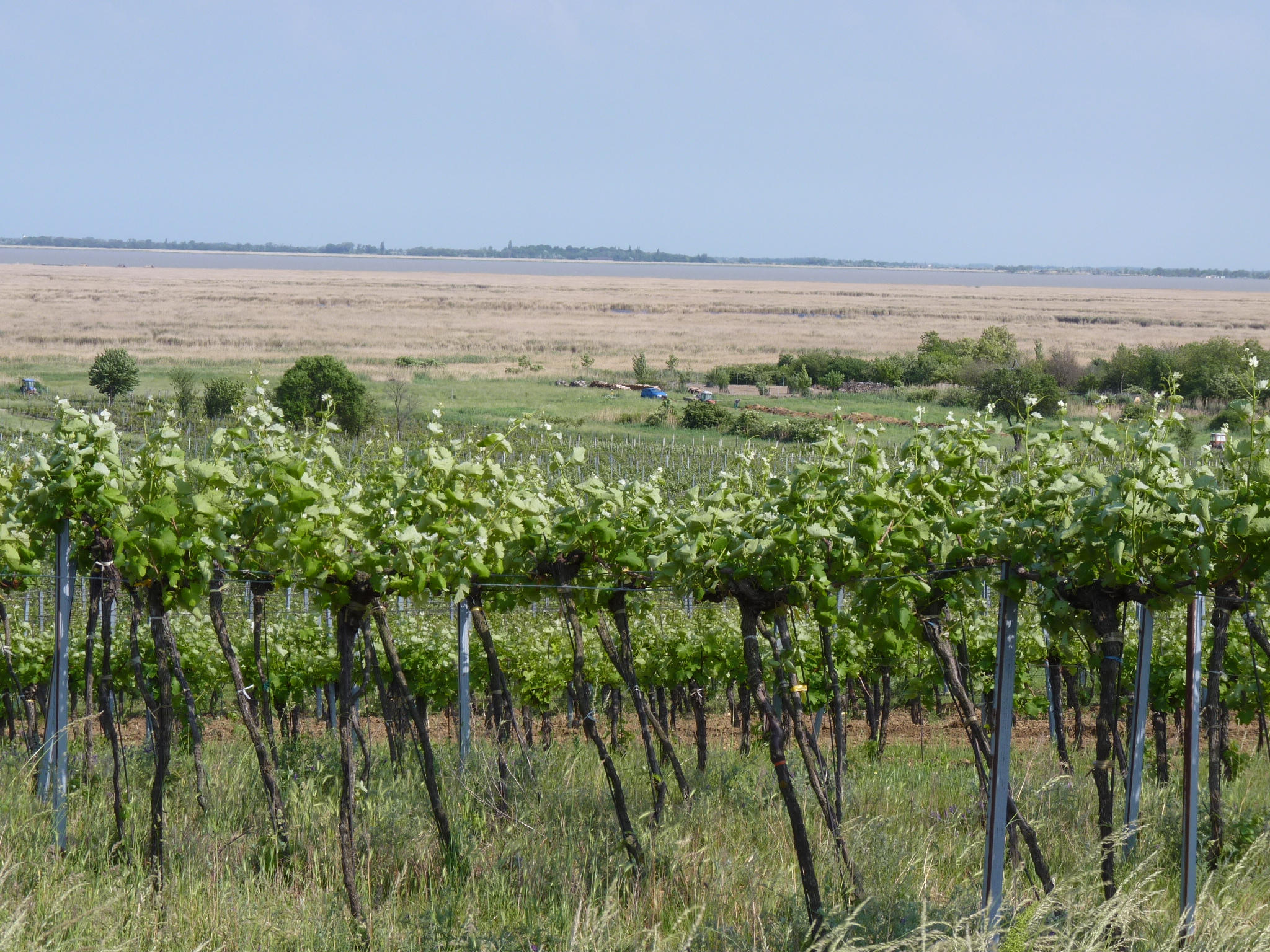
Rust sits about a kilometre back from the lake itself, and is connected to it by what they call the Seestrasse, a long straight road fringed with the lake’s characteristic reed beds. The town has a population of around 2,000 and at first it seems a sleepy place, albeit very attractive. Most people would agree that with it’s old buildings there’s nowhere to rival it in the region. It becomes even more beautiful from around March to late summer when the rooftops host the town’s stork population (seventeen breeding pairs this year, but many more to be seen in the surrounding wetlands).

The town really comes alive around the Rathaus Platz, where most of the restaurants, bars, Heurigen and Buschenschanks are to be found. There’s a limit to how much you can eat and drink though, even if that limit is somewhat stretched by the food on offer, for any carnivore at least (veg may be a little thin on the ground). This is where a bit of cycling helps remove a few calories, so we hired bikes and set off to Morbisch, the next village. From there you can get a half hour boat over the lake to Illmitz (bikes carried), somewhere which needs no introduction to any wine lover. But there’s also National Park over here. Cycling on metalled paths through flat terrain, it’s so quiet and there are thousands of birds, water fowl and other wildlife. There are hides dotted around for a better view but the birds don’t seem to notice the cyclists and the only traffic off the road is the occasional vineyard van (the terrain is dotted with small parcels of vines).

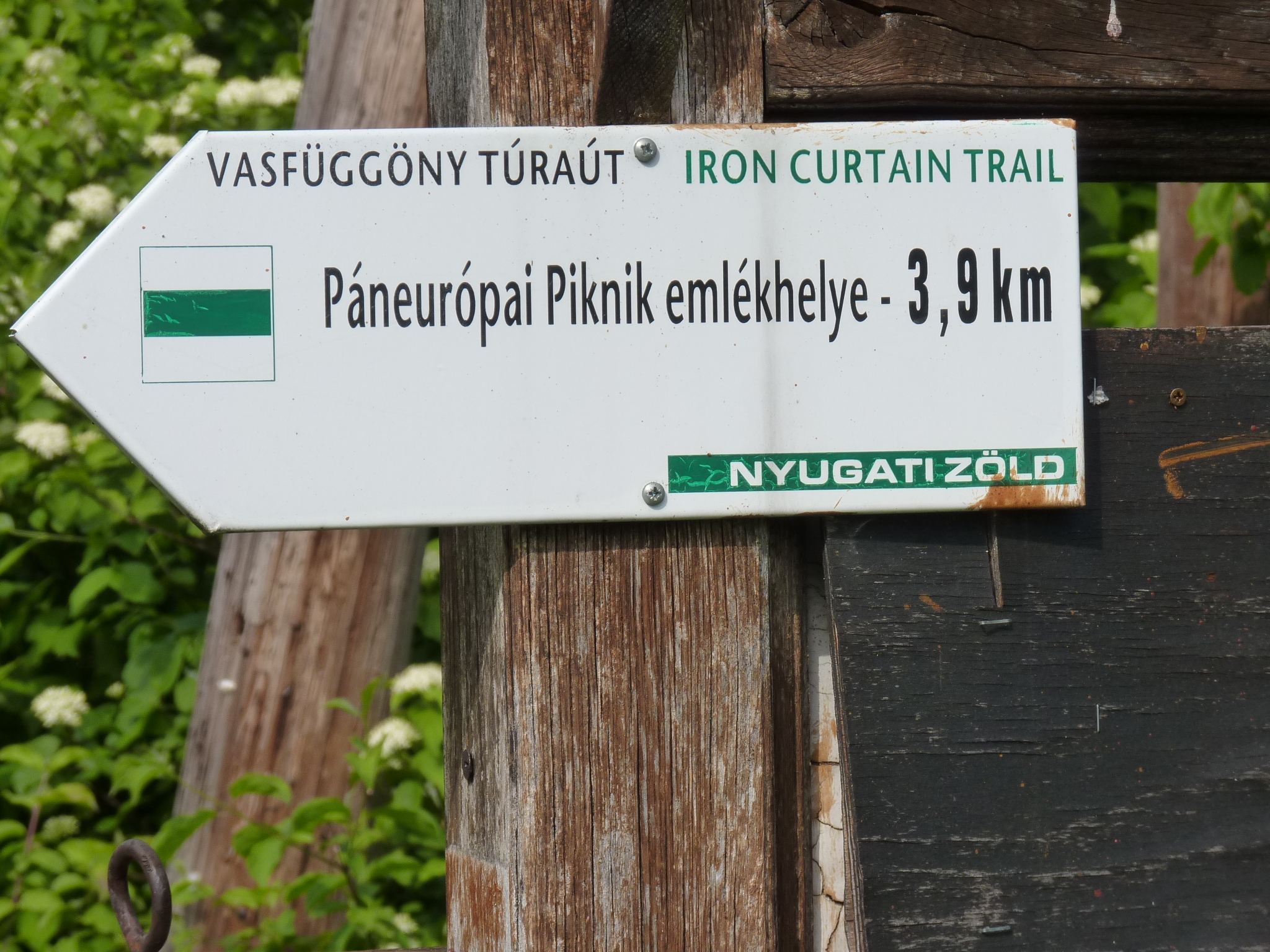
Back in Morbisch we just had to cycle a few kilometres up the road and we were in Hungary. There’s an Iron Curtain trail and the place where the border sits is quiet and green. Hard to think that on my first trips to Austria (albeit not to this part of the country) there was a closed border with armed guards here. It was one of the first locations where the East broke out, and I remember at a London Wine Fair in the early 1990s being given a piece of barbed wire by Willi Opitz (he was handing them out) from the iron curtain. Now there are winemakers of both nationalities who make wines on both sides of the border in Burgenland and Sopron.

Vienna 2015 235

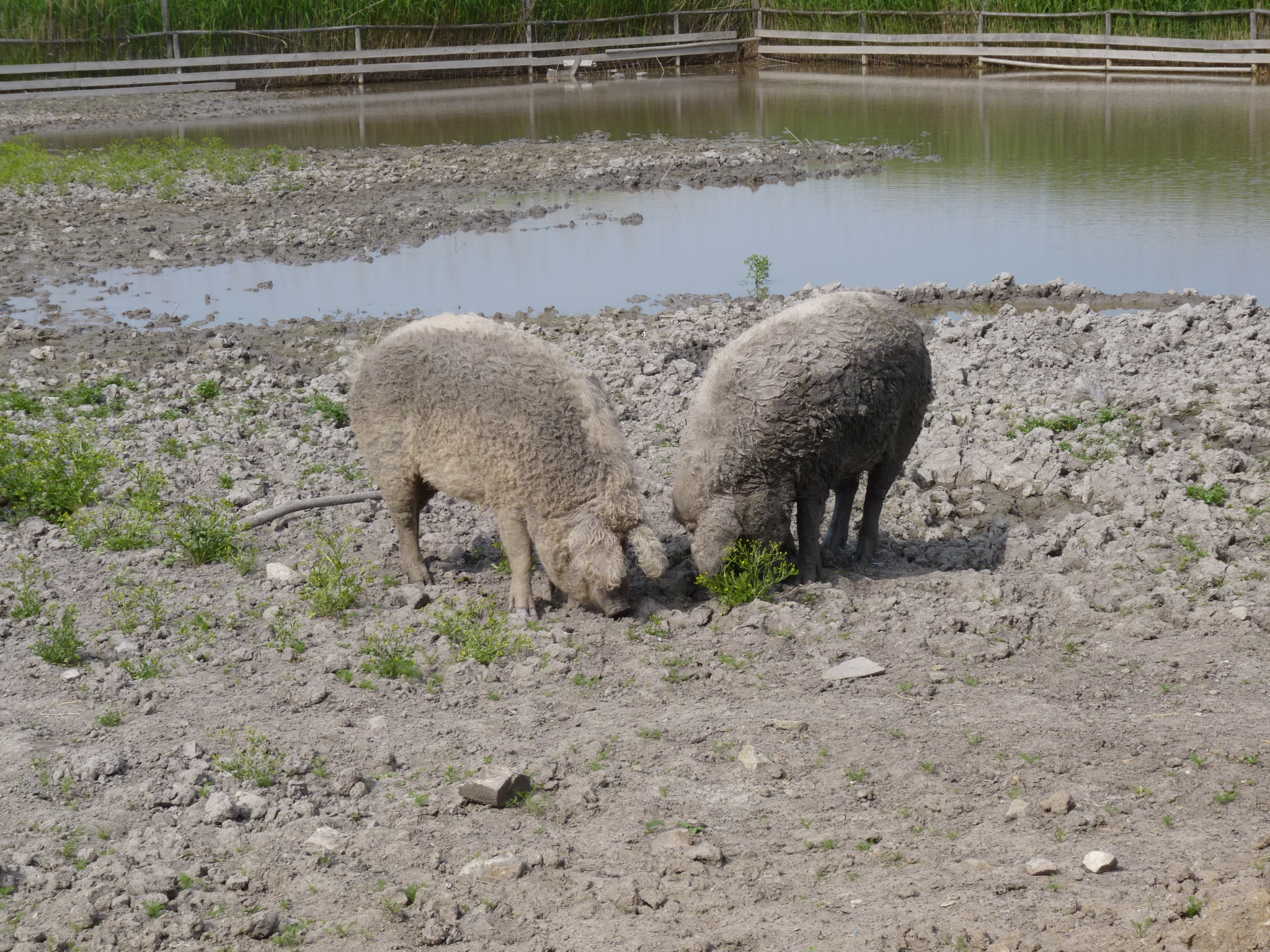
If cycling from Morbisch to Rust try to look out for the Mangalitsa pigs. One of Europe’s oldest breeds, they were down to just a few pairs in the early 1990s but a breeding programme seems to have saved them. Their main characteristic is a woolly coat. They look remarkably like a cross between a pig and a sheep.

Vienna 2015 245

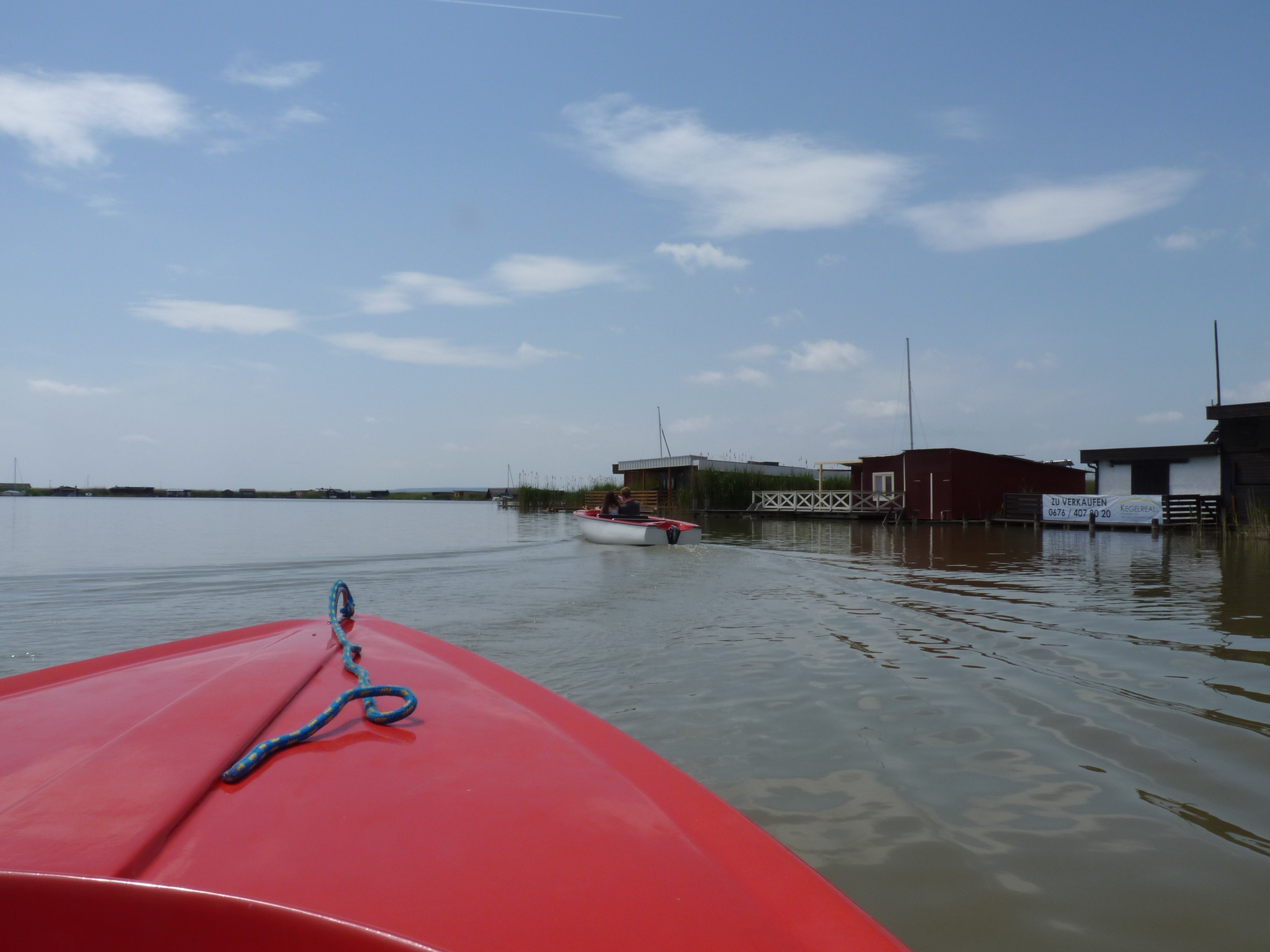
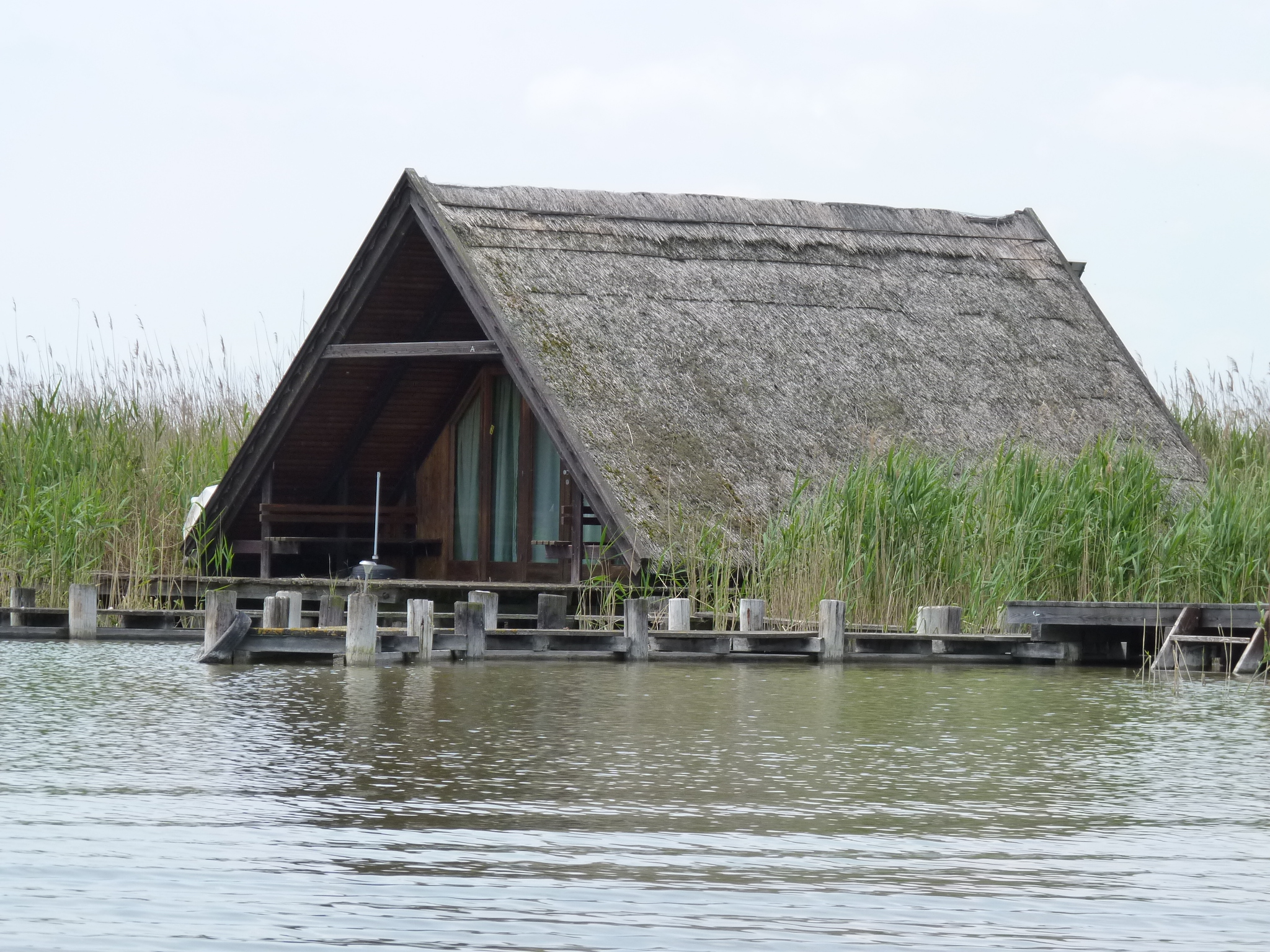
The other thing to do in Rust is to hire a motorboat from down at the Seebad. You can potter along the reedy shore admiring the small summer huts which ring the lake, and you have total freedom to head out into the lake itself. We originally thought an hour would be enough but it was such fun we extended!

Vienna 2015 281 Vienna 2015 283

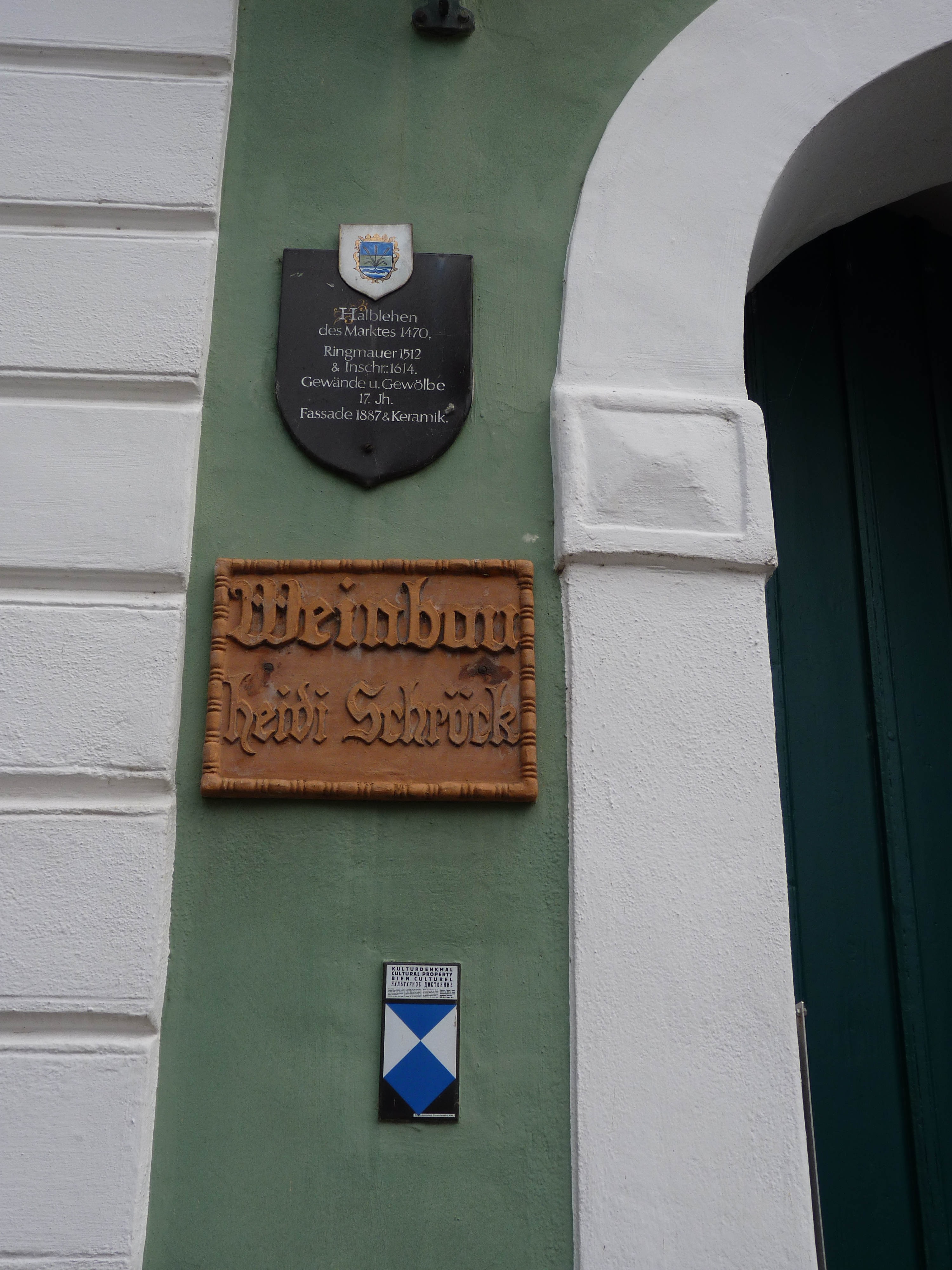
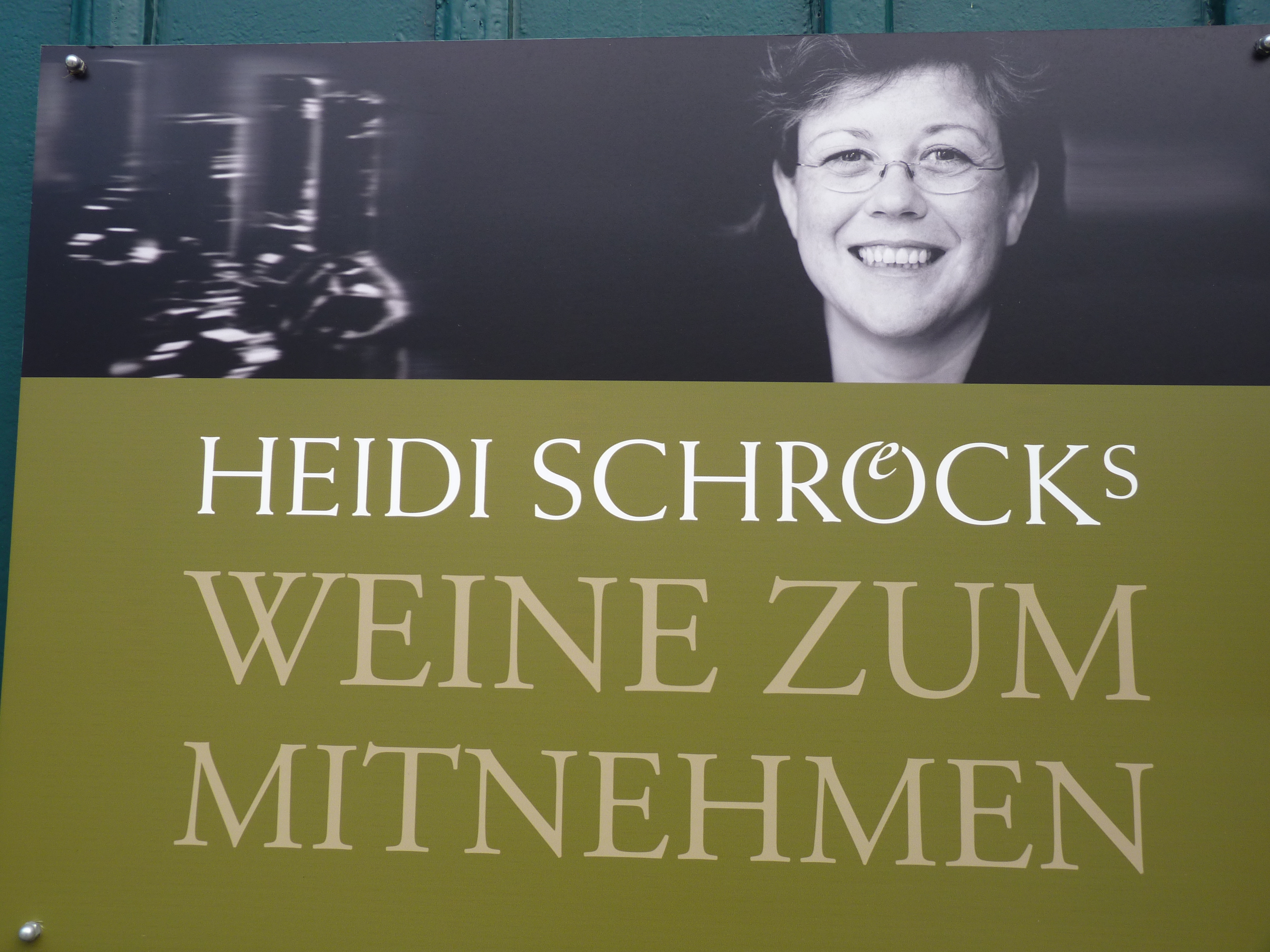
The main reason for going to Rust was an appointment with Heidi Schroeck. It proved to be one of the best tasting visits of the year. Heidi is a super nice person and she was generous with both her wines and her time.

Vienna 2015 325 Vienna 2015 326

IMG-20150518-00143IMG-20150518-00142

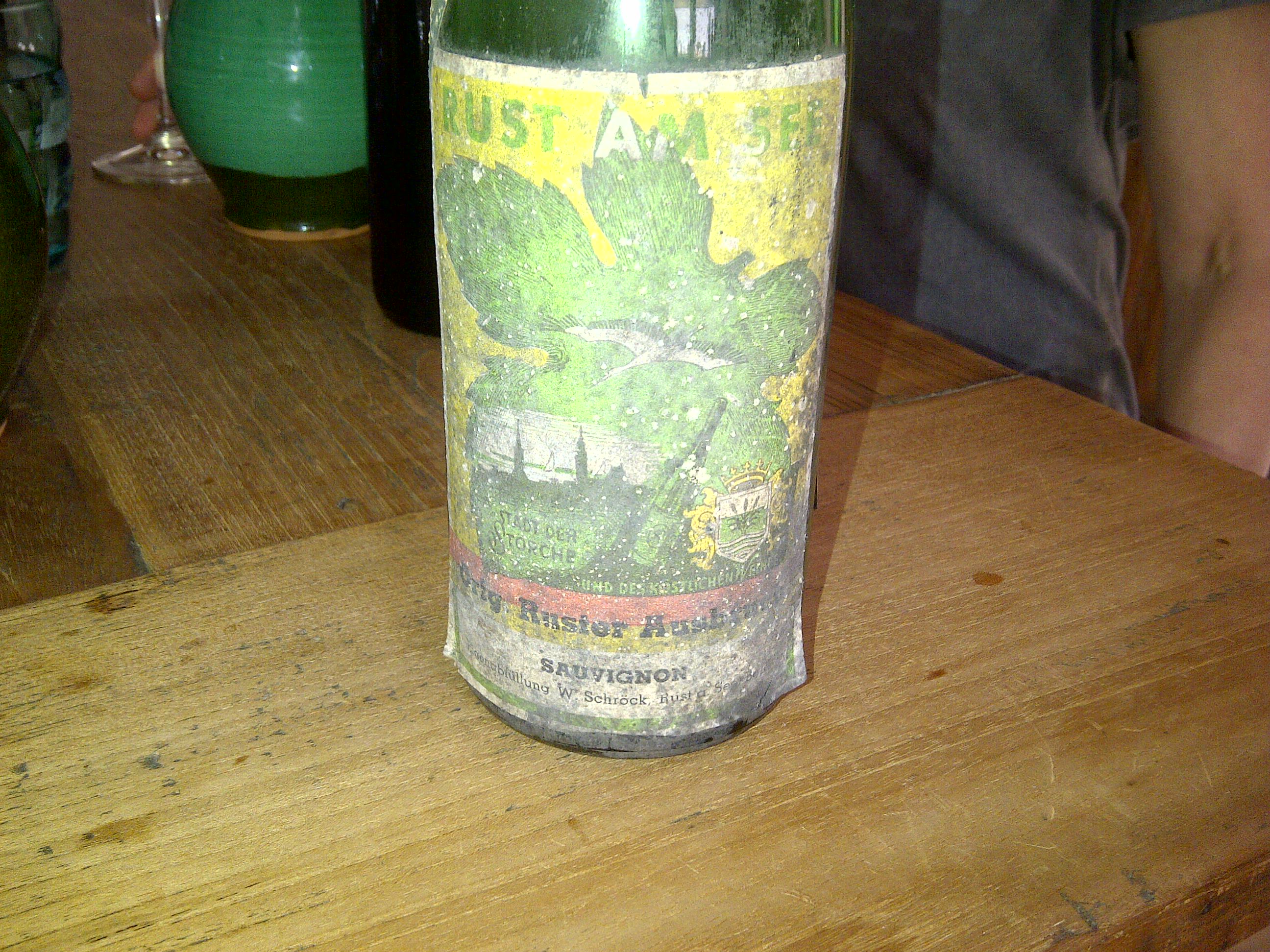
(the old bottle is a Sauvignon Blanc which has a long history here)

We tasted with Heidi:

Gelber-Muskateller 2013 – many UK lovers of Austrian wine never drink this variety. They are missing out. Heidi’s has a sweet smell of summer, but the palate is dry and it makes a prefect refreshing hot weather aperitif.

Weissburgunder 2013 – is also very refreshing, but with a nice creamy edge which makes it a versatile food match.

Grauburgunder 2012 – is slightly more weighty, and had 22 months in 300 litre barrels. Again, you get a characteristic (with this domaine) freshness and none of the lack of acidity which can spoil Pinot Gris in some regions. Nor has Heidi drowned it in new oak, as some producers do by way of compensation, the older oak here being more or less unintrusive.

Sauvignon Blanc 2010 – This just proves how well this grape can age (which Sancerre lovers already know). Here, the acidity is diminished but what we get instead is a really gentle complexity.

Spätlese 2013 – moving onto the sweeter wines, Welschriesling, Weissburgunder and a tiny bit of Furmint, an excellent match for seafood or for spicy food, along with the style’s natural cheese matches. Heidi says it partners fennel magically well too.
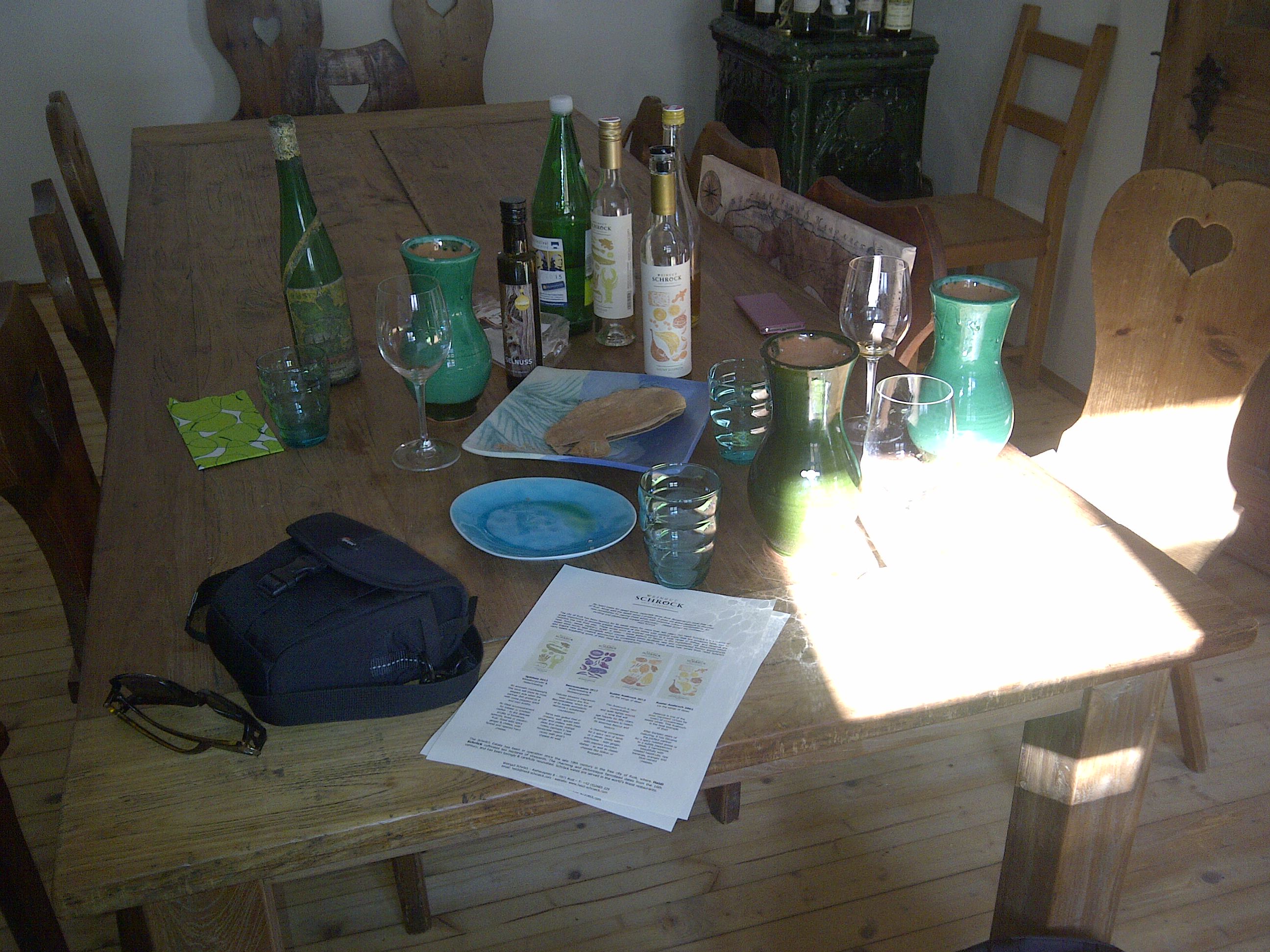
Beerenauslese 2014 – this was a sample, the wine is due to be bottled in June. Weissburgunder and Welschriesling, a little more complex aromatically but fresh as anything. You’d be happy to drink this now. Heidi’s new labels show a graphic image of each wine’s food partners, and one perhaps less expected match is grilled fowl, something I quite fancy trying.

Ruster Ausbruch 2002 – This was only bottled in March this year after 50 months in barrel. Welschriesling/Weissburgunder at 11.5% alc. It really will age wonderfully, even though it’s already 13 years old nearly, and at just under €50 it’s worth doing that, but boy did I want to sip back the whole bottle. Wonderful freshness again, but more than a hint of the complexity to come. There’s already nuts and orange-citrus, a great velvety mouthfeel and length to rival any fine dessert wine. Again, apart from the usual matches, Heidi recommends trying it with “spicy roasted goose”.

IMG-20150518-00144

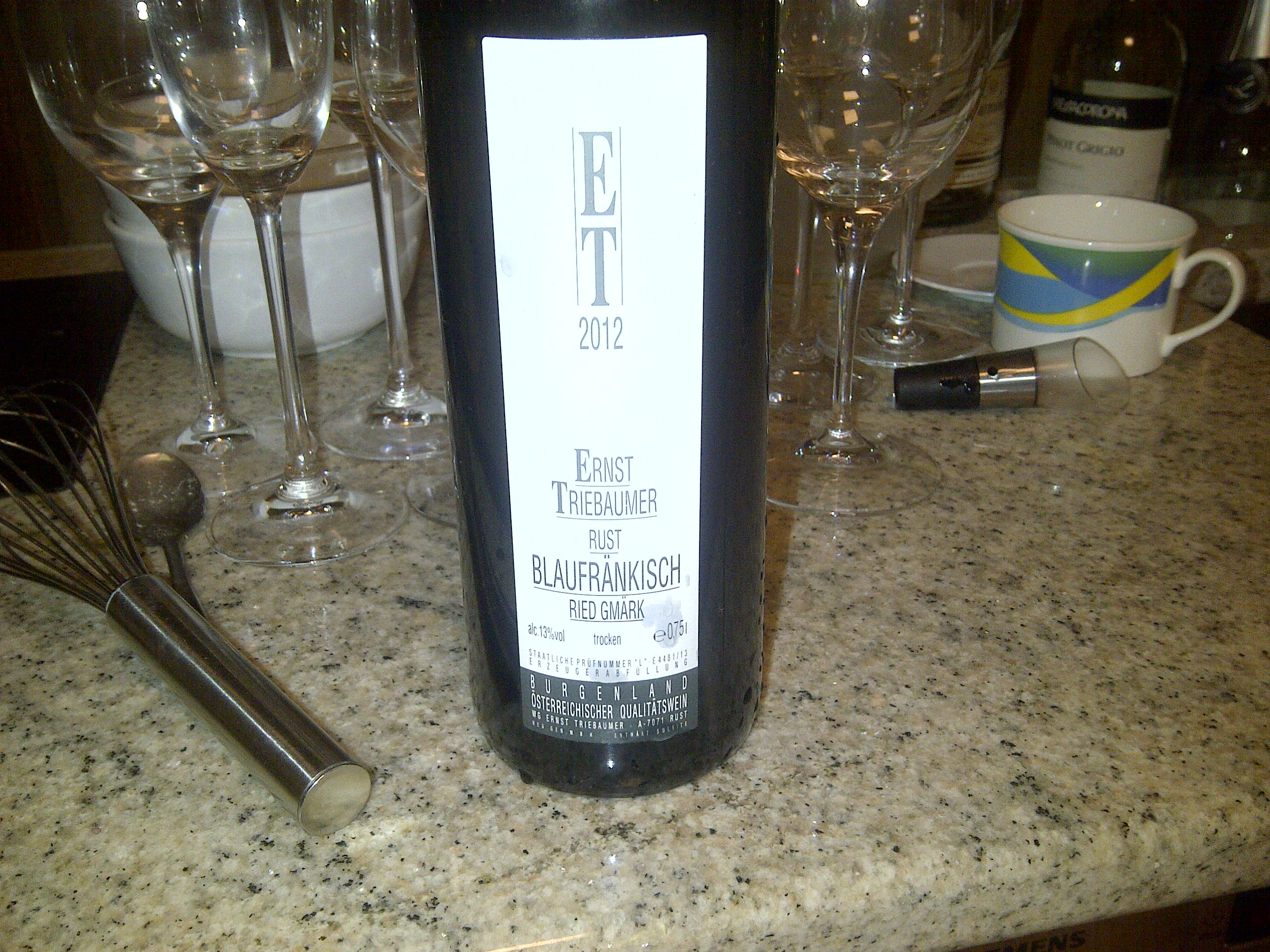
Other producers of note worth visiting are (the famous) Ernst Triebaumer and Feiler-Artinger, and (less famous) Peter Schandl and Regina/Günter Triebaumer. Just 4km away you will find Gut Oggau, for those with a particular interest in very “natural” wines (31 Hauptstrasse, Oggau).

IMG-20150514-00130

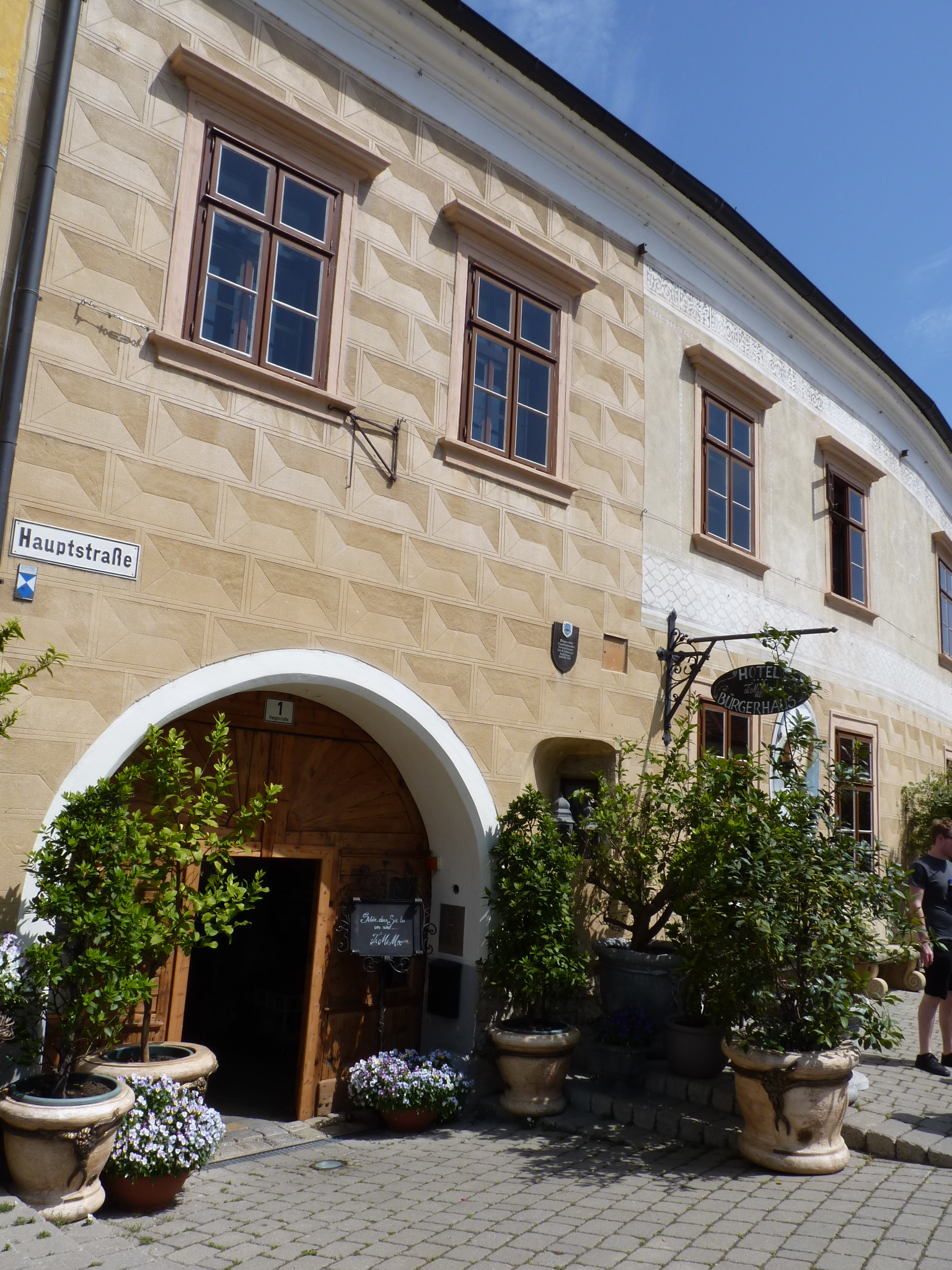
Peter Schandl also runs a nice Buschenschank serving small plates, whilst some of the best food in Rust is served at Gasthaus Stickler at the top of the Rathausplatz. This is owned by Tina and Michael Mooslechner, who run the Bürgerhaus boutique hotel (where we stayed). Its suites are set in a haven of calm and quiet and the breakfasts are among the best we’ve had.

Vienna 2015 270 Vienna 2015 109

Heidi Schroeck’s wines are imported by Alpine Wines in the UK, also by Savage Selections and, for the USA, by Terry Theise. Her domaine is at Rathausplatz 8, and all the other producers mentioned are close by.

Vienna 2015 324 Vienna 2015 313

Posted in Austrian Wine, Rust, Wine, Wine Agencies, Wine Tastings | Tagged , , , , , , | 2 Comments

Dave’s Wine Heroes #4 – Yapp

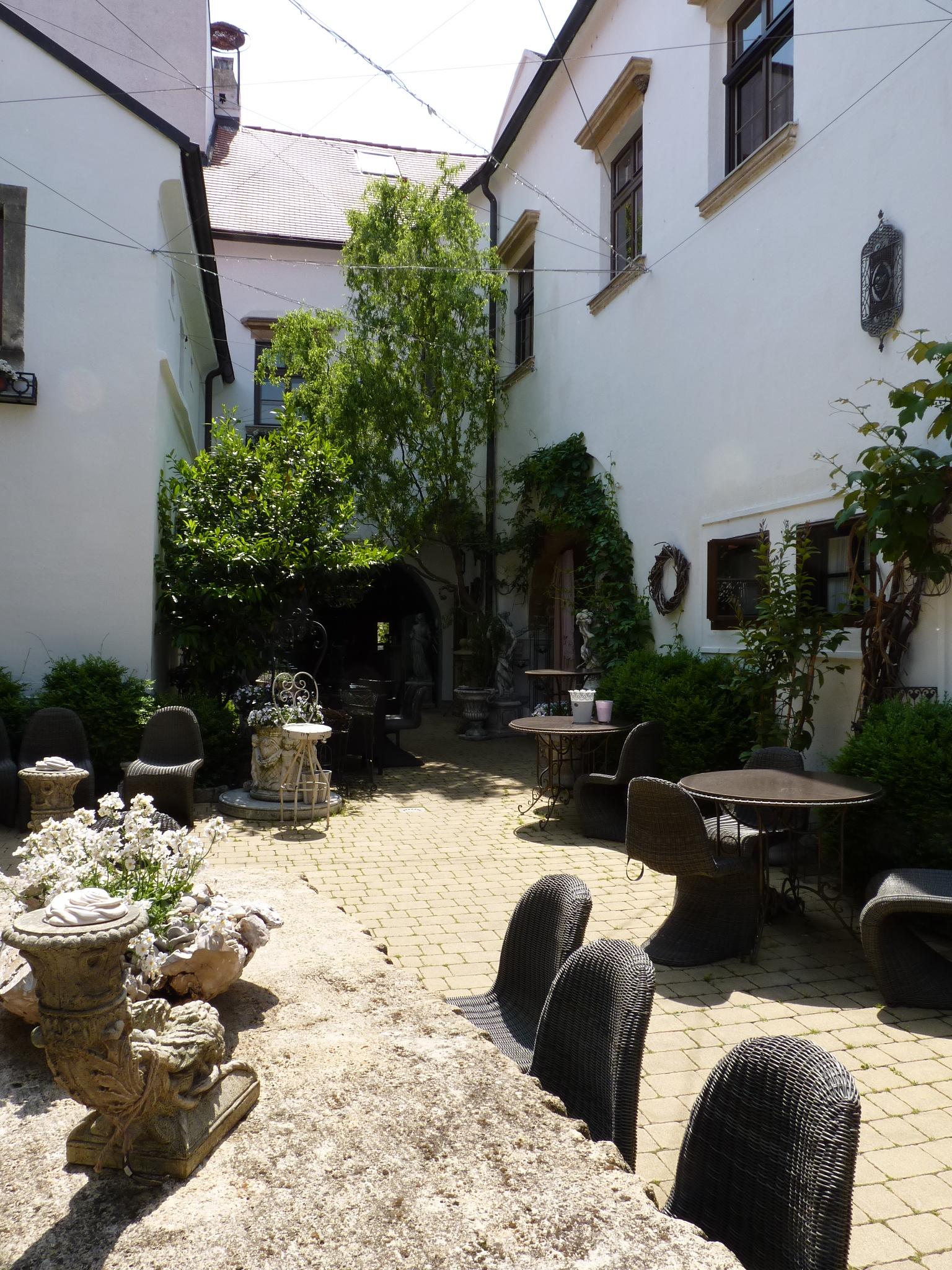
Yapp Brothers holds a special place in my journey towards wine obsession. My first real introduction to what we might loosely call fane wane was via Majestic’s Ealing warehouse in the mid-1980s, but a nascent love of Northern Rhone (via some Jaboulets purchased from Majestic and Oddbins) led me to deepest Mere, handily on the way to friends in Somerset. Yapp must have one of the most beautiful wine merchant premises, perhaps only rivalled by Berry Bros St. James’s warren, in the whole of England,  with an enclosed courtyard of characterful buildings, a floral riot of colour in spring and summer.

Looking back, those days were halcyon. I remember buying Condrieu from Vernay for £15 (the Coteaux de Vernon was a tiny bit more at £16.50 for the 1985), and Chave Hermitage (£14.25 for the 1984, £18 for the 1985). Chateau Grillet, maybe not at her best in those days, was a heady £35 (1985). Those prices may make wine lovers weep today, but they did not seem especially cheap to a young wine novice. They were, however, affordable. For me, sadly, that is no longer the case, except as a special treat.

But as with all of the best merchants, Yapp’s have moved on. Where it used to be almost exclusively “Rhone, Loire, Provence”, they have now diversified, mainly into other parts of France. Equally, don’t discount their first foray into Australia which brought us the stunning wines of Ron Laughton’s  Jasper Hill.

I was moved to write about Yapp’s having received their new price list (always a delight) . It is, I admit, a while since I’ve bought a case from them, although I’ve nabbed odd bottles of their “museum releases” when they have their “free postage” weeks, and a few bottles at their London “popup” last summer. I also bought a mixed case of halves last year, always a good selection at a discounted price.

Looking through their new list you can see how they have slowly and surely developed a truly eclectic and adventurous range from regional France, without neglecting those original core offerings. My next case will include (I hope, as maybe you will clean them out before I get a chance to order) wines from Savoie, Corsica, Languedoc and Beaujolais along with the usual smattering of Rhone and Loire, though resisting Trevallon, Simone and maybe a Cassis is always difficult. I’d like to see them stretch their Savoie offering as this is surely one of the places in France where good things are happening. Languedoc-Roussillon has established itself on the list and every year we see new producers added to stalwarts like Mas Bruguière (Pic St. Loup) and Ferrer & Ribière (Roussillon). It will be sad, too, if I don’t replenish the about to be drunk Irouléguy from Domaine Ilarria. See how hard it is! Their delivery service has always been exemplary, but if you are passing by Mere it is worth dropping in. They’ll even let you picnic in the courtyard if you ask.

Brighton and Hove-20150512-00120 Brighton and Hove-20150512-00121


Posted in Wine, Wine Agencies, Wine Heroes, Wine Merchants | Tagged , , , , , | Leave a comment

The Power of Flor

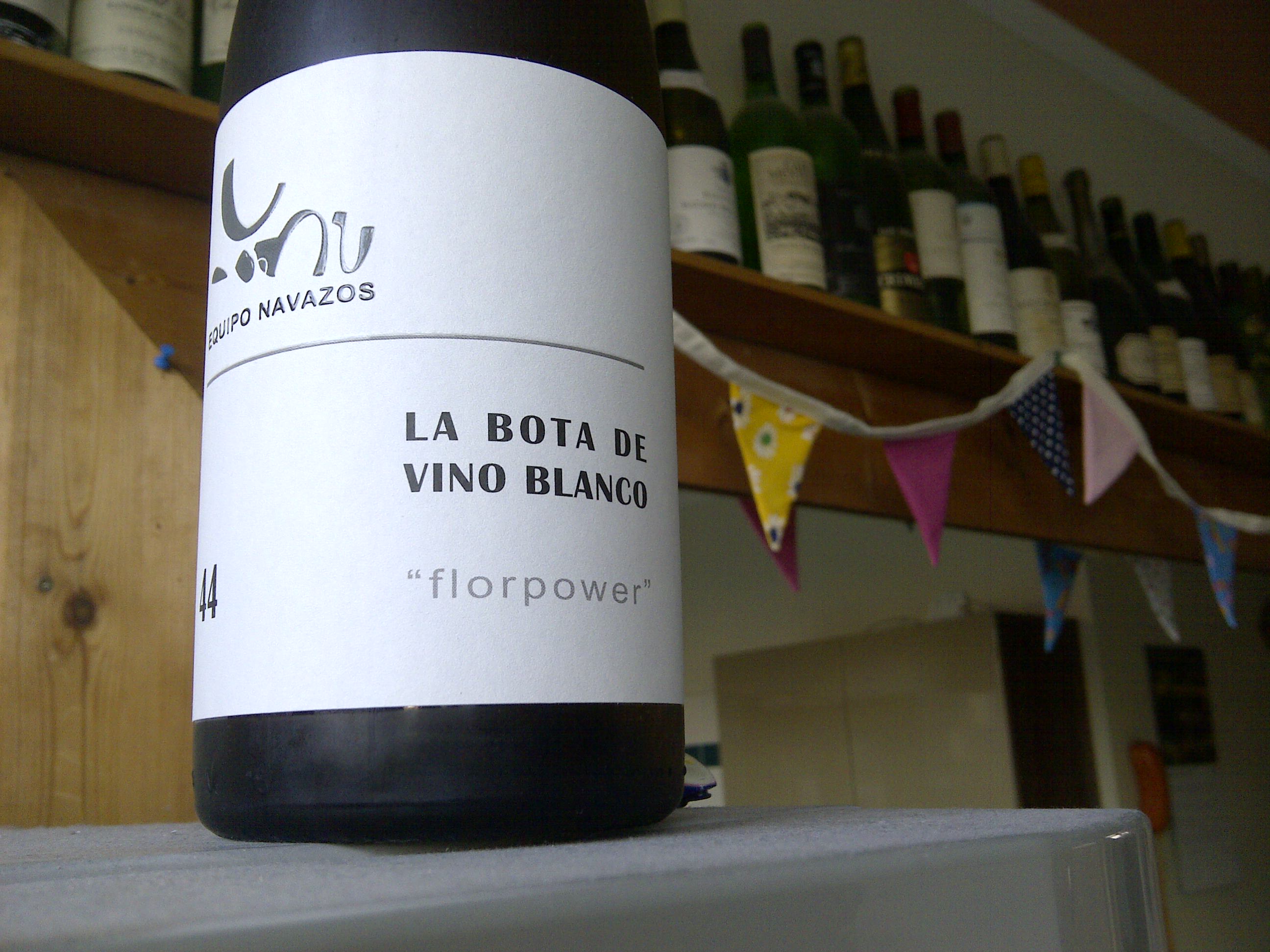
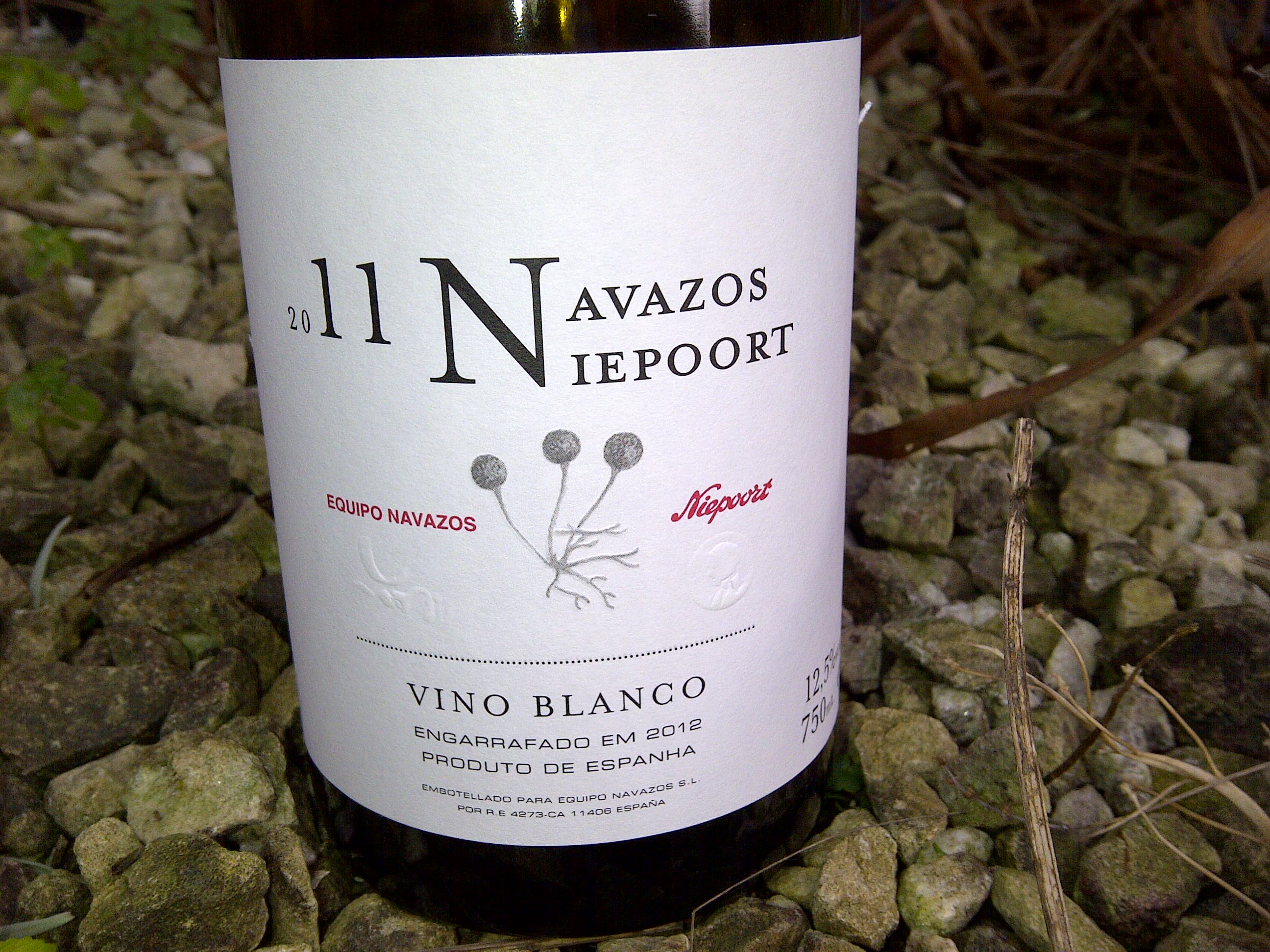
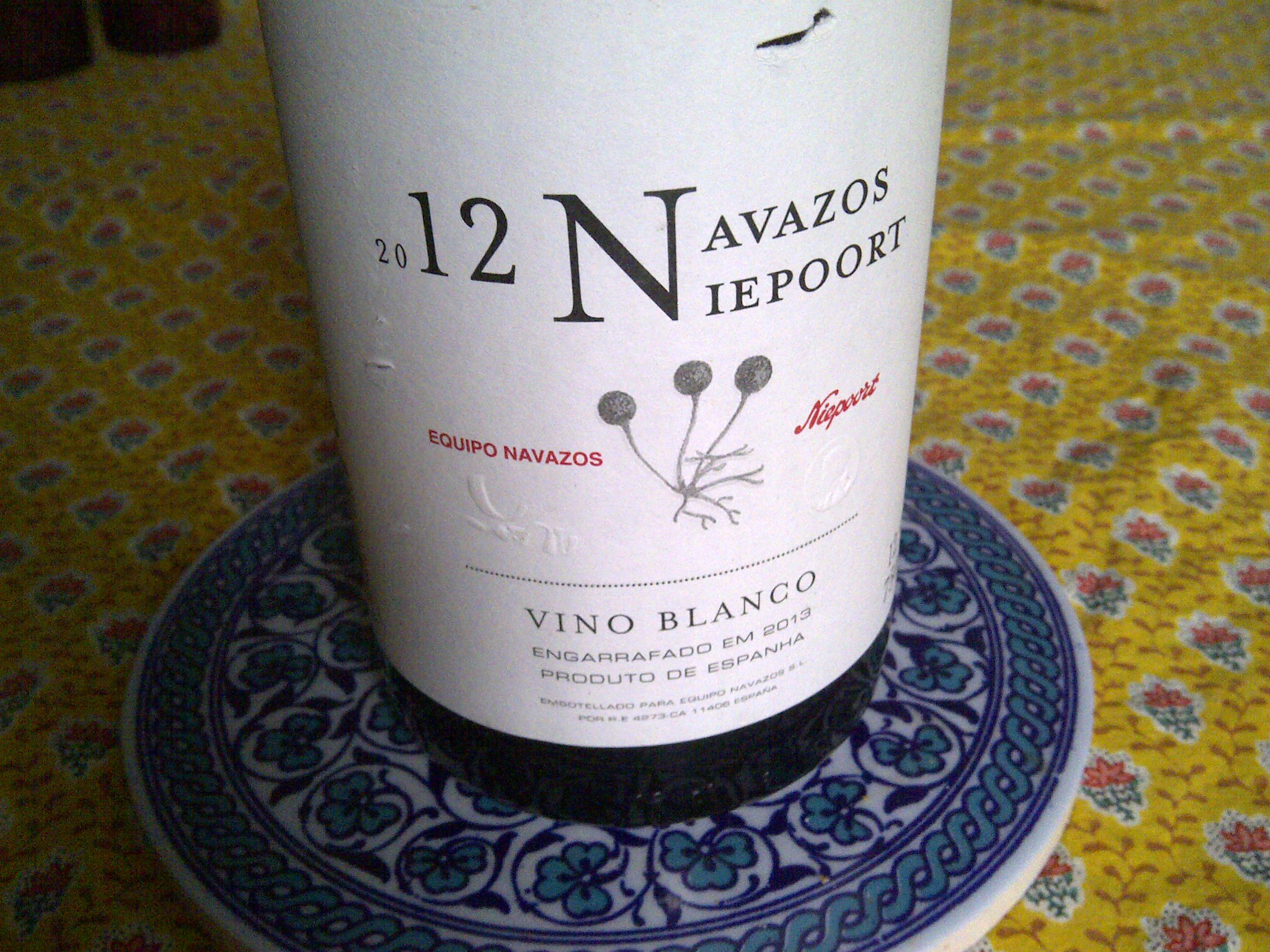
Most serious wine lovers have known about the Equipo-Navazos operation for some time now. Peter Liem (in Sherry, Manzanilla & Montilla, Manutius, 2012) describes Equipo Navazos as “The most distinctive and unusual project to come out of the Sherry region in recent times”. Founded by Law Professor and Sherry expert Jesús Barquin and Eduardo Ojeda, Technical Director of Grupo Estévez in around 2005, the label has been selecting wines of real intensity, quality and interest over the range of fortified Sherry styles. Collaborations have also led to sparkling wine (Colet-Navazos), brandy and other spirits, and unfortified whites (Navazos-Niepoort). It was the last of those which acted as a forerunner to the concept of “Florpower“, a range of wines made from the Palomino grape, aged under flor, but unfortified.

Thus far there have been two releases of Florpower. Following the EN habit of giving every release a consecutive number, they have been labelled “44” and “53”. There is a third bottling on the way. La Bota 44 was made from Sanlucar Palomino (mainly Pago Miraflores). Based on the 2010 vintage, it had 32 months under flor, consisting eight months in cask and then two years in stainless steel tank.

Brighton and Hove-20130906-00075

On release this gentle wine, only 11.5% alcohol (having lost 1% under flor), stunned us. Not only had we never really tasted its like before, it made us seriously wonder why unfortified Palomino hadn’t been tried commercially long ago. But then perhaps it has. The strength of Equipo-Navazos is in the selection of wines and, undoubtedly a factor, non-commercial levels of production (relatively speaking – 15 Sherry butts, I understand).

Florpower 53 (also labelled Más allá) is the same wine as 44, but it had a period of extra age (42 months under flor, including an additional ten in barrique). The freshness of the 44 is perhaps replaced by greater complexity in the 53. They are both very subtle wines, so the previous statement might be exaggerating, though they are clearly different wines. Bota 44 had apple and almond with a citrus overlay and a touch of yeasty, well, florpower on release. We drank a bottle of this a few days ago, the second to last bottle we have. It has changed quite a bit. It’s very orange in colour now, but bright. The nose has taken on even more complex subtlety, gentle and fragrant being about as close as I can get to a descriptor. The palate is still fresh and there’s more mandarin than lemon there now. It’s certainly different and could be a little scary for some (on colour alone), but everyone I know who has drunk it finds it a real mind opener.

IMG-20140817-00494

What of  the future? There’s a new Florpower heading to the market this summer. It will be a 2012 wine which has seen nine months under flor in 600 litre casks followed by 21 months in a large steel tank (so less influence of flor there). The magic number will be 57, and it was bottled just a few weeks ago.

These wines are quite difficult to find in the UK, less so in the USA (which really seems to “get” Sherry, and thus wines like these, in a way we Brits find harder, doubtless down to our history of importing cheap sweet versions to sit on the sideboard). If you are an importer/merchant you really should look at these. They are truly breaking new ground in the best Equipo-Navazos tradition. The Navazos-Niepoort whites are much easier to find, both in London and with small regional merchants in the UK. They also age well, though they are quite stunning in the freshness of youth.

All of these wines display what for me is perhaps the most important aspect of every single EN release – on top of quality they are looking for wines with a distinctive personality. Every single Sherry released by the team is truly world class, and in my view the Florpower whites should be looked at, albeit an experiment of sorts, in the same context.

IMG-20131205-00192 IMG-20150325-00019


Posted in Fine Wine, Sherry, Wine, Wine Agencies | Tagged , , , , , , , | 2 Comments

Pierre Sang Sweetly

For some time I’d been hearing about one of the “11th’s” latest gourmet hot spots and we didn’t waste any time in sampling the delights of Pierre Sang‘s Rue Oberkampf restaurant in the company of Burgundy writer Claude Kolm, for whom this has become something of a regular hangout when he’s in Paris.

We dined at the busy bar table upstairs. Set down the middle of a long thin room, the chairs are like tall bar stools, the placings are somewhat cramped and there’s only just room for the staff and other diners to pass down the line. Although there are tables downstairs, you really feel the lively bustle of the place upstairs, which makes up for any mild discomfort. And you can easily see (and smell) whatever your neighbours are having.

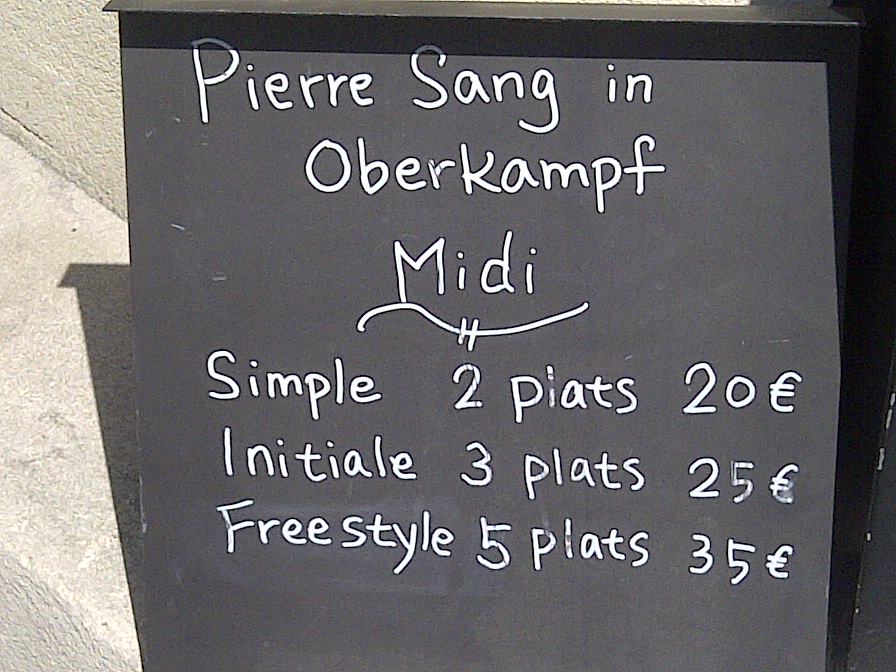
The concept is very simple. There’s no menu as such, although you will be asked if there’s anything you can’t eat/don’t like. You choose to have either two, three or five dishes and whether you want a dessert or not as one of those choices. Then away you go. Wine is available by the bottle or glass, and here you can say what style you want, although choices such as “light or more full bodied red” add nuance. Pairing advice is freely offered.

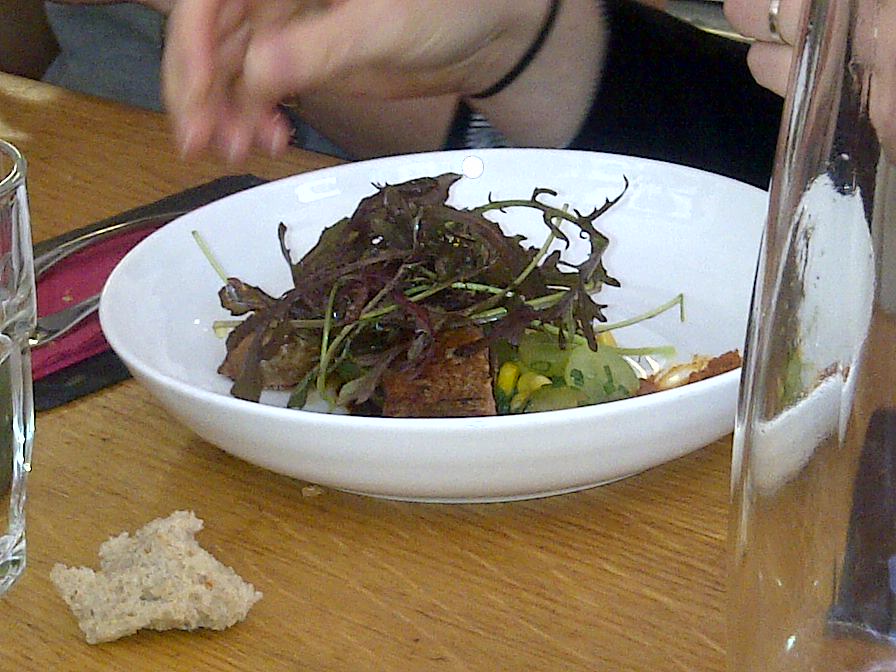
The food is really excellent. Naturally it changes every day. Our highlight was the best duck dish I’ve had in many months. Cooking is generally quite light though portions are by no means mean, and there’s a slight influence of the East (Franco-Korean), though not too overt on Oberkampf. And Pierre is a really friendly guy who talked to us very briefly, but without the airs and drama of many name chefs for whom it often seems like being granted an audience.

IMG-20150423-00078

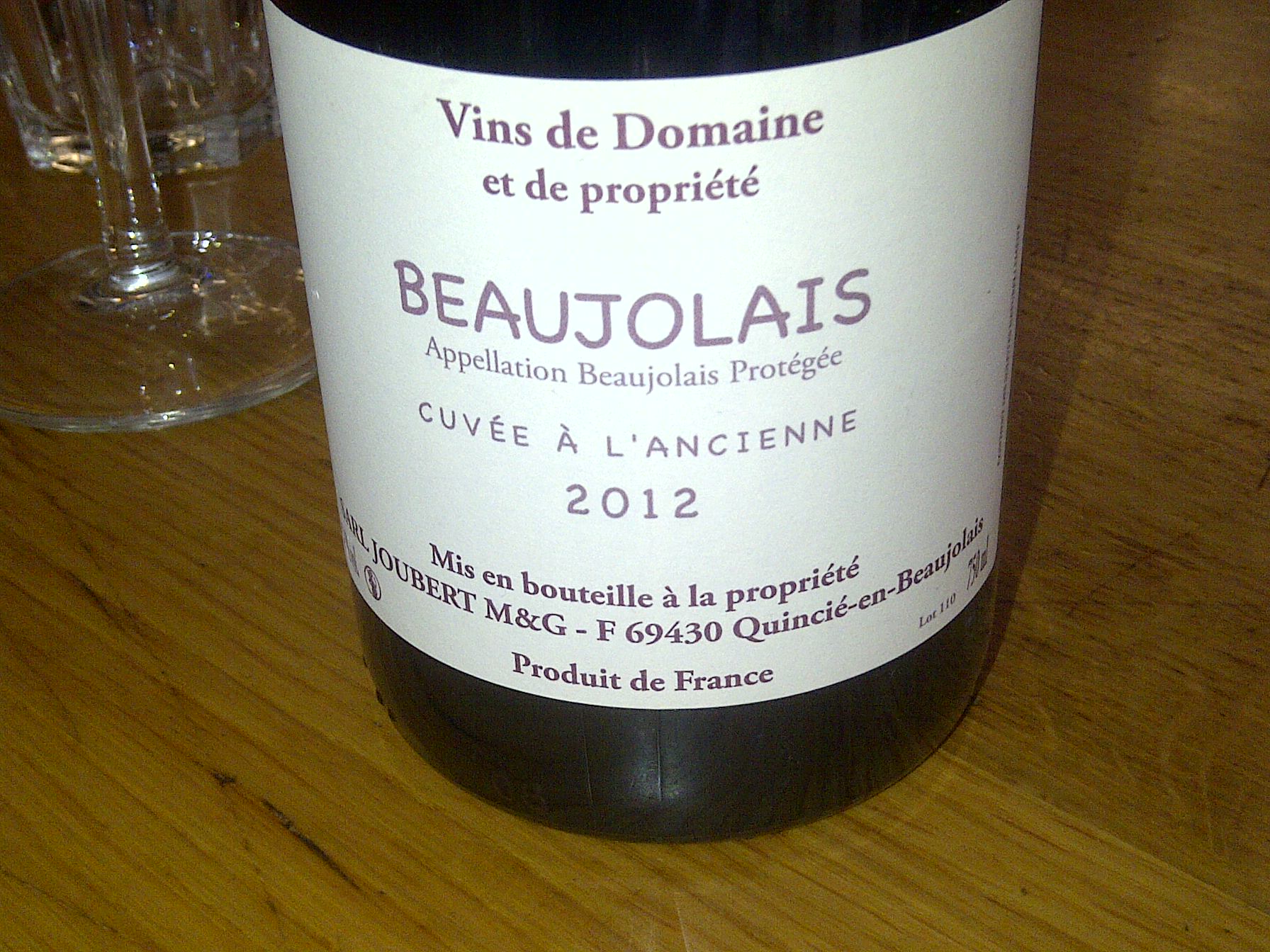
The wines? We had two by the glass. The first was a very refreshing Viognier, “Le Secret de Famille” Cotes du Rhone from Jaboulet, which actually for around a fiver, retail, was pretty decent. As a lighter red pairing with the duck we had an equally decent straight Beaujolais “Cuvée a L’Ancienne”, from M&G Joubert in Quincié. Not fine wines, as such, but in value they matched the food and over performed for the price.

IMG-20150423-00077

A note on reservations – I’ve read reviews which say they don’t take them (nor have a telephone) at the rue Oberkampf site, but we had a table, kindly reserved by Claude. And, in fact, we showed up a bit early and were able to be seated immediately. If you don’t have one, try to arrive early.

It’s a welcoming place, attentive casual service, decently quaffable wines, and excellent food with a touch of innovation. I would also become a regular if I lived in the 11th, especially at these prices!

IMG-20150423-00079


55 rue Oberkampf, 75011 Paris

Hours: Zagat reckons Tues-Sat, 12-2.30 and 7-10.30. Le Fooding reckons they open every day, so check before going. We dined Thursday lunch.

Friendly English spoken.

Posted in Dining, Paris | Tagged , , , , , , , | 4 Comments

From Paris to Kathmandu…and Back Again

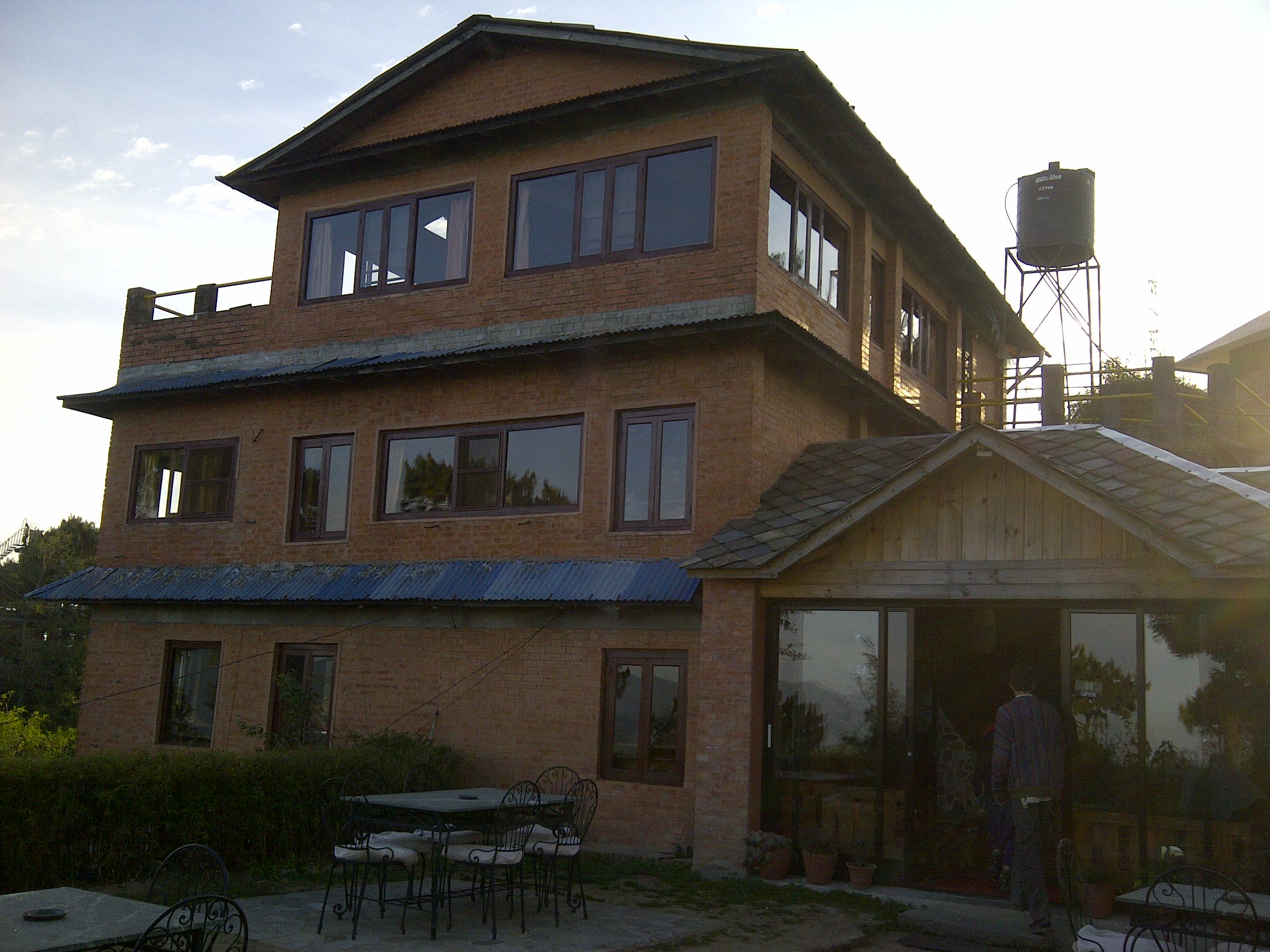
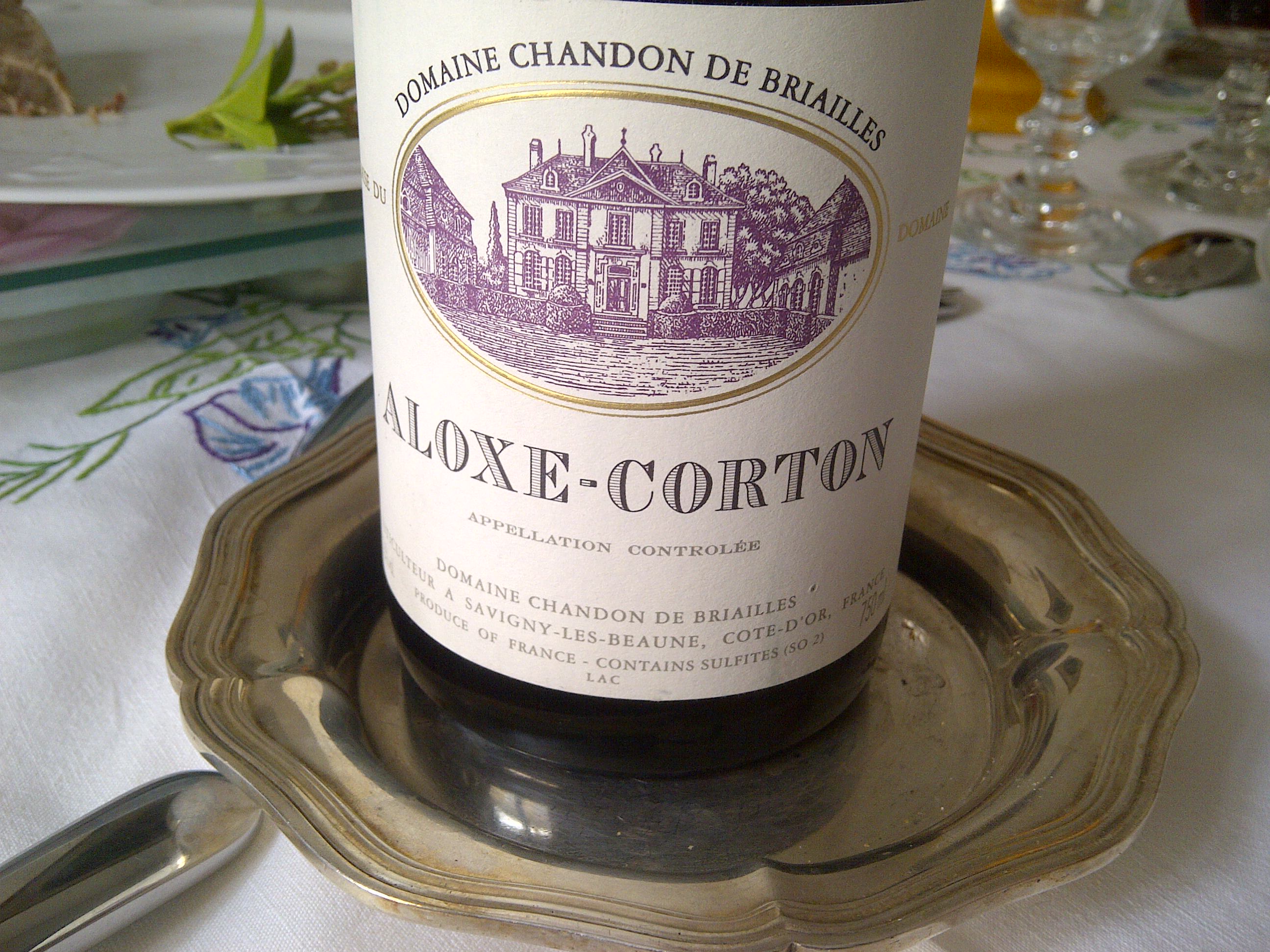
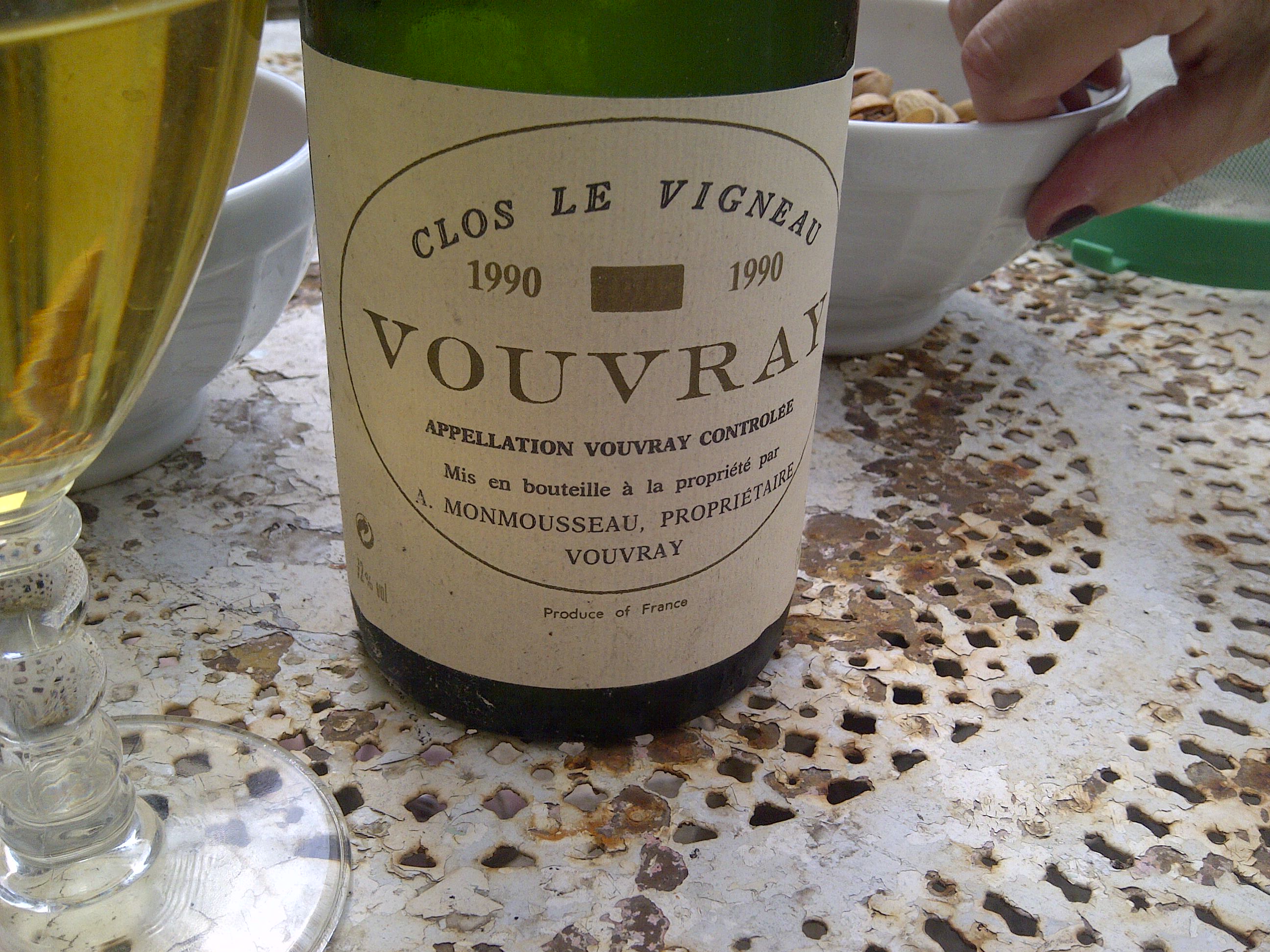
Two weeks ago I was in Paris flanning around Oberkampf  et environs and planning to write all about it. But as regular readers will know, having seen my posts from Nepal, our daughter was living in Kathmandu. When we heard about the quake we were on a train from Montparnasse to Rambouillet to partake in some tasty wines. It took lunch, and several nice bottles (including a Chandon de Brailles Aloxe-Corton 2006 on song and a Monmousseau Clos le Vigneau 1990) for it to sink in. Anyway, that all resolved happily for our family (if not for many others), but before writing about wine I can’t carry on without saying something about the Nepal Earthquake. Below is the Hotel at the End of the Universe in the hills at Nagarkot, owned by friends of our daughter, and where we spent two wonderful weekends mere weeks ago. It no longer stands. Thankfully everyone is safe.

IMG-20150315-00014

Nepal is a wonderful country with friendly people – friendly despite it being one of the poorest countries on earth. Poverty is sometimes caused by food shortages and lack of development and sometimes by corruption, but often it is made worse by the indifference of wealthier nations. Nepal has given so much joy to trekkers who have experienced her culture and mountains. Several UNESCO World Heritage Sites have been either damaged or flattened, especially around Bhaktapur and Changu Narayan, though of course this means nothing set beside the thousands of lives lost and the tens of thousands whose livelihoods and homes have gone.  It makes me shudder to think that I was sitting on our daughter’s terrace in Kathmandu just seven weeks ago looking at a distant tall peak, Langtang,  that was near the epicentre of this massive quake.

It’s so good to see some of those people who have been so enriched by Nepal, along with many others, responding so generously to the various appeals to help the victims. But I’d love to see a greater international development effort after the quake has moved out of the headlines. Nothing crazy. Just make sure these people have access to safe water and electricity for starters (there’s no lack of resource here, just the usual things hindering progress). I make no apology for asking everyone who reads this to think about what I’ve written here. For twenty seven years, since my first visit, Nepal has been a country close to my heart.

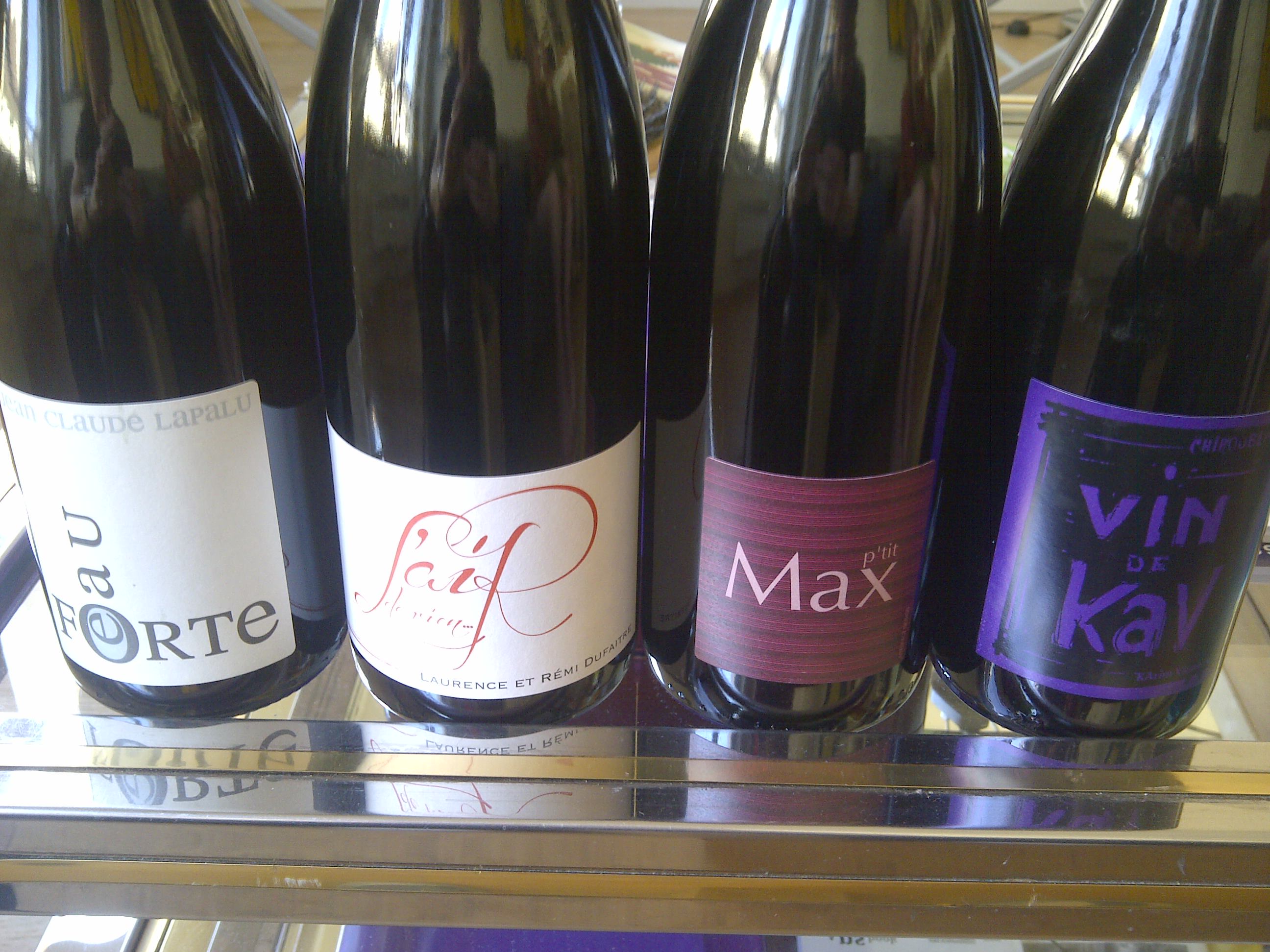
The purpose of the Paris trip was in part an attempt to source some wines for a Beaujolais dinner in July, in London. There’s no doubt that the UK is well behind the curve in respect of what’s going on in the hills south of Macon, though to be fair we are catching up (and if Jura is anything to go by, we’ll get there in the end). So our first few days involved a trawl/crawl around some of the shops and bars that many Paris aficionados will be familiar with. The following are really worth a visit if you are a fan of wines of a more “natural” disposition. If not, then really it’s better to stick to Lavinia, or to the refurbished wine departments at Galleries Lafayette and Bon Marché, which now offer fantastic ranges of the finest (sic) wines of France..

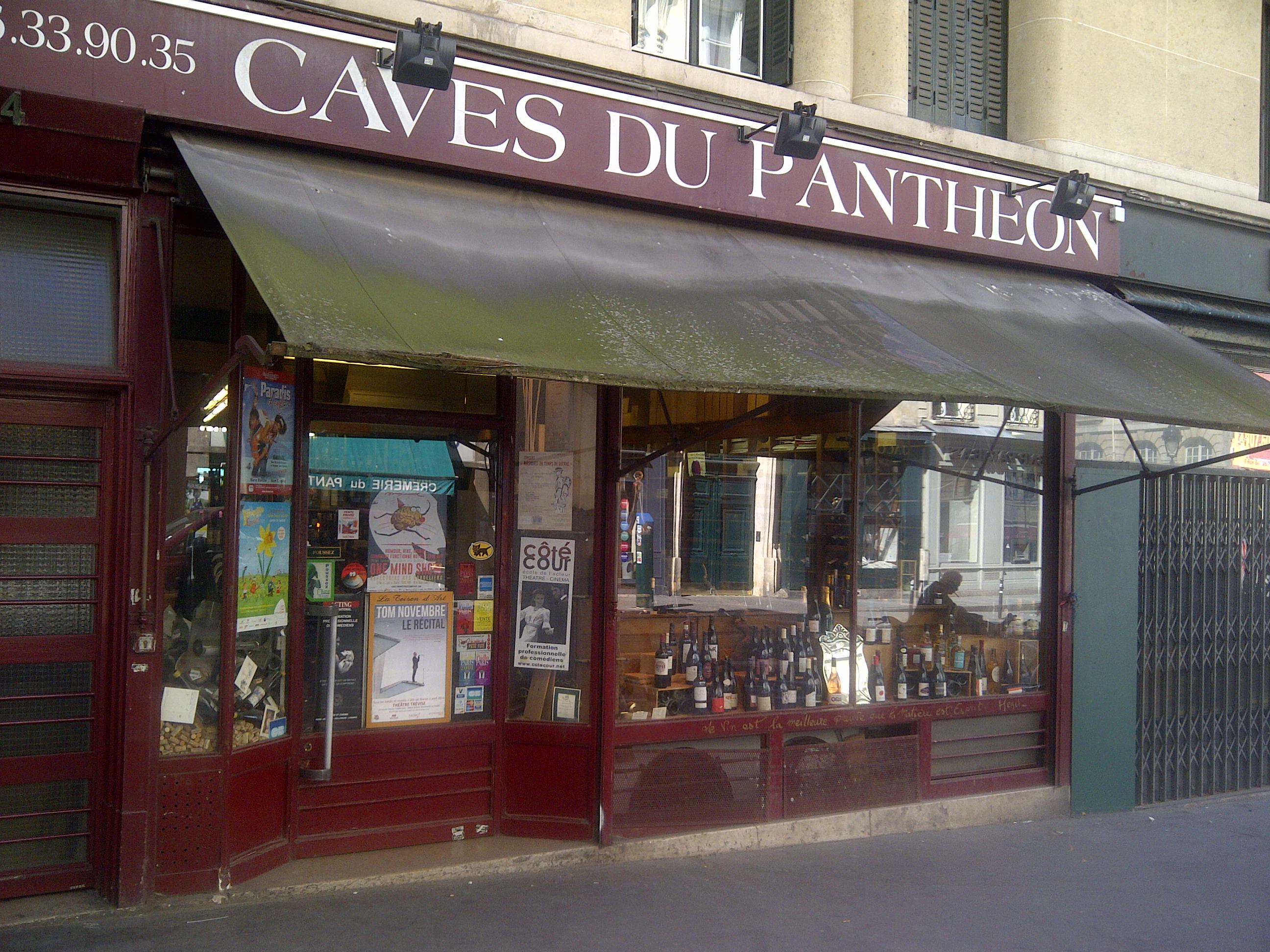
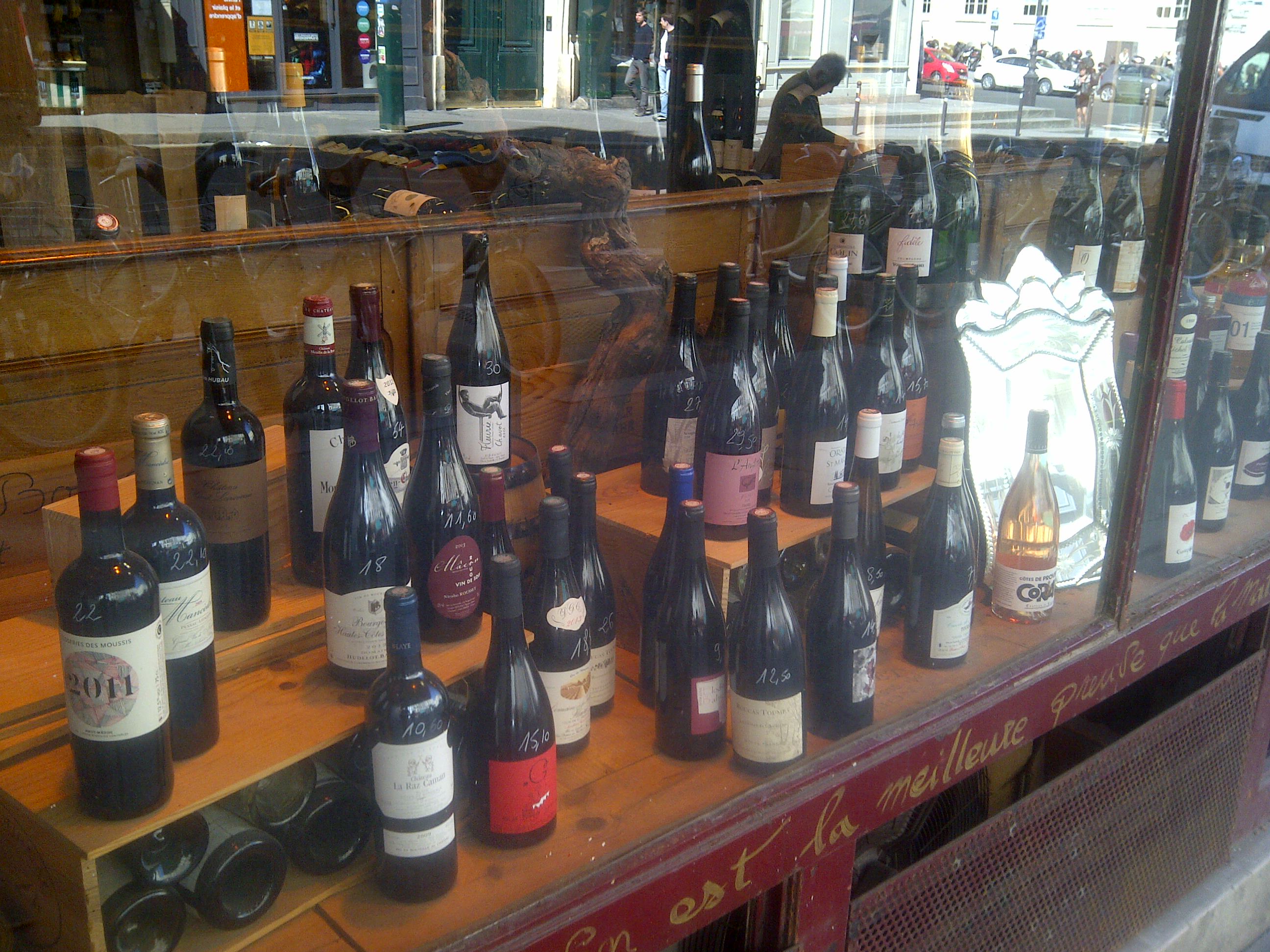
Caves du Panthéon (174 rue Saint-Jacques), a stone’s throw from the Luxembourg Gardens and (of course) the Panthéon, is not only a treasure trove for the adventurous, but also one of the most friendly wine shops in Paris. It was a pioneer in the natural wine scene,  along with the nearby Café de la Nouvelle Marie, which can easily be forgotten as the epicentre for this movement seems so well established now in Eastern Paris.

IMG-20150422-00068 IMG-20150422-00067

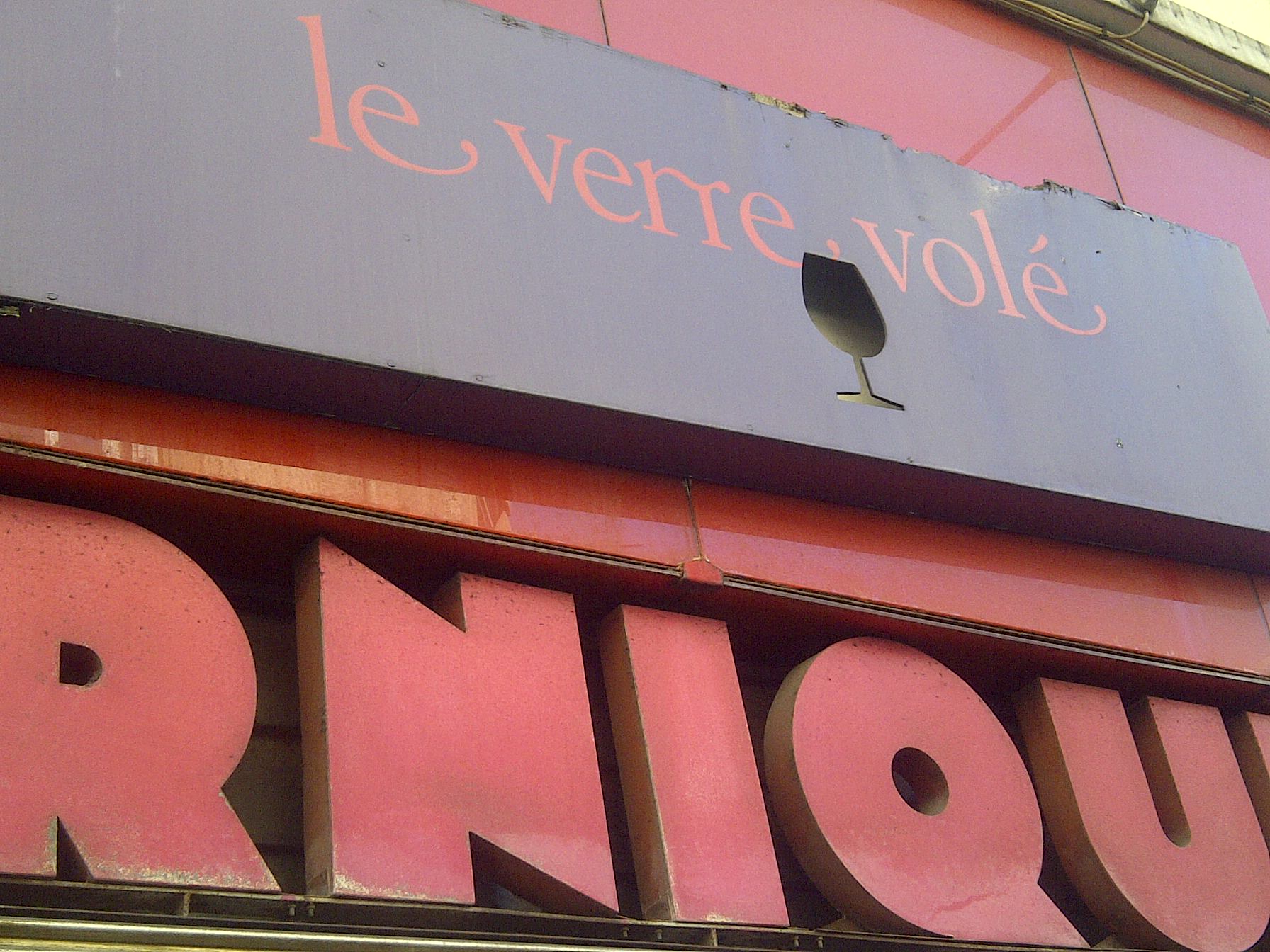
Verre Volé is perhaps best known for its original (in both senses) eatery on rue Lancry (Canal Saint-Martin area), but there is now a small wine shop, on rue Oberkampf, perfectly located for those lunching at the exciting Pierre Sang (of which , more in another post), or at the more upmarket Le Villaret (in the nearby rue Ternaux, with one exciting wine list and great food, a real Parisian’s restaurant). Verre Volé really should be on the list of any wine geek, but whilst the food may draw you north to the canal district, there’s more wine for sale here on Oberkampf.

IMG-20150423-00076

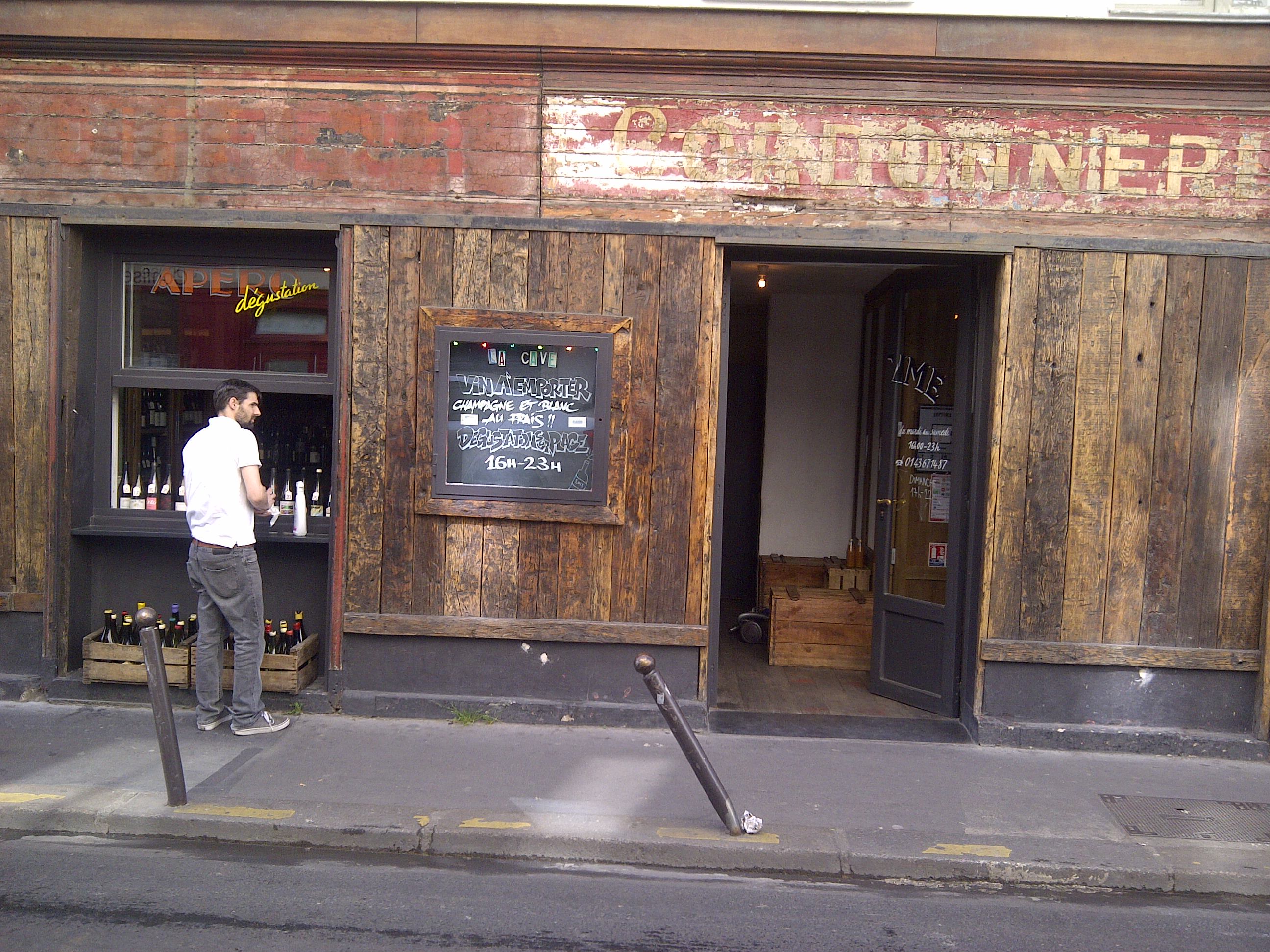
Septime Cave (3 rue Basfroi) doubles as a wine bar and shop, a tiny place, it also serves an exciting range of wines which covers Italy as well as France (not common in Paris). This is a good place for some unusual and often hard to find items. Isabelle Legeron reckons they are a good bet for Radikon. I didn’t see any this time, but if you do, pounce.

IMG-20150423-00080

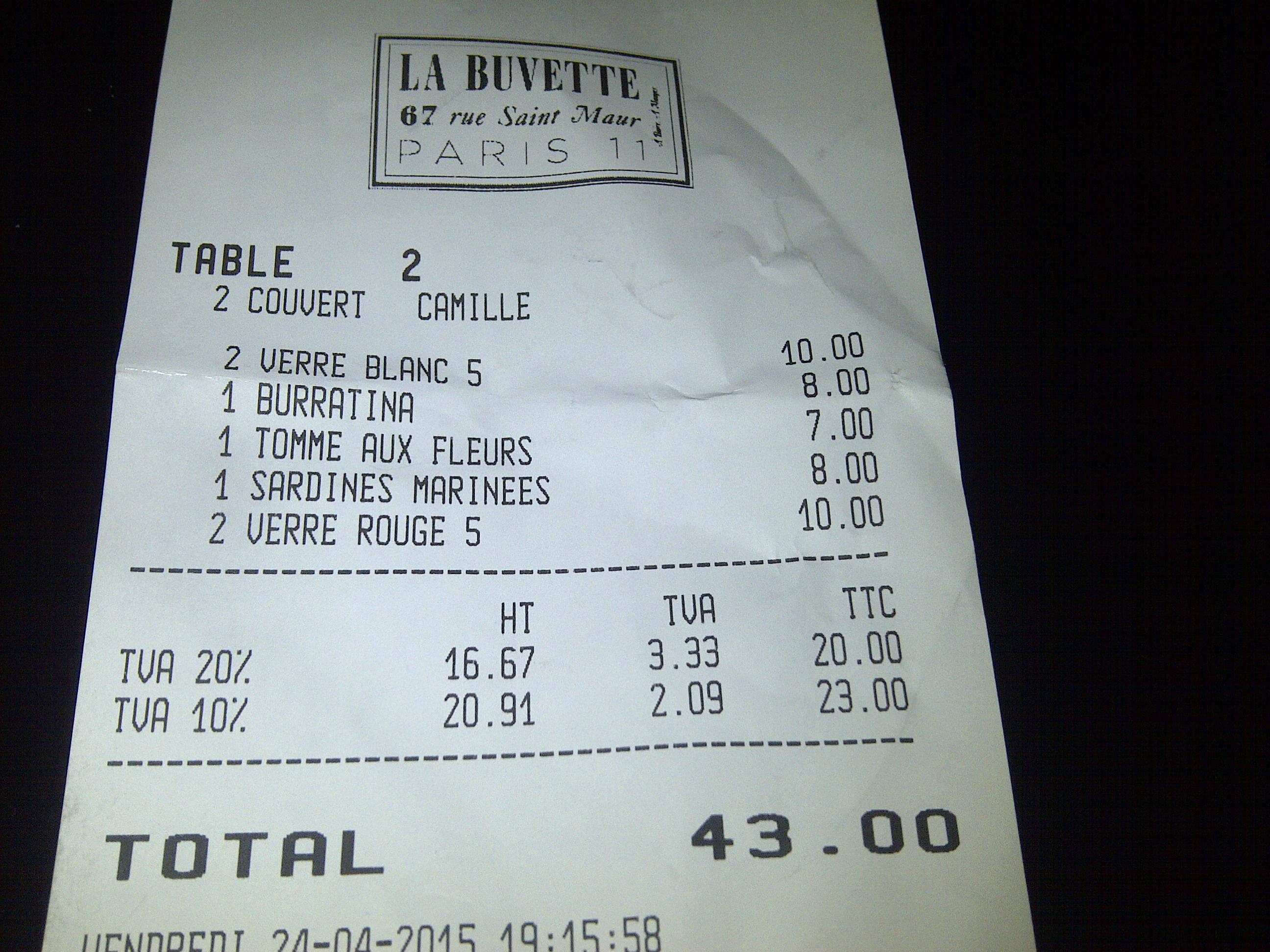
La Buvette de Camille (67 rue Saint-Maur) is about as stripped down a place as you’ll find and in some ways you could not find a better example of a new style bar a vins. The food here is as simple as it gets, excellent cheeses, beautiful sardines etc, along with a range of wines which would mostly be considered highly specialist in the UK (definitely hot on Loire and some Rhones). We were there a bit early, and to be fair we were probably a wee bit older than the usual clientele. Camille was not in a talkative mood, but I’d still recommend going. Especially as a friend with similar tastes said it was the nicest bar he visited on a recent trip. It’s tiny, as are all these places, and I’m sure it hots up later in the evenings. The bill (below) for three plats and four glasses of wine is reason enough. But I reckon you’d be pushed to seat more than ten with a few more standing at the bar. The pavement is a natural overflow.

IMG-20150424-00083 IMG-20150425-00085

One thing to note – licensing requirements mean that these bars must sell food with any wine consumed on the premises. That’s why they all do simple plates of mainly cold food. But as the food fills a space and slows down the inebriation process, it means you can drink more and still walk home, so I’m not complaining.

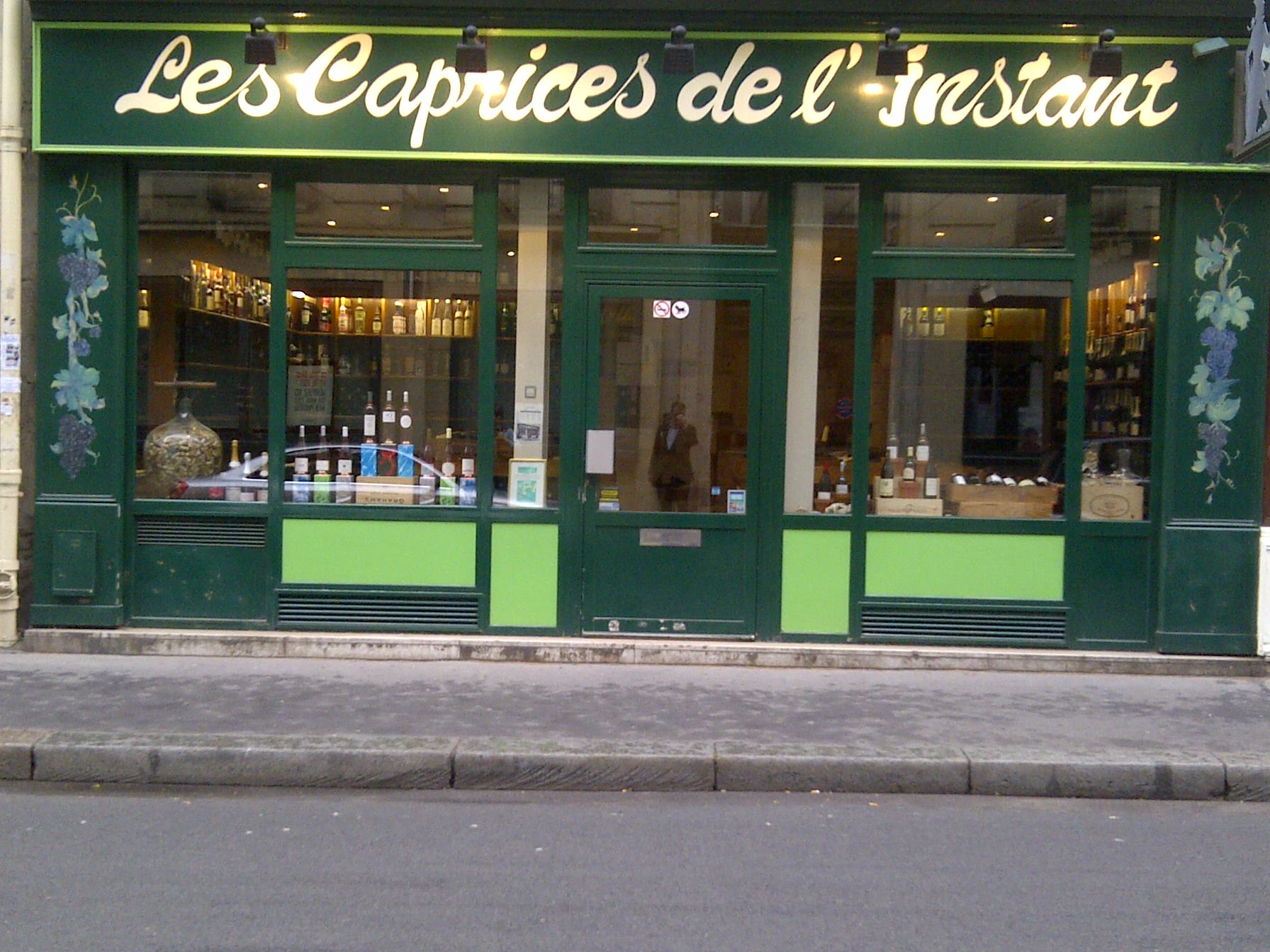
Other places to seek out if you are in the vicinity of Bastille and fancy a good wine shop and a nice meal of a different type – Les Caprices d’Instant (12 rue Jacques Coeur) which majors on Burgundy, and Bofinger, which although it will likely be full of tourists provides a taste of brasserie cuisine (it is Paris’ oldest brasserie, estab 1864) in an exceptional building. And on the natural wine front, La Cave de L’Insolite (30 rue de la Folie Méricourt, the first ever “natural wine shop” I visited, a true original).

IMG-20150426-00091 IMG-20150426-00090

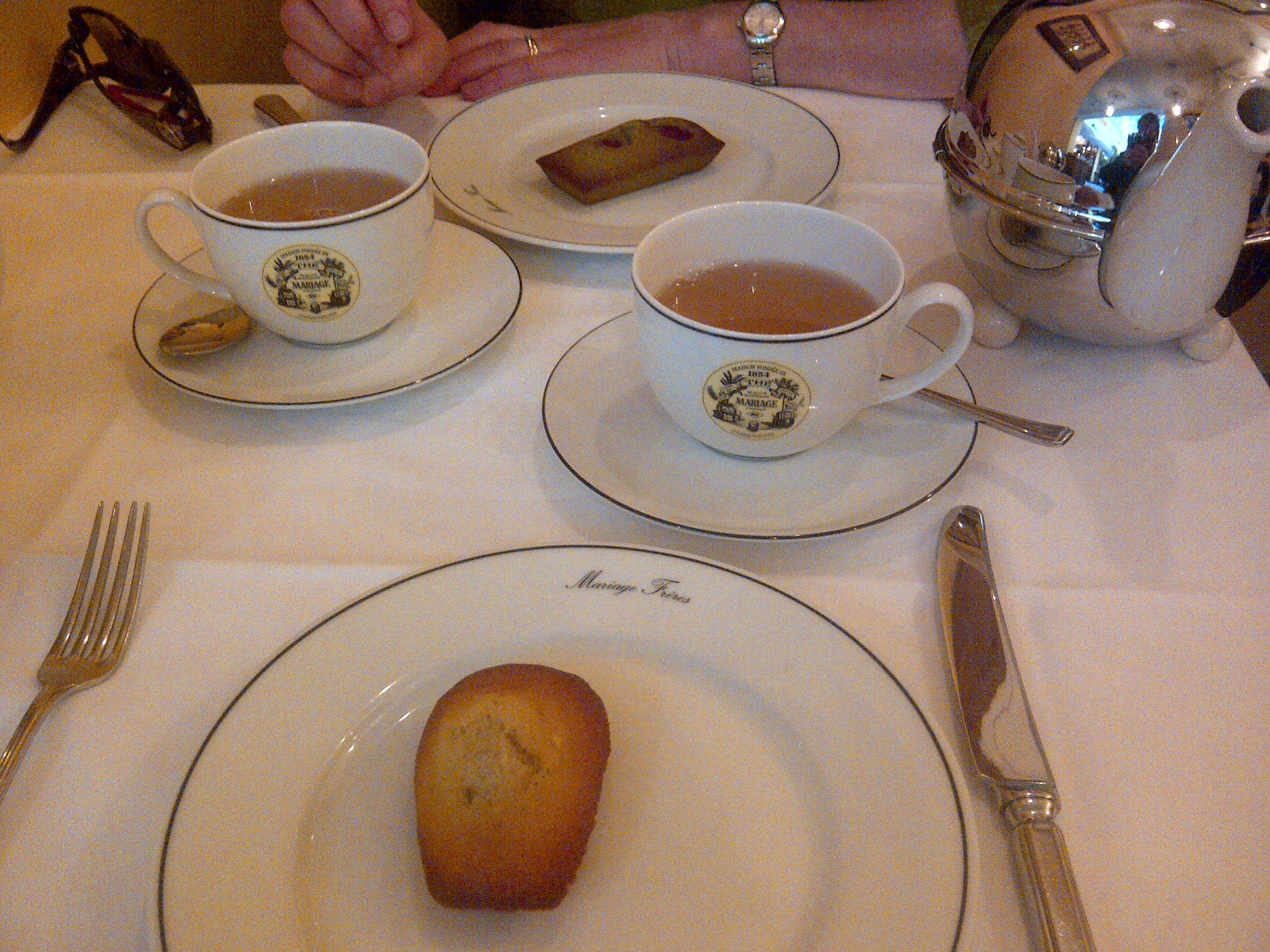
And Paris would not be the same without indulging in what most might think a peculiarly English activity, afternoon tea. A trip to Marriage Frères (rue Bourg-Tibourg in the Marais is our favourite branch) proves that the French can do tea as well. What they lack in scones they make up for with a tea list to rival the wine lists at the finest Michelin establishments.

IMG-20150422-00070

Of course there’s always so much to see and do in Paris, and you need days just to wander the streets, but if you can catch the Bonnard Exhibition at the Musée d’Orsay, we enjoyed it very much (ends 19 July, I think). If not, we loved the Musée Guimet, the museum of asiatic art, and our “new museum” of the trip. Shame the Nepal and Tibet Galleries were closed due to “lack of staff” when oddly the incomplete Chinese Galleries (with some empty cabinets and unlabelled exhibits) were not. Forewarned?

IMG-20150425-00089 IMG-20150425-00088 IMG-20150423-00081

Posted in Natural Wine, Nepal, Paris, Wine | Tagged , , , , , , , , | 3 Comments

Getting Bogged Down in your Hobby

As yesterday’s Blog post was a touch serious I thought I’d allow this site to sink to new depths – this is all about toilets so look away now…actually it’s about toilet walls (do you see where this is going?).

Wine can be a simple case of drinking. As a friend once said, the best tasting note is “gets you pissed”. But those of us who seem to enjoy more than the mere inebriation factor can extend our hobby in seemingly endless ways.

You have the collectors, of course, those who, er, surreptitiously enter their cellars to stroke the bottles and look at the labels. Some merely keep a cellar book,  read a wine book a month, keep their best corks in a goldfish bowl, have vineyard maps on the wall, keep a few cherished empties on a shelf, have photo frames with champagne capsules in them, stick wine labels into scrap books, own too many different wine glasses, have vines in the garden and collect antique corkscrews. Sadly I do all of these except one (the last).

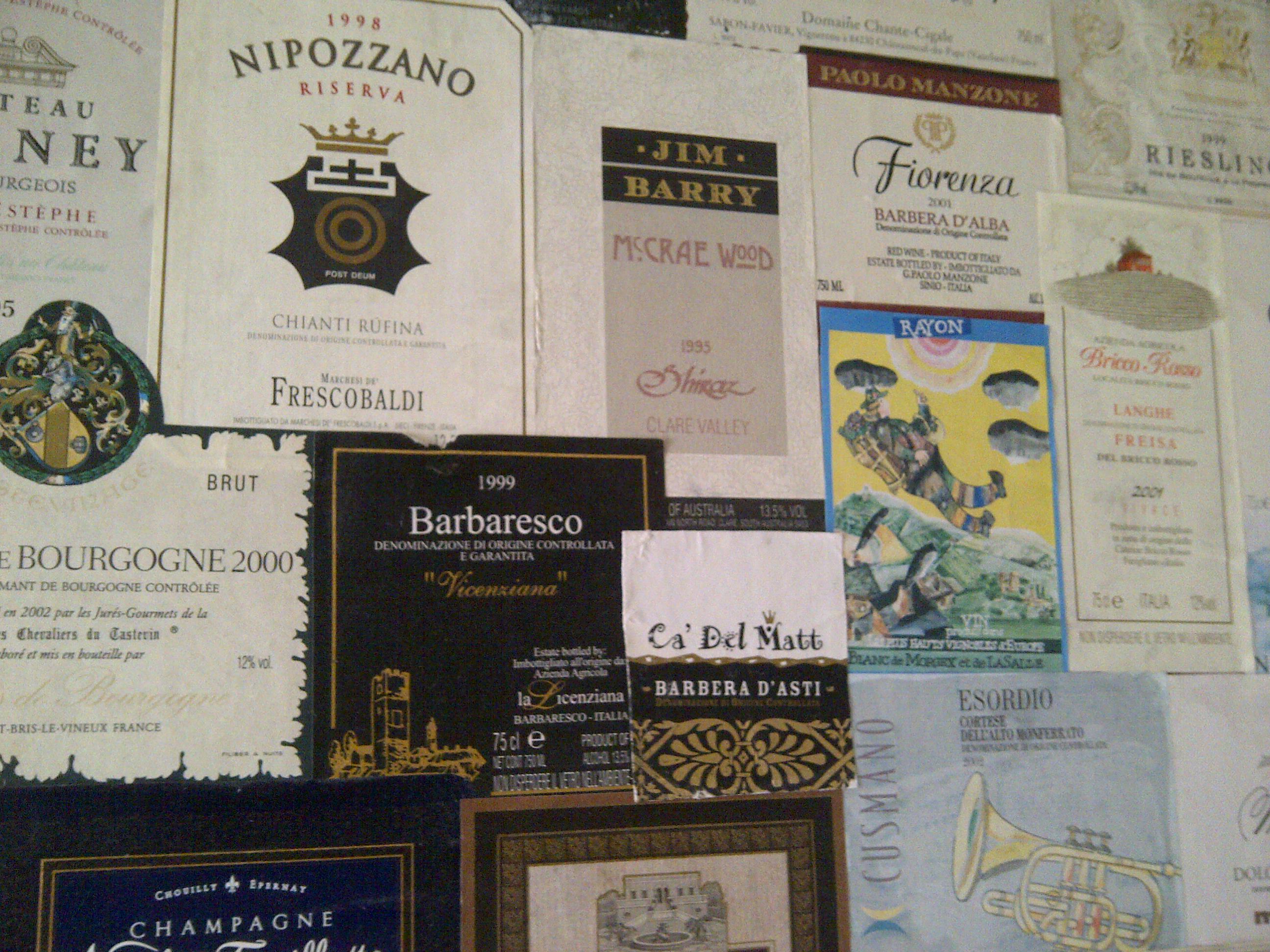
But there’s another level to the wine obsession, one I discovered on moving into my current home many years ago, when I realised I hated the wallpaper in our upstairs toilet. I can’t remember where I got the idea but I’m sure I’ve seen literature lovers paper their loos with words of mercury, or photo fanatics cover them with prints of old daguerreotypes. In any case, no one in the family seemed to object so off I went.

IMG-20150417-00062 IMG-20150417-00059

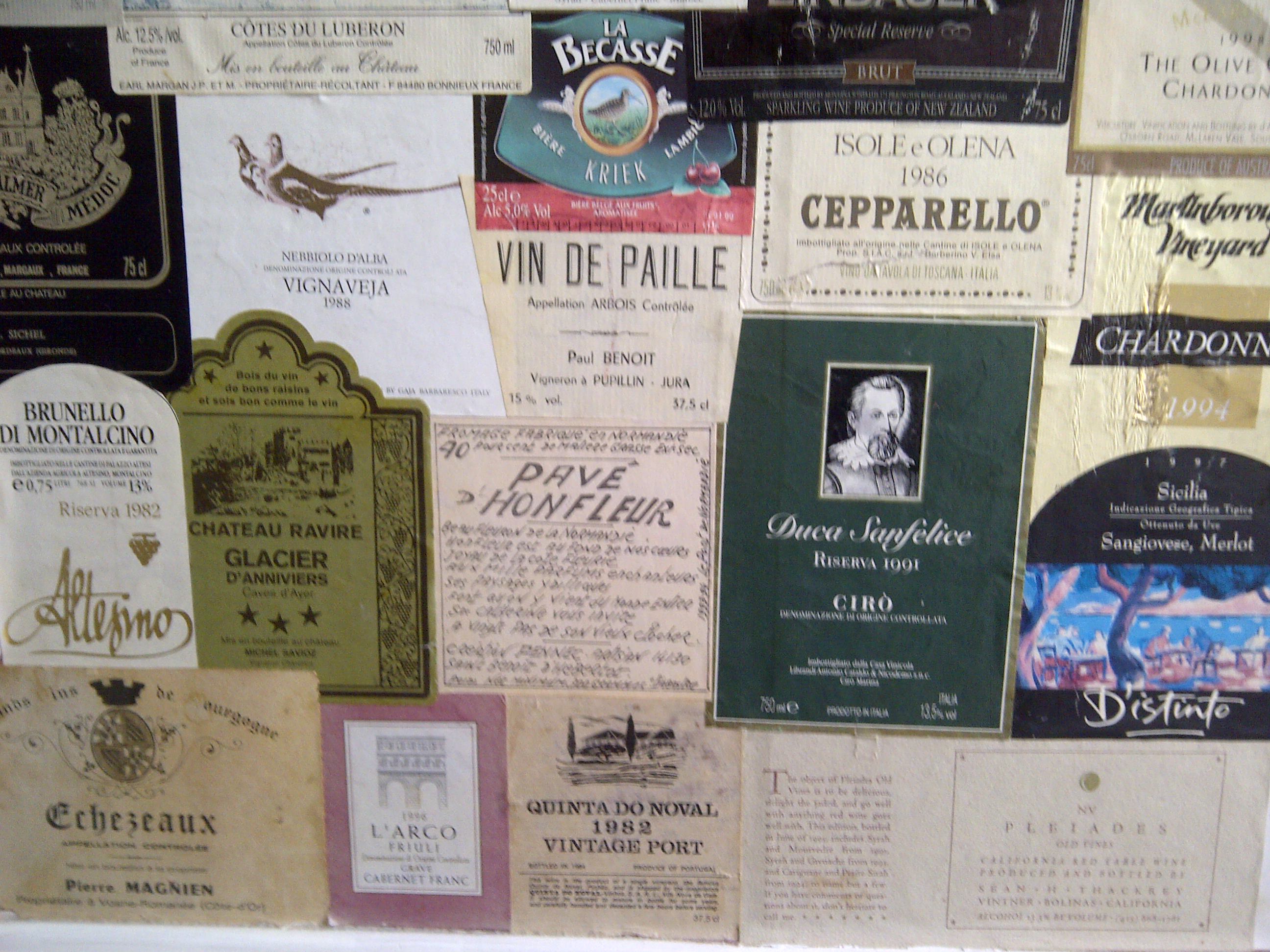
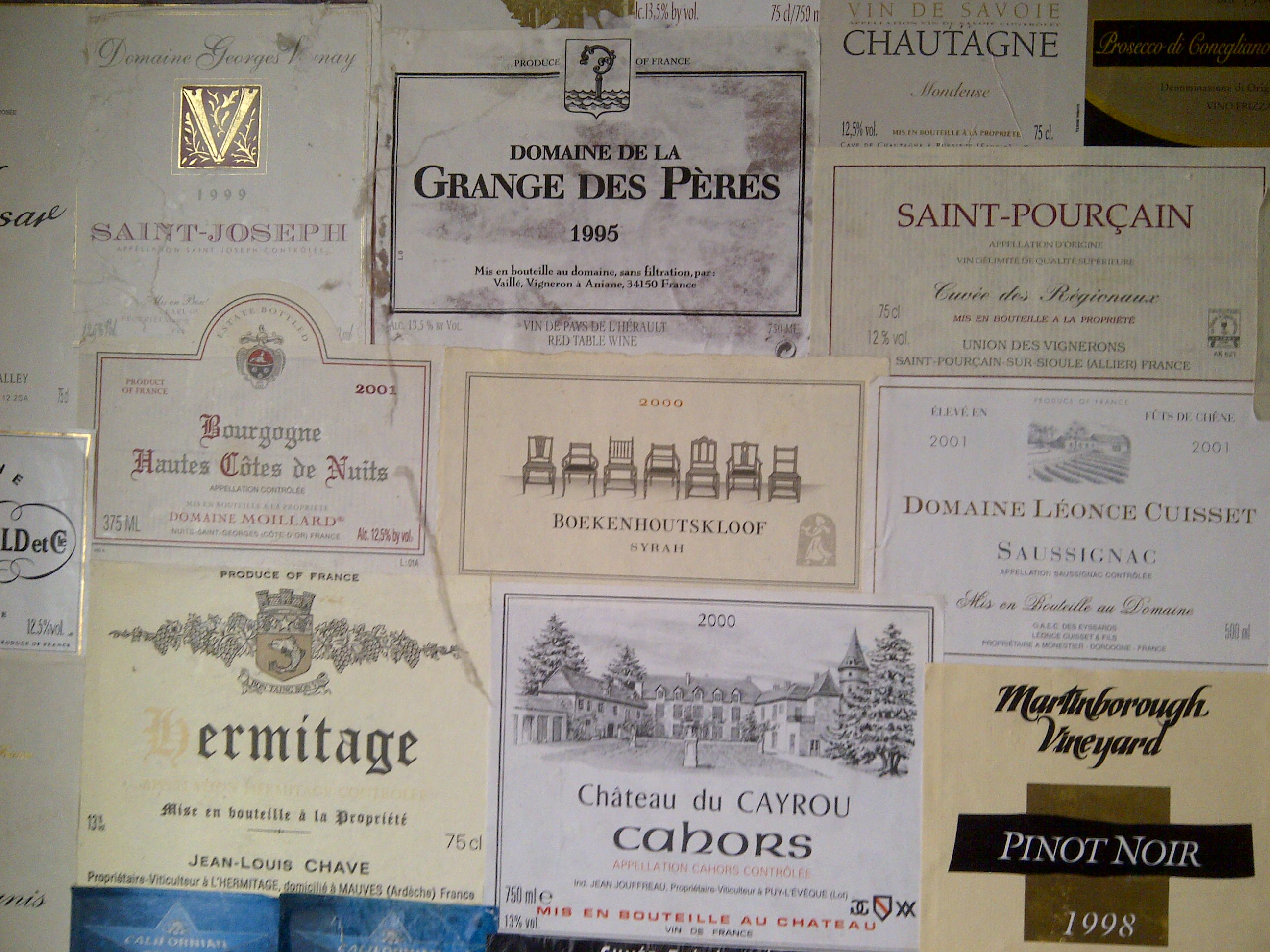
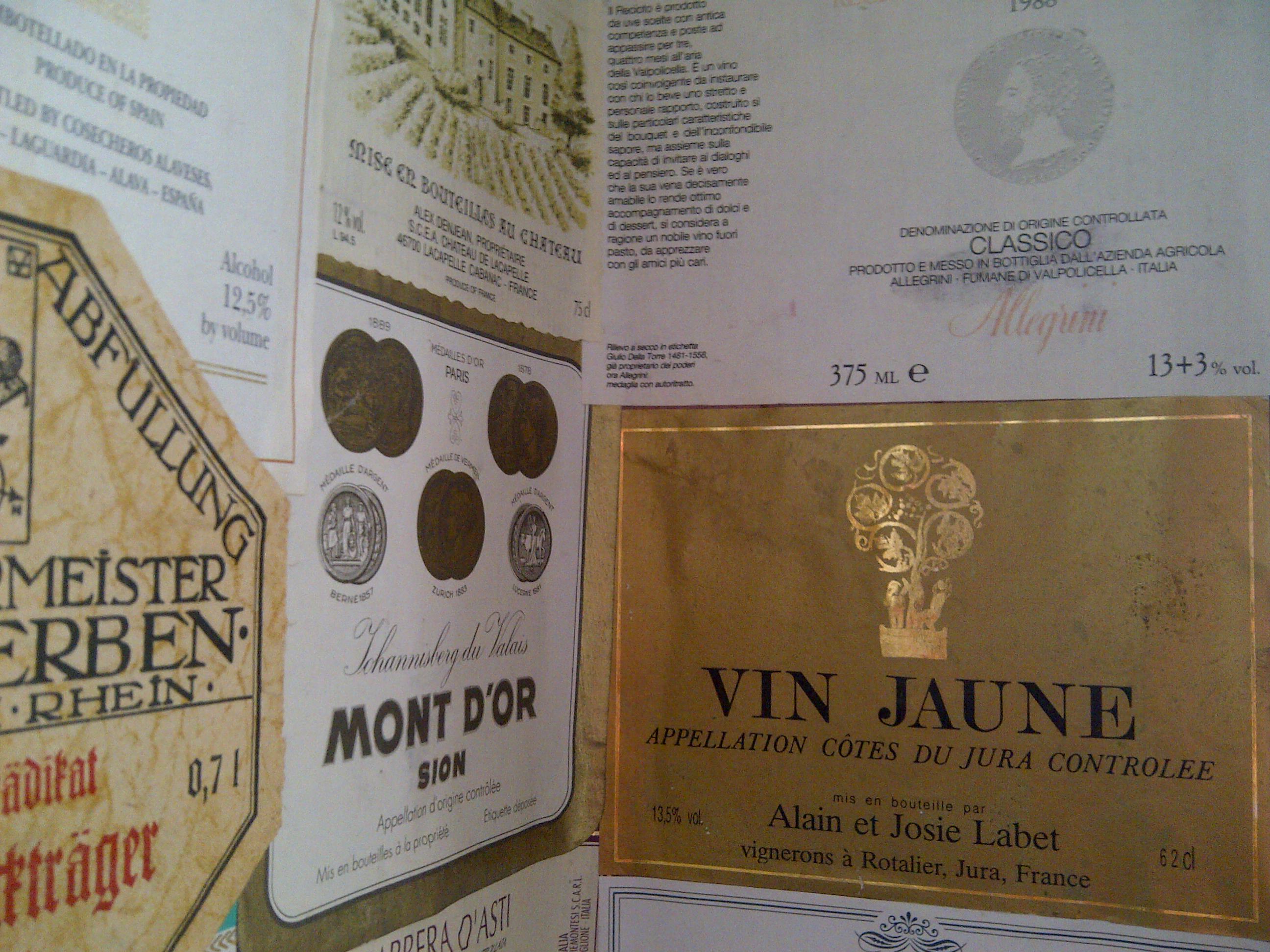
It actually took a few years to complete the project. Sometimes, when wine friends ask to see it, they are mildly disappointed. Perhaps they expect to see a roll call of France’s finest. Well some of those are there, but the walls reflect more modest drinking too. I don’t hide the supermarket wines which occasionally appear, nor the merchant blends from the likes of Moillard which may have been a last minute purchase at the Calais duty free. The Champagne labels are largely Grande Marque NV as well. Yet I’m pleased my long love for the wines of the Jura region is betrayed, as also Piemonte in all forms. Some wines are sadly no longer made (Conterno Printanié), nor affordable (I’m proud of all the Chave Hermitage and Vernay Condrieu labels).
IMG-20150417-00061 IMG-20150417-00060

The walls don’t really reflect my current passions all that well (grower Champagne, natural wine, Austria and Beaujolais are pretty much absent in any number), but I still enjoy reflecting on what I used to drink…when I remember to take my glasses…and forget to take a wine magazine…

IMG-20150417-00063

Posted in Wine, Wine Hobby, Wine Labels | Tagged , , , , | 4 Comments