
I think there are many wine obsessives who begin life very traditionally, enjoying the red wines of Bordeaux. But after that, Burgundy begins to fascinate, and fascination soon turns to something stronger. There are many reasons why this can happen, but for me it was without doubt about falling in love with the Côte d’Or itself, the landscape, the villages, and the food, all contributing to enhance the wines when experienced in situ. There’s no escaping the fact that Burgundy appeals to the romantics.
This was true for me through the later 1980s and the 1990s. In those days there were no endless lines of traffic snaking along the Route du Vin, and apart from market days, Beaune was not the crowded town it is today. But even with the increase in wine tourism, Burgundy retains most of its charm. Where it becomes problematic for wine lovers is its prices. Increased global popularity and extremely small harvests have pushed prices inexorably higher. Once we could afford the odd Grand Cru from a good producer, but now even the village wines from such sources are becoming prohibitively expensive, if indeed we can get an allocation.
At the same time that we’ve seen Burgundy prices rise, from Chablis to Macon, we’ve also seen Pinot Noir and Chardonnay take off in other parts of the world, “New” and “Old”. For many, good as these wines are, they remain Pinot Noir and Chardonnay. They are not “Burgundy”. But the news for Burgundy lovers doesn’t need to be bleak. The wider region we call Burgundy is large and varied. There are many sources of reasonably priced and highly individual wines within it. All we need to do is to decide whether these wines merit our attention. The question we must ask is whether we are just buying these wines because we can’t afford the wines we used to buy, or has winemaking improved so much as to make some wines from less glamorous corners of the region as worthy as the wines we bought of old? In deciding this, we must remember one of the frustrations for lovers of all things Burgundian in the last decades of the last century – for every heavenly bottle there were many which should by rights have been consigned to Hell at the point of bottling. Real consistency in the region is a relatively new phenomenon.
I’m going to offer a few suggestions of what to take a look at – the wines and sub-regions I think are worth exploring. I’m by no means the first to do so, and there are many more examples I could have chosen, yet it might make interesting reading. I can only apologise to regular readers and followers of Wideworldofwine, who might already know all of the producers I list.
But first, a few facts…
Burgundy – it covers a lot of ground
Burgundy is obviously much more than the Côte d’Or. The whole region produces close to one-and-a-half million hectolitres of wine in an average year – that’s around 180 million bottles, which makes up about 7% of French AOC wine production by volume, yet approaching 20% by value. That’s about 3% of world quality wine sales by value. More than 60% is, some may be surprised to learn, white (red and a little pink making up about 30%, with the other 10% going to crémant). Only 1% of this is designated “Grand Cru”, and more than 50% comes from the basic or bottom tier, regional wines such as Bourgogne Blanc and Rouge. The Burgundy pyramid has a wide base and a tiny tip on the top. So amidst all that there is bound to be value for money, and hidden quality, but whilst both exist, they are no longer a well kept secret. Let’s take a little trip north to south and see what we find.
The Cold North
Chablis is the furthest north you can get and still be in “Burgundy”. Not much further north and you are into the Aube, whose vineyards are classified as part of Champagne, although you’ll find a good smattering of still wines along with the fizz, not just red and white but a very interesting pink Pinot Noir, Rosé des Riceys, which only just fails to slip into Burgundy. Chablis is so famous that it isn’t hard to find wine which is a pale shadow of the finest bottles. There is value in Chablis, but I suggest that you don’t look to the Premier Crus of lesser producers as a substitute for the long lived Grand Crus of Raveneau and Dauvissat. If I were to name one domaine which for me epitomises what is right about this region today, it is that of Alice & Olivier De Moor. Based in Courgis, southwest of Chablis itself, they make a range of highly individual, biodynamic, wines expressive of so much more than the mass produced wines of some larger producers. And they also make a stunning Aligoté.
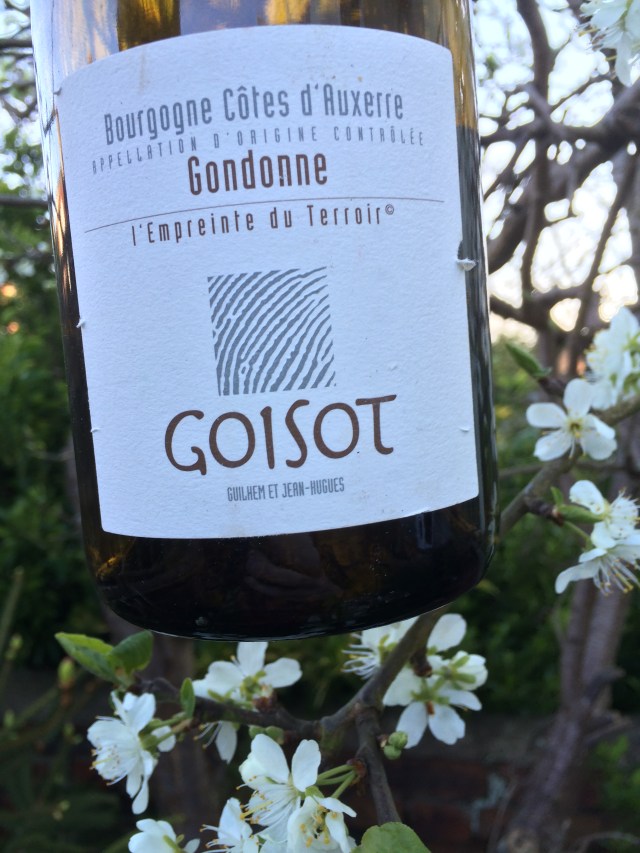
Aligoté is the forgotten grape of Burgundy. Aficionados of your usual white Burgundy (you might say wine snobs…), made from Chardonnay, may tell you it tastes like paint stripper. I got laughed at once for taking a Coche-Dury Aligoté to a wine lunch…seriously. But so many producers are making good ones today that it cries out for at least a little exploration. Another good example of Aligoté is made by a producer based not too far from Chablis, in St. Bris-le-Vineaux, Domaine Goisot. This producer makes largely Côtes d’Auxerre wines, from around Saint-Bris and Irancy. They used to be a well kept secret but no longer. They make lovely wines which are fine, yet never lose a touch of earthy terroir, and coming from an appellation many have never heard of, their quality often comes as quite a surprise.
If these are too well known to the expert, the new northern frontier of Burgundian viticulture is still further east, in the sub-region of Bourgogne-Vézelay, near one of the most beautiful romanesque abbey churches in France, though still in the Yonne Département. Catherine and Jean Montanet run a leading estate here, Domaine de la Cadette. Look especially for Chardonnay and Pinot Noir (sometimes, like the Goisot’s, with a touch of César in the reds) of character here, but don’t ignore their strange speciality, Melon de Bourgogne. You will know it as the oddly named grape of Muscadet. Well, here we have it in its homeland, so to speak, on clay-limestone slopes nestling into the wild Morvan hills.
Côte d’Or – surely not?
When I were a lad there were parts of this famous sliver of vineyard that few connoisseurs would venture into. Whilst you can find good wines up in the Hautes-Côtes, viticulture in the hills above the Côte d’Or can be hit and miss. On the other hand, the once neglected villages of the Côte itself have sprung to life. It is no longer the case that villages such as Marsannay and Fixin in the north, Pernand and Aloxe in the centre, and St-Aubin and Santenay in the south, are on the fringes. It’s all down to producer.
Seven or eight years ago I’d be getting all excited, telling you about Sylvain Pataille. He may be rather more famous today, but no one has done more, not only to put Marsannay on the map, but also to draw attention to other unfashionable villages. Try the Marsannay “Clos du Roy” to see what I mean. Oh, and he also makes a very good Aligoté.
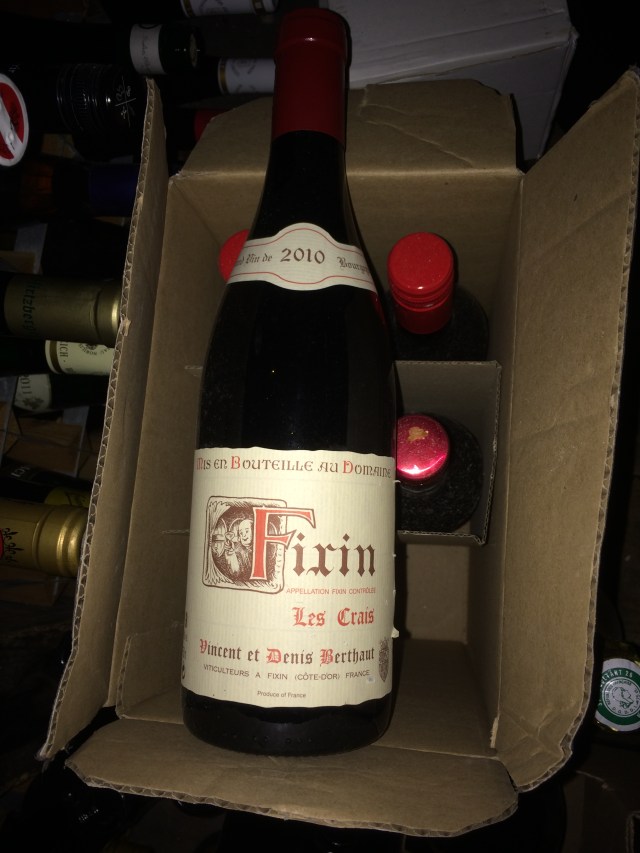
If anywhere is less fashionable than Marsannay, it has to be its neighbour Fixin. Not as famous as Pataille, Domaine Berthaut has been quietly ploughing its furrow since the 18th Century. You pay a fortune for Côtes de Nuits Premier Crus, yet Berthaut makes four single vineyard Fixins which still manage to illustrate their different terroirs without the Gevrey price tag (although the domaine does make wine from some of the more famous villages, including Gevrey, too).
Other villages worth seeking out are Pernand-Vergelesses and Aloxe-Corton, via the estate of Chandon de Briailles. They have some of the best value Corton Grand Crus on the market, but their Pernand “Île des Vergelesses” (in both red and white) is one of my favourite wines from around Beaune, for character, value and quality.
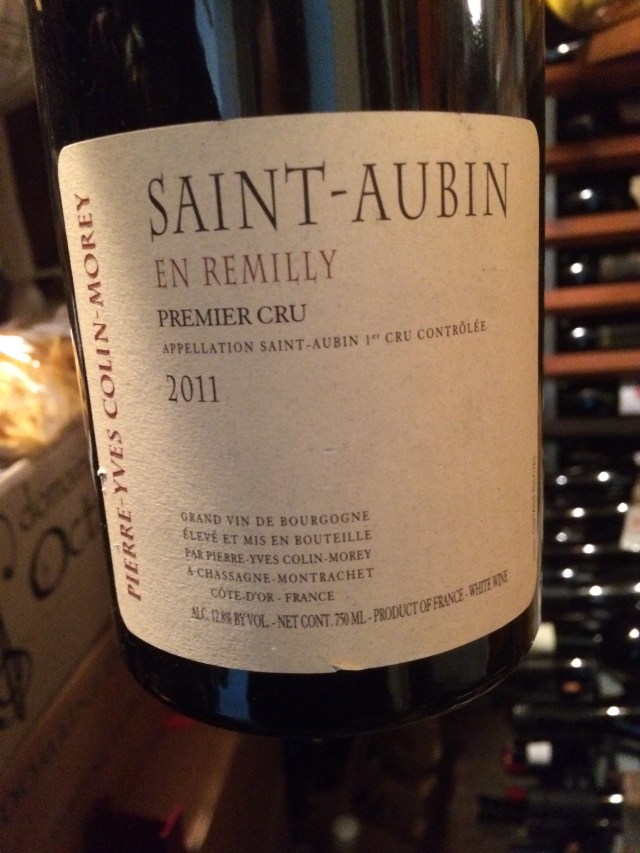
Saint-Aubin is probably the village which has most gained in reputation in the past decade, and there are several Premier Cru sites, and even village wines, worth seeking out. With a village like Saint-Aubin, even though prices are spiralling, you don’t need to seek out the cheapest domaines. When the producer is a hundred percent committed to quality, the premium is worth it. You should grab anything you can from Pierre-Yves Colin-Morey (PYCM to his fans), but my recommendation here is the Saint-Aubin “En Remilly” Premier Cru, for value.
I’d also like to make a shout for Chassagne. Not the whites, but the rarely seen nowadays red Chassagne-Montrachet. Much of the vineyard in this famous village was turned over to white wine to capitalise on the “Montrachet” connection at the end of the last century, yet the village used to be dominated by Pinot Noir, and many sites are much more suited to that red grape variety than they are to Chardonnay. I enjoyed some quite earthy and rustic reds from here in the late 1980s, and you can occasionally still find them, if more often in local restaurants. If you do see one, it is probably worth giving it a go.
Alongside the growers, we are seeing a real growth in the new breed of micro-négociant. Prohibitively expensive land prices have forced small growers to buy in extra grapes so as to make their domaines economically viable, but some outsiders have also moved in. You’d assume that they would be left with the dregs that no one else wanted, but when you taste some of the wines, you realise you’d be wrong. There are plenty of grape growers on the Côte d’Or who don’t want to use all of their grapes, or occasionally, any of them.
One of the most successful outsiders is Andrew and Emma Nielsen, whose Côte d’Or wines come under the Le Grappin label. They produce very good wines from several Côte d’Or villages, although my personal favourites remains their two Beaune 1er Crus, Boucherottes (red) and Grèves (white). Their prices have risen quite a lot in recent vintages, not helped by the very short recent harvests, leading to those spiralling grape prices. But any wine in the range, including those from Southern Burgundy and Beaujolais (labelled “Du Grappin”) are genuinely worth seeking out, including their great value “Bagnums”.


Another micro-négoce who’s been incredibly successful on the Côte d’Or is former Yarra-Yerring winemaker, Mark Haisma. Whilst the Nielsens work out of cellars in the walls of Beaune, Haisma is based in Gevrey. He makes some very grand wines from around there (and a brilliant Cornas), but he also makes a particularly excellent Bourgogne Rouge.
There are dozens more names to look out for, but lovers of minimal intervention in the vineyard and cellar will probably have already discovered Fanny Sabre and Philippe Pacalat.
Bourgogne AOC, in its simple form, is the bottom tier of Burgundy, and can cover a multitude of sins. But as the tasting of Bourgogne Blanc in the last issue of Decanter Magazine shows, there can be some lovely wines which cost a fraction of the price of the grander wines from the top domaines. Whilst the Decanter piece mentions the Bourgogne Blanc of Domaine Leroy, my very favourite Blanc is that of Domaine Roulot. It’s a brilliant wine (though not quite as good as their rarely seen Monthélie, which is close to Meursault quality), but you will pay an eye-watering sum for a basic Roulot Bourgogne Blanc these days. Yet as the Decanter tasting shows, there are plenty of wines around the £15 mark which are worth exploring – and many are from the big négociant houses as well as the growers.


Further South
Ten or fifteen years ago you began to see more frequent recommendations for wines from the Côte Chalonnaise (Rully, Mercurey etc). I think if truth be told, it took this region of mixed farming, stretching south of the Côte d’Or, a few years for consistent viticulture and winemaking to catch up with the marketing, but today there are several producers making Pinot Noir and Chardonnay worthy of their growing reputation. There are more than 2,000 hectares of vineyard down there, with a little more than half devoted to Pinot Noir (thus bucking the overall trend towards white wine).
There are plenty of producers to explore on the Côte Chalonnaise, but those who have been slowly establishing good reputations include Paul Jacqueson (Rully), Michel Juillot (Mercurey), François Lumpp and Michel Sarrazin (Givry), and Stéphane Aladame (Montagny), to mention just a few.
We’ve mentioned the Aligoté grape several times, and we can’t leave the Chalonnaise without mentioning Bouzeron. Bouzeron was promoted to full village status in 1998, but for Aligoté only. One of Burgundy’s most famous names, Aubert de Villaine of Domaine de la Romanée Conti, shares a domaine here with his wife, Pamela, although it is managed by his nephew, Pierre de Benoist. They produce another excellent Bourgogne Rouge called “Le Digoine, but they are most famous for one of the finest Aligotés in the whole of Burgundy, which also has a reputation for ageing really well.
I think Aligoté is starting to be taken much more seriously, and I think it is making a bit of a comeback as a wine in its own right, not just a base for a Kir. You didn’t exactly hear it first here, but I don’t think its slow rise has been spotted by many.
Further south still lies the Mâconnais, a vast area encompassing a host of full AOCs, named villages, and basic Macon Blanc and Rouge. We are talking the likes of Viré-Clessé and Saint-Véran, or Pouilly-Fuissé, -Vinzelles and -Loché. There’s more than 5,500 hectares down here, the vast majority of them planted to Chardonnay, although there are one or two producers making very good reds, something that could not be said very often twenty years ago, when a sea of “Bourgogne Grand Ordinaire” used to be made with Gamay, not Pinot Noir. Some of these were, I’m afraid to say, the worst red wines with the Burgundy name on them that I’ve ever drunk.
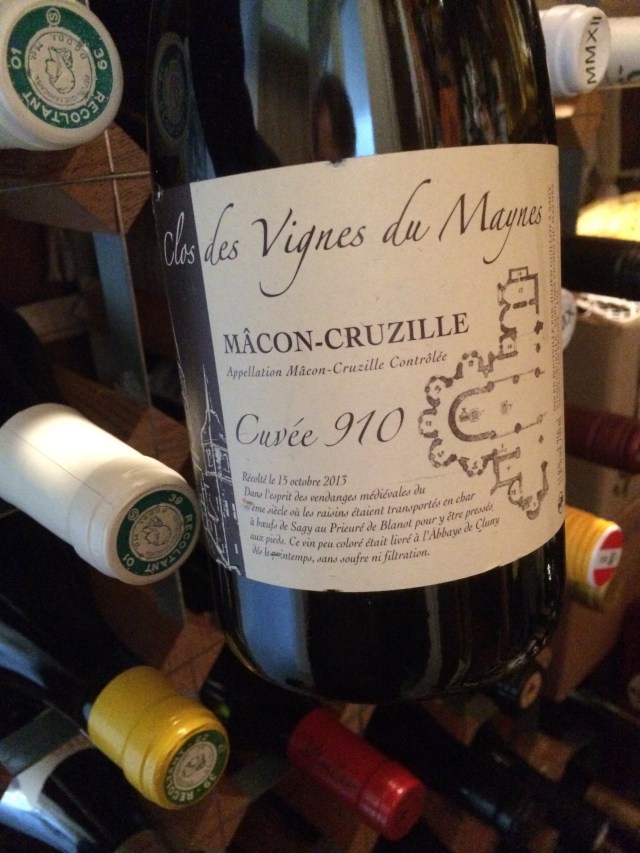
Today the situation is very different. It’s not hard to find lovely wines down here, whether from the famous Pouilly-Fuissé estates, or the newer named villages. Famous names like Dominic Lafon (Héritiers du Comte Lafon) have moved in and lead the way in quality, and they produce a string of whites which are all worth trying. But I have a favourite producer down here as well, one whose wines I will always grab when I see then in the UK, or in France – it’s Julien Guillot’s Domaine des Vignes du Maynes. Based in Sagy-le-Haut, near Cruzille, this domaine makes two wines I’d recommend as an introduction to the new (bio)dynamism of the region – the white Mâcon-Cruzille “Aragonite“, and its red brother, “Manganite“.
But if you’d like me to finish with something really unusual, try Guillot’s Clos des Vignes du Maynes Cuvée 910. The Clos used to be owned by the monks of the Abbey of Cluny, and Julien has made a wine in the image of how it might have been done when the abbey was built, eleven centuries ago. Hand picked, the grapes were transported by oxen. The grapes were foot trodden at the Prieuré de Blanot, fermented with wild yeasts, and no additives were used whatsoever. Like all the produce of the domaine, a natural wine, yet as others have remarked, a very fine Burgundy too.
Vignes du Maynes is also a prime example of a new trend in Burgundy, one which has in part crept up from the Beaujolais – the onward march of natural wine. These wines may not appeal to the Burgundy traditionalist so much, but they are at the cutting edge of a movement trying to make “Burgundy” more accessible (and exciting) to the drinkers of the future. Something which Bordeaux has thus far failed to do. This is why, ultimately, the region may come to appreciate these producers and their wines.
So there we have it. You might not be able to afford Clos de Bèze and Bonnes Mares any more, but there’s plenty more where they came from. My point is not to pretend that the wines I have recommended here can match in quality the best of those famous names, but if you came to Burgundy looking for wines of personality and individuality, wines which contrast with the more uniform fare of some other regions, then they are still plentiful, both on the Côte d’Or, and in wider Burgundy. And you will find that you can afford these wines, because although some may not be cheap, they all represent fantastic value in their own way. Even if some of them are not easy to track down.
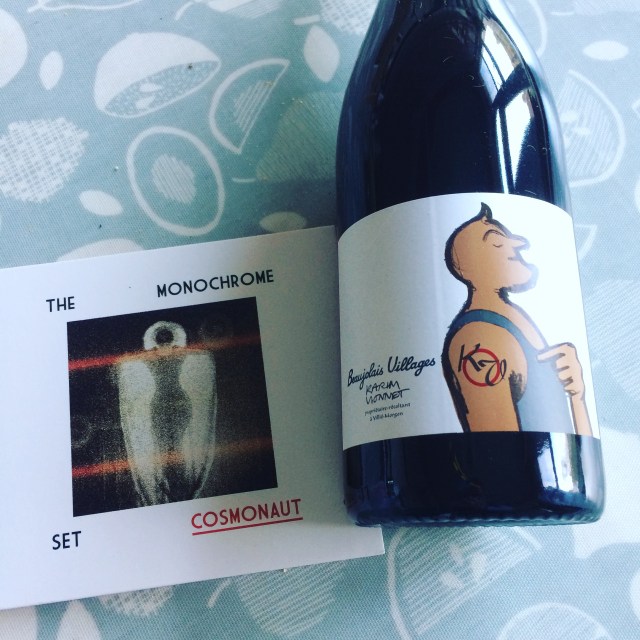
There is one other alternative, though: Drink Beaujolais…























 David Crossley's Wide World of Wine