The evening before the tasting I have just written about, we headed up to Angel’s Camden Passage to try a restaurant recommended by a friend who knows we love Austrian wines and Austrian cuisine. Kipferl is an Austrian restaurant and patisserie, during the day serving mostly traditional cakes and pastries of the type you get in Viennese cafés, and in the evening, serving the kind of food you get in a traditional beisl.
I don’t often do “restaurant reviews” these days. Social media and the internet are full of them. But…I haven’t seen Kipferl mentioned by anyone I know before that recommendation, and I suspect that it might appeal to a few of my regular readers at the very least.
I haven’t been down Camden Passage for over thirty years, and it has changed somewhat since those days, but Kipferl was easy to find, with its welcoming bright frontage on the south side of the alleyway. Inside, a large counter fronting the bar displays the cake selections, with the rest of the space given over to simple tables. The traditional feel is created via some wood-panelling at the back (essential for many, but not all, beisl in Austria), decorated with memorabilia which betrays the owner’s Tyrolean origins.
We had a relatively early dinner, and even on a Monday it was pretty packed by around eight o’clock. We skipped any starters because I wanted to have room for dessert. Last time I had a Wiener Schnitzel, at The Delauney on The Aldwich just a month or so ago, I was too full. In fact, the schnitzel here at Kipferl was delicious, with a lightness you don’t always get. It wasn’t a traditional “plate hanger”, coming in two pieces, but I’m not complaining. It was close to perfect, served (as I chose) with a trad’ potato salad. K had a Käsespätzle, I think equally delicious.
For these main courses we chose a wine we know, but one I think went perfectly with the food: Weingut Christ Wiener Gemischter Satz from Bisamberg. It’s a field blend of mostly Grüner and Roter Veltliner, Neuburger and Riesling, plus many others. Quite floral on the nose, with peachy fruit and just the right mix of fun and seriousness I look for in a WGS.
Kipferl imports wine, and describes itself as the largest importer of Austrian wines in the UK. Others might argue with that, but all the wines in the restaurant are available to take away. This wine is priced at a decent £32.50 in the restaurant (and is also available by the glass). Off the shelf it costs £26.50. Alpine Wines online lists the 2023 Wiener Gemischter Satz, along with a number of wines from this excellent producer, for £23.
Some of Kipferl’s takeaway delights
The desert I wanted to make room for is an Austrian classic. I think I rather disappointed the friend who recommended this place by not choosing to have the Esterhazy Torte, but I can almost never forego the opportunity to eat Kaiserschmarrn. This is a sweet pancake apparently loved by Emperor Franz Joseph I. Sprinkled with icing sugar, it is shredded with rasins (and sometimes redcurrants) with apple sauce. A crispy bottom makes the dish. First made for me by a colleague of my wife’s in Vienna many years ago, it has become a favourite, but this is actually the first time I’ve eaten it outside of Austria. I am not Austrian, but I thought it a very good effort.
Kaiserschmarrn…for those who don’t know
To accompany such a dessert required wine. Whilst I know the Christ wine well, I decided to try something new here. Stefan Potzinger’s family estate, established 1860, is best known for Sauvignon Blanc, which I’m sure you know performs spectacularly well in this region, in the right hands. He made this Trockenbeerenauslese 2017 in Gabersdorf, Südsteiermark, where he farms 17 hectares.
This was rather nice. Actually, I chose it partly because I don’t think I’ve had a sweet wine from Styria before, but it was a good choice for this dessert. Amber-gold in colour, it is low in alcohol (9% abv), quite sweet but not cloying, and whilst there is some acidity to balance the sweetness, the acids are smooth, not sharp. The overall impression, on both nose and palate, is of candied fruits. I had to delve deep on the producer’s web site to find the grape variety, but I think this bottling is Sauvignon Blanc from the site called Ried Czamillionberg. Takeaway, this costs £27.50 for a half-bottle but the Kipferl web site suggests it has now sold out.
Really, to sum up, I’d say if you want fine traditional dining, you won’t find it here. If you want what I take to be pretty authentic Austrian food, with a menu full of hearty dishes that will be familiar to you if you’ve travelled much in Austria, this is well worth the trip. The atmosphere is even a little bit Austrian, and it is clearly somewhere Austrian nationals who live in London, or tourists feeling homesick, will head for. I’m very sure I’ll be heading back. Both for dinner and for mid-morning coffee and cake as well. In fact maybe I will combine it with a trip to The Sampler, nearby on Upper Street. I haven’t been there for a while.
Booking is online only and they will take your card details, so beware if you are a serial no-shower. Judging from what I’ve been told, and the evidence from when we were there, booking is recommended, unless perhaps you dine early.
Kipferl is at 20 Camden Passage, London N1 8ED, Tel: 020 7704 1555, www.kipferl.co.uk
I’m now ready to turn my attention to a recent trip to London. I’ve got a great restaurant discovery and recommendation which will be of special interest to anyone who loves Austria (or subscribes to Trink Magazine), but before that, a few notes from a small private tasting given to me by Basket Press Wines of the latest shipment from Annamária Réka-Koncz. As you will know, I’m something of a fan of the wines Annamária makes in Eastern Hungary, from her own vines at Barabás (near, in fact very near, to the border with Ukraine), and from fruit grown by friends further north and west.
All the grapes are certified organic and regenerative practices are taken seriously here. The estate itself is small, just six hectares of which 1.3ha are not quite yet in production. The vines which are producing grapes are generally between 40-to-60-years old.
Like the wines of Mira Nestarcova from Czechia, these are wines which usually disappear within a few weeks of arriving in the UK. It is not unusual for wines to have been long sold out by the time I drink my stash, with suitable time to rest after delivery and an understandable desire to eke them out through the year. Well, the good news is that Annamária’s wines have only just arrived, as indeed have Mira’s. If anything tasted here takes your fancy you will hopefully be able to get an order in. I have already received mine.
I am not sure these wines have made it up onto the Basket Press Wines web site yet, at least at the time of writing. I would suggest contacting them if you want some. All the wines cost between £20 and £30.
*All of the information re viticulture and vinification here was dictated to me and I was taking notes very quickly. Apologies if I get anything mixed up. The tasting notes, of course, are all my own…
Disorder 2023 – This is made from Furmint sourced from three sites in Mád, in the Tokaj region. The fruit comes from 20-30-year-old vines off clay soils sitting on volcanic rock. As you doubtless know, despite the best efforts of academia to persuade us otherwise, when we think Furmint we think mineral, especially Mád Furmint.
Vinification, never totally straightforward with Annamária (whose attention to detail may well be the reason why these so far underrated wines are often so spectacularly good) is 50% whole clusters and 50% destemmed fruit, the latter gently pressed in a basket press. No skin maceration takes place. Fermentation was in individual concrete eggs and they were blended together in autumn 2024.
The fruit here is pristine and amplified. The texture is rocky more than grainy. The wine has a clean nose with a little smoke and length is long. Personally I think the 2023 needs just a little more time though. At least I intend to age mine a little, if only a year.
Disorder 2022 – This is very different. I’m relying on the information read out to me at the tasting, as the Réka-Koncz web site is never kept all that up-to-date (it’s hard for someone working on their own, I guess). This 2022 is apparently not Furmint, but 100% Harslevelü, made 50% in amphora and 50% in eggs. Again, this is made without skin contact.
Whatever the contents, the fruit in this 2022 is more direct than the 2023. The acid balance is perfect and the freshness of the wine is beautiful. It just feels all lifted-up. I already have some of this in my cellar and it seems ready to drink, so I bought the 2023 intending to age it, as I said above. I’m a big fan of Furmint, but to drink now, this is lovely.
Eastern Accents 2022 – This was described as a blend of 65% Harslevelü and 35% Furmint. These are younger vines, 12-15 years old, from the Mátra region. This is a mountain range in the north of the country, home to Hungary’s highest peak, and close to the town of Eger (which you might perhaps have heard of).
Again, it is all certified organic fruit. Fermentation is a mix of whole clusters and some broken bunches to release some juice. The Harslevelü is fermented in closed vats. Some fruit is fermented on skins, only for about a week, but that’s a little longer than the previous vintage. Some stalks are also kept in, which give a little tannin (remember this is a white wine).
The beauty of this wine is the way its freshness strikes you. It’s not the freshness of simple acidity, it’s more than that. As if the whole wine is alive. In fact, this seems a good place to comment on why I think Annamária’s wines appeal to me so much. We so often judge wine quality in terms of complexity. That misses wines which, in their sheer electric presence, thrill you. It’s a sensual response, one of excitement, rather than an intellectual one. But as I’m getting carried away, I should mention the texture, because this is so much a part of the experience. It’s drinking so well right now.
Óra 2023 – This wine is made from a field blend of Annamária’s own vines at Barabás and some Furmint from Mád. The four varieties which go into Ora are Királyléanyka, Riesling, Harslevelü and Furmint. The Furmint vines are 20-30 years old, the rest are vines planted in the 1970s. The Furmint was destemmed and fermented two weeks on skins, some in eggs. Annamária’s winemaking is always exacting and I sometimes get the details wrong but I hope this is correct.
The wine was blended in autumn 2024. The colour is quite orange/amber. It is pretty complex already and it is knitting together. It will age well, though. The fruit is ripe, so it offsets the tannins, although they will soften (not that they are harsh at all). It has big legs, though at only 12% abv, it seems well balanced.
Change of Heart 2022 – I don’t know whether Annamária makes more than one red wine, but this is the only one I see. It is 100% Kekfrankos (aka Blaufränkisch, or Frankovka) from the volcanic soils of Mátra, again. In fact, the geology here is complex, with andesite as well, and a loamy topsoil. 50% whole bunches see five days with stems, fermenting in fibreglass. The other 50% is layered with the former for a fourteen-day maceration before maturation in vat.
Some will know this method, used by some Beaujolais producers, especially for the Crus, as a more complex form of semi-carbonic maceration. It allows for some intra-cellular fermentation and some crushed grapes in the vat fermenting as free-run juice as it drains to the bottom. Or at least that’s how I think it works. The result, in theory, is different simultaneous types of extraction, bright and juicy aromatics without loss of tannins and colour, and a cooler fermentation (assisted by the stalks/stems). The wines always have far more complexity than a normal carbonic fermentation as a result.
Like all of the Réka-Koncz wines, only a tiny amount of sulphur is added, here 15mg/l. The colour is bright and luminous red, very appealing. There’s equally bright cherry fruit on both the nose and palate. The tannins are grippy rather than prominent, giving the wine a bit of structure to go with the rather attractive, quite concentrated, fruit. I think that was the whole intention, and if so, the winemaker has succeeded admirably.
It does remind me a little of a Beaujolais Cru. Of course, the grape variety is quite different, but you get all that cherry fruit allied to a bit of depth which signals that it might age really well. If you order this, get two, one for now and one for later.
As far as I know, these are the wines shipped this winter by Basket Press Wines, so I haven’t tasted the new sparkling wines. The last one I had of those was the petnat “Robin” (in Part 2 of my Recent Wines post for October 2025, of 17/11/25). I do always look forward to getting hold of some of Annamária’s wines and I endeavour to get my order in early. This time you can join me, should you feel moved to do so. The wines have their own personality but they are not in the slightest bit scary as natural wines go, and not especially funky. I have seen a much greater awareness of this producer over the past couple of years, especially in Scandinavia. It’s perhaps a good idea to discover them now.
Thank you Zainab from Basket Press Wines for the tasting and to Hide Restaurant for providing the venue.
The third and final part of my coverage of Cork & Cask’s mammoth Winter Wine Fair 2025 covers three wine agencies/importers. Two are based in England, being Alliance Wine and Indigo Wine, and sandwiched between them one from Glasgow, namely Sevslo, the sister company of that city’s fine retailer, Made from Grapes. Perhaps, as the afternoon progressed, it wasn’t quite as easy to taste at these tables. I’m not complaining as this is a rightly very popular public tasting. I apologise to those producers or importers who this time I was not able to taste at all.
ALLIANCE WINE
I began here by allowing Andrew to pour me two wines from Eric Texier. I’m sure he’s familiar to many. Matt Walls, in his 2021 Wines of the Rhône, says “It’s hard to think of a more creative or experimental vigneron than former nuclear engineer Eric Texier”. He is credited with putting the appellation, or village if you wish, of Brézème back on the map, though Jean-Marie Lombard should get some credit. He is certainly the leading producer of Brézème, and his minimalist natural wines can be very special.
Chat Fou 2023 is a blend of red and white grapes bottled as Vin de France. It is made in open-top concrete tanks with no extraction, resting for 18 months. Minimal added sulphur. Luminous and super-fruity and really at £20 a wine to grab.
St Julien en St Alban 2021 is a Côtes du Rhône bottling. It’s 100% Syrah off granite from the northern bank of the Ouvèze in the Ardèche. Whole clusters are macerated 8-10 days in wooden vats and this was aged in foudre (they say 36-48 months…it would be good to know exactly how long for the ’21?). Great depth, quite savoury with liquorice and an earthy texture under darker fruits. A little edgy, but not too much. Still only £26.
Three delicious wines sitting somewhere in the dessert wine spectrum next, beginning with Bodegas Ximénez-Spinola and their Delicado 2024. This Bodega is focused just on PX, and has been doing so since 1729. Their vineyards are in the Jerez triangle off the famous chalk Albariza soils. The grapes for this cuvée are dried in the sun for 21 days, on mats. This is done between the vines, so that the bunches see both light and shade as the sun moves round. In the winery the grapes only receive a gentle pressing. The result is rich with orange peel, apricot and concentrated raisined, fruit. There is no fortification and alcohol is just 13%. £28 for 50cl.
Bodegas Altolandon is new to me. They make exciting sounding organic wines, with some biodynamics, at altitude in Manchuela, at around 1,100 masl. Dulce Enero 2023 is an Ice Wine, bottled in 50cl (as is the Delicado above). Frozen grapes are harvested in January, which means they can’t make this every year. Fermentation can apparently take two-to-three months in stainless steel. It is a completely natural wine, with no added sulphur. Amber in colour, the fruit is tropical and concentrated. The nose explodes with pineapple, peach and caramel, but the palate has decent acid balance and although honeyed, the finish is fresh and not cloying. £25/50cl. This is frankly gorgeous and would go with blue cheese served with Iberico or (if you eat it) Foie gras.
We drink too little Port, by which I mean both myself and all of us. I was reminded of this by several Instagram posts by wine writer Henry Jeffreys recently, and by tasting this Late Bottled Vintage 2018 from Delaforce. This traditional Port House (founded 1756 by the Marquis de Pombal) has managed to combine tradition with modern methods to keep relevant in the 21st Century. LBV is generally ready to drink on release, but you do get a nod towards vintage quality here. A deep plummy nose combines with mellow plum fruit on a smooth palate giving a rich wine, youthful but with some depth. I like the little bit of characterful bite on the finish. I’m not a Port expert but this seems exceptional value for £22.
SEVSLO
Sevslo is based in Glasgow’s South Side, where founder Séverine Sloboda imports a range of natural wines which I think shows a clear inspired difference from her competitors. This is certainly exemplified in Maison Crochet. You don’t see many people confidently importing a range of wines from Lorraine. Wilfried Crochet has been converting his family estate at Buligny, southwest of Nancy in the Côtes de Toul, to natural wines, and the wines now are bottled as Vin de France. I try to buy anything I see from this producer. Three of their wines were on show.
La Cuvée Crochet Rosé is a very dry pink sparkler, 100% Gamay in this new vintage (it previously had 20% Pinot Noir). It had nine months in bottle. It therefore isn’t complex, but it’s not intended to be. It is, however, super-fruity. I like it. £27.
Oaked Chardonnay 2024 is a floral wine, with some noticeable oak influence (not too much). The palate has a nice hazelnut note, and it is quite round and smooth. The alcohol sits nicely at 13%. £28.
The Pinot Noir, off a clay/limestone mix of soils, is from 2021. Fermentation and ageing (just seven months) are in stainless steel. It is pale, a little on the wild side (which, with wine, you know is where I like to take a walk). Funky, but in a good way. Just £22.
Another not so well-known (it should be) Sevslo-imported domaine worth highlighting is Domaine de la Sorbière in Beaujolais. Jacques Juillard works organically, biodynamically, naturally, and has something of a penchant for amphora. Say “amphora Gamay” (here they say “en jarre”) and my ears prick up. At the Clay Wine Fair in Edinburgh this past February I was lucky enough to try Jacques’s Brouilly en Jarre. It won Gold Medal and was the “Critics Choice” winner. A brilliant wine. On show at this fair was his Regnié 2022. It is made from 80-y-o vines, whole bunch fermentation in stainless steel, aged just three months, with zero added sulphur. Bright and fruity on the palate with a nice gentle, floral, bouquet. £24. Another delicious Gamay for Gamay Season (when isn’t?).
INDIGO WINE
Although we have a few Spanish wines here, from what for me is the best Spanish range I have access to, what was on show was not restricted to Spain. Nine wines were being poured and I’m afraid the three I missed out were the Germanic speakers. But you shouldn’t need me to recommend the wines of Clemens Busch, and Gernot and Heike Heinrich. Cork & Cask always has a good selection of wines from Indigo, but of course The Sourcing Table in Pekham Rye is the place to go in London. Peckham/Peckham Rye and Dulwich are well worth a day out now, packed as this triangle is with restaurants, bars, wine shops, and of course Kanpai Sake Brewery.
Sebastien Brunet isn’t a grower I know, but he makes a Sparkling Vouvray NV called La Rocherie off clay and flint. He’s uncertified organic. This cuvée is made 80% in stainless steel but 20% in 225-litre used oak. The wine sees 18 months sur lattes, a reasonable amount of time for Sparkling Vouvray (the minimum is 12 months on lees, although top growers might age wines for three years or more). This is quite fruit-driven. Although not as complex as some longer-aged wines, it does have nice honeyed Chenin fruit on a very decent finish. £22.
Gaintza’s white Getariako Txacolina (Indigo also imports their excellent pink version) is made in the Basque region from 100% Hondarrabi Zuri. The acutely maritime climate of the Basque coast and the limestone/clay soil mix create apple-fresh wines, cool-fermented, with a little carbon dioxide creating a frothy top to a prickly wine. In its simplicity it is perfect for grilled fish with a squeeze of lime or lemon, or indeed a perfect accompaniment to fish & chips when you don’t want to open a nice Champagne, nor take in the alcohol inherent in a Fino or Manzanilla. £20.
Antonio Maçanita first became known to me through his wonderful wines from the Azores, and it was in this context that I met him a couple of times way back before Covid. Then I got to try some wines he’d made in Portugal itself, and more recently as a partner (with Nuno Faria) in this Madeira project. I drank a very good red table wine called “Dos Villoes” in December last year. That, like this wine, was made from the “Tinta Negra” variety and was pretty pale as reds go. This has been labelled “Rosé” as the photo shows, but it’s not a whole lot paler. Anyway, this is superb if you like that kind of ethereal pink that haunts the air with wafting scents of red fruits, and skips lightly on the palate yet also bursts with fruit bombs. So good I yet again went home with a bottle of Antonio’s Madeirense. Cork & Cask have this Rosé for £25, and also the red for £35.
To Greece next (always happy to drink Greek wine, which seems to be getting a little traction now). The Orange Point is from the Artisans Vignerons de Naoussa, a grower collective in this excellent, and now perhaps emerging, region in Amyndeon (Northern Greece). This is a low-intervention, organic, wine made from Assyrtiko and Roditis grown up at over 600 masl. Fruit is co-fermented in stainless steel for over three weeks on skins, then the wine is aged 10 months on fine lees. You get oranges on the nose (why so often oranges in an orange wine?), and lots of apricot freshness and texture which comes especially from the Assyrtiko (think of that Santorini texture in a white wine translated to skin contact orange). Nice packaging, although a photo doesn’t do the textured label justice. £20.
Domaine Guion is based in Bourgueil in the Loire. Stéphane Guion makes ageworthy Cabernet Franc, and only Cabernet Franc, off sandy clay over limestone, and this Cuvée Authentique, which is the new name for Stéphane’s “Cuvée Prestige”, comes from 50-y-o vines. From the 2019 vintage, so you’ve had a good bit of ageing done for you. It’s made in stainless steel, “for purity”, and it has very nice crunchy fruit. This is a good example of Cabernet Franc from a Loire setting in a warm year with a little light late summer rain to freshen it up. Ripe fruit is the result, and when this variety is properly ripe it’s often properly good. £23 seems a good price too.
Back to Spain for our final wine, and the Rioja Reserva 2017 “Solar de Randez” from Bodegas Las Orcas. This is a third-generation family producer in the Alavesa sub-zone. 100% Tempranillo off clay/limestone soils, and 24 months ageing in oak, then 16 months in bottle before release. Plummy, and a rare whiff of unmistakable cedar wood, nice and smooth yet also fresh, with good elevated Alavesa acidity. I think this is very good quality for the money, a proper Reserva for £25. Indigo knows Rioja, as I keep discovering.
That brings to a close three articles on this year’s Cork & Cask Winter Wine Fair. Except of course to do what I did with Parts 1 and 2, and give you my favourite wines from each table. It wasn’t easy as each table furnished more than one possibility. Three, possibly four from Alliance, and Indigo’s was pretty hard to choose as well, although all of the wines I’ve written about would be welcome in my cellar. But as I must decide:
From Alliance Wine I’ve chosen the rather special Bodegas Altolandon Ice Wine.
From Sevslo I think Maison Crochet’s Cuvée Rosé, delicious pink Gamay.
From Indigo, Antonio Maçanita Rosé dos Villoes (Madeira table wine).
Following on from Part 1 of my coverage of the Cork & Cask Winter Wine Fair 2025 (see article of 20/11/2025), we have four more tables to enjoy. Three wine agencies, Modal Wines, Roland Wines and Vine Trail, plus a brief look at Blind Summit Whisky, the independent bottlers from Leith. It was great to see Nic from Modal as I hadn’t seen him up here for a while. He’d brought an eclectic range from Portugal, Austria, France, Italy and Slovakia. Roland brought with him an equally varied selection from both France and points east, whilst Jack from Vine Trail almost stuck to their traditional French range, but somehow a Rioja (which I’m afraid I didn’t get to taste) crept in. Apologies to everyone for not being able to try every wine on their respective tables.
MODAL WINES
Planet Mouraz Vinho Verde 2017, Casa deMouraz is a pretty good start here. Antonio Lopes Ribeiro and Sara Dionisio make wine in Dão, but after wildfires decimated their vines they had to look further afield for fruit. This parcel of very old vine Arinto, Avesso and Loureiro from the north of Portugal saw long ageing in wood. Mouthfilling but with nice fresh acids and bite. Lime and pebbles. £22.
Next, over to Austria. Christoph Heiss has worked in New Zealand, South Africa and Germany. His Malinga wines are always great value. He farms 12ha in Kamptal, north of the Danube and east of Wachau. HeissWeiss 2023 is mainly Grüner Veltliner with a little Müller-Thurgau. It sees a little skin contact and is aged in stainless steel on lees. Lively, fruity, savoury, with a bitter twist to ground the finish. £20.
I wasn’t aware that Modal Wines imports Elodie Jaume. Elodie made the wine at her family estate, Château des Chanssaud, for eight years. From the 2023 vintage the name changed to Domaine Elodie Jaume. She makes rather fine Châteauneuf-du-Pâpe (c.£47), but the quality of her fruit and winemaking is such that her two Côtes-du-Rhônes are very much worth seeking out. The Blanc 2024 was on show, Grenache Blanc and Clairette, only 6,400 bottles, made in concrete. Very classy and £24. Cork & Cask also have a little of its red sibling from the 2023 vintage for £22.
Next, two wines from Southern Burgundy and the Mâconnais. Domaine de Thalie “Les Pierres Levées” 2023 is a Chardonnay from Mâcon-Bray, not a wine I’ve drunk before. Four hectares of vines made in a mix of old oak and amphora. Lovely clean lines but good depth of fruit. A good wine for £30. The Pouilly-Fuissé “El Dorado” 2023 from Clos Sauvage is a step up, though as always when fashionable appellations get pricy, if it’s a stretch to afford the £50 this will cost, then maybe get the Bray. However, there’s no doubt this is good, certainly a fine wine, and it will be even better with some age. Chardonnay planted on that amazing middle-Jurrassic chalk/limestone. Just 2,800 bottles made. It even says “longue garde” on the label so don’t waste it.
Always superb, Nic showed two of his great Italian finds, Zerbetta’s Barbera from the Monferrato Hills, and Borgatta’s Dolcetto (if you are yet to try the latter wines of this old couple working very traditionally, you should). Equally, Slobodne, one of my three favourite names in Slovakia. Cabernet Sauvignon, in the form of their Liberator bottling, was on show.
But for want of space I’m going to skip the well-known Cheverny Rouge of Domaine Tessier and head deeper into the Central Vineyards of the Loire and Menetou-Salon. It’s an appellation that has long been seen as the poor relation to Sancerre, but Sancerre of both colours has become pretty expensive at or towards the top end. This 2023 Pinot Noir isn’t cheap but it is very good and still “affordable”. It’s from Domaine Bernard Fleuriet et Fils (who do also make Sancerre), and I was rather taken with it. Pleasantly pale but it has lovely pure fruit. That above all else comes through with an ethereal quality. £34.
ROLAND WINES
My first sip here was a wine that the Cork & Cask team say was one of the hits of their Summer Fair this year. “La Baignade” from Les Errances is a natural (with zero added sulphur) Chenin Blanc from Anjou. Apple and elderflower nose, saline acidity on the palate, rather lovely in its fresh simplicity, and £25.
Strekov1075 is a name to conjure with in Slovakian wine. “Richard” 2022 is a varietal Chardonnay fermented in new, 600-litre, Zemplén oak, and aged eight months on fine lees. Again, fully natural wine here with no added sulphur. In my view, exceptional.
In the summer I drank a Rosé from Edgar Brütler, who makes wine in the foothills of the Carpathians on family land reclaimed from the communist regime when it fell. He had been in Germany up to that point, and learned to make wine at Geisenheim, then working for several top Austrian estates. It was very good. This wine, called Sefu Red, is a collaboration with a neighbour. It’s a blend, in this case not of Edgar’s local varieties, but of Syrah (66%) and Cabernet Franc (34%), which both see a short maceration. So, you get a simple fruity red, but a litre bottle for £20. Excellent party stuff.
Oskar Maurer’s Crazy Lúd Red 2023 was on taste but I’m not sure it’s worth expanding upon as I can’t see it on the C&C web site. However, Maurer does make the best Serbian wines I’ve tasted. Nor can I see Bott Frigyes “Just Enjoy Orange” (£30), from the Garam Valley in Slovakia. Both producers are worth getting to know. Bott Frigyes has a following in the UK, wholly justified. I have always been impressed by Maurer and Crazy Lúd is good value at £26 if you want to experiment with a good Serbian producer.
Thankfully Cork & Cask do have some of the White Label Refosk from Uroš Klabjan. Refosk, aka Refosco in Italy, does well in the Istrian Region where it is often very good. Klabjan is based in the kind of border country that made viticulture a dangerous nightmare under the iron curtain, but thanks to the EU things are simpler. But not this wine. A complex amalgam of dark black fruits with pepper spice, smooth tannins and good acid balance. Age it for a treat, perhaps a very pleasant surprise as well.
VINE TRAIL
Vine Trail boasts a list to die for if, like me, you love Alsace and Jura (and increasingly Bugey and Savoie), and if you yearn for the kind of Lottery win that would enable you to do more than stick your little toe into their Champagne section.
I always bang on about Bugey, don’t I. Bugey-Cerdon is an appellation for a gently sparkling wine that retains some noticeable residual sugar (and is therefore generally lowish in alcohol). The production method is similar to that for Clairette de Die. I am not so pretentious that I cannot enjoy, with a capital E, this gorgeous grapey wine as if it were a fruit juice (the acidity usually mitigates the sweetness like a German Kabinett does). This pink Ancestral Method sparkler from Balivet ranks among my three favourite versions, and it costs £25. Drink as an aperitif, with fruit desserts, or mid-morning if you need a lift. I drink at least one bottle every year, sometimes three.
One French appellation that has changed beyond recognition since I were a lad is Muscadet. The region is making loads of brilliant wines, but we see all too few here. Is it because it has a reputation as cheap and acidic, which comes from the 1980s Muscadet that I bet few can remember. Picpoul de Pinet, I’m sorry, but… Clos Armand is one of two biodynamic cuvées from Michel Delhommeau. It’s made from 70-y-o vines grown not on your usual Muscadet granite, but south of Nantes on volcanic gabbro and gneiss. Aged “sur-lie” of course, fruit from each soil type is vinified separately then blended before bottling. Fuller than much Muscadet, but still only 12% abv, this is juicy and textured, and exceptional stuff. Only £22.
Alsace, finally someone brought one! Surely a candidate for most dynamic and exciting region of France at the moment ought to have more representation on our shelves, for goodness-sake. Léon Boesch Grande Lignes Riesling 2023 is a stalwart at C&C, made by an eleventh-generation couple at this estate, but fully biodynamic and making wines which reflect their special terroir around the Rouffach-Guebwiller fault. One word? Saline.
DomaineArdoisières is undisputably one of the top producers in Savoie. Brice Omont farms around 18ha now at Fréterive, St-Pierre-de-Soucy and Cévins. He’s a Michel Grisard protegé if that means anything to you. The vineyards are remote and chemical-free. Silice Blanc (2024), however, is a negoce wine. Brice buys Jacquère from Apremont and the grapes are both fermented and aged in fibreglass tanks for nine months. With minimal sulphur, this is lively and fresh. There’s a floral, citrus bouquet and quince and lime on the palate’s long finish. It will keep and improve but is delicious now. £28.
Chiroubles is not the most famous Beaujolais Cru by any means, but Daniel Bouland is a top grower. Based in the hamlet of Corcelette, near Villié-Morgon, he farms 7ha, all at 300-400 masl on a real mix of soils and terroirs. The Chiroubles comes from a tiny plot of 30-y-o vines on yellow sandstone. These are all natural wines here, and all see a whole-bunch fermentation. Bright colour, vivid cherry on nose and palate, it was so good to try this 2024. Excellent. £28.
From the Côtes de Bordeaux Francs we have a highly regarded 12ha property called Cru Godard. It has been run, since 1998, by Franck and Carine Richard, who farm organically. Average vine age here is good, at 45 years old. As the importer says, this is comparable to top Médoc Crus Classé. This 2022 is 65% Merlot, 20% Cabernet Sauvignon, 10% Cabernet Franc and 5% Malbec. It may sweat out 14.5% abv, but the fruit is fresh as well as rich. Low rainfall in this specific location helps especially the two Cabernets to ripen fully. The result is very good, and I think even better on the value spectrum at £22.
Vine Trail also showed Clos du Jagueyron Haut-Médoc. Based at Arsac, this is predominantly Cabernet Sauvignon (60%) with 30% Merlot and 5% each of Petit Verdot and Cabernet Franc. We have another good Bordeaux, but when I tasted both wines back in 2019, they were half the price they sell for now (this one at £20). I have to say that this alone would make me choose the Godard if I’m paying.
BLIND SUMMIT WHISKY
Blind Summit (who I profiled here on 01/08/2025, and who you will doubtless read more of very soon as I was at their tasting on Saturday) is a new independent whisky bottler. They source single casks from distilleries across Scotland and then re-rack and further mature or finish in another cask. Although the warehouse is elsewhere, they are based in Leith (Edinburgh).
The three whiskies I tasted at the end of the day were all bottles I retasted on Saturday, and I will go into a little more detail when the notes from that tasting come to be published. But the three I tasted were a 7-y-o Highland Park (£60) which they put into an Oloroso barrel, a 14-y-o Miltonduff (£70) from a Bordeaux barrique, and their powerful Mortlach 12-y-o from an old Australian Shiraz cask (£85).
These are all exceptional in their own way. Here, I will say just three things. First, Jamie and James seek out casks direct from producers, casks that have genuine provenance (for example, the Bordeaux barrique for the Miltonduff came from a famous Cru Classé). Secondly, every single whisky released is distinctive and different, and they show traits you’d expect (once again, taking the Miltonduff, it has a reddish hue and wine-like tannins just getting into the texture). Finally, these are small batches, generally between 100 and 300-or-so bottles, but in choosing to bottle in 50cl they are more affordable for the quality. The £85 Mortlach would cost at least £130 in 75cl. Same quality, you just have to sip it more slowly.
I hope you agree that the branding, including the overall design and the labels (which use local artisis), is spot-on too.
As with Part 1, I’m going to stick my neck out and give my favourite wine from each table. Bear in mind this is subjective.
From Modal Wines, Elodie Jaume Coudoulet Côtes du Rhône Blanc 2024 (£24)
From Roland Wines, Strekov “Richard” Chardonnay 2022 (£32)
From Vine Trail, Domaine Ardoisières Silice Blanc 2024 (£24)
Blind Summits Whisky, well, you pays your money…they are all brilliant, including their very well priced blended malt, of which more later…
It’s that time of year again. Mid-November for me means the Cork & Cask Winter Wine Fair. Not many wine retailers put on an event like this. In England perhaps Butlers Wine Cellar in Brighton come closest. Cork & Cask, based in Marchmont, just south of The Meadows in Edinburgh, does it twice a year. The format is that a selection of importers and agents Cork & Cask works with come along with perhaps ten wines, give or take, and pour them for the paying punters, with a discount, of course, on any wines purchased on the day.
The summer event has more beer, and a smaller number of wine importers. The winter fair, with Christmas approaching, is more wine-based. This 2025 event was the biggest yet, and dare I say best as well. The wine agencies present included Keeling Andrew, Dynamic Vines, Uncharted Wines, Modal, Roland, Vine Trail, Alliance, Sevslo and Indigo. You will see from these three articles that these guys alone brought along some affordable gems. I’ve also added in Diatomists’ Fine Sherries, Antonio becoming a welcome fixture now at this fair, and also Blind Summit Whisky, whose separate new release tasting I hope to be at this Saturday.
As an event open to the public it gets mighty crowded after an hour or two and this is the main reason I cannot possibly taste everything. When I’m at a table waiting for ten minutes for a pour that’s me done, but I’m not complaining. I hope you agree if you explore these three articles that there are some fantastic wines on the Cork & Cask shelves at the moment (all wines tasted were, on Saturday, available in-store and on-line).
The order of tasting within the three articles will be as follows:
Part 1 – Keeling Andrew, Dynamic Vines, Uncharted Wines and Diatomists Sherries
Part 2 – Modal Wines, Roland Wines, Vine Trail and Blind Summit Whisky
Part 3 – Alliance Wine, Sevslo (Glasgow’s finest) and Indigo.
So on with Part 1…
KEELING ANDREW
The boys behind Noble Rot have opened more retail stores in London (Shrine to the Vine), and continue to import a mix of cutting-edge new wines and contemporary classics. Charlie had ten wines to show here, with an emphasis firmly on Spain and Greece.
Two new Cuvées from Suertes del Marqués on Tenerife (Canary Islands) are always a treat to taste. 7 Fuentes is as good, and good value, as ever (£25) but pay a bit more and you have Trenzado. It’s a varietal Listán Blanco (aka Palomino) made in tank. Very slightly reductive (I was first to taste this) with that classic volcanic note, but with genuine depth and length. I am not the only person to suggest that the 2024 vintage is the best yet. £35. I bought one, an easy decision with that 10% on-the-day discount, but still worth every single penny at full-price.
Tetramythos makes a few different ranges, but the “natur” wines are very good, a step up from their less expensive wines which, don’t get me wrong, I will buy as well. I’ve enjoyed the Amphora Retsina before, and the orange Roditis. Here I’m going to single out the Natur Sideritis and the Natur Agiorgitiko.
Sideritis is a retsina variety here made as a table wine without resin. Mineral, citrus and savoury in 2024, and one to try if you want to try something different (£27). It’s really good. If you want to try one of Greece’s top (but often unsung) red varieties, the Agiorgitiko is a bit of a bargain for £24. I remember Agiorgitiko from Nemea in the 1990s and 2000s. It was often a bigger style of red than we have here. Okay, it does hit 13% abv, but it has a lovely cherry bouquet, lifted fruit and a little tannic bite.
Charlie also had two Lopez de Heredia red Riojas open. The Tondonia Reserva will now knock you back a cool £50, a bargain if you have that to splash. If not, Cubillo (£30) is the next best thing, perhaps and certainly more my price range these days.
Finally, I was surprised to see the Anthemis Samos Muscat open…because I’d only a week previously been at a local dinner party where it was served. For a less-known dessert wine option for Christmas this is definitely worth a go, and at £20 it isn’t too expensive. It’s a 2018 as well.
DYNAMIC VINES
Jean-Christoph was on-hand as usual to pour some classics from Bermondsey. One could hardly expect them to bring out the family silver (Gut Oggau, Tournelle, Chappaz etc) but we didn’t do too badly, with seven wines, from Burgundy, via Emmanuel Giboulot, Bordeaux via Cahors King Matthieu Cosse, and a curved ball from Yohann Moreno (Corbières).
Emmanuel Giboulot, who is based in Beaune itself, makes truly excellent wines, wholly natural save a tiny amount of SO2 at bottling when deemed necessary. He additionally works biodynamically, both in vines and cellar.
His Bourgogne Blanc 2022 is made in a mix of stainless steel and old oak and is a very fine and classic Chardonnay. Don’t be surprised at the price (£43). I used to pay this for Roulot’s BB years ago and you can double that now. But like Roulot’s entry level white, this is fine wine, and it will age.
The Bourgogne Rouge is similarly good, but if you want something just a little bit more interesting, and four quid cheaper, take a look at the 2023 Terres Burgondes IGP (£43). It’s a pale and youthful Pinot Noir from vines outside the Bourgogne appellation, at Saint-Marie-la-Blanche, ten minutes east from Beaune with a clay and limestone soil mix. Easy to drink, floral, very “alive”, a gentle wine that entrances. Cork & Cask say pair with chicken or veal in a cream sauce. Stomach rumbling already…
Matthieu Cosse is well-known among the kind of people who read my blog as the best grower in Cahors. These past few vintages he has been making wine in the Bordeaux region with his friend, Jérôme Ossard. These are superb wines at a good price and all three come highly recommended. The two reds, both 2020 currently, come from Blaye (£26) and from Fronsac (£30). When I first tasted this pair a couple of years ago they felt as if they needed some more time, but now they have lost their tannic edge and the fruit is shining. You pays your money and makes your choice between the two.
The Blaye Bordeaux Blanc was good from the off, and still is. Exceptional value from a Sauvignon Blanc with a bit of Muscadelle (£26). I think the cat is out of the bag though. Very popular. All natural wines, of course.
Apaché from Yohann Moreno/Vin des Potes is a light, carbonic maceration, blend of organic and biodynamic Carignan, Grenache and Mourvèdre from the Corbières region. The Vin des Potes project is worth following as they make wines not only in France but also in Italy and Greece. A dark-fruited and herbal red with just a lick of tannin. Juicy fruit, £25. I always enjoy a chance to drink this, and the label always gets a comment.
UNCHARTED WINES
It’s always good to catch up with Gus and he had brought along, well, not any of my Uncharted favourites like Hermit Ram or Domaine Chapel, but nevertheless a varied host of cracking bottles. I had to pass on the pair of wines from Sybille Kuntz, but I hope you agree that this small Mosel estate is always good.
I started with a Bourgogne Aligoté from just south of Dijon. Marc Soyard (Domaine de la Cras) has worked with the undisputed Aligoté master, Sylvain Pataille, and this “Tercet Aligoté” is another classy version of this resurrected and once again fashionable variety. Some classic acidity but toned down by the overt fruitiness here. £29.
Next, off to Savoie, a dispersed region which is getting very exciting now. Jura land is too expensive these days, and what’s left can be too marginal. Savoie has the soils and the altitude, and now some new blood to spice things up. Domaine de Lucey “Les Chemins” 2022 is 100% Altesse made in concrete hexagon (what is it with Savoyard vignerons and oddly-shaped vessels?). Zero additives here, not even sulphur. Lemony, savoury, very electric, nothing muted at all. The wines are made off 6.5ha of vines by Erwan Buchwalter at the Château de Lucey, overlooking the Lac de Bourget. The Chemins vineyard sits at 350 masl.
Domaine Saint-Cyr with its instantly recognisable labels is one of the wonderful Bojo domaines Uncharted love so much (I think their Nouveau was hand-collected by Rupert for the annual Fête in London this year). Cork & Cask has some, Saint-Cyr’s “French Kiss Kanon” Nouveau, for just under £20. Gus showed their Chénas “Les Journets”. All I will say is that Chénas, once ignored, is coming to be quite fashionable on account of the better ripening global climate chaos has brought to the Cru’s western hills. It is also Beaujolais’s smallest Cru.
But special mention is saved for another Saint-Cyr wine, Raphael’s Aligoté, called Alien. 80-year-old vines on clay and limestone in the far south of the Beaujolais region. It spent two years in 600-litre oak. No additives whatsoever. Okay, it costs £37, but this wine is a far cry from the Aligoté of old. Gorgeous, creamy, melons with minerals and a wine that is just “vivid” in scent, fruit and tension.
I want to mention a couple more bottles here. Rodrigo Martin’s Espera “Alvarinho na Ânfora” is a flor-aged, zero-zero (no additives, not even SO2) from his Espera label (he’s the same guy who makes the Nat Cool wines). It comes from vineyards just north of Lisbon. Very dry, but it has lively peach and pear fruity freshness. £40. More serious than many Portuguese wines you may have become used to but top quality for the price.
Also, last but most definitely not least (my favourite wine on this table), “Les Vestides” from Romain le Bars. It’s described as a Tavel Rouge (I was sure Tavel was an appellation for just Rosé, but who cares?). Well, it turns out this is the kind of Tavel we used to love, technically a Rosé but more like a light red than a “pink”. Semi-carbonic Cinsault and Grenache from a Pfifferling protegé. Very fruity, but with bite. Only £22 as well.
DIATOMISTS SHERRY
I first discovered Diatomists at the Cork & Cask Winter Wine Fair back in 2022, very soon after I’d moved to Scotland. The venture was started by three friends, and the one I met was the very warm and affable Antonio Morenés Bertrán, their Sales Director. He does seem to enjoy coming to Edinburgh. He was showing eight wines last Saturday.
First, a new bottling for me. Sotovelo 2023 is a Palomino table wine, very fashionable now, of course. Off chalk, it was still aged under flor, but without fortification it turns in just 12% alcohol. Dry and mineral with a grainy texture, but nice lemon fruit. Excellent, and £24.
There were two Manzanillas on show, but I was especially impressed this time with the Fino El Puerto de Santa Maria (15% abv, £17/half bottle). I’ve bought the Manzanilla a couple of times but this grainy, mineral wine seems a lovely expression of terroir and will make a nice change. It was bottled just two months ago and it is so fresh.
The Amontillado (£22 for a half bottle) is a single bota, 12-y-o wine with a bright amber colour and lots of depth, yet it is still super-fresh. A style I’m drawn to, now more than ever before. Then there’s the “Medium”, a style I am rarely drawn towards. But this is very nice. Another single bota, the key is the age of the blend, at least 19-year-old wines in here. Lovely raisin fruit on the nose, getting complex even at a tasting, fresh but with a bit of sweetness. Tempted (also £22/half).
Finally, the Pedro Xímenez Single Bota 5-year-old, sweet, dark, a bouquet of rich caramel, deep and long. I wish I’d had the muscles to grab one for Christmas, perhaps it ain’t too late. In case you think I’m especially weak, I was carrying several 75cl bottles home.
So, hopefully you consider that a good start. These wines will doubtless fly out at the lower end of the price spectrum, but the more expensive treats are, well, tempting for Christmas. Best from each table? Tough as always, but:
From Keeling Andrew, the Suertes Trenzado is my clear winner.
For value as well as quality, from Dynamic Vines, the Cosse Blaye Rouge on this occasion.
From Uncharted Wines, the Tavel from Romain Le Bars.
From Diatomists, if I have to choose, a wine that has already achieved praise from bigger names than me, the Fino El Puerto de Santa Maria.
Next-up, in Part Two, look out for gems from Modal, Roland, Vine Trail and Blind Summit Whisky Bottlers.
Recent Wines for October, Part 2 begins with a pétnat from Hungary. Then we go to Lavaux, for one of the cheapest Swiss wines I’ve found in the UK. A Kentish pétnat cider breaks the flow, before we finish with an old favourite from Marcillac in the Aveyron, and another wine from our own shores, a remarkable English Sparkling Riesling.
Robin 2021, Annamária Réka-Koncz (Barabás, Hungary)
This is Annamária’s pétnat, made in Eastern Hungary principally from Királyléanyka (circa 60%) with Furmint (30%) and Rhine Riesling (10%) in this vintage. The Furmint is sourced from a friend at Màd. Hand-disgorged but with a small deposit, it is possible that the bubbles have subsided just a little from when I first had this vintage. That was in August 2023.
It is interesting to see how it is possible for a pétnat to age. The Furmint was from quite old vines and the depth of that fruit does, I think, come through here. However, the fruitiness of the Királyléanyka (aka Feteasca Regala in Romania) still shines through. If anything, it’s a softer wine now, more mellow, and less overtly mineral. It may be a touch darker and there is a bit of lees deposit in the bottle.
It’s now more “smooth and savoury” than it was in 2023. There’s something of the kind of depth you can get in some Champagne after autolysis, although without quite as much complexity. I will say, I think I have stored it properly, though.
Although this has long gone from Importer Basket Press Wines’ web site, they are, I understand, getting the latest shipment from ARK imminently. This 2021 still appears to be listed at Prost Wines for the same £27 I paid two years ago, along with the 2022 vintage for £32.
I’m sure that if you didn’t know where Lavaux is a month ago, you certainly will now (because you read my recent Swiss articles, right?) If you didn’t, it’s between Lausanne and Montreux in the Canton of Vaud, the vines situated for the most-part on the steep terraces, constructed by Cistercian monks in the eleventh century, and now designated a UNESCO World Heritage Site.
The Testuz family farms 3ha of vines near the village of Aran-Villette, between Lutry and Cully, not far east of Lausanne. Cave Beau Reveil is their negoce arm, from which they make a larger range of wines from the different Lavaux villages. They grow mostly Chasselas, along with some Pinot Noir and Merlot, in their own vineyards.
This is a blend from across Lavaux. It was one of the “critics choice” wines at the recent Wine Society Press Tasting, which some notable critics have described as the best tasting the Society has ever put on. Okay, this wine is quite simple as Chasselas goes, although people have a perception of the variety producing simple wines. I doubt many critics have experienced the relative heights Chasselas can aspire to, and also what it can age into (it is well worth seeking out an aged wine from the two Lavaux Grand Crus of Calamin and Dézaley).
It has classic Chasselas flavours: a fresh but not tart lemon acidity, a bit of stone fruit, along with a herbal finish. The texture, slightly chalky, softens the overall perception. It has a savoury quality too. Alcohol, labelled at 12.3%, is well balanced.
This is quite a long note for a simple wine, but that’s because of the price. The Wine Society is knocking it out at £14. It belies the myth that all Swiss wines are expensive. It won’t wow collectors of Daniel Gantenbein’s wines, but if you don’t know Swiss wine, this is a pretty inexpensive way to dip your toe in.
It is possible that Rick at Dreyfus Ashby Wines may import the Testuz Family as well, although the Dreyfus Ashby web site says that “your country is not allowed to view this resource”. I’m not sure where it thinks I am?
Fledgling No4 Red Cider “Redlove Wild Ferment” 2022, Nightingale Cider Co (Kent, England)
This is unusual, but that’s why I bought it. A mix of the label and the colour. If you think cynical old wine obsessives (who like cider too, of course) cannot be swayed by a standout label, you are wrong. It is also three years old, which goes against the perception that cider is best drunk young.
Located at Tenterden, in Kent, also known for Tenterden Vineyard (now part of Chapel Down and the English Wines Group), which was planted in 1977 by Stephen Skelton MW, no less, after his return from Germany the year before. Back then, the English wine industry was in its precarious infancy, and cider making was seen as more profitable. However, we are talking “big cider” rather than the artisan farmers who are making the wonderful “craft ciders” we can find today (not sure I like that term, considering how fake the word craft often sounds when placed before beer these days…let’s stick with artisan natural cider for Nightingale).
Nightingale have been growing apples since 1948. Sam Nightingale first bottled his own ciders in 2013, going full-time as a cider maker two years later. He makes natural ciders from 100% juice, no additives, which are both vegan and gluten free.
Fledgling No4 is a single varietal cider from Redlove apples. There isn’t enough of a Redlove crop to make Fledgling every year but 2022 was abundant. As a pétnat, it is made by the same Ancestral Method that pétnat wine is made by, with the fermentation finishing in the bottle. It’s dry, naturally it’s appley, and the bubbles are fine. It has red fruit aromas and red berries on the palate. Acidity is nicely zippy, even with age. Alcohol is 7.1%.
As for the colour, Redlove is a red-fleshed apple. That gorgeous red colour is completely natural. No drop of red wine, no additives. As I said, 100% juice.
My bottle cost £12 from Aeble CiderBar and Shop in Anstruther, Fife (Scotland’s wonderful cider specialist). That Nightingale believe it can age is born out by it still being listed on their web site (£13.50). It also won a bronze medal at the Japan Cider Cup in 2024. I think you will agree that the label is totally made for Japan. I love it too. If an artisan has thought about the label (viz Westwell, L’Octavin, Gut Oggau…) maybe they thought a lot about the wine as well.
Marcillac “Lo Sang del Pais” 2023, P&J Teulier/Domaine Le Cros (Aveyron, France)
Although it is many years now since I have visited Aveyron, it ranks as one of my favourite parts of France. Always one of France’s poorer Departments, it sits just south of the equally wild and rugged Cantal and Lozère. The architecture of its red stone towns and villages, the drama of its river valleys, and its history, are all amazing.
The religious treasures at Conques make it one of the must-visit places for any connoisseur of medieval Europe, but its once lost vineyards of Estaing, Entraygues et du Fel and Marcillac were a real draw for me too in the days when I dreamt of writing “The Lost Vineyards of France”. Those vineyards are no longer lost.
Perhaps Marcillac has always had potential. It used to be the source of wine for the coal mines, for which the region was once known. As the mines closed and the trains to Paris didn’t run that far, then viticulture, often on hard to work terraces, dwindled and almost died. The Teuliers started out at Goutrens with just one hectare, but from the 1980s began acquiring more sites, often needing to replant on slopes with a gradient over 60%. Now the family, as in father Philippe and son Julien, farms 30 ha.
Like the Roc des Anges cuvée I wrote about in Part One of October’s wines, Lo Sang del Pais is a wine I pretty much purchased every time I made an order from Les Caves de Pyrene from way back in the mists of natural wine time. I had probably read Paul Strang, that expert on the wines of Southwest France, who I think it was who drew my attention to a wine from a region I had such a soft spot for. As with the wines of Nicolas Carmarans, when I spot an Aveyron wine I usually grab it.
This is a natural wine, made wholly from the variety here called Mansois, but which is better known, if known at all, as Fer Servadou [100% Mansois according to their web site, though other sources claim it has a dash of Cabernet Sauvignon and Merlot]. Of those thirty hectares farmed, around twenty of them are planted to Mansois. Vine age for Lo Sang averages 25 years. The fruit, hand-picked of course as it is all grown on steep hillsides, sees a 15-20-day maceration in stainless steel with various measures to keep the cap moist. Élevage lasts about twelve months, also in stainless steel.
The bouquet is all raspberries whilst the palate has crunchy fruit, dark and brambley, with just a touch of tannic structure. A simple wine, but few wines show their terroir like this does. It has that taste sensation which some describe as iron filings (which I haven’t tasted, and the hint is surely in the name “Fer”), or others have said like blood in black pudding. I get both. But more than anything it tastes of those wild, steep, once-abandoned terraces in valleys once redolent with the smell of coal dust.
I assume that Les Caves de Pyrene still imports and sells this cuvée. My bottle came from The Wine Society for £11. Everything what they used to call French Country Wine should be.
*Looking up a fact which had slipped my mind, a Google search came up with an article I wrote myself top of the list. It’s gratifying whenever I discover I’ve been one of only a few UK writers to cover a region. Anyway, though I say so myself, it’s a nice article, and informative. Search for Wines of the Aveyron and a Little Vicarious Travel (6 May 2020), or just type Aveyron into the search box, top right, should you want to read more.
Promised Land Sparkling Riesling 2017, Charlie Herring Wines (Hampshire, England)
Tim Phillips is no stranger to this blog, but his wines are as rare as teeth in the hens that wander freely in his walled vineyard near Lymington, so perhaps he gets mentioned less than he deserves. There are two reasons I hesitate to open Tim’s lovely wines. One is rarity…I never know if and when I can replace bottles. Second is whether they will be ready to drink. His wines benefit from age, and although I try to buy more than one of each wine, I can’t always manage it and mistakes made opening a bottle too early could be annoying.
Luckily, I do have another bottle of this sparkling Riesling. Ripening Riesling in England would be laughed at by some so-called experts, but the walls of the old Victorian kitchen garden which is now Tim’s vineyard retain heat, and the site is sheltered somewhat, not only by the walls, but on account of it being just over two miles inland from the Isle of Wight.
Promised Land is made as a traditional method sparkling wine, dosage free (Brut Nature), and of course it is a natural wine too. I guess Tim is making something akin to what, in Germany, is now called Winzersekt, and which is undergoing a fantastic revival. The minimum time on lees that German wine law requires for these estate-grown and bottled sekts is nine months. Tim needn’t worry on that score, yet he is right to give his wines extended lees ageing.
The bouquet takes time to build to a crescendo of fruit, but the palate is explosive. Acidity is as strict as the psychopathic German teacher I had at school whose 45-minute homework always took us three hours, and who preferred a cricket bat to a cane (which I thankfully avoided), but there is enough tropical fruit with lemon and lime riding on top here to make the experience thrilling.
Despite the exciting ride, I won’t open my next bottle for a couple more years. We thoroughly enjoyed it, and the whole 11% abv bottle went at one sitting (with vegan Sri Lankan food from the wonderful Sri Lankan Delights), but I would next like to see a wine showing its potential for complexity next time. I loved it, but I add the caveat that I’m a real Saarwein fan so acidity is my friend. It may need more time ideally, but boy this is so good!
Genius winemaking, full of soulful introspection combined with remarkable intuition. That’s what it takes to make a wine like this in England. As usual, purchased direct from the vineyard and as ever, in very short supply. However, if you are quick, you might find that Solent Cellar in nearby Lymington has some of Tim’s new Seyval Blanc cuvée, called Charlie Don’t Surf. Whether this is a nod to Apocalypse Now or The Clash, I’m not sure, but it is sure to be fabulous.
Back into the swing of Recent Wines, those drunk mostly at home, this first selection from October (Part 1) comprises bottles from Roussillon, Kent, Czech Moravia, Kalecik in Türkiye and Bucelas in Portugal. It’s a nice selection of which you will only pay just over £30 for the most expensive, and £11 for the cheapest, yet I would be very happy to drink them again, each one of them.
Segna de Cor 2022, Domaine Roc des Anges (Languedoc-Roussillon, France)
Although Roussillon seems to have undergone something of an administrative takeover by Languedoc, this wine is very firmly Roussillon, both by geography and soul. Marjorie Gallet created this cuvée many years ago (it was a regular purchase for years whenever I visited Les Caves de Pyrene at their old warehouse shop in Artington, near Guildford, but I think I temporarily forgot about it). She created it as a repository for the fruit of her young vines. But “young vines” in this case still means forty years old.
Made near the domaine, which is nowadays located close to Latour de France, it is released as a Côtes Catalanes IGP, comprising mostly Grenache, with a little Carignan and Syrah. It is both fermented and aged in concrete. What you get is a pure, fruity, vibrant, natural wine, but with some clear depth to it, doubtless the not so young vines. It’s all cassis fruit acids, dense and concentrated but not at all heavy. Alcohol sits nicely at 13.5% in a well-balanced wine. It will easily age further, but I like it at this slightly crunchy stage, and that cassis fruit is matched by a gorgeous blackcurrant scent which develops in the glass.
Still imported by Les Caves de Pyrene, my bottle cost £22.50 at Solent Cellar (currently sold out but they do have Marjorie’s Llum Blanc at £30). Try also The Sourcing Table. They have both Segna and Llum, and also Roc des Anges’ intriguing “Vin de Voile”.
Westwell Village Chardonnay 2023, Westwell Wine Estate (Kent, England)
Nestled at the foot of the Pilgrim Way on Kent’s Downland chalk, Westwell has carved a reputation for both high quality and also genuine innovation. They have expanded their range yet again with a cuvée which combines that quality focus with another of their specialities, good value.
The idea behind the “village” wines is easy drinking. The Chardonnay comes from two blocks, one of which was planted in 2019, the other a decade before, in 2009. Picked in October 2023, it was immediately pressed and left to settle. A cool, temperature-controlled fermentation took place in stainless steel.
Intended for early drinking, it still has a classic feel of an English chalkland Chardonnay. I mean crisp, fresh, lemony, but there is a hint of chalky (slightly grainy) texture too. Alcohol sits down at 10.5%, but it doesn’t taste weedy at all. The freshness and the gentle mineral scents hold our attention.
In fact, I really enjoyed this and will buy more. I love that Adrian Pike has made a real English artisan Chardonnay that is affordable. It is undoubtedly easy-drinking, with zero pretention to complexity, but it is all the better for that. This was £22 from Cork & Cask, Edinburgh. Looking online now, I think they have some left, among five wines from Westwell on their shelves.
I saw this week that Westwell has re-introduced Wicken Foy, which they rightly describe as a Westwell classic. It’s a classic three-variety blend, 30 months on lees but dosed at 10g/l so should drink from the off. Look out for it. It should be one for Christmas drinking.
Oküzgözü 2021, Vinkara Wines (Kalecik, Türkiye)
Vinkara is an important winery, based between the Mediterranean and the Black Sea, in the mountains, northeast of the capital, Ankara, where you will find Kalecik in the Kizilirmak Valley. Anatolia’s viticulture goes back to 3000 BCE, although Vinkara was only founded in 2003. Oguz Gursel owns the winery and it is managed by his daughter, Ardic.
Oküzgözü is an autochthonous variety, thin-skinned and generally known for attractive, easy-going, wines. The grapes here are grown at between 650-to-700 masl. The climate is continental and the proximity of the Kizilirmak River, the longest river wholly within the country, helps reflect sunlight to aid ripening. Farming is described as using “modern techniques” but “environmentally conscious”, and protecting nature.
Aged in old oak, you get fairly simple but genuinely tasty cherries and other red fruits on both nose and palate. There’s a little dusty tannin there, which grounds an otherwise easy to drink wine showing 13% abv. The bouquet finished with a hint of farmyard. Despite the alcohol I found it easy to quaff. At just £11 from The Wine Society, this is priced for adventure. Türkiye’s wine producers sometimes get a hard time from government, so it is nice to see a few wineries able to export. At the time of writing TWS has several Vinkara wines listed. I suspect I will be trying another in my next order.
Mira Pinot Noir 2022, Mira Nestarcova (Moravia, Czechia)
From the first wines I had from Mrs Nestarec, I was hooked. I have found them very impressive, especially for their electricity. Mira farms in the same village as Milan, Velké Bilovice, in Southern Moravia. Her vines are left more or less wild with minimal pruning and maybe just some repositioning of very unruly shoots. I think the wines all manage to express this somehow. Mira likes to say that the vines “grow freely in their natural habitat”. The Pinot fruit comes off sandy soils with vines around fifteen years old.
Carbonic, whole berry, fermentation is used after which the wine is aged in used wood for just eight months. Zippy red cherry dominates. The extra year in bottle my 2022 has seen has given it more depth, but it still has youthful vigour as well. There is a bit of funk here, but nothing to scare most of my readers. The energy is quite thrilling.
There are quite a few excellent Czech natural wine producers, many of whom have been going for quite a reasonable number of vintages. I have no idea what level of help or tutelage Milan Nestarec has given his wife, but the whole concept of these wines, right down to the packaging, which reflects her former profession in dance, suggests she is very much in control of her own project. Mira has catapulted herself to sit beside more experienced peers in a few wonderful vintages. Let’s hope my 2024s are secured.
The label is another of Mira’s dancers, Lester Horton. The 2024 arrived recently at Basket Press Wines, and costs £31. There are three other cuvées as well for this year. They will disappear swiftly, of that I’m certain.
“Murgas” Bucelas Branco 2022, Quinta das Murgas (Bucelas, Portugal)
Bucelas is a name I remember from my very early days of wine appreciation. I was introduced to it, along with several more of the older wine regions of Portugal, on a wine course I signed up to in my early twenties, in London. In fact, what I remember most about the man who ran it, apart from many of the wines we tasted being imported by Boutinot, was that he really liked Portuguese wine. Well before his time, it seems.
The World Atlas of Wine in its current 8th edition says of Bucelas that it “soldiers on” but on the basis of this genuinely delicious white wine, it does more than that. The region is north of Lisbon, and a bit more inland than I had realised, closer to the delta and basin of the River Tejo than the ocean. The soils are limestone, the micro-climate still very much influenced by the Atlantic, and the grape variety is Arinto, of which this wine is a varietal expression.
Bernardo Cabral ferments and ages this, 20% in used oak and 80% in stainless steel. Ageing is on the lees, and as with Mira’s Pinot above, for just eight months. The bouquet is very fresh lemon citrus, and this is repeated on the palate. Some have likened the wine to either Chablis, or to a Trocken Riesling, and I can see what they mean, although it does have its own distinctive personality.
Mineral, fresh, a little steely. But for me there’s also a hint of the sea. Just a tiny note of iodine, and bags of salinity. Either way, it’s excellent. A wine you maybe buy to just try something a little different and it kind of stops you in its tracks. It really tastes like a terroir wine, and it also represents (once again) really good value. It would age, for sure, but it’s great right now.
My bottle cost £24 from The Solent Cellar (Lymington). You might find it slightly cheaper (£22.50) at Butlers Wine Cellar (Brighton), though their web site says they have the 2021, not this 2022. Fortnums lists it for £24 (it was recently on offer), but they don’t let on as to which vintage they have. The importer is, of course, Raymond Reynolds.
Two book reviews in a row. I hope that isn’t too much, but with that gift-giving season fast approaching I wanted to get this out there in plenty of time. The Wines of Beaujolais by Natasha Hughes is one of the latest in a series first initiated by Infinite Ideas and now part of the Academie du Vin Library. It joins a roster of essential reading on the wines of the world, whether covering a whole country (The Wines of Austria, Germany, Great Britain etc), a style of wine (Rosé, “Fizz”) or a region, as with Rhône, and Loire, and this work here. There are now nearly twenty books in this series and I have read and enjoyed nine of them so far.
When I first got into wine it was easy to ignore Beaujolais. The “flower label” wines of George Duboeuf were ubiquitous, well made but hardly the most exciting. For those who are rightly about to enjoy this year’s Beaujolais Nouveau, well you might not be old enough to remember how hyped, and often horrible, those wines were in the Nouveau craze of the 1980s. Industrial winemaking was common and terroir hardly considered worth mentioning.
The first thing that piqued my interest in Beaujolais was the landscape. We used to stay on the Côte d’Or for a week each year when we were young, usually Meursault or La Rochepôt, just over the hill from Saint-Aubin. We always made a day trip somewhere. That’s how I ended up falling in love with Arbois and the Jura, but Beaujolais and the Southern Mâconnais were an obvious choice to visit. The hills between Mâcon and Villefranche-sur-Saône are so beautiful that you cannot but wish to explore their villages, their restaurants and their wine.
I also owned a lovely book written by someone more famous as a cricket commentator in my childhood, John Arlott. Arlott on Wine (1986) was more or less a compilation of wine articles he’d written from the 1950s up to the 1980s. I can’t seem to lay my hands on my copy so I hope it wasn’t part of the great cull of books when we deemed 1,000 a generous limit to be moved from Sussex to East Lothian a few years ago. Arlott loved Beaujolais, largely as a bon-viveur, and his enthusiasm was infectious. However, it took me until the 2000s to finally understand what he meant.
All this was long before I had ever heard of Jules Chauvet and natural wine. It was much later, as my eyes opened to natural wines, that I learned how important Beaujolais (with its so-called “gang of four”) was in relation to that movement. Then came my discovery of Jean Foillard. I learned that Gamay’s essence is not what I’d tasted in Nouveau, or negociant Cru wines, but a grape potentially up there with Pinot Noir. Certainly, it is a variety which is capable of ageing, and sometimes, when you do so, you will find it even tastes a bit like an aged Red Burgundy.
I am coming to the end of a vertical run of Foillard Côte du Py which I began purchasing in the late 2000s and stopped regularly buying about six or seven years later. More or less every bottle has been a strong contender for wine of the month in our house. Such wines, especially given their ability to mature so well, do offer amazing value for money, even today, although very few retailers will have the Côte du Py for less than the mid- or upper-forties in pounds now.
Forty is now in my bracket of wines I will only occasionally stretch to nowadays, but in terms of Beaujolais generally, this is not a problem. We have seen an explosion of wines, some from old estates rejuvenated by the next generation, and some from wholly new names who have fallen in love with the region, and it should be said, by the opportunity to buy affordable vineyard parcels. Most of these wines range from good value down to criminally cheap (I use that word because every artisan deserves to make a living and many find themselves sailing close to the wind on that score).
A lot of the most exciting wines today are made by men and women with a better understanding of modern viticulture, health and sustainability. Viticultural, and wine making, practices range from so-called sustainable viticulture through organic, biodynamic to fully natural wine. Very few artisans, or even medium-size producers today go for the full-on chemical dousing which was once normal practice in the region.
Beaujolais also became a happy hunting ground for very small negociant arms of winemakers, usually in Burgundy. The region provides them with the chance to make less expensive wines, but the ones I’m thinking of are still aiming for the same quality focus as their Burgundies, and they often have significant control over how the vines are treated and when the grapes are picked and transported to their wineries. In my case, the Beaujolais wines of the Ozgundian trio, Le Grappin (Andrew and Emma Nielsen), Mark Haisma and Jane Eyre, have all provided me with some lovely, juicy, bottles (and bagnums).
Another major impulse to buy Beaujolais for me was the annual Beaujolais Tastings organised by wine PR company Westbury Communications. In that pre-Brexit, pre-Covid era, they gave the trade an unrivalled opportunity to taste well over a hundred wines, showing the full diversity of Beaujolais from white and pink right up to the Crus. Not to mention the fact that absolutely everyone who was at the cutting edge of wine in the UK at the time, whether importers or retailers, restaurateurs, writers and journalists would all be there.
Natasha Hughes is a Master of Wine and a London-based freelance wine writer, educator and consultant, as her biography says. She became a MW in 2014 and for the last decade has become established as a journalist and a contributor to various books. As far back as two decades ago, she had been section editor for Beaujolais on Oz Clarke’s annual wine guide. She has since become a noted competition judge, as well as being involved in wine education and wine travel as most freelance wine writers are.
The Wines of Beaujolais follows what is now a well-established pattern in these Academie du Vin Library works, and I shall broadly run through the contents below. However, I want to tell you what I think makes an excellent wine book, whether on a whole country, or whether it’s a regional guide. For me it is simply whether the book inspires me to go out and buy the wine. Naturally it’s about increasing my knowledge, but inspiration to seek and drink is the bottom line.
This book definitely achieved that, and after a bit of a lull in purchasing the region’s wines I have already been scouring merchant’s lists and either buying odd bottles here and there, or making a mental note of where to head when I’m next in London.
We begin with some history, some explanation of terroir, of grape varieties, viticulture and winemaking. It should be highlighted, when I talk about grapes, that Gamay is not the only variety grown in Beaujolais. Many will know that there’s a lot of Chardonnay. True, most goes into Crémant de Bourgogne (did you know that?), but increasing quantities of still Beaujolais Blanc is made, albeit at a small scale. If I see one from a grower I know, I always grab it. They can be lively and fresh, and of course good value.
We also have plantings of a wide variety of grapes, from Pinot Noir and Syrah to Viognier, Aligoté, Marsanne and Roussanne, and of course some of the new Piwi varieties. Gamaret, so successful in Switzerland, is planted, as is Chambourcin and Marselan. There’s even a little Muscat and Chenin Blanc in the far south of the region.
Of course, only Gamay and Chardonnay may currently be used in AOC/AOP wines, but then increasingly we are seeing wines from the region, especially those made by young and experimental, forward-thinking producers, bottled as Vin de France instead of under the appellations. Equally, you might have spotted that some of the Gamay is going over to the Jura and appearing in various negoce bottlings there.
The bulk of the book takes us on a journey roughly north to south, starting with the ten Crus, followed by Beaujolais-Villages and Beaujolais. Each of the many featured producers appears under these sections, though located under just one, the most relevant to them, when they make wine in different Crus etc.
All of the top producers appear, along with up-and-coming ones, and others deemed important. I couldn’t think of any that were missed. Certainly, those younger producers I really like (both Suniers, Domaine Chapel, Mee Godard, Domaine de la Madone, to name a few) all get glowing reviews.
We also get to learn of the struggles of some to obtain just a few vines to get them started, and of the financial difficulties many in the region face to keep going due to rising costs and the difficulties obtaining a reasonable price for their wine. We also read about other current issues, not least climate change, which has generally negative effects, except in sites where ripening was once highly marginal.
Warming temperatures are finally making some marginal vineyards at higher altitudes viable. Often these contain great old vines. It may not be too long before long-ignored Crus like Chénas, with its steeper hillsides and higher elevations, become fashionable, and some of the Beaujolais-Villages, also with a preponderance of higher-sited vineyards, are knocking at the door of the Crus. It’s a fact that once hard-to-ripen sites are now becoming warmer…consistently so.
These sites also have other advantages alongside vine age. They are often steep and hard to farm, so you need to be young, fit and enthusiastic to take them on, obviously presenting an opportunity for those desperate for a few rows to get them started. Some sites have been sufficiently abandoned for a long enough time that they have not had sprays used on them for a while. If they are too steep for tractors the soils probably show less compacting too. Some of these vineyards are the future.
All of these issues show that the author is not merely going through the same material others have covered, but has written a very contemporary account of what is happening in Beaujolais right now.
The book concludes with a section on the negociants, including those I mentioned above, followed by half-a-dozen pages giving very useful tips on where to sleep, eat and drink from someone who knows the whole region pretty well. Very useful in a region where the landscape of attractive hills and typically attractive villages lends itself to tourism, yet which has until recently been pretty poorly geared-up for it.
A note on photographs. It was originally the way with these books that you may have had a few black and white photos through the text, plus some tipped-in glossy pages of photos near the middle. The glossies seem to have been done away with, replaced by matt full colour images for maps and photographs within the text. These photos are attractive but also informative, or directly illustrative. Some might miss the glossies, but I think the move is positive, very much so for the maps. The old monochrome was dull.
Natasha ends with an interesting conclusion, “Where is Beaujolais Heading?” Here she sets out a number of very real possibilities as to where we might be in 2045 (Armageddon not included), which range from positive (effectively consumer realisation of how good these wines are) at one extreme, to negative (effectively climate chaos making the region “unviable as a source of high-quality wines”) at the other.
Naturally, Natasha Hughes hopes that her book will help to nudge us all towards the first scenario. To quote the final sentence of her concluding paragraph, “It is my most fervent wish that in writing this book and opening readers’ eyes to the wonders of Beaujolais I may, in a very small way, have helped to skew the probabilities of future events towards the more positive outcomes for the region.”
I hope so too, and if the region has a better advocate in print today, I am yet to find them. This book will ignite, or perhaps re-ignite, your passion for these lovely, versatile, juicy wines. Just fill your cellar before they become expensive, or dwindle away through climate change.
The Wines of Beaujolais by Natasha Hughes is published by the Academie du Vin Library (2025, 270pp, RRP £35 from the publisher, but you may find it cheaper if you are someone who wants to explore other online options). Either way, Christmas Stocking hints start now.
In all my years of going to tastings, in London and now in Edinburgh, I have never met Rose Murray Brown MW. I think I may have seen her perhaps once, but we have never spoken. I guess that is perhaps because my focus is largely natural wine, or weird wines from far-flung places as some like to say, yet although it would be easy to assume that venerable Masters of Wine confine themselves to more classical, occasionally more lofty, events, reading Rose’s new book, A Taste forWine, it is clear that her interests, knowledge, and in fact her far-sighted understanding of the modern wine world extend far beyond that narrower world of wine in which we both grew up in. In other words, I’m rather disappointed that we haven’t met.
Rose Murray Brown is perhaps best known where I live as the wine columnist at The Scotsman. It’s a job she’s been doing for nearly forty years. That is no mean achievement, given the changes in print media over the past couple of decades. But Rose is also an experienced wine educator. She set up her own wine school back in 2000, and in addition to all the events, masterclasses and courses offered, she organises consumer wine tours. Her biog says she has most recently taken groups to Uruguay, Chile, Argentina (let me know if you go to Bolivia, Rose), and slightly closer to home, Georgia, Sicily and Hungary.
All of this does make her eminently well-placed to write a book with the sub-title “A new tasting masterclass for wine lovers”.
So, what exactly has Rose Murray Brown written, and who is it aimed at? The first question is in some ways easy to answer, but that would be somewhat superficial, and a disservice to the author. On the face of it, it looks like another tasting course, but I think it goes well beyond that. In answer to the second question, I think the core audience would be someone starting out on their journey towards being (one hopes) a knowledgeable wine obsessive. But interestingly, it is neither a book that would frighten someone even earlier in their appreciation for wine, nor should anyone who feels they have a good level of knowledge shy away from it. So, let’s approach that question again at the end of the review.
Before setting out the journey on which A Taste for Wine takes us, I would like to say that in every part of this book I found information that I didn’t know, or had forgotten, like the slightly larger Burgundian equivalent of a Bordelais barrique being called a pièce (doubtless forgotten because I can no longer afford the Burgundies I used to drink in younger days).
The methodical way that the sections on taste and its understanding, and the practical mechanics of wine tasting, are put together are helpful to those new to the practice, but also reinforce methodologies for those with more experience. In wine tasting the method, and its repetition, are important.
Of course, there are parts that might scare someone very new to wine, such as meeting a word like “phylloxera” for the first time. Most terms find an explanation somewhere, and I imagine there is a reason no Glossary has been included. The other side of the coin is that a lot of “popular” tasting courses treat us like children and are, as a result, over-simplified. Here, there is no shying away from the technical side of wine.
There are a lot of wines/producers mentioned in the text, whether as examples to try, wineries to visit and so on. I think these are well-chosen. They are not intended to be seen as “the best”, but the wines always show typicity in relation to whatever the author is aiming to express (and, of course, in the case of the wines, alternatives are suggested). It would be very arrogant of any reviewer to, for example, wish to insert a couple of producer names under the entry for Czechia, nor to comment on some recent Swiss wine law that might make a nuanced difference to the text. Because I’m an inveterate wine geek, and 99% of readers won’t be.
We begin with a section of “Taste Essentials”, the building blocks for beginning to taste, as opposed to drink, wine. The next section, the core of the book, is called Understanding Taste. I won’t detail each part but it is interspersed with the sections (in bold on the Contents photo), each of which is a totally practical tasting scenario you can organise at home for different wine styles.
Styles range from Classic Whites (p 46), through nine different styles and genres (eg Sparkling Wine), ending on Full Rich Reds (p 124). These include very handy crib sheets which, after tasting, you can refer to, to see whether your independent conclusions match, or come close to, those of the author.
One of the best things about this book is that it manages to introduce you, the reader, to very current issues in the wine world today. So, alongside these tasting exercises, you will read sections on Piwi grape varieties, climate change, future-proof grapes, and sustainability, whilst at the same time gaining practical knowledge on winemaking, soils, viticulture, and grape varieties (to name a few).
Exploring Taste takes us further in terms of practical tasting, going through different wine types (including petnats, natural wines and orange/skin contact wines). There is no formula here. For orange wine you need to talk about colour but with natural wine you need to know a lot about what natural wine really is. For orange wines the author discusses its versatility with food, whereas for natural wine she talks about the wine bar scene, recommending a whole international list of bars where you might be able to try these wines.
The last section is called Origins of Taste. This part begins with a directory of wineries to visit. The suggestions are good ones because they concentrate on producers who are geared up for wine tourism, as many are, rather than the poor artisan whose work in vineyard and cellar are so often interrupted by wine geeks eager to wipe out a good part of his or her meagre profit by spending two valuable hours of pruning time tasting through their entire range.
The two pages which follow, on the practicalities of, and etiquette for, visiting wineries, are well worth learning by rote, although Rose stops short of telling you to please not to visit that lady with one hectare in the Jura who is trying to juggle hand bottling her 2024 Trousseau without added sulphur with collecting her toddler from nursery and getting them both some dinner without an appointment.
There is also a section on urban wineries, with an international scope, an increasingly attractive option for those on a city break. It isn’t an exhaustive list, so if you are somewhere that might have some, check them out. London has four listed, only two of which I have visited, one other whose wines I’ve tried (I’m pretty sure I saw Blackbook Winery bottles in Fortnums a few weeks ago). Which reminds me…
The nature of the book means that each “country section” is very short. France gets six pages, though several very nice photos take up some of that. Taking photos into account, which I must say throughout the book are very good, Spain, Portugal, England & Wales, and Austria manage less than two pages each. Switzerland gets about three-quarters of a page if you take out the rather nice picture of high-altitude vines in the upper reaches of the Valais.
However, what you get here is a good, concise, summary, but not one without some more interesting facts, and comments on important and pertinent country-specific issues. You also will read about viticulture in more off-the-beaten-track places like Armenia, Ukraine, Poland, Czechia, Serbia, Turkey (Turkïye), Bolivia, Japan and even Bhutan. Albania doesn’t quite make it in this section in its own right (although earlier in this section you do get four recommended Albanian producers to visit for those who know that Albania is one of Europe’s hottest countries to head to right now, though none being the maker of the Albanian wine I drank this week). Nor did Nepal make it, but maybe I’ll get to keep Pataleban Estate for my own readers for a short while longer.
This section will not give you a detailed knowledge of the wine producing countries of the world, for sure, but I found this fifty-page précis of the many dozens of wine books on the shelves in my study pretty impressive. You get the basics for the big hitters, plus a pointer to countries few know, from a wine perspective, yet many of which are making excellent wine which is just beginning to reach our market. Check out for example the adventurous wines The Wine Society is bringing is at the moment (Ukraine, Syria, Turkey, Poland etc), or small specialist importers like Basket Press Wines (mostly a focus on Czechia and Central Europe).
I really enjoyed this book. It manages to appear simple in the practical and methodical way it approaches the task of teaching us to taste wine, and yet it also manages to impart interesting facts and knowledge on a range of subjects within wine. All this is aided by the design and production values we have come to expect from this imprint. Whether a relative beginner or a so-called expert, we will all come out at the end of reading it with greater knowledge and understanding.
At £25 it would be a very useful addition to the wine library of literally anyone who feels wine is something of a hobby. It would also make an excellent Christmas gift for any of your friends who, considering most of my readers are wine obsessives to some degree, would like to learn more about the practicalities of tasting, and thereby gain a greater appreciation for, wine. I myself have friends who have embarked upon WSET courses for whom A Taste for Wine would be an excellent gift.
For some, this book will open up a whole new world. For others it will reinforce our tasting habits, whilst adding in summary form much to our understanding of new wine styles, new threats and solutions to issues in viticulture and winemaking, and more. Having the tools to taste wine, analytically, increases our appreciation of what we are drinking. I am certain of that. This is why wine education has now become a popular passtime for many, way beyond those working in the trade as it once was. So that answers that second question: who should read it? Anyone who enjoys wine and thinks there is more to learn.
A Taste for Wine – A new tasting masterclass for wine lovers by Rose Murray Brown MW is just published (Mitchell Beazley 2025, hard cover, 224pp, RRP £25).
Having written about three Swiss wine regions I have just visited over the past three articles, I thought I would conclude my Swiss trip by giving a very brief run-down of some of the wines we drank along the way, whether that be in restaurants or staying with friends, who as always opened quite a lot of wine, especially wine from Geneva, for us to try.
I shall try to keep the notes very short. I think it is unlikely that many, if any, of these wines will currently be available in the UK, though I am aware that my readership outside the UK seems to be growing quickly, and some US importers are a bit more clued-up on Swiss wines. You will see that Alpine Wines, the UK’s major Swiss Wine specialist, has some wines from one of the producers here (Montmollin), and that The Wine Society has recently stocked one of the wines (Duboux), both of whom I’ve covered in the articles on Neuchâtel and Lavaux.
One thing to note is that although every wine here is, in its own way, modern in terms of flavours and outlook, an awful lot of the domaines go back several generations. This is very noticeable among the family estates in the Geneva appellation. In many ways this sums up Switzerland, where the desire to move forward and keep innovating is usually achieved without losing sight of tradition, because tradition is rooted in the family.
Chasselas de Dardagny 2024, Domaine Les Hutins (Geneva)
It’s probably quite fitting that the first bottle we drank on arrival in Switzerland was from Les Hutins. If you have read my last article, on the Geneva Appellation, you will know that this 13-hectare estate is my favourite producer in the region. It’s a pale, fresh, young wine which was bottled this year. The bouquet reminds me of Mirabelle plums, the palate is mineral and saline, with a characteristic savoury, herbal, twist to the finish. Aperitif, or fondue perhaps. Just 13CHF from the domaine belies how good I think this is, a fine example of crisp, youthful Chasselas. Read more about Les Hutins in Part 3 (30/10).
Gamay and Pinot Noir 2022, Domaine Les Perrières (Geneva)
This estate, owned by the Rochaix family for eight generations, began growing grapes in 1794. The domaine is run today by Frédéric Rochaix in line with the tenets of the regional environmental “Terre Avenir” organisation. They are based at Satigny, which is actually the largest wine commune in Switzerland. Their production consists of wines made from estate-grown fruit and purchased grapes (Cave Les Perrières), but the two wines shown here are domaine wines, and both made from their vines in the nearby village of Peissy. Both wines are from fruit grown on hillside sites up to 500 masl. The Pinot undergoes a traditional fermentation whilst the Gamay is partly made by carbonic maceration (whole berries). We are at the fruity end of the spectrum, although they both register at around 13% abv and have some structure. The Pinot costs around £14, the Gamay at £11.
Cuvée Madame Rosmarie 2023, A Mathier (Valais)
This bottle was drunk with Rösti on our first night in the mountains. It was a good match, although it was not quite as “dry” as I was led to believe by the waitress. It’s a white blend of four varieties: Petite Arvine, Pinot Blanc, Gros Rhin (Silvaner in this instance) and Pinot Gris. It carries 13.5% alcohol, so it was on the weightier side. The estate is at Salquenan, or Salgesch if you are speaking German, just east of Sierre in the heart of the Valais. I know Albert Mathier’s wines, but this was my first from Adrien and Diego Mathier, whose “Cave Nouveau Salquenan” is a modern building in Salgesch. The wine has a floral bouquet and a rich palate which seemed just off-dry.
Garanoir-Pinot Noir 2023 Weinkellerei Riem, Daepp & Co (Thunersee AOC)
This was a local wine more or less, when we were in Grindelwald. In any case, I’d never had a wine from this Bernese winery, so I had to give it a try. Garanoir is, of course, one of the “new” Swiss varieties (created as long ago as 1970) which has got itself a real foothold all over the country. It’s a fruity wine with 12.5% alcohol, simple if I’m honest, but certainly enjoyable and I’m glad we gave it a go. It may have been a bit light for my wild boar. But Switzerland has many wines and regions I’ve never tried. Sometimes you get a perfectly acceptable bottle, other times a gem. Sometimes something in between, like this one.
A Poil Petnat 2023, Domaine de Montmollin (Neuchâtel/Trois Lacs)
If you want to read more about this excellent Auvernier domaine, see Part 1 of my Swiss jaunt (published 24 October). Whilst a number of their wines are available in the UK online, via Alpine Wines, and occasionally in retail outlets they supply, you won’t find the “A Poil” wines here. These are fully natural wines, although the estate is fully biodynamic across its whole range. What makes these wines different is the zero added sulphur regime. In the case of this petnat, it’s a double zero…no dosage added either.
The blend is Chasselas and Sauvignon Blanc and the alcohol is 11.5%. It’s very dry, but I admit I’m a fan of zero dosage. The spine is firm and the bubbles are fine. The back label suggests it will keep one-to-three years and to drink between 8-to-10 degrees (and to cellar between 10-15 degrees), all making sense. If you serve it too cold you won’t get the nice floral bouquet. I do really like this. 25CHF.
Centaure Pinot Noir 2020, Domaine du Centaure (Geneva)
Another Dardagny domaine you can read more about (in Part 3), among the best producers of the Rive Droite at Geneva. Claude and Julien Ramu make a range of wines, most named after mythical creatures. This one just happens to be named after the domaine itself, but then Pinot Noir is central to what they do so well here. It sees a fairly traditional vinification, a couple of weeks with pigeage by hand daily. Aged in 225-litre oak for 12 months, it will keep for a decade, but this 2020 seemed tasty enough to me.
The nose mixes red fruits, mostly cherry, with a bit of toasty oak, whilst the palate has ripe cherry and a bit of spice. Fruit-forward but will develop. There is also a cheaper “Dardagny Pinot Noir”.
Noir Désir 2021, Domaine de la Mermière (Geneva)
This is an organic and biodynamic producer, the domaine run by Christophe and Yves Batardon, farming 11 hectares in four parcels around their village, Soral and nearby Laconnex, southwest of the city of Geneva. In general, the vines grow on chalky soils with glacial deposits. Noir Désir, possibly named with at least a nod to the controversial French band of that name, I’m not sure, is a red blend comprising Gamay de Chaudenay (a rare mutation), Pinot Noir, Garanoir and Galotta. Whilst Garanoir (and Gamaret) have been popular in the Geneva AOC for a long while, Galotta is a variety I’m beginning to see a lot more of as well now.
This is a wine made in oak. There are plenty of wines made in Geneva which still insist on a bit of muscle and heft, and this is one. You might think it needs ageing, but actually, with its concentrated fruit and structure it tasted pretty good, largely I think because the tannins are well-managed. This 50cl bottle of 2021 weighed in at 14% abv. 21CHF for a full bottle of the 2022 (current vintage), 14CHF for 50cl.
Aligoté 2023, Domaine des Curiades (Geneva)
I recall that this was one of the first Geneva estates I tried some decades ago, but the domaine itself was started in 1909. The fourteen hectares of vineyards, originally planted way back by Benedictine monks around the village of Lully, were acquired by Jules Dupraz, and they have been farmed by four generations of the family to this day. It was Jules who introduced Aligoté though. The desire was to have a white variety with more overt fruit than the Chasselas, and the current team have succeeded in that. There’s none of the old-fashioned acid fest here, and plenty of fruit. It’s a simple white wine in some respects, though I think there is no hurry to drink it up. It’s just 12CHF. It’s one of those wines I’d probably not drive twenty miles for a bottle, but if it were there on the shelf I’d take it, definitely.
Blaise Duboux is one of the best growers on the UNESCO World Heritage terraces of Lavaux. He’s based at Epesses. Note that he isn’t the only Duboux in the region. Blaise, who is now fully certified biodynamic, is, apparently, the 17th generation of his family to farm here. Although the domaine is pretty small, he makes a range of wines, from the Grands Crus of Lavaux down to much cheaper wines, but as they say, a top producer doesn’t release poor wines. This one, off a mix of chalky and sandy soils, could be described as his entry-level Chasselas.
This is a nice citrus-fresh white wine with typical herbal notes which contrast with its floral aromas and give a nice finish, quite savoury. It has good balance between fruit, acidity and texture. As with all good Chasselas, drink as an aperitif, or with raclette and fondue, with which it is a perfect match. Blaise recommends it with sushi…a very good call. At only 12% abv, it’s a good choice as a lunch wine too.
The Wine Society had it listed until earlier this year, where it retailed for £22.50. That’s not a bad markup as it will cost 17CHF at the domaine. Respect to whichever TWS buyer grabbed this. Please bring it back. However, the Grands Crus from this domaine are some of the best Lavaux renditions of Chasselas you will find, I think. You may currently need to head out there to find some, though the Dézaley “Haut de Pierre” would knock you back 41.30CHF at the Lavaux Vinorama. The Grand Crus are intended to be aged.
Gamaret « Noir Combe » 2022, Domaine des Graves (Geneva)
This domaine, farmed by Nicolas and Marie Cadoux at Avusy, southwest of Geneva, has also been in the same family for a long time, in this case since 1918. Nicolas has been farming the vines for the past thirty years, with the next generation apparently waiting in the wings. The wines are modern and they aim for high quality. That does mean here another wine with heft, though despite showing 14.2% abv on the label, it didn’t taste ponderous or heavy. Gamaret can make surprisingly juicy and tasty wines, as with this example. I can be quite put off by high alcohol reds that top the 14% mark, usually because they can tend to be more like tomato soup than fresh, clean and juicy. This doesn’t suffer that fate. Priced at 17CHF (though currently on offer at 13.60 at the domaine’s online store).
So, there we have eleven wines which we drank in Switzerland on our recent trip. A random selection, for sure. These were all wines we enjoyed, though for different reasons. The wines I enjoyed most here, in no particular order, were:
Chasselas de Dardagny, Domaine Les Hutins (Dardagny, Geneva)
A Poil Petnat, Domaine de Montmollin (Auvernier, Lac de Neuchâtel)
Centaure Pinot Noir, Domaine du Centaure (Dardagny, Geneva)
Chasselas « Les Murets » Blaise Duboux (Villette AOC, Lavaux)

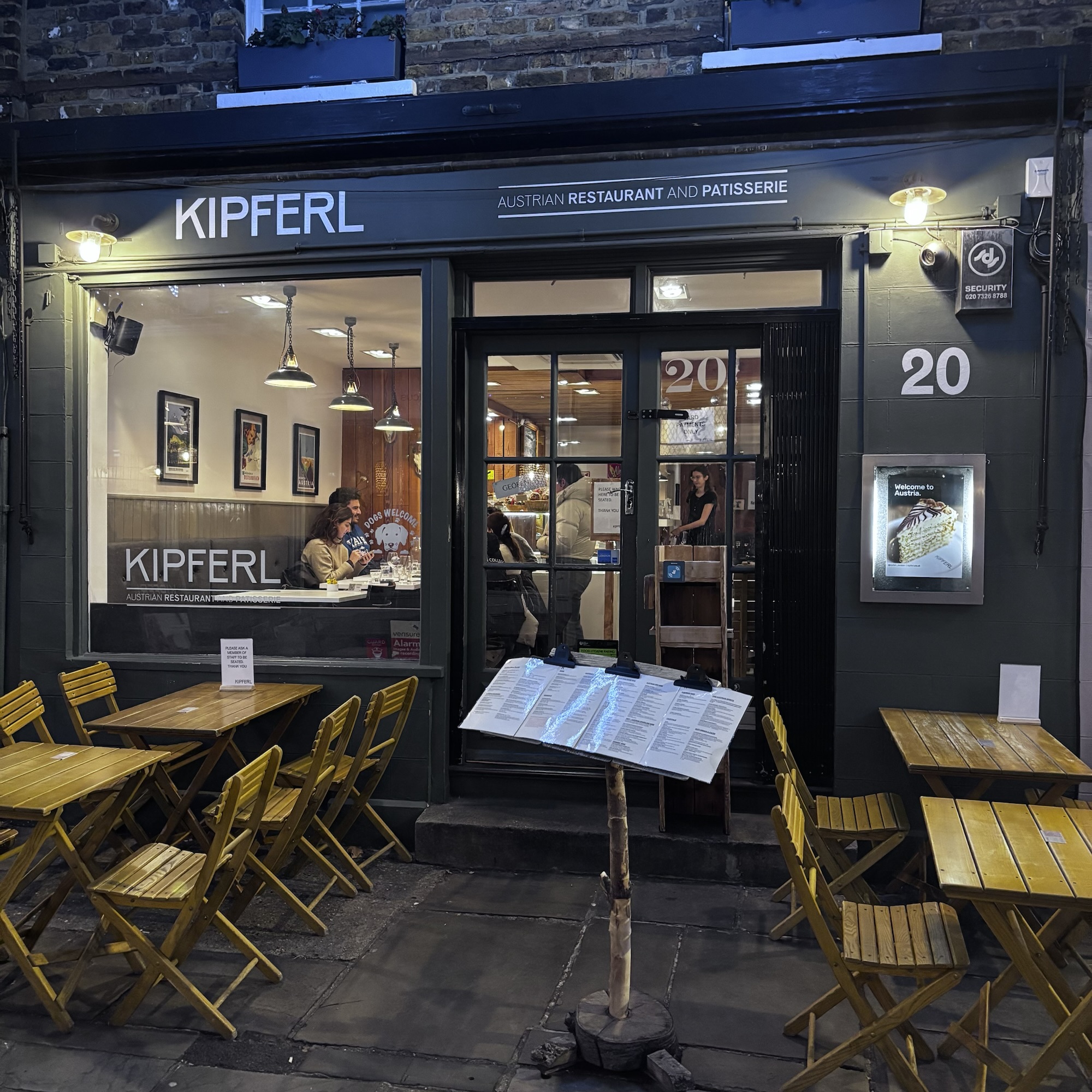

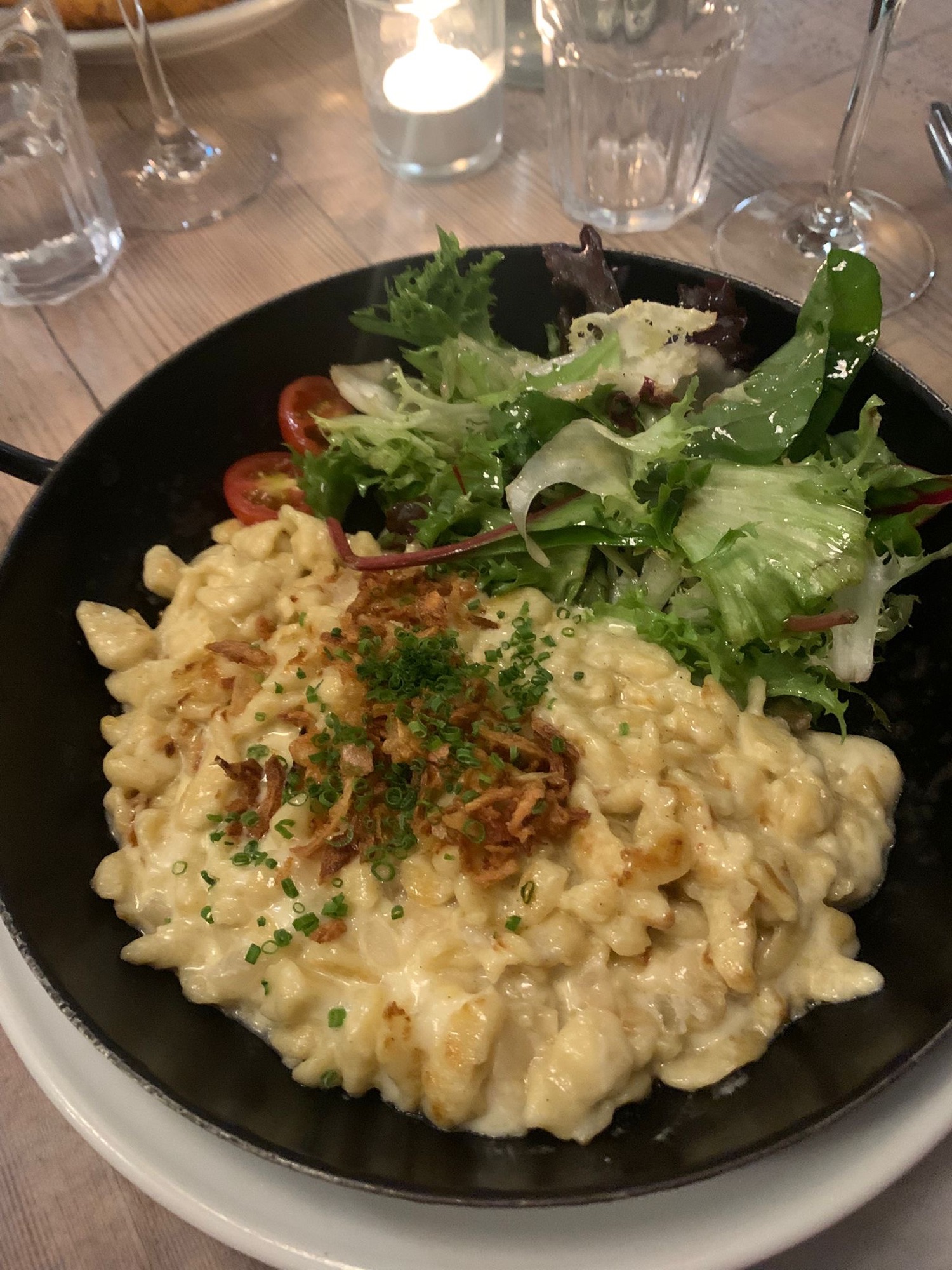


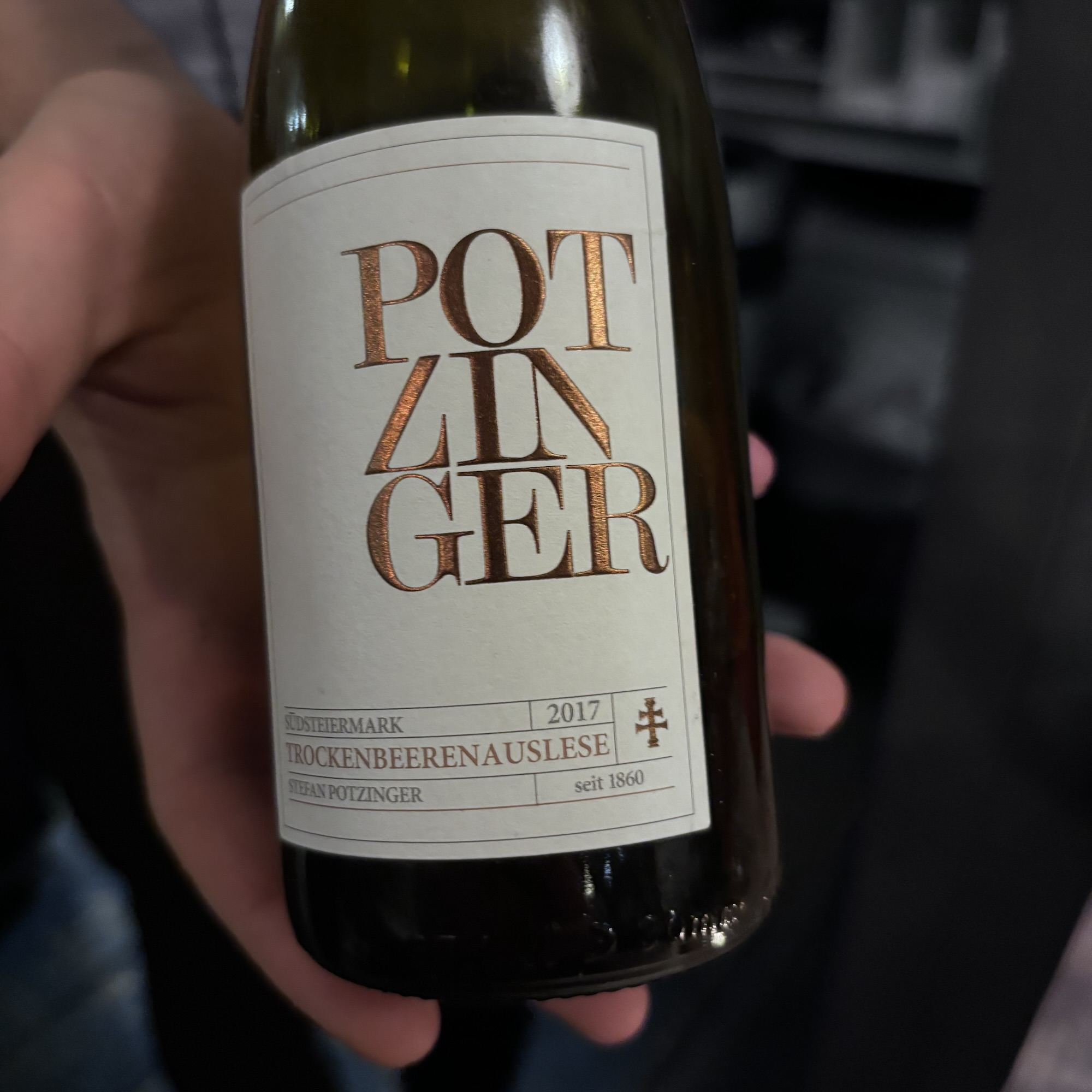

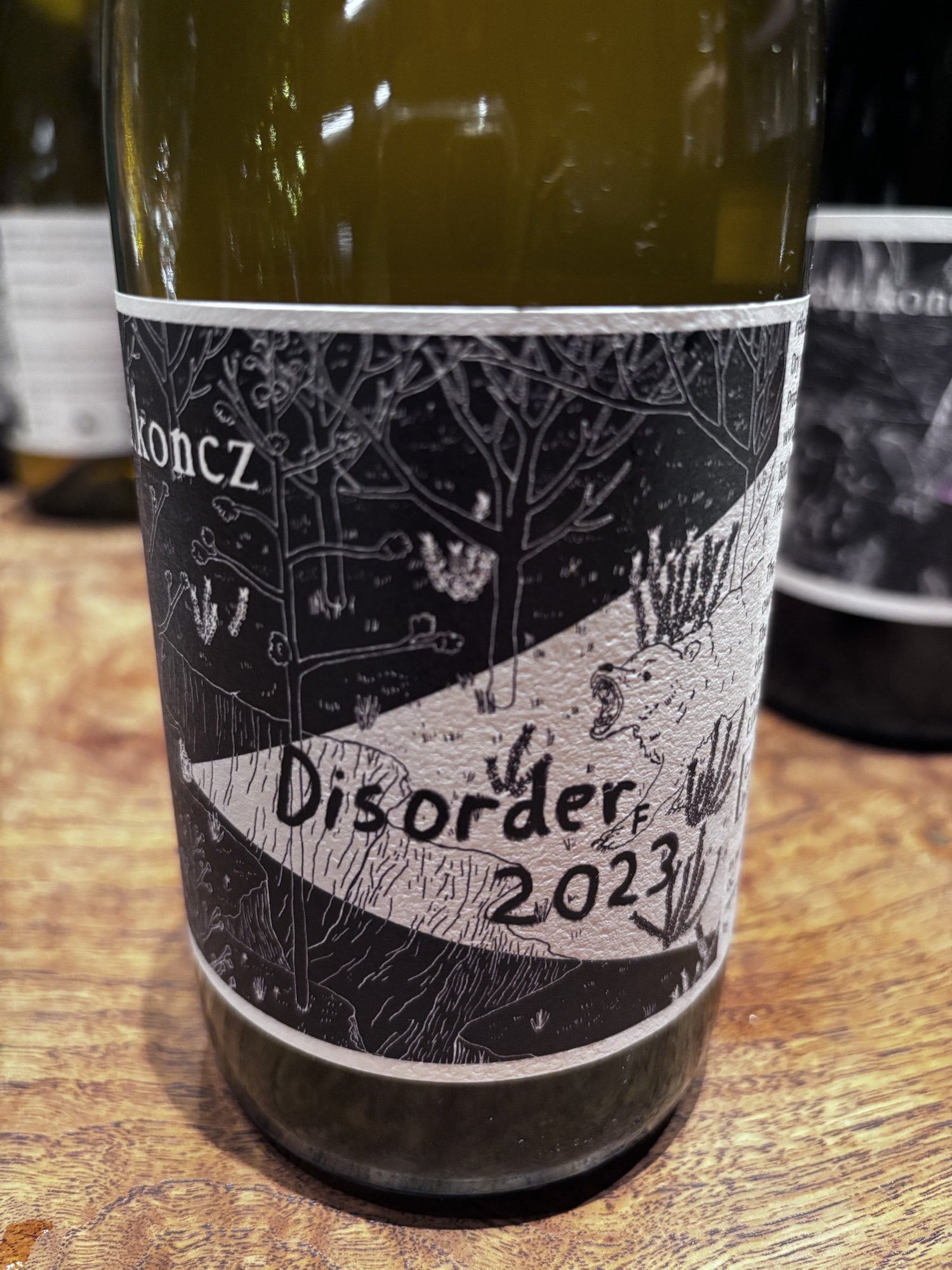
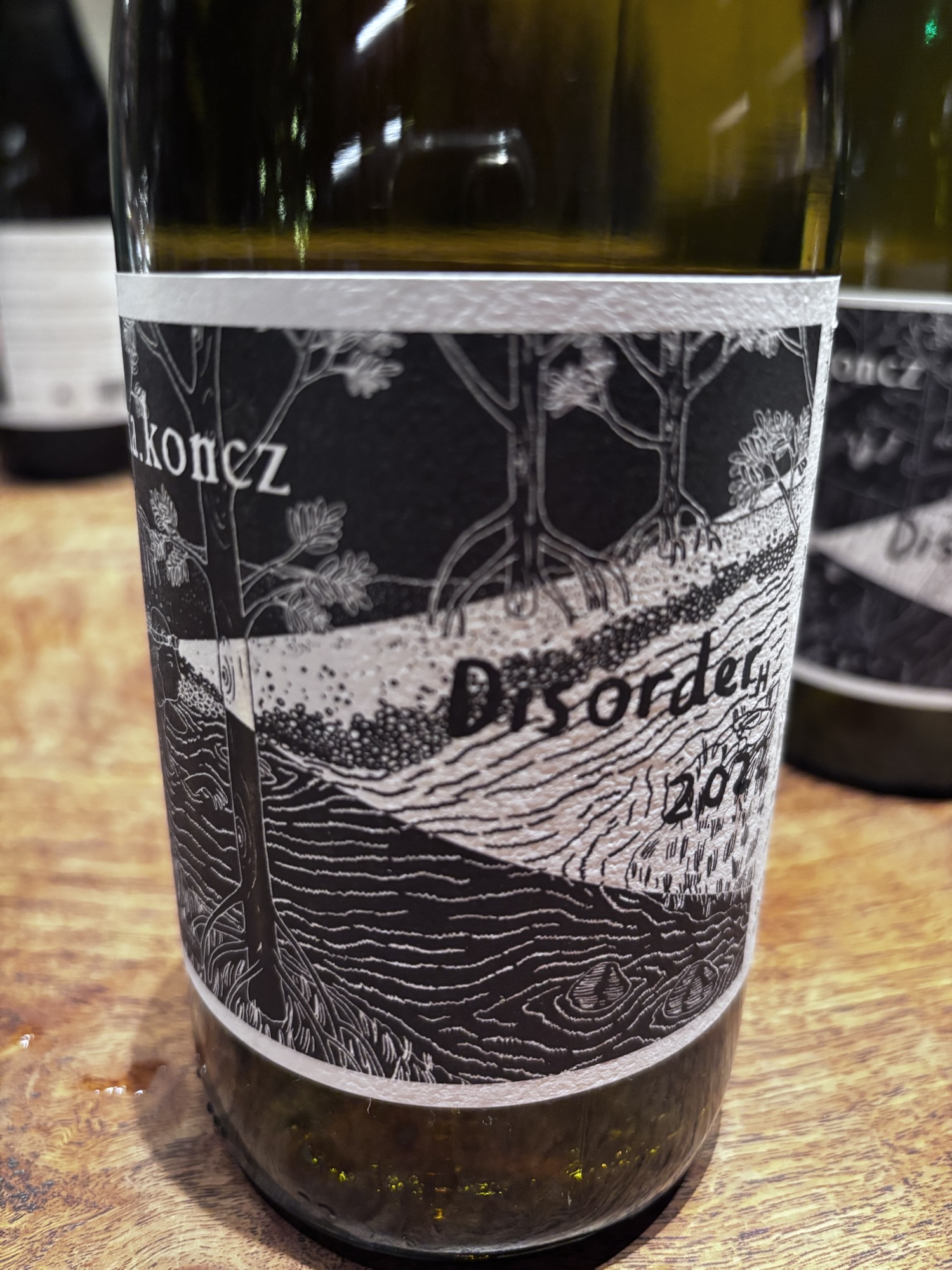


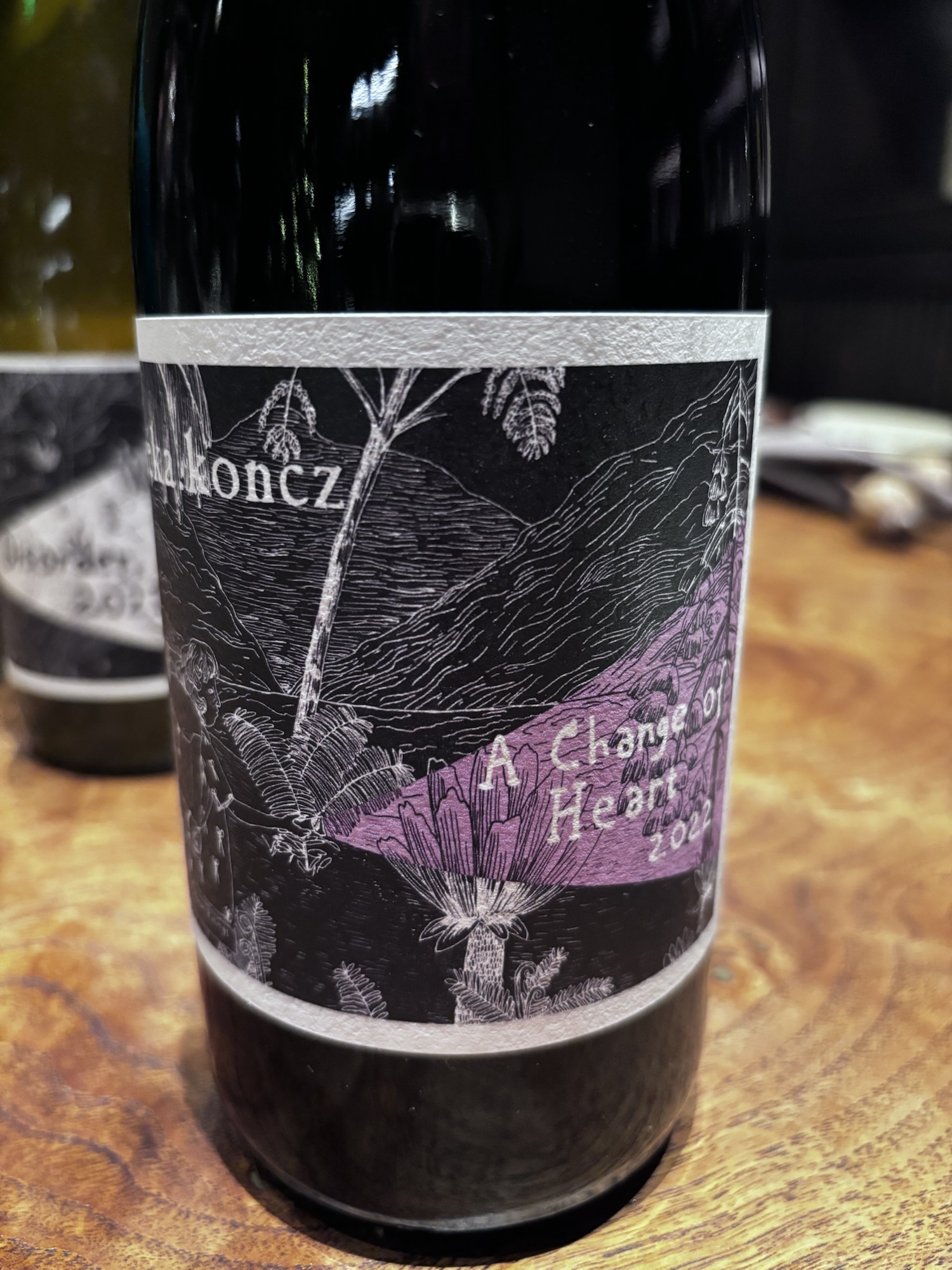
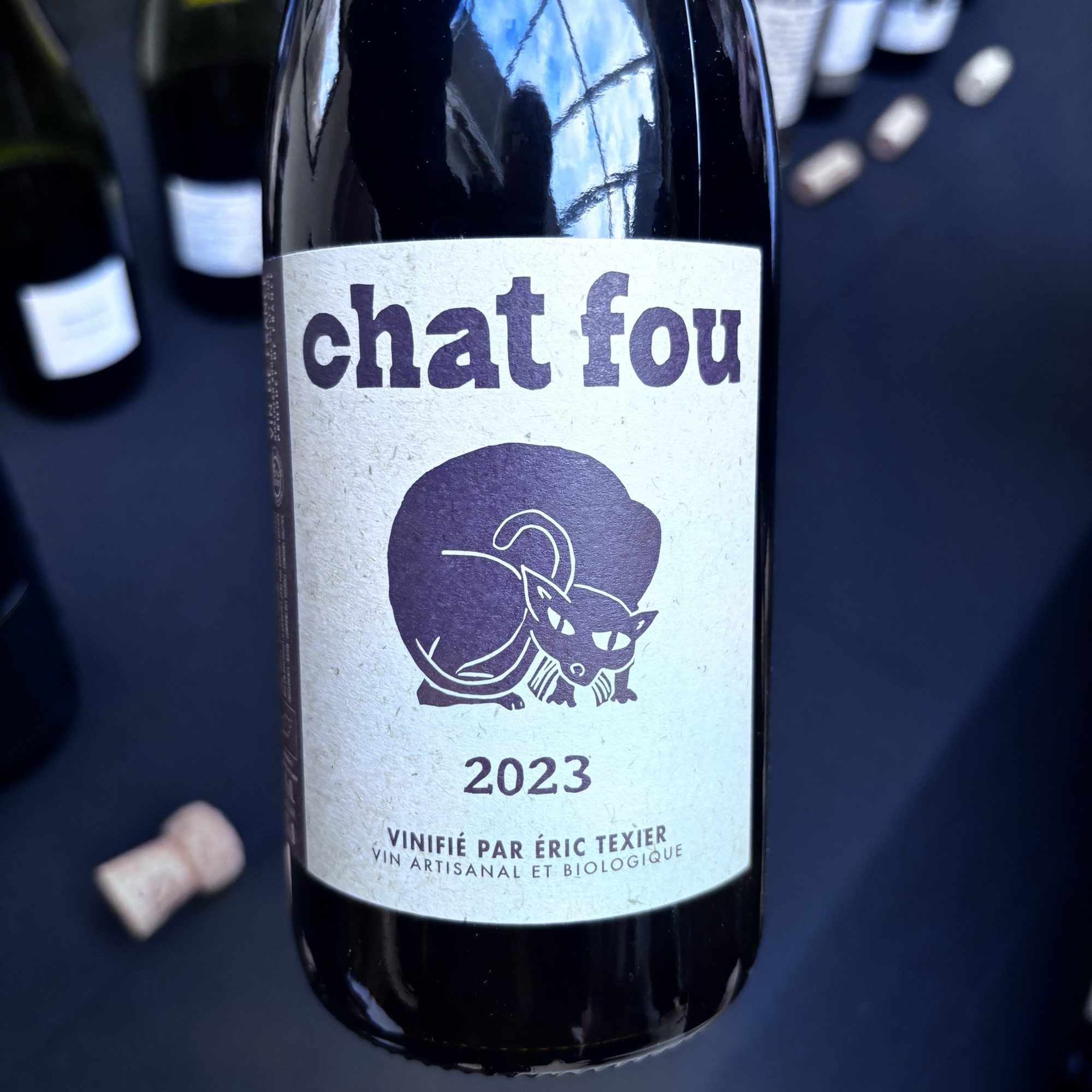
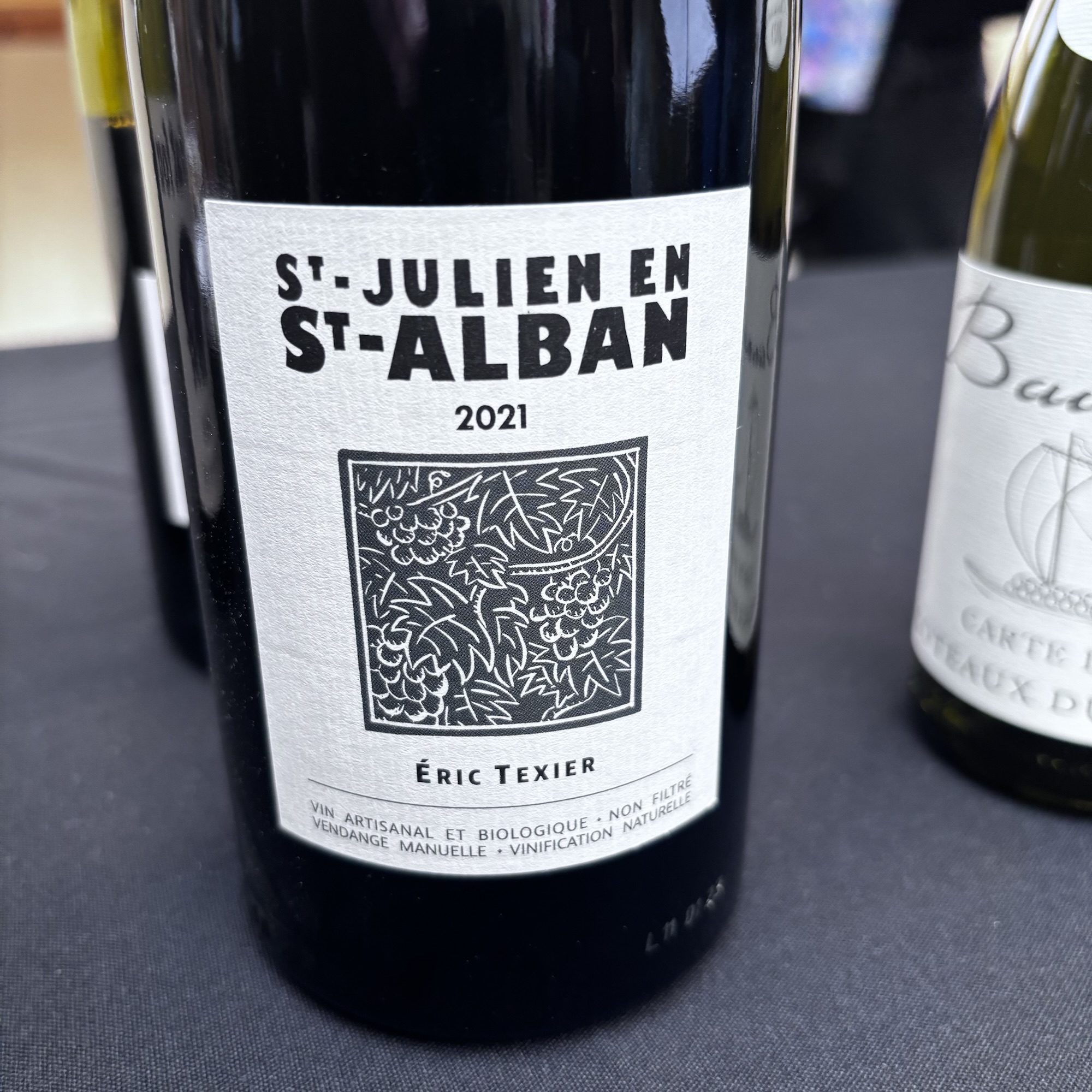
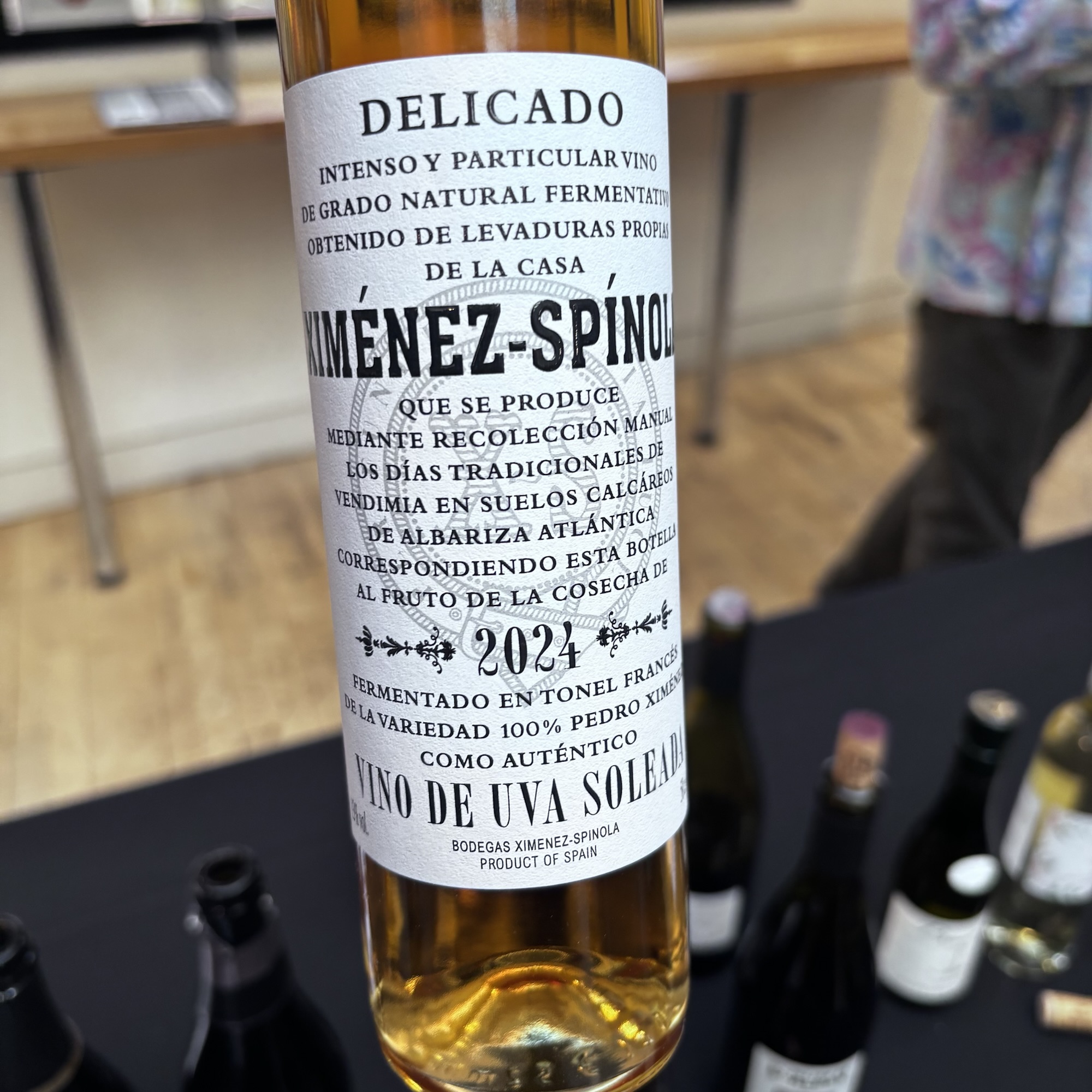
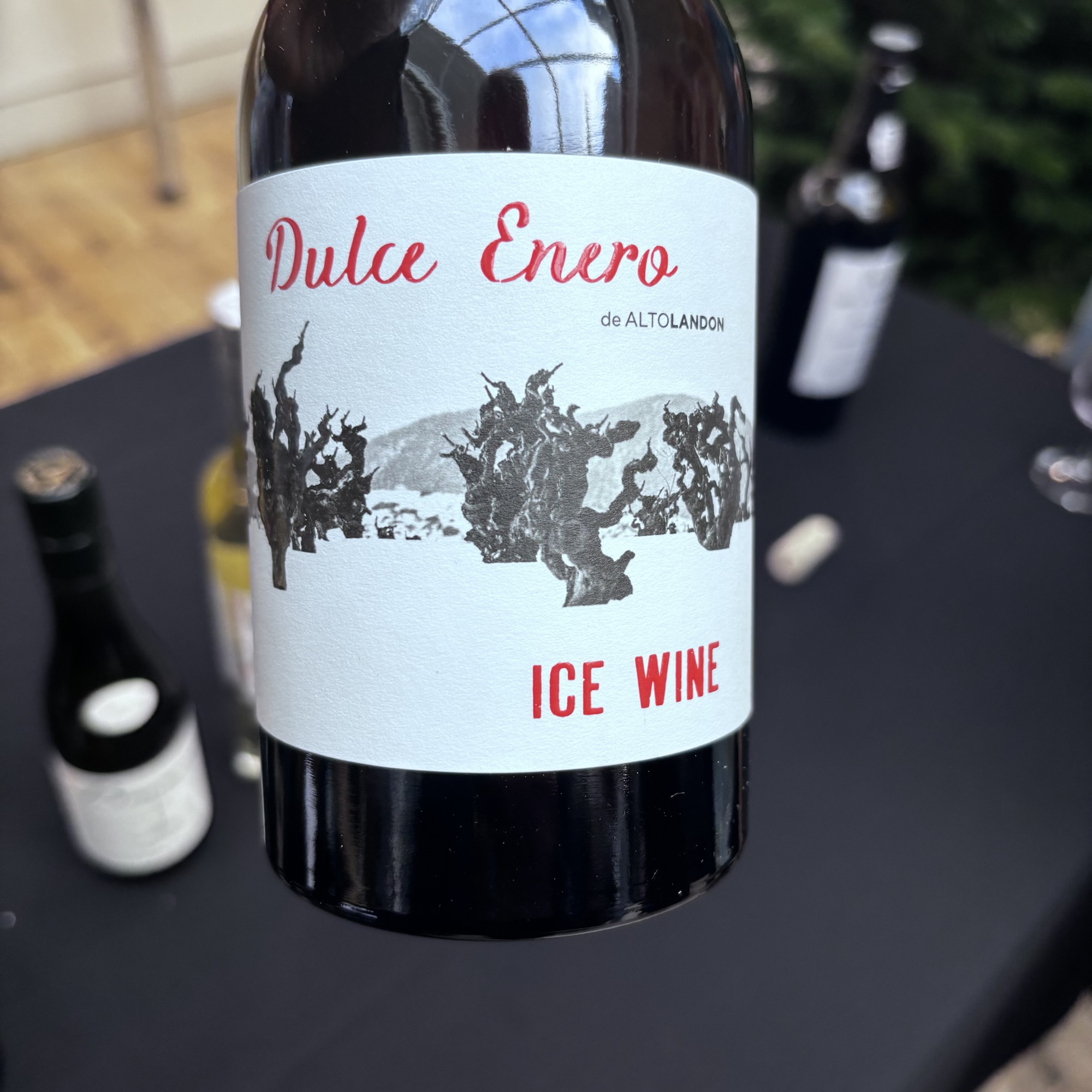
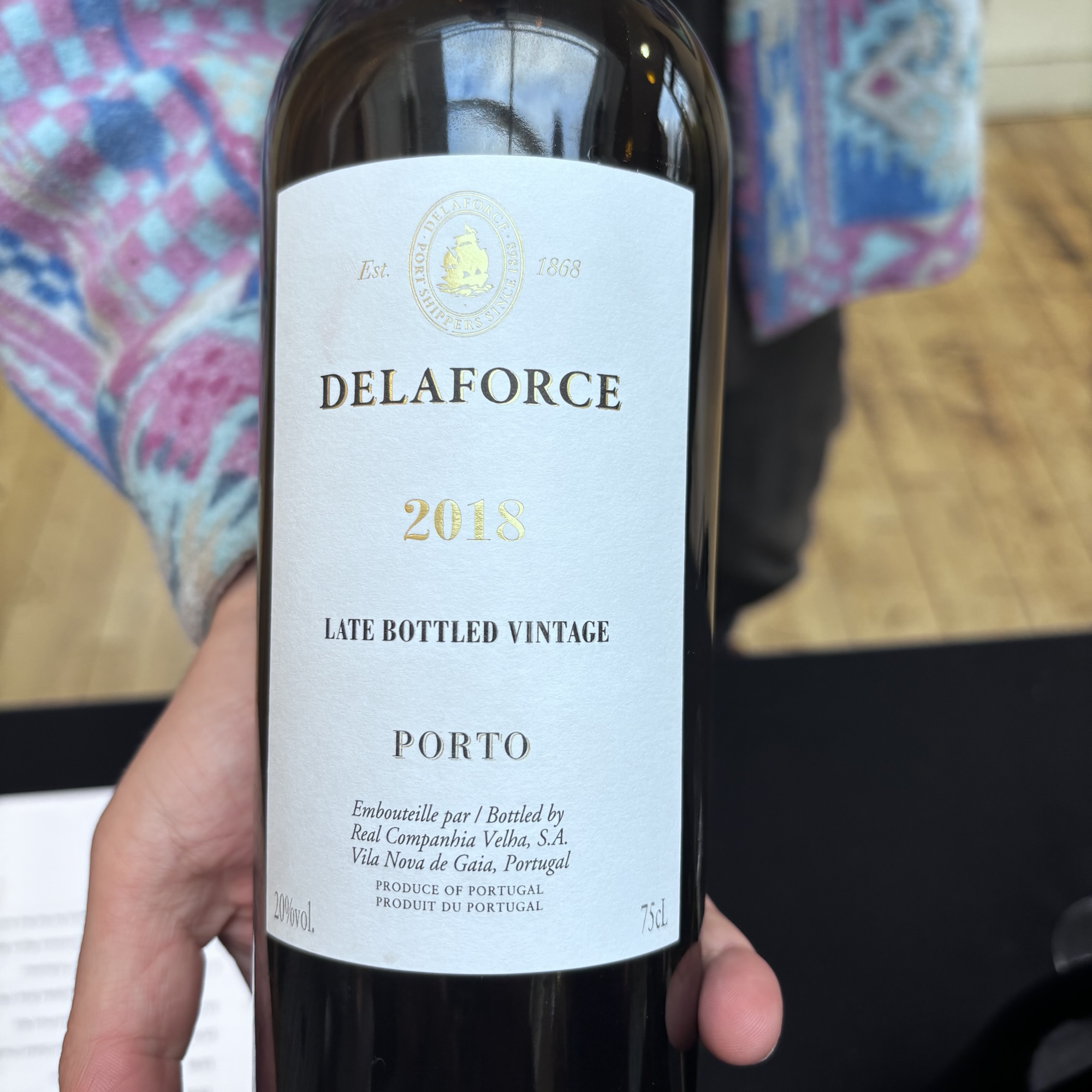
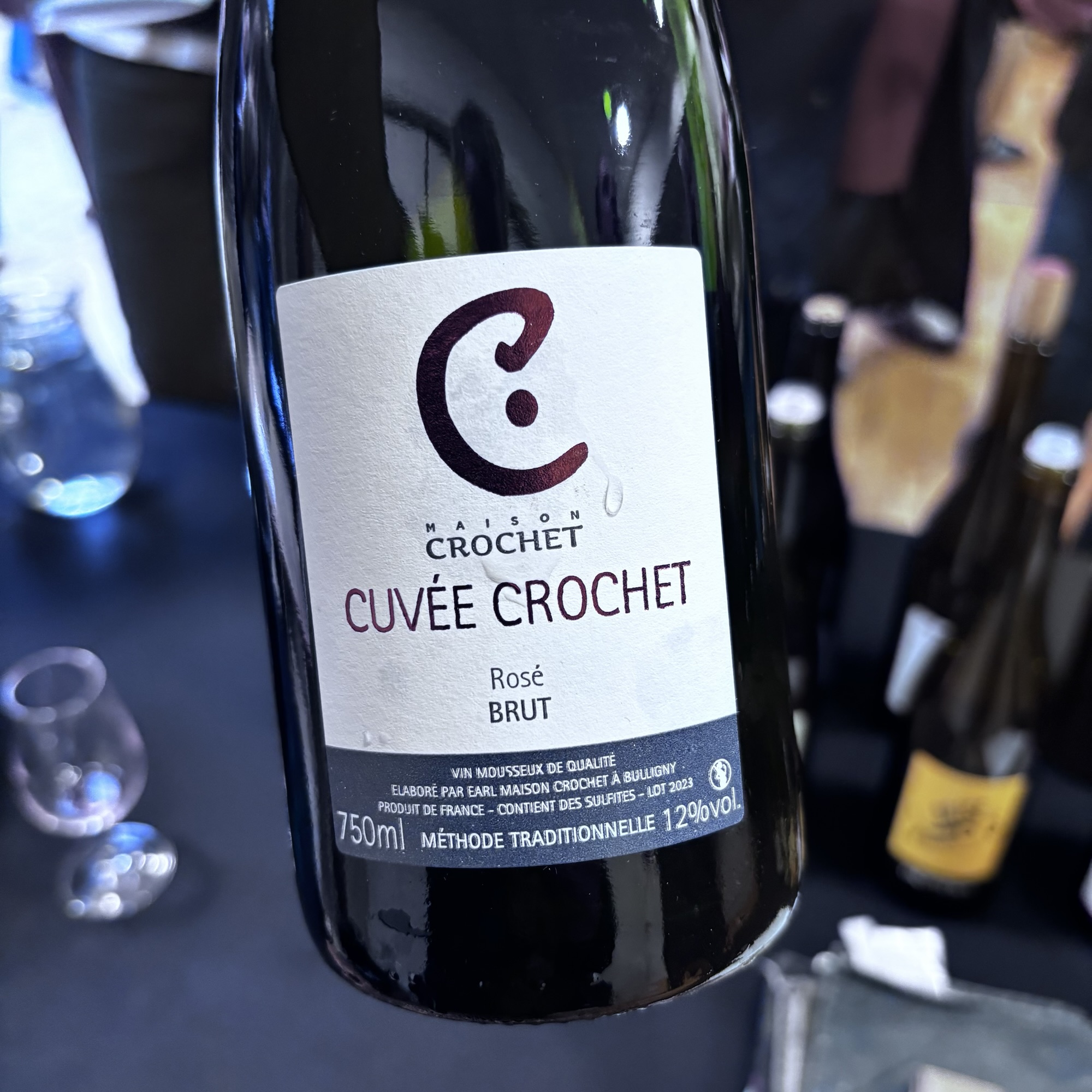
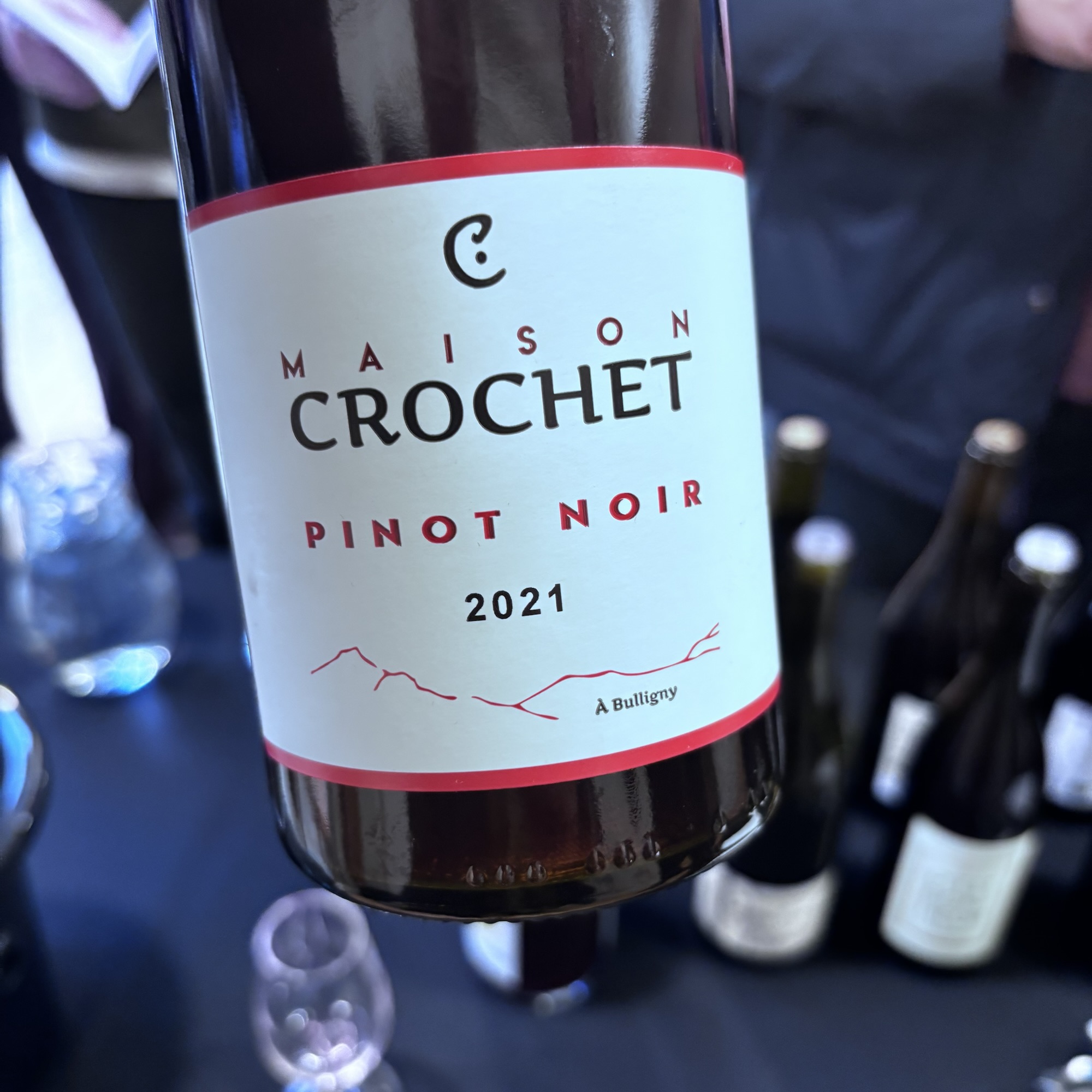
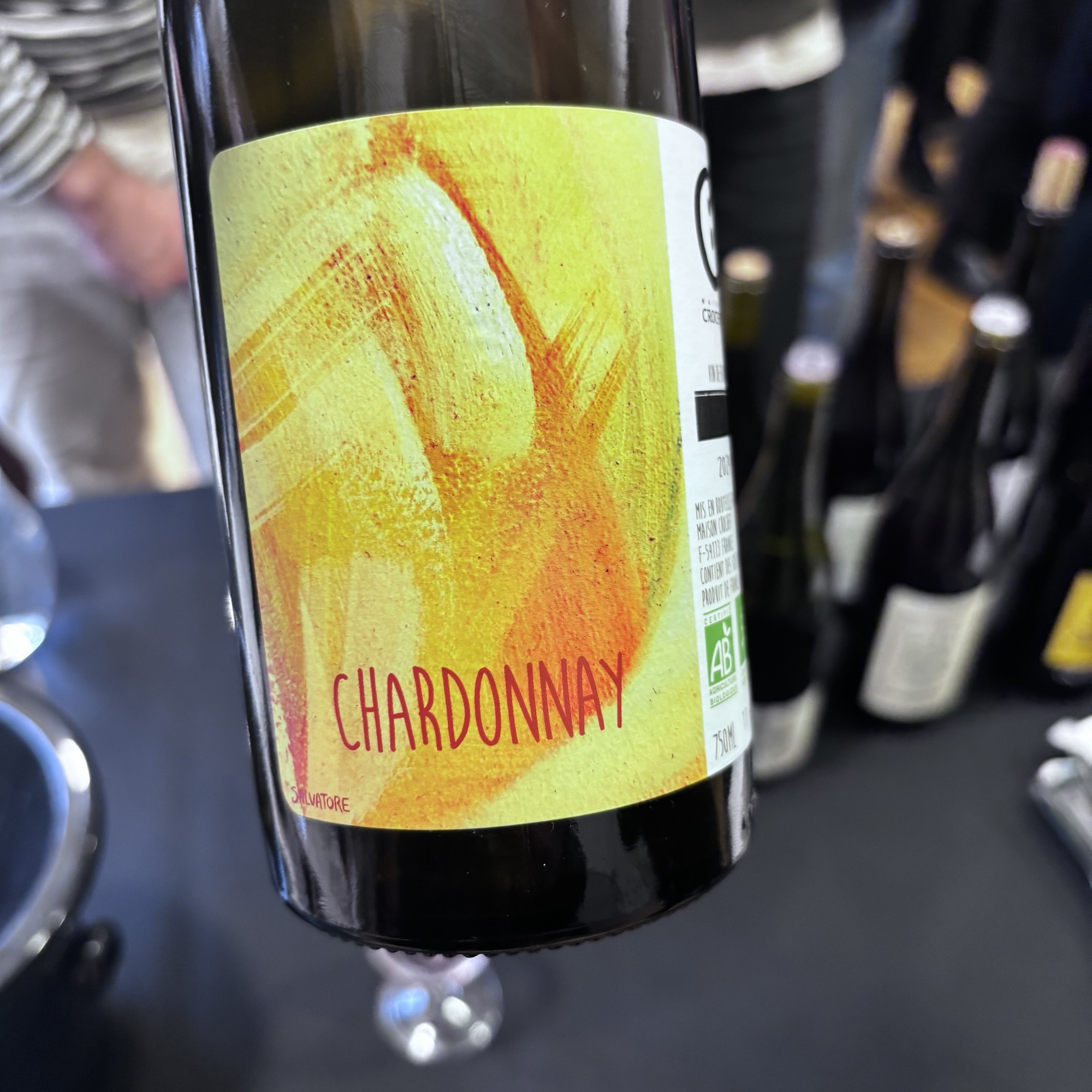
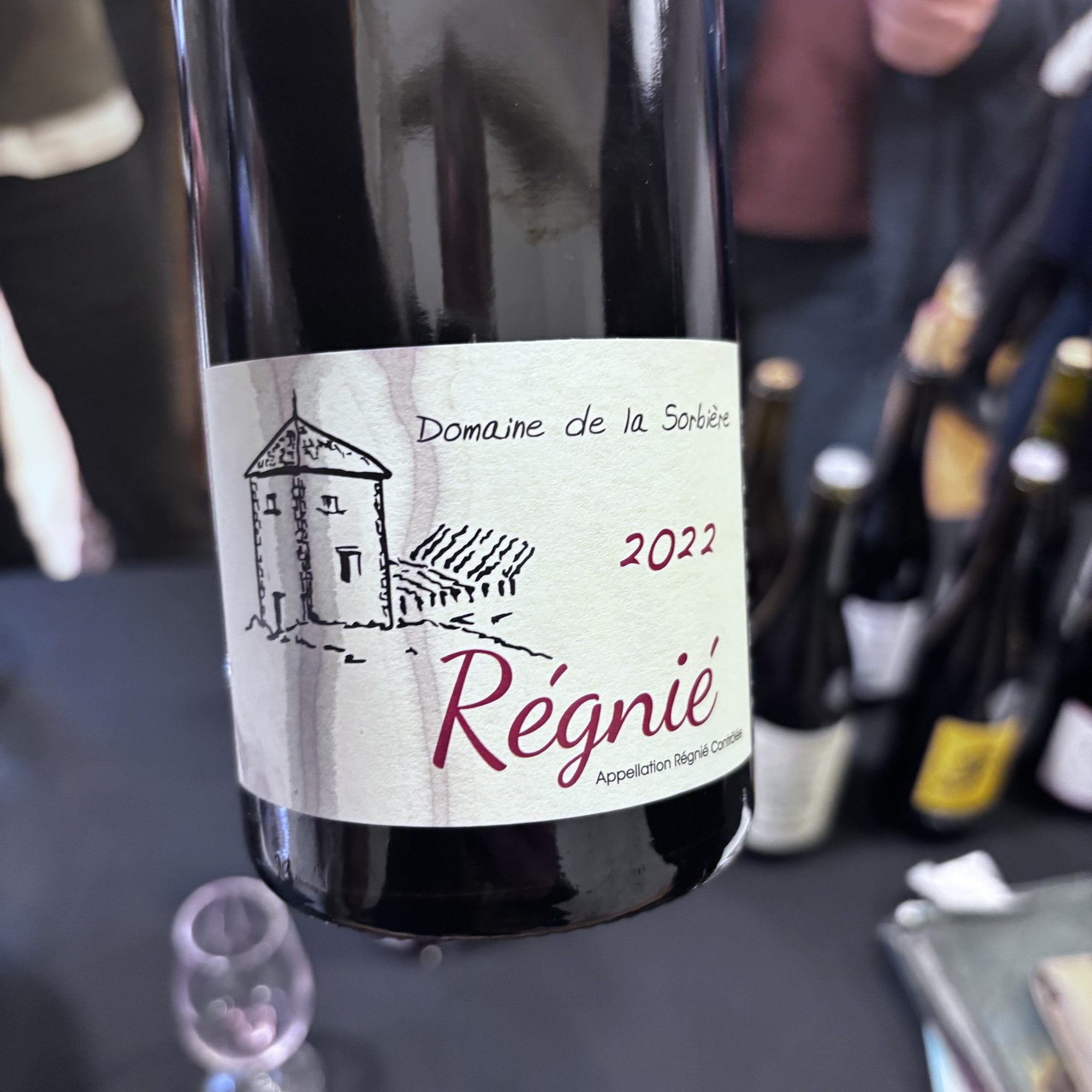
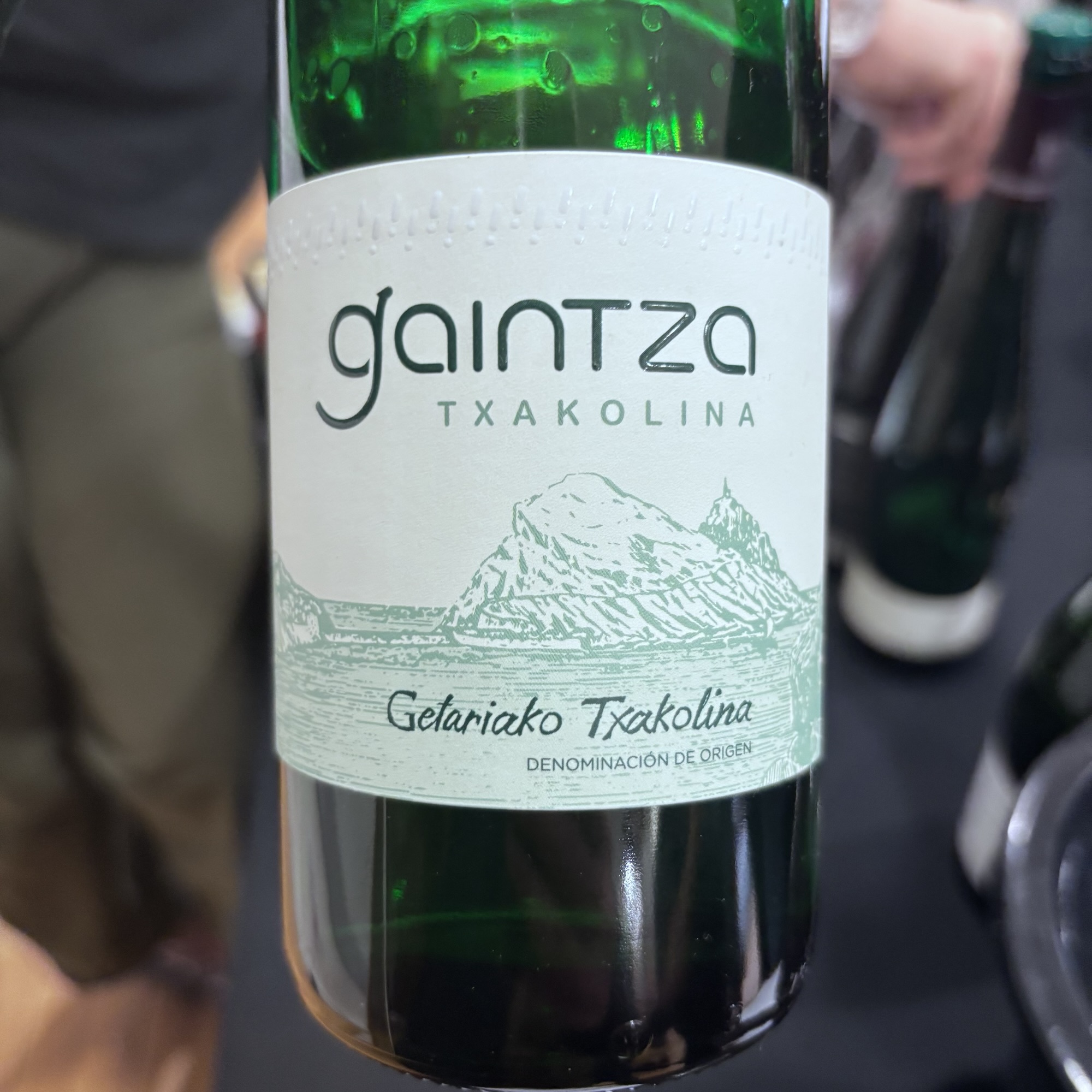
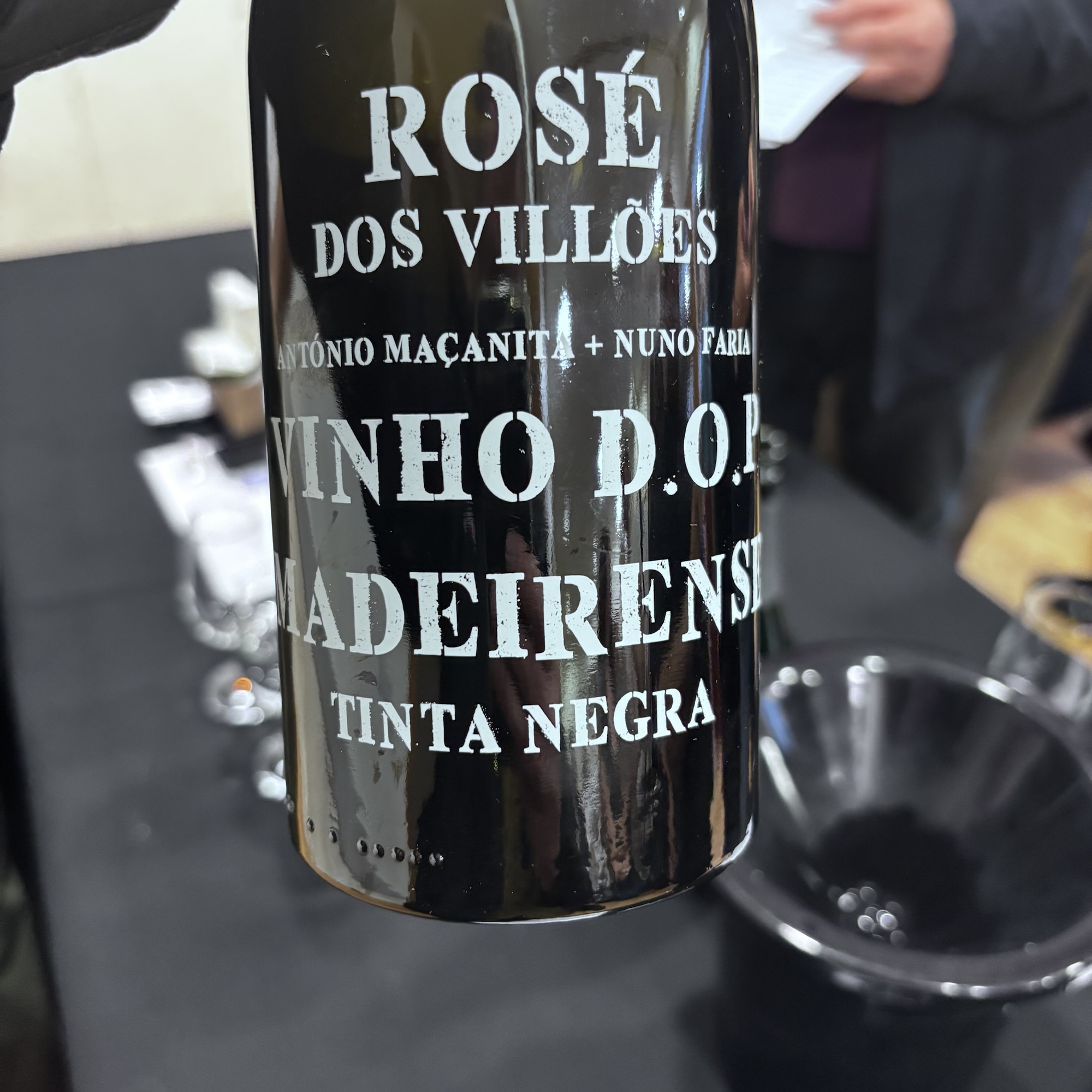
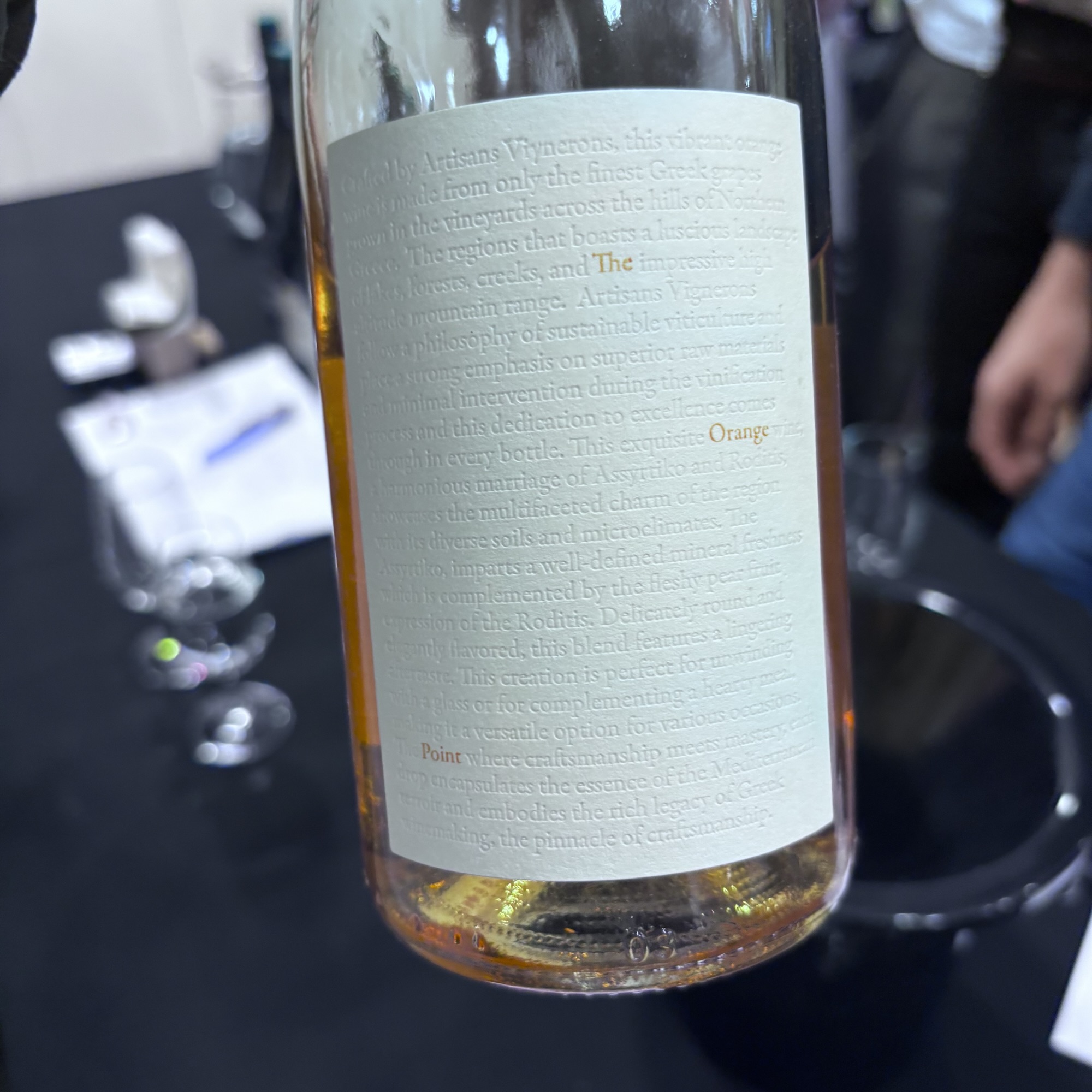
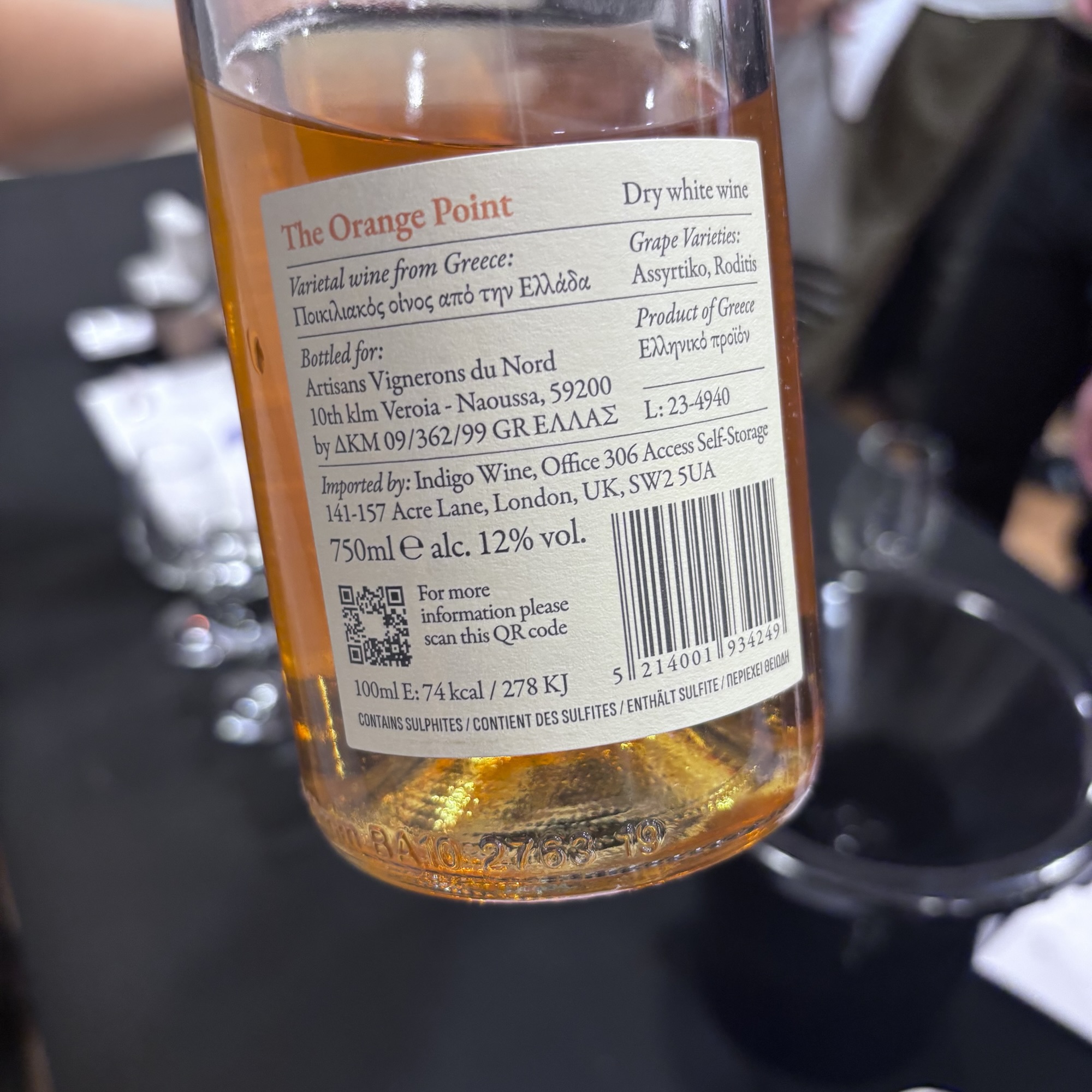
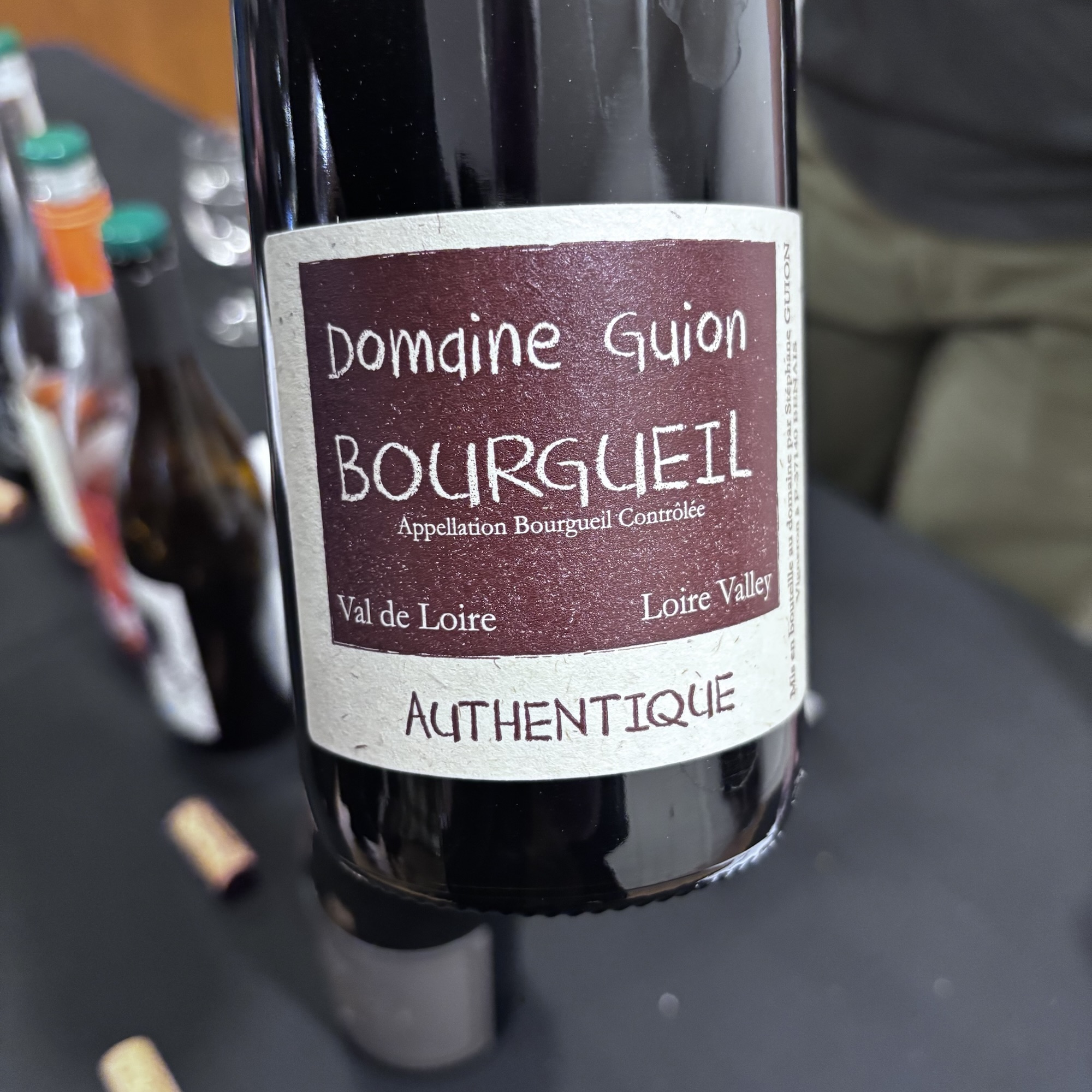
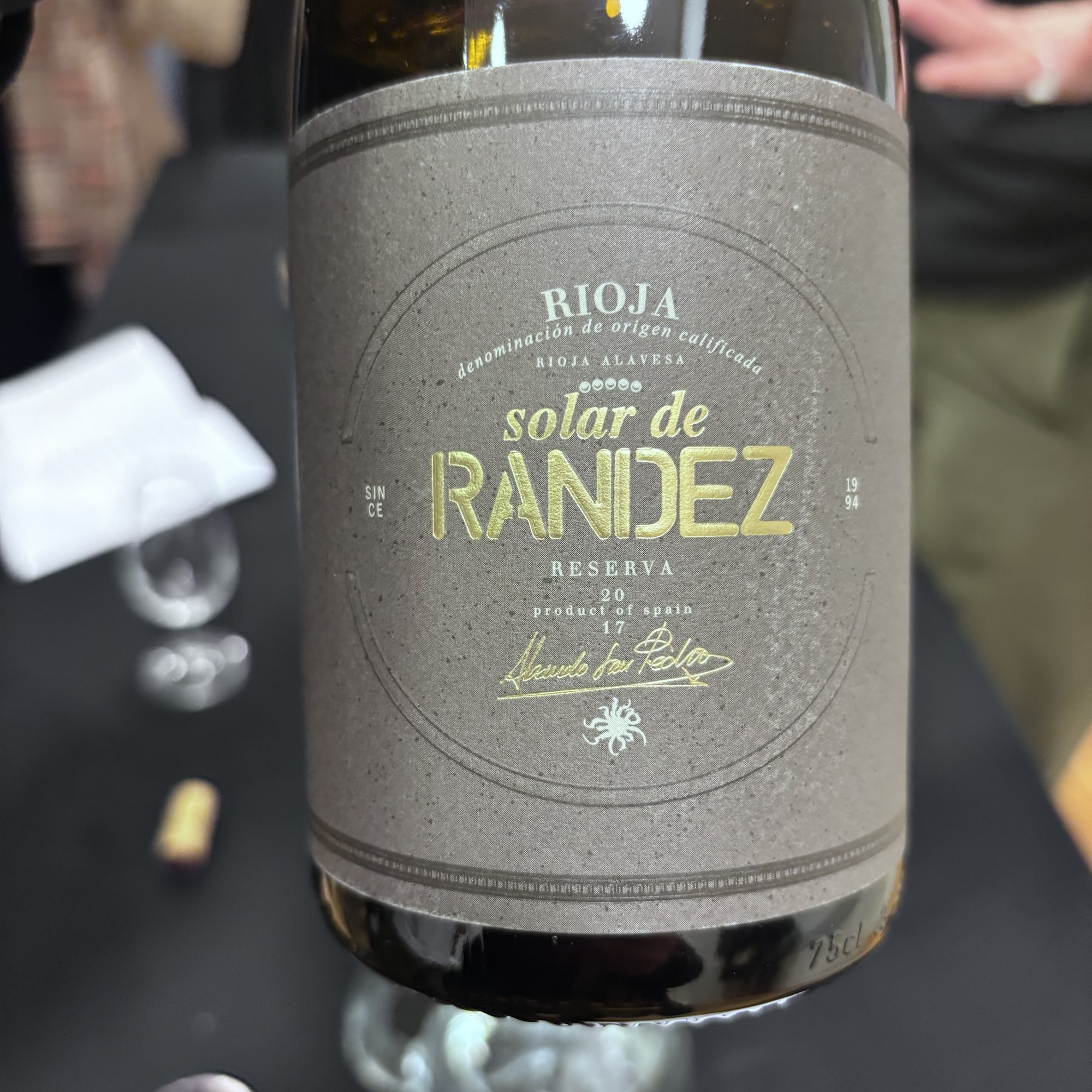

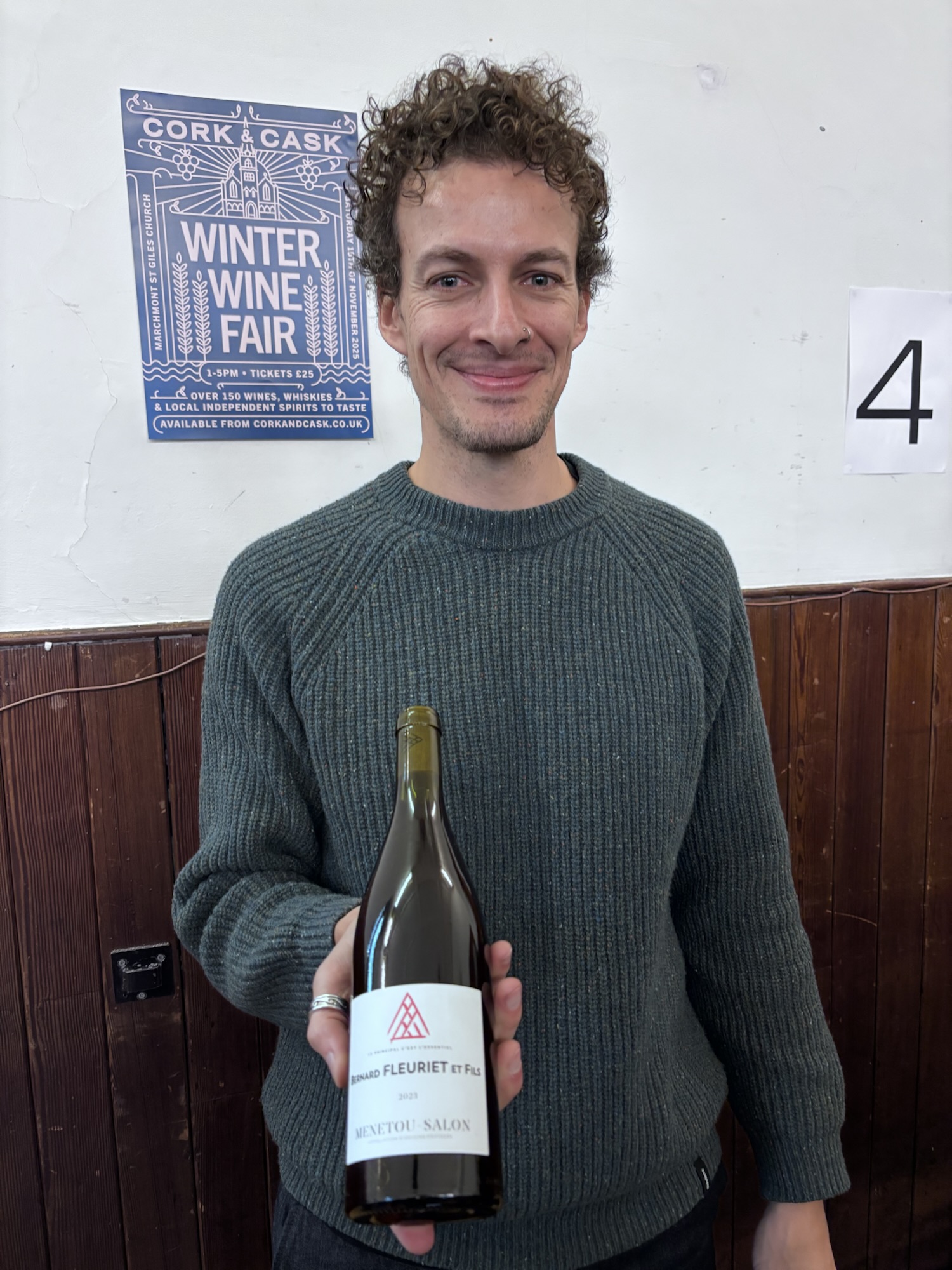
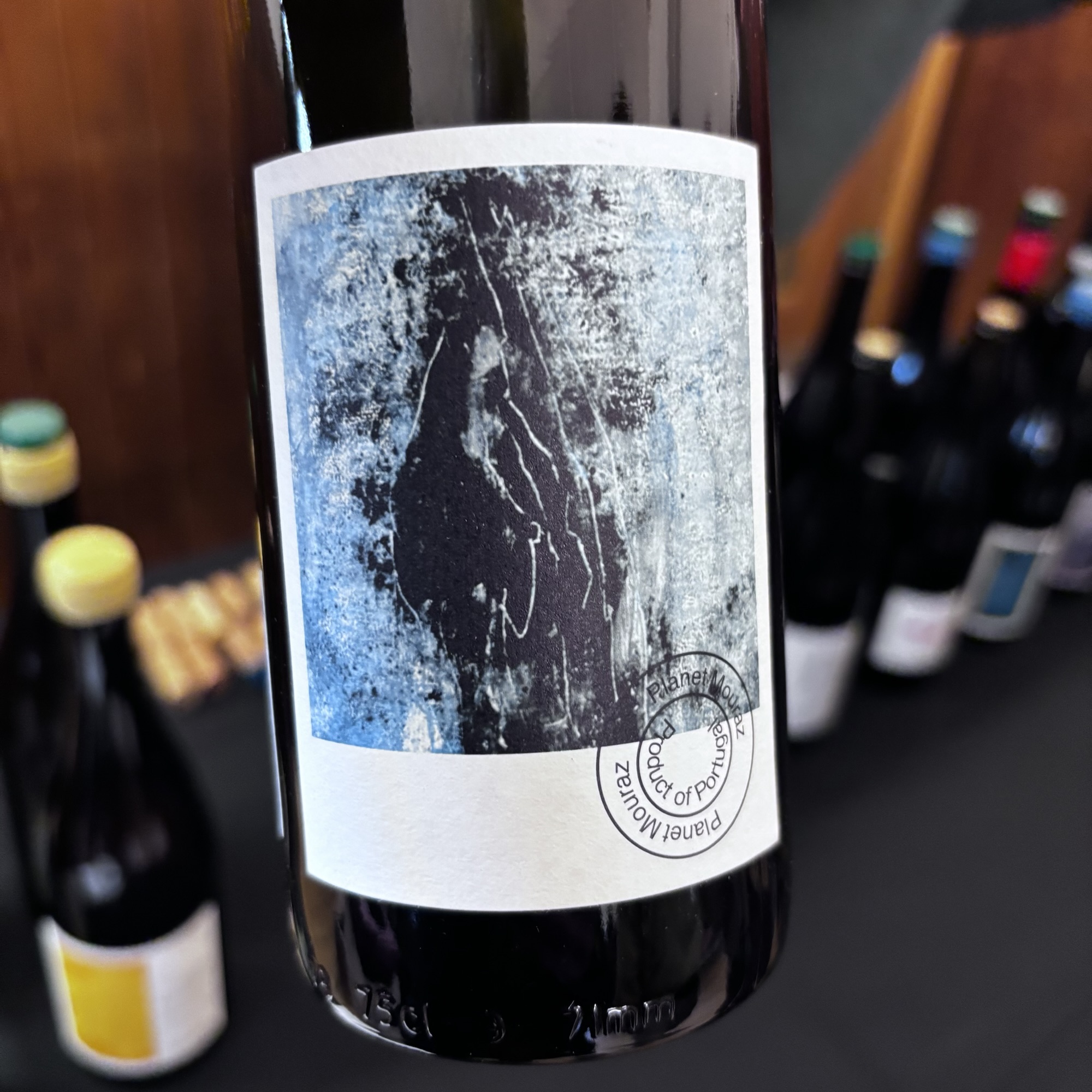
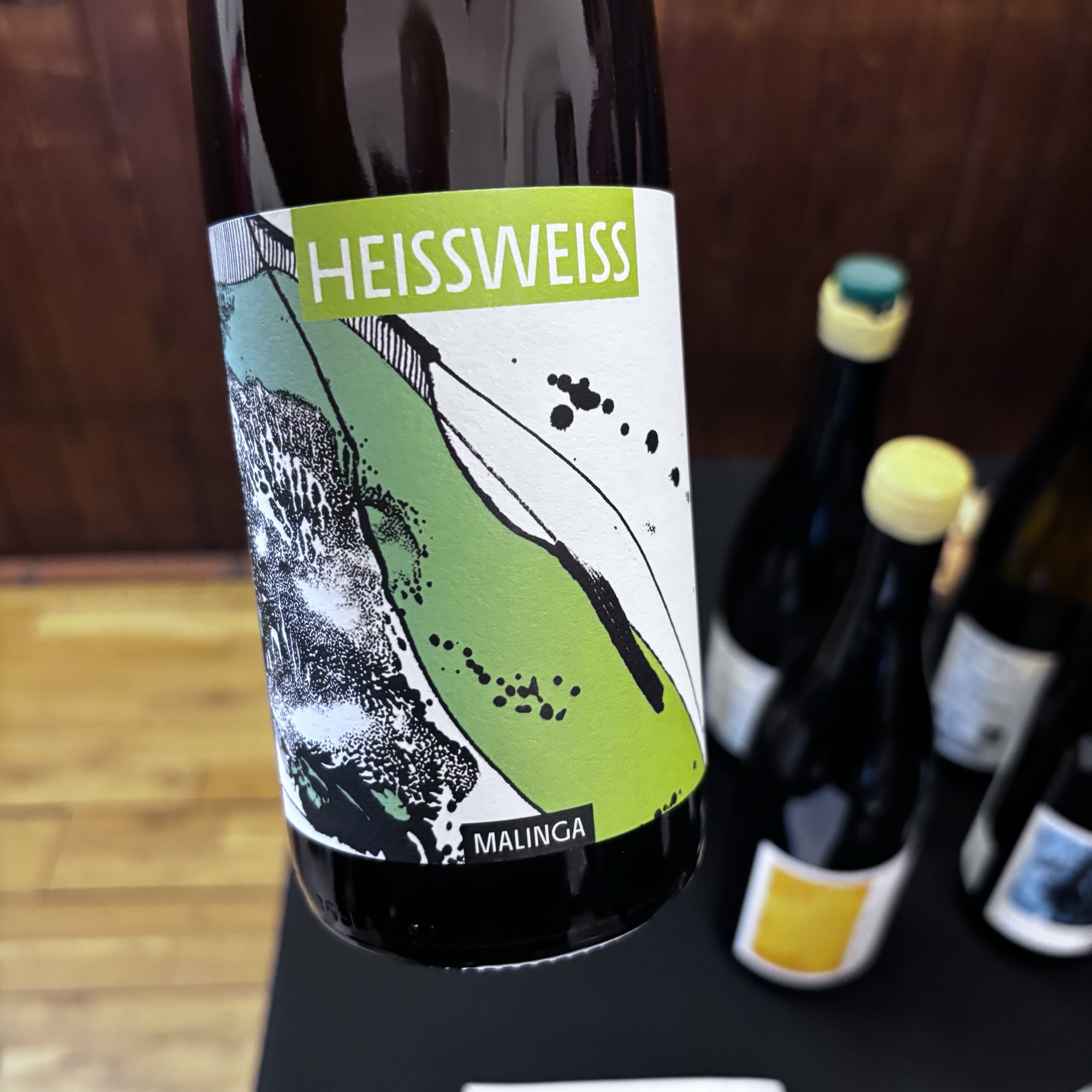
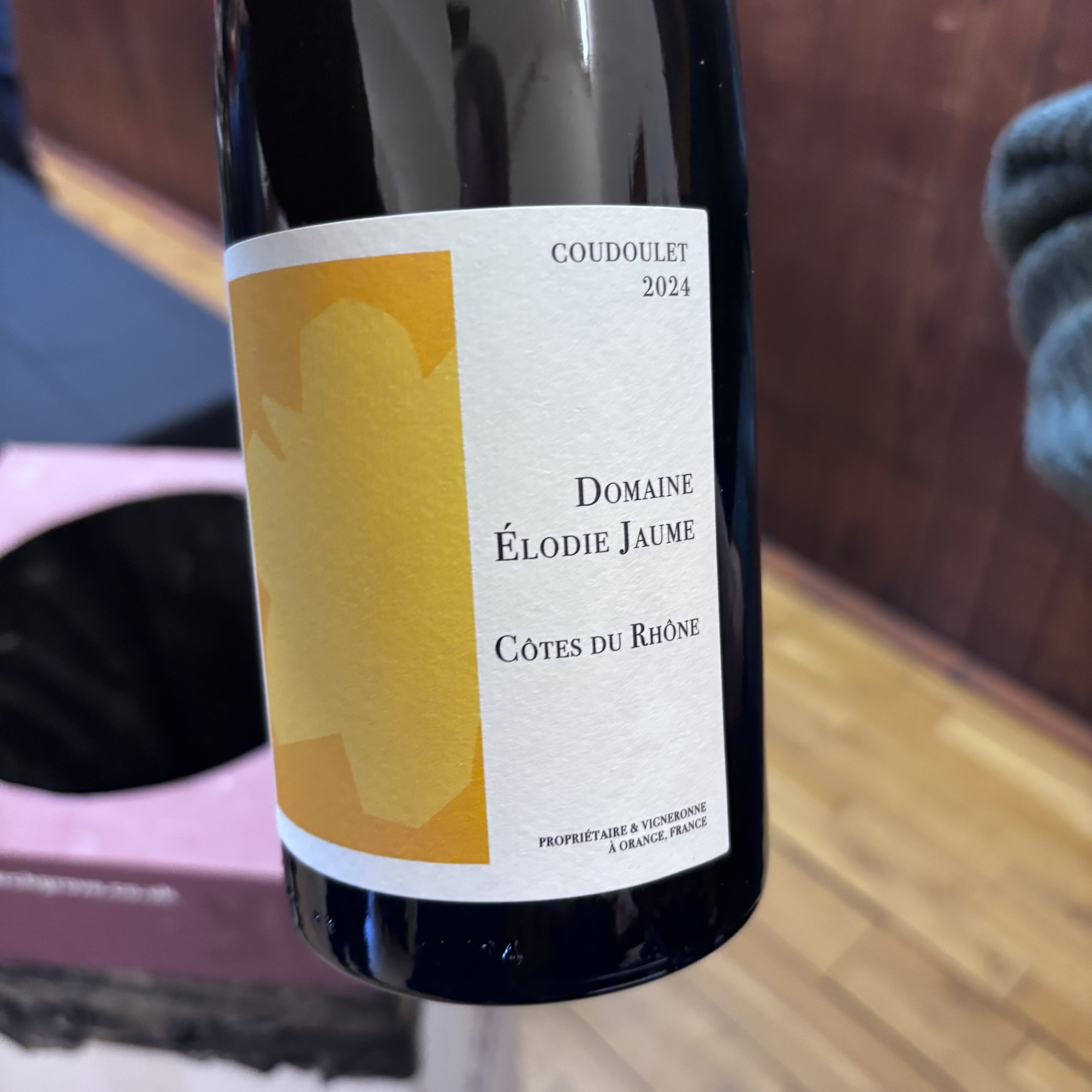
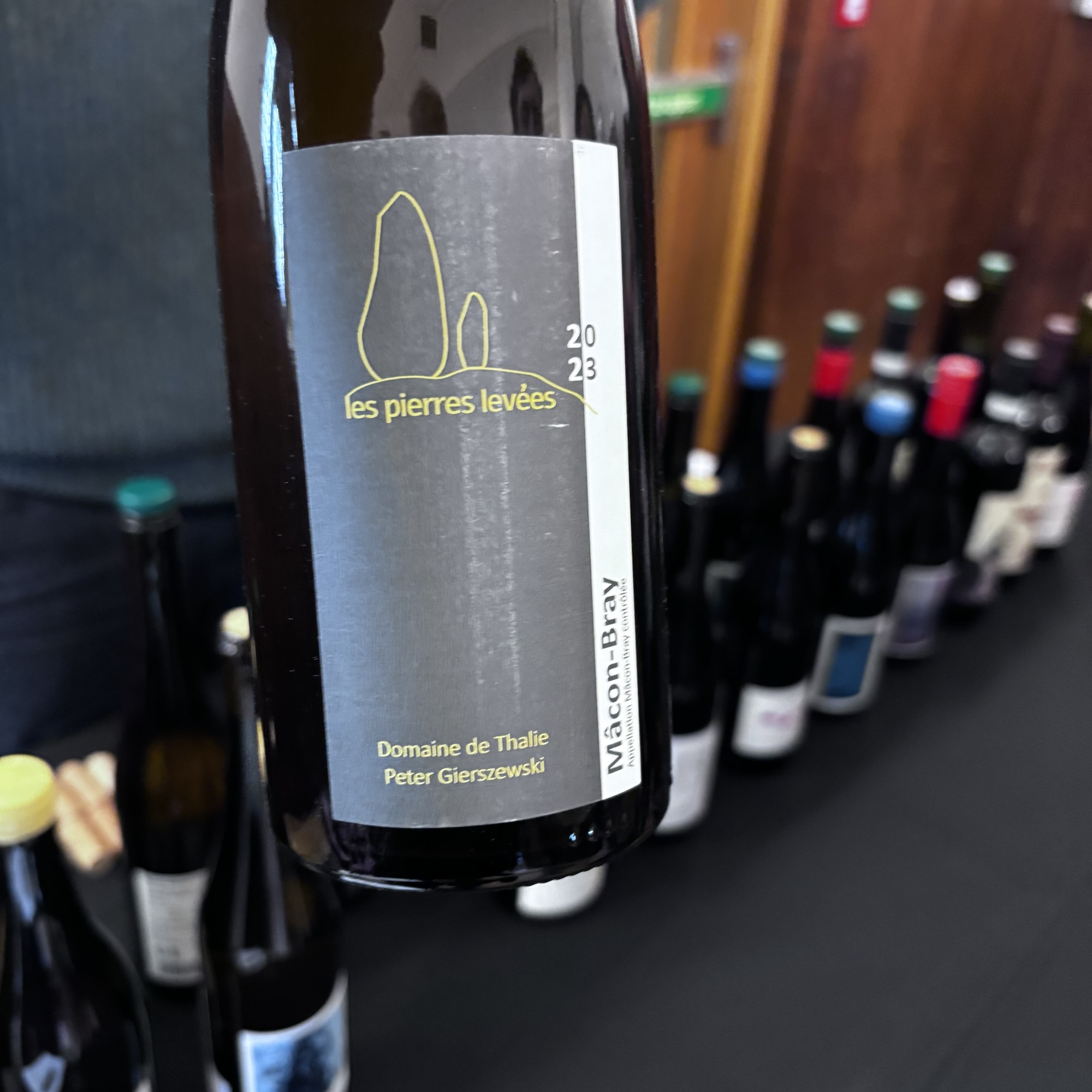
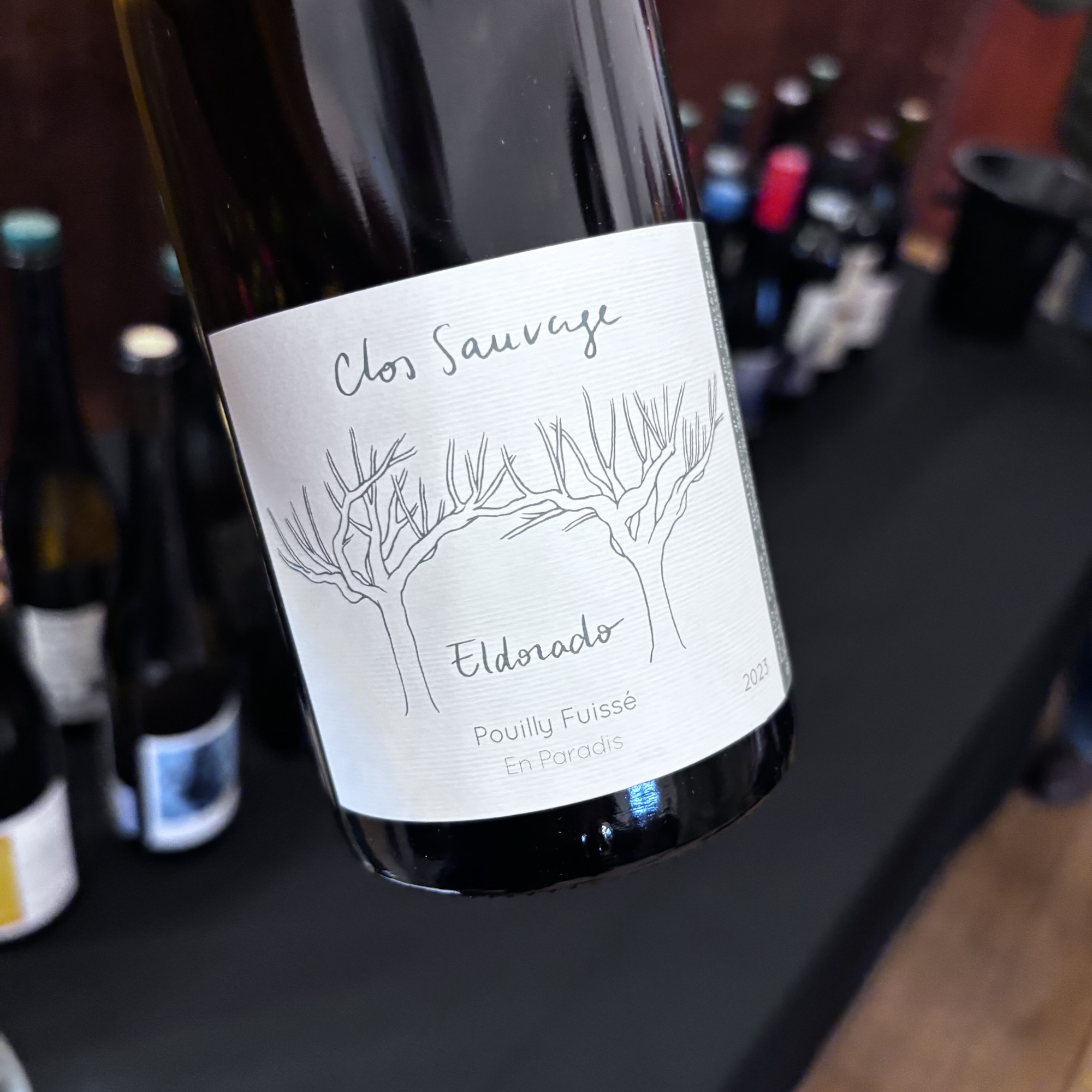
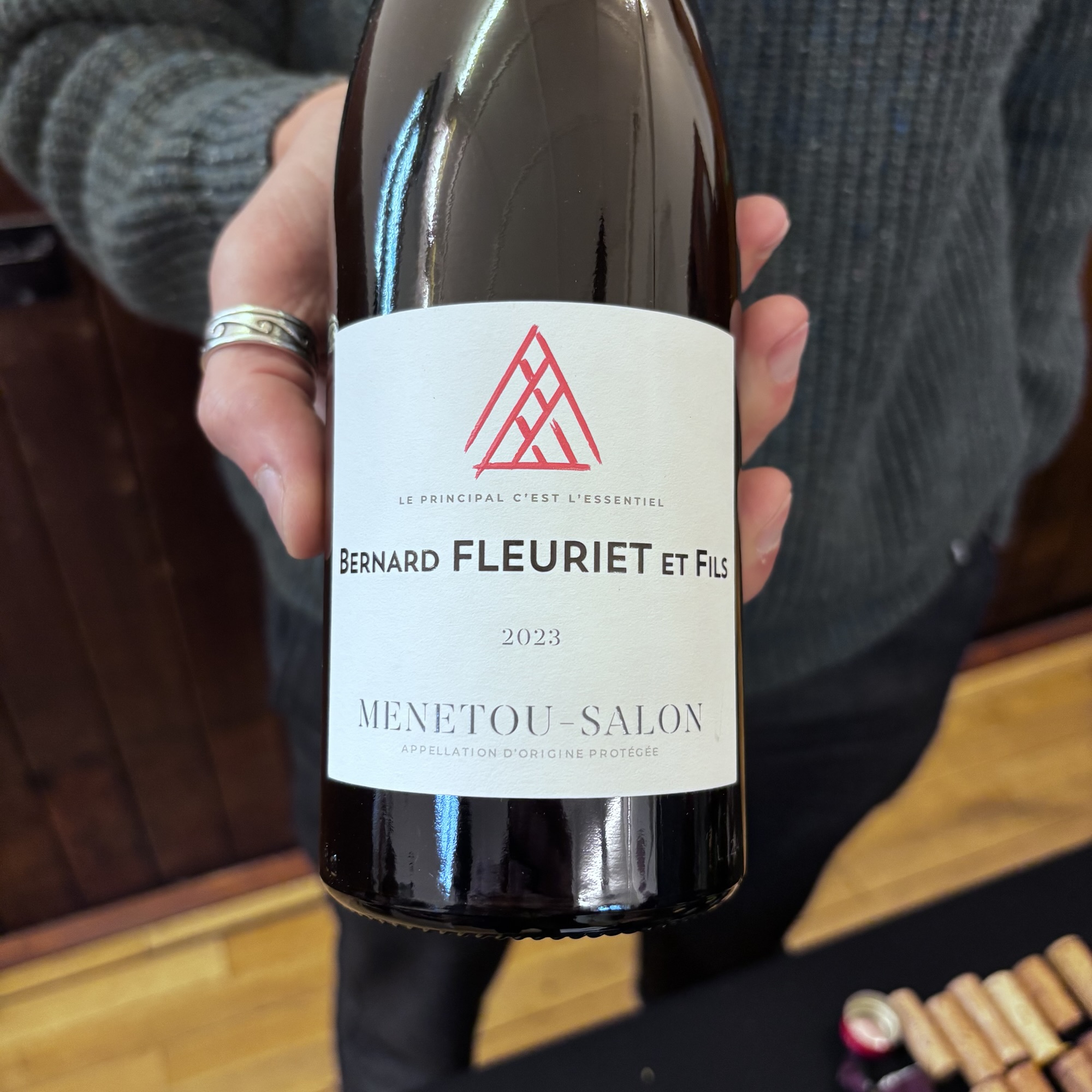
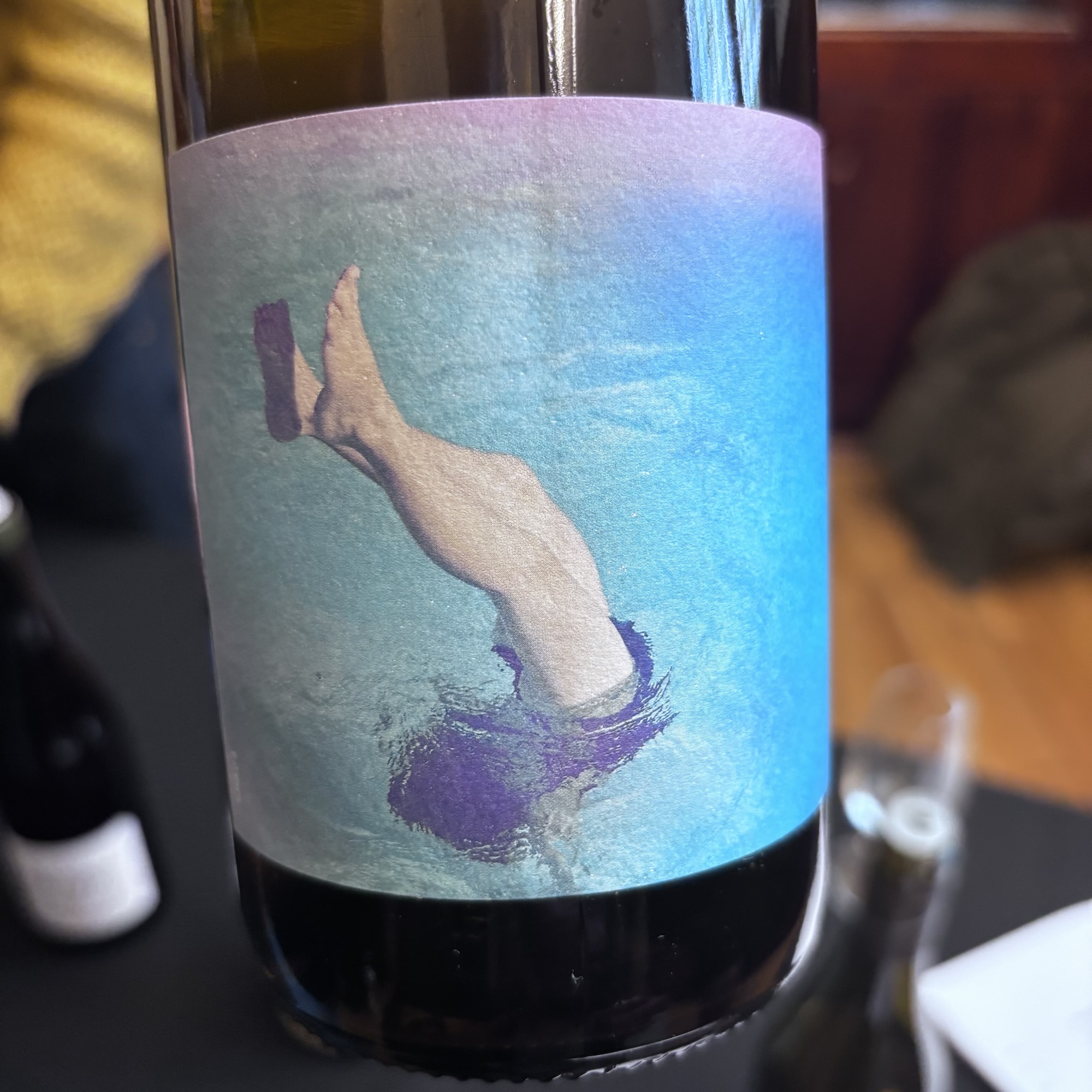
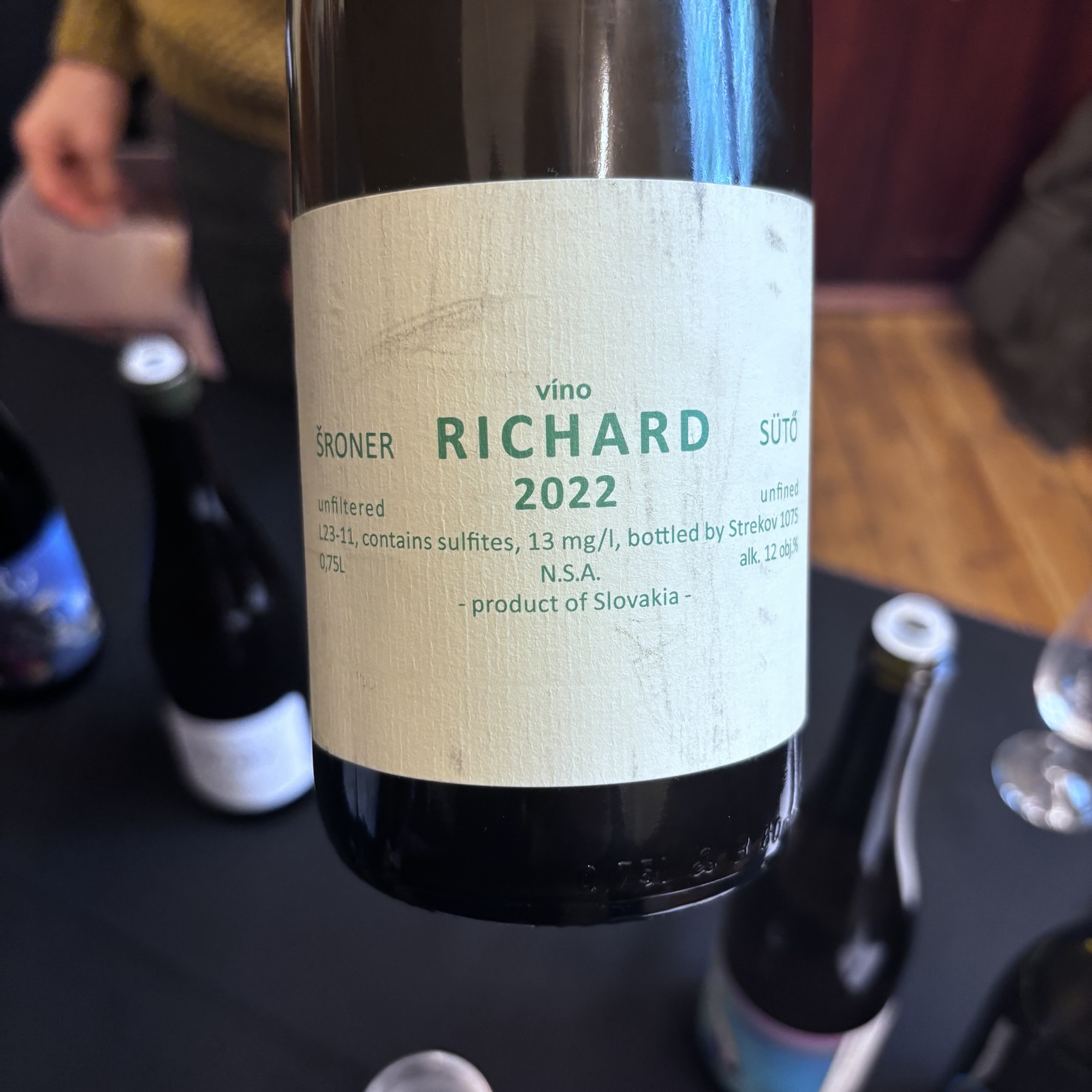
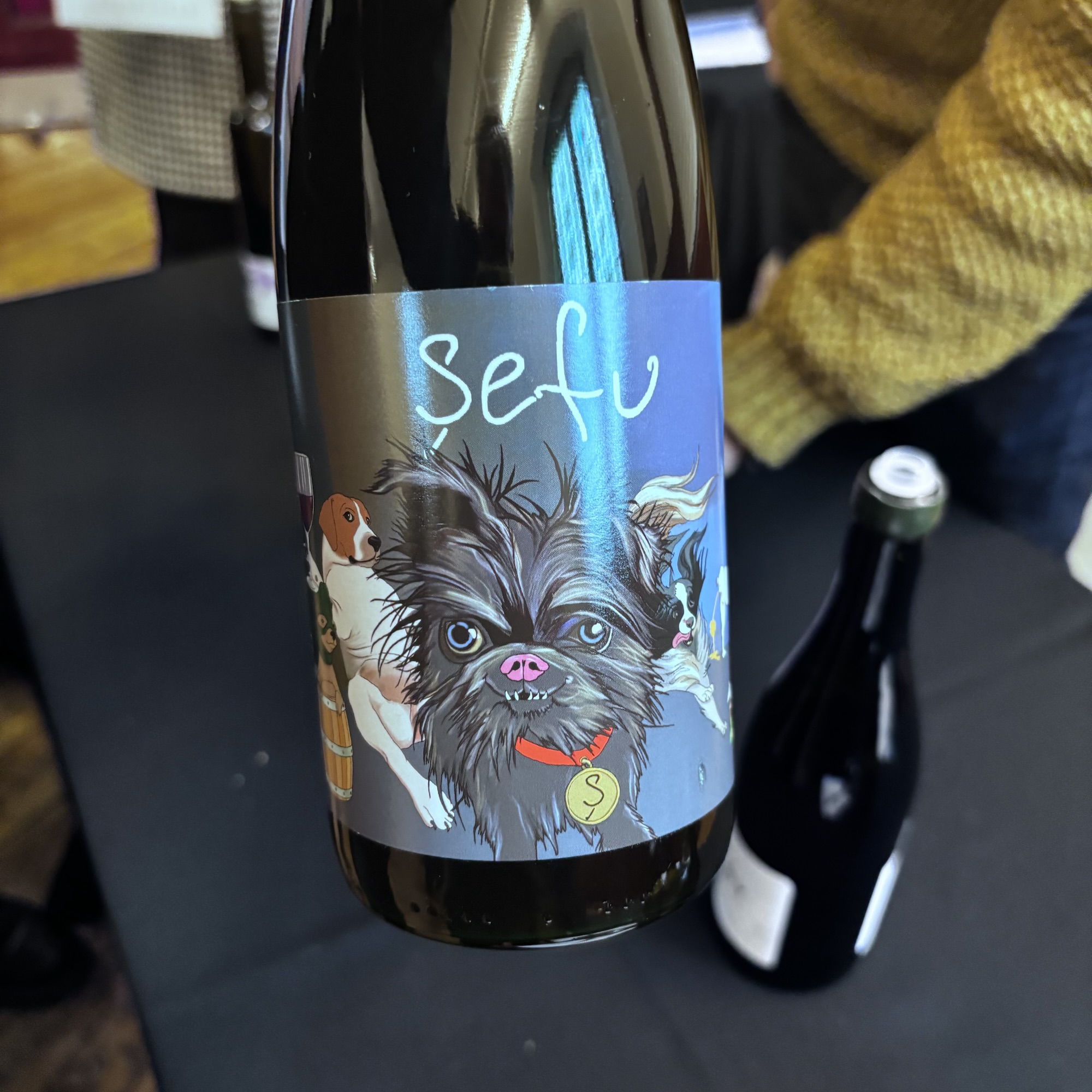
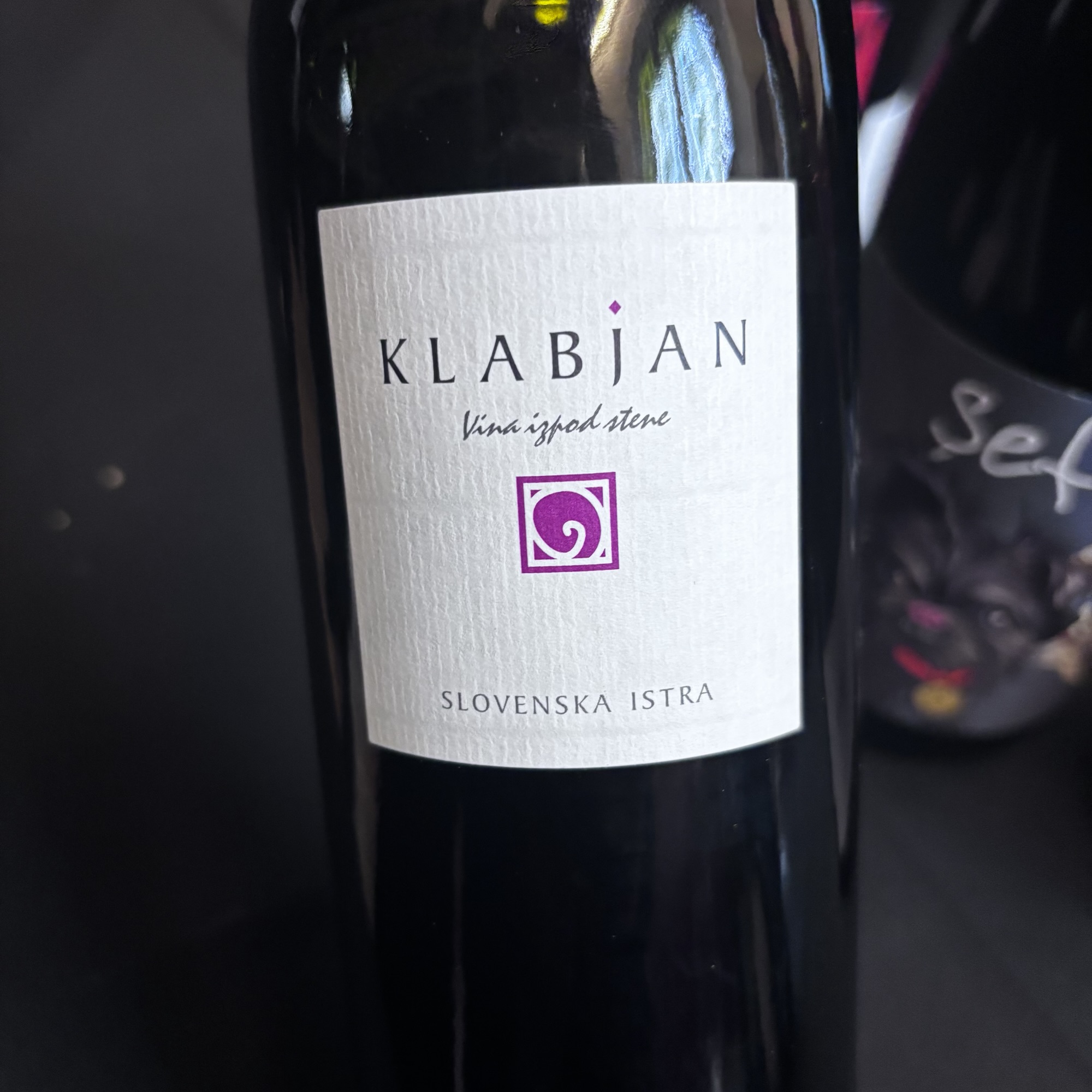
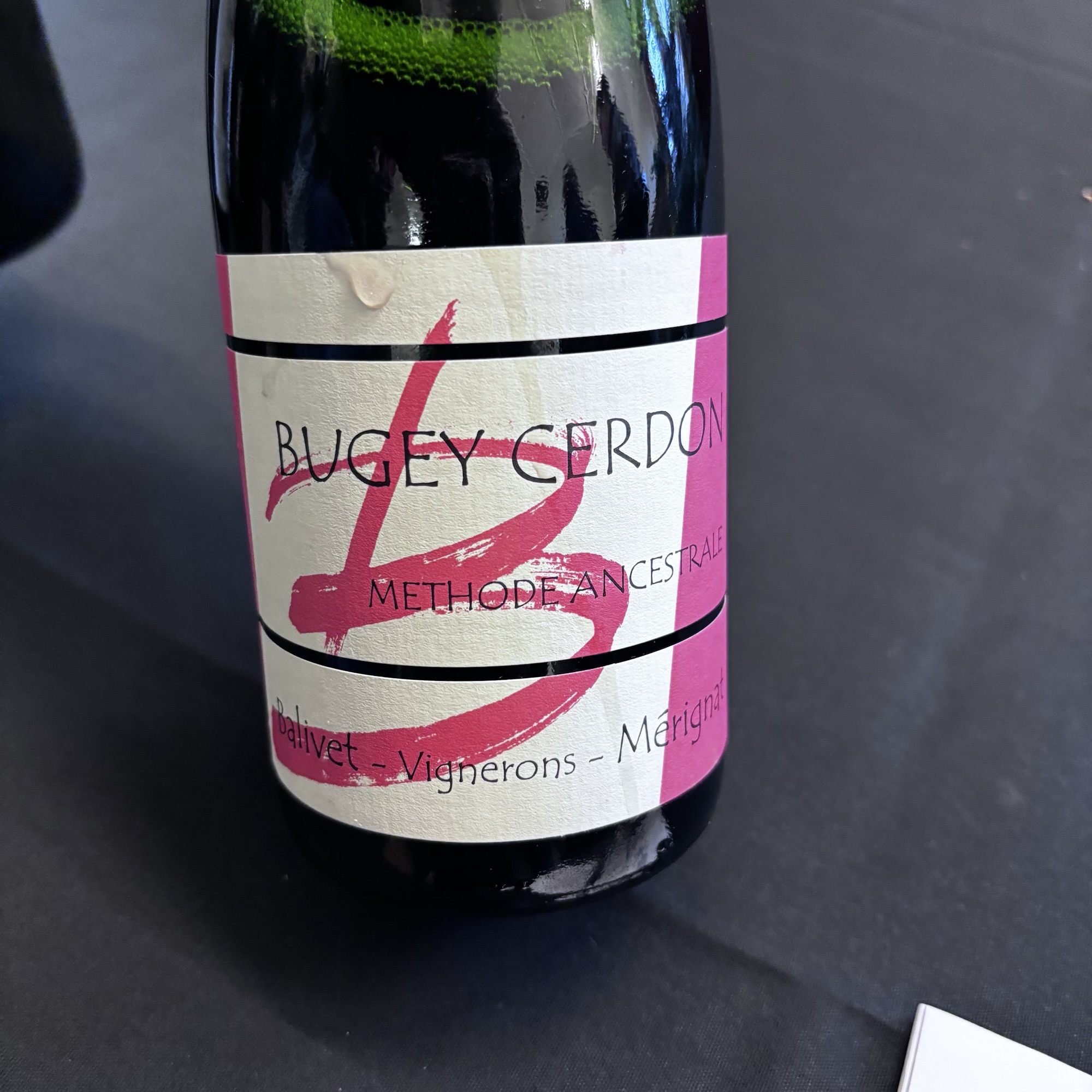
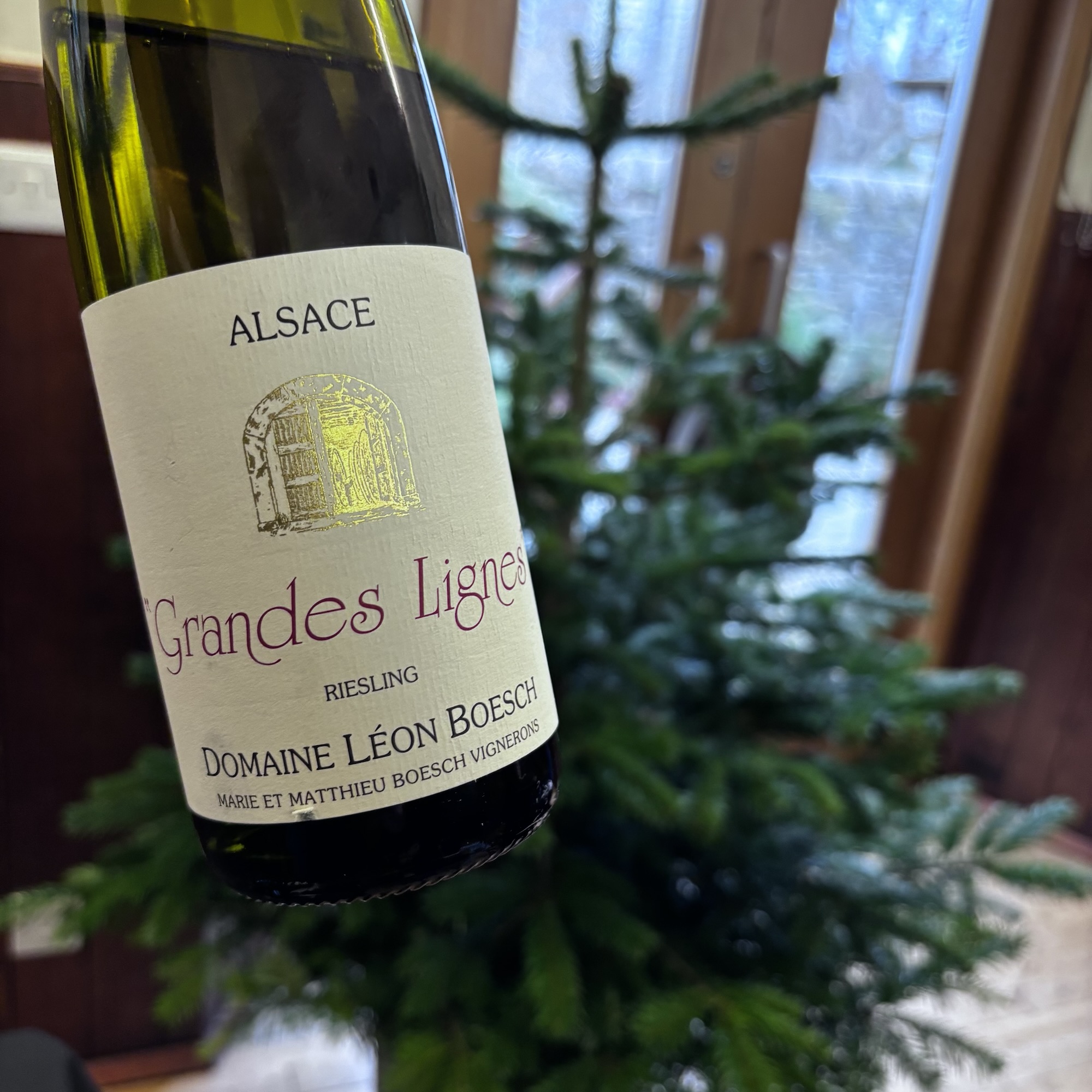
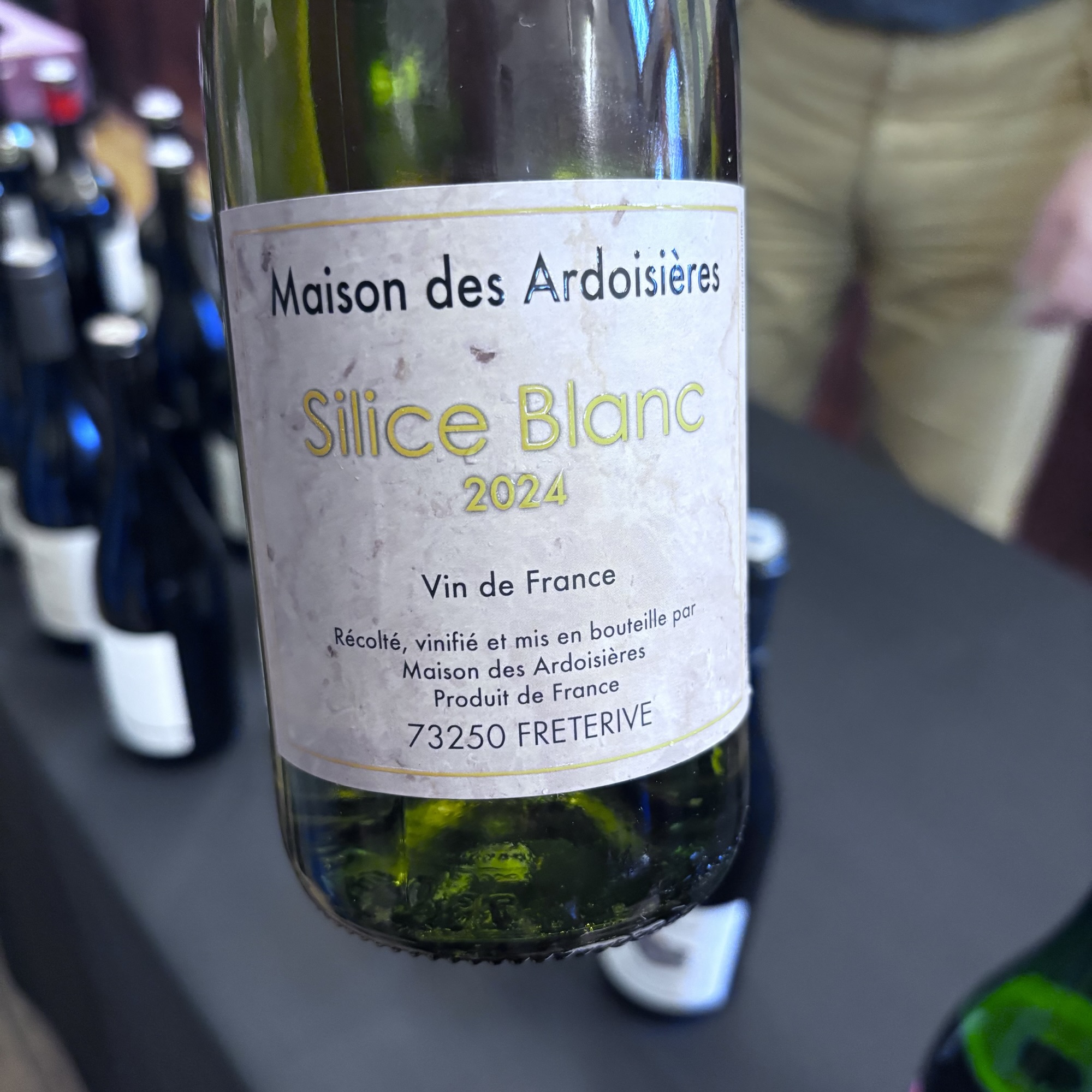
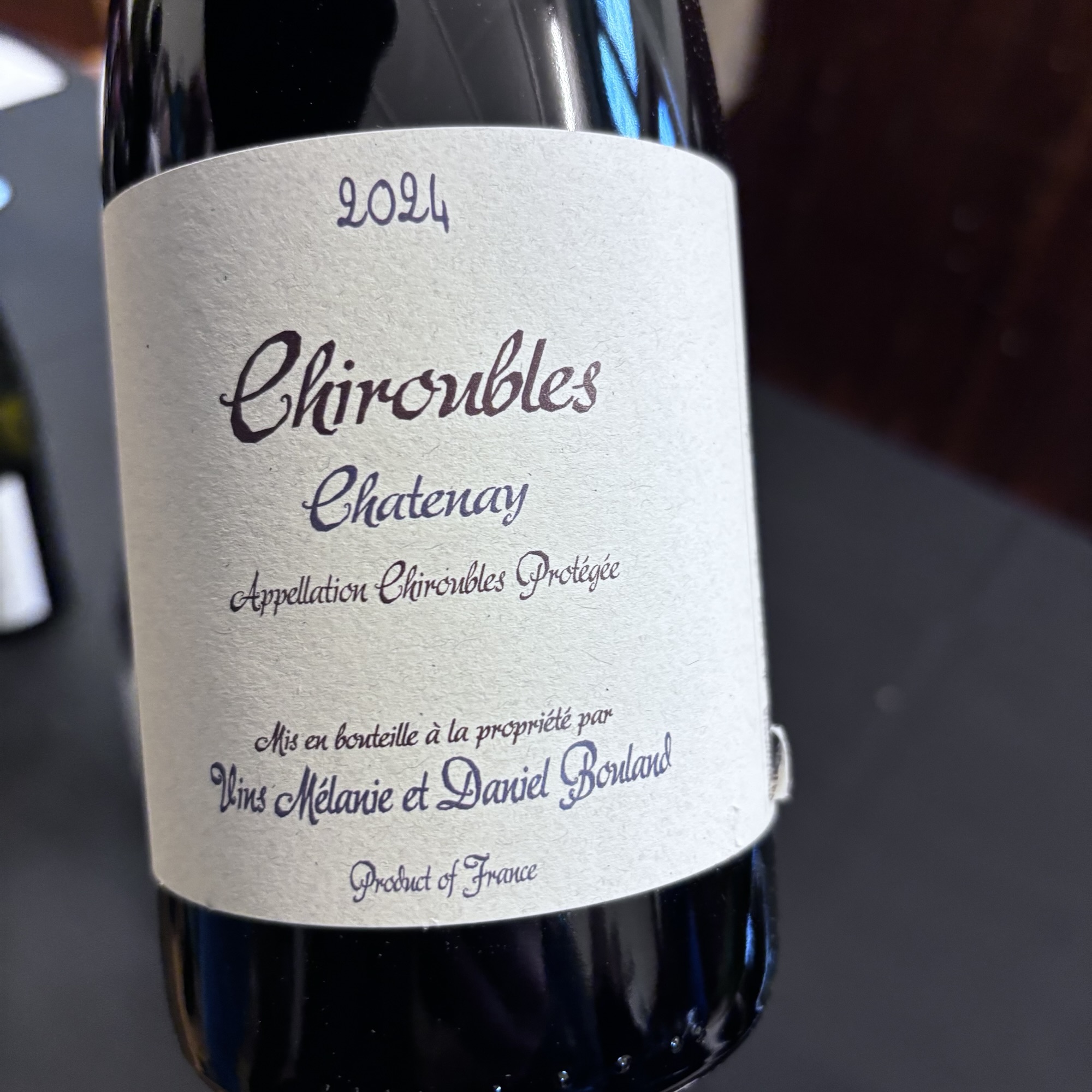
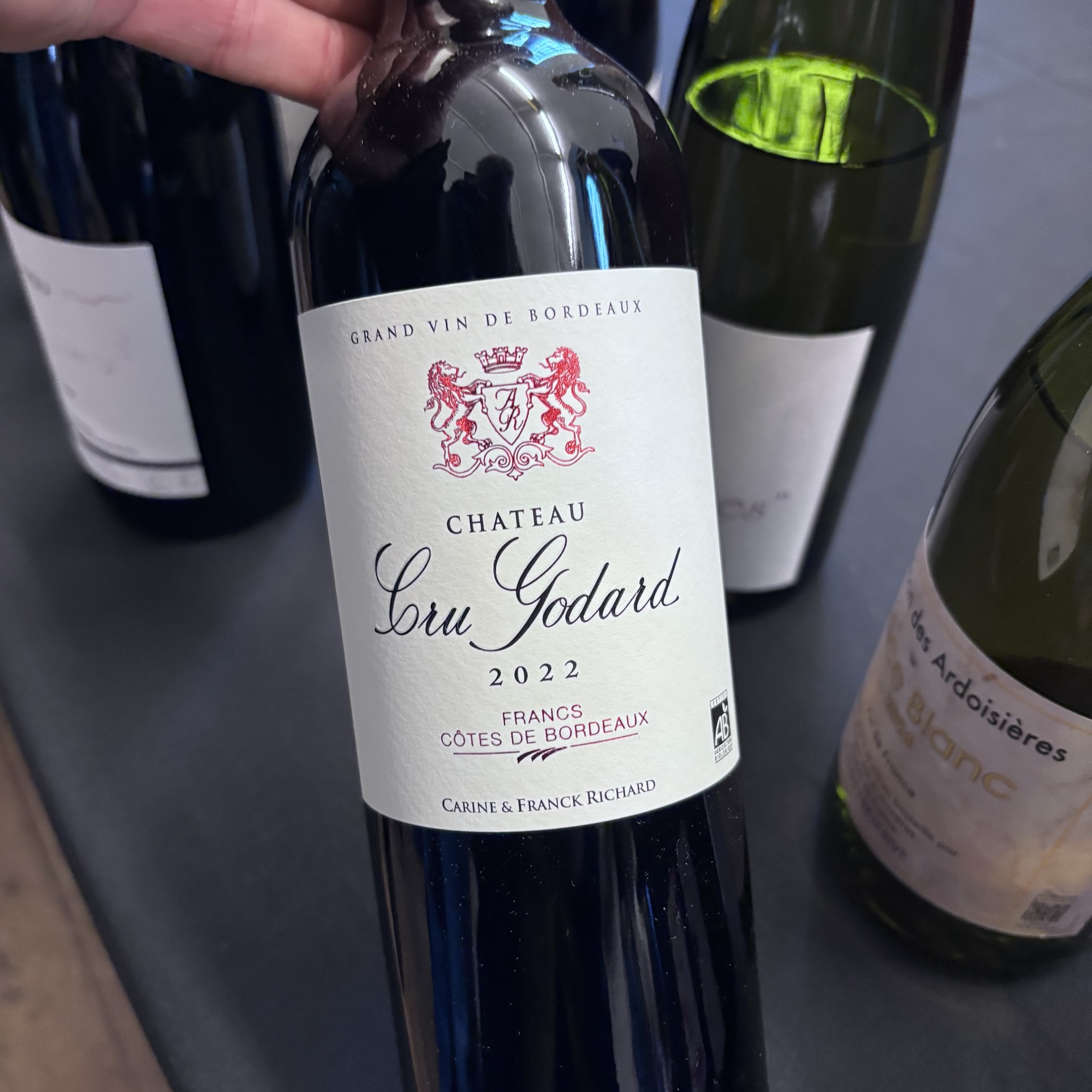
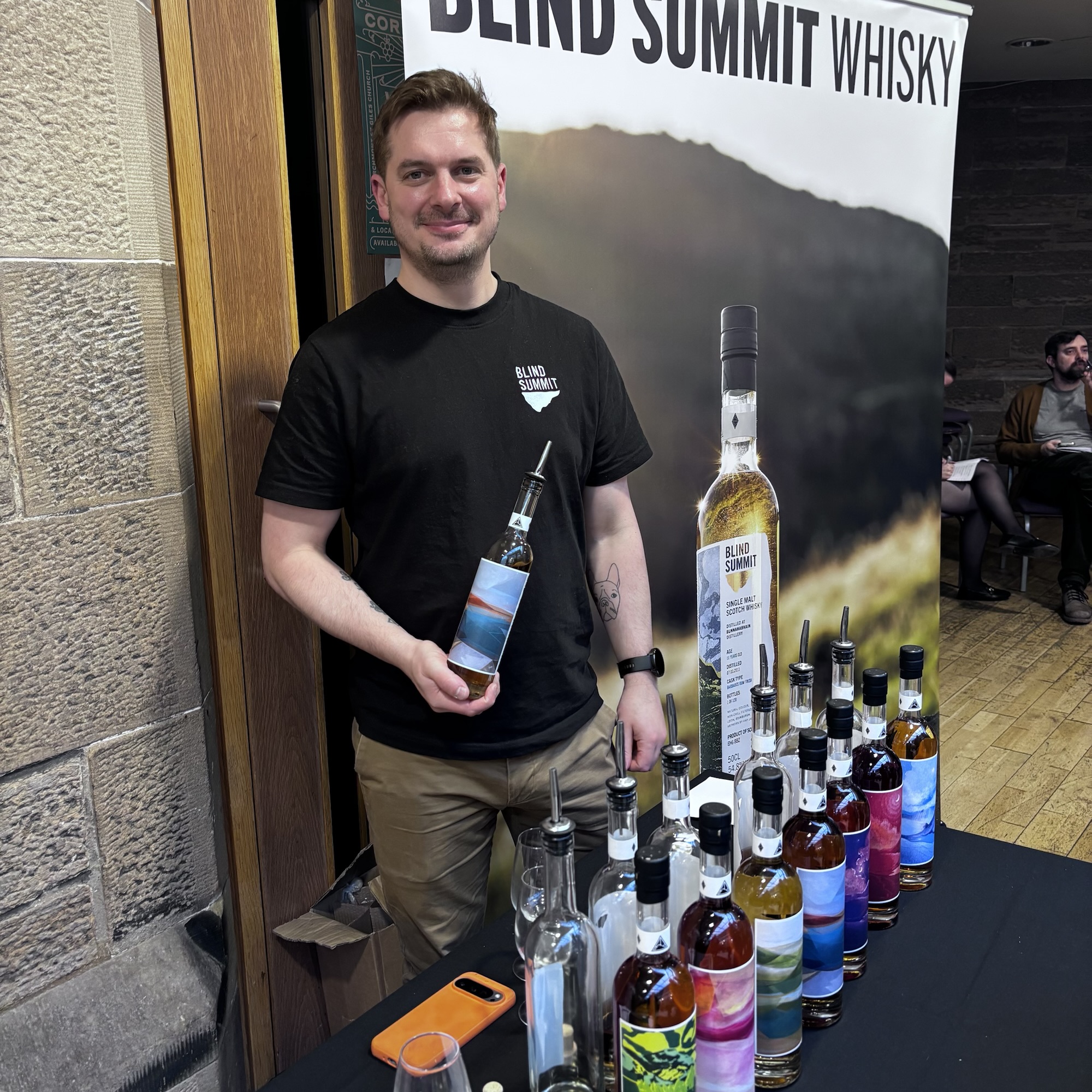
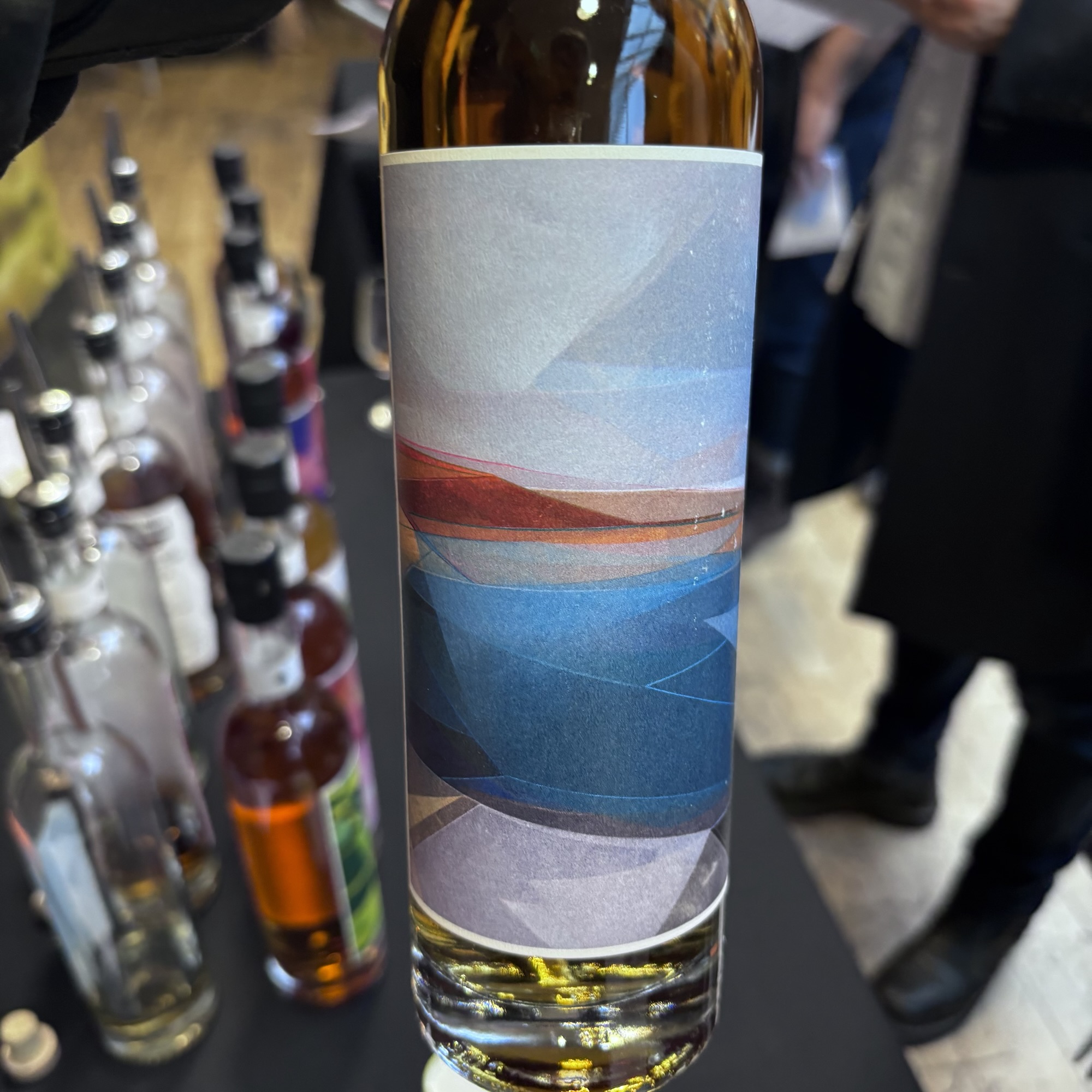
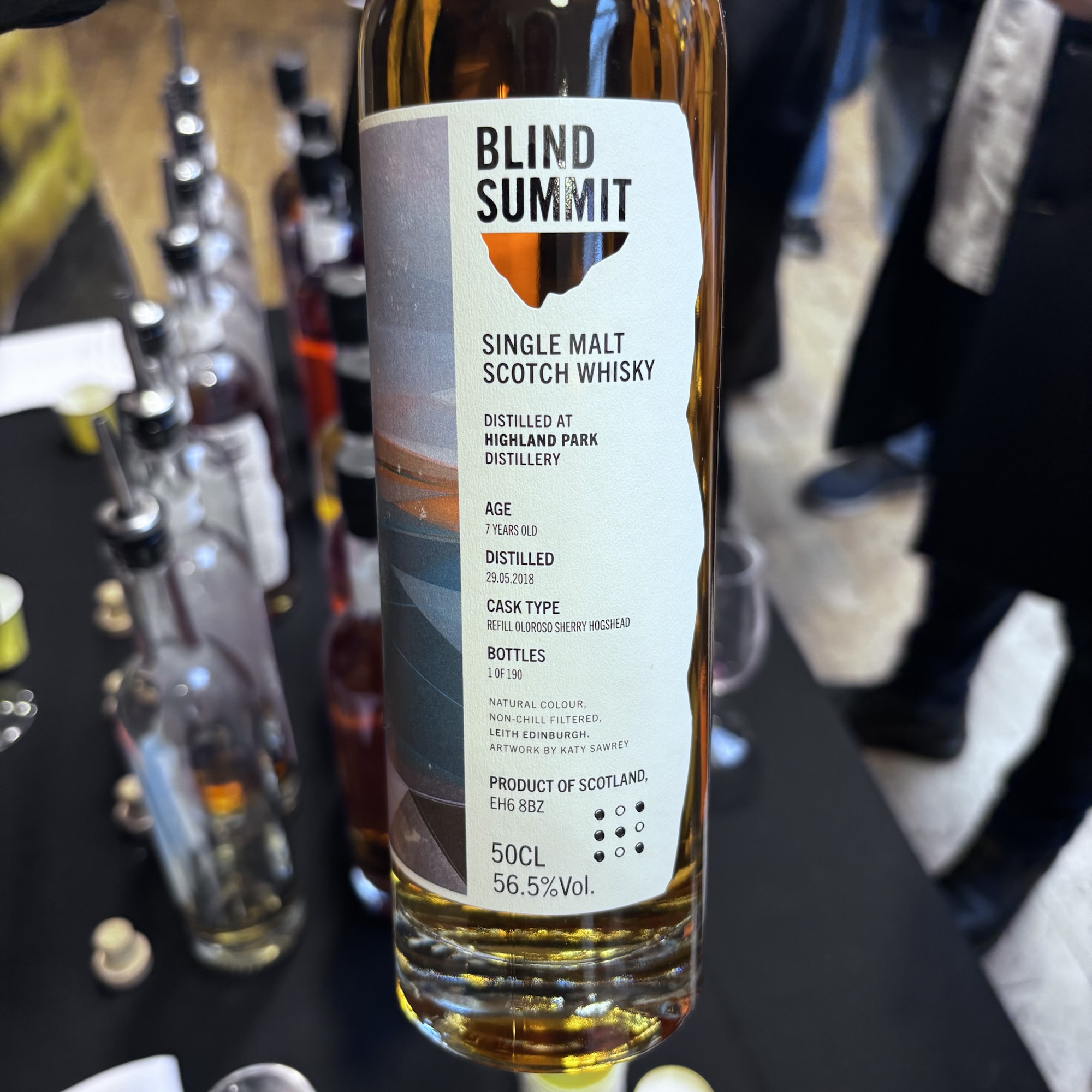
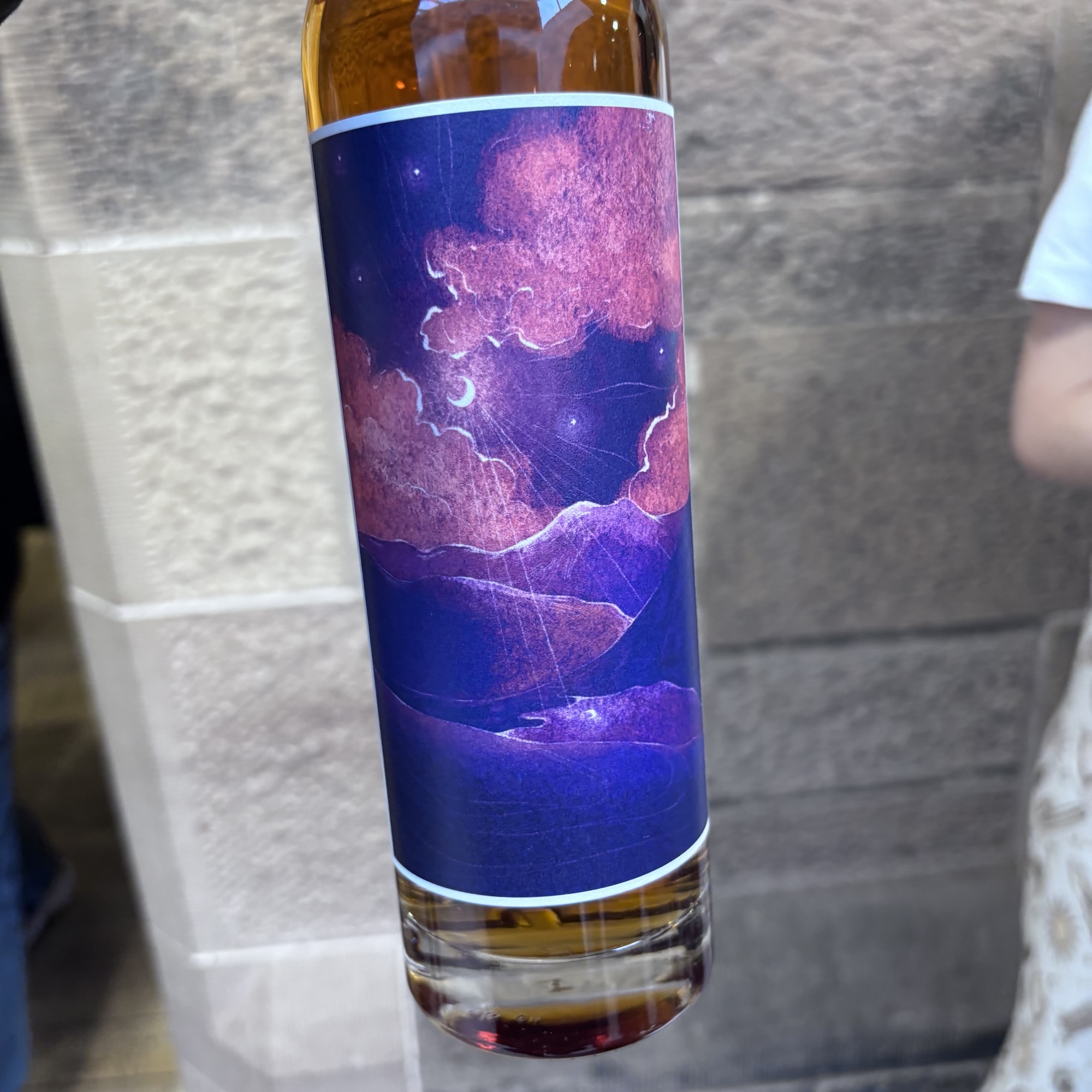
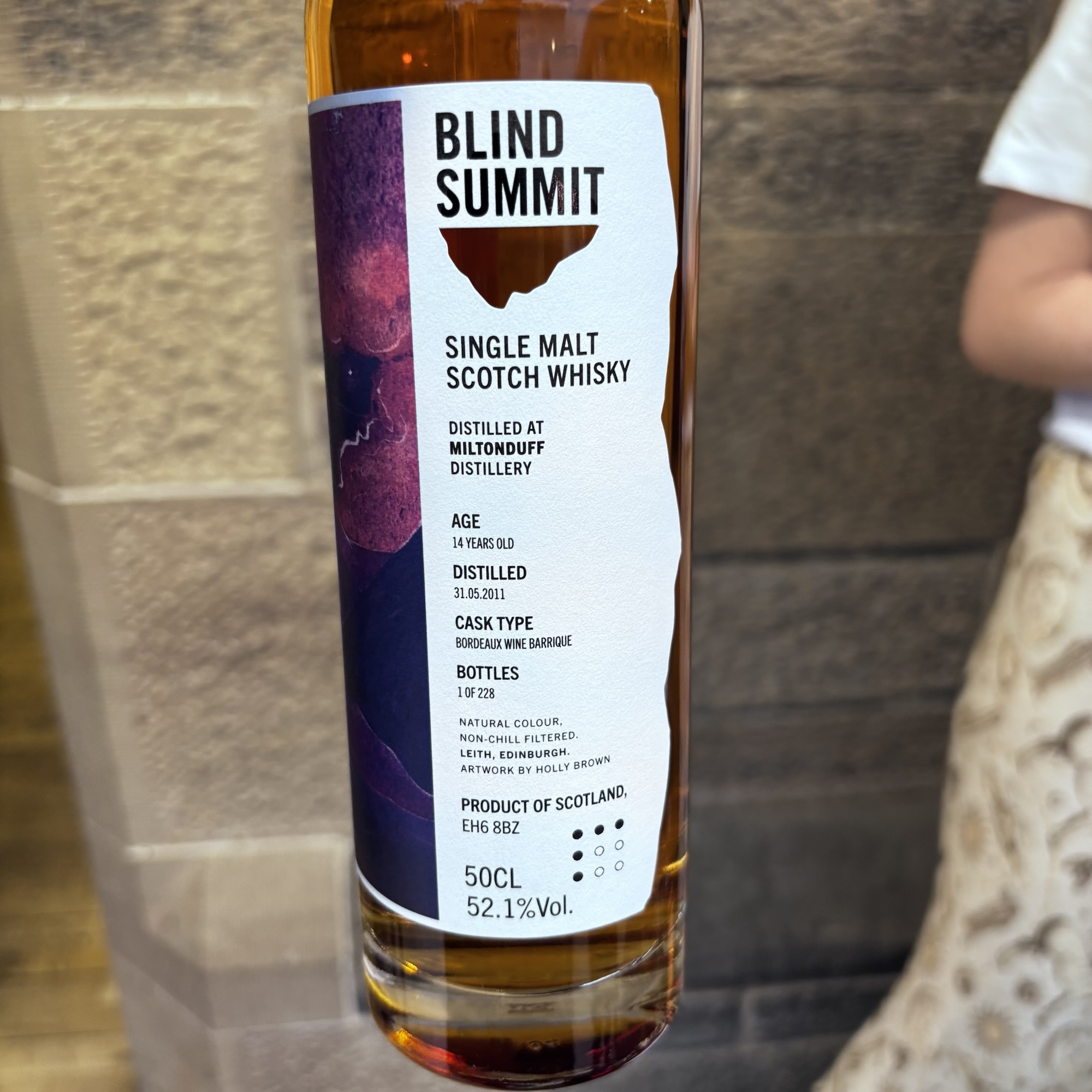
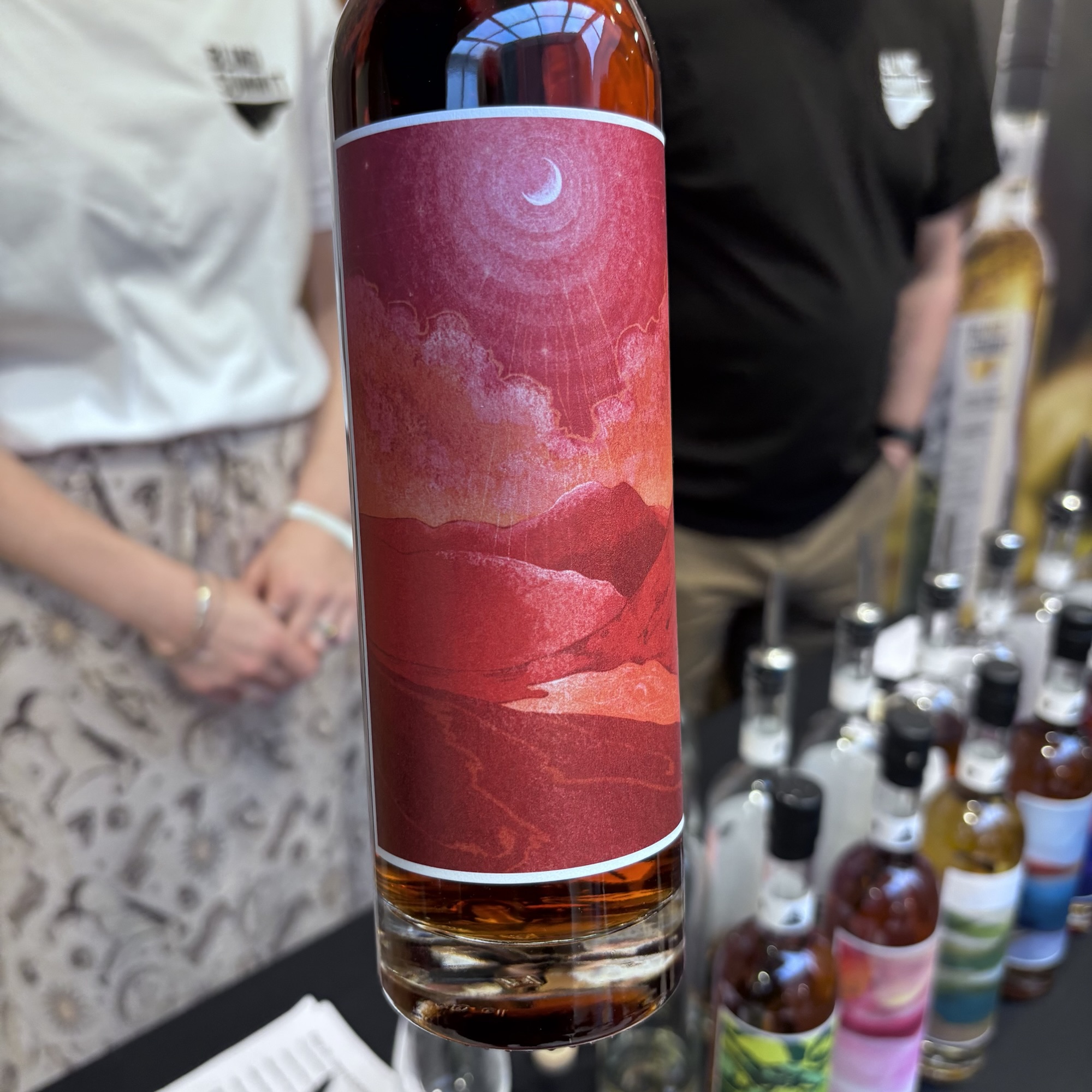
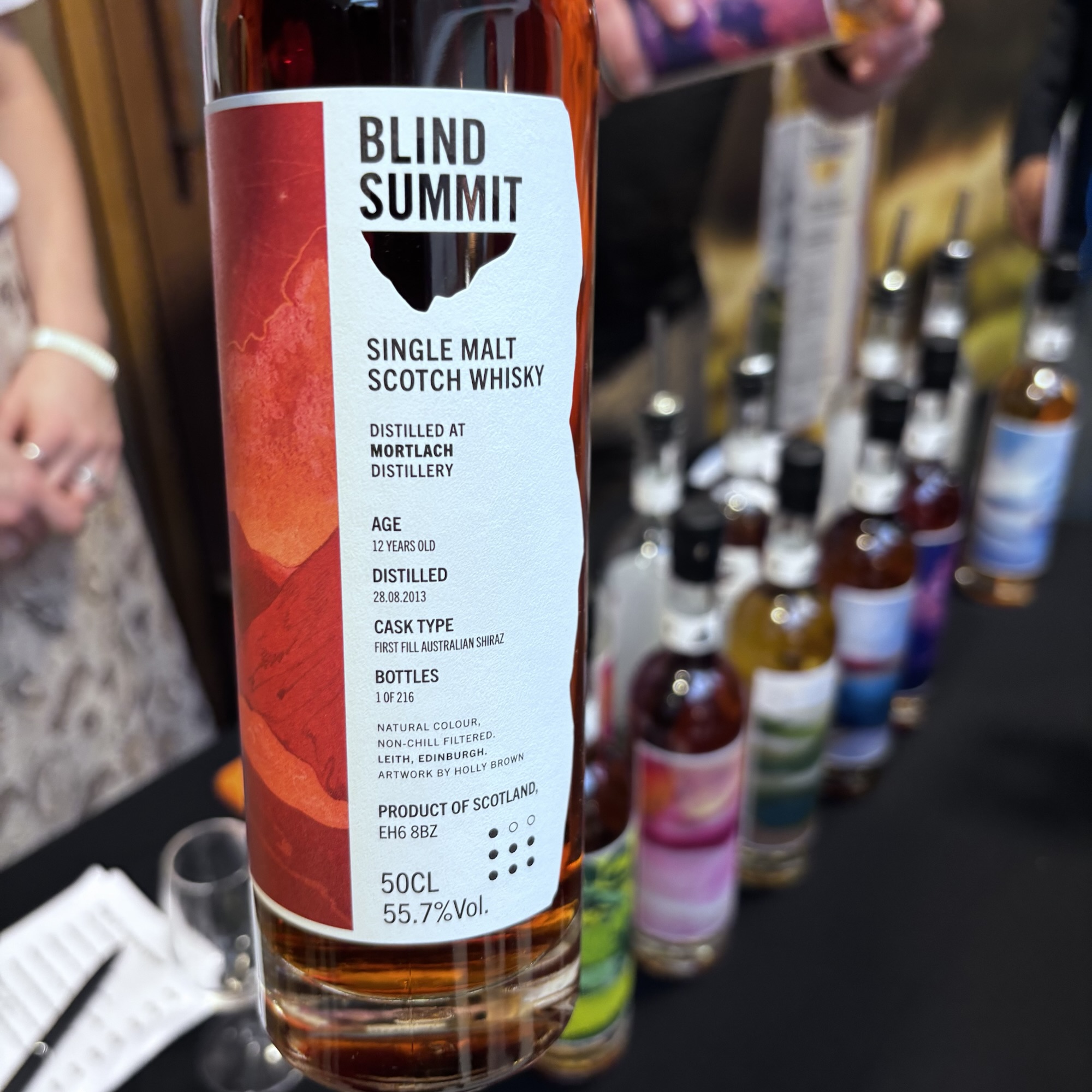
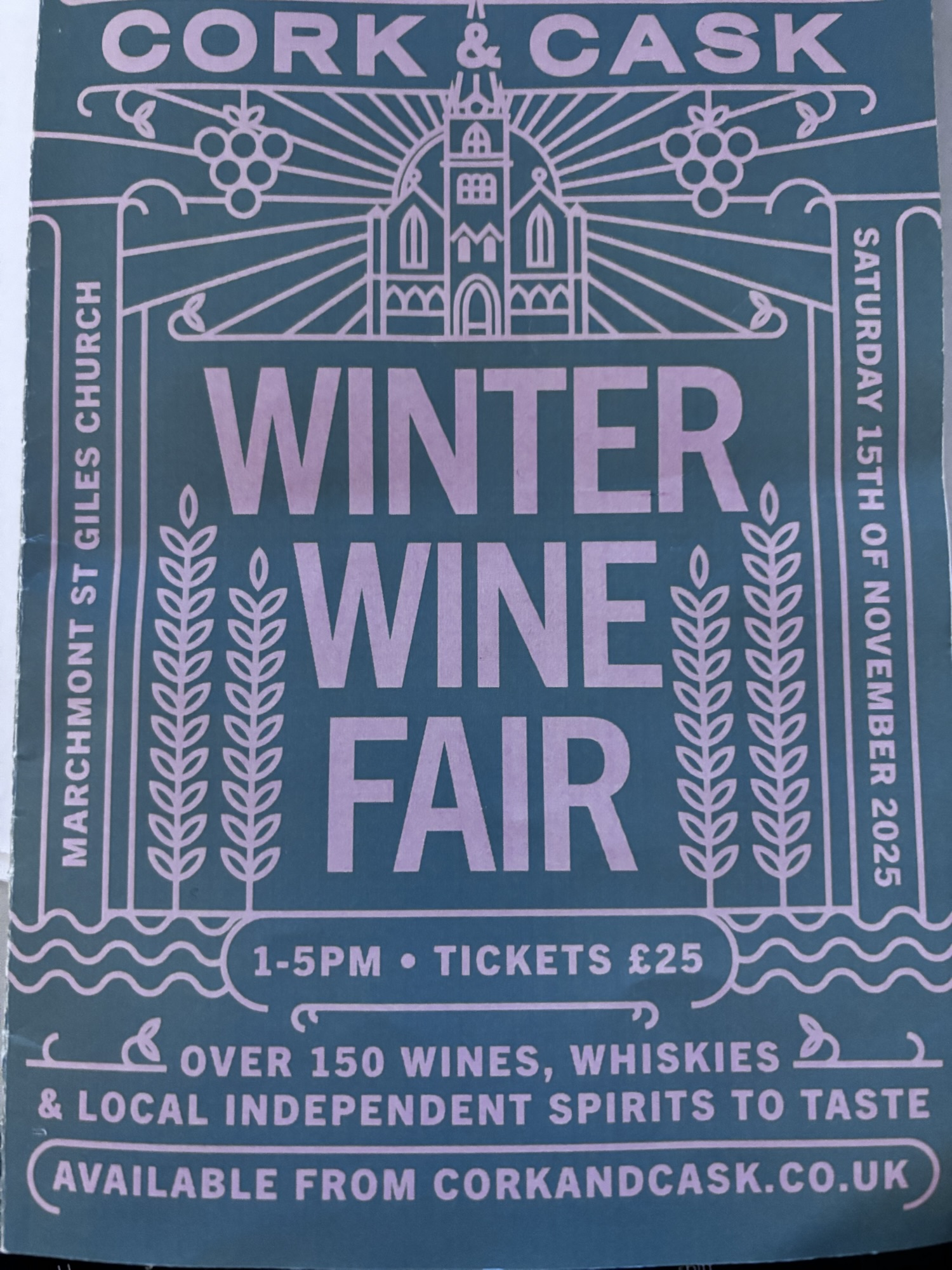
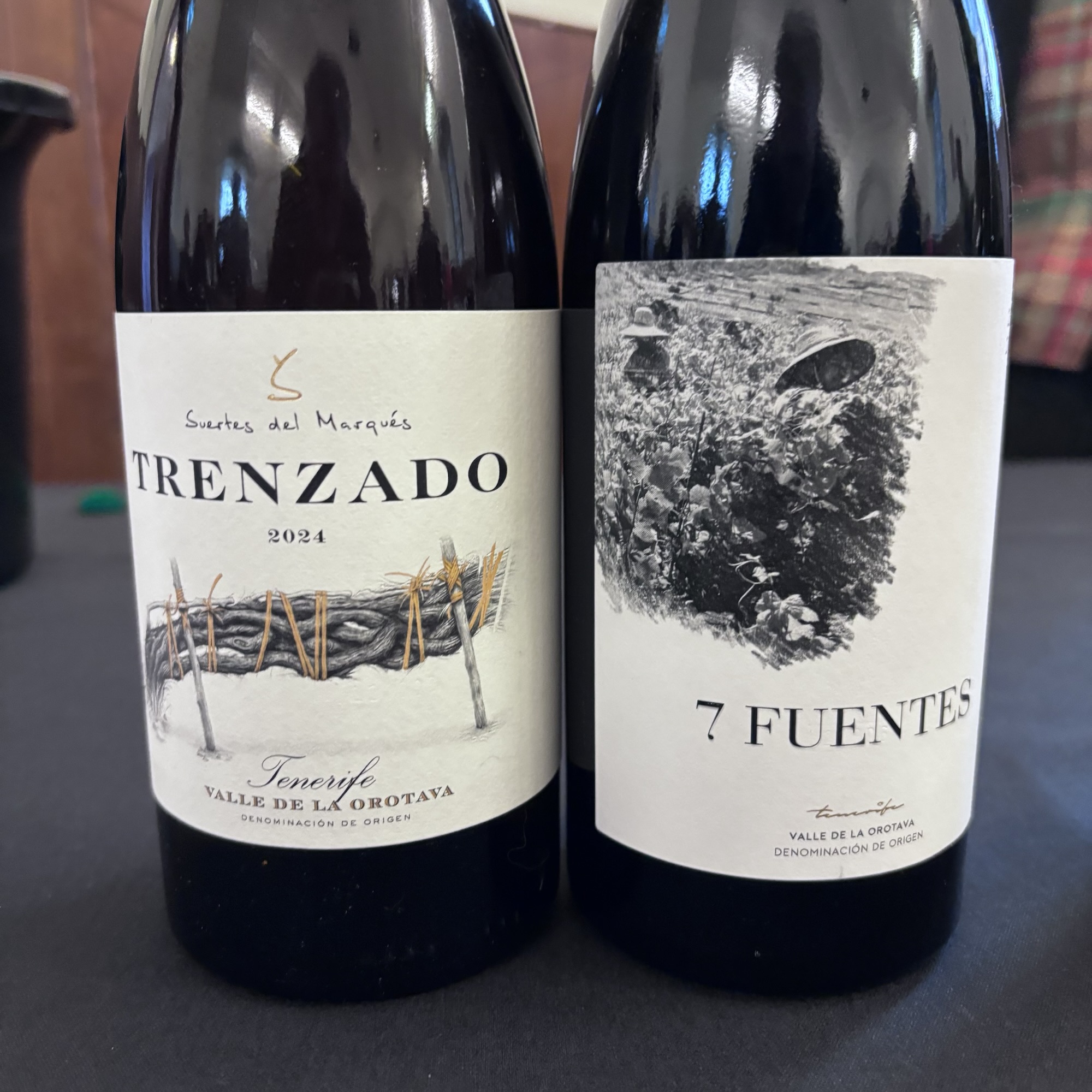
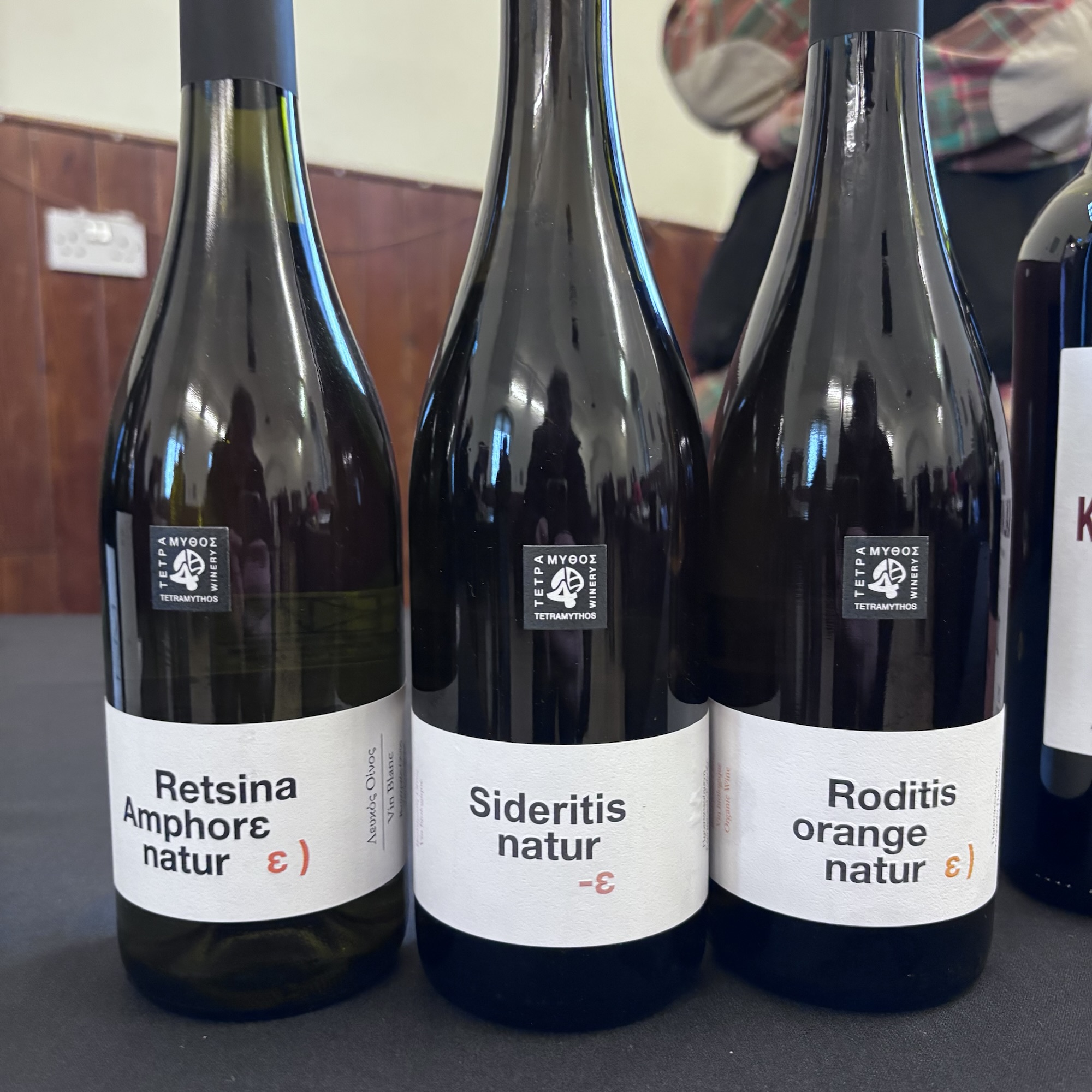
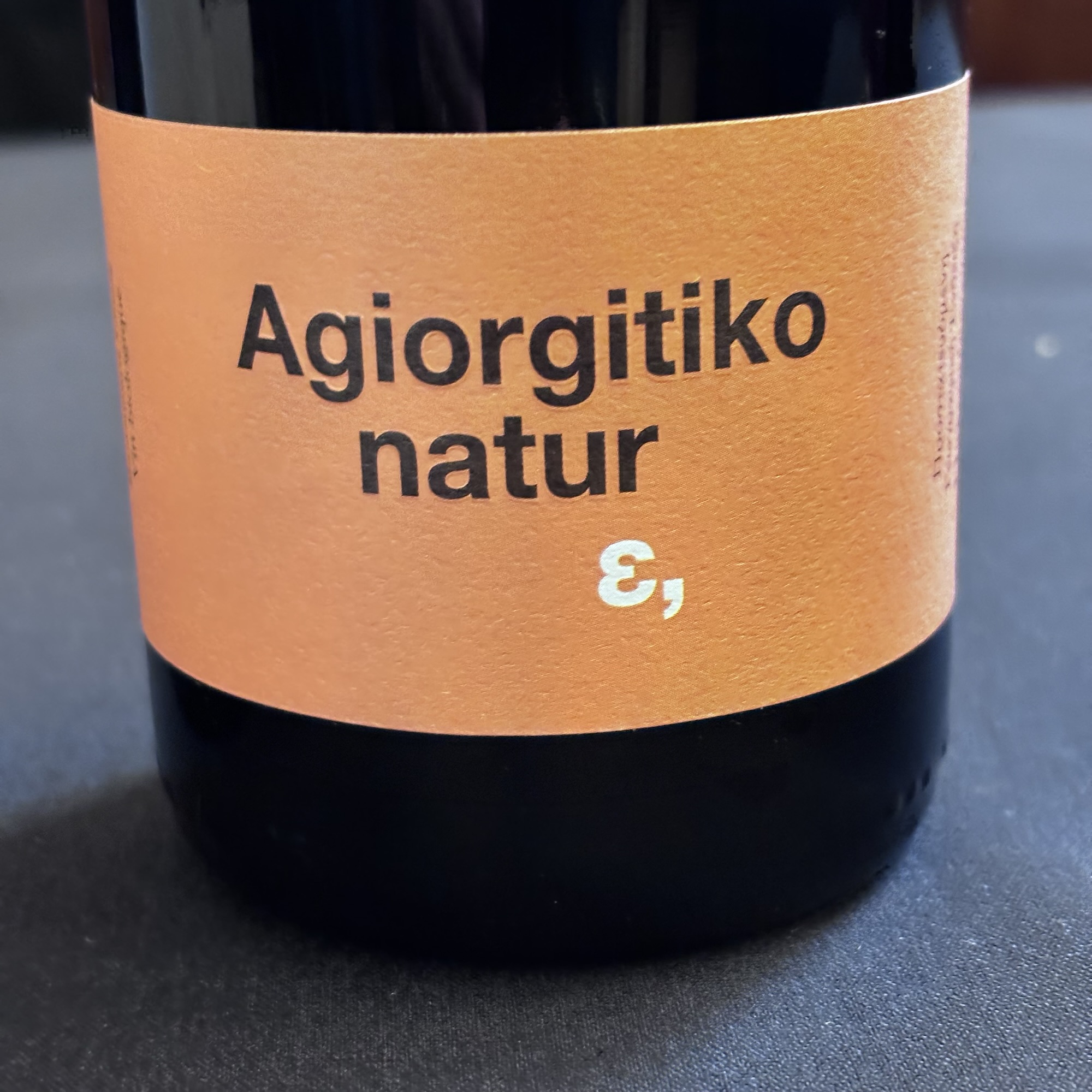
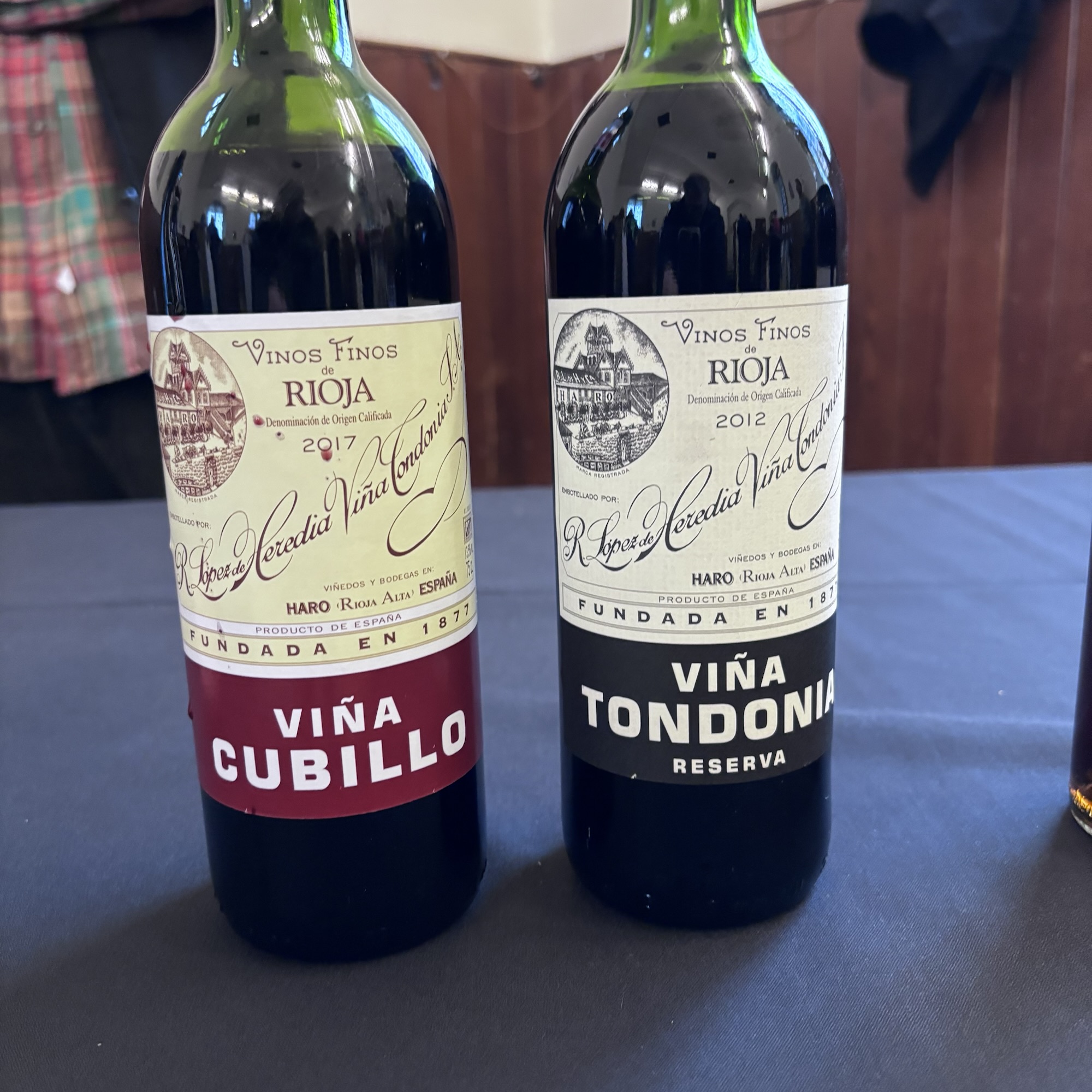
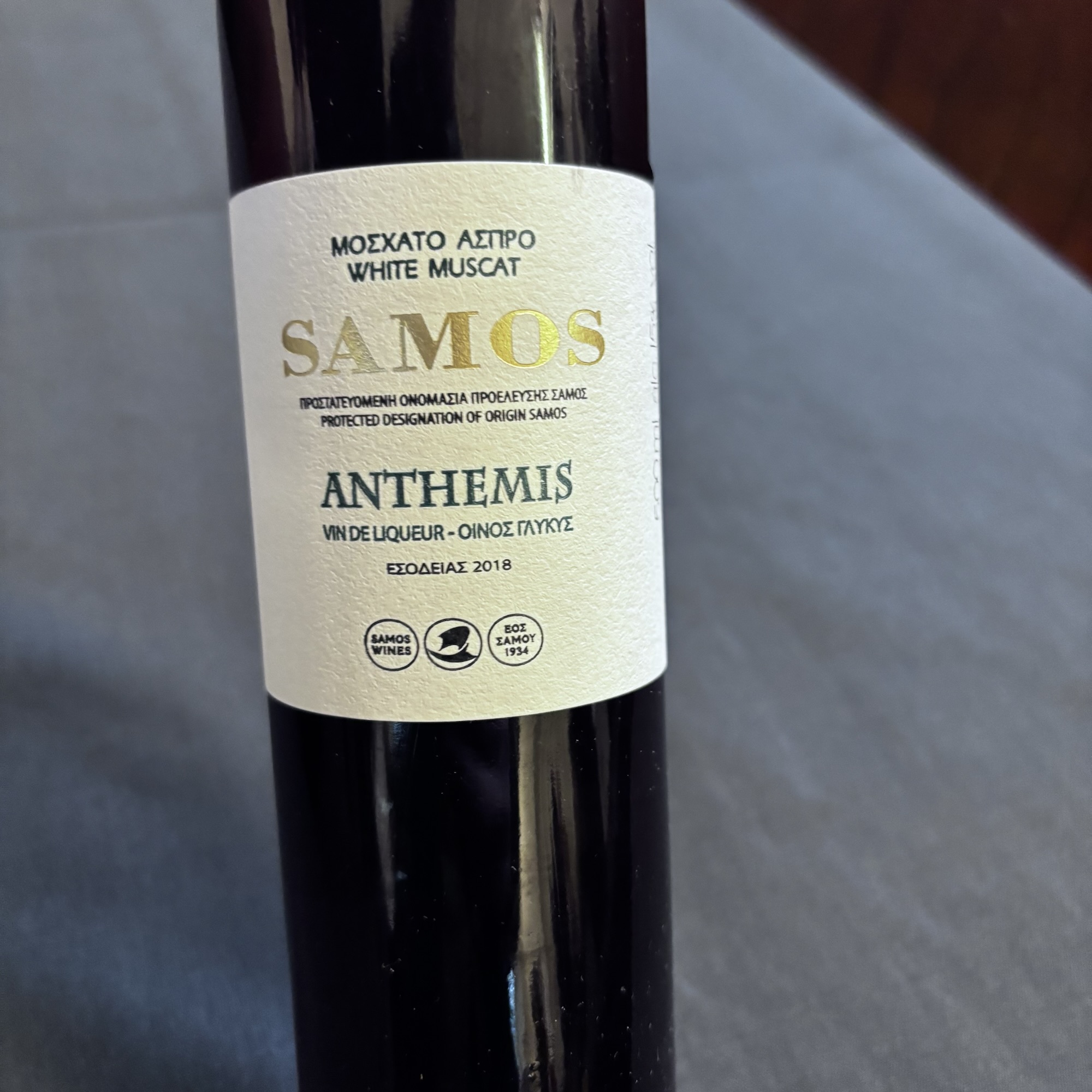
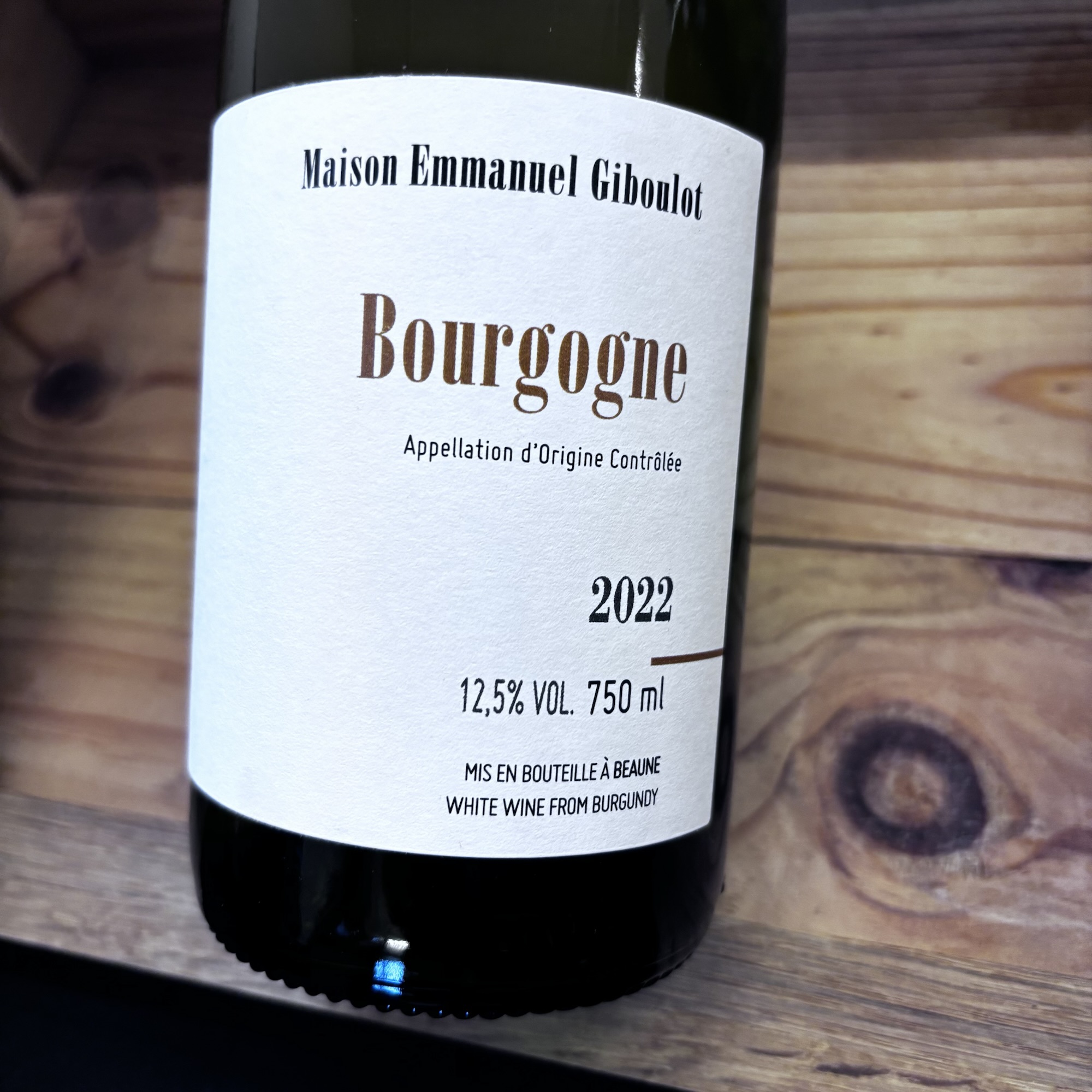
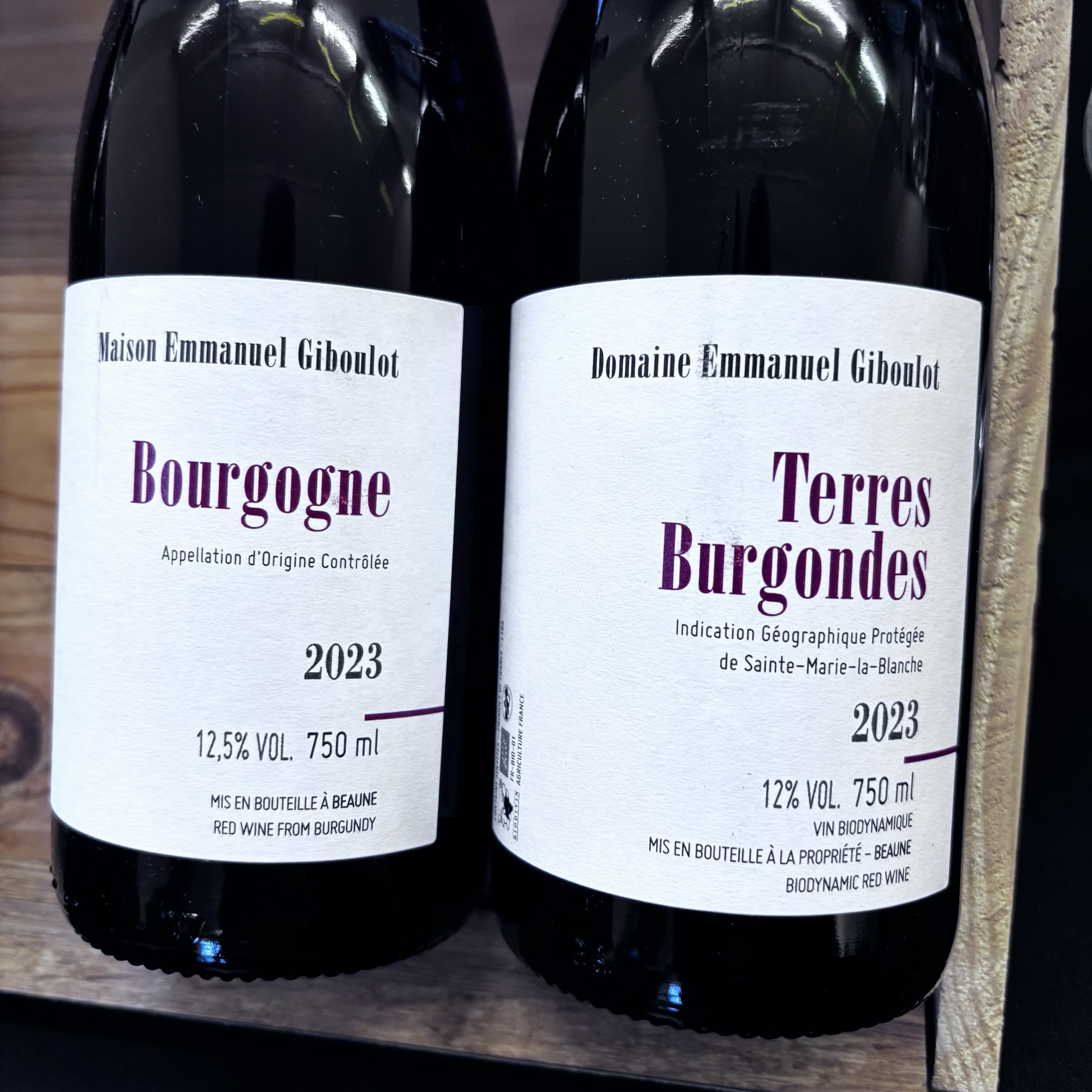

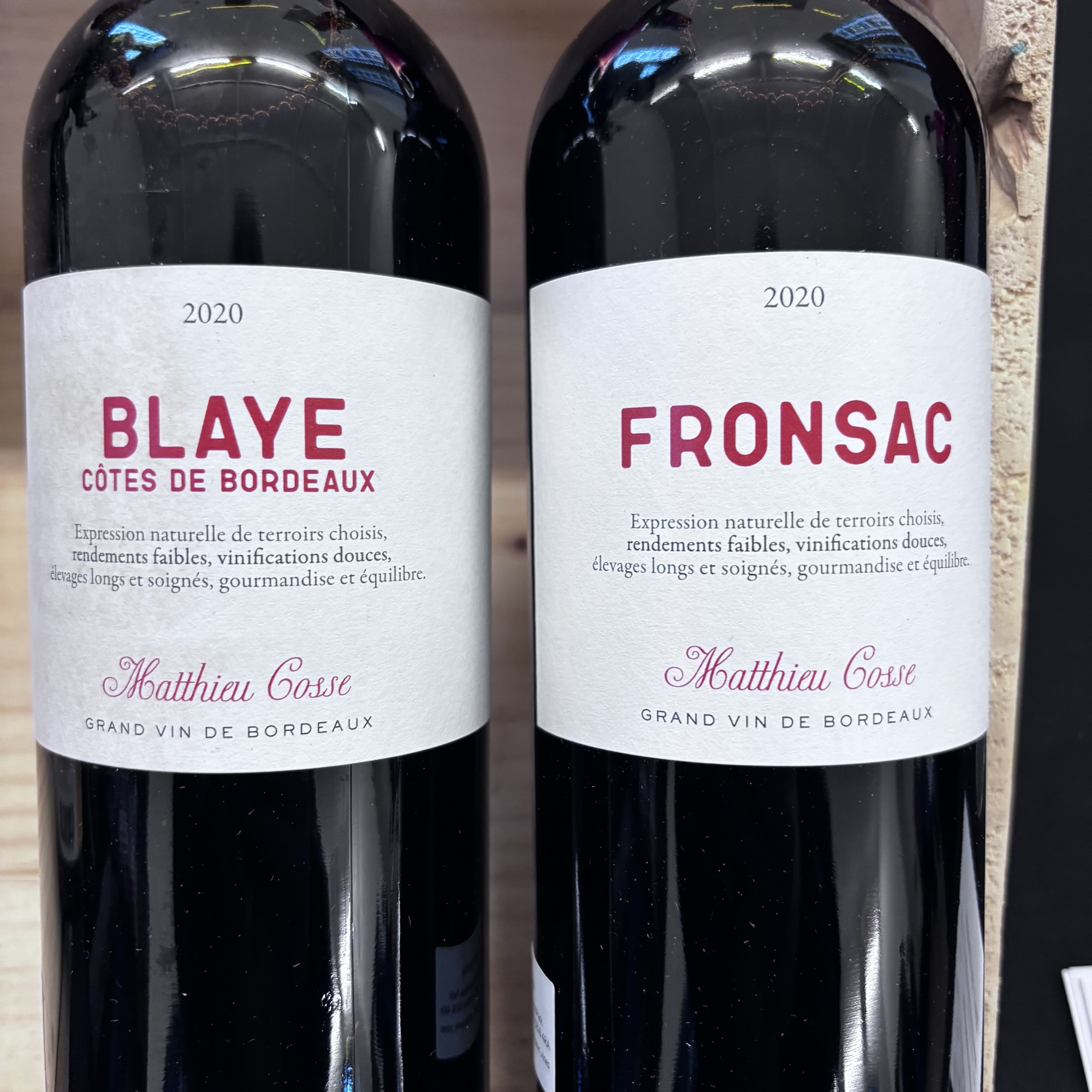
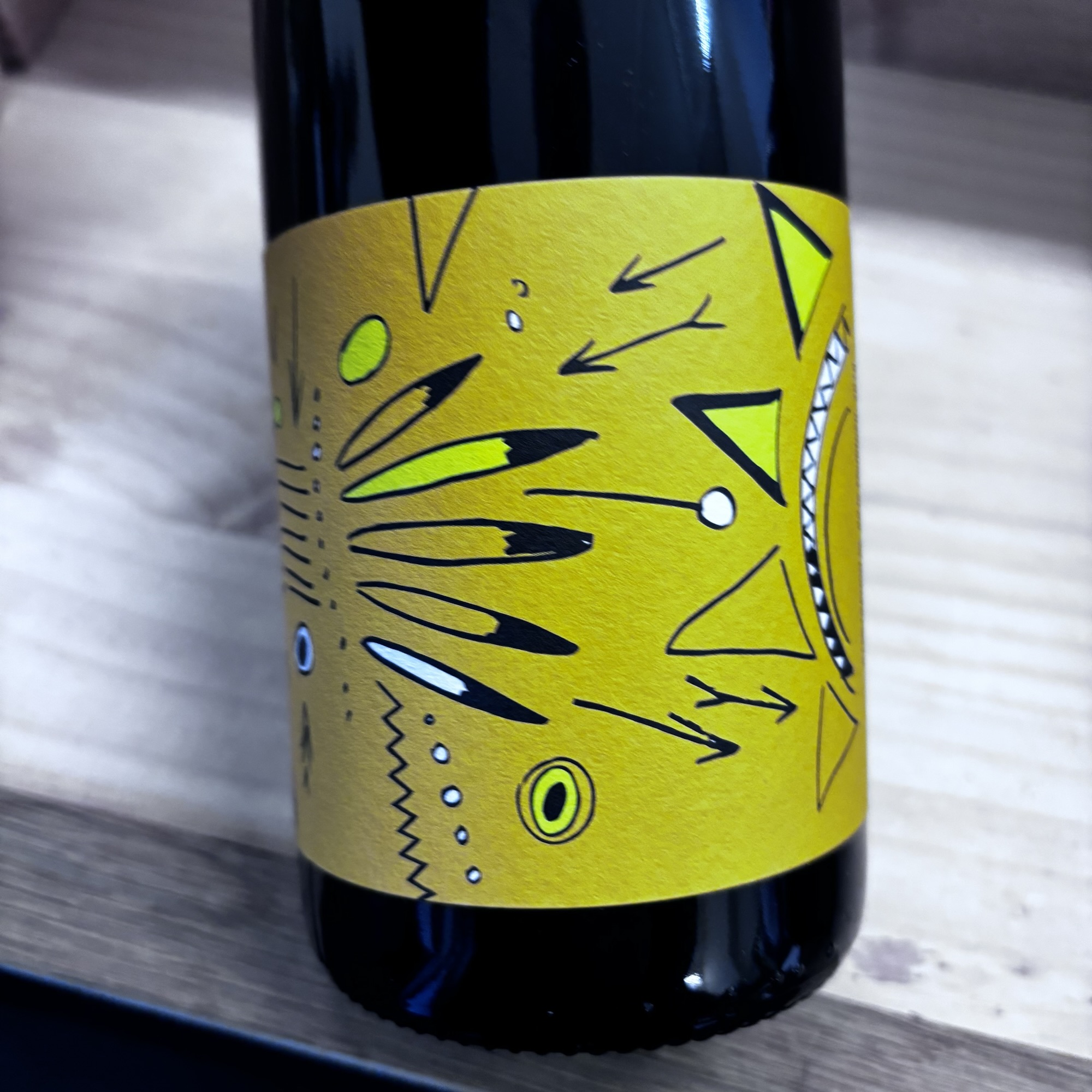
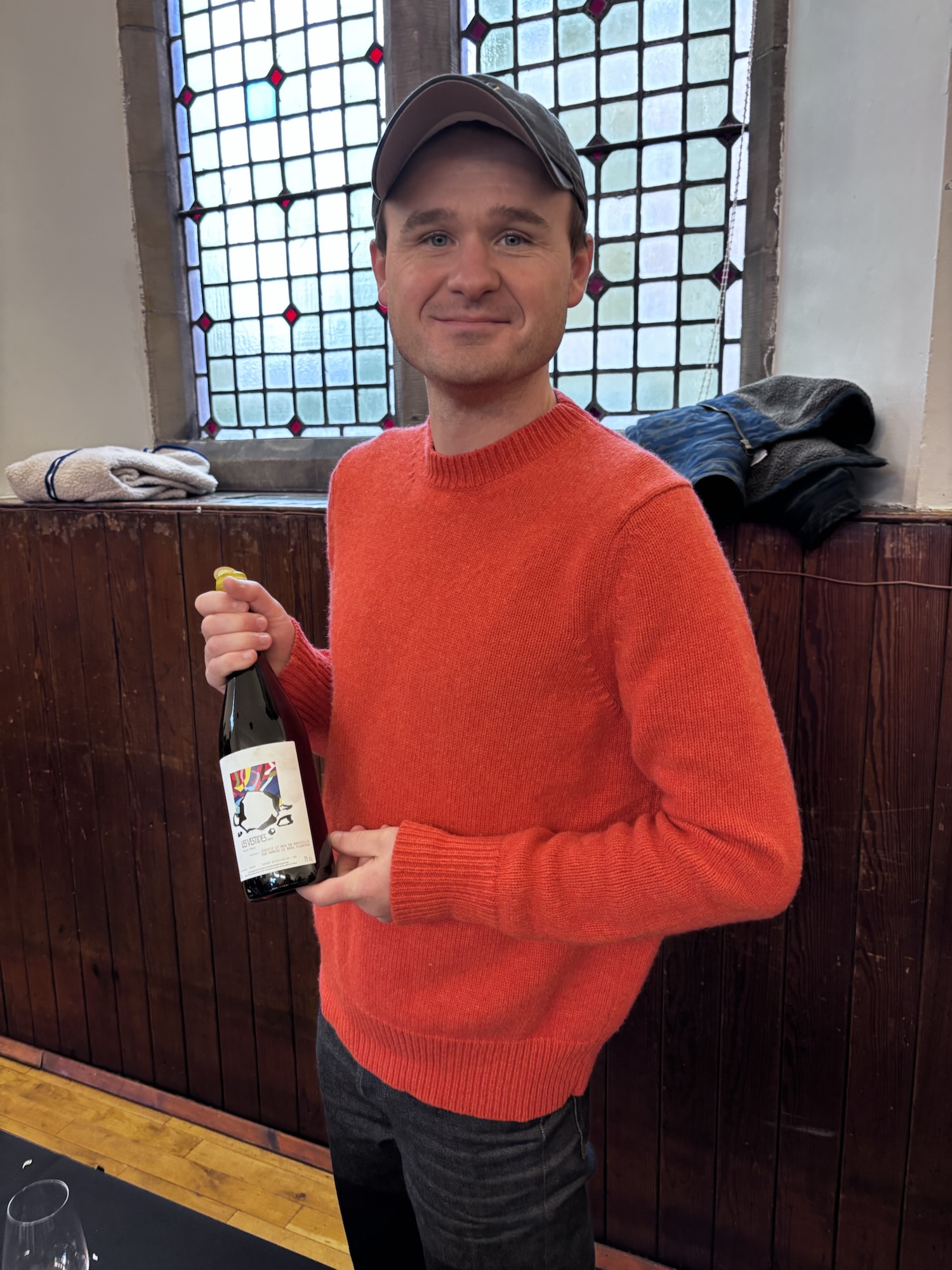
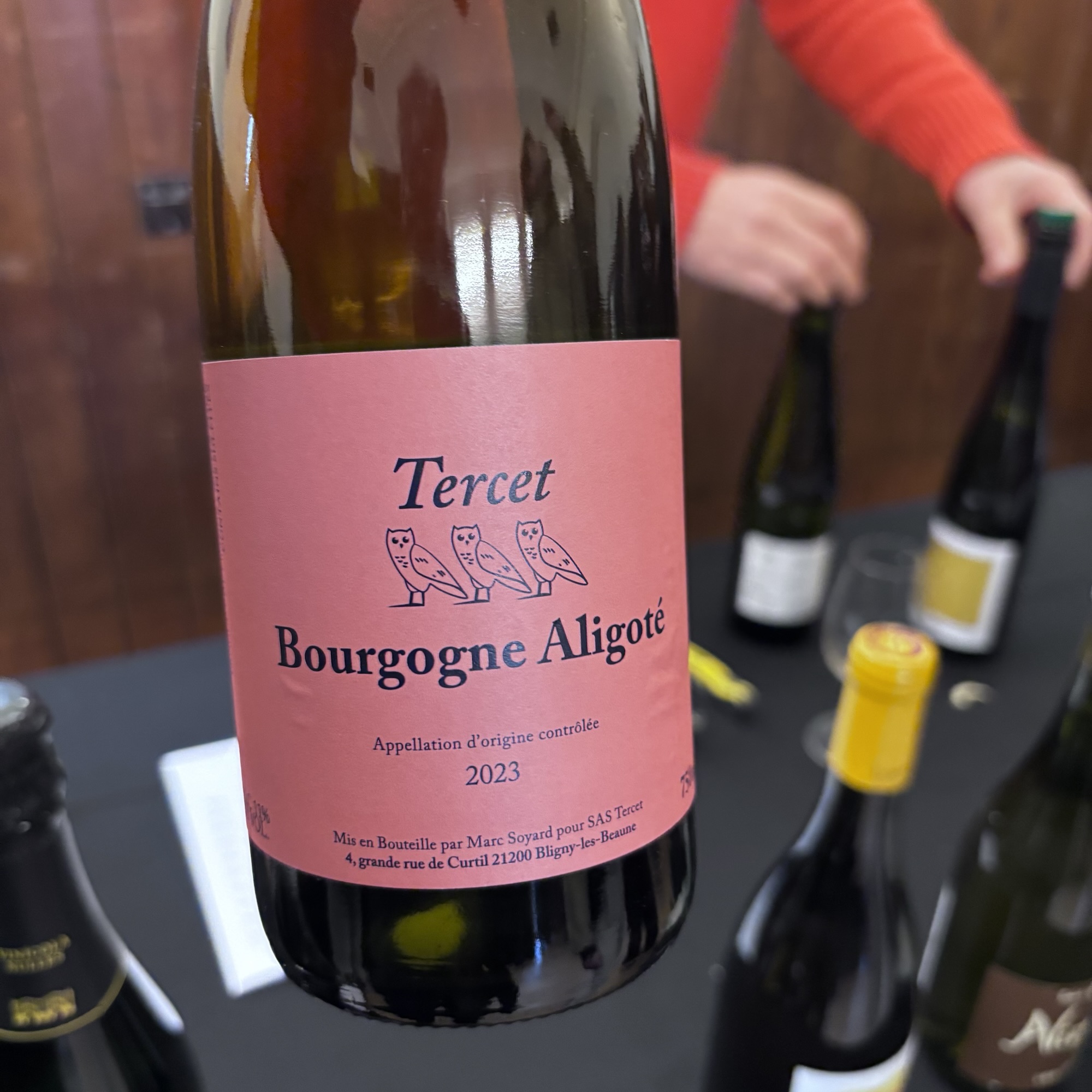
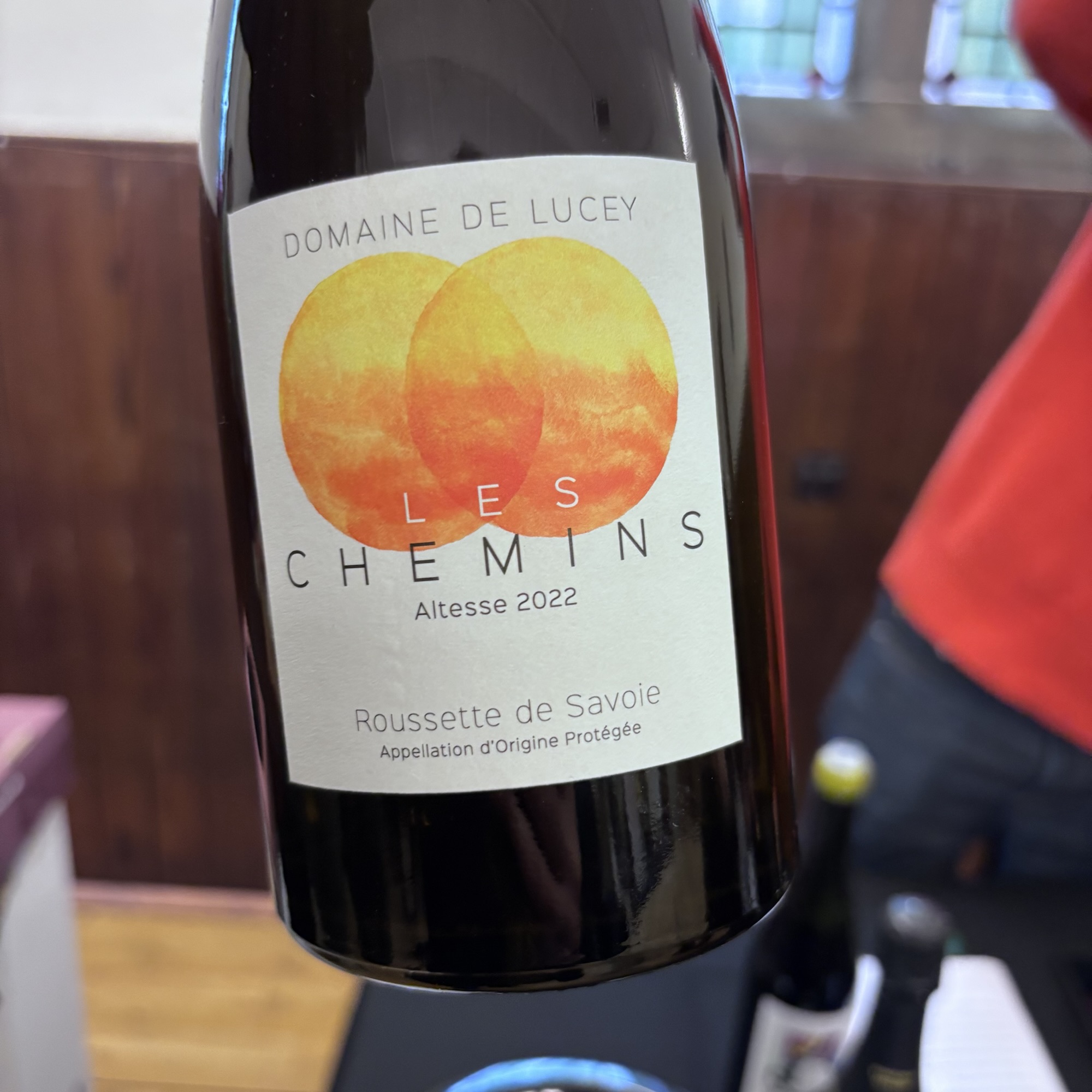
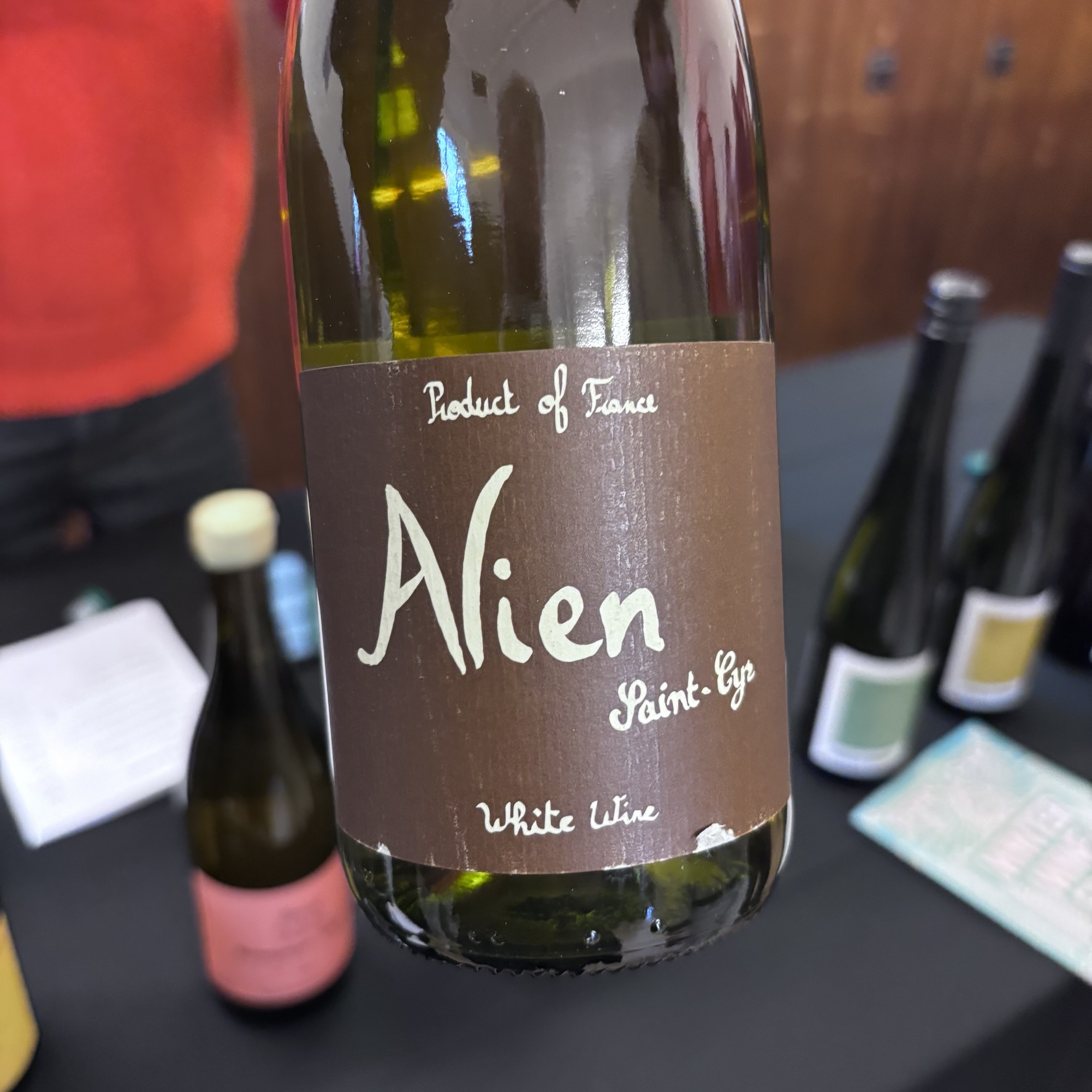
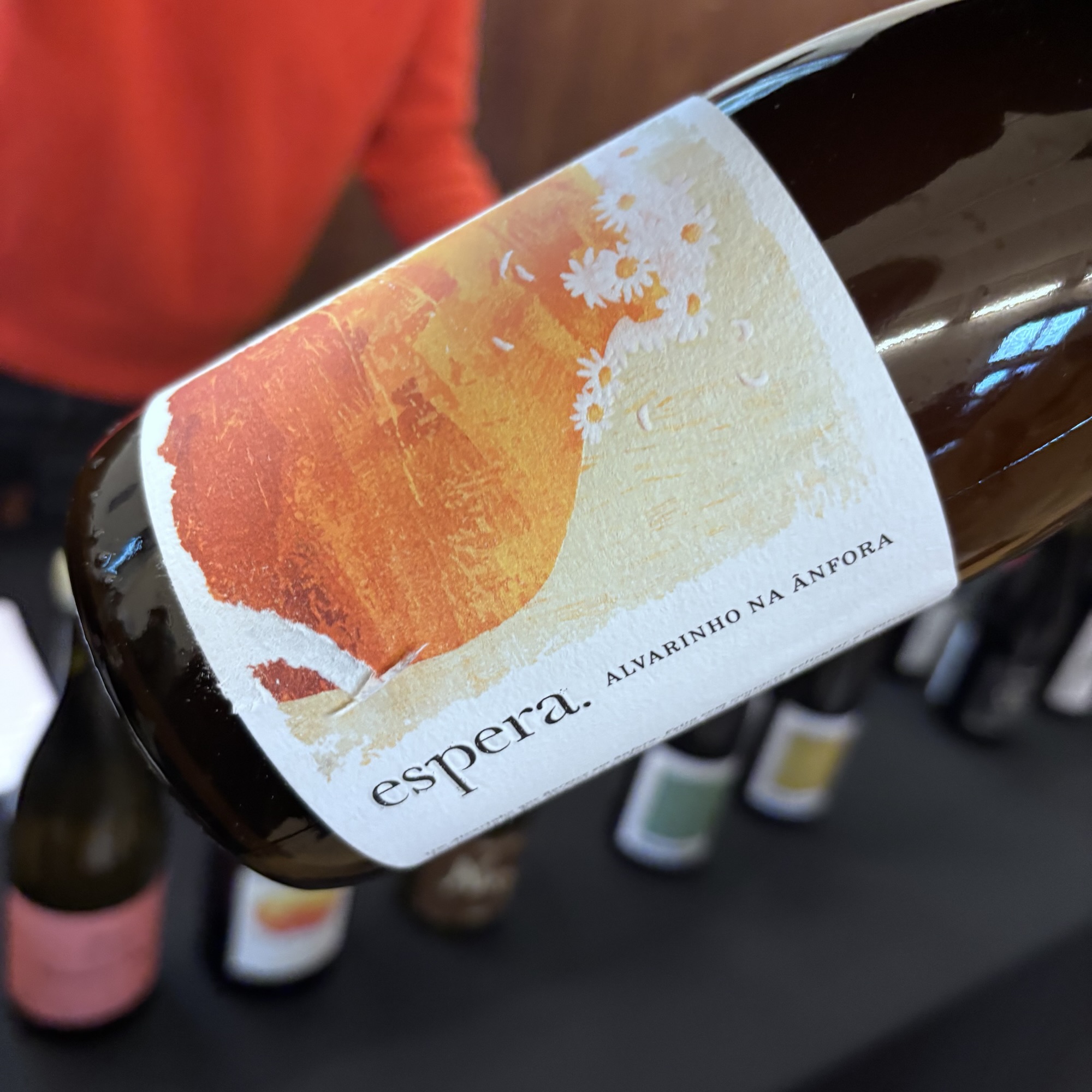
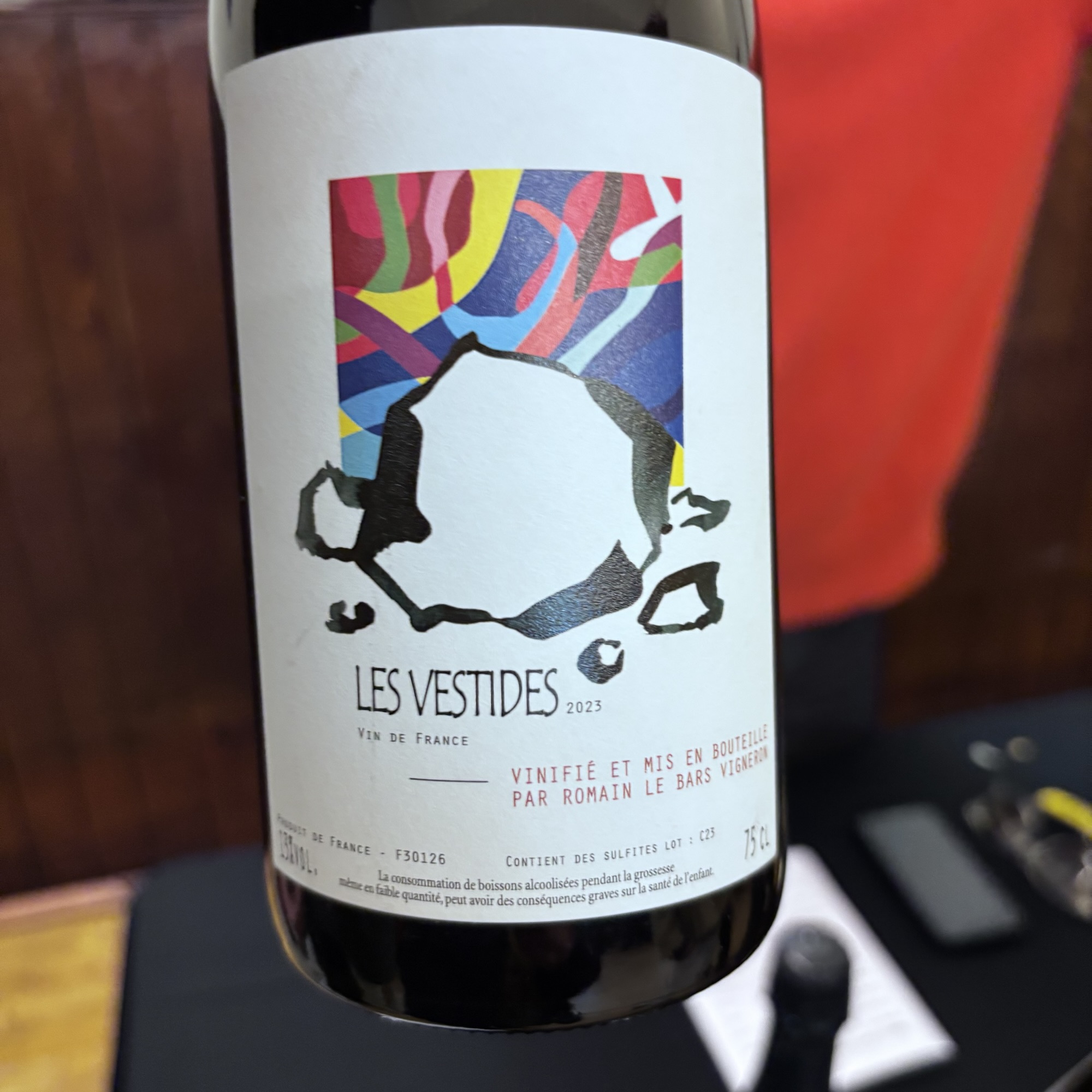
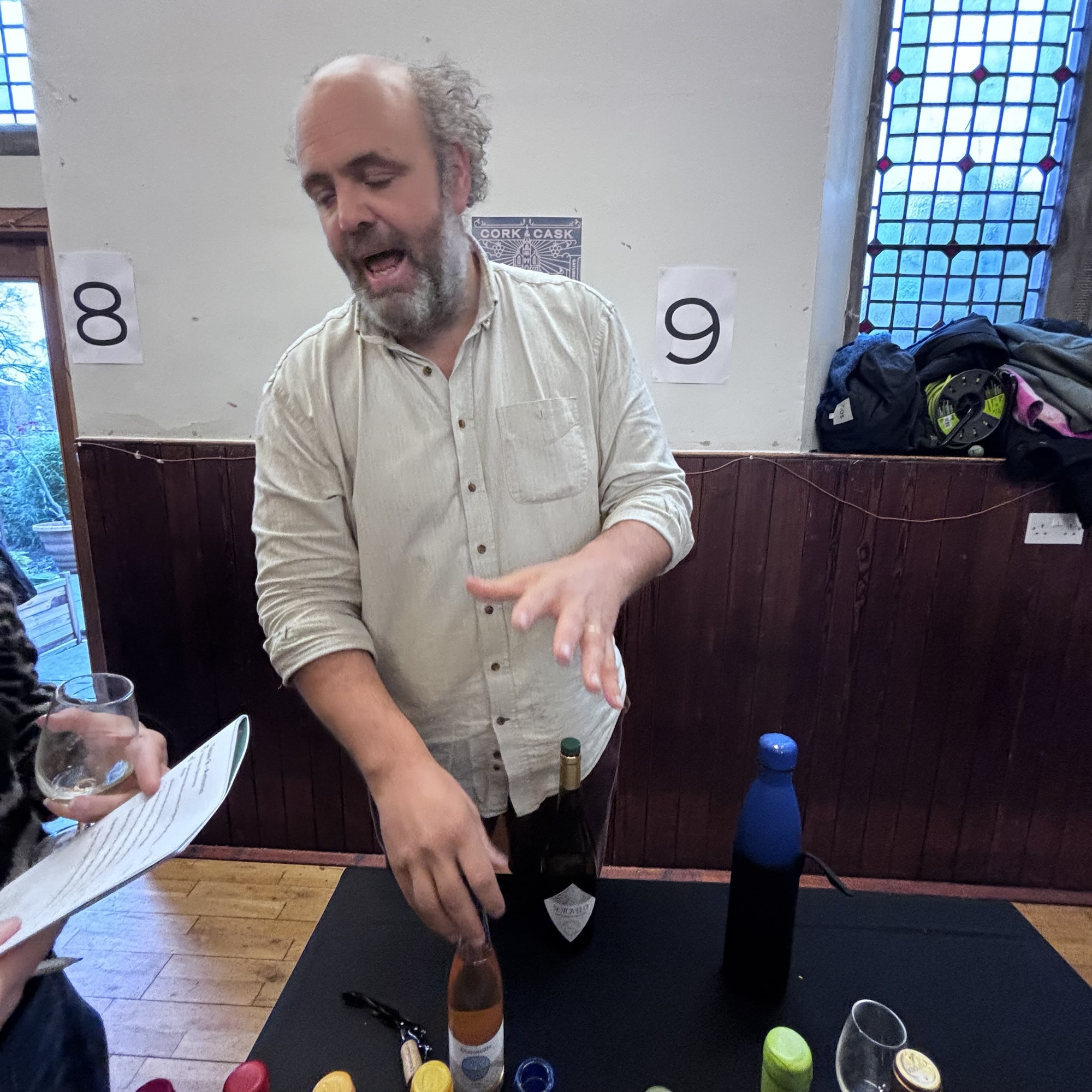
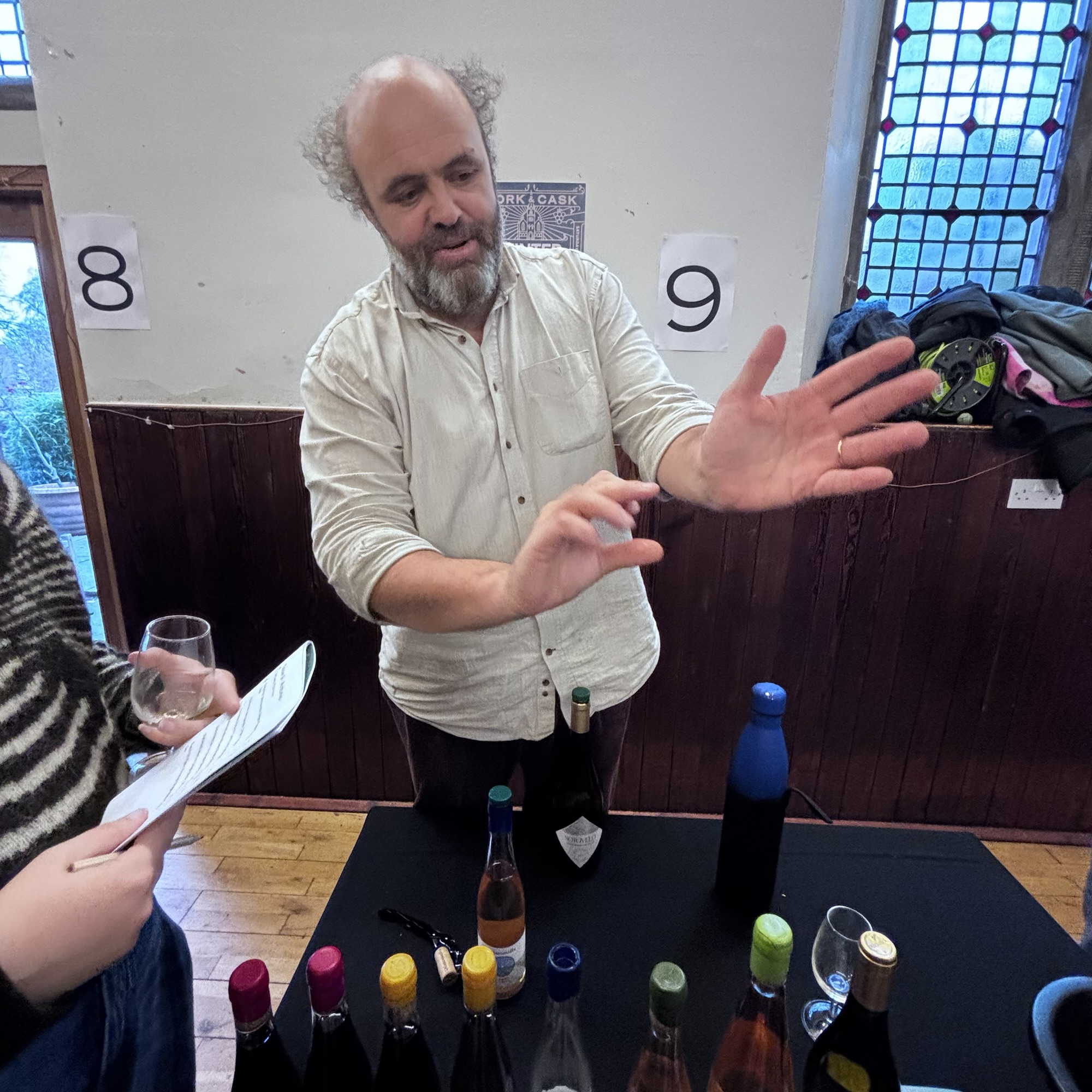

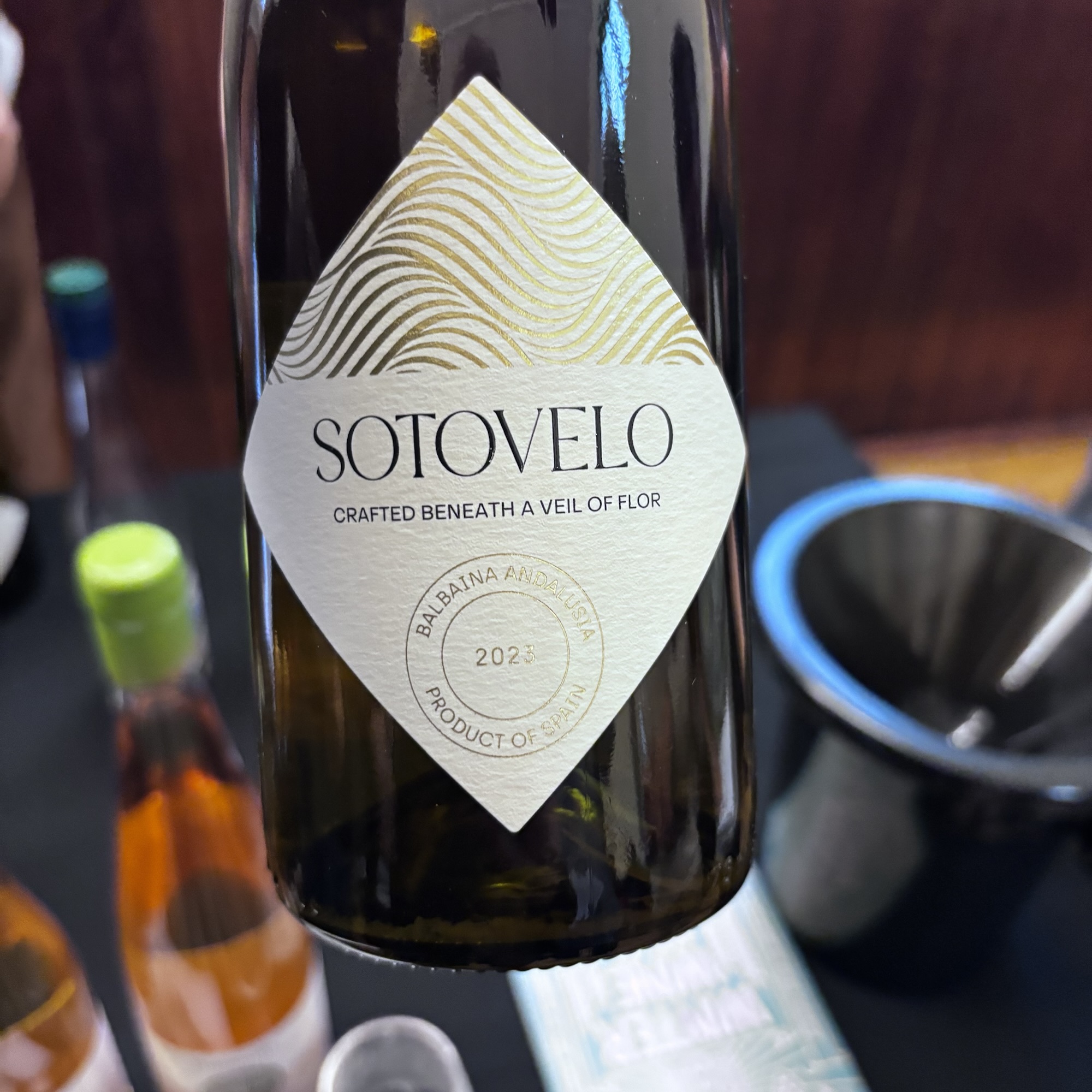
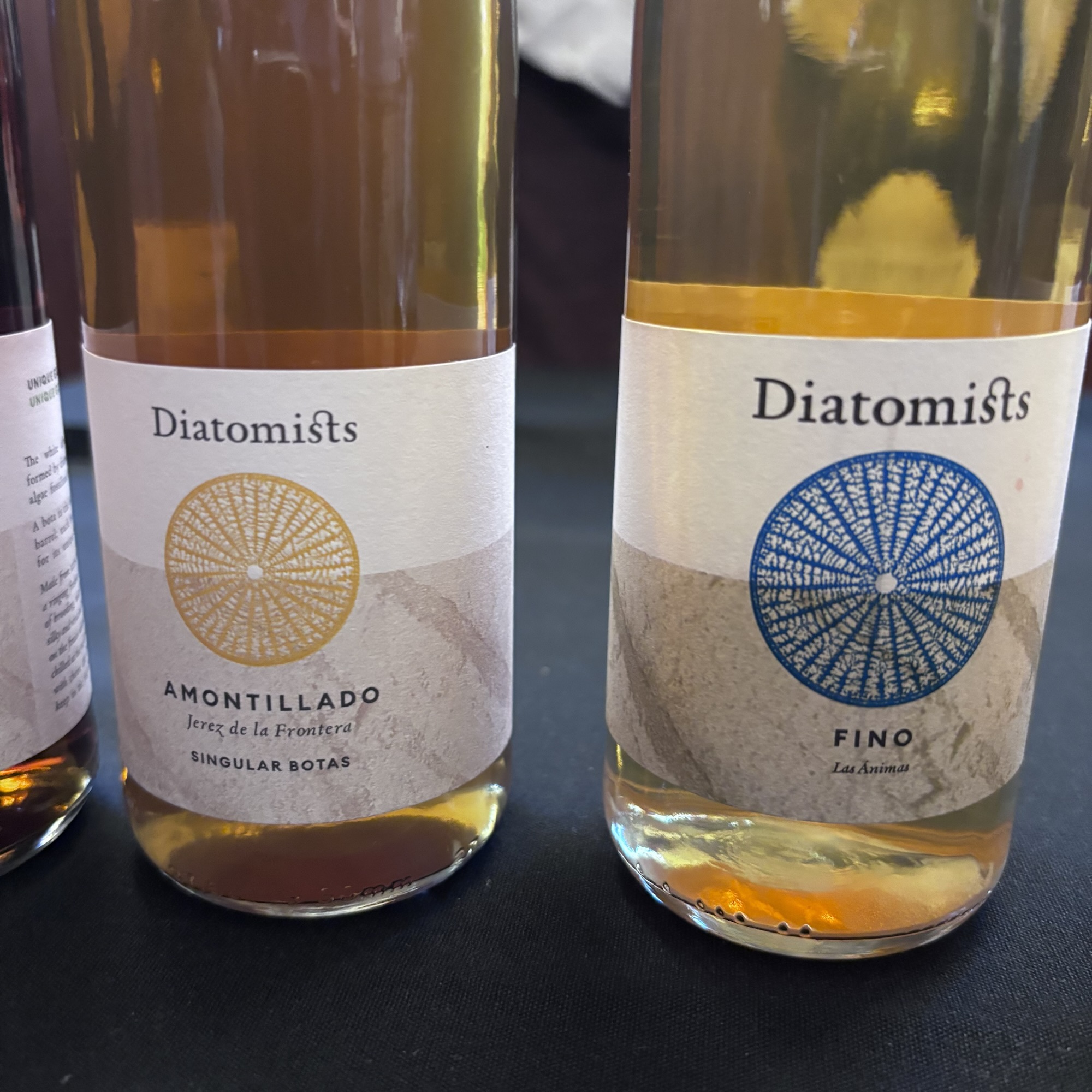
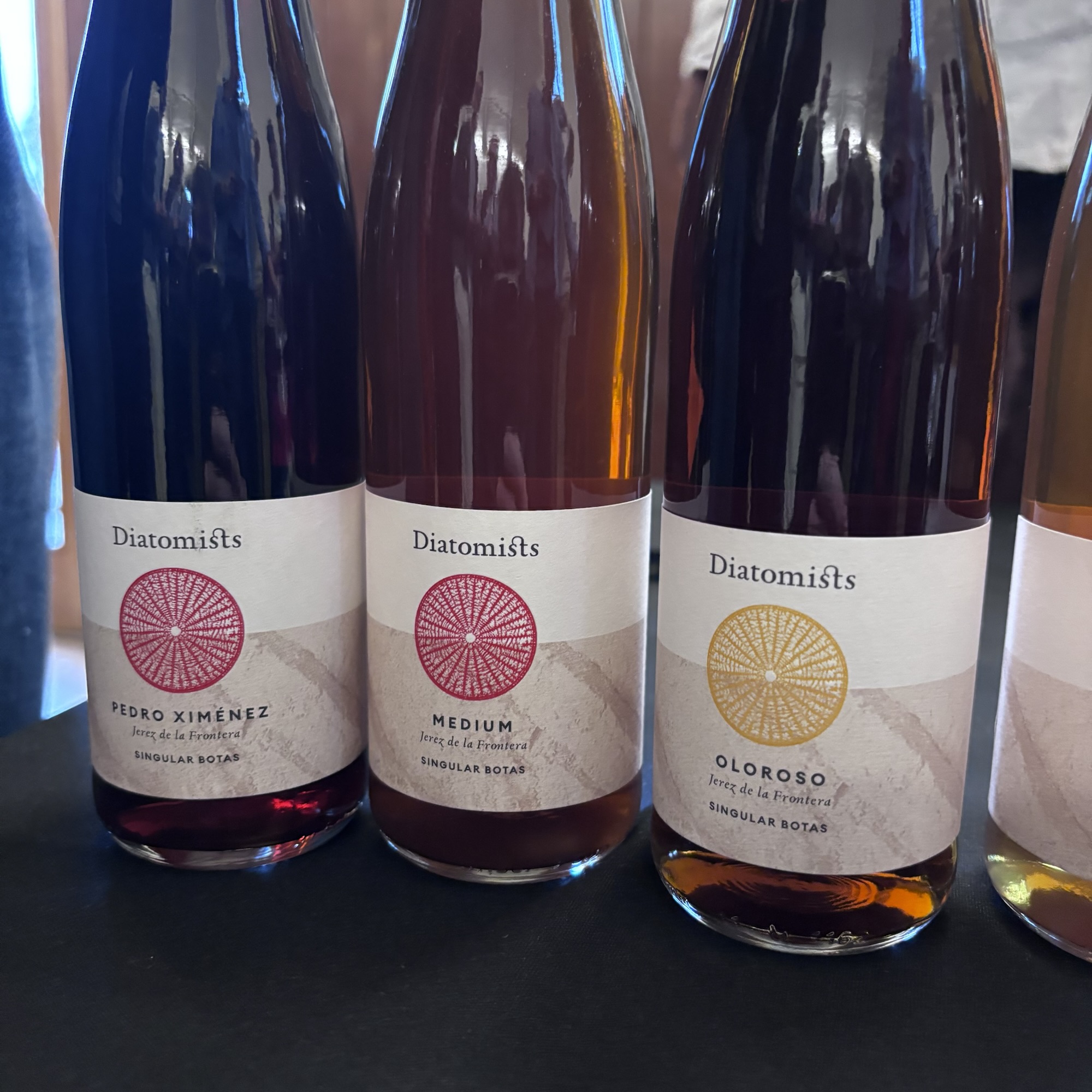
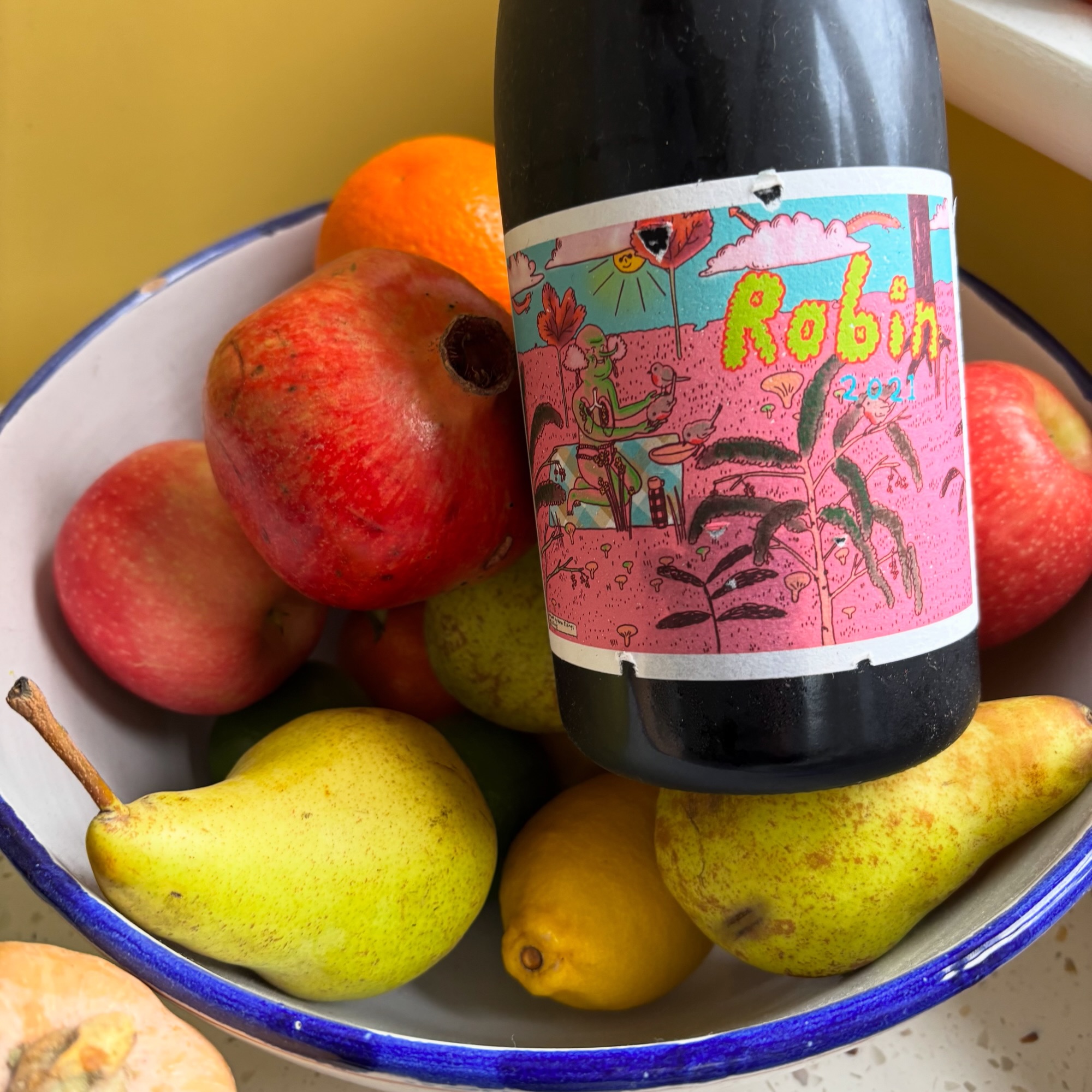

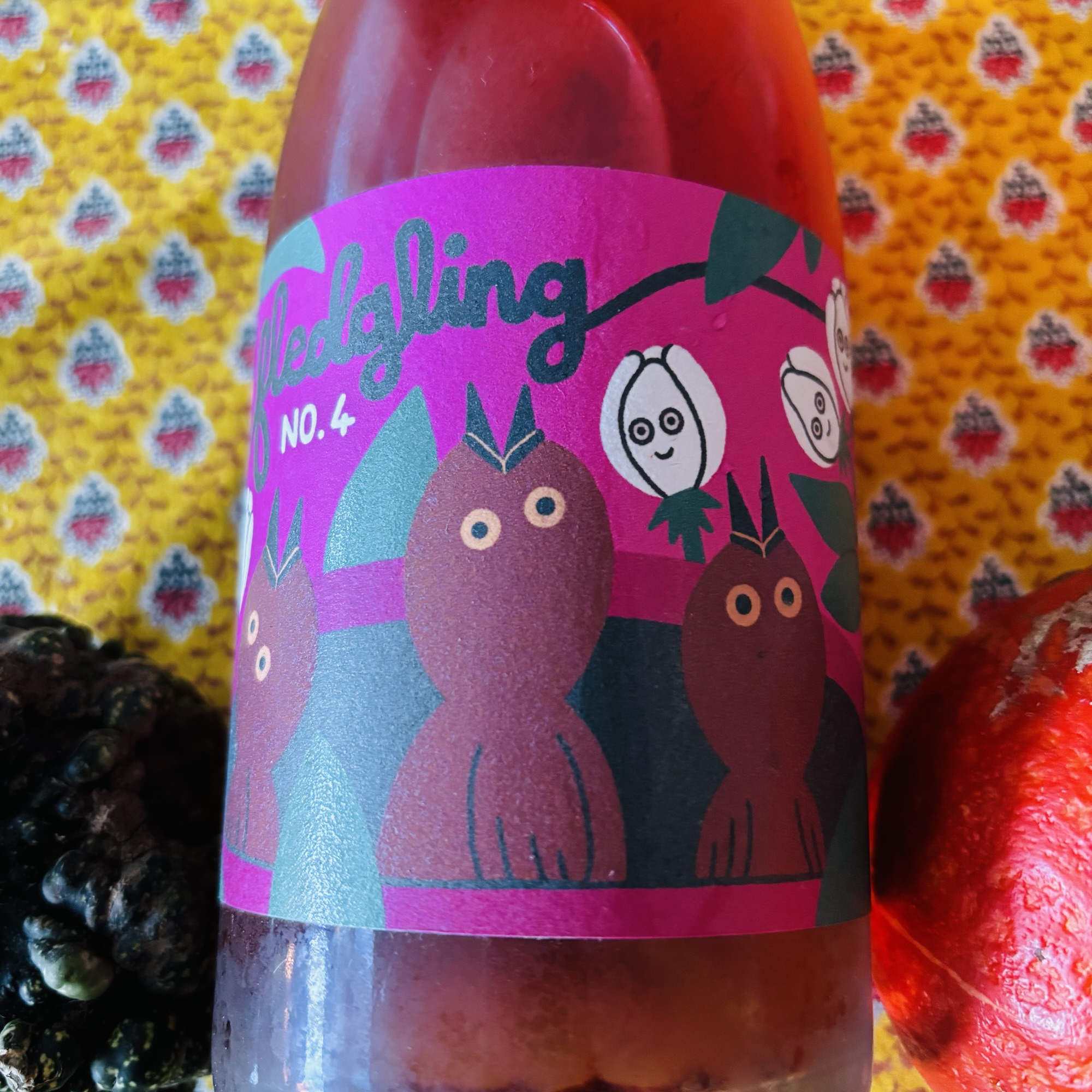
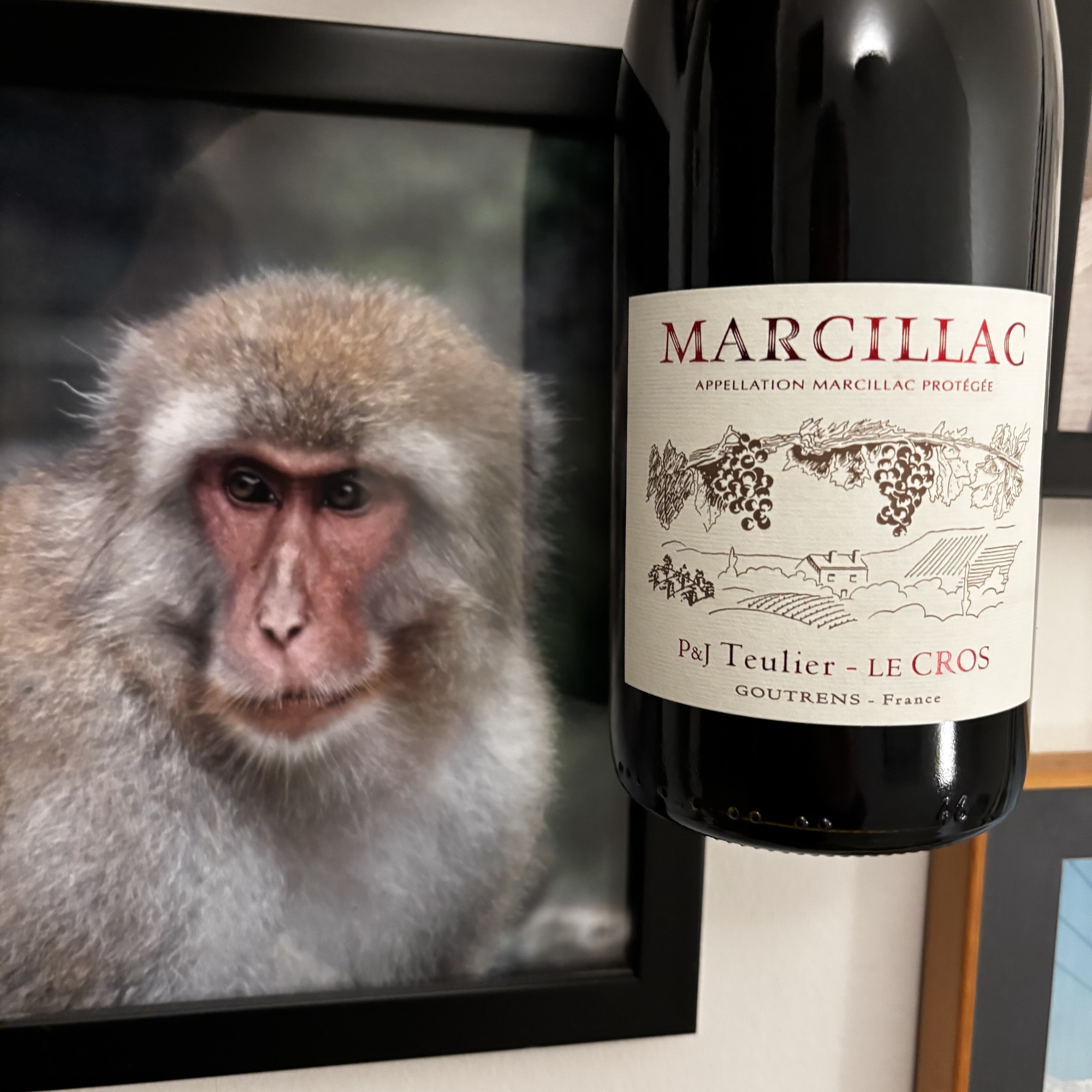
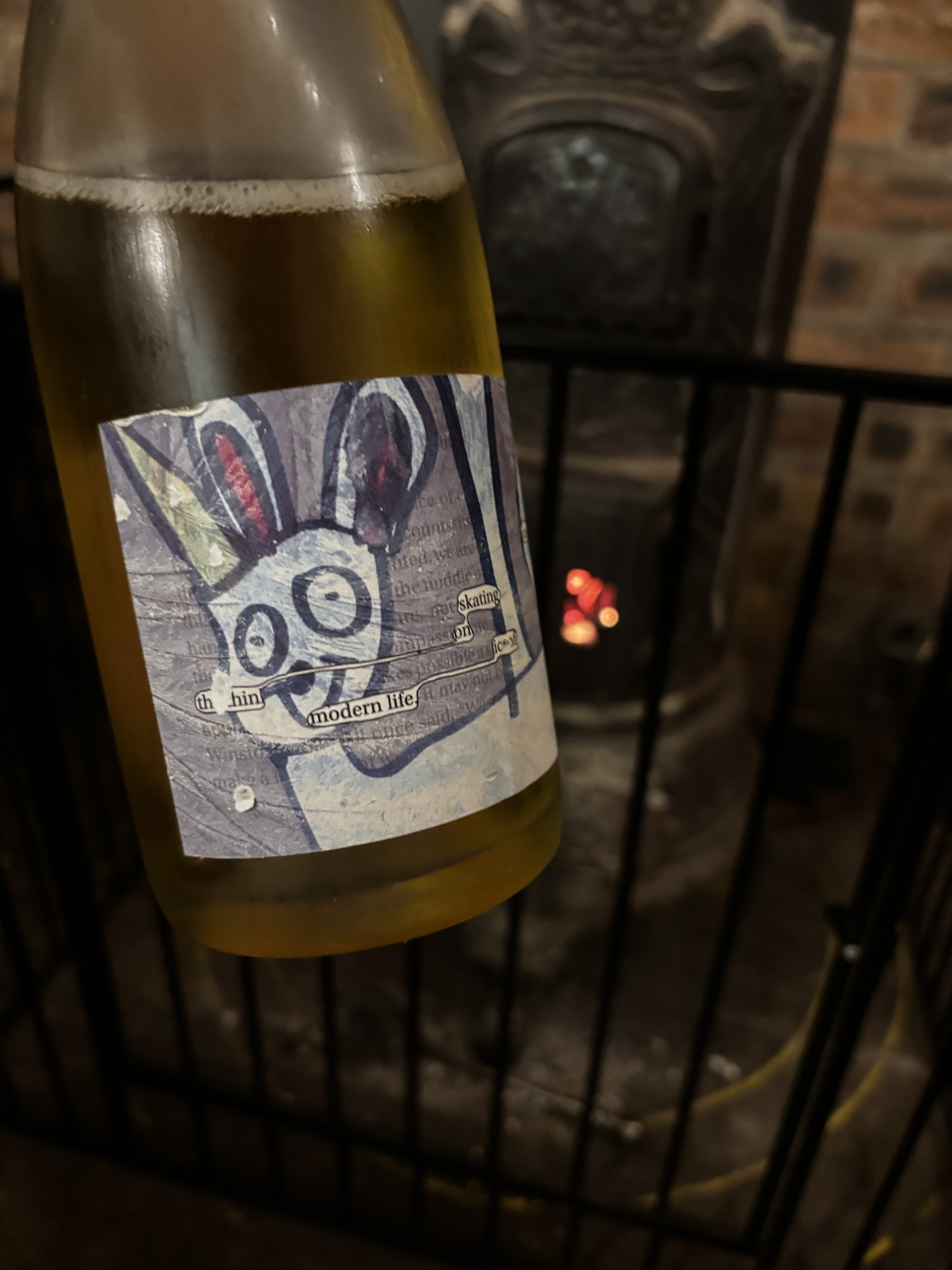
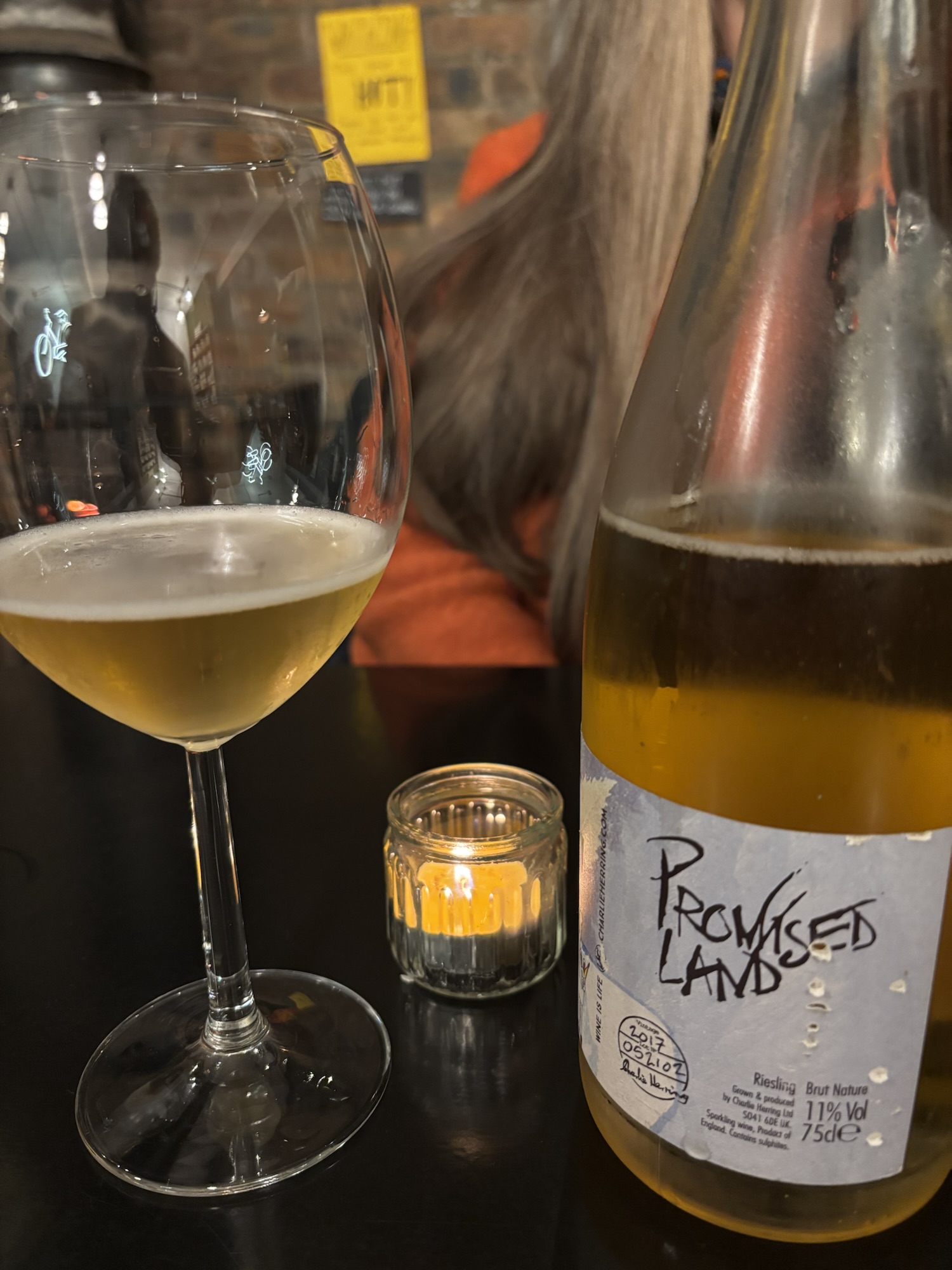
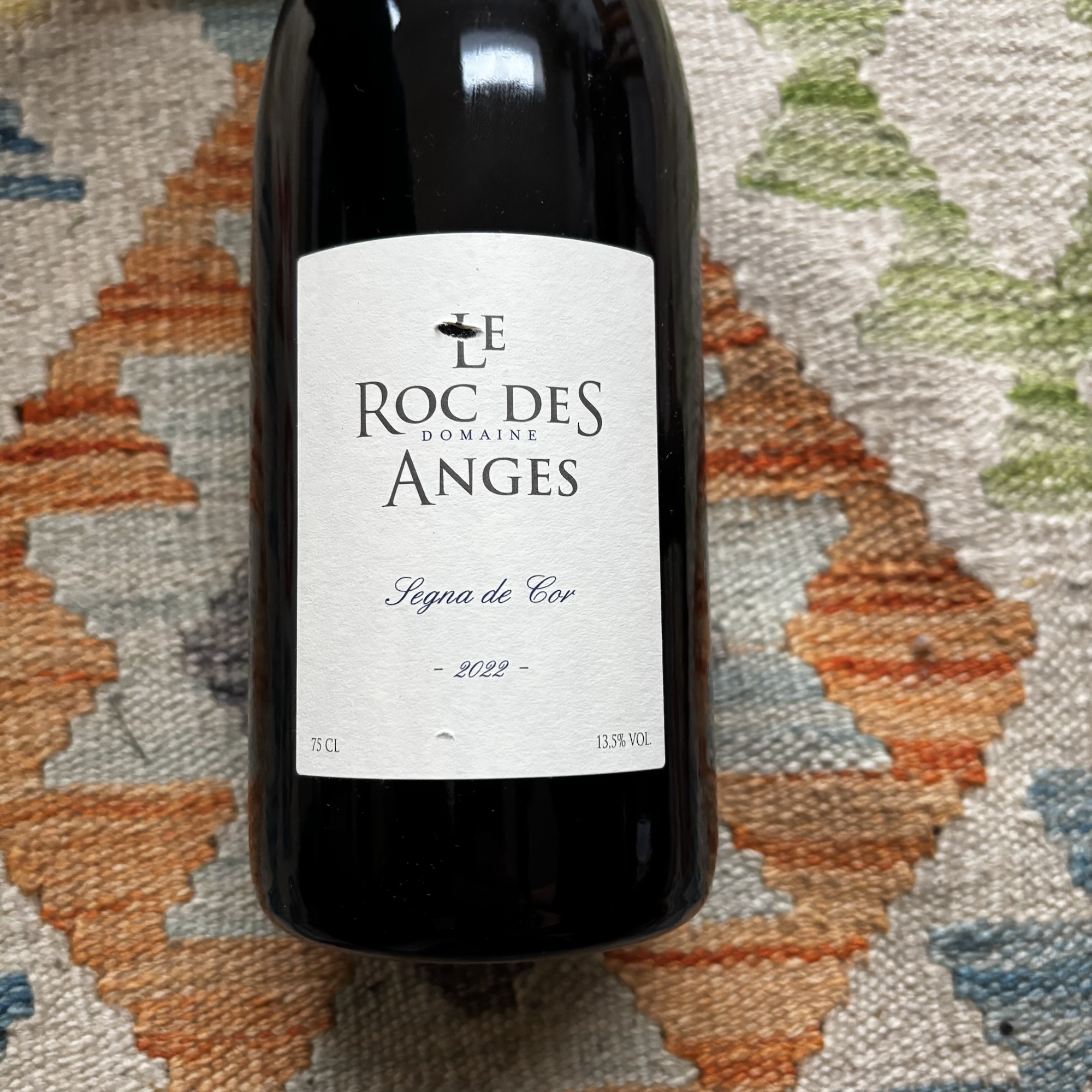
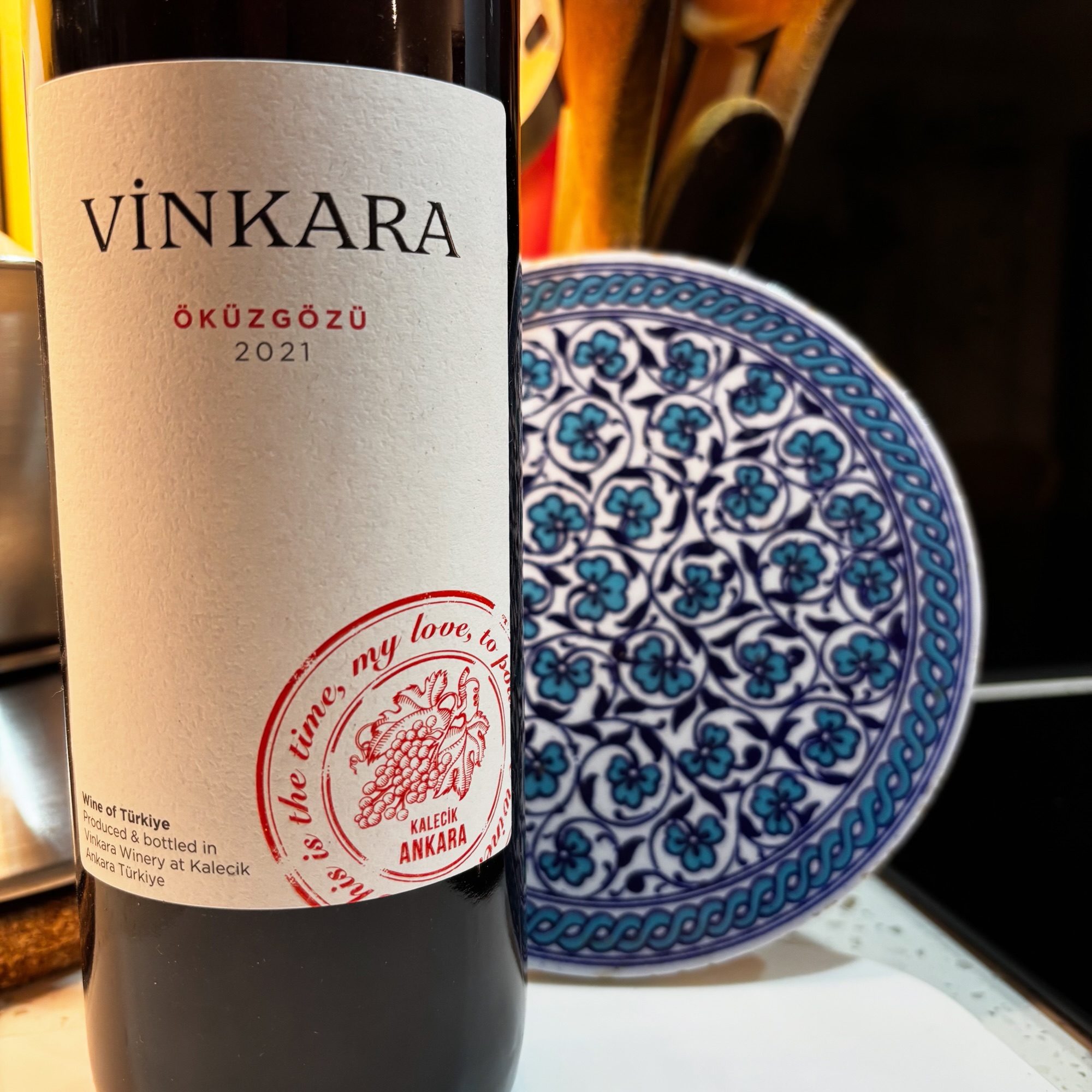
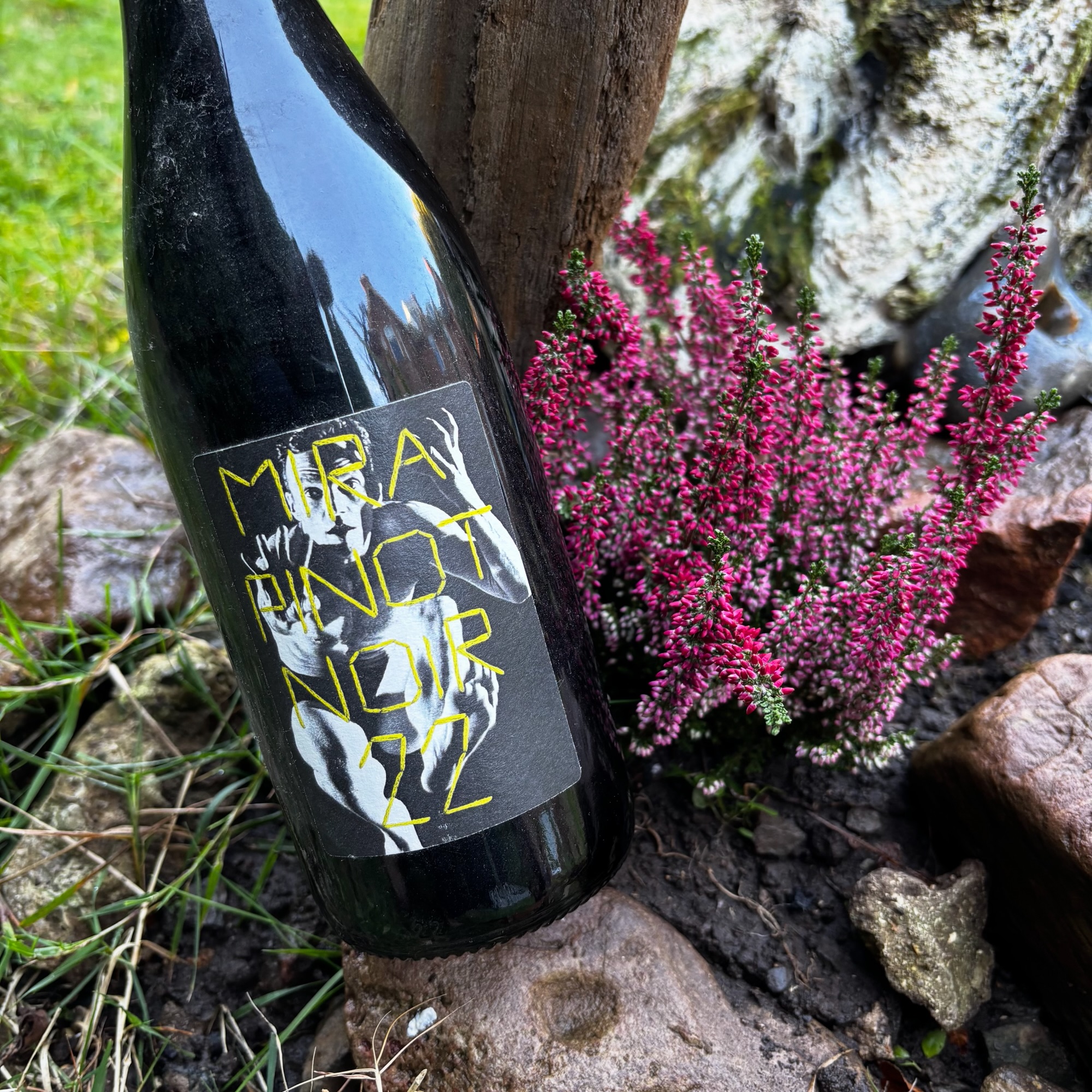
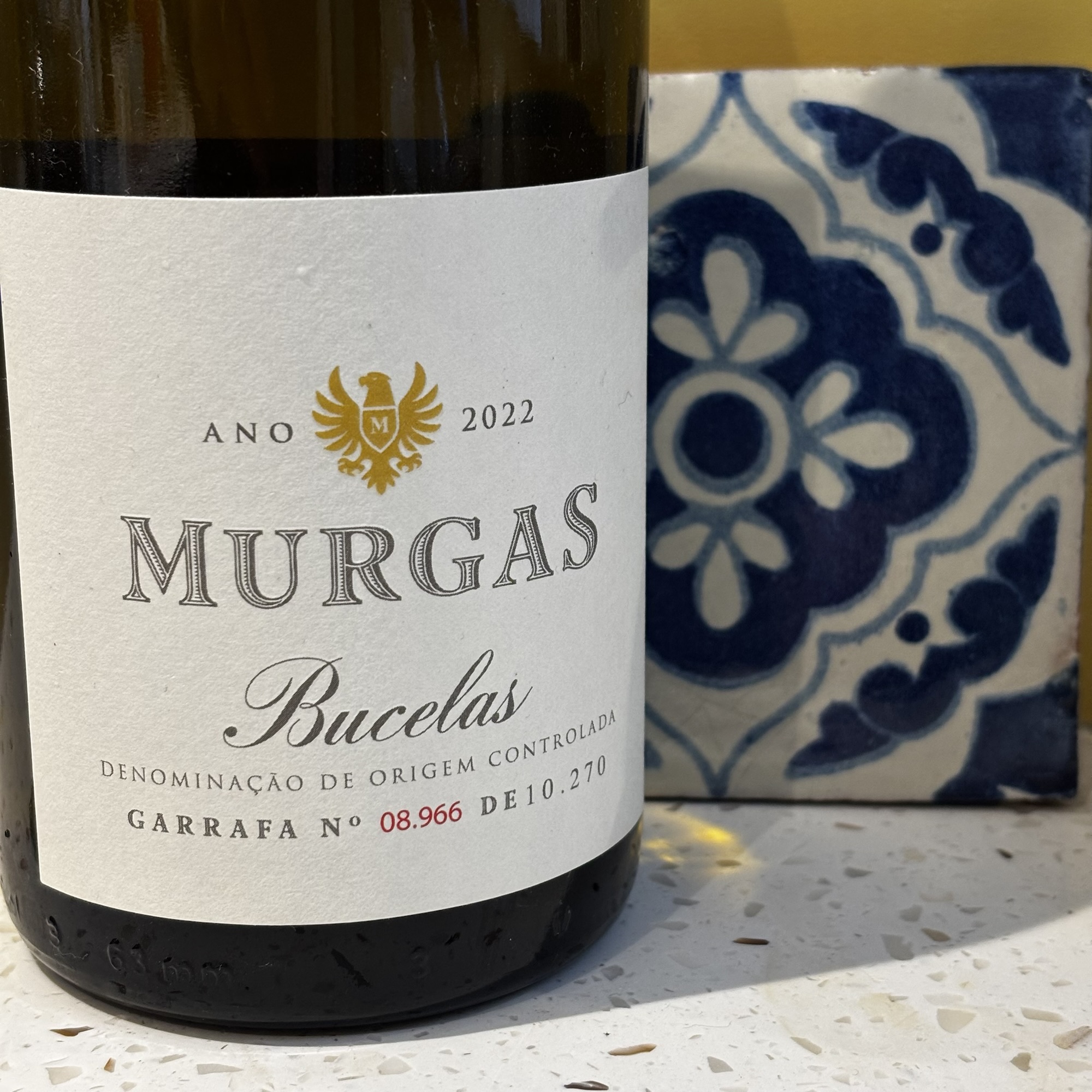
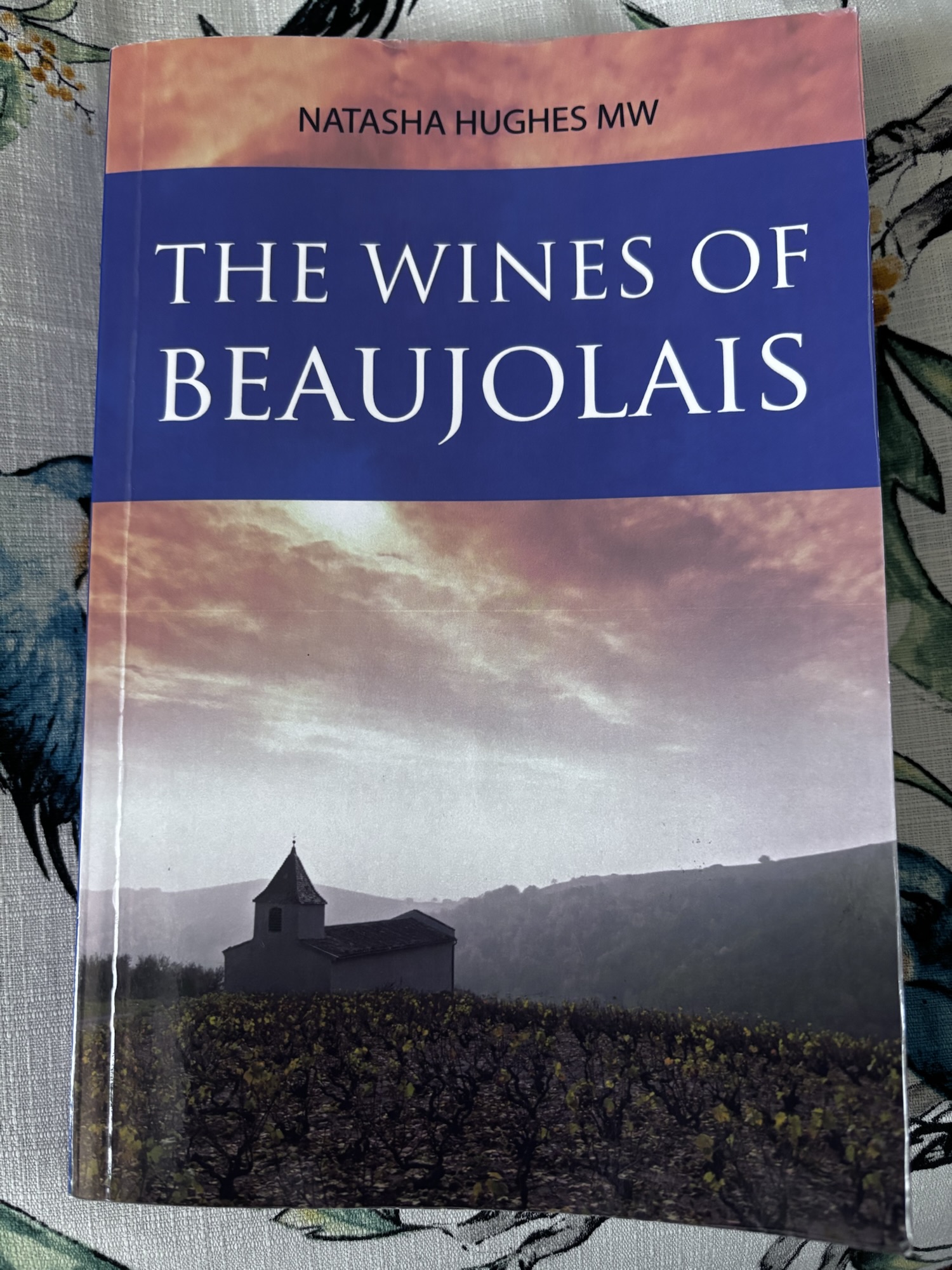
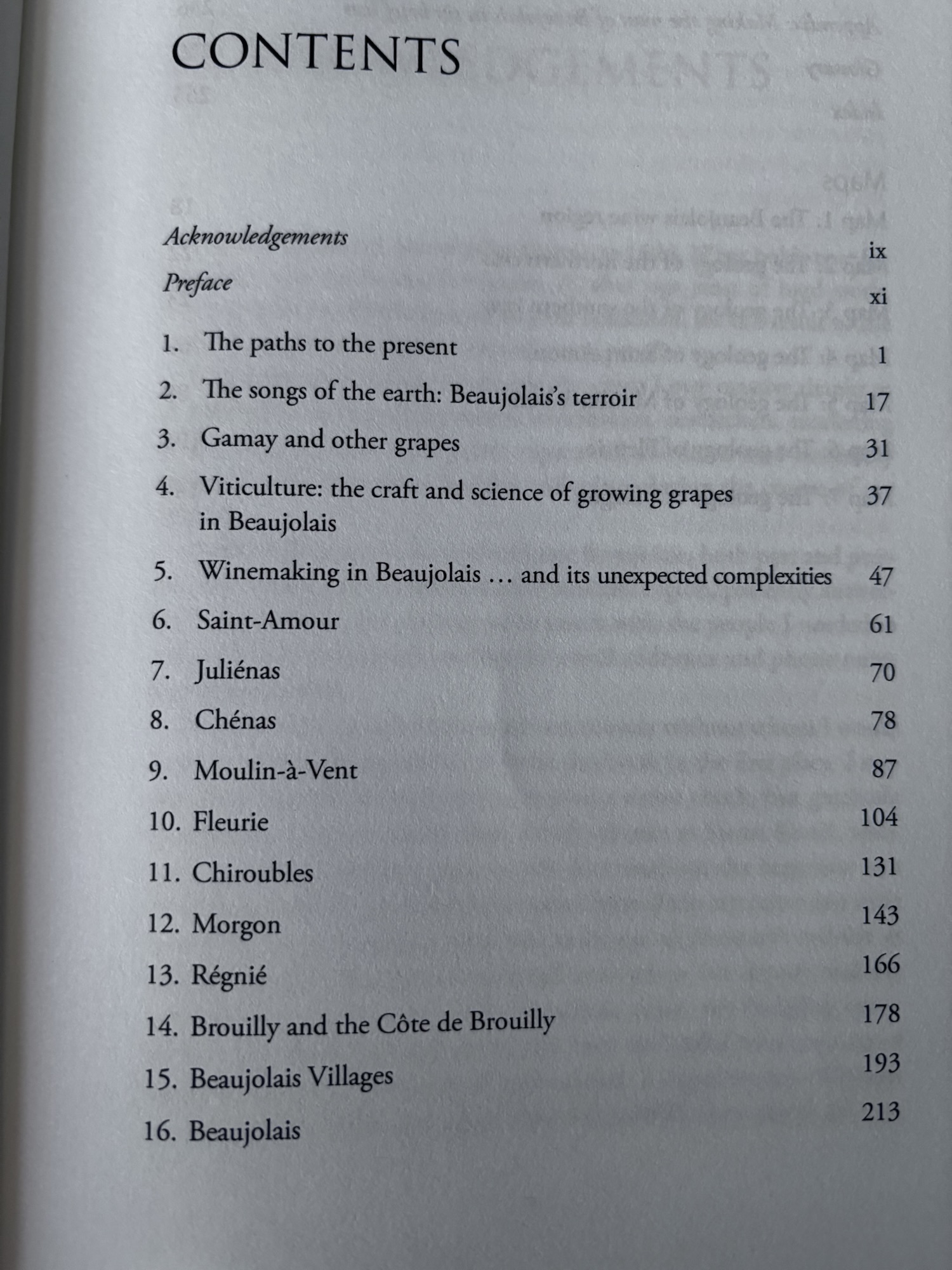
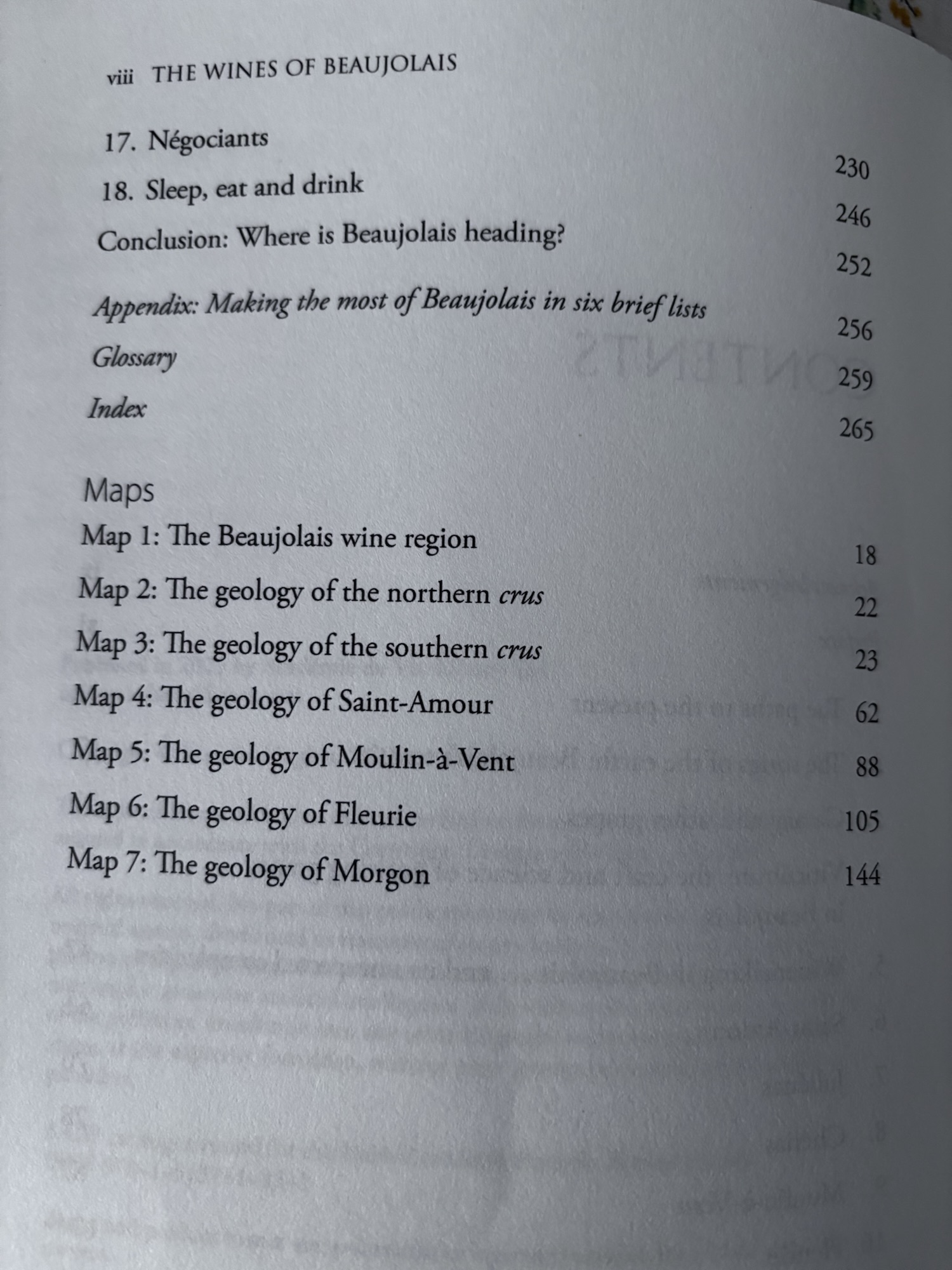
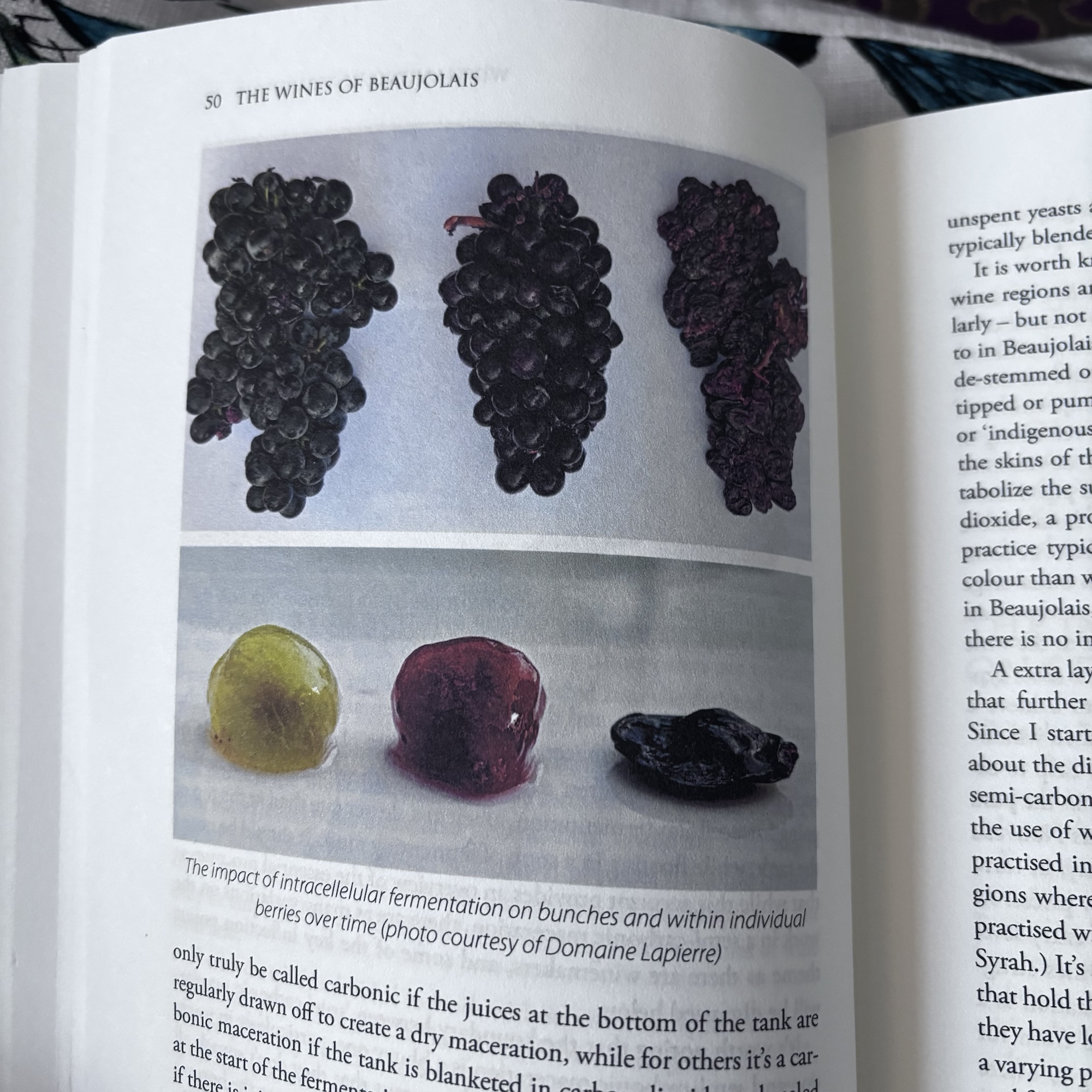
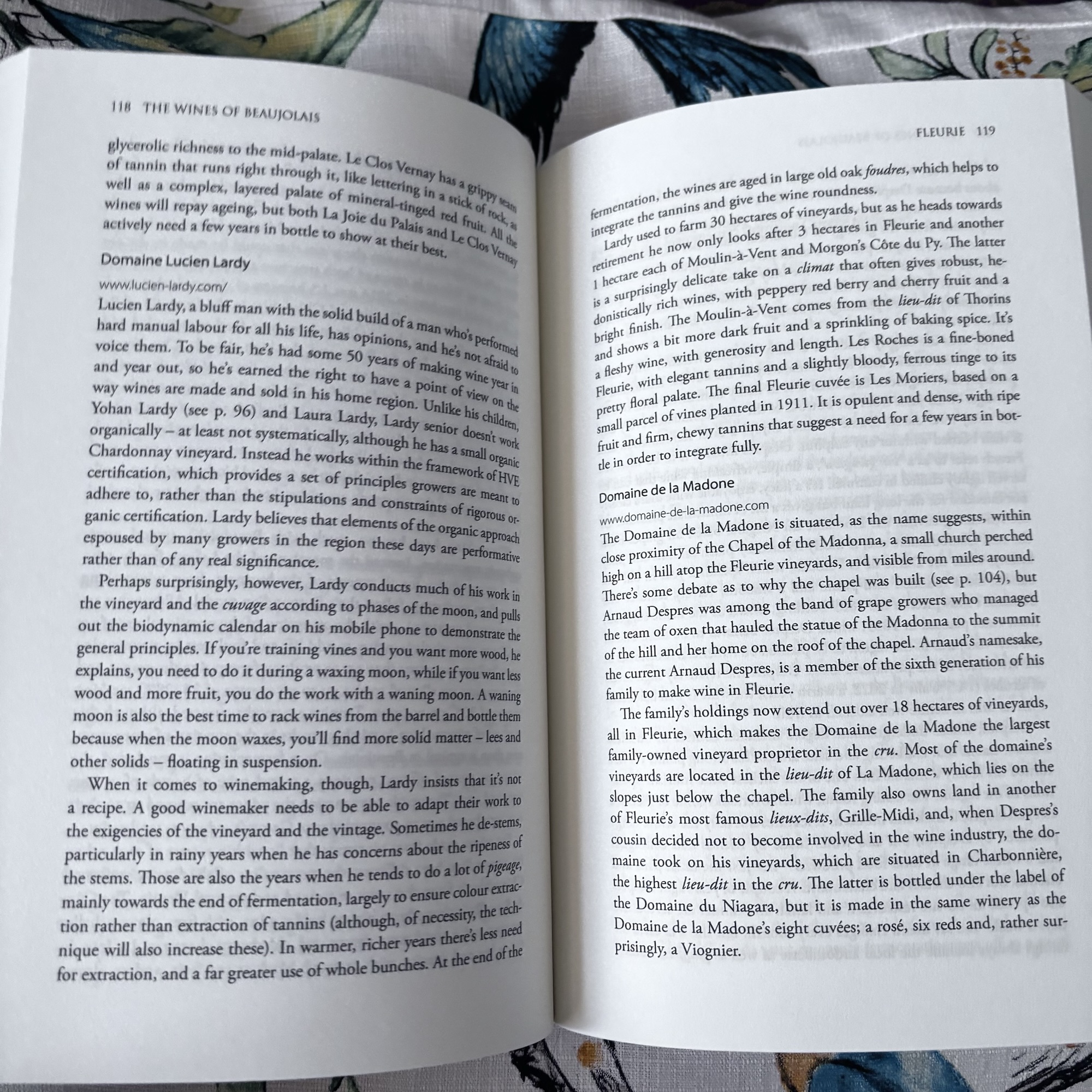
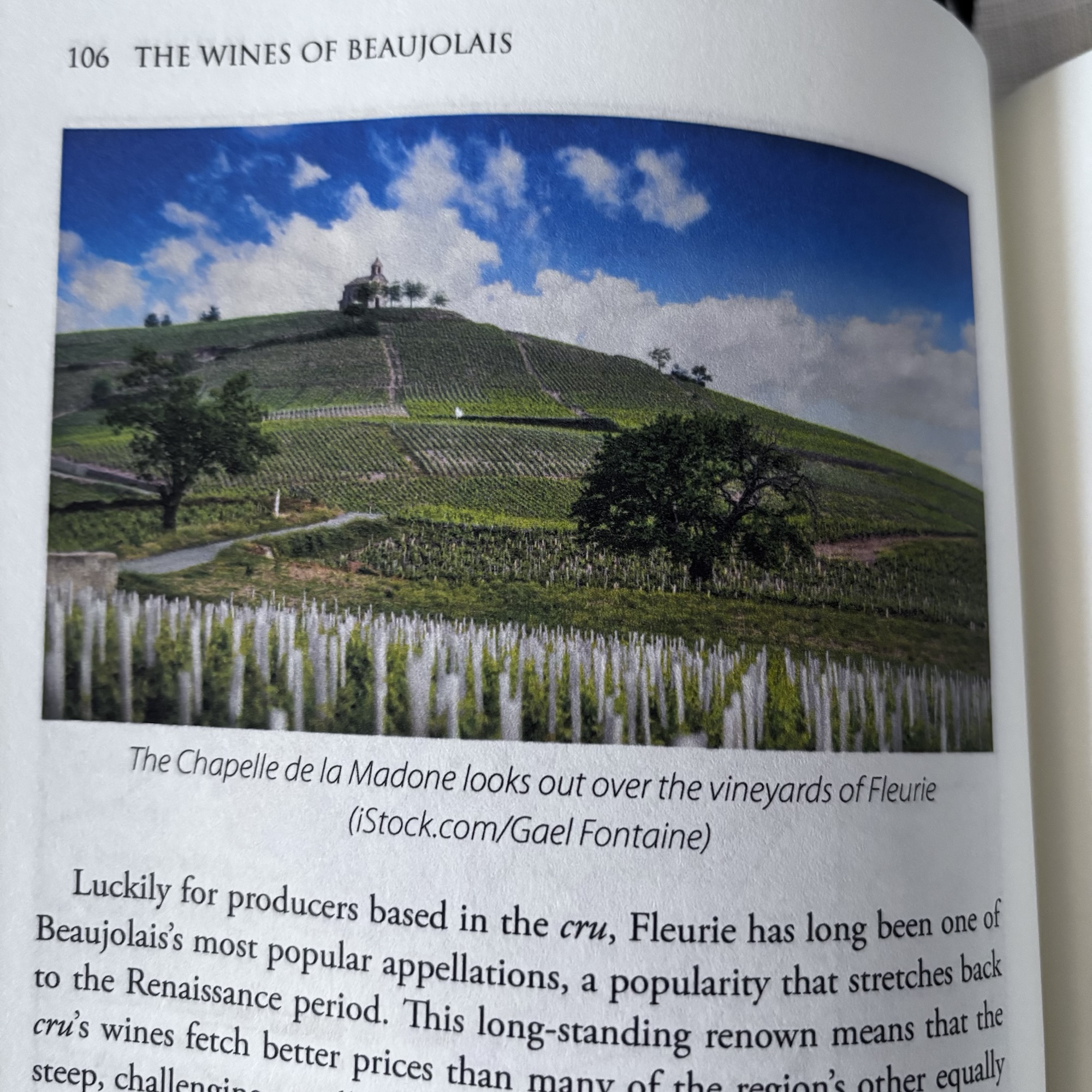
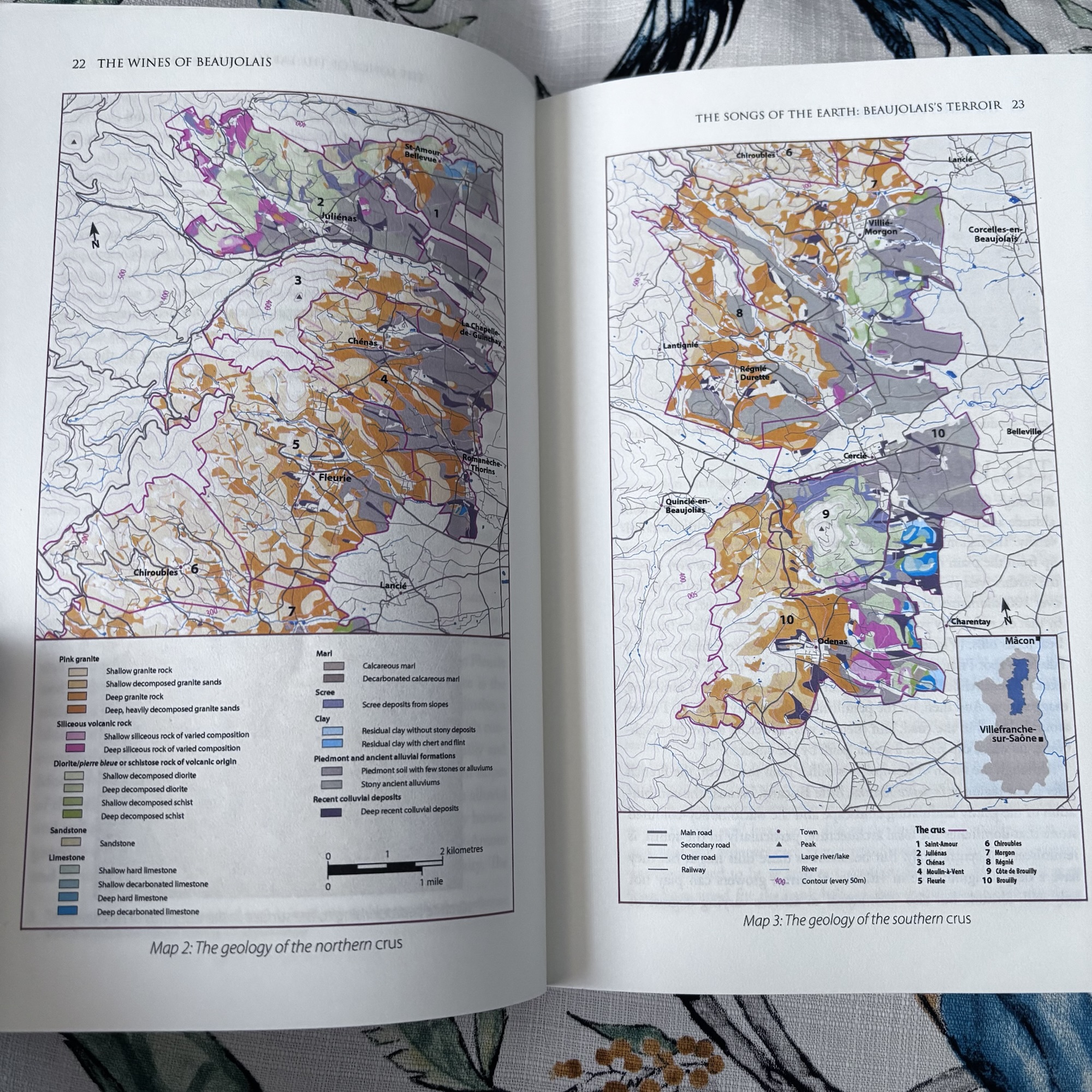



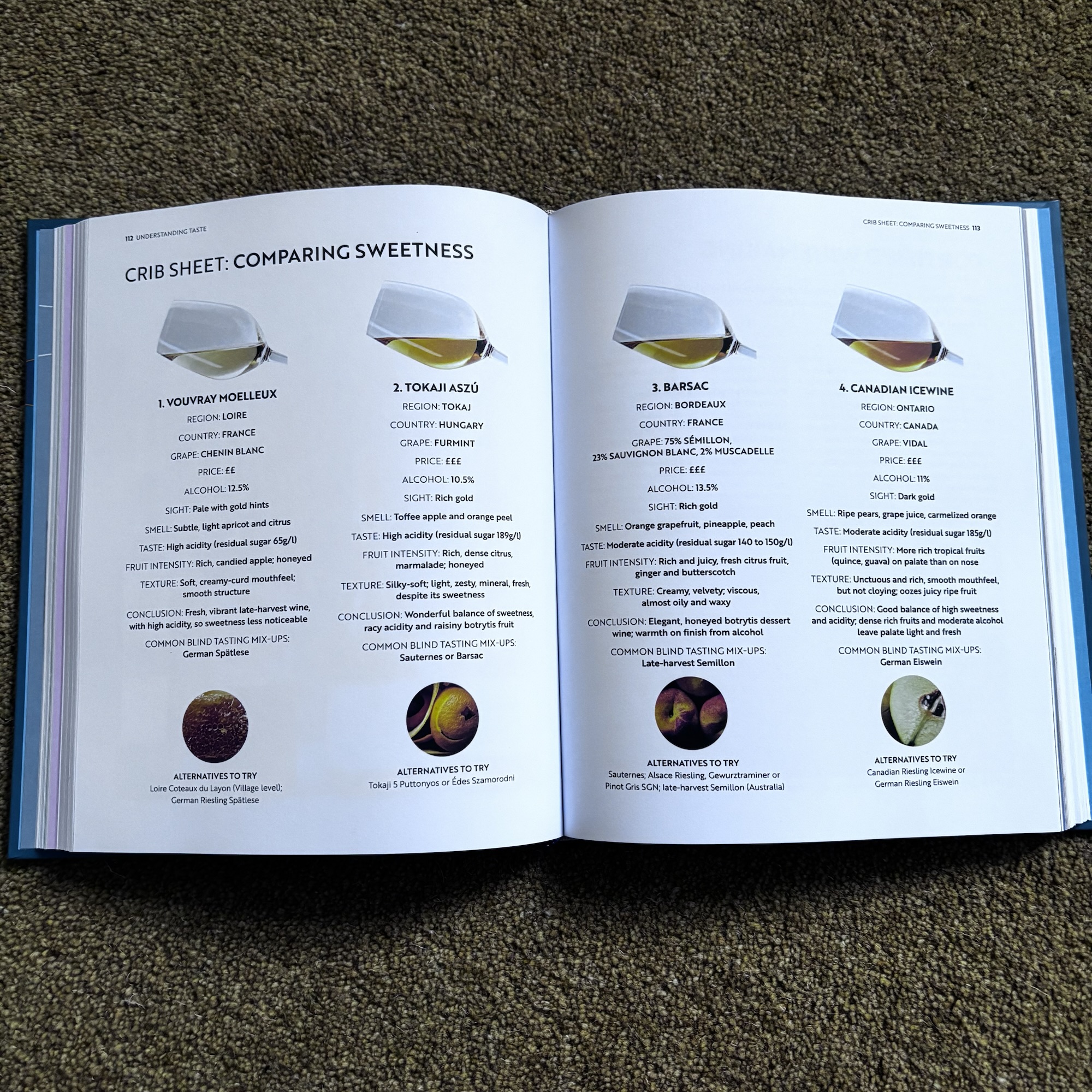
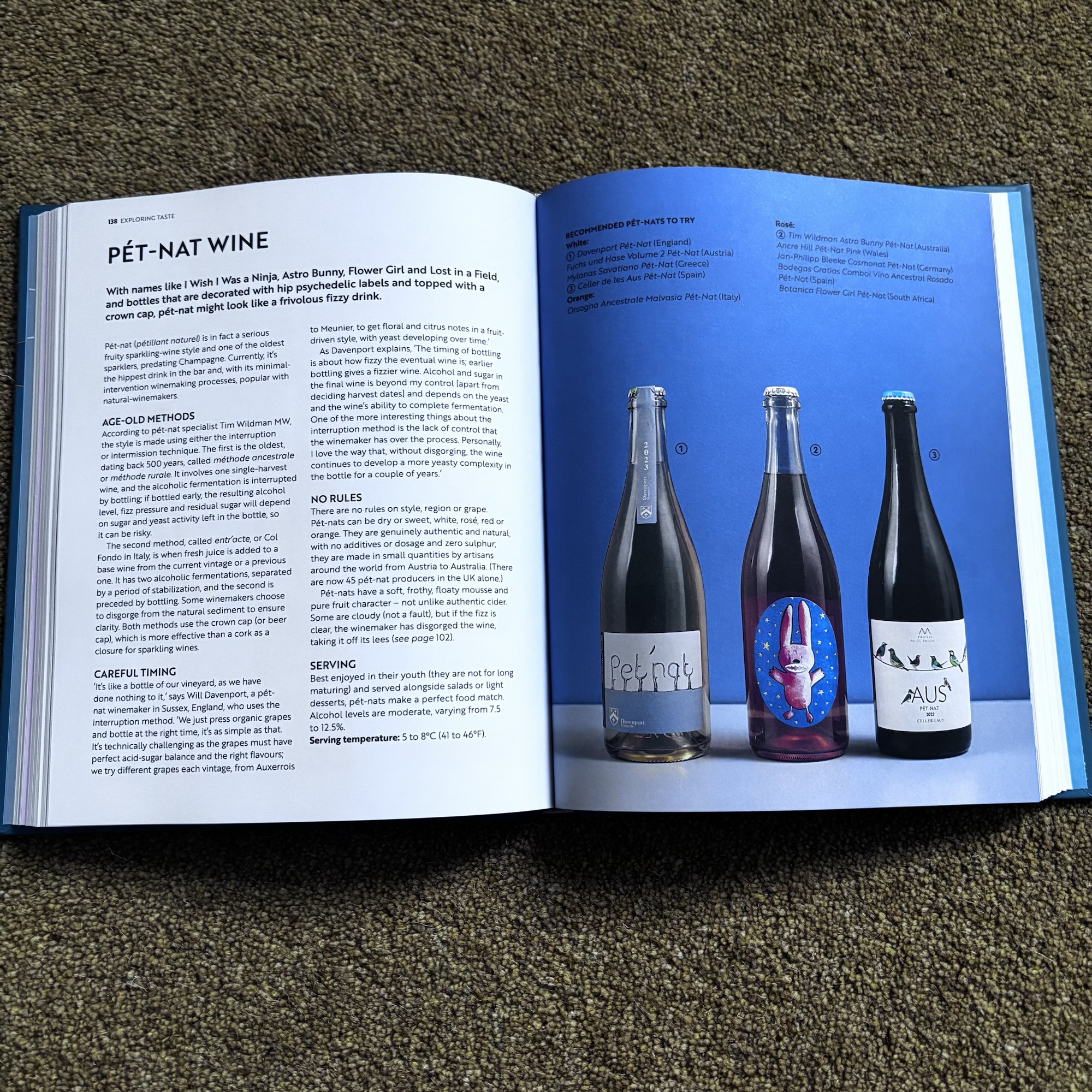
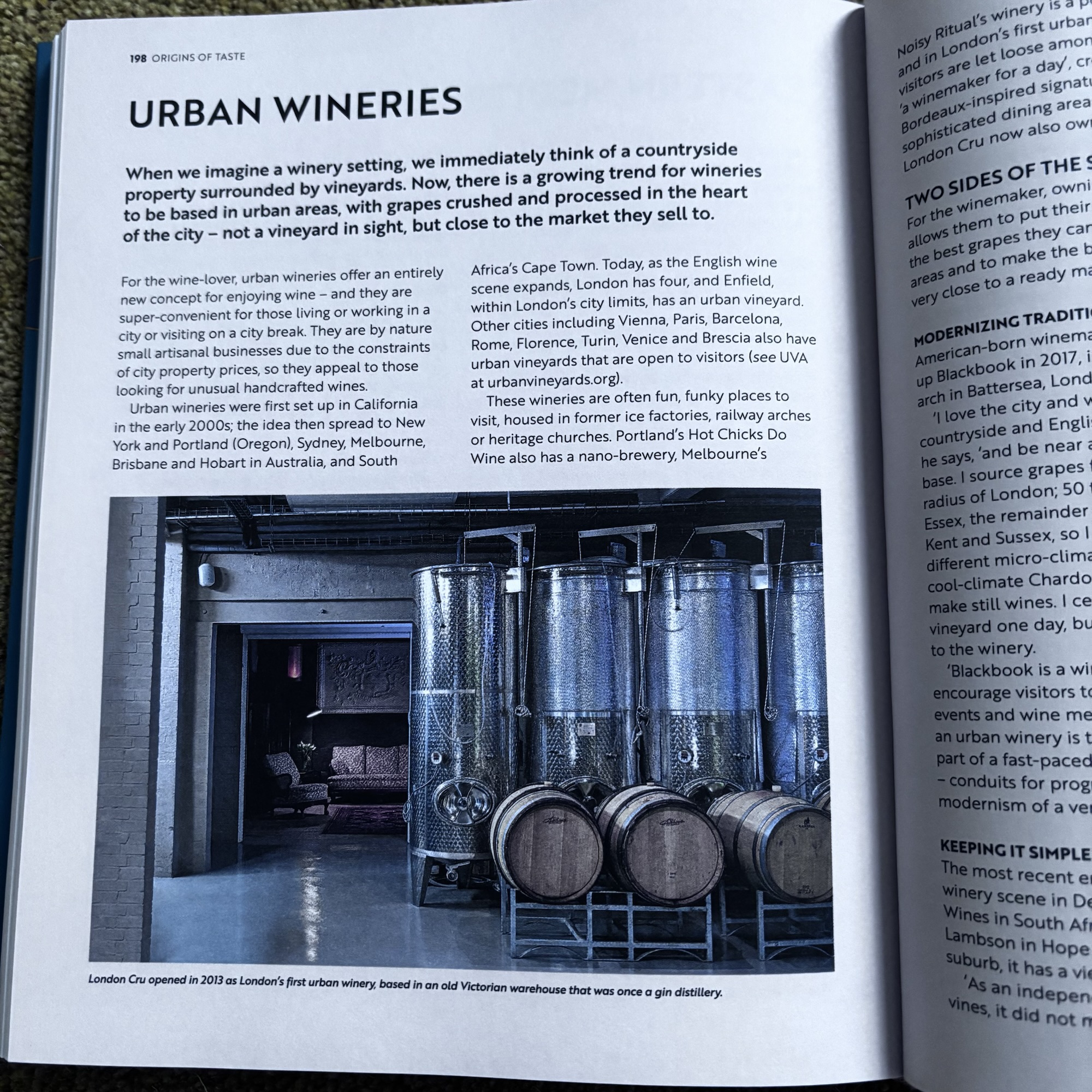
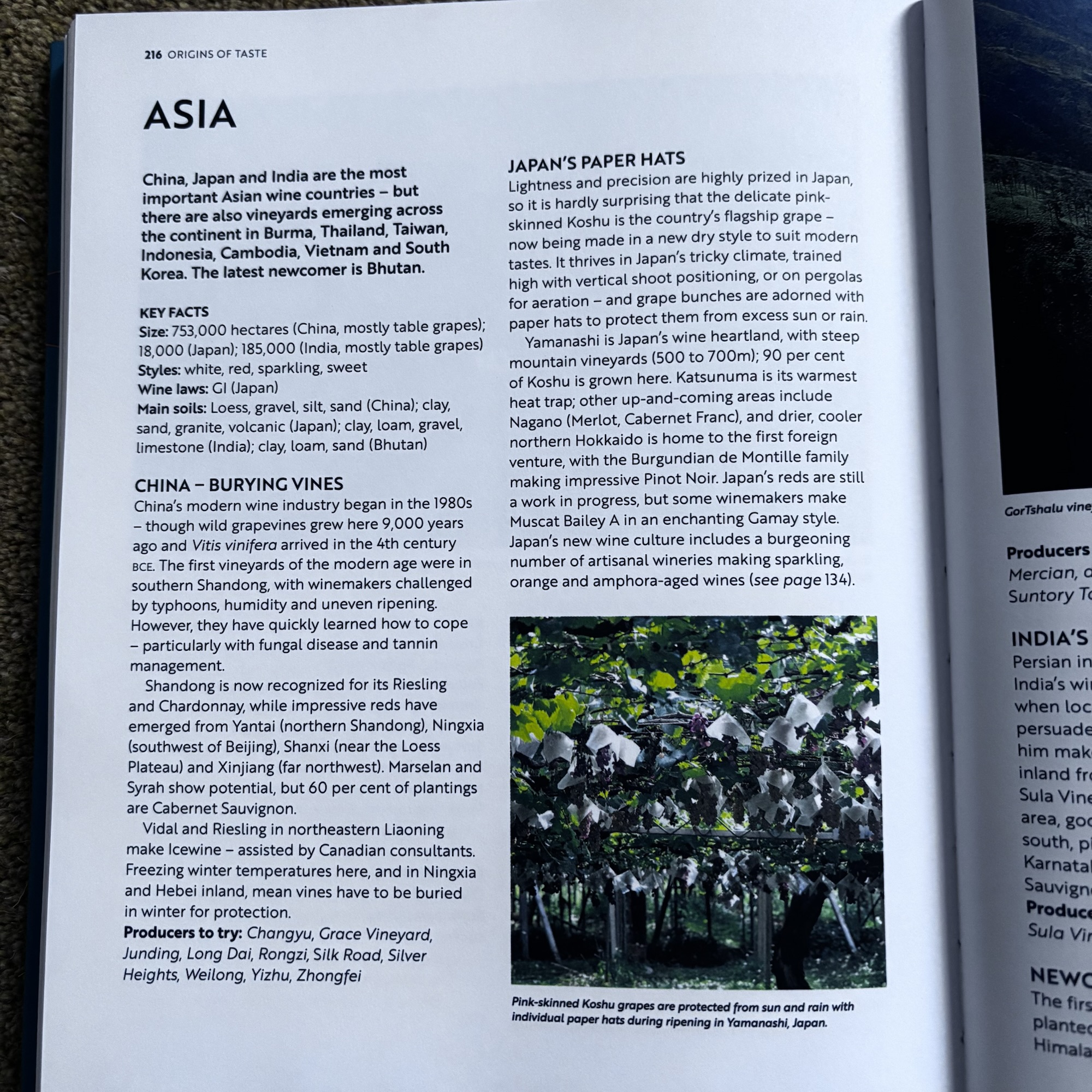
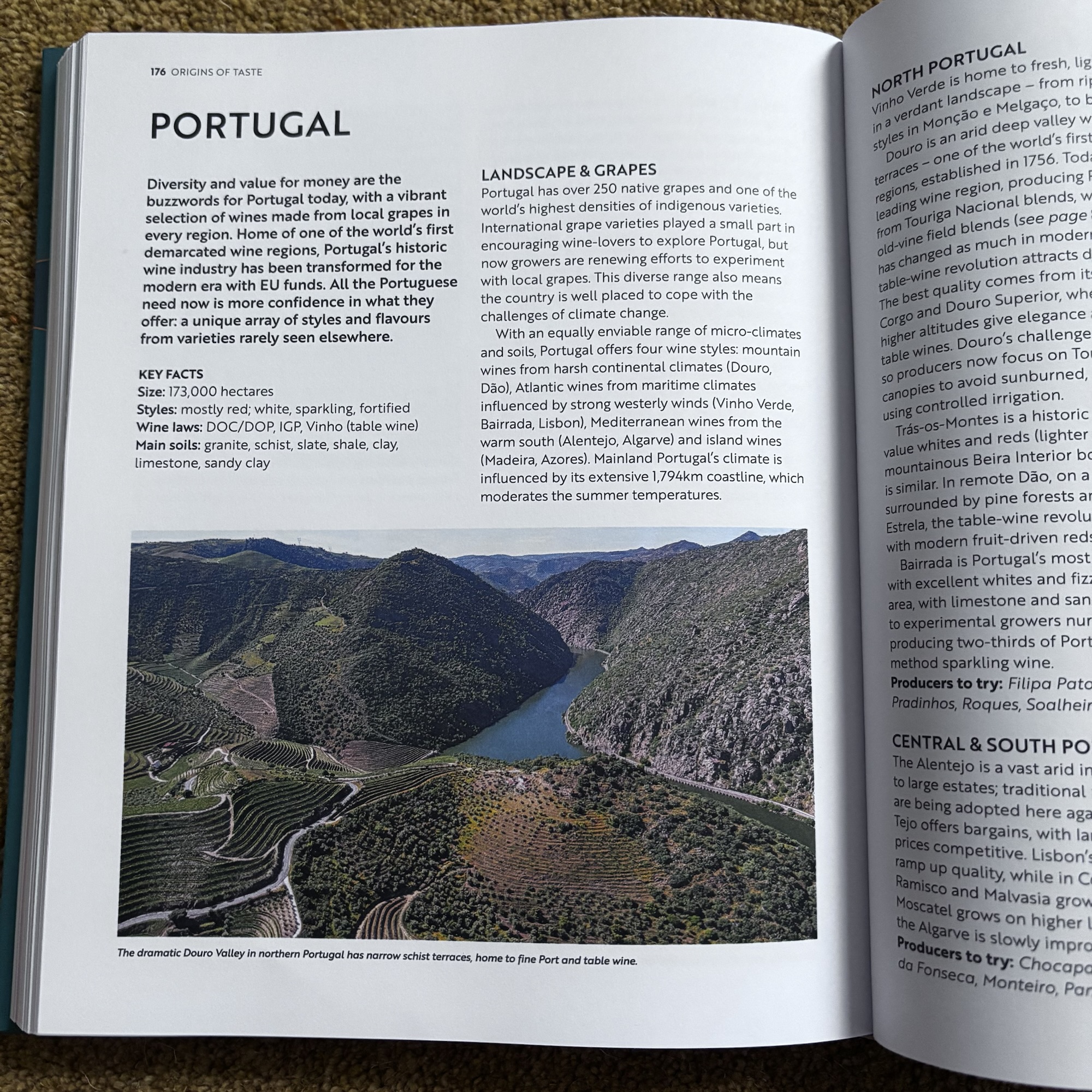


 David Crossley's Wide World of Wine