
I first crossed paths with Toronto native David Gleave in the second half of the 1980s when we made occasional forays to Winecellars in Wandsworth. David was then working with Nick Belfrage, who was already established as one of London’s experts on Italian wine, and whose Life Beyond Lambrusco (Sidgwick & Jackson) I read in 1985 (his seminal two-volume work on Italy followed in 1999/2001). I didn’t ever meet Nick but I met David several times at tutored tastings there, but I think they were mostly tastings of Tuscan wines like Brunello and Isole e Olena in Chianti.
In 1989 David wrote his own The Wines of Italy which I did once own but no longer. In 1997 David co-founded Liberty Wines, and it was through this company that I began to indulge my taste for Piemonte, and indeed his selection of Australian wines, a country he knew well because in 2005 he went on to co-found the Willunga 100 winery in McLaren Vale.
I had made my first trip to Piemonte back in the 1980s, coincidentally en-route to Tuscany, for what was to be my first ever visit to Montalcino. Piemonte impressed me a lot, both for the beauty of its landscape and for Piemontese cuisine, both of which I have got to know better over subsequent decades. In fact, I have now visited Piemonte a good few times more than Tuscany. What I could not understand, although the Grand Tour and “Chiantishire” narratives have a lot to do with it, is why Tuscany was so much more popular than Piemonte as a holiday destination. As for the food, the cuisine there became one my favourite in Europe.
The only problem I have with Piemonte right now is the cost of its major appellations, but that is hardly an issue which relates only to Barolo and Barbaresco. It does mean that some pleasures have to remain vicarious, but a deep dive into two of my favourite wines, made from one of my favourite grape varieties, does offer not only the chance to wallow a little in a region I do hope to visit again in the next couple of years. It has also greatly deepened my knowledge so that I may be better placed to seek out wines from some of the more affordable producers who still get a good Gleave rating.
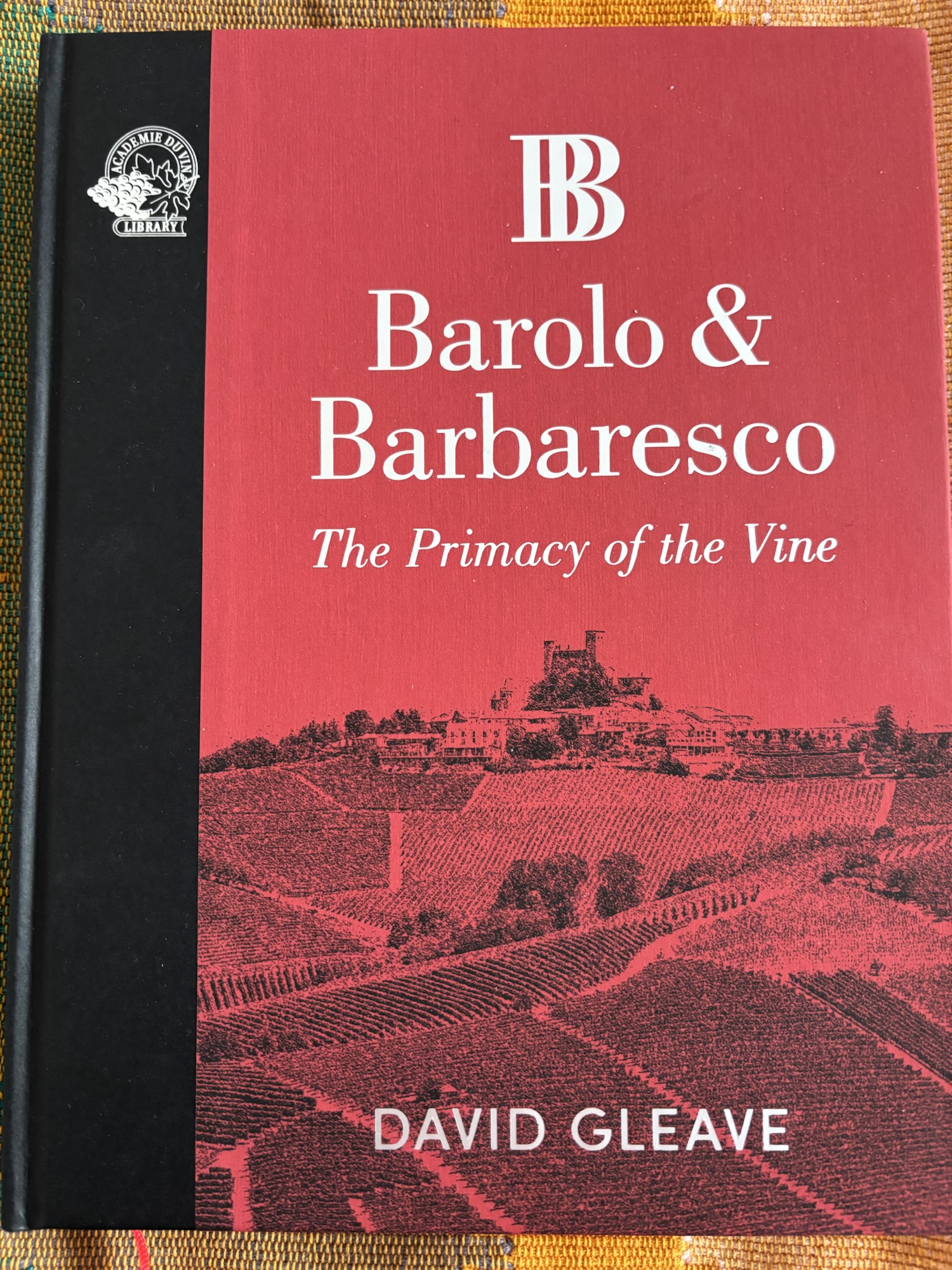
The first thing to say about this book, whose full title is Barolo & Barbaresco – The Primacy of the Vine, is that it is beautifully produced. It’s a good, solid book, weighing in at over 2 kg, and printed on fine quality paper. This, along with its dimensions (close to 30cm x 23cm) allows for the photography to be seen to best effect, and I have to say that you will be hard pushed to find more alluring photographs in any wine book. They show off this spectacular landscape, steep rolling hills with hilltop villages set against the backdrop of the snow-capped Alps. If you haven’t visited, these photos might tempt you.
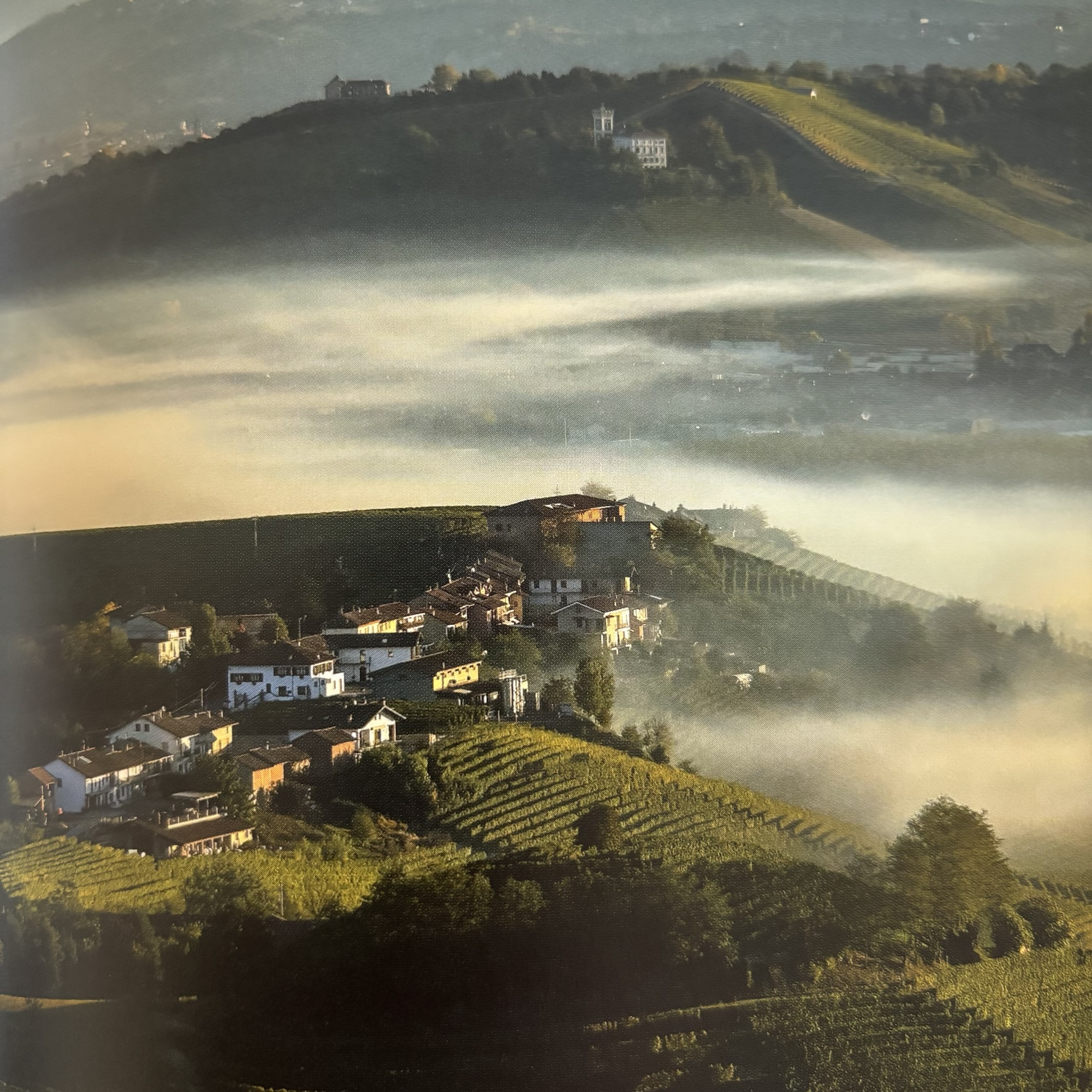
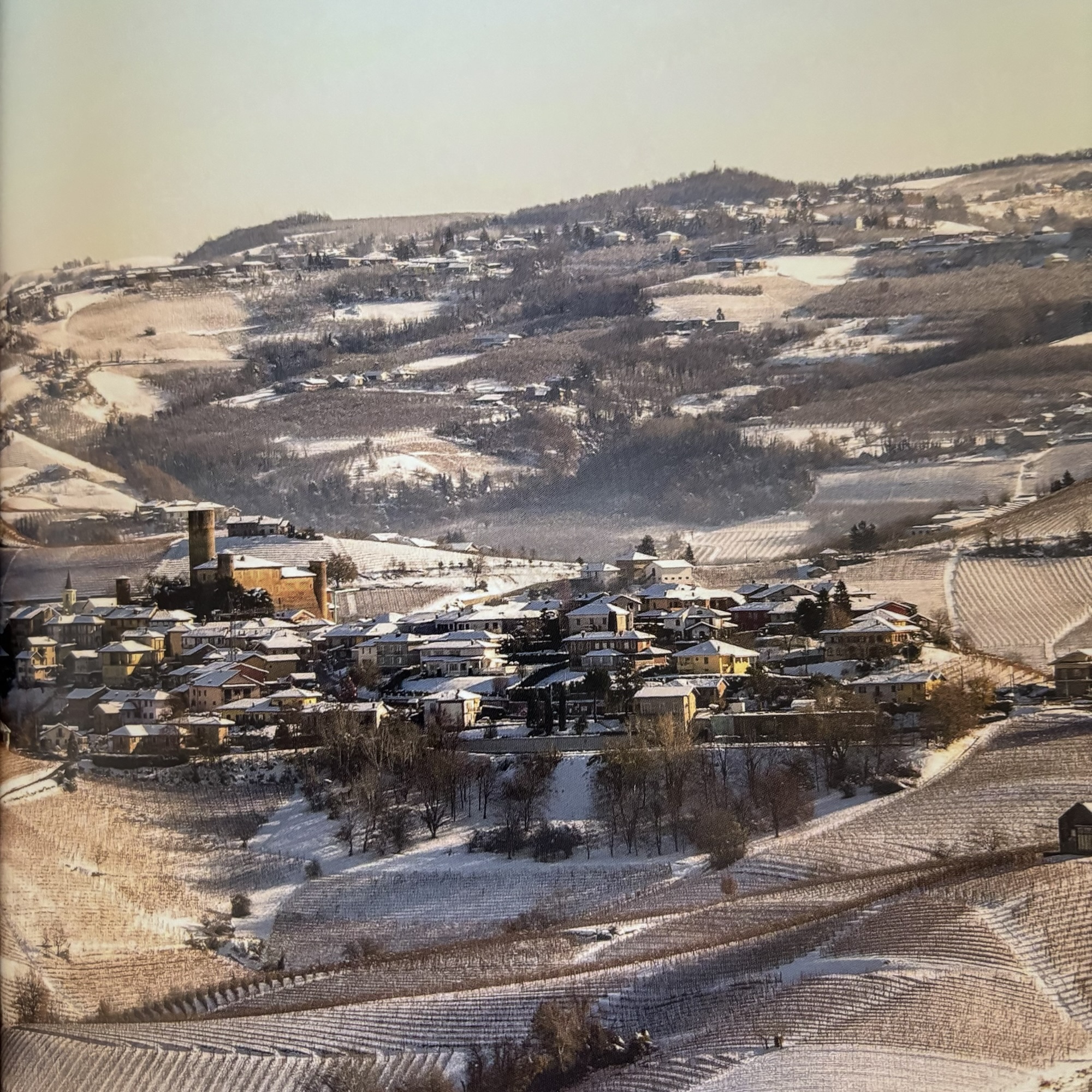
The initial chapters set the scene by describing the land here and its history. The book specifically covers the two major appellations, or should I say DOCG zones. This means Barolo and Barbaresco made from Nebbiolo. Other varieties get a mention occasionally, for example the speciality grape of Verduno, Pelaverga, but we are basically fully focused on Nebbiolo here, grown within a small area of Southern Piemonte. The Barolo zone is just under ten kilometres west to east and just over ten kilometres or so north to south. Barbaresco is even smaller.
Gleave asserts that it is only really in these two special zones in the south of Piemonte where Nebbiolo truly thrives. I’m not going to assert expertise to match his although I’ve drunk beautiful Nebbiolo of depth from Roero, Alto Piemonte, Valtellina, and Australia, along with creditable examples from elsewhere, especially the eastern fringes of Aosta at Donnaz/Donnas. Faith in Gattinara has been expressed by Barolo star producer Giacomo Conterno because Roberto purchased that zone’s top name, Nervi (90% in 2018 then outright in 2022). He is said to have paid €5 million for the 27 hectare estate, but then half-a-hectare of La Morra’s Cerequio went for €2 million in the same period (source jancisrobinson.com). But I get David’s point.
I was very lucky because my first experiences of Barolo were from some of the best vintages of the 1970s and from now-revered producers. I don’t remember whether these wines were oxidised, or stripped of fruit from too long in wood, as some were accused of being back then. They seemed to be wines whose presence was bigger than their ethereal bouquet and pale, brick-red colour suggested, and for me they had aged well, even if they’d needed to age.
Back before the 1970s the more sought-after wines in Piemonte came from zones in what we now call Alto Piemonte, such as Carema, Ghemme and Gattinara. The Langhe Hills near Alba where we find Barolo and Barbaresco were seen as backwaters, where absentee landlords owned large tracts of vines, but the peasant farmers were surviving on mixed farming and sharecropping, selling their own share of the crop in Alba as best they could. Just a few of these farmers started making their own wine, but generally without being able to afford much in the way of equipment.
What happened since really the 1980s was what the author tells as “[t]he story of an entire region transformed beyond recognition”. Barolo especially is now seen as a fine wine on a par with, and in many ways not dissimilar to, Burgundy, and priced accordingly. These wines now occupy the wine lists of the best restaurants worldwide, whereas just a few decades ago producers were struggling to get their wines listed beyond Turin.
We get to read about the highs and lows, not least in that latter category the tragic methanol scandal which killed twenty-three people in 1985, and which probably had a positive long-term consequence for the quality producers. We also get to read about the much-sensationalised split between the modernists and the traditionalists. This was simplified by the press as barriques versus large barrels, new and old wood.
Like all good stories, things were way more nuanced, and relationships portrayed as bitter or severed were usually very much overblown by journalists looking to sensationalise the changes being made. But there’s no doubt the quality of viticulture and winemaking began to change for the better, largely as a result of producers achieving better prices, thus having more money to invest in purchasing vineyards and equipment for the cellar.
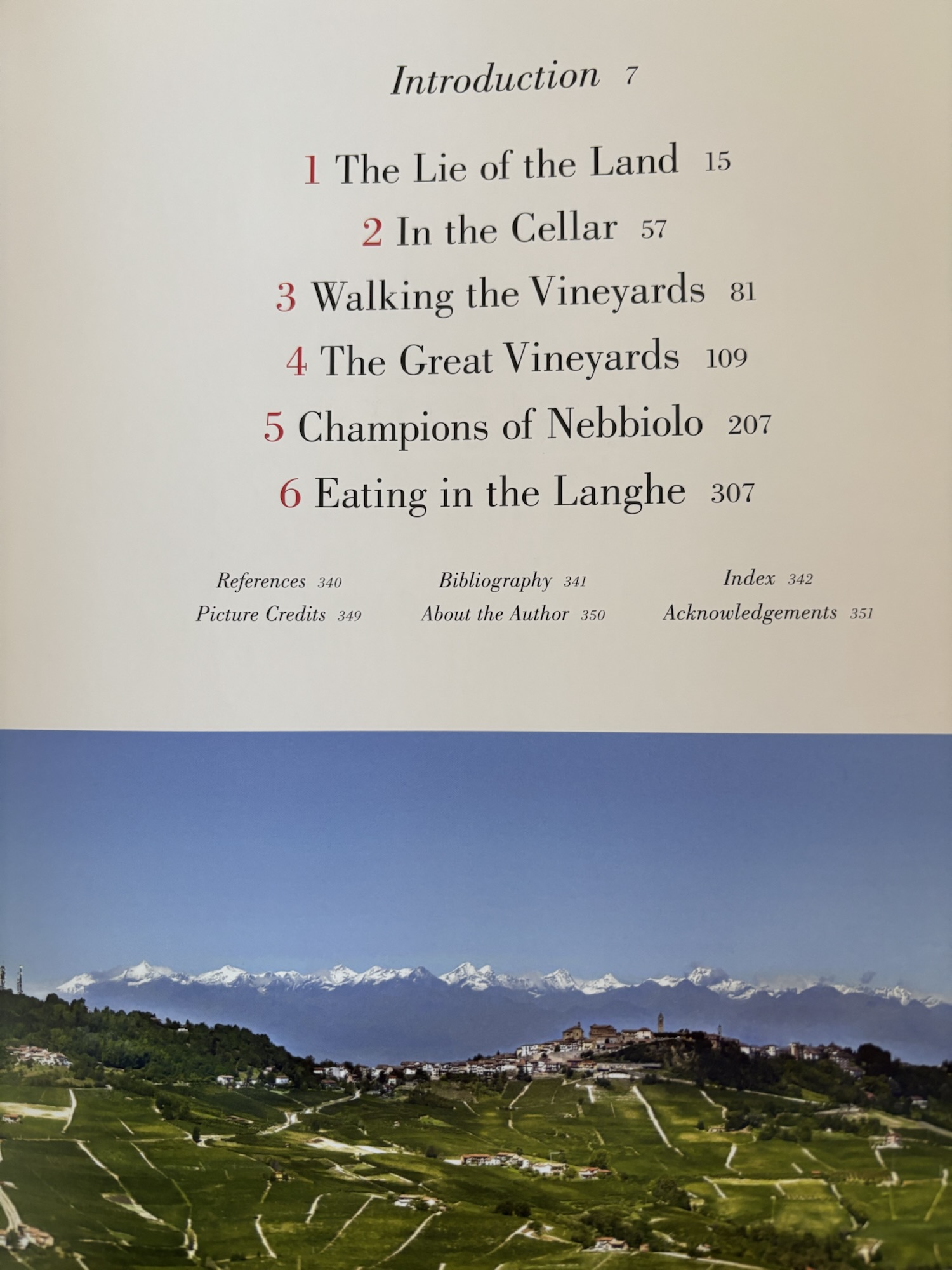
“In the Cellar” covers winemaking techniques as they have evolved, with a good long section of several pages on “The Barolo Boys”. These were a group of forward-looking winemakers who got together to taste and discuss, and then travel. Collaboration was pretty much unheard of in the Langhe before the 1980s, and eventually a pretty large group were able to share insights on types of oak, maceration techniques, destemming options and much more. Again, it’s a story much misunderstood by the popular press, but integral to where Langhe-grown Nebbiolo is today.
The core of the book is in the Chapters “Walking the Vineyards” and “Champions of Nebbiolo”. The first of these anchors the two appellations to the land via a mostly exhaustive look at the individual sites, now grouped in delineated if over-large MGAs (Menzione Geografica Aggiuntiva), an officially recognised vineyard area, although these sub-zones in each of the communes of Barolo and Barbaresco may include within them a number of other traditionally, if not officially, recognised vineyards.
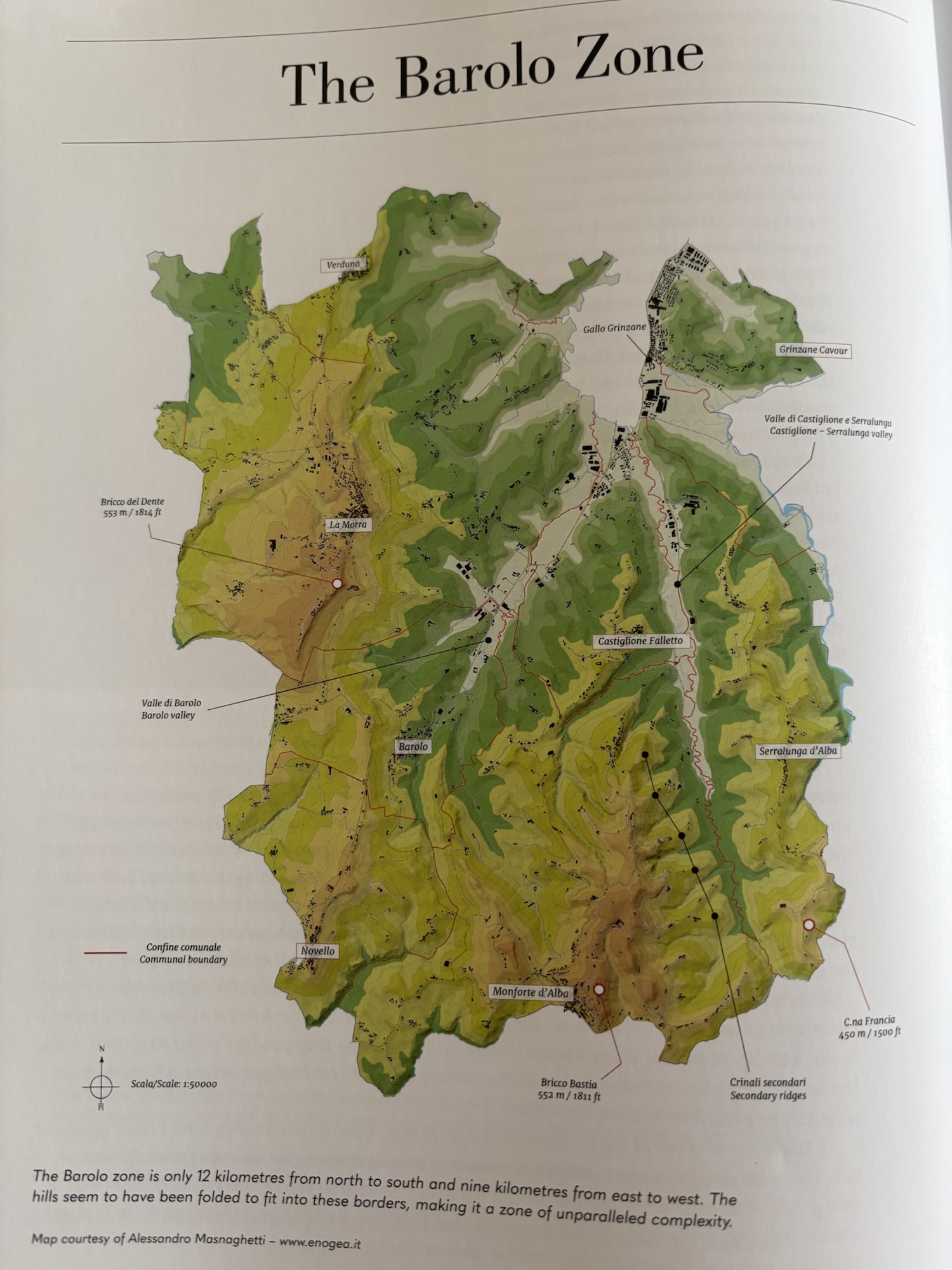
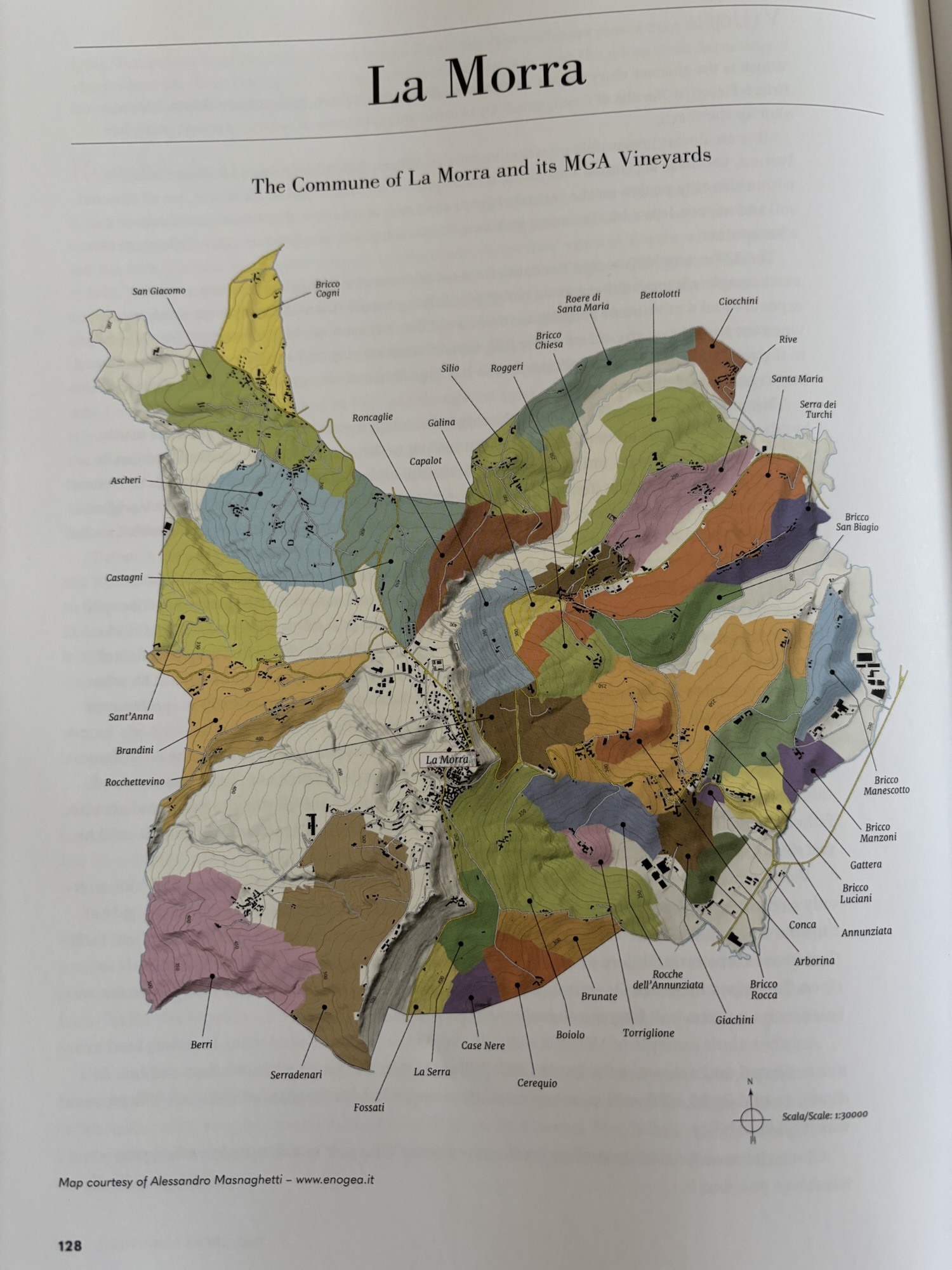
The wonderful Masnaghetti maps, here the whole Barolo zone and the MGAs of La Morra
Each of the Barolo and Barbaresco communes has a section headed by a reproduction of the wonderful maps of Alessandro Masnaghetti, which bring the regions’ special topography to life. We then go through the MGAs, discussing soils and aspect, climate and size, but also who owns or rents vineyards and what they do with those grapes (single site wine or into their blended Barolo Classico, for example).
After learning very granular detail about the land, we look at the best producers, the Champions of Nebbiolo. There are a considerable number of them profiled. More recent improvements in the wines have beyond doubt come through an increased appreciation of the importance of the vines and the land on which they sit. That said, Barolo and Barbaresco began to appear on our lips more frequently from the 1980s onwards as a result of the individuals who made and promoted the wine. In “Champions of Nebbiolo” we get to know them, and see the often incremental though occasionally dramatic changes they made, and which caught our attention via an eager wine press keen to sniff out a good story.
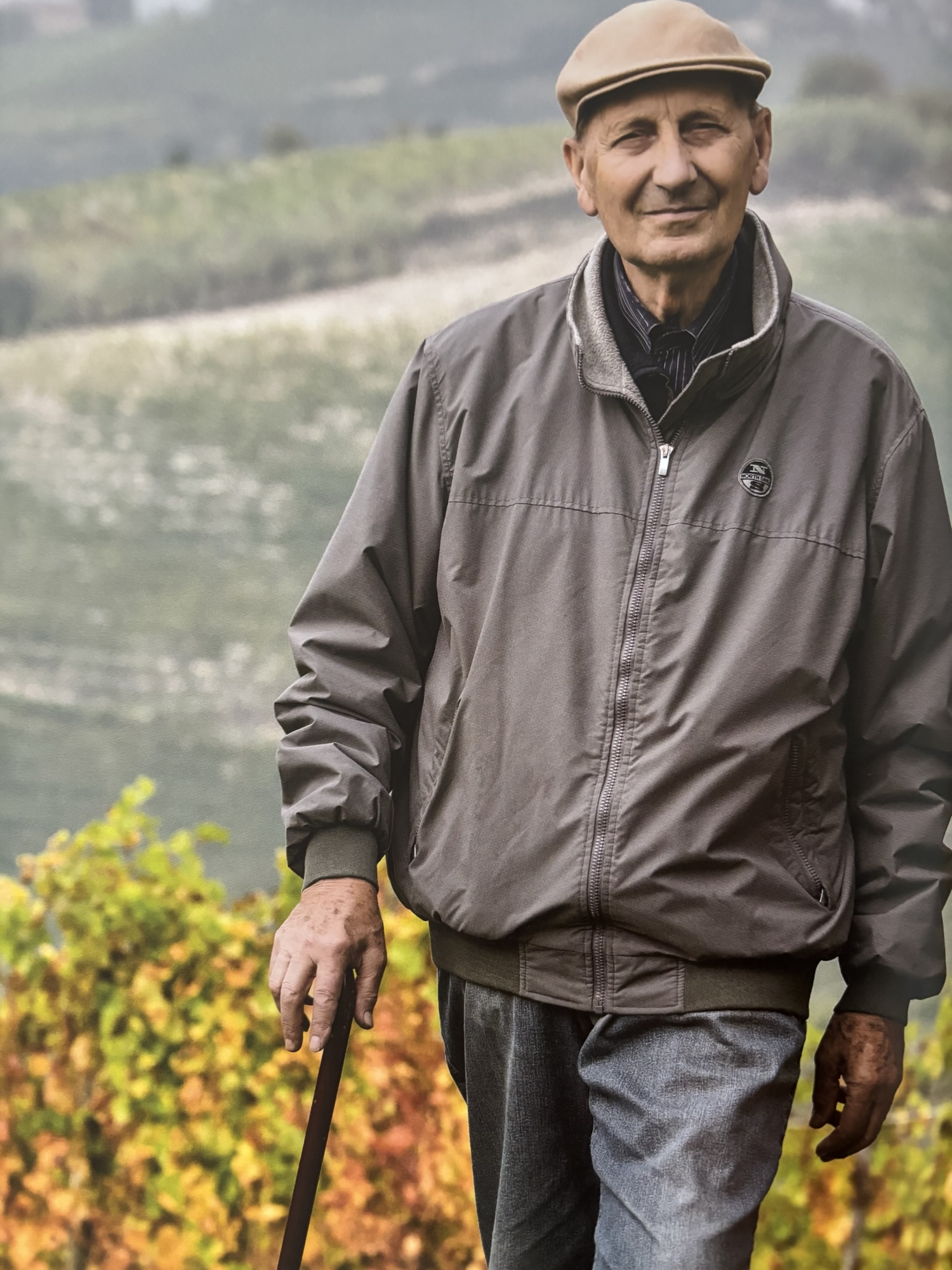
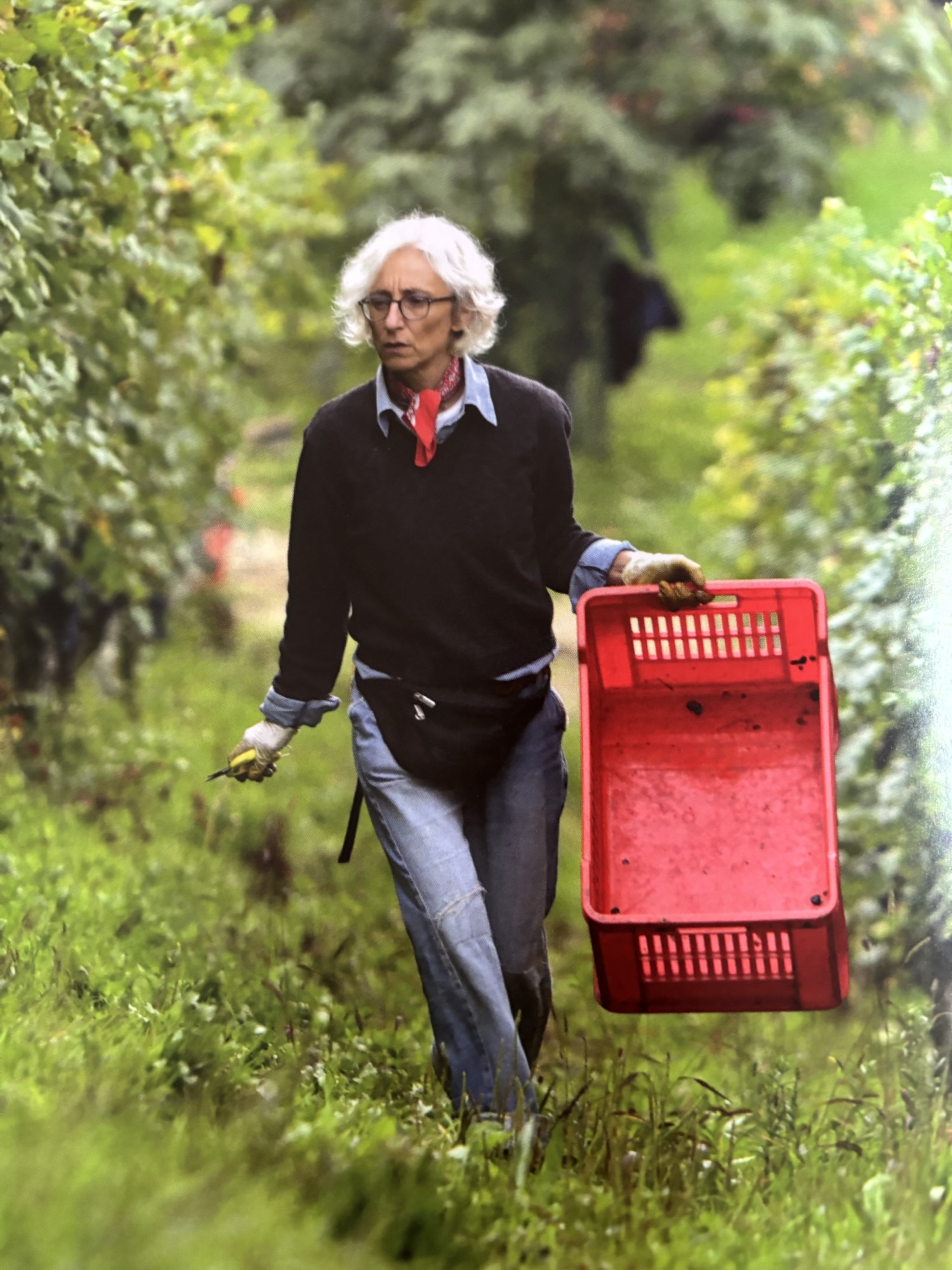
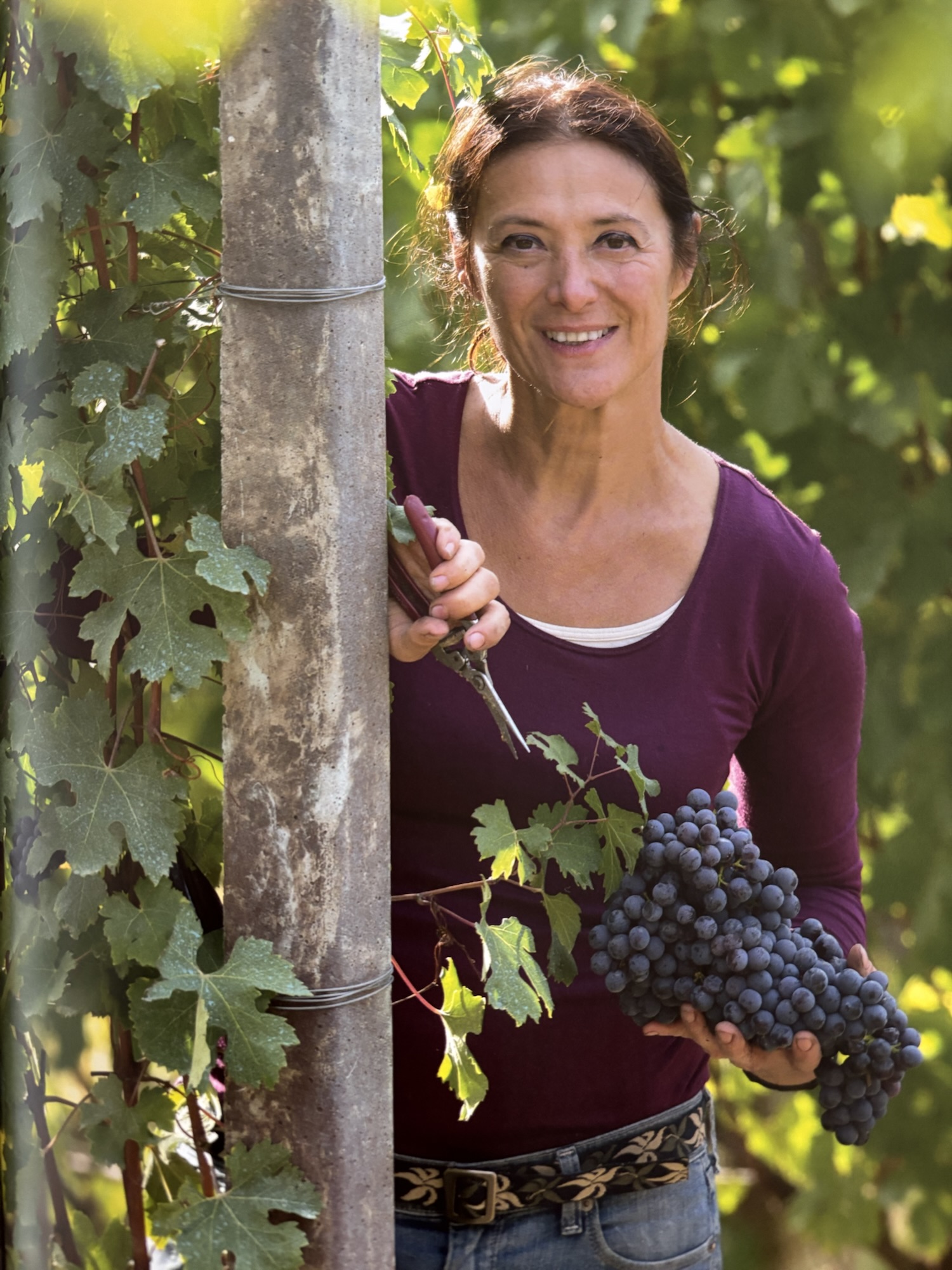
Nebbiolo Champions Beppe Colla, Maria Teresa Mascarello and Chiara Boschis (E Pira e Figli)
I used to think David Gleave had a particular palate through the style of many of the Nebbiolos he sold, but the book does disabuse me of any such supposition. But nevertheless, it is a book which follows the author’s own narrative and sometimes there’s a greater focus on people he knows and has worked with. Occasionally there are producers who get a very short entry, but there is always an explanation. The prime example, I suppose, is Roagna, whose wines I did, for a time, buy quite regularly. Well, Roagna is by-and-large too expensive for me now at the DOCG level, and has suffered from a degree of hype. For whatever reason he has never been able to receive David Gleave when he was in the region, and so not much is said about his wines. Whether there’s anything more to that story, I’ve no idea.
Reading this chapter I thought about adding up the number of producers profiled, but I gave up. There are too many to count. I did realise however just how many producers from the two regions I know, although the very top names are unlikely to reappear in my cellar. Others may notice omissions but I didn’t, and each grower/winemaker profile is warmly written and brings individuals and families, along with their histories, to life on the page.
We end with what might at first seem a random inclusion to some, “Eating and Dining in the Langhe”, but I don’t think so. I’ve remarked on the regional cuisine before, and if you don’t already know it, the photos on the pages which follow, from the region’s best restaurants (not exclusively so-called fine dining by any means) will whet your appetite. But as with many regions making fine, individual wines, the two go very much hand-in-hand. For those who are able to, there is no better place to enjoy Barolo and Barbaresco than in the restaurants the author lists.
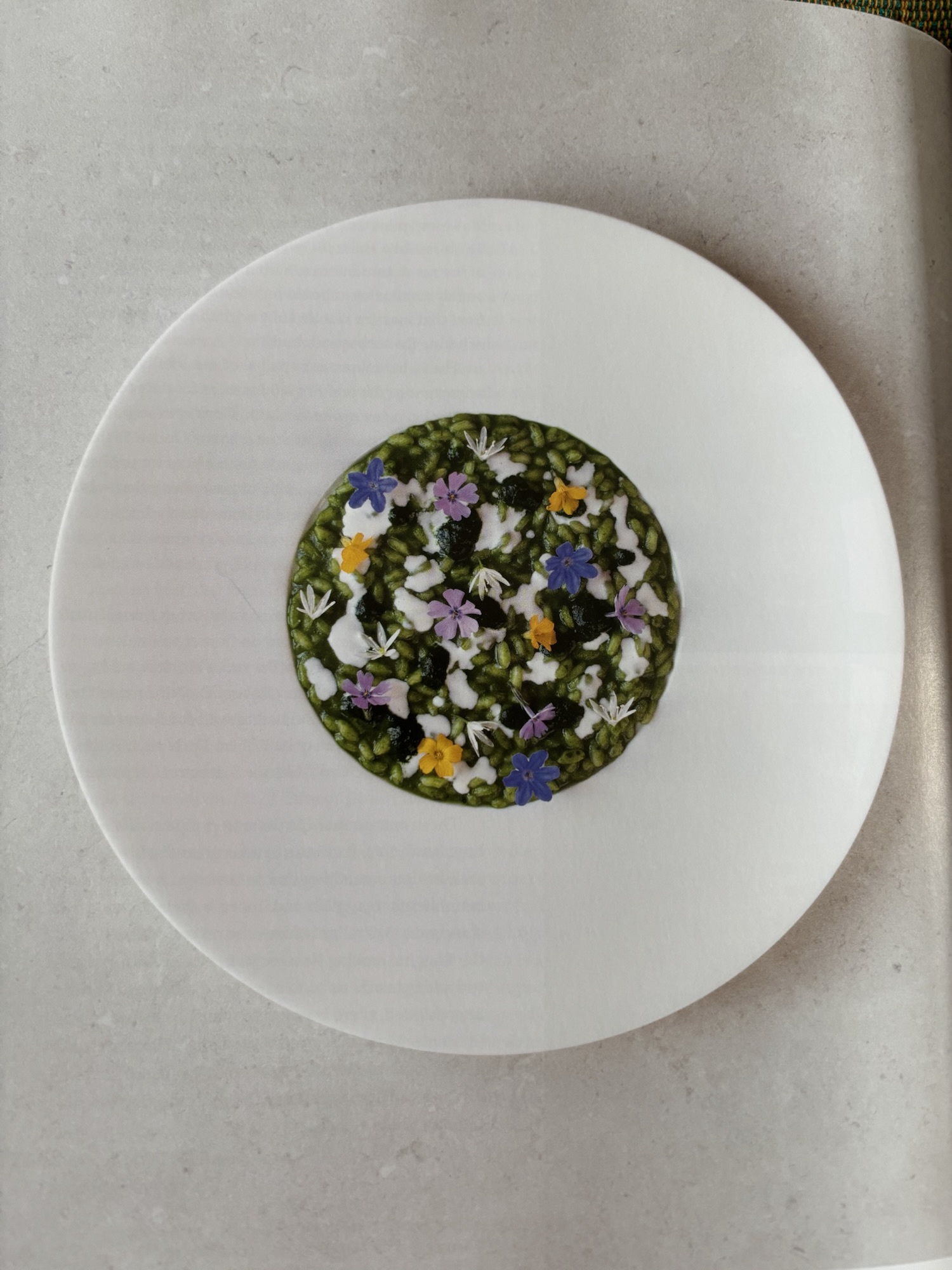
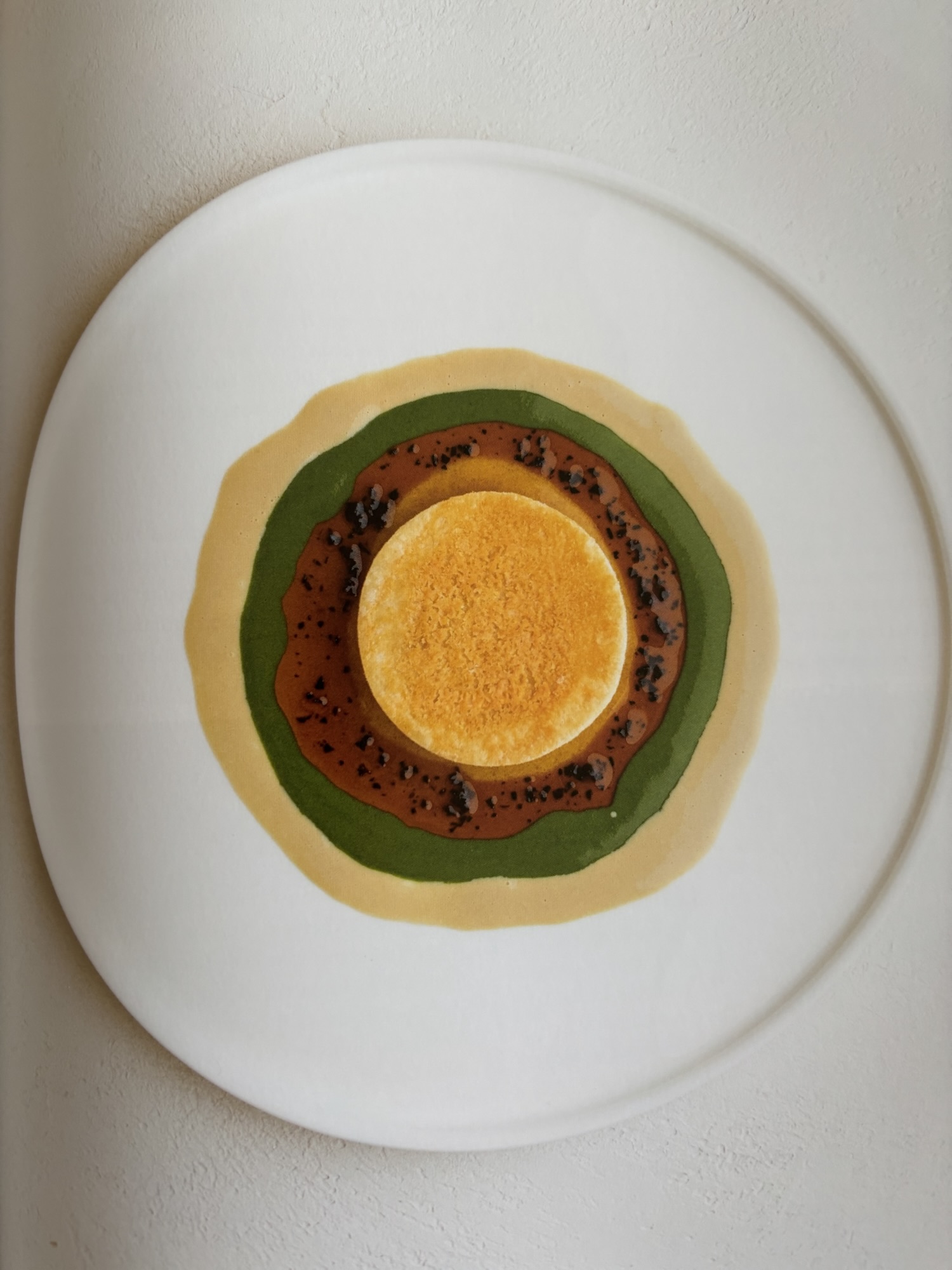
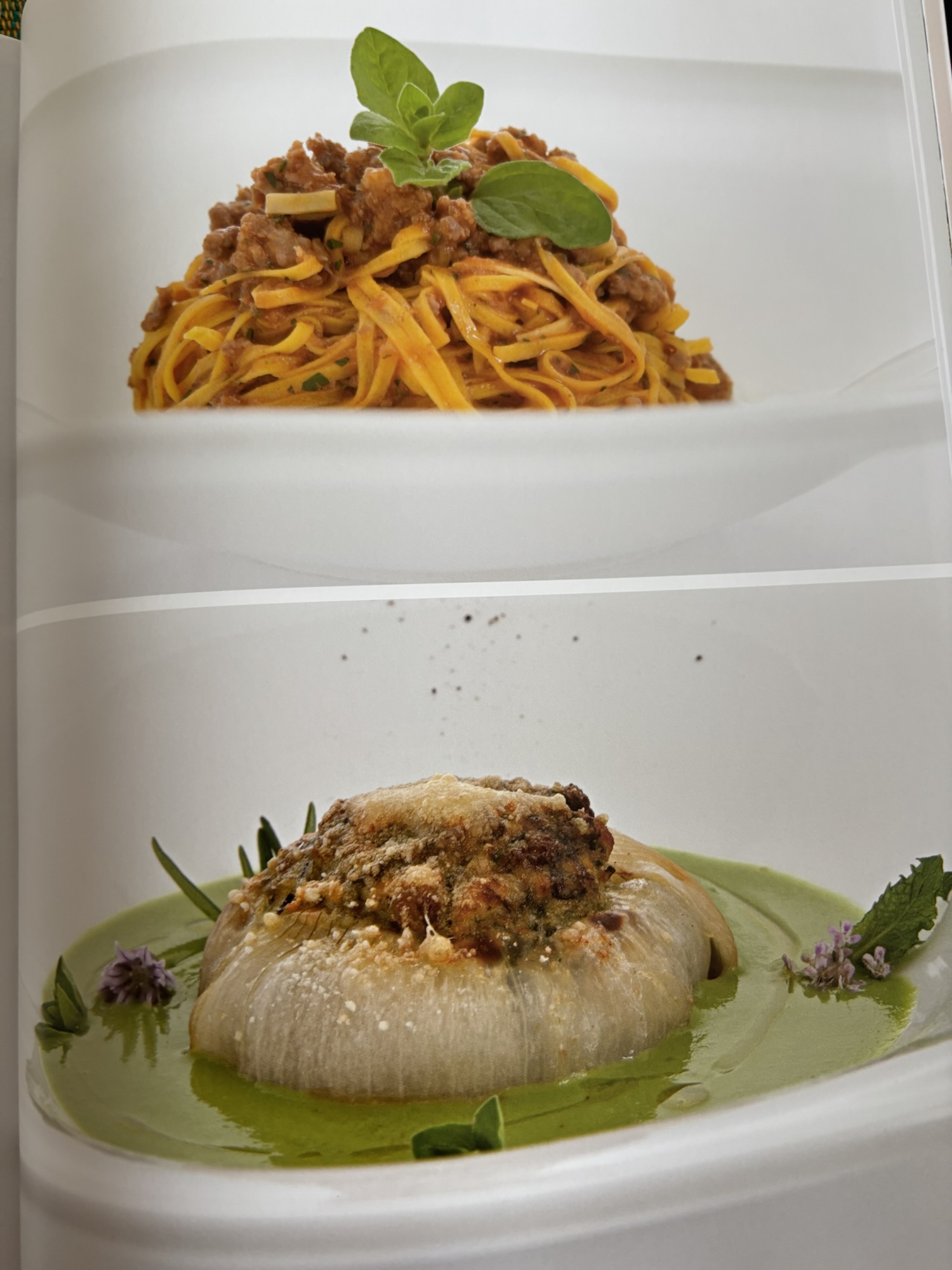
L-R two dishes from Piazza Duomo (Alba) and two from Osteria Veglio (La Morra)
Is there anything missing? Only one thing, and that’s a summary, and some lists, of David Gleave’s favourite wines. He could especially have listed some lesser-known wines to seek out, perhaps for those of us who are in love with the region but are not quite as wealthy as those who can afford the top names. It is a matter of decades since I have sipped a Gaja wine. Perhaps I should have taken notes as I was reading. Perhaps I’m just an isolated lover of lists.
However, this is a magnificent book. It costs £75, at which point I’m sure a few readers will fall off their chair. Wine books are starting to get as expensive as the fine wines they describe. That said, this book is surely essential for anyone who has a passion for Nebbiolo from Barolo and Barbaresco. It is a stunning achievement, a work that sweeps across the landscape yet is absolutely full of detail. It is also a book which, despite showing “the primacy of the vine”, also paints endearing portraits of true artisan winemakers making some of the finest wines in the world. A wonderful book, which I know many of my wine friends will find it hard to resist buying, or will hope to find it in their Christmas stocking. Trouble is, now I need to buy some of the wines, which will cost a lot more than the price of this book.
Barolo & Barbaresco – The Primacy of the Vine by David Gleave is published by The Académie du Vin Library (351pp, hardback, rrp £75).


