
The cliché may be that policemen are looking younger but I’m not sure that’s the case with Bordeaux drinkers. Nor Burgundy drinkers for that matter. A recent remark on Twitter by Jancis Robinson lamented the fact that there seemed to be few young people at the Bordeaux tastings. Is Bordeaux becoming an old person’s drink and what are all the young ones drinking?
At first it might not seem important, the fact that a major disconnect is going on in the world of wine. The great cities of the world have these fantastic new, vibrant wine scenes encompassing new independent wine merchants, new wine bars, and young sommeliers introducing new wines to diners. But I’ve noted before how these places are not pushing the traditional greats any more. In some places you really are more likely to find something praised by Isabelle Legeron than by Hugh Johnson, and whilst that may not please some commentators it is nevertheless a fact of the changing face of wine retailing and drinking. If it’s only in a trendy metropolis that this is the case, what starts in Sydney, San Francisco, London, New York, Paris…
I’m not convinced it’s because no one likes these “traditional” wines. It’s because they are perceived as expensive. When people I know talk about Bordeaux and Burgundy they are usually talking about the investment level wines. For Bordeaux that means the upper tiers of the 1855 Classification, whilst for Burgundy it means almost any wine made by the top producers, plus most of the Premiers and Grands Crus of the rest.
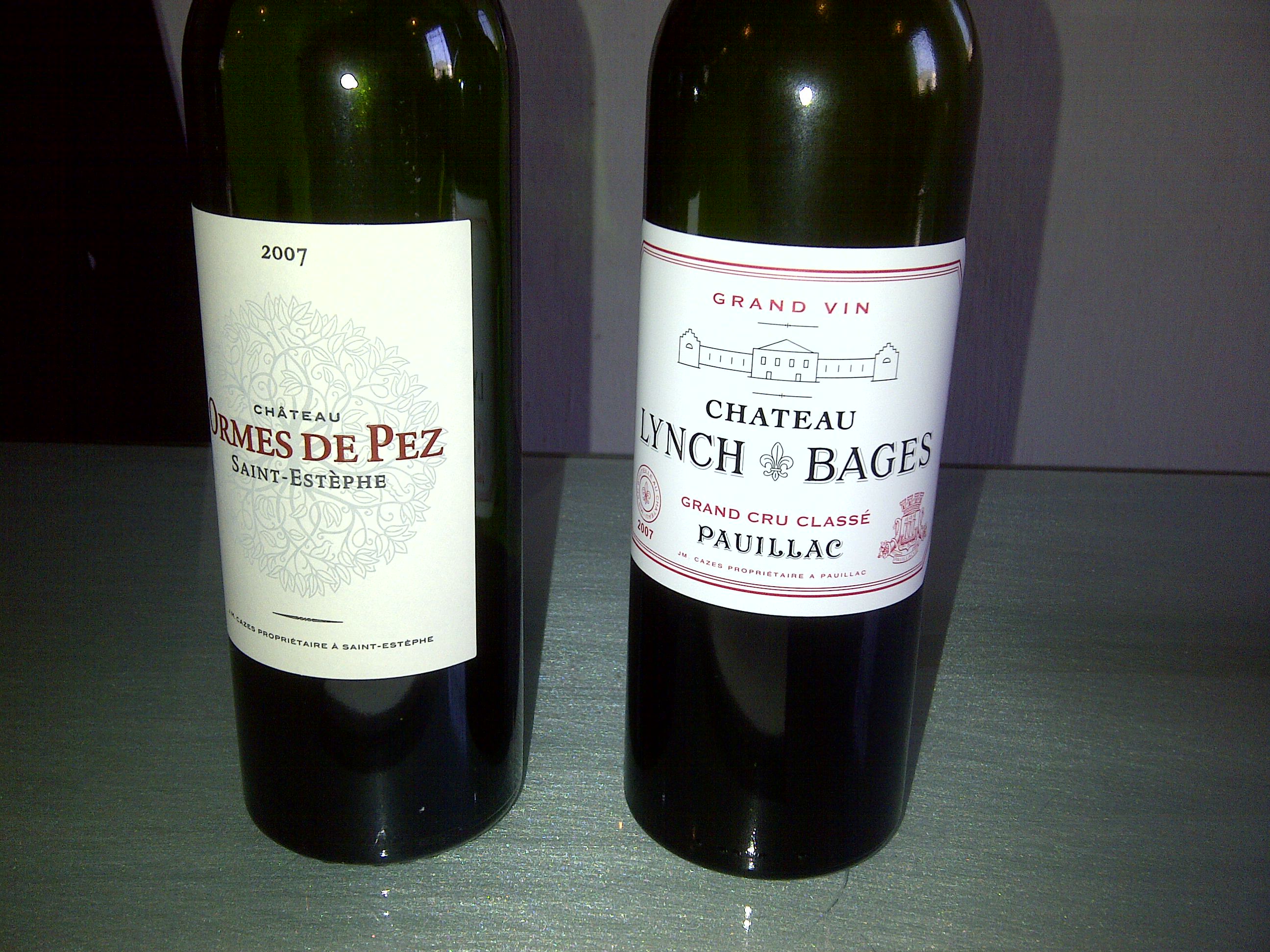
The prices of these wines don’t just put off many wine drinkers now, they are just totally unaffordable to most younger drinkers. This is a shame. I was lucky enough to start my passion for wine when even the Bordeaux First Growths were affordable, if somewhat rarely. Yet a wine lover starting out today might never get the chance to drink, or certainly to buy, wines like Haut-Brion, Latour and Mouton, or wines from Coche, DRC, and Leflaive. Even at the lower (sic) levels, producers like Lynch-Bages, Pontet-Canet, Fourrier and Bruno Clair are now out of reach for many.
But do the new wine lovers care? I’m not so sure they do. The world of wine is so wide now that there’s a greater choice when it comes to satisfying hand-crafted wines, expressive of place, with an interesting back story to them than ever before. Few wine regions now fail to yield wines deserving of the epithet “fine”.
Of course we look at the top producers from the traditional regions of France, Italy and Spain, and they appear to care little about what these new “drinkers” think. As long as these highly sought after wines have a market among the small number of collectors, and the larger number of investors, who purchase these blue chips, then they are not worried…or so it looks. Indeed, what used to be one world of wine has seemingly split in two. Wines for drinking, wines for trading (how prescient was Simon Loftus with “Abe’s Sardines” all those years ago).
But aside from the future of fine wine as an investment vehicle, what about all the other people making wine in Bordeaux and Burgundy? I think Burgundy has a better time of it. It’s the artisanal nature (whether in truth or in the marketing) of many of these wines that attracts new drinkers, whether from once less popular villages (from Pataille in Marsannay to increasingly popular producers in the once forgotten Chalonnaise and Maconnais), or the artisans working on the fringes (Goissot in Saint-Bris, La Cadette in Vézelay etc). They can be readily identified with other artisans from the Beaujolais, Jura, Loire and so on. They are rarely seen in the same light as the big names, just as the growers in Champagne have forged a separate identity to the large houses there, although in both locations the boundaries can sometimes be blurred to the producer’s advantage.
We might be grateful that the old school have not woken up to the potential outside the classic regions. Like the eminent collector, a man with a fine cellar and a very good palate, who commented that Tenerife might be a good place for a cheap holiday but not for wine, surely! Well, the fact that Suertes del Marques are making some of the finest single parcel wines in Spain is best kept a secret, isn’t it?
Yet there are two problems facing the traditional fine wine regions. First, the finest producers do need to encourage younger drinkers to develop a love for these wines, as others have done for generation after generation before them. If we don’t drink them they will slide from the radar of genuine wine lovers, even if their virtues are extolled by the points givers. They will surely otherwise just end up stashed underground in China, Russia, Wiltshire…waiting for someone else to buy them to do exactly the same thing, bury them forever like a work of art in the basement of The Louvre that never sees the light of day, nor gets seen by the viewing public.
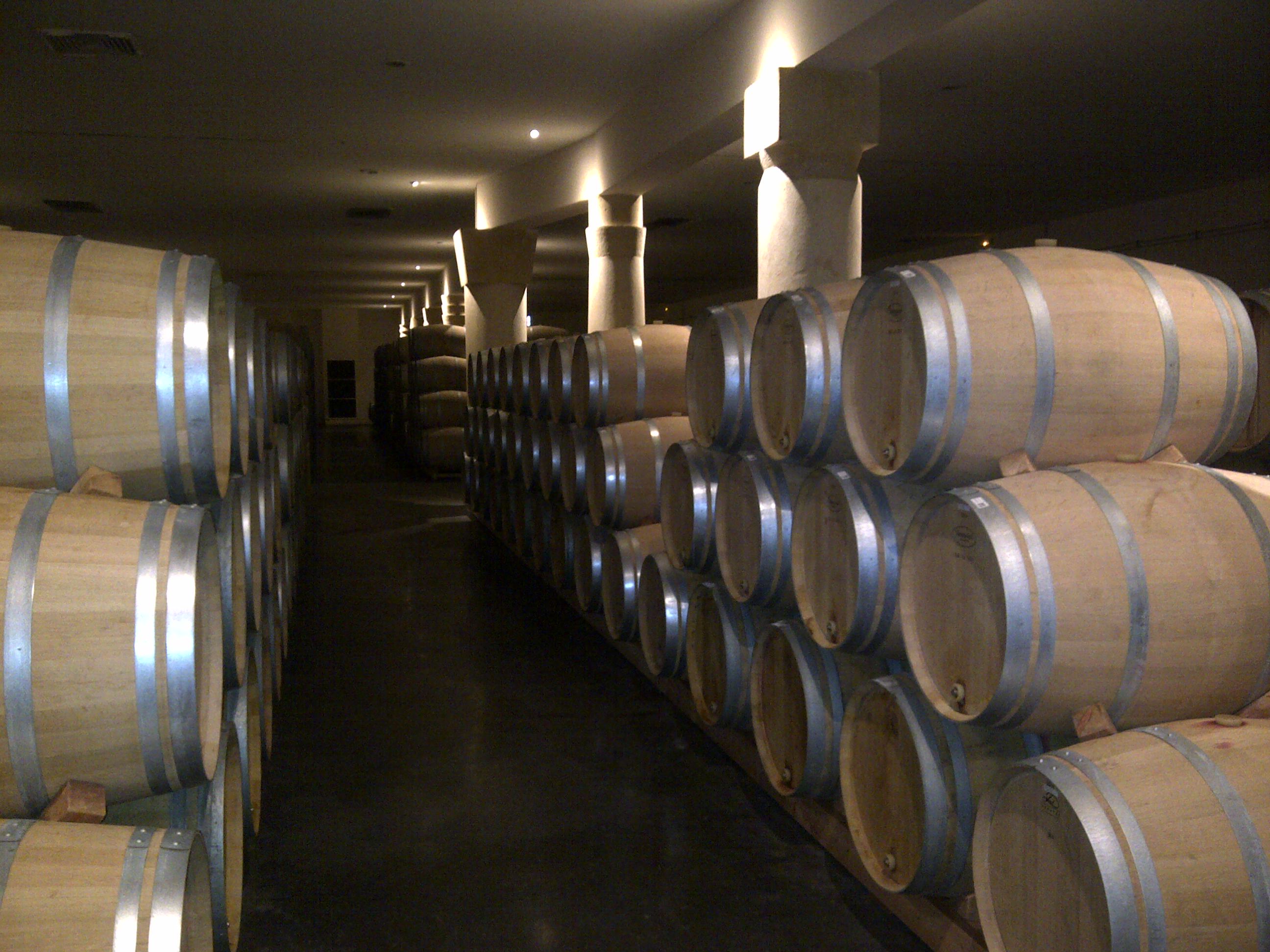
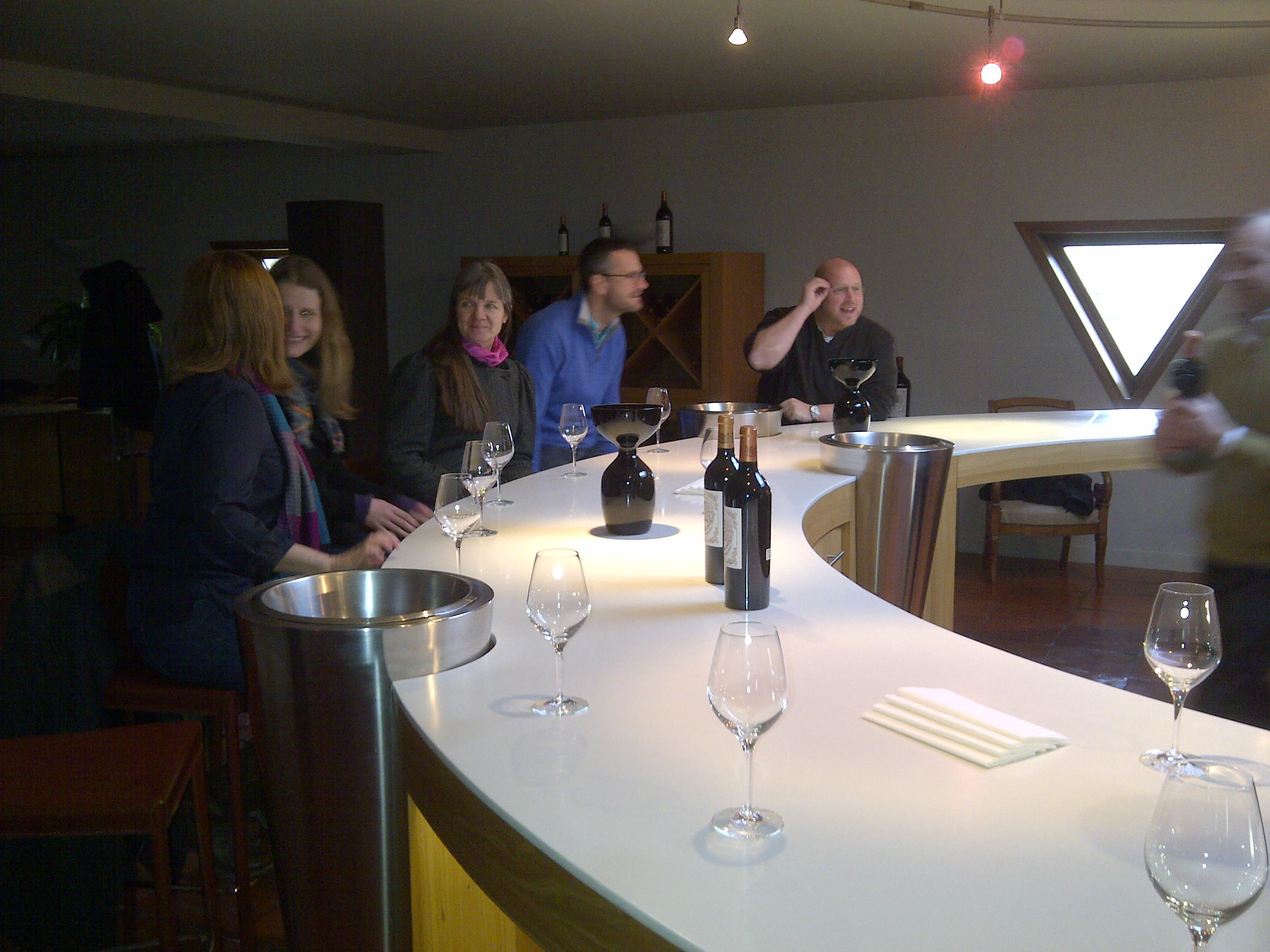
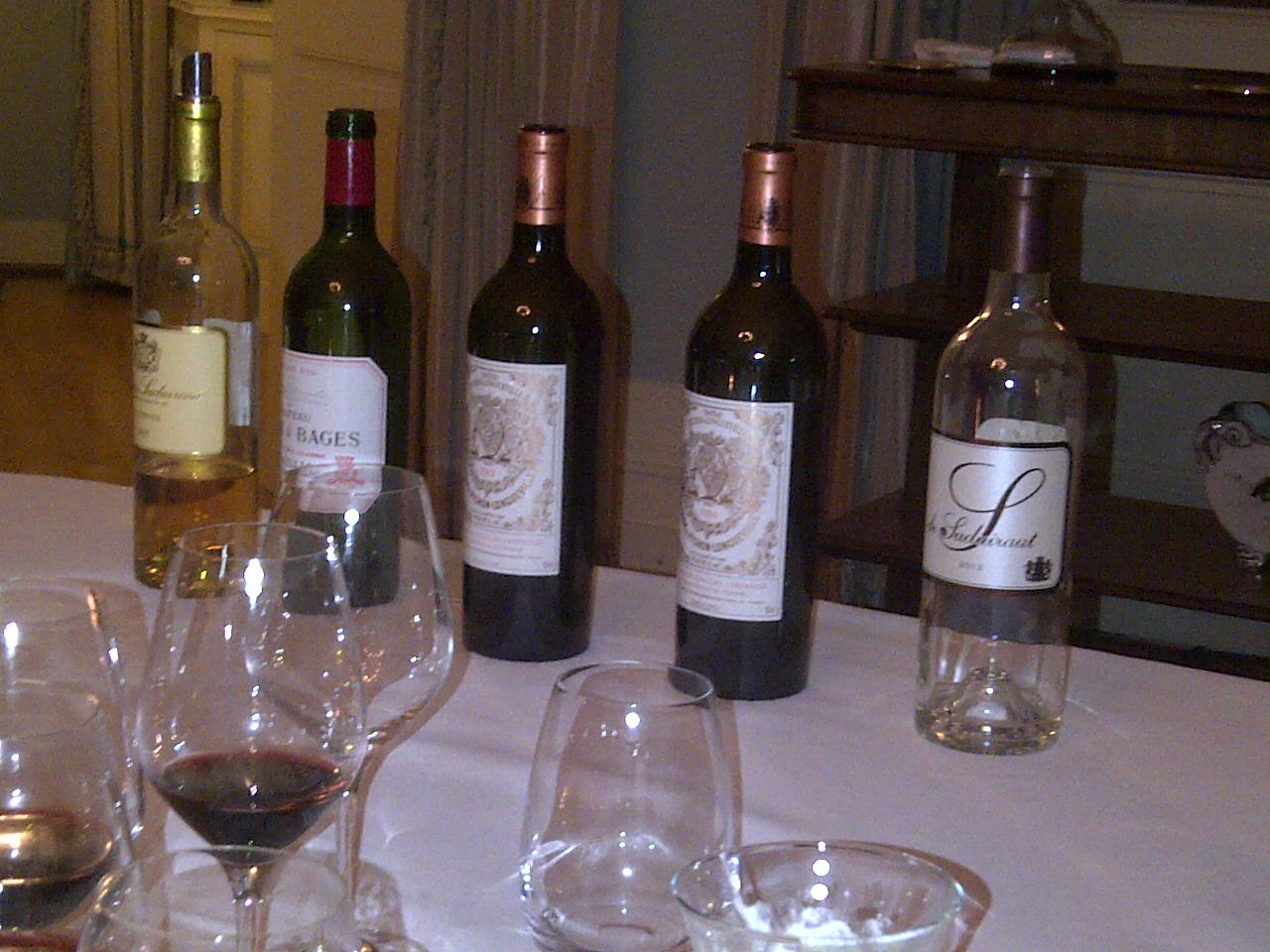
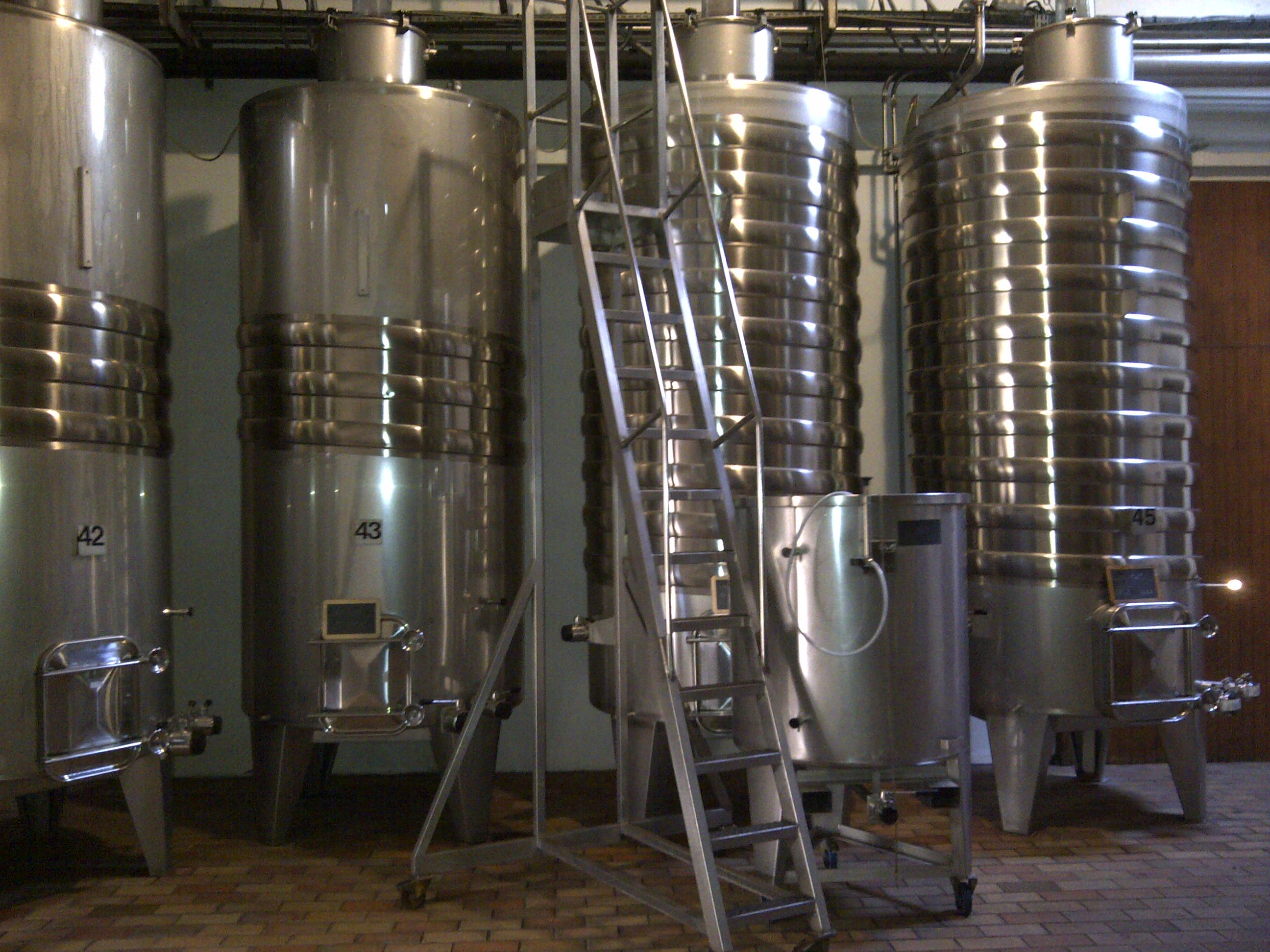
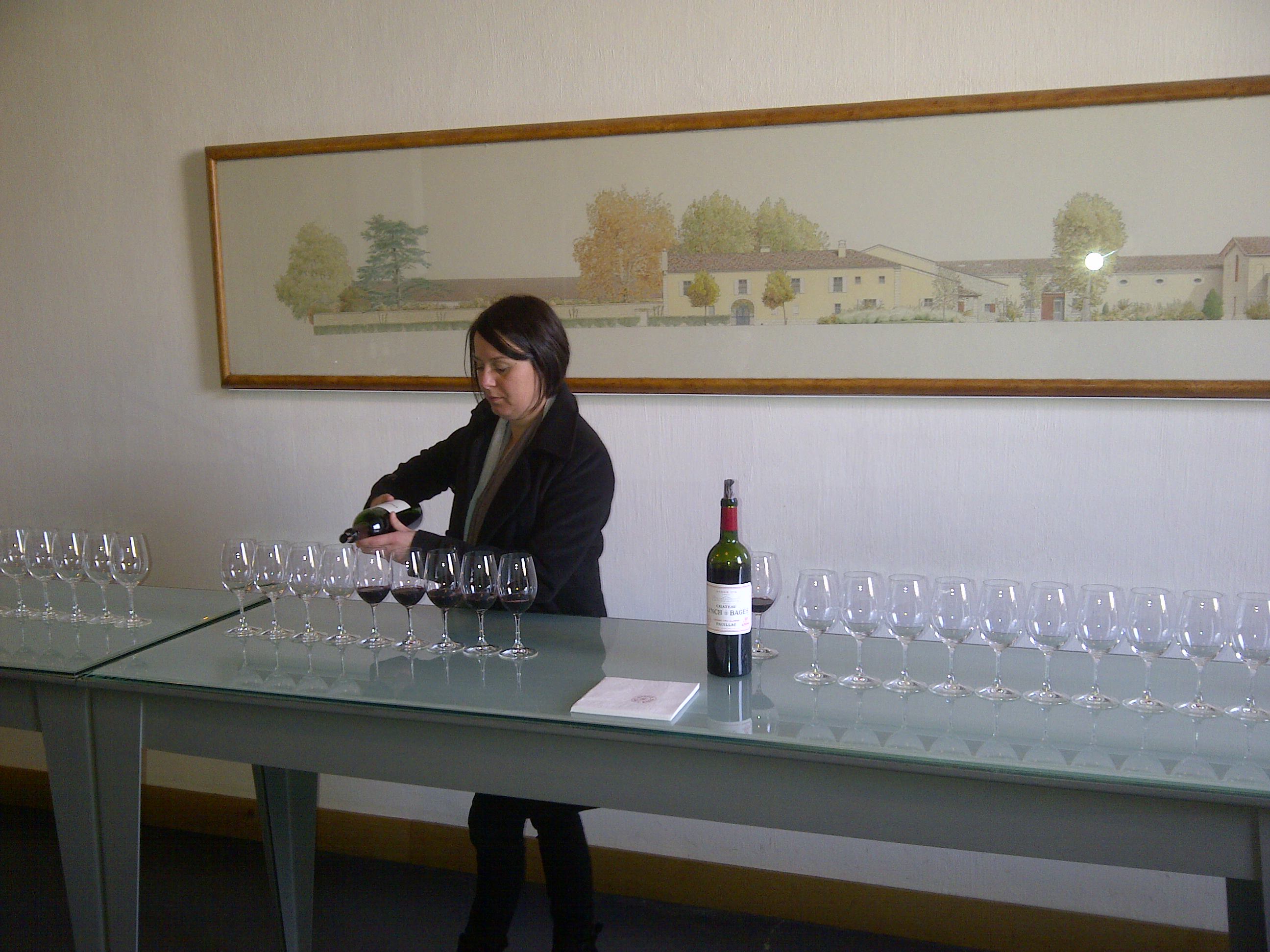
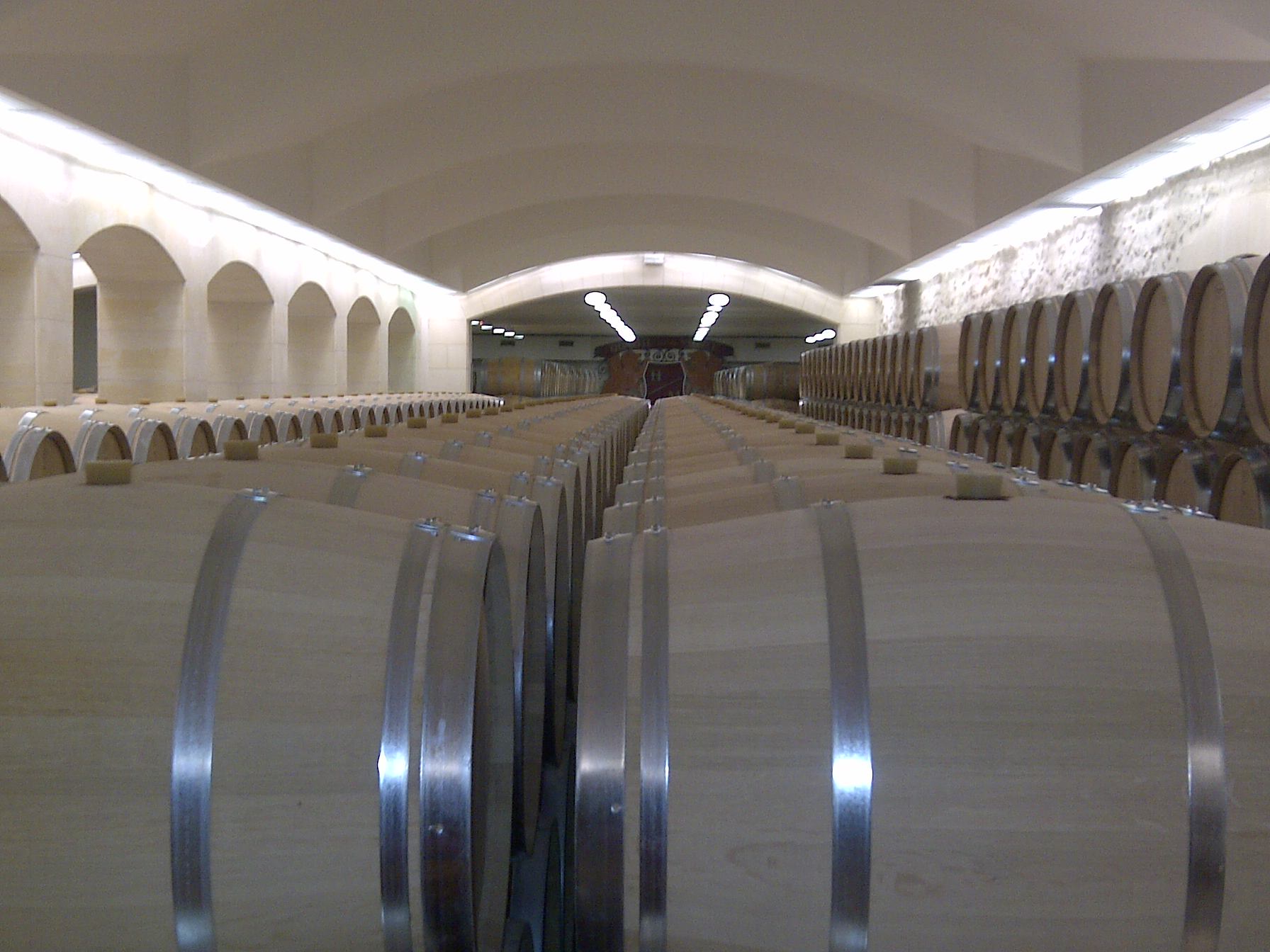
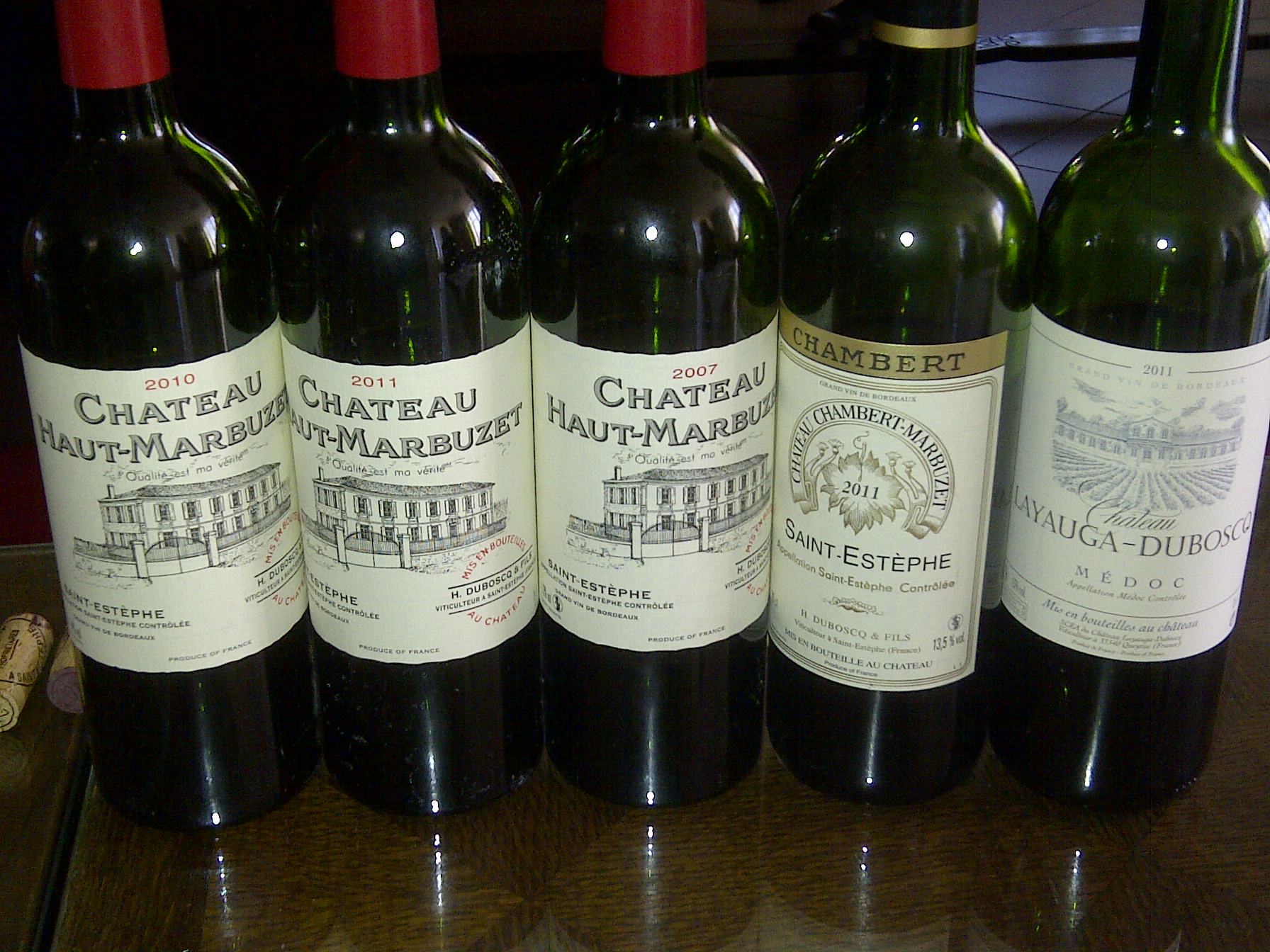
Some of you will have read my posts earlier this year from Bordeaux where visits to three Chateaux at different levels (Haut-Marbuzet, Lynch-Bages and Pichon-Longueville where we stayed) certainly reminded to me how excellent the wines are in this region. If I am totally honest, I think I needed reminding. If I buy them less and less it’s not just because the choice is now so much greater, nor because I have a little stash of them already, but because they don’t always scream affordability.
And what of all the many smaller producers in Bordeaux? Yes, the second problem. The Petits Chateaux, the Crus Bourgeois’, the Graves, Saint-Emilions, and for goodness sake the excellent white wines? There’s still so much to enjoy here, and I believe that as genuine wine lovers give up on the great Crus they also give up on these so-called lesser wines, affordable wines potentially every bit as good as a fine Morgon Cote du Py, an amphora-aged Cerasuolo, a Californian Trousseau, or perhaps whatever genuine marvel Sager + Wilde have found this week. Does the future for Bordeaux at least, if perhaps not Burgundy just yet, look bleak, or am I just on the wrong wine planet?
















 David Crossley's Wide World of Wine