All’s Gut in Oggau

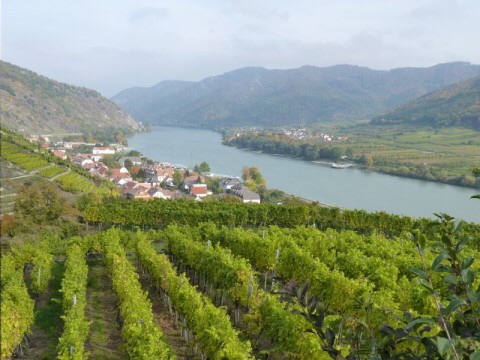
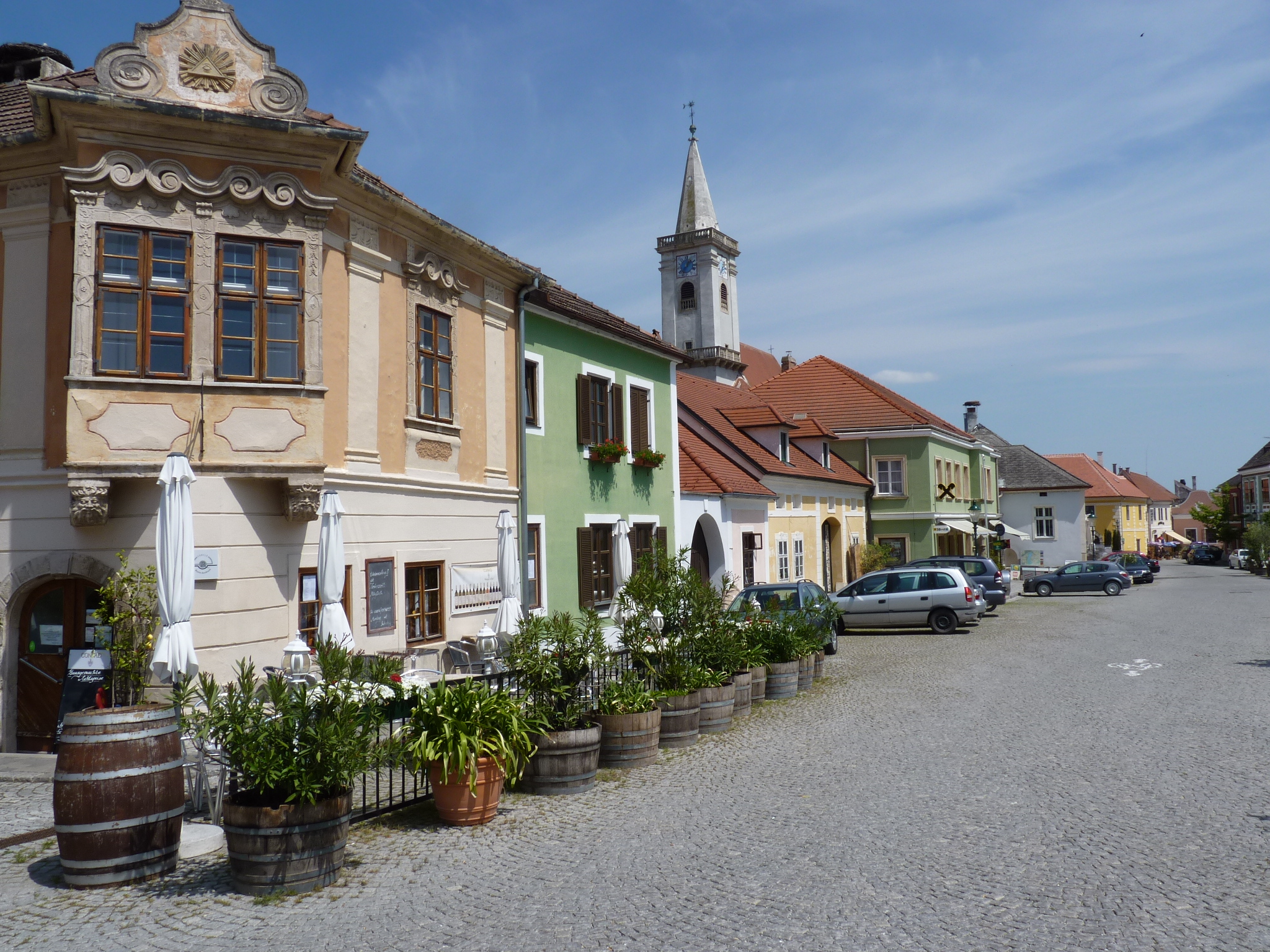
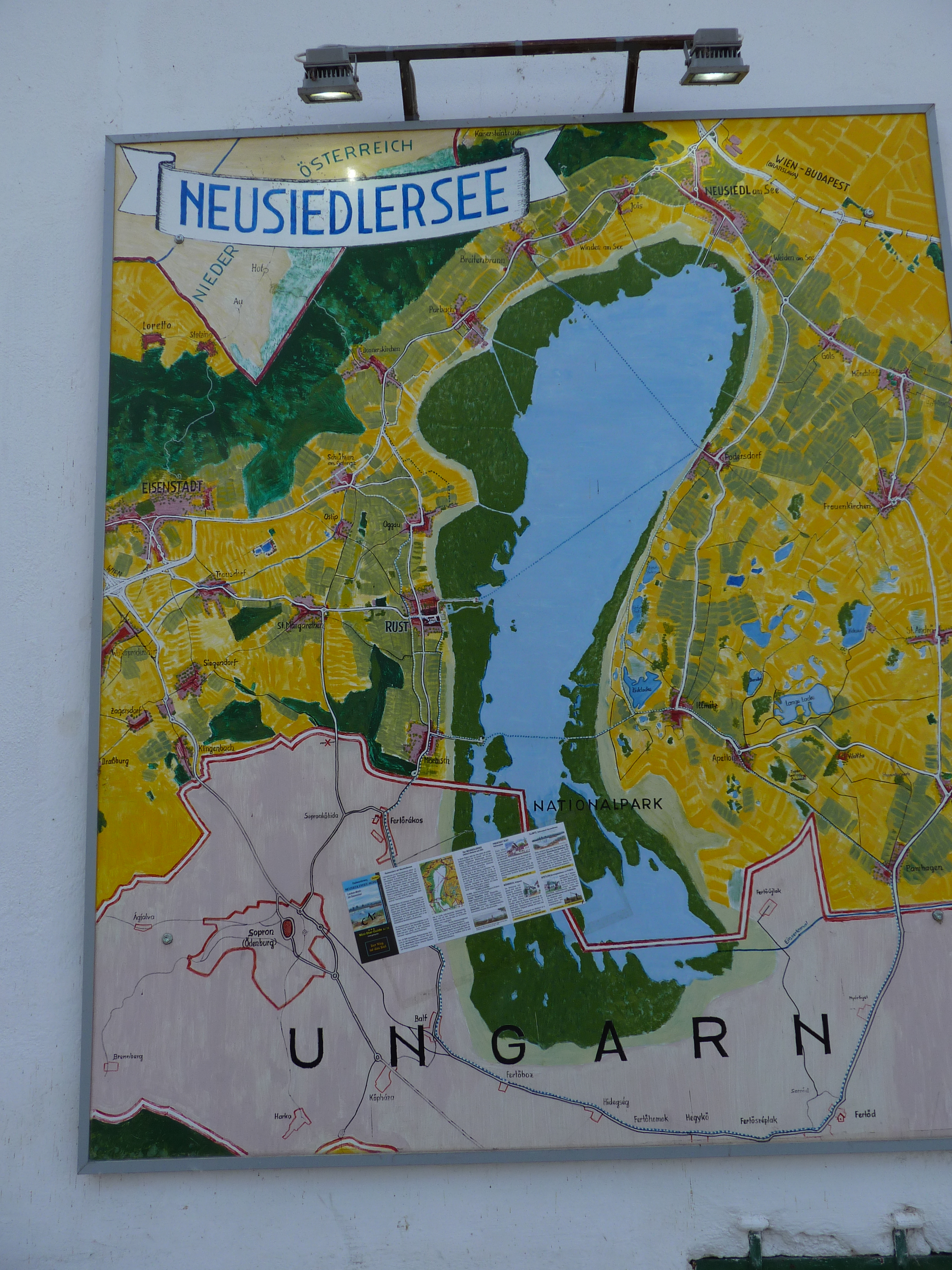
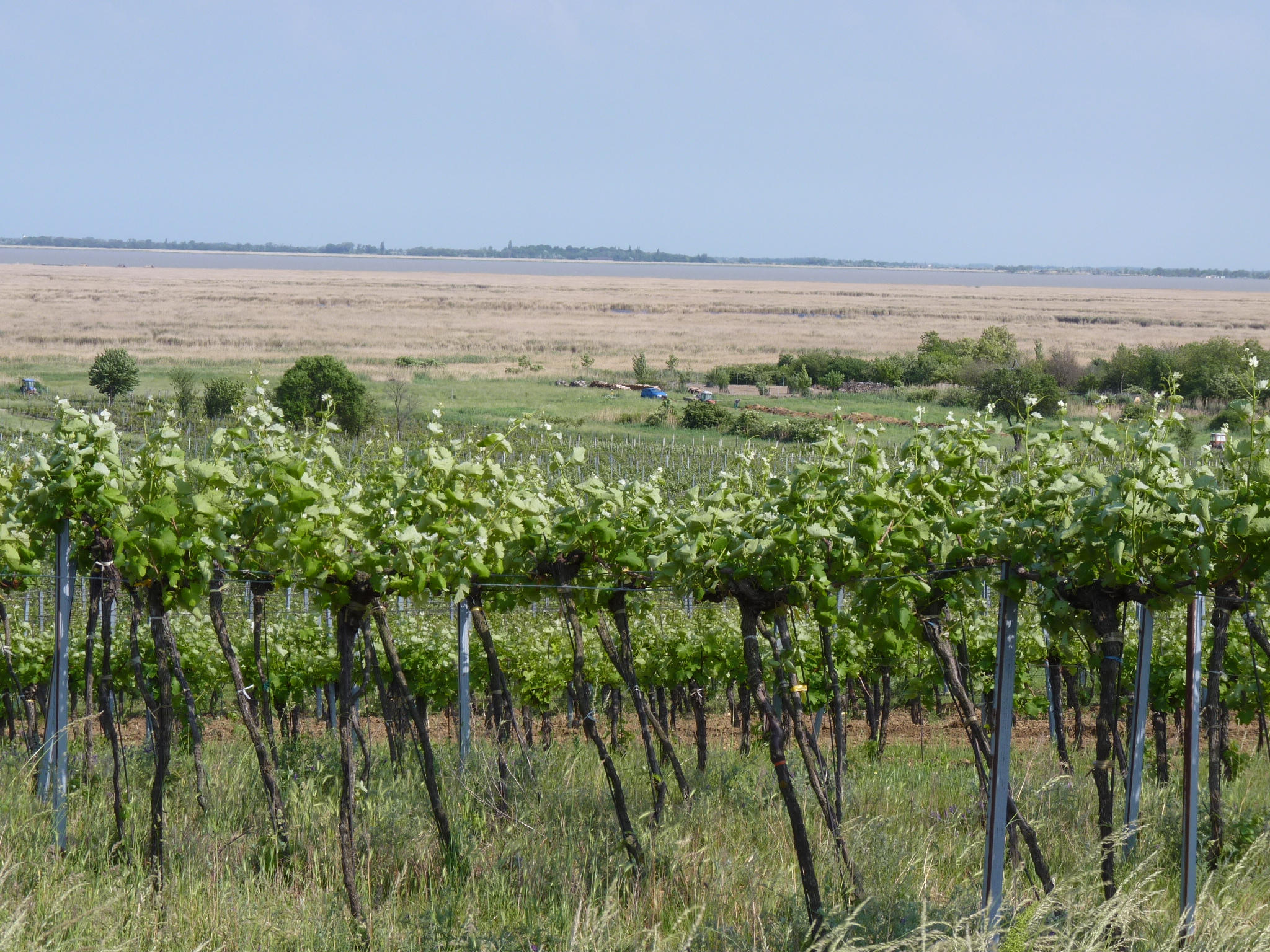
Many wine lovers will have heard of Rust, a lovely old town on Austria’s Neusiedlersee, southeast of Vienna and bordering Hungary. If they don’t know it for its famous storks which swoop majestically over the town and breed on its chimneys, they will have heard of Ruster Ausbruch, its golden dessert wine made from nobly rotten grapes on the slopes above the shallow lake’s extensive reed beds. The next village to the north, they probably will not have heard of…that’s Oggau.

Rust is the kind of chocolate box town (or technically a  free city, but if size matters let’s stick to town) which people love or hate, a bit like Bernkastel on the Mosel. Personally I love it. You can imagine Haydn or Mozart swaggering out of one of its inns after a few jugs, not so fanciful as Haydn spent around forty years working for the Esterházy family up the road in Eisenstadt.

Vienna 2015 114

Rust is a great place for a few days holiday from Vienna. Great restaurants, some superb wine producers, boat and bike hire, with ferries over to Ilmitz, and other winey destinations, which will carry your bike too. But you probably know that if you read my blog regularly…so back to Oggau.

Vienna 2015 324 Vienna 2015 313

Gut Oggau is the producer in Oggau making some of Austria’s most exciting wines, so one has to ask why they get little mention in the Austrian wine guides? One reason is probably because they make natural wines (shock!). Low intervention winemaking isn’t new in Austria, far from it. It’s a country well ahead of some in this respect. But one gets the impression that the establishment, as with all things it seems in this country with its Habsburg past, is torn between liberalism and innovation on the one hand and an innate conservatism on the other. It’s not so far removed from the way some established anglophone wine writers ignore these type of wines, despite the avid interest from consumers and the proliferation of small independent wine merchants in London (and Paris, New York, San Francisco et al) selling them.

Gut Oggau’s wines are biodynamic (certified by Demeter), and they are also released not under an Austrian DAC, but as Österreichischer Landwein, like the difference between AOC and Vin de Table, or more accurately, the new Vin de France moniker which a lot of innovative winemakers have turned to there. But these are not the most interesting things about the wines.

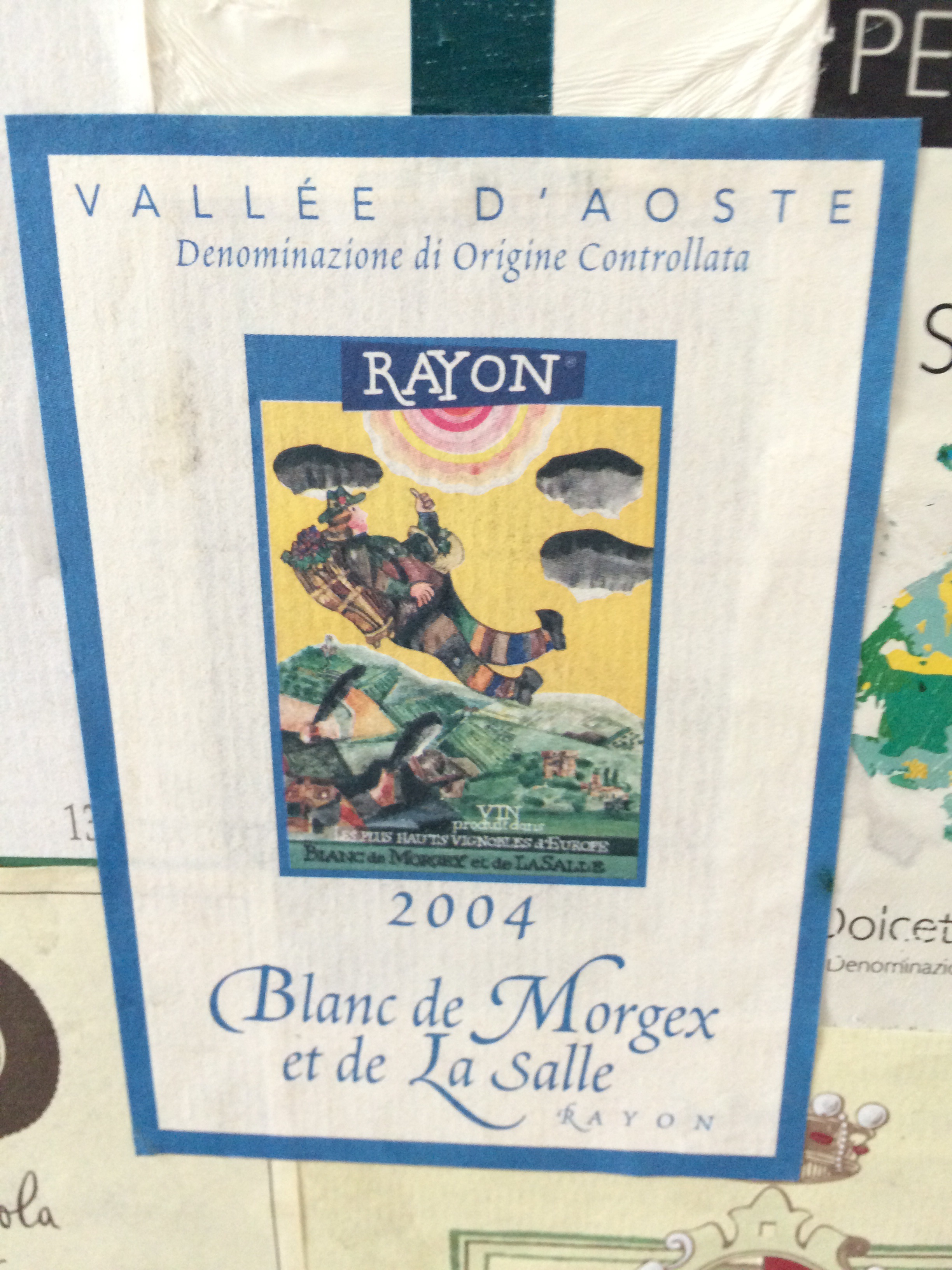
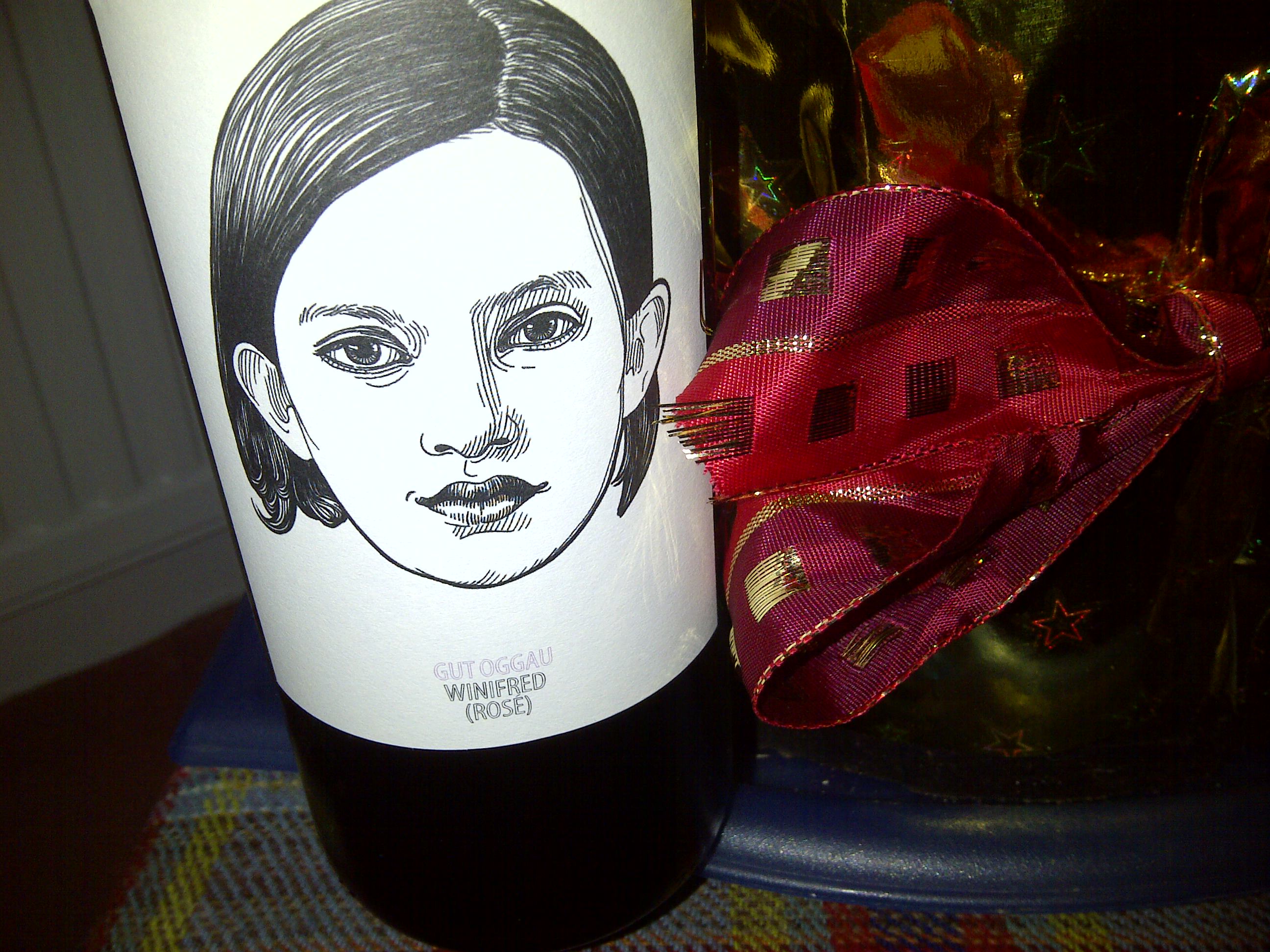
The concept for the varied list of wines created by Eduard Tscheppe and Stephanie Tscheppe-Eselböck is that of a family. Each wine is named after a family member from one of three generations, and so each wine/person fits into a family tree. The theme is given life by the highly distinctive labels created by German design agency Jung von Matt. I’ve counted nine family members, though there might be more lurking. As each family member ages, so do the line portraits on the label. This mirrors the wines because they all come from designated single vineyards, so as the vines mature so do their avatars…genius.

image

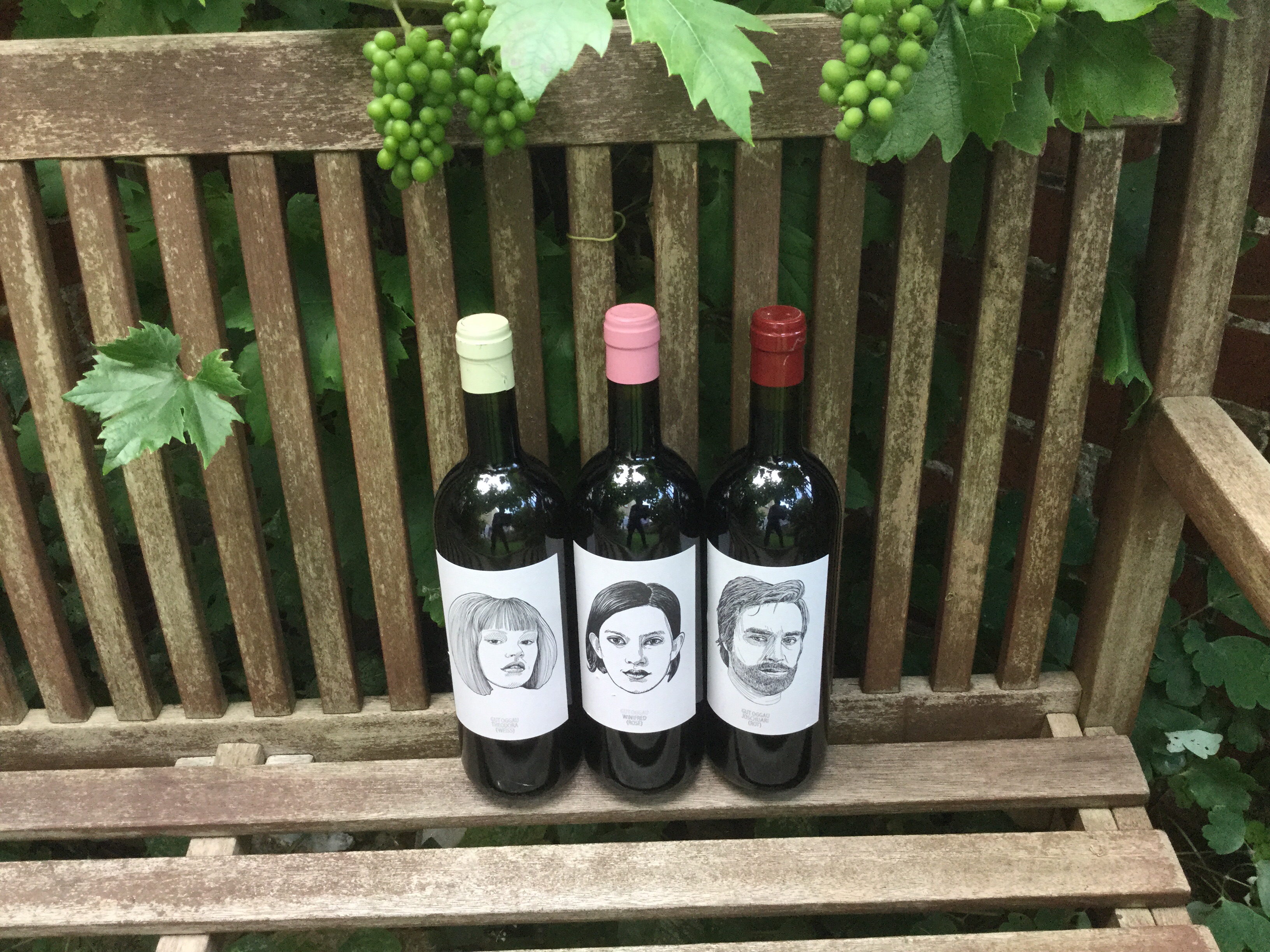
I currently have three of Eduard and Stephanie’s wines. Theodora is a fresh Gruner Veltliner/Welschriesling blend, tending to a soupçon of spritz in her first summer. I plan to drink the 2014 soon, before that’s lost. The Joschuari I have is the 2011. This is a silky Blaufränkisch made for food. Obscurely, my favourite family member right now is Winifred. Described as a rosé, but some might think a pale red, there’s fresh red fruits, spice, and that characteristic crunch (a blend of Blaufränkisch and Zweigelt). If the much hyped Provençal pinks of the moment leave you cold, this is pretty much verging on the profound. It’s a nice wine with which to begin a light lunch outdoors and then sink into a deckchair to savour the last glass as the shadows approach.

Brighton and Hove-20141219-00703

So, appetite whetted, where can you buy them? Sadly it’s not easy, but it’s not impossible. You can, of course, go to Oggau. It’s not as hard as it sounds. Though finding the right bus from Vienna’s central bus station took a little ingenuity, it’s only a couple of hours down to Rust, via Eisenstadt. I’d recommend staying and hiring bikes in Rust as it’s only a few kilometers up the road from Oggau, and there’s more to do. But if you visit Gut Oggau in summer you can eat at their Heuriger.

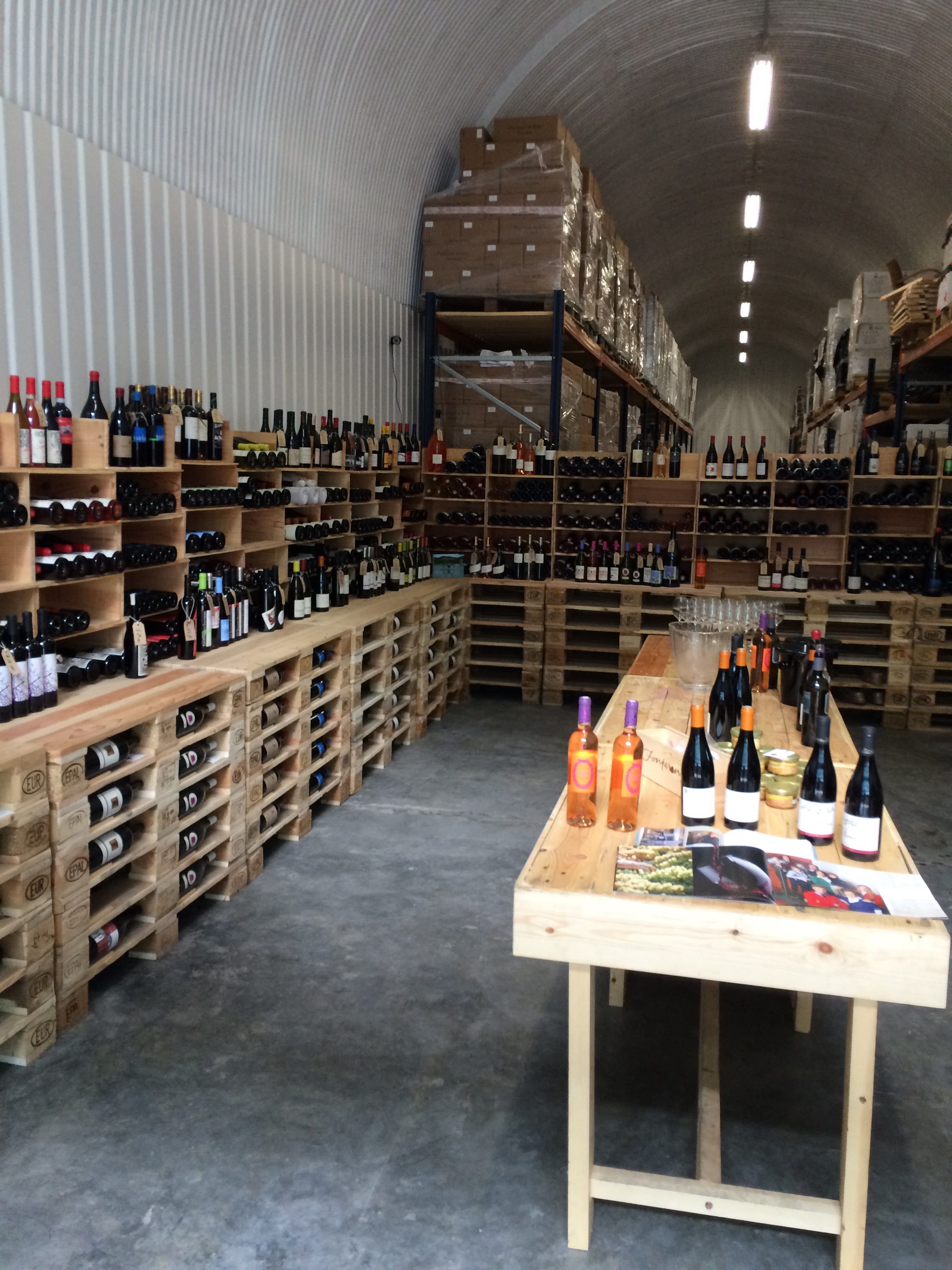
In the UK you can purchase Gut Oggau from Dynamic Vines, for which see my last post. If you can’t get to their shop on a Saturday give them a call. If they’ve sold out (fewer than 20,000 bottles of the whole family are produced every year and this is now pretty much a cult domaine worldwide), check out the list of restaurants they supply. I have bought Winifred in Winemakers Club on Farringdon Street, in the arches under Holborn Viaduct . I’m not sure they have any right now, but if you annoy John enough he may wangle some more. One or two others list some on Wine-Searcher, including Wine Bear. I’ve not seen Richard for a while but he’s a very helpful guy and well worth contacting as well.

Gut Oggau are at Hauptstraße 31, A-7063 Oggau. For visits and tastings call +43 (0)664/2069298. Email is: office@gutoggau.com but I generally find that with a busy wine domaine you are far more likely to elicit a positive response from a friendly phone call than an email. An appointment is required.

The Heuriger (tavern) is open (2015 info) Thursday to Sunday, 12.00-22.00 until 30 August, and then from 4 September to 27 September from 16.00-22.00 on Fridays and 12.00-22.00 Saturday and Sunday (details on Gut Oggau web site – http://www.gutoggau.com/ but please check re opening/booking before arriving).

Note on “Natural Wines” and “biodynamics”:- There’s no legal definition of what is a natural wine. Indeed, many producers who intervene in vineyard and winery with chemical pesticides, fungicides, herbicides, insecticides, synthetic fertilisers and wine additives/processes strongly dislike the implied insult to them which such a term might suggest. But winemakers thus described will have a philosophy of low intervention, both in the field and the vat room. They believe in transferring the flavour of their vines into your glass by manipulating the wine as little as possible. This means many things, but there are a couple of important things which go beyond certified organic viticulture and winemaking.

  1. The natural winemaker will want to use the ambient yeasts found on the grapes in the vineyard and in the winery to start and complete the fermentation if possible. They believe that these yeasts are part of their terroir and so will best express the land they work. They will therefore try to avoid a yeast supplied by another company, which may be designed to affect the wine in a certain way; and
  2. The natural winemaker will be wary of adding a lot of sulfites (please don’t argue over sulfites/sulphur dear reader). Sulfites are wine’s disinfectant. They can stop bacterial spoilage and are often added during winemaking and/or at bottling to keep the product, inter alia, stable in the bottle. Some producers use no sulfites at all, others use as little as they can. All of the Gut Oggau wines I currently own contain, I believe, between the low and higher 30s in terms of g/l of sulfites (expressed as total SO2). Some critics consider natural wines to suffer from an uncommonly high level of spoilage, implicitly due to their sulfite regime. This was probably once true, but my experience shows spoilage has decreased dramatically, even when wine is stored above the recommended 14 degrees for wine with zero added sulfites. A hint of apple freshness may be detected quite often, but I see this as a matter of taste as to whether you like it or not.

Biodynamics is a very large subject, but in (very) brief terms it is an extension of organic agriculture, whereby the producer follows the philosophy of Rudolph Steiner, and applies the nine biodynamic preparations he prescribes as an alternative to chemical vineyard applications. In addition, work in the vineyard and cellar is carried out according to a biodynamic lunar calendar (created by Maria Thun a little over fifty years ago and perpetuated by her son, Matthias). The Demeter Association is an internationally recognised certifying body for biodynamic viticulture, and Gut Oggau is a member.

Posted in Austria, Austrian Wine, Natural Wine, Wine, Wine Labels, Wine Merchants, Wine Travel | Tagged , , , , , , , , , , | 3 Comments

Out and About…Spa Treat…

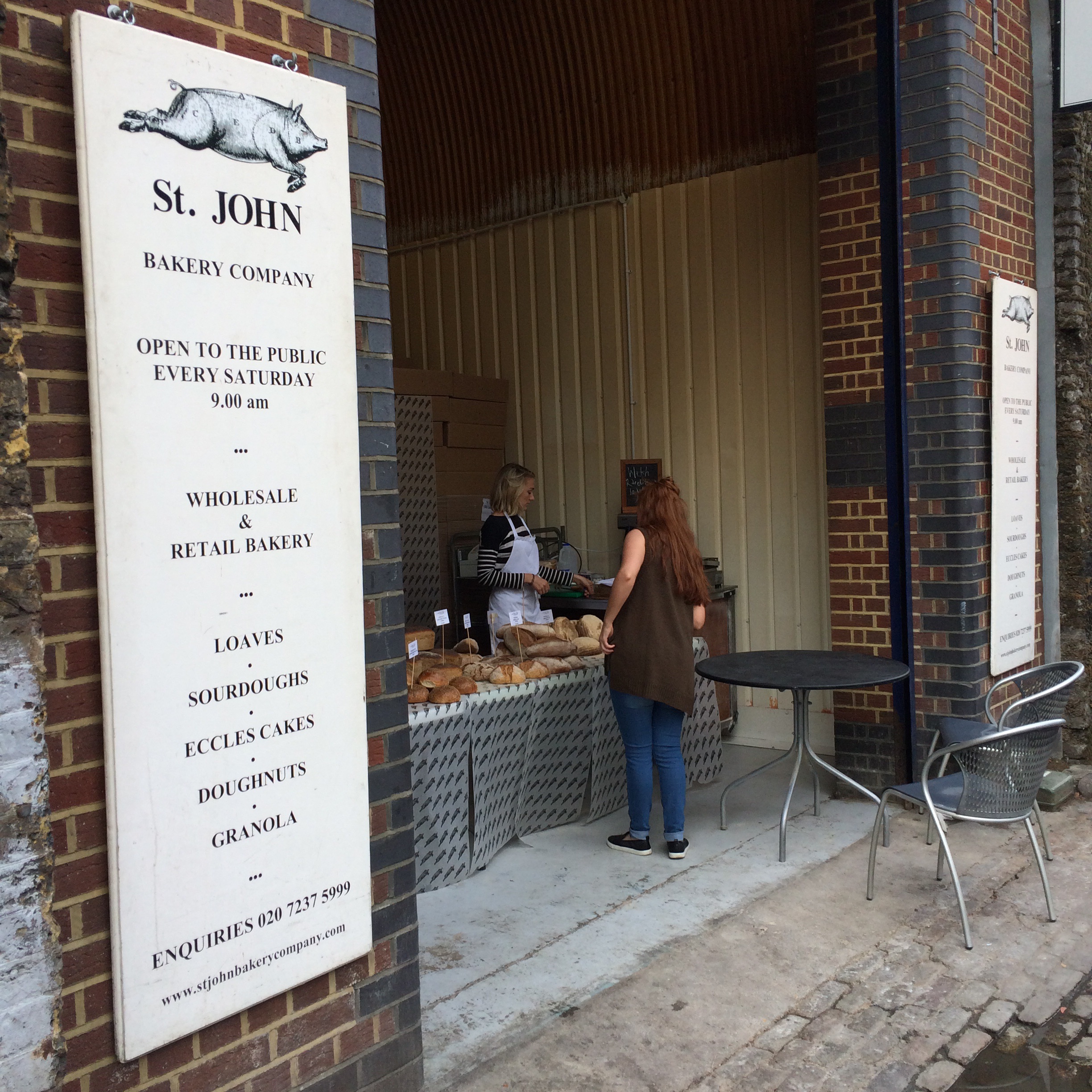
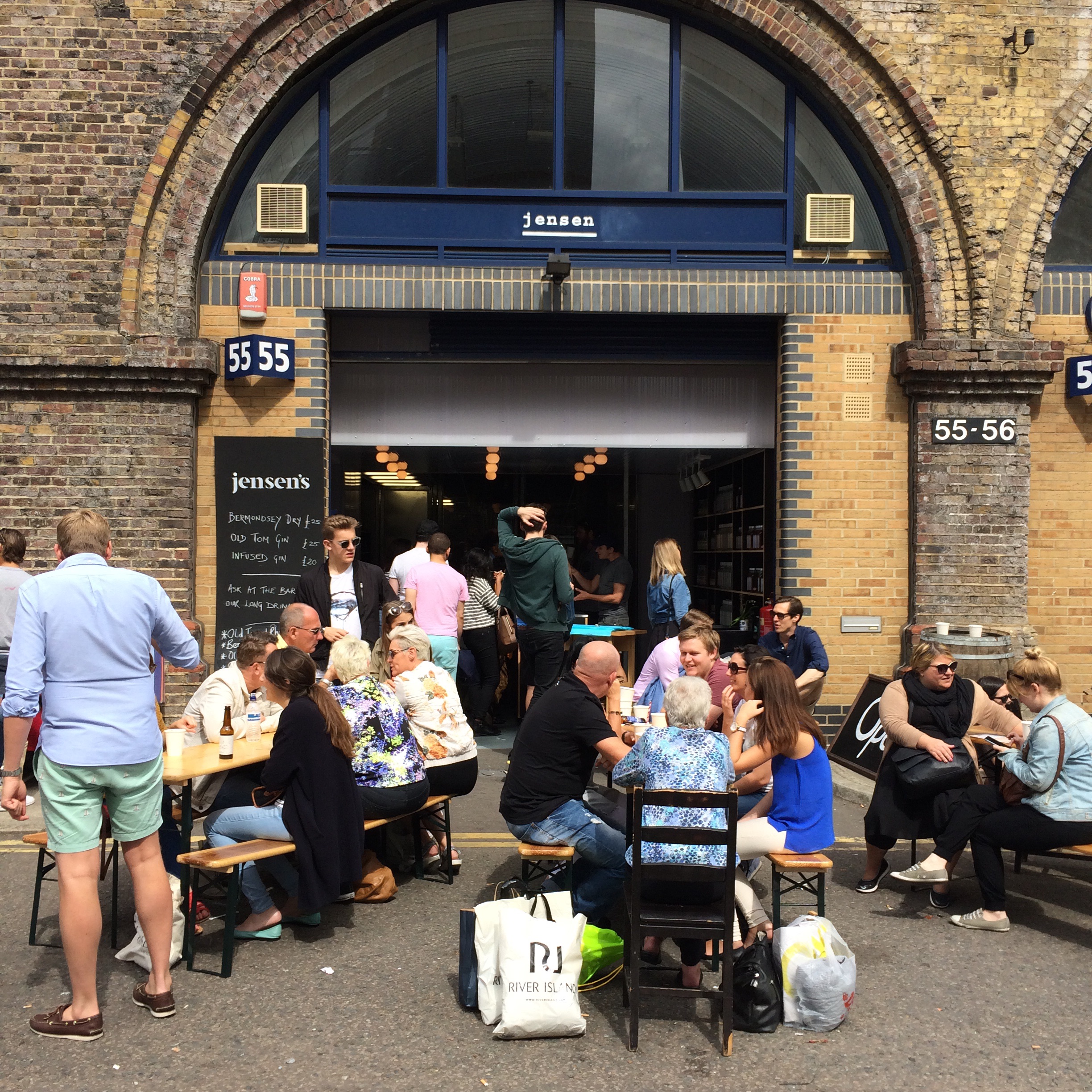
Very few of the thousands of tourists who pack Borough Market on a Saturday know about what also lies to the south, still within the shadow of The Shard. But those who venture past Bermondsey Street and hit Druid Street will see another market settled beneath the railway arches which flow into the shiny new concourse of London Bridge Station. There are some familiar names, like O’Shea’s Butchers, St John Bakery and Neal’s Yard Dairy, among the micro breweries, and Jensen’s Bermondsey Gin distillery, all packed with eager weekend imbibers.

If they were to wear out a bit more shoe leather they’d find themselves in the strung out warren of arches which stretch from Spa Road to Dockley Road and Lucey Way, and form the southern bit of Spa Terminus. This is the collective name for the location of around twenty businesses, some of which will be known to Borough habitués (Mons Cheesemongers, Monmouth Coffee) and others equally worth exploring (The London Honey Company, The Ham & Cheese Company, and the wonderful Kernel Brewery are here). Some of the arches are for distribution only, and some of these businesses can be found on nearby Maltby Street as well.

Almost the last business, situated on a path behind a metal gate along Lucey Way, is the near mythical Dynamic Vines, the object of my trek. Near mythical because this wine importer allows itself face-to-face direct contact with the public only through it’s Spa Terminus arch shop for four hours on a Saturday (10am to 2pm). That’s not easy for someone who, living outside London, is only rarely in town on the weekend. And today I had an event near King’s Cross which was due to end at 1pm (and you guessed, it over ran).

image


image

I made it at about twelve minutes to two o’clock, but it was well worth it. The object of my pilgrimage, the wines of Austrian cult producer Gut Oggau (the subject of a blog article next week) were sitting on the shelf amid other cult wines from people like Luca Roagna and Emidio Pepe. I could really have done with half an hour to browse, but I did get a good pour of a lovely rosé.

image image

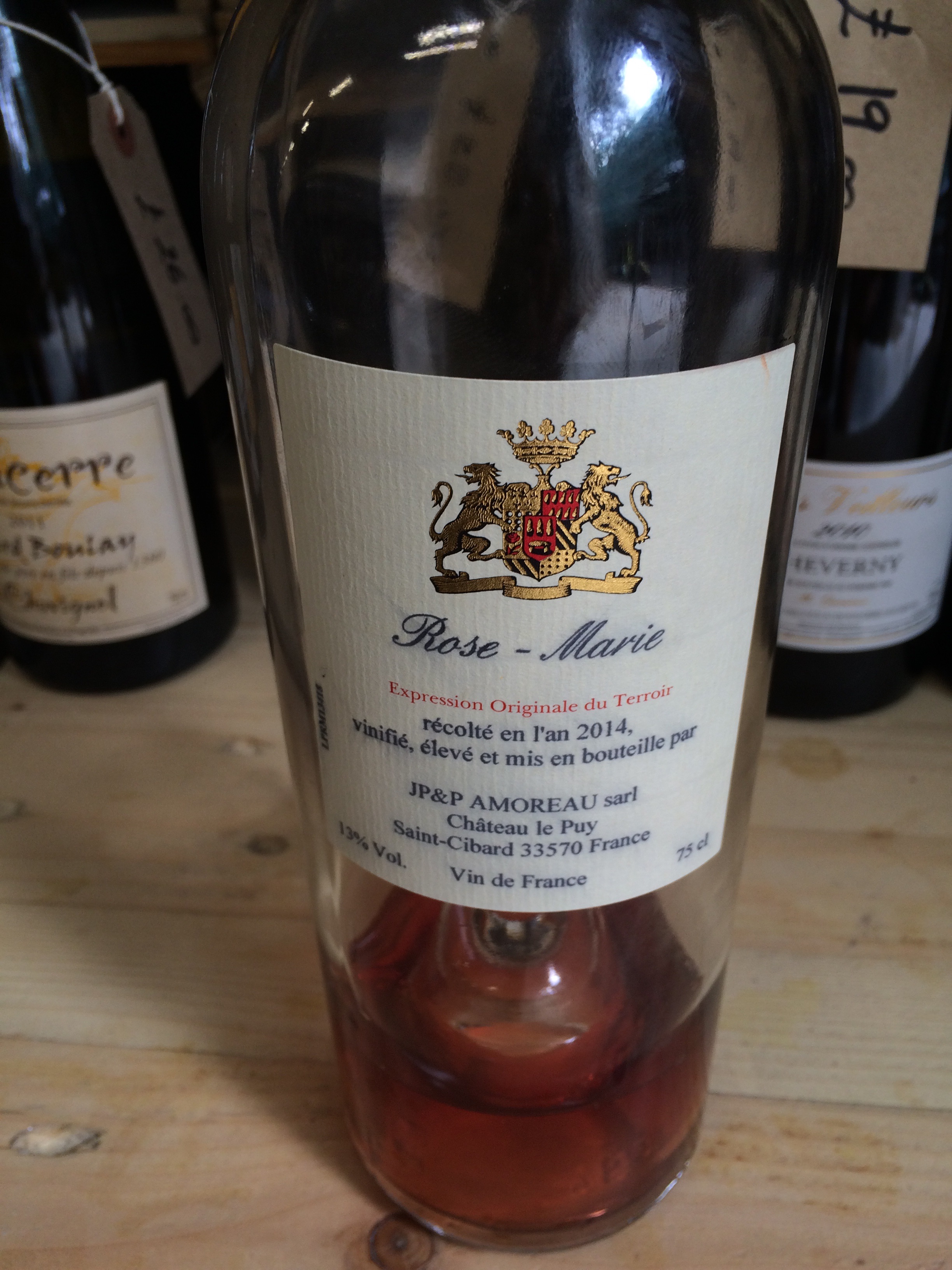
Poured blind, I had this as a Poulsard. The colour was just right with that slightly orange tinge to the pink, and it even had a nose which reminded me of Hughes-Beguet’s Macvin without the added spirit. No way was it a Bordeaux Rosé from Chateau Le Puy (based in Saint-Cibard, northeast of St-Emilion and Castillon)! A quite extraordinary wine, undoubtedly (quite) good value, even at £40, though not really recommended for the Bordeaux classicist.

Dynamic’s list is pretty amazing if you like to seek out the kind of new, “natural”, and, er, dynamic wines taking over all points north, south and east of London. If you are one of London’s exciting new wine shops, bars or restaurants, you probably know that. If you are able to get down to Spa Terminus on a Saturday morning, do. You’ll find plenty of other places to explore at the Terminus, and on nearby Druid Street and Maltby Street (which has already gained a reputation as a sanctuary for Borough Market emigrés). Hopefully you’ll have more time than I did today and, with a bit more leisure, will end up far less knackered.

Dynamic Vines are at Arch 4 Discovery South, entrance on Lucey Way. There’s a useful map of the arch locations on the Spa Terminus web page http://www.spa-terminus.co.uk. As I said above, current retail opening is just 10.00 to 14.00 on Saturdays. Dynamic’s web site has a list of the wide and varied restaurants they distribute to, which range from some conservative classics to those at the cutting edge of gastronomy.

Here are a few photos of the businesses around Spa Terminus and Druid Street…

image image


imageimage


image


…and a rather large, upside down, stylus (vinyl is back).

image


Posted in Natural Wine, Wine, Wine Agencies, Wine Merchants | Tagged , , , , , | Leave a comment

Bags, Kegs and other Prejudices

When I were a lad…the wine box was synonymous with pretty cheap wine. There was a name which sounded made up, what looked like cheap packaging, and a liquid not always likely to convert a young beer and whisky drinker to wine. It was the same if you went down under. The Australians were certainly putting something a little better in their bladder packs, but it was never meant to appeal to anyone lapping up Grosset Riesling or Henschke Shiraz.

In the 1990s my prejudices were challenged when a small Piemontese producer gave me a bag-in-box version of their Barbera, which proved not only delicious but also a very convenient way to enjoy the wine on the second leg of that holiday. But I wasn’t converted.

The prejudice against alternative packaging hasn’t really gone away among people who’d call themselves serious wine lovers. This has never been helped by the dross we’ve probably come across at a family bbq or party. We’ve seen everything from wine in cartons, cans, small plastic bottles on aircraft, and even a plastic glass with a plastic film over the top. For me these wines are usually only marginally better (perhaps I’m being a little unfair) than the original alternatives – the plastic bottle in the French supermarket and the plastic container filled from a petrol pump at a French co-operative that some of us may remember.

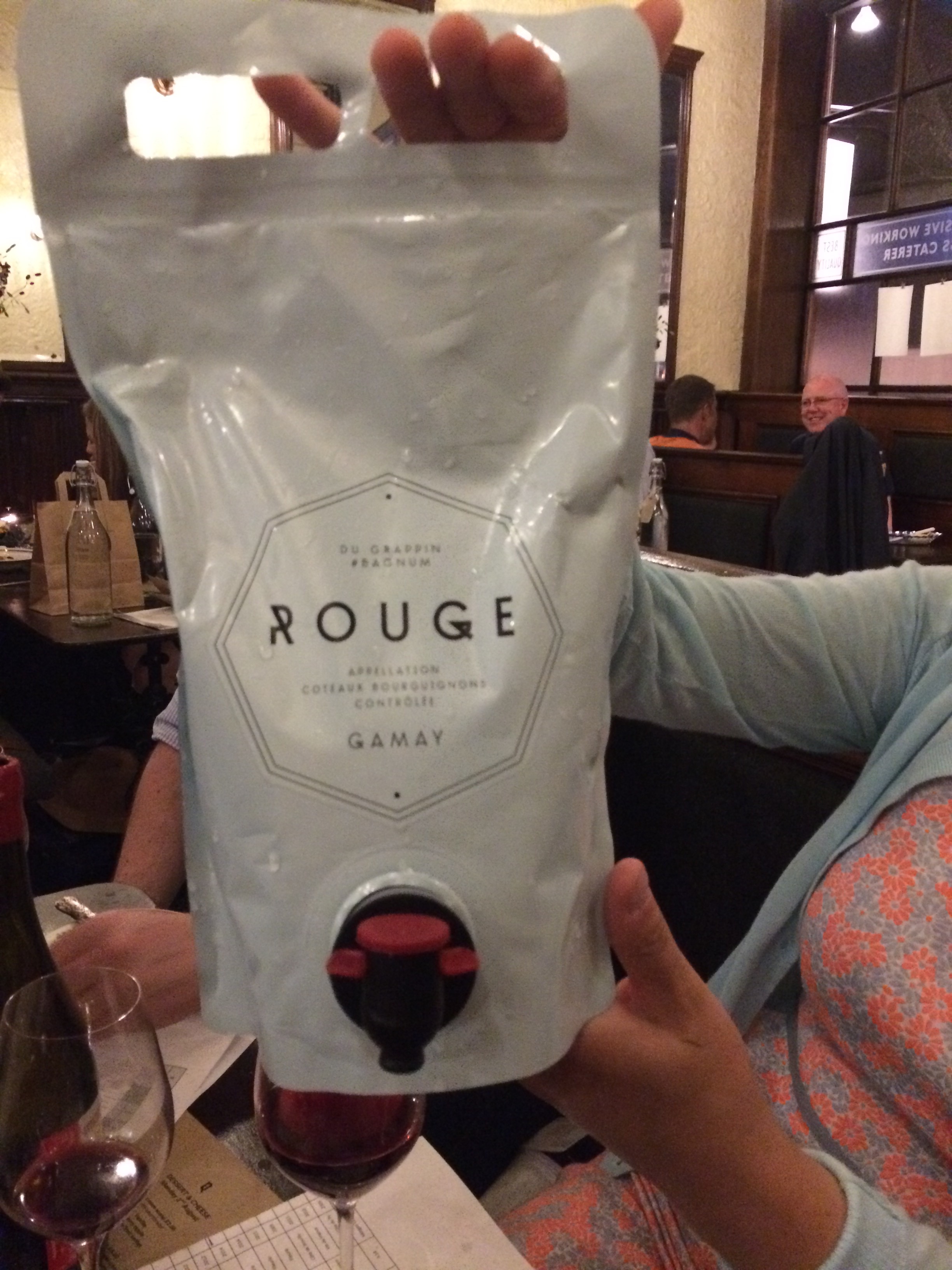
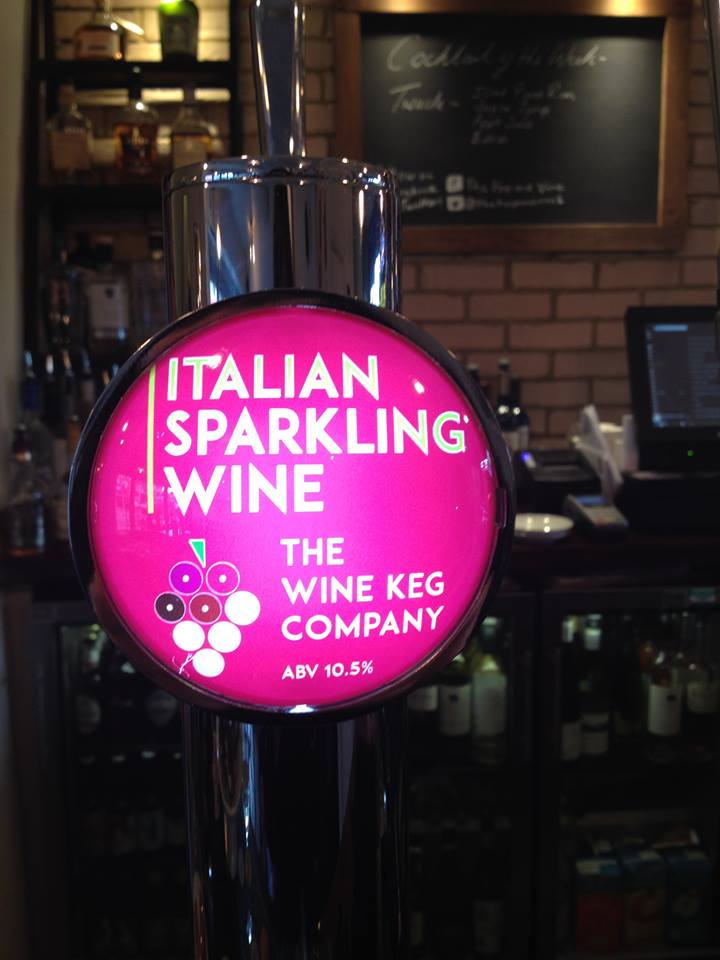
Recently I’ve come across two new packaging ideas which I think have a lot more going for them; the #Bagnum (a 1.5l wine bag of red, white or rosé from wider Burgundy) being marketed under Andrew and Emma Nielsen’s du Grappin label, and Prosecco in a keg, marketed by The Wine Keg Company.

What do these packaging ideas have going for them? Naturally, the “Eco” angle is really important, especially in terms of cutting down on the weight of glass and therefore on the carbon footprint of the transportation stage of delivery. Equally, the ease of serving for large events, where a lot of by-the-glass pouring is required, and they are perfect for events where glass can’t be used or is banned for whatever reason.

What most people who scorn such packaging might not know is that so much of the cheap wine they buy in a supermarket actually arrives in the UK in a tank, either by road or sea. This cuts down transport costs, but why then do they bottle it on some decidedly unromantic industrial estate for it only to be consumed within twenty-four hours of it being plucked off a supermarket shelf, by someone who’s been sold the dream of the artisan vigneron instead of a virtually industrial process?

Also, how many people are aware that far less of the glass we put out for recycling actually gets turned into recycled glass than we might imagine? It’s amazing how hard it is to penetrate the world of recycling to get hold of good, up-to-date statistics, but we appear to import so much more glass than we can ever use again, and a lot of it is even re-shipped abroad, not the most eco-friendly way to get rid of our empties. We really could do with waking up to the alternatives for wines destined for swift post-purchase consumption.

If you couple this with the idea that the wine in such alternative packaging can be improved, and can actually be pretty good stuff, then it’s surely only a matter of time before we start to take some forms of alternative (to glass) packaging more seriously. If the wine is good, then there’s no reason to be embarrassed drinking from a bag or a keg.

Du Grappin‘s selection is a real shock to those expecting cheap, over sulphured, plonk in a bag, if the red I tried last week is anything to go by. It’s Gamay, largely from plots around the Cote d’Or, near Morey-St-Denis (where David Clark sourced Gamay for his Passetoutgrain),  and south at Paris L’Hopital (a village west of Santenay/Dezize-les-Maranges). It’s fresh, fruity, excellent slightly chilled, not lacking in colour. Delicious, in fact. The du Grappin rosé is made from 40-year-old Gamay from near Fleurie in the Beaujolais (as well as Andrew’s wonderful Cote de Beaune wines, he makes a very good Fleurie as well, available bottled). The white is 25-year-old Chardonnay from the Macon village of Péronne (half way between Lugny and Clessé). There’s also a range of du Grappin wines in refillable bottles (with a Grolsch-style flip-top closure) and larger formats for the trade.

image

The catalyst for this article was getting in touch with Louise Oliver, after hearing about her company at a local business event. Louise runs The Wine Keg Company from Brighton, where I’m based, but she also studied for a Wine Business Degree at nearby Plumpton College. As part of that degree she wrote a dissertation on alternative packaging. I know I’m a sad wine obsessive, but it’s an excellent analysis of the subject and I truly enjoyed reading it. Naturally, Louise looked at kegs in some detail.

Louise has clearly realised that there’s a whole new world of consumers out there who would love to drink wine, but  do not necessarily share the kind of stuffy, awe inspired approach that so often comes with worshipping the bottle as the cork pops. She’s not the first to recognise this, but in the past alternative packaging has always looked at margins and therefore the wine has not been able to appeal to the more discerning drinker. Being a popular wine, but also a quality DOC wine, Prosecco bridges the gap.

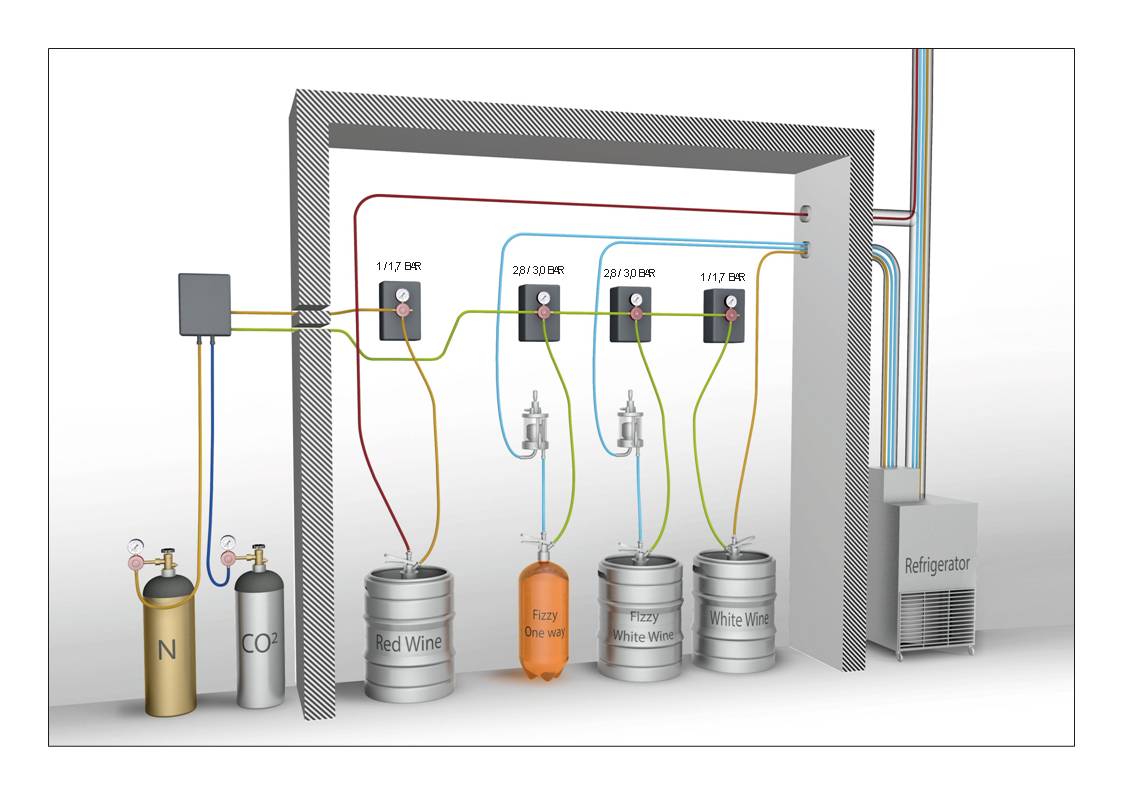
Lighter wines can be just the thing for summer festivals and other events, and Prosecco fits the bill perfectly. It’s a fun wine, refreshing too. The keg system delivers a glass of Prosecco in exactly the same way as it delivers a pint of beer, allowing large numbers of people to consume Prosecco by-the -glass (or indeed Prosecco cocktails, or any still wine) without creating a pile of empties, corks and foil for someone to cart away at the end of the day. A 20 litre keg will give 160x125ml glasses from a tap with remote cooling, and it will keep it’s pressure for six weeks.

10599414_10153308769378942_3976438667239988668_n (2)Schema impianto fusti

Although it’s probably not the way to deliver a DOCG Prosecco wine from the Cartizze hill (where the formality of the bottle and cork is perhaps more appropriate, and the prestige producers would wish to retain a certain image), you are getting a DOC wine from the keg, 100% from the region’s Glera grape variety, where before you might have been served an industrial plonk, made from the old “pompe bicyclette” method, with its large bubbles which dissipated within a minute or two. Prosecco at heart is a fun wine and I see nothing wrong with, and a lot to be said for, drinking it from a keg, so long as it’s fresh and fizzy. And there’s no reason why this method of delivery shouldn’t make for a more affordable glass. Prosecco isn’t a bottle-fermented wine like Champagne, but it still comes to market in the same heavy bottle made to keep in all that pressure. To save all the energy used to make the bottles and transport them is admirable, at least for a proportion of the product.

So, this particular wine obsessive has no problem buying a few bagnums to drink at home, or take to the beach, on a picnic or a long walk. And no worries grabbing a glass of Prosecco from the bar when I next require my thirst quenching at a festival or concert. It’s all about looking at the packaging with open eyes and realising how the wine within is better than it once may have been. I mean, we resisted screw caps on wine for long enough, and now, even if we retain a little reticence for that closure on wines we want to cellar for a decade or more, do we really need a heavy glass bottle for wine which will effectively have a shelf life measured in weeks or months rather than years? It would be good to see us starting to accept what people like the Nielsens, and Louise Oliver, are doing, so long as the quality of the wine matches our expectations. We can only judge that by trying it.

Thanks especially to Louise Oliver for letting me read her dissertation, and also to Andrew and Emma Nielsen for supplying more information about their alternative packaging and the philosophy behind it…and for making sure I got to try a Bagnum before I could make it to the market to buy some.

Du Grappin wines can be found at Brockley and Herne Hill markets (except 29 Aug – 20 Sept) and at a host of other venues in London, where you’ll also find refillable bottles (filled from 20litre kegs). See their Facebook page. A number of shops sell the Bagnums, including Prohibition Wines, Hop Burns and Black, and Market Row Wines. A number of restaurants have their 5litre bag-in-box.

For The Wine Keg Company see http://www.winekegco.com (where you’ll find their address and opening times in Brighton), or call Louise on 01273 602687.


Posted in Wine, Wine Agencies | Tagged , , , , , , , , , | Leave a comment

Seventh Heaven (Oddities #7)

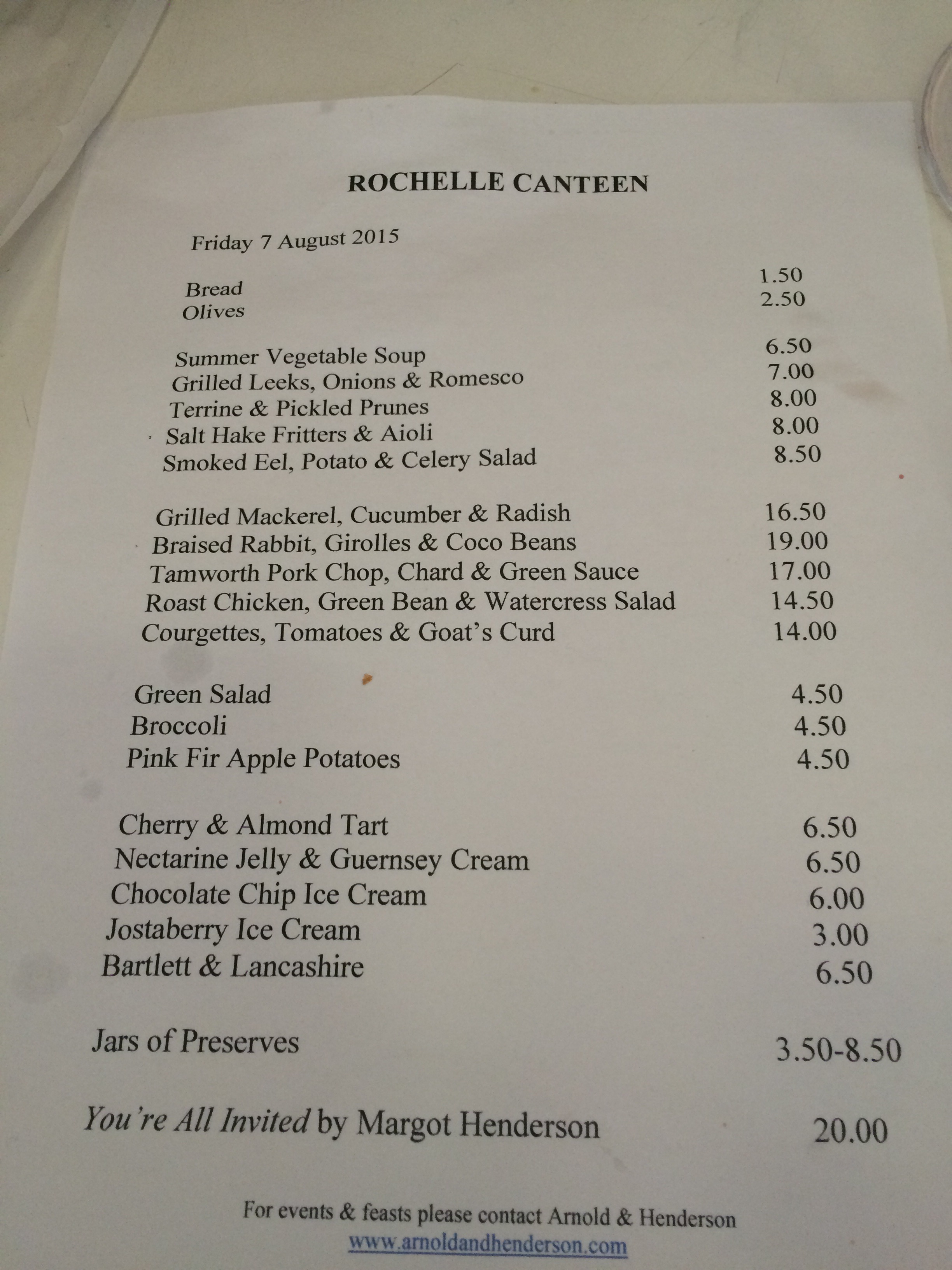
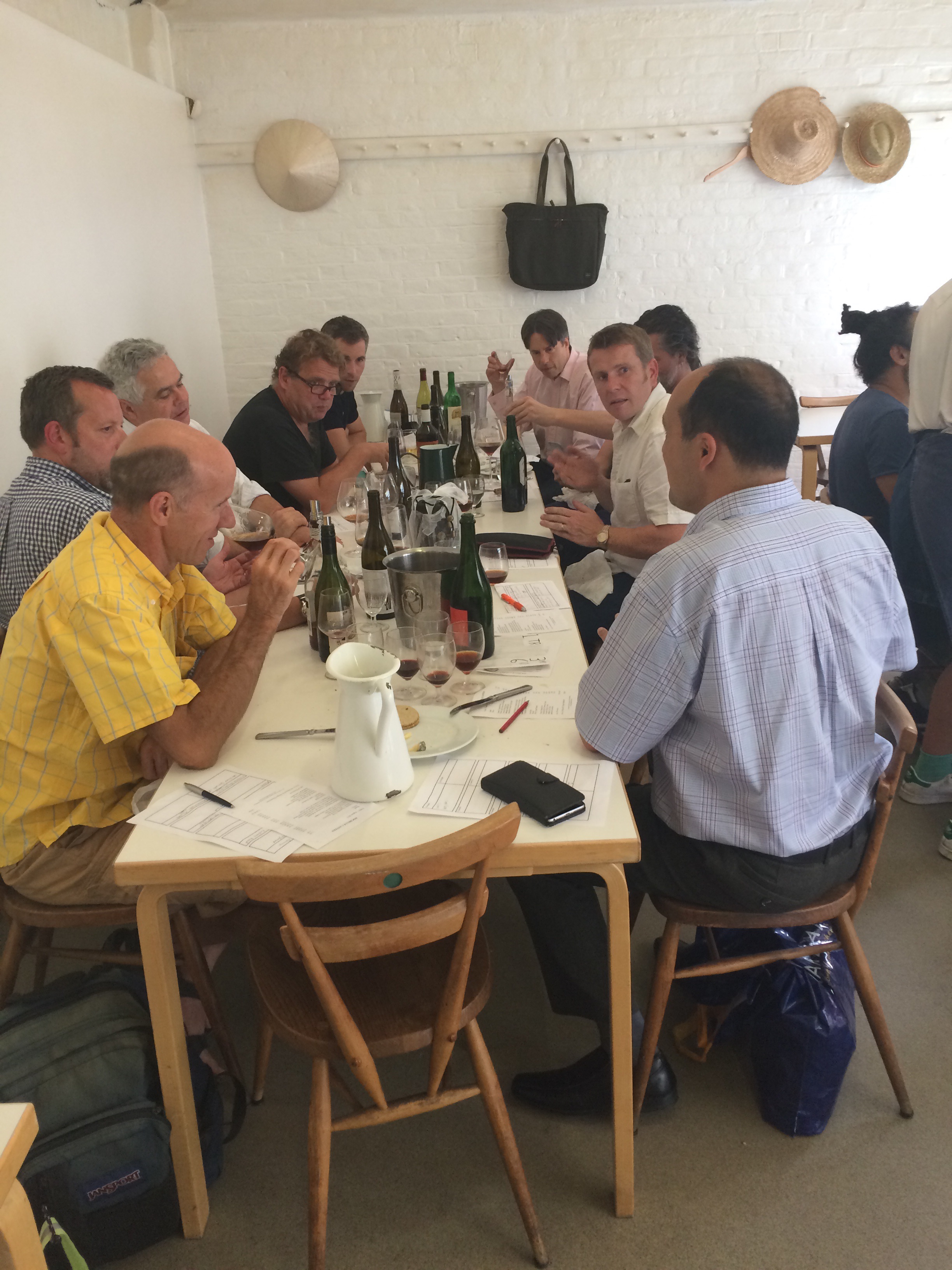
We reached our seventh bi-monthly Oddities lunch at Rochelle Canteen yesterday, and I think for many of the regulars it was possibly the best yet. Of course, the food was exceptional (hake fritters followed by rabbit for me), and it’s somehow hard to beat the venue when the throw open the long glass doors in warm weather (and London was perfect yesterday). But the wines were also on top form and the jovial banter of blind tasting made all seem well with the world.

image image

As every wine deserves a comment I’ll avoid any more small talk, but I must say that the thought which people put into selecting their wines is appreciated.

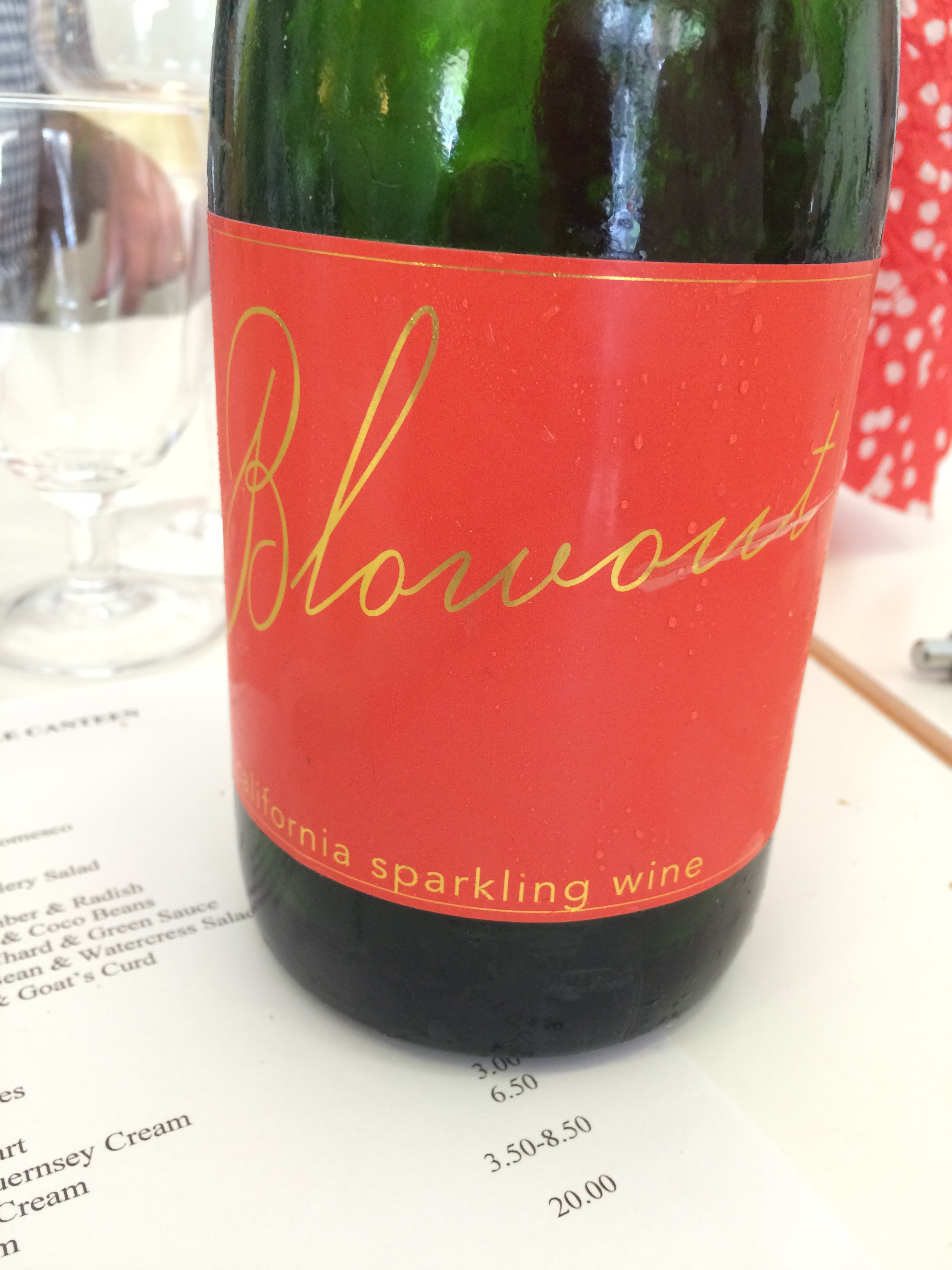
Scholium Project “Blowout” 2014, California – Verdelho and Gruner, vinified and then carbonated (yes!) in tank, yet it was refined, refreshing, with a very fine bead and brisk acidity. One of my wines of the day. My blind guess was Savoie!

image

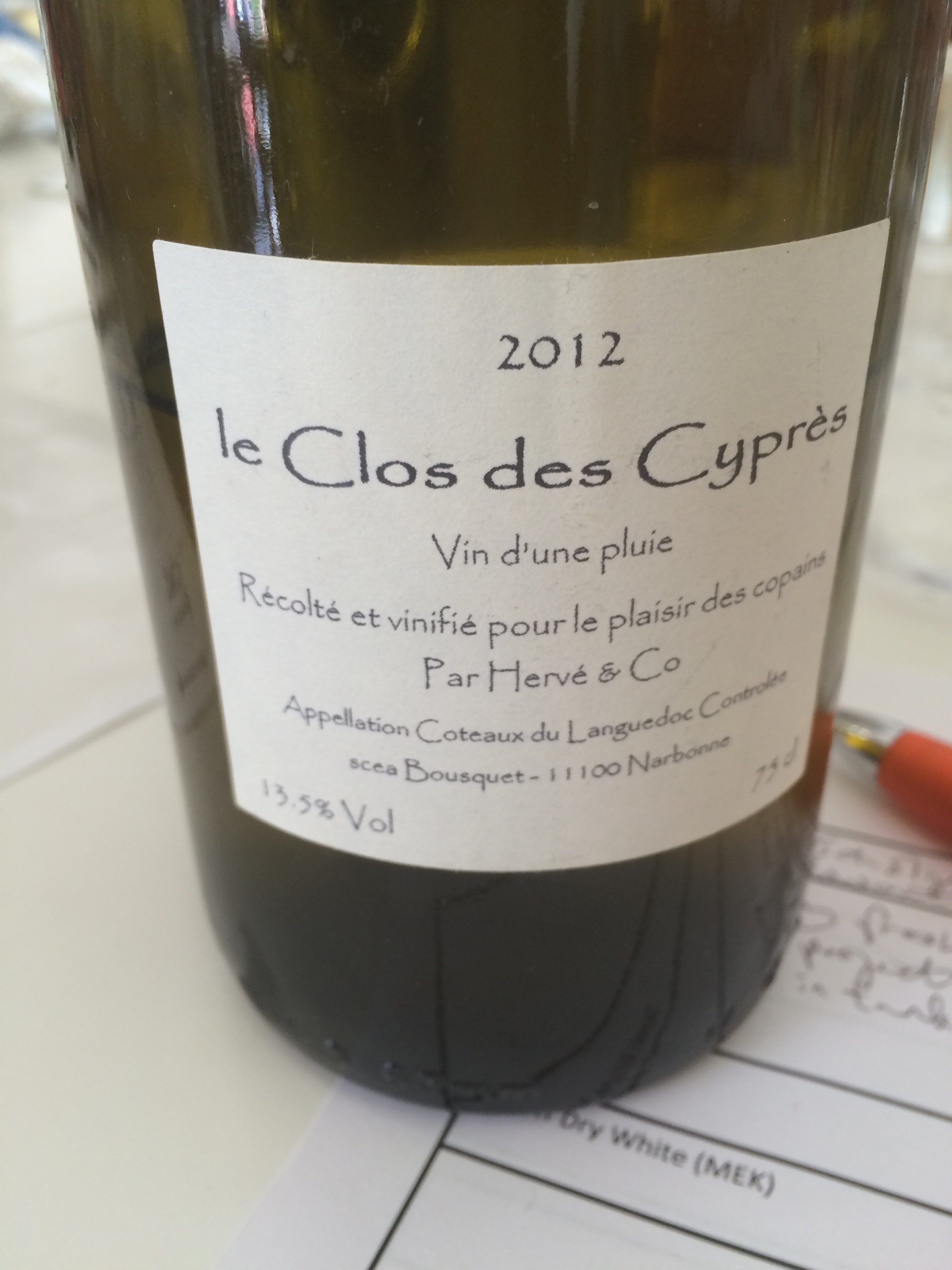
Le Clos des Cyprès Vin d’une Pluie 2012, Ctx Languedoc-La Clape Blanc – A refreshing blend of Clairette, Roussanne, Marsanne and Picpoul, picked (by an attendee) during a thunder storm. It seemed to have the precision and electricity of the lightening conveyed into the bottle.

image

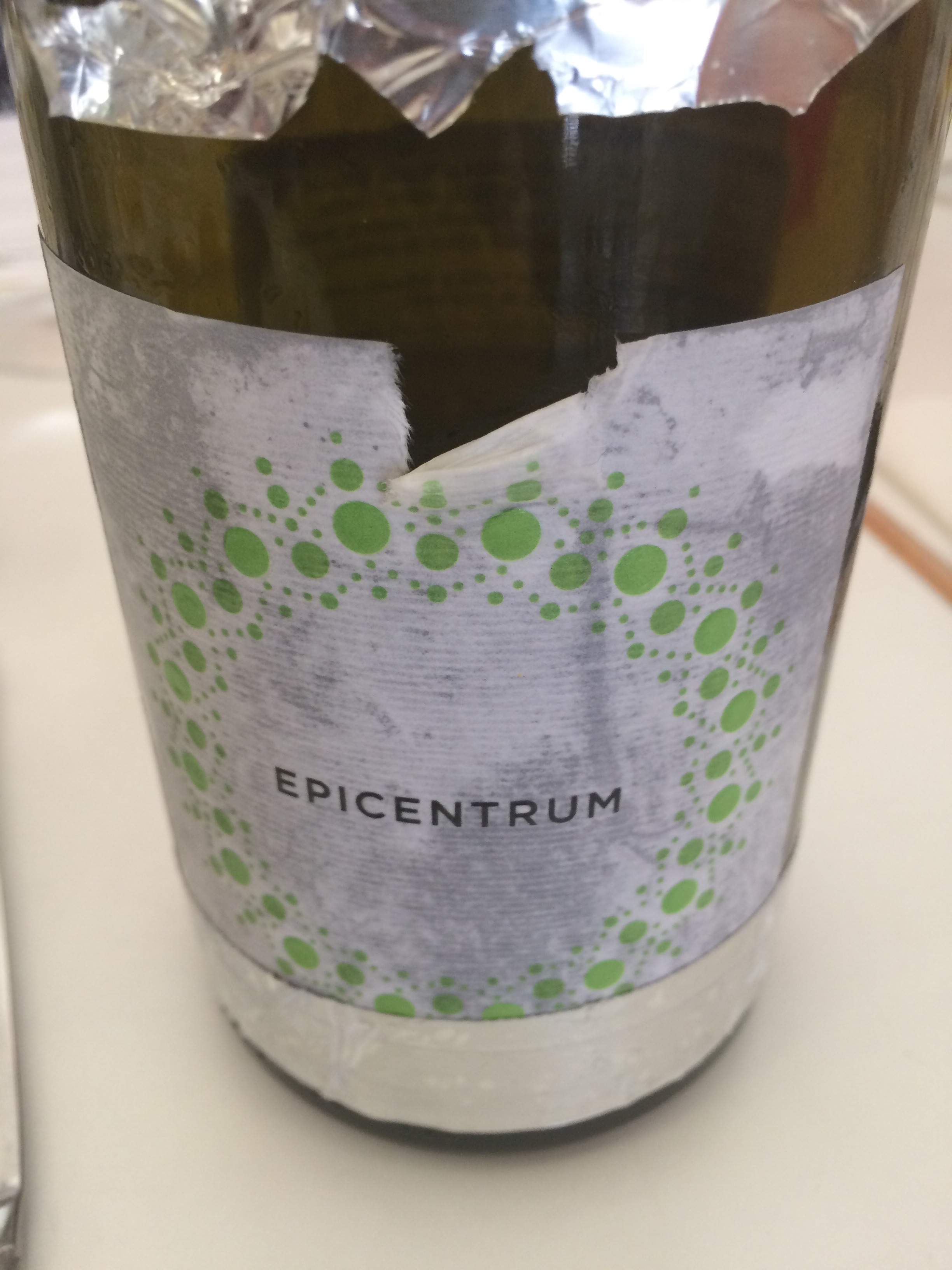
Crama Girboiu “Epicentrum” 2014, Romania – Smelt strongly of Muscat on the nose with acidity and backbone supplied by Aligoté. Fruity but also a little hefty, decent, possibly fresher in winter?

image

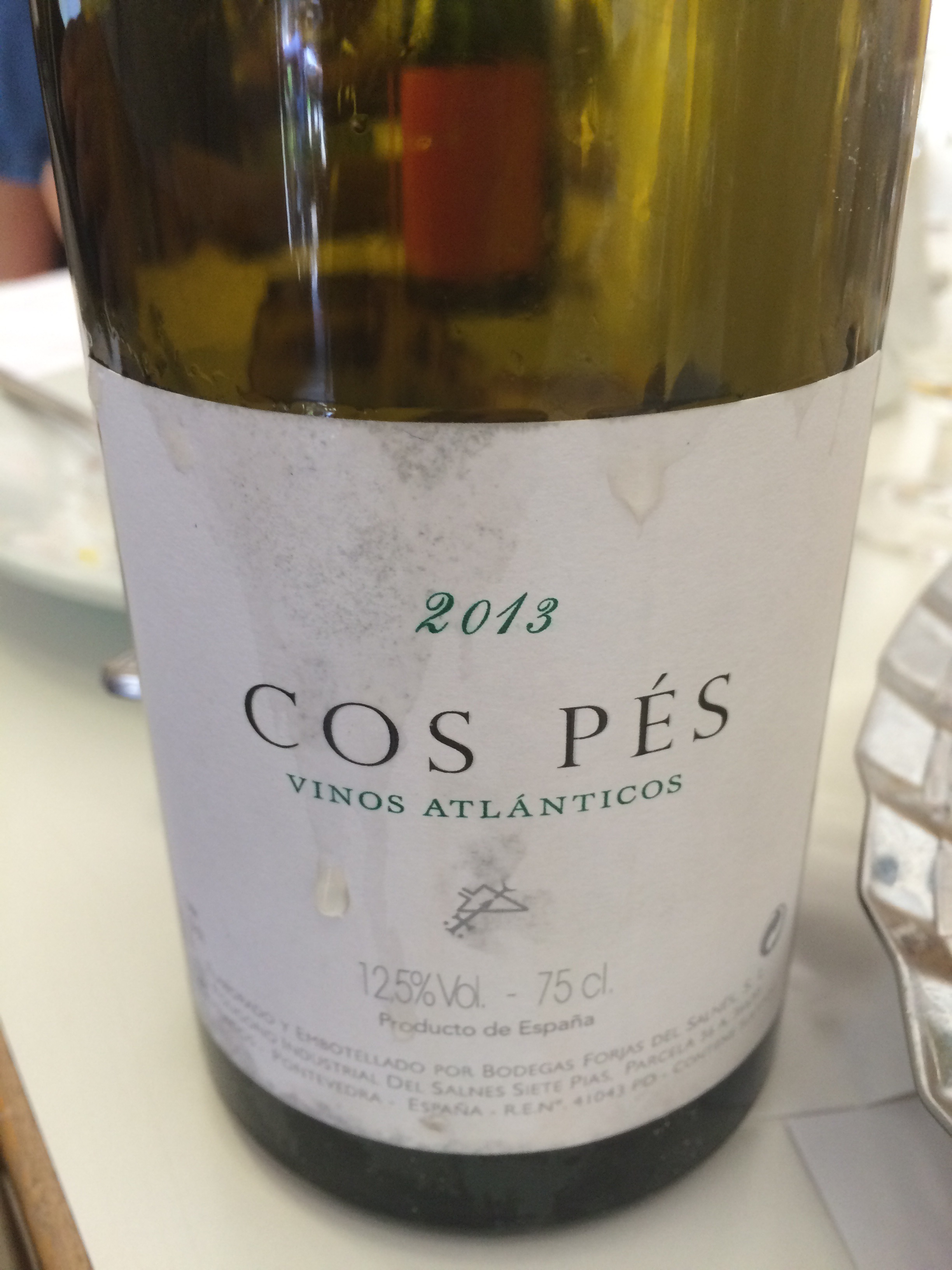
Forjas del Salnes “Cos Pès” 2013, Vinos Atlanticos (Galicia) – 100% Albarino, but not typically so. In fact I thought it had a bouquet remarkably like vanilla fudge, but it was stunning on the palate. A skin contact white (sic) that didn’t look like one. Only 12.5%, another clear contender for my wine of the day. Impossible to find, yet it retail for less than £12, which is amazing value.

image

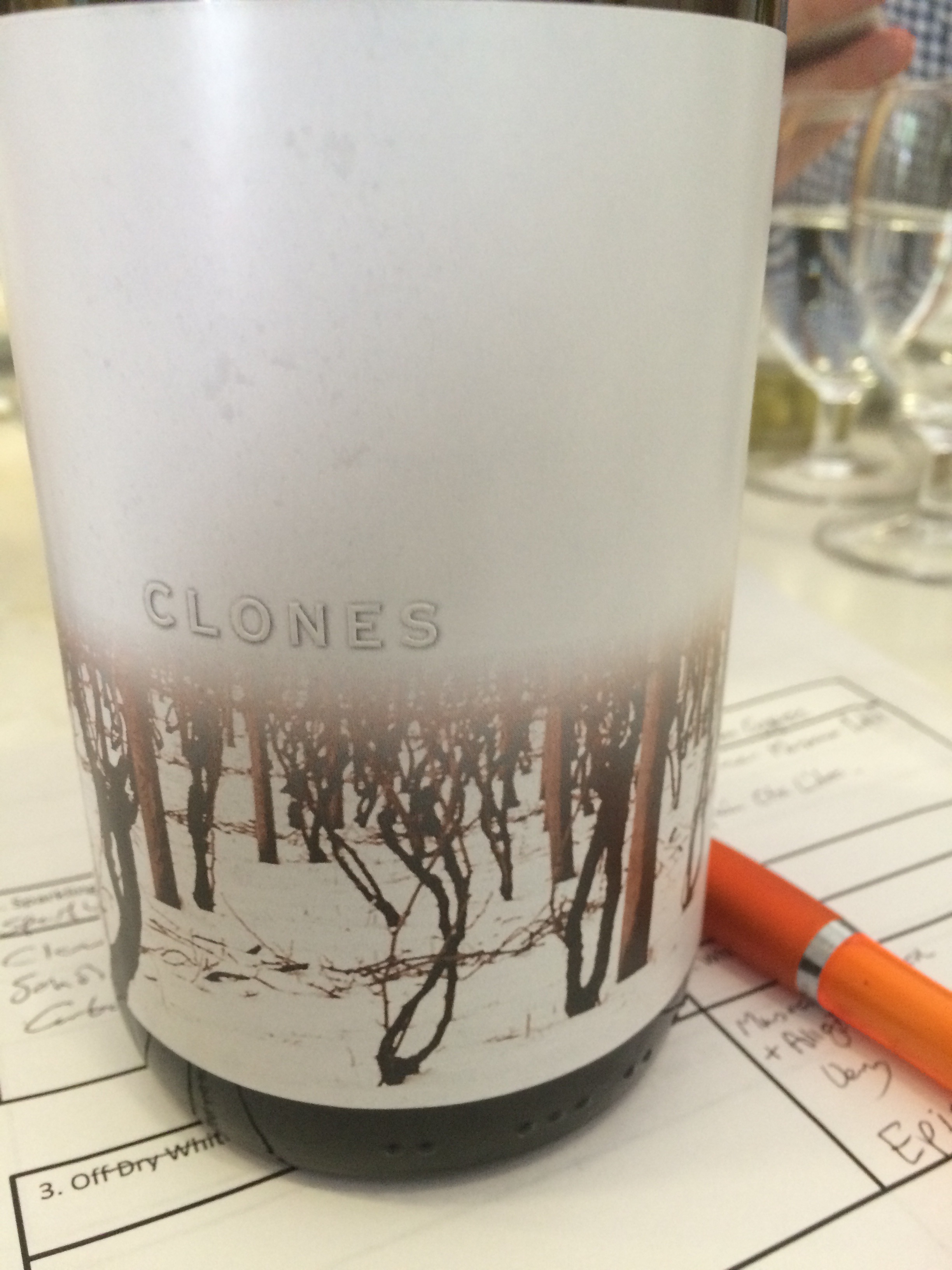
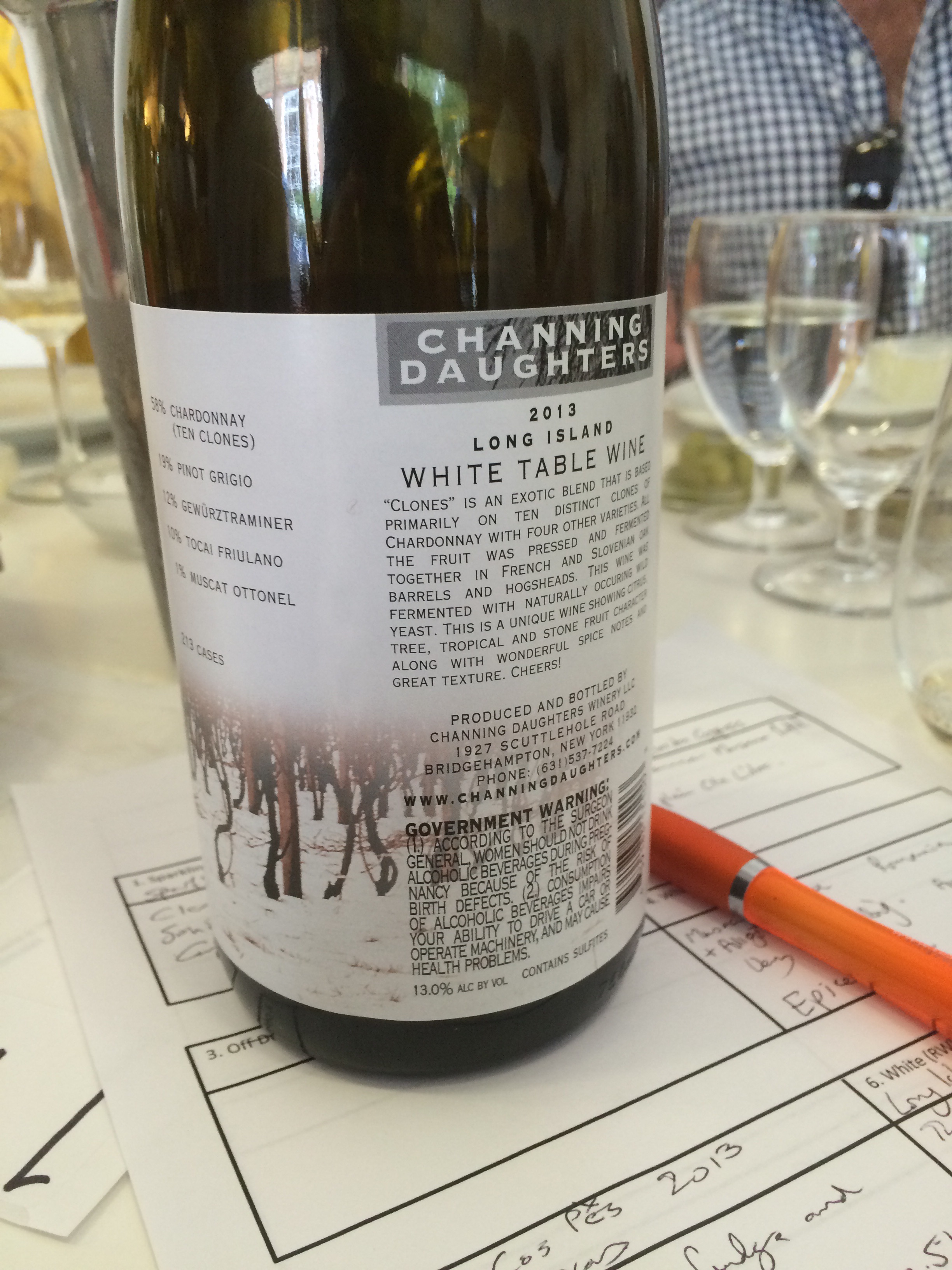
Channing Daughters “Clones” 2014, Long Island – A real blend here consisting Chardonnay, PG, Gewurz, Tocai Friulano and Muscat. Although the Chardonnay component is 60%, the Gewurztraminer, for me, is the grape you notice first. One of those blends which doesn’t necessarily make a better whole, but I’m sure everyone enjoyed trying this. You don’t see it on the shelf every day.

imageimage

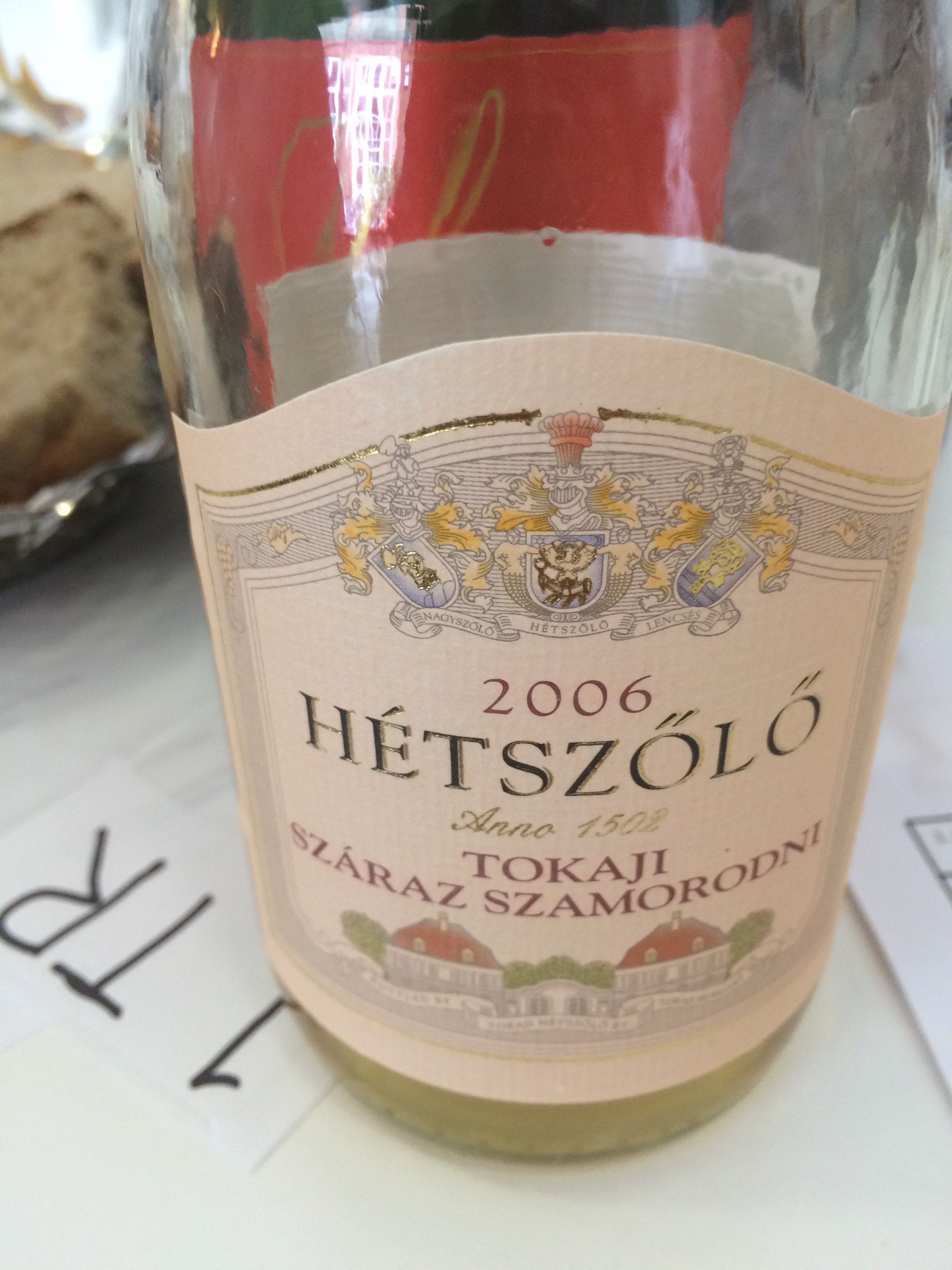
Szaraz Szamorodni “Hetszolo” 2006, Tokaji Region, Hungary – Marker pen on the nose was the first shout, then, for me, burnt apple and a hint of mushroom. A dry wine which you expected to be sweet or off-dry. Very good indeed, and if we thought the Galician was a bargain, this (and the 2006 seems still available on Winesearcher) will cost you about £5. There’s no hurry to drink up. 50cl.

image

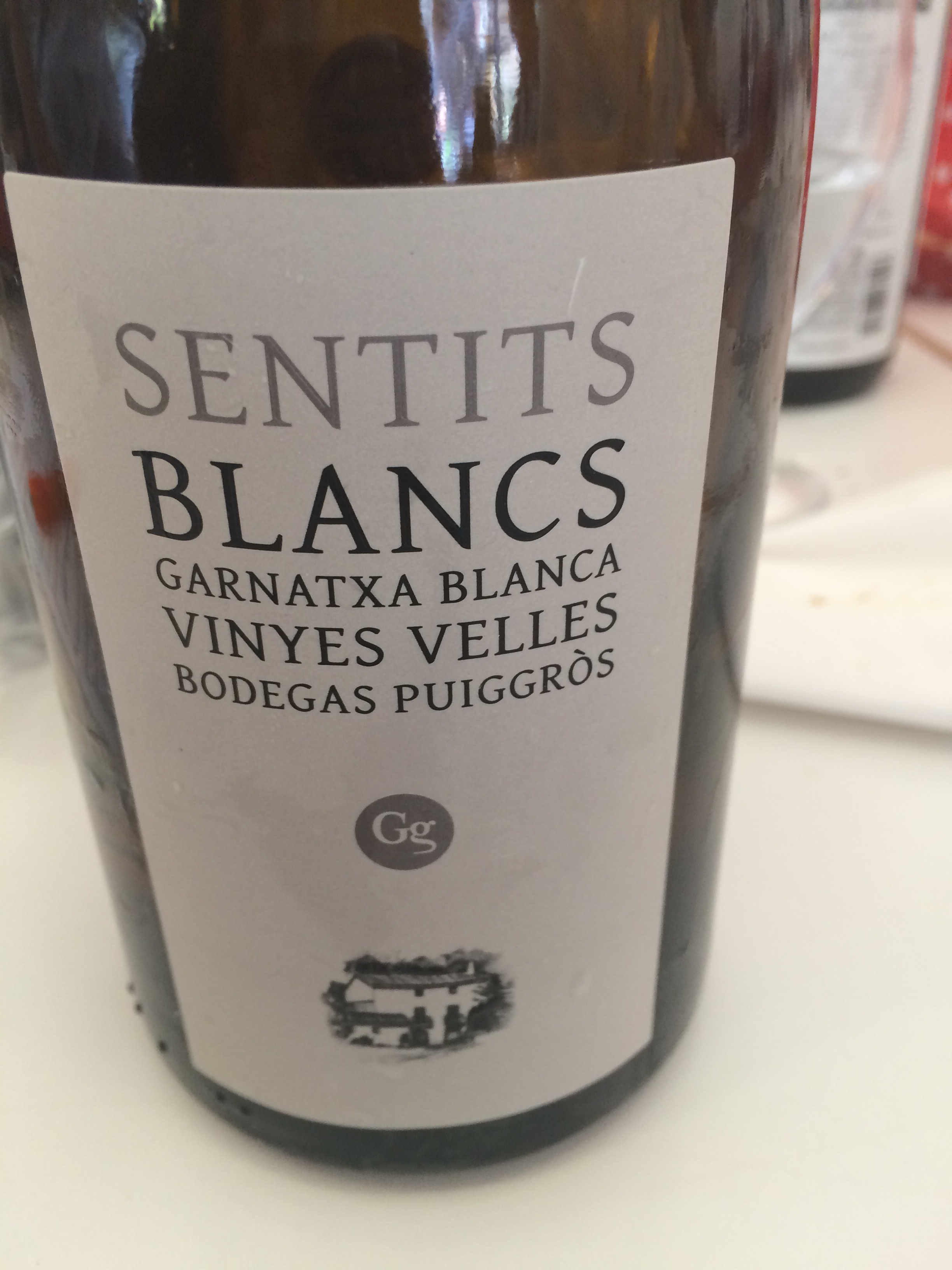
Bodegas Puiggros “Sentits Blancs” 2013, Catalunya – A white Grenache (Garnatxa) with a heft of alcohol (14%) and rich fruit. Quite complex as it evolves and warms. I had this as a Viognier-Chardonnay blend from somewhere like Israel, which only goes to show how little I know…or remember (I do really like Mediterranean whites, though on a hot day 14% can be a bit much).

image

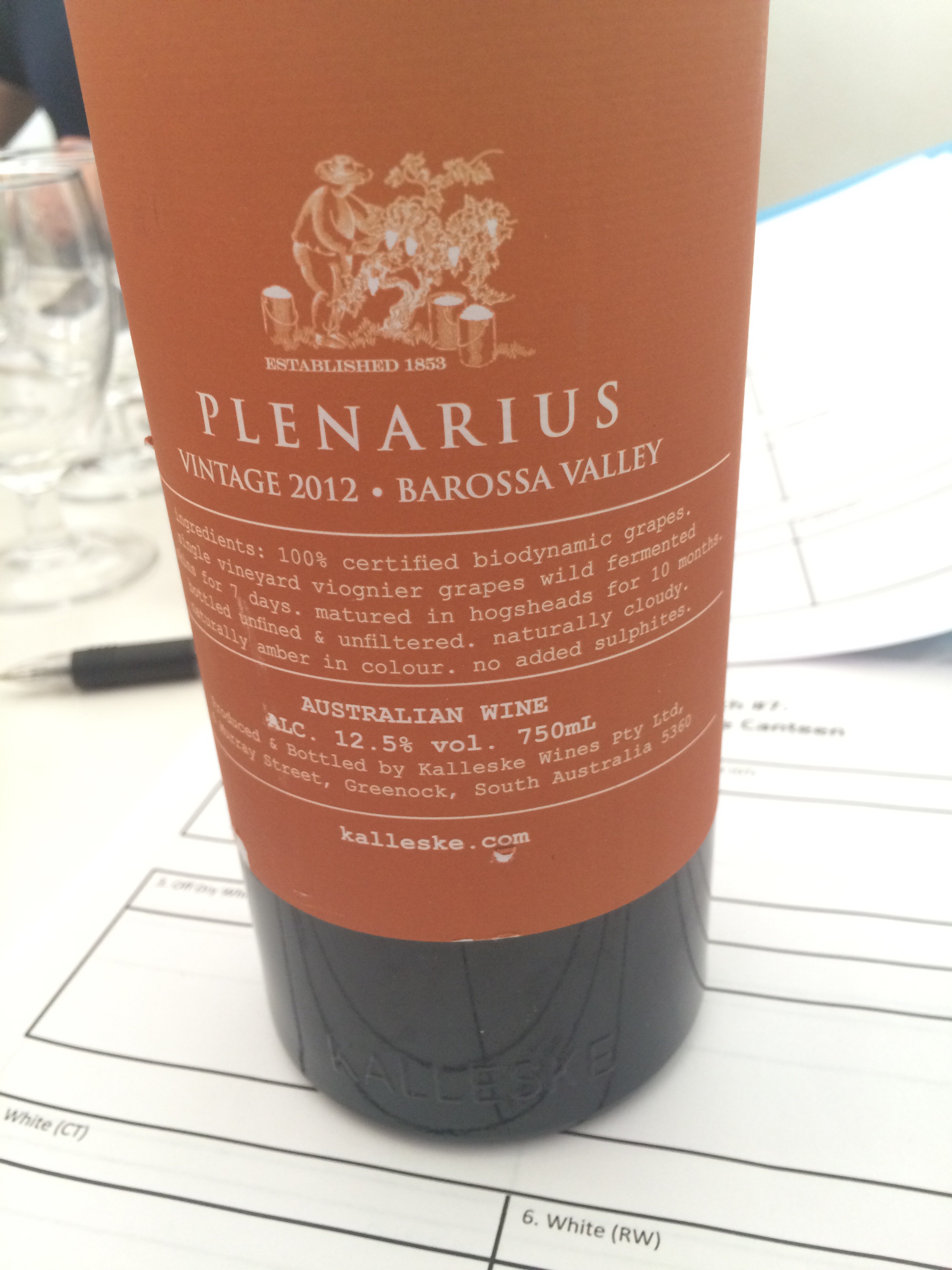
Kalleske Plenarius 2012, Barossa – Kalleske have been growing grapes in the Barossa since 1838, but Troy Kalleske has been making real waves, especially with Shiraz. This newer wine is a single vineyard Viognier, about a week’s skin contact, low (12.5% but tasting rather more like 6%) alcohol, almost like an oddly orange-tinged apricot fruit juice, somewhat cloudy. Obviously I took this, and it is certainly an odd and even provocative wine. Lines were drawn between the noises of appreciation and those who just said “no”. If Solent Cellar ever get any more I’ll certainly grab one, though not a case (they did have their Clarry’s GSM last time I looked). As an aside to those who asked, I think retail this was probably closer to £20/btl.

image

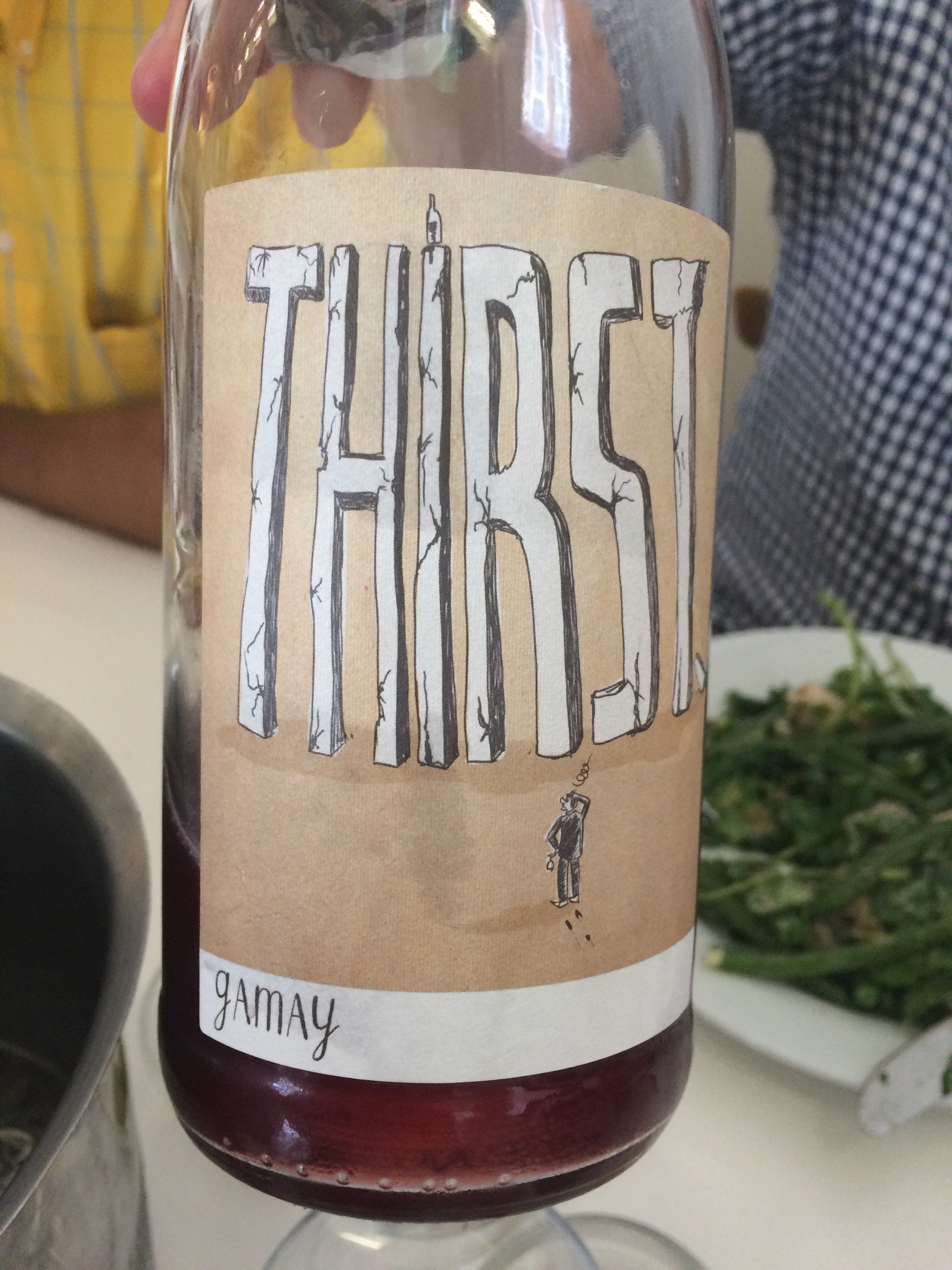
Radford Dale “Thirst” 2015, Western Cape (S Africa) – A wine that pretty much does what it says on the label, in that it quenches it. Light cherry, no real guesses what the grape is. 11.5%. Simple but really tasty. And that label’s well designed too. Chill it.

image

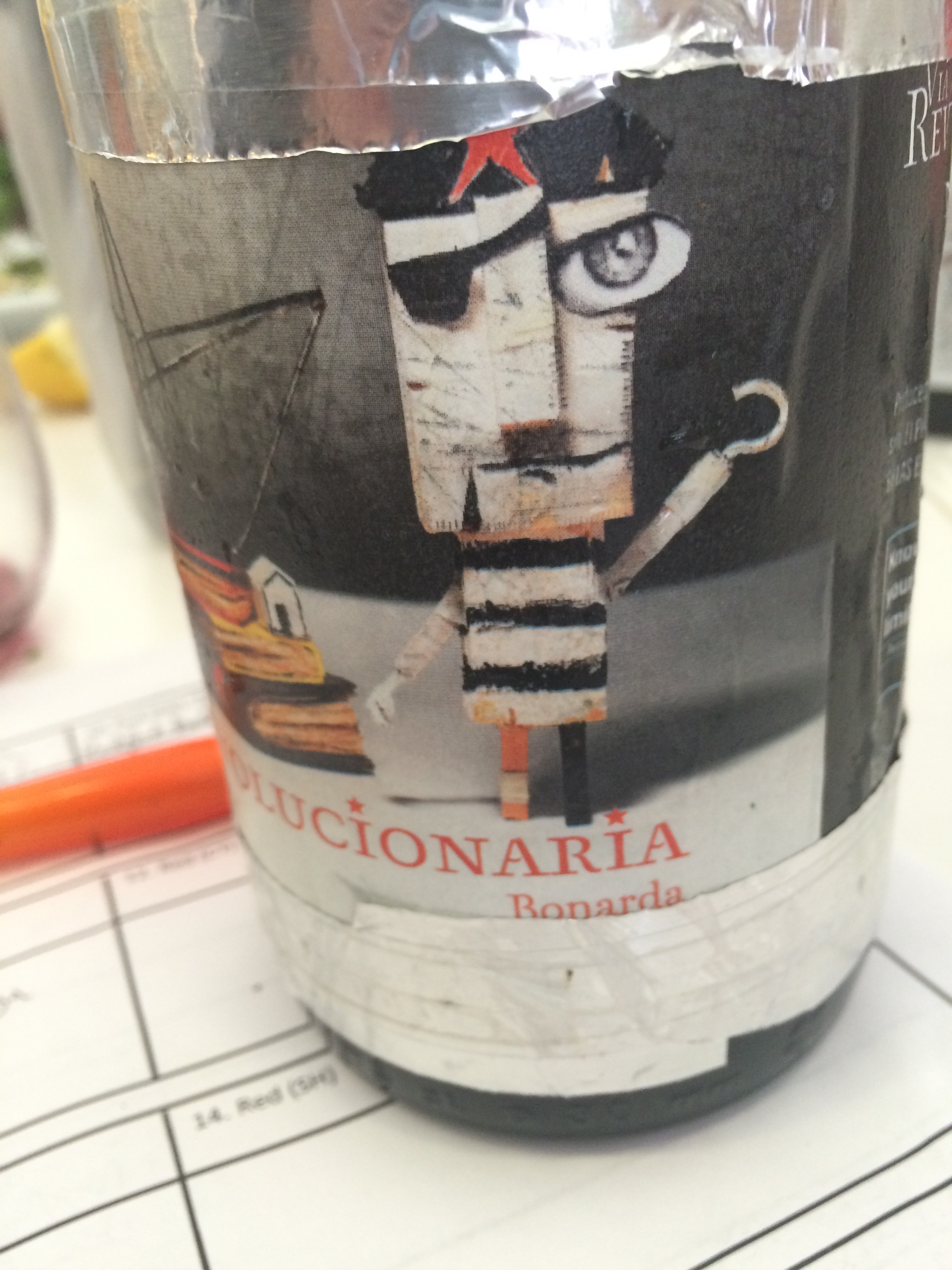
Passionate Wine “Via Revolucionaria Bonarda Pura 2013, Argentina – This was impossible to guess. We had Mondeuse, Nerellos, Marzemino and Refosco. The last was nearly right. Bonarda Pura is an apt description. Only 10% alcohol, Mendoza fruit. For me it’s one of the new wave of wines giving Argentina the edge over Chile (without forcing us to drink jammy Malbec).

image

Forjas del Salnes “Goliardo Loreiro” tinto, Rias Baixas – Another of those wines you’re never going to identify unless you’ve drunk it. And even when you have, you will be pushed to identify it again. But that said, it’s a lovely wine. The vines are about 100 years old, the variety rare. Crunchy red berries and (cough) minerals from Rodrigo Mendes, the only known grower of the grape.

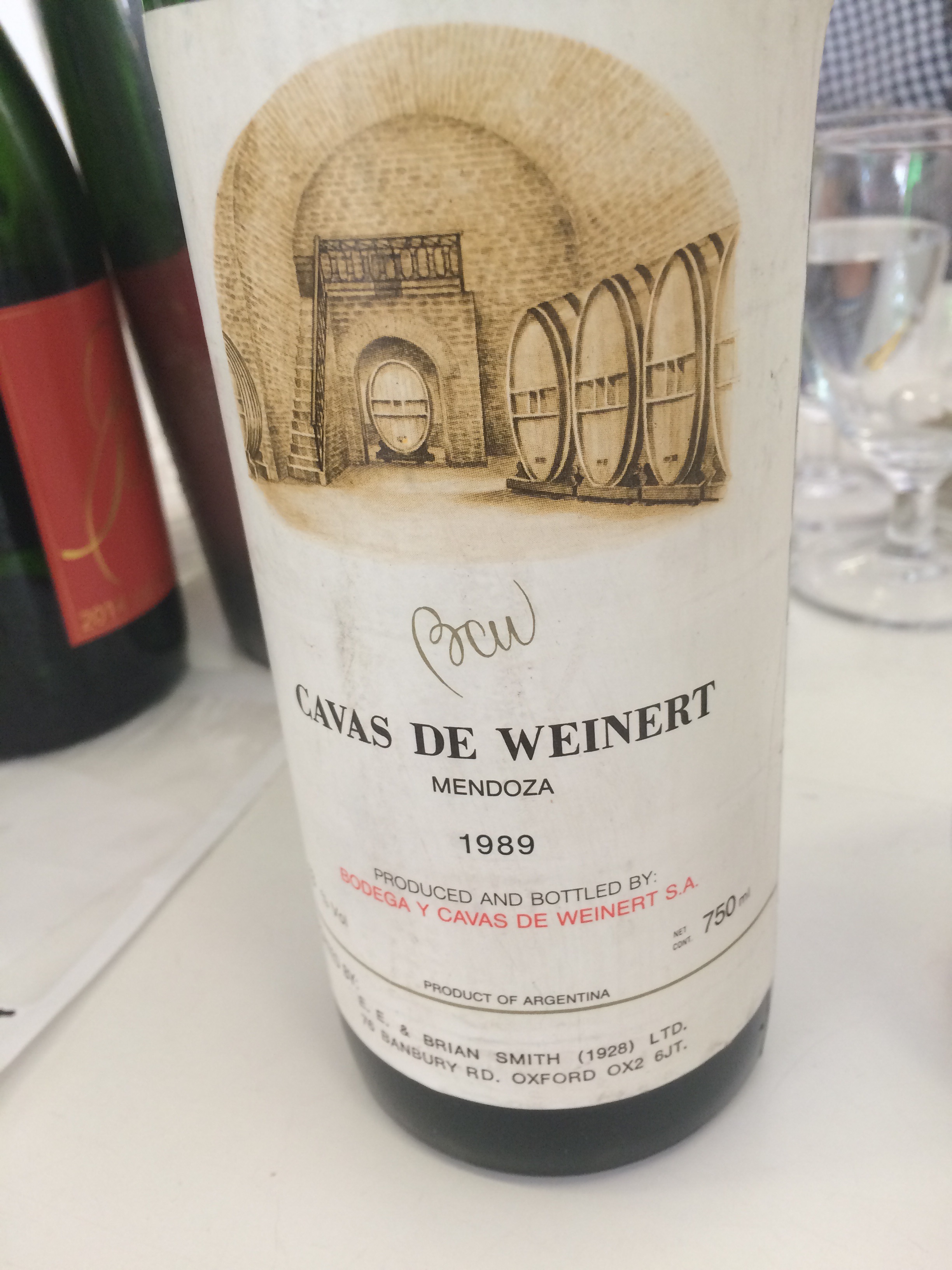
Cavas Weinert “Gran Vino” 1989 – Another from Argentina but quite special due to its age. A smooth old wine, holding up remakably well. Claims to be 100% Cabernet Sauvignon, though cellartracker has it as a “Bordeaux blend”, which on taste seems right. You don’t need to be a lover of classical Bordeaux to appreciate it. In sedate maturity.

image

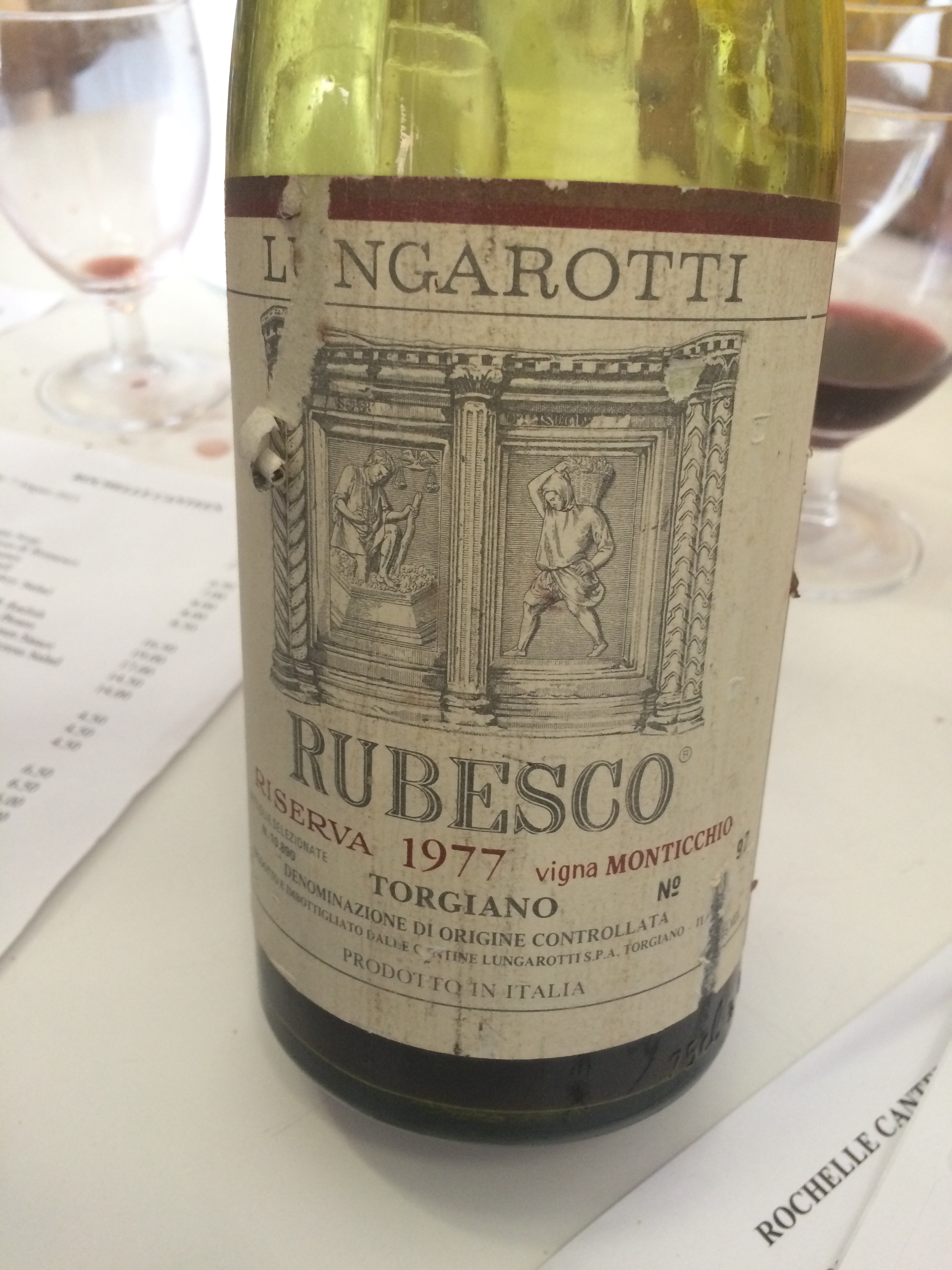
Lungarotti “Rubesco” Rosso di Torgiano Vigna Monticchio 1977, Umbria – Not one or two of us shed a tear of recognition and memory when this was revealed, so many having bought it from places like Majestic in the early days of our wine journey. Mostly Sangiovese and Cabernet Sauvignon, with a bit of local colour thrown in, so in some ways one of the original “Super Tuscans” (well, Umbria’s close enough). Still good today.

image

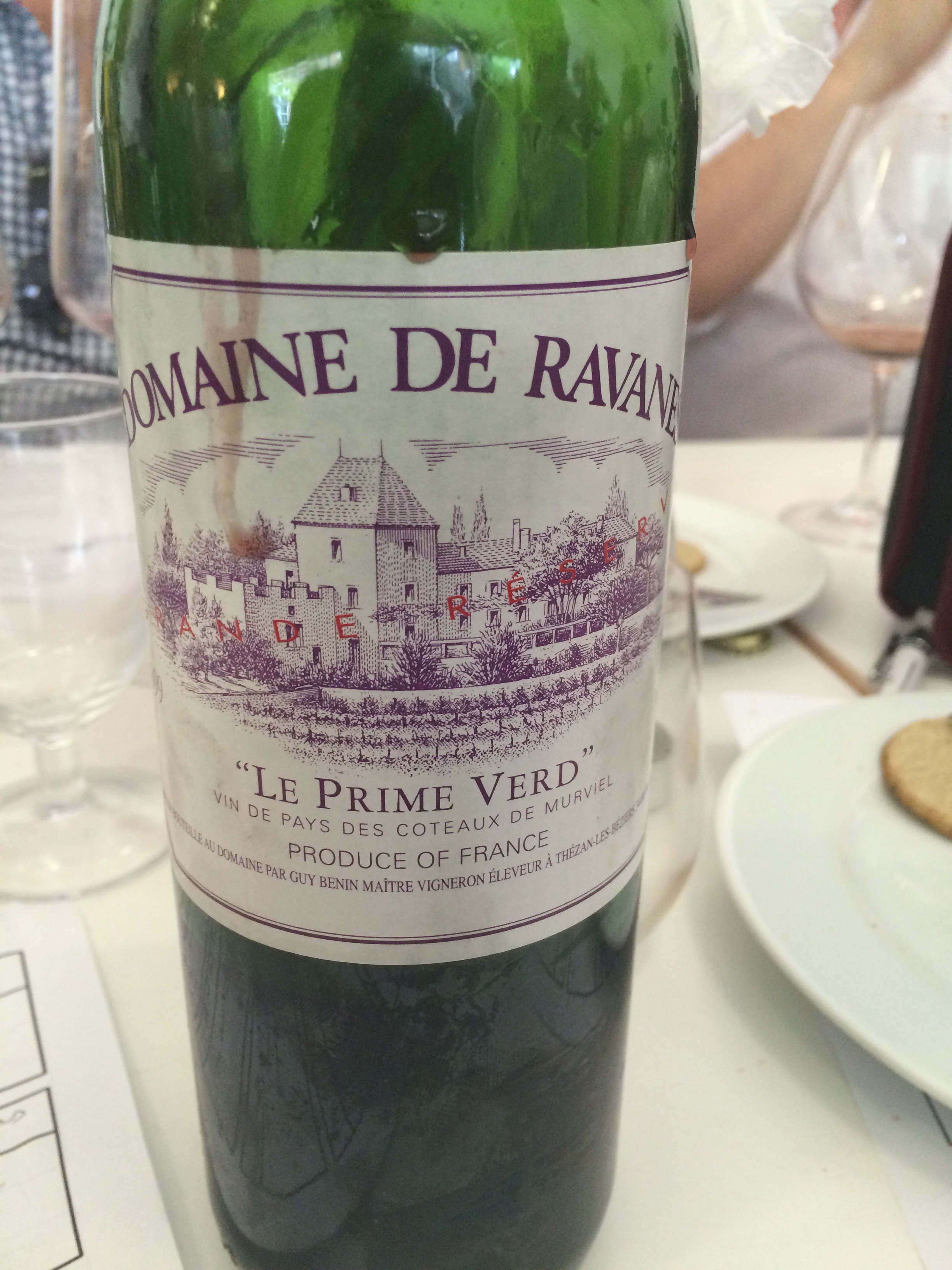
Domaine de Ravanès “Le Prime Verd” 1999, Murviel (Languedoc) – Despite it being sixteen years old this was pretty oaky and hard to penetrate, but it’s obviously very good with a rich and dark purple hue and great concentration. Of course, as a 100% Petit Verdot the colour and a slightly peppery hint made it hard to guess (Marcillac was one shout).

image

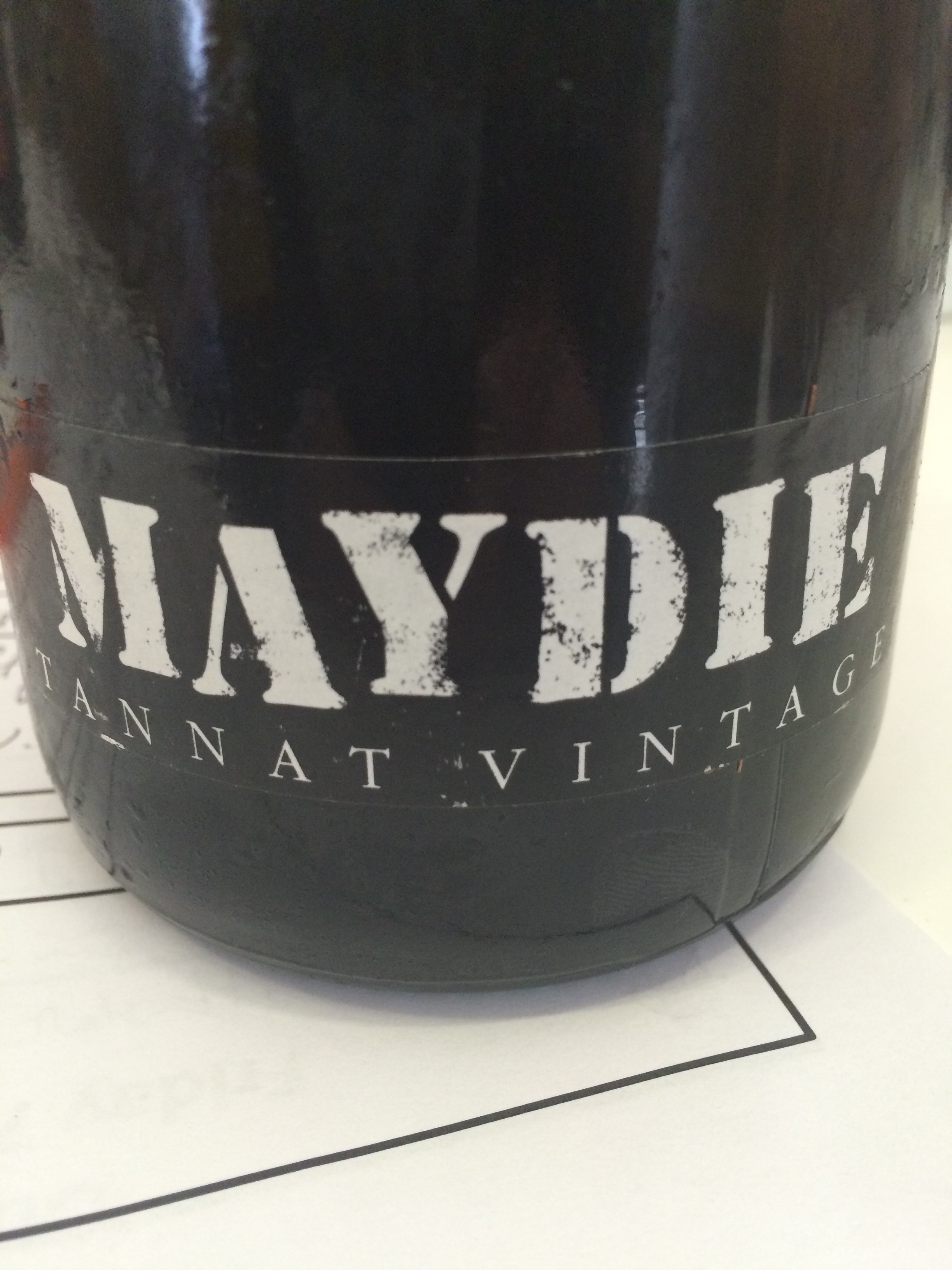
Maydie Tannat Vin de Liqueur 2009, Pierre Laplace, Madiran – Effectively a sweet, fortified, Madiran. I called it “darkness on the edge of town”. Concentrated but great balance giving it an unexpected freshness.

image

Muscatel Madeira, est 1840-1850 – Good provenance, pre-phylloxera Moscatel which, like every old Madeira I’ve ever tried tastes so much younger, vital and full of life (if also sediment and cork, but I’m not complaining. A stunning end to the lineup, and my third contender for wine of the day – although one couldn’t fail to give the crown to this wine and its generous provider.

image

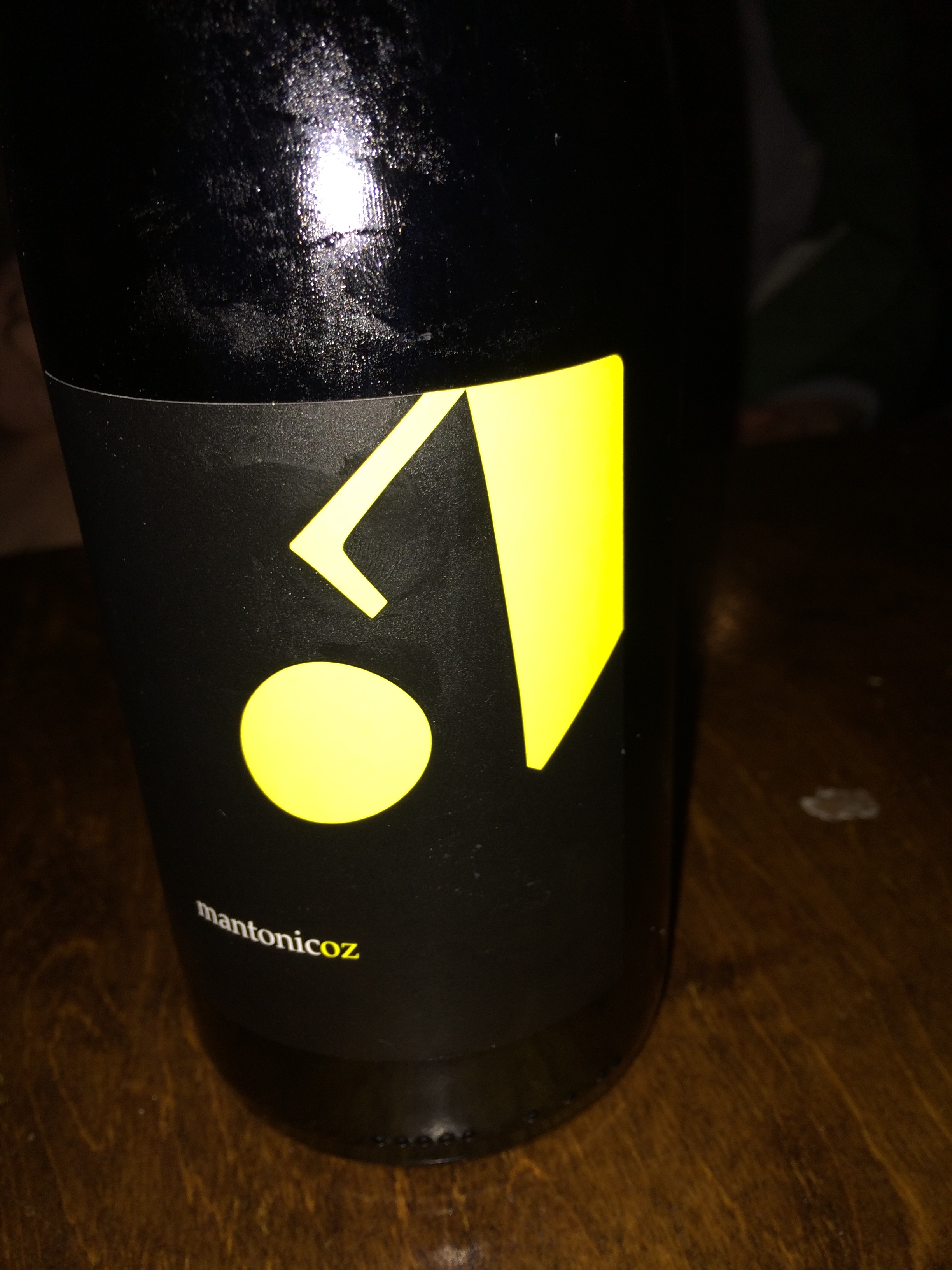
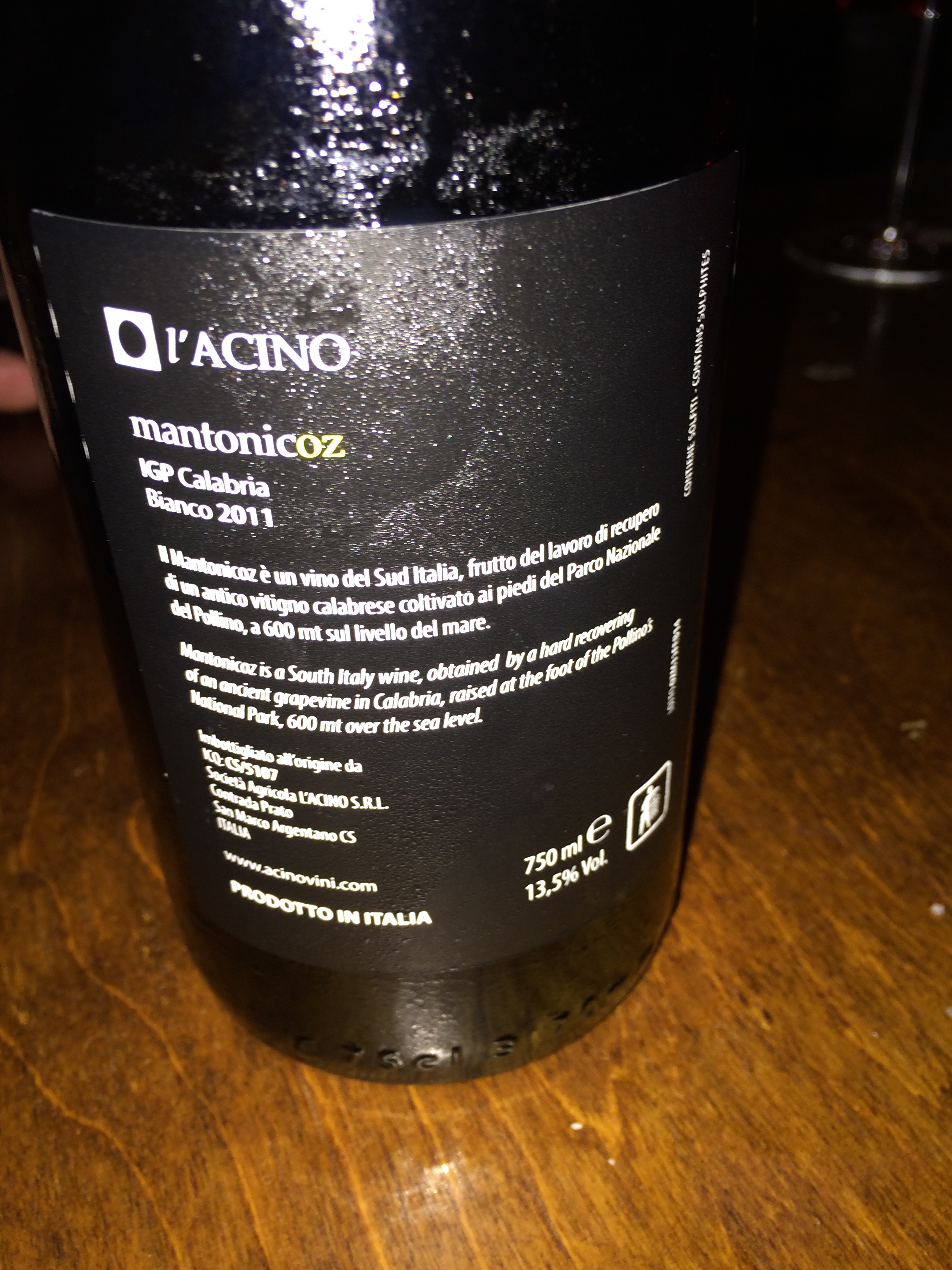
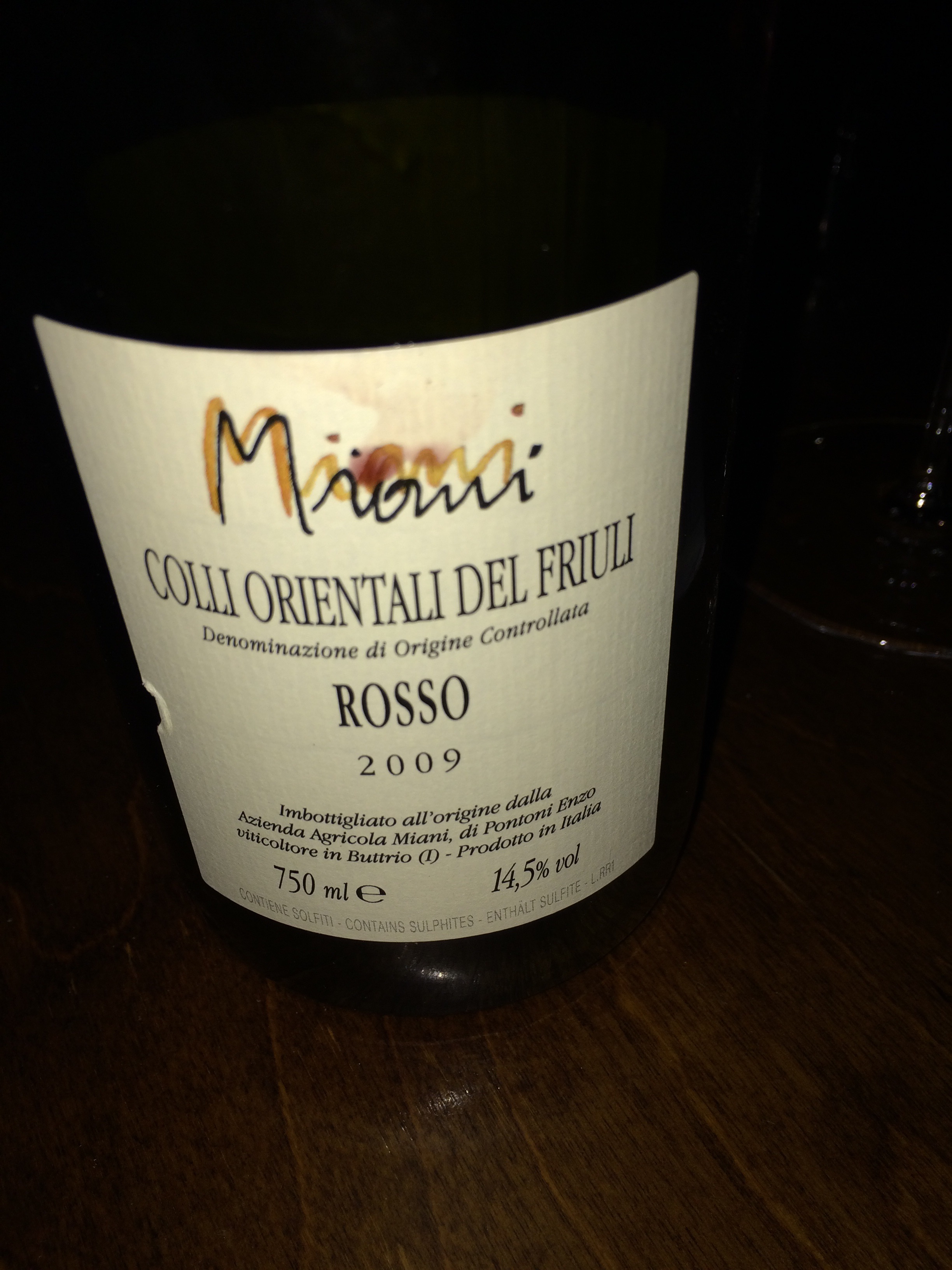
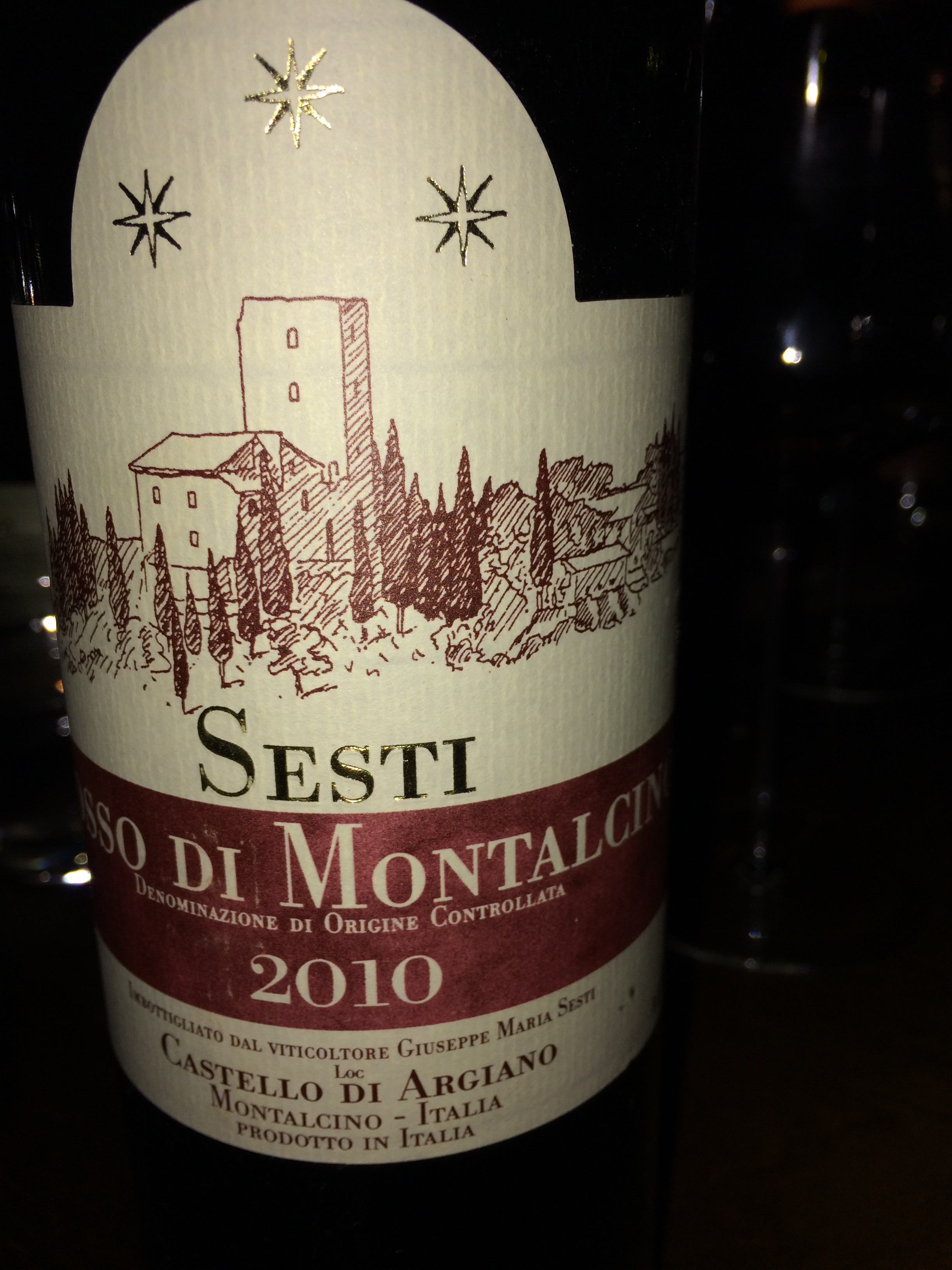
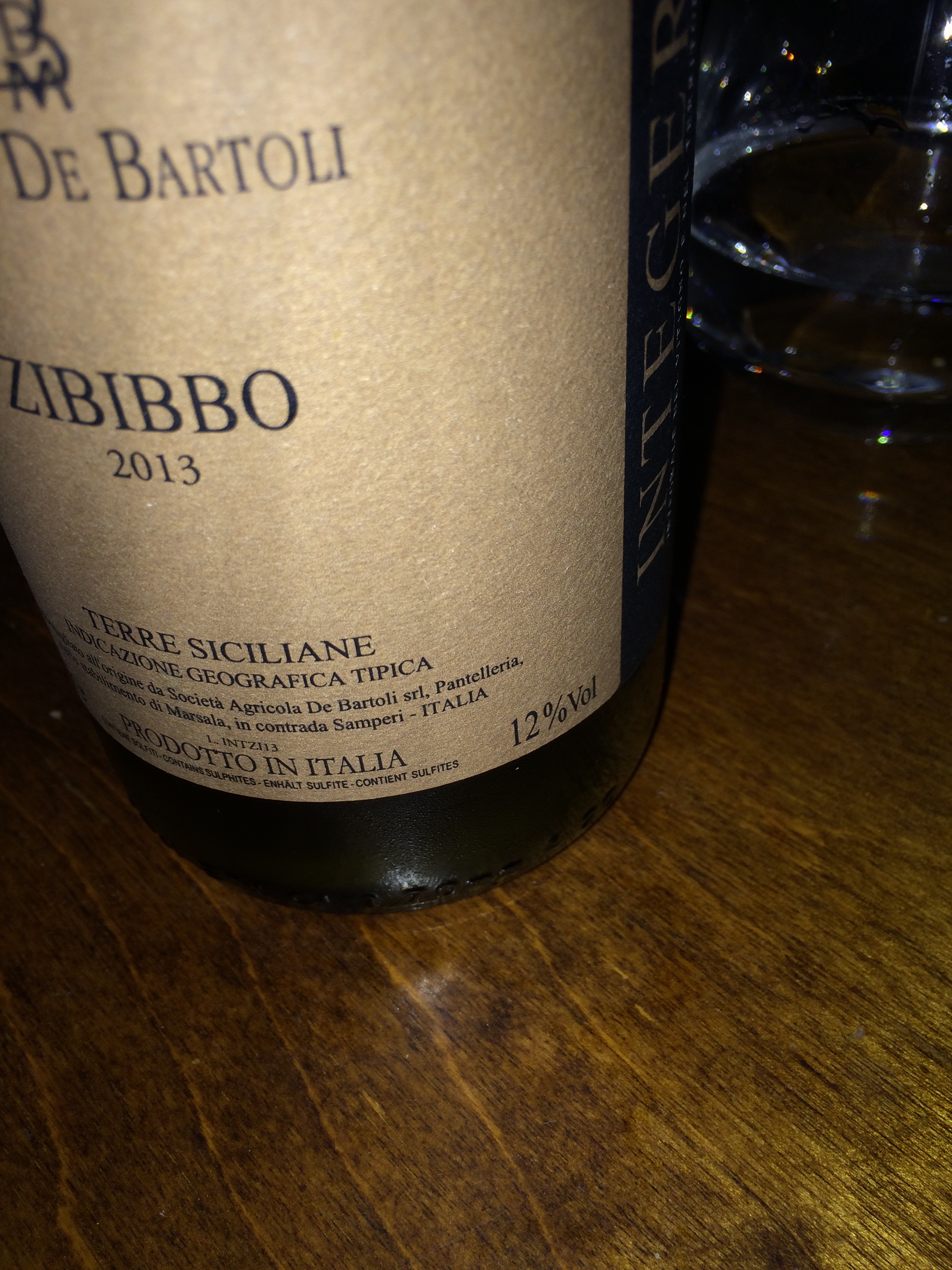
After a quick palate cleansing beer around half of us repaired to Winemakers Club (Farringdon Street), where we sank back in the cool of the arches under Holborn Viaduct to savour four more bottles as diverse as a Colli Orientale del Friuli Merlot, a Calabrian “Mantonicoz” with skin contact, a Sesti Rosso di Montalcino, and for the last men standing (see the state of that photo below), a Marco de Bartoli Zibibbo from Sicily. The last was a great palate cleanser, but I’ll admit, perhaps a bottle too far (not sure how I avoided having a hangover this morning).

Hope to be there again in October so watch the Winepages Offline Planner for details soon.

image image image image image

Posted in Wine Agencies | 9 Comments

Beaujolais Just Got Serious

Well, it’s been that way for a while, but having participated in a very exciting Beaujolais dinner a few weeks ago (see post of 17 July) at The 10 Cases, we felt the need to explore some more of the region’s wonderful wines again. This time, the venue was Farringdon’s Quality Chop House, taking advantage of their “no corkage” deal on a Monday night. As ever there, the food was exemplary, great value, and the welcome was very warm.

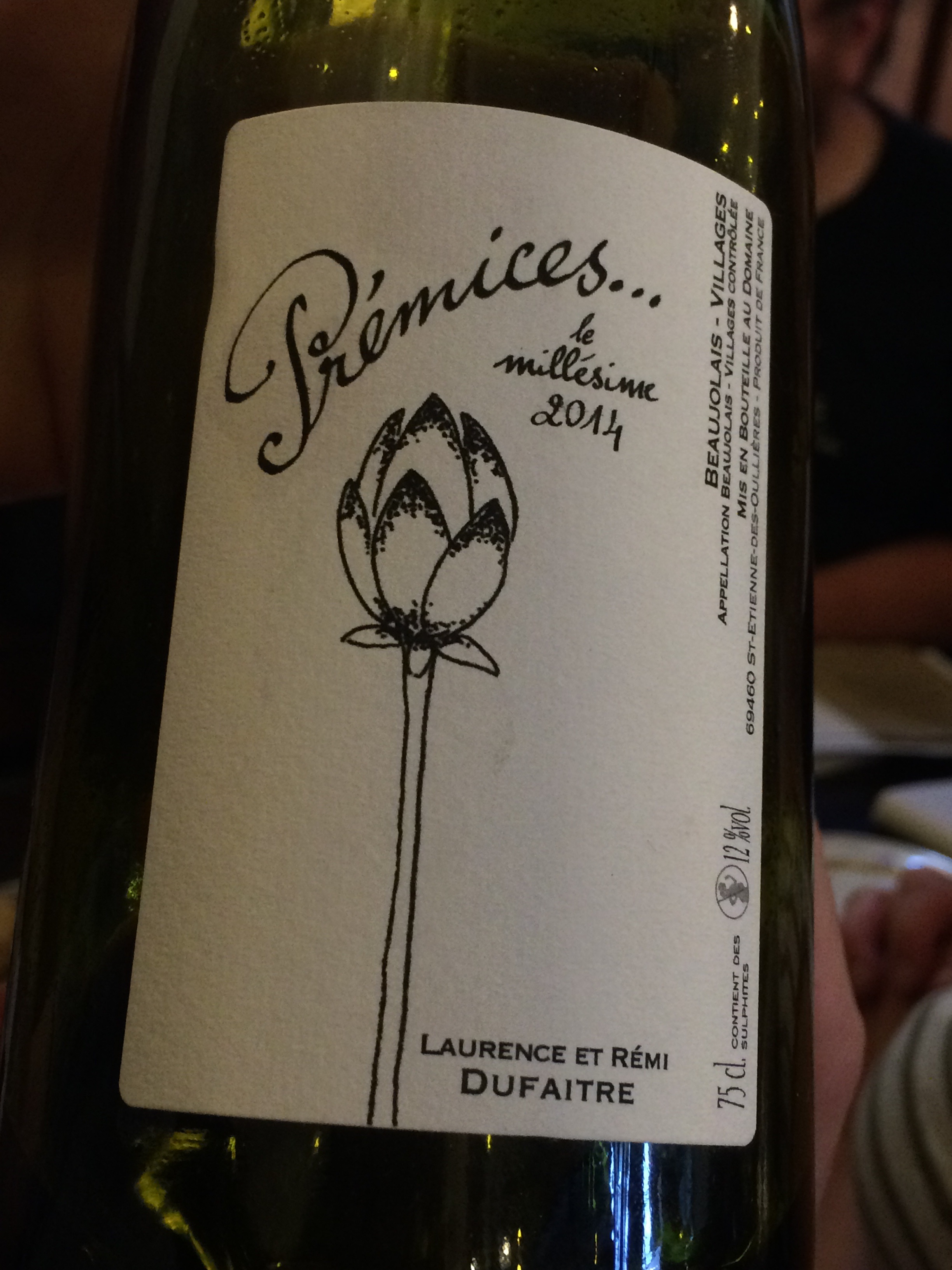
We began with the first pair of Beaujolais-Villages, from Laurence & Rémi Dufaitre (Domaine de Botheland) – their cuvees Prémices and L’Air de Rien. These made a wonderful start to the evening. Fun wines brimming with fruit, most preferred the 2014 Prémices, with three out of ten (including me) going for the 2012 L’Air. This domaine has limited UK availability (these bottles were sourced in Paris), but they have been touted as new stars from the region. I have no doubt, on these and previous bottles of other cuvées, that this is true.

imageimage

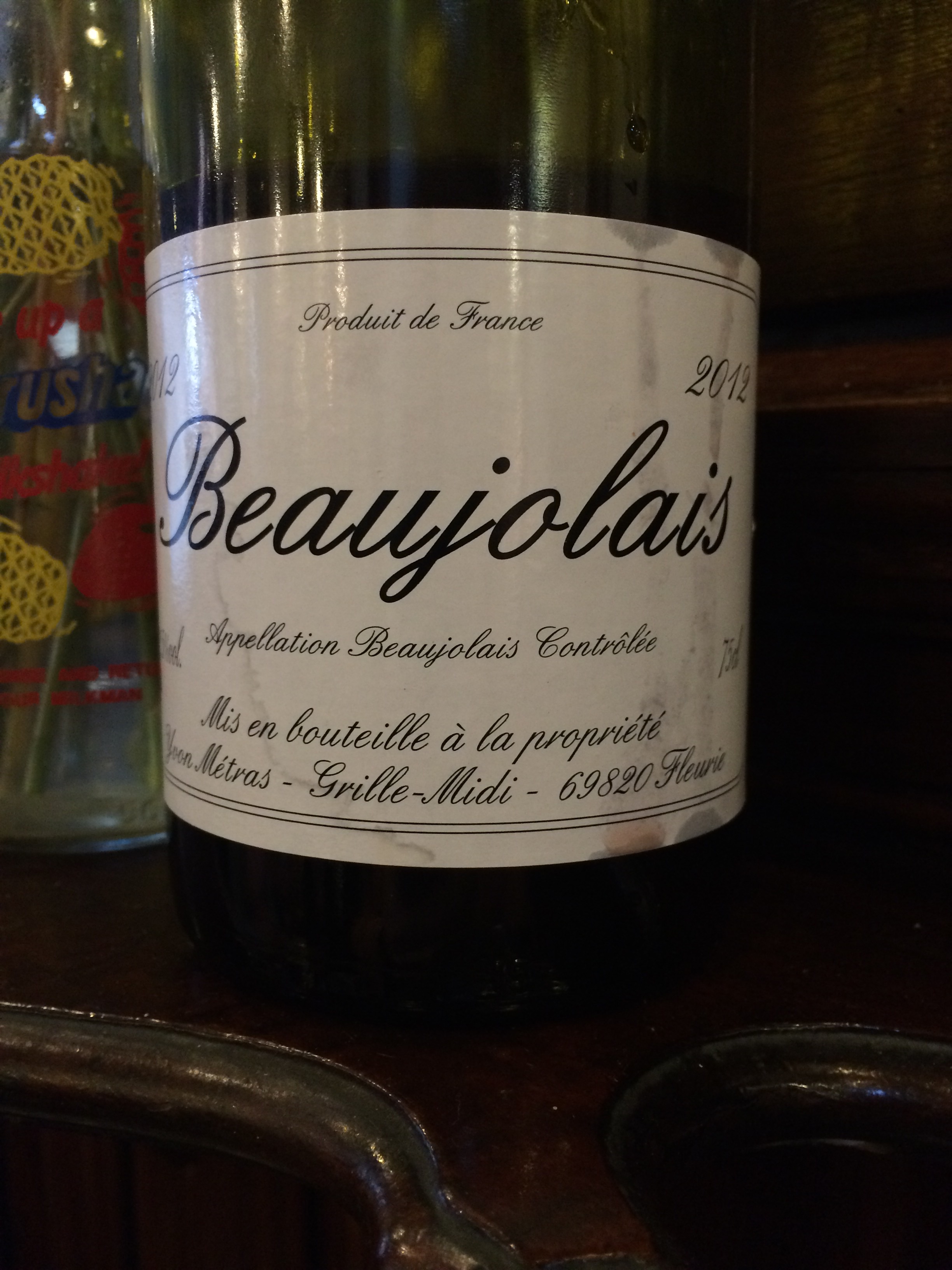
The next two wines, both 2012s, were from France Gonzalvez and Yvon Métras. The former was very stinky “Villages” to begin with, barnyard being the most pleasant term used. It did blow off, but the wine didn’t recover 100%. The Métras, a Beaujolais tout court, was singular and masterful. It didn’t concern me that the bottle was cloudy, having been carted around London all day. It had real presence and astonishing “life”.

imageimage

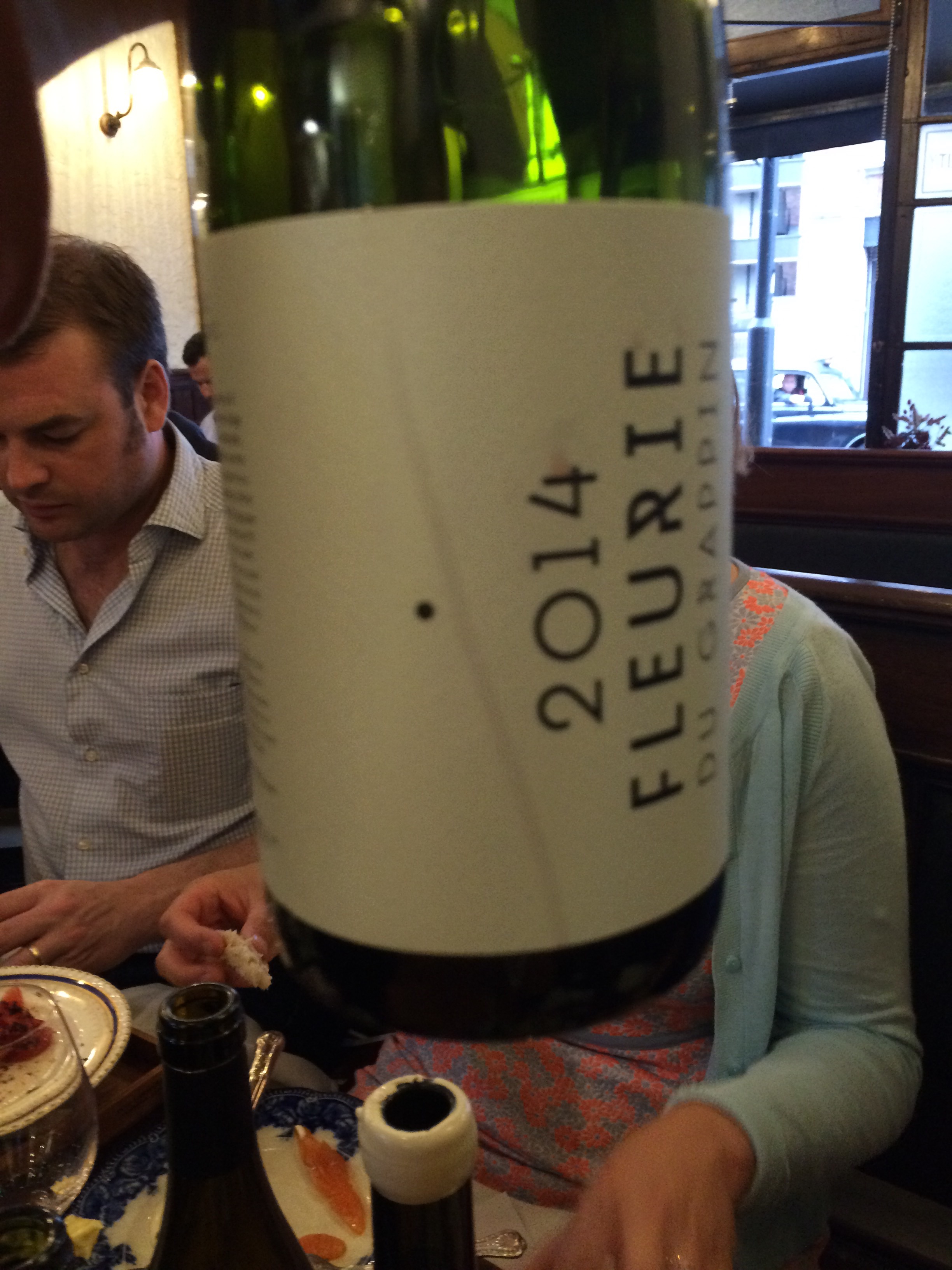
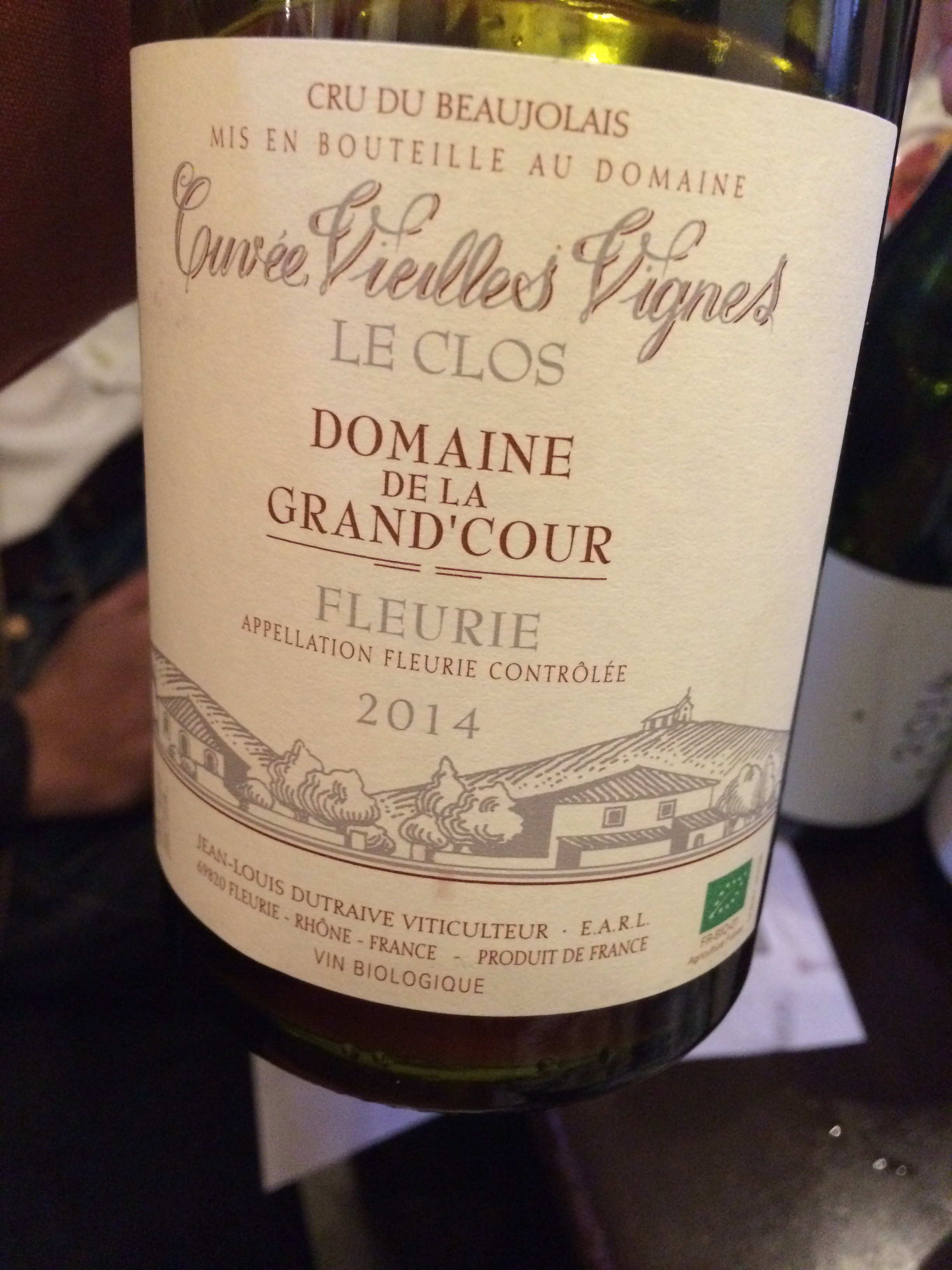
Next, two flights of Fleurie, the first consisting of two 2014s from Le Grappin (the Beaune micro-negoce of Andrew Nielsen) and Jean-Louis Dutraive (his Le Clos de la Grand Cour Cuvée Vieilles Vignes). The wine from Le Grappin has a great colour, very smooth, obviously showing some of the extra vigour of 2014, but really well made and showing extremely well alongside Dutraive’s wine – new to me, but very classy. Both provided a nice contrast to the natural inclination of the preceding wines, and indeed a hint that 2014 will provide some excellent prospects where the power potential was well handled, as here.

imageimage

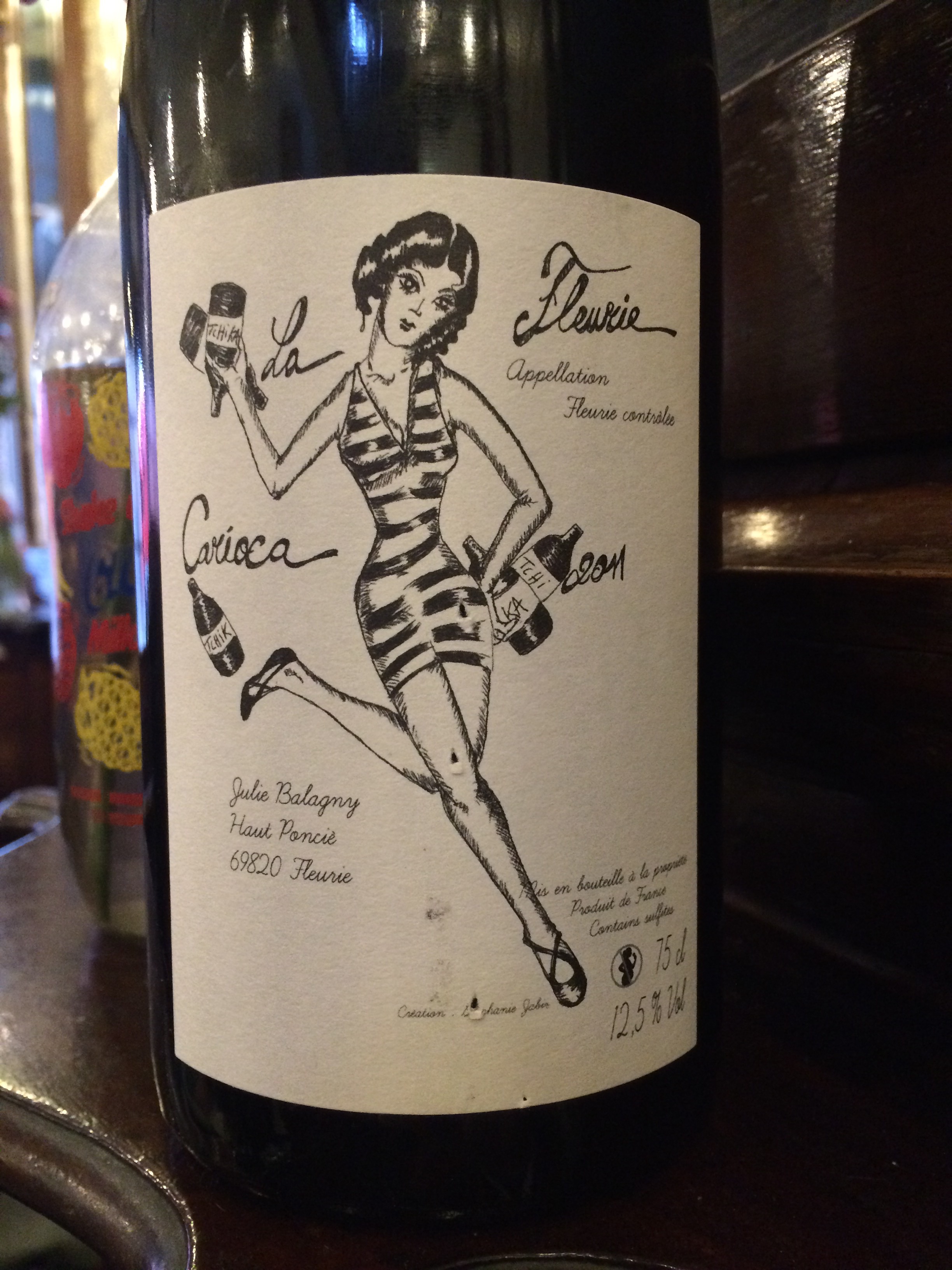
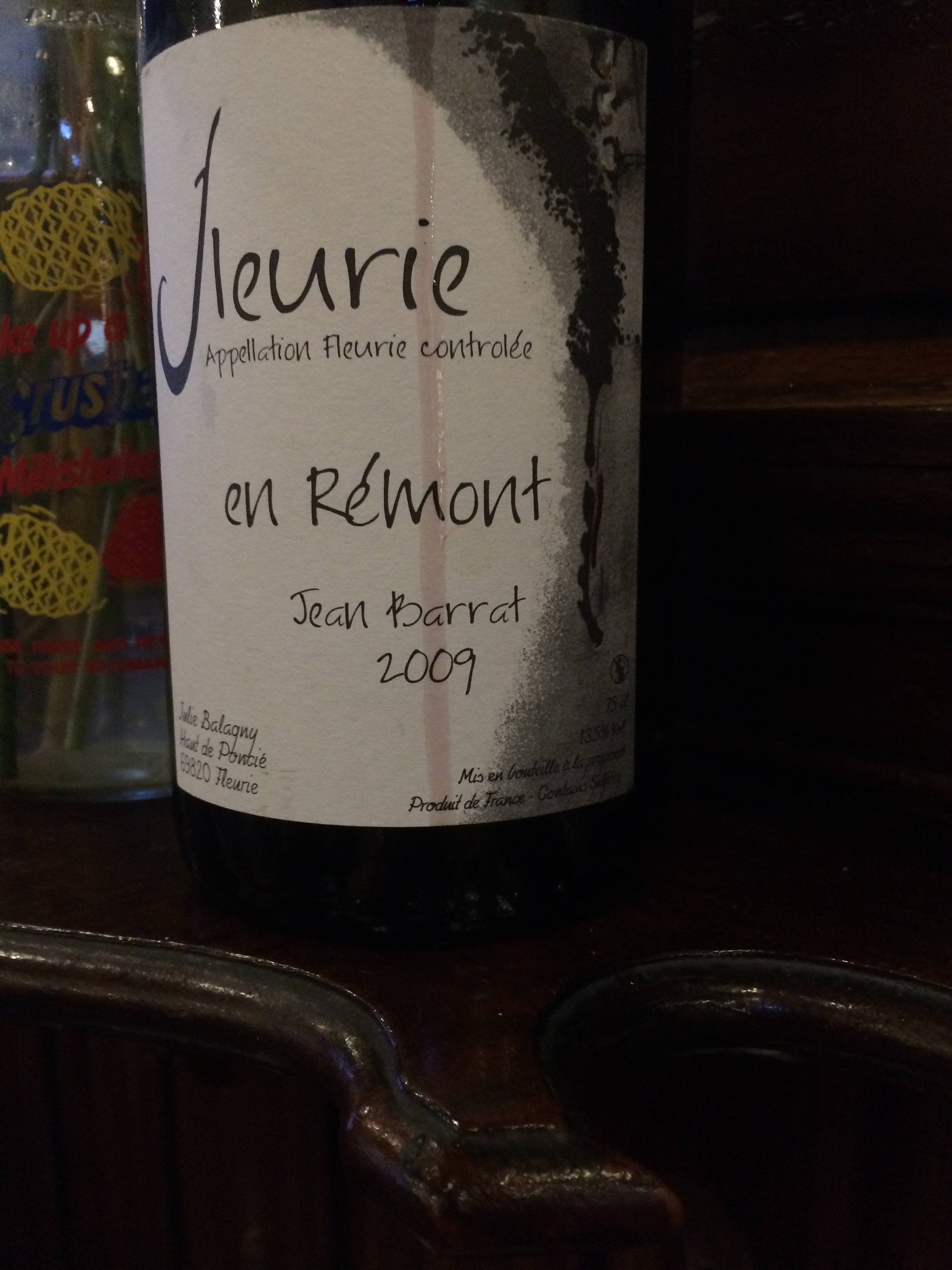
The second pairing of Fleuries were both from the region’s secret star, Julie Balagny. This young woman worked with Yvon Métras and they remain close associates. Her wines are no pale copy of that icon of “natural” winemaking, and she clearly has something new to say. The Carioca 2011 was fresh and delicious, yet someone said it had been through a bad phase not that long ago, perhaps providing further evidence that these wines will both age and evolve. The Fleurie En Rémont “Jean Barrat” was at first hard to interpret. I thought it was too old initially, but I’m now sure it was merely a big 2009 which had a certain monolithic quality. Highly intriguing nevertheless. Another wine which improved in the glass. I believe it was Julie’s first vintage, possibly her first wine, so her fans were very pleased to try it. I’m not wholly sure how I prised the bottle away from its Parisian owner. The 2011 may have won on the night but I’m kind of half regretting giving the empty 2009 bottle away (only joking Oli, unless you forgot it?).

imageimage

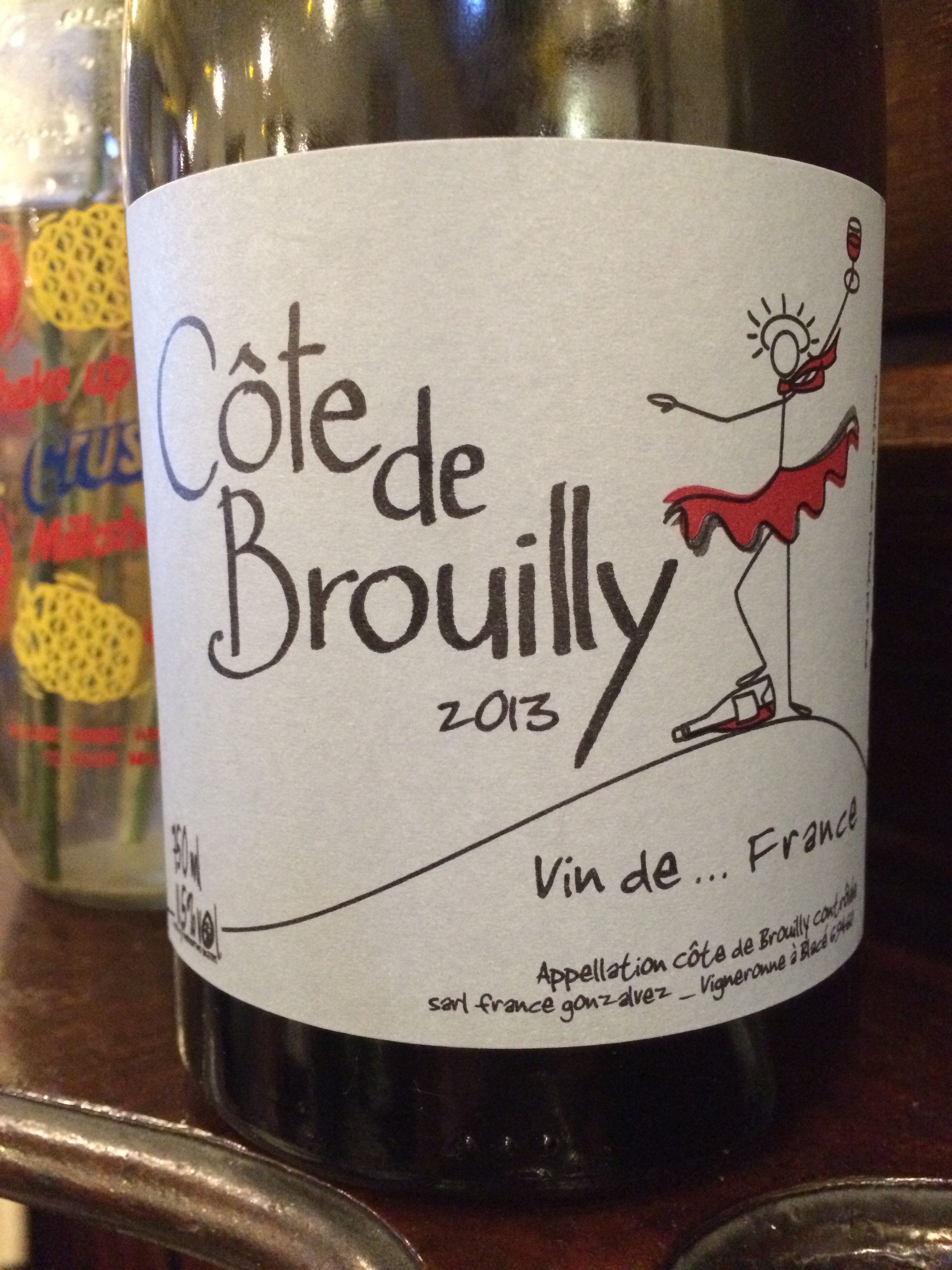
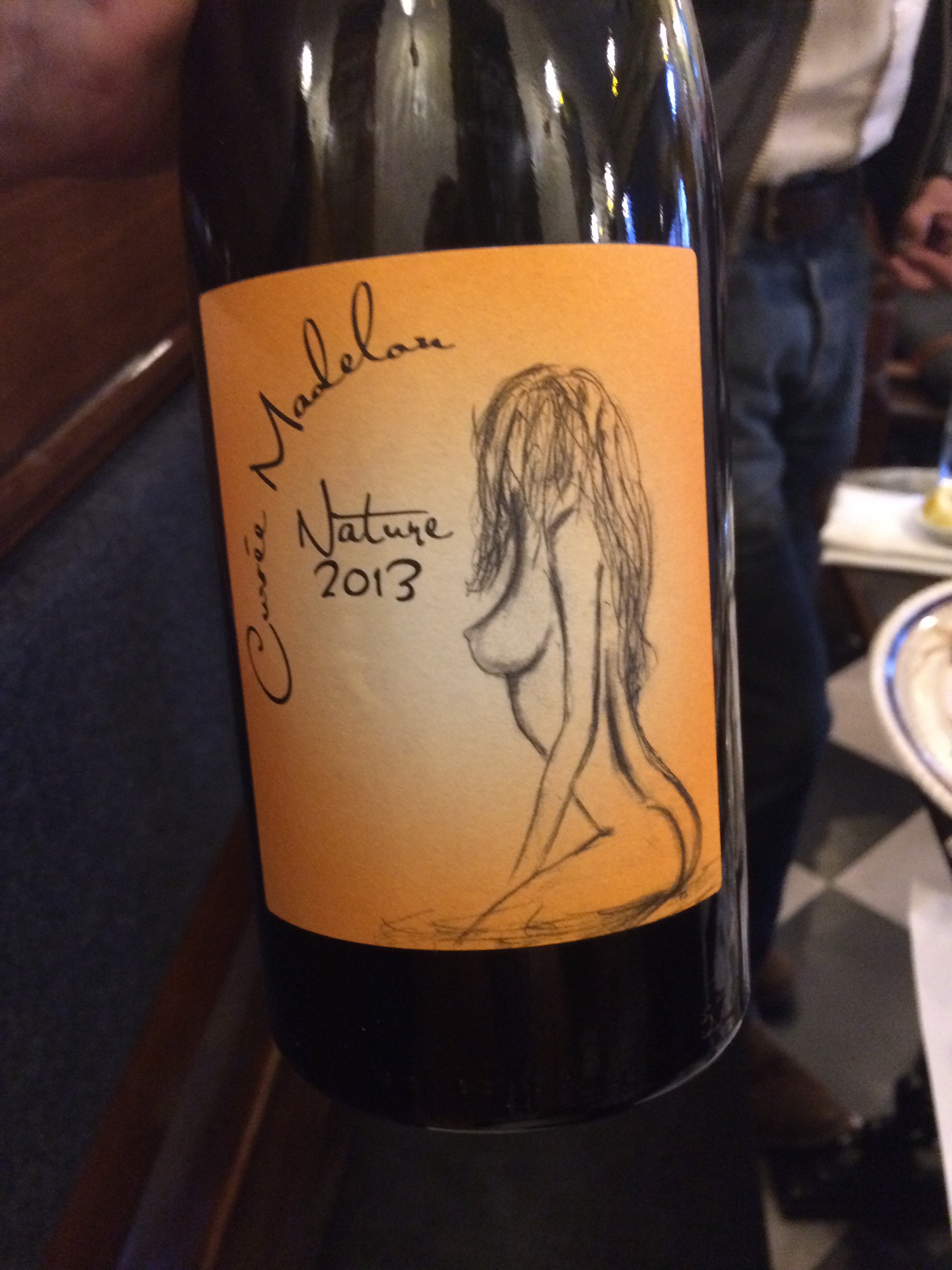
The next pair might have been, just, the least successful pairing overall. The second France Gonzalvez of the night was her Côte de Brouilly 2013, which for me was a bit stiff. We’d paired it with Jean-François Ganevat‘s Cuvée Madelon  2013. This wine wasn’t as popular as I’d thought it would be, even with the confirmed Ganevat fans. Very funky, I probably liked it more than anyone else prepared to voice an opinion, but I do think J-F is always pushing to say something different with all his cuvées. His Pinots and Chardonnays often taste far less weird than people expect, but this cuvée does push the envelope, it’s true. For me, cliché as it is to say it, the guy’s a wine genius, like Métras. Less sure on the label front though.

imageimage

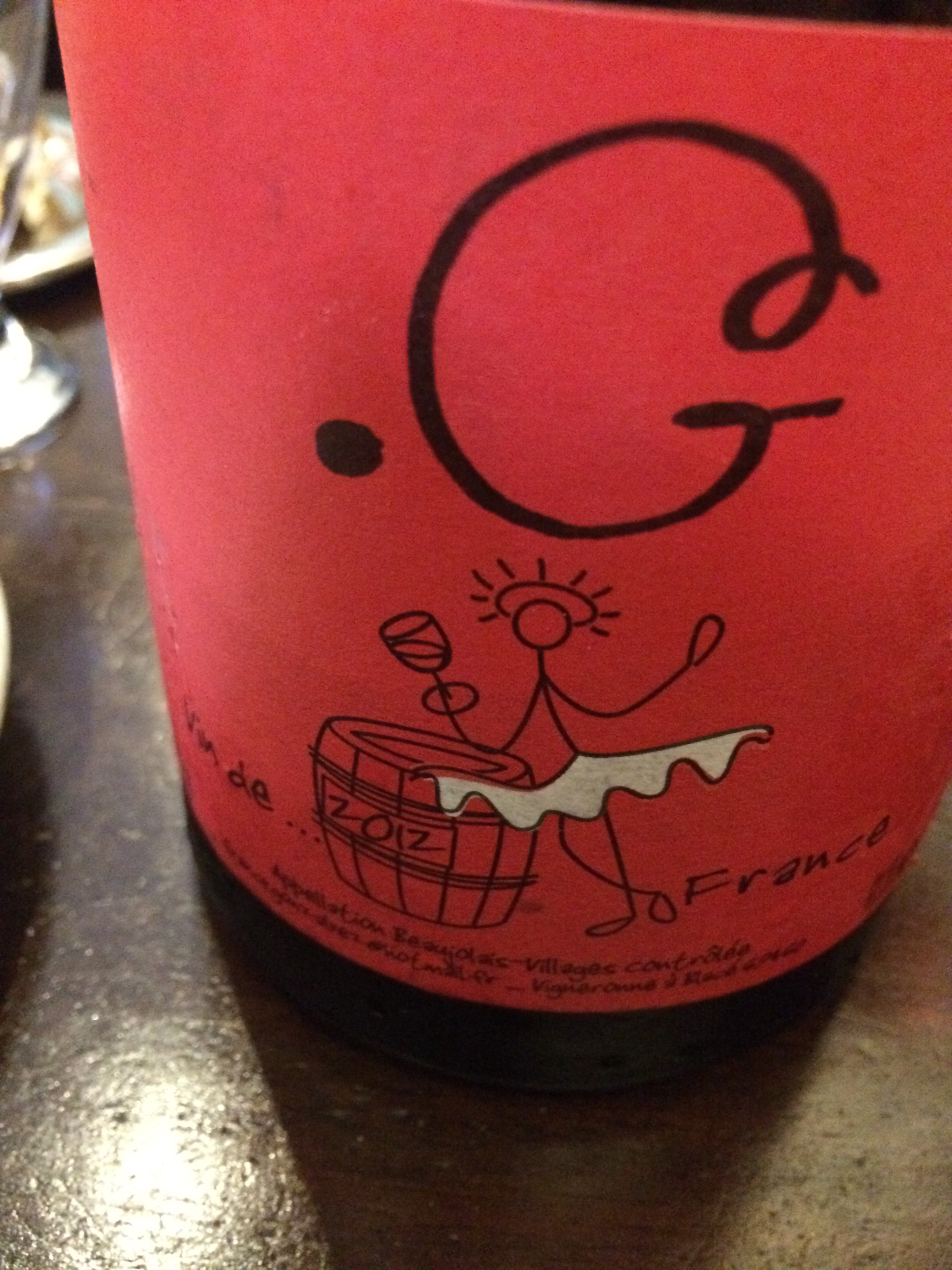
One cool and amusing touch with Gonzalvez – the label says both “Côte de Brouilly” and “Vin de…France”, a play on her name, which nevertheless half fools people. How does she get away with it?

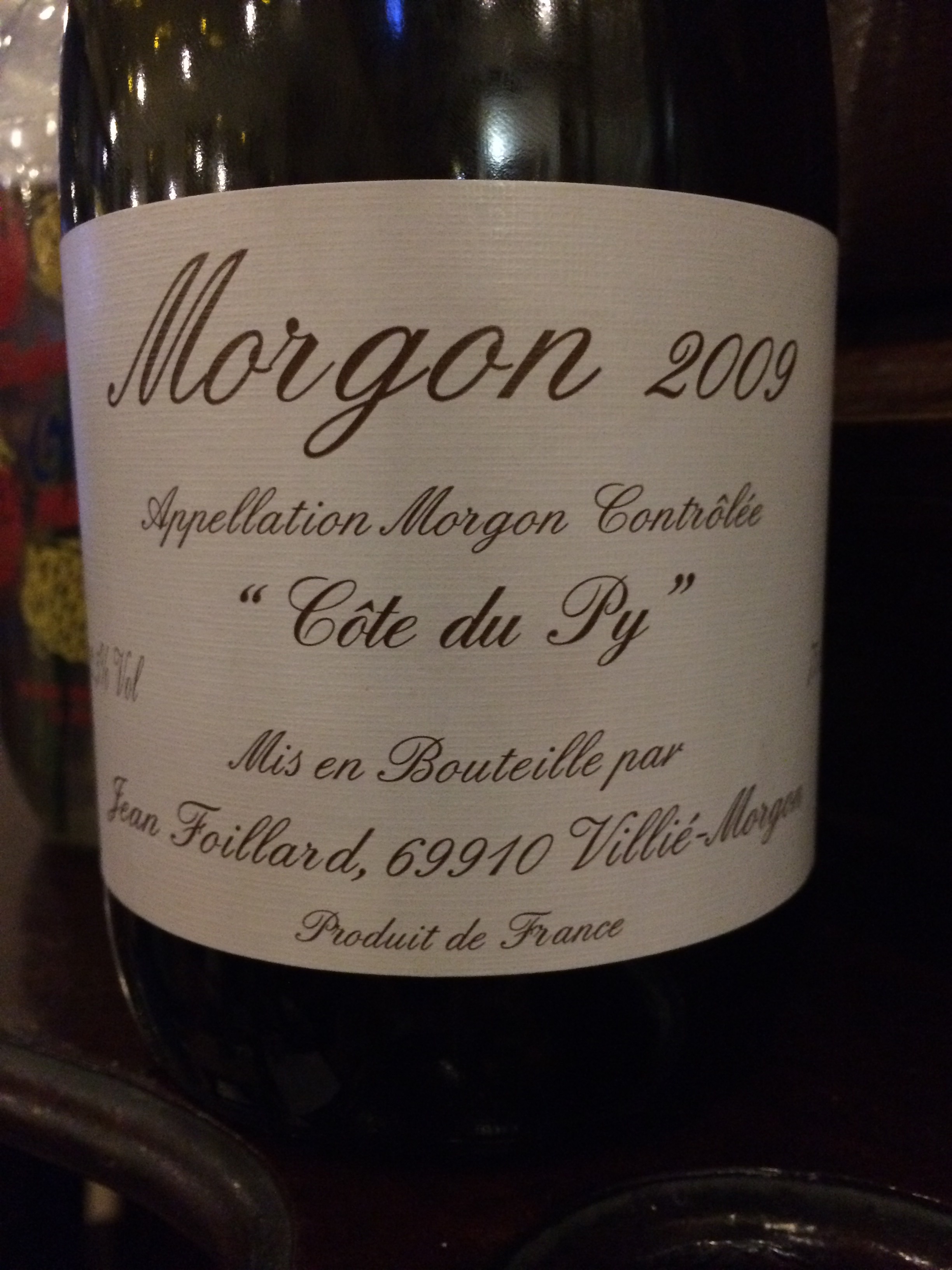
We finished the official flights off with a couple of Foillards from 2009. The straight Morgon Côte du Py was a contender for Wine of the Night when almost no wine failed to show well. Stunningly good. The Côte du Py 3.14 from the same vintage was not showing quite as well as the straight Morgon, but simply because it’s a fine wine just entering its stride – it should improve over a decade on this showing. It’s altogether a different sort of Gamay to the expected Beaujolais norm, but still clearly of the family.

imageimage

We ended up drinking a du Grappin red #Bagnum before I left, and it’s amazingly good wine to find in a bag (of which I shall have a lot more to say in due course). It’s made from Gamay entitled to the new Coteaux Bourguignons AOP. Delicious, especially slightly chilled. In fact the evening was pretty humid in London and we did chill most of the wines a little bit, worrying about the heat. But nothing seemed spoiled.

If the tone of this post seems less frivolous than usual it may be in part down to eating and drinking quite a lot and then getting home at 12.30am on a Monday night (ouch!). But it’s also down to recognising that not only is Beaujolais fun to drink, it’s also becoming a serious proposition. The wines are genuinely under priced for the quality but I’m not sure they can remain that way.

imageimage

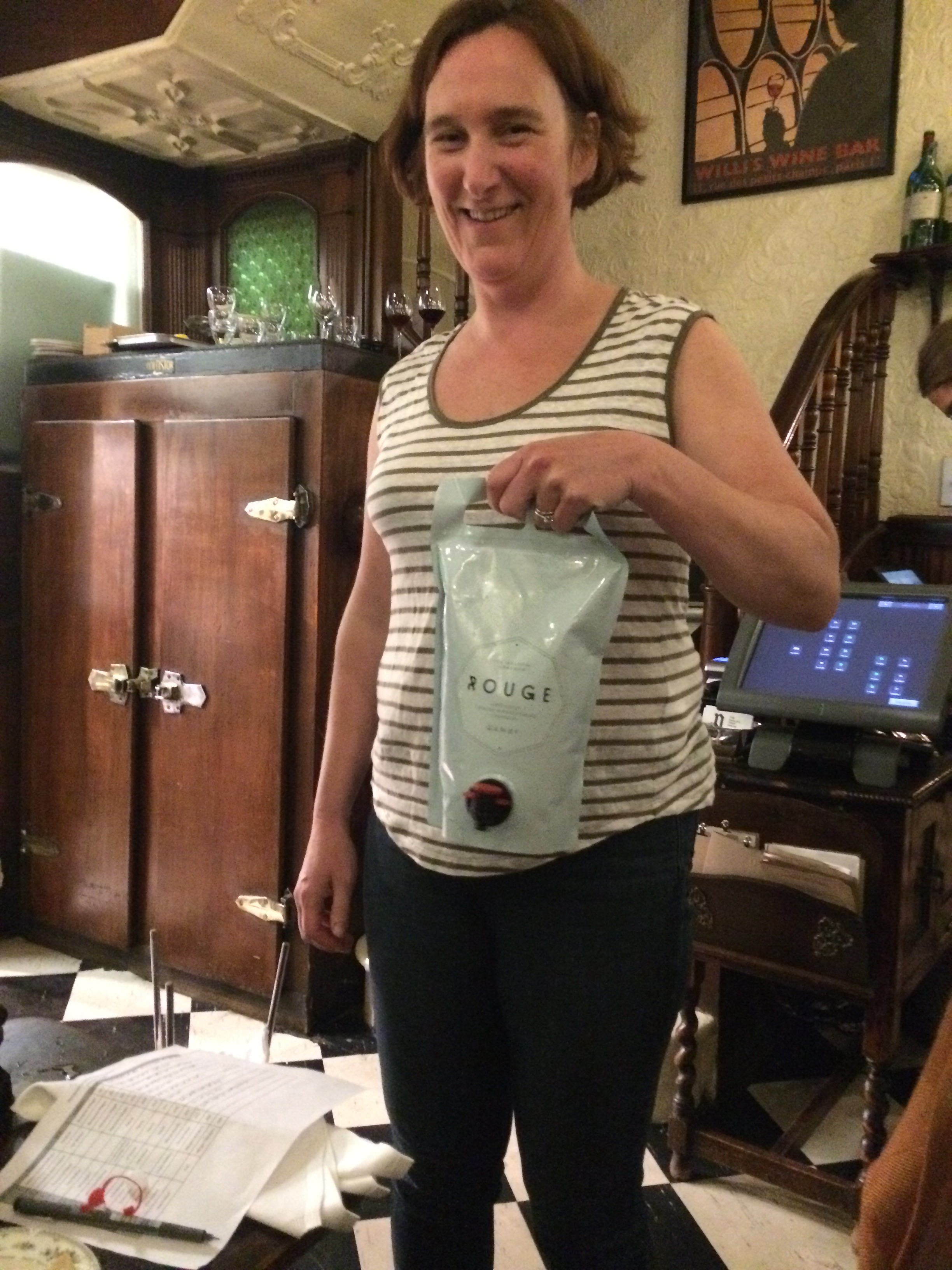
Emma Nielsen models the summer’s must have accessory, the wine bag #Bagnum, available at a Saturday market near you (beware of fakes and counterfeits).

A final comment on the food…QCH really do make it difficult to choose what to eat. The Gloucester Old Spot for my main course was really good, although everyone was pretty ecstatic about their dishes, especially the monkfish dishes (starter and main), and the very filling (under statement) mince on toast. The bill, as ever, was totally reasonable. Although the tables are about as wide as a decorator’s plank, I still suggest it’s one hundred per cent worth slogging up Farringdon Road towards Mount Pleasant. At least it’s not hard to hear the person sitting opposite, as can sometimes be the case in the cathedrals of gastronomy (the campaign for a hearing loop in Michelin-starred restaurants starts here!).

Before leaving, to avoid complete disappointment for those expecting something frivolous, a silly photo…

image


Posted in Beaujolais, Wine, Wine Agencies, Wine Tastings | Tagged , , , , , , , , , , , , , , | 2 Comments

In Pursuit of Vikings

Okay, I admit that very few readers are going to know this reference (it’s a song by Swedish melodic death metallers, Amon Amarth), but the Vikings, aside from the plunder and pillage reputation, were great explorers of the edges of the world, as well as being pretty edgy characters for the time as well. So it’s not a completely specious image for a piece about why we should explore the outer edges of wine, and why there is pleasure to be found in these wines on a level, if different, to the pleasure to be found in the established greats. It’s all down to perfection versus personality. That we might get equal pleasure from cheaper wines considered lower down a quality scale could appear ridiculous to some. To see what I mean let’s look at a few examples.

Grower Champagne has become the darling of some quarters of the wine press (and, I admit, for me too). But it’s amazing the vitriol some defenders of the Grande Marques, from both inside the industry and the press too, have meted out to them. Remember, there are a lot of “growers” and not all of them approach even a hint of greatness. But it’s hard to deny that it’s a growing quality sector, being taken seriously by even the most traditional wine merchants now.

The “grower problem”, as their detractors would have it, is their limited vineyards coupled with their lack of reserve wines. It is suggested that this means they have less material to blend, especially in poorer years, and that every release is a vintage wine tied to the problems of any given single year and plot of ground. In essence, in Champagne “terroir” is a bad thing and quality comes from a certain homogeneity.

To an extent this is true, some of the region’s true greats are careful blends. But many growers nevertheless seem to overcome such theoretical problems. It’s rare to taste a poor wine from the likes of Vilmart, Peters, Bereche, Agrapart et al. They also provide the wine lover with a production model more Burgundian than Champenois, where it’s not a wine blended to perfection they seek (as with the old time Burgundian negoce, although perfection wasn’t always on the agenda back then), but one which expresses a place. No coincidence that the big boys are increasingly looking to emulate this with highly successful single vineyard Champagnes. Indeed, Philipponnat are about to take things to another level of micro-terroir delineation when later this year they release a wine from the very heart of their single vineyard, Clos des Goisses (Clos des Goisses Les Cintres 2006).

What the growers have done is experiment. Biodynamics, horses, perpetual reserves, wines of greater vinosity and the hot topic, Brut Zero and low dosage wines – how many of these will be controversial in a decade and how many will have been forgotten is a moot point, but I think we should be grateful that these and other avenues have been pursued. Experimentation doesn’t always work, but it usually leads to innovation and progress. After all, it’s a primary argument for private enterprise over state control, which the Grandes Marques I think are finally realising.

Natural Wines are a topic far too big to do more than gloss over here. The drinker of classic wines alone will be sniggering off their seat right now. Bearded hippies making cider is their besuited jibe, yet wines without intervention are wines without dangerous chemical residues and without secret additives and manipulations (mega purple, must concentration and pesticides harmful to insects useful for preserving the vineyard ecosystem) to those who make them. A telling comment I once read came from a farmer in Italy’s Emilia region back in the 1990s – “I stopped using chemicals because I live here, as do my wife and children, and I don’t want them breathing stuff that might harm them or worse”.

Sulphur is the burning issue with this method of viticulture. Do you want a sulphur free wine, pure yet at risk from the time between the producer and consumer when it is transported, stored and stuck on a retailer’s spot-lit shelf? Or do you prefer a little bit as a modicum of insurance? The wines actually tend to be more robust than we think, but not always, and the admonition that the wine “should be kept at under 14 degrees” is not something to ignore blithely.

Yet when they work, natural wines show a freshness, soul, and sheer “life” like few wines made in a more (so-called) traditional manner. When they work they are eye opening and life affirming as few wines are. To ignore them, or to give up after one or two bad bottles, is to miss out on a fundamentally different wine experience. My analogy is with red Burgundy in the 1980s. If I’d given up then following bottle after disappointing bottle of wine from even the highest appellations I’d have missed out on some of the greatest wines I’m pulling out of the cellar today. Yet I know many who dismissed red Burgundy as just too unreliable, which I don’t believe to be the case today.

Trending Regions/Countries are another bane of the old time wine critic – I’m thinking in particular here of Robert Parker’s much quoted comments about trendy young Somms stuffing their equally trendy New York or San Francisco wine lists with wines from “obscure” (sic) places like Savoie, Jura or Beaujolais, pushing off the list a (what’s wrong with a) 15%+ Saint-Emilion of abundant new oak and sweet, pulsating fruit in favour of a weedy 12% worth of lean bone, a pauper’s broth compared to the rich man’s juicy, fat fowl (okay, that’s categorically not what he said, merely my wholly skewed and doubtless flawed interpretation of its gist).

Well, the truth is, and I have years of experience to go on, many of these new age Bordeaux wines taste pretty much the same as each other now. It’s not always the case, and not all wines conform to stereotype. Last year I had a Chateau Fombrauge 2000, a wine many see as an archetype of the lush, modern style, yet it was very good indeed, delicious. But there’s no denying that a certain lushness and polish takes away the rough edges which give a wine its personality, and the very best wines of any type must (and do) have personality.

Take Jura. I’ve loved this region since my first visit in the 1980s, but the wines were never something I thought would gain any real commercial success. Yet how wrong could I be! In fact, if you want personality in a wine Jura seems so obviously the place to go. They have so much personality that, for many a traditionally minded individual, they are just either too weird or obscure in their smells and flavour. Some people don’t get them at all, and that’s fine. Just don’t look for a Latour or a Bonnes-Mares. They’re not dentists, surgeons, or High Court Judges, but artistic craftsmen. They may not always be well groomed and polite but they’ll provide excellent company with real friends and a hastily put together hospitable feast. What they are not are wines you will forget lightly. The best of them will remain, like that ’59 or ’64 Musar, deeply embedded in your memory forever.

Beaujolais, along with Muscadet, must be France’s least reputed senior wine region – no, don’t discuss. These words which might have been broadly true two years ago are just so outdated. It’s possibly the most exciting region in France right now. The best of the old timers are still going strong, but are giving way to a larger raft of offspring and newcomers who have grabbed the land of Nouveau by the scruff of the neck. Their route to success has, ironically, not been all that different to the one taken by their predecessors. They hand sold their wines to the new wine bars of Paris, and the success of these establishments selling wine with snacks and small plats was partly built on wines like Beaujolais, light and quaffable, just as Beaujolais was originally a jug wine in the cafés of that city long before the Nouveau craze took over.

What the Gamay grape has is, in one word, joy. It’s something missing in a lot of serious wine, and that’s why I find myself drinking a lot of it these days. Not just from Beaujolais – from the Loire, Australia (a little) and California too. As for California, I wonder whether Jon Bonné, with his book “The New California Wine” has driven a final nail into the coffin of the so-called Parkerian view of wine as lush, powerful and big. The New California is merely the pendulum swinging back, the new conformity being wines we can enjoy rather than ought to admire. The wines Bonné has written about, and so ably promoted in the UK last year, are not merely pale imitations of the Napa norm. They have also shown that there’s a wider California of wonderful yet unappreciated old vine stock, carefully tended by old timers who knew right from wrong, and discovered by young winemakers with a different vision to the wealthy post-industrialists who have sunk their fortunes into a dream in the Valley.

In truth, I am categorically not knocking the wines we consider traditional greats (and I’m also not knocking Robert Parker who has done so much to encourage quality in wine). That would merely be sour grapes (and these types of wines are surely never sour, even if their current collector-fuelled prices leave a certain bitterness on the back of the palate). They are, I admit, wines I can rarely afford to buy now, even if a few remain in the cellar from better times past. I’m merely advocating a wider view of what’s worthy of our appreciation. That, by way of contrast to the perfection of a top Bordeaux  Cru Classé, or a top Montrachet, there are other things to explore for anyone who truly wishes to appreciate wine. Just as the finest dishes are best appreciated in moderation lest our senses get sated, exploring the great breadth of pleasurable wine makes for a greater and more rounded appreciation of everything the world of wine has to offer.

As for what’s going to be trending this year or next – well, we all know that’s Turkey, which incidentally Viking soldiers and traders knew very well during the era of Byzantium, long before the idea of exporting vinifera wines was dreamt up by some export department in Ankara. We’ll have to see whether the Turkish wine industry has both the quality and momentum to really take off, in a lasting way. Unfortunately we saw a failure to inspire lasting loyalty for Greek wine, despite a valiant attempt by Oddbins and others to promote the country some years ago (though see my last post – some signs of a revival showing). Turkey has a lot to offer, something different in her local grape varieties, so I hope they do succeed. After that, surely Muscadet’s time will (deservedly) come. I’m not really sure why it hasn’t already, such is the quality in the region despite the pitiful prices obtained by the top producers. As to the future, well with global warming our children will doubtless be looking to Norway and Sweden, both with nascent wine industries of a sort. It’s those Vikings, you see…;) .

Posted in Fine Wine, Wine | Tagged , , , , , , | 1 Comment

Out and About

No posts for ten days, but not exactly slacking. I’ve been out and about buying too much wine (as usual), and I thought I’d share some of these with you. I’ve got a few things to write about in the pipeline, and August will be a busy month. Whilst half the people I know will be off on their hols, the other half will be sweltering (we hope) in London drinking wine.
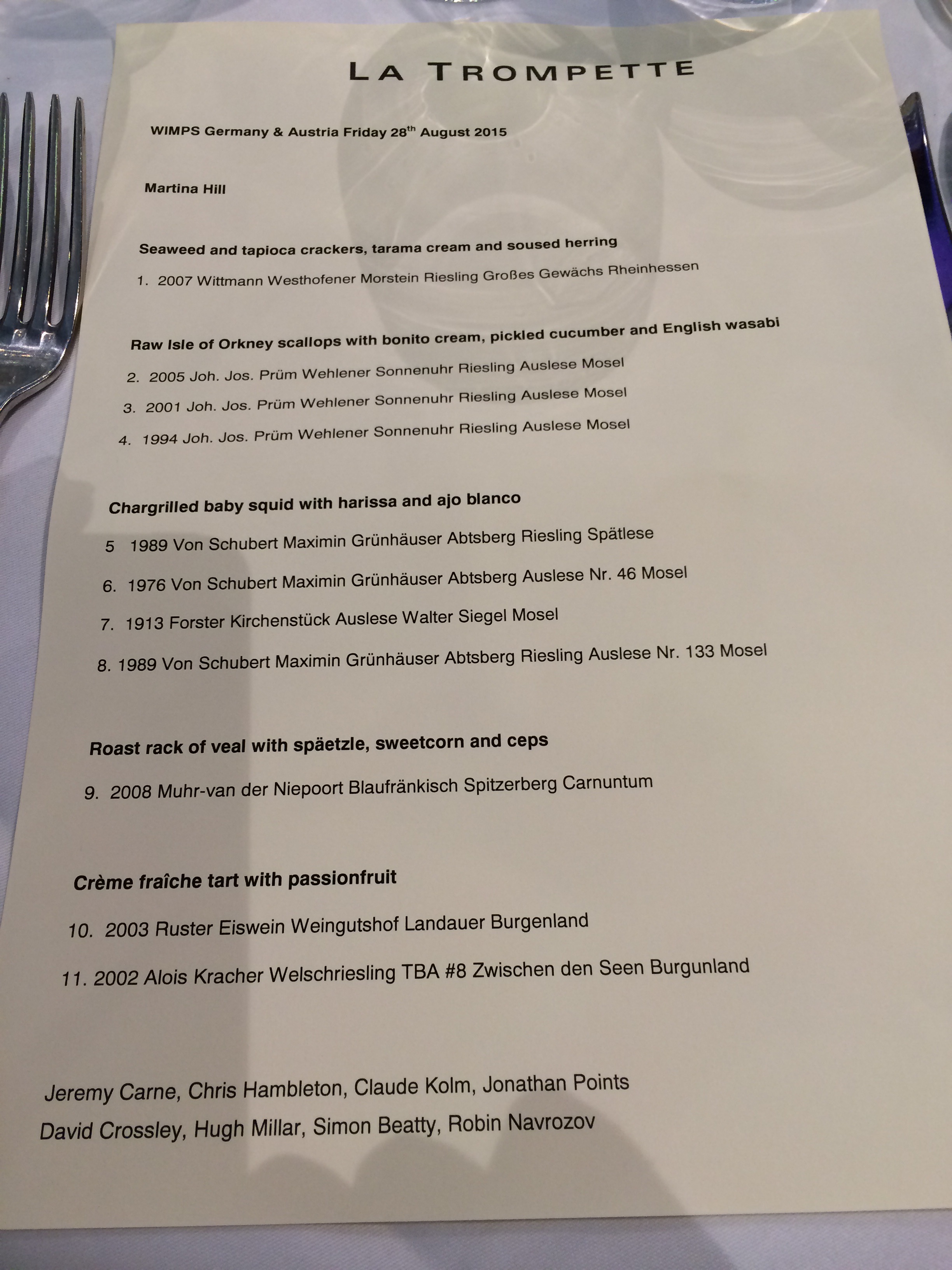
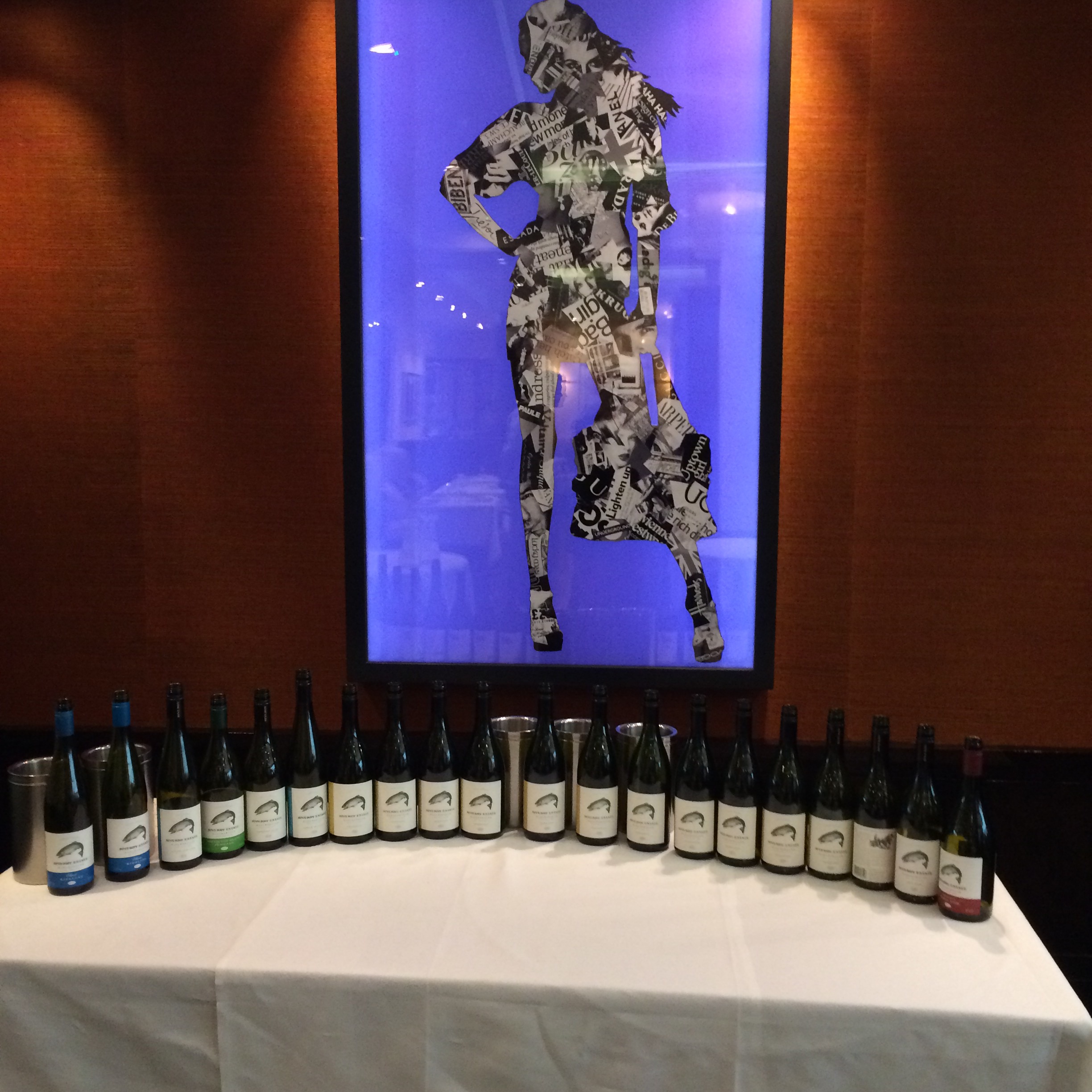
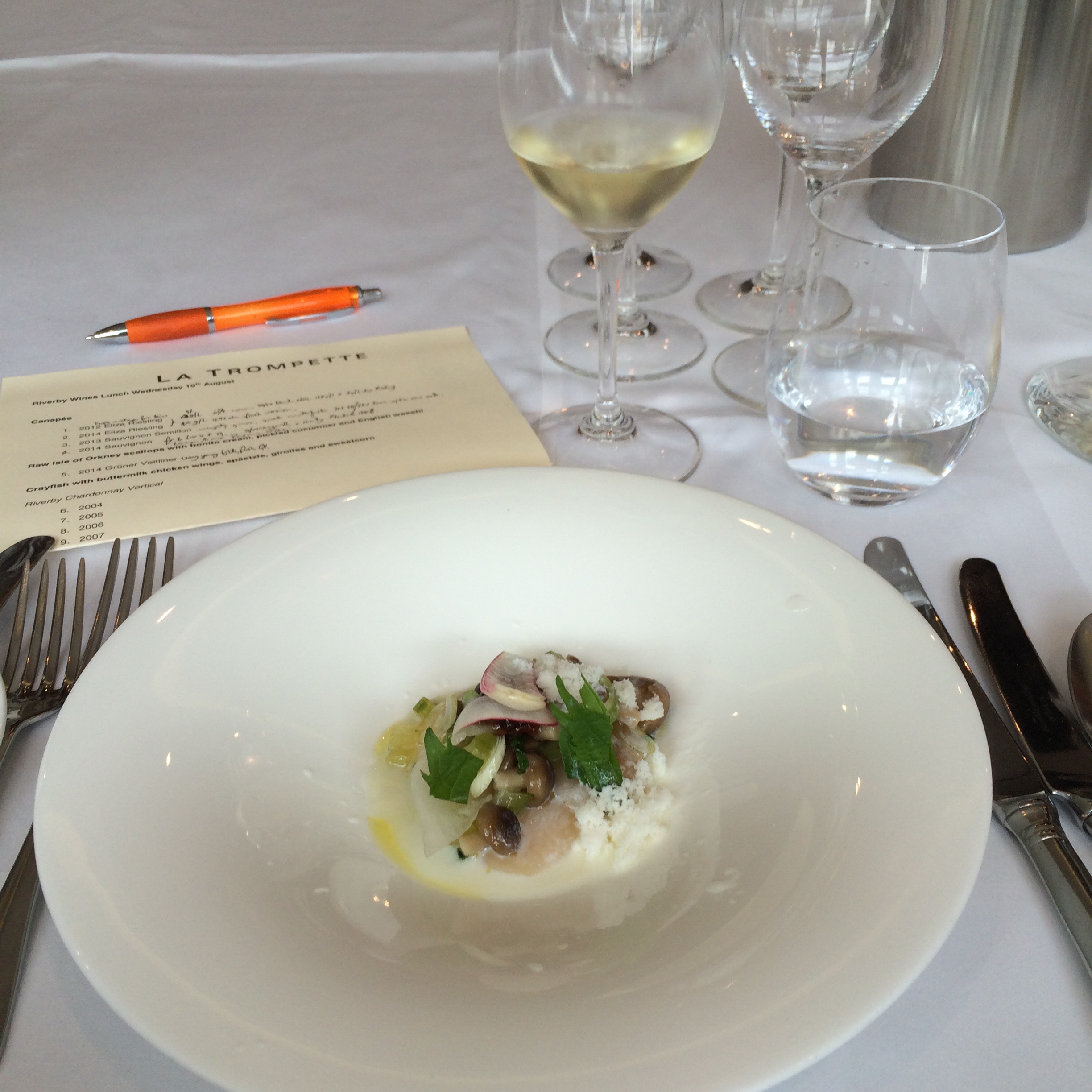
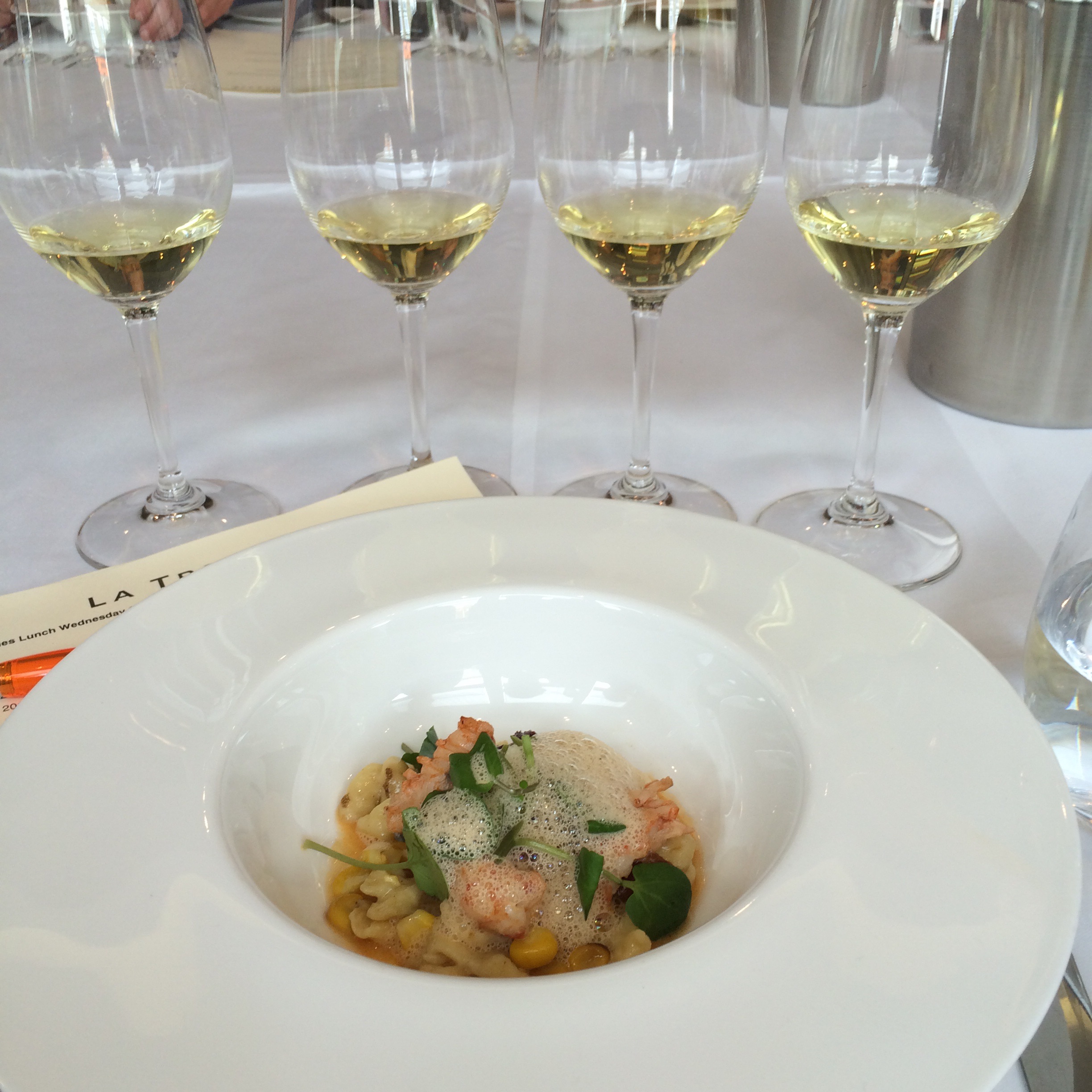
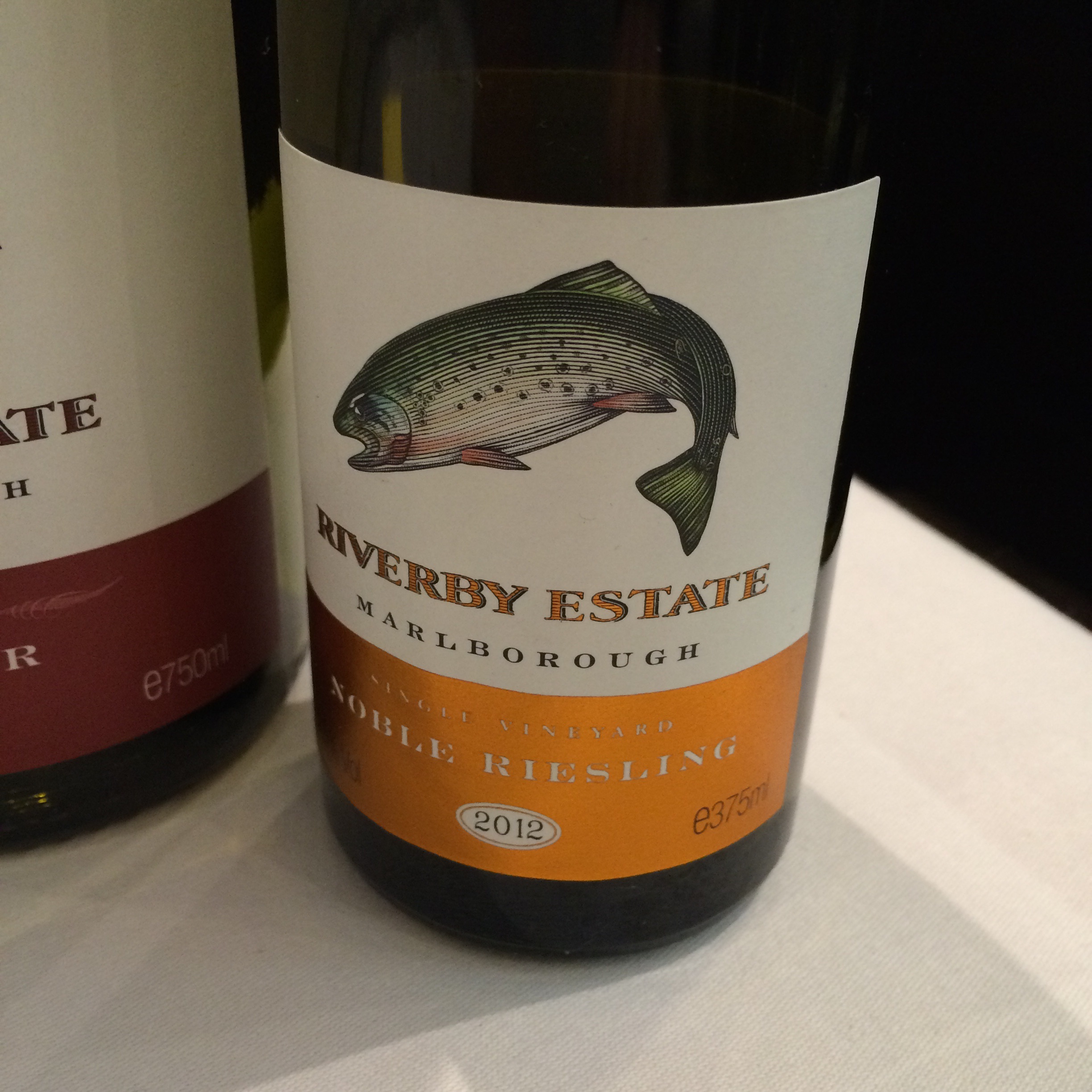
Next week we’ve another Beaujolais dinner (at Quality Chop House, or QCH from henceforth as it’s good enough for an acronym). The week ends with one of our bi-monthly Oddities lunches at Rochelle Canteen. Later in the month I’ve got two visits to La Trompette, one for a lunch with Kevin Courtney of Marlborough’s Riverby Estate (next door to Cloudy Bay, excellent wines but a touch under the UK radar, see blog post of 01/12/14), and the Germany/Austria edition of the winepages “Wimps” lunches. Not been to La T yet this year, so twice in a month will be no hardship.

A couple of weeks ago I made my first visit to the Gun Room at Alfriston, so called because it was supposedly a gun store for the Duke of Wellington. Anyway, now it houses the tasting room for Rathfinny Estate, and although they aim to become one of England’s premium sparkling wine producers (64 ha out of a potential 160 ha planted and the first fizz will be released in 2017), they’ve just released their very first wine. It’s a still white blend of 55% Pinot Blanc and 45% Chardonnay called Cradle Valley, the grapes harvested in October 2014.

imageIMG-20150706-00242IMG-20150706-00241

It’s the start of the journey for Rathfinny, but they are clearly serious in their intent to be a major player on the English wine scene.  I’ll write about them again in the future, but in the meantime I’d recommend Alfriston, an old Downland village of chocolate box houses, tea rooms, a good book shop (Much Ado Books, go upstairs to see the “vintage” selection), and a lovely old flint church beside the Clergy House, the National Trust’s first ever property. You can walk along the river, and if you have all day you can reach the sea at Cuckmere Haven, below the beautiful Seven Sisters white cliffs. Or you can walk up on the Downs with views over Newhaven towards France.

IMG-20150706-00244 IMG-20150723-00273Alfriston, Sussex Downs


Another quintessentially English market town, Market Harborough in South Leicestershire, has a little less going for it than Alfriston, but it has a certain charm, and it does have one of the growing band of independent wine merchants cropping up all over rural England and Wales. Duncan Murray is well established now. Some years ago I remember him as a source of some interesting Languedoc wines, and then he won awards for his Portuguese range. But it was for his Greek wines I popped in when passing through a week ago. If you are anywhere near, do check him out. The wines are shelved by style, not country, so you would be advised to ask for help in locating all the Greeks, but he has a good selection, one of the best in the country for a non-specialist perhaps, right now.

image  Duncan’s Greeks


IMG-20150725-00278    Market Harborough Old Grammar School


Yesterday I made what might be my last visit to Roberson‘s Kensington shop (see Ode to a Wine Shop,  6th July). Don’t worry, I’ll still be an eager customer of the brand, but I wanted at least one last look at the bricks and mortar. I admit I’m not really an old-timer. It took me years to venture that far down High Street Ken’, but ever since I strode out I’ve always considered it one of the three or five most exciting wine retail environments in London. I said it before, but I’m sad to see it go. Still, grabbed a few of Jeff Coutelou‘s wines, including the Carignan Blanc, which I’ve never had before. And a Vin des Amis with which to toast my blogging friend, Alan March, who has been helping out at Mas Coutelou this year.

image

Oh, and as if I wasn’t carrying enough wine I also collected my share of these little beauties from a friend (before he drank them): the new Equipo Navazos Florpower (bota 57, MMXII). They should keep me going now that the first two releases are nearly depleted.

image


Although I’ve not made it to Winemakers Club for a while (due to all my travels), I do want to unashamedly plug them. John & Co have turned this into so much more than a wine shop, perhaps even surpassing the site’s great “Oddbins Fine Wine” heritage. They’ve not only got enomatics, wild wines, and tastings, but now it’s gigs and pop-up food events. It might just be the coolest (in both senses) place for wine in London right now, under the arches below Holborn viaduct. Sorry I missed Tuesday’s tasting, and I think a few mates were round this week as well.

Now I need to try to make some more room in the cellar, starting with a Julien Sunier Morgon 2013, appropriate both as an appetite whetter for more Bojo on Monday and, well, because this afternoon Brighton could not be sunnier! And we have won the cricket! That probably calls for gin…

Posted in Wine, Wine Agencies, Wine Merchants | Tagged , , , , , , , , , , | 2 Comments

Ode to a different kind of Wine Shop

If you read my Mosel Bridge post you’ll know I spent a few days down there last week. Not quite as long as I’d have liked, but long enough to do the two things I wanted to do most: buy wine and cycle.

The Mosel Cycle Trail suits a cyclist like me, old enough and unfit enough that the hills hurt (especially after lunch), but who can still manage five or six hours on the flat without obvious threat to life. In fact cycling from Bernkastel to Traben-Trarbach, an hour for lunch and back again, is a fairly leisurely stroll of around forty-plus kilometres with ample chance to stop. You can do it in a leisurely fashion as we did, or somewhat swifter (as everyone else seemed to be doing) to allow for longer beer stops (I’ve learned my lesson there).

July 2015 152

It was nice to compare the Mosel route with the Wachau, bits of the latter being on the road through some of the villages, but more removed from traffic in others. Both are lovely, scenic, rides with the vineyards rising steeply in a coat of verdant green above a wide expanse of water glistening in the sunlight. The most prosaic difference is that you get a slightly better rental bike in Austria, but perhaps that’s just my personal experience. The bikes from Kues were good, though it’s only in Austria where I seem to avoid a sore…er…after a day in the saddle.

July 2015 174 July 2015 173

The serious part of any Mosel visit is the wine, but if you don’t have time for multiple visits to producers, then Bernkastel is your friend. It has many shops selling wine, but none approaches the sheer hedonistic pleasure for a Riesling devotee than stepping inside the shop which now likes to call itself the Rieslinghaus, but still has the old sign above the door (see photo) which is so amusing to the pre-pubescent tittering English speaker, or the wine lover devoted to posting photos of super-expensive bottles on Instagram (see photo). For it is here that almost all of the top producers of Mosel Riesling can be found lining the shelves (and if you ask nicely you might be pointed to some pretty good Mosel Spatburgunder as well, it does exist). In three days I visited three times, once as I was unable to carry more on the first visit, and a third time because I couldn’t possibly leave without just one more little purchase.

IMG-20150712-00253 IMG-20150712-00254

Bernkastel is, of course, a chocolate box tourist attraction, yet I still find it charming, and possessing more character than any other small town on the river. You can eat and drink pretty well, although as an off piste recommendation the Taj Mahal Indian-Pakistani restaurant, almost opposite the Rieslinghaus is excellent, very good food and a cool beer or two makes a nice change. It was doubly good as some of the party are vegetarian.

July 2015 089 July 2015 111 July 2015 142 July 2015 139

We stayed in Andel, about five minutes’ drive from Bernkastel with forest walks on the doorstep plus a good baker for self-catering visitors, and we hired bikes from Fahrradverleih Bernkastel, over the river at Cusanusstrasse 15 in Kues (opposite the Aldi).

Posted in German Wine, Mosel, Wine, Wine Agencies, Wine Travel | Tagged , , , , , | 6 Comments

Jolly, Beau and New, but no Nouveau

Last night a dozen devotees slipped into the air-conditioned private room at 10 Cases in Covent Garden for a much anticipated look at some “new school” (is that s-cool?) Beaujolais, the kind of trendy stuff mostly found in those hyper-cool Parisian wine shops and bars (see blog post of 7 May), and increasingly, as luck would have it, in the UK. Here, we have been slower to cotton on that Beaujolais is one of the most exciting regions in France currently. But we are getting there.

IMG-20150716-00258 IMG-20150716-00260

We tried fifteen wines, all from growers who are relatively new (with the odd exception), trying to exclude the well established names like Foillard and Métras etc. The tasting was an unqualified success, at least for those I spoke to afterwards. The room proved more than adequate, the aircon essential on a humid summer’s evening. The food and service were good. We had the benefit of the expertise and local knowledge of Beaujolais vigneron and importer, Christopher Piper (some wines being sent as samples by producers he works with). And last but not least, all the wines were in good or decent condition, although a couple deteriorated in the glass – something we had expected to see more of considering how hot it was for the transportation of the bottles earlier in the day.

IMG-20150716-00264

A full list of the wines tasted can be found at the bottom of this article, but we all had two votes at the end for our top two wines. The winner on the night, by the short head of a single vote, was Julien Sunier’s Regnié 2011. Ironic considering how the decision to make Regnié a full Cru (back in 1988, I think) was so criticised at the time. Joint second and third place went to the Domaine du Botheland Brouilly 2014 from Laurence and Remi Dufaitre, and Julien Duport’s Cote de Brouilly 2012.

IMG-20150716-00266

Although no 2013s did quite so well, all the next three placed wines were from this vintage: Paul-Henri Thillardon’s “Les Boccards” Chénas, Eric Janin’s Clos du Tremblay Moulin-à-Vent, and Julie Balagny’s “Cayenne” Fleurie. I also liked Karim Vionnet’s “Vin de Kav” Chiroubles, though it got no votes for the top two spots.

IMG-20150716-00262 IMG-20150716-00261

So a nice spread of villages and vintages. Whilst tasting notes as such would tend towards monotony, the vast majority of the wines were very much “alive”, with fresh fruit. Not all were showing “typicity” (whatever that may be), and there was that feral touch of volatility in some as well, though on the whole nothing to scare those at the dinner who may be more sceptical than some of “natural” wines. Indeed, the naturalista tendency in some of the wines gave them that characteristically refreshing, zesty, lift. As for sulphur, I’d be surprised if anyone woke up with a headache this morning, although some of the more hardcore showed serious intent to continue the party (a two hour door-to-door journey home means I invariably wimp out of such debauchery around 10.30pm).

One final word for our aperitif for the evening, Jean-Paul Thevenet’s On Pète la Soif, which we were lucky enough to have a couple of bottles of, one coming from me and one from Paul at Roberson, where you might still be able to pick up a bottle or two. Pale, pinkish in hue, gently sparkling, off dry, with the alcohol of a Kabinett but without the acidity, it proved a delicious, light refresher. No one voted it wine of the night, but I think everyone loved it. I’m seriously miffed I don’t have any left for my mother to try this weekend, and if that seems like faint praise, it isn’t. It’s a wine only the most inveterate wine snob would look down their nose at.

Full list of wines tasted

  • J-P Thevenet On Pète la Soif Vin de France NV
  • Chateau Thivin Beaujolais Blanc Clos Rochebonne 2014
  • Chateau de Vaux Beaujolais-Villages Blanc 2013
  • Karim Vionnet Beaujolais-Villages 2013
  • Karim Vionnet Chiroubles “Vin de Kav” 2014
  • Domaine des Marrans Chiroubles VV 2012
  • Julien Sunier Regnié 2011
  • Julie Balagny Fleurie “La Grande Rose” 2013
  • Julie Balagny Fleurie “Cayenne” 2013
  • Dom du Botheland (L&R Dufaitre) Brouilly 2014
  • Dom du Botheland Cote de Brouilly 2014
  • Julien Duport Cote de Brouilly 2012
  • Dom des Mouilles (Laurent Perrachon) St-Amour 2013
  • Paul-Henri Thillardon “Les Boccards” Chénas 2013
  • Dom Paul (Eric) Janin “Clos du Tremblay” Moulin-à-Vent 2012
  • Domaine Perrachon (also Laurent Perrachon) “Les Versauds” Morgon 2013

Some of these wines will be best tracked down in Paris, but many are, or soon will be, available in the UK. Christopher Piper is a major source for new Beaujolais producers, but also take a look at Les Caves de Pyrene and The Sampler, to name two more. And, of course, Roberson, who not only sell the Thevenet fizz and Sunier, but also some of the more established stars of the region, as do Solent Cellar down in Lymington. Berry Bros have done a lot to promote Sunier over the past few years, and they will be gratified to see one of Julien’s wines come out on top, so take a look on their web site as well. Happy hunting…and thanks to Nathan at 10 Cases for looking after us, and for understanding my decision to opt for the Oreo Cheesecake instead of the more suitable cheese platter chosen by most of my fellow diners for desert.

IMG-20150716-00263

Posted in Wine, Wine Agencies, Wine Tastings | Tagged , , , , , , , , , , , , , | 3 Comments

A Bridge Too Far!

I don’t really want to labour the point. Much has been said far more eloquently and persuasively on this topic by others, including Jancis Robinson and Hugh Johnson, whose voices carry at least some weight. But I’d not visited the Mosel for a while and as we drove down into the valley from the Autobahn I was keenly anticipating seeing some stunning scenery and tasting some of my favourite wines. What I didn’t expect to see, I’d merely forgotten about it, was this, and I felt that another expression of disgust cannot be wholly wasted.

July 2015 153 July 2015 148 July 2015 147 July 2015 146

There is an article by David Cobbald in World of Fine Wine 48 (the current issue) about the application, recently successful, by the Cote d’Or for UNESCO World Heritage Site Status. If ever another wine region deserved consideration on the basis of its Roman origins as a viticultural region and the particularly gruelling manual labour required to farm these often vertiginous slopes, it’s the Middle Mosel. That this bridge, between Urzig and Zeltingen, will not only spoil the view, but, more importantly, affect the microclimate and drainage of the nearby vineyards seems short-sighted to me.

Personally, I’d call the bridge a crime, at least metaphorically speaking – the bridge, in it’s current location, seems largely to have been built out of political considerations as much as economic ones. I’m sure the time for cancellation of the project has past. I had heard that a new survey throws doubt upon the safety of the foundations, but work seemed pretty much in full swing when we cycled past a few days ago. Maybe it will fall down, like some of the medieval cathedrals whose naves soared skyward beyond the technical capabilities of their builders. But no one wants that tragedy, not least the wine estates with vines below it.

So, to those in the National and Regional governments responsible, all we can say is “shame on you”. It seems to me that a particularly technocratic and unimaginative mindset is responsible. The result of the actions of those dull individuals is very sad indeed. UNESCO’s Convention was signed by 191 countries in 1975, following the saving of several Egyptian temples at risk from the Aswan Dam project in the 1960s. Focussed international pressure worked then, yet Germany has closed its eyes and ears to the protests over this bridge.

This is how I prefer to remember the Middle Mosel…

July 2015 108 July 2015 109


Posted in German Wine, Wine | Tagged , , , , | Leave a comment