
After the London interlude we are back to “Recent Wines”, this being Part 2 out of three for the month of August. We kick off with a remarkable wine from England’s South Downs, followed by wines from Corbières, Oregon, Jerez (two), Alsace and Swartland.
Rosé Ex-Machina 2016, Sugrue South Downs (Hampshire/Sussex, England)
Dermot Sugrue has finally left Wiston to concentrate on his, and his wife’s, own venture, Sugrue South Downs, based near Lewes in Sussex. That shouldn’t surprise anyone who has followed his wines since that first release of “The Trouble with Dreams” under the Sugrue-Pierre label, well over a decade ago now.
This is the first Rosé released under the Sugrue label. It blends the three classic sparkling varieties, Pinot Noir (50%), Pinot Meunier (20%) and Chardonnay (30%). Grapes were in very short supply in 2016 but Jenkyn Place, in Hampshire, good clients of Dermot’s winemaking, came to the rescue. The grapes all came from a single plot on greensand, both fermentation and ageing taking place in stainless steel. Dosage was 9g/l after four years on lees.
The bouquet is remarkable now this has had time to evolve in bottle. Apple, ginger, sweet pastry (buttery) and orange peel all come through. The palate has crisp apple and red fruits, with a touch of glacé cherry. The dosage is great as it fills out the fruit beside the acidity. It’s definitely a gastronomic rosé and I’d go as far as to place it alongside other favourite pink sparkling wines from Champagne (Prévost, Bérêche and Cédric Bouchard come to mind in terms of quality). Perhaps my enthusiasm got the better of me, but I still think it’s that good several weeks after drinking it. I think it will undoubtedly get even better too.
This is still, I think, available direct from Dermot’s web site for £65, although he made just 4,500 bottles (+ 200 magnums). My bottle came from Butlers Wine Cellar in Brighton, good friends of Dermot. They are a good first point of call for the finer artisan sparklers, from Sussex in particular.
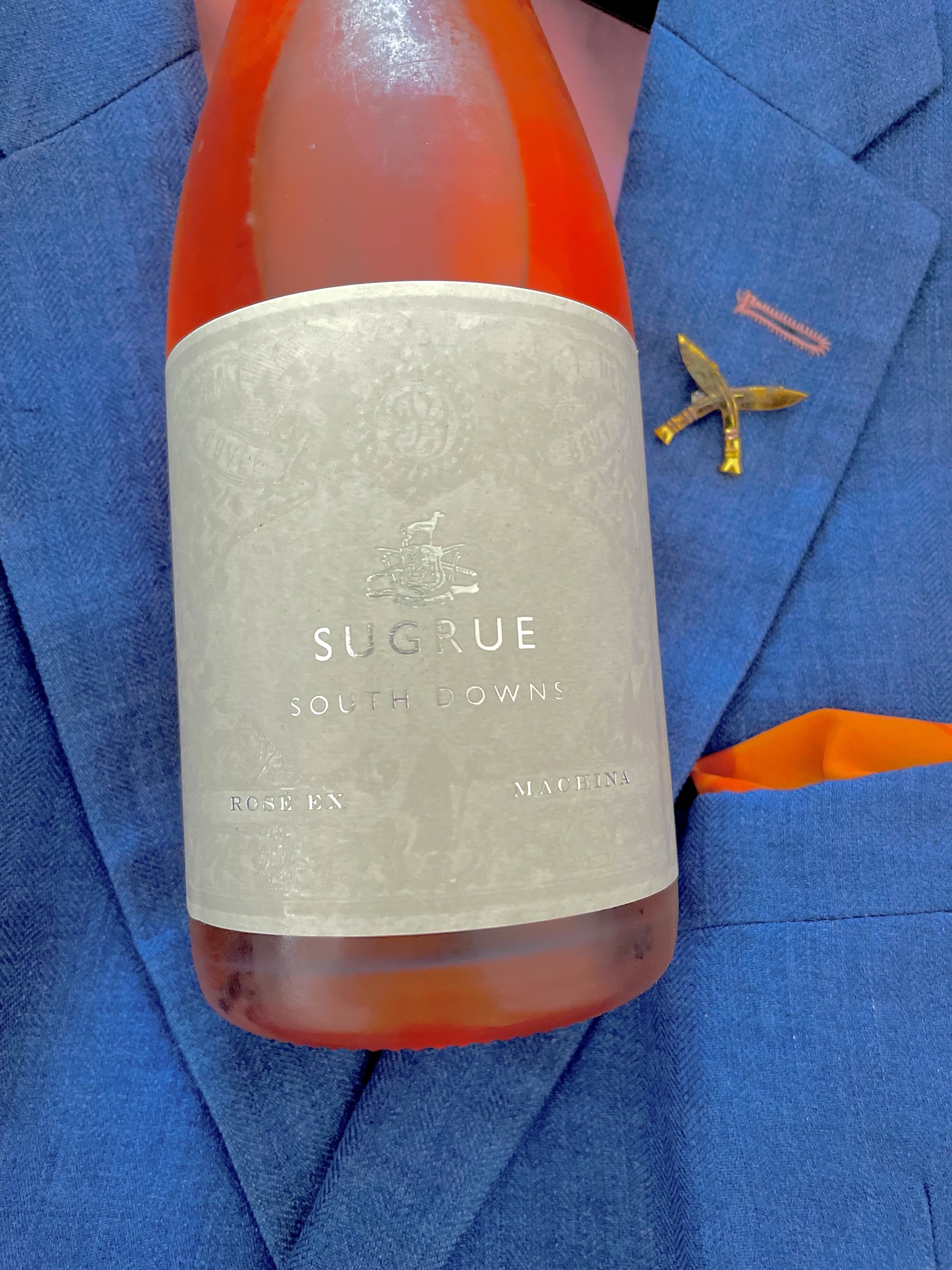
“Apache” Vin de France 2021, Vin des Potes (Corbières, France)
This wine is at the other end of the spectrum, a simple glass that is relatively cheap, at a third of the price of Dermot’s Rosé. It’s a blend of Carignan, Grenache and Mourvèdre released as a Vin de France from one of the generally more interesting sub-regional appellations of the Languedoc. It’s a collaboration between Yohann Moreno and Vin des Potes, which is itself a project by a couple of wine lovers who have been working with a range of young natural winemaking talent around France, and indeed now across Europe. The project is backed by Dynamic Vines in London.
The fruit all comes from old vines, over forty years of age, each variety being vinified separately. They all underwent carbonic maceration in small vats with just a tiny addition of sulphur, then early bottling. This gives us a fresh and fruity wine which, at 12.5% abv and with the whole berry fermentation, gives a wine much lighter than the Corbières norm. Glouglou is the intent.
The fruit is dark but the wine is light on the palate, the bouquet lifted and fresh. We certainly have simplicity, but that need not be a negative comment. It’s a wine that’s easy to drink and good value at £22. Although Dynamic Vines is the importer, my bottle came retail from Cork & Cask in Edinburgh.
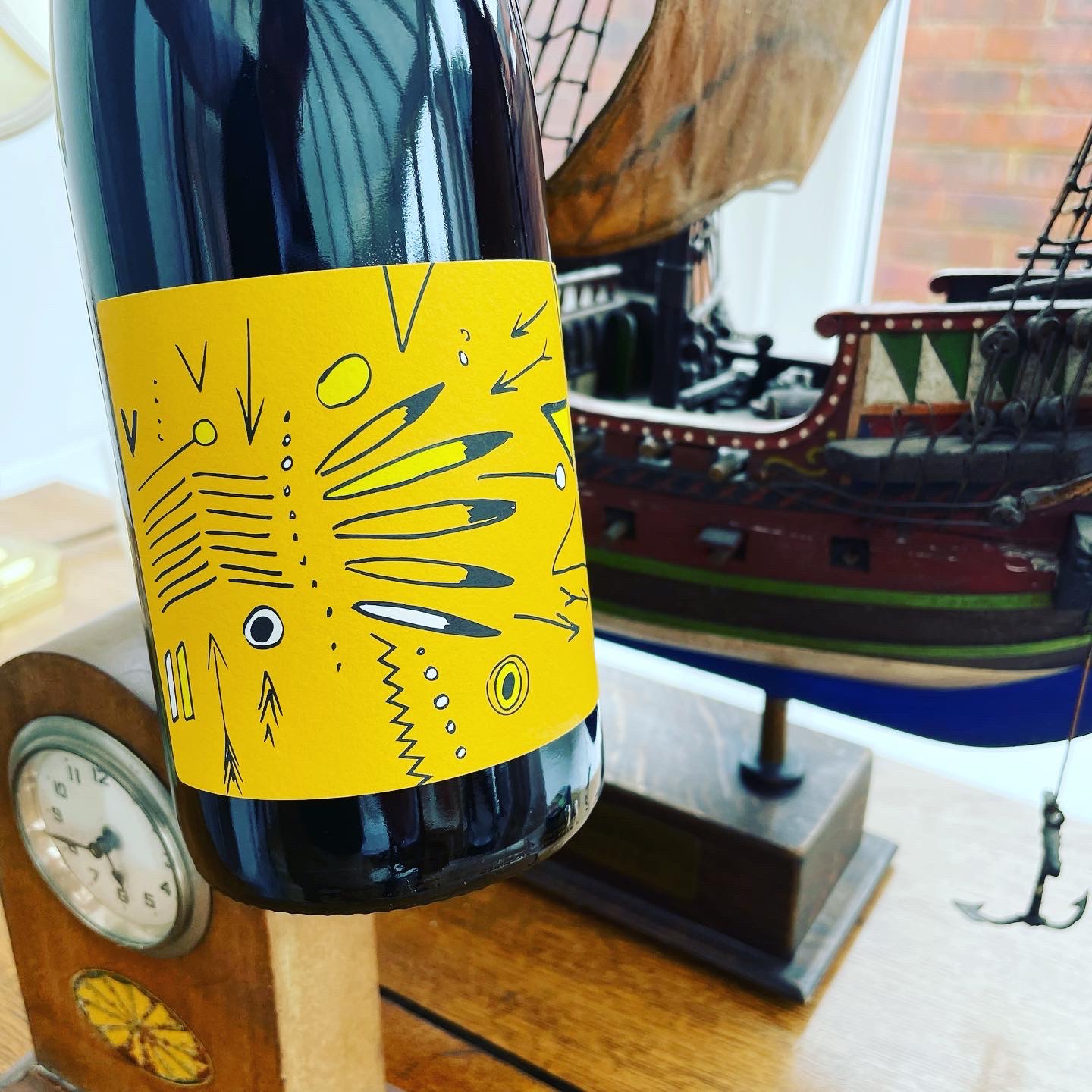
Rosé “Spring Ephemeral” 2018, Smockshop Band (Oregon, USA)
There are many labels people would add to a list of fine but expensive pink wines. Simone, Tondonia, Clos Cibonne, Musar, the Clos Canarelli I drank recently, etc. I bet few have been able to compare those to this beauty, but they should.
It comes from the Columbia Valley, a vast viticultural region which mostly falls inside Washington State, but a small part of it, the Columbia Gorge, falls within Oregon. Within this is the Hood River, where the super-cult winery, Hiyu Farm, grows vines. Smockshop Band is a label of Hiyu Farm.
Hiyu Farm is a regional leader not only in biodynamics and natural winemaking, but also in regenerative farming and permaculture. Needless to say, I’ve not visited, but people who have tell me it’s a very special place. This cuvée is made, believe it or not from Zinfandel. One might ask when has this variety yielded a wine of such delicacy, especially without toning down the alcohol too much (if Cali Zinf no longer shocks at 15%, this 13% abv wine tastes less alcoholic than you might think).
The grapes come off steep basalt from a vineyard which goes under the name of “scorched earth”, for goodness’ sake. The fruit spent five days on skins, no filtration, no added sulphur, of course, and you know what? It’s just remarkable. It’s almost like drinking a red Riesling, not Zinfandel. It tastes very mineral and has precision, the basalt I imagine. The fruit is more pomegranate than Zinfandel’s usual cherry jam, though it does evolve more raspberry tones in the glass. There’s definitely a sprinkling of white pepper (for the May Queen) on the finish. Like all great Rosé, age has only enhanced it. Beautiful, ethereal, I’d love another bottle, but I think it has become a unicorn…perhaps.
£40 from Littlewine.
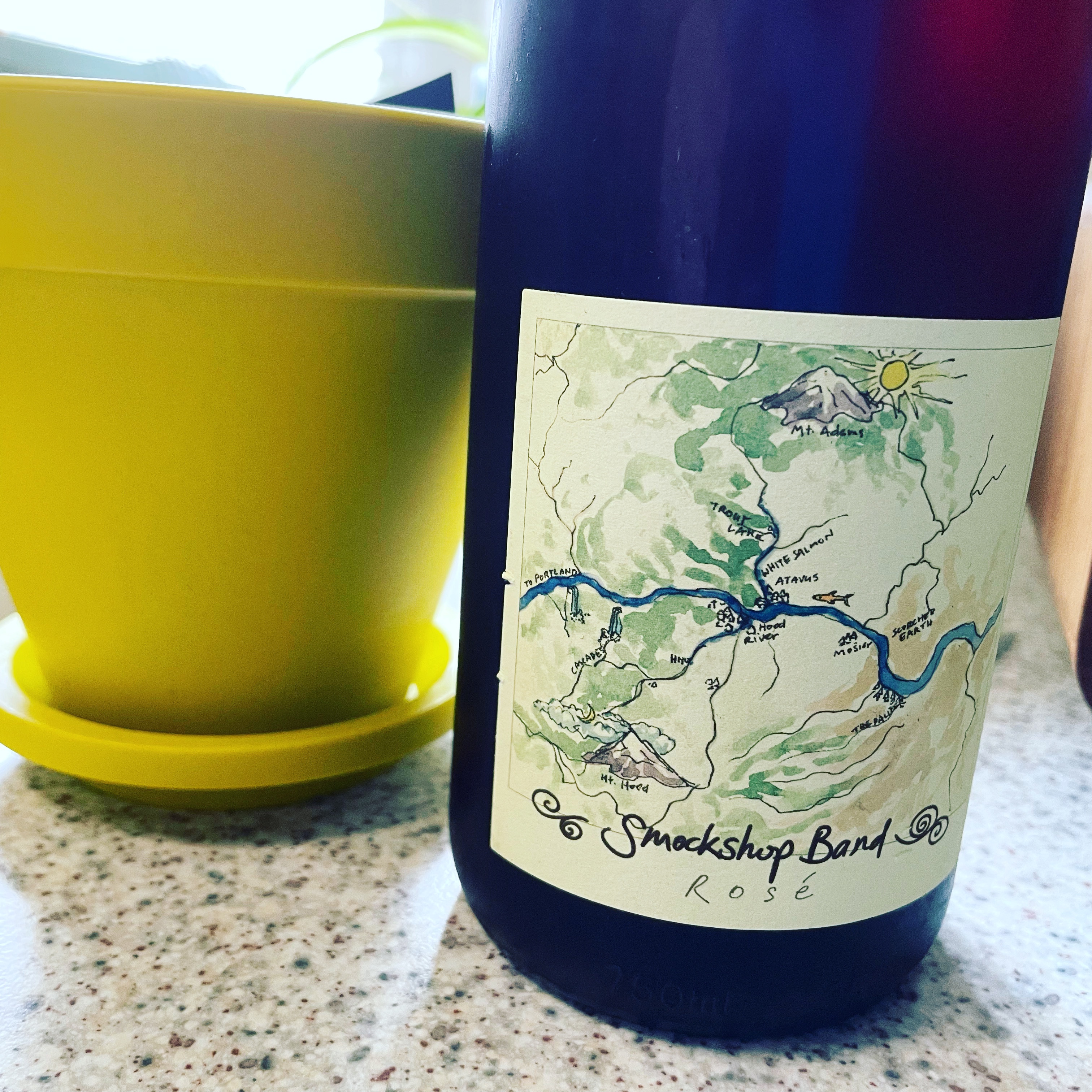
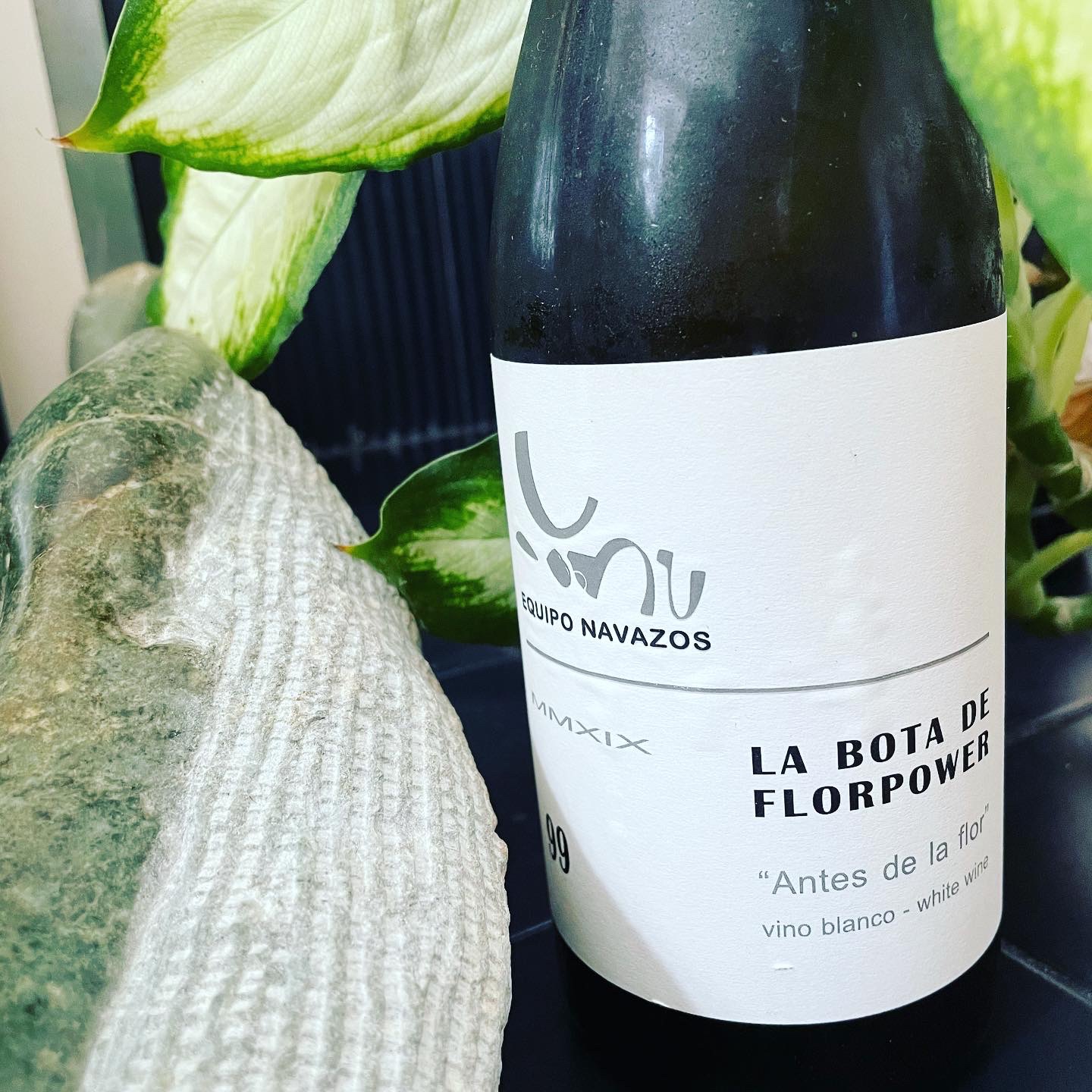
La Bota de Florpower 99 MMXIX [2019] « Antes de la Flor », Equipo Navazos (Jerez, Spain)
Florpower has been a mainstay of my cellar since its first vintage, but this 2019 is the last bottle I have from the last vintage I bought direct from Equipo Navazos. Post-Brexit it has become unaffordable to ship these from Spain, so I really need to find a UK retail supplier. I fear that I will no longer be buying multiple bottles though, purely down to price, if the EN Sherry prices here in the UK are anything to go by. Thankfully I still have plenty of that in the cellar.
Just 2,400 bottles were made of this Palomino Fino table wine, hailing from the famous Miraflores La Baja site at Sanlúcar on the coast. Protected from flor in stainless steel, there is no yeast influence, so you get a very pure expression of the vastly underrated Palomino grape variety. Some might argue it is therefore a greater expression of terroir, although others would point out that flor is as much a part of the terroir as the chalky albariza soils.
This still has the crisp, salty, tang of a Manzanilla, and age has given it a little nuttiness, yet it does taste bare and stripped naked of alcohol (it comes in at 11.5% abv). As such, it is very refreshing and drinkable, but it also has a great deal of both class and potential. Like a fine Riesling, this will definitely age, if given the opportunity. I wish I had more.
Purchased direct from Equipo Navazos. The UK importer is Alliance Wine.
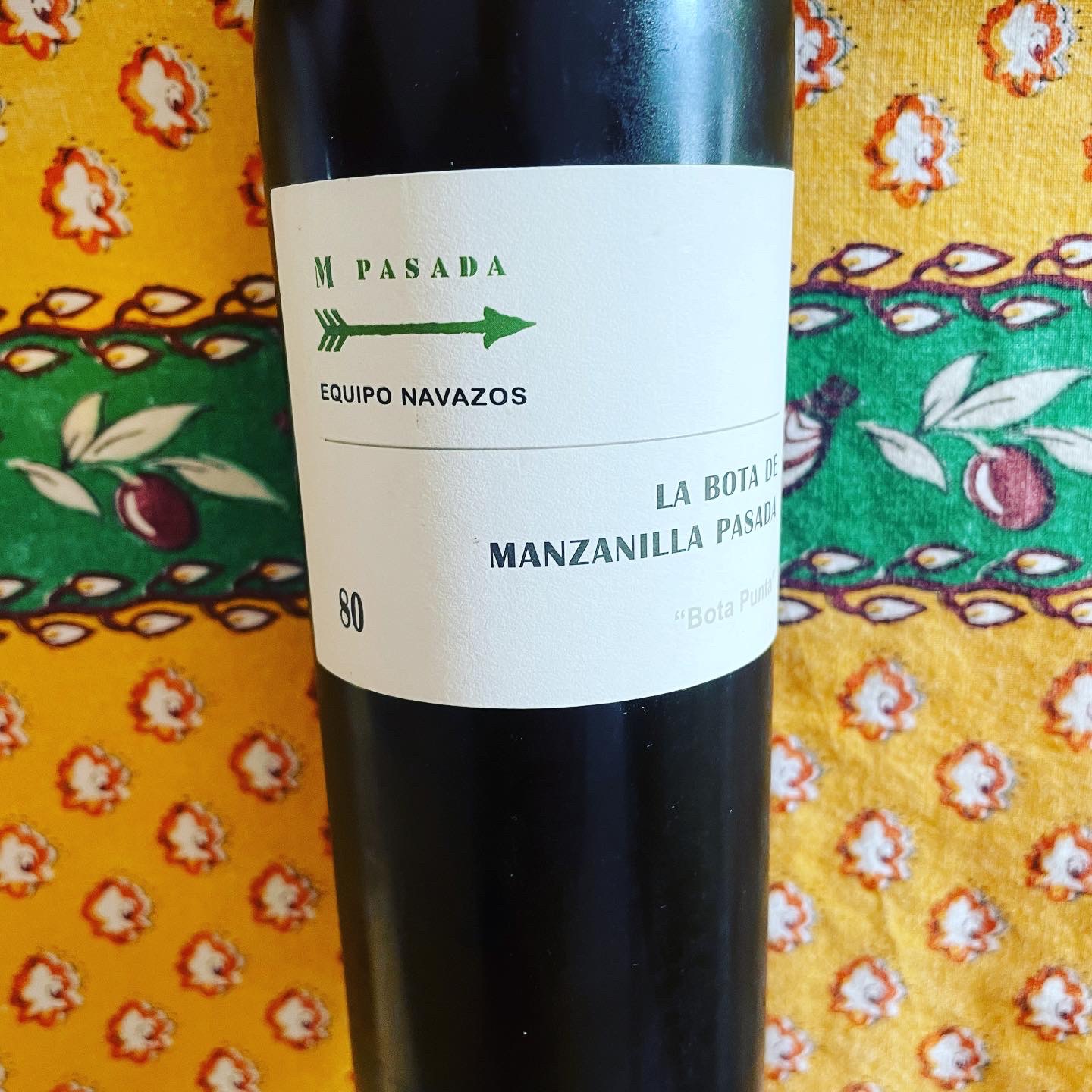
La Bota de Manzanilla Pasada 80, « Bota Punta », Equipo Navazos (Jerez, Spain)
We stay with Equipo Navazos and the same location, Sanlúcar, for this bottle. Its source is the bodega of Hijos de Rainera Pérez Marín. Bota Punta means it was sourced from a single cask at the very end of the lowest row of the solera. What makes this special? At the end of a row the air will flow more freely. This can mean greater humidity and often, as in this case, more active flor activity in the barrel. It is therefore a bottling of special and unique character, but being a single cask bottling, there were only 1,000 x 500ml bottles for us to experience it.
A shame because even by the standards of EN, this is a frankly incredible wine. The cask was filled to the “tocadedos” level, which means well above the usual 5/6ths mark, so the yeast layer is thin. However, regular refreshing of the cask allows free-rein to the oxidative activity, encouraged by the conditions at the end of the solera. This, and the wine’s crisp and chalky texture, gives real palate complexity. Fortification takes the wine up to 16.5% abv.
We served this in Zalto Universals to give it plenty of chance to fill out its bouquet but to keep the palate’s precision intact. Another recommendation is not to serve it too chilled. This is a gastronomic wine, not an aperitif-style. It accompanied paella, and I had to restrain the cook from adding too much to the pan.
Also purchased direct, but the UK importer for Equipo Navazos is Alliance Wine.
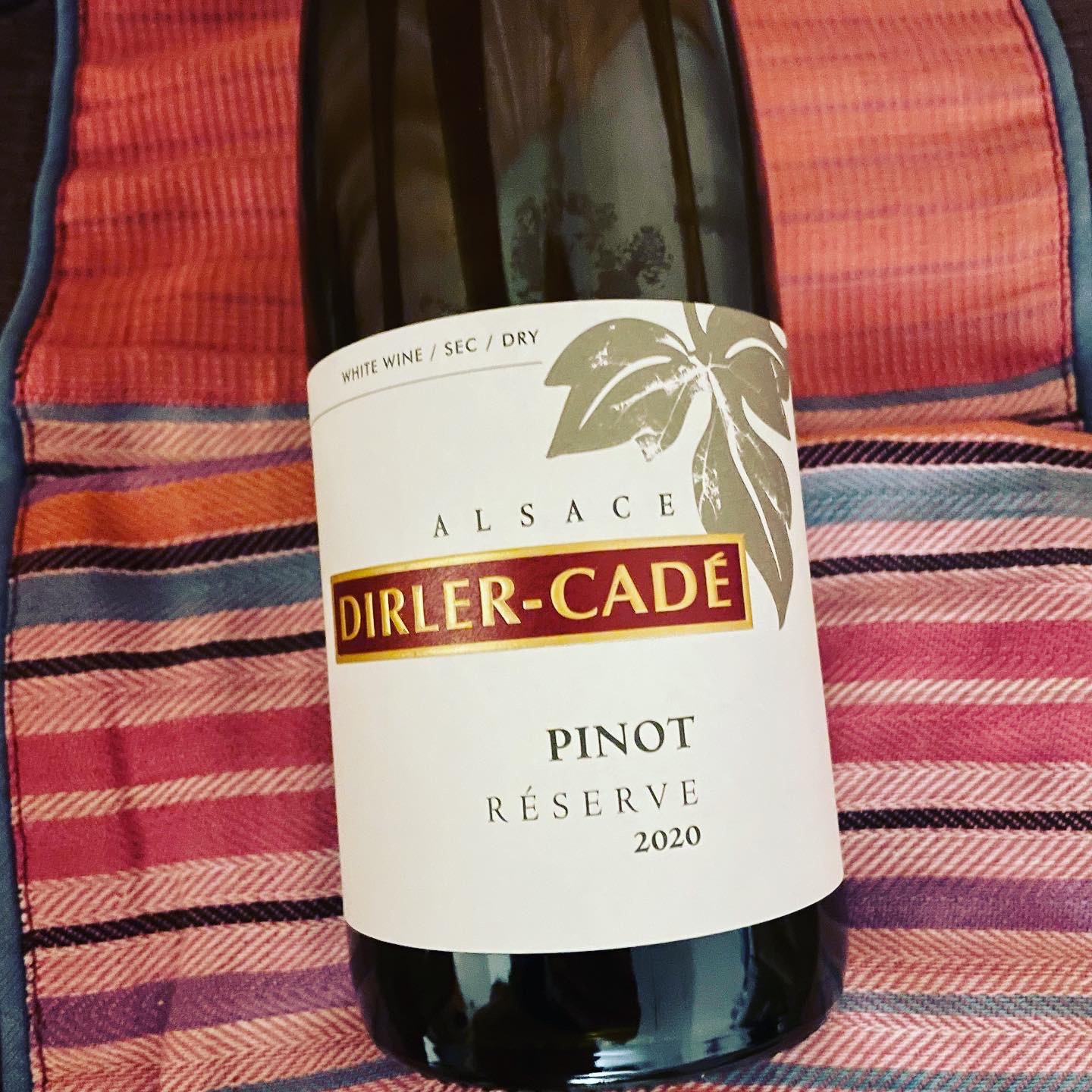
Pinot Reserve 2020, Dirler-Cadé (Alsace, France)
I was only reading a thread yesterday, on social media, about Pinot Blanc’s improvement in quality. I have enjoyed the variety for so long now that I had almost forgotten how very few wines of real quality were made from Pinot Blanc back in the day. Of course, excellent Pinot Blanc doesn’t just come out of Alsace, but for me this is where the biggest improvements have come. Perhaps as certain other grape varieties, most of all Pinot Gris, have become affected by higher temperatures and rising levels of alcohol, Pinot Blanc has been lower down the curve and now it gets a bit more weight and riper fruit coming through.
Dirler-Cadé doesn’t have the cachet of fashionability which you find with some newer natural wine producers, but this biodynamic Bergholtz domaine has been appreciated by Alsace fans for many years now. Their farming methods have merely added another reason why Pinot Blanc can produce excellent wines in the region’s south. This “Pinot Réserve” is a 50:50 blend of Pinot Blanc and Auxerrois. Now, when I was learning about wine, Auxerrois was seen as the same grape as Pinot Blanc, merely another clone. It seems modern thinking now has them as distinct varieties, if similar. For my palate, it is not easy to tell them apart.
I also used to suggest Pinot Blanc as a wine for lunch, but this example has 13.5% alcohol, which might make it suitable only for a lunch where you can manage a little snooze afterwards and don’t need to drive.
The site is the Bollenberg vineyard, a hill just north of Bergholtz and close to the Vorbourg Grand Cru. The Réserve is made from old vines planted in 1965. Pure, dry, saline, quite concentrated, this has weight and texture, and more freshness than you might expect, given the alcohol, but this is most definitely a food wine, not like the old PB you might have drunk as an aperitif with a bowl of nuts. If the wine has come on a long way, the price seems remarkably good value for the quality. It came from The Solent Cellar and cost £16.50. I hope I will buy more at that price.
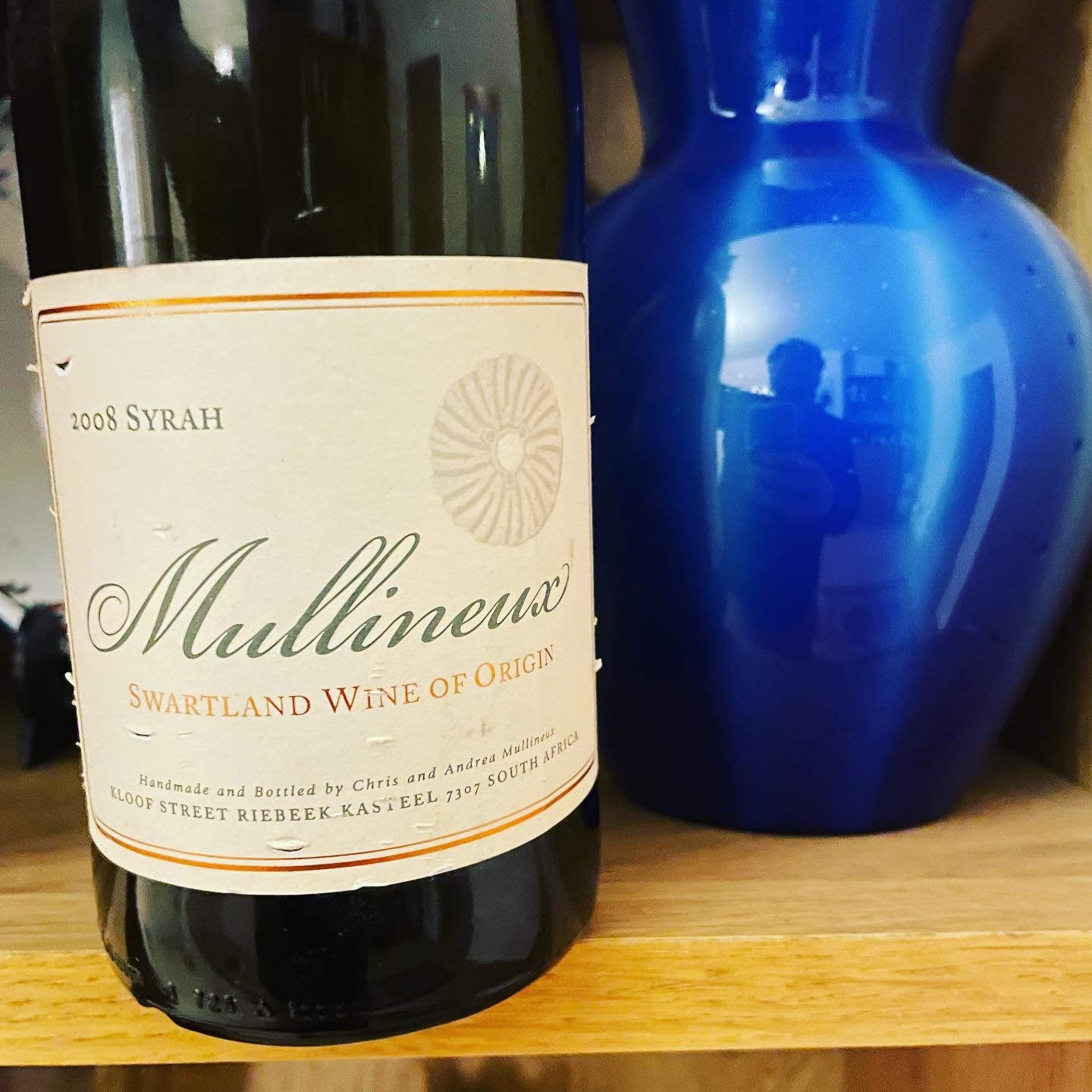
Syrah 2008, Mullineux Wines (Swartland, South Africa)
I’m sure I’ve mentioned before how, because I’ve been buying way less wine this year, I’m being forced to open bottles which have been laying in my various cellars for a long time, but I did find a suitable occasion to open this, for some overseas visitors. This was the first release, from the first vintage, for Chris and Andrea Mullineux’s own venture at Riebeek Kasteel, following Chris moving on from winemaking for the highly successful TMV (Tulbagh Mountain Vineyards). I got to meet Chris and Andrea a few times, including at a memorable lunch in their honour at The Ledbury in London, so I had quite a lot of hope invested in how this would taste at fifteen years of age. Had I kept it too long?
The Syrah vines for this cuvée were on Swartland granite and the wine was fermented using indigenous yeasts and with minimal added sulphur. Ageing was in a mix of 225-litre barriques and 500-litre demi-muids.
This was only opened at the table (just in case it faded) and it was a little closed at first. Within fifteen minutes it was blossoming, and I just couldn’t believe how it just kept getting better and better until we’d drained the bottle. It registered 14.5% abv on the label, but it wasn’t at all flabby. In fact, I’d call it restrained, with a beautiful bouquet of dark plum with violet notes, and a palate which was both plummy and had great mineral intensity. Later we got fig and a smokiness. Very complex.
There is no hurry to drink this up, and I wish I’d kept a couple more bottles. I had hoped this would be good, but I didn’t realise it would be quite as good as this, easily on a par with top Côte-Rôtie, I would say. Chris and Andrea have gone on to make some fantastic wines, some off specific terroirs (the Granite, Iron and Schist cuvées), some more accessible, from the Kloof Street Range, not forgetting their incredible Straw Wine, and now wine from Franschhoek as well as Swartland, but in this first vintage they made something rather special.
I doubt it would be easy to find the 2008 now, but you can still buy the entry level (now) Mullineux Syrah from the 2017 and 2019 vintages (both seem available online) for around £30. My bottles probably came, on release, from Berry Bros, who sell the 2019 for £36.50.

 David Crossley's Wide World of Wine
The Dirler-Cadè looks interesting & worth trying at that price. (They’re my favourite Alsatian Muscat producer).
LikeLiked by 1 person
Their Muscat is definitely a top wine. Couldn’t believe the Pinot Réserve was that cheap!
LikeLike
You were able to find Smockshop Band in the UK (or EU)? I tasted Hiya wines at RawWine London just before covid. As you say, wow.
LikeLiked by 1 person
Yes, the excellent wine site Littlewine here in the U.K. used to have an online shop and I bought it just before they closed it. But I believe that the Hiyu Farm Wines do come into the UK.
LikeLiked by 1 person