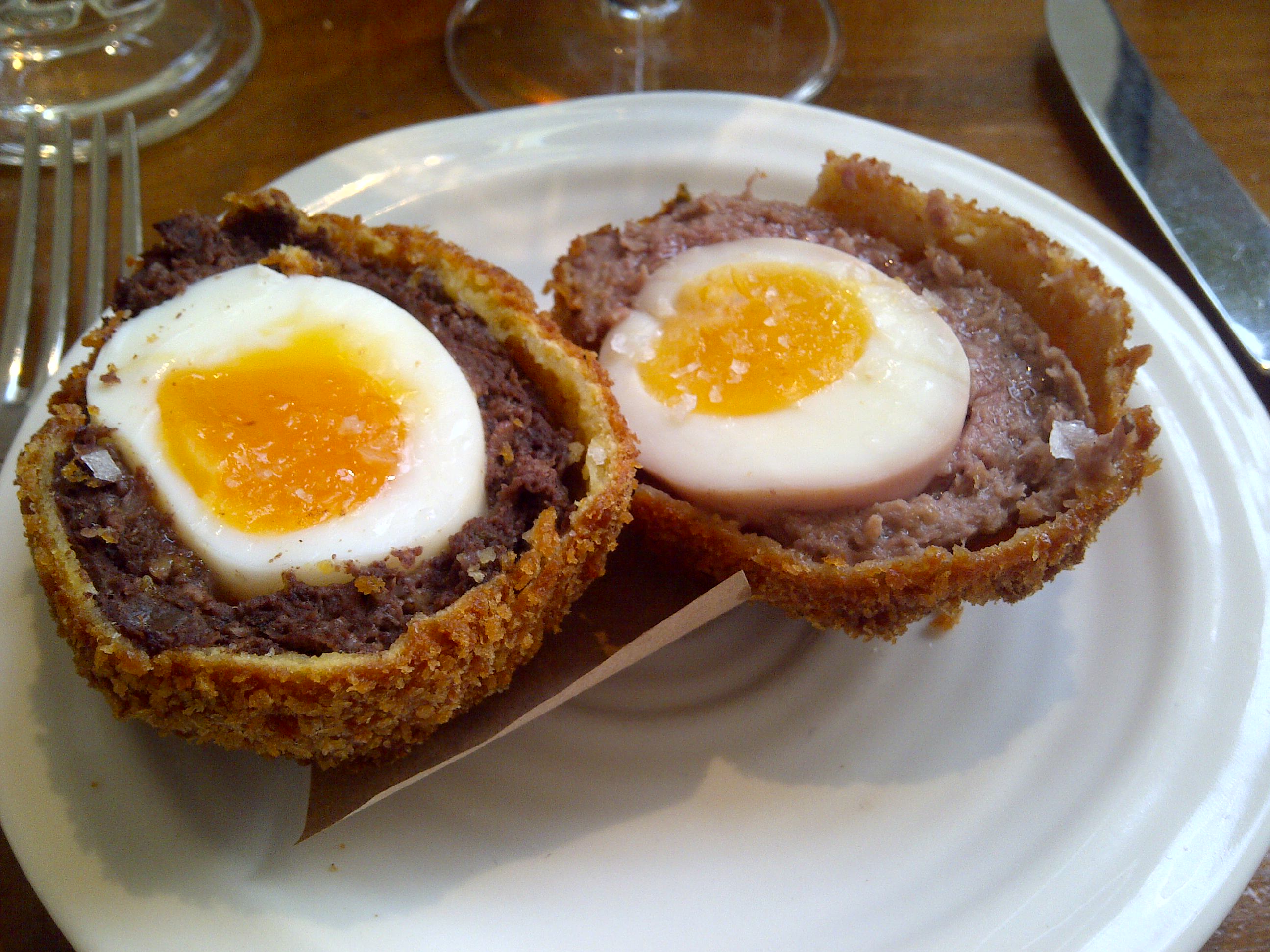
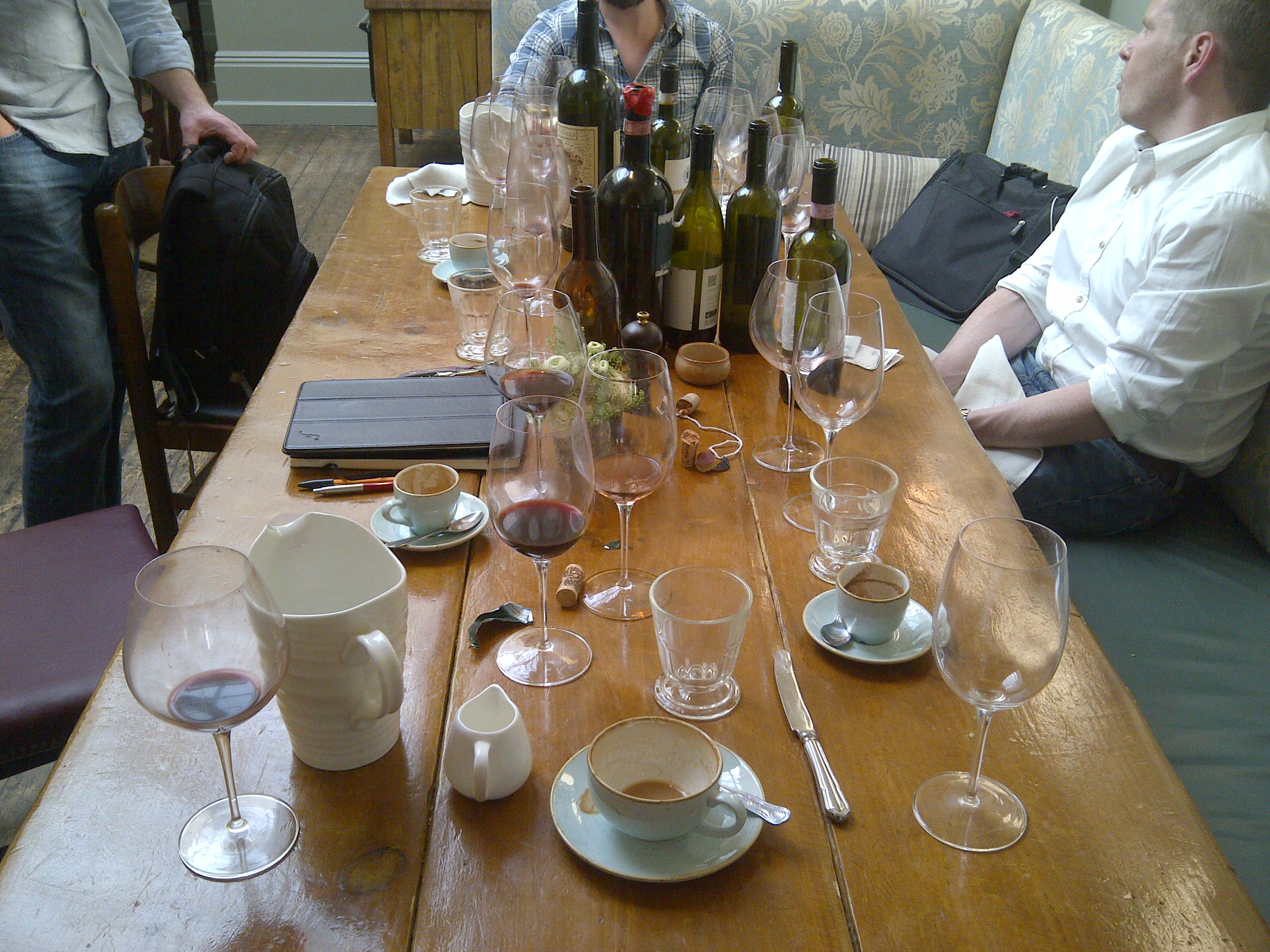
Oddities (March)

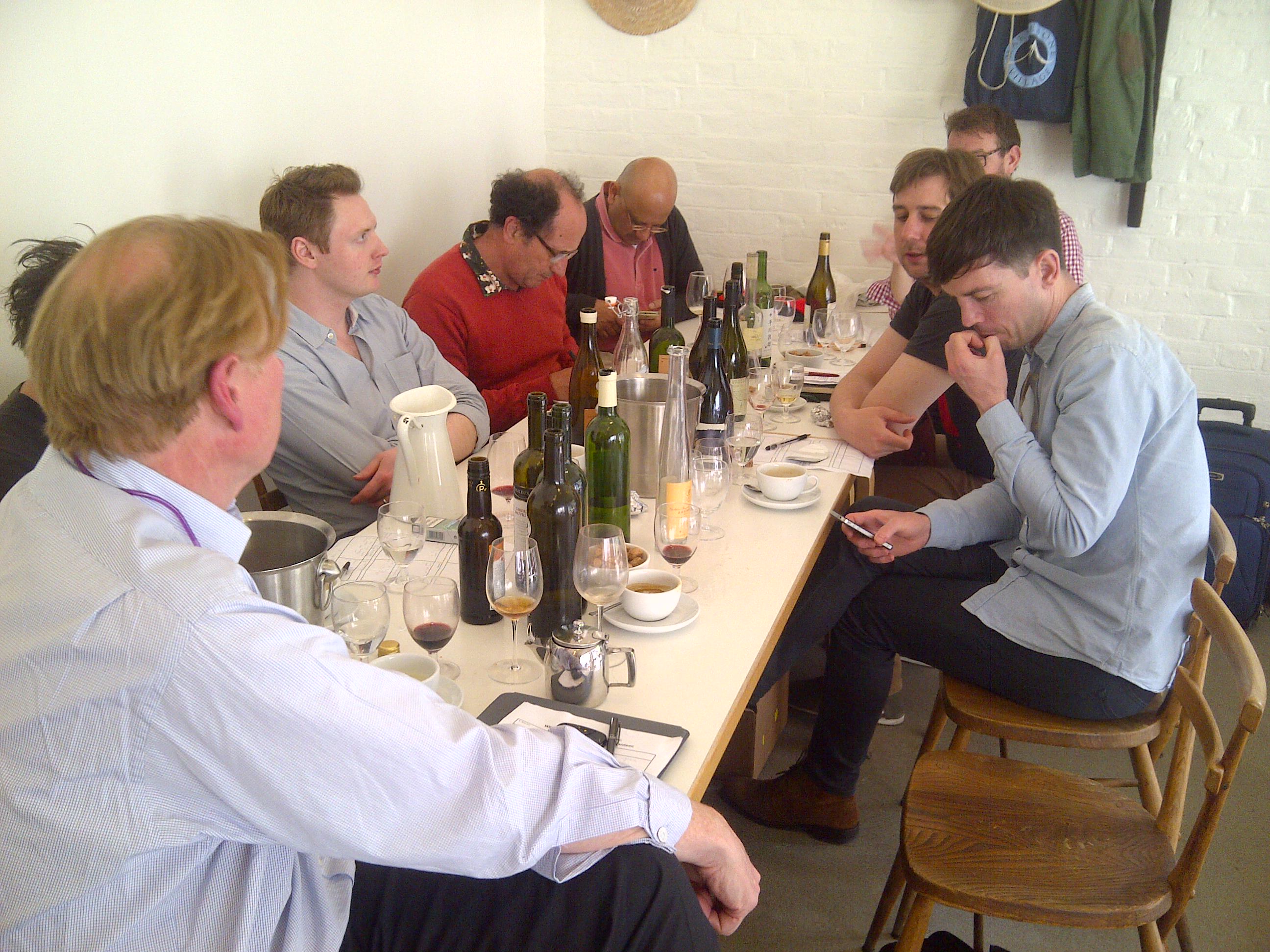
The latest gathering for lovers of the odd and obscure in wine took place at Rochelle Canteen last Friday, and generally we all felt that these lunches get better and better. As usual, the food was stunningly good and the friendly reception we receive is very much appreciated.

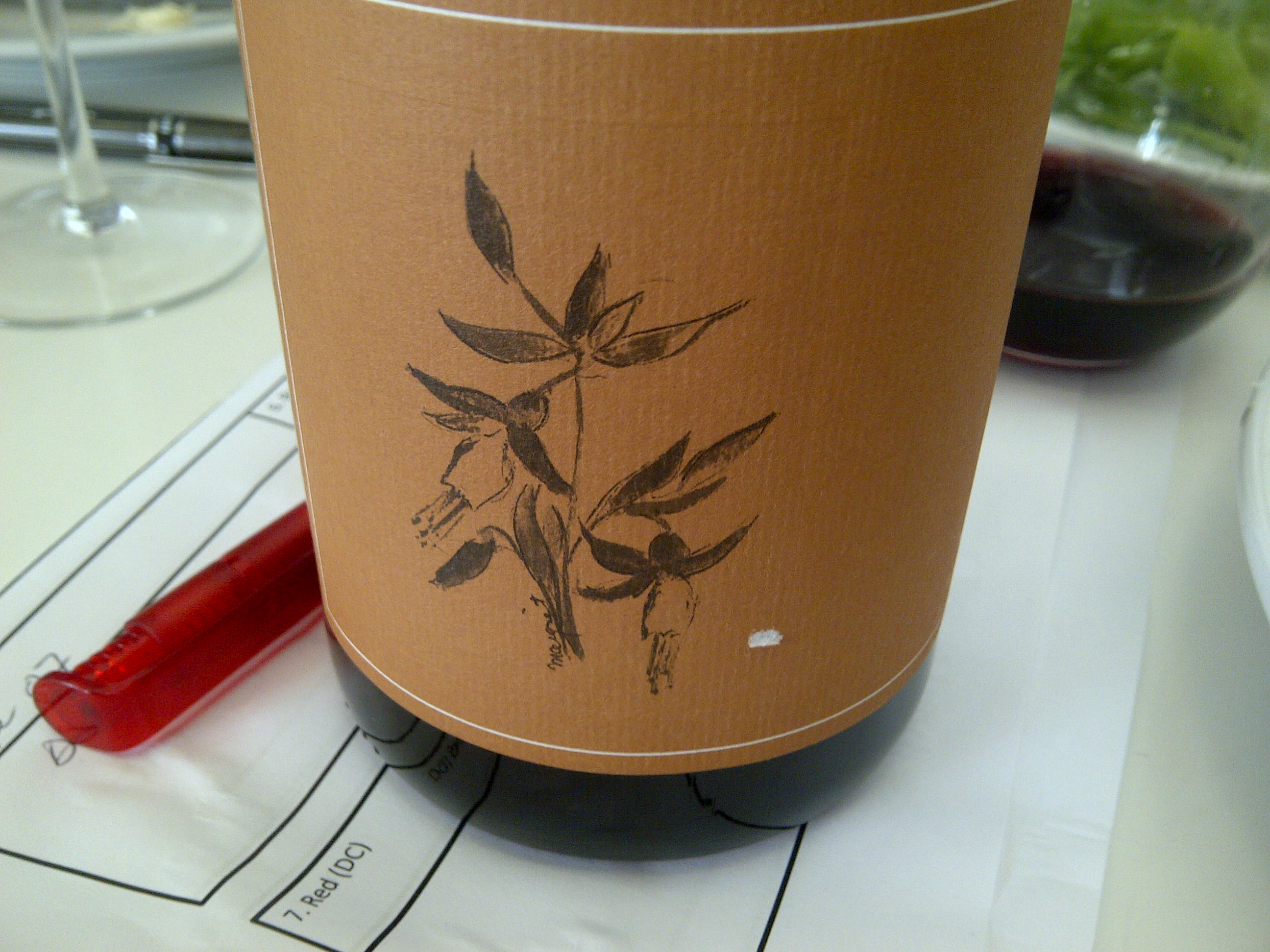
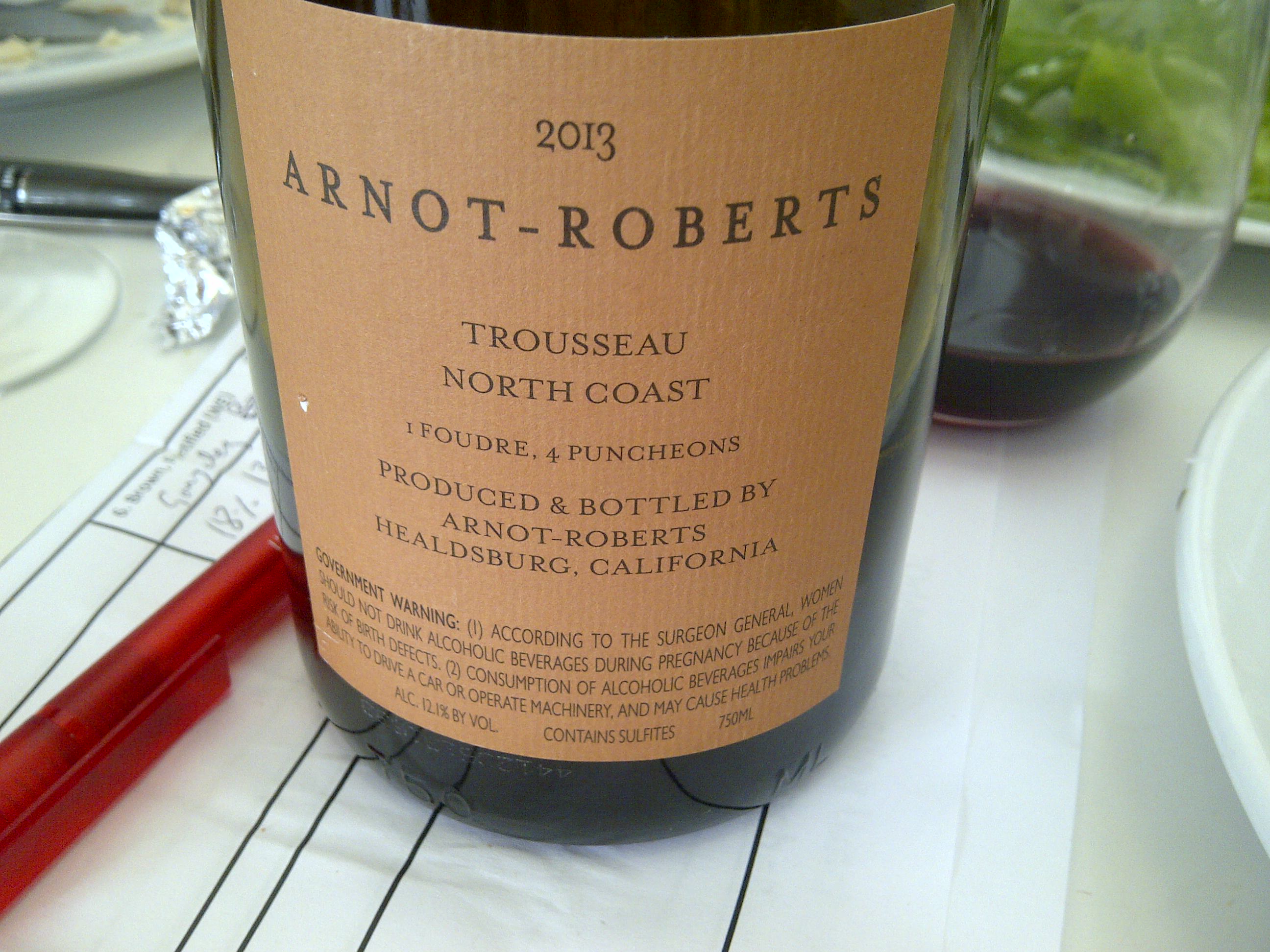
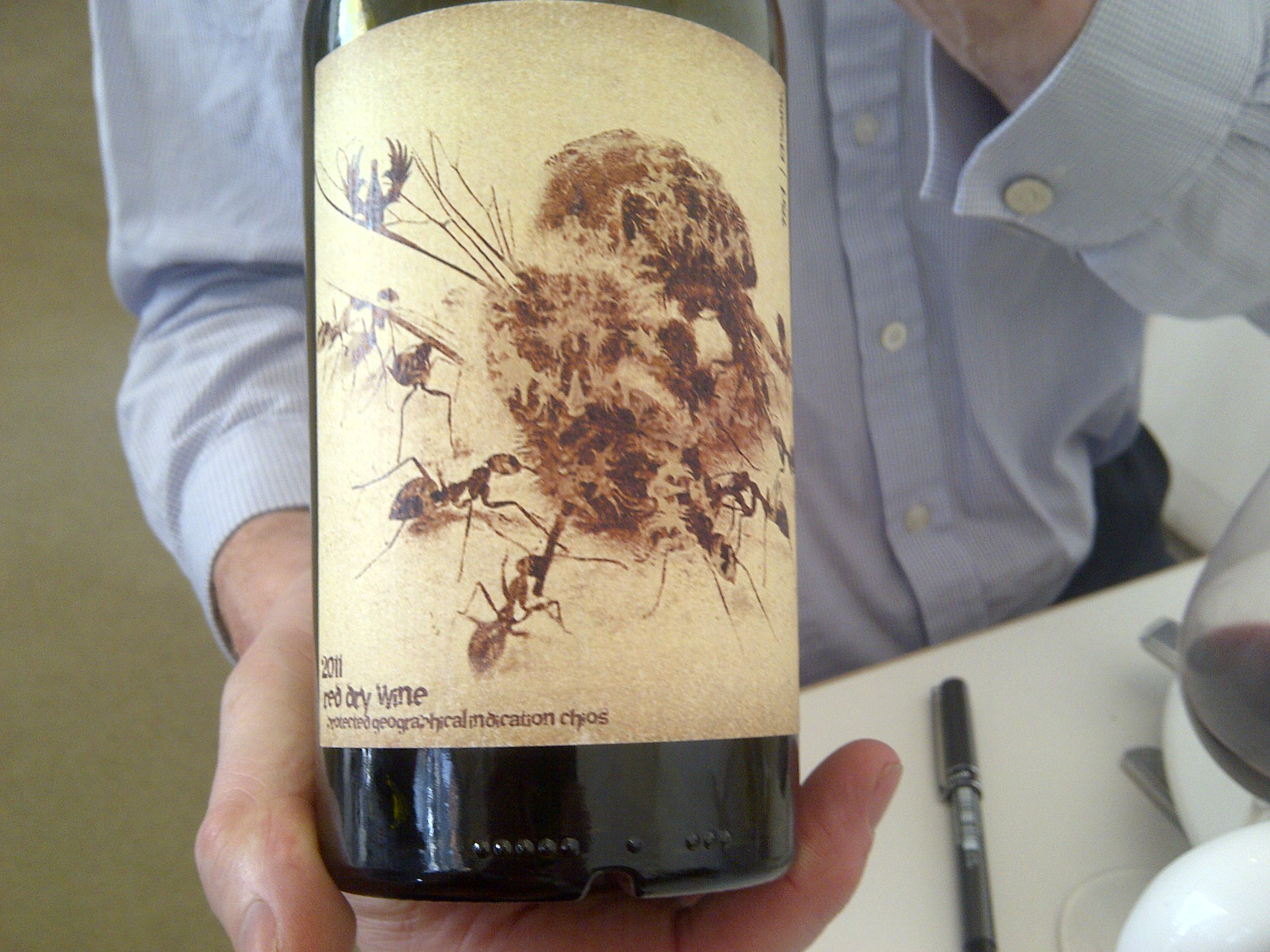
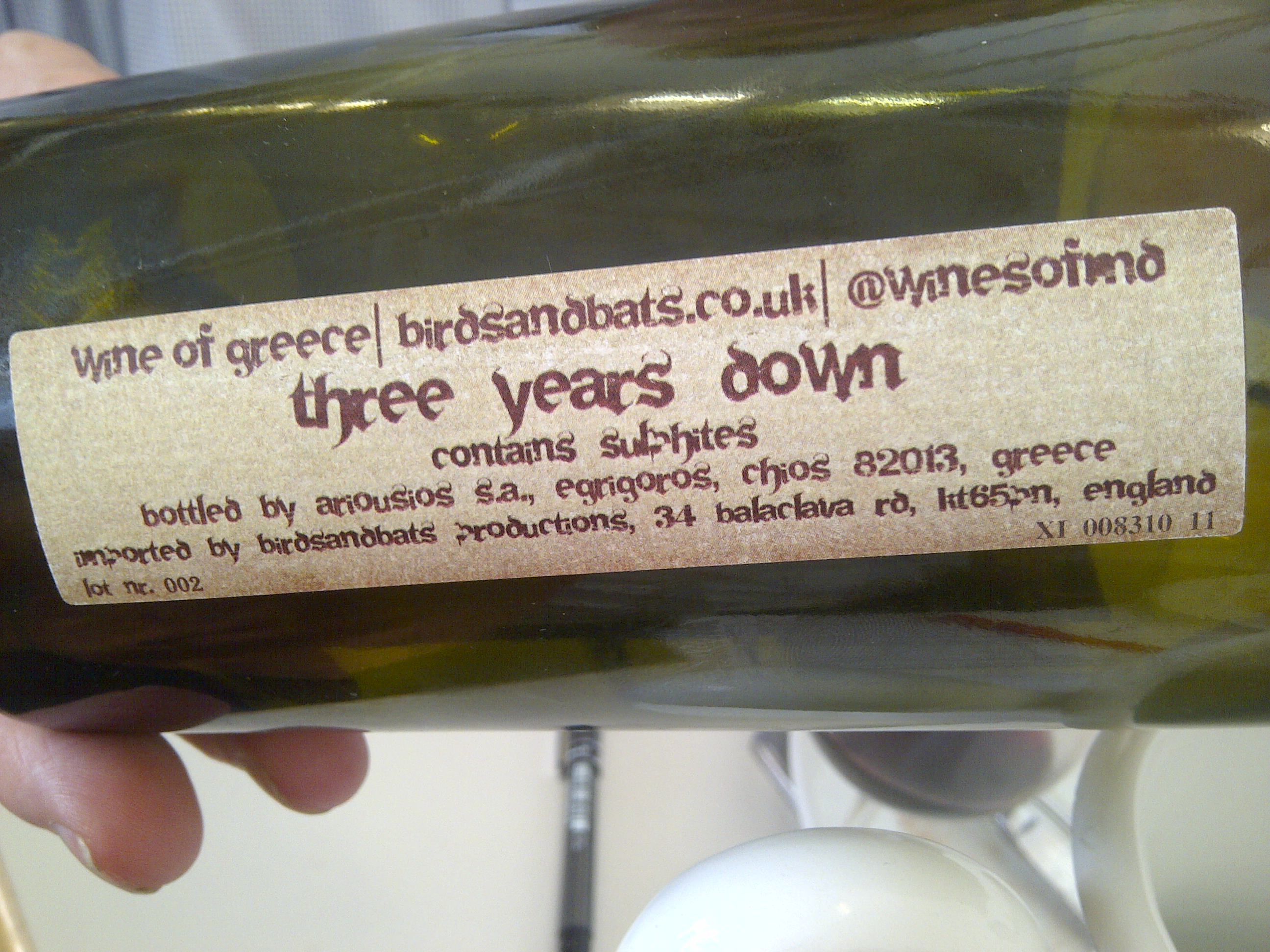
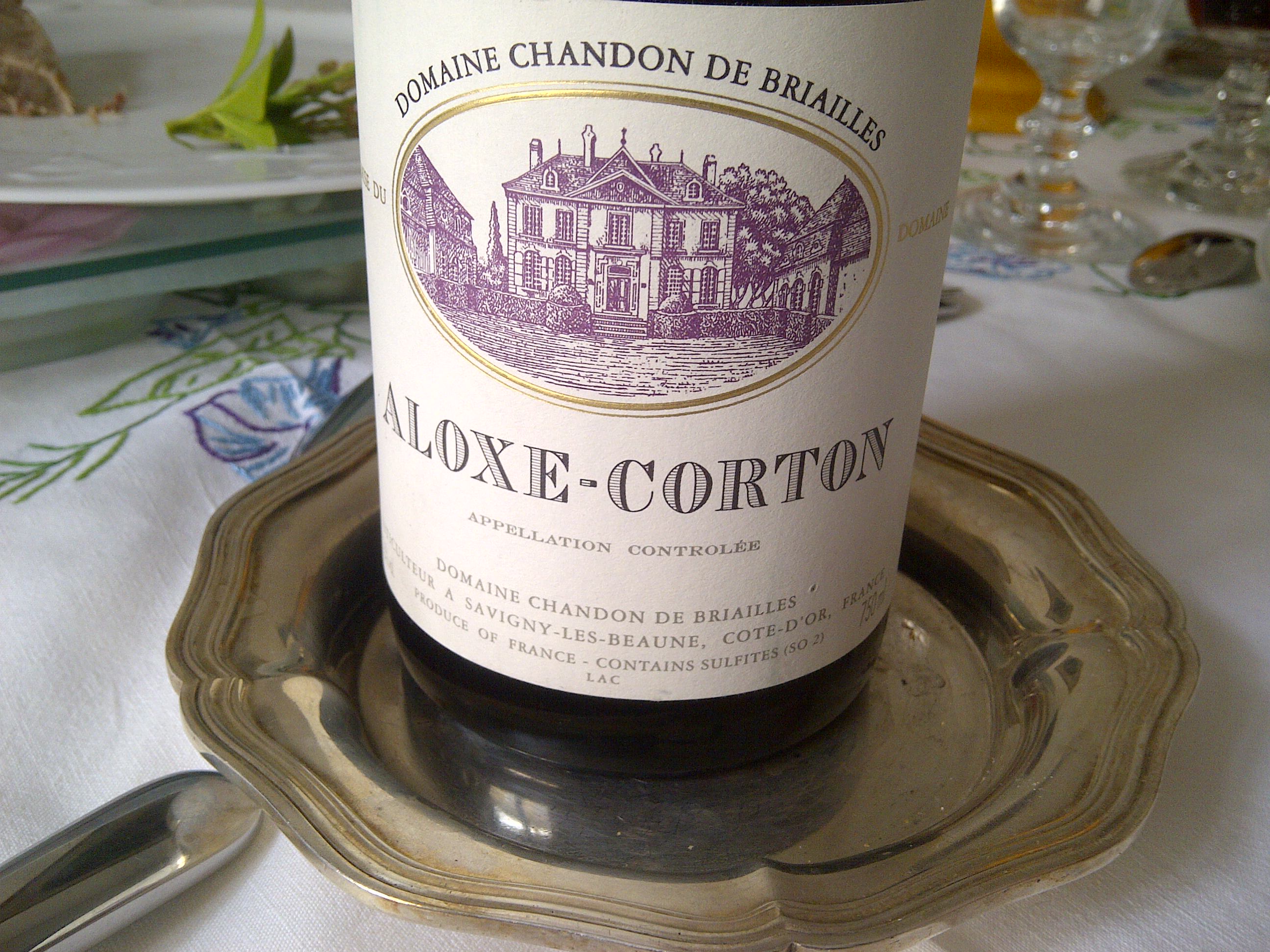
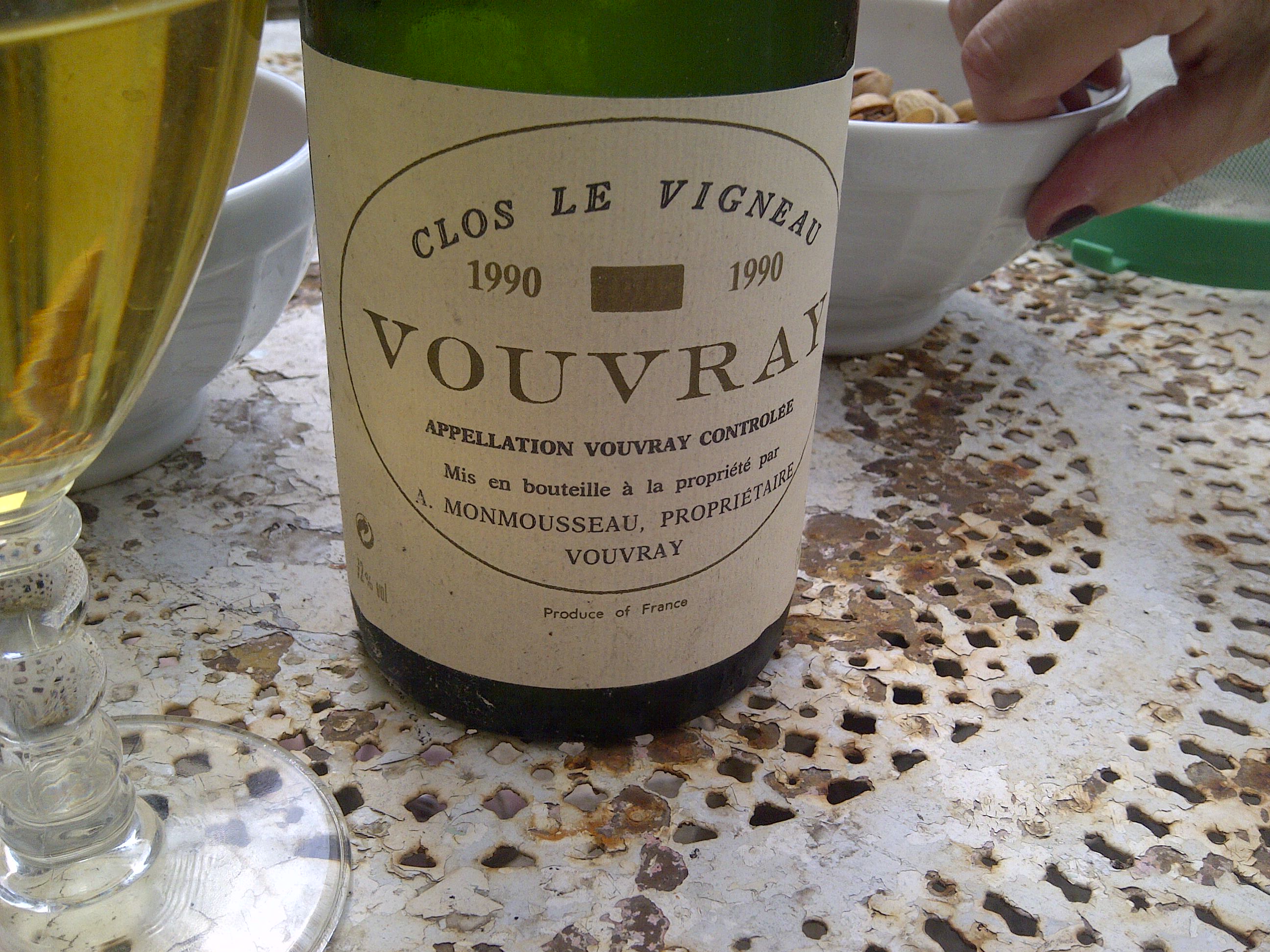
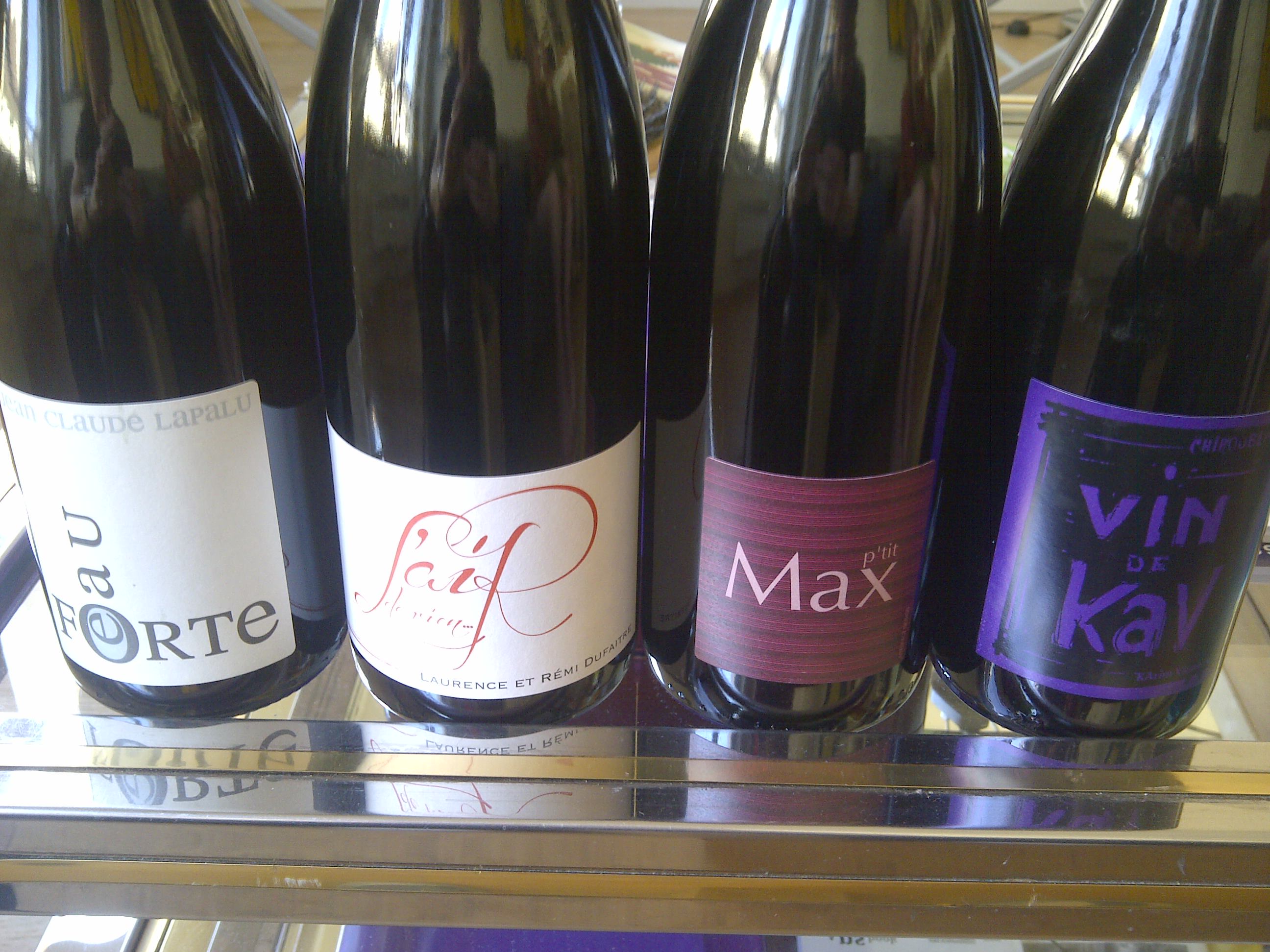
Without writing extensive but dull tasting notes, the list below with a few explanatory words gives an idea of what we drank. Anyone interested in attending future lunches (usually every second month) should keep their eyes on the Winepages forum and associated offline planner (www.wine-pages.com). All wines served blind.

IMG-20150327-00031


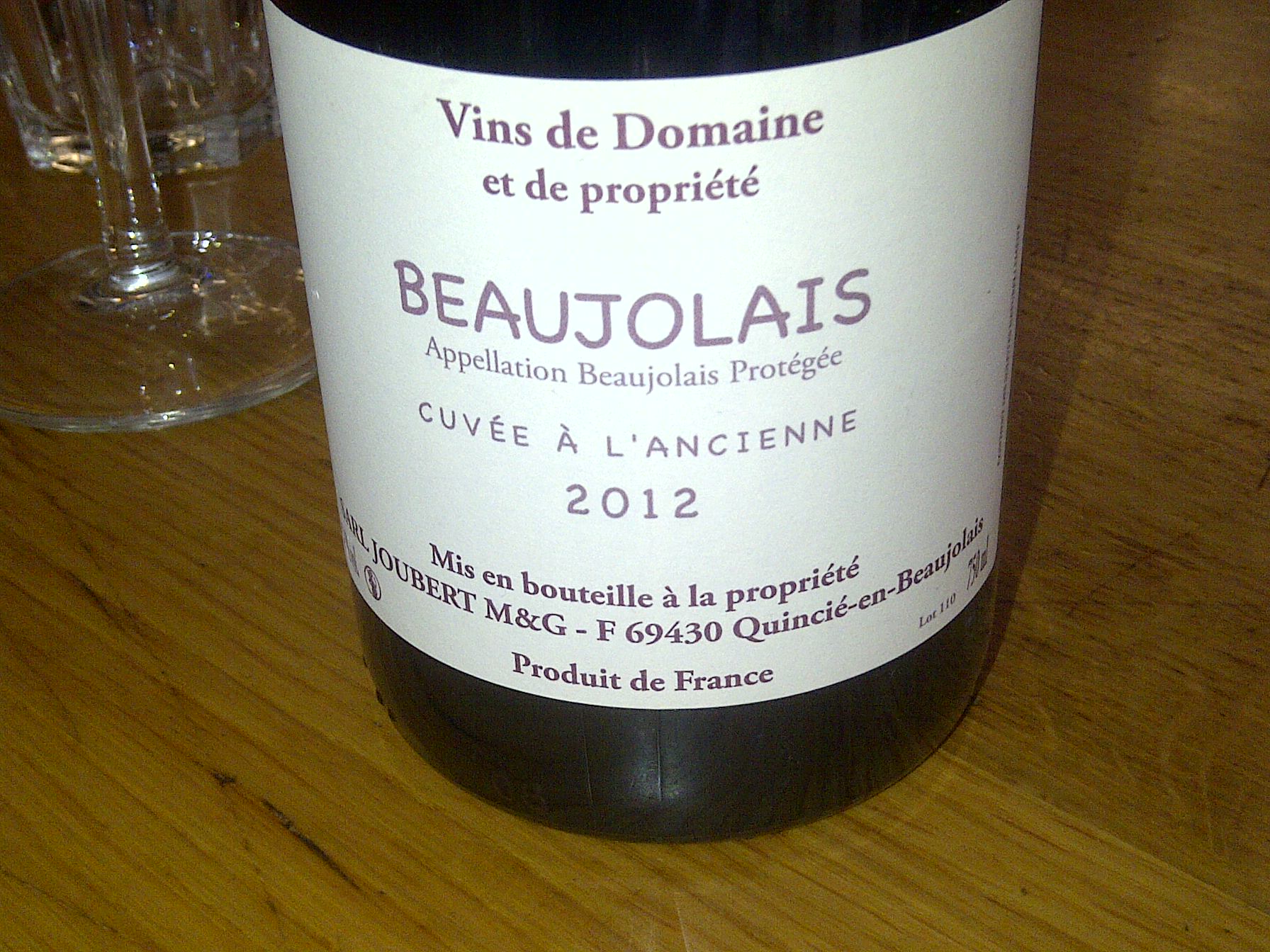
Bulles de Syrah NV, Limoux, Jean-Louis Denois Delicious and refreshing sparkling Syrah but vinified as a blanc de noirs!

Vin Jaune 1989, Arbois, Jacques Puffeney What can I say, stunning, a shame we now have a finite number of bottles from this amiable master of the Jura.

IMG-20150327-00024

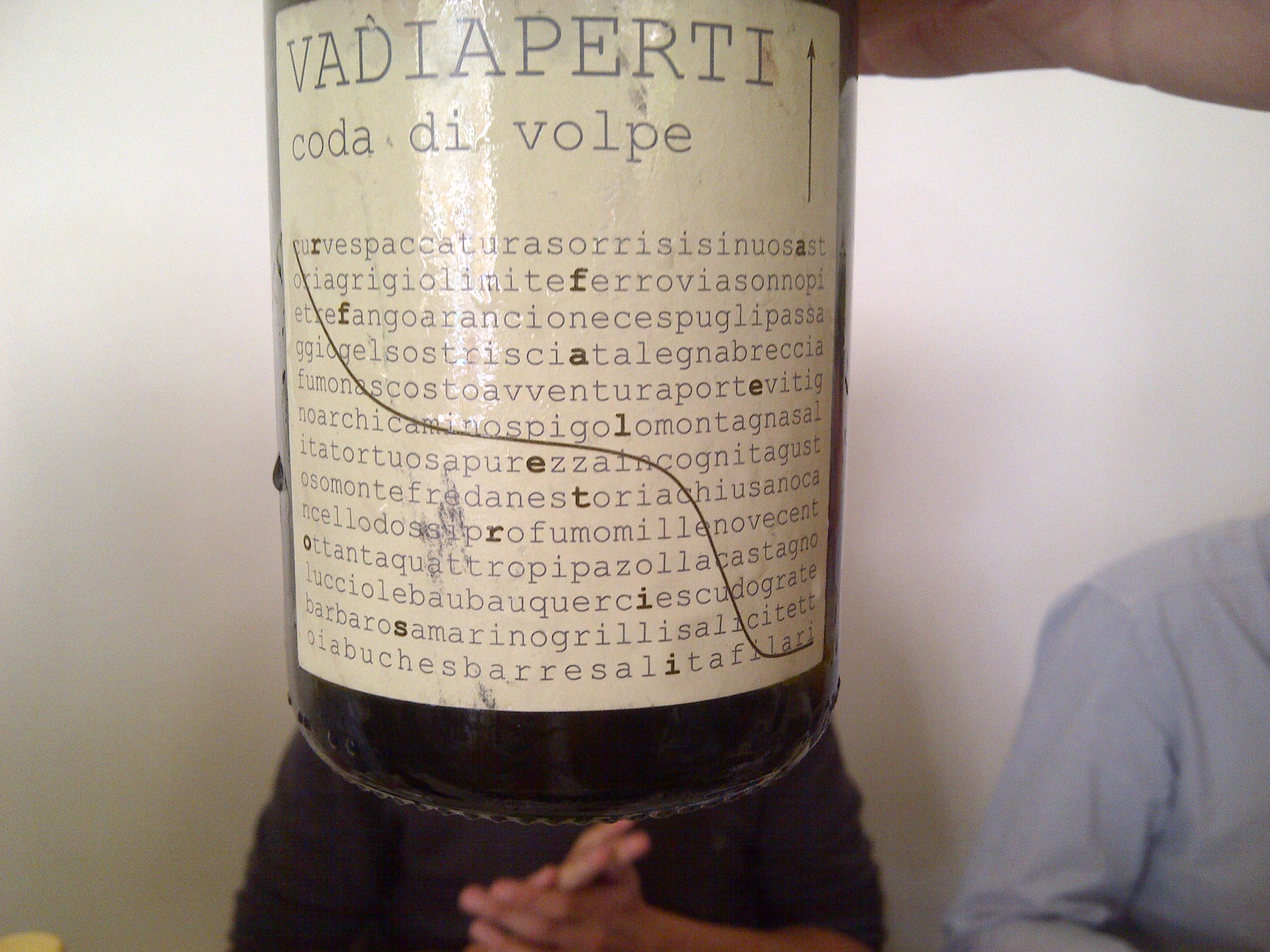
Vinochisti E3, Toscana, Tim Manning Erbaluce, vinified dry. Not quite as stunning as the last bottle but a marvellous wine, please do try it if you can.
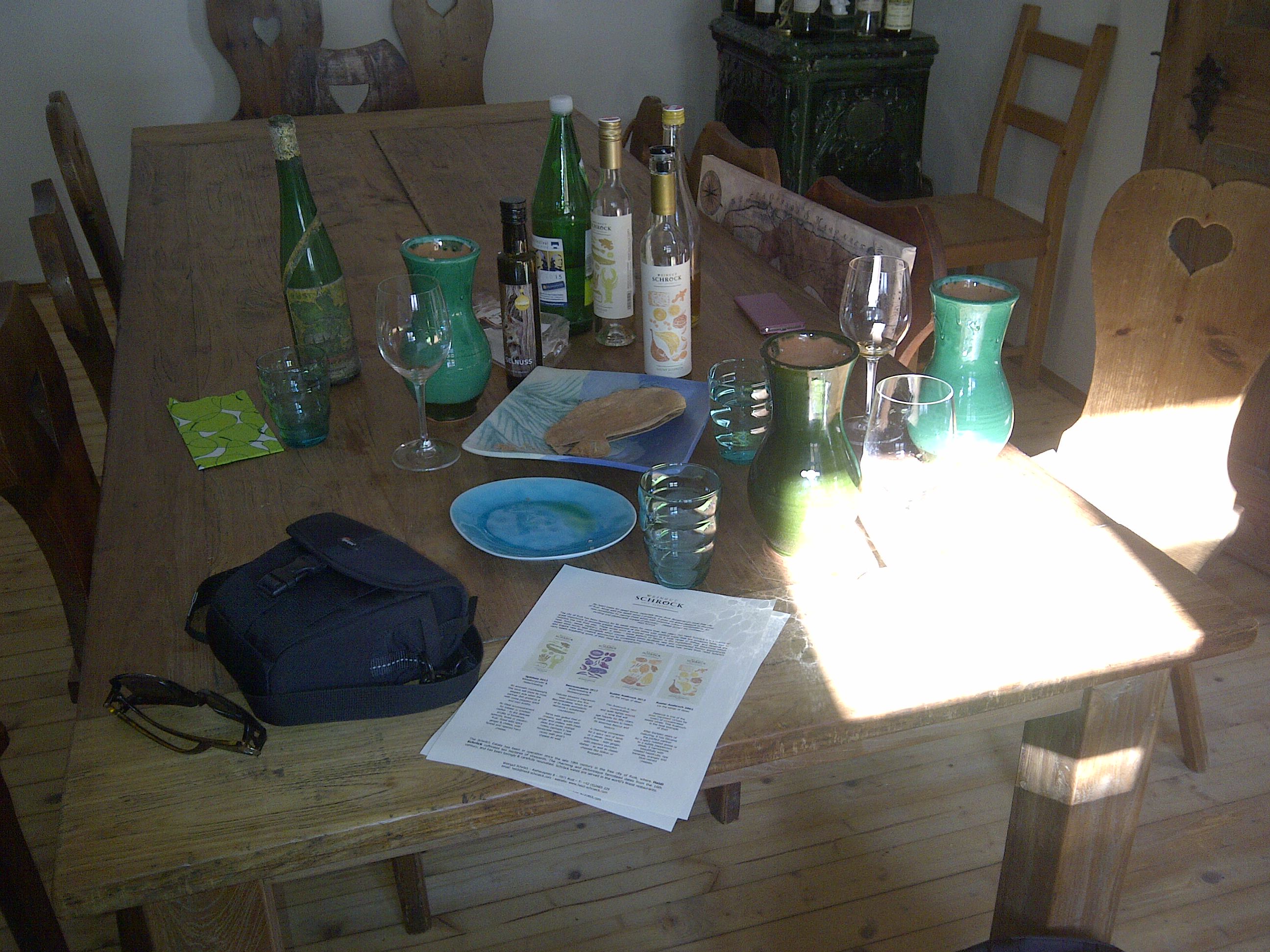
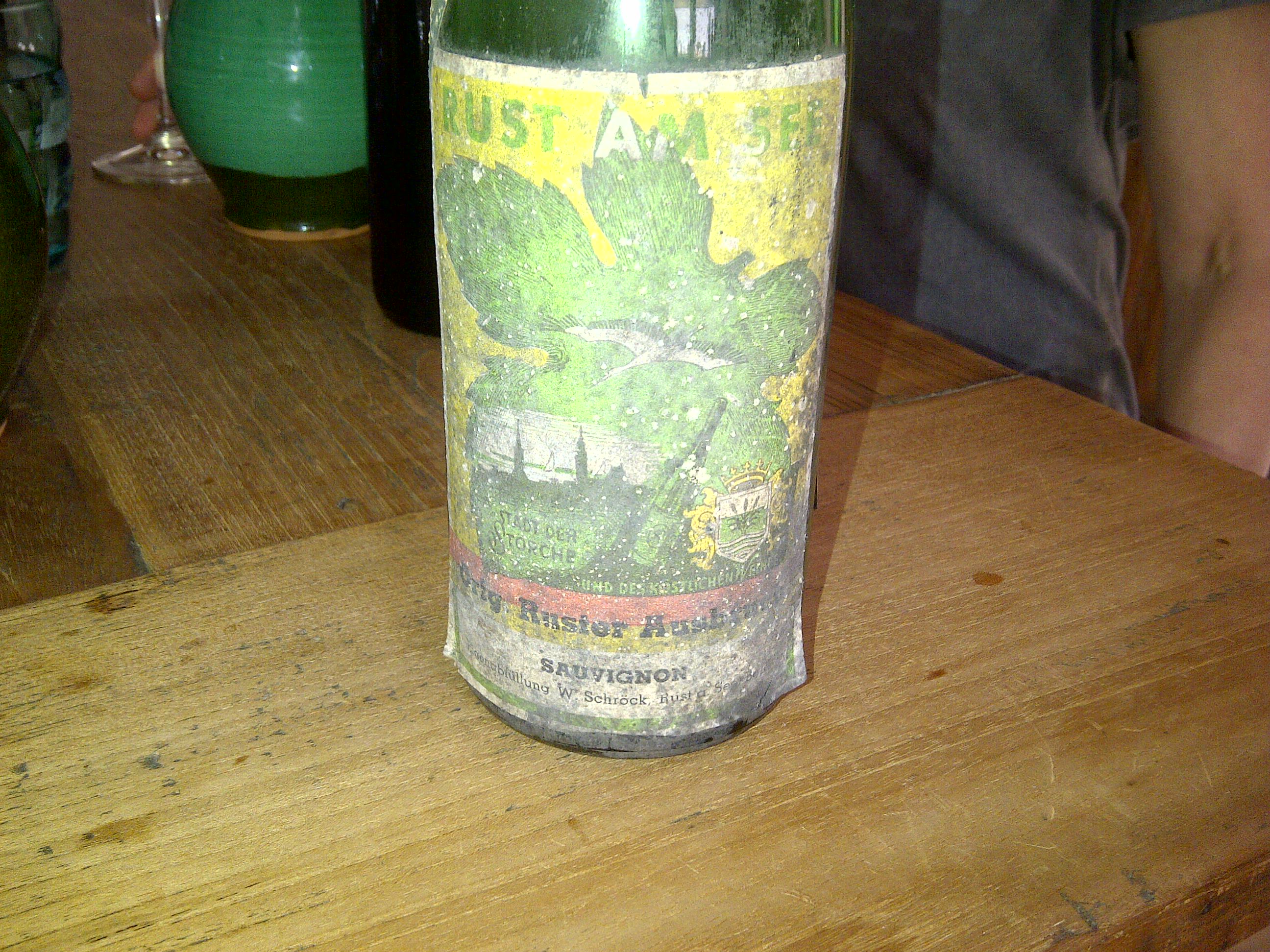
IMG-20150327-00022

Vernaccia di San Gimignano “Tradizzionale” 2011, Montenidoli Vernaccia how it used to be or just a new interpretation, whichever it is, a classy wine.

IMG-20150327-00020

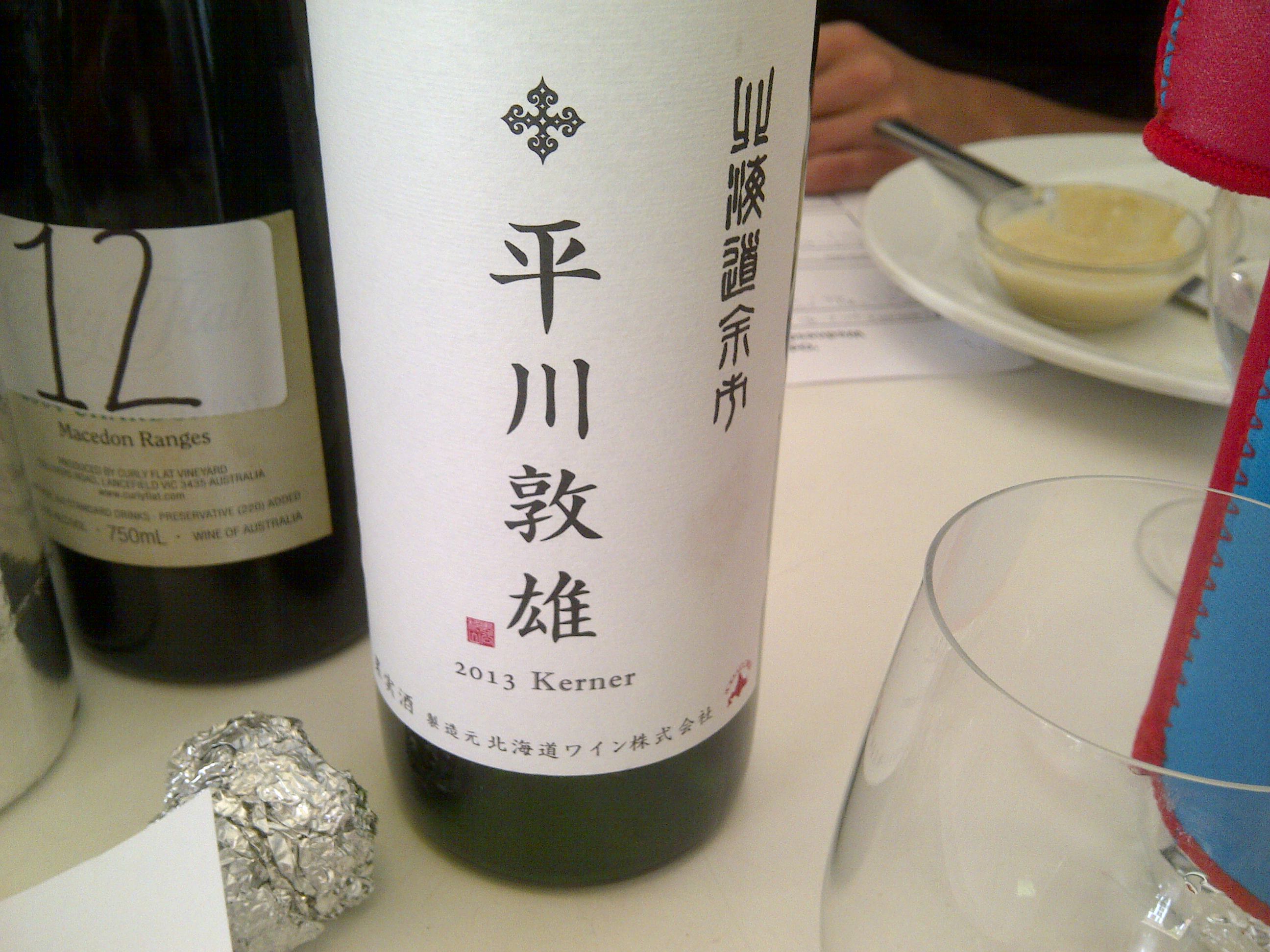
Picarana 2013, Bodega Maranones, Madrid Rich white with a chalky finish, from Albillo. Great Spanish whites just keep turning up at these lunches.

Piedi Grandi 2012, Clarine Farm, Sierra Foothills A Californian field blend, old vines (Nebbiolo, Mourvedre, a little Syrah and Semillon), pale and refreshing.

IMG-20150327-00027

Fence Panel Block Pinot Noir 2012, Chateau Hambleton, Esher (UK) Chris Hambleton’s hand pressed micro cuvée, around 8% alcohol, a very creditable effort at a refreshing English red, a very rare sighting too! Pretty much unobtainable.

Spirit of London MMXIII, London Cru Gavin Monery’s Cabernet/Barbera blend, made in London’s first urban winery in SW6 and commercialised through Marks & Spencer. Dark, plummy and dark fruits, a creditable effort. Currently £13 (on offer) or cheaper with their 25% off six deal, so no excuse not to try it.

IMG-20150327-00021

È Iss 2011, Tenuta San Francesco Pre-phylloxera vines, Tintore di Tramonte (a teinturier variety) from Campania. Fascinating.

Gestad Syrah 2010, Deutscher Landwein, Ziereisen, Baden From southern Baden, towards Basel, any Ziereisen wine is a treat (try the Jaspis) but this experimental trial planting shows genuine potential for this grape in parts of Germany. Very good.

Patras 1947, Achaia Clauss, Greece A bit of a mystery wine but probably made from Mavrodaphne, not in its prime but hanging on in there.

IMG-20150327-00026

Gamay 2012, Sorrenberg, Beechworth Probably the best Aussie Gamay I’ve tried and afaik the only pure Gamay from Beechworth. It has that lively Beechworth fruit, very good indeed. Wouldn’t mind grabbing some of this for myself, for sure. Cool retro Chablis-esque/burgundian style label.

IMG-20150327-00028

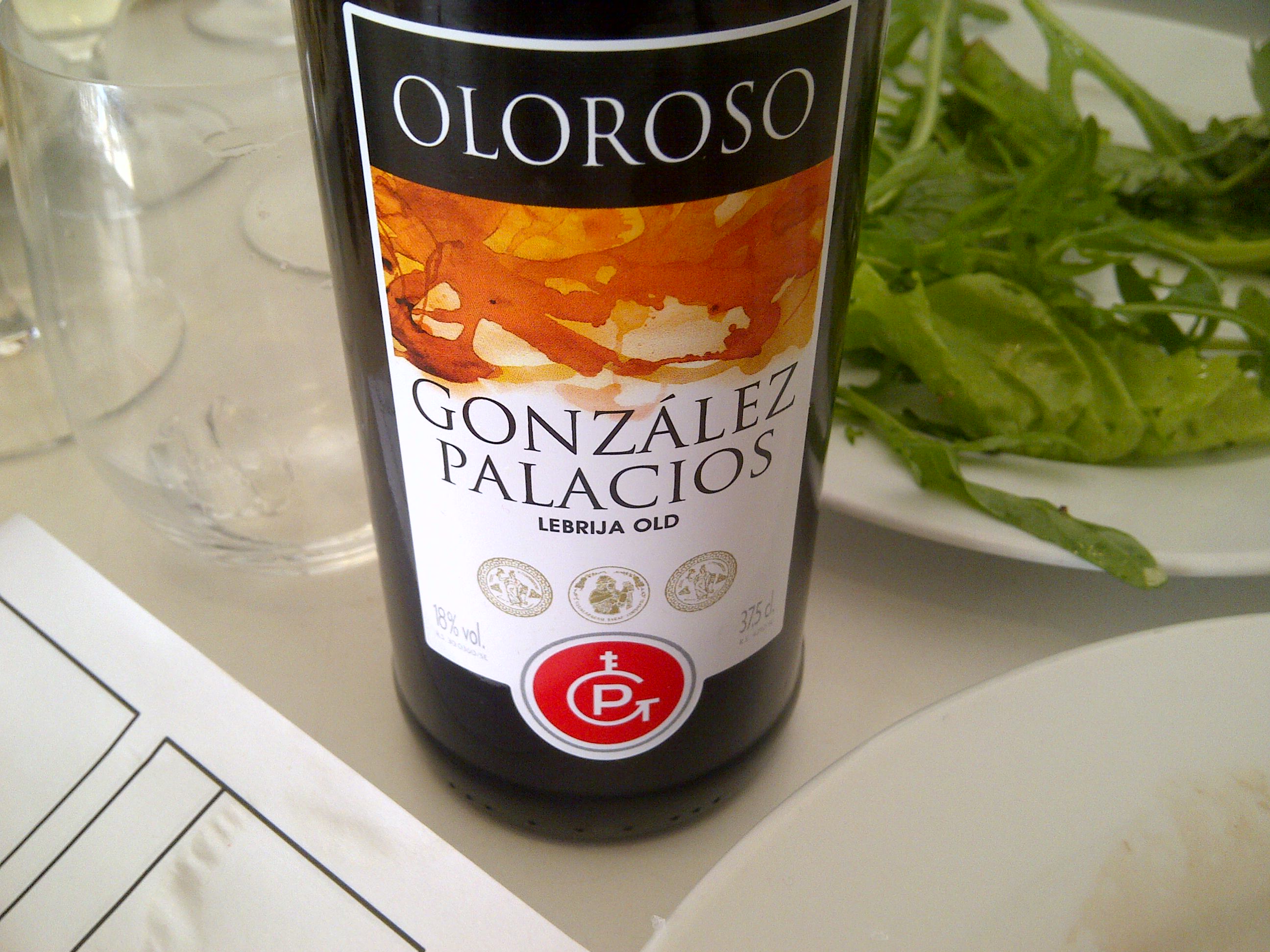
Moscatel “Pico Plata”, Chipiona (Florido Hermanos), Sanlucar de Barrameda This was pre-war (Civil War), 1920s 0r 1930s, a gorgeous nose, mahogany brown, thick, delicious, indeed possibly the wine of the day, though the Puffeney VJ and the Tondonia pink (see below) were also contenders. A wonder! Truly.

IMG-20150327-00029

Vermut de Reus Reserva De Muller, Tarragona Served with orange segments and ice, a very fine and pungent vermouth, heavy with the scent of oregano.

The Tawny 22-y-o, Dutschke A fine “Barossa port”, bottled May 2004, butterscotch and rancio and everything you’d expect.

IMG-20150327-00030

Vina Tondonia Rosado 2000, Lopez de Heredia, Rioja Pale, almost more orange than pink, that scent of tea, that dry and almost herby palate, I know I’m a LdeH fan but there’s something special about this rosé, certainly one of my favourite dozen still pinks. A lovely end to the lunch.

IMG-20150327-00032

As always it is difficult to do justice to the wines without writing a book. I often wish at these lunches that I could just place an order for a mixed case, and that was certainly true of this one.

These lunches serve as a major education. When the best classic wines from the classic regions are getting too expensive for many of us, it’s a revelation to discover star quality in less likely places, and often from varieties we may have never heard of. That world of wine is wide indeed!

Massive thanks to Dave Stenton for taking on 100% of the organising of this one whilst I was swanning around Nepal in search of the most obscure wine on the planet south of the Arctic Circle (see previous post). Here’s to May.


Posted in Wine, Wine Tastings | Tagged , , , , , , , , , , , | 2 Comments

It was the best of times, the worst of wines…

We all make lists of the best wines we’ve drunk, I guess, and it seems a little mean to talk about the worst wines we’ve drunk. But then it has to be said that not since the dark days of Don Cortez and Hirondelle (oh, and that Dutch Auxerrois which tasted and smelt of cheese) have I drunk anything quite so foul as this wine. It smelt of stewed prunes, was a fairly offensive brown colour, and was as cloudy as a bottle of well-shaken crusted port. I managed about three sips, mostly out of politeness.

But then you’d not expect such a negative assessment from the back label. “A sweet red grapes wine (sic) with full fruity flavours and a soft finish…”

And here’s the good bit: “…has always prided itself on the quality and reliability of its products. This philosophy has been instrumental in the Royal Gate becoming a french (sic) icon”.

Now before the French get upset with me, the wine in question is not French, and I very much doubt it is a French icon either. It’s Royal Gate Western Hill 2012 and it comes from Lamjung in Nepal, made by South Asian Wine Industries.

IMG-20150308-00007

To be fair the problem could be down to age and, most likely, storage. Even in March we were experiencing temperatures between 25 and 30 degrees on many days, even in the Kathmandu Valley. And we worry if the cellar gets up to 18! I’d have liked to try it in its prime, but even in its country of origin finding local wines isn’t easy, despite the array of fine looking table grapes available on the streets at this time of year.

Of course we are beginning to see more wine from India. In Nepal, Sula isn’t hard to find, and in its various incarnations (ouch!) it is pretty much what I’d call a decent supermarket wine. Expensive for what it is in Nepal, yet UK duty charges pale at those imposed in much of Asia. It might not top the list of wines to try for many wine lovers, but it is perfectly decent when you want a change from a bottle of Everest beer. Actually, I see that M&S has a couple of Indian wines on the shelves right now, as part of their highly adventurous wine programme. I look forward to trying some, but would love to know if others have, what they think of them?

IMG-20150320-00017

As I said, I feel mean speaking badly of this bottle from Nepal. The couple of times I’ve been to this wonderful country I’ve felt blessed. The scenery and the unfailing generosity and friendliness of the people in the face of poverty are remarkable, and you can’t help feeling you’ve glimpsed another world. But I’ve yet to discover whether they can make wine. I hope so. And I hope to be back before the year is out to continue my quest.

IMG-20150310-00010


Posted in Wine, Wine Tastings | Tagged , , , , , , | Leave a comment

The Silence of the (Wine-Dark) Sea?

This odd, if not enigmatic, title channels Vercors’ wartime novel of resistance through Homer and Patrick O’Brian’s sixteenth Aubrey-Maturin novel, and I suppose in a round about, and obtuse, way it sums up the silence of this blog for the past couple of weeks, and perhaps for a couple of weeks to come (resistance and travel).

My last bottle of wine was the Julien Labet Chardonnay described in my last post, a delicious bottle drunk at Portland. After that an infection from a minor medical procedure led to a fourteen day course of antibiotics with a recommendation that abstention would be rather beneficial for my liver in these circumstances. Of course for a good week alcohol was a long way from my mind, but as the effects of the antibiotics began to outweigh the fever, it did allow me to ponder a little.

There’s little doubt that I love wine, and that drinking it several, okay most, nights a week is something I consider both pleasurable and civilised. Most of the time the ideal of quality over quantity holds sway, though I admit that occasionally quality and quantity perhaps combine. So having a couple of weeks off does allow me some relief that perhaps I’m not a total addict, and can “go without” (something wine drinkers whisper to each other without usually believing a single word). But at the same time I can’t deny that the pleasure of wine has been sorely missed. The sensuous scents, the texture on the tongue and the sheer diversity of flavours as we drink our way through a cellar far more eclectic than one crammed with posh bottles.

Of course, you can’t expect me to avoid buying wine, and so some Suertes del Marques 7 Fuentes, Domaine de la Cadette Melon, Occhipinti Frappato and Eva Fricke Riesling have somehow crept in, all highly recommended wines, by the way.

The good news is that the last giant tablet was consumed last night, but a period of re-acquainting myself with wine is likely to be short as I’m off to Nepal. Now I’m told that there is indeed Nepalese wine, so it is possible that I might be able to bring news of the powerful reds from the roasted slopes of Nagarkot, or the crisp whites of the Pokhara Valley, but most likely it will be a beer or two, the polite sipping of some dodgy distillation and perhaps, if I’m lucky, a bottle or two of something remarkable more for the fact that it was made at all than that it was made well. But you never know, an opus mirabile factum is not wholly beyond hope, as I’m told that there are bottles one might at least describe as palatable.

But whilst Nepal might offer a Livingstonian opportunity for the determined wine searcher, a chance to discover some autochthonous grape variety completely missed by Robinson, Harding and Vouillamoz, it does not always offer a good internet connection, or even an internet connection at all. So if I find anything worth drinking the secret may not be revealed until I return home. And for those occasionally forced to drink the obscurities I inflict on them, I doubt I shall risk a bottle on the two-legged journey home in my rucksack (phew, I’m hearing, but then that’s a blind tasting success missed for someone!).

So thanks everyone who reads my blog on a fairly regular basis for putting up with my absence. There’s another Oddities lunch at Rochelle on 27 March, and a few interesting wine trips coming up, so (ab)normal vinous verbosity will be resumed in a few weeks.

Cheers!

IMG00154-20130227-1435

Posted in Wine, Wine Writing | Tagged , | 2 Comments

Old Man (Take a Look at my Life)

A vigorous discussion in another place a couple of weeks ago asked whether a former well known advocate for a particular wine region was keeping on top of all the new things happening there. I don’t wish to bring that discussion over here, yet I was intrigued by Hugh Johnson’s column in the current issue of Decanter Magazine, where he rather sportingly admits that he doesn’t drink that widely now, sticking to the classics of his younger days.

Before anyone gets the wrong end of the stick, I will say straight off that far from intending criticism of Hugh, I really can see why this is the case, and where he’s coming from. He must have extremely happy memories of those times when good “claret” and Burgundy was available and affordable to, if not everyone, at least to most people with a steady job and an interest sufficient to slip it into their list of little luxuries. It was also a time when red wine from Austria and white wine from Italy might have proved very risky for cellaring.

The other thing, which was at least the case before Hugh sold his cellar(s), and I’m sure he kept a small stash, is that as we get older we are all victims of what we have bought, our past enthusiasms so to speak. Our tastes may change, leaving us with a lot of one style and not enough of another. Some people’s answer is to sell, although here (not that I’m as well endowed with high octane Barossa Shiraz and Cali-Cabs as some) I’m reluctant to do so. Anyone who is equally passionate about music will know that any wild impulse to shed the record collection of one’s youth, means they only to have to buy again when the nostalgic impulse of later life takes hold (hey, not all that later in my case!), and they will be wary of doing the same with their wine collection. Indeed, as my recent trip to Bordeaux proved, I still like the stuff, but I drank less and less as prices rose and other food-friendly reds caught my eye. Now I can see myself thinking once more about a nice Cru Classé when previously other wines would have winked at me with greater resolve.

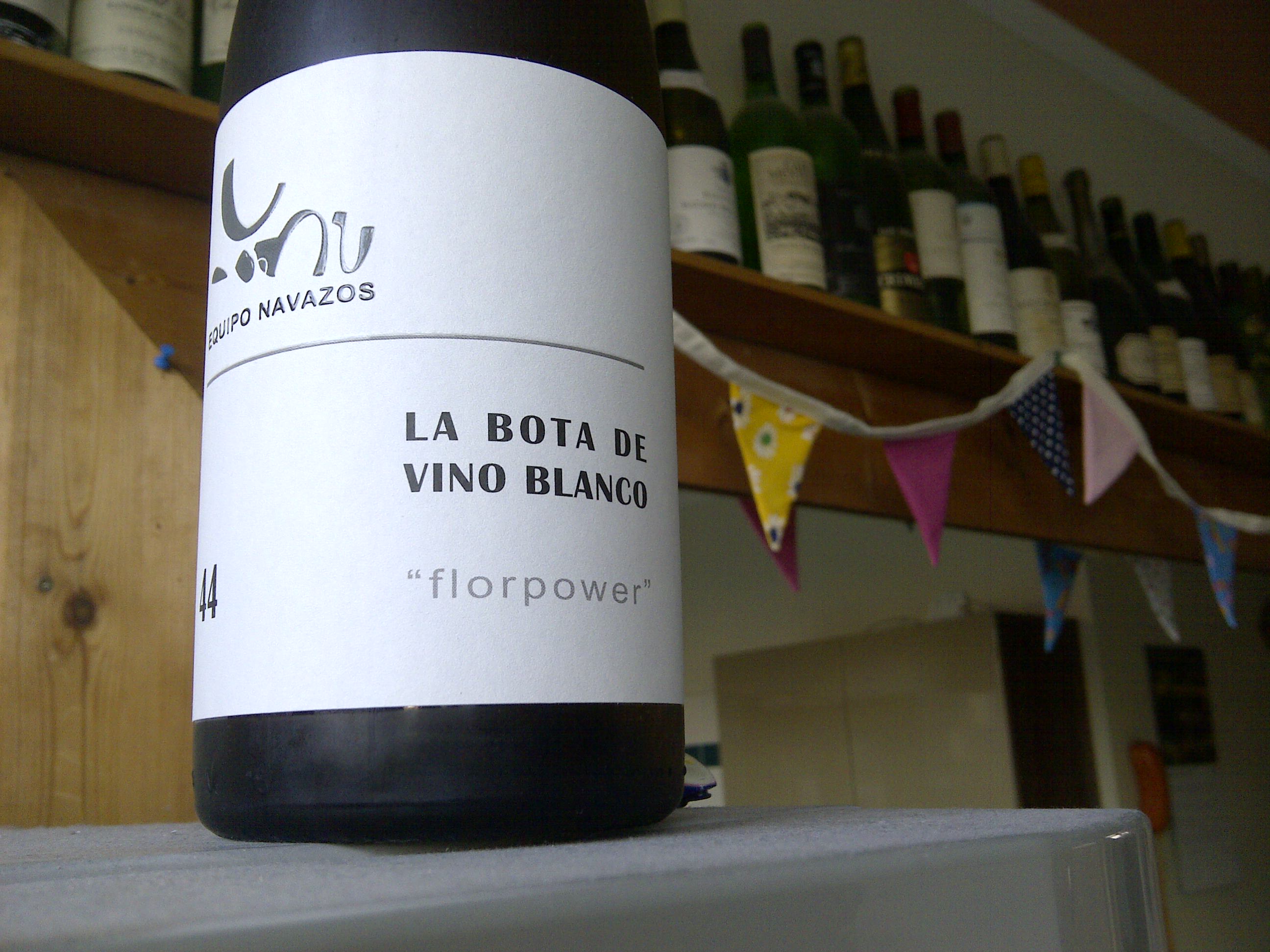
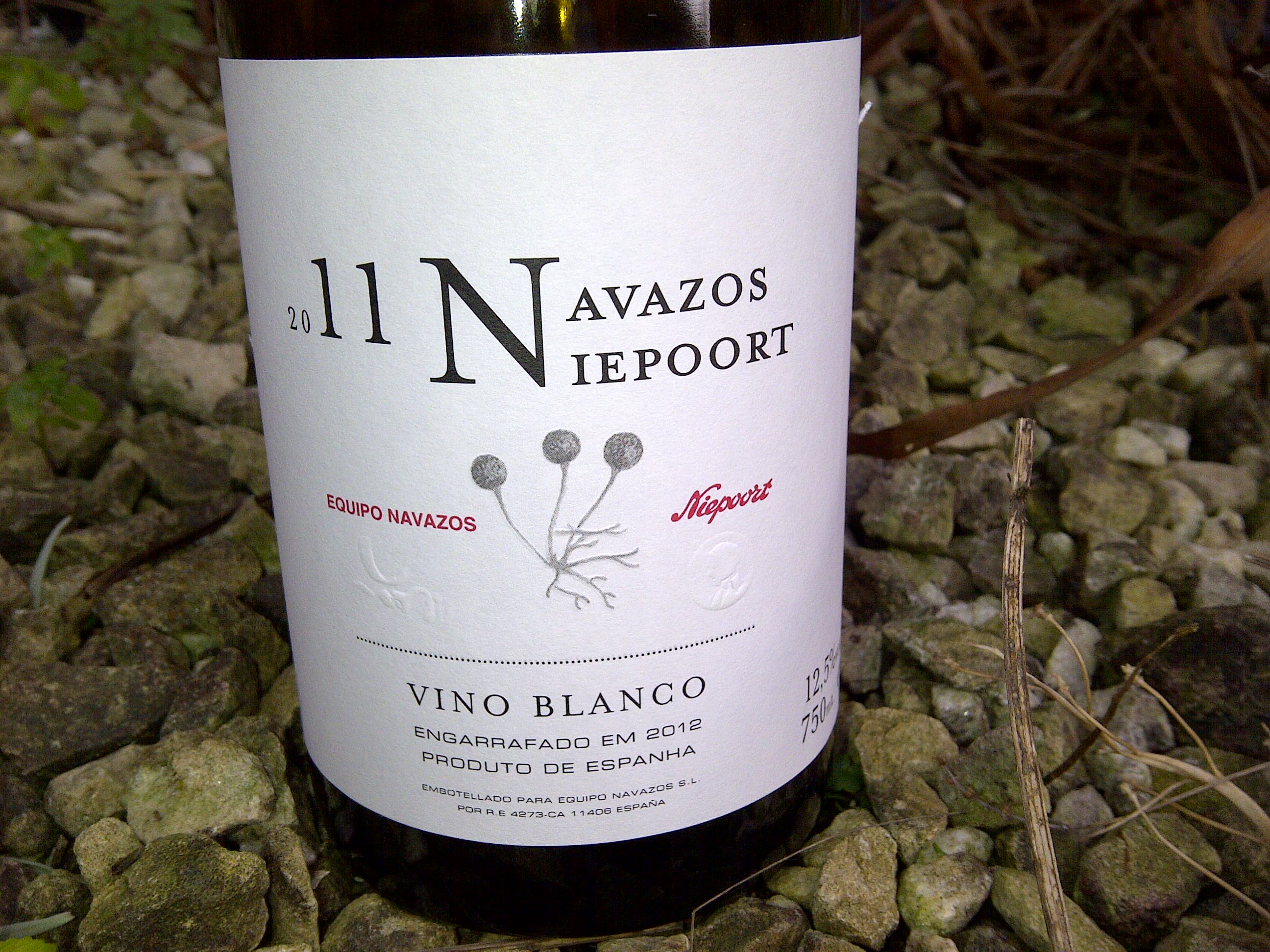
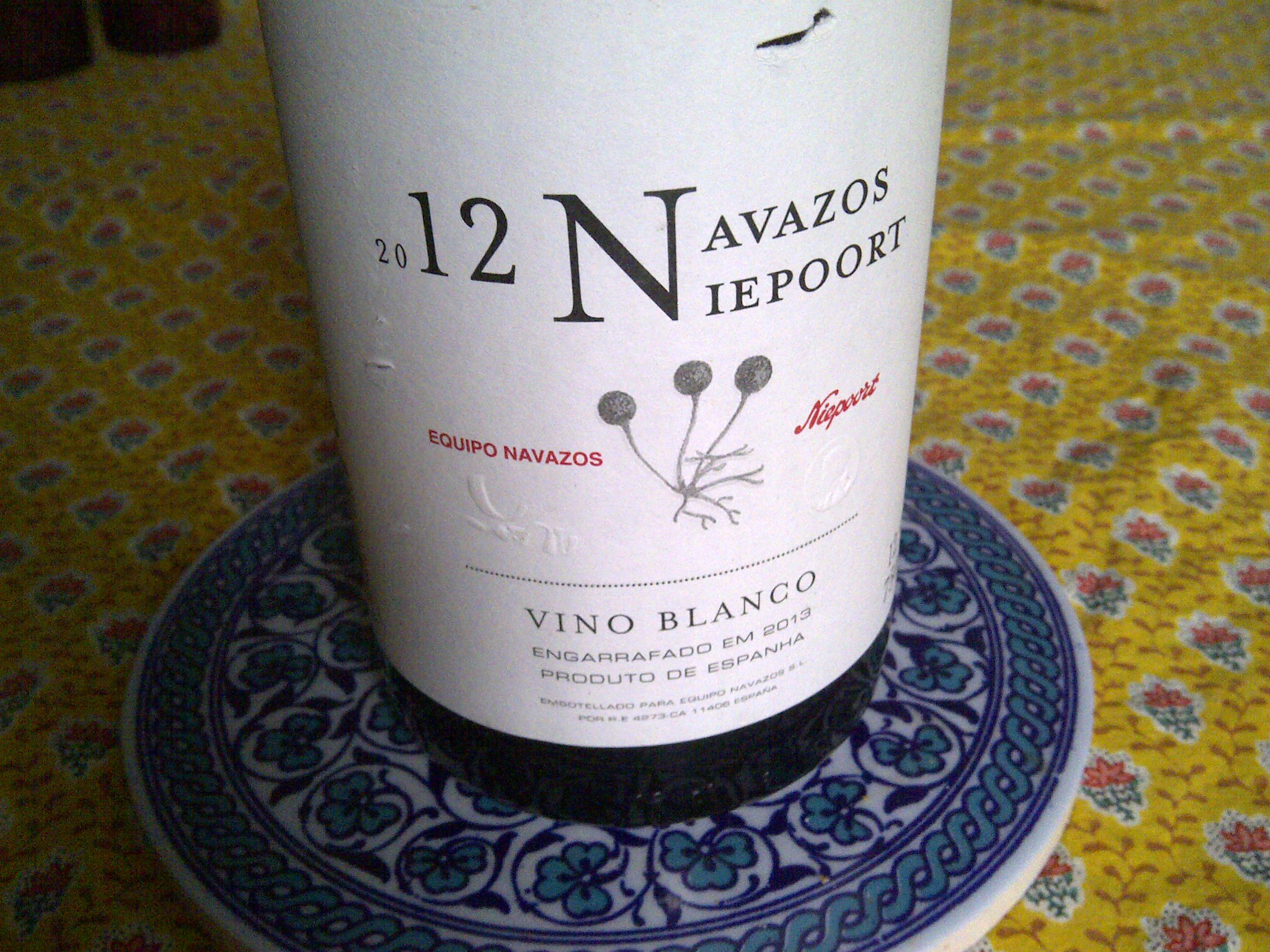
But Hugh, and many other slightly less sprightly wine writers, would probably be the first to admit they’ve not got much idea of what’s going on right now in Beaujolais (Sunier, Balagny?), maybe not drunk any (or many) Scholium Project, Anton Klopper or Gut Oggau? Perhaps, even, they are yet to explore the world class wines of Equipo Navazos with any determination? Of course, I could easily be wrong. Then again, I’ve nowhere, nowhere indeed, near the experience Hugh has of the delights of First Growth Bordeaux. I’ve never drunk Le Pin or Pétrus and it’s over ten years since I’ve even drunk Angélus. I could also do with a lot of fingers to list the Burgundy Grand Crus I’ve not drunk.

The world of wine has changed immeasurably in the thirty-plus years since I first drank a bottle of Mouton-Cadet and took home a bin-ended copy of George Rainbird’s “An Illustrated Guide to Wine”. As an avid reader of wine books (and magazines), it’s remarkable how these have changed. You used to look forward to the next book on Burgundy, and Tom Stevenson’s Faber book on Alsace was like Christmas to someone like me. Yet over the past six months I’ve read (among many) a book about California which covers none of Napa’s big hitters, a book about “Natural Wines”, a book about Jura Wines and a book about Riesling which actually covers North America in as much or more detail than Germany.

There is equally no doubt that wine magazines have broadened their content. This month the supposedly conservative Decanter has a very interesting tasting of the world’s best Chardonnays outside of Burgundy. World of Fine Wine manages to stretch that definition as well (imagine my pleasure at reading about Loire star and personal favourite Jacky Blot some issues ago).

The question is, do we see the new blood coming through in these media, the new wine writers who really have a sense of what is happening in the wide world of wine, and does it matter?

There is undoubtedly a feeling that the old hands of the print media are still around and in control. This isn’t necessarily a bad thing at all. They have tremendous experience. The question is, do they still have their fingers on the pulse? Do they still travel widely in their regions of expertise, meeting new stars and tasting new styles? And do they look to new media to see what’s happening as well?

This is where the “does it matter?” bit comes in. The most exciting wine writing (this apart) is via Blogs and Twitter helps dramatically in disseminating these sources . I don’t mean blogs like mine necessarily, occasional words from obsessive amateurs (I think about 80% of my wine friends seem to write wine blogs, many being good, some very good indeed, and I also know people who damned well should be writing one). I mean the pros who do it for (or as part of) a living – Wine Terroirs, Jim Budd, Jamie Goode etc, to name just three. Of course, some cross over to print, but their followers know where to seek out their real knowledge on a regular basis. Here, on their mobile devices!

Yet I still have a yearning that the established wine print media will fully grasp the real revolution happening in wine. The widening of the appeal of wine to younger drinkers via exciting new wine shops and wine bars promoting exciting wines which rarely get a mention (most, never) in the “wine press”. How I long to see Anne Krebiehl writing about German Spatburgunder in Decanter and Wink Lorch about Savoie Gringet in WFW (I could go on). Why, when I can read about such wines and many more on Twitter or on a blog any day of the week? Well, apart from the obvious fact that I like, and rate, such wines, the wine print media needs to attract these new drinkers if they are to survive the era during which the old world classics have become principally wines for successful business people and wealthy collectors.

So my plea – no need to ditch all the old guys (and older ladies). They have plenty to say, and some (people like Jasper Morris) often say it better than anyone else. But understand what is happening in wine out there. See what hundreds of wine lovers are talking about on Twitter and reading on the Web, and try to introduce some more of that into your print alongside the articles on Christian Moueix  and Chilean Chardonnay. You may say “but we are doing that”. I don’t disagree. But when I look at who’s going where for their wine-related literary nourishment, I see a fast moving world of exciting new producers, regions, grape varieties. A world which is truly alive. And a world for which there are a dozen or more new voices, relevant and fresh, waiting to be heard more widely.

Still, I did see someone Tweet the other day that “wine is fashion”, and to an extent that’s true. Blaufrankisch or Nerello Mascalese may have their day, but then Kerner, Sumoll, Listan Negro…;) .

Posted in Wine, Wine Books, Wine Writing | Tagged , , , , , , , , , , , , , , , | 4 Comments

Portland

My first job after university was up between Oxford Circus and Regent’s Park, an area not known at that time, at least to me, as a haven for fine dining. Late last year I returned to Great Portland Street for an illuminating evening tasting the Bourgognes of Mark Haisma and the Pinots of Bodega Chacra at Picture restaurant. We were back in the same street on Tuesday with one of the attendees at that dinner to sample the new, and much lauded, Portland.

Portland’s pedigree comes from being under the same ownership as the excellent Quality Chop House on Farringdon Road, though the main similarities seem to be a good wine list and the necessity to get out at somewhere on the Central Line and head north.

Whereas QCH has the sort of old world charm suggesting it has not changed in many decades, Portland is bright and modern, fashionably bare light bulbs and pale wooden furniture.

Westminster-20150210-00787


(Airy, modern, with an open kitchen)

There’s a tasty snack selection to begin with, and a recommendation for the pickled shitake mushrooms was spot on, not wine friendly but deliciously intense. My starter was described as a salmon confit, but it was effectively salmon in a foam with greens. The greens were delicious, a theme at Portland it seems (and for vegetables in general). K and DS went for scallops, hand dived (of course!) with a Jerusalem artichoke purée.

IMG-20150210-00783


(subtle mallard with a far eastern nod )

In a place where fresh ingredients and cooking what’s available are at the centre of what they do, the menu changes regularly. Looking on their web site today I see neither of the two starters we ate are listed, nor my particular main course of mallard (though mallard is there). The others went for the barley, mushroom miso, chestnut and truffle dish, which might be a Portland staple? I’m not always over enthusiastic about desserts, but the bitter chocolate with cep ice cream was excellent, a combination I’d never have thought would work so well.

Westminster-20150210-00784


(bitter chocolate with cep ice cream, aka Portland Mess, but really good)

Back to the wine list. It’s short but well formed, at least if you are fairly adventurous. There’s an interesting division into Textbook, Leftfield and Special. We typically went Leftfield and ordered Julien Labet’s “Les Varrons” Jura Chardonnay. I remember that one of the first Vin Jaunes I ever bought (after the ubiquitous Henri Maire Chateau-Chalon) came from Julien’s parents, Alain and Josie. That was a very long time ago and Julien is in charge of winemaking at the family domaine now, as well as making his own wines. This is a lovely wine, very much of its origin (Rotalier in the Sud-Revermont, south of Lons). Very complex, slightly exotic. The Portland wine list “on-line” actually suggests they have Labet’s “En Chalasse” Savagnin instead, an equally superb wine, but the Chardonnay went perfectly with my dishes.

Overall impressions here are very positive. The food is good, and inventive (as the large array of jars of pickled vegetables attest), and there is obvious ambition, as you’d expect from a chef called Merlin. The room is bright, and even seated near the open kitchen we were neither overwhelmed by its smells, nor by undue noise from the kitchen staff who work calmly. Copious quantities of water, still or sparkling, are poured without any specific charge, and service is added to the bill at 12.5%.

Westminster-20150210-00785

(Loo decoration! – a double mag of Cos is from 1950, which I understand may be a significant vintage for the mother of one of the owners?!)

Minor niggles were probably specific to our waitress who seemed not always to understand our requests – K asked for green tea, which was noted without comment, but what came was jasmine, although they changed it without question when the (unusual these days) lack of green tea was acknowledged. The food was served hot, but not my espresso. The rest of the staff we spoke to were very friendly and informative, especially in furnishing detailed information about the 16-seat private room downstairs.

The restaurant do say they may ask for the table back after two hours. I know the place is small and rents are high, yet what I call this English custom always grates a little, especially having spent a leisurely three-and-a-half hours, with three bottles of wine and digestifs, in Saint-Julien just a few days ago. Still, it meant we were home before ten o’clock, which has its plus points at the start of the week. It also meant not experiencing the very uncomfortable chairs for too long. I don’t think anyone tried dining on them before placing the order!

But the above are all minor points. I’d like to go back, for sure. Looking at today’s menu, the fallow deer, game pithivier and suckling pig are all making my late morning stomach rumble a little, and this meal was enough to suggest that there are dishes equally in need of sampling on the ever changing menu. But then I probably have a slightly stronger yearning to return to the Quality Chop House with that old world charm, for the very fine Berkshire pork along with those deliciously wicked confit potatoes, even though an evening up in Farringdon will mean a much later bed time.

Portland is at 113 Great Portland Street, London W1. Open Monday to Saturday for lunch and dinner, the latter usefully from 6pm. Booking advised, though when we arrived on Tuesday evening some clients without a booking were able to find a table without difficulty. There’s a good web site, though the menu on the night may not exactly match the one you peruse in the morning, not a problem on our part.

Posted in Dining, Wine Agencies | Tagged , , , | Leave a comment

Bordeaux Part Two

You have to feel sorry for your average wine writer, shipped around the world by wine bodies or smart producers. They may not earn a fortune, but the abundant hospitality that is wine will challenge their waistlines and livers, and make staying on a beautiful wine farm almost seem like a commonplace experience.

For the wine obsessive who blogs for pleasure it’s not always like that. Persuading busy producers to give you an hour before Robert Parker arrives, or engaging winemakers who fear you might be just another Brit who will guzzle back the samples and leave without buying anything, can be frustrating.

So it is really special when one is invited for a weekend experience which money literally cannot buy, as we were thanks to the generosity of Anthony Gates, fellow Wine-Pages forumite, and invitee of Chateau Pichon-Longueville. As four of us drove up the D2 towards Pauillac on a cold and misty Friday afternoon we joked that perhaps we’d be in caravans in the car park, but obviously that was not the case.

Pauillac-20150207-00764


We stayed in rooms which were fully commensurate with the grandeur of this most beautiful of Haut-Médoc Chateaux, with the added luxury of the whole ground floor to ourselves – a large dining room (where six of us sat at a table for at least fourteen), three drawing rooms and a billiard room, with more hidden corners beneath the turrets, all connected by a long sweeping stone staircase.

Pauillac-20150206-00751 Pauillac-20150206-00752

So this was our base for the weekend. In Part One I recounted our extra-chateau activities, and here I want to talk about the tasting and dinner we were treated to at Pichon-Longueville.

Our main contact at Pichon was Nicolas Santier, Responsable du développement réceptif et tourisme for Chateau owners, AXA Millesimes. AXA, who also own Suduiraut (in Sauternes), Petit-Village (Pomerol), Pibran (also Pauillac) plus famous estates in Burgundy, Tokay, Douro and Languedoc, took over Pichon-Longueville in 1987. At that time the chateau was very run down, but they have completely restored it. Today it’s used for occasional hospitality – important people such as clients and wine writers…and now us.

We had a rendezvous with Nicolas late afternoon for a tour of the Pichon-Longueville winemaking facilities and a tasting. The new facility, which is underground, some beneath the lake which fronts the chateau, is very modern. The tall, cylindrical vat room is breathtaking and one of the barrel halls sits directly beneath the lake with round portholes both bringing in light and showing the water above.

IMG-20150207-00774 IMG-20150207-00773

Winemaking here is pretty traditional, but the investment of a Super Second allows plot-by-plot vinification and micro management of different batches. Unlike Pichon-Lalande over the road, Longueville has one large plot for the Grand Vin directly to the left of the chateau. The grapes are therefore right by the cuverie.

IMG-20150207-00767

Our tour was peppered with many stories, some which perhaps one shouldn’t repeat, but Nicolas did tell us how this beautiful chateau is increasingly the backdrop to (Chinese) pirate weddings. A coach arrives, a bunch of people pour out, including bride and groom in their finery, photos are taken, and then they screech away as if they think what they are doing is illegal. Nicolas said they don’t actually mind so long as they don’t cause any disruption. He found their fear of capture quite funny.

IMG-20150207-00772

(A few old bottles safely stashed, too safely…had my eye on the ’59s)

The tasting room is as smart as one would expect, and pretty luxurious compared to anywhere we’d been earlier in the day. We settled into our chairs to be treated to a selection of gems including Second Wine “Les Tourelles”, Pibran and the new selection from the Grand Vin vineyard, “Les Griffons” (emphasis on Merlot, small production), all 2012, and three vintages of the Grand Vin (2009, 2010 and 2012). Needless to say, all were exemplary. A couple of us preferred the more fleshy 2009 but I, along with the majority, were knocked out by the 2010, especially its drinkability (whilst obviously having a very long life ahead).

IMG-20150207-00775 IMG-20150207-00779

We were to be treated to dinner at the chateau on Saturday evening, and we had no idea what would happen regarding wine, so we’d purchased a few bottles just in case – a couple of Haut-Marbuzet, a Blanc de Lynch-Bages and a Lynch-Bages 1998. A hint they may not be needed was when Nicolas said we may as well take the newly opened bottles of 2009 and 2010 back as an aperitif! These were consumed watching France beat Scotland.

IMG-20150207-00778

(09 on the left, 10 on the right)

As it happened, we were more than well catered for. Canapés accompanied a Jacquesson 737, a super scallop starter by the dry “S” de Suduiraut 2012, local lamb with two more Pichon-Longueville (2003 and 2004) plus the gentle Lynch-Bages 1998. A pineapple cream dessert was accompanied with a really beautiful Suduiraut 2005, lots of freshness and lacking overwhelming botrytis. The chef introduced each course. He looked in his very early twenties, and he did an excellent job.

Pauillac-20150207-00781

The evening finished with billiards, of sorts. It would have finished with Armagnac but a late night search the day before had only yielded up a Lidl. For €10 we could hardly expect the stars. We smelt it and some of us tasted it, but it was perhaps just as well none of us could drink it. It would have been a sorry way to end such a marvellous day.

But nothing could spoil such a weekend, not even the dire holding pens, reminiscent of a cattle market, in the easyJet “shed” at Mérignac as we awaited our flight home. I doubt I’ll ever experience a wine weekend like this again. A very big thanks to Nicolas Santier and the staff at Pichon-Longueville for their hospitality, and, of course, thanks beyond measure to Anthony Gates for inviting my wife and me along. Only one word fit to finish on – Wow! And Thank you!

IMG-20150207-00771

Posted in Bordeaux Wine, Dining, Wine Agencies, Wine Tastings | Tagged , , , , , | 1 Comment

Bored-No! – Bordeaux Part One

It is years since I’ve set foot in the Bordeaux Region, and what was once a weekly staple has become a rarer beast at table here. But there’s no reason why there should not be room for a little more Bordeaux in this brave new world of wine. There’s really nothing like a wine trip to revitalise one’s enthusiasm, and this was a great weekend. Especially as it involved staying at Pichon-Longueville, six guests, totally on our own except for the occasional member of staff.

I’ll talk about that in Part Two, including the wonderful cellar tour and tasting, followed by dinner in the Chateau, but first I want to talk about a very decent restaurant in Saint-Julien and a couple of interesting Chateau visits laid on with the help of Pichon’s staff.

There’s only one daily flight out of Gatwick to Bordeaux, but it’s just after 8am. So even with the usual delays EasyJet seem to treat us to with some frequency, we still managed to find ourselves in a bleak, cold and mostly closed Saint-Emilion by lunchtime, and even better, we found ourselves in one of those restaurants, just a step up from a café really, where you can get a decent steak-frites, crèpe and coffee for under twenty quid. Here we had the added pleasure of Saint-Emilion by the glass, “old vintage” for €1 extra. That turned out to be a 2000. Okay, the Chateau was not one we’d heard of, but a glass of 2000 for €5.90 was not bad at all.

The drive from Saint-Emilion to Pauillac is longer than I remembered, but we had time to find some further liquid refreshment before our expected arrival time at Pichon, so we made a stop at the hamlet of Bages, just touching the southern edge of Pauillac town. Bages didn’t exist in its present form last time I was here, but now, just around the back of Chateau Lynch-Bages, is a nicely renovated square on which you have the café-bistro Lavinal, a smart bakery, the “Bages Bazaar” and, over the road, a fine butcher.

Lavinal is a good place to grab a beer or coffee, after a hard day’s tasting, and the following day we had a very decent lunch there as well (though don’t look for cheap Lynch-Bages on the wine list despite their ownership of the hamlet and its attractions). Fish soups, rabbit, and one of us braved the Bages Burger, very tasty but big, so recommended on all counts for a stop between chateau visits.

After being installed in our rooms at Pichon and waiting for the arrival of the last two guests (actually our hosts) flying in from Brussels, we drove down to Saint-Julien for dinner at the aptly, if unimaginatively, named “Le Saint-Julien”. This place was recommended by both Tom Cannavan (of Winepages) and Nicolas Santier at Pichon-Longueville. It was pretty quiet for a Friday night, albeit in February (only one other table taken), but all six of us would recommend it. There’s plenty of bird and fowl on the menu. I had pigeon, others ate guinea fowl, and local lamb was enjoyed as well. Two of us actually claimed to have eaten the best pear dessert they’d ever had. I went for the assiette des fromages. It was actually only one cheese, a big spoonful of Mont D’Or. Luckily I like Mont D’Or.

The wine list isn’t extensive, and there aren’t many older vintages. Indeed, rather than drink 2009 or younger, or spend €290/bottle, we began with a Pol Roger, followed by a Gloria and a Fleur-Milon, both 2007. Both very decent, though obviously nothing special. I have a soft spot for Chateau Gloria, though others may have preferred Fleur-Milon.

IMG-20150206-00753

The next day, Lynch-Bages was a nice half hour post breakfast stroll through the vineyards. There’s a tour anyone can go on, booking recommended, which costs €9 each. You get to see the vat room, cuverie etc with a very good explanation of processes and philosophy (our guide, Solène, was excellent, very friendly, relaxed, and happy to answer questions).

IMG-20150207-00757 IMG-20150207-00758

(The tanks above actually contain the rare Lynch-Bages Blanc, to be had for €35 in the Bages Bazaar shop. And I did!)

This is followed by a nose around the “museum section” where we saw the old vats and, upstairs above them, the old rail tracks and press, an ingenious way of moving the grapes around to make the wine. Then you get a tasting. We got Les Ormes de Pez 2007 (Saint-Estèphe, also owned by the Cazes family) and Lynch-Bages 2007. I think for being good we also had a glass of Bel-Air, their white from the Graves.

IMG-20150207-00761 IMG-20150207-00762

(Solène was a fun guide with a few nice stories up her sleeve)

There certainly is a lot of 2007 Bordeaux, on restaurant lists and on the tasting tables at the Chateaux. It’s easy to knock, easy to joke about how to get rid of this lesser vintage, yet I suppose you can say that at least it’s easier to taste than a much younger vintage. It also tasted better than I remember on all the occasions we drank it, but the location may have influenced us. I won’t be rushing to buy some, but I won’t be scared of ordering a well priced example in a restaurant either. From a good address.

After the tasting you are let out of the back door, which opens (lo and behold) onto the Bages Square, where one is (gently) directed to Bages Bazaar if you care to make a purchase. They even sell polystyrene wine cases for those wishing to book in some hold baggage, along with a vast array of tempting (if expensive) kitchenware.

After lunch at Lavinal we had our own trip up to Saint-Estèphe, for a tasting at Chateau Haut-Marbuzet, a drive which gives a view of some more of the finest properties in the Haut-Médoc. We already had a view of Pichon-Lalande and Latour from our bedroom window, but the curve in the D2 on which sits Lafite in her park on one side and the great wall of Cos D’Estournel on the other is one of the grand sights afforded by a drive through Pauillac to Saint-Estèphe.

Haut-Marbuzet may not have the cachet of Pichon or Lynch-Bages even, but it’s very much an insider wine, a typical Saint-Estèphe, a wine with structure that can age with finesse. It’s currently run by Henri Duboscq whose family have owned the property since the early 1950s, and it was one of the original nine Chateau classified as Cru Bourgeois Exceptionnel in 1932 (a sub-classification no longer existing following the annulment of that Classification). Set between Cos and Montrose on a nice plateau, one can understand why many consider this estate as being of Cru Classé quality, just as Lynch-Bages is considered more at the level of a Second than a Fifth Growth.

IMG-20150207-00768

(Haut-Marbuzet barrel hall)

The tour and tasting follow a similar, if more truncated, path as that at Lynch-Bages. Less professional perhaps though more personal, and in this case free. And we were generously treated to five wines, all newly opened for us: a Duboscq Médoc, Ch Chambert-Marbuzet 2011 (a Cru Bourgeois of 5 hectares), and Haut-Marbuzet from (in order) 2007, 2011 and 2010. As I said, very generous. And our first 2010 of the weekend showed the genuine class of this “vintage of the, cough, millennium”.

IMG-20150207-00769

Part Two will follow – in which a group of very lucky people make you seethe with jealousy as they slug back vast quantities of Pichon-Longueville, some other equally lovely fine wines, and are forced to leave a bottle of Lidl Armagnac untouched (we did smell it, and a small, very small,  amount passed the lips).

Posted in Bordeaux Wine, Dining, Wine, Wine Tastings | Tagged , , , , , , , , , , | Leave a comment

What, More Switzerland?

139IMG-20140729-00472

Jancis devoted her FT Column this week to Swiss wine. Much of it covered the native Fendant grape variety (aka Chasselas), and it didn’t seem she was too fond-ant (ouch!) of it, despite an otherwise very positive article. Fendant is not, I agree, the most exciting thing to come out of Switzerland’s 15,000 hectares of vineyard, though it does have its place – we guzzle down a fair amount with Geneva friends, often with fondue and other cheesy dishes, or with salted nuts as an aperitif.

Yet Switzerland does indeed have so much more to offer, both in wine and in wine tourism. The country is blessed with a Unesco World Heritage vineyard, the terraced slopes falling down to Lac Léman near Montreux, known as Lavaux. It is blessed with some of the most stunning vineyard scenery in Europe, high up the Rhone Valley from Martigny, through Sion, to Brig. And the wine villages of the Pays de Génève, which sit in duvet-like folds to the west of the city, are both attractive, and offer the visitor easy access to a selection of improving domaines keen to receive visitors

Switzerland boasts a whole raft of grape varieties she can call her own. Some are very rare indeed, such as the Rèze mentioned by Jancis, the equally rare Gwass, and Heida (aka Païen), which is a relation of Gewurztraminer, but often placed on the Savagnin side of that family. However, when starting out on a journey of exploration the white grape to look for must be the Petite Arvine, producing wines of singular freshness at its best, and easy to find. The rounder Amigne is also worth a sniff. For reds look no further than Humagne Rouge and Cornalin, both capable of producing fine wines. But it’s also worth noting that Switzerland produces many fine versions of French grape varieties as well, perhaps excelling most with Pinot Noir (especially in Graubunden and the Valais), Syrah (Valais) and Merlot (Ticino).

148

If you are visiting Geneva‘s vignoble do try all varieties on offer, Gamaret included (something of a Génèvoise speciality, the origin of which I’ll leave to the adventurous). There’s also some good light Chardonnay, Pinot Noir and Gamay, decent Aligoté, and some very nice pale pink in the vin gris style, which used to be called Oeil de Perdrix before that name was claimed, at least in Switzerland, by the growers up in Neuchâtel. Other strange vinifera crossings you might come across are Diolinoir and Garanoir – perhaps you get the gist. (See the Geneva Region recommendations below).

146

Another wine you’ll come across lots of is Dole, a blend of Pinot Noir with Gamay, found in the Valais. I’ll admit that much Dole should be avoided, seeking refuge instead in Lafarge’s Bourgogne-Passetoutgrain L’Exception for this particular blend, but as is often the case, there are “exceptions”, such as the recommendation below, from a producer Jancis recommends for her Petite Arvine.

IMG-20140205-00251

As for Fendant, it would be a shame to ignore it completely. The heartland for the grape is the Vaud, which divides from Geneva to Lausanne as La Cote and Lausanne to more or less Monthey (round the south-east of the lake) as Lavaux and Chablais. Look for La Cote examples from the villages of Mont-sur-Rolle and Féchy, Lavaux wines from named Grand Cru (sic) villages close to Montreux – Epesses, Calamin, Dézaley and St-Saphorin (among others), and Chablais Fendant from Aigle. As a broad rule of thumb, ripeness or roundness increases as one travels west to east and then south along the north shore and beyond. Lavaux provides the greatest differentiation between villages and, if indeed it can be found, the greatest complexity.

RECOMMENDATIONS

Geneva

145 Brighton and Hove-20140519-00375

The Tourist Offices in Geneva often have a great map for touring the vineyards (“Le Campagnon” sic). The bulk of the best addresses are in the neighbouring villages of Dardagny and Satigny on the north side of the Rhone, an area known as Le Mandement, quite close to the French border. The cellars are often happy to conduct tastings and welcome wine tourism. Domaines to check out include Domaine Les Hutins, Domaine Les Faunes, and Domaine du Centaure (all Dardagny). But there are plenty of choices – I’m keen to try out Sophie Dugerdil’s wines. The Geneva Co-operative (Satigny) is also quite well regarded, especially for experimental varieties. The other cluster of interesting producers is around Lully, over the river near Bernex. The map mentioned above lists opening times for the domaines.

Valais

There are more world class (or near-world class) producers between Martigny and Brig than in any other part of Switzerland, so the following is just a snapshot, based on grape varieties. Some can be found in the UK via Alpine Wines (also known as Nick Dobson Wines, online only at alpinewines.co.uk) run by Swiss ex-pat Joelle Nebbe-Mornod. The Geneva branch of Lavinia (3bis rue de Coutance) has an excellent selection up the stairs at the back if you happen to be in that city. Any wine from the producers below is worth trying, the wine in brackets only being a suggested example of that type.

Marie-Thérèse Chappaz, Fully (for Dole, Jancis recommends the dry Petite Arvine)

Simon Maye, Chamoson (Humagne Rouge, Syrah)

Jean-René Germanier, Vétroz (Syrah)

Denis & Anne-Catherine Mercier, Sierre (Cornalin, Pinot Noir)

Dom. de Beudon/Jacques Granges-Faiss, Fully (biodynamic Humagne Rouge)

Chateau Lichten/Rouvinez, Sierre (Petite Arvine)

Charles Bonvin, Sion (Amigne du Valais)

IMG-20131215-00209

For those wishing to explore further, a wonderful Petite Arvine from over the St-Bernard, in the Aosta Valley in Italy, produced by the excellent Les Crêtes, is available via Les Caves de Pyrene in the UK. There is also a strange speciality of the Valais, which every wine obsessive should look for in the region (and I have found it in a Geneva wine shop), – Vin de Glacier. Often aged in pine casks high in the mountains, it is slightly thereby reminiscent of retsina! It tastes as scary as you’d imagine it would, but you only live once! The valleys south of Sierre (Val d’Anniviers) and Visp (Visperterminen) are places to let out the sniffer dogs.

Graubunden/Bundner Herrschaft

Last but not least, this eastern Canton, north of Chur, not far from Lichtenstein and the western Austrian region of Vorarlberg. You won’t see Graubunden on wine labels, just the names of the wine villages of (north to south) Flasch, Maienfeld, Jenins and Malans, labelled in Swiss-German as Maienfelder, Malanser etc.

The king of this region, and some might say the king of Swiss wine, is Daniel Gantenbein. We pitched his Chardonnays and Pinot Noirs against top Burgundies at a dinner at The Ledbury in 2012 (versus Leflaive, Fourrier and Engel) and the Swiss wines acquitted themselves admirably. His wines are rare and expensive (try Geneva Lavinia or, very occasionally, Hedonism in London), but a taste of the region can be found for (slightly) less money from Peter Wegelin (also a Jancis rec), Von Salis and the Weinkeller zum Stauffacher (perhaps in descending order of quality). But Gantenbein is special.

Brighton and Hove-20140326-00308

As a final comment, Jancis did mention the situation with the Swiss Franc, which no longer being benchmarked to the Euro has simply got stronger. This is terrible news for anyone trying to import Swiss wines into the UK, but as far as I can see, Alpine Wines’ prices have yet to rocket. Perhaps give them a look before they do. You will find that the reason we don’t see many Swiss wines here in the UK has nothing to do with quality and much more to do with quantity (or lack thereof).

Thank you Jancis for highlighting this forgotten wine producing country. I hope the information here fleshes out or builds upon some of the information in the FT Column, and perhaps stimulates a few readers to explore what Switzerland has to offer.

[Jancis Robinson’s Column on Swiss Wines mentioned in this post appears in the Weekend Magazine of the Financial Times, Saturday 31 January 2015]


Posted in Swiss Wine, Wine, Wine Agencies | Tagged , , , , , , , , , , , , , , , , , , , | 1 Comment

Winter Oddities

The pleasure to be had in a fine wine lunch, say a selection of a dozen fine Bordeaux or Burgundy accompanied with fine Michelin cuisine is undeniable. It therefore seems churlish to say that occasionally some superb wines get lost in the general excellence. It might equally be said that a lunch where assorted wine obsessives bring along random unusual bottles might just lead to confusion. But for some reason, it doesn’t. Not often.

The winter Oddities lunch provided, I think, the best overall selection of wines we’ve had so far. The long table at Rochelle Canteen in Shoreditch suits the format, which involves assessing the wines blind and making fools of ourselves as we guess what they are (as I did when suggesting an uncharacteristically non-acidic Aligoté was a Bordeaux white blend).

The school-style tables and chairs might not give much comfort but being crammed together just adds to the atmosphere of bonhomie. As does the food, wonderful as always. Hearty, perfectly judged in quantity, unfussy yet delicious ingredients. I felt yesterday that I could just stick a pin in the menu and be completely satisfied with my choice…and I was. A veal consommé, rosy lamb and blood orange ice cream were delicious enough, but tasting the pressed pig’s cheek and the smoked eel pie suggested these choices would have satisfied equally.

Tower Hamlets-20150129-00739

We had fourteen wines between twelve of us, and it would be impossible to describe them all, yet pretty unfair on those not mentioned in detail too, there being nothing remotely approaching a dud.

My main contenders for the “WOTD” accolade were, in order of tasting:

Barranco Oscuro‘ s sparkler from Granada, softly complex, hints of red fruits, deliciously refreshing and remarkably good value if you can ever track some down.

Scholium Project Gemella 2012 a Verdelho blend with Chardonnay et ors from this exemplar of the New California. Herby dryness, tender, quite complex. All Abe Schoener’s wines are fascinating and this one, by no means his most expensive, is up there with the best.

Tower Hamlets-20150129-00738

Radikon Ribolla Gialla, Collio 2000 benefited amazingly from fourteen years ageing, a lovely orange wine with no hint of skin tannins (it had two-and-a-half months contact). In some ways a words fail you wine, a treat. Weight and complexity like few white wines, yet retaining elegance and poise.

Pietradolce Archineri Etna Rosso 2010 still youthful, some of the old bush vines here are pre-phylloxera Nerello Mascalese, grown from 600 up to 9oo metres on Etna’s northern slopes in the contradas of Zottorinoto and Rampante . Savoury with an emerging complexity suggesting I really need to buy some of this!

Can Ràfols dels Caus Sumoll 2009 really shows, yet again, what a fine grape Sumoll is. And to think I’d never had one until maybe last year. Also an example of how the area of Spain between Granada and Penedès (this is the latter) is really becoming a centre of excellence. There’s a lightness here that you don’t always get from southern Spain, yet I guess that’s a cliché now. It has something in common with the freshness of the reds from Northwestern Spain (I guessed this as a Bastardo from up there, but the Sumoll is actually a bit rounder).

Tower Hamlets-20150129-00741

Vin Alto “Celaio” 2004, Clevedon, NZ was totally new to me. Enzo Bettio established a vineyard overlooking Waiheke Island and the Coromandel Peninsula on the edge of the Hunua Ranges, hence the winery name. Although I think Enzio set out to make Ripasso styles to mirror those of Verona, Celaio is in fact based on the Montepulciano grape, with additions of Cabernet Franc and Merlot. A fine New Zealand red with depth of fruit and a touch of class. A small producer to seek out.

Tower Hamlets-20150129-00742

Coteaux du Layon!!! The first of these had almost no label and we thought it was a 1989. Then we saw the cork, which suggested 1985. The next bottle’s label had survived, showing a producer unknown to me called Gaugaud (on whom I can find nothing) with the same name on the previous cork. Good as the 1985 was, the ’89 was a step up, especially in freshness. How delicious these 1989 Layons have proved to be, and this was still going strong.

Tower Hamlets-20150129-00744

Very honourable mention must go to a 1978 Echezeaux from Henri Gorgoux, which, despite heavy sediment and clearly a lot of age, was a fascinating wine. As were a Rollin Aligoté, Lincoln Estate Eyre Peninsula Cabernet, a rare Pinot (d’Aunis) variant from La Grapperie (“Adonis”) in Coteaux du Loir (sic), an Orovela Saperavi 2007 and a sweet Malvasia from La Palma (Canary Is).

Thanks to all at Rochelle Canteen for making us as welcome as ever, and for your forbearance as we get progressively noisy by 4pm!


Posted in Dining, Wine, Wine Tastings | Tagged , , , , , , | Leave a comment

Victory!

Yesterday I attended The Wine Society’s “Masterwined” Quiz, as part of a crack Winepages team. Most readers will know that http://www.wine-pages.com, run by Tom Cannavan, contains the most civilised wine forum in the world. It’s a place where you can pretty much find the answer to anything, whether or not wine related, so generous and friendly are those who inhabit it. But the wine knowledge there is pretty impressive, so as well as individual honour, the pride of the Forum was at stake too.

IMG-20150119-00731

The event took place at the impressive Merchant Taylor’s Hall on Threadneedle Street in the City of London, more than forty teams of six players competing for the London title. I can’t say a lot about the questions themselves – the event is to be repeated around Britain and they don’t want the answers to be given away. But I think I can reveal that we entered the very smart Livery Hall to find nine wines in front of us to be tasted blind. With each wine we got a set of questions, some related directly to the wine and some not at all. In addition, as we went on we also had to fill out some answers to supplementary questions. Some questions were not too difficult, a few were fiendish, a few more were very odd.

IMG-20150119-00733


Just how do you prepare for such an event? I saw a good few faces familiar from London tastings, so it was obvious it was going to be a serious battle. I heard that one rival team had been getting together for practice tastings, but we followed the trusted method learned through years of tasting experience:

1. Make sure your trainee MW team member has to go to South Africa at short notice;

2. Ensure at least one member (me) has flu but gets better just in time, on the day (if your palate and nasal passages are shot you really have to look at the wine);

3. Load up with protein (a burger at Brasserie Blanc) but avoid the spicy sauce (failed)

4. Don’t drink any wine beforehand – some drank beer or water, I find a G&T cleanses the palate.

Well, with those preparations we were bound to win, and I can say we did, fair and square but certainly not with ease as one team pushed us almost to the end. It was great fun, really well organised by The Wine Society (especially as they frantically added scores as we went along so we could see how we were doing on the screen). Each winning team member won a bottle of their own label Champagne (from Alfred Gratien) to take home, a nice touch. I hope we shall be back to defend the trophy next year. What could be done to improve the event? Well, a branded Wine Society pen (well, if the Wine Gang can do it)…and that question, yes, you know the one if you are listening. Take it out!

IMG-20150119-00732

Team (clockwise from left): – Alex Lake, Simon Grant, Bryan Collins, David Pope, Chris Hambleton (I took that photo, cleverly avoiding inclusion).

Posted in Wine, Wine Tastings | Tagged , , , , | 2 Comments