
For the second part of Cork & Cask’s Summer Fair coverage I’m looking at the gems on the tables manned by Indigo Wines and Moreno Wines. Both boast strong Spanish portfolios, but the range of what they import goes way beyond Spain, as was evidenced by wines here from Indigo which included South Africa, Campania, Germany’s Pfalz and Burgenland, and Moreno which included some tasty Italians, especially the Nebbiolo, alongside the Spanish wines they brought along.
I didn’t mention this in Part 1, but Cork & Cask organises two wine fairs a year in Marchmont Church, around a two-or-three-minute stroll from their shop. Both are well worth the trek for me. Tickets for the public cost £25. At the weekend there were just short of 150 drinks to taste, and even in three parts it wasn’t really possible for me to taste everything, nor indeed at every table. I’m fairly sure that some of the attendees managed it, or at least came close and so £25 (with a 10% discount on shop sales on the day thrown in) is pretty reasonable (about three glasses if you are lucky in a restaurant).
As in Part 1, prices are those charged retail by Cork & Cask.
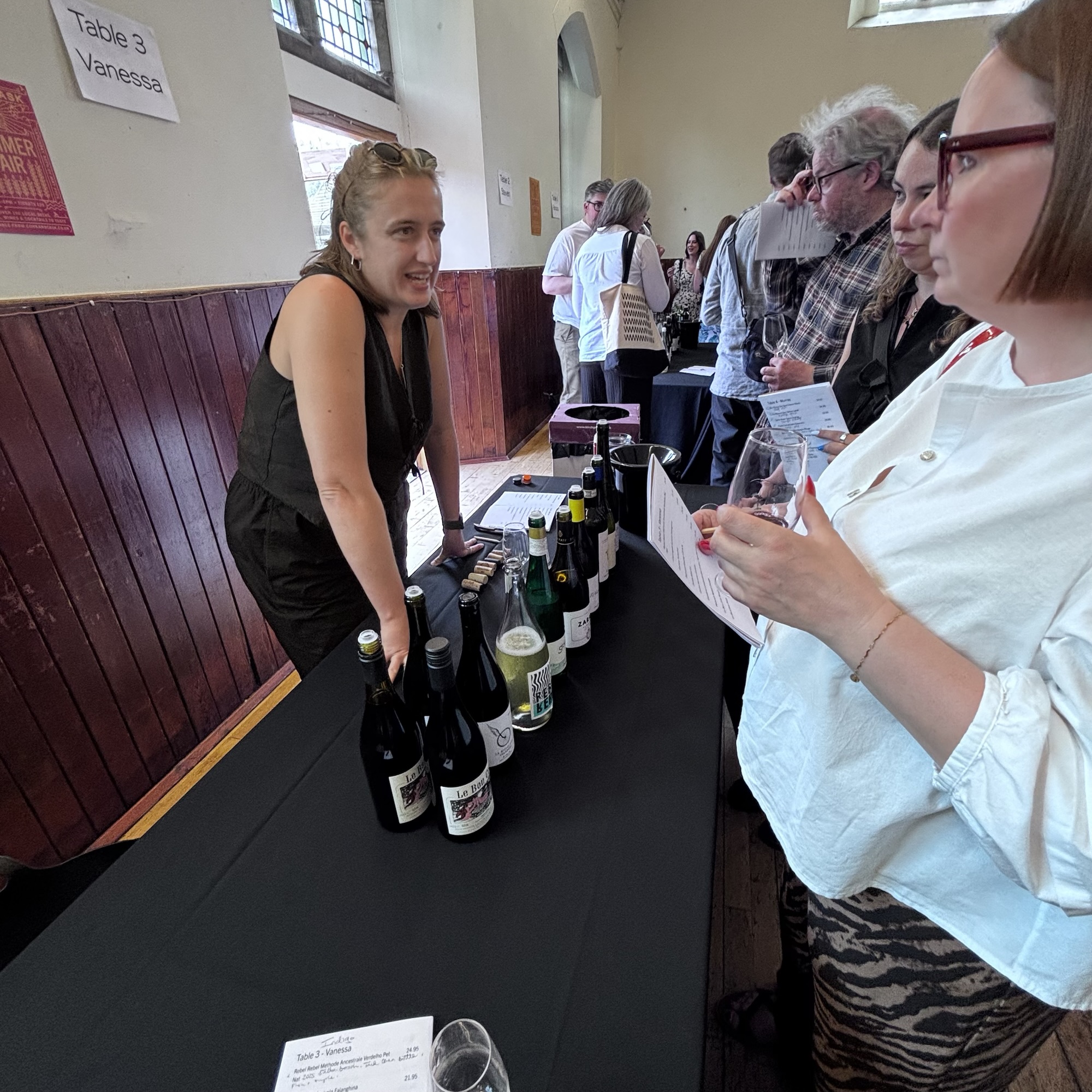
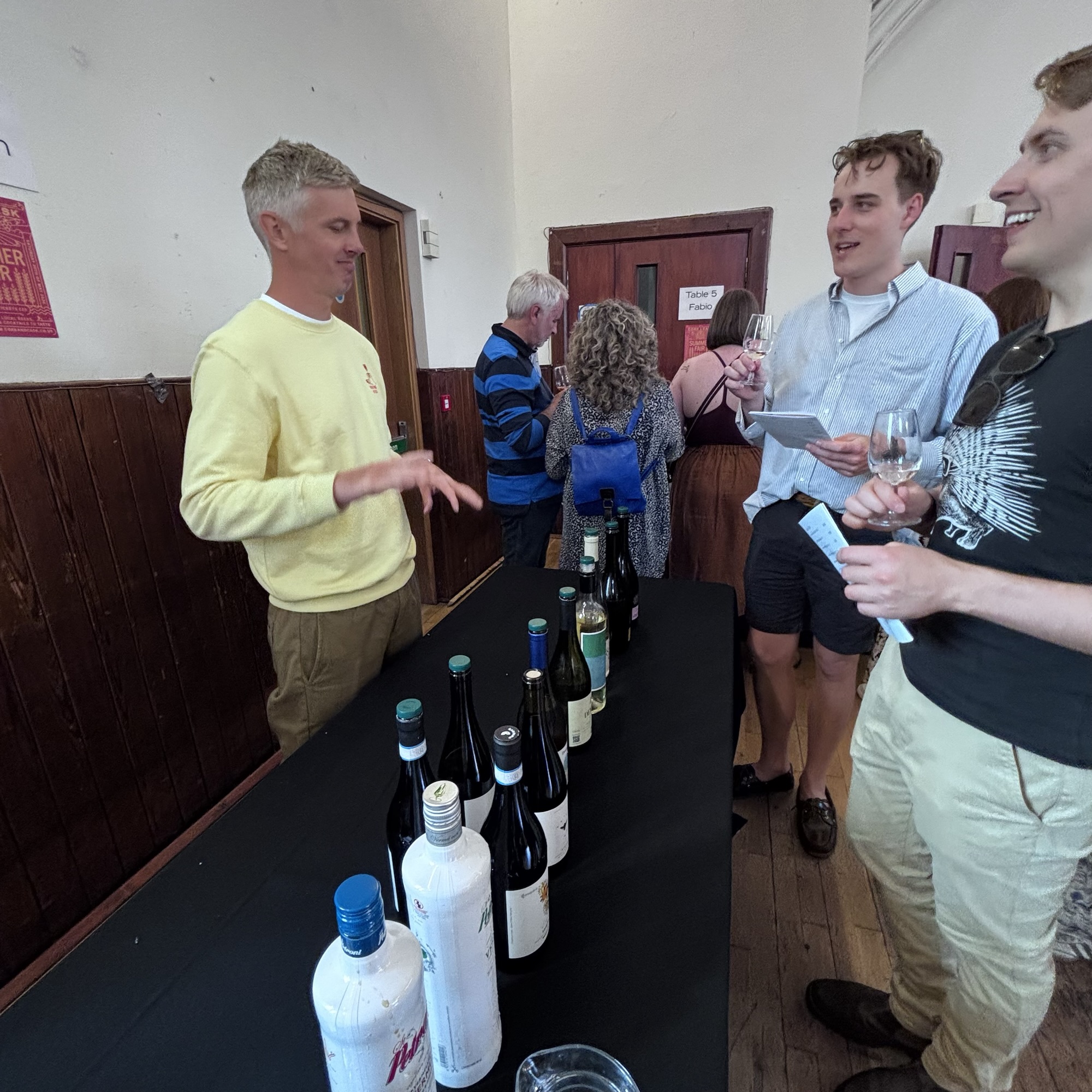
Vanessa (Indigo) and Hamish (Moreno)
INDIGO WINES
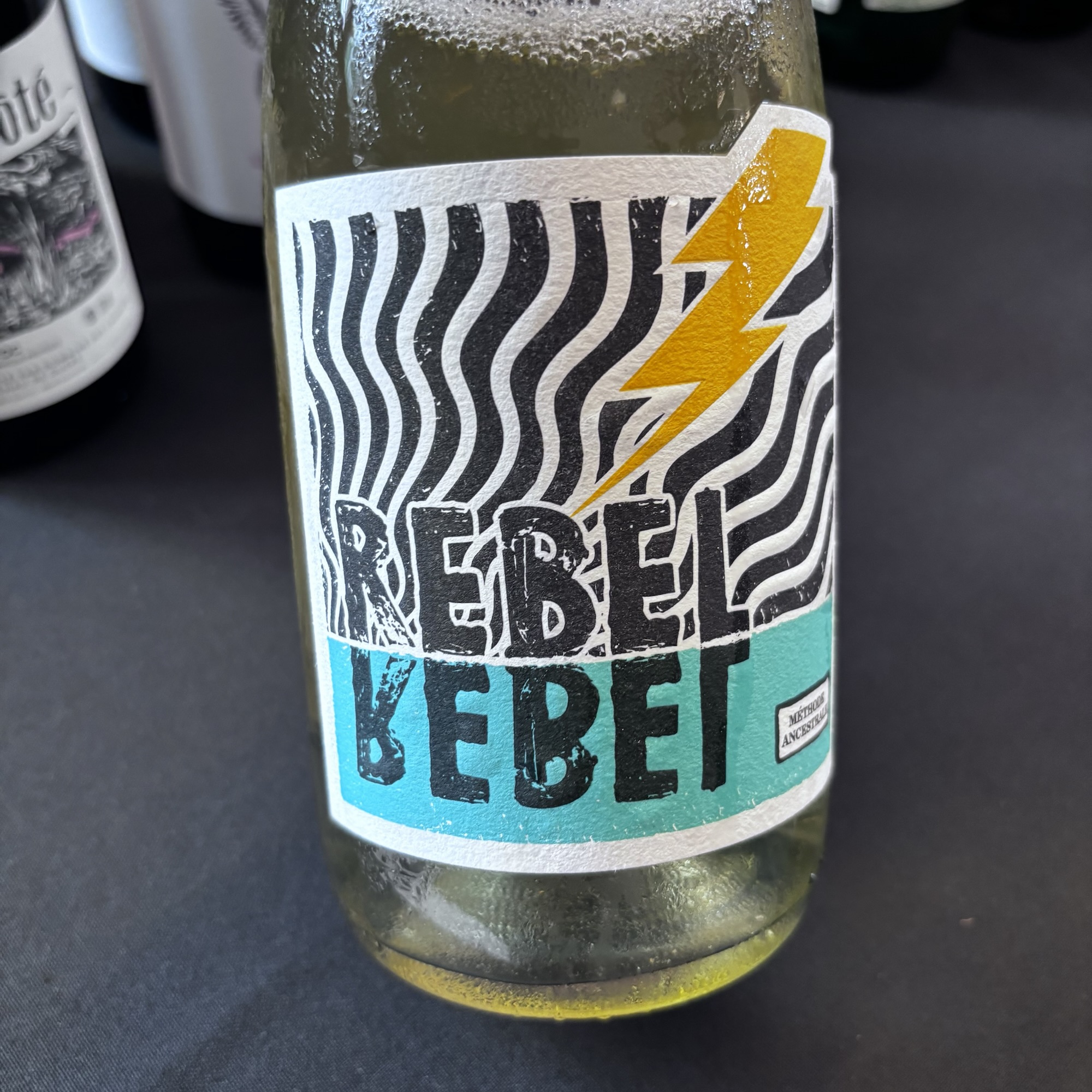
Méthode Ancestral Verdelho Pet Nat 2025, Rebel Rebel Wines (Stellenbosch, South Africa)
Rebel Rebel Wines was founded in 2020 by Kayleigh Hattingh. The wines are all site-specific and minimum intervention. This Verdelho comes from the Bottelary Hills in Stellenbosch. Made by the Ancestral Method, it is first fermented in tank and then, secondly, in bottle. It’s young and zesty with a mix of tropical fruit and apple-like acidity. One might call it “unpretentious” but although simple it may be, it was rightly something of a crowd-pleaser on the day. £25
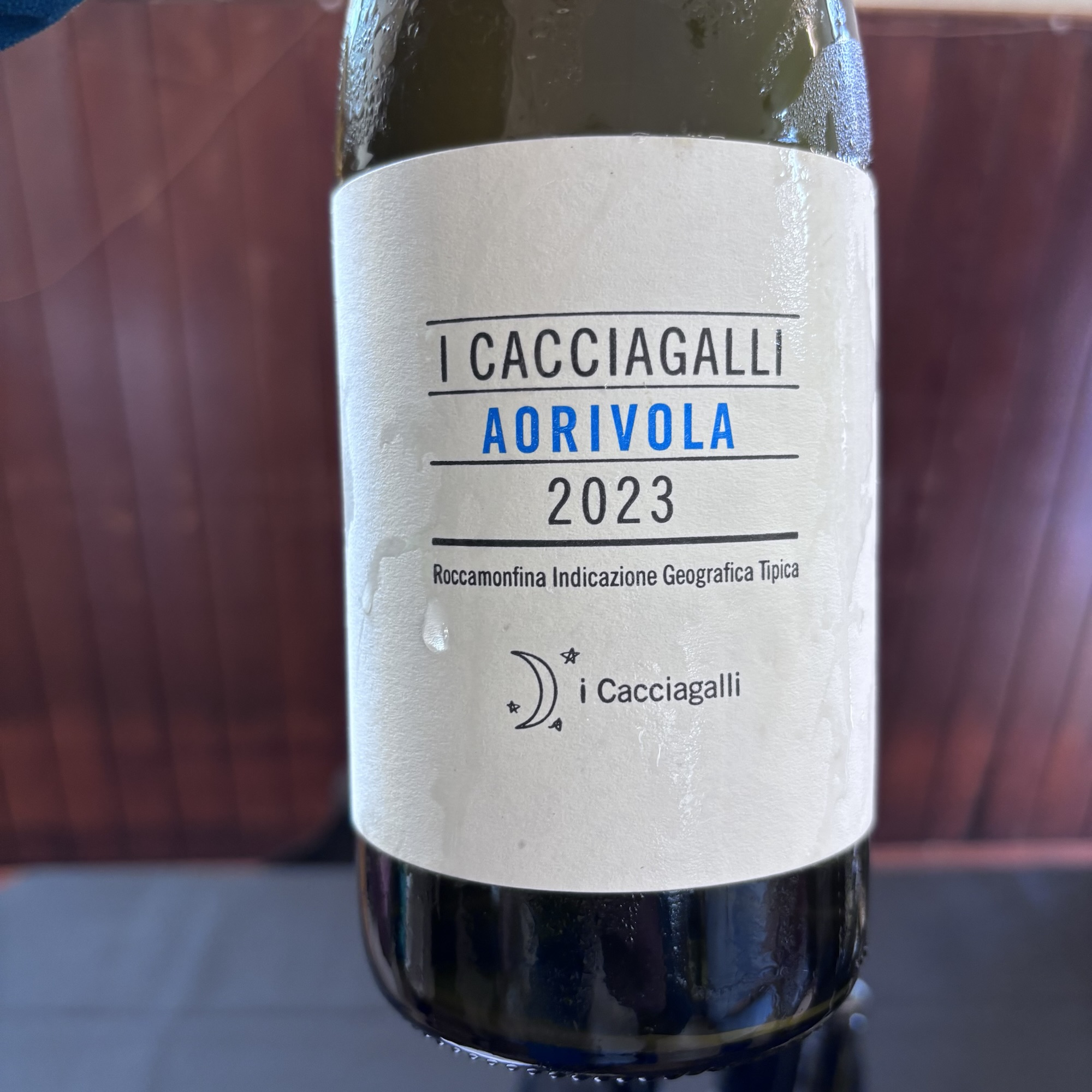
Falanghina Aorivola 2023, I Cacciagalli (Campania, Italy)
Much of the white fruit grown in Campania is at altitude, meaning the wines are fresher than you might expect in this southern region, and they are often very much underrated. This is bottled as Roccamonfina IGT, and hails from a 12-hectare biodynamic family estate in the north of the region, on the volcanic soils of the Roccamonfina. The estate additionally has olive and nut trees and fifty hectares of woodland. This wine sees time in amphora and is made with minimal sulphur additions. It’s lemony with a wet stone texture. A lovely example, well worth £22. One to persuade you to get involved, as they say.
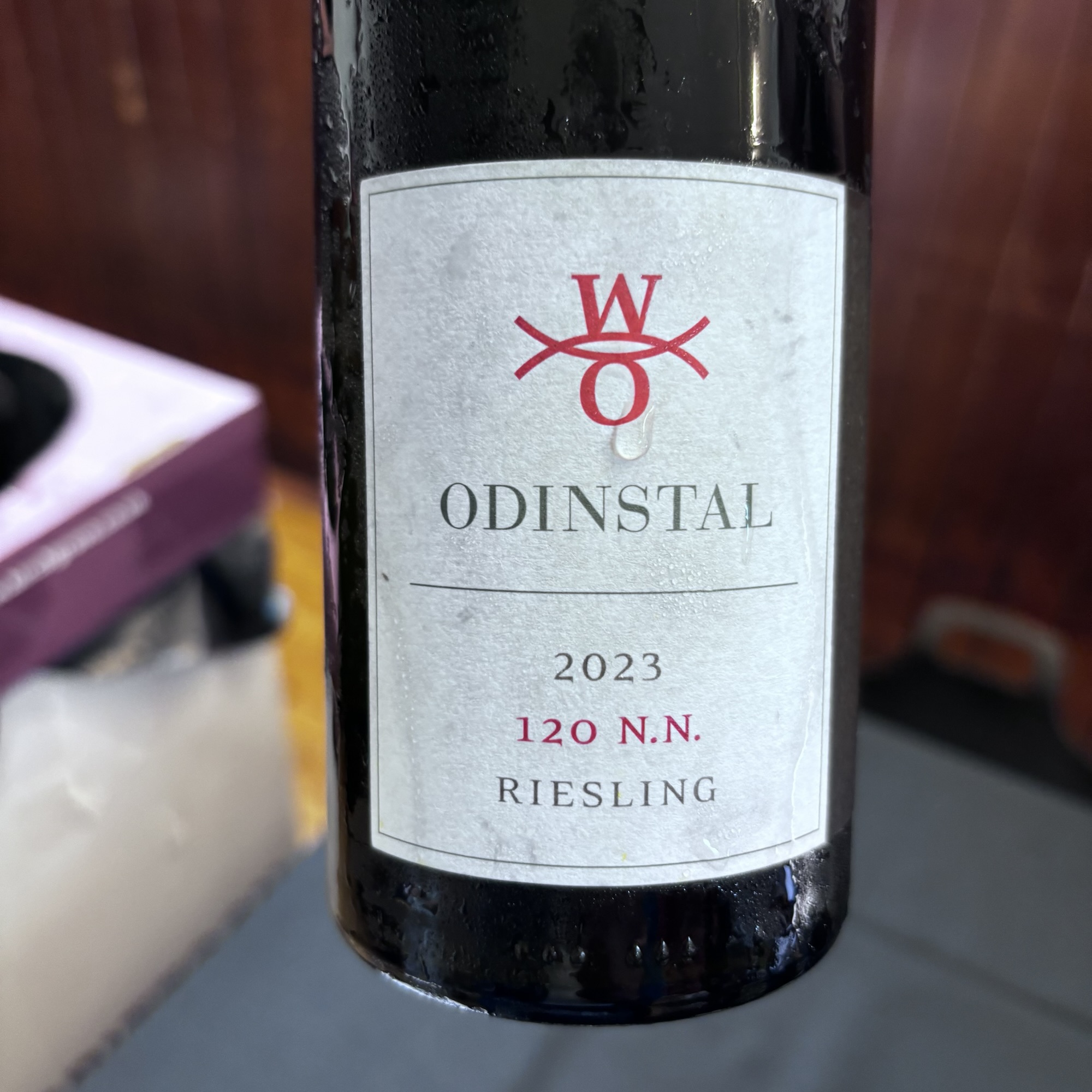
Riesling 120NN 2023, Odinstal (Pfalz, Germany)
Odinstal was converted to biodynamics by Andreas Schumann around twenty years ago and since then quality has rocketed. All biodynamic preps are now made on-site. This wine is bottled as a Deutscher Landwein, and the fruit comes from the estate’s lowest-lying vineyard, a monopole site, by the river. However, the vines were actually planted in the 1980s. It is fermented and aged mostly in stainless steel with 5% going into old wood. The bouquet is rich, with lime, mango and guava scents. But on the palate, it has a nice bit of salinity to ground it. An excellent wine that I know the Cork & Cask staff are particularly impressed with. £30
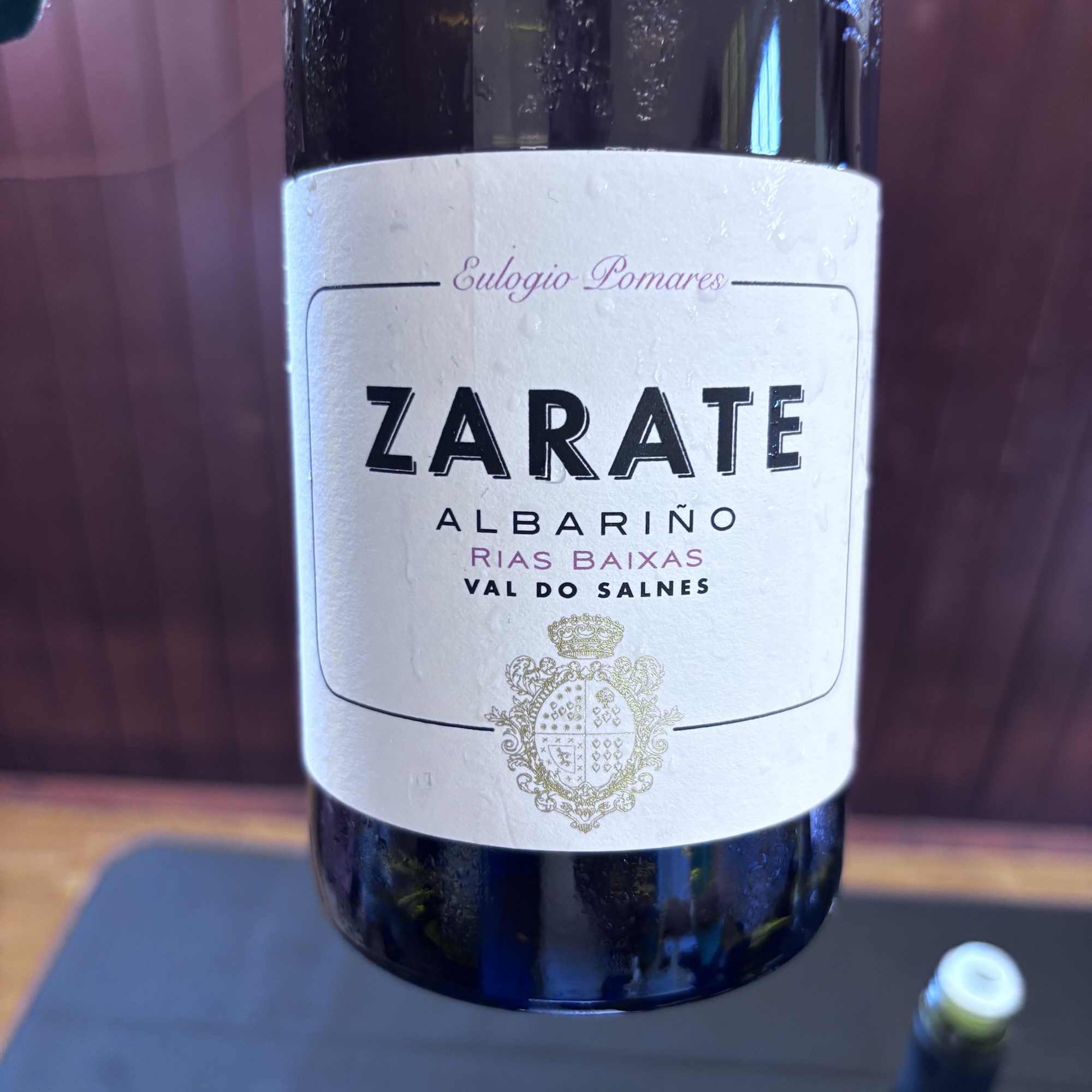
Albariño 2025, Zarate (Rias Baixas, Spain)
This is a well-known family estate based in Spain’s windy and wet Northwest, vines being planted on the region’s stark granite terroir. Natural wines are made using no synthetic chemicals, and for over thirty years the vineyards have remained untilled. I am most familiar with the stunning wines made by Eulogio Pomares Zarate in collaboration with Ben Henshaw (of Indigo), Dr Jamie Goode and Daniel Primiak, called Sal da Terra/Salt of the Earth. This Albariño is made in stainless steel with three months on lees. It isn’t as saline as the aforementioned collab but it has bags of fruit and plenty of freshness. £27
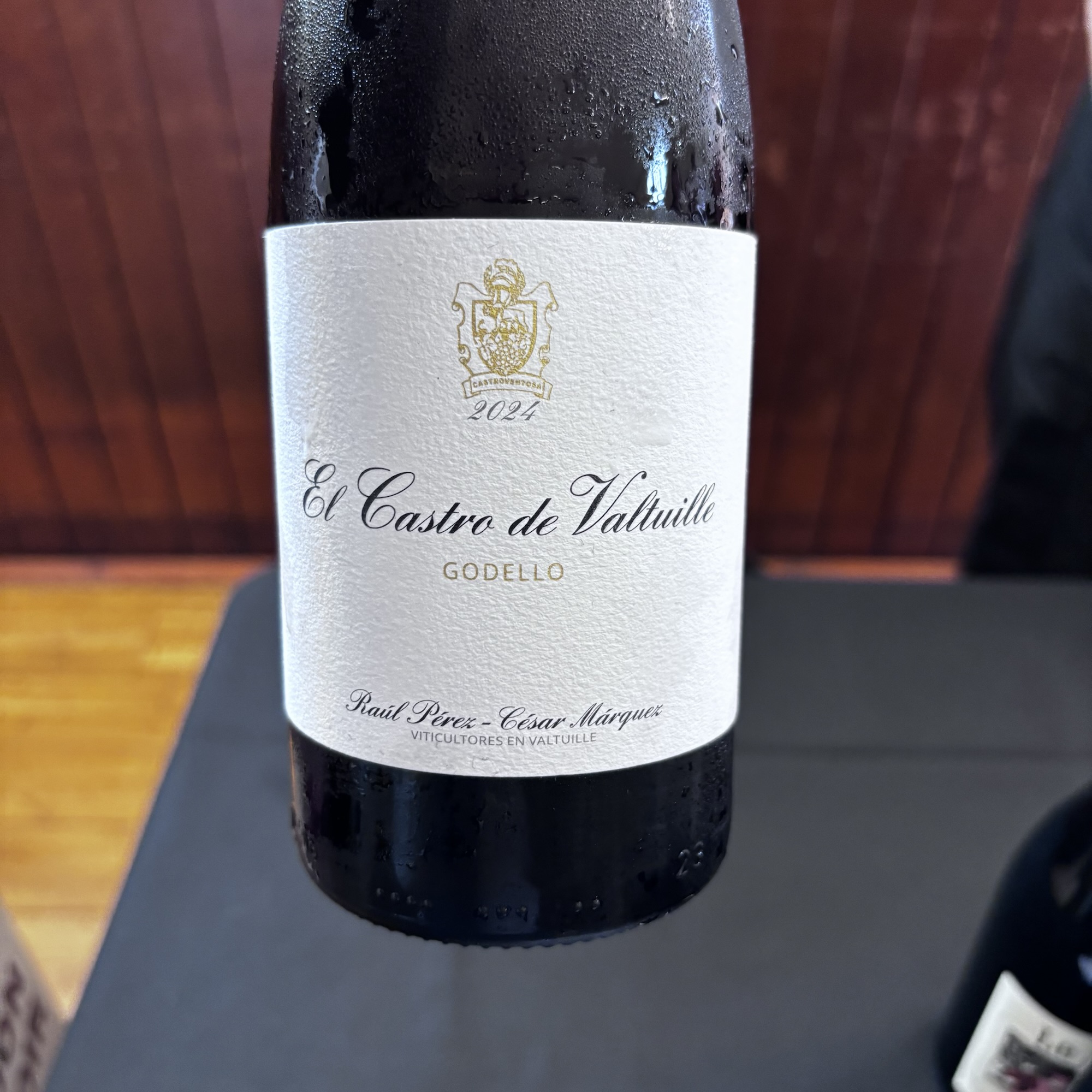
Godello “El Castro de Valtuille” 2024, Raul Pérez and César Márquez, Bodegas Castro Ventosa (Bierzo, Spain)
I’ve drunk plenty of Raul’s red wines over the years but I’m not sure whether I’ve ever bought this particular white. That is probably a mistake. This is a single vineyard wine from a site at over 500 masl, called El Val. Vines of just over 20-years-old sit on stony clay. The fruit sees a 24-hour cold soak before direct pressing into 500-litre new oak to ferment. It is then aged 12 months in older oak. The bouquet is smoky with confit lemon and a bit of tropical fruit underpinned by a flinty acidity and a little texture. Excellent. £27. The red Mencia Joven which Cork & Cask list (about £18) is also really good for the money.
Naked Orange, Heinrich (Burgenland, Austria)
I am guilty of over-familiarity with the natural wines of Gernot and Heike Heinrich. They were pioneers of natural winemaking in Burgenland, and now they are joined on the eastern shore of the Neusiedlersee (they are in Gols) by several other now-famous young producers following in their footsteps. Naked Orange is a blend of Chardonnay, Pinot Blanc, Pinot Gris, and a little Traminer and Muscat Ottonel. Everything is crushed together and is macerated for two weeks on skins. Fermentation is in large wood after which it is left on lees for a year. The bouquet is uncannily dominated by orange and orange peel. The palate is a textured citrus. It’s not as refined as the Freyheit wines in their clay flagons, but it’s a super tasty, individual wine, which retails for only £22, one of four Heinrich wines sold by Cork & Cask.
MORENO WINES
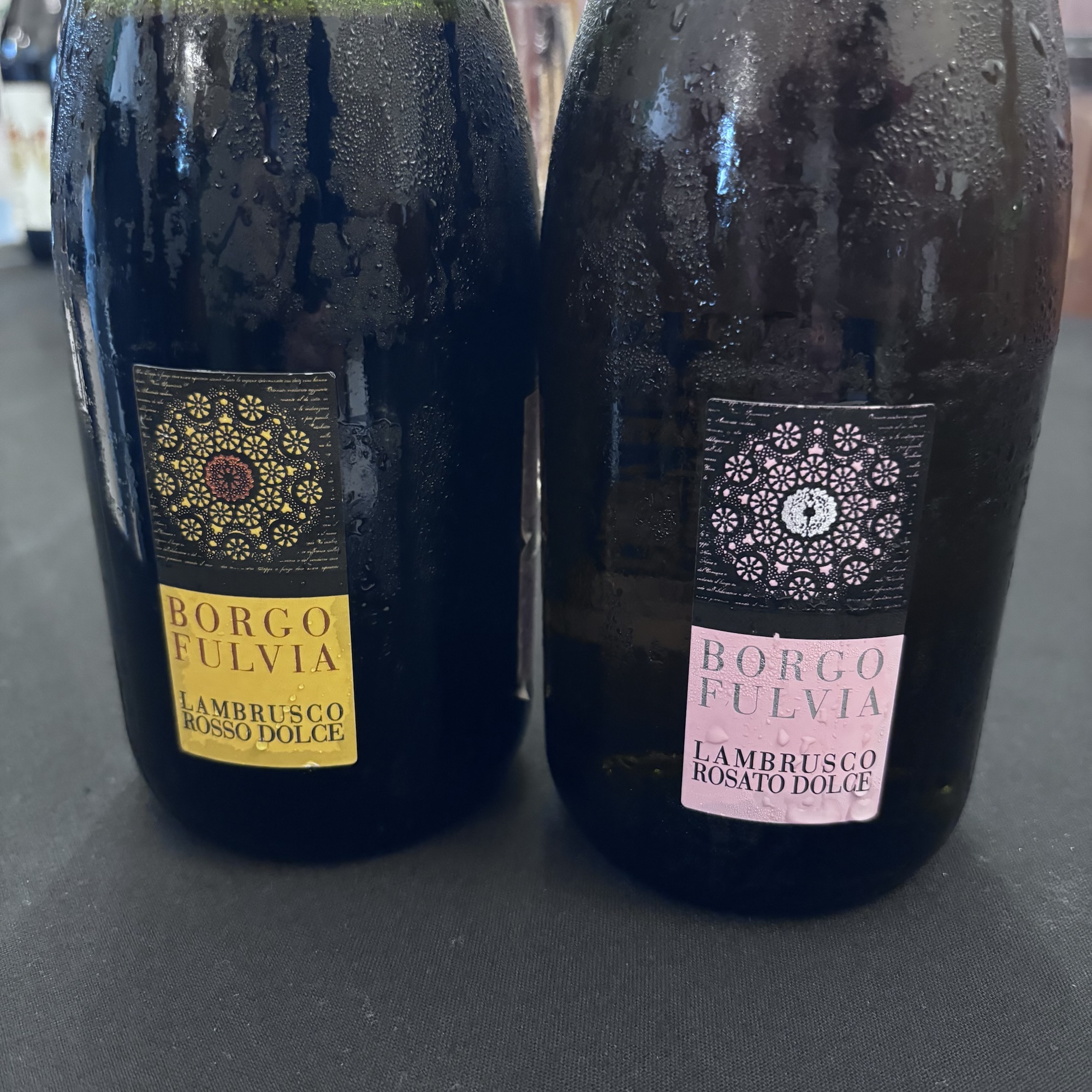
Lambrusco Rosso Dolce Borgofulvia, Il Poggiarello (Lombardy, Italy)
I don’t need to say a lot about this wine, but I do need to say something. It is a simple wine, even by Lambrusco standards, but it is very fruity, like summer pudding. 7.5% alcohol, sweetish, and gently frothy. It retails for just under £10 and for summer glugging on the beach you could do worse. You could do better too…but maybe not easily for £10 (though if you want something drier then that pair of Austrians I have drunk recently (you may have seen them) from The Wine Society would offer a good alternative). There’s a Rosé version at Cork & Cask too, same price.
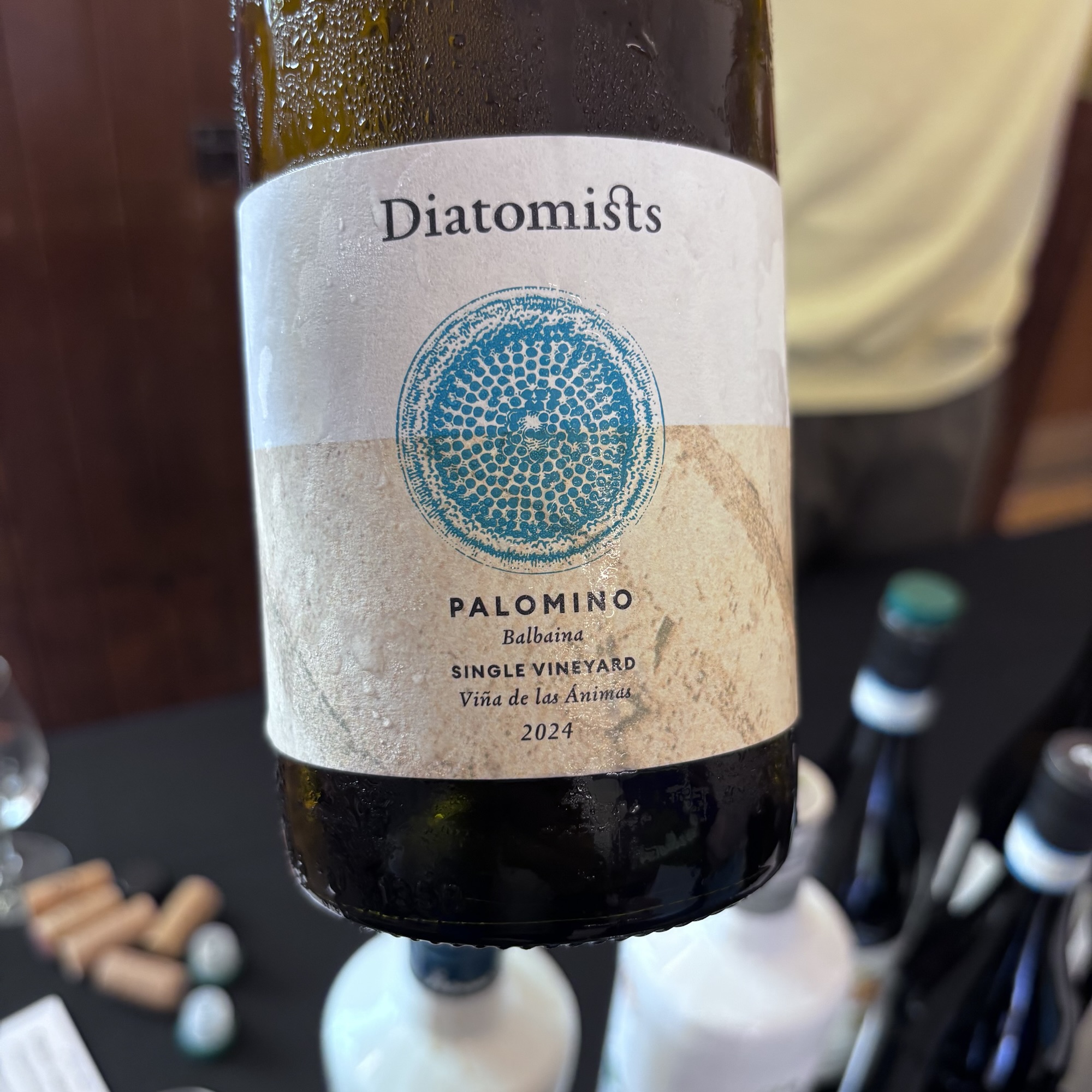
Palomino Balbaina 2024, Diatomists (Jérez Region, Spain)
In previous years I have tasted, written about, and purchased, the superb Sherries from Diatomists. These are artisan wines made from single vineyard sources and aged traditionally according to the style. They have now followed the modern path of creating an unfortified table wine, made from the region’s staple Palomino grape variety. Fruit comes from the same famous soils as Fino Sherry, but this wine is vinified in stainless steel, and of course is not fortified. You get an 11.5% table wine with a chalky softness and the freshness of apple and lemon, with just a little almond. Lovely balance, light but a versatile, and a very food-friendly bottle. A definite hit! £20
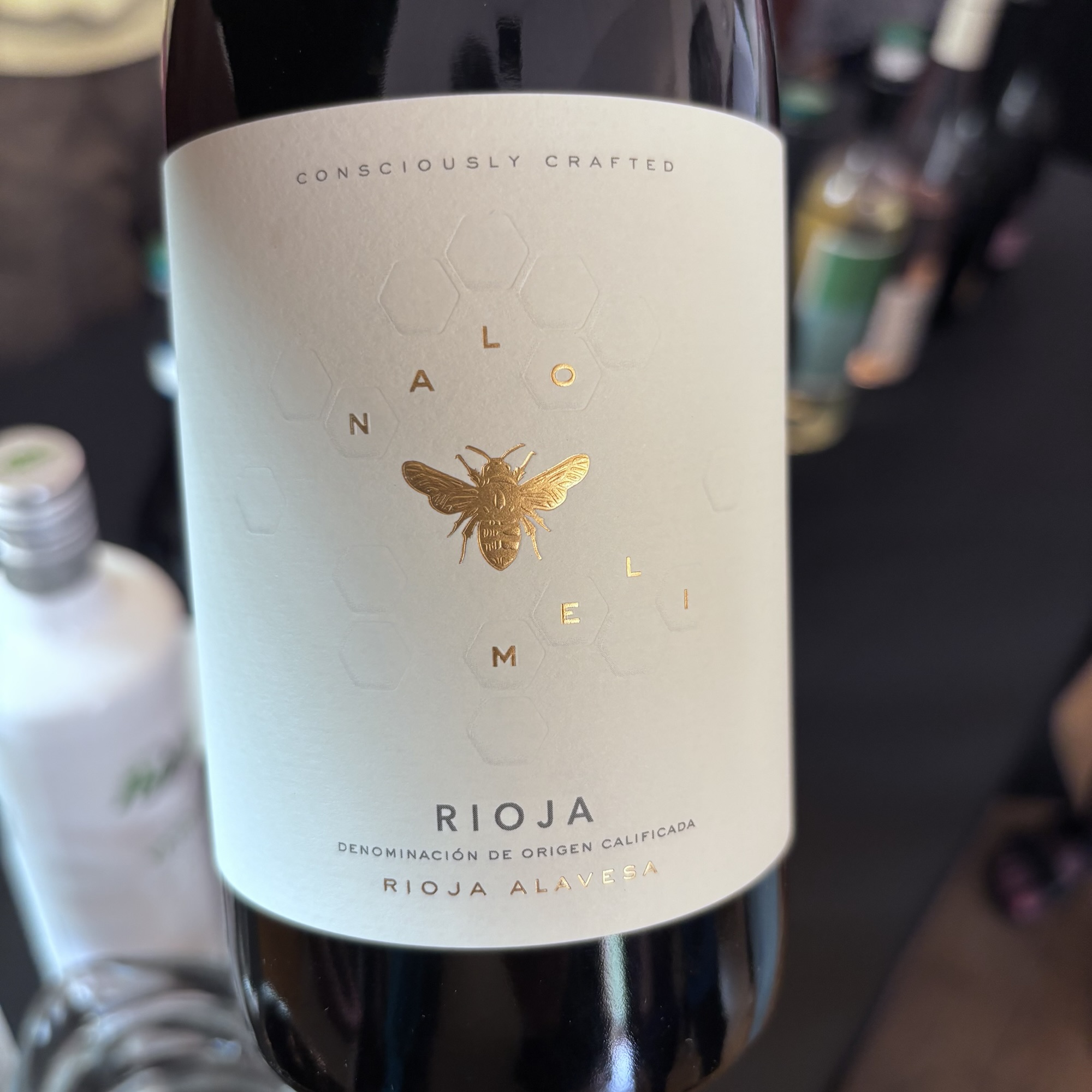
Rioja Nalo Meli 2024, Bodegas Bhilar (Rioja, Spain)
This is a Rioja from the Alavesa sub-region, made by American native, Melanie Hickman, and it is a collaboration with Moreno Wines. Unusually, this is made from 100% Graciano, a minor grape in the more common Rioja blends, where Tempranillo and perhaps Garnacha dominate. The fruit is organic, farmed biodynamically. Aged in concrete, with no oak, we have a bouquet of red fruits and eucalyptus. The palate is all red fruits, pomegranate to the fore for me, and a nice savoury edge to it. Very successful, I wouldn’t hesitate to try this if you get the chance. £19
Langhe Nebbiolo 2023, Camparo (Piemonte, Italy)
Camparo are based at Diano d’Alba, on the eastern edge of the Barolo zone, north of Serralunga. Indeed Cork & Cask stocks their well-priced Barolo (not on taste). This is a family estate run by Mauro Drocco, and farmed organically. This Nebbiolo is slowly fermented before ageing in neutral oak for eighteen months, but it is then kept back a year after bottling before release. The bouquet is very scented, especially of roses (didn’t spot tar, but it did take me back to old school Barolo a bit). On the palate there is something quite sensual about the smooth fruit before the tannins kick in, although they are not harsh tannins. I always look for a good “Nebbiolo” and this fits the bill, especially as it retails for £26, as opposed to £42 for their Barolo. It does pack 14% abv, but on my tasting sip it didn’t seem to be dominated by the alcohol.
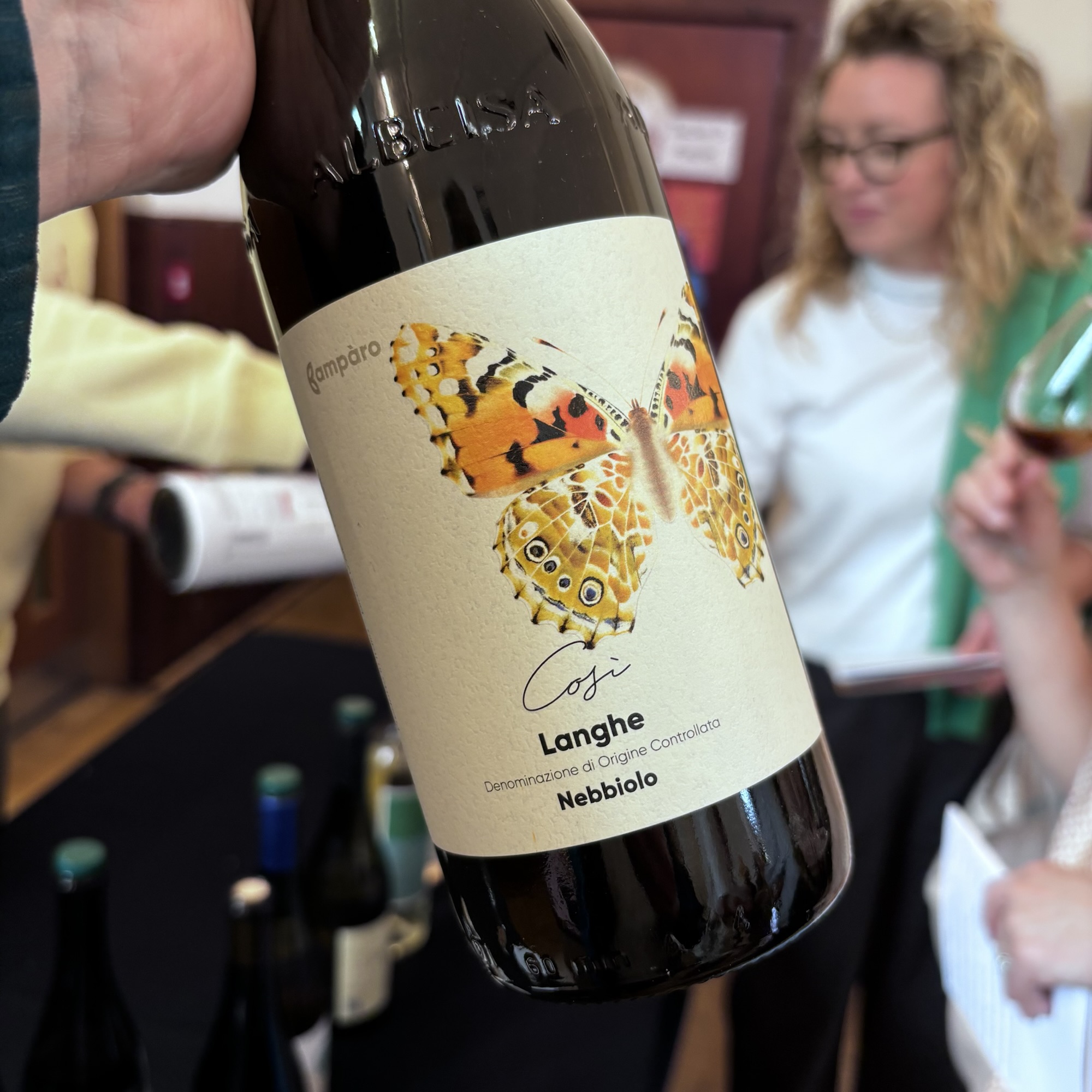
I might have tasted fewer wines on the Moreno table but I would be very happy to spend £65 on the three wines above, and I would not complain if a plastic glass of the Lambrusco was thrust in front of me down at the beach.

 David Crossley's Wide World of Wine