
In Part 1 of this article, I suggested a small number of wine books which covered fairly broad subjects. Here in Part 2, I get a bit more specific. These books fall into the third and fourth categories listed in Part 1, namely very specific works, often on a single wine region or wine producing country, or memoir-type books, of which there are many available.
My intention, especially in Part 2 here, is simple. Most of my readers will be at least a wee bit younger than I am. I’ve been devouring wine books for more than forty years. Over that time, I have read many which I think, with hindsight, would still be of interest today. I hope that those of you who read through this article might find something that will interest you too.
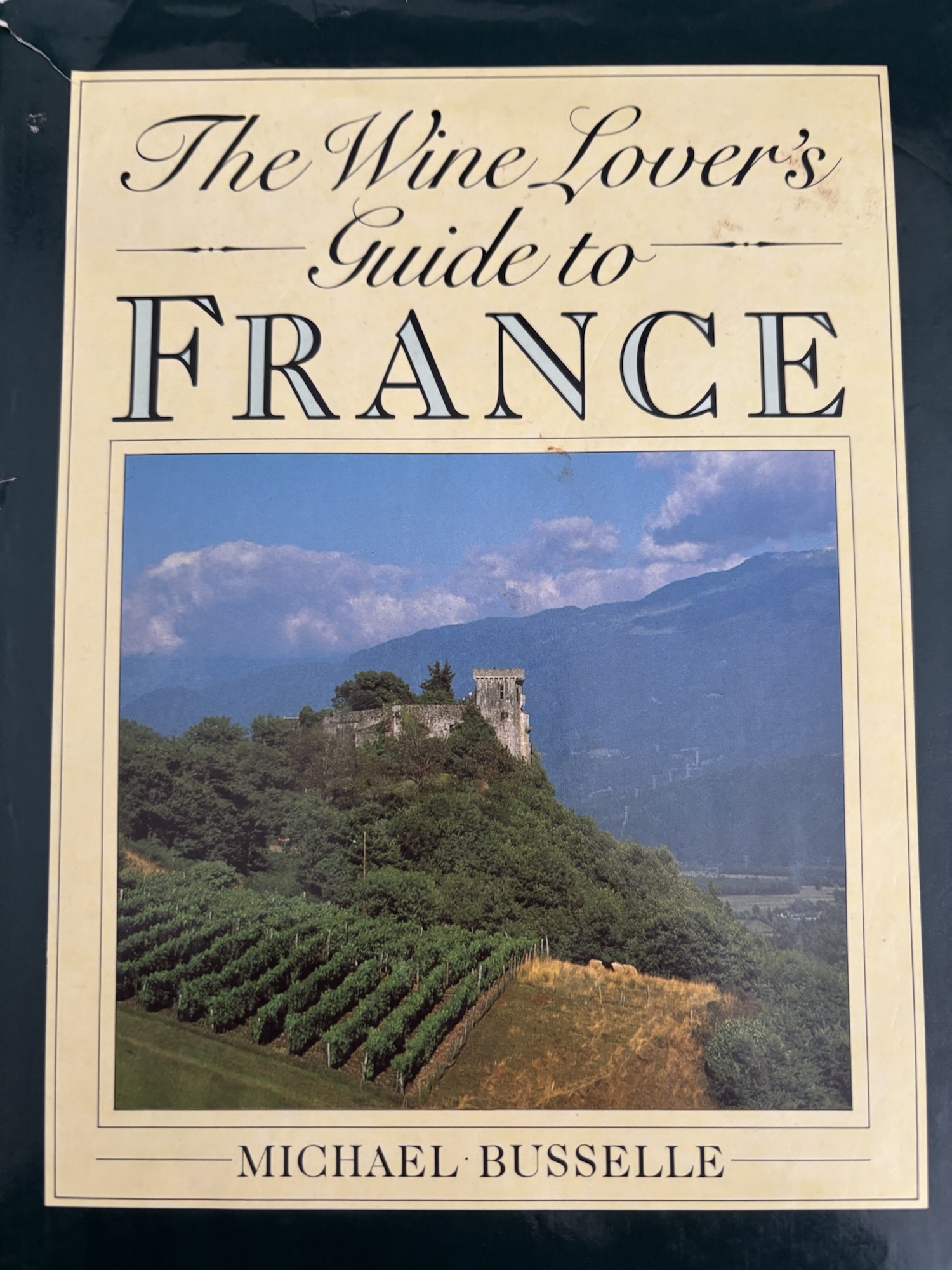
Some of the books that fall into these categories are books that, at the time I read them, had a big influence on me. I wouldn’t say that The Wine Lover’s Guide to France by Michael Busselle (1986) is a book you should seek out today, because you’d find it too out of date, but the author’s own professional photography combined with the use of Michelin-mapped wine routes (good maps get me every time) through pretty much all of France’s wine regions, was so evocative I just wanted to follow his itineraries. In doing just that I found myself to places in the late eighties as diverse as Alsace, Arbois and the Aveyron, and I’m so glad I did.
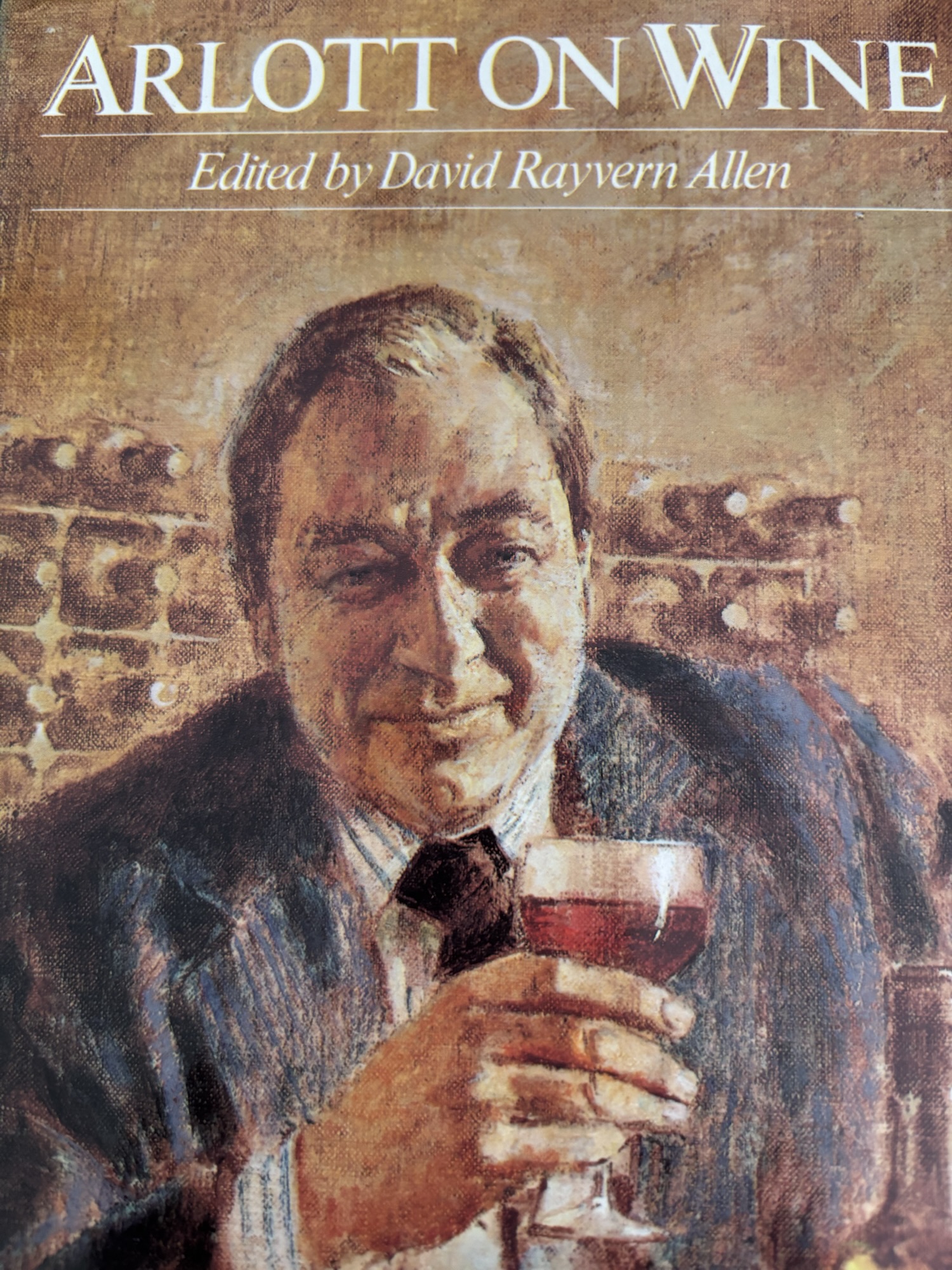
Another book, a memoir very much of its time, was Arlott on Wine by cricket commentator, wine lover and bon viveur John Arlott (also 1986). You didn’t read Arlott for deep wine knowledge. You read him to get a feeling for how you can appreciate the soul of wine, food and good living. Arlott had a special love for Beaujolais. In the 1980s, with the advent of Nouveau mania, Beaujolais was about to take a dive in our appreciation. What Arlott loved about Beaujolais really equates to what those of us who appreciate the region’s wines today look for. Not a commercial beverage, but a reflection of people and place. A genuine lesson for us all.
Below I’m listing books on Australia, Switzerland, Champagne and England, among others, along with topics such as no-till agriculture and the memoir of Kermit Lynch. As if I hadn’t repeated this often enough, I still own 150 wine books and so I can’t mention them all. What I would like to do is to applaud The Académie du Vin Library. As a publisher, they have rejuvenated wine writing and their work complements that of Mitchell Beazley and some of the university presses in our field of interest. I suggest keeping an eye on their new releases because I find myself enjoying several books a year that come from this stable.
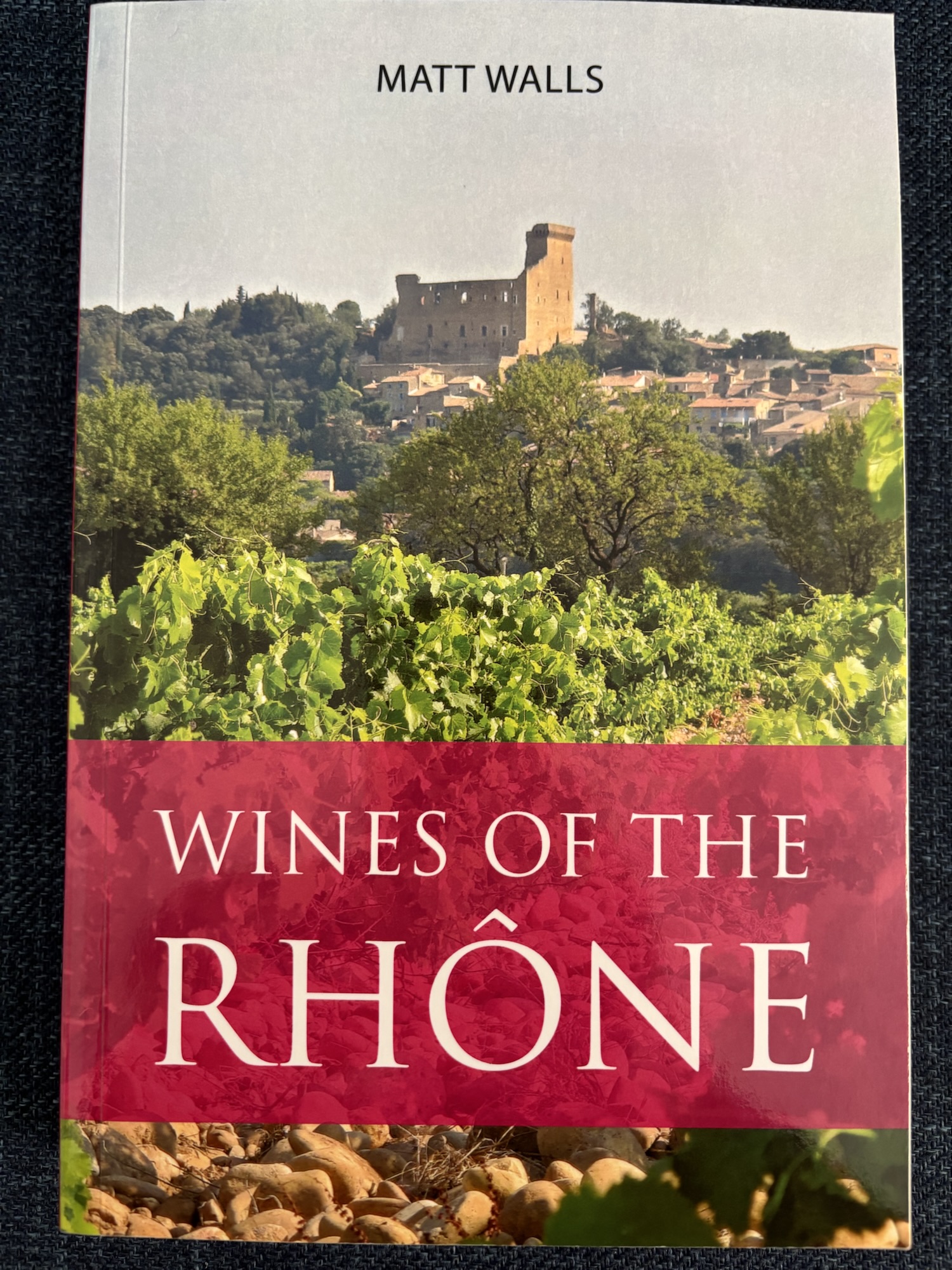
Starting with the Académie du Vin Library, I have already mentioned one of their books in Part 1, Alex Maltman’s work on geology and wine. They took over the Infinite Ideas Wine Library, and I currently own ten books from that series. All of them are good. If I’m forced to, I would single out two authors. I’d select Matt Walls, because his Wines of the Rhône seems to combine a knowledgeable survey of the great classics alongside an appreciation of the exciting things happening in less obvious parts of the region, including a finger on the pulse of natural wines and some thrilling young Côtes du Rhône producers. I’d also select Anthony Rose, for his excellent Fizz, but even more for his groundbreaking Sake and the Wines of Japan (2018).
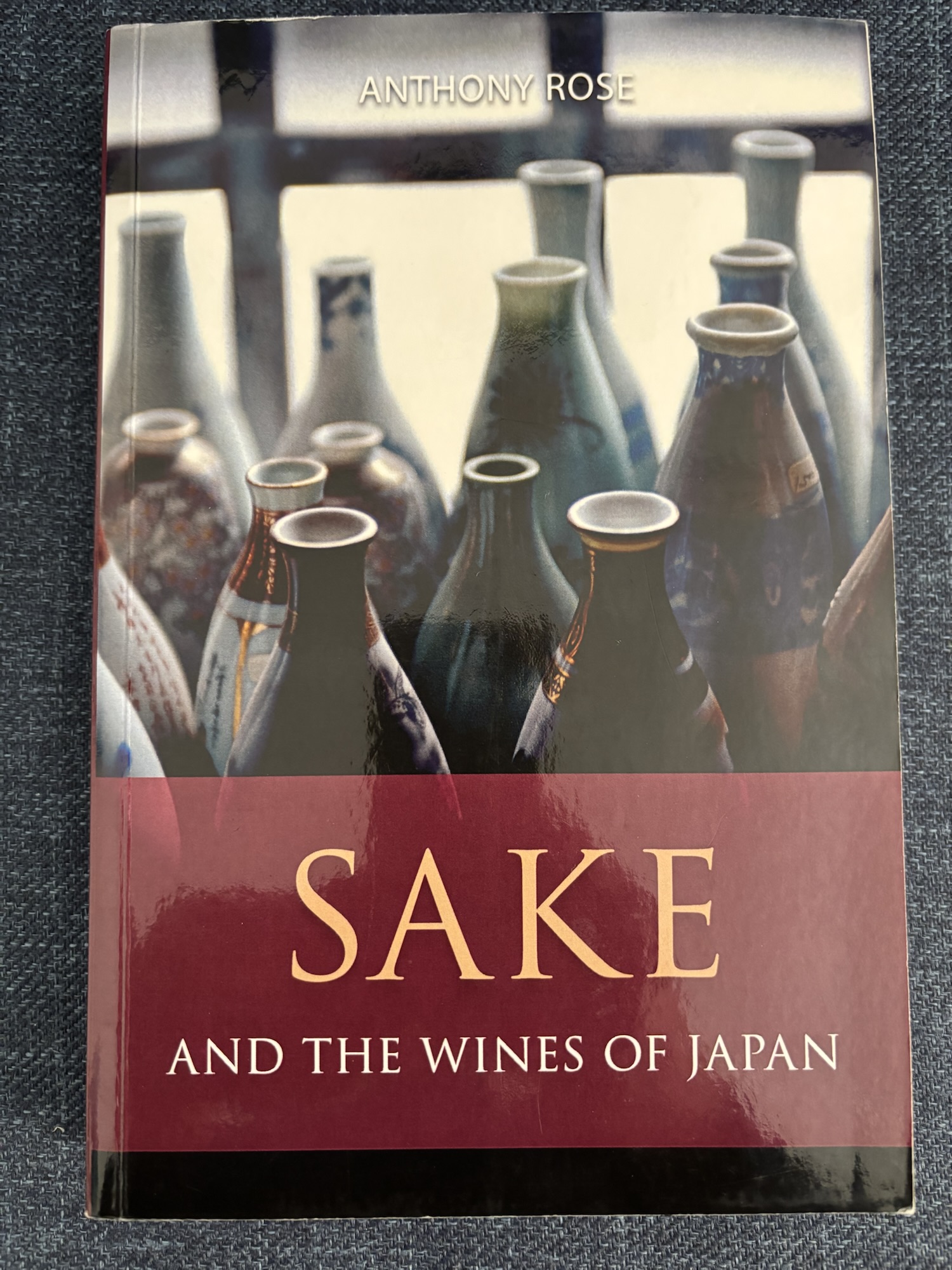
Whilst I have just reviewed Nick Rowan’s masterwork, Japanese Wine (2025), I accept that only those as geeky as I am (or those with a trade connection) are likely to pay £50 for a book on Japan, no matter how good it is, though I’m obviously pleased that there seem to be plenty of geeks out there to ensure its success. Anthony Rose’s book is everything you need if you are starting, like many people I know, to go a bit deeper into sake, whilst also giving a thirty-page overview of Japanese wine to prepare you for what will be coming to a wine shop near you quite soon.
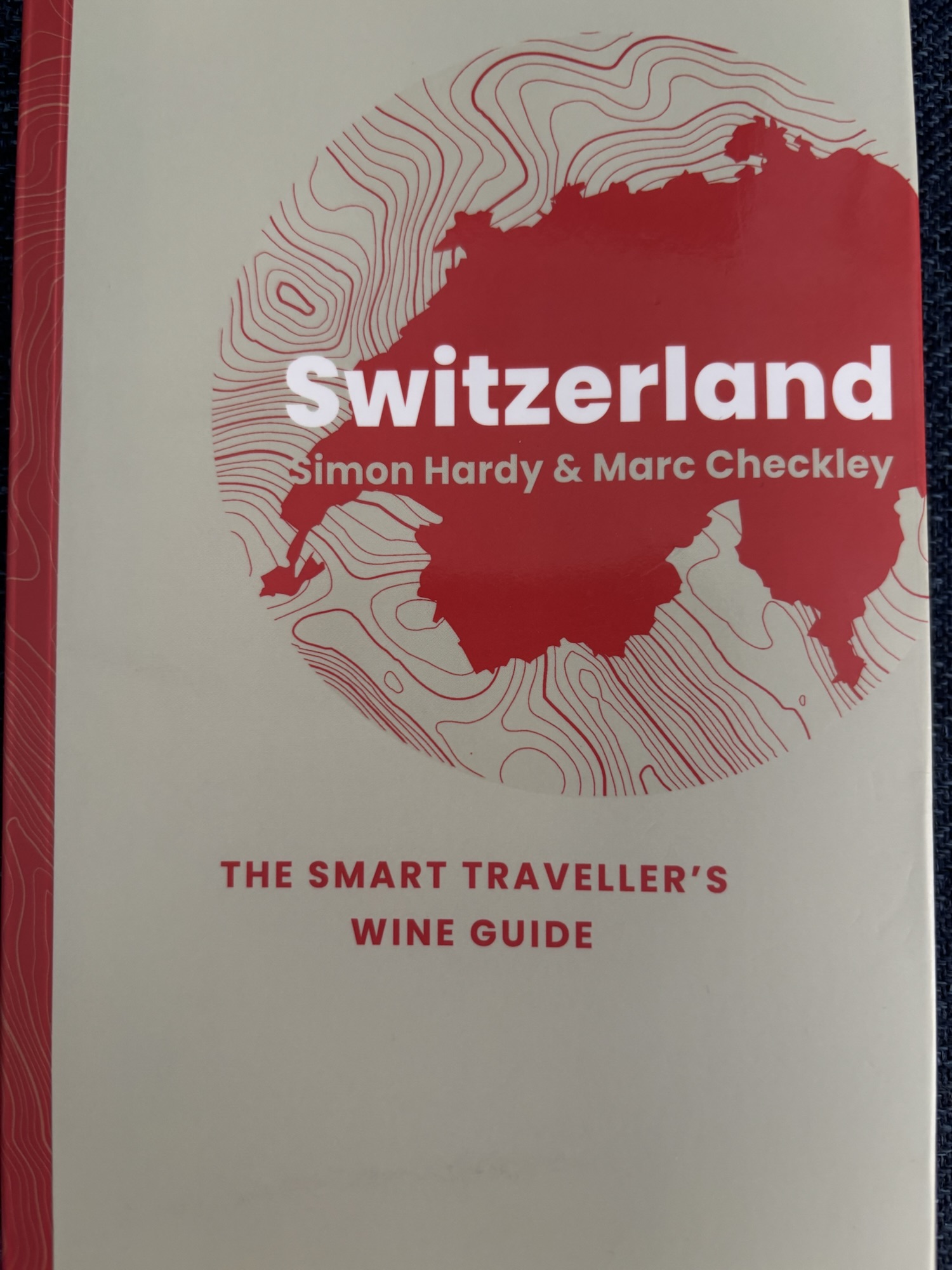
Also published by Académie du Vin is a series called The Smart Traveller’s Wine Guide. I own four in the series (Switzerland, Rioja, Rhône and Bordeaux). The most road-tested is Switzerland. Although I know that country reasonably well, and though I did suggest some alternative visits and wine routes in my review of it, it’s still more than worth buying, then go and check out Swiss wine. You really need to.
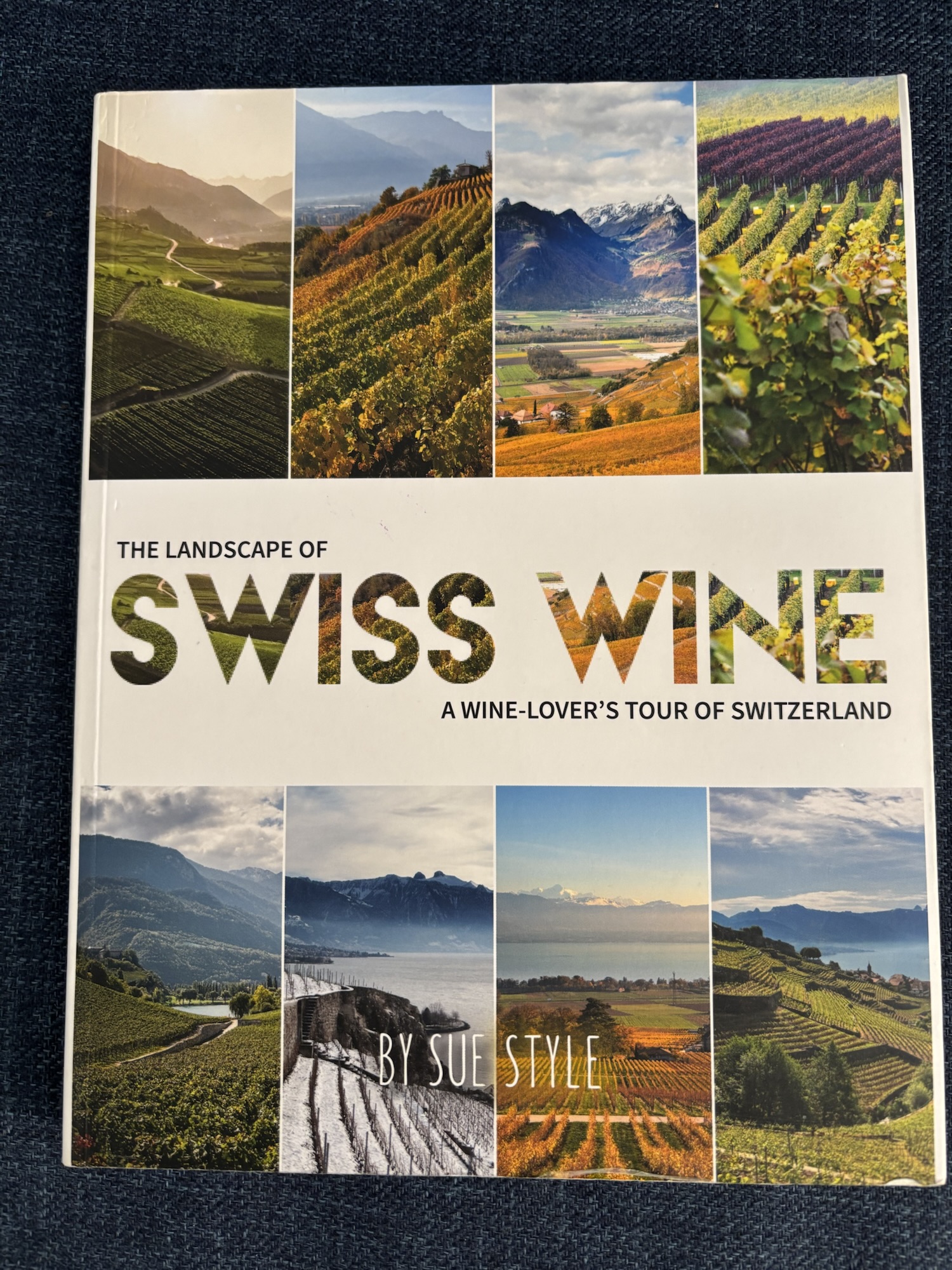
Staying with Switzerland, I’’m often surprised at just how often I reach for Swiss Wine by the late Sue Style (Bergli Books, 2019, reviewed 20 Sept 2019). It profiles most of the best producers by region, with chapters interspersed on things like the Grand Prix du Vin Suisse, and the Memoire du Vin Suisse (a tasting event showing how Swiss Wines can age), and the Junge Schweiz, Neue Winzer group of young Swiss winemakers (among others). If you want to know more about Swiss wine it’s the best you can get in English.
Sadly, Sue passed away soon after this book was published and it is a genuine regret of mine that I never got to meet her, and never had the opportunity to tell her how much being able to buy and use her book meant to me.
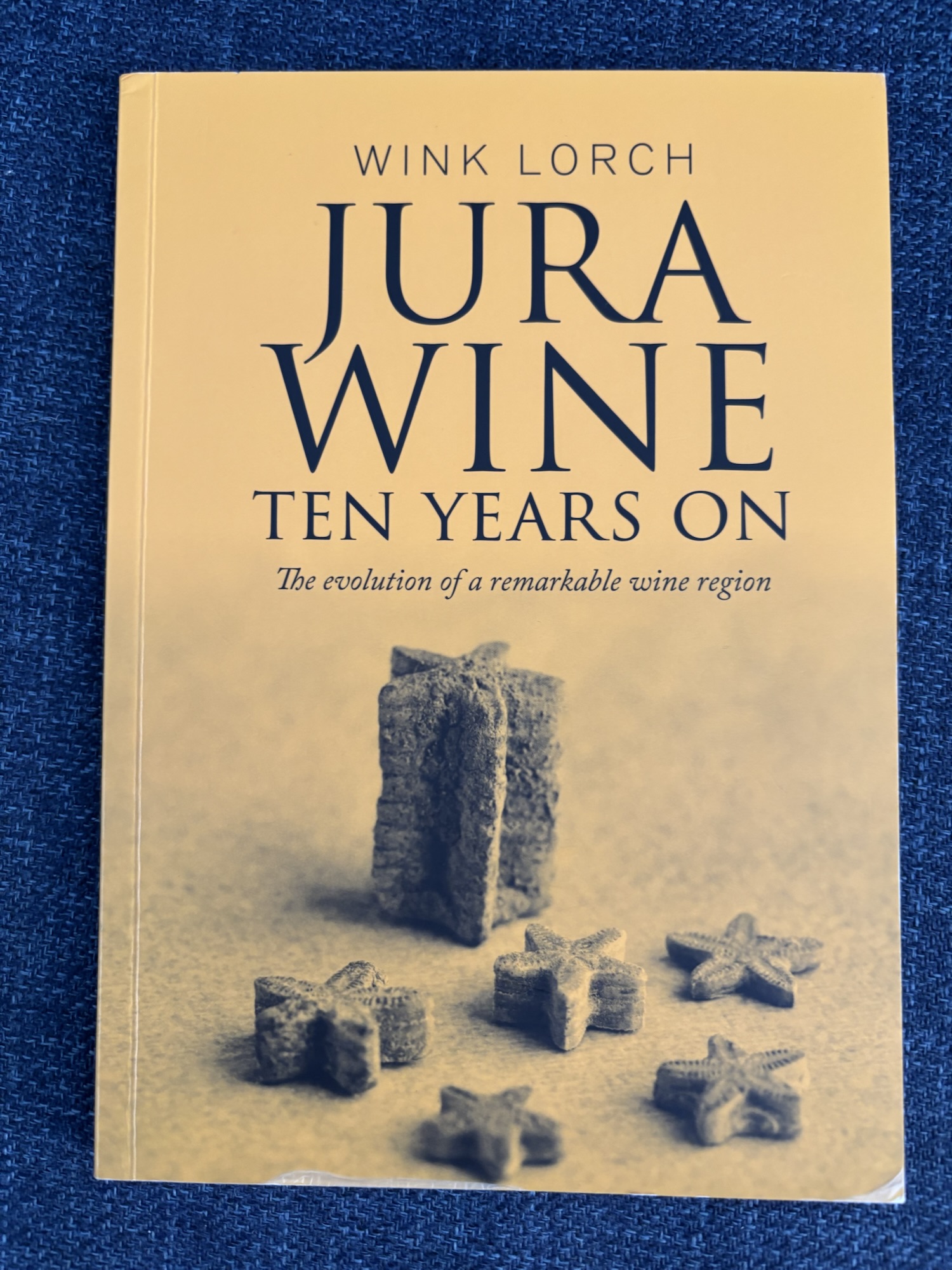
A pair of books which for me are essential reading, and essential companions, are Wink Lorch’s Jura Wine (Wine Travel Media 2014, 4th impression 2020) and Jura Wines Ten Years On (2024). Wink has always been the authority on Jura wine, and an inspiration to me because the region’s wines got under my skin when I first began visiting in the late 1980s. As I got to know the region I came across Wink, probably via Tom Stevenson’s old Wine Reports.
It’s undoubtedly true that the fame and prestige the Jura has now is in some considerable part down to Wink Lorch highlighting the producers working there, as the region has evolved from one that Parisian friends used to laugh at us for visiting, to one which today enjoys a reputation which far outstrips the amount of wine it produces, and which many genuine Jura lovers can hardly afford to buy any more.
Of course, Wink’s Wines of the French Alps is in every way as good as the Jura pair (which you ideally do need to buy together as they work ingeniously in tandem), and you can often buy her books as a bundle from The Académie du Vin, who are now her key distributors. In Wink’s case, I am lucky to have got to know her over the years. We do not always like exactly the same wines, but we do share a lot of our tastes and she is always the very best company. But I can honestly say that she is one of the very best wine writers I know.
There are so many wine regions and countries I would love to cover, but I should probably limit myself a little. Australia is a country allegedly well-served for wine writing, even if its most exciting wines seem less likely to be available here than at any time in the previous two or three decades. The glory days of the 1990s, of Oddbins Fine Wine, The Australia Centre’s wine shop and wine merchant Vin du Van (who had an amazing list of Aussie gems) are long gone. My absolute favourite book on Australian wine might be the hardest for anyone to track down.
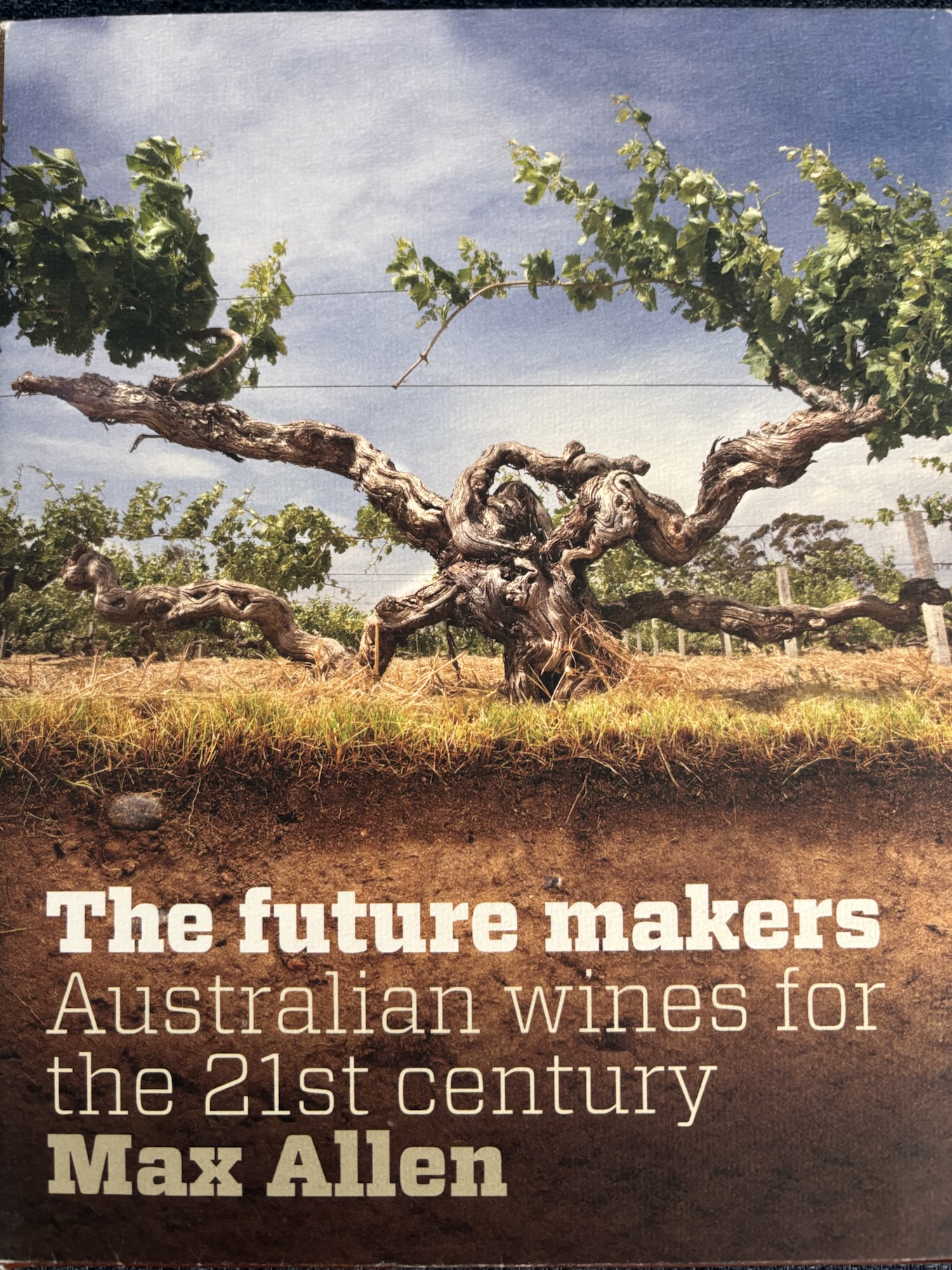
Indeed, most of the books by Max Allen, who inter alia is a contributor to Gourmet Traveller Magazine (check the wine mag out when you are next down-under), are only available in Australia and that region. However, his The Future Makers (Hardie Grant, 2010) is one of my very favourite wine books of all tme. It also still has relevance today. The clue is in the title. Many of the young winemakers in the book presciently turned out to have made the future of Australian wine. Max is a great journalist and his finger was very firmly on the pulse of Aussie winemaking. It still is.
I’m yet to mention Champagne. I love Champagne. Once upon a time I could afford to buy it, and indeed a trip to Epernay, or occasionally Reims or Troyes, sometimes on the way home from Eastern France or Northwest Italy, was pretty regular. By the later 1990s I had been seduced by the so-called “grower revolution”, with Péters, Bérèche, Lilbert, Prévost, Vilmart and the wines of Manu (Emmanuel) Lassaigne being just some of my obsessions.
Champagne is not short of eulogies in print and a few sit on my shelves, though one or two went in the cull when we moved to Scotland. I need to mention two books which are both here because they are very different.
Champagne by Peter Liem (with Kate Leahy, Mitchell Beazley, 2017) is a book in a box. The book will act as the perfect reference work for both the region’s terroirs and its producers. The box has a drawer which contains facsimiles of the famous vineyard maps created by Louis Larmat in 1944 for his Atlas de la France Vinicole: Les Vins de Champagne. These are still the most detailed maps of the region’s vineyards available today. The set will cost you around £60, but worth every penny.
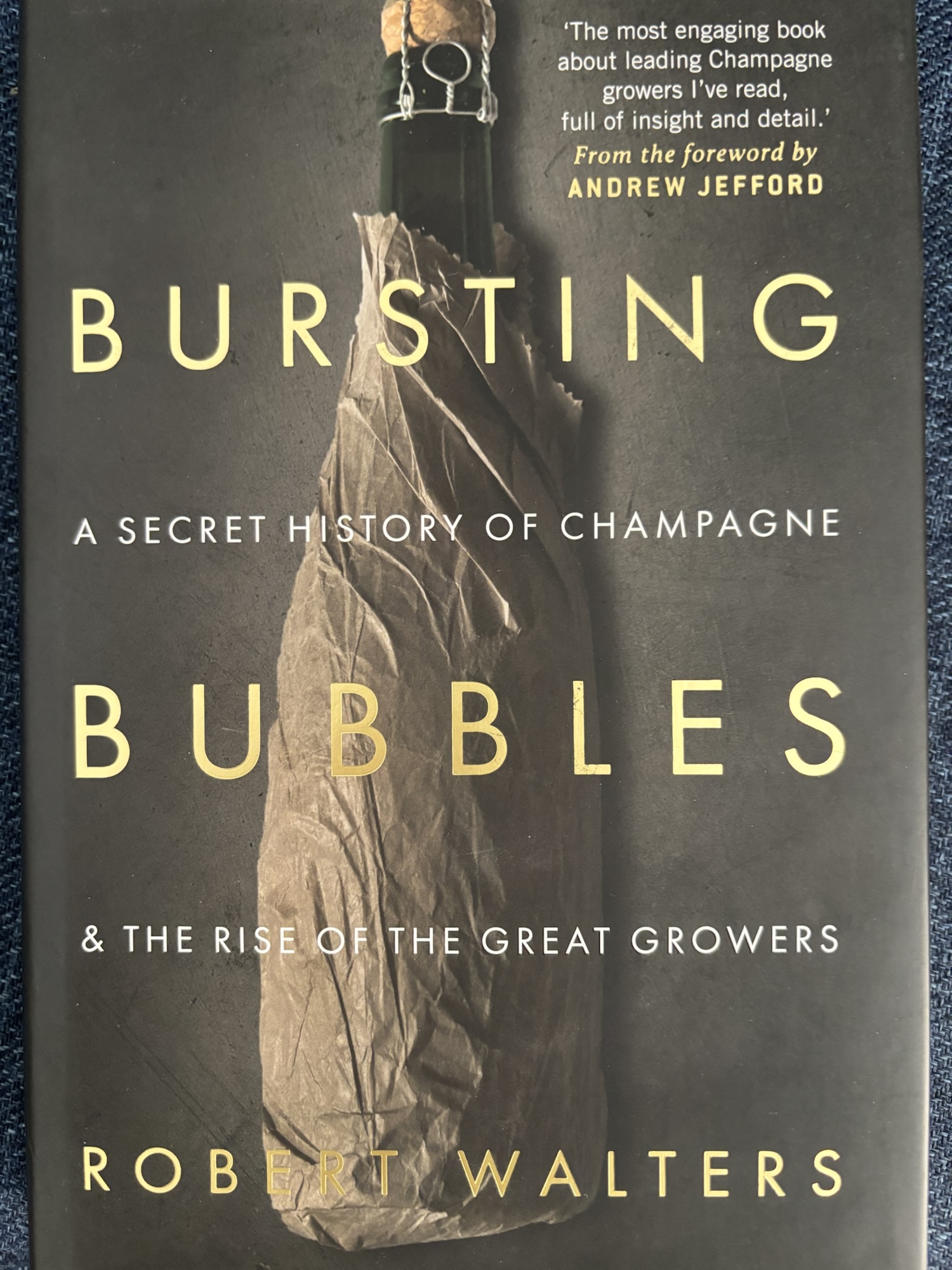
A different book entirely is Bursting Bubbles by Robert Walters. Andrew Jefford called this book “pretention-pricking”, and my old friend Jesús Barquín called it “beautifully written”. Both are true. It is effectively a book, almost a travelogue, about the artisan growers who have challenged all the most conservative views on what Champagne should taste like, and its place in the world of wine. I’ve read it twice and will read it again. It was first published in Australia by Bibendum in 2016, then in the UK/Europe by Quiller Publishing in 2017.
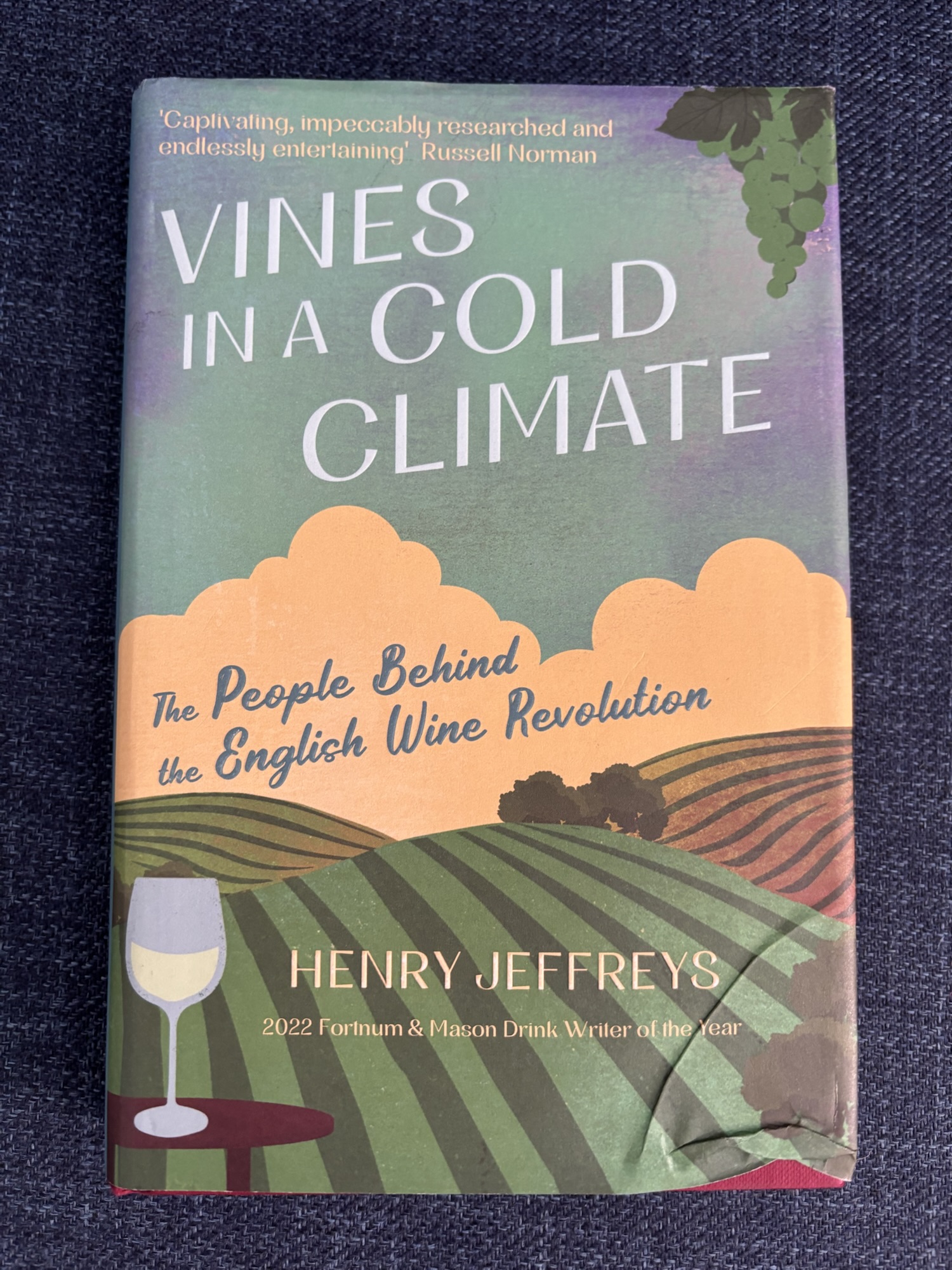
English Wine (because few bother to say English and Welsh Wine) is also a topic well covered, and on which I own half-a-dozen books. The one I like best, probably because it is so well-written, is Vines in a Cold Climate by former Fortnum & Mason Drinks Writer of the Year, Henry Jeffreys (Allen & Unwin, 2023, now available in paperback). It is more selective rather than a complete survey, and indeed so much has happened in English and Welsh wine in the three years since its publication, but it does address a raft of issues and it does have some lovely anecdotes, and indeed it is most thoroughly engaging. I must repeat the quotation so presciently expressed by John Atkinson, and used by Jeffreys for the start of Chapter 13, Eastern Promise.
“Even though there are no maps to guide us, intuition tells me that somewhere out there in the uneventful countryside between Colchester, Epping and Burnham hides our Pétrus”
Though maybe it’s our Chambertin rather than Pétrus?
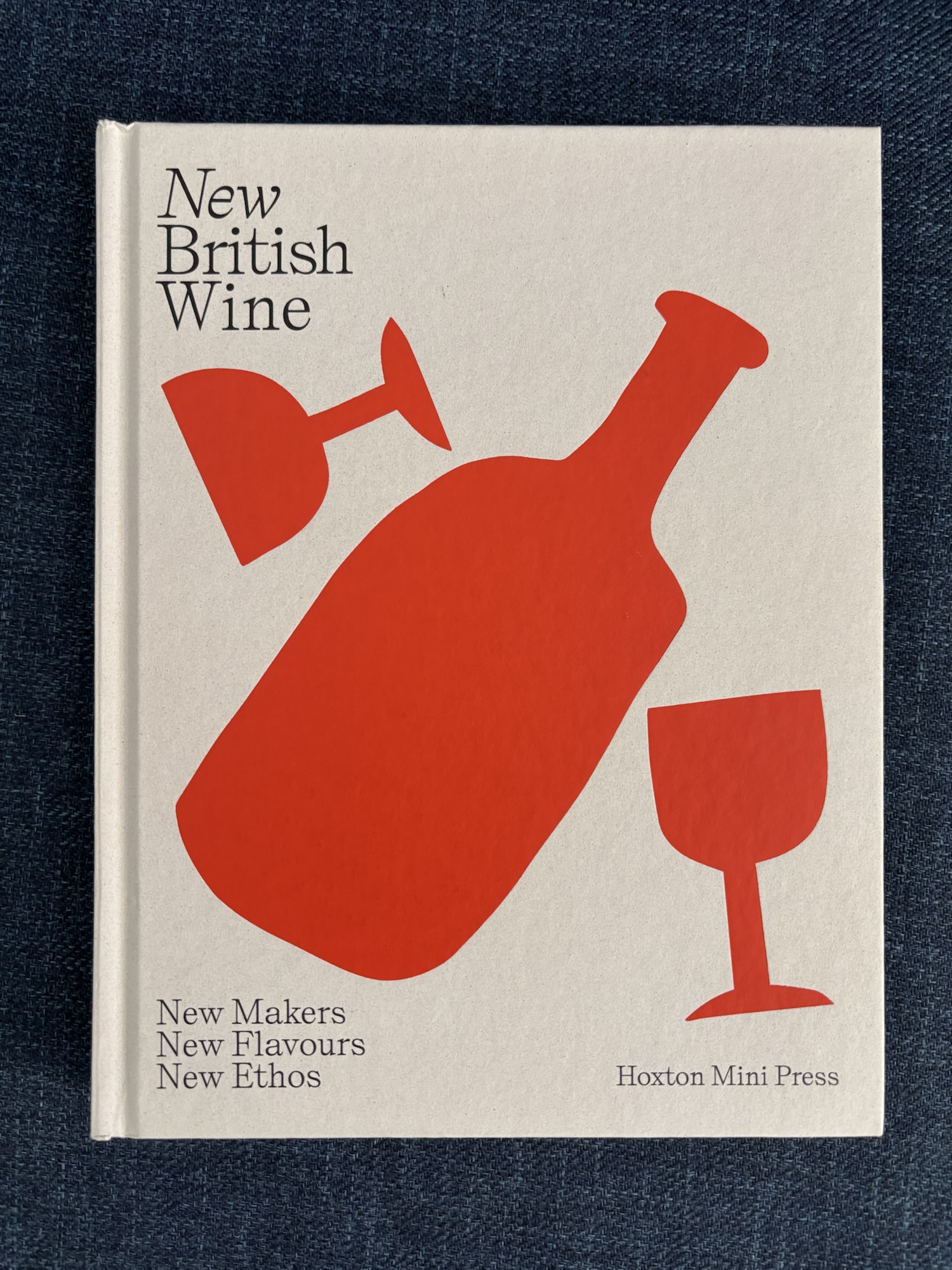
I will mention one more book on English and Welsh wine, but one which, in covering just a few cutting-edge winemakers, also profiles some other wine industry individuals making a big impact here. That book is New British Wine by Abbie Moulton and Maria Bell. Moulton does profile (I think) sixteen English and Welsh vineyards, including Charlie Herring Wines, Matt Gregory and Westwell, but you can also read about India Parry Williams (Cork & Cask and Wild Wine Fair), Lola Provisions in Leamington Spa, P Franco restaurant in London, or Ossip and The Ethicurian in Somerset, plus obviously our own Spry Wines in Edinburgh, among many others.
One book that you might think should be in Part 1, because it is about grapes, is Godforsaken Grapes by Jason Wilson (2018, Abram Press, New York). However, it seems to fit here. I mean, the first chapter is called Dangerous Grapes, the second Château du Blah Blah Blah. So, it’s a wry, entertaining and slightly iconoclastic look at grape varieties but it is both informative and highly entertaining. Like me, the author believes in the intrinsic value of what the great and the good of wine writing used to call second or third tier varieties. I’m regularly drinking amazing wines made from some pretty obscure grape varieties and I enjoyed this book immensely.
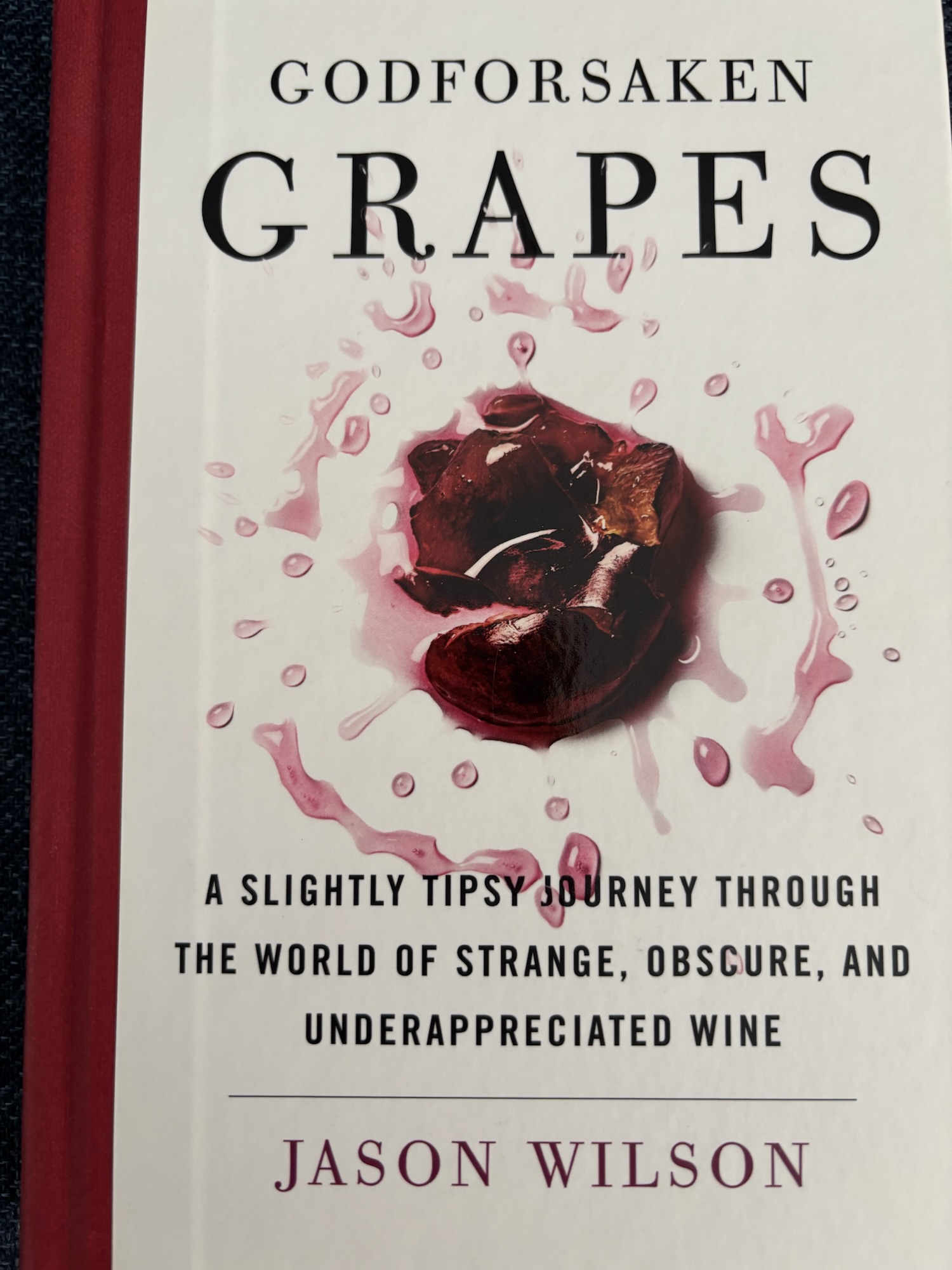
Now for a book which isn’t about wine, yet I know a good number of English natural winemakers have found it inspiring. This is The One Straw Revolution by Masanobu Fukuoka (originally 1978 with subsequent additions in translation, my paperback imprint published by the New York Book Review). It’s “an introduction to natural farming” by an ex-government food scientist turned zero input, no-till farmer, in which he describes as a scientist the practical effects of his farming method on his crops. As Tom Hodgkinson is quoted on the back cover: “Every now and then you read a book which is so inspiring that you feel impelled to stride down the street shouting “read this””.
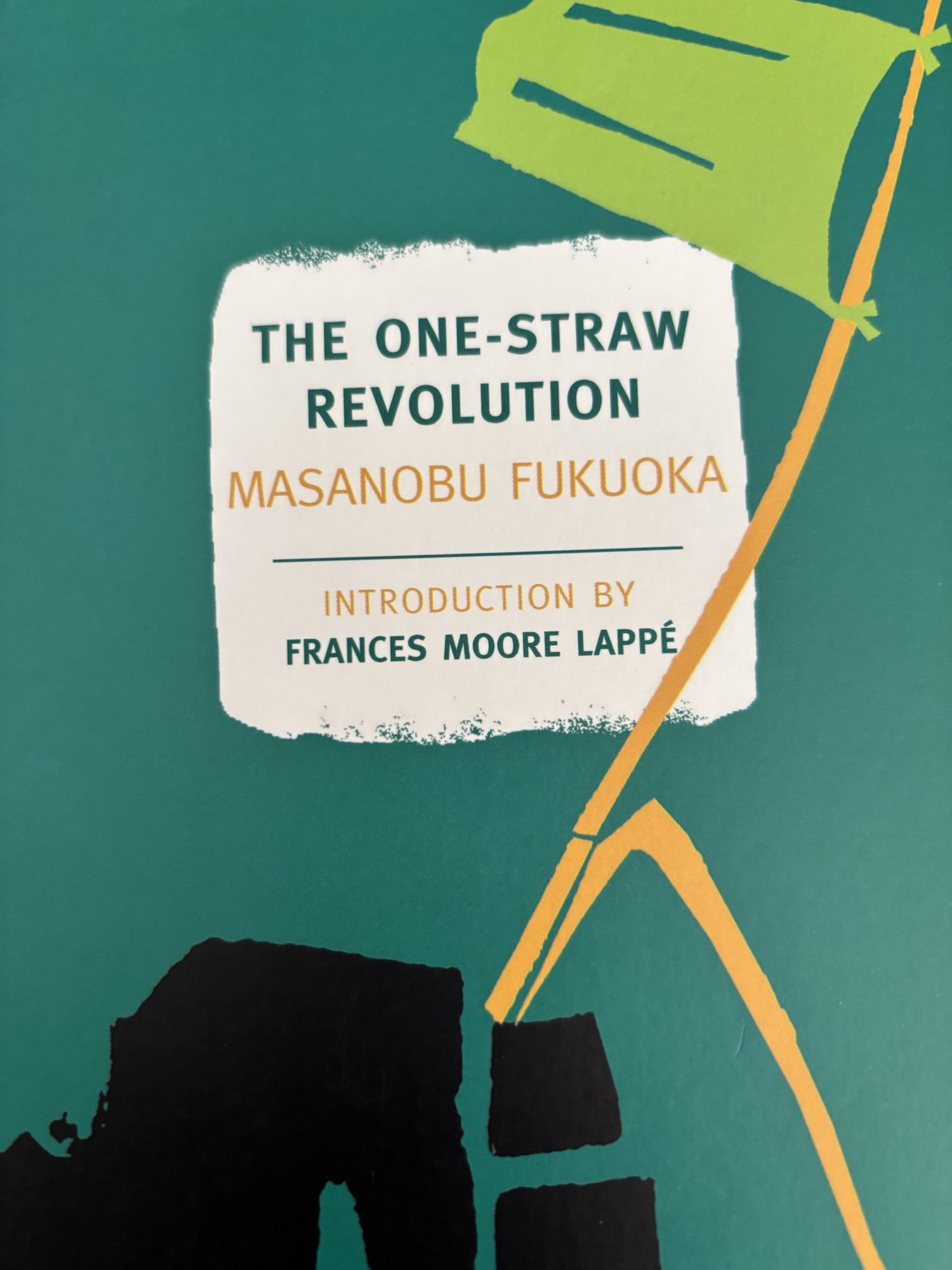
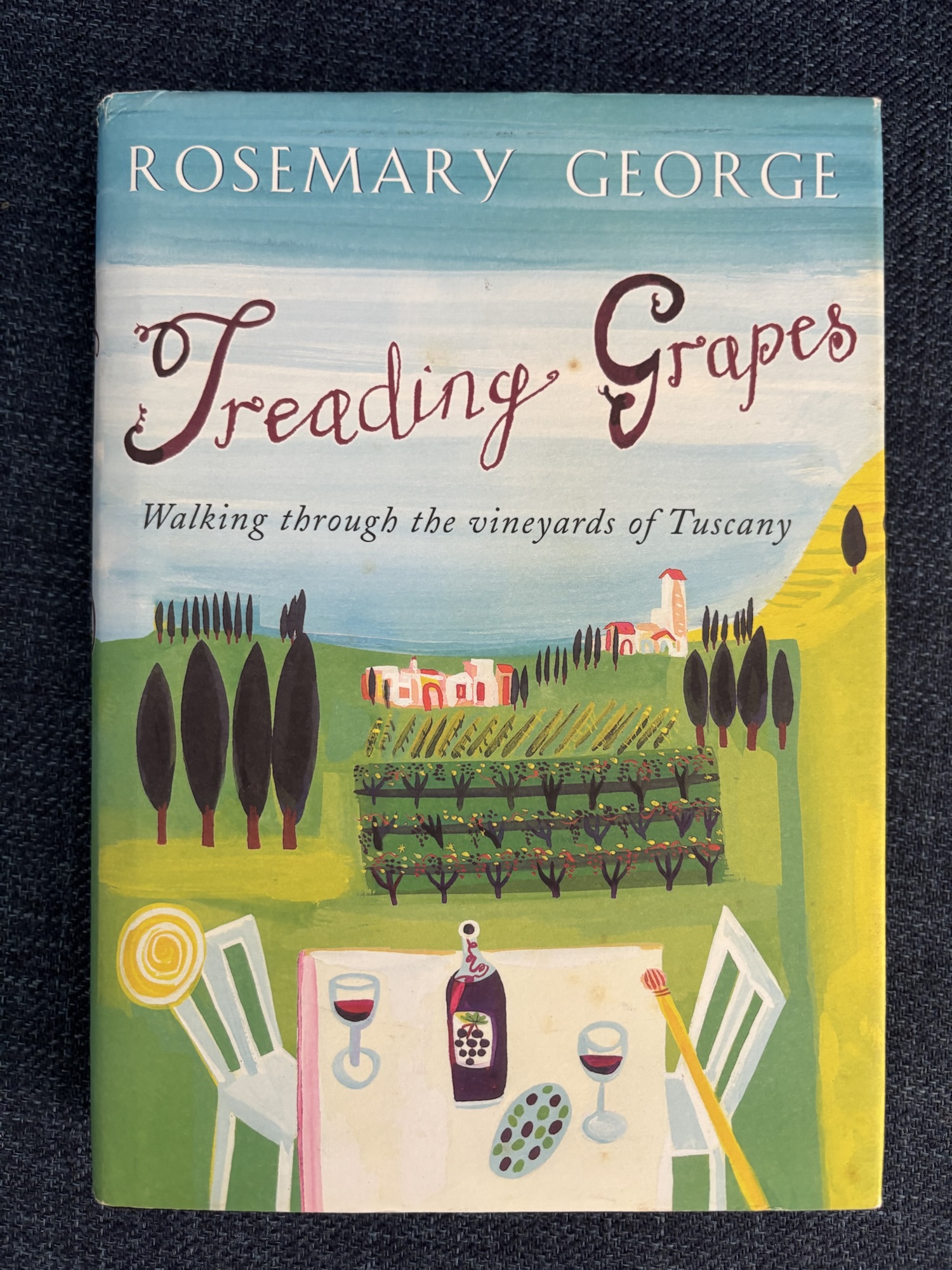
There are many wine memoirs I have read, and all of them have been entertaining. Books by Thiery Theise, Simon Loftus, Robin Yapp, books like Treading Grapes by Rosemary George (on Tuscany), or Palmento by Robert V Camuto, which is an unknown small gem about Sicilian Wine.
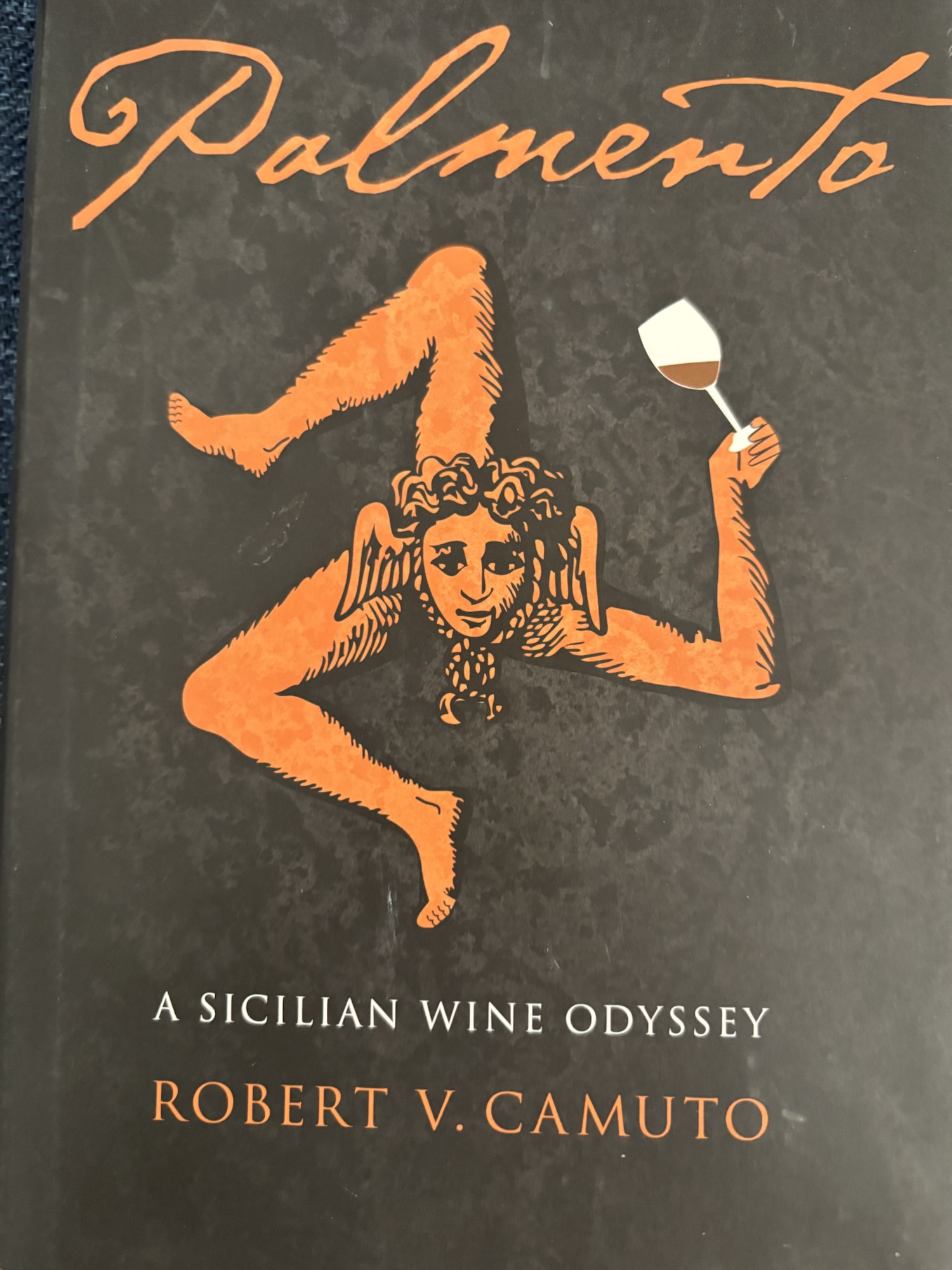
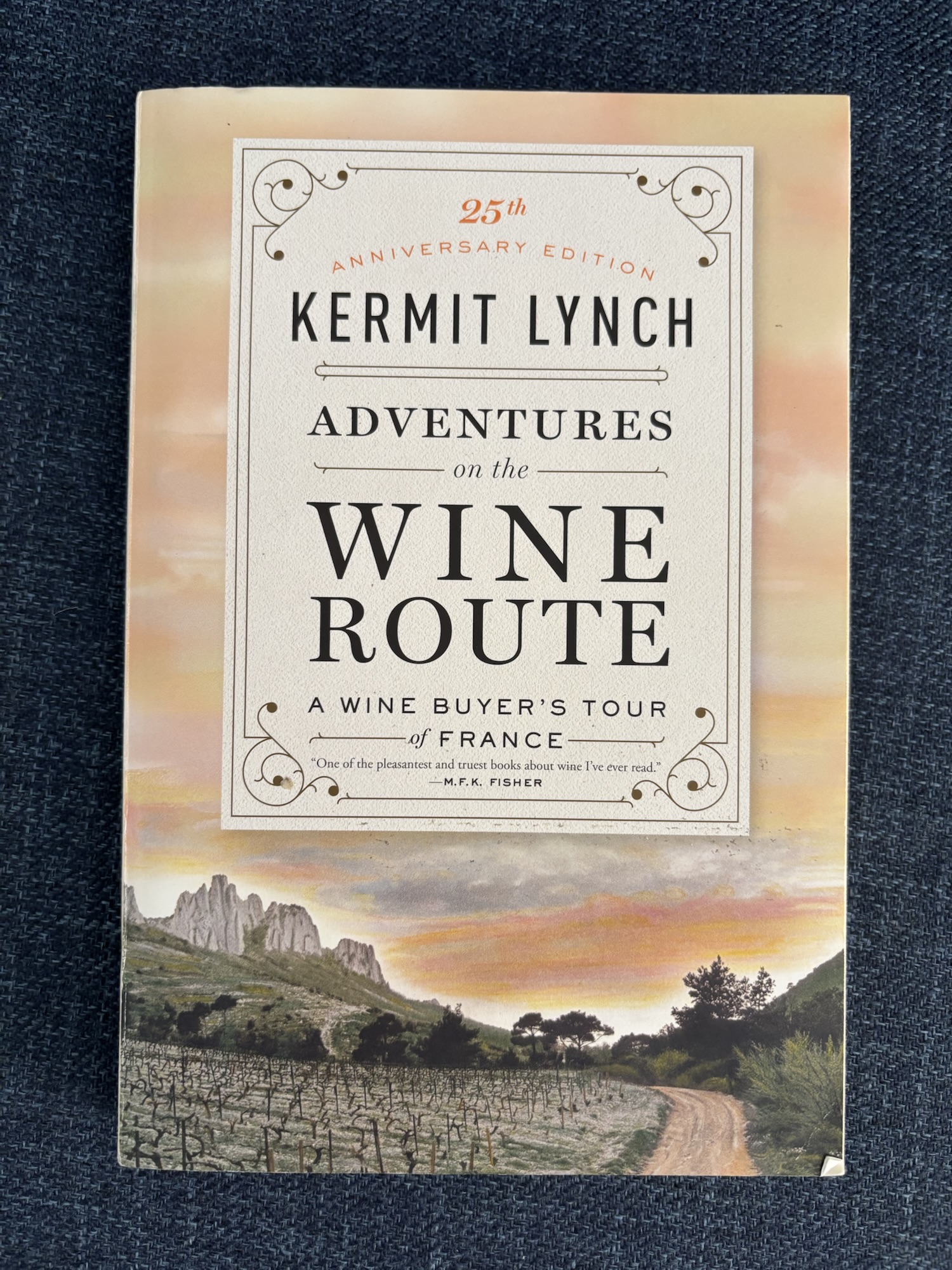
I’d love to read something similar about Piemonte if anyone knows of one (though see the end of this article). Perhaps my winner in the memoir-travelogue category is Kermit Lynch’s famous Adventures on the Wine Route (Farrar, Straus and Giroux, New York 1988).
Like Robin Yapp around the same period, Lynch describes a time when European wine, aside from the established classics, was accessible mostly only to those who put in the travel, and lovingly curated a list of some fantastic wines from French regions which, if famous today, were far from being so in the late 1970s and early 1980s. We are talking of a time when you could just rock up at the great George Vernay’s tasting room and he’d spend the morning talking about his wines, and no one else would show up. A time when a bottle of Chave Hermitage from the current vintage would cost me £12.50 from Yapp Brothers (I have the price list) and Château-Grillet could be found on local restaurant wine lists for prices which would not stress a young couple in their mid-twenties. Eric Asimov called Lynch’s work “one of the finest American books on wine”, and I don’t know a better one.
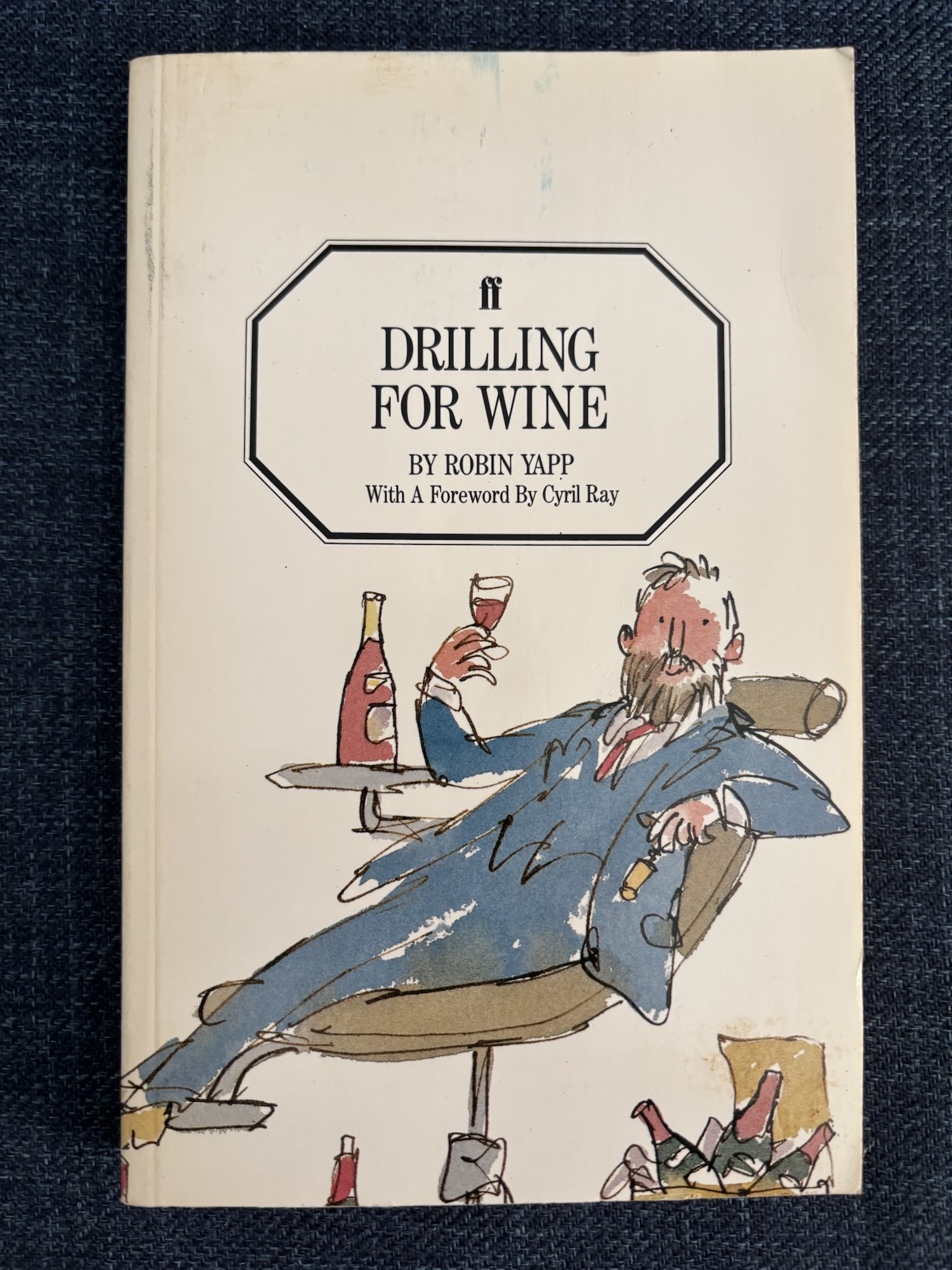
By coincidence, Henry Jeffreys wrote about Robin Yapp’s Drilling for Wine (Faber, 1988) about a week ago. It’s a lovely book if you want to know what the emerging independent wine trade was like fifty years ago, when wines that are famous and expensive now were really just being discovered. It has many parallels with Kermit Lynch’s book (above). I also used to have his 1979 book, Vineyards and Vignerons, and I cannot believe I allowed that one to go to Oxfam.
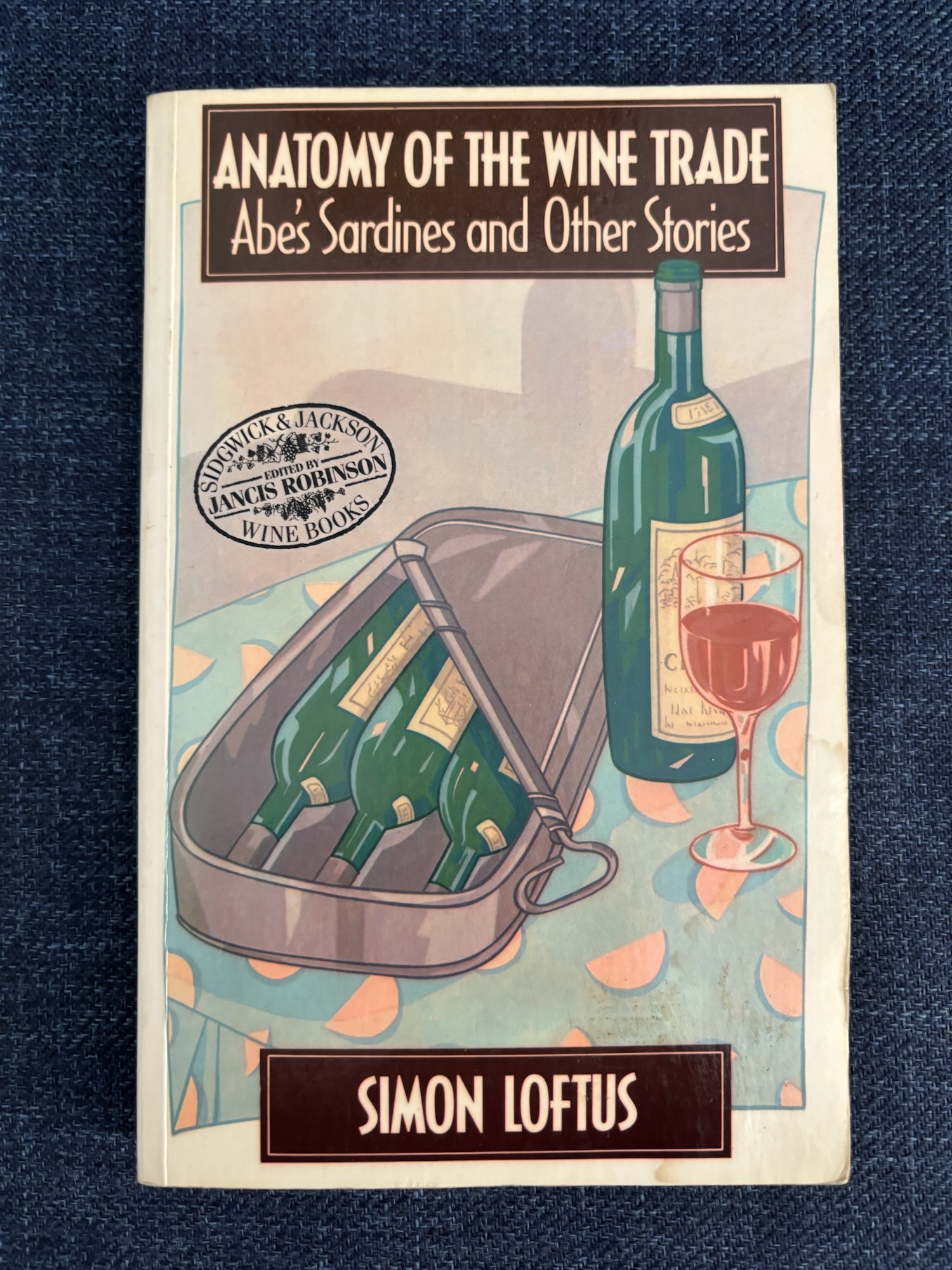
In a similar vein is Anatomy of the Wine Trade by Simon Loftus (Sidgwick & Jackson, 1985), which was edited and introduced by a youthful Jancis Robinson, no less. The back cover describes the Adnams director’s first (but not last) foray with the pen as “provocative” and containing “vivid portraits of…rogues and heroes…written with the enthusiasm of someone who discovered wine at the age of seven”.
Both of the above also contain some very old school photographs, entertaining in themselves.
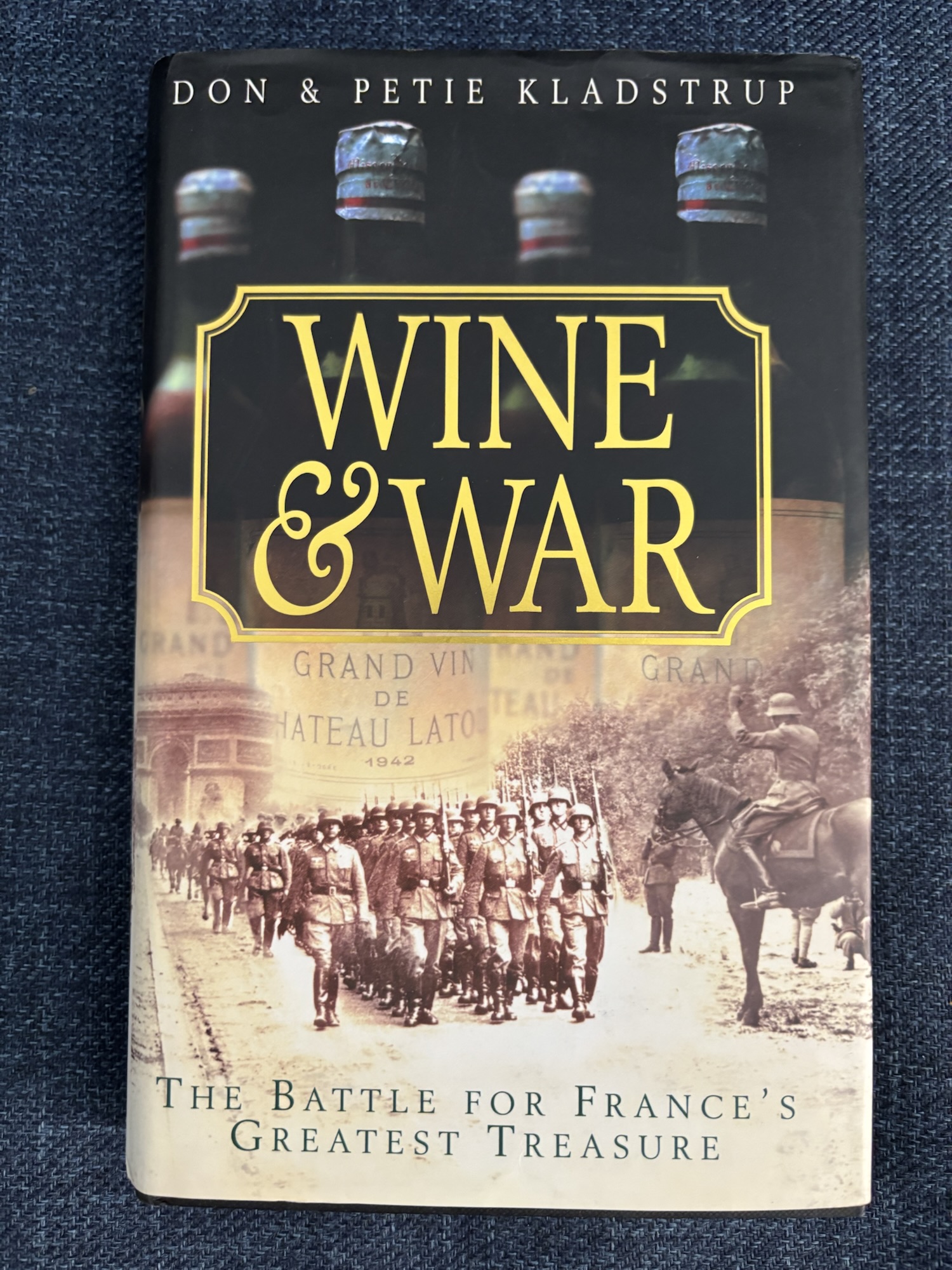
Last of all a quick plug for a history book. It appears here because it is not a general history of wine, like Hugh Johnson’s great work mentioned in Part 1. It is called Wine and War and is written by Petie and Don Kladstrup (Hodder & Stoughton, 2001). It tells the story of France’s “courageous and clever vintners” who set out to protect France’s vinous patrimonie from the invading Nazi army during WW2. There are some great stories here, not least the last chapter, which tells the story of Gaston Huet of the famous Vouvray estate. After five years in a German POW camp, he was liberated by sword-wielding Cossacks on horseback, and, with his fellow prisoners, walked to the German border before being aided by Allied troops. In fact, the post-war stories are as amazing as those from during the war. If you chance upon a copy, it is worth grabbing.
Sadly, I am not able to suggest a book about one of France’s most exciting wine regions, Alsace. I loved Tom Stevenson’s Faber book on Alsace, but that book is now too far out of date to be a useful guide to the producers there, and what is happening in the region today (it was published in 1993). The lack of a book especially detailing the revival of many of the region’s grape varieties (I mean Sylvaner Grand Cru, Pinot Noir anyone!) and blends, and the enormous growth in Alsace natural wine, makes Alsace one of the glaring gaps in wine writing today.
The case is similar for Austria. I have Stephen Brook’s The Wines of Austria in its 2016 First Edition (Infinite Ideas, now Académie du Vin). A second edition came out in 2019 but no one has convinced me that its focus is quite the Austria I know and love, of natural wine in Burgenland or Styria, or of Gemischter Satz from Vienna and so on.
There are authors who do not appear here, and I think I need to address that. I’ve not listed anything by Jancis Robinson (other than the Wine Atlas in Part 1), nor, really, by Andrew Jefford. I have books by both. For me, Jancis’s supreme knowledge and experience are less of a fit with my own tastes, although in more recent years she and her online colleagues have begun to travel outwards. Her brand does not nowadays focus exclusively on the classics, as perhaps it once kind of did, but I just inhabit a different world of wine, one where I feel excited and challenged by ever new wines, places, flavours. Even if nostalgia makes me pine for a good Pomerol now and again.
Jefford’s The New France was massively influential on me. I could list a few dozen producers in that book which thanks to Andrew I got to know. But his trajectory and mine kind of diverged around the time he returned from his stint in Australia. Perhaps The New France is another book that might seem dated today. That said, as a writer, he’s hard to match and I do hope one day to get a copy of Drinking with the Valkyries.
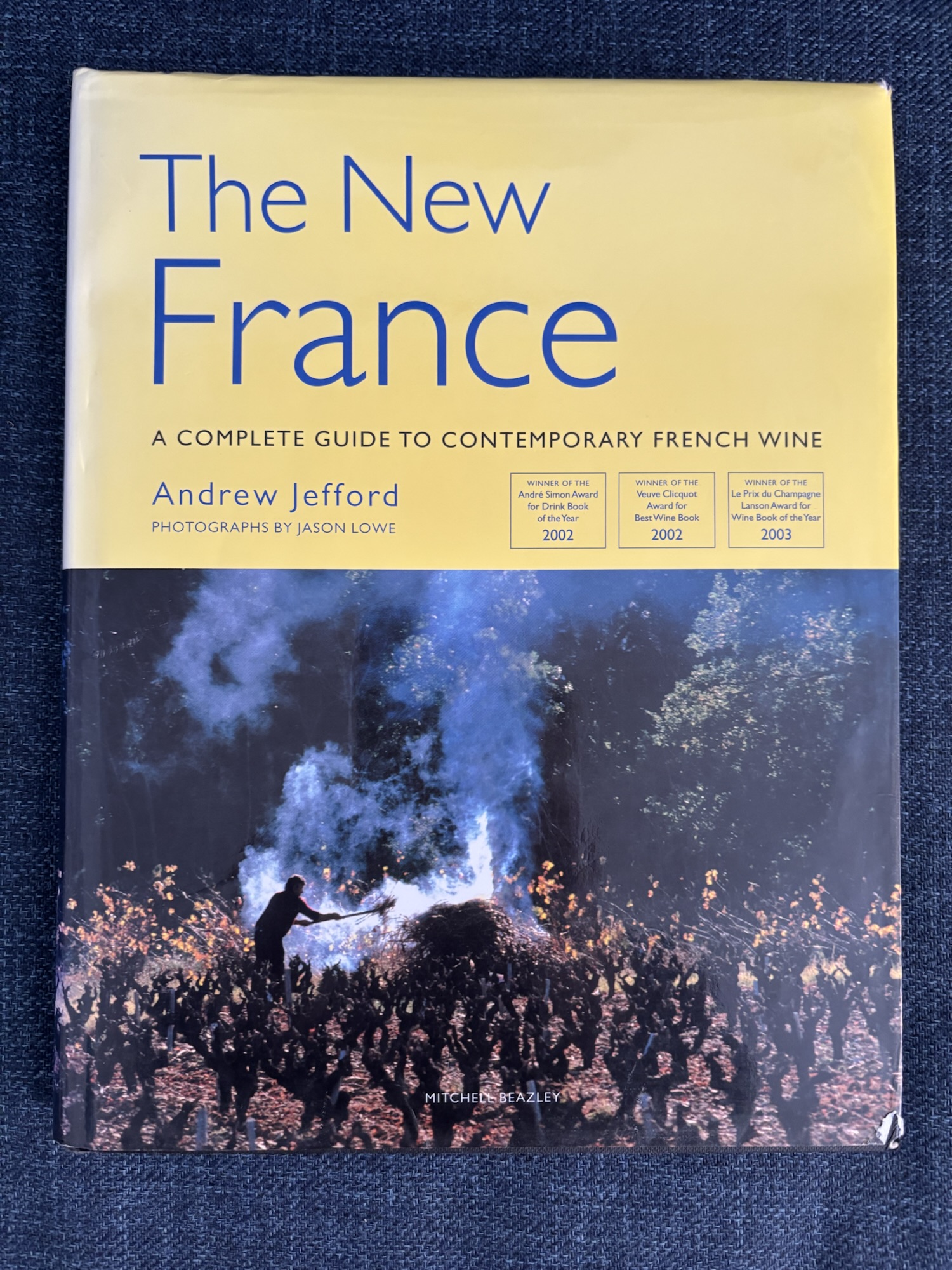
So, out of the 150 wine books that remain, I have only mentioned a few over the two parts of this article. To be honest it has been very hard to limit myself to these. This second part is not too far off a third longer than I try to keep my articles. But I still keep these books because either they continue to be useful to me, on a weekly or monthly basis in many cases. Others are just close to my heart. Their warmth remains so I can’t part with them. Hopefully one day I will read them again, for a second or third time.
As a kind of postscript, I am buying wine books all the time and I know of a couple I intend to read when they are published this autumn. I began buying wine from David Gleave when he co-ran Winecellars with Nick Belfrage back in the 1980s. Belfrage has written a number of notable books on their initial specialism, Italy. Gleave has a book, Barolo and Barbaresco, which is due 1 October in the UK (1 November for US market), published by Academie du Vin of course. The same publisher will be releasing at least one more of its excellent Smart Traveller’s Wine Guide volumes, the one I’ve heard about being on Languedoc and written by Decanter Regional Editor for France (and Sustainability), Nat Earl. This is also scheduled for publication on 1 October in the UK.


Kermit Lynch’s book is my favourite wine book of all time. I love anything Jefford writes and I was fortunate to share a private tasting with him and dinner at friends in the Languedoc. New France and Max Allen’s Future Makers are also prominent on my shelf at home. I listened to Jeffreys’ audiobook version and Wink Lorch is always good.
But plenty of new things to explore. Thank you
LikeLiked by 1 person