
There is no denying that France has more than its fair share of profoundly beautiful regions. I guess that’s why they call them La France Profonde. Poor jokes aside, there are many regions that match the Gers for scenery, architecture, food and other elements that make up what they do so well in France and perhaps far less well in the UK: Patrimonie. That said, not many do it noticeably better. Part of the cultural landscape of France is wine (well, cider in Brittany and Normandy and beer in the north, of course). Like Charentes to the north, Gers, is well-known for alcohol, but we are talking brandy, not wine.
Specifically, we are in Armagnac country. We were staying in a village near the town of Condom, which has caused me a few issues when telling people where I’ve been who have never heard of the place. Hardly surprising because I do remember way back as a teenager that the odd friend who passed through thought it would be fun to send all their mates a postcard with the town’s name emblazoned across the front.
In truth, Condom is an historic town, famous for its connection with the Three Musketeers (there’s a statue of them along with their buddy, D’Artagnan, by the Cathedral), and it is also on one of the main Pilgrim routes which wind through France towards the Pyrenees and on to Santiago de Compostella. As an aside, I was quite surprised at just how many “pilgrims” we saw along the route and although I’m not religious, it is quite a tempting option for someone who loves walking as much as I do.
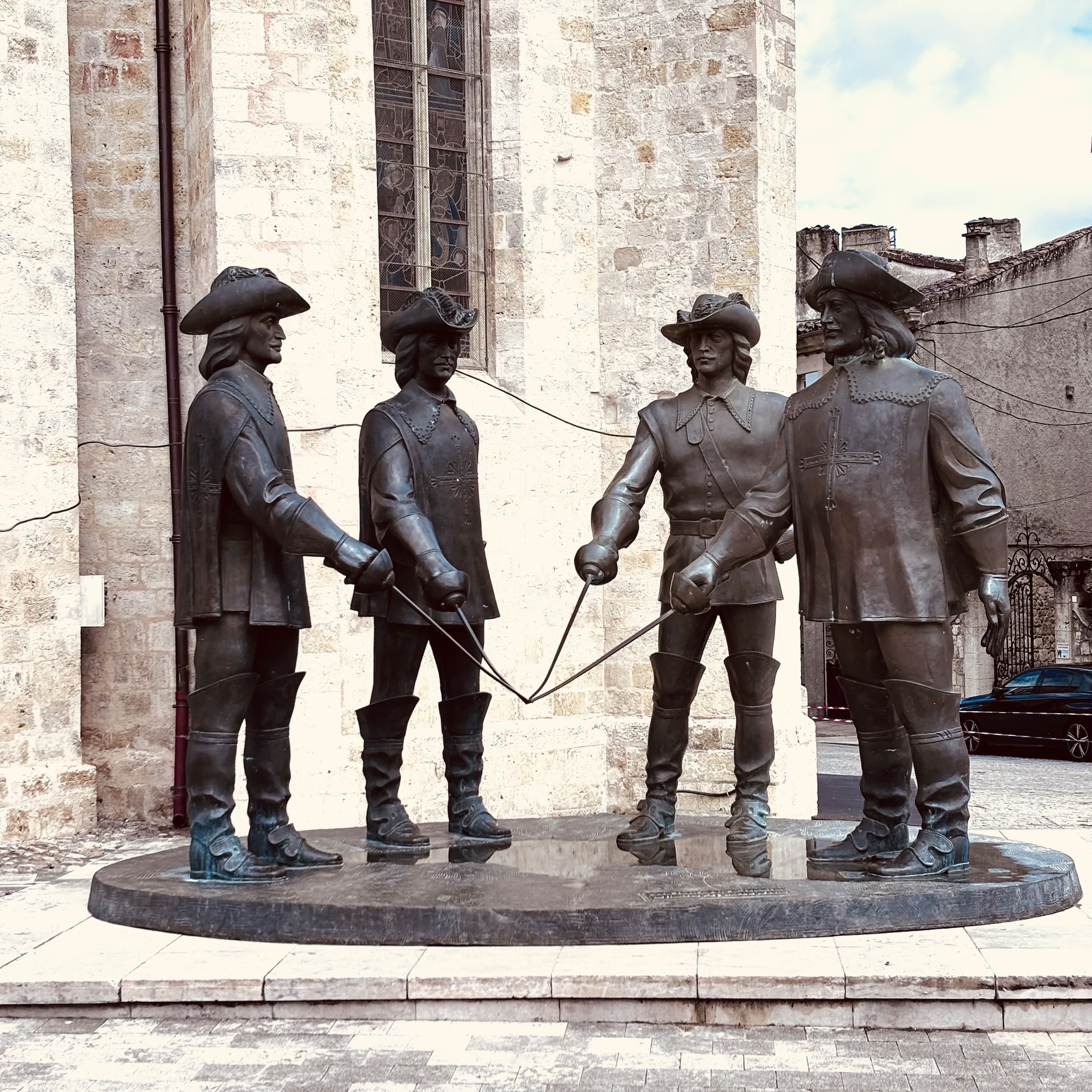
Well, D’Artagnan is definitely the one second from the right, and Porthos far right, but as for the others?
The vines which surround Condom are not all for Armagnac (here we are in its Ténarèze sub-region), nor indeed for the equally popular, at least in these parts, Floc de Gascogne (think Pineau des Charentes, Ratafia de Champagne or Macvin, it’s the same idea). We also have some wine of which most goes out under the Côtes de Gascogne IGP. To be fair, the Plaimont Co-operative is making some excellent and underrated wines under this designation, and there are other family domaines doing the same. But there are, even down here, natural wine pioneers.
One of them is making a wine so good I took an unusual step of devoting an article to him on the basis of just one bottle. I did try to visit Sébastien Fezas but with just a couple of days of the trip left we could not find a mutually compatible window.
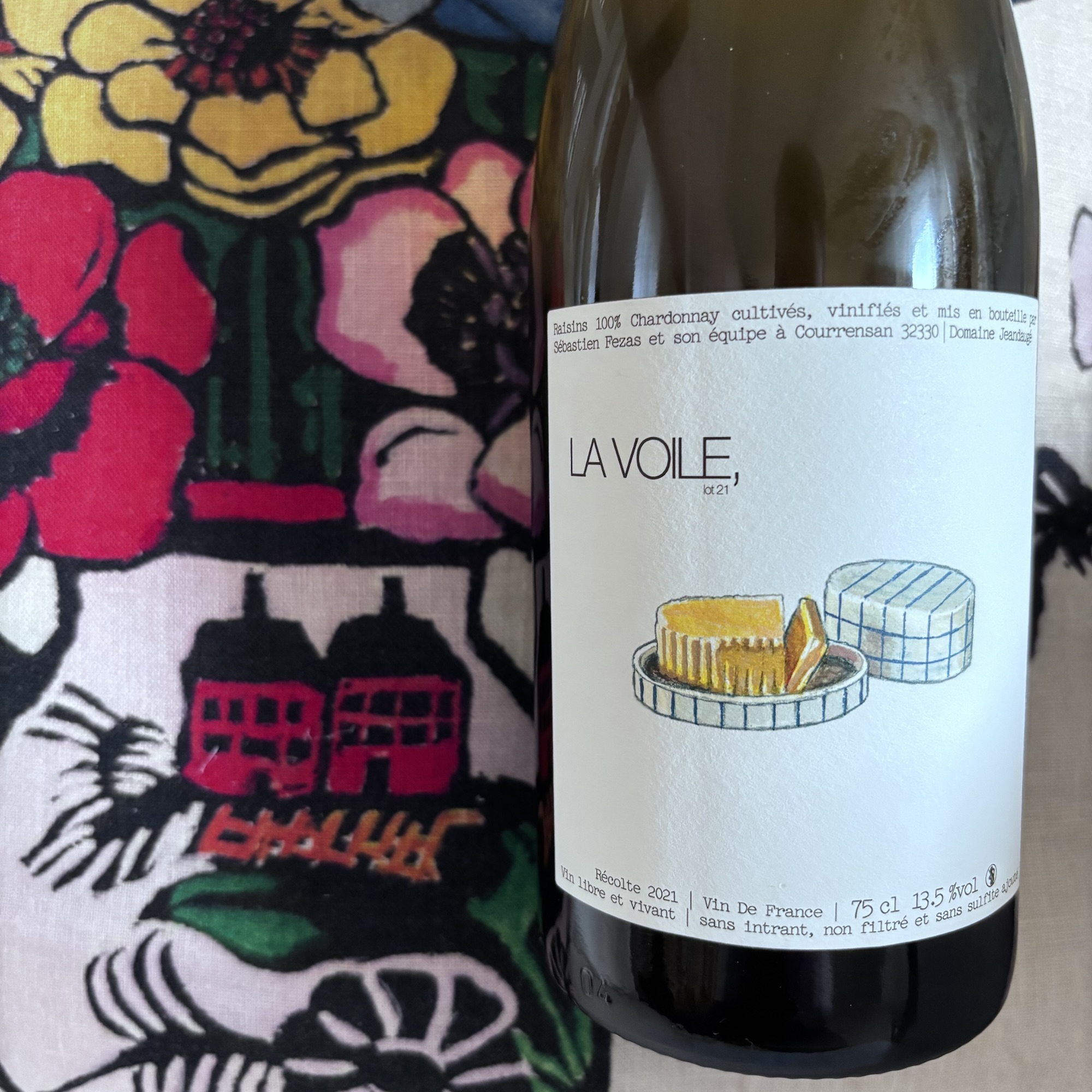
Sébastien runs the family Domaine Jeandaugé, at Courrensan, just a short drive southwest of Condom. He inherited a good 28 hectares, which have belonged to the family for well over a century, back in 2012. He has done what is common now, and often the only way to make a living, which is to end sending grapes to the local co-op and to bottle his production. That said, Sébastien feels that 28ha is way too much for him to process working the way he does (he thinks 15ha might be his optimum according to the article I mention at the end of this piece). He has therefore become something of a prize source for any bio producers in the wider region wishing to grab the odd batch of fruit.
Of course, Sébastien is going much further than merely bottling his crop, as you no doubt deduced, with a concentration on biodynamics alongside regenerative farming, including bees and sheep, and a future interest in agroforestry. He is totally behind natural winemaking, so that as far as I know none of his cuvées now have any added sulphur alongside all the other non-interventions you would expect. He grows local stalwarts Colombard, Ugni Blanc, Gros Manseng and Tannat along with Chardonnay and Syrah, plus small quantities of what Sébastien calls other Gascon heritage varieties.
The wine I found so spectacularly good was called La Voile. It is pictured above. As you will have guessed from the name, it’s a wine made in an oxidative style without any topping-up of the barrels. It comprises 100% Chardonnay. I’d call it lightly oxidised, certainly not a “vin jaune” in a literal sense. The only other oxidative Chardonnay I have drunk regularly is Brad Hickey’s amazing “Bloom” (Brash Higgins Wines, South Australia).
It is a touch lighter than that. More saline and mineral, and fresh as it’s possible to imagine despite one-and-a-half years on lees, although it does have an underlying but not very obtrusive nutty element. Of course, there are other sous-voile wines made in France outside the Jura region, Domaine Plageole’s Mauzac version over in Gaillac being perhaps the best-known, but I will need reminding if any are made from Chardonnay, which Brad Hickey has already demonstrated adapts well to the process.
Naturally I had the advantage of downing a bottle with the freshest roasted vegetables, going long on both colours of in-season asparagus, from the markets of the local bastide towns (there is literally a market worth a detour on every day within a twenty-minute drive of the village where we were staying).
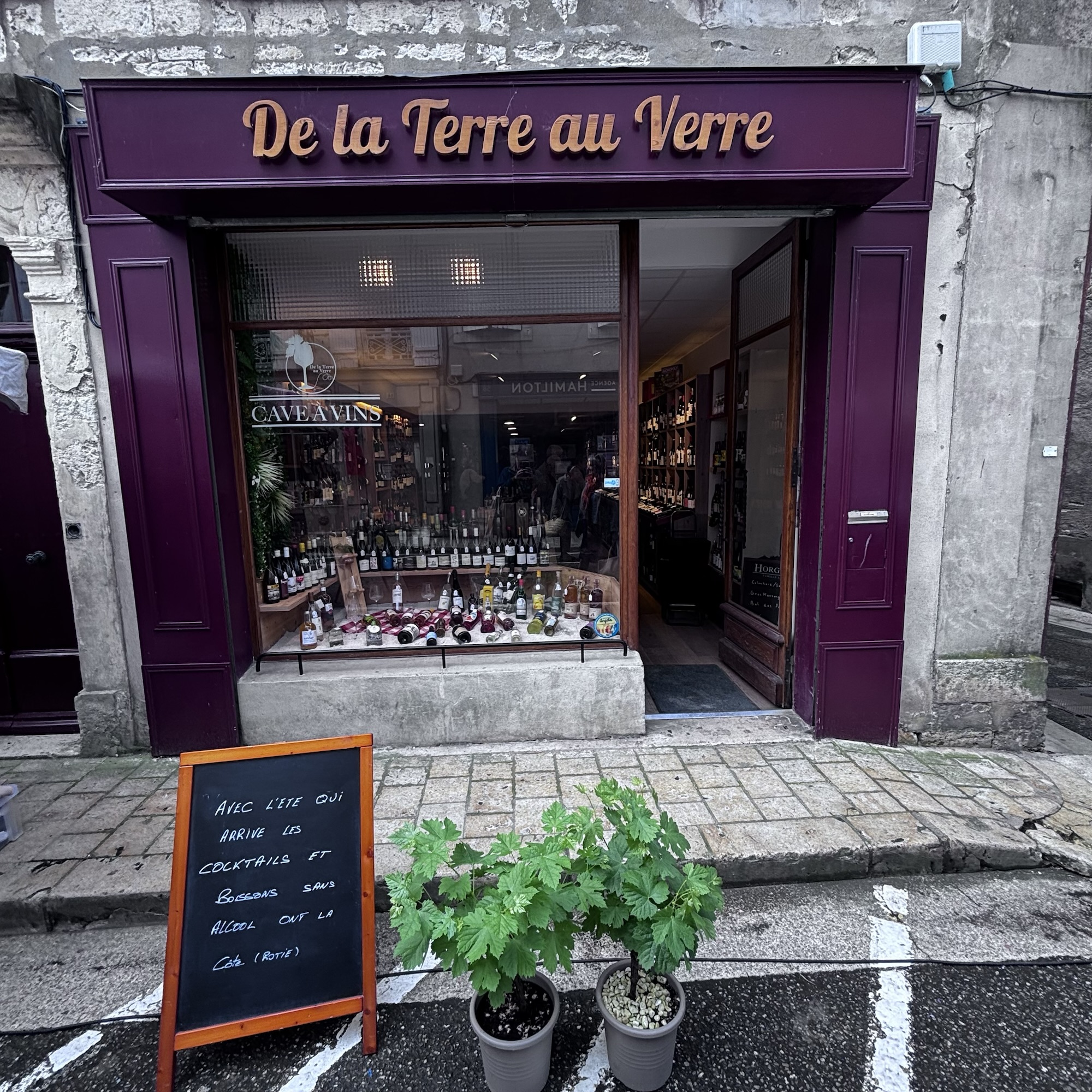
I thought this was one of the most profound wines I’ve drunk so far in 2026. I went back to the wonderful wine shop which had recommended it, De La Terre au Verre in Lectoure, three days later but they had sold out. So, I brought back Partie Fine instead (this 2023 is 100% Colombard, some previous vintages have contained 20% Ugni Blanc). I was travelling very light and even one bottle was hard to stuff into my sac, but I’d have grabbed a Tannat (made by gentle infusion to avoid the variety’s usually ferocious tannins) as well had there been space.
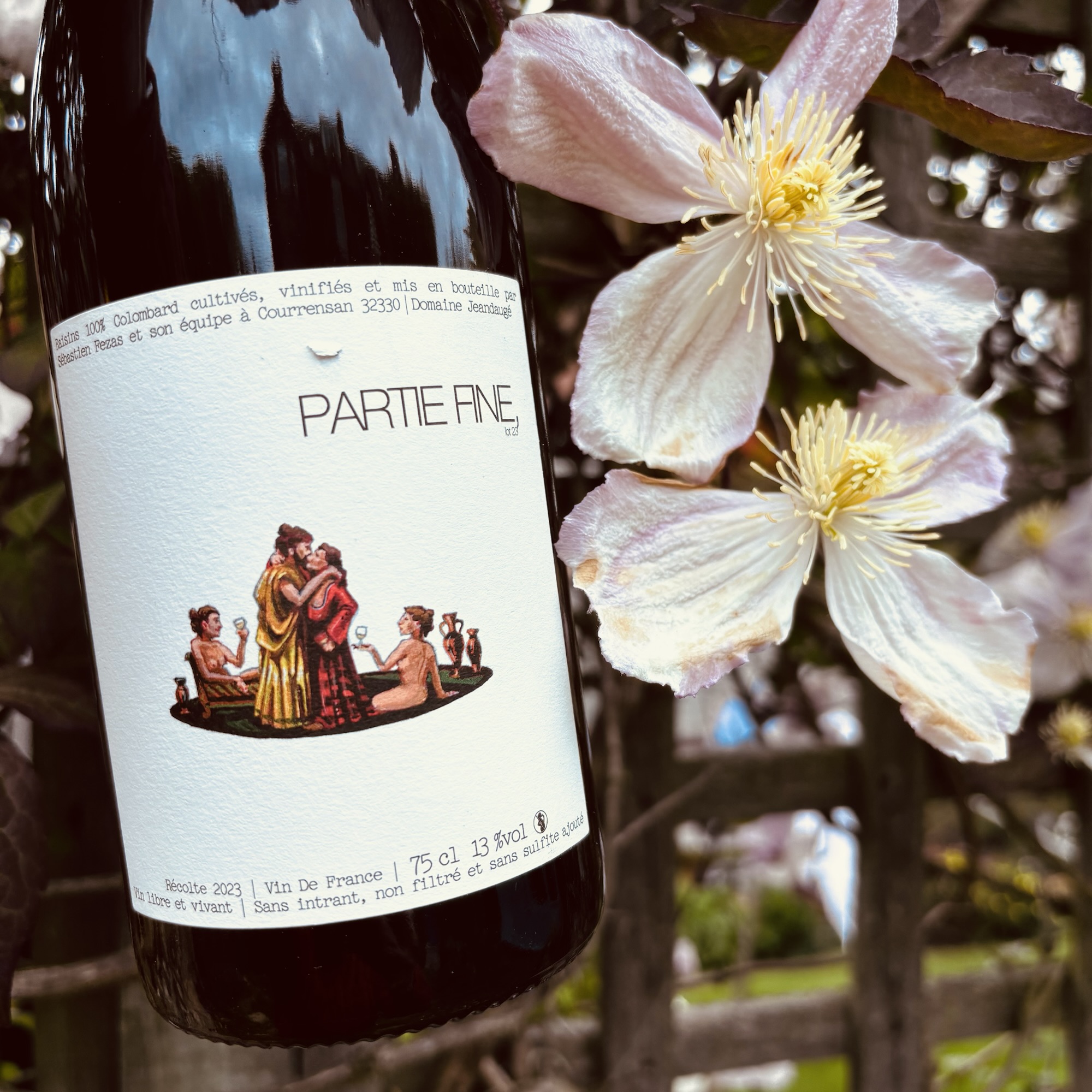
A few of Sébastien’s wines are available in the UK. Whether they have them now, I’m not sure, but Les Caves de Pyrene certainly had three cuvées back in 2023 (Doug wrote about them on the “Doug Decants” blog in September that year). Sipp Wines also lists three on their web site, although one is sold out. The problem as always is the cost of wine in the UK, post-Brexit. “La Voile” is unavailable here but cost me 24€ in France. The Colombard “Partie Fine” cost me just 12€ at De La Terre au Verre in Lectoure (a great shop, with a wide selection of local and other bio wines should you be passing close to Lectoure), but Sipp lists it for £24.75. I’m afraid that’s the Brexit benefit you voted for down in England because paying double the French price here is pretty much par for the course across the board now.
That said, I’d be very happy to pay £24 for the Tannat, which Sipp lists, were I able to find it on a retail shelf. La Voile would, if retailed for twice the 24 Euros I paid, be out of my price range these days, I’m sad to say.
Christina Rasmussen visited Sébastien a few years ago for Littlewine, and wrote a far more detailed article about that visit. She was definitely as impressed as I was, and with the advantage of a visit to the vines and winery, and a tasting. If you are moved to read more about a man who I am pretty sure makes an amazing range of natural, zero-sulphur, wines, search on littlewine.io. It probably won’t be too long before that bottle of Colombard appears in one of my Recent Wines articles. Of course, the Chardonnay will make an appearance in June.
Of course, the moral of the story? Several. First, it is still possible to make stunning new discoveries on holiday, even in a wine region where you might not be expecting to. Second, listening to the advice of a wine shop owner holds good for when travelling abroad as much as when buying wine in the UK. Independent retailers (wines, books, records, they’re all the same) are usually passionate about what they sell. Oh, and thirdly, take a bigger suitcase.
De La Terre au Verre (Romain Bourlot) is at 25 rue Nationale, 32700 Lectoure.
Best Markets: Lectoure (Fri), Auch (Sat), Fleurance (Tues).
In Lectoure do not miss the “Village Brocante” at the bottom of the hill on the rue Nationale.
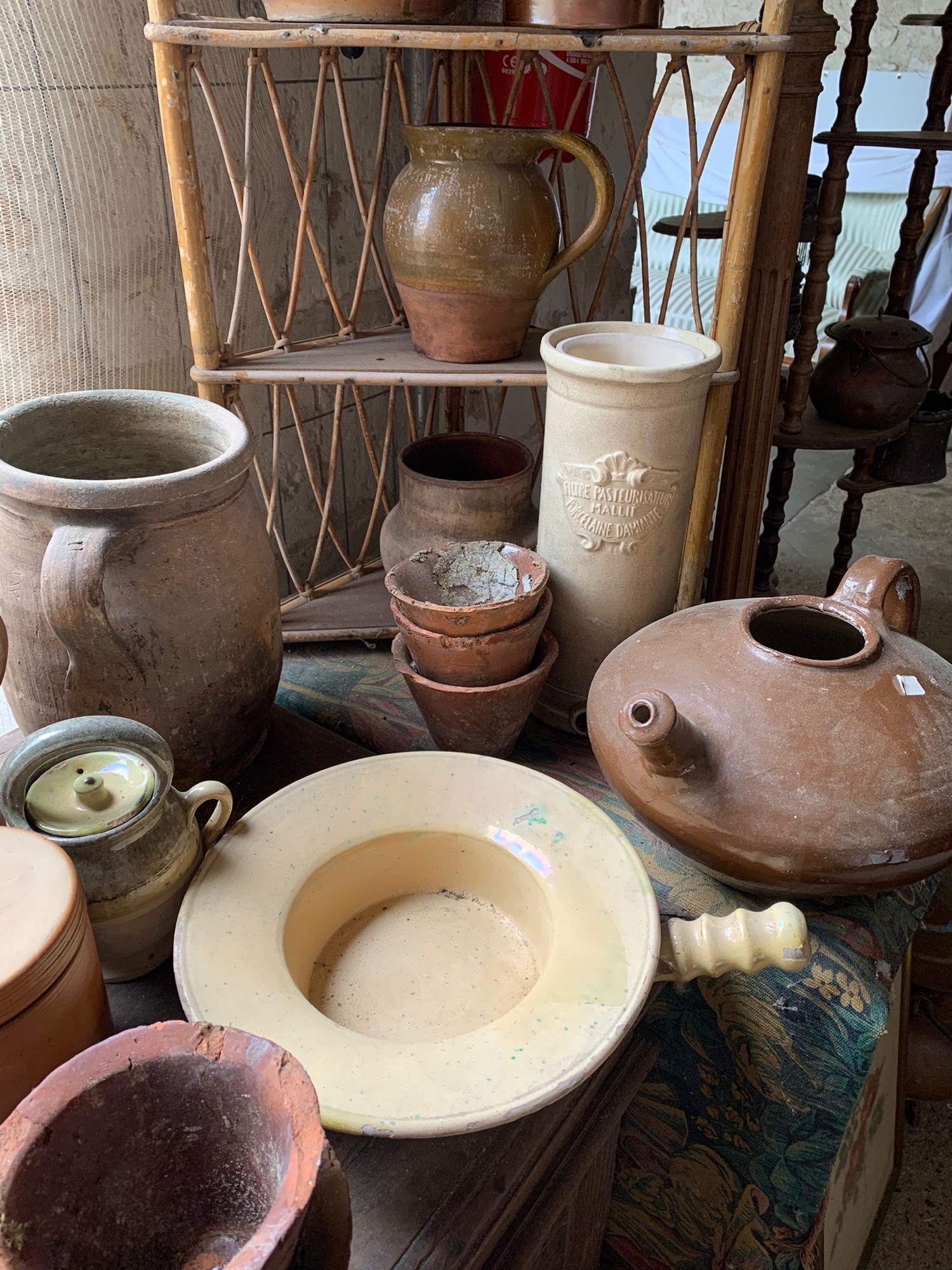
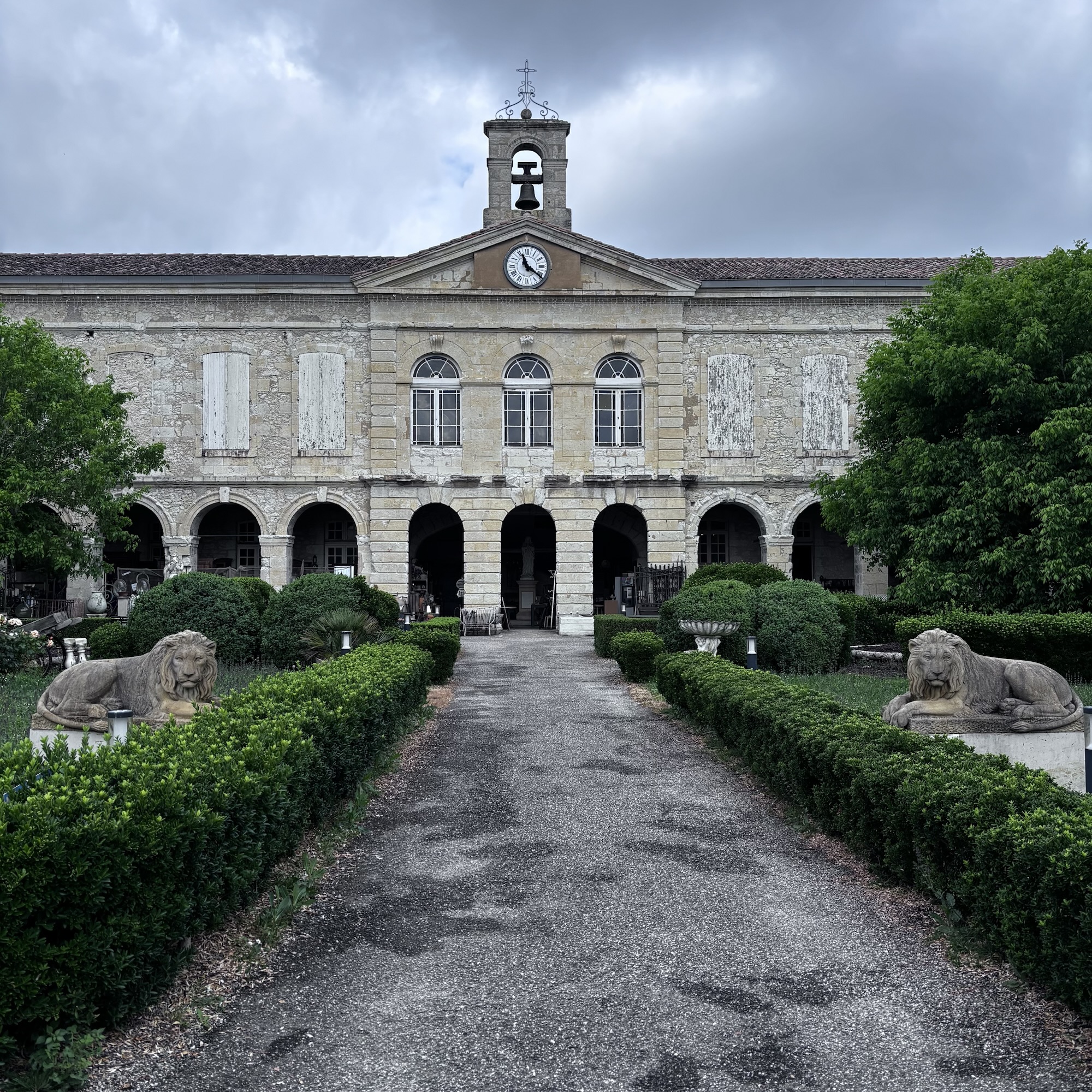
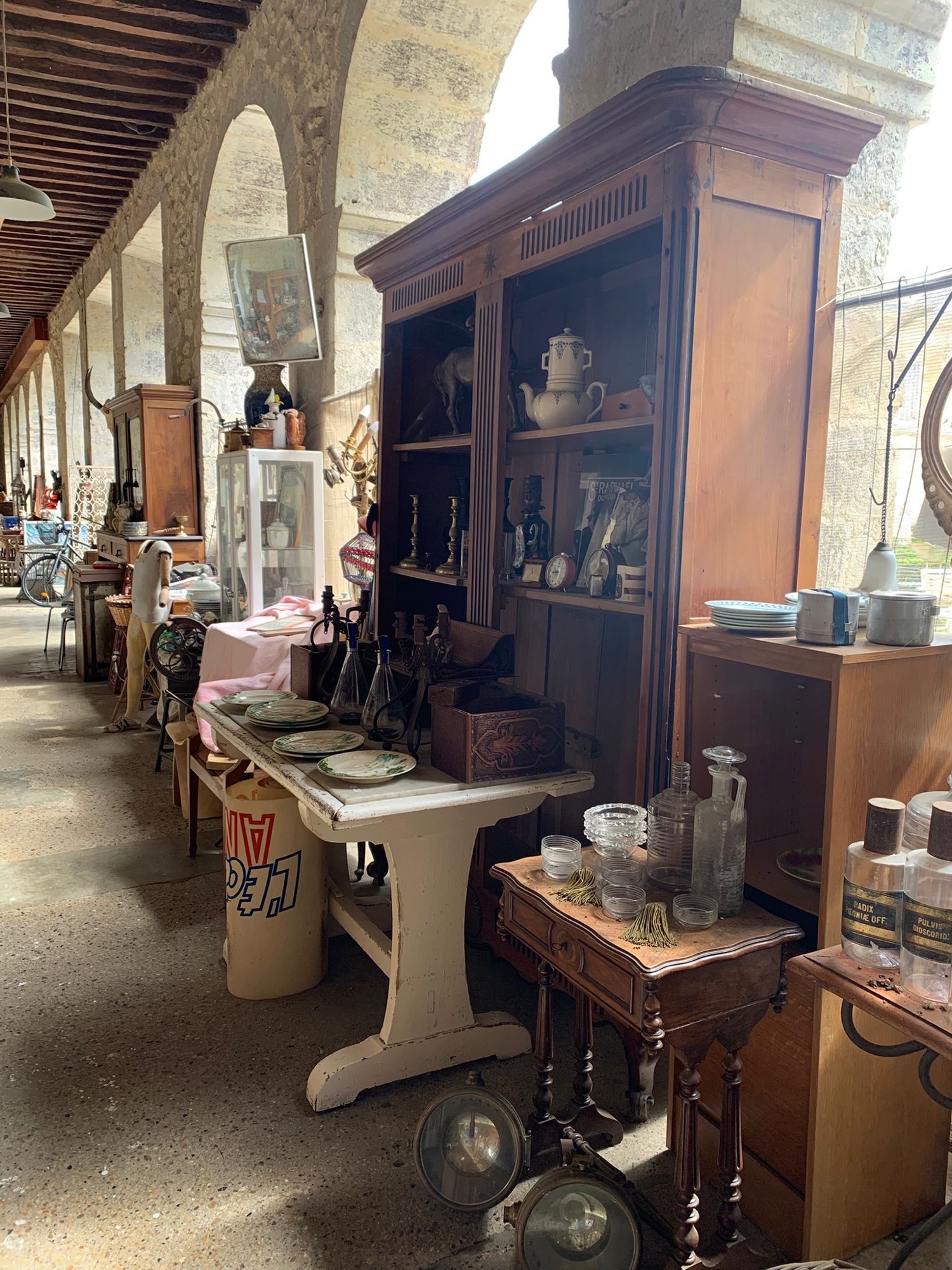
Village Brocante, Lectoure
We ate in several nice places during our week in the Gers but the best, very highly recommended, is Racinette (the new version of Racine) at 6 rue Fontélie, Lectoure (by the Cathedral). The food is marked by a delicacy that does not always come with Gascon cuisine. Exceptional. Booking absolutely essential.
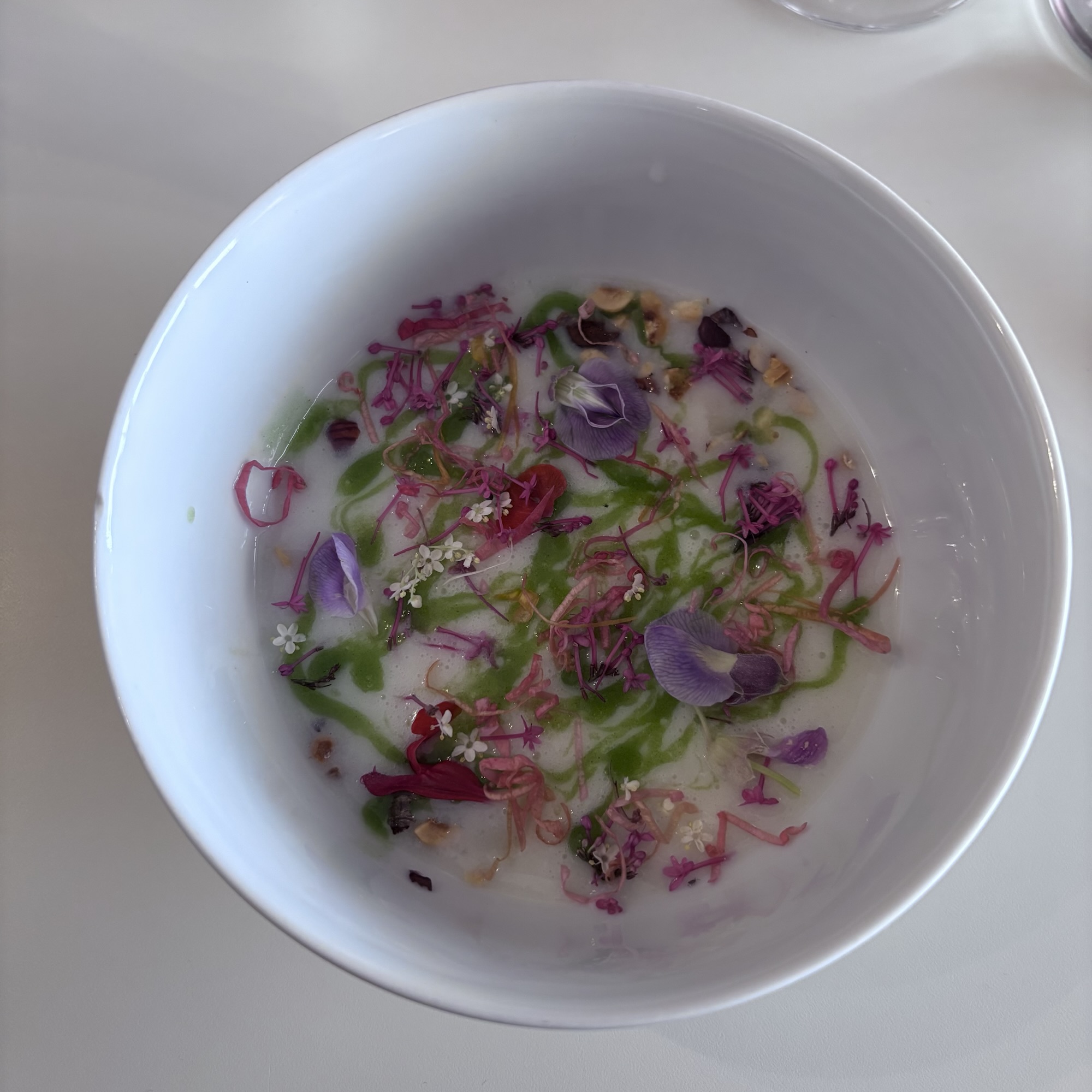
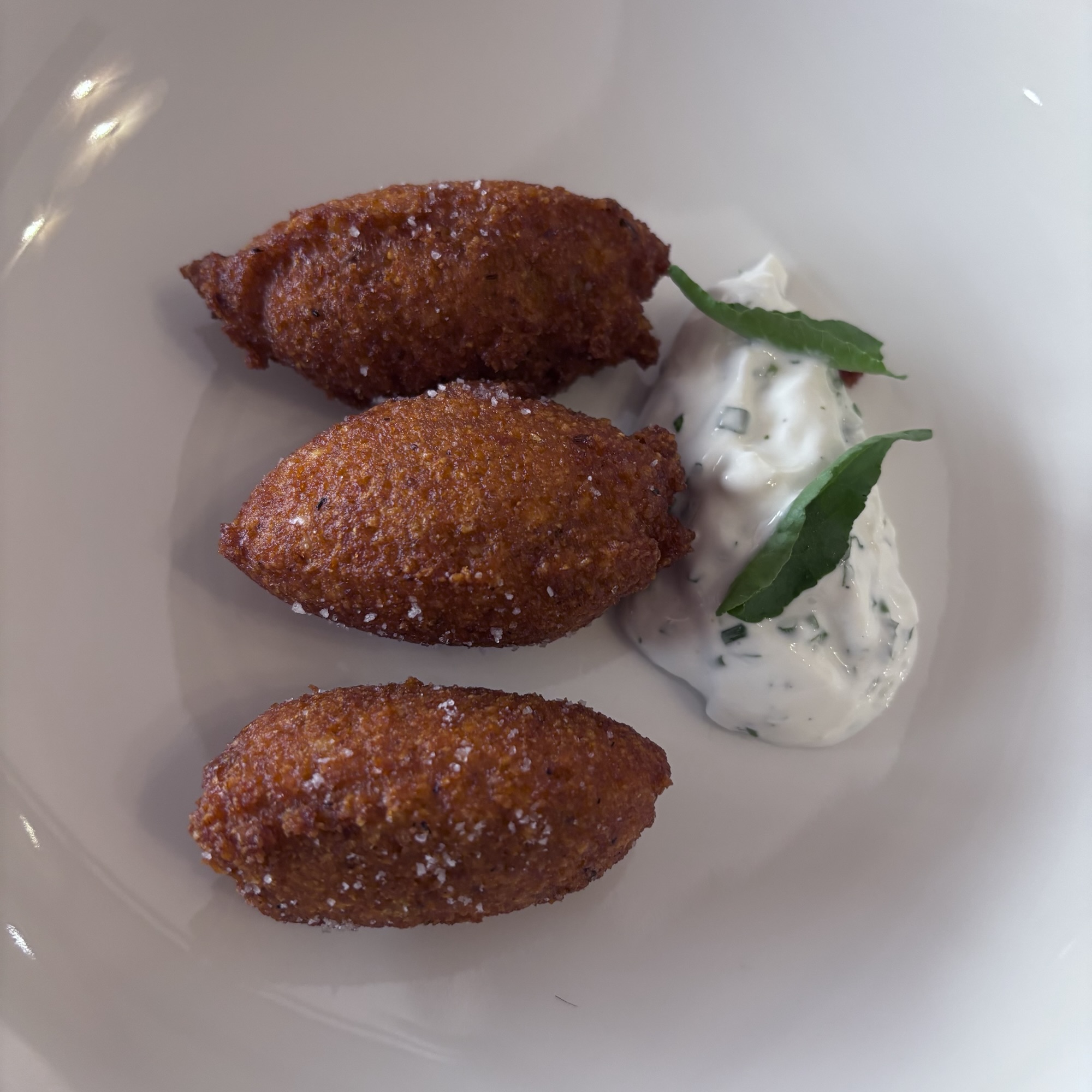
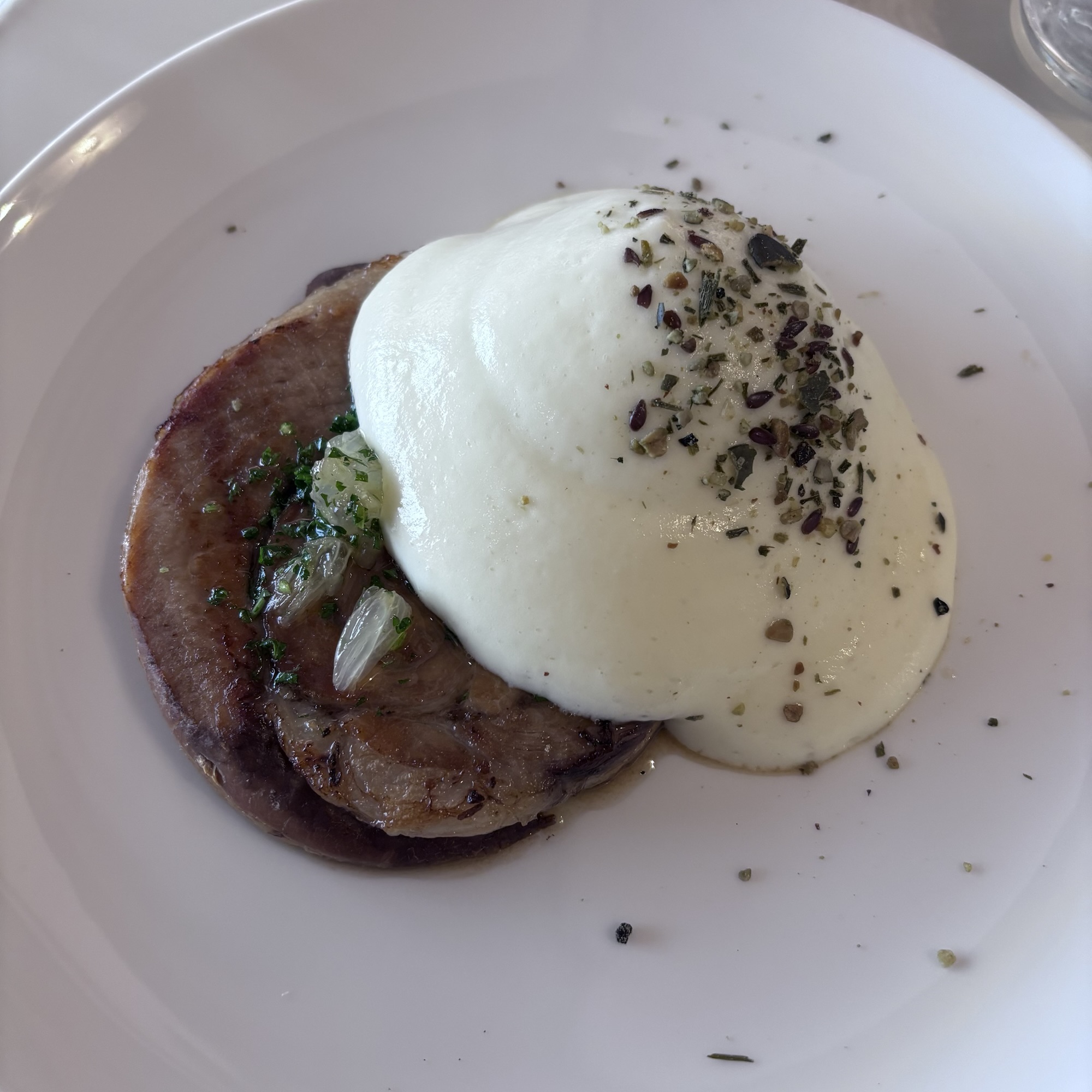
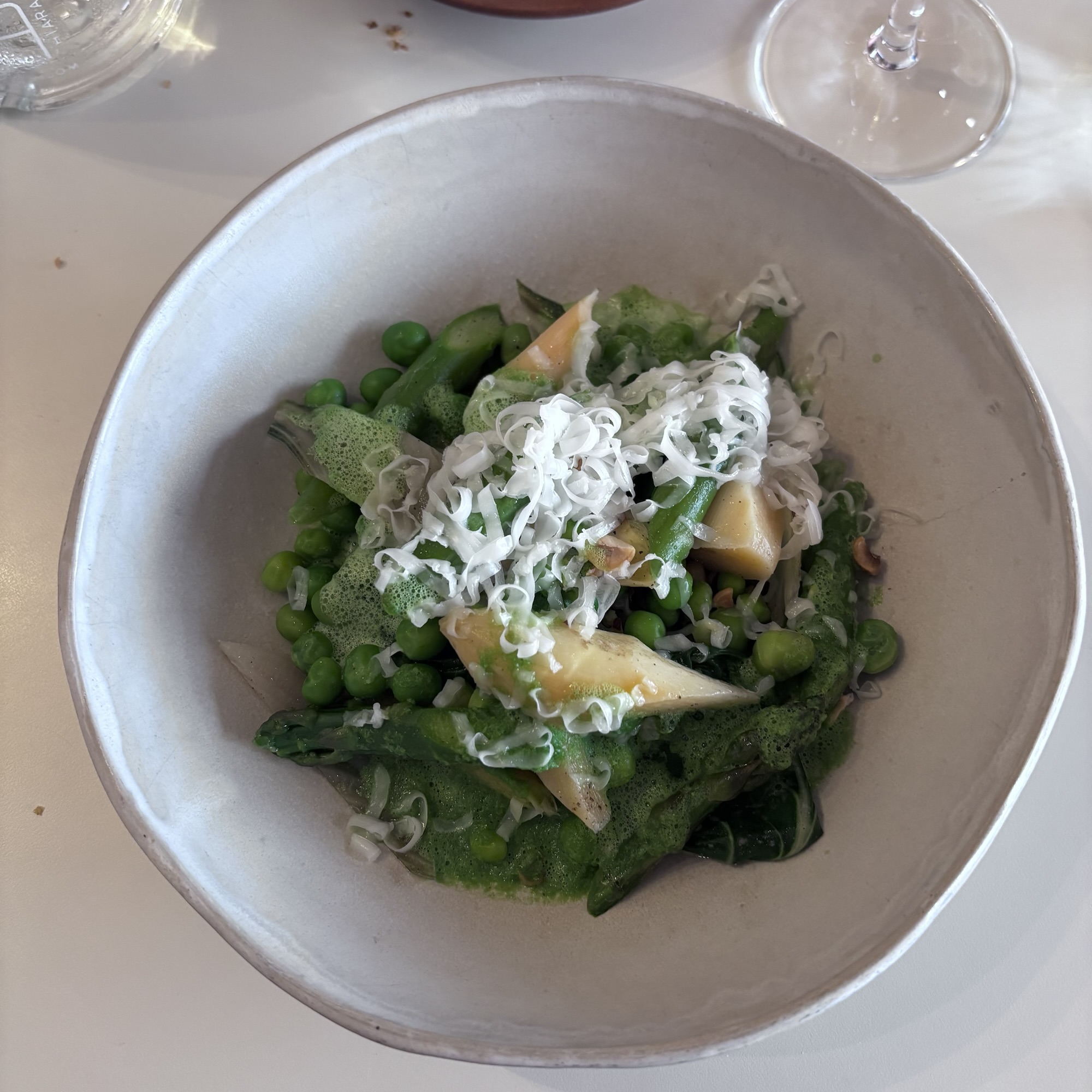
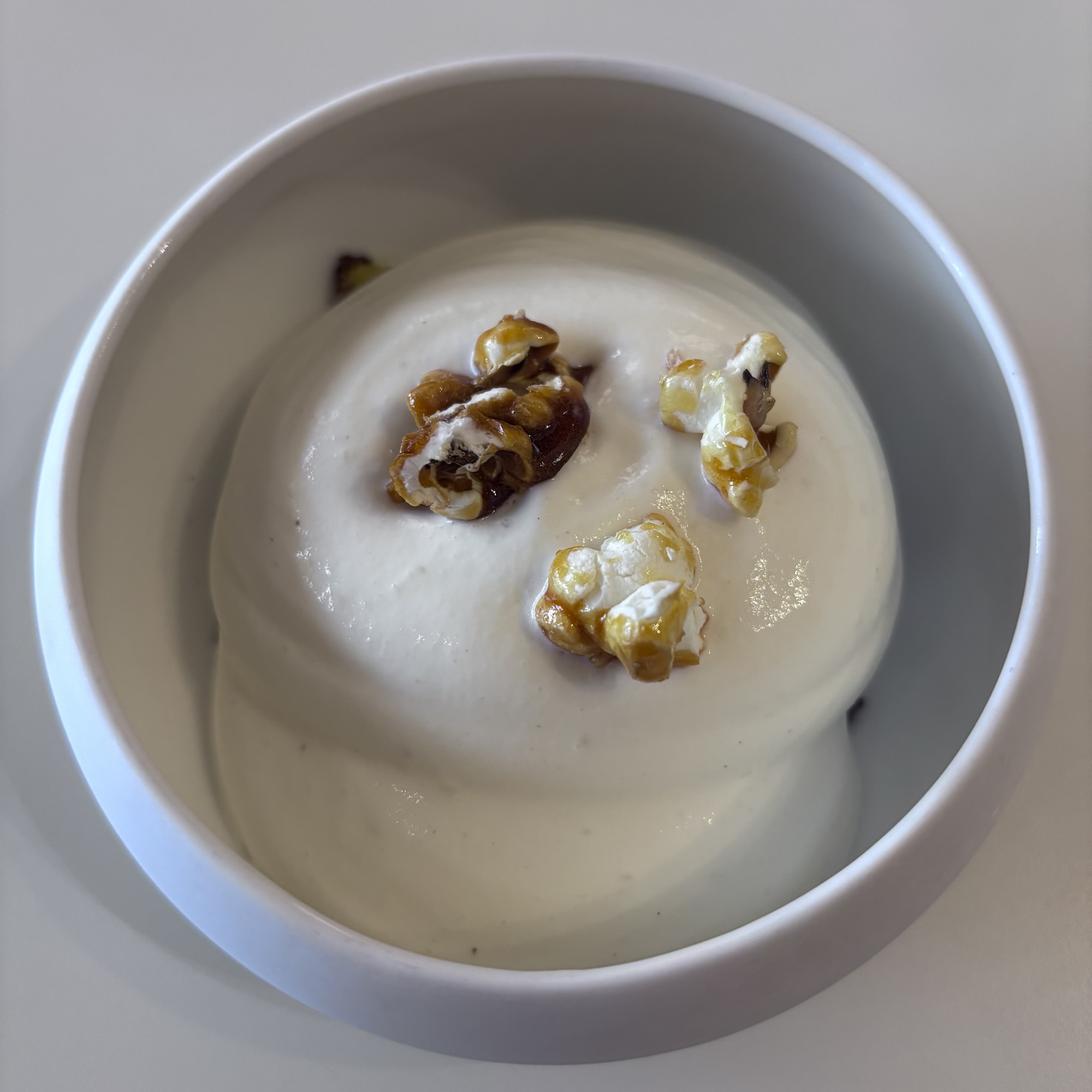
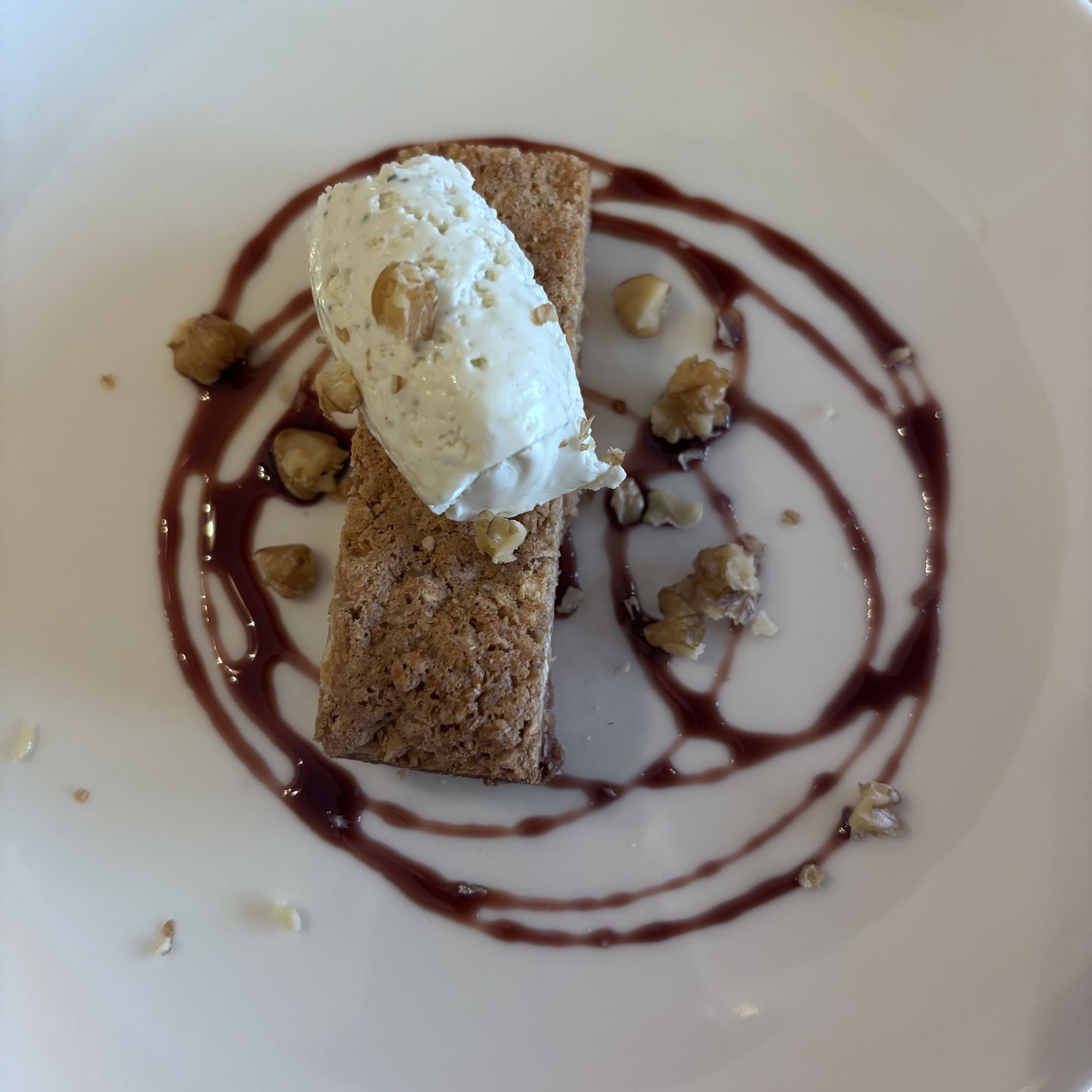
Racinette Selection Lunch (3 courses) with wine and coffee 86€ for two
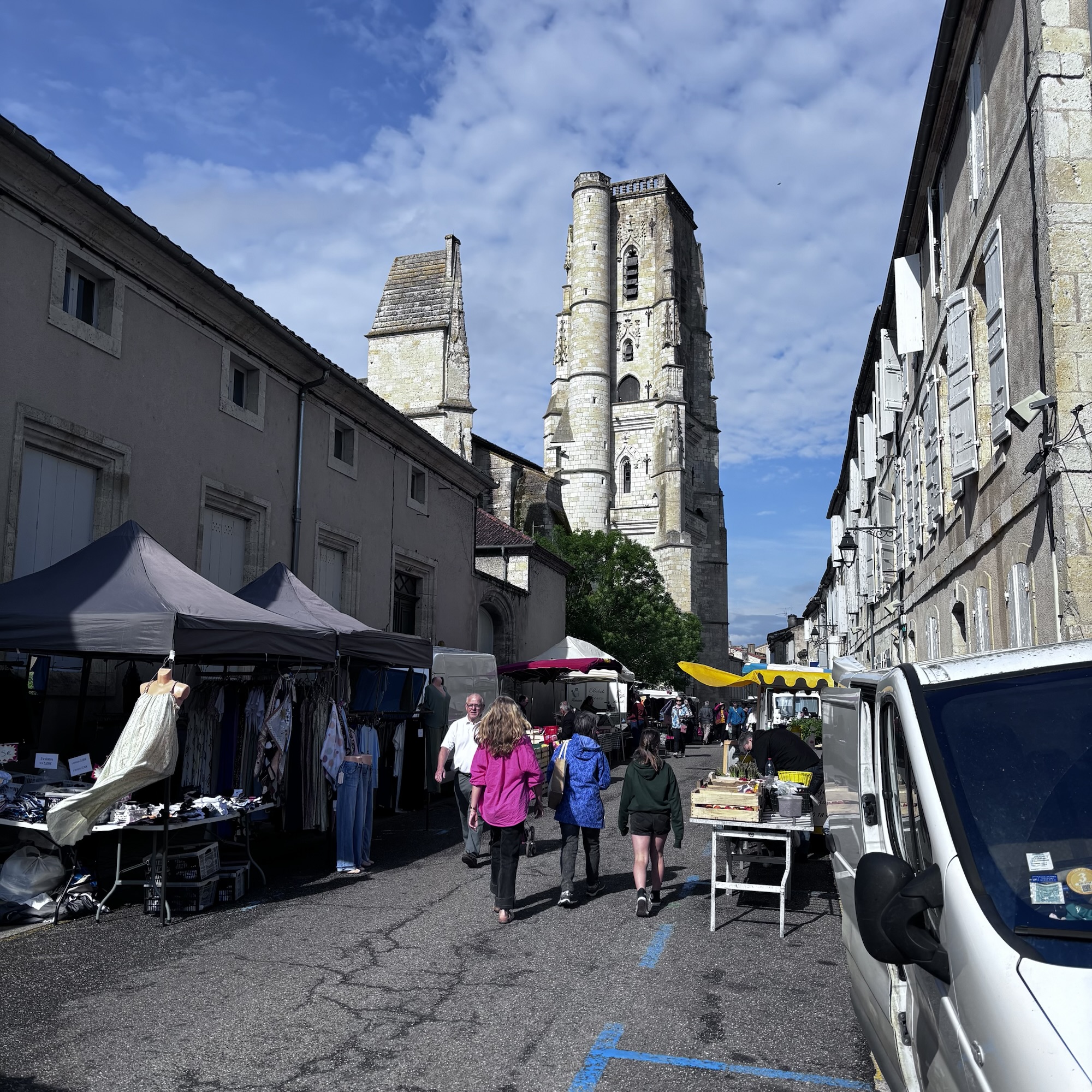
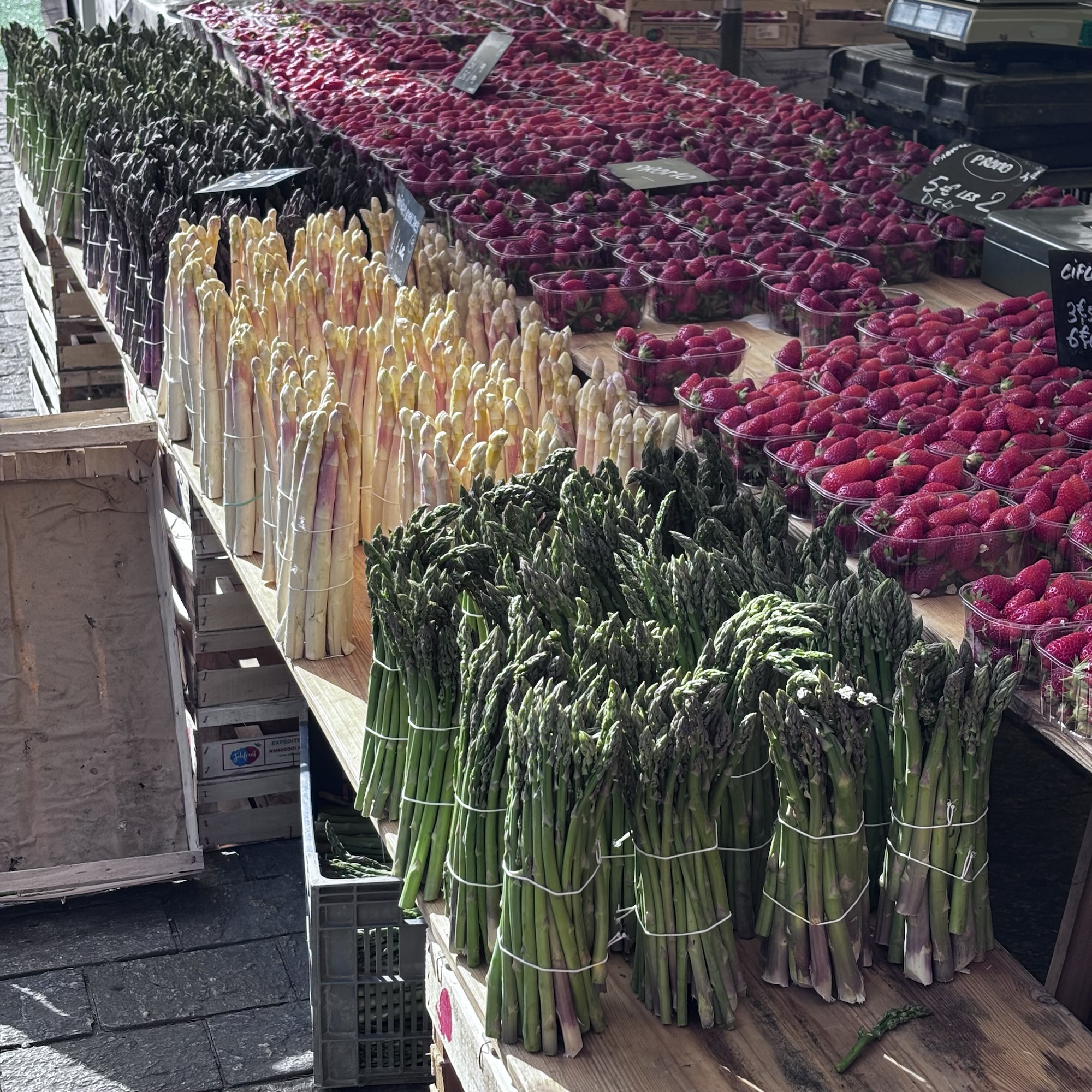
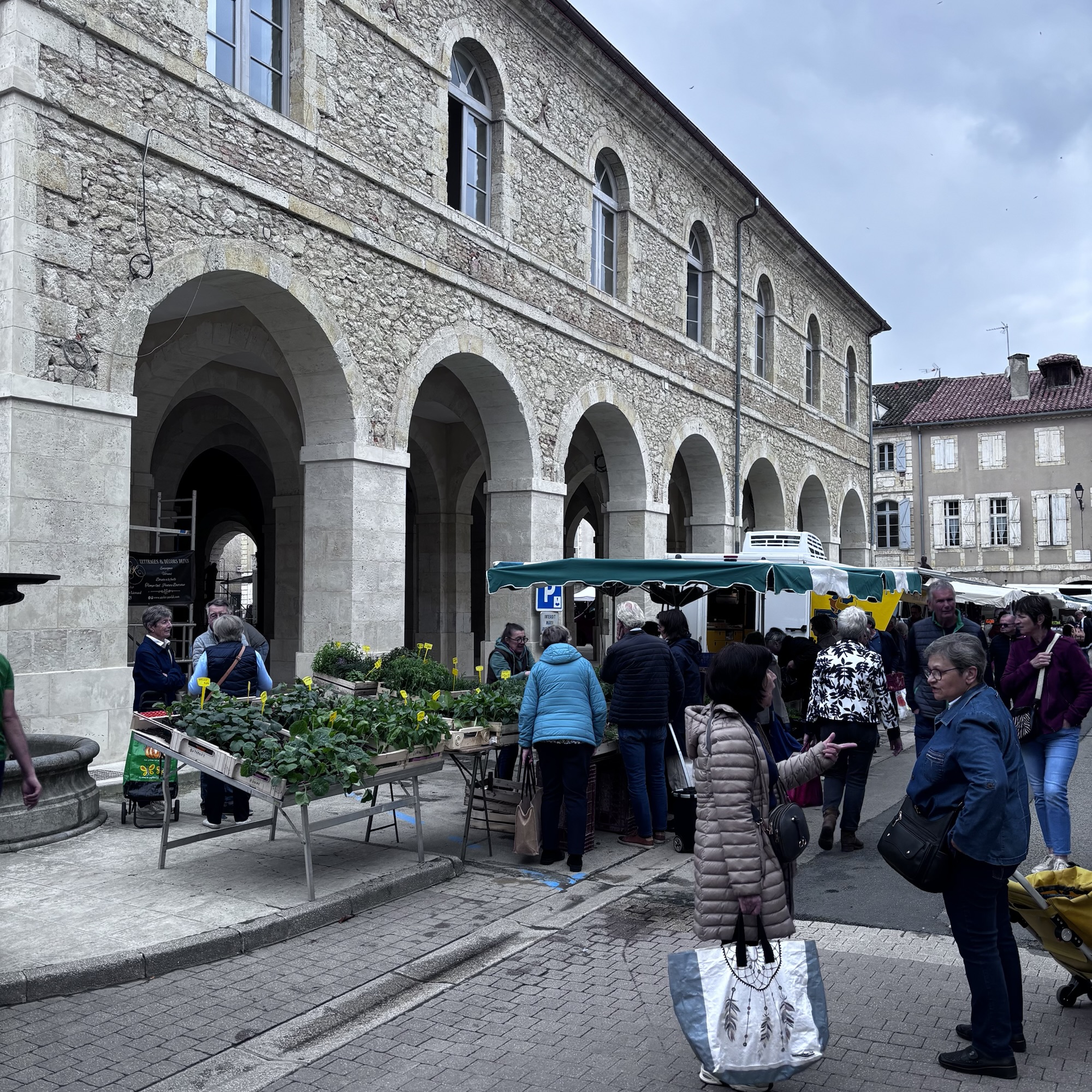
Lectoure, Auch and Fleurance, a delight for the lover of a French market
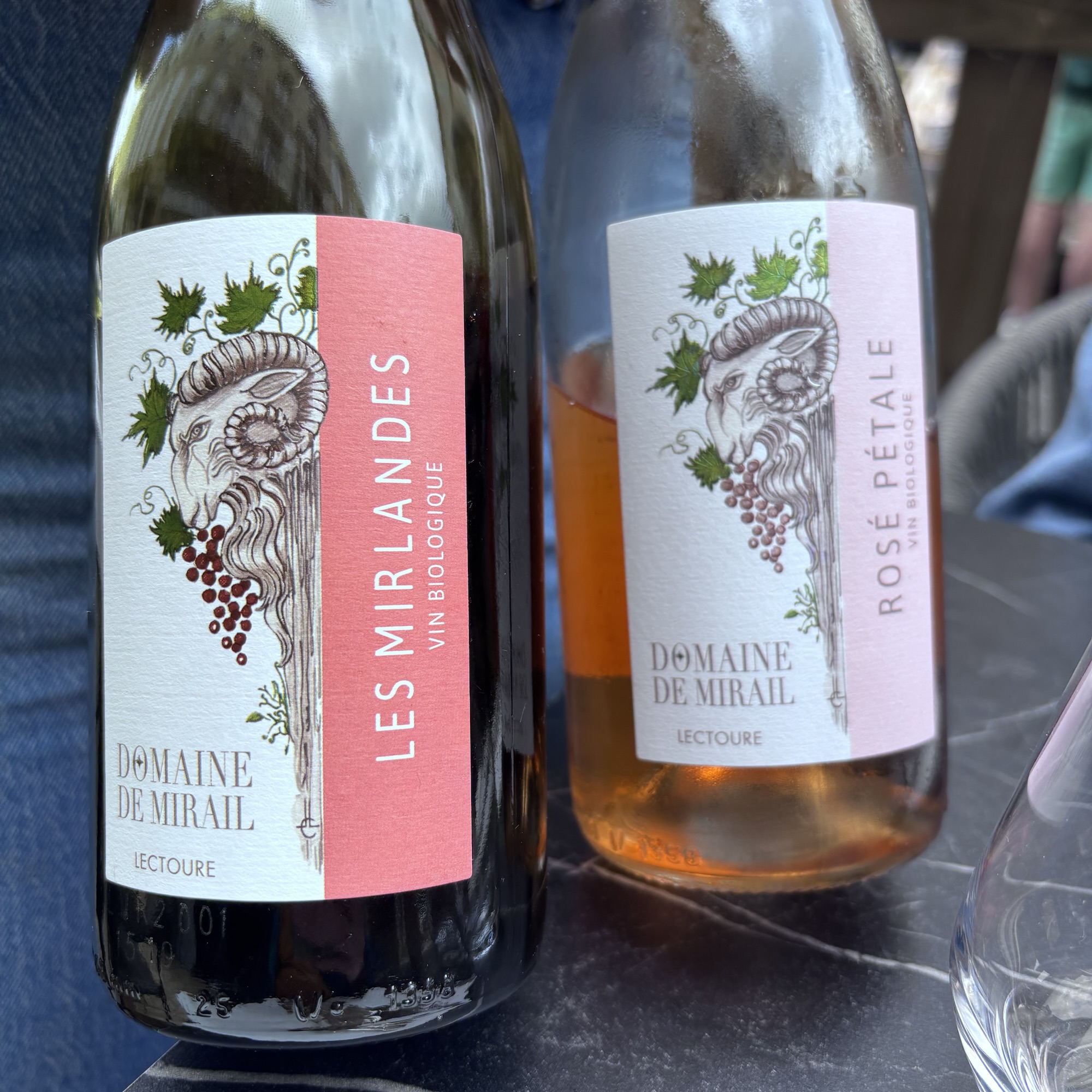
At the other end of the scale to our 24€ La Voile, Domaine de Mirail makes organic Côtes de Gascogne retailing for around 9€, or around 5€/glass in a couple of restaurants we dined in. Clean and tasty, good value in its French context.


