
Back into the swing of Recent Wines, those drunk mostly at home, this first selection from October (Part 1) comprises bottles from Roussillon, Kent, Czech Moravia, Kalecik in Türkiye and Bucelas in Portugal. It’s a nice selection of which you will only pay just over £30 for the most expensive, and £11 for the cheapest, yet I would be very happy to drink them again, each one of them.
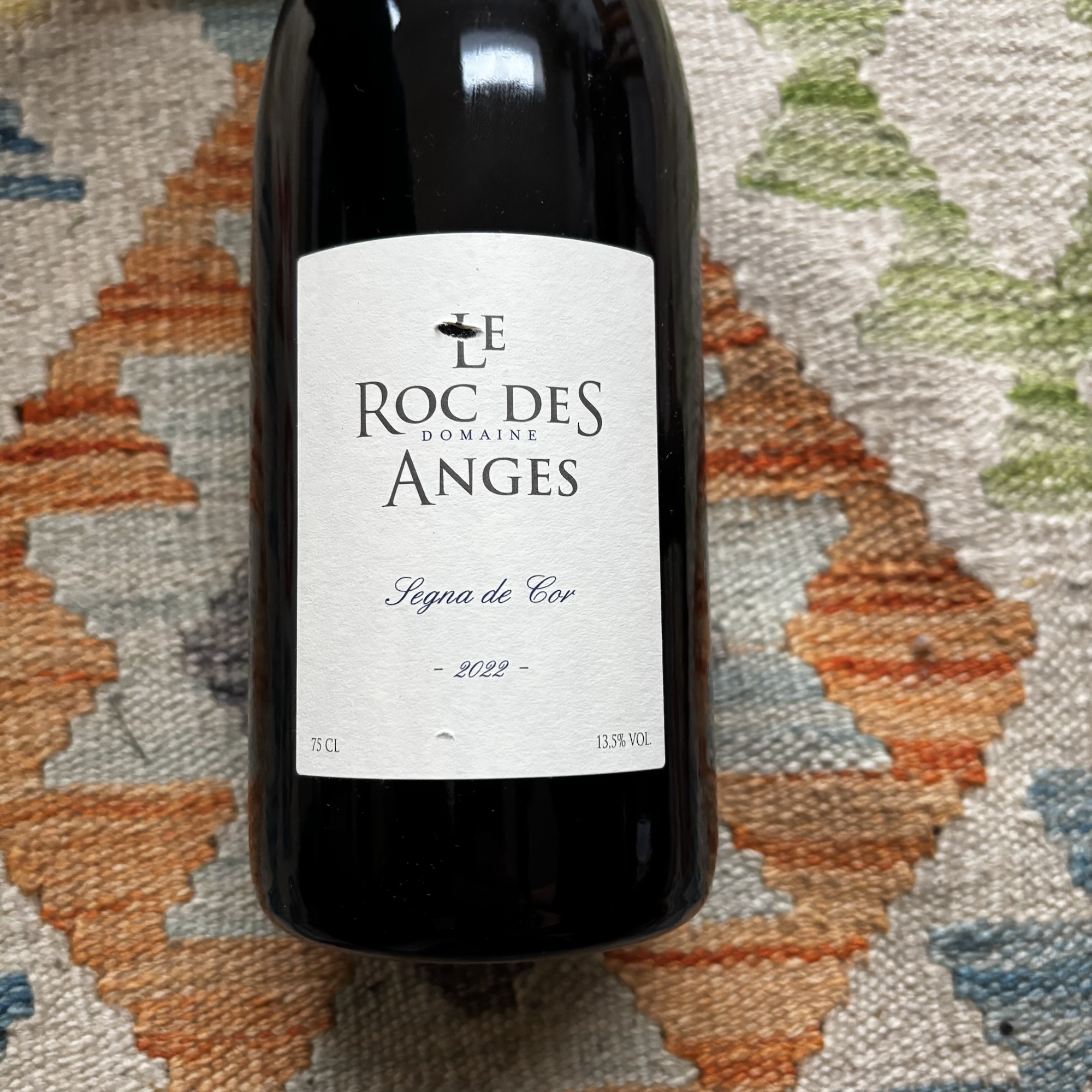
Segna de Cor 2022, Domaine Roc des Anges (Languedoc-Roussillon, France)
Although Roussillon seems to have undergone something of an administrative takeover by Languedoc, this wine is very firmly Roussillon, both by geography and soul. Marjorie Gallet created this cuvée many years ago (it was a regular purchase for years whenever I visited Les Caves de Pyrene at their old warehouse shop in Artington, near Guildford, but I think I temporarily forgot about it). She created it as a repository for the fruit of her young vines. But “young vines” in this case still means forty years old.
Made near the domaine, which is nowadays located close to Latour de France, it is released as a Côtes Catalanes IGP, comprising mostly Grenache, with a little Carignan and Syrah. It is both fermented and aged in concrete. What you get is a pure, fruity, vibrant, natural wine, but with some clear depth to it, doubtless the not so young vines. It’s all cassis fruit acids, dense and concentrated but not at all heavy. Alcohol sits nicely at 13.5% in a well-balanced wine. It will easily age further, but I like it at this slightly crunchy stage, and that cassis fruit is matched by a gorgeous blackcurrant scent which develops in the glass.
Still imported by Les Caves de Pyrene, my bottle cost £22.50 at Solent Cellar (currently sold out but they do have Marjorie’s Llum Blanc at £30). Try also The Sourcing Table. They have both Segna and Llum, and also Roc des Anges’ intriguing “Vin de Voile”.
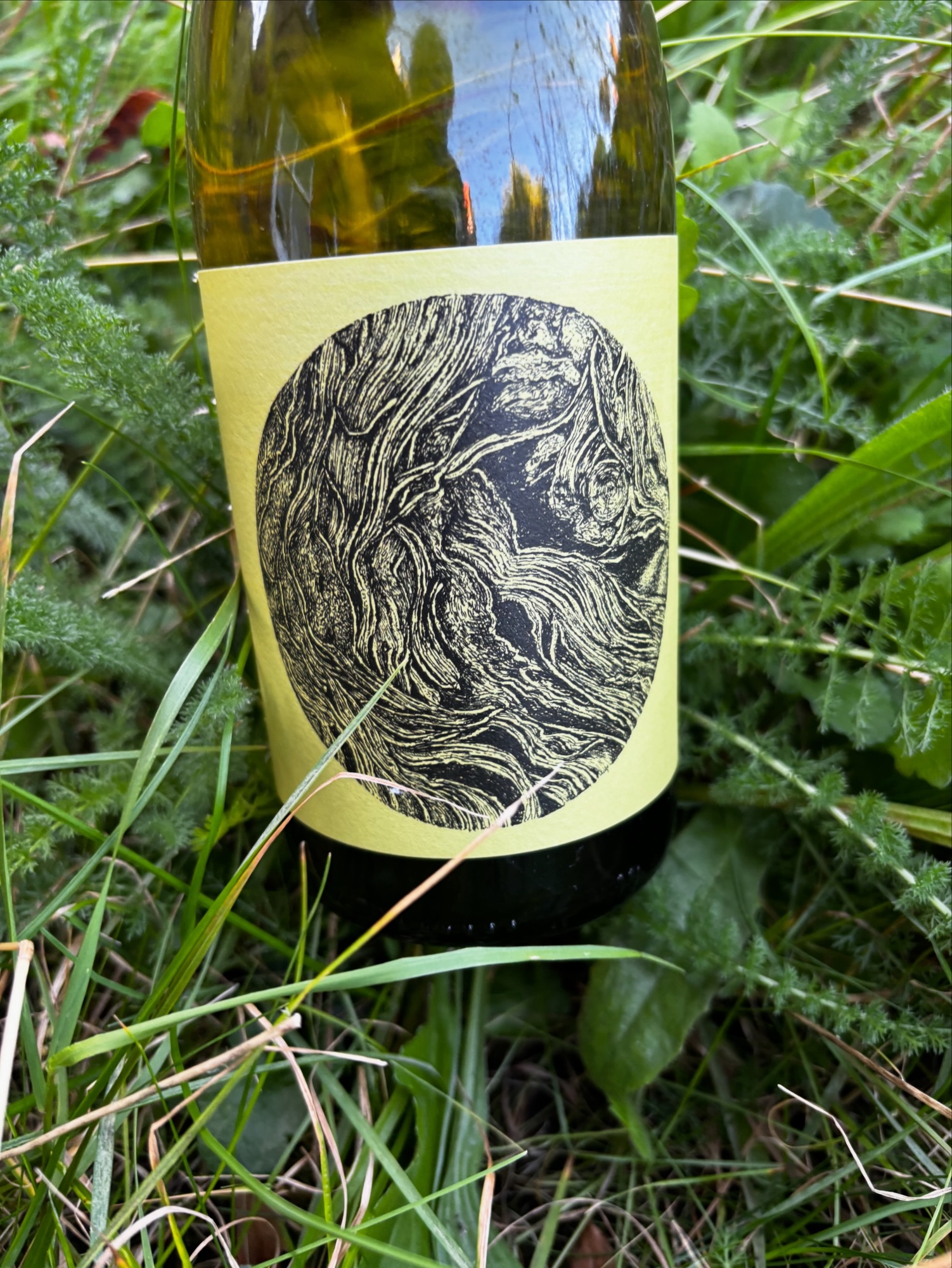
Westwell Village Chardonnay 2023, Westwell Wine Estate (Kent, England)
Nestled at the foot of the Pilgrim Way on Kent’s Downland chalk, Westwell has carved a reputation for both high quality and also genuine innovation. They have expanded their range yet again with a cuvée which combines that quality focus with another of their specialities, good value.
The idea behind the “village” wines is easy drinking. The Chardonnay comes from two blocks, one of which was planted in 2019, the other a decade before, in 2009. Picked in October 2023, it was immediately pressed and left to settle. A cool, temperature-controlled fermentation took place in stainless steel.
Intended for early drinking, it still has a classic feel of an English chalkland Chardonnay. I mean crisp, fresh, lemony, but there is a hint of chalky (slightly grainy) texture too. Alcohol sits down at 10.5%, but it doesn’t taste weedy at all. The freshness and the gentle mineral scents hold our attention.
In fact, I really enjoyed this and will buy more. I love that Adrian Pike has made a real English artisan Chardonnay that is affordable. It is undoubtedly easy-drinking, with zero pretention to complexity, but it is all the better for that. This was £22 from Cork & Cask, Edinburgh. Looking online now, I think they have some left, among five wines from Westwell on their shelves.
I saw this week that Westwell has re-introduced Wicken Foy, which they rightly describe as a Westwell classic. It’s a classic three-variety blend, 30 months on lees but dosed at 10g/l so should drink from the off. Look out for it. It should be one for Christmas drinking.
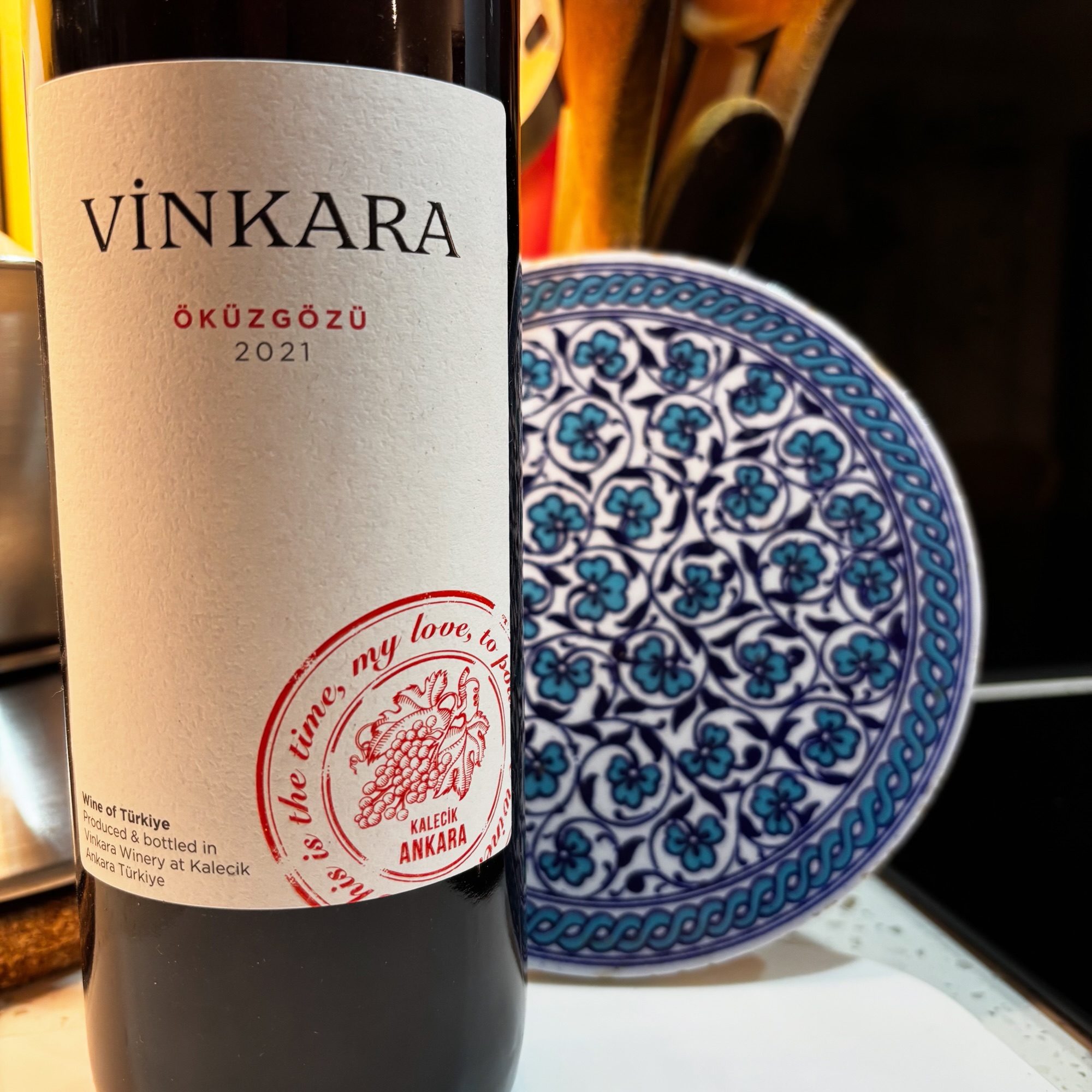
Oküzgözü 2021, Vinkara Wines (Kalecik, Türkiye)
Vinkara is an important winery, based between the Mediterranean and the Black Sea, in the mountains, northeast of the capital, Ankara, where you will find Kalecik in the Kizilirmak Valley. Anatolia’s viticulture goes back to 3000 BCE, although Vinkara was only founded in 2003. Oguz Gursel owns the winery and it is managed by his daughter, Ardic.
Oküzgözü is an autochthonous variety, thin-skinned and generally known for attractive, easy-going, wines. The grapes here are grown at between 650-to-700 masl. The climate is continental and the proximity of the Kizilirmak River, the longest river wholly within the country, helps reflect sunlight to aid ripening. Farming is described as using “modern techniques” but “environmentally conscious”, and protecting nature.
Aged in old oak, you get fairly simple but genuinely tasty cherries and other red fruits on both nose and palate. There’s a little dusty tannin there, which grounds an otherwise easy to drink wine showing 13% abv. The bouquet finished with a hint of farmyard. Despite the alcohol I found it easy to quaff. At just £11 from The Wine Society, this is priced for adventure. Türkiye’s wine producers sometimes get a hard time from government, so it is nice to see a few wineries able to export. At the time of writing TWS has several Vinkara wines listed. I suspect I will be trying another in my next order.
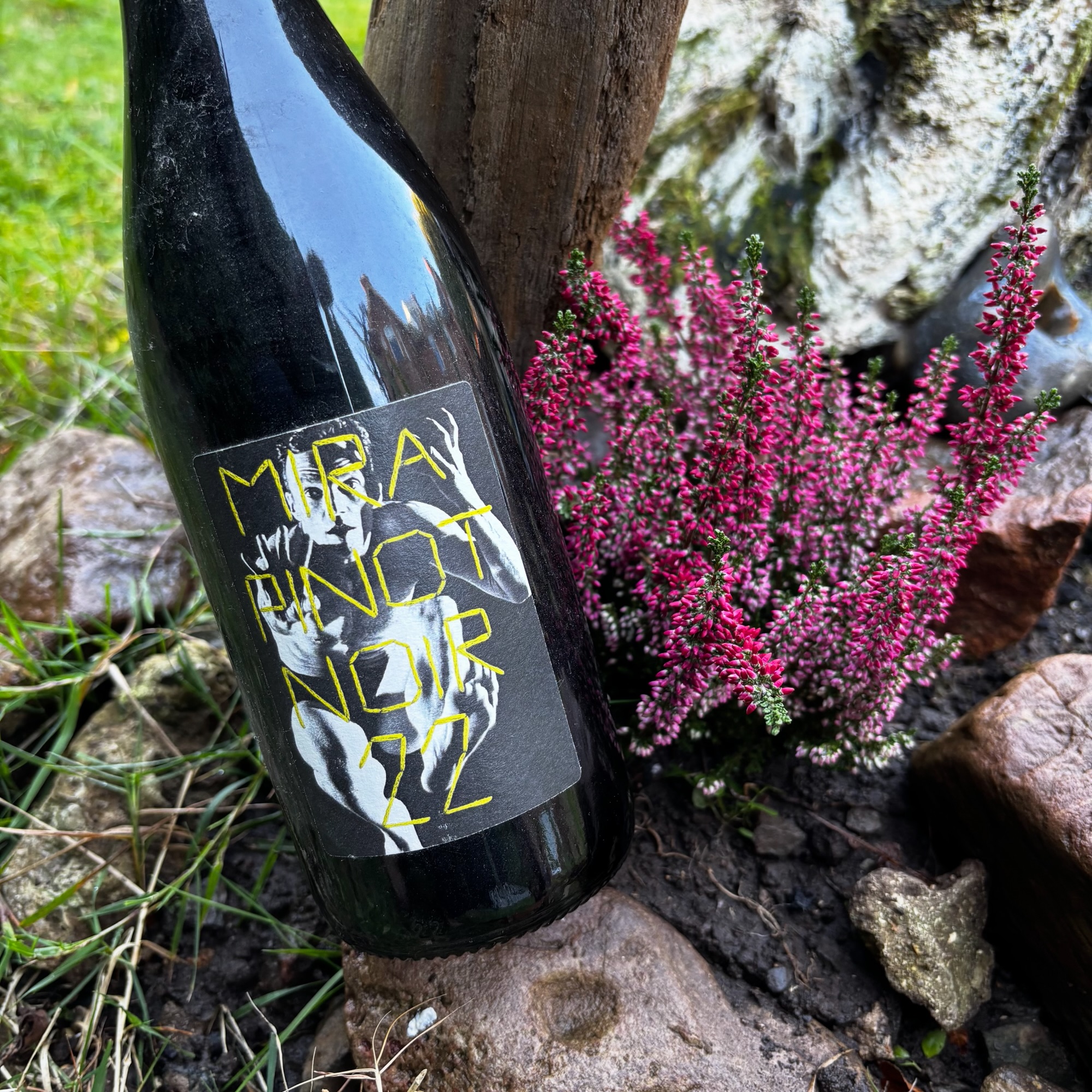
Mira Pinot Noir 2022, Mira Nestarcova (Moravia, Czechia)
From the first wines I had from Mrs Nestarec, I was hooked. I have found them very impressive, especially for their electricity. Mira farms in the same village as Milan, Velké Bilovice, in Southern Moravia. Her vines are left more or less wild with minimal pruning and maybe just some repositioning of very unruly shoots. I think the wines all manage to express this somehow. Mira likes to say that the vines “grow freely in their natural habitat”. The Pinot fruit comes off sandy soils with vines around fifteen years old.
Carbonic, whole berry, fermentation is used after which the wine is aged in used wood for just eight months. Zippy red cherry dominates. The extra year in bottle my 2022 has seen has given it more depth, but it still has youthful vigour as well. There is a bit of funk here, but nothing to scare most of my readers. The energy is quite thrilling.
There are quite a few excellent Czech natural wine producers, many of whom have been going for quite a reasonable number of vintages. I have no idea what level of help or tutelage Milan Nestarec has given his wife, but the whole concept of these wines, right down to the packaging, which reflects her former profession in dance, suggests she is very much in control of her own project. Mira has catapulted herself to sit beside more experienced peers in a few wonderful vintages. Let’s hope my 2024s are secured.
The label is another of Mira’s dancers, Lester Horton. The 2024 arrived recently at Basket Press Wines, and costs £31. There are three other cuvées as well for this year. They will disappear swiftly, of that I’m certain.
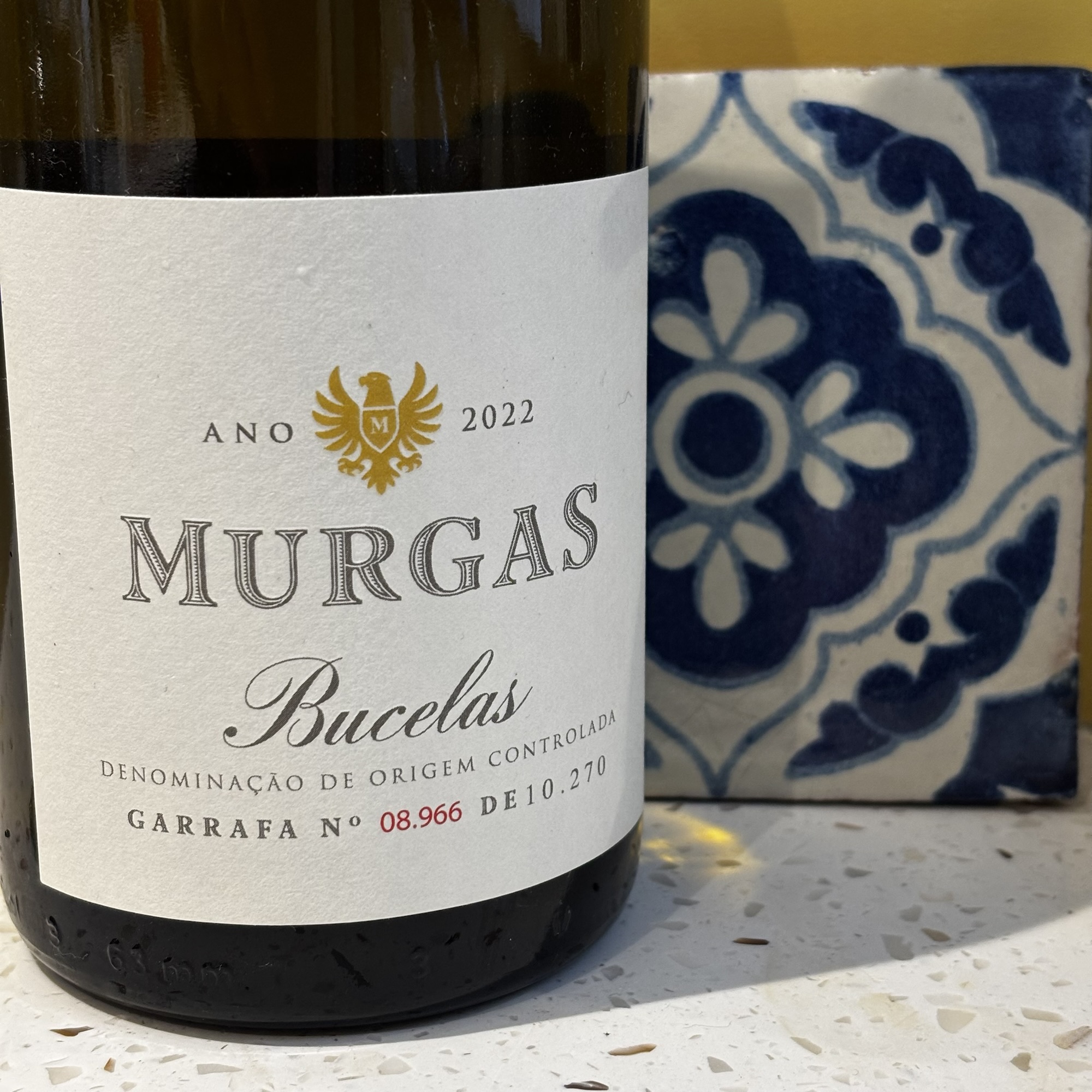
“Murgas” Bucelas Branco 2022, Quinta das Murgas (Bucelas, Portugal)
Bucelas is a name I remember from my very early days of wine appreciation. I was introduced to it, along with several more of the older wine regions of Portugal, on a wine course I signed up to in my early twenties, in London. In fact, what I remember most about the man who ran it, apart from many of the wines we tasted being imported by Boutinot, was that he really liked Portuguese wine. Well before his time, it seems.
The World Atlas of Wine in its current 8th edition says of Bucelas that it “soldiers on” but on the basis of this genuinely delicious white wine, it does more than that. The region is north of Lisbon, and a bit more inland than I had realised, closer to the delta and basin of the River Tejo than the ocean. The soils are limestone, the micro-climate still very much influenced by the Atlantic, and the grape variety is Arinto, of which this wine is a varietal expression.
Bernardo Cabral ferments and ages this, 20% in used oak and 80% in stainless steel. Ageing is on the lees, and as with Mira’s Pinot above, for just eight months. The bouquet is very fresh lemon citrus, and this is repeated on the palate. Some have likened the wine to either Chablis, or to a Trocken Riesling, and I can see what they mean, although it does have its own distinctive personality.
Mineral, fresh, a little steely. But for me there’s also a hint of the sea. Just a tiny note of iodine, and bags of salinity. Either way, it’s excellent. A wine you maybe buy to just try something a little different and it kind of stops you in its tracks. It really tastes like a terroir wine, and it also represents (once again) really good value. It would age, for sure, but it’s great right now.
My bottle cost £24 from The Solent Cellar (Lymington). You might find it slightly cheaper (£22.50) at Butlers Wine Cellar (Brighton), though their web site says they have the 2021, not this 2022. Fortnums lists it for £24 (it was recently on offer), but they don’t let on as to which vintage they have. The importer is, of course, Raymond Reynolds.

 David Crossley's Wide World of Wine