Wine Gang Prestige Champagne Event

Last night thirty very lucky people visited the Antique Wine Company’s Marylebone tasting room to taste ten Champagnes in the company of The Wine Gang (Tom Cannavan, Jane Parkinson, David Williams, Ant Rose and Jo Simon). It really was a fantastic, fun, evening, delicious wines with well paced commentary, and the canapés were pretty decent too.

IMG-20141202-00686

Billecart-Salmon 2004

Pale with a refined bead, very elegant and fresh. The 70% Pinot Noir is accompanied by 30% very mineral Chardonnay, very refreshing and very dry (Extra-Brut with 0g/l dosage). A clear step up from the NV from this house we were served as an aperitif on arrival. Billecart can always be relied upon for a classy vintage and this was no exception, though it couldn’t match the next wine.

Billecart-Salmon François Billecart 1999

This is where we start to see some complexity, though this wine, released after the 2000 version, still has a way to develop. 40% Cotes Chardonnay is matched with 60%  Montagne Pinot. There’s a broadness to this later disgorged wine, and once more we also get a mineral freshness. I’m not sure I’ve ever had a disappointing FB.
Taittinger Folies de la Marquetterie NV

I have to admit a particular liking for this single vineyard wine, named after the Chateau Pierre Taittinger bought just south of Epernay after the war. It’s always a clean, precise wine, well balanced, and I find it works well with food. It’s always a blend of a little more Pinot Noir than Chardonnay, say 55/45, from the 8ha Clos. It was my vote for best value wine of the night (though the Pol 2004 won the vote for best value and with both wines retailing for around £50 it’s a matter of which style you like best). It’s the wine I think that gets overlooked in the Taittinger range, so worth exploring.

Taittinger Comtes de Champagne 2005

Don’t be put off by what some may call a lesser vintage. Comtes has been on fire of late and the 2005 is particularly impressive. It’s a Blanc de Blancs and has that softly complex nose and a tell-tale floral “Comtes” burst but the fruit is totally integrated on the palate. The wine is blessed with great length. I’ve been coming to see Comtes as one of my favourite Champagnes but this was my first taste of the 2005. Not disappointed! And it’s not unheard of to be able to source these with a little discount from time to time.

Pol Roger Brut Vintage 2004

Both Pols tonight were of a noticeably darker hue, ironic in that they see not a splinter of oak, but they are all hand riddled with a slow secondary fermentation. Despite the colour, the 04 was fresh and already showing a biscuity complexity from the 40% Cotes de Blancs Chardonnay, matched with 60% Pinot from the Montagne. To say Pol 04 is a very classy Champagne is probably an under statement.

Pol Roger Sir Winston Churchill 2000

We were very lucky to have the last bottles remaining unsold in the UK of the 2000 vintage of Winston. Another darker wine, the very powerful nose strikes immediately. Although technical data is hard to come by for this cuvée, it is probably around 70% Pinot from very old vines (they say planted in Churchill’s lifetime). They produce a full-bodied wine with great vinosity. Should I be sheepish in saying that I know this 2000 goes remarkably well with fish & chips…?

Delamotte Blanc de Blancs 2004

This is another wine I buy when I can and the 2004 of the vintage Blanc de Blancs has proved a delicious wine without the need for great bottle age (though it still has a life ahead of it). This is no doubt down to eight years on lees and a “light” dosage which gives it a delicious creamy brioche note and reminds me why I’m such a BdeB fan. Having the same winemaking team as Salon might help!

Salon 2002

Salon may be a legend but I have to admit this is my first ever taste of it. The 38th vintage of this BdeB (it’s only made in good years) was released this year, and it comes from the Jardin de Salon and nineteen other small parcels selected around Le Mesnil. Very hard to read, it shows beautifully already on the nose, but no one would pretend the quincy palate stunned the audience. My reading, based on experience of other long-lived Champagnes, is that this was clearly down to youth, and Salon is one of a handful of Champagnes demanding long keeping. But others were not so impressed, with comments about it dropping away with no great length. I’m pretty sure that in the fullness of time it will prove the critics wrong, but then I’m not claiming vast experience here. I clearly need to sit down with a bottle to do some detailed research…if Salon would like to help me out here.

IMG-20141202-00687

Dom Pérignon 2004

Any visitor to Epernay will probably have seen the bronze statue of the Dom outside Moet’s large premises, and will know the stories (some accurate, some less so) about his great influence on the wines of the region. Many will also have tasted this iconic prestige cuvée (a lot of it is made). And although some may quibble at its price, and sometimes with the odd vintage, it remains remarkable in so many ways. It’s always a Pinot Noir-Chardonnay blend with a lowish dosage now, which makes it dry but not too dry. It often drinks remarkably well when young, and for me the 2004 is no exception. The grapefruity freshness sees to that, but the toasty signs of complexity are there too. It clearly has a long life ahead in terms of development, but is it a terrible thing to call it gluggable…in the best sense?

Dom Pérignon P2 1998

The “Plenitude” concept replaces Oenotheque, of which the original “P1” version of the 1998 was labelled. So P2 is the second cycle of this wine’s life, disgorged to illustrate different aspects and facets of its character, as P3 will, in the future.

P2 had twelve years of lees ageing and was released May 2014. It’s already complex on the lovely, lifted, nose, but yet remains classic DP. It’s a singular, delicious yet in some ways formidable wine. Jane Parkinson (above) described it as “liquid baklava” with honey, nuts and pastry. That matches the palate, yet the unique nose has something tropical about it (or was that the staff member wearing quite strong perfume who walked past me at that point?). Anyway, it was my Wine of the Night, and that of more than 50% of the audience, a clear winner and a total treat on which to finish.

IMG-20141202-00688

As Tom said in his summing up (above), a really fantastic tasting which even the experts found highly stimulating. No disappointing wines, all worthy of recommendation. Although the outlay for tickets for these events may not be insubstantial, compared to other prestige wine events, they remain very good value, and I’m pretty sure from the comments I heard that the other attendees would agree (though I have no idea what they got in their (served blind) goody bags, chortle).

Posted in Champagne, Wine, Wine Tastings | Tagged , , , , , , , , , , | 1 Comment

Riverby Estate Tasting, Butlers, Brighton

Riverby Estate in Marlborough, New Zealand, are pretty much unknown in the UK, yet this is not the case in NZ and Australia. They did win a Trophy and a couple of Golds at the DWWA a year ago but back home they manage to garner accolade after accolade, especially at the prestigious Air New Zealand Awards. They also share a location right next to the iconic Cloudy Bay Winery. All in all we should be taking a lot more interest in Riverby.

This was probably the largest tasting of this producer’s output assembled in the UK, and included twelve wines, several of which are not actually available here, but which were kindly sent over for us to try. It might be a little dull if I were to drone on about all of them, though I can’t bring myself to mention fewer than eight. All wines mentioned are made with estate-grown fruit using John Forrest’s winery next door.

146

Riverby make a fresh and dry Sauvignon Blanc which seems to eschew the sugar found in anything remotely commercial from Marlborough. The 2013 is slightly broader than some previous versions, and the nose is expressive. Retailing at under £14 it reminds me of one or two well known £20 versions.

It was a toss-up as to whether people preferred this or the very good dry Riverby Riesling 2012. This blends citrus zest with a hint of oiliness, and is bone dry. A refreshing summer food wine, yet I think with the potential to age further beautifully.

The Eliza Riesling was also the 2012, the first vintage for this cuvee. Golds and a Trophy at NZ’s top three wine shows, 96 points from Bob Campbell, 92 from Wine Advocate, one of the stars of the evening. 63 grams r/s with some of the Noble Riesling blended in so a hint of botrytis. Beautifully balanced, poised between acidity and sweetness like a confident high wire artist.

Unusually for a Marlborough winery, Riverby’s top selling wine is their Chardonnay. Twelve months in oak but only 30% new, the 2011 (Riverby claim it’s their best yet) is magnificently restrained. The oak is there – the creaminess is apparent from the start – becomes buttery (melted butter on the nose) with a hint of hazelnut, but you never lose the fruit. And if there is a Riverby trait it has to be freshness. All their wines have this signature. I really do love this restrained style of Chardonnay, a long way from the “one glass is enough” wines of the past.

My biggest regret is that the Gruner Veltliner, the 2013 being the first vintage, is not commercially available here yet. Only 140 cases made, one case in the UK I believe. I have a penchant for Austrian Gruner, and have tried a few Californians. I can see why some wine judges might mark this down. It’s just a great food wine that doesn’t dominate the palate. Just 6g/l residual sugar and a nice touch of white pepper on the finish. I believe the 2014 is being bottled as I type. Hope to see a few bottles in the UK and making their way into my wine rack.

We tried a couple of Pinot Noir, the 2010 and 2013. 2010 was a very good Marlborough PN vintage and this has aged well. A four year old with a bit of development yet still showing crunchy fruit is quite a bargain for £19.50. The 2013 in contrast is a little angular right now, but it’s bigger, with the potential to better even the 2010 if tucked away for a year or two. This was its first UK outing, but it should prove a hit.

147

We ended a very wet night on the South Coast with pure nectar, Riverby Noble Riesling 2011. If the Chardonnay is the best seller, this is the star wine. A Trophy at the DWWA in a long line of Riverby Trophy Winners in NZ, Riverby appear to be the country’s best producer of sweet wines. This 2011 is impressive and it has to be tasted. 220 grams of sugar, botrytis and bags of acidity to balance, it’s essence of honey and lemon to begin with until a paragraph of further complexities follow. But if you just need a one word TN…WOW! It is said that the 2013 is even better. We shall see.

Let’s hope that Riverby’s reputation grows. They deserve it. Everything is between £14 to £21, making it one of the best value ranges of quality New Zealand wine in the UK. Available from Butler’s Wine Cellar, Brighton, and imported through Black Dog Wine Agency.

Posted in Wine, Wine Agencies | Tagged , , , , , | 1 Comment

Dave’s Wine Heroes #3 – Alpine Wines

Alpine wines, a mail order merchant based in Yorkshire, grew out of Nick Dobson Wines, which was taken over by Joelle Nebbe-Mornod after Nick sadly passed away in 2012. Joelle actually started out in science with a Masters in Theoretical Physics from Lausanne, became an Internet entrpreneur and then got seduced by the idea of selling the wines of her native Switzerland to the British.

IMG-20140729-00472

Switzerland is one of the world’s most neglected wine countries. People sometimes find it harder to get hold of Swiss wines than those of smaller producers of quality wine, such as Georgia, Slovenia or Croatia. Well, it’s not true, that bit about hard to get hold of. Joelle imports many of Switzerland’s finest and up-and-coming producers from most Swiss wine regions. Not just the wines of The Valais which some Brits have come across, but the vastly improved wines of the beautiful Corniche of Lavaux just west of Montreux, or the almost hidden vineyards west of Geneva around the Rhone, among many others. You’ve never tried Ticino Merlot? There are several here.

Yet Alpine Wines is much more than Switzerland. Okay, a few of the wines stretch the “alpine” moniker a bit (Beaujolais, Mosel), but I don’t really care when they are introducing new, family, winegrowers focussed on quality. Actually, where I think Alpine Wines really scores is in a very well curated list of Austrians. Few are household names…yet. But it’s here where some of the most fascinating wines of the range reside.

IMG-20140315-00294

There’s no doubt that Joelle knows a lot about customer service. The wines most often arrive the next day after a call or order online, in excellent packaging, and the team will go the extra mile to accommodate special requests. I think for those who are quick, you can catch her and husband Robb at the Christmas Market at the Swiss Church in Covent Garden tomorrow (22 Nov).

My personal recommendations from the range would include pretty much anything from Simon Maye (Chamoson, Valais) in Switzerland, plus three Austrians – Gunter and Regina Triebaumer (Rust), Rainer Christ (Vienna, a great producer to sample the unique Viennese Gemischter Satz blend from) and Heidi Schrock (also Rust). Heidi is perhaps a household name to fans of Austrian wines, and I love her wines, all of them, from her simple entry level Blaufrankisch to her magnificent Ruster Ausbruch dessert wines. And as we’re in Austria, who wouldn’t want to try a Zierfandler-Rotgipfler blend from Stift Klosterneuberg, the famous Augustianian Monastery just north of Vienna?

IMG-20140726-00468 IMG-20141102-00653


This is a merchant every adventurous wine drinker would have a lot of fun with.

Posted in Wine | Tagged , , , , , , , | Leave a comment

Domaine Direct Tasting at Butlers

I managed to join a tasting of a dozen wines with new MW Rob MacCulloch from Domaine Direct at Butler’s Wine Cellar in Brighton yesterday. It’s worth reporting because there were a few wines there that are well worth exploring.

IMG-20141117-00672

The genuine highlights from those on show included a Sancerre, a couple of Fleuries, a tasty Bourgogne Rouge and four wines from Bill and Jane Easton in Amador County.

The Sancerre was from a producer I admit I’ve never tried before, Domaine Roger Chapault’s Clos du Roy 2011 (from Champtin, west of Bué). This was structured, fresh and mineral and it took a minute or two to come alive in the glass. The vintage surprised me as the ’11s are supposedly a bit softer in many examples, but this is no early drinker. A good wine with the backbone to age, and a food wine as well.

IMG-20141117-00673

The Fleuries from Alain Coudert’s Clos de la Roilette were in some respects in the same mould. No hints of intra-cellular fermentation of any description here. When someone talks about how Gamay can age to resemble Pinot Noir just pull this pair out, they taste like it already. I’d call them traditional or even old fashioned, except that they’re not, really. Too good for that. The straight Fleurie (2012) is approachable but will keep. It develops a beautiful, haunting, scent and is definitely a food wine with tannins. A juicy steak required, maybe. The Vendange Tardive is a different beast. Actually an old vine cuvée, the antithesis of Nouveau, it’s built to age, and I’d be reticent to touch it for five years. But I reckon it’ll be worth it.

IMG-20141117-00674

The four Amador wines tasted from the Eastons exhibit a real family likeness best exemplified in the Fiddletown AVA Viognier and the Easton Zinfandel – freshness. Amador is out east of Sacramento, not always known for quality but the big advantage here are the cool nights, all down to the influence of San Francisco Bay. The Viognier is a 2010, amazingly fresh with none of those parma violet notes (and overwhelming alcohol)  you get on some Cali versions. It reminded me a little bit of Ogier’s Collines Rodaniènnes more than, say, La Jota’s barrel fermented version. The Zin likewise. If you are put off this grape by the big, jammy, monsters then try this, it’s totally different. The Tete-a-Tete is just like a tasty Cotes du Rhone, a very nice quaffer, lightish but not insubstantial.

The final wine we tasted from this Amador family was the Syrah “Les Cotes de L’Ouest” It’s slightly in the vein of Roberson’s Copain from Mendocino, as in elegant, restrained, but the Easton/Terre Rouge is a bit more evolved, more meat on the nose. For me, the top wine from this new addition to Domaine Direct’s portfolio, though if you do have a chance to taste the Cabernet Franc (not tasted yesterday), give that a go too.

And the Bourgogne? A Chantal Lescure 2009 with fruit from around Pommard. Structured for a 2009, touch of tannin, a pleasant surprise.

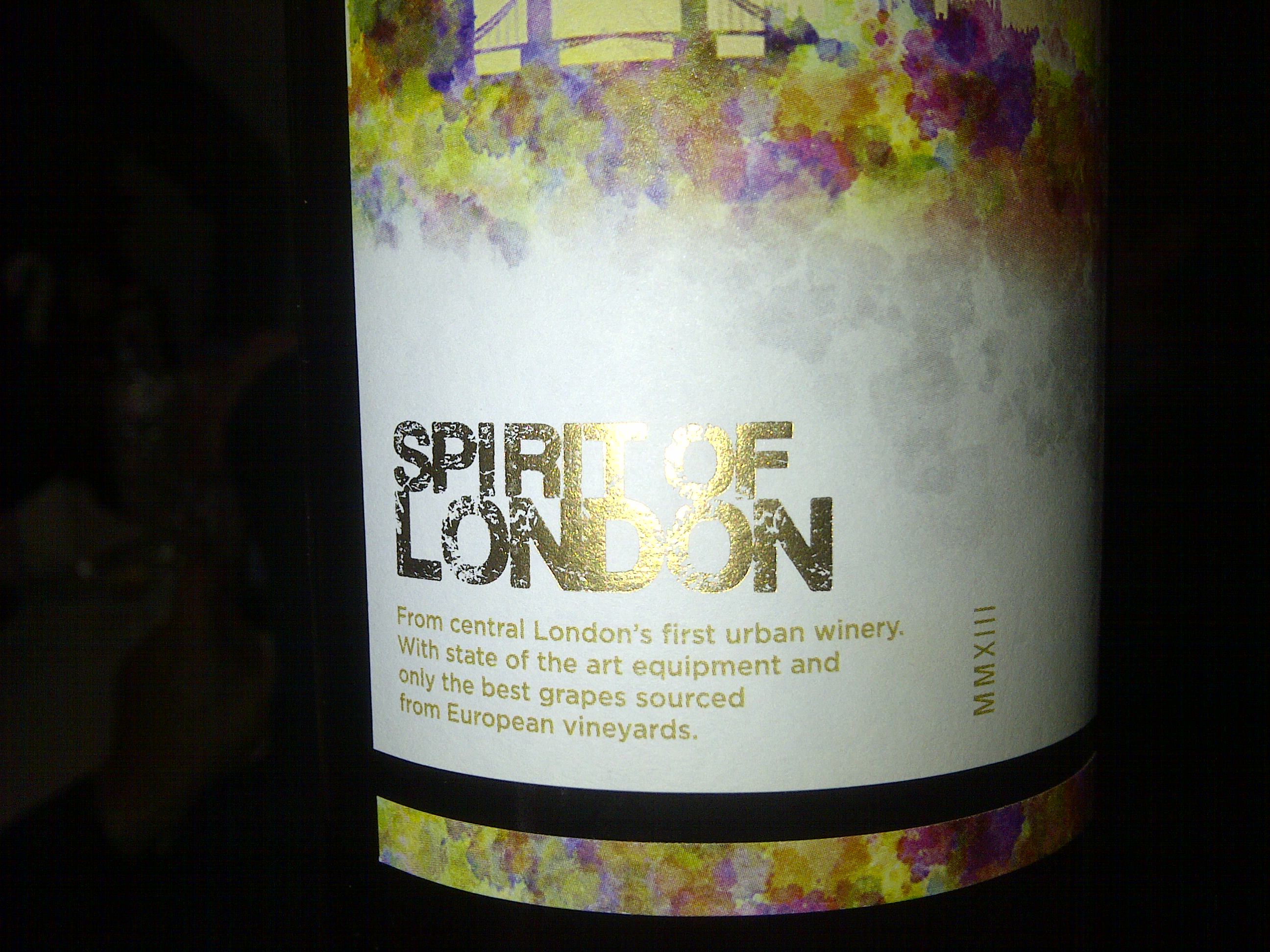
I can’t leave without mentioning another wine we tried this week, Spirit of London from London’s first Urban Winery, London Cru. It’s a blend of 2013 Cab Sauv and Barbera (for hopefully obvious reasons labelled as a “Wine of the European Community”). Dark fruited, touch of tannin, with a touch of tasty Barbera bitterness on the finish, a good effort, and well done to Marks & Spencer for taking this on. At £16 (UK retail) it’s in the realms of some of the wines above, so in pure value for money terms it would be hard to argue for it. But for what it is, and represents, it’s more than worth giving it a go. Snap it up. If there’s any left I shall certainly get some more.

IMG-20141115-00669


Posted in Wine | Tagged , , , | Leave a comment

Oddities at Rochelle

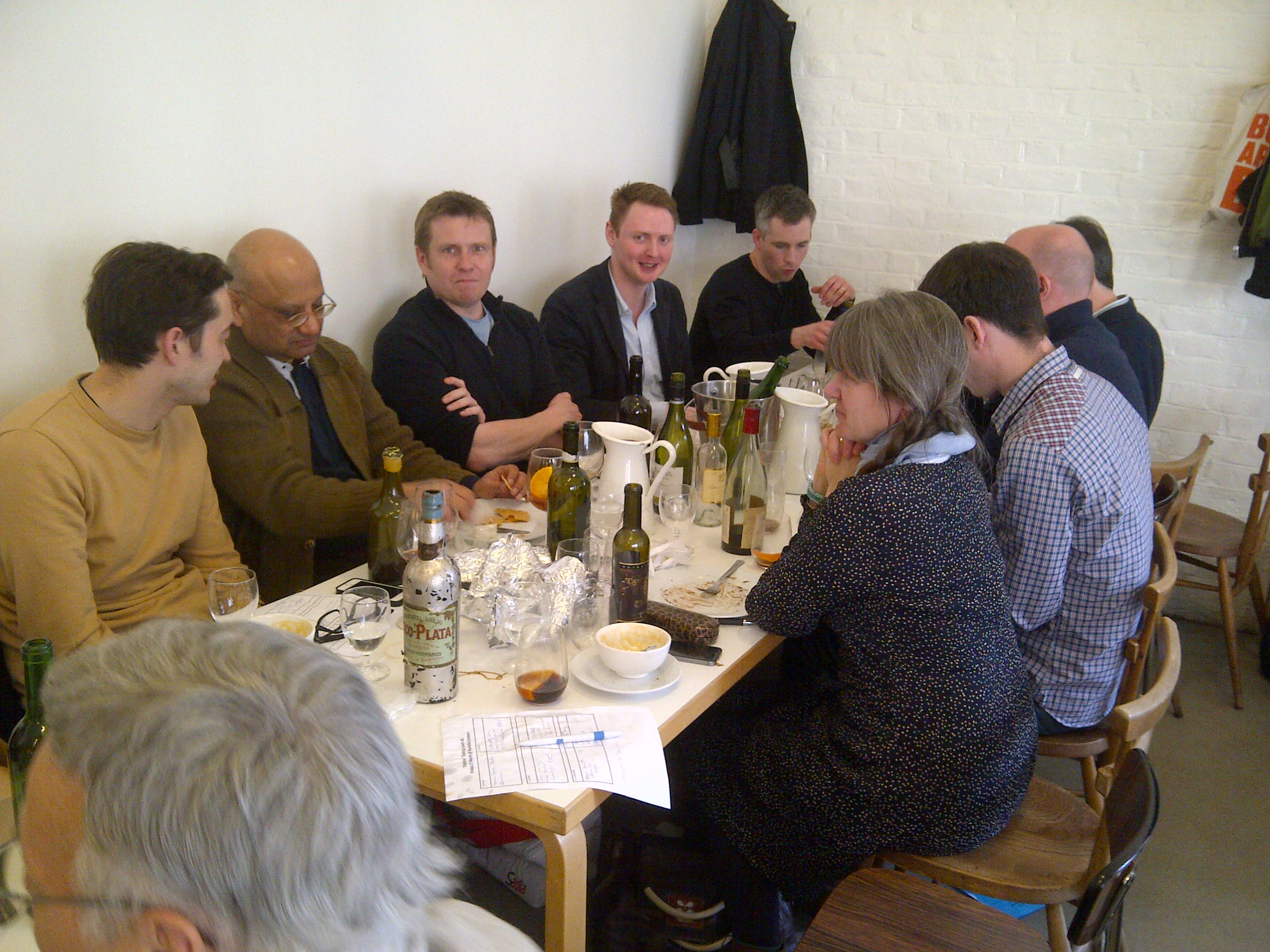
Every couple of months an assortment of wine obsessives descend upon Rochelle Canteen in Shoreditch to partake of a few bottles. Instead of living large with old bottles of Pauillac and Chambertin, this is an exploration of the outer reaches of the world of wine. Purely for a laugh the wines are tasted blind and discussed, the aim being to finish with the kind of guess as to what it is that would tend to lower you in the esteem of your fellow wine lovers. Despite this being seemingly a lot easier after the seventh glass, some people are always incredibly bad at it, and guess the wine (or near enough).

Last week, to illustrate the contrasts the palate must be subjected to, whilst waiting to order, we sampled a bitter spritz, Grazzano, then on offer at Lidl for £3.99, the colour of Lucozade and less than 7% alcohol, before the more serious (and on-theme) “Vrigny” Meunier from Egly-Ouriet. The type of wine many would spot (a couple did), but I had it as Moutard’s 6 Cépages. It was that kind of day, and it’s been a few months since my epic nailing of a Serbian Pinot Noir.

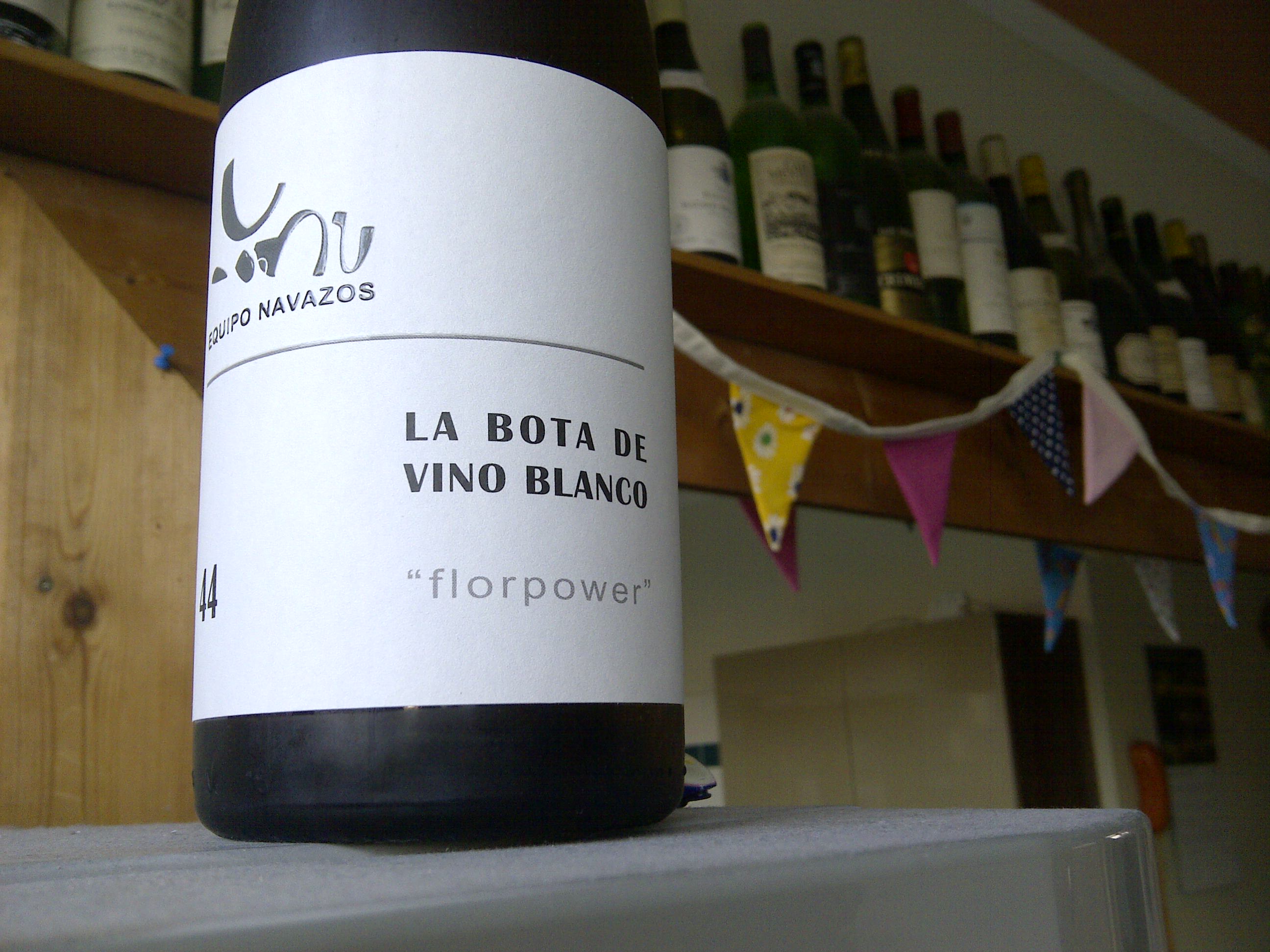
The wine highlights included an Oremus Furmint 2010, still fresh, a stunning white Priorat made from 80% PX, Terra de Cuques from Terroir al Limit, and Equipo-Navazos’ “extra age” version of Florpower, Más álla (Bota 53). The EN is just what these lunches are about, a wine of exceptional quality but far removed from the Cabernet/Chardonnay norm.

405


I wish there were room to write about Hans Herzog’s NZ Zweigelt, Oikonomoy’s 2006 Cretan gem or the lovely Pelaverga Piccolo from Cascina Berchialla in Barbaresco, but at an oddities lunch, there’s always something, er, odd in the extreme. This time it was Dutch.

I’ve only drunk one Dutch wine before and although it began well it developed a bouquet, and a flavour, of very ripe, runny cheese. No such problem here. De Klein Schorre’s Schouwen Duivenland Auxerrois  is lemony, light and refreshing. If a touch simple, it’s inexpensive and much better than its novelty value alone.

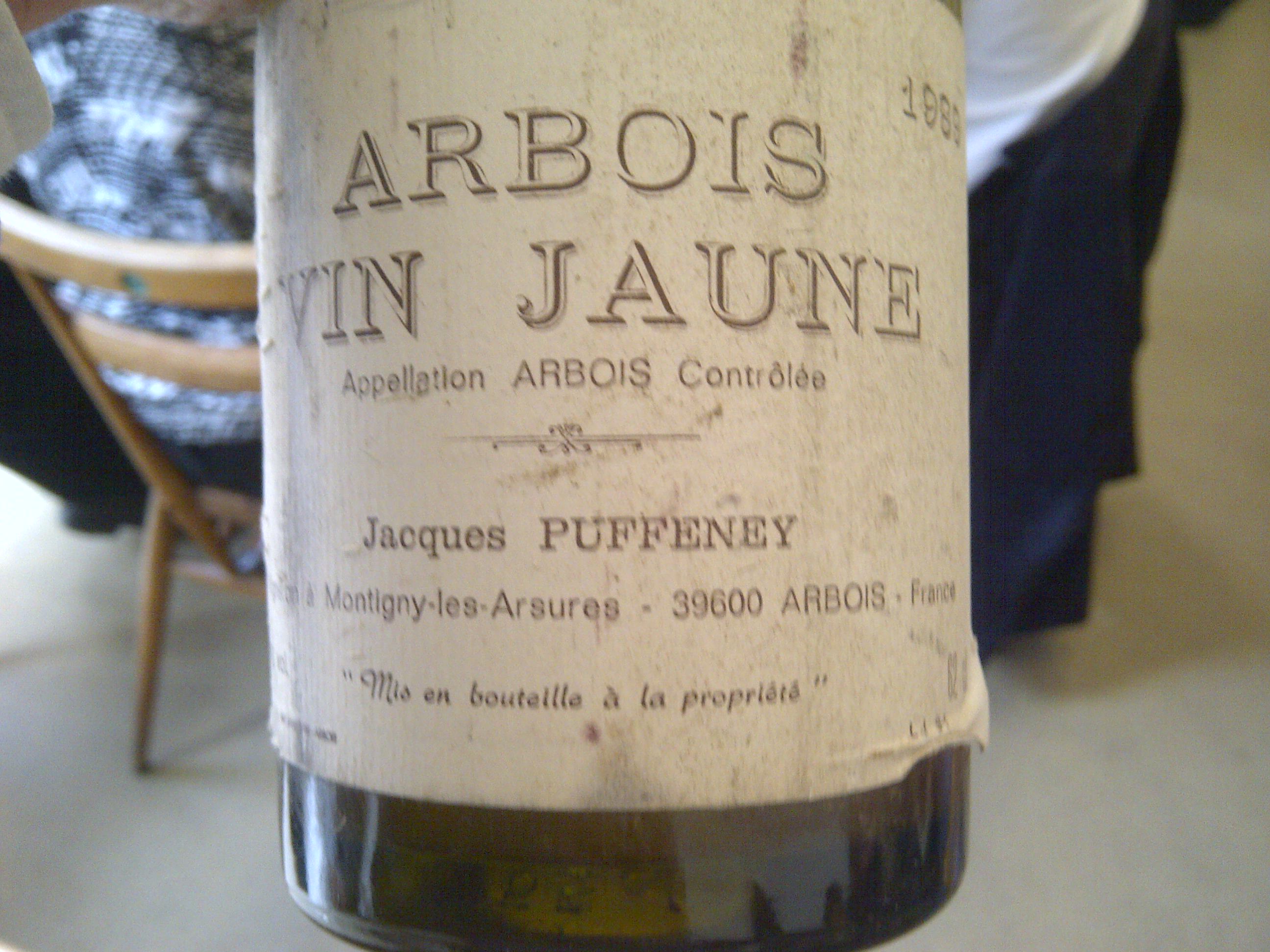
To finish, something equally obscure, French, but not from one of her noted wine regions. Jason from Theatre of Wine brought along a little something extra, Vignoble Guillaume’s Reserve Chardonnay “A mon père” 2005 (see below), an experimental cuvée not commercially available. Guillaume are based at Charcenne, in deepest Franche-Comté just north of Besançon. Pépinières Guillaume is one of the largest and best respected vine nurseries in France and the attached vineyard produces a wide range of wines, several of them based on Chardonnay and Pinot Noir, plus a Vin Jaune lookalike of some quality from Savagnin, called Cuvée des Archeveques. An excellent wine from a producer somewhat below the radar of cult status, for now, but with a growing whisper of a reputation.

409

As ever, the food at Rochelle Canteen, and the surroundings, match this type of lunch so well. The very finest ingredients cooked simply, with great care and no artifice. A concentrated game broth special was nearly a meal in itself, but thankfully gluttony allowed the partridge pie main to find space. It’s all about pacing, especially for those following the traditional route of post-prandial pint followed by an evening in Sager+Wilde. This time I was not too unhappy to have an appointment at…another wine shop.


Posted in Wine | Tagged , , , , | Leave a comment

Dave’s Wine Heroes #2 – Henry Butler

Butler’s Wine Cellar claims to be Brighton’s oldest independent wine merchant, yet it was only founded by Henry’s parents in 1979. It used to have a big reputation among secretive wine obsessives as one of the best places in the country to find well priced Cru Classé Bordeaux. There is hardly such a thing these days and under Henry the shop has almost reinvented itself, selling exciting, innovative and adventurous wines to those willing to make the journey.

Although Butler’s has a second branch now in Brighton’s Kemp Town, it’s the original Queen’s Park Road store where you’ll often find Henry, or maybe his able aide de camp Cassie, among shelves which require serious attention. If you have time. Butler’s is not the kind of merchant which has a list as such, but one which will stock pretty much anything they come across which they are enthusiastic about. It is somewhere that, in the spirit of the original, you will still find some real gems.

IMG-20140207-00257

It’s difficult to list the strengths briefly. English fizz has become a bit of a specialism, not surprisingly, and you’ll find bottles from Wiston, Sugrue-Pierre etc. There are some very fine wines from Australia, excellent mid-price New Zealanders you might not have come across, a few New Californians, plenty of excellent Iberians (usually strong on Niepoort), but also a few difficult to find Austrians well worth a look, including Hirtzberger (Wachau), or Wieninger from Vienna. This is without mentioning the shelves of fine French wine from Burgundy and The Rhone. But the mix changes according to what Henry can find. Unquestionably 10/10 for browsing potential.

IMG-20140831-00538

Butler’s does have a web site, but the stores are a real pleasure to visit. I remember finding this Aladdin’s Cave many years ago, yet every visit I’m just as likely to stumble upon some treasure as if I’m shuffling around the attic. Only because Henry and his staff have both a deep knowledge of, and passion for, wine is this possible. If you are down in Brighton, take a look.

Butler’s Wine Cellar                                                                                                                                 247 Queen’s Park Road                                                                                                                           http://www.butlers-winecellar.co.uk/

Also in Kemp Town, 88 St George’s Rd.

Posted in Wine | Tagged , , , | Leave a comment

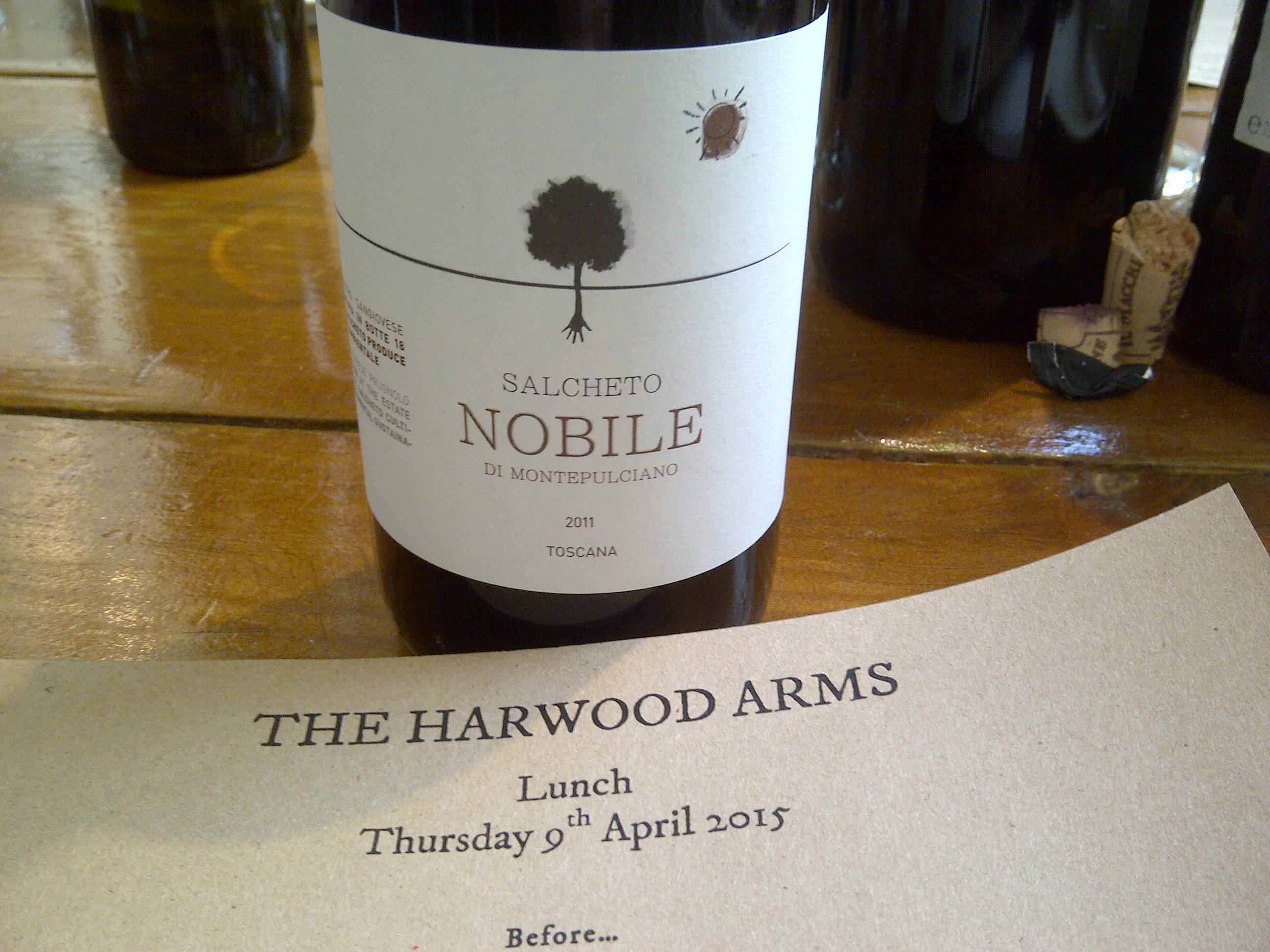
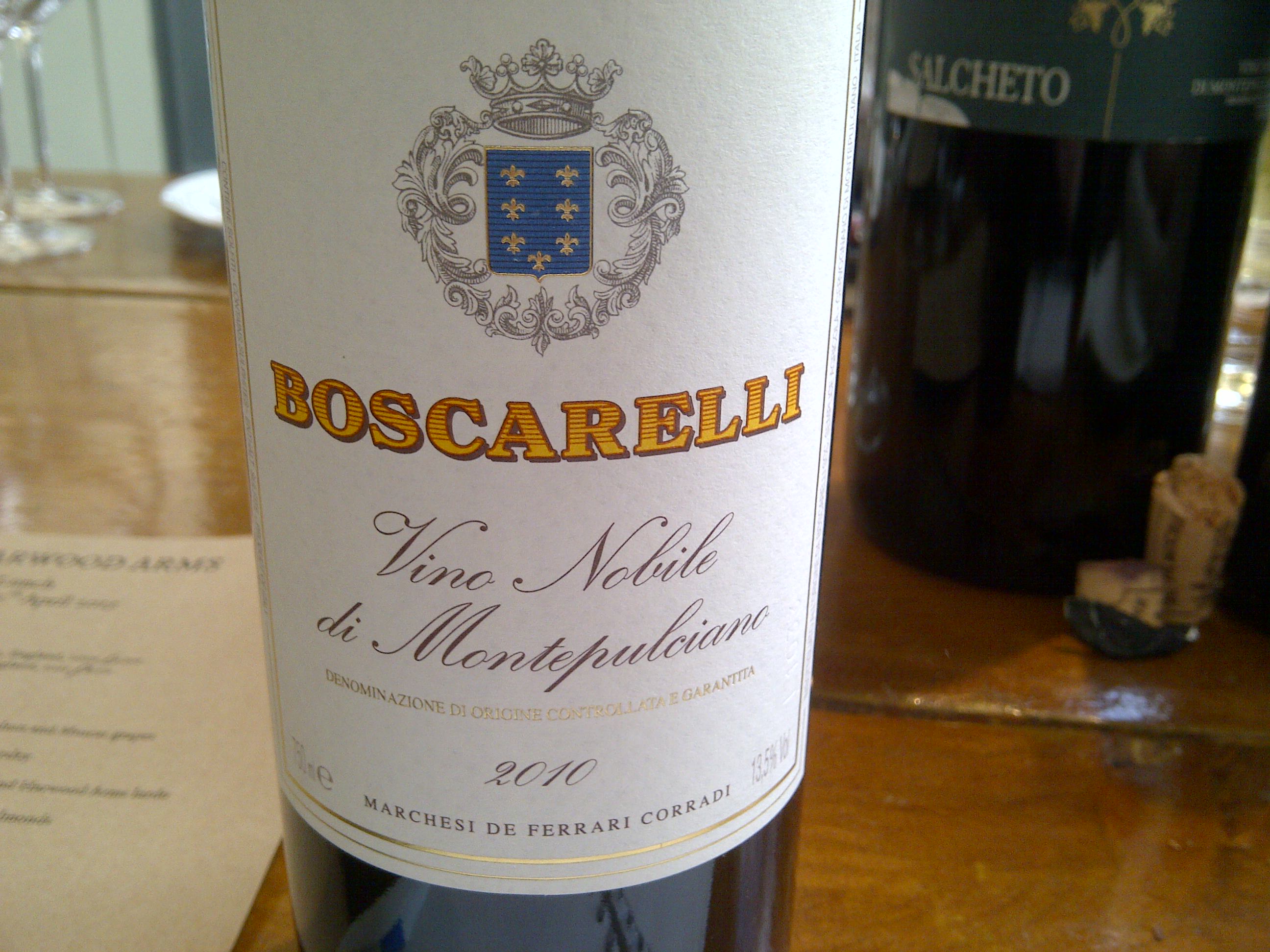
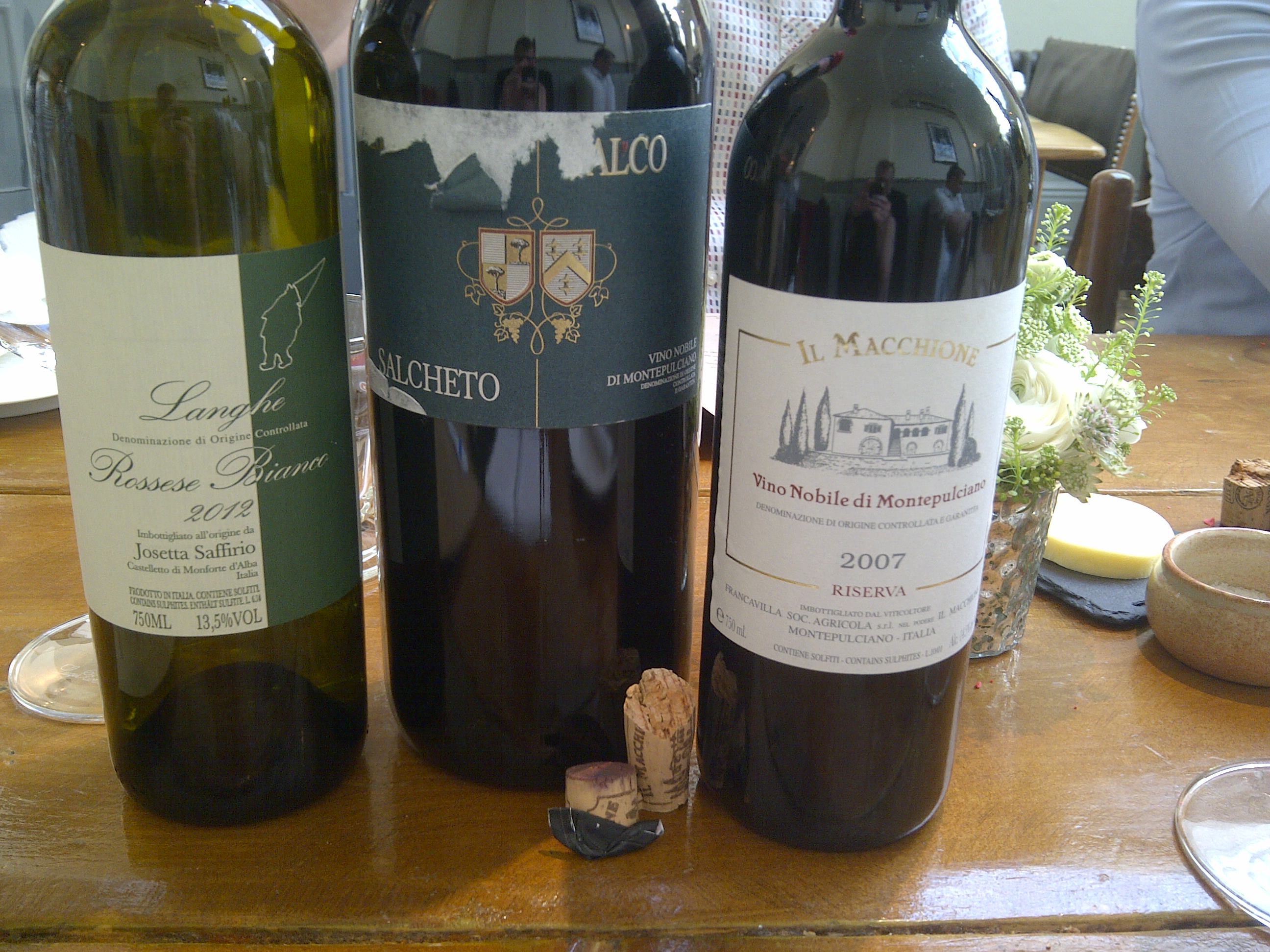
Harwood Arms Sangiovese

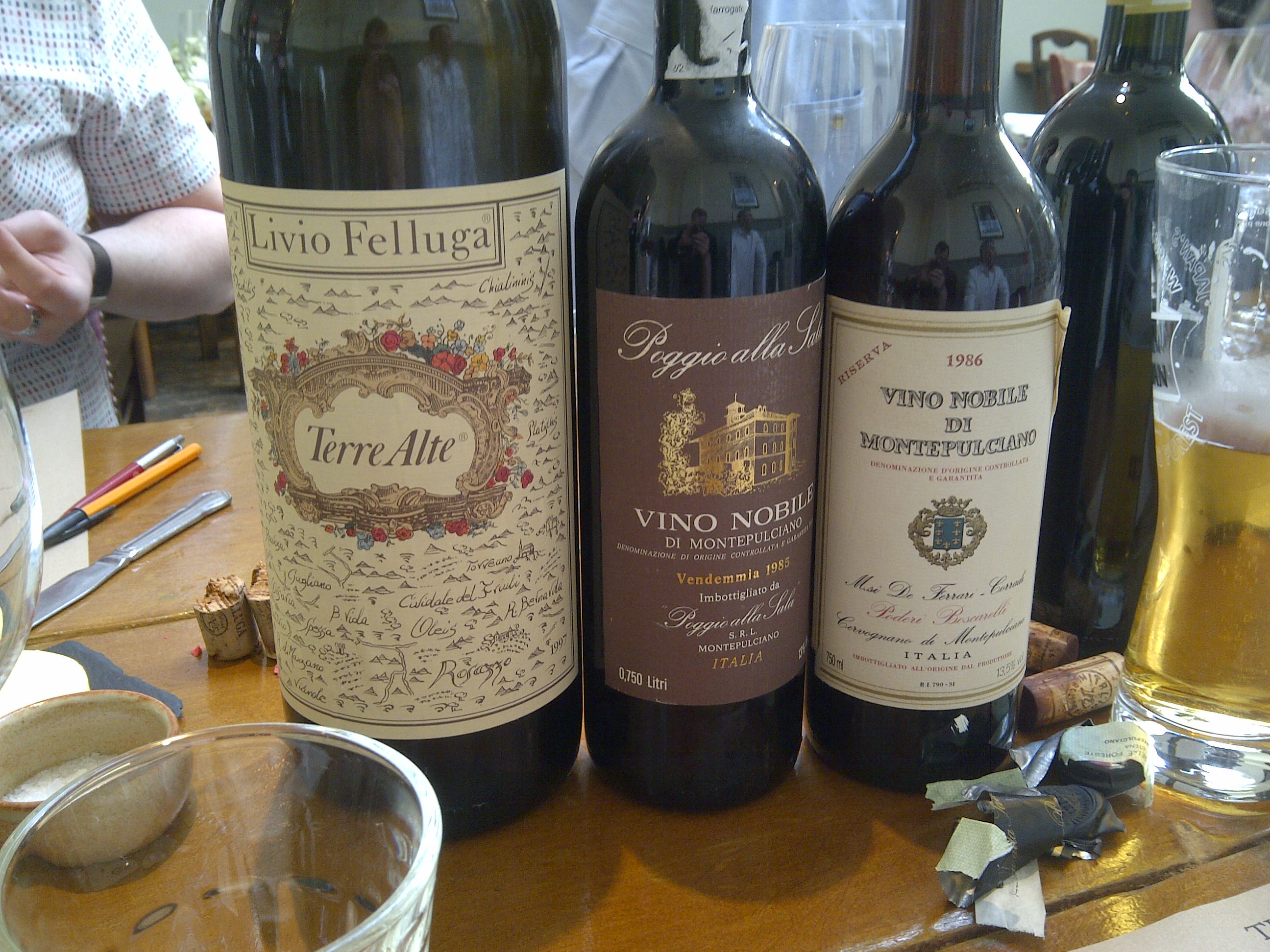
It’s hard to imagine a better match for the delicious food at ther Harwood Arms near Fulham Broadway than a good selection of Tuscans, and that’s how it proved yesterday.

The menu:

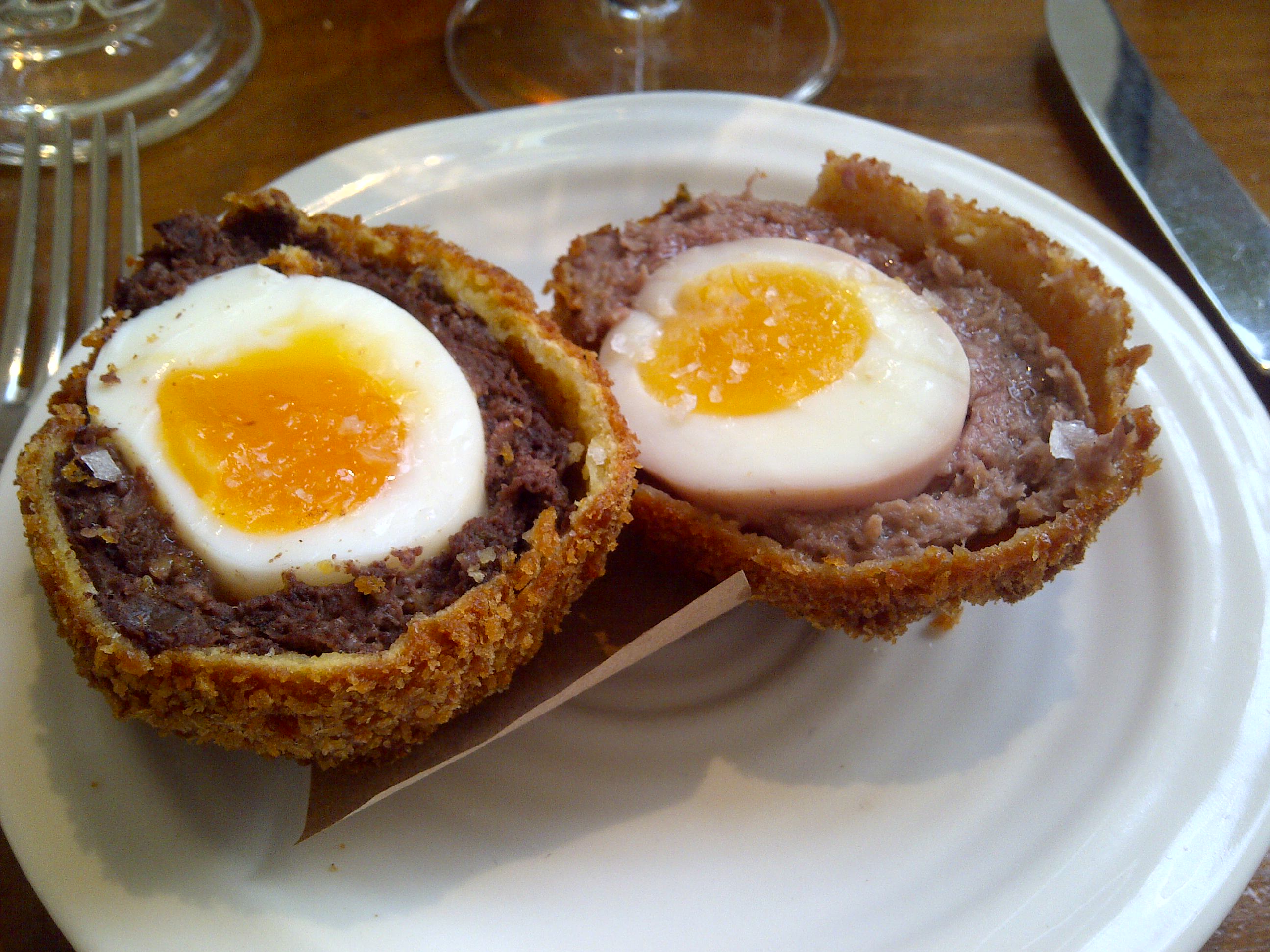
To start – soup with truffles, HA Scotch eggs (sp edn with black pudding), wood pigeon faggots (stunning with girolles) and cured smoked salmon.

Main – Berkshire roe deer shoulder with roast potatoes, beets, red cabbage and field mushrooms.

Desserts – HA vanilla doughnuts/damson jam, rosemary tart with lemon and frozen goat’s curd ice cream

Three British cheeses

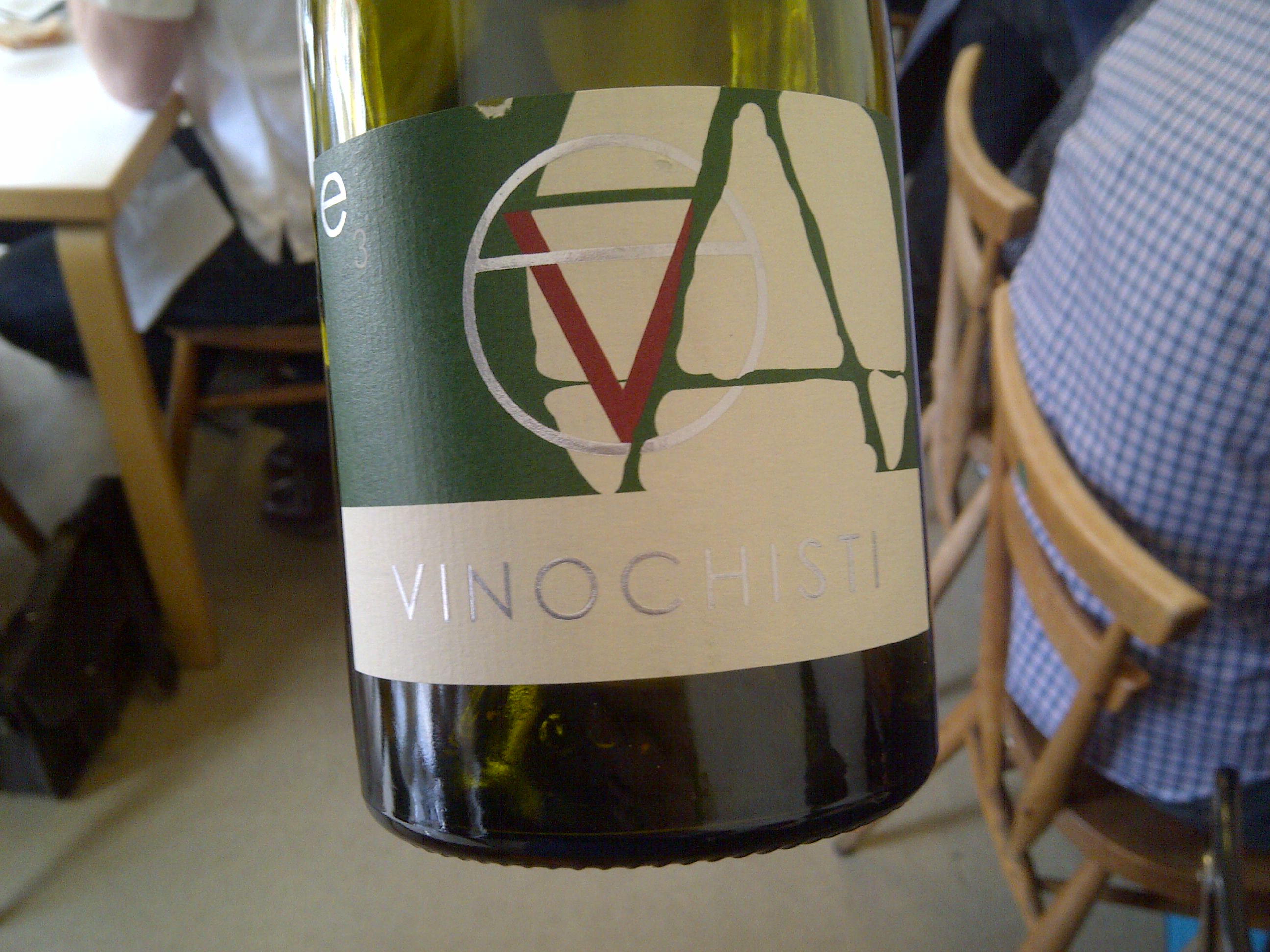
We began with a stunning white, a dry Erbaluce from Vinochisti in the Val di Pesa, which seems to have a cult following, with good reason as well. Complex yet fresh, waxy and herby yet clean. Of all the wines, this one, unknown to us all, astonished most.

IMG-20141031-00641

Red flight one consisted a 1971 Tignanello in great condition, way above expectations, paired with a very good Argiano ’79, then a Felsina Rancia ’95.

IMG-20141031-00643

A flight of three 1997s consisted Lisini Brunello (rich and ready), Riecine Riserva (very elegant, lighter, a little more to give) and Conti Costanti Riserva (opening slowly, taking its time).

Next up, two 1999s, Isole’s Cepparello and Selvapiana Bucerchiale, the former still youthful, the latter with a bit of flesh and delicious. Somehow I missed another Brunello in the confusion, unforgivable, I know!

To finish up an amazing Vin Santo, Monsanto’s La Chimera 1995, smooth and complex, sweetish, a touch of caramel and very complex.

IMG-20141031-00644

Well, when the cheeses came we just had to open another Tignanello ’71, which second bottle, remarkably, was also in great condition. Unbelievable.

If a couple of Calvados doing the rounds were not enough, those of us without a train to run for managed a very pleasant visit to the Fulham branch of Vagabond, where we received an extremely warm welcome of a type impossible to imagine in the more crowded and frantic Charlotte Street, branch. But a very big round of applause to the Harwood Arms for the welcome there, putting up with all our bottles, and for the food. Can’t remember being so full after lunch, ever! Thanks.

Posted in Wine | Tagged , , | Leave a comment

Dave’s Wine Heroes #1 – Simon & Heather

Wine Hero? This is someone I admire for their sense of adventure in wine. Often merchants, but equally writers, bloggers, restaurateurs. The list of people in wine I admire is long, so don’t feel let down if I take a while to get around to mentioning you!

Lymington is the equivalent of another solar system in the world of wine. So much is it the last place I expected to find an exceptional wine shop that I passed Solent Cellar’s attractive frontage (parts of the shop go back to 17th Century) without going in several times, when visiting a family member in this sedate Georgian town on the edge of the New Forest, previously best known for its high density of retirement apartments and twin yacht clubs.

New Forest-20130827-00067

What makes Solent Cellar special is clearly the very deep wine knowledge of this team. Both have wine trade credentials and Heather also trained as a chef at Ballymaloe. There’s also a determination to stock a daring range, setting the challenge of persuading the good people of Lymington to buy them. Simon is in fact one of the few people I trust 100% in his wine recommendations. I think once he sold me a bottle that I didn’t think had that wow! factor, but it was still pretty good.

Solent Cellar has some fine wines in the classical sense, Bordeaux, Burgundy, Champagne etc. But then we go off-piste to Marcillac, Bierzo, Jura, Beaujolais, Tenerife, regional Italy. Australia is very strong, with some excellent producers from less well known regions (like Andrew Logan from Orange) and you’ll find a few interesting (and rare) New Zealanders too, if you are lucky. In short, it’s a top London wine shop transported to a small market town on the South Coast. They don’t know how lucky they are down there.

Any recommendations? I’ll leave you in the competent hands of the owners…

Lymington itself has a superb Saturday Market which lines the same street as Solent Cellar, down the hill towards the town’s quay. Well worth combining a visit to both, although the market does make for fewer parking options for latecomers.

Solent Cellar, 40 St Thomas Street, Lymington, Hampshire

Posted in Wine | Tagged , , | Leave a comment

Single Vineyard Champagne – Laugh or Lick Your Lips?

The common view of Champagne is that it’s a great apéritif, something to get things going before the real wines are wheeled out. It usually comes from a Grand Marque, one of the big houses dotted around Reims and lining the grand Avenue de Champagne in Epernay. Some people are aware of “Grower Champagnes”, but most of the big houses would rather we didn’t, and some are incredibly rude about them. Insufficient reserves to blend into the current vintage, too few different vineyard sites and just too reliant on the weather in each harvest are all criticisms I’ve heard. Not to mention remarks about how they are just darlings of the wine journos. But then the big houses are losing tonnes of grapes every time a grower stops selling to them. That hurts, especially when some of the Grand Marques have an aristocratic heritage used to the growers doffing their berets with due deference.

The so-called grower revolution is old news now, but what has been born slowly out of it is an increasing appreciation of what I like to call “gastronomic Champagne”, a wine to drink through the meal. This is where the individuality of grower Champagnes really scores for me, and one of the most individual manifestations of this style is the single vineyard Champagne.

Single vineyards are not new in Champagne’s sub-regions. They existed before Krug bought Clos du Mesnil, although this fascinating site, partly surrounded by village houses, is perhaps the first one might describe as iconic. Or does that honour go to Philipponnat’s Clos des Goisses, for me perhaps the perfect Champagne vineyard, a steep slope facing the Marne Canal just east of Mareuil-s-Ay.

In an article in Tong Magazine in 2009, Essi Avellan MW listed more than fifty single vineyard wines. The list has grown since then. Some are in specified Clos (walled or not), reflected in their name (Clos Cazals, Clos Saint Hilaire), whilst others are just tiny parcels, taking the term micro-terroir to its extreme with the wines of Cédric Bouchard (some of whose vineyards struggle to reach 0.2 hectares).

Why are these wines worthy of our attention and worth seeking out? Surely they are just a clever marketing ploy to give prestige to a producer’s range, a wine that they can charge quite a bit more for but that will ultimately lack the balance of a bigger blend? My belief is that on the contrary, they add a new dimension to our appreciation of Champagne as “a wine”, and they help us understand the potential of the Champagne terroir to produce something new and different, not necessarily better.

Of course, the Grand Marques have been happy to produce single vineyard wines and charge a premium for them, and pretty good they are too. Apart from Krug, we have the likes of Billecart-Salmon, Cattier, Taittinger and Drappier among others. Below is a list of my own personal favourites, but remember that they all have their own distinctive personalities, so it’s a case of finding out which you like yourself. But they are well worth the effort of exploring. Experiment, try them with food and you will see what I mean.

My favourite single vineyard Champagnes

  • Ulysse Colin Blanc de Noirs
  • Philipponnat Clos des Goisses
  • Veuve Fourny Clos du Notre Dame
  • Cattier Clos du Moulin
  • Taittinger Folies de la Marquetterie
  • Pierre Peters Les Chetillons
  • Krug Clos du Mesnil
  • Cédric Bouchard (maybe start with) Roses de Jeanne Les Ursules
  • Cédric Bouchard Creux d’Enfer rosé
Posted in Wine | Tagged , | Leave a comment

Why Blog – A Kind of Mission Statement

I began this blog after some years of talking about wine elsewhere, occasionally in print, frequently on-line, because I have a passion for what I call the wider world of wine. There’s so much out there to enjoy beyond established regions stashed in collectors’ vaults and the cellars of Michelin’s finest restaurants. Wine writing has always had a conservative edge to it in the past, and that’s fine. There are great wine writers, and wine experts (not always the same thing), but few willing to promote the outer reaches of wine, even if their numbers are increasing.

Don’t get me wrong, I do love the classics. But as they become prohibitively expensive we are lucky that improvements in vineyard management and winemaking have brought to light a wealth of other wines which no one wanted to write about twenty years ago. At the same time, a younger generation is taking over family domaines in regions previously thought under performing. Their fired up enthusiasm means that there are new stars in the making in the older, established regions as well as the new.

Australian wine writer Max Allen recently wrote on Jancis Robinson’s Purple Pages about the criticisms made by fellow Aussie Huon Hooke, of Australia’s sommelier community, the suggestion being that they were forcing their enthusiasms for obscure wines onto restaurant lists at the expense of the established greats. This type of criticism is not new – we’ve heard the same coming from some quarters in North America.

I’d argue that Hooke and others are being way too narrow in their definition of what can now constitute “fine wine”, and what kind of wines are the best partners for food. Hooke may find some of the wines he sees on Sydney lists “obscure”, and some he may not have come across before. For I fear that many critics focus their palates quite narrowly, such is the need to appeal to an existing audience with a set of established tastes, despite the breadth of wine out there. It’s not difficult to imagine, for example, a Bordeaux expert not knowing how to react to a Sopron Kekfrankos or a Californian version of Jura’s Trousseau, let alone “natural” wines, “pet-nats” and orange wines. Frightening new techniques and styles from Ribeira Sacra to Friuli, or Georgia to Niagara are well off the page for those schooled in the 1855 Classification and the hierarchy of Grand Crus on the Cote d’Or.

I don’t mean to focus criticism on one individual. There are many who will dismiss new wines and new regions. I don’t doubt that many new wines benefit from the spiralling cost of Burgundy and Bordeaux, etc. Not all consumers, especially the younger ones, have the salaries, or the invitations to prestigious tastings, that would enable them to taste such wines on a regular basis. So those who write about wines which have now become high end luxuries are speaking to an increasingly rarefied audience. I think my first ever bottles of Latour and Mouton cost me under £30 each, how times have changed! You’d be pushed to find a good bottle of village Puligny for that now, and you could certainly find a Cru Bourgeois for that kind of money.

My direct experience of the market for wine is London, one of several exciting wine cities seemingly drowning right now in new independent wine shops, restaurants with “by-the-glass” lists and wine bars, not to mention wine from the cask at street markets and wine “car boots”. At no time I can remember since falling in love with wine in the 1980s has there been so much opportunity to consume so many different wines in this city. The excitement seems something akin to a revolution, mirrored in Tokyo, Barcelona, Paris, Berlin, even conservative Vienna.

It’s not just a great time to drink wine, it’s a great time to share one’s love and passion for it. I shall write about new wines and I’ll write about old wines. The thing is not to be afraid of new flavours. There’s good wine in abundance, whether that be Lopez de Heredia Rioja and Roulot Meursault, or Overnoy Pupillin and Scholium Project Californians. And especially if it’s Bereche Champagne and Equipo-Navazos Sherry.

I’ll tell you what I’ve been drinking, where, and sometimes who with. I’ll tell you where I’ve been buying wine, where I’ve been eating, and what books about wine I’ve been reading. And I’ll share the wine makers I’ve visited and their regions. In doing so, I hope to turn some of my enthusiasms into yours.

Posted in Wine | Tagged | Leave a comment