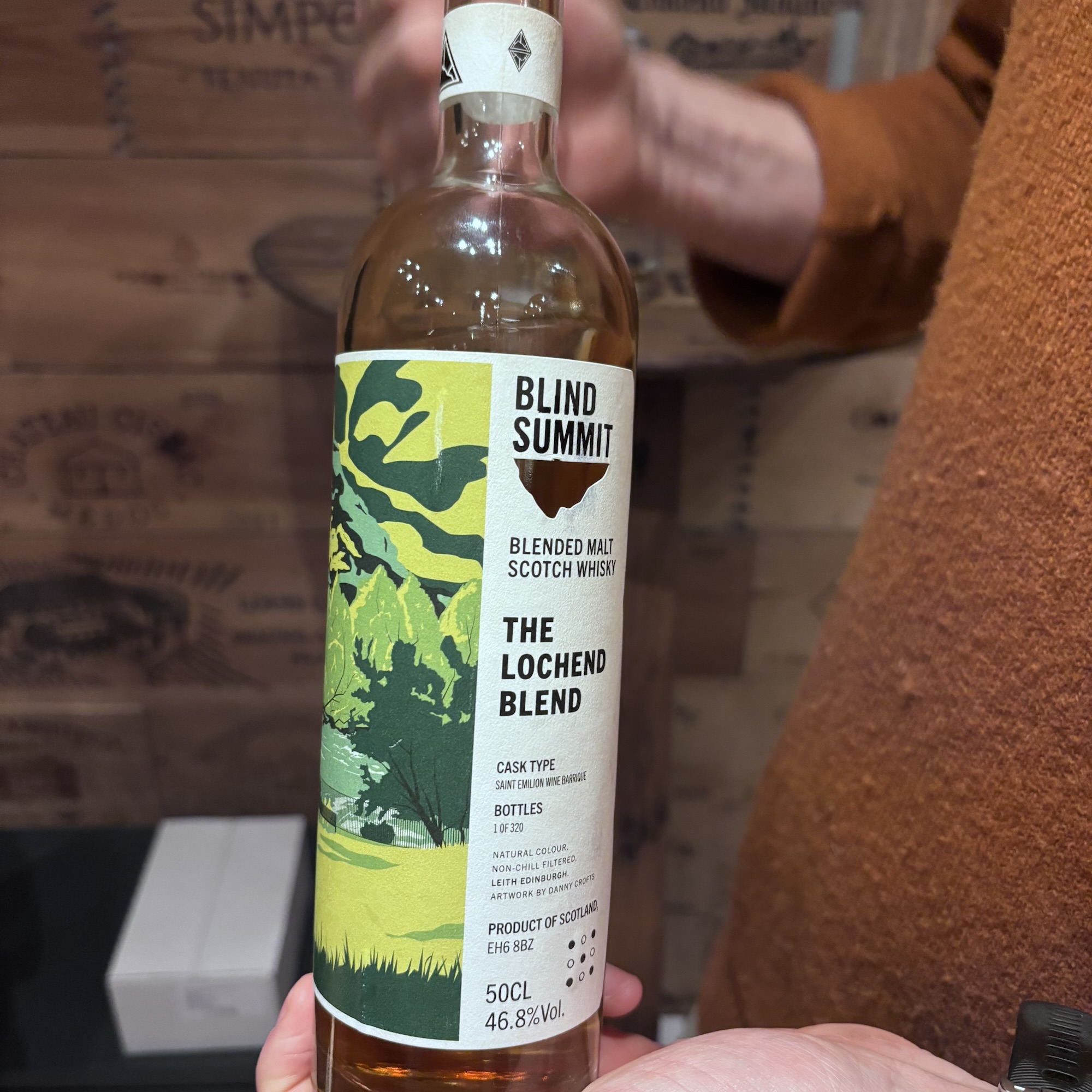
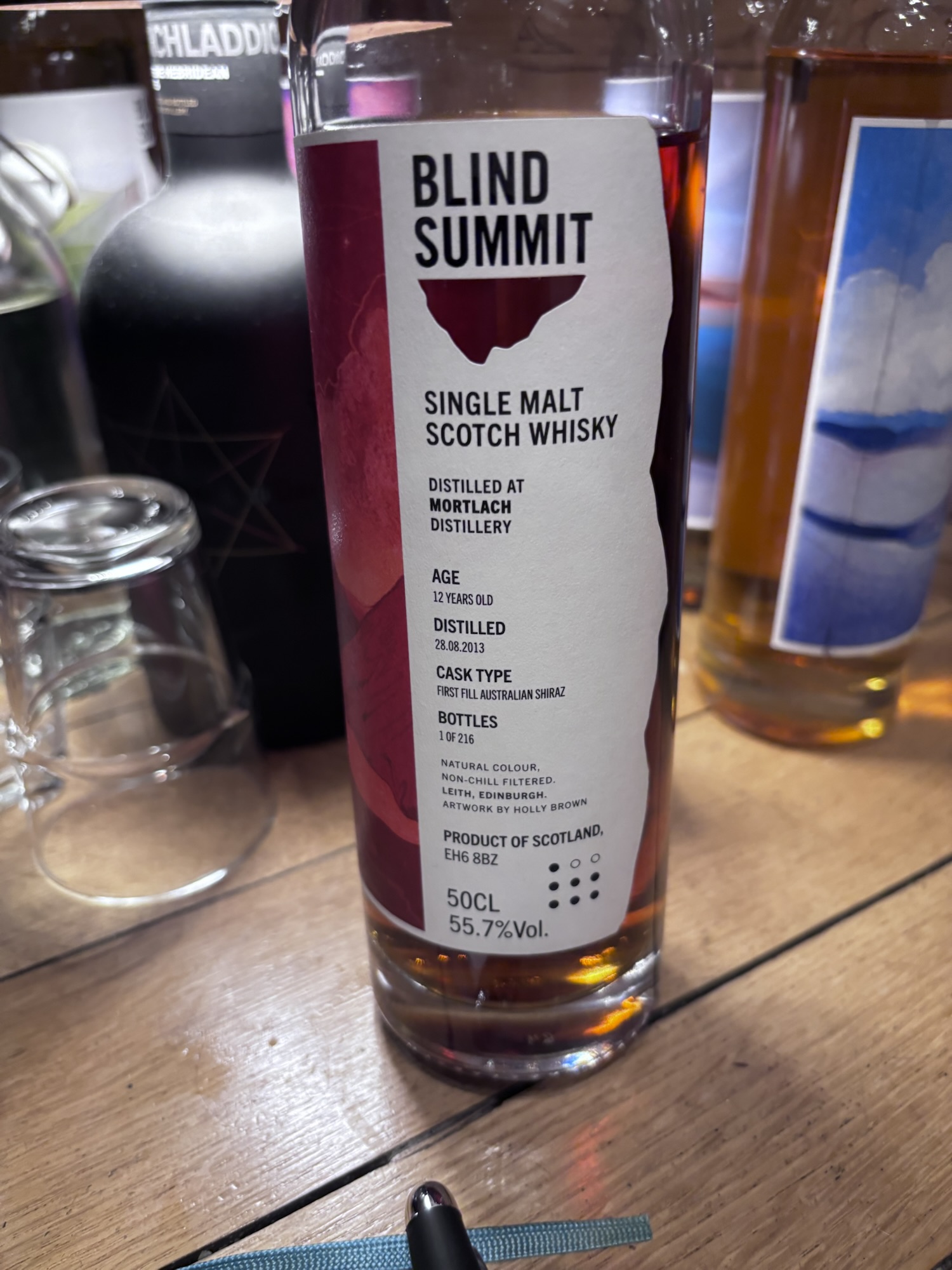
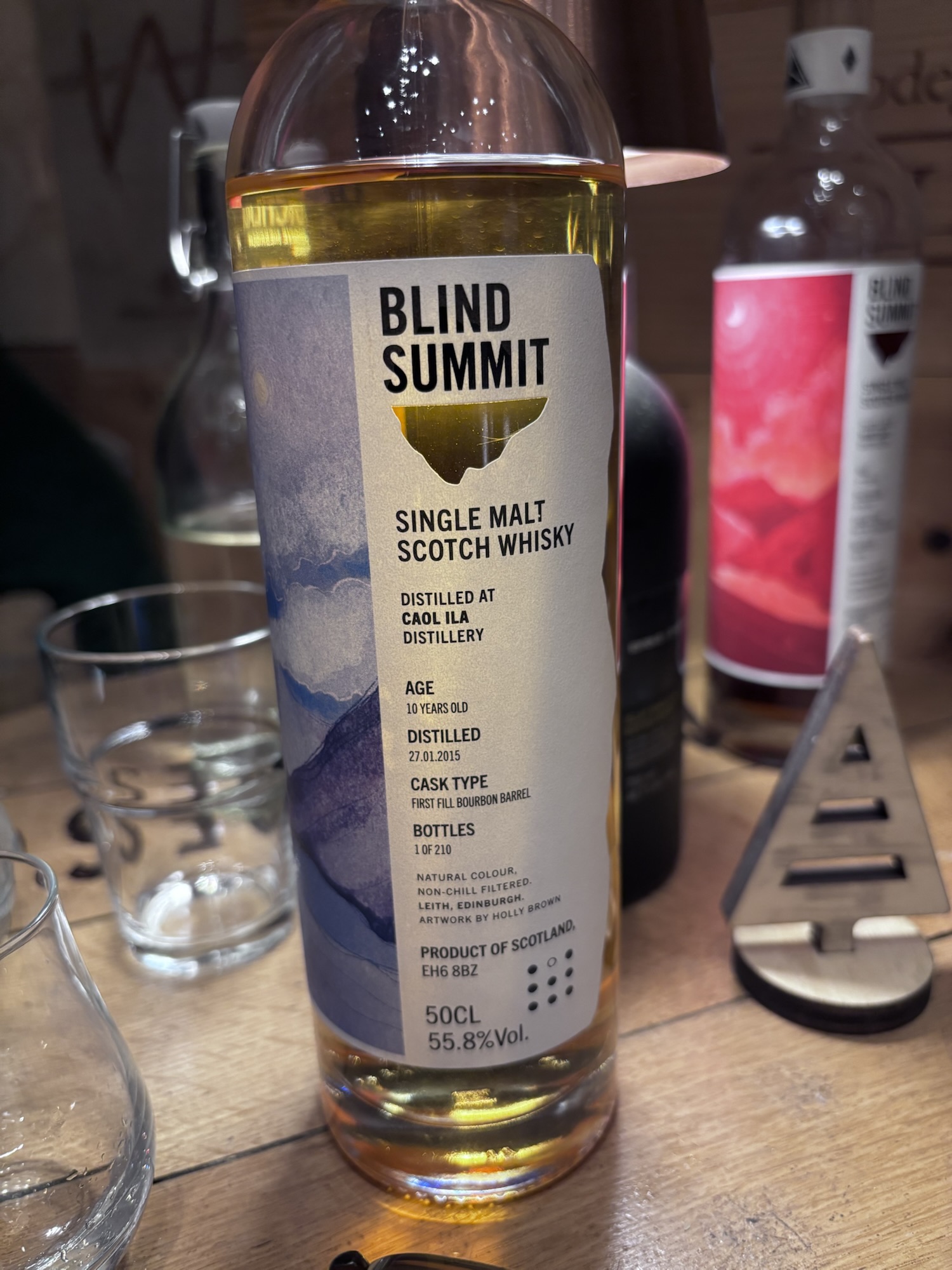
Nekter Deli – New in London

I’d not usually pass comment at a new deli opening in London, even if it sold wine, although it does warrant a big cheer in the current economic climate, but my interest was piqued when I heard who is behind it, and the idea behind it. It’s Nekter Deli, and has been set up by Jon Davey, the man behind Nekter Wines, with Xavier Sockeel of Remedy fame.

Nekter Wines is one of those small agencies which I came across a lot at trade tastings down in London before we emigrated north. Their niche, so to speak, was (and still is) what you’d call “New Wave New World” wines. Australia, South Africa and especially some of the finest wines from the USA available in the UK.

This focus translates into much of the wine offering on the walls at Nekter Deli. I only spotted one European wine, and that was made by a Californian producer at his parents’ vineyard in Southwest France.  There is no doubt that if you come here, to the deli, you will have the chance to try some famous names. Ridge (Monte Bello), Mayacamas, Corison, Arnot-Roberts, Matthiason, and I think there might be a £300 Kongsgaard Chardonnay lurking as well. And don’t expect these to be all young vintages. Some bottles on the Reserve List have more than a decade of age to recommend them.

That said, it isn’t all bottles for the wealthy employees who inhabit the stretch of the A10 between Liverpool Street and Shoreditch High Street (cf Latham & Watkins, a very large City solicitors, and Amazon, to mention but two). The smart stuff is on the Reserve List and the less painful purchases are on a separate retail list.

Everything is available retail to take away. A good selection of bottles is always open and sold by the glass, those off the retail list with a small corkage to drink in, but the Reserve wines can be consumed inside at retail prices. This makes drinking the posh stuff, if not exactly a cheap night out, almost certainly the best-priced option for drinking these amazing wines anywhere in London.

There are, that said, plenty of bottles around £30-£40, some cheaper still, with some excellent stuff from Donkey & Goat, Maitre de Chai and Pieter Walser’s excellent Blank Bottle Winery. If you are good to hit fifty quid or thereabouts, I spotted the excellent Jessica Saur’s Elandskloof Pinot Noir, Jolie Laide’s hard to find Sonoma Trousseau Gris, and some of the last bottles of Keep Wines’ Yountville Pinot Meunier (a personal favourite).

The wine offering isn’t exclusively from Nekter, although weighted that way. There are also bottles on the lists sourced through Flint, Liberty, Swig and Roberson. The licence stipulates that you have to consume alcohol with food, and the food on the plate reflects the food in the deli. The deli shelves are lined with some equally fine produce to complement the wines, with a focus, where possible, on local producers.  I could not resist some very tasty turmeric and candied fennel seed biscuits made in Brixton, and some Ozone coffee beans (Ozone has taken over my favourite London coffee place, formerly Association, on Ludgate Hill). The range of goods here in fact goes from Torres Crisps to Oscietra Caviar, with a whole lot in between.

Effectively you have top-end wine, speciality coffee, gourmet groceries and some tasty plates to eat in with your wine (see the menu photo). All of this is tucked away in a small square about a six-or-seven-minute walk from Liverpool Street Station, or a similar stroll from Shoreditch High Street Mainline. Airy and modern inside, I guess minimalist best describes the décor, with plenty of light, but not at all crowded when I was there…they’ve only just opened properly and word has yet to get out.

Upcoming, they will be starting tasting evenings, so check out the web site to see what’s on. Also, Jon told me, once they get well established they plan to introduce kegs adding another string to their bow.

Nekter Deli is at 3 Bowl Street, London EC2A 3BH, opening 9.00 am to 9.30 pm Tuesday to Saturday (closed Sunday & Monday). The web site is https://www.nekterwines.com/deli (bookings via opentable.co.uk).

More than worth a detour, this tucked-away gem of a place is somewhere to seek out. Just go prepared with a large bag to take away both wines and provisions. Oh, and Ozone Coffee is pretty good too.

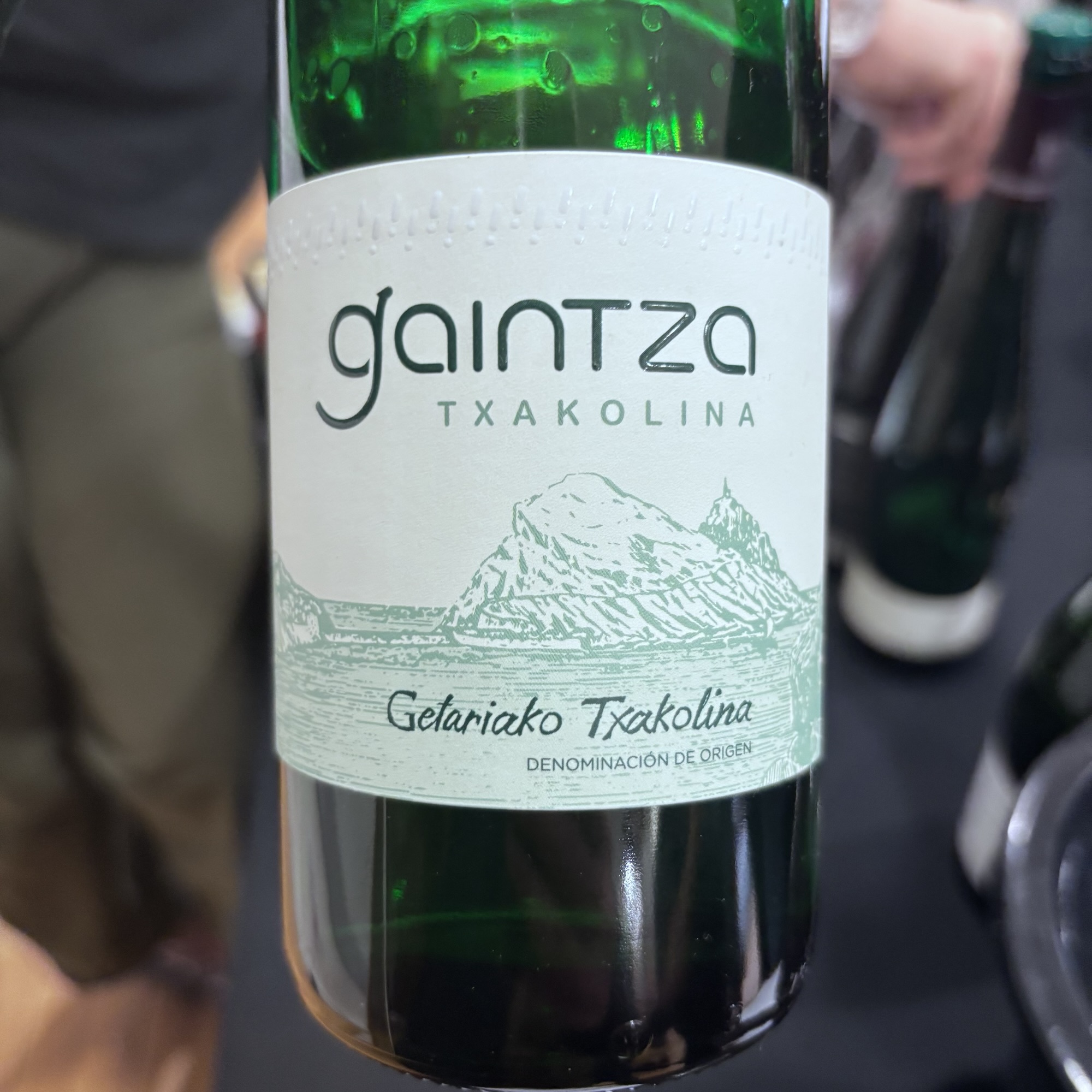
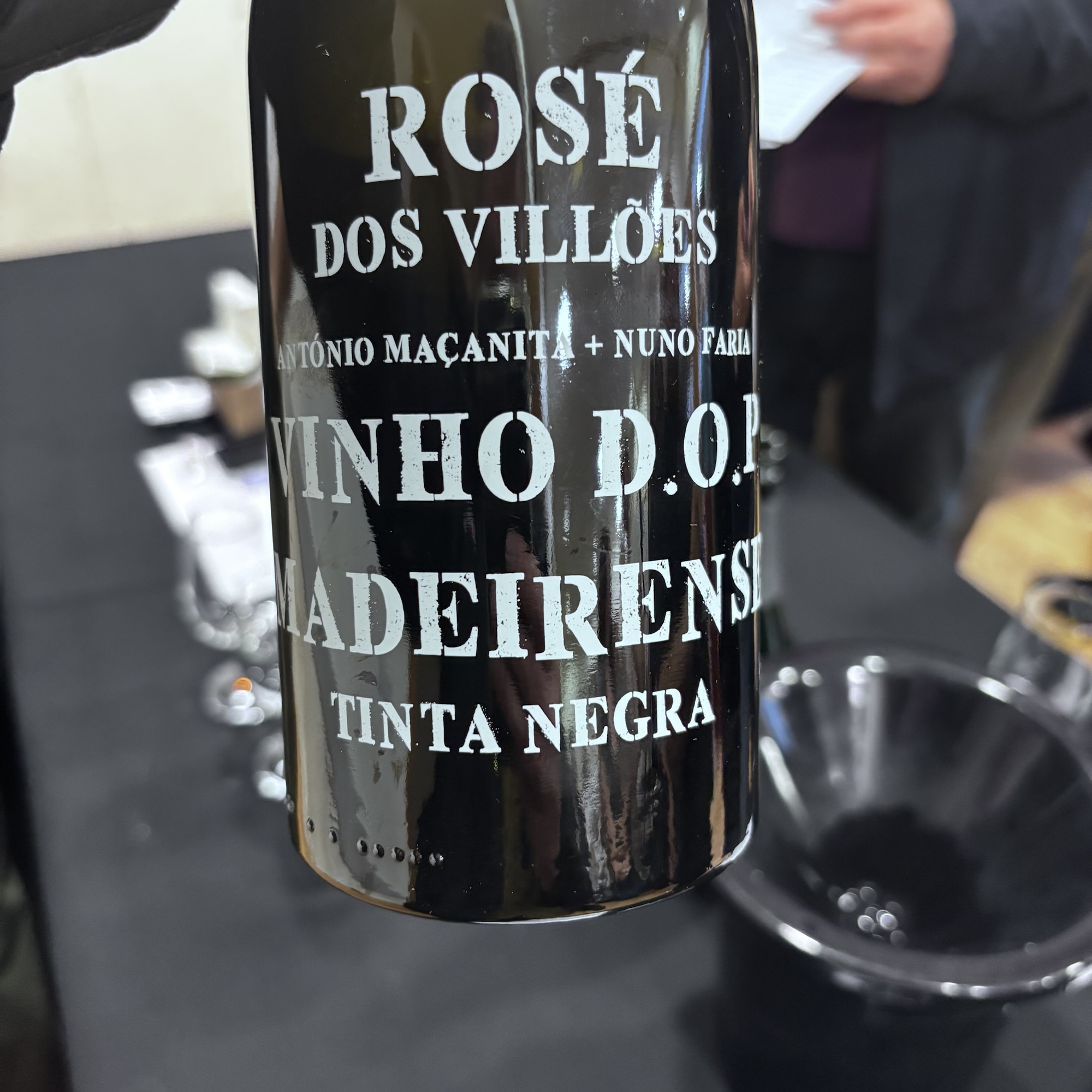
I go back a few years with Jon, via the tasting circuit, so when I popped in last week, he was kind enough to give me a tasting, from bottles he had open, and in the final case, from a bottle sold by the glass by Coravin. Some brief notes on the seven wines I tried follow here:

Maitre de Chai Sparkling Chenin

Made in an urban winery in Berkeley, founded in 2012 by Alex Pitts (formerly an assistant winemaker at Scholium) and Marty Winters, who has gone via front of house and sommelier at some top Cali restos to a harvest internship at Kongsgaard, and Ashes & Diamonds’ first estate director. Deliciously different, very fine, thrillingly tight-knit.

Blank Bottle Winery Orbitofrontal Cortex 2023

One of Pieter Walser’s striking blends of tiny parcels he’s blagged and cajoled off farmers in the Western Cape. Smooth and certainly textured fruit. It’s always an absolute pleasure to drink Pieter’s wines, especially as he’s a top bloke, and one of the most entertaining advocates for his own secret blends in the business. Especially when the stories involve his surf board and maybe a shark. OFC is one of his best.

Donkey & Goat Perli Vineyards Chardonnay 2017

D&G, as they no doubt have never dared call themselves, also make wine in a Berkeley urban facility, but this Chardonnay is from Mendocino fruit. Definitely natural wine pioneers with a strong ecological creed since 2004, I’ve tried their wines before. This Chardonnay is a little bit more expensive than previous bottles, but after a gentle initial bouquet the palate kicked in. Wow! Tropical fruit and concentrated lime juice. Amazing. Really loved this. Sadly, this was just above my self-imposed price limit (£55 to take away, I think).

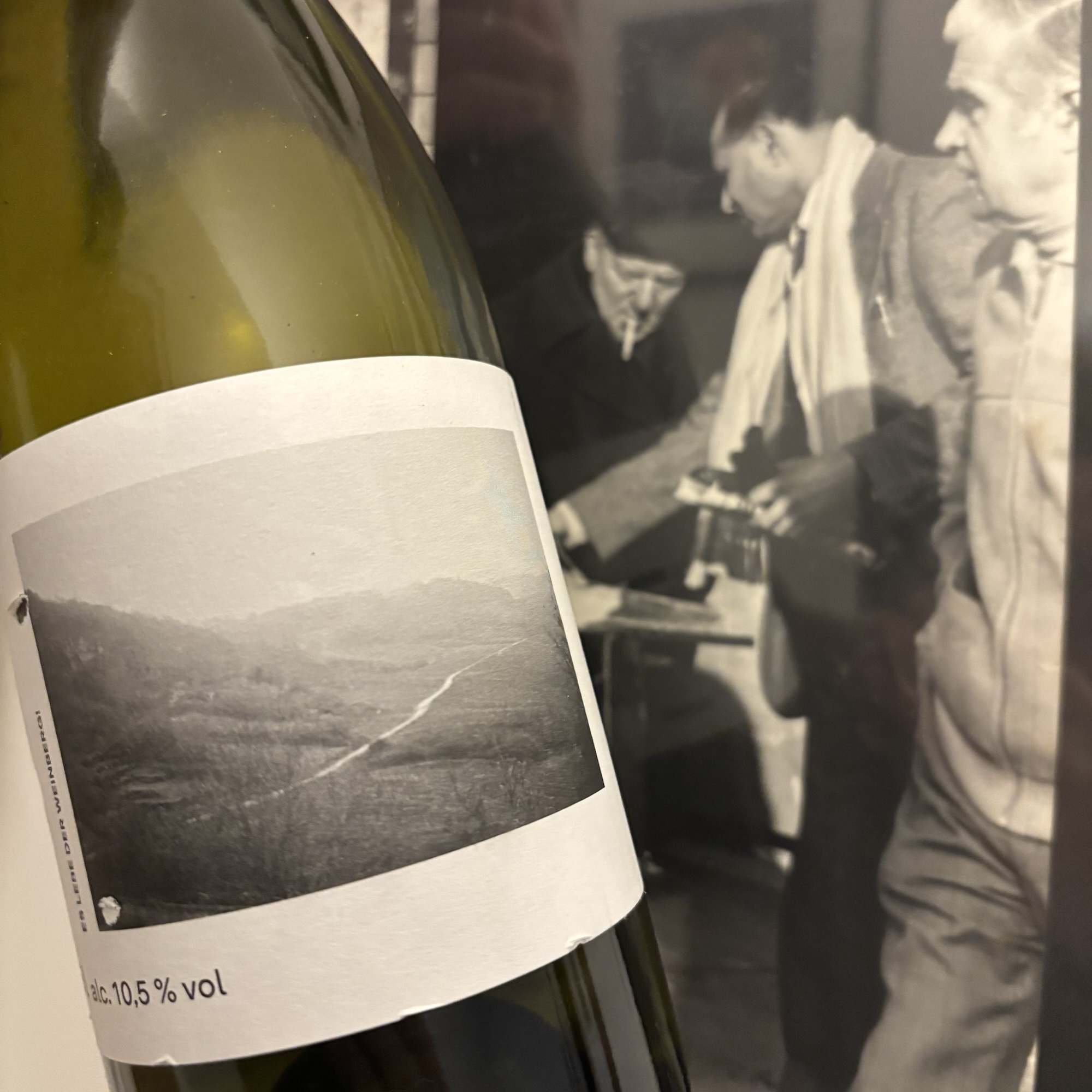
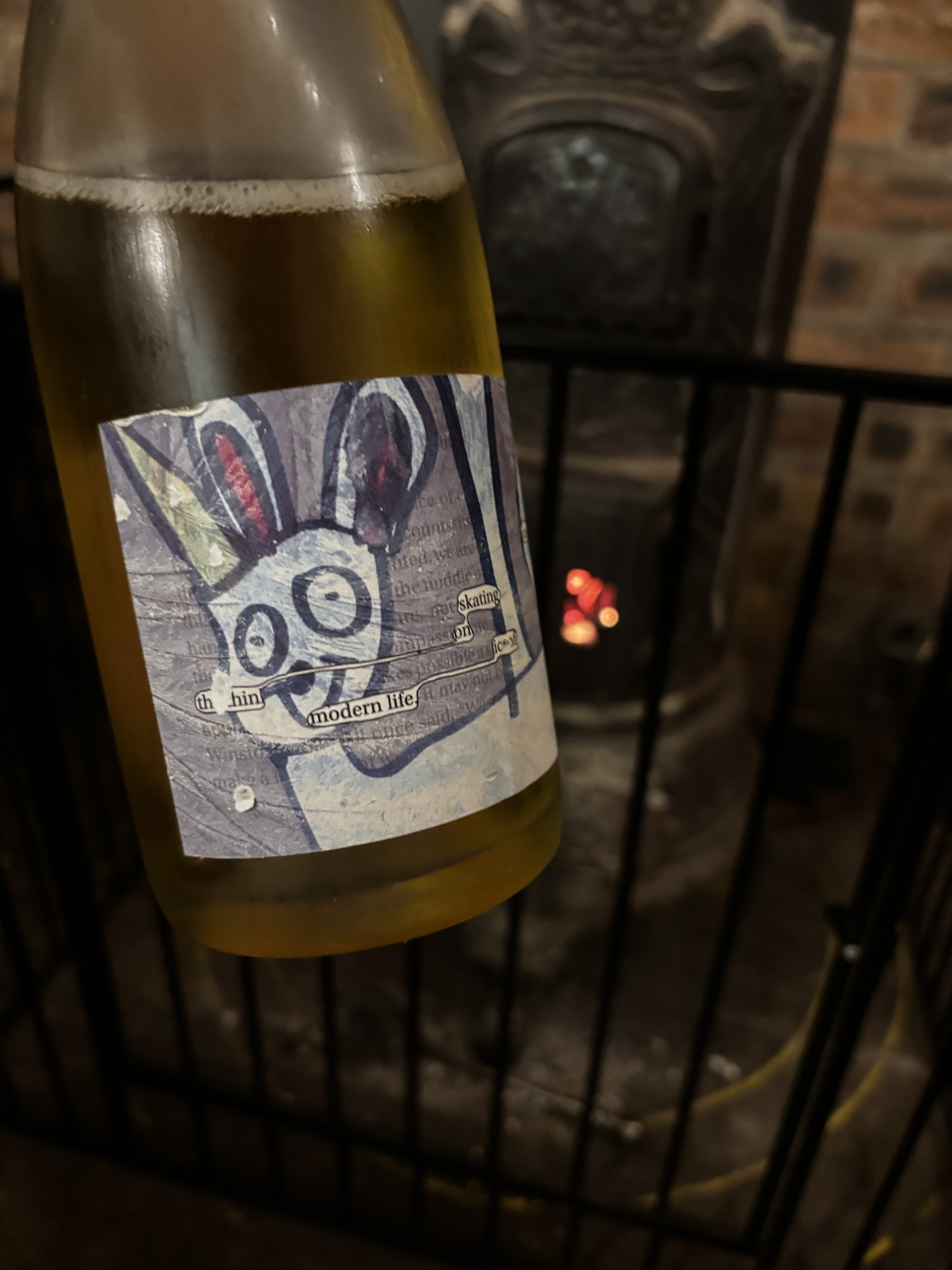
L-R: Maitre de Chais Sparkling Chenin, Blank Bottle Orbitofrontal Cortex, (Thorne not tasted) and Donkey & Goat’s stunner Chardonnay

Vinca Minor Light Red 2021

50% Sauvignon Blanc, 25% Pinot Blanc and 25% Carignane makes a wine some would call a light red, others a dark Rosé. These guys make one of the finest Carignanes in California, and Nekter Wines has their Mendocino Carignane online for £40. This perhaps unusual blend of red and white varieties is delicious and very fruity, but with more weight and composure than your more ephemeral pinks. I do like a dark Rosé, whatever they choose to call it.

Saint Jaymes Wines Red 2022

Jack Roberts is the man behind the Keep Wines label, and a former assistant winemaker at Matthiason, but his parents have vines in Southwest France. His wife, Johanna Jensen (or JJ as she is known), by the way, is another former Scholium alumni who also paid dues at Broc Cellars. I reckon their Keep Wines, based just outside of Napa, is something of a well-kept secret, although to be fair Nekter Wines has a lot of producers like that.

The winery name, Saint Jaymes, comes from their location on the Camino de Santiago. A blend of 70% Fer Servadou with 30% Manseng Noir, this is a cool, simple, but super-tasty red with smooth red fruits complemented by a nice edge to the finish. Only £26 to take away.

Maitre de Chai Red Table Wine 2021

Take some Grenache, Cabernet Sauvignon and Zinfandel from Lodi and blend it into a perfectly balanced wine with 12.7% alcohol (a feat of winemaking for much of the state) and knock it out for £30 to take away, and who says California is expensive? These wines are new to Nekter and they really are worth exploring. This has lovely aromatics and vibrant fruit.

Corison Cabernet Sauvignon 2021

Cathy Corison’s Cabernet is 100% Napa fruit (from St Helena) and 100% Napa, that is if you know that the valley can produce wines which are elegant and refined, with purity and precision. No clichés here, well, maybe just the tobacco notes alongside violets and ripe mulberry. I know it needs another decade, perhaps longer, but you know what…like so much of the best wine from California, it is damnedly gorgeous right now and would be hard to resist. Importer Roberson only has this bottling in magnum now, so the few bottles Nekter Deli has at £140 could be seen as a relative bargain.

L-R: Vinca Minor “Light Red”, Saint Jaymes, Maitre de Chai Red and Corison Cab

Also…if you are drinking all French, Italian and Spanish etc, check out the Nekter portfolio of “new wave new world” producers online. Plenty more there for my adventurous readers. I’d like to wish Nekter Deli great success for a unique offering.

A few tasty bottles on the wall which would doubtless have gone home with me if I worked in one of the offices around there, but I don’t. Keep saying I must start doing the Lottery.

Posted in Artisan Wines, Australian Wine, Californian Wine, Fine Wine, North American Wine, South African Wines, Wine, Wine Agencies, Wine Bars, Wine Merchants, Wine Shops | Tagged , , , , , , , , , , , , , , | Leave a comment

Recent Wines September 2025 (Part 2)

Part Two of the wines we drank at home during a September in which we spent half the month away nevertheless contains some very interesting wines. We begin in Alto Adige and move on to Mallorca. Mid-month we drank a genuinely moving Mosel Kabinett I’d been ageing for a few years. Then, before our third trip away in as many weeks we opened a red wine made in Hampshire that has more in common with all those field blends I wrote about in Part One than it does with most English reds. We finished the month early with a Jura Chardonnay before heading off to the Swiss sunshine.

Cuvée Terlaner 2023, Cantina Terlano/Kellerei Terlan (Alto-Adige, Italy)

These days I can think of co-operative cellars all over Europe, from the Southern Rhône, to the Loire, to Geneva, who are turning out quality wines, but back when co-operative was invariably a dirty word for wine lovers, those who knew always pointed out the one place you’d find exceptions. This was Alto-Adige (aka Süd-Tirol). The co-operative cellars at Terlan, founded in 1893, were always an exemplar, for as long as I can remember.

They produce a fine range of wines, not all of them at what you might perceive as co-operative prices. I suppose that this one is hardly supermarket material, but it does provide an entry into the world of higher altitude viticulture in Northeast Italy. It also brings the delights of these wines to an audience who do not have ready access to some of the independent small producers in the region.

Cuvée Terlaner might not be the most expensive wine in the range, but it is intended to be a flagship for the region, and in this it succeeds. We have a blend of Pinot Blanc (60%), Chardonnay (30%) and Sauvignon Blanc (10%) from three sites at Vorberg, Kreuth and Winkl. This is a classic regional blend of varieties which do well up here. Pinot Blanc excels in this blend, Chardonnay adding a little weight and extra sophistication, Sauvignon Blanc in a more Alpine style adding freshness and acidity. Ripeness is not lacking as we get a balanced 13.5% abv.

The bouquet is lifted by freshness and tropical fruits (very definitely a hint of passionfruit in there), with some pear and almond. But the palate is saline with citrus acids and a nice length. This makes it feel lighter than most white wines with a similar alcohol level, yet it does have some weight. Just not heft. The fruit is smooth but the salinity balances it. I think it’s a lovely wine, and very good value for the quality.

This cost £27 from The Solent Cellar (Lymington), and the importer is Astrum Wines. I’ve also seen it at Butlers in Brighton and The Good Wine Shop (London branches).

Manto Negro 2022, Soca-Rel (Mallorca, Spain)

Mallorca has one winery which those deeply interested in Spanish wine would know, but the island’s wines do not appear very often, either at tastings, nor in UK wine shops. Soca-Rel was certainly a new producer for me when I saw it mentioned by Indigo Wine, who are certainly on top of all that is exciting in Spain and on its fringes.

This is a “micro-celler” (sic) in Binissalem, making wines from 4.5 hectares. Binissalem is a tiny DO in the centre of the island, a fraction of the size of Mallorca’s other appellation, Pla i Llevant. It’s a rugged region populated with old vines, which was close to extinction until fairly recently.

This cuvée is made principally from Manto Negro, an autochthonous variety which has a tendency to produce wines of a lightish hue. Winemaker and viticulturalist Pep Rodriquez seasons it with 5% Fogoneu, an extremely rare Balearic variety. Whole berries are fermented in plastic vats using indigenous yeasts. In fact, this is a natural wine. It is aged a short time in stainless steel before bottling early.

You get gentle red berries and rose petals forming a very attractive bouquet. The palate gives us more smooth red fruits, juicy and plump, with just a little bite and crunch on the finish. There is an ethereal quality to the end product, but in no way could you say it’s weak. It glides along like an attractive and restful sonata but the crunchy finish stops you drifting away with it. I find its paleness attractive too.

£34 purchased from The Sourcing Table, via importer partner Indigo Wines.

Kupp Kabinett Faß 8 2017, Weingut Peter Lauer (Saar, Germany)

Ayler Kupp was one of the first German vineyards to stick in my head (remembered as “I look up” in my very early twenties). As I drank some fairly horrible German wines as a student, it’s a wonder I ever got to see the light, but two guys who worked for Majestic Wine back in the 1990s liked the good stuff (Gordon Coates and Matt Wells). They taught me that if I was thrilled by acidity, the antidote to the sugary wines I’d previously known, I should head to the Mosel’s tributary, the Saar.

German wine today is in a different place to where it was around the late 1980s and early 1990s. Stellar quality is assured from the right producers, and Florian Lauer stands towards the summit of the younger names who have revived the wider Mosel Region, and inspired the next new wave.

The Lauer estate, named after Florian’s father, comprises around eight hectares on the blue-grey Devonian slate around the village of Ayl. The vines are on steep slopes, very steep in some cases. The Kupp is a large site, so Florian’s various bottlings from it are intended to reflect the variety of terroirs. Lauer wines of whatever level are always precise, and have a brittle backbone of thrilling acidity which secures or fastens the fine Riesling fruit to the mast.

The Saar is warmer than it was thirty-odd years ago. The grapes here are ripe, properly so, but not overripe. The fruit goes through very thorough sorting and only perfect grapes make the cut. Fermentation is spontaneous. This wine, at Kabinett level, is still so fresh, even though it is eight years old. It seems still youthful, although it does have a reputation of being long-lived. The intense yellow fruit rides above the mineral-citrus lemon and lime acidity. It will indeed live for years but, as Florian himself said, in its youth it is invigorating. Who doesn’t want to ne invigorated? It’s worth noting that it comes in at just 7.5% abv.

This bottle came from Solent Cellar (Hants). It cost around £20, but of course I’ve been cellaring it since release. Naturally it has all gone, but they do have some interesting Lauer wines, including a Kupp Faß 18 from the 2018 vintage (£40). For wider availability of more recent vintages, contact Ripley Wines. Shrine to the Vine had a 2015 quite recently, but today it says sold out. Lay & Wheeler could be worth a look for the Trocken Faß 16 (in bond).

Beaulieu Red 2023, Beaulieu 58 Wines (Hampshire, England)

Beaulieu Estate (pronounced Bewley) in Hampshire is famous for the National Motor Museum, but as well as the “palace” and the ruins of the original abbey which owned the land up until the dissolution of the monasteries, it is also a typical aristocratic farm of some size. Part of the lands owned by the Montague family encompass a vineyard.

Sandy Booth has a thriving New Forest fruit business on the Beaulieu Estate. He was offered the opportunity to take over the running of the vineyard in 2019, with the expectation that he could bring some new ideas from his fruit growing enterprise, and as a result the vineyard has become a centre of some interesting experimentation. It’s not all of a kind that would be of interest to any natural wine fundamentalist, but what Sandy is doing bears taking a good look.

Sandy Booth is committed to growing fruit (including enormous quantities of strawberries) with minimal intervention in a sustainable way. Of course, this is problematic in the climate of the New Forest. So, fruit is grown on coir to enhance water retention, and they say in tunnels (though I’ve seen photos of vines growing uncovered, in an open field).

The soft fruit is picked by robots, a technology that could work more sympathetically than current mechanical harvesters if applied to vineyards. On the other hand, they use natural predators rather than insecticides. All this, aside from the natural predators, would be totally unacceptable in any European appellation, but it does have the demonstrable overall effect of greatly reducing the need for chemical inputs.

Beaulieu Red is a blend put together by Swiss winemaker Guillaume Lagger. The grapes used in this cuvée are not specified, unlike the other wines in the range, but the list of what they have to work with is long. Viniferas like Pinot Noir, Cabernet Franc, Gewurztraminer, Tempranillo, Grenache, Syrah, Merlot, Albariño and Bacchus with modern hybrids (aka PIWIs) like Cabernet Jura, Pinotin and Floreal. If you skim through that list, you will notice a good many varieties that are not usually grown successfully in the UK.

This is all very interesting but what of the wine? Beaulieu Red is the entry level red wine. It is fruity, quite smooth and fresh, tasting of blackberry with plum to me. It’s not complex, not a terroir wine, but I found it interesting. It reminds me of a cross between one or two English reds I drank made from varieties like Rondo some years ago and some of the PIWI reds I’ve tried in Switzerland more recently. Alcohol is a very precise 11.8% according to the label.

This is decent value at £20. I spotted it at Solent Cellar again, which you’d describe as pretty local. There’s also a B58 Red (£27.50), a Rosé (£15) and a Gewurztraminer (£22.50). I’ve been told the more expensive red wine is a good step up, but I thought I’d dip my toe in at entry level first. What they are doing at Beaulieu is definitely very interesting. All said and done though, Tim Phillips is making natural wine just down the road, albeit within the shelter of a brick-walled Clos, using more traditional methods of low intervention cultivation and natural winemaking.

Apparently, Guillaume Lagger has his own small project starting, a vineyard and orchard at nearby Sway, though I know nothing more about it. Doubtless I shall.

Côtes du Jura « La Poirière » 2022, Domaine Berthet-Bondet (Jura, France)

Berthet-Bondet is a venerable domaine based at Château-Chalon, which was originally formed from a three-hectare vineyard taken over by Jean and Chantal Berthet-Bondet in the mid-1980s. Now, fifteen hectares are overseen, since 2018 by Jean and Chantal’s daughter, Hélène. The estate might be best known as a producer of the oxidatively-aged Château-Chalon, but they make what I think are some exceptionally good ouillé (topped-up) wines now. Winemaking here is organic.

La Poirière is a new cuvée to me. It is 100% Chardonnay from thirty-year-old vines, which has spent one year in 228-litre oak, 5% of which was new. Lees-stirring enriches the wine whilst ageing in barrel, and the barrels are topped-up (no oxidative winemaking).

The colour is a nice, bright, green-gold. The bouquet shows lemon citrus, a touch of hazelnut, a whiff of something mineral and a little toasty vanilla oak (only a little). It’s clearly a fresh and youthful Chardonnay on the palate. The rear label says it will age a decade. I don’t doubt it, although drinking it last month I thought it was brilliant, noting the obvious potential.

It came from Solent Cellar once more (well, I did stock up when I was down south in July, after a good browse). It cost £30 at the time, but I’m told the price has since increased, and so it remains sadly out of stock. The agent in the UK is Alliance Wine.

Posted in Artisan Wines, English Wine, German Wine, Italian Wine, Jura, Natural Wine, Spanish Wine, Wine, Wine Agencies | Tagged , , , , , , , , , , , , , , , , | Leave a comment

Recent Wines September 2025 (Part 1) #theglouthatbindsus

I’ve got a lot to write about from my trip to Switzerland, which might interest the kind of open-minded reader I tend to get lurking around this blog (ie the best kind of wine lovers). But first I need to tell you what I drank during September. Considering we were away for more than half of that month, I’m surprised to have ten wines to plug to you. Despite now having a fair few Swiss wines to drink, I do feel the cellar needs a top-up.

The usual two-part format follows, but just five wines in each part. First in Part One, an Austrian favourite which has spurred me to want to buy more, then a rare sighting in Scotland of a wine from Romania. Northwest Spain gets a look-in, as does Czechia. That wine, from Southern Moravia, is one I had last tasted a vintage of in 2022, at the domaine. I’d forgotten how good it is. Last but by no means least is a lovely sparkling wine from Bugey, but this time a dry one.

Rakete 2022, Jutta Ambrositsch (Vienna, Austria)

If you’ve ever made the mistake of telling me you are going to Vienna you will doubtless have had me reel off a string of things you must do, things that would more than fill a week, or would drown a long weekend. If there is one thing I do without fail on each visit, it is to walk in the vines, principally above, on and around the Nussberg. I’ll even tell you which metro station to go to, which bus to get and where to get off. Come to think of it, I’ve written it all down on Wideworldofwine (Heurigen, Buschenschanks and Popups: A Walk in the Woods and Vines, 29/08/2018).

I do this walk, with variations, first because it is beautiful up there, looking down on the city and the Danube, but also because I love Vienna’s wines. In the summer months I can even get a drink up there, as the name of that article intimates.

Among all the makers of wine in Vienna’s hinterland, Jutta Ambrositsch is my subjective favourite. I first met Jutta and her husband at a RIBA Tasting organised by Newcomer Wines also back in 2018 (March). She was mentored by the great name in Wiener Gemischter Satz, Franz Wieninger, but with her small operation (around 3ha on the Nussberg and a single hectare over the river at Bisamberg, where Wieninger is based) she was producing the most electric of wines with no interventions, nor additions. She still is.

As I have described it before, Rakete is a glowing Gemischter Satz red (but labelled as a table wine). It’s a field blend, all the grapes being grown, picked and fermented together. Gemischter Satz could be called the soul of Vienna, although the style is not exclusive to the city. The varieties in this one are 80% Zweigelt (aka Rotburger), with Saint Laurent, Blauburger (aka Pinot Noir), Merlot and Grüner Veltliner, from just five rows of vines.

Fermentation is in stainless steel and the wine is bottled on fine lees, naturally being unfined and unfiltered. Crunchy ruby-red fruit, lots of red cherry and cranberry, bursts through. There’s a lip-smacking tartness and a slightly grainy texture. Very refreshing, very alive, very, as I said, electric. Obey the order to “shake resolutely” and drink very chilled. You will love it. £25-£30 from Newcomer Wines if they have any.

Gisela 2023, Weingut Edgar Brutler (Satu Mare, Romania)

I have the good fortune to live near a number of excellent Edinburgh wine shops which seem to be a little more adventurous than many of those down in England have become in this era of economic depression. Romania has, perhaps, a reputation for cheaper wines, but this one looked a lot more interesting. An adventurous choice, and from an adventurous importer too.

The Brutler family moved back to Romania from Stuttgart in 1997, after they had spent more than a decade in Germany. They went back to reclaim the land which the family had farmed since the 1850s but had lost during the communist era. This land lay in the Carpathian foothills at Crisana, ideal for viticulture with its iron-rich soils.

Edgar trained at Geisenheim, Germany’s famous wine university on the Rhîne, and then worked in Austria. Although Geisenheim has a reputation for a particularly classical form of wine education, Edgar makes natural wine with no apology. The current winery was built in 2018.

Named after a favourite family chicken (and I know that chickens as pets is sometimes a thing in Romania, and very affectionate they can be), this is another red field blend. The long list of varieties here includes Grüner Veltliner, Welschriesling, Blauer Portugieser, Blaufränkisch, Merlot, Muscat and Királyleánika (more usually known as Feteasca Regala in Romania). All are aged in used oak, one Austrian barrel and one French, after a co-fermentation.

This is a refreshing Rosé wine but definitely on the red fruits spectrum, and with a bit of texture from maceration. That gives it an edge with food, but there is also some lemon citrus acidity. In summary, a fun wine but with some depth as well. Only 900 bottles were produced, and so it seems to have sold out at Cork & Cask now. Importer Roland Wines appears still to have some at £32.50.

Louro do Bolo Godello 2022, Rafael Palacios (Valdeorras, Spain)

Rafael has a famous name. He’s the brother of Àlvaro, who became a superstar, revolutionising Priorat with his L’Ermita before returning to run the winery his father started in Rioja, Palacios Remondo, with no less success. Rafael chose Valdeorras and its autochthonous varieties with which to make his own fame.

He founded his own winery in 2004 after stints working at producers ranging from Pétrus in Pomerol to Penfolds in Australia. He was drawn to Valdeorras first for its rugged, hard to work, steep hills, populated with parcels of often abandoned old vines, and also because he wanted the space to work in more traditional ways than he felt was possible in Rioja at the time.

Louro do Bolo is a label where estate fruit is mixed with that purchased from small farmers within the region. This Godello, the grape Rafa moved here for, is quite rich in this bottling. It shows 14% alcohol. The bouquet has apple and apple blossom and manages to taste honeyed and flinty at the same time. There is actually 90% Godello here, with 10% co-planted Treixadura, harvested at around 600 masl. The grapes are fermented together in French foudres, and aged on lees for just four months.

If you have tasted Rafa Palacios’s As Sortes you will have tasted one of Spain’s very best white wines. It’s a stunning wine, one of great stature and composure without losing a remarkable vibrancy. However, it does merit patience. This relatively inexpensive wine cannot compete on that level, but as we know, great winemakers rarely make duff wines. This does point the way towards that famous cuvée, and it only cost me £25 from Lockett Brothers (East Lothian), via, I think, Liberty Wines.

Moravian Rhapsody 2022, Jaroslav Osička (Moravia, Czechia)

Jaroslav Osička is one of the leading lights of the Moravian natural wine movement, and a former professor at the local wine college. He’s now joined by his son, Luboš at his small winery in Velké Bilovice, making what I call “natural wine plus”. Many people make natural wine and care about ecology and biodiversity. Not many leave out food for the deer, but then if there’s something a little more tasty than the grapes on the vines, whyever not! There certainly are, as I have seen, a lot of deer around Moravia’s vineyards. Not all winemakers, even natural winemakers, are so tolerant.

This is a relatively new wine from this address. I tasted the first vintage, I think, when I was at the domaine in August 2022. This is my first “bottle” since and not a week too soon. Riesling, Müller-Thurgau, Pinot Gris and Neuburger make up the blend. The name is an obvious pun on the Queen song, but it is well chosen. The wine is a rhapsody of fresh scents and flavours.

The bouquet is aromatic and floral. The palate is smooth, with a nice richness, balanced by freshness and a mineral texture. It is matured in neutral acacia barrels. Some have likened this to Chablis, but I think the floral scent element draws me away from that suggestion. For me, if anything, it’s more “Jura”, just a little, but actually I think it’s just itself. I really like this. I like their wines a lot anyway, but I’m going to buy this again, for sure, from the next available vintage.

Moravian Rhapsody cost c £20 from Basket Press Wines. Hopefully a 2023 vintage will become available soon?

Bugey Brut Nature 2021, Domaine D’Ici Là (Bugey, France)

I seem to be slowly working my way through this producer’s wines, this being my third different cuvée (I also have a bottle of Chardonnay in the cellar). I have an inexplicable soft spot for Bugey because I drank my first bottles, Bugey-Cerdon and Bugey Mondeuse, back in my late twenties. Bugey-Cerdon is a demi-sec, low alcohol, reddish-pink, sparkling wine which few seem to have similar feelings to my own in the UK, but it’s just so refreshing…and dessert-friendly. I do keep posting them here from time to time in the vain hope…

Florie Brunet and Adrien Bariol, the couple behind this domaine, started in 2017, are part of a wave of newer and often young producers who are shaking up a region which is tiny, obscure, and was almost obsolete. I say region, but you probably know it’s a region of two halves. The northern half looks towards The Jura for partial inspiration, whilst the southern part looks more towards Savoie.

D’Ici Là is at Groslée-St-Benoît, which sits just above the Rhône Valley, not far from Marestel, so is close to Savoie. Marestel, of course, has its own sparkling wine tradition. This cuvée blends a range of local red and white varieties, vinified en blanc, and aged in bottle on lees for eighteen months. It is bottled with zero dosage, which makes this quite linear and lean, even after some bottle age. I still like it a lot, for its mineral texture and poise. It’s a serious traditional method wine that might taste a bit softer with more post-disgorgement ageing, but don’t let that make you hold back.

This came from Spry Wines (Edinburgh) through UK agent Modal Wines and cost a very reasonable £36 for the quality. Modal also has in stock an Amphora Mondeuse, a Gamay, two Altesse, an orange wine blend and the Chardonnay I have (called Lithos) from the same domaine. It’s the largest selection of one domaine’s Bugey I have seen in the UK. I’m very happy to see Modal shares my passion and belief.

There are plenty of Champagne alternatives coming onto the UK market. By that I don’t mean “lookalikes” (with respect to many fine English sparkling wines made from the Champagne varieties), rather sparkling wines that taste different. Some come from Germany, some from Alsace. Maybe take a little look at Bugey too. £36 is not bad for a good bottle-fermented, traditional method bottle of bubbles.

Posted in Artisan Wines, Austrian Wine, Bugey, Czech Wine, Natural Wine, Romanian Wine, Spanish Wine, Wine, Wine Agencies | Tagged , , , , , , , , , , , , , , , , , , , , , , , | Leave a comment

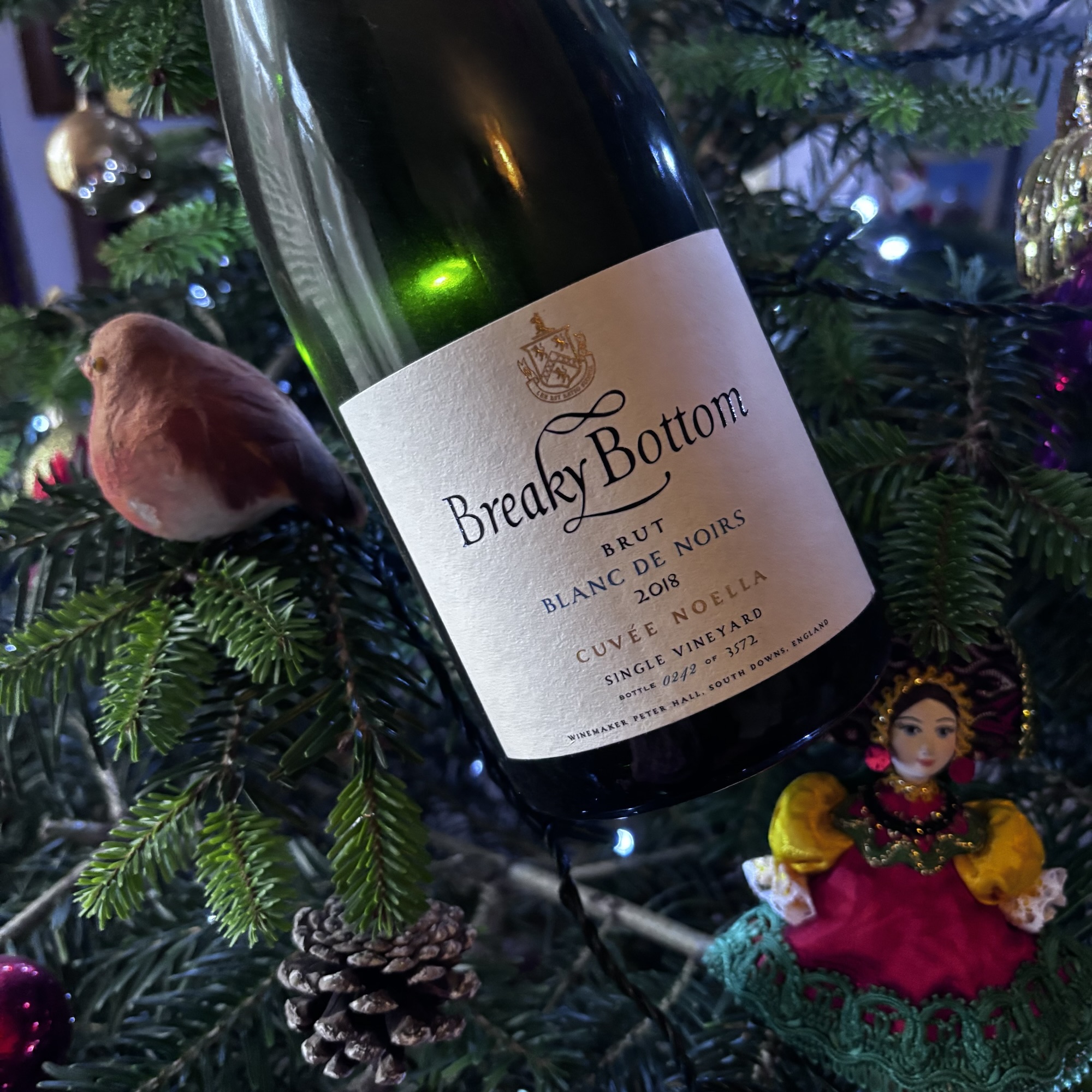
Peter Hall – Breaky Bottom (1943 – 2025)

I spent half of my life living in Brighton. It was a tolerable (at first) commute to London, and what could be nicer that bringing up children by the sea? But we are hill and mountain walkers at heart, and although the South Downs are not mountains by any stretch, we did find ourselves spending way more time up in those chalk hills than down on the stony beaches.

One of our regular walks took us westwards along the South Downs Way, and one deviation south took us ever more regularly along a path that skirted an old flint farmhouse, outbuildings set back, and both sides surrounded by vines with a small flock of sheep on the hillside above. It took me zero minutes to decide that this was the most beautiful vineyard in England. In fact, it rivalled any vineyard I knew, for its romantic location, and for the tranquility which surrounded it (and still does).

You see, Breaky Bottom is set in, well, a Bottom, which is a hollow in the rolling Chalk Downland.  To reach it, other than on foot, you have to head to one of the quaint villages on the north side of the Downs, near the East Sussex County Town of Lewes, and take a sharp right up a narrow dirt track, which others suggest is two miles long. I’m lucky only to have driven up and over the ridge into the farmyard in dry weather. If it was muddy I doubt even my trusty vehicle would make it. I’ve seen the track in snow and ice. No way a Tesco (or Waitrose) driver would attempt it, and I know they get snowed-in here, regularly getting much more snow than I’ve yet seen in our new Scottish habitat.

Peter Hall came here in the early 1970s as a shepherd, and leased the house and buildings to raise pigs, but he planted the first vineyard on the site in 1974. There’s a wonderful photo of Peter sitting on a tractor, bare-chested, that comes from this period. He’s hardly recognisable from the ancient mariner image I know. Life was tough and Peter and his then wife had a lot of struggles. A house in need of TLC, a messed-up first harvest in 1976 (not by Peter), and flooding and pollution caused by farming neighbours were just a few of the trials he faced.

The worst was when a local farmer started a corporate pheasant shoot in 2010. The pheasants loved the grapes. In fact, over six years an estimated 30,000 bottles worth. I have one of their home-made dvds which provides the evidence. Breaky Bottom took legal action, but the compensation awarded didn’t come close to the loss, either financial or emotional.

Back in the 1970s there were vineyards in England, but not many making and selling wine. Some were started by people who had made money elsewhere, such as road building. Peter was a true artisan, in the mould of the great French winemakers of the 70s and 80s, in Burgundy, the Rhône and Loire etc.

As such, Hall wasn’t all that well known in the wider world, but he kept plugging away. At first, he made still wines, but in the 1990s production began its slow shift to sparkling wine. The first was made from Seyval Blanc, but 2004 saw the rest of the 2.4 hectares not planted to that particular variety planted to the three Champagne grapes. I believe that a good few rows of the original Seyval Blanc that he planted in 1974 are still there, comprising some of the few healthy and productive fifty-year-old vines in England. May they live to be centenarians.

Usually, your two Pinots and Chardonnay would be the wines to garner the plaudits, and of course they did. These are fantastic wines. But Peter Hall may be remembered best for what he achieved with Seyval Blanc. His 2010 Cuvée Koizumi Yakumo, made from said variety, is surely one of the finest English sparkling wines ever made (and if you are wealthy, you could still score a bottle today).

I’m writing about Peter not because I wish to jump on a bandwagon. He has many close friends who are better able to write a warm obituary. I’m writing because I have for many years told anyone who will listen that Breaky Bottom makes the best commercially available sparkling wines in England.

Many have already written about Peter since his passing last week, faster off the mark than me, away in Switzerland. I wish people had seen how important Breaky Bottom was many years ago, meaning as one of the pioneers of a less corporate iteration of English wine, helping to establish the artisanal tradition here that has only really taken off in the past decade. I think that latterly he was acknowledged as he deserved to be.

For me, the only real rivals for the soul found in the outer edges of English (and Welsh) Wine are people like Tim Phillips at Charlie Herring Wines in Hampshire. Tim’s sparkling Riesling is Peter’s Seyval Blanc, so to speak. Also, Adrian Pike (Westwell), Will Davenport, David Morris (Mountain People in South Wales) and Dermot Sugrue. But the numbers are thankfully increasing, currently at quite a rate, following the footsteps of the pioneers.

Peter has been described using many words, some not wholly complimentary, though the latter are always by very close friends and meant with affection (one of his closest friends said “he could be a little sod sometimes”, but it came from a man who could not love him more dearly). I will only use one word. Peter was kind. You could see it in his eyes, alongside their mischievous sparkle. In any event, he was very kind to me, and even though I did not see him after moving to Scotland, he was kind enough to message me from time to time.

I should also add that Peter was an enigma. Each of his cuvées is named after mostly good friends, some of whom are pretty famous. This ex-shepherd artisan was not always a hermit in this idyllic chalk hollow. When in London it was usually in the smartest company. Actually, the previously mentioned Koizumi Yakumo is the naturalised Japanese name taken by Peter’s famous great-uncle, Patrick Lafcadio Hearn (1850 – 1904), the great traveller who was perhaps as instrumental as anyone in bringing Japanese culture and literature to the West.

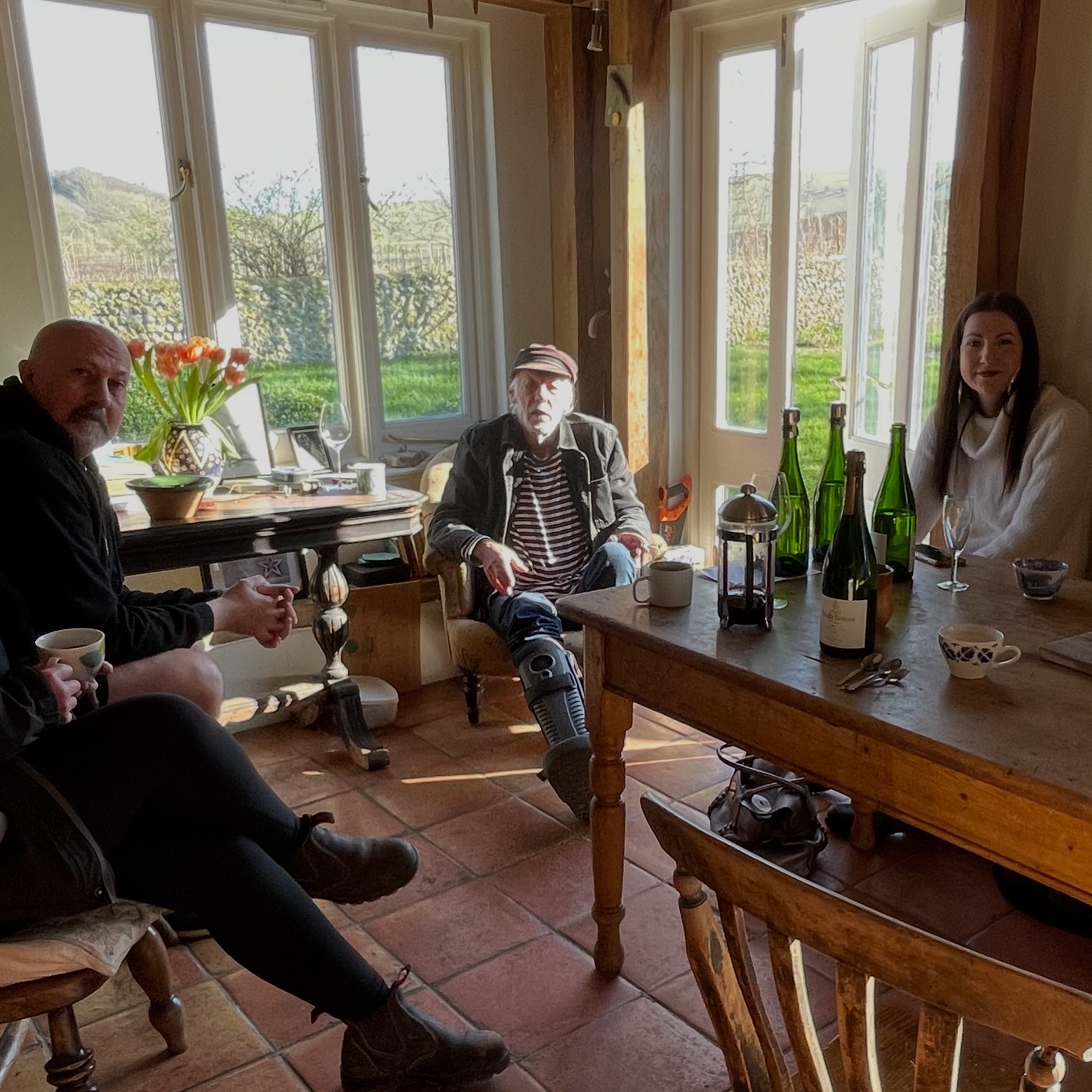
Louisa, Henry B, Peter, Cassie B and Christina at BB, March 2022

So, now I seem to run out of words. Some of the most moving writing about Peter Hall can be found in Henry Jeffreys’s book Vines in a Cold Climate (Allen & Unwin 2023, but now in paperback). I suspect that many who own it will be taking it off the shelf and combing the index for references to Peter. I first got interested in Henry’s writing after Peter Hall warmly told me about Henry’s visit to Breaky Bottom whilst researching this book.

Margaret Rand also wrote a very good article on Breaky Bottom in World of Fine Wine in October 2022, which should be available online. All the books on English Wine tell the story: Stephen Skelton, Oz Clarke, and Ed Dallimore, whose photo of Peter on page 258 of his The Vineyards of Britain (Fairlight Books, 2022) is seminal.

I have written about Breaky Bottom a number of times. If you are interested, see my article “Breaky Bottom – A Different Perspective on English Wine” from 15 March 2022 on this site.

What of the wine now? It’s too early to say. I’ve been away for three weeks and as Peter was not really sending out emails anymore, I didn’t know what state the 2025 harvest was at. Of course, the Halls had a little help in the vines and winery (that’s you, Louisa). I read just now on Jancis Robinson’s site that the grapes will be harvested next weekend by family and friends. The vineyard is so perfect I hope it continues, and as an artisan project. I know Peter had offers in the past.

But of course, anything made in the future will not have Peter’s stamp on it. If you wish to grab a few bottles of this true icon of English Sparkling Wine, you are not too late. Prices have been creeping up, and doubtless will increase some more, but there are still more recent (and eminently ageable) vintages that can still be had for under £40. Breaky Bottom’s official agent is Corney & Barrow, who also have a BB cuvée under their own label.

I have always bought my bottles from Butlers Wine Cellar in Brighton. Henry Butler and his wife Cassie (the B’s in the photo) have been very close friends of the Halls for a long time. Henry used to visit as a child with his own parents, not then as enamoured with the wine as he was of the Halls’ large and very friendly pig. I know both couples were close and genuine friends, and that Henry and Cassie feel Peter’s loss deeply.

For my part I am genuinely sad too. I feel the loss of a man who has not only filled my cellar with wonderful wines over the years, but who I think for many years was the great unsung hero of English Wine. My warm wishes and condolences go to his wife, Christina, and Peter’s children. If there is, as I have seen intimated, a 2025 Cuvée Peter Iglis Hall, I pray I may get some when it is eventually released.

Posted in Artisan Wines, English Wine, Sparkling Wine, Wine, Wine Agencies, Wine Heroes | Tagged , , , , , , , | Leave a comment

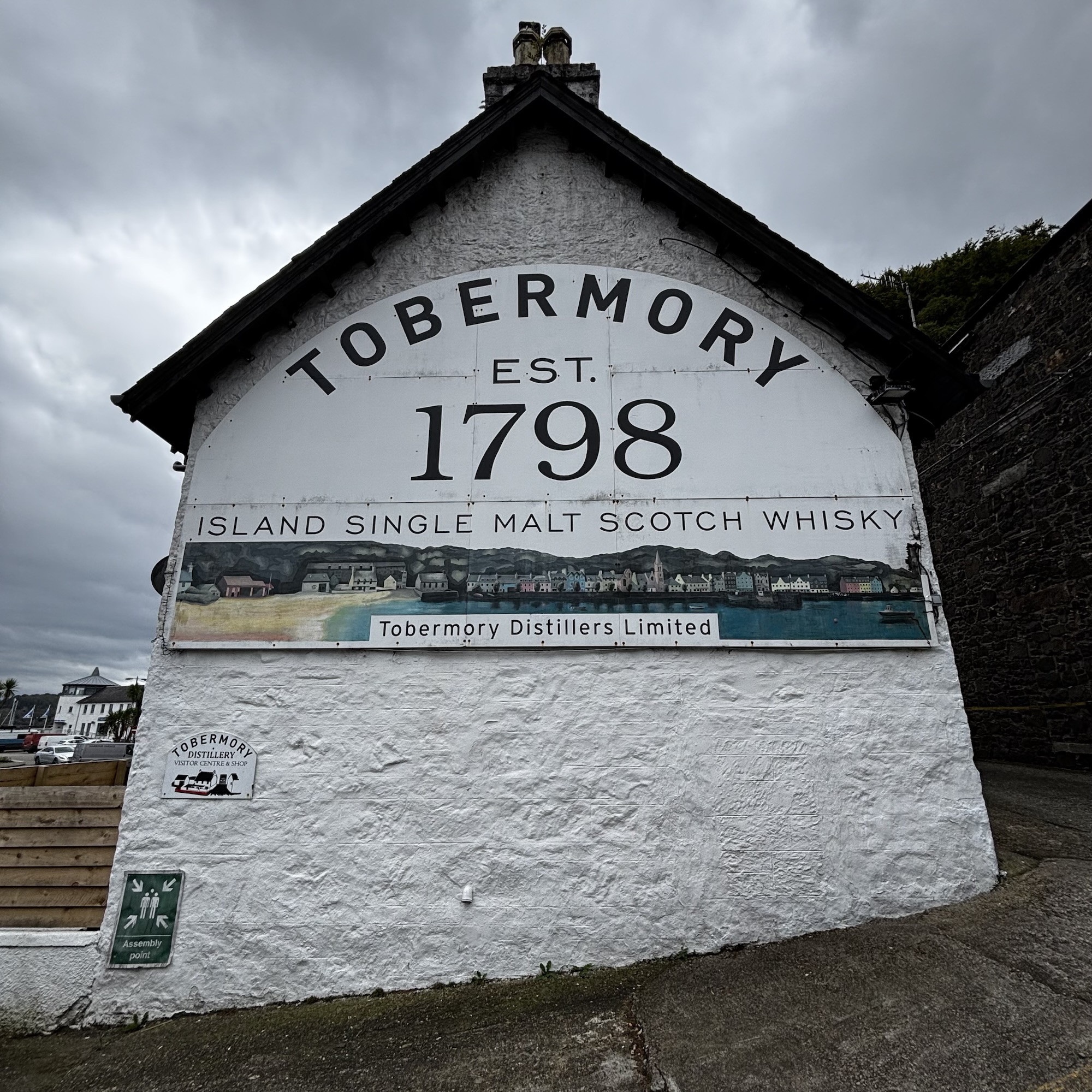
Tobermory Distillery

The most observant of my Instagram followers will know I’ve been on Mull, an island that I have to say ticks all the boxes for me. You can seek out some wonderful home-grown produce from land and sea to go with some excellent walking, especially on the island of Ulva off Mull’s western coast (a three-minute ferry). A trip to Mull should also always include the ten-minute crossing to Iona. I haven’t met anyone who has been to Iona who doesn’t say that it is a very special place, with a very special atmosphere, there’s something in the air (and I would not describe myself as a “religious” person, as such).

All that said, Mull might not be the first of the islands off Scotland’s west coast that comes to mind when we mention Whisky. Islay has so many distilleries, and all of them have their followers. Skye has Talisker, which might be famous enough. Even those distilleries on Jura and Aran are probably better known, and now Harris has a fashionable distillery producing its first few whisky releases, after popularising its gin to the extent that it is my own favourite, and that of at least four of my friends and acquaintances.

Mull has Tobermory Distillery. Set on what is literally a picture postcard harbourfront, its painted shops and houses being one of the best-known images of any Scottish island, it has had, as the writers say, a chequered past. It was technically founded in 1798 by John Sinclair, a local merchant, but it appears under the name of Ledaig just over a decade later. The distillery was mothballed in 1930 and only went back into distilling in the early 1970s. By 1982 it was closed again and used to store cheese.

I will just interrupt the story here to say that Isle of Mull Cheddar is a wonderful cheese and its dairy is up the hill, just above Tobermory. It has the best café on the island, located in a very pleasant glass house, with a well-stocked farm shop attached. The cheesemakers follow a zero-waste policy which includes making a whey-based spirit in a plethora of forms which is well worth trying (there are always tasting samples in the shop).

Back to the distillery. More opening and closing culminated in a major refurbishment in 2017 and its now sort of fully operational. I say “sort of”. The whisky industry’s fortunes, like those of the football team I support, swing like a pendulum. They have recently cut back production because of the changing market, which of course reflects the economy in general, but even more harmful, will be affected by Trump’s tariffs into a major export market.

This is a shame because I would argue that at no time previously has Tobermory Distillery made better whisky. The range divides into two labels, Tobermory and Ledaig. Tobermory is an unpeated single malt, which in its 12-y-o version has citrus notes and a sweetness (relatively speaking, in a whisky sense of course, we’re not talking dessert wine). Ledaig is a peated whisky, smoky and rich. It’s more autumnal, and if Tobermory reminds me of the white sandy beaches like Calgary, out west, Ledaig reminds me of a volcanic landscape littered with standing stones and dolmen.

There is no barley grown on Mull but the peated malt comes from Port Ellen (35ppm). The distillery now has a new, shiny, mash tun, and four Oregon pine washbacks. The copper stills sit almost cramped together in a small, warm, room. They may occupy a small space, but they are things of beauty. Julieann Fernandez is the talented Master Blender here.

There are some special casks locked away behind bars at the distillery, but generally the distillate is matured off-site at Deanston Distillery. Random fact: Deanston is at Doune in Perthshire. Doune Castle, built in the fourteenth-century is well preserved, which led to its selection as various locations in Monty Python and the Holy Grail.

I won’t list all the different bottlings they put out under the two labels here. The distillery shop is well-stocked with an array of different ages and cask finishes. I like the lightness of the Tobermorey 12-year-old, but although my taste for peated whisky has declined a bit with age, I find that it is the Ledaig (pronounced more like Lech-ig, it means safe haven in Gaelic) that I lean more towards. I naturally came away with a bottle, and it was the Ledaig Sinclair Series Rioja Cask Finish that got my money.

This is a “creamy, peppery and berried” single malt made with well-peated barley. Originally, like most of the distillery’s output, matured in ex-Bourbon casks, it was finished in “hand-selected” Rioja casks. This is a whisky without a given age, which means we know at Tobermory it is younger than ten years old. The benefit to the consumer is the chance to try an interesting cask finish for a lot less than you’d usually pay for one (in this case, it retails for almost £40 but if, like me, you went on the tour, you get a £5 discount off any 70cl bottle).

I was recommended this bottling both for its value and interest. The cask finish has certainly influenced the whisky, which not only has the kind of colour you get from a red wine cask finish, but it also has aromas which remind me of Rioja (orange peel, leathery notes, raspberry, almond, cinnamon and black pepper, to mention a few). It’s bottled at 46.3% abv, standard, but with younger spirit a cask strength bottling would have been too much.

As for the tour, there are several versions you can go on, with various tasting options. I went on the basic distillery production tour. You get an introductory talk, a tour of the production facilities and a tasting, two samples, one each of Tobermory and Ledaig’s standard bottlings. It cost £19.50 per person (advance booking), with £5 of that recovered on my bottle purchase. I also grabbed a few miniatures of various ages, as one does. As is usual, drivers can elect to take away their 1.5cl samples (see photo), but here we were also given a tiny taster to be able to nose, and at least allow the tongue to experience the two whiskies.

I would say that distillery tours are often very much down to your individual guide, and of course how “commercial” the distillery might be in outlook. This was an excellent tour, the best I’ve been on so far, which was down to a very open and friendly guide who was experienced and knowledgeable. The distillery feels more artisanal than some bigger ones, and although the tour itself took maybe forty minutes of a one-hour experience, I liked this rickety and cramped old building.

I also like Tobermory, and Mull itself. It was my first visit, although the island plays an important part in my wife’s family history. I make no apology for saying that I somewhat fell in love with the Isle of Mull, so I would recommend it to anyone thinking of exploring the Inner Hebrides. True, it rained quite a lot during our week there, but with one notable exception, it failed to fall on me. The island looks beautiful even in a storm, but even more so in sunshine, especially after a heavy shower.

Posted in Craft Spirits, Premium Spirits, Whisky | Tagged , , , , , , , , | 1 Comment

The Smart Traveller’s Wine Guide – Rhône Valley by Matt Walls (Review)

As this is the fourth of these Smart Traveller’s Wine Guides I have read and reviewed, you will probably surmise that I am rather taken with them. They are portable, quite inexpensive, and offer the wine lover not only some background and an inside track on the wines of the region, but as intended, they offer the wine-loving visitor a host of other options when visiting there. These range from hotels, restaurants, wine bars and wine shops, to the best wine producers and estates who welcome visitors. There is much more in these guides, as I shall elaborate below.

As with Fintan Kerr, author of the Rioja guide in this series, I have met this guide’s author a number of times, so I kind of know him, though certainly only as an acquaintance. It does mean that I can relate the contents here to more than just the text.

The first thing to tell you about Matt, other than the fact that he’s a really nice, down-to-earth, bloke, is that he has lived in the Rhône with his family, something he did whilst researching his Wines of the Rhône (Infinite Ideas, now Academie du Vin Library, 2021). This gives me confidence that what he writes about is translated from real experience.

In fact, this particular guide is keen to acknowledge that wine lovers might actually have small children in tow on their holidays, and makes an effort to include child-friendly activities and places to visit, as well as more adult (ie wine-obsessed) options.

It is interesting that in the three other Smart Traveller’s Wine Guides I have read, the actual “Guide” part of the book, all the listings, were prepared by between four and five others in addition to the author. In this Rhône Guide, it merely says “Listings prepared by Matt Walls”.

I mentioned Matt’s Rhône tome above. This Guide has, unlike those I’ve read before, a further reading section. Matt generously mentions John Livingstone-Learmonth, always considered the man with the greatest knowledge of the Rhône, along with Robert Parker, who if you didn’t know, was rather fond of the region. What I would suggest is that Matt Walls has written, in that 2021 work, the most up-to-date, relevant, book on the region. His finger is really on the pulse, especially with up-and-coming villages and producers.

All the above give me reason to feel confident in trusting Matt’s recommendations herein.

I have visited the Rhône a number of times. My first trips were in the 1980s. I was young, and certainly a neophyte when it came to wine. It led me to buy some less than exceptional bottles from the few places geared up for wine tourism, although there were notable exceptions.

In 1989 I spent much of a morning with the late Georges Vernay, who at that time had a tasting room of sorts on the main road through Condrieu. He was a winemaker whose bottles had already delighted me, as Georges was one of a number of exceptional Northern Rhône names on the books at Yapp Brothers, whose then premises were in the beautiful Old Brewery at Mere in Wiltshire. I used to be a frequent visitor there. Times, economies and generations change. George showed us his collection of very old photos of an appellation he was instrumental in saving, a wonderful history lesson.

At the other end of the vinous scale, I remember a visit to a co-operative in the Côtes du Ventoux, where we found a “petrol pump” nozzle with which to fill a plastic container with a very simple red wine straight from the tank, and free baseball caps all round. Drinkable wine for a pittance.

Back in those days, however, wine tourism was very different to today, and very different in the Northern Rhône than the Southern. I have never really counted Lyon as part of the Rhône. Matt doesn’t either, but he sensibly covers its hotels, restaurants and wine shops etc, because it offers so much more than the villages and towns immediately to the south. In the 1980s and early 1990s there were few decent restaurants among the vineyards of the north (anybody remember Beau-Rivage, Condrieu, anyone?).

Vienne still has La Pyramide, of course. Often considered the finest restaurant in France in the 1950s and before, under Fernand Point, it was perhaps not at its best back when we were there, but it has now retained two Michelin Stars since bought by chef Patrick Henriroux in 1989/90. However, by way of contrast I also remember staying at a very strange auberge up in the hills on the right bank once, where most of the clientele were lorry drivers and the food was created accordingly (hearty and plentiful, washed down with some very ordinaire red wine).

The south, of course, has Avignon. If places like Tain and Tournon have developed their offerings for wine lovers, and indeed most of the other appellation villages have something to offer the hungry and thirsty (and I’m not ignoring Valence, but I’ve never been in Anne-Sophie Pic’s league), Avignon has always had reasons other than wine to attract tourism (a big Papal palace for starters). But these days, the Southern Rhône is not all about Avignon.

Let’s break from the discourse to run through what is actually crammed into this little book. History and geography (naturally with maps), info on grape varieties and wine styles, and, before some explanation of this wide region’s appellations (with all its satellites), the customary (here, fourteen) author’s selection of “the greatest wines of the Rhône Valley”.

We then move on to a section on the region’s cuisine (more like two regions, with the cooking of the north as different to that of the south as are their respective wines). We get plenty of good visitor information and perhaps more “wine routes” than in the other guides I’ve read so far. I doubt many readers will follow these wine routes to the letter, but they offer a plethora of ideas.

I don’t know about you, but we always leave time on any trip for the unexpected, as we did just recently on the Isle of Mull. An impromptu decision to take the short ferry over to Ulva led to some serious yet amazing walking and a visit to a very nice little café-restaurant on the island, ending up as one of the best days of the holiday. Read these itineraries, and the “Things to do in Avignon” section which follows, and you may find something similar, whether out on the wine route, or in Avignon or Lyon.

“The Guide” part of the book, as it is described, lists the producers, hotels, vineyard accommodation, fine dining, bistros, wine bars and wine shops through the whole region. Restaurant recommendations are supplemented, as in all the guides, by the input of some of the wider region’s notable winemakers, who list two or three of their favourite places to dine (see Michel Chapoutier’s thoughts, above).

Some guides stay very much at the top end for accommodation and dining, and it is refreshing to see that Matt Walls covers all of the bases. Irrespective of cost, you really do not want to dine Michelin every night of a one or two-week holiday, do you? I’ve reached an age where I’m thinking about my health and the desire to go on wine holidays for many years to come makes a feast every lunch and dinner a definite no!

I don’t know about you, but another big off-putter with fine dining at lunch time when on the road, or outside of walking distance in the evening, is that if you are a driver, you just cannot sample the wonderful bottles Matt describes at these establishments. Far better somewhere you can enjoy a single glass and, following a post-prandial walk, be legal to drive (the old days of a couple of bottles to accompany a six-or-seven course dinner followed by a drive home are long gone…aren’t they?).

Matt also hits the nail on the head when he justifies including wine shops in a region where you can buy from the producer, possibly cheaper too (though please note, not always!). Actually, he gives a few reasons why wine shops are worth heading to, but top of the list must be buying bottles from producers that only the exalted names of the wine trade will get to visit (though it should be noted that some top producers do have their own wine boutiques).

I will also add that a knowledgeable caviste will, if you are lucky, be able to suggest one or two up-and-coming names you may well not have heard of. Some may even have well-stored examples of wines now sold out at the domaine.

Any negatives? No. I mean, I did find a few more typos in this guide than in previous. Things like a word or two missing a letter, Paris appearing twice in a list, but nothing annoying, or misleading. There are obviously places I have been and enjoyed that don’t really get a mention. I loved the market at Carpentras, and I enjoyed the various antiquities of Vienne. But there are other places both Matt and I consider well worth a visit, not least Isle-sur-la-Sorgue, which I got to know when staying for a week at nearby Pernes-les-Fontaines (it has a great market, lots of places to eat, and an inordinate number of antique shops if you like old stuff).

Also, Matt, you managed to write a whole book on the Rhône without mentioning the wines of Eric Pfifferling of Domaine L’Anglore. Maybe that’s no bad thing, don’t want all and sundry looking for them. On that note Matt does have a refreshingly open mind when it comes to natural wines so for those who share my preferences, there are lots of recommendations there.

I was especially pleased to read about Avignon, on which there is plenty of detail scattered through the guide. I’ve only been there once, and I liked it a lot. It now seems to have even more to offer. I’ve always fancied going down there by train, and with Châteauneuf-du-Pâpe seemingly accessible from the city by public transport in around 45 minutes, it might just be a short break for some warmth worth considering.

So, another success. How I measure success in large part is whether one of these guides really whets my appetite for a trip to that region. I already have a trip to Switzerland planned, and I had been expecting to go to Bordeaux earlier this year. I haven’t been to the Rhône, north or south, for ages, and it is even longer I think since I’ve passed through Rioja, but all of these guides so far, and certainly this one, have done just that.

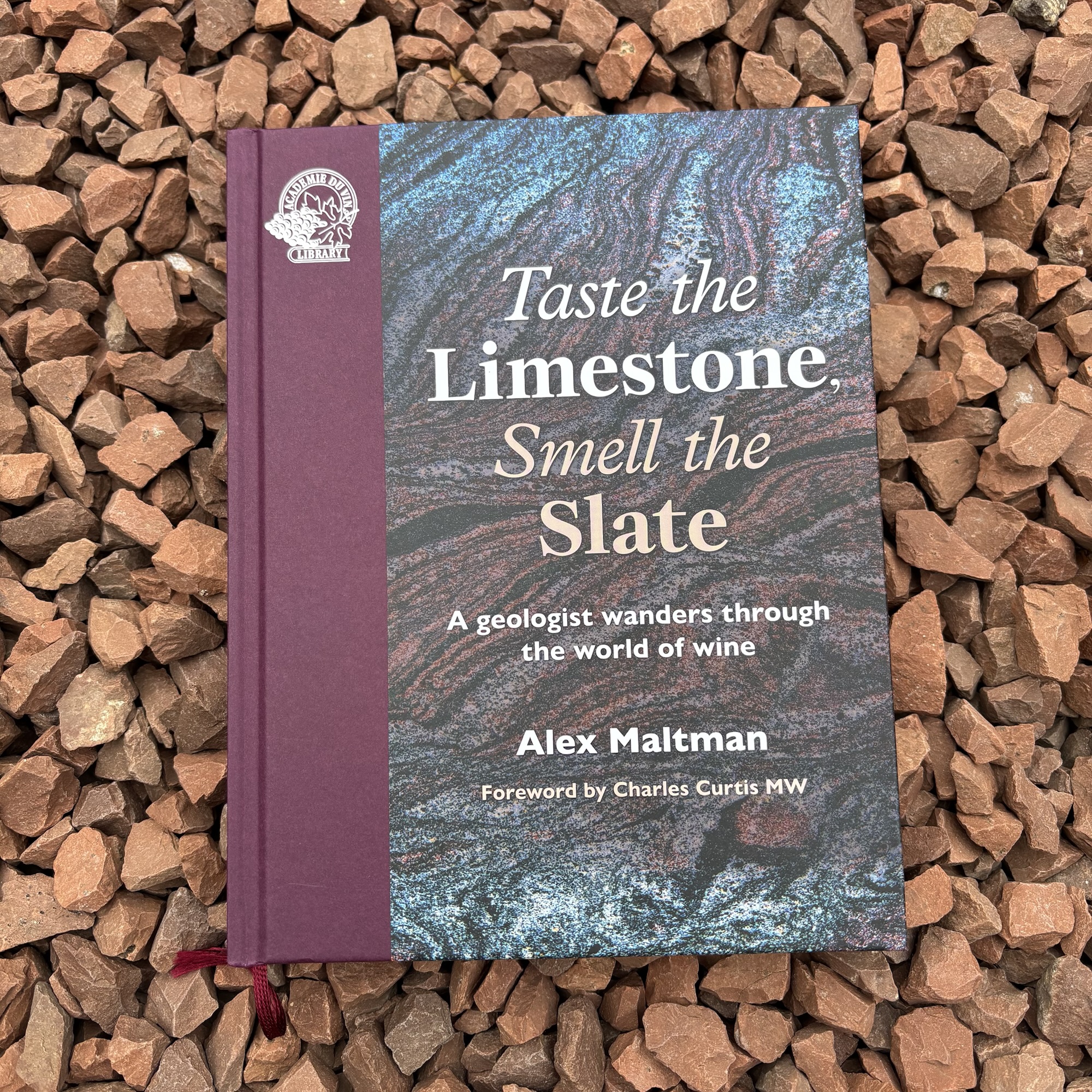
The Smart Traveller’s Wine Guide to the Rhône Valley by Matt Walls is just published (autumn 2025) by the Academie du Vin Library (in partnership with the Club Oenologique and Rhône Valley Vineyards). It cost £12.99 (US $17.95). Note that I ordered this book direct from the publisher alongside the Swiss Guide and was only charged postage for one book (these are small and light, but nevertheless it saved me a few quid). You can, of course, find these guides at third party suppliers online if you so wish.
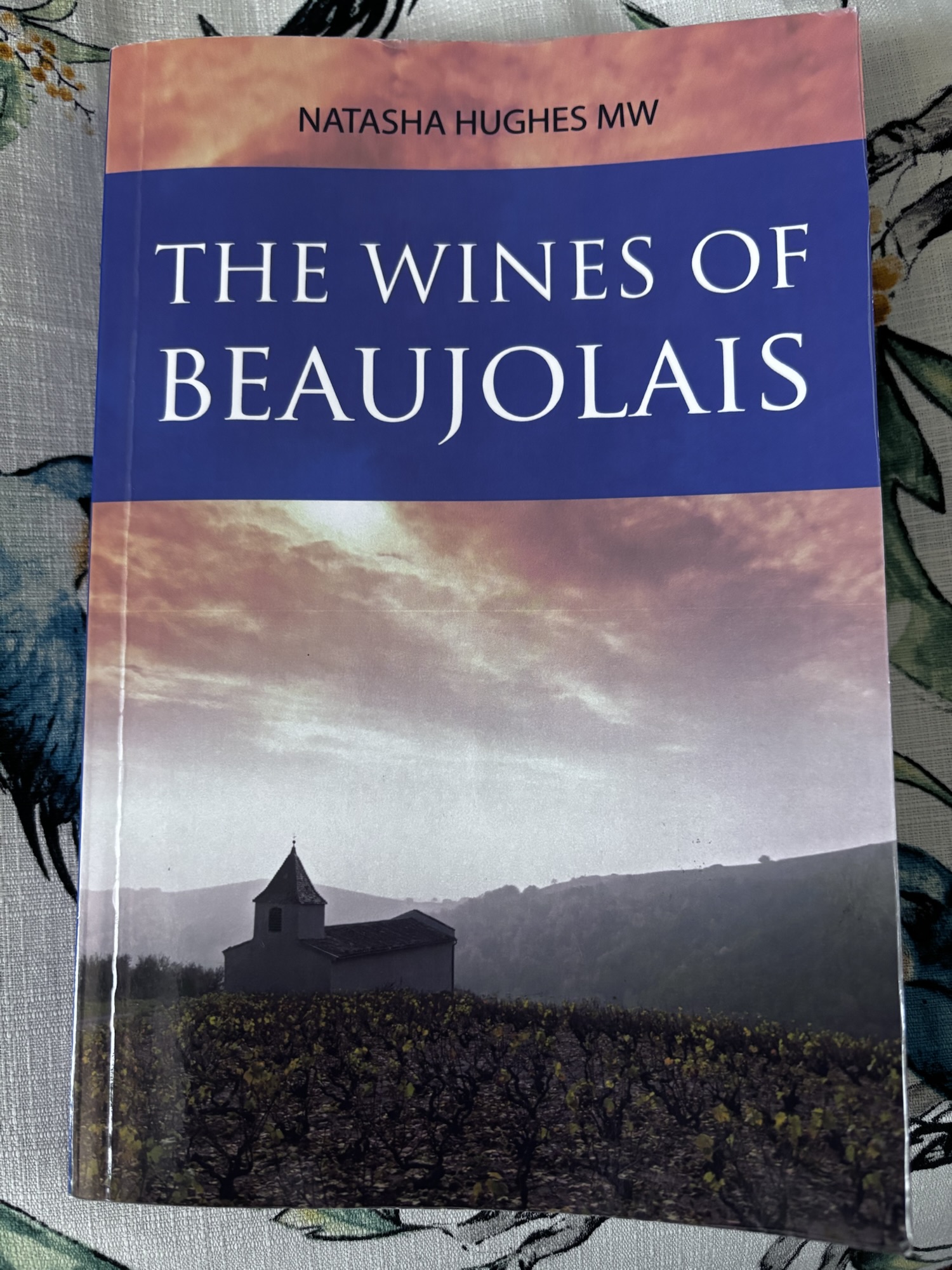
I’m kind of getting addicted to these, and I will probably get Tuscany next. I hope they do well as I would love to see a whole raft of them hitting my book shelves, although the same publisher is about to launch an eagerly-awaited larger book on Beaujolais, by Natasha Hughes, which will probably be the next wine book I read.

Meanwhile you can check out these guides along with the new autumn releases at info@academieduvinlibrary.com . If that sounds like a free plug, it is. The more they sell, the more chance they will publish more of them.

Posted in Artisan Wines, Fine Wine, Restaurants, Rhone, Wine, Wine Agencies, Wine Books, Wine Shops, Wine Tourism, Wine Travel, Wine Writing | Tagged , , , , , , , , , , , | Leave a comment

Recent Wines August 2025 (Part 3) #theglouthatbindsus

We come to the end of the wines we drank during August with a final six bottles forming Part 3 of my Recent Wines. Not strictly six wines, because one is an ice cider, but it is one of the most amazing ciders I’ve had the pleasure to drink, on a few occasions over the past seven or eight years. We kick off with an older Vin Jaune, before the Czech cider. We then continue with a stunning Austrian, a beautiful Welsh wine, and a rather different kind of Bordeaux red. August ends on a wine that could quite aptly describe our times, from Hungary. Some very special bottles here.

Arbois Vin Jaune 1986, Domaine de la Pinte (Jura, France)

Previously, in Part Two, we have had a relatively youthful Vin Jaune, a 2010 from Domaine de la Touraize. It isn’t often that I get to drink a Vin Jaune from the 1980s though. Domaine de la Pinte was the first biodynamic domaine in Arbois. They have been making wine just outside the town for not far off 75 years, still under the ownership of the Martin family who originally set it up, but are not involved in the viticulture nor winemaking. The 35ha of vineyards are now managed by François Duboz, who as Director oversees La Pinte stalwart Emmanuelle Goydadin in the cellars.

This bottle has quite a deep colour and the bouquet is a mix of ginger, turmeric and walnuts. You get a hint of yellow plum too. It is rich but no longer has the intensity of a younger VJ. In fact, if you were expecting acidity and the sharp nuttiness of flor, you will be surprised by its absence. On the palate the flavours meander slowly, a stream of consciousness on the tongue. In fact, a very “Zen” wine.

I only bought this maybe seven years ago, at the domaine. I had a nice personal visit. The cellars are big but simple, and the old bottle safe had a few bottles of my birth year (not for sale). This 1986 cost €130 if I remember correctly. The domaine’s shop in Arbois often has some older vintages, but they can call in even older ones from the cellars if you are not able to visit.

Patience Ice Cider 2019, Utopia (Bohemia. Czechia)

Eva and Ivo Laurin make unapologetically natural ciders at Tábor, south of Prague. Their home is right next to a very old castle-fort, Sudkuv Dul. Their orchards are a mix of old Czech heritage apple varieties along with some English varieties they planted as an experiment. No sprays are used, and fermentation takes place in 225-litre barrels. Most of their output is deliciously dry, this ice cider being the exception.

After twelve months ageing on lees, post-fermentation, it goes through a second fermentation in bottle to create a rich and deeply honeyed cider with tropical fruits and significant levels of intensity. When young, the acids balance the sweetness of the residual sugar, rather like an Auslese wine in Germany. At six years old, however, this has changed. There is less acidity, and also far fewer bubbles. You don’t get the youthful hit, which I will admit I find massively attractive, but you do get a lot of complexity to replace it. If there isn’t intense acidity, the fruit flavours are no less intense.

Always a remarkable drink, this is special. Although you may have drunk Ice Wine, Eiswein, or even other Ice Cider, this is wholly additive free. Not even a dash of sulphur is added. It’s definitely something to seek out if you haven’t tried it. It is currently out of stock at importer Basket Press Wines (according to their web site as of 15 September), where I bought this for £30/375ml. Forest Wines might still have some.

Josephine Rot 2017, Gut Oggau (Burgenland, Austria)

Gut Oggau farm a little north of Rust, at Oggau, a small village on the western shore of the Neusiedlersee. To say they make natural wines is to understate what they do here. This is one of the most holistic wine-producing operations in Austria, if not Europe. The work carried out by Eduard and Stephanie since 2007 has been wholly focused on regenerative viticulture and biodiversity, plus, in my experience, more love focused on the land than at almost any other wine estate I know. Some places feel special, like Iona, which I visited last week. In the same way, some people just feel special. I don’t know what it means, but I really do feel that.

I was last at Gut Oggau in September 2022, and I drank, among other bottles (which you can read about if you search for the article here), the 2018 vintage of Josephine during a meal at their unmissable Heuriger. This 2017 now has the benefit of age.

You will doubtless know the idea of the Gut Oggau “family”, each cuvée representing a family member from three generations (largely depending on vine age). They don’t really like to publicise grape content, but of course everyone is keen to know. Josephine is always a distinctive wine, and that is probably the Roesler (Rösler), a 1970s cross between Blauer Zweigelt x Klosterneuburg 1189-9-77 (= Seyve Villard 18-402 x Blaufränkisch). There may be some Blaufränkisch in the blend as well, of course.

The grapes come from a sunny, south-facing, limestone slope and vines average thirty years of age. The result is a deep and dense wine, inky-dark and a purply-red. The bouquet is intense too, dark fruits dominating (blackberry, blackcurrant, a little blueberry). On the palate the tannins have faded but there is still a freshness and crispness, and also a certain lightness despite the intensity. It’s a wine of elegance and finesse, but also one that is alive, and even one with a touch of a wild side to it. That makes it complex and a wine to ponder over rather than just knock back.

This bottle came from Antidote Wine Bar’s shop in Central London, but Dynamic Vines has the UK agency for Gut Oggau. I suspect you won’t find any 2017 knocking about, but the 2023 might deprive you of £60-£70 for a bottle now (a lot more than I paid for this 2017). Well worth it if you are sufficiently endowed with disposable income. Gut Oggau now runs a subscription scheme where members subscribe at differing levels depending on the wines you want. This is a fantastic idea, and the wines seem well-priced, but of course you do have to factor in shipping to the UK if you are based here, which is not so inexpensive as it was before Brexit.

Rhosyn 2023, Mountain People Wines (Monmouthshire, Wales)

David Morris moved from his family’s Ancre Hill Vineyard in 2019 to his own biodynamic Parva Farm at Tintern, where he has two-hectares of vines on a steep, south-facing, slope rising 100-metres above the River Wye.  He makes wine from grapes grown here, and from a friend in Somerset. I drank a wine made from the latter fruit source back in March (TAM Chardonnay). This Rosé (Rhosyn in Welsh) is from grapes grown at Parva Farm.

We have a field blend, with a long list of red and white grapes, which do bear repeating (you can always skim it). Pinot Noir is planted alongside Regent, Seyval Blanc, Bacchus, Pinot Gris, Pinot Blanc, Auxerrois, Ortega, Schoenburger, Müller-Thurgau, Reichensteiner, Gewurztraminer, Scheurebe and Huxelrebe. Wow!

Not only are we in extreme “gemischter satz” territory here, we also have a long list which includes so many heritage varieties, ones which do not originate in the UK, but were integral to the British Isles in the 1970s to 1980s wave of plantings, with their part-protection from the ravages of a very wet climate. Mind you, Monmouthshire is a relatively dry corner of Wales, hence the planting of some of those better-known grape varieties alongside the hybrids etc.

This cuvée is made by layering whole bunches in stainless steel and fermenting by carbonic maceration. It is a zero-intervention wine that comes out pale, light, sensually scented with red berry fruit, strawberry perhaps dominating. A gentle, thought-provoking wine, one which comes in at just 9% alcohol. I called it pretty when I first tasted it earlier this year, on meeting David. He agreed. I did say I meant that very much as a compliment.

The UK agent is Carte Blanche, although I think it goes through Element Wines in Scotland. My bottle came retail from Spry Wines in Edinburgh.

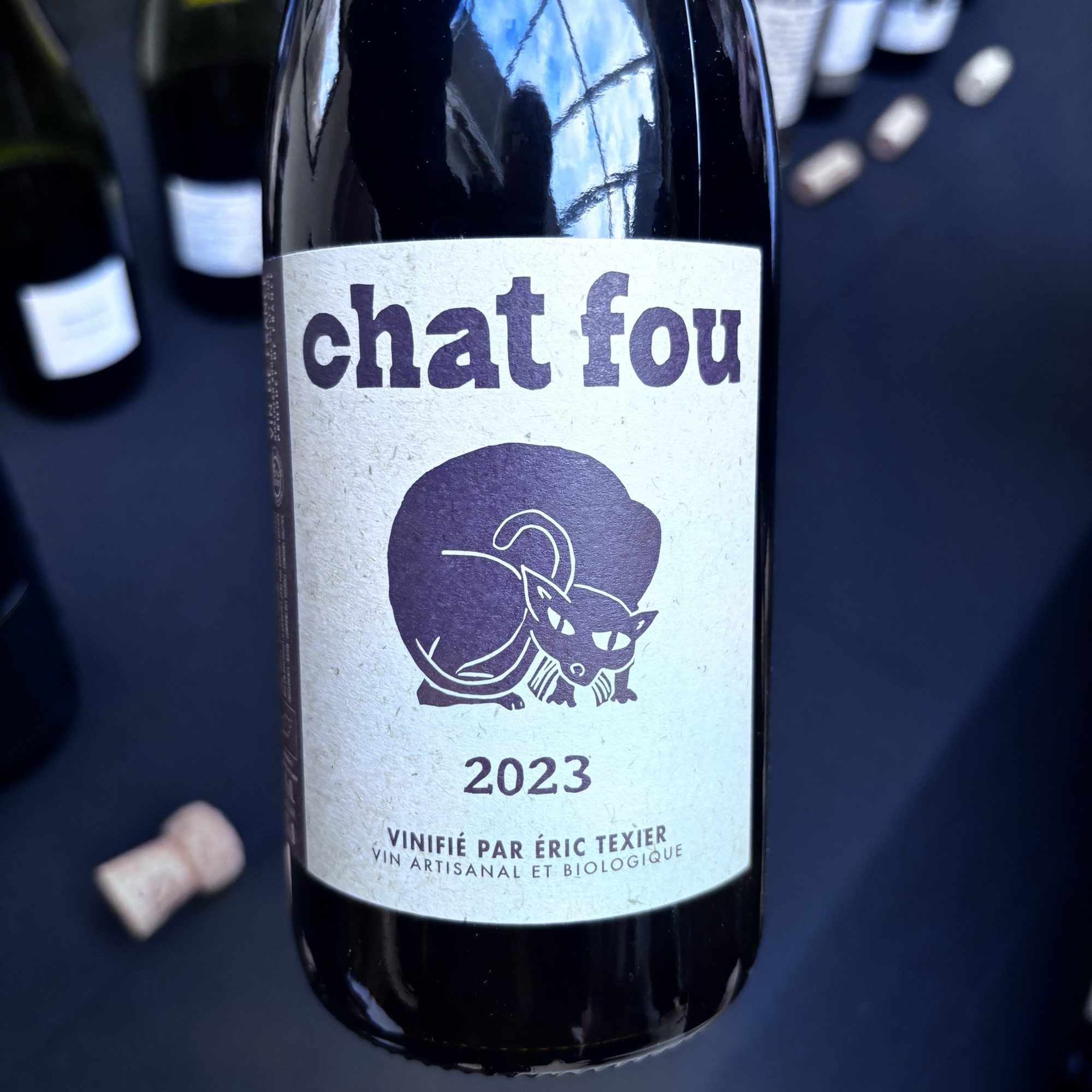
Tattarrattat Rouge [2020], Château Picoron (Bordeaux, France)

This is an organic and biodynamic Merlot from a single plot on a 4.5ha estate near Saint-Emilion. The property is run by Australian couple Glenda and Frank Kalyk, although the estate has been in production since 1570, apparently.

Just 4,200 bottles were made, fermenting the grapes very deliberately by carbonic maceration to maximise the fruit. It is a no-intervention wine, which includes no added sulphur. It has a nice, and very “Merlot”, ruby red colour and it’s very fruity, with red fruits, plenty of sour cherry, and an apple crispness. The label exhorts us to serve it lightly chilled, and even for a 13.5% abv Merlot, that works really well. You don’t really perceive that much alcohol.

These days we are seeing a lot more winemakers in the wider Bordeaux region trying to do something different. This estate is indicative inasmuch as they are making natural wines, and wines intended to be fun, wines to drink not keep. Such a philosophy is impressive, given the region’s wet climate, necessitating the frequent application of synthetic chemicals in the minds of most producers.

It’s also refreshing to see people making, well, refreshing wines for early consumption, in a region where the norm is to try to emulate those making wines which require decades of ageing by collectors purchasing at high prices en primeur. But thankfully Bordeaux has been changing for a while, if slowly.

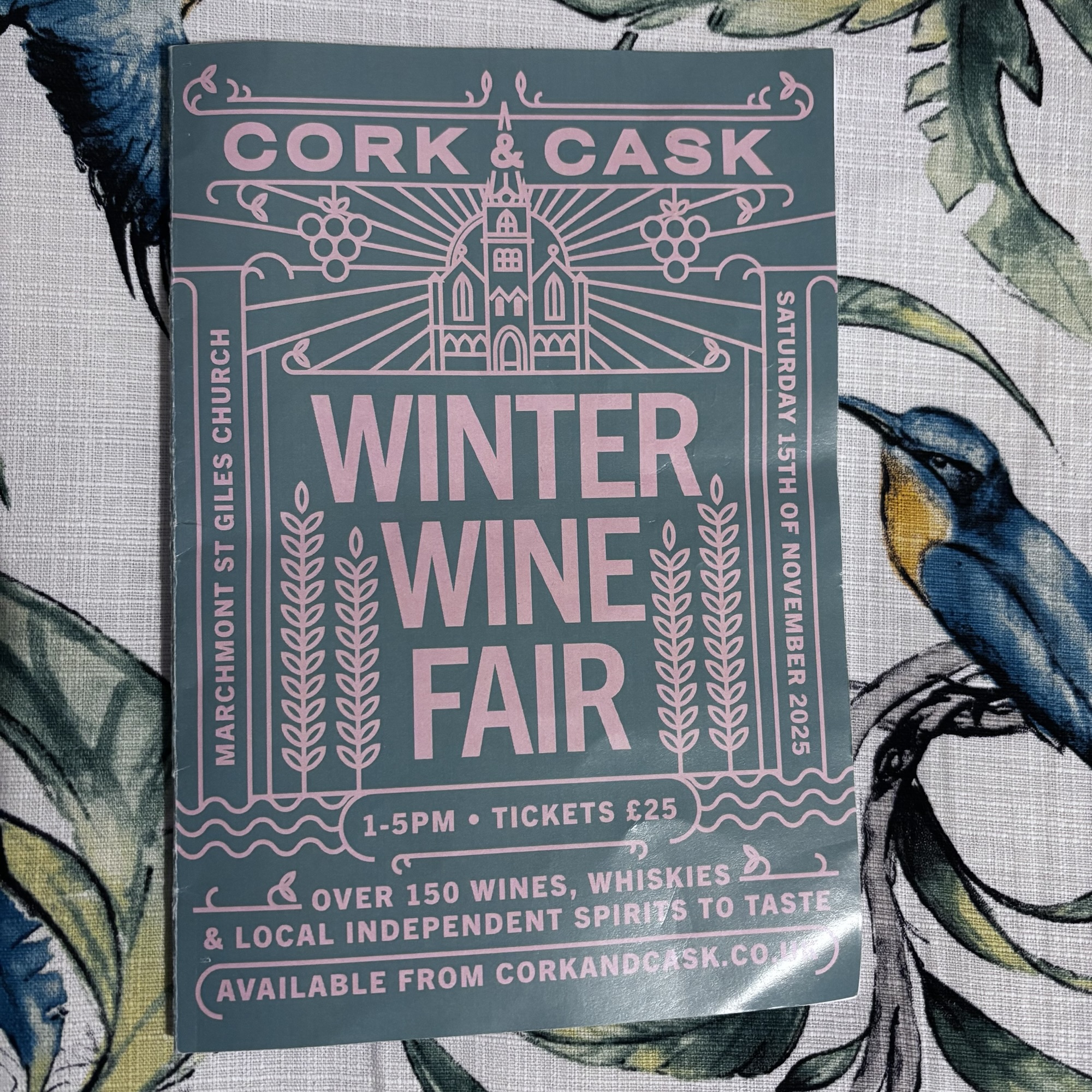
This is delicious, fun (irrespective of whether you appreciate palindromes as much as Glenda and Frank appear to) and great value at £22 from Cork & Cask (Edinburgh). The importer is Moreno Wines. I tasted it at Cork & Cask’s Summer Fair, reminding me that their Winter event is not too far off…Saturday 15 November. Well worth a detour.

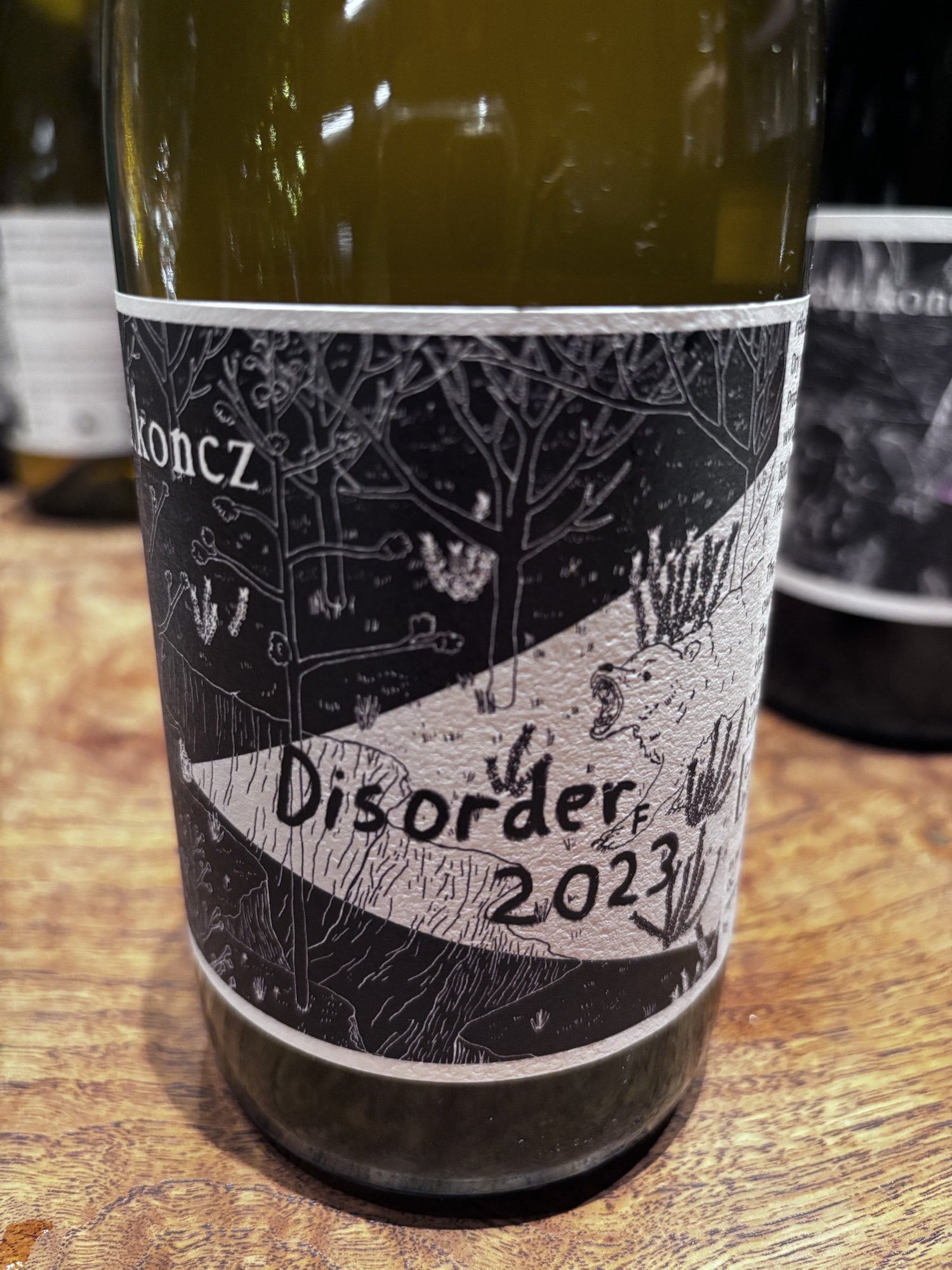
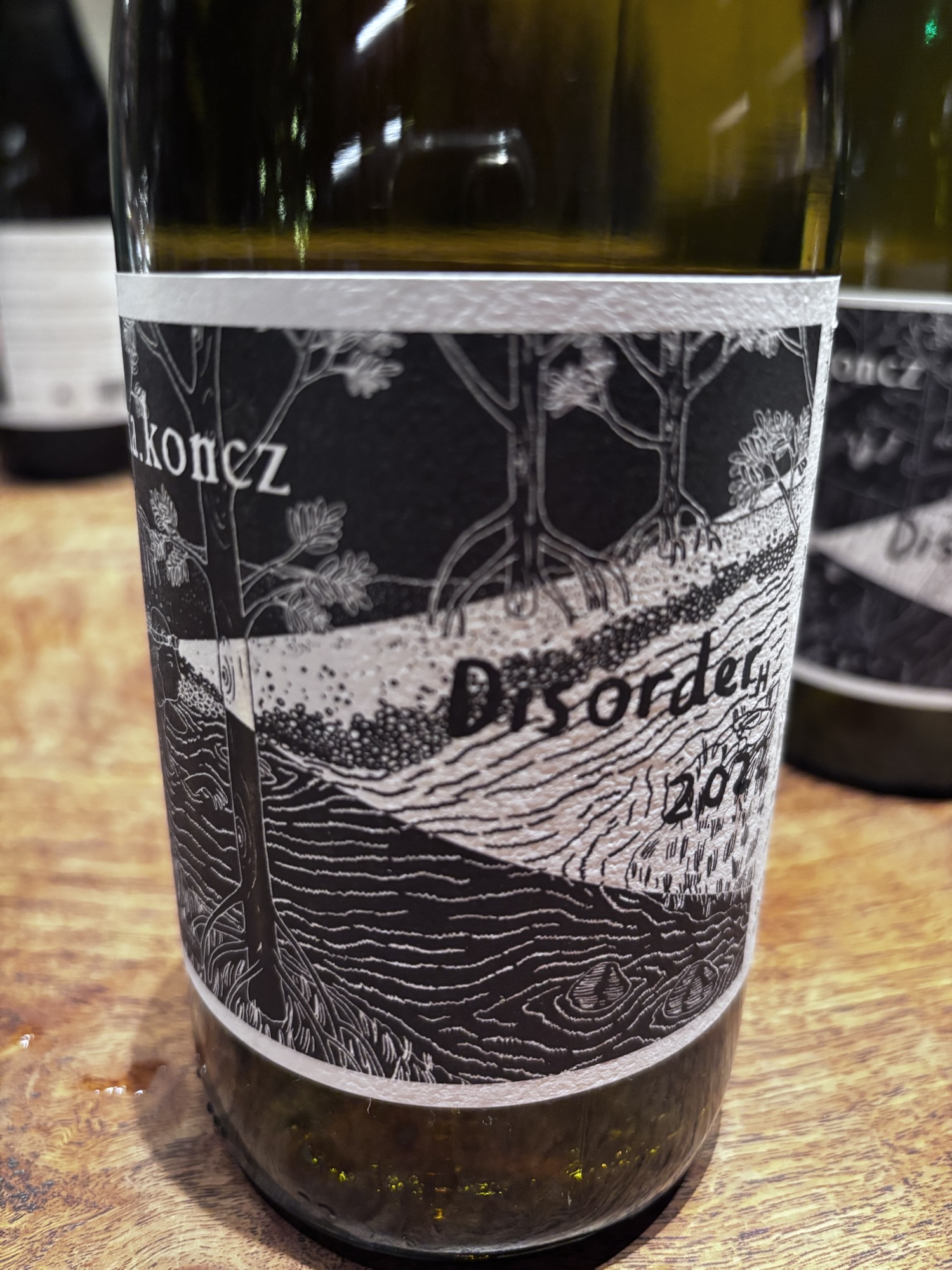
Disorder #4 2021, Réka-Koncz (Barabás, Hungary)

Annamária is based at Barabás in far Eastern Hungary, but the fruit for Disorder comes from a friend at Mád, in the Tokaj Region. It’s a 100% Furmint cuvée, a collaboration with Annamária’s friend, Stefan Jensen, owner of Terroiristen Vinbar in Copenhagen. Annamária happened to have done her Masters in microbiology (on yeast evaluation) in that city.

Disorder is made from fruit coming from 30-year-old vines planted on a loamy topsoil over (volcanic) rhyolite and clay. Half the grapes were destemmed and pressed into 400-litre amphora, whilst the remainder of the fruit spent fourteen days on skins in open vat before going into amphora.

Only 800-litres of this cuvée were made, which is a shame because Disorder vies for my favourite of Annamária’s wines, and it is hard to come by. I love its beautiful minerality and precision, which somehow is matched with a softness of fruit not always apparent in Furmint. The colour of this 2021 has deepened a bit over the 2022 (of which I also still have one bottle), but its scents of orchard fruits and the texture on the palate are really beguiling.

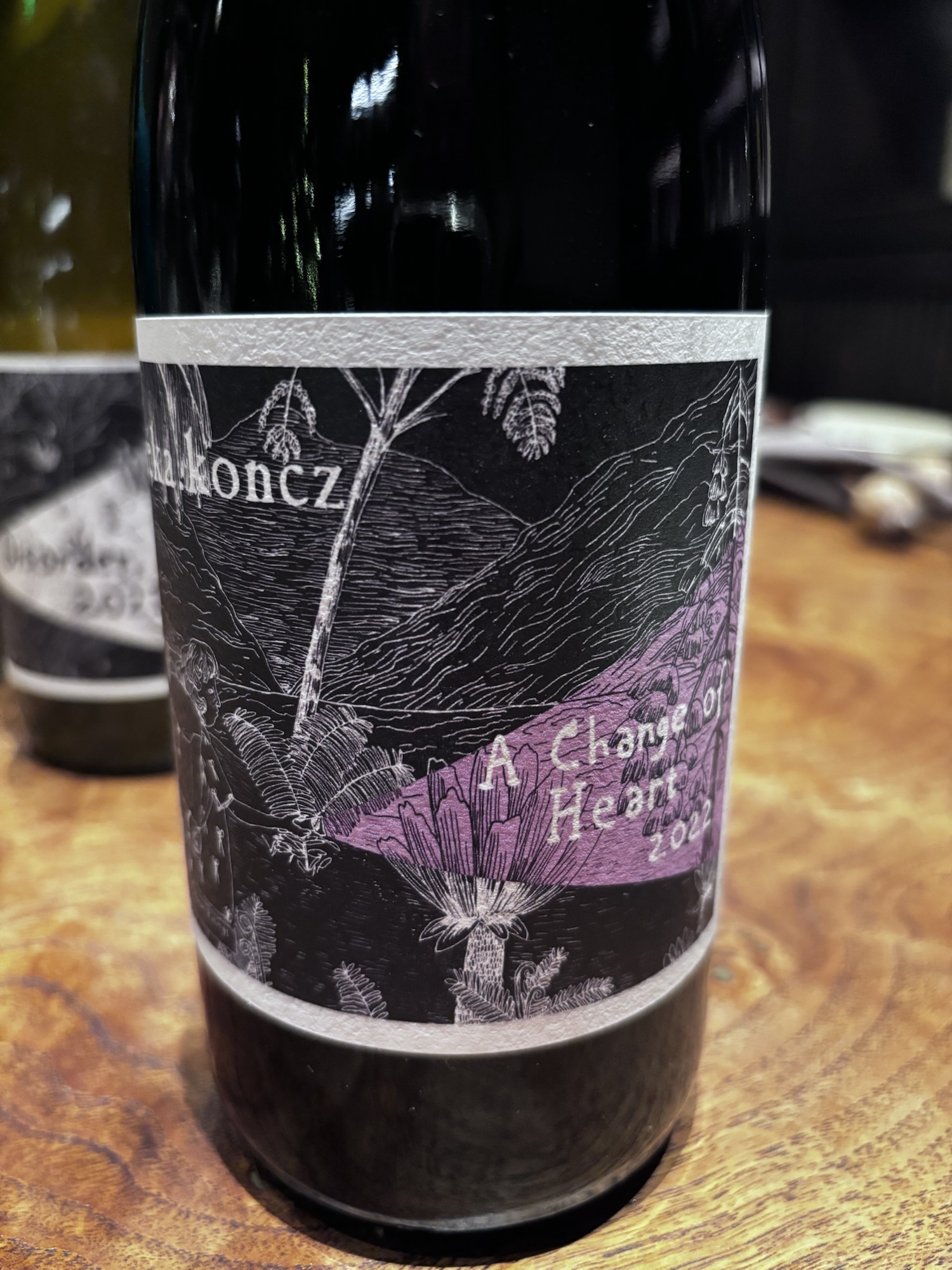
Basket Press Wines imports Réka-Koncz into the UK. Every time I review one of this producer’s wines, I have to mention that it is sold out. Annamária’s wines last a few weeks, if that, so one needs to be swift off the mark to get some. They are not really expensive but worth grabbing. Last time I spoke to Zainab at Basket Press Wines she seemed to think the new vintage would arrive in the coolness of Autumn, so perhaps not long to wait? I do hope she remembers to remind me when they arrive.

Posted in Arbois, Artisan Cider, Artisan Wines, Austrian Wine, Bordeaux Wine, Cider, Hungarian Wine, Jura, Natural Wine, Rosé, Welsh Wine, Wine, Wine Agencies, Wine Merchants | Tagged , , , , , , , , , , , , , , , , , , , , , , , , | Leave a comment

Recent Wines August 2025 (Part 2) #theglouthatbindsus

Part Two of my August Wines begins spectacularly with a twenty-five-year-old bottle from what is one of my half-dozen favourite sites in Champagne, one which can produce extraordinary gastronomic wines. That was followed by a wine of the same age from Bordeaux, one of a fast-disappearing stash of Classed Growths in my cellar. I haven’t had a significant birthday, or anniversary, I just like sharing these wines with friends if they visit. Here in Part Two, we continue with the youngest of two very different Vin Jaune (the old one appears in Part Three). We finish with a sweet Noble Riesling from New Zealand, a fine Manzanilla Pasada and then a wine which was as special as all those already listed, a wine and producer I’d never even heard of until a few months ago.

Clos des Goisses 2000, Champagne Philipponnat (Champagne, France)

I still have a photo of the Clos des Goisses on my business card, although as this was my last bottle, and I am unlikely to afford to buy it again, perhaps I should print up some new ones. Any wine obsessive will know that there’s nothing intrinsically wrong with visiting a vineyard just to look at it. Let’s face it, Instagram is full of photos of folks (and recently, dogs…which I really liked) perched on the wall by that cross we all know on the Côte de Nuits. The thrill of climbing the Goisses slope would surely be replicated in a few readers hearts, no?

This is a steep vineyard for Champagne, a forty-five-degree slope on chalk which falls way to a section of the Marne, east of Epernay and just outside of Mareuil-sur-Aÿ. It faces south too, so it gets warm. Very warm. This Champagne is unusual in showing 13% alcohol. This rich and majestic wine can take it, but ageing, sensible with any fine Champagne, is especially advised for any decent vintage of Goisses.

Made from an assemblage of 65% Pinot Noir and 45% Chardonnay, it was disgorged in October 2009 and dosed at 4g/l (which was reasonably low back then). The result is mineral-fresh still, but complex and ripe. Lots of tertiary-style flavours come through, citrus of course, but also earth (mushroom), wind (floral) and fire (ginger and curry spice). The structure of youth has broadly disappeared but it hasn’t fallen apart. That minerality holds it together. It needed to age but it is now ready to go out into the world. I think it is peaking now (though Goisses does tend to have bottle variation, usually depending on different disgorgement dates, a subject of fascination for some conversations I have been part of).

A one-off experience. I recommend a glass suitable for such a gourmande Champagne. I used Zalto Universals rather than my Zalto Champagne stems.

Cellared for so long I don’t know where it (and a few others before it) came from. I have racked my brain to no avail.

Château Duhart-Milon Rothschild 2000, Pauillac (Bordeaux, France)

Duhart-Milon lies to the west of Lafitte, up on Pauillac’s northern border with Sainte-Estèphe, although the chais is in the town of Pauillac itself. It is also part of the Rothschild (Lafitte) stable, with around 76 hectares of vines planted on well-sited gravel over limestone with a maritime climate. Classed as a 4th Growth/Cru in the 1855 Classification, it shares much of the same team as Lafitte.

The blend in 2000 was 80.5% Cabernet Sauvignon, the variety which dominates the vineyards of Duhart-Milon, along with 19.5% Merlot. The estate does have some Cabernet Franc planted, but none was listed for this 2000.

I read that the 2000 is considered one of the finest ever vintages at Duhart-Milon, and that is hardly surprising. It’s a very long time since I have sipped on Lafitte, but this wine seemed to have a connection with its sibling. The first thing to note was the wine’s perfect level, not bad as it has moved three times since 2022, though each location had better cellaring than we had in Brighton, where it spent most of its life. It also had a quite youthful colour, considering, yet only 12.5% abv, which surprised me a little.

Blackcurrant, pencil lead, clichés for sure, but there they were in the glass. Medium-body, a spicy finish (peppery), and a very nice long finish as well, which tailed off slowly. It is probably mature, I don’t know. It still has a little structure, though I’d not call it tannic, not remotely. It shows no signs of slipping down the other side of the hill just yet. I was rather pleased with it.

Now this bottle, I think I can place. I’m at least eighty percent sure it came from Butlers Wine Cellar in Brighton. By coincidence I see from Henry and Cassie’s IG that they have very recently pulled up some more of their famed cellar of classic Bordeaux to put on sale. If you want some old claret, give them a call.

Arbois Vin Jaune 2010, Domaine de la Touraize (Jura, France)

I first met André-Jean, and his wife Héléana Morin at a Raw Wine Fair in London, which shows how long ago that was (no London Raw any more). Back then they were very much under the radar, and had no UK importer, but their wines were readily available in Arbois. I very much took to them, both the couple and the wines.

Since then, they have become not just people respected by their peers (something I have seen emphasised several times), but a producer whose wines are sought out by a growing fan base and are now quite expensive. They also have a UK importer, who I am sure is rather pleased that Touraize didn’t get snapped up before.

This is a biodynamic estate (since 2010), accredited by Demeter since 2020. André-Jean joined his father in 2005 but the grapes went to the Arbois cooperative until 2009. They are interestingly (cf Wink Lorch, Jura Wine Ten Years On, Wine Travel Media 2024) one of the estates which has re-planted some hybrids. Hybrids are all the rage now. They existed all over the Jura vineyards in the pre-phylloxera years, after which they were banned, though some parcels always remained. The Morins have 0.4 ha of Seyve-Villard. Wink also notes that the couple’s daughter, Victoria, has joined the team now, having previously worked at Domaine Lapierre in Beaujolais.

This mostly loft-aged Vin Jaune saw seven years in oak, under voile/flor. Wines used to be aged in two locations but there is now a new cellar on the edge of town where everything can be made and aged in one location. It has a fresh bouquet, but nutty (almond and hazelnut) with curry spice. It still feels youthful, even on the nose. The palate is very fresh. It is long, and delicious, impressive without the grandeur of older wines. Really good.

That UK importer I mentioned is Newcomer Wines. They don’t have any Vin Jaune on their online shop, but there is mention elsewhere of the 2018 VJ, with the suggestion “Inquire”, so you may still have to go to Arbois for this. They do have some other Touraize wines around the late 40s to low 50s ££. Check them out. They are probably beyond my pocket now, which came as a bit of a shock, but they are undoubtedly superb wines.

Noble Riesling 2013, Riverby Estate (Marlborough, New Zealand)

This is the one Marlborough estate which almost no-one has heard of, although they are right in the heart of the region, on Jackson’s Road. A long time ago I met owner Kevin Courtney a few times, and on one occasion attended a great tasting and lunch with him at La Trompette in London. The whole range was good, although I was always very fond of his Grüner, and the Chardonnay was superb. The pinnacle of the range was always this much-awarded sweet Noble Riesling though. I found a piece written by Tom Canavan (winepages.com) from 2024 which suggests that more recent vintages are, if anything, even better.

This is a classic botrytis Riesling in a half-bottle. The grapes are picked when the noble rot has developed, and they are destemmed before a cold soak. Fermentation is in stainless steel and it came out of the tank in 2013 with 10% alcohol and somewhere between 180-200 g/l residual sugar. It’s a wine which concentrates with age so after twelve years it has a bouquet of dried apricot, yellow peach and orange marmalade. There’s the merest hint of marzipan. The palate is sweet, rich and concentrated, very long on the finish, but there’s enough acidity still to ensure it isn’t the slightest bit cloying.

It’s a magnificent wine, much awarded, a regular Trophy Winner in NZ, and one worth ageing to benefit from the complexity that comes with it. It isn’t easy to find, and I wish Riverby had a wider distribution in the UK. The agent/importer is Black Dog Wine Agency, based in Cheshire. They currently have the 2019 for £26/33cl. Black Dog is a small importer, but they have a good spread of Riverby wines, including some nice Pinot Noirs, the abovementioned Grüner Veltliner (which seems now to have become a customer favourite) and Chardonnay, alongside this sweet Riesling (which you need to scroll much further down to find).

Manzanilla Pasada “Botas NO” 100, Equipo Navazos (Jerez/Sanlúcar, Spain)

Equipo Navazos probably needs no introduction here. Peter Liem (in Sherry, Manzanilla & Montilla, Manutius 2012) called this bottler “The most distinctive and unusual project to come out of the sherry region in recent times…a creation of my co-author Jesús Barquin, along with Eduardo Ojeda, technical director of the Grupo Estévez”. As Liem says, they are effectively a negociant, but for unique, rare and very special wines tucked away in the back street bodegas of Jerez and Sanlúcar.

This 100th bottling by EN is a saca of October 2020 drawn from three casks at Hijos de Rainera Pérez Marin in Sanlúcar. The desire to create an iconic “100” which was available in reasonable quantity was set against a desire to release all bottlings ending with a zero as a Manzanilla Pasada from this great source.

It’s a wine that shows its biological flor character, very saline. The butts were filled to what is called tocadedos level, that is “well above the 5/6 mark that is common in the Sherry district”. This created a thin veil of flor, kept alive by periodic refreshment. Hence the wine’s oxidative character, and also a slightly elevated alcohol level (16%).

The wine was around 14 years old at bottling. Nutty, very elegant though, very long and gaining complexity. I do still have one left. It might not be possible to find “100” any more, though an internet trawl is worth doing. This was purchased back in the days of much less problematic direct shipping for me, when I could get a nice little assortment to my door without paying almost as much for shipping as for the wine itself. Alliance Wine is the UK agent for EN.

Les Arceaux 2021, Grange Saint-Saveur (Loire, France)

Of all the wines I drank in August, this is the one that surprised me the most. Who would think that a Rosé made from two obscure and unloved grape varieties could be this good, this interesting? I would go as far as saying this wine is indeed unique.

Grange Saint-Saveur is located at Le Thoureil, fifteen minutes southeast of Blaison Gohier, which I had never heard of but seems to be itself southeast of Angers. It is run by Alice and Antoine Pouponneau, who keep themselves resolutely to themselves, no web site, no listed phone number, as Beverley Blanning notes (Wines of the Loire Valley, Academie du Vin Library 2024).

You may not have heard of this couple, but Antoine has built a formidable CV. After training at Dijon he worked for top estates in Corsica and Bandol, but now combines his riverside vineyard (6.5 ha) with oenology consultancies at, inter alia, Châteaux Latour, Cheval Blanc and Pavie in Bordeaux and at Dalla Valle in Oakville, Napa.

Les Arceaux is a blend of the two rare Grolleau varieties (80% Grolleau Noir, 20% Grolleau Gris). Farming is biodynamic and nothing is added, including zero sulphur. The direct-pressed grapes are aged eighteen months post-fermentation on fine lees, and the wine undergoes malo naturally, in 228-litre oak. Apparently, this ageing takes place in the 5th-century chapel that sits between their house and barn, where winemaking takes place.

Ethereal, haunting red fruits, a soft texture with just a hint of cranberry bite. It’s like drinking a gentle breeze through the hedgerow. It’s hard to describe quite how good this is, but the wine trade friend who shared all the wines in this Part 2 said it was his Rosé of the year. He imports directly and sells a lot of Rosé.

I will also say that I was pleased to be able to read about this producer in Beverley Blanning’s aforementioned book which comes very highly recommended, and as you will have guessed, much of the information here is shared from her book, but I’d mostly like to thank Ali at Communiqué Wines in Edinburgh. It was he who persuaded me to part with £38 for this rarity, over my usual budget these days. There was just something about the way he described it.

I will leave the last word to Blanning as she describes this cuvée so perfectly. “Les Arceaux…is a remarkable rosé unlike any other, aromatic, structured and bone dry, with a savoury delicacy and extraordinary length”. To be fair, she makes the other cuvées sound no less good. “The wines of Grange Saint-Saveur carry a signature of lightness, balance and freshness. Erring towards understatement, but always elegant and invariably interesting, they are some of the best expressions of the ligérien style, from vines that have been looking out over the Loire since long before many of their drinkers were born”. Nicely put. Don’t all rush out at once!

Grange Saint-Saveur’s UK importer is Thorman Hunt.

Posted in Arbois, Artisan Wines, Bordeaux Wine, Champagne, Fine Wine, Jura, Loire, New Zealand Wine, Rosé Wine, Sherry, Spanish Wine, Wine, Wine Agencies, Wine Merchants | Tagged , , , , , , , , , , , , , , , , , , , , , , , , , , , | 3 Comments

Recent Wine August 2025 (Part 1) #theglouthatbindsus

After a quiet month in July, well aside from a trip to the home country, August was ram-packed with visitors. Even without writing about everything we drank, I’m still left with eighteen bottles to share with you. Some of them were off the scale (the expensive stuff is mostly in Parts 2 and 3), hardly surprising as my motto is that the best wine is for sharing. However, for some great value gems, this part might prove a happier hunting ground. So, we will have three parts for Recent Wines August, six wines in each.

We begin with a nice Czech petnat, then a good inexpensive Western Australian Chardonnay. After a special Wine Society Bordeaux bottling, we go Pfalz, Czechia again, and Tuscany to finish on a real high.

Anna 2023, Krásná Hora (Moravia, Czechia)

This is a lovely winery to visit, with a modern and light tasting room on the first floor, with a large glass wall overlooking rows of vines which trail up the hill behind the winery at Starý Podvorov, in Southern Moravia. It’s a family winery, biodynamic, but making great value wines across a wide range, which I was lucky enough to taste in its entirety in August 2022. I have a few favourites, and this is one of them.

It’s a white petnat made with low intervention from a blend of Riesling, Sauvignon Blanc and Pinot Blanc, bottle fermented using the ancestral method. It comes unfined and unfiltered. It’s fresh and lively with a mineral zip to the bouquet. Quite aromatic. It’s visually pale, and hazy if you shake up or gently agitate the sediment. It sees just a little skin contact, which gives it a bit of texture. It’s easy to glug, shows 12.5% abv, and is super-tasty. That is all you need to know.

Pay around £25 from Basket Press Wines.

Pedestal Chardonnay 2023, Larry Cherubino (Margaret River, Western Australia)

Larry Cherubino started out working at Tintara, then Houghton, before finding fame as one of those flying winemakers, some of whose reputations made them seem like the celebrity chefs of the wine world. Cherubino settled down, in WA’s Frankland River region, making his own first vintage there in 2005. Since then, his business has grown, achieving some commercial success across a number of different ranges.

One of these ranges is Pedestal. The fruit for the different Pedestal cuvées comes from Margaret River, the first of the WA regions to achieve a quality profile in Europe, one perhaps for wines with a degree of refinement. This bottling comes from fruit sourced in the sub-region of Karridale, in the region’s south. Although Margaret River may be more famed for Cabernet Sauvignon, some exceptional Chardonnay is grown, as several famous producers have proved. This is a good commercial example of that variety.

For a wine which doesn’t cost a lot, this is still described as being both fermented and matured in French oak, the maturation however being for just eight months. There is a rich oak influence, but it is nicely offset by apple freshness, lemon and a touch of quince. It’s a straightforward wine, more “simple” than “refined”, but with just the right amount of body and alcohol (13%) to keep it well short of cumbersome. I would say this is well-made by an experienced team.

At £16 from Solent Cellar (£18 from some sources), I’d say this is great value too. As you may know, I’m trying to stop spending £30 on every bottle I buy, and whilst my expectations may be a little lower for a sub-£20 wine, I still have expectations. This may be slightly more commercial than most bottles I drink, but it was pretty good value for the price. I’d drink it again, no hesitation. Good for the beach or a picnic, but not confined to summer by any means.

The Wine Society’s 150th Anniversary Haut-Médoc 2019 (Bordeaux, France)

This is another wine from The Wine Society’s “Generation Series” (I reviewed their “Hemispheres White” last month). It was made by Château Beaumont, based in the village of Cussac, a little south of Saint-Julien. The haughty World Atlas of Wine dismisses this part of what some call the Central Médoc, saying “This is the stretch of the drive up the Haut-Médoc during which the dedicated wine tourist (if a passenger) can enjoy a little snooze”.

I reproduce that quote because I had been resolutely done with Bordeaux for a decade or two, before returning with renewed interest this past half-decade. I had been put off somewhat by just those wines the writers of the above sentence would wake up for, the expensive Classed Growths, which presumably they get to taste en-primeur every year, and at swanky wine dinners for wine writers held in their swanky châteaux.

This part of the Haut-Médoc is resolutely Cru Bourgeois territory, although some estates on the northern side of Cussac still hanker after a southward extension of the boundary with Saint-Julien. Château Beaumont has nevertheless always been popular in the UK. I remember being recommended it decades ago. A great part of its popularity has been down to the loyalty of Wine Society members.

Its vines sit atop a gravel outcrop rare in this part of the Médoc. Its soils are well-drained as a result. It makes wines which have something of a reputation for maturing early, but that is no bad thing when I just a couple of weekends ago drank a Classed Growth 2000 that wasn’t even fully mature, and I sure won’t be laying wines down for 25 years any more.

The mix here is 55% Cabernet Sauvignon, 45% Merlot. It’s just good classic Bordeaux, with 80% of the wine spending a year in oak (30% of that wood was new), the remaining 20% kept in stainless steel. Typical blackcurrant fruit and cedar notes, with a touch of plum and some savoury herbs as well.

This says drink to 2030, and TWS are known for underestimating drinking windows on occasion, but this is drinking quite nicely now. Sadly, it is sold out, but I got a few bottles for just £12.50 on special offer (I think reduced from £16.50). Compared to what you can find in most supermarkets for this price…well, there’s no comparison.

Weissburgunder vom Kalk 2023, Weingut Jülg (Pfalz, Germany)

When I first visited Schweigen, at the very southern end of the Pfalz, just above Wissembourg, it was a trip from Andlau in Alsace, where we were staying, in order to visit Fritz Becker. I hadn’t at that time tried any of Johannes Jülg’s wines, but after our visit Fritz directed us to the Jülg Weinstube, where we had a wonderful lunch in a room full of locals all tucking into hearty food washed down with excellent wine. I have this vague memory that it was Weissburgunder we ordered. Later, I got to know these wines through Howard Ripley (more recently Ripley Wines). Ripleys still sell a top end range from Jülg.

I’ve been enjoying a few nice Pinot Blancs this summer, and this wine fulfils the brief very well. Johannes took over the estate from his father in 2011, and a sign of the progress he has made is that Weingut Jülg is now a member of the VdP group of estates.

Made organically, this is yet another good example of this variety’s versatility. It’s a good, fresh, mineral wine. Apple and lemon citrus on the nose, with some herbs drifting in, the palate is creamy, but there is a brisk mineral bite in the texture on the finish.

As I said, head to Ripley Wines for a Jülg selection between £30 up to £105 (for top Spätburgunder), but this came from The Wine Society (again), and cost £16. More superb value. I really do think I might buy this one again.

Solar Red 2024, Petr Koráb (Moravia, Czechia)

I find myself drinking Petr’s wines more in summer than winter. Many of them lend themselves to sunnier weather, whether petnat or, as in this case, chillable reds. In July I wrote about his Dark Horse sparkling red. This is a still red, paler in colour but just as good.

I often find myself drinking and then writing about wonderful wines from this Boleradice producer after they’ve sold out, and he has a habit of making a wine once and once only, but I first drank Solar Red as a 2022, and it has reappeared. That ’22 was listed as a blend of Frankovka (aka Blaufränkisch) and Pinot Noir, but if what I read is correct, this 2024 blends in Zweigelt as well.

Whatever the grape composition, it is smooth and fruity. Its colour is a luminous paler red, but erring a little towards crimson in the right light. Whole berries were pressed and after fermenting, were matured in robinia barrels, a favoured medium among many of Southern Moravia’s natural wine makers. This is indeed a wholly natural wine. It’s also one of the most exciting cuvées to come out of the Koráb cellars. Not that many fail to excite me.

A pure and beautiful summer red, as enticing as the label makes it. I really do not know how these lovely wines have remained relatively undiscovered for so long. £29 from Basket Press Wines. Now sold out, of course, but they do have some of Petr’s delicious Carbonic Petnat (£28) listed…last of the summer wine for me, I have a bottle. Solar Red has been spotted in Winekraft, Edinburgh, and The Sorting Table, Peckham Rye.

Primo Fuoco Bianco Toscana IGT 2023, Fattoria di Sammontana (Tuscany, Italy)

This is a fourth-generation family estate, the family originally from the Polish nobility, which is at Montelupo Fiorentino, on the east side of the Arno, about 20 kilometres from Florence. Their vineyards total thirteen hectares, which they cultivate biodynamically alongside three-thousand olive trees. Their red wines have passed my lips a number of times, being generally available in Edinburgh (see below). However, even though I have been to several tastings put on by their UK importer, I’ve never had this bianco. I was quite blown away.

The wine is described as “very small production” and it appears to cost a bit more than the Sammontana wines I’ve had before (there is also a “Primo Fuoco” red and rosato). They are all three more “experimental” wines, vinified in clay amphora. Trebbiano Toscana grapes see three months on skins for this white wine, and then another six months without skins in the same clay vessels.

Orange in colour, the bouquet mixes tropical fruits and ginger spice. The palate is quite structured and firm, textured but not abrasive. It has great salinity. It may be structured but it was very food-friendly, paired with koftas, baba ganoush and a lovely salad of tomatoes, walnuts, pomegranate seeds and a dressing made with pomegranate molasses. It just seemed a lovely match.

An exceptional wine, all the better for being a gift from our son. When your kids buy you cracking wine (and whisky) you know you did something right as a parent. Modal Wines imports this and sells it for £34. I think this bottle came from Smith & Gertrude in Edinburgh (though their web site suggests they are selling the 2020 for £26). The Sammontana reds I’ve bought have come from Cork & Cask. They currently have four Sammontana wines listed, but not this one. In any event, this estate is making some lovely wines so have a chat with Nic at Modal if you are a retailer looking for some interesting Italian delights.

Posted in Amphora Wine, Artisan Wines, Australian Wine, Bordeaux Wine, Czech Wine, German Wine, Italian Wine, Natural Wine, Tuscan Wine, Wine, Wine Agencies, Wine Merchants | Tagged , , , , , , , , , , , , , , , , , , , , , | Leave a comment

The Smart Traveller’s Wine Guide – Switzerland (Review)

It seems that I am rather enjoying the new Smart Traveller’s Wine Guides published by the Academie du Vin Library. I’ve already reviewed Fintan Kerr’s Rioja and Georgie Hindle’s Bordeaux this year. Last week I took delivery of two more guides in the series, Rhône Valley by Matt Walls, and this one, Switzerland by Simon Hardy and Marc Checkley. You can also purchase guides to the Napa Valley and Tuscany. Switzerland gets a review before Rhône purely because it arrives with perfect timing, another visit to Switzerland being imminent.

The format for the six guides so far published is the same, so the branding is strong, as is the overall design. You get a little over 200 pages here, slightly longer than the two I have read so far. For once, I don’t know either of the authors, although I know people who do. Simon Hardy is based in London, where inter alia he organises the annual Swiss Wine Week, and generally promotes Swiss wine in the UK. Marc Checkley is based in Switzerland’s Lavaux, from where the lucky man writes about wine, among other things, and was a finalist at the 67 Pall Mall Global Wine Communicator Awards in 2024.

Swiss wine is generally little known in the UK, and perhaps even less well known in the USA, where I have many readers. However, those who don’t get to explore Swiss wines are missing out. A great diversity of wine styles and grape varieties are grown across the country’s six wine regions, including wonderful autochthonous varieties (such as Petite Arvine, Rauschling and Chasselas, yes, Chasselas, to name just three), increasingly successful “international varieties”, Pinot Noir certainly topping the list, and what we might term the “new” (the authors call them “novel”) grape varieties such as Garanoir, Gamaret and Diolinoir. You will doubtless have heard the term “PIWIs” to describe new crossings created to combat specific vine diseases. Switzerland has been at the forefront of their development.

For those wishing to research Swiss wine before they visit, the options have thus far been very limited. Aside from the World Atlas of Wine, which has a good summary with maps, the best book on the subject is The Landscape of Swiss Wine by the late and much missed Sue Style (Bergli Books, 2019). I fear this book may not be easy to get hold of now, but it profiles fifty perfectly chosen top producers interspersed with vignettes on Swiss wine, including the “Memoire des Vins Suisse” organisation, the aforementioned PIWIs, the Junge Schweiz Neue Winzer movement, an appreciation of Switzerland’s quintessential Chasselas grape variety and more. A highly recommended book with some lovely photos.

This guide, however, is small enough to squeeze into a jacket pocket, or a hand bag, perhaps, and is geared for the traveller. As such, it covers much more than just wine (as the table of contents illustrates). There is a little history and geography to start us off before we have an explanation of Switzerland’s wine regions and classifications (worth noting what is said of the various “Premier Cru” terms used rather loosely in the country), wine styles and grape varieties.

At the end of this section the authors have chosen eighteen individual star wines to “look out for”. To be fair, the authors do say this was a difficult task, and there is no doubt there are wines or producers I would have chosen which do not appear (of my three favourite Swiss producers we do have Marie-Thérèse Chappaz, but nothing from Daniel and Martha Gantenbein, nor from Mythopia, but there is no criticism implied in my own subjective tastes). This all whets the appetite, as does the wine events/festivals diary which follows.

The next section sets out a selection of wine route suggestions, eight in all. They cover all six wine regions, and involve various methods of transport (walking, e-bike, train and car). There are useful suggestions for tasting stops on the route, and eating/drinking options. I think it would be difficult to do everything suggested for each route in the time frame given, but that isn’t the point. You have options.

Vaud gets two itineraries (Lavaux to Chablais by train and a two-hour hike among the UNESCO-listed, steeply-terraced slopes of Lavaux), as does Deutschweiz (Zurich-Schaffhausen by train and Graubünden’s Bündner Herrschaft by e-bike). All of the routes take in what I would perhaps suggest are the places you most want to visit to see Swiss vineyards.

The one exception is that there is no route included for Geneva’s Rive Droite (aka Mandement), one of the city’s three sub-regions (the authors have gone for Entre Arve et Lac on the lake’s southern shore). Again, just my personal taste, but the Rive Droite includes the attractive rolling hills of Dardagny (in which village you will find my favourite Geneva producer, Domaine des Hutins), and Satigny, site of the Geneva Cave Cooperative. The transformation of this cave from pedestrian to innovative with a quality focus is a good reflection of what overall is Switzerland’s most changed region. If you visit Geneva, be sure to actively seek out the region’s best producers. The guide will tell you the wine bars and shops in which to find them if you don’t have time to get out into the vines.

As is the format with all these books, the next extended section, called The Guide, covers vineyard visits, wine tourism experiences, hotels, and dining (fine dining and casual dining here, not that the Swiss do casual quite as we might know it here at home). This part is compiled by a wider team and so you do get a good variety of places. As with the previously published guides in the series, you also get restaurant recommendations from winemakers, which are nicely personal.

The best vineyards to visit selection is very useful. Whilst many Swiss winemakers open their cellars on a Saturday morning, many more will do so during the week by appointment. Some also have restaurants on site, pretty much unheard of twenty years ago. This section naturally excludes some estates, for good reason. I mentioned Gantenbein in Graubünden earlier. Just don’t rock up at their cellars near Fläsch because, as the guide points out, visitors are actively discouraged at this icon estate (whose wines are now sadly beyond my pocket). At least mere mortal visitors. I did know two people who had Gantenbein allocations in the good old days, and I do remember a Gantenbein dinner at The Ledbury many years ago which still ranks as one of my wine evening highlights.

The guide ends with, for me, the two most useful sections for wine obsessives: Wine Bars and Wine Shops. If you happen to be in one of Switzerland’s major cities, you will find places to drink and buy wine, sometimes conveniently in the same place (as in Geneva’s Chez Bacchus bar and the next door Caveau de Bacchus, both conveniently located fairly near to Geneva’s Mont Blanc Bridge). There are a couple of spectacular wine shops not mentioned, and I will have to check if that’s because they have closed. There are plenty here to enjoy.

The one place I can’t find mention of, but is a useful address if you are reading my review and plan to go to Geneva in particular, is the Lavaux Vinorama. This tasting room for Lavaux is at 2 Rte du Lac, Puidoux, near Rivaz. As well as by car (c 1 hr 30 m), you can also get to it by train (usually with one change) from Geneva in around the same time. They do tasting-flights with cheese and charcuterie, there is a cinema showing a short film about the region, and you can buy from a large selection of Lavaux wines.

In any event, the train ride from Geneva towards Montreux has the lake on your right and vineyards on the left, after Lausanne these vines are the UNESCO Heritage terraces of Lavaux. It is one of many wonderful day trips I could suggest which, in addition to Geneva’s restaurants, wine bars and museums, make the city ideal for a short break in spring or autumn.

As with all of these places, whether mentioned in the guide or not, do check their web sites for opening hours. For example, some wine bars, shops and restaurants are not open every day.

I thoroughly enjoyed this new addition to the Smart Traveller’s Wine Guide series. As someone who has visited Switzerland many times (first as a child in the 1970s), you will rightly suppose that I love the country, and indeed its wines. That I was thrilled to see the publication of this little book might not surprise you. However, as someone who knows the country reasonably well, and who knows its wines perhaps better than a good 90% of those who might read this review, that might perhaps be taken as a sound recommendation.

Even if you do not know Switzerland and its wines all that well, I think this guide might just inspire you to visit. Switzerland is a land of surprises, albeit including one nasty one: how expensive it can be. That said, although many Swiss wines are very expensive, not all are, and some very good wines are, relatively speaking, affordable.

Scour the online site of Alpine Wines (Joelle Nebbe-Mornod’s Yorkshire-based online wine merchant), and the smaller but very well-formed Swiss selection at Newcomer Wines and try a few bottles. Dynamic Vines has some outstanding Swiss producers on the books. The Sampler in Islington stocks a few Swiss wines most of the time, and some indies outside of London get occasional allocations (my perennial favourite, Lymington’s Solent Cellar, has been a source for some of the wines Alpine Wines imports, although they may not have any right now.

Get this book, try some wines, and get out there on an unforgettable wine adventure to the land of mountains and lakes. Perhaps in time we shall have more guides. I’m eagerly awaiting Jura, Piemonte and Japan…if anyone from the Academie du Vin is looking.

Sue Styles’s Swiss Wine is my other recommendation…if you can find it. This and the guide complement each other.

Some random Swiss wines from a good few drunk so far this year. Hoping to visit the producer on the left quite soon, at Auvernier in the Three Lakes region. The bottle on the right is from the village of Satigny, in Geneva’s Rive Droite sub-region. Satigny/Dardagny make for a nice afternoon in the countryside if you are a wine lover staying in Geneva.

Posted in Swiss Wine, Wine, Wine Agencies, Wine and Food, Wine Bars, Wine Books, Wine Festivals, Wine Shops, Wine Tourism, Wine with Curry, Wine Writing | Tagged , , , , , , , , , , , , , , , , , , , , , | 2 Comments