
Montrose has become one of the venues that hosts some of the most exciting trade tastings in Edinburgh since it opened in November 2023, in a former pub near the top of Easter Road. Being under the same ownership as the city’s renowned Michelin-starred Timberyard, it already matches exceptional food with a wine list to enthral even the most picky of Londoners, and other visitors, who seem to head here. They have an exceptional team as well.
On Monday 9 March Montrose was invaded by a selection of small importers and I managed to taste from Wines Under the Bonnet, Wayward Wines, Beattie & Roberts, and Otros Vinos. I also tasted wines from two winemaker guests, Paul Perarnau from Domaine Ami, based at Paris L’Hôpital near Maranges in Burgundy (imported by Raeburn Fine Wines), and JB (aka Jean-Benoît Vivequain) from La Voluta, a natural wine domaine at Cucugnan in Corbières. La Voluta is imported by Otros Vinos.
Three parts will, as briefly as possible because of the number of wines tasted, cover:
Part 1 – Wines Under the Bonnet and Wayward Wines
Part 2 – Beattie & Roberts and Domaine Ami
Part 3 – Otros Vinos and La Voluta
*prices were either not given, or where they were they were trade prices ex-VAT, so I have not included any pricing information, except in a few cases.
All of the wines mentioned were bottles I’d be happy to drink. Those I would like to buy most are only subtly distinguished in the text, and I only refrained from listing my favourites because that list would be pointlessly long. I hope that at 2,300 words, this article isn’t.
WINES UNDER THE BONNET
2Naturkinder (pron. ZweiNaturkinder) is the natural wine domaine of Melanie and Michael Völker, based in Franken, which seems nowadays to be a happening place for a new generation of young winemakers. They have around six hectares near Iphofen. I tried two wines. There used to be a range of wines here labelled “Vater & Sohn”, from Vines Michael shared with his father. Now there is just one per year and this was #6, apparently from the same vineyard as the former “Fledermaus White”. Vater & Sohn #6 is a blend, but mostly Müller-Thurgau with a tiny bit of Pinot Gris and Sylvaner. It’s a non-vintage cuvée blended from 2024 fruit with some from 2023. You get a fruit-filled bouquet with a savoury twist.
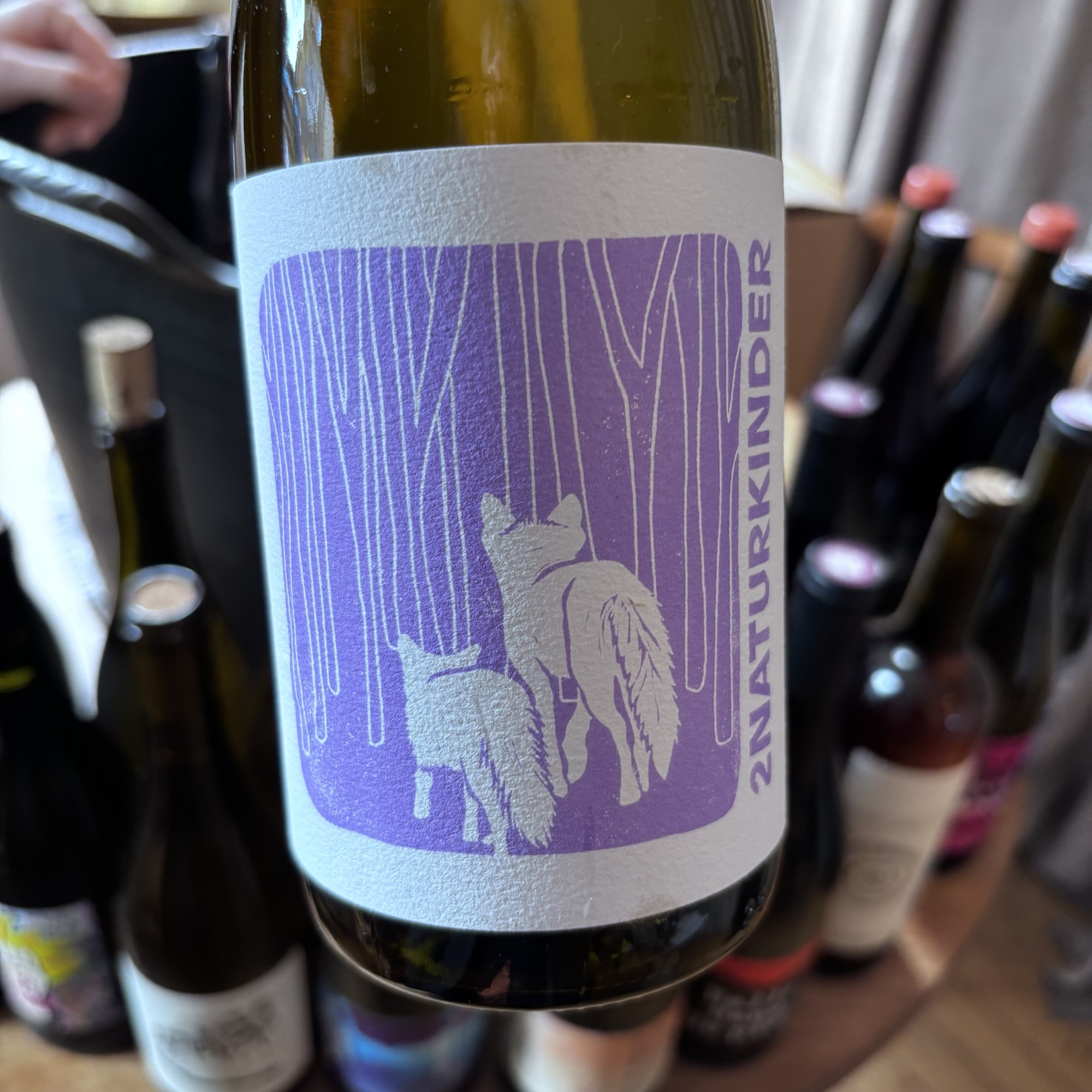
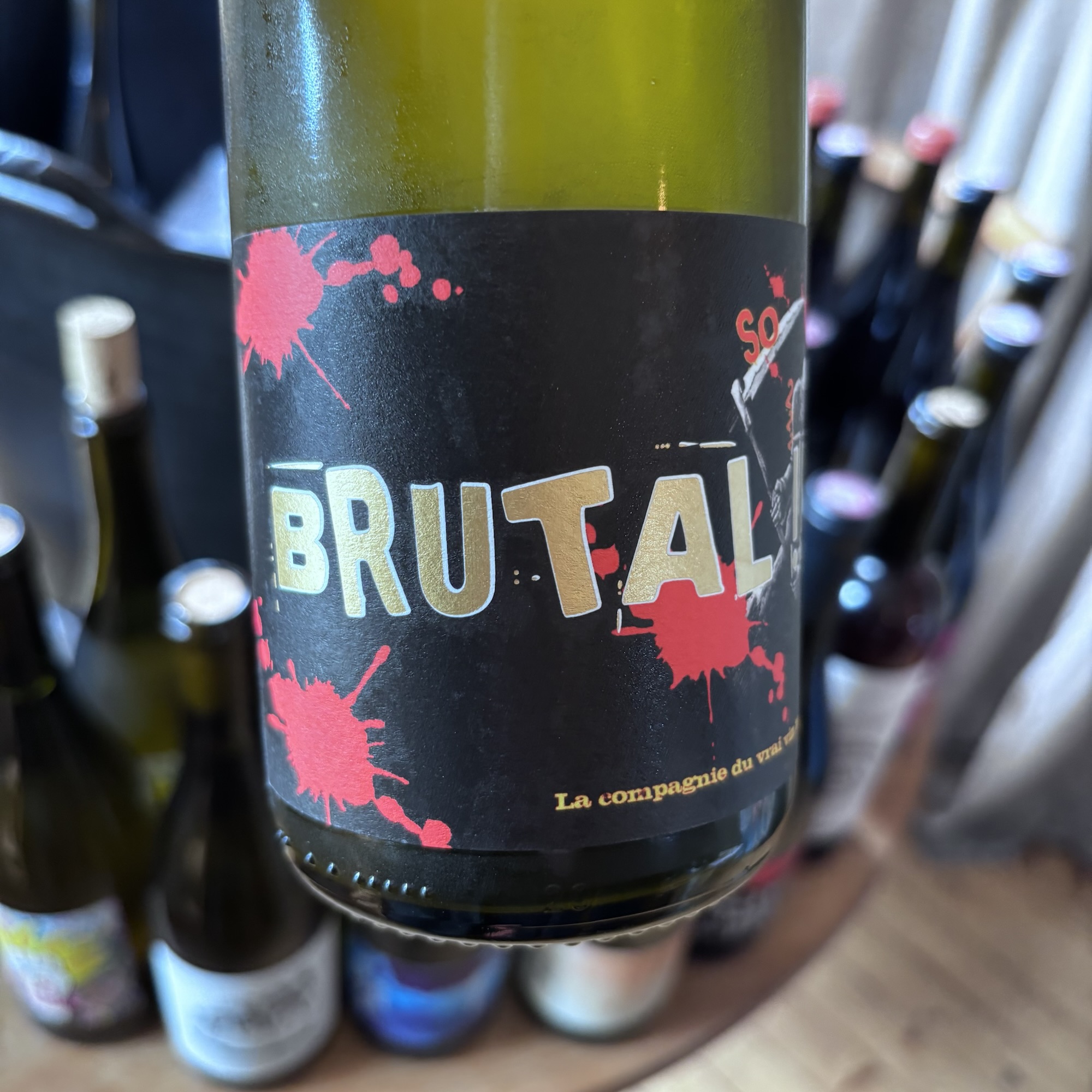
That’s a lovely zippy wine, as you expect from this couple. Their second wine comes under the Brutal!!! label. This is made from 2023 vintage Pinot Gris (aka Rülander locally). Apparently, it is the first wine from this Bar Brutal-inspired label to be released in Germany (official Brutal!!! releases have gold lettering which the unofficial releases with white lettering lack). We have fruit off a single steep slope with poor soil, and it goes into 600-litre old oak. It’s fully natural (zero-zero, no added sulphur). Very dynamic stuff, but with depth and concentration.
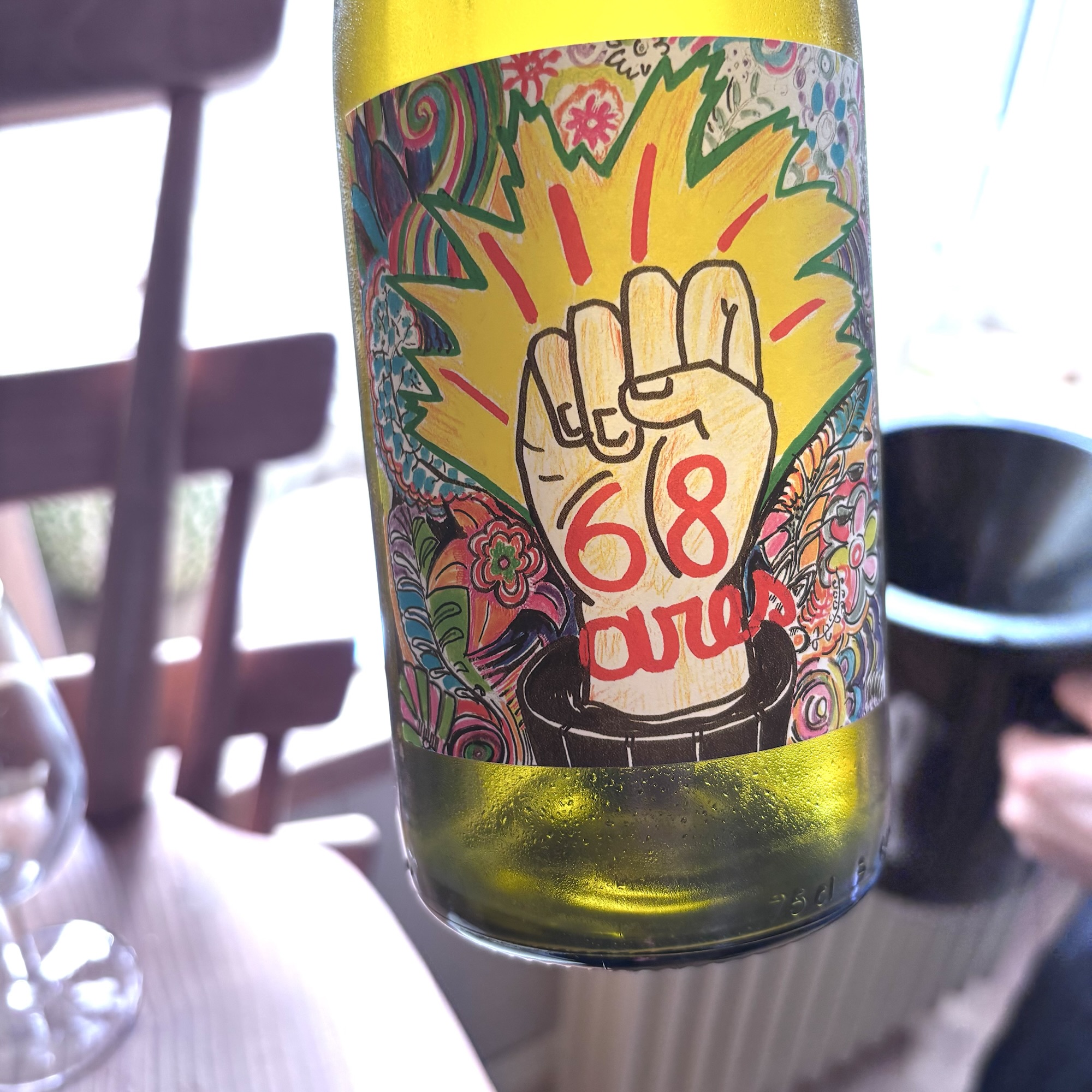
Complémen’-Terre 68 Ares 2024 is a Folle Blanche (Muscadet’s forgotten variety) made by Manuel Landron and Marion Pescheux at La Haye Fouassière, east of Nantes. It is a different and larger parcel than the original 68 Ares in current vintages but it has kept the name. It’s alive and tasty, and less overtly acidic than many versions of this variety.
Tribute 2024 is a bottling made from Melon vines on sandy soils, shared with Manu’s father, Jo Landron. It’s quite ripe with pear and lemon, but also mineral and has a really nice savoury element. You’d not usually get such spice in a Muscadet. A very good natural, biodynamic, terroir wine from a producer always worth a punt if you don’t know the wine.
[Oops! No Photo]
Peltier-Ravineau is a domaine set up by two friends who studied together at Beaune, who since graduating in 2019 have worked with names such as Pacalet, Hervé Villemade and Tue Boeuf. They are based at Valaire, near Cheverny (close to Blois, in the Loire). These were really nice natural wines, three of them.
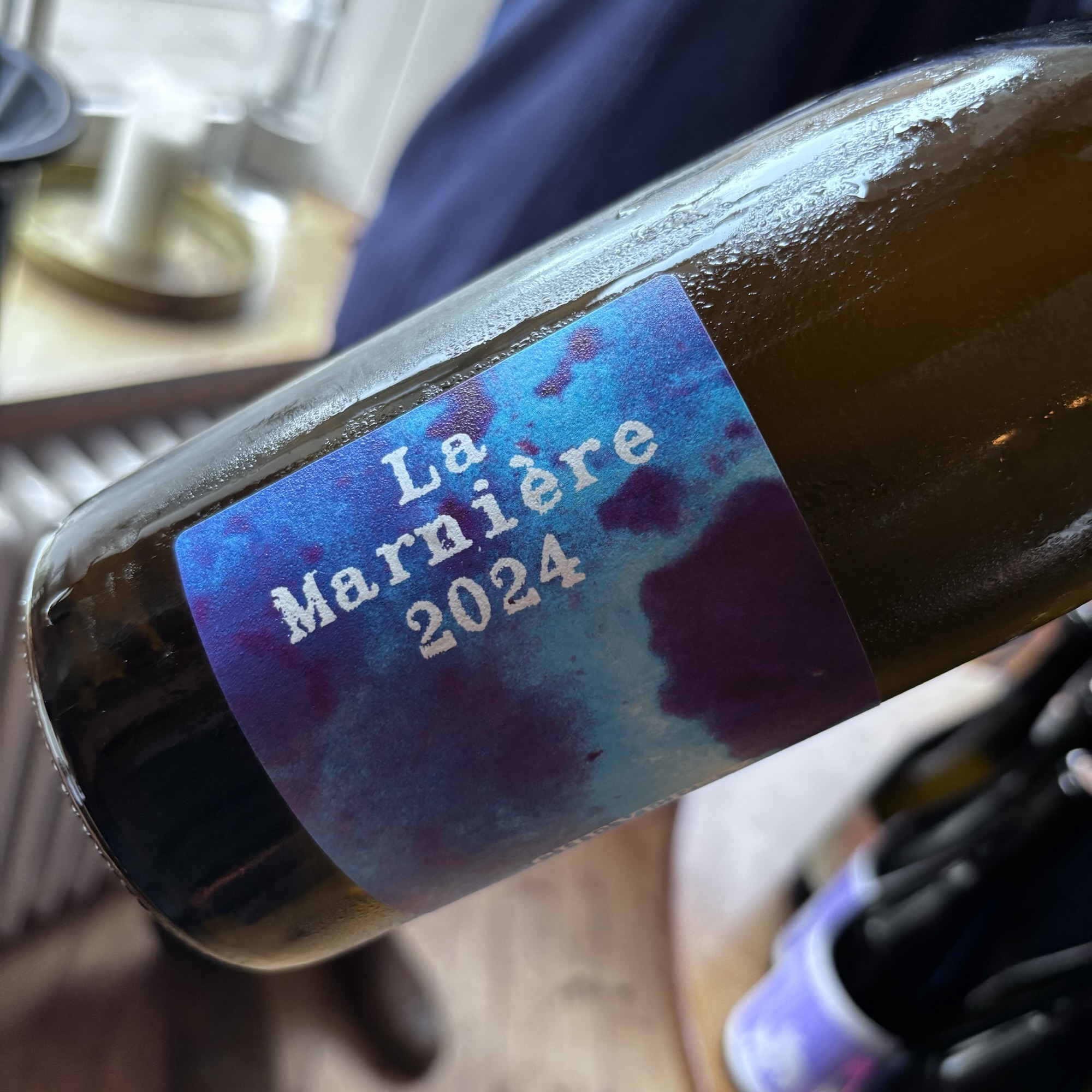
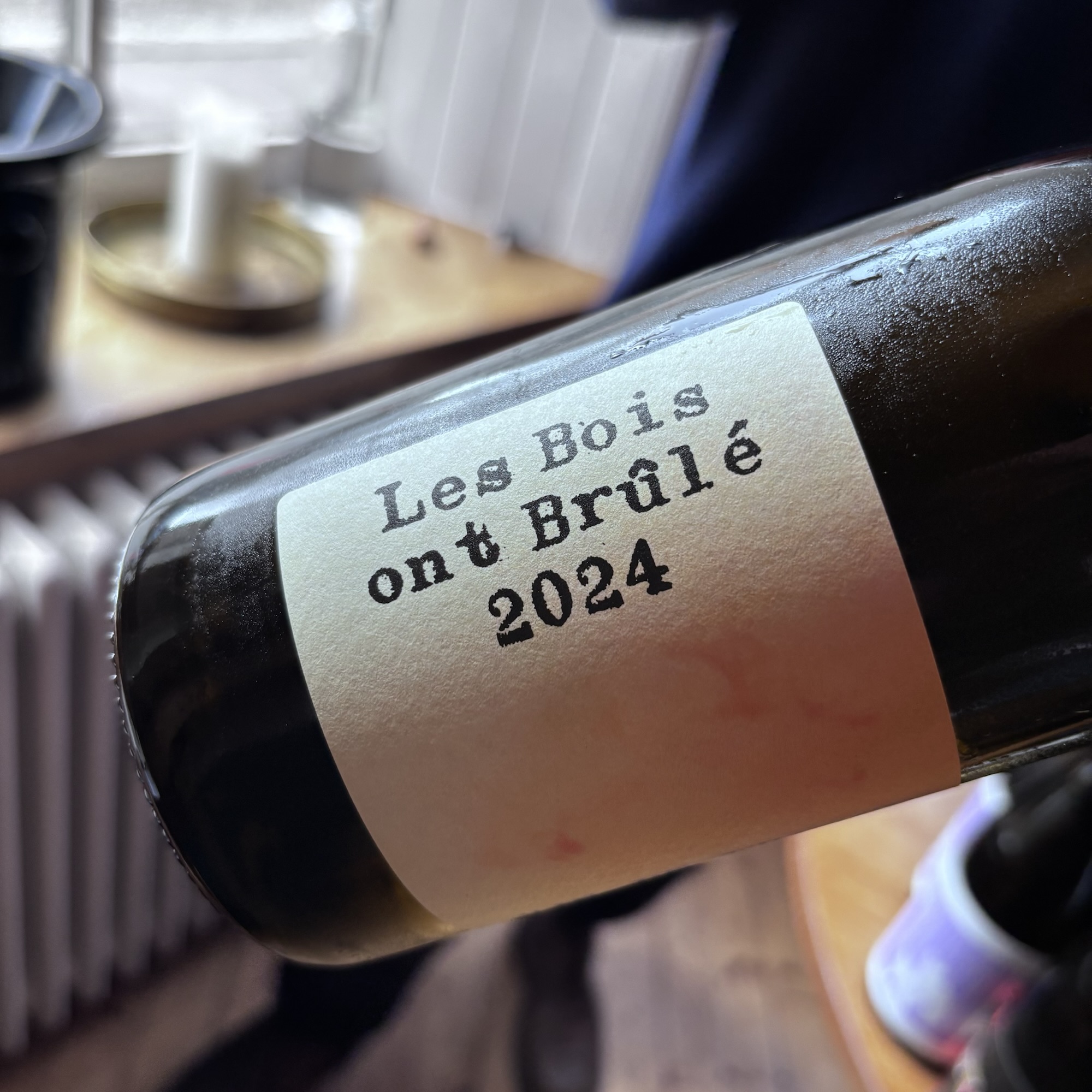
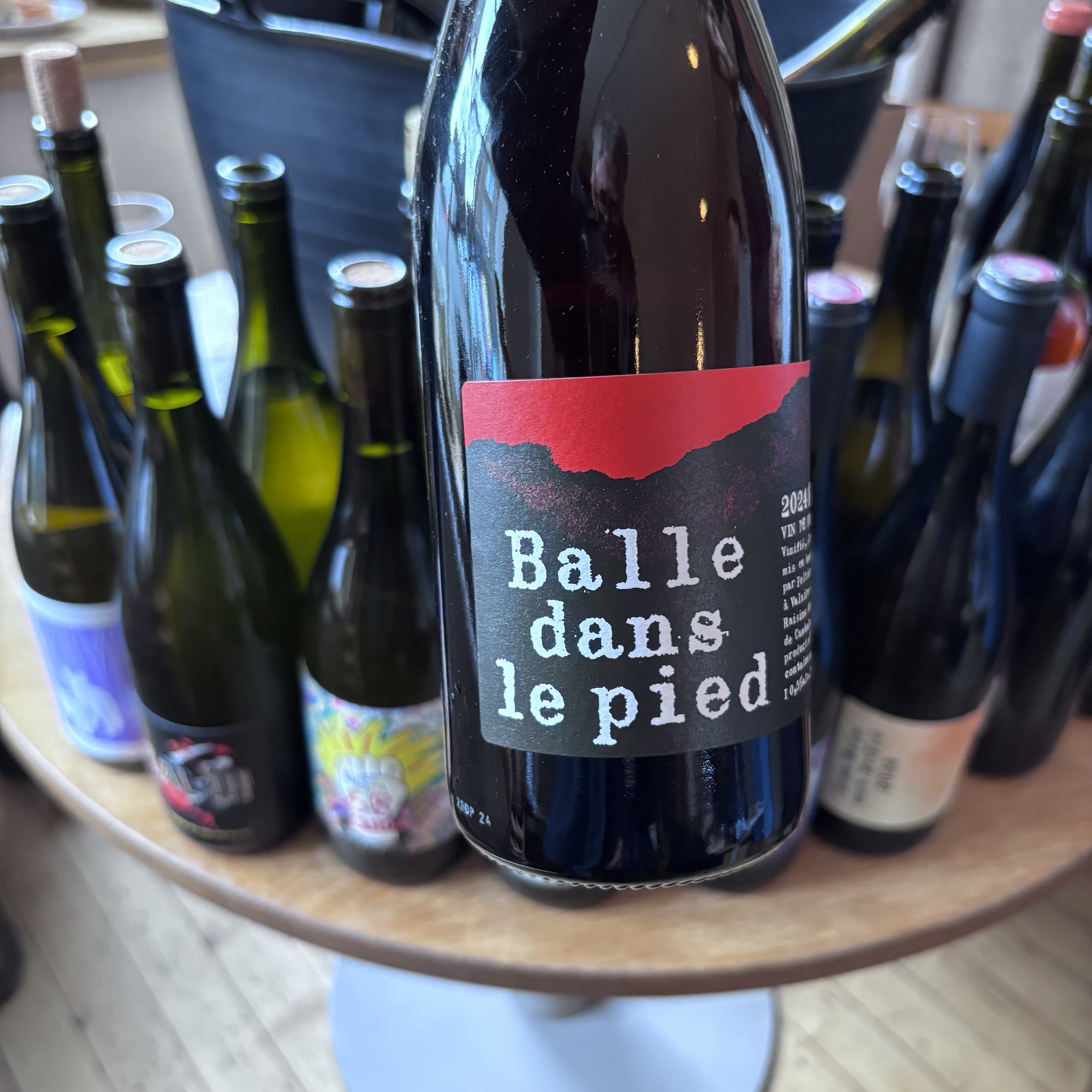
La Marnière 2024 is bottled under the Cheverny appellation and is mainly Sauvignon Blanc blended with Menu Pineau. It sees 6 months on lees in fibreglass and is genuinely good, not like your typical “Touraine Sauvignon”. Les Bois on t’ Brûle 2024 is a Vin de France that blends Chardonnay with Sauvignon Blanc, a surprisingly good mix across some of the Loire’s eastern vineyards. It’s rounded and creamy. Last of the three, Balle dans le Pied 2024 (also VdF) is a Gamay-based blend with a little Côt (aka Malbec) and Cabernet Franc from purchased organic grapes. It’s a fruity red with cool acids, light and fresh with a mix of whole bunch fermentation with a little direct press (the Cab Franc). Loved all three of these.
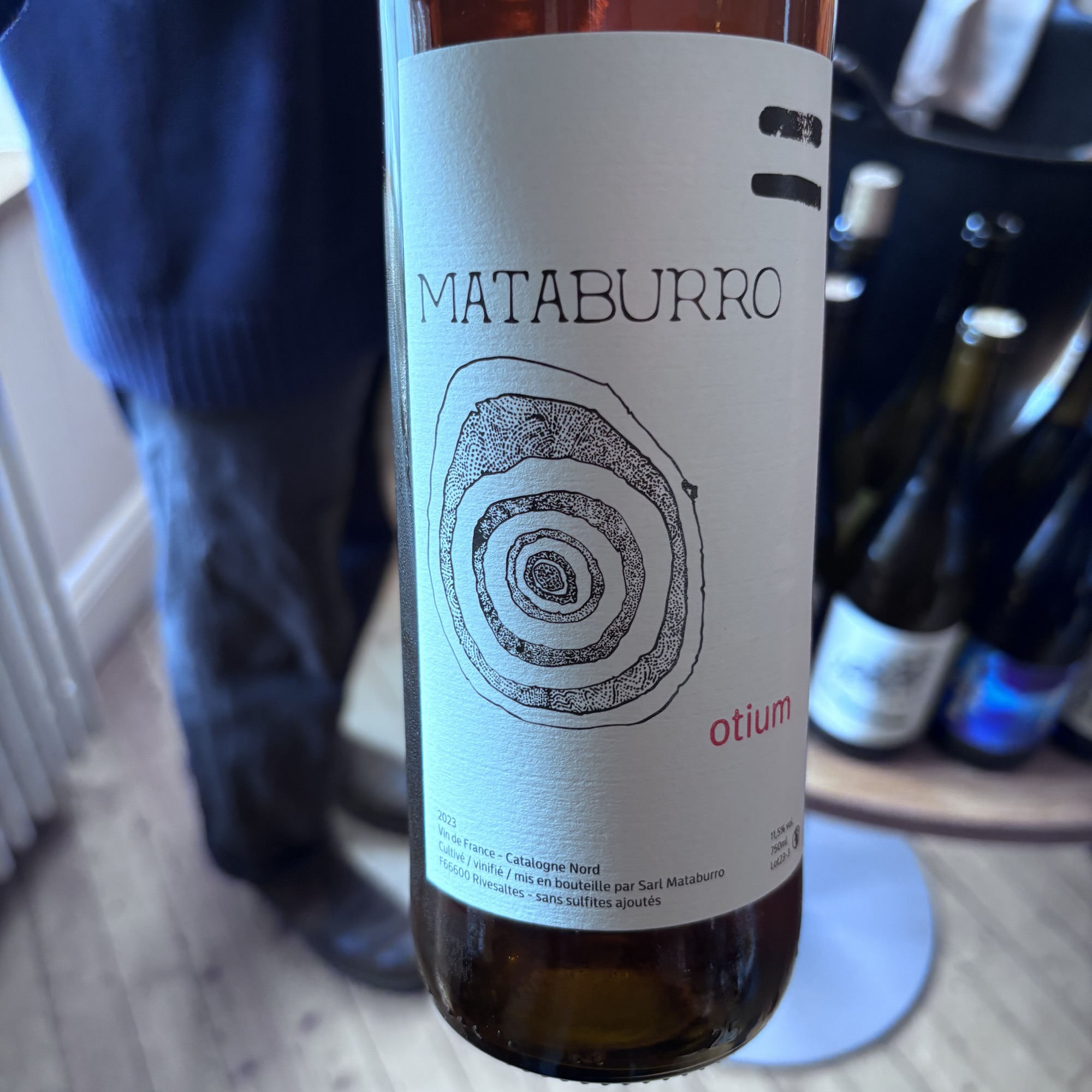
Mataburro Otium [2023] is one of those “the hits keep coming” wines. Laurent Roger and Melissa Ingrand are down in Rivesaltes (Roussillon). Here, they make this delicate red from Grenache Noir with some Grenache Gris, Macabeo and Carignan (so red and white grapes). Pretty old vines being around 70 years of age are on a clay/limestone mix of soils. A short maceration goes into stainless steel. It’s clean and fresh with red fruits, but I don’t think they add any sulphur. I do think this retails around £30, and is worth every penny.
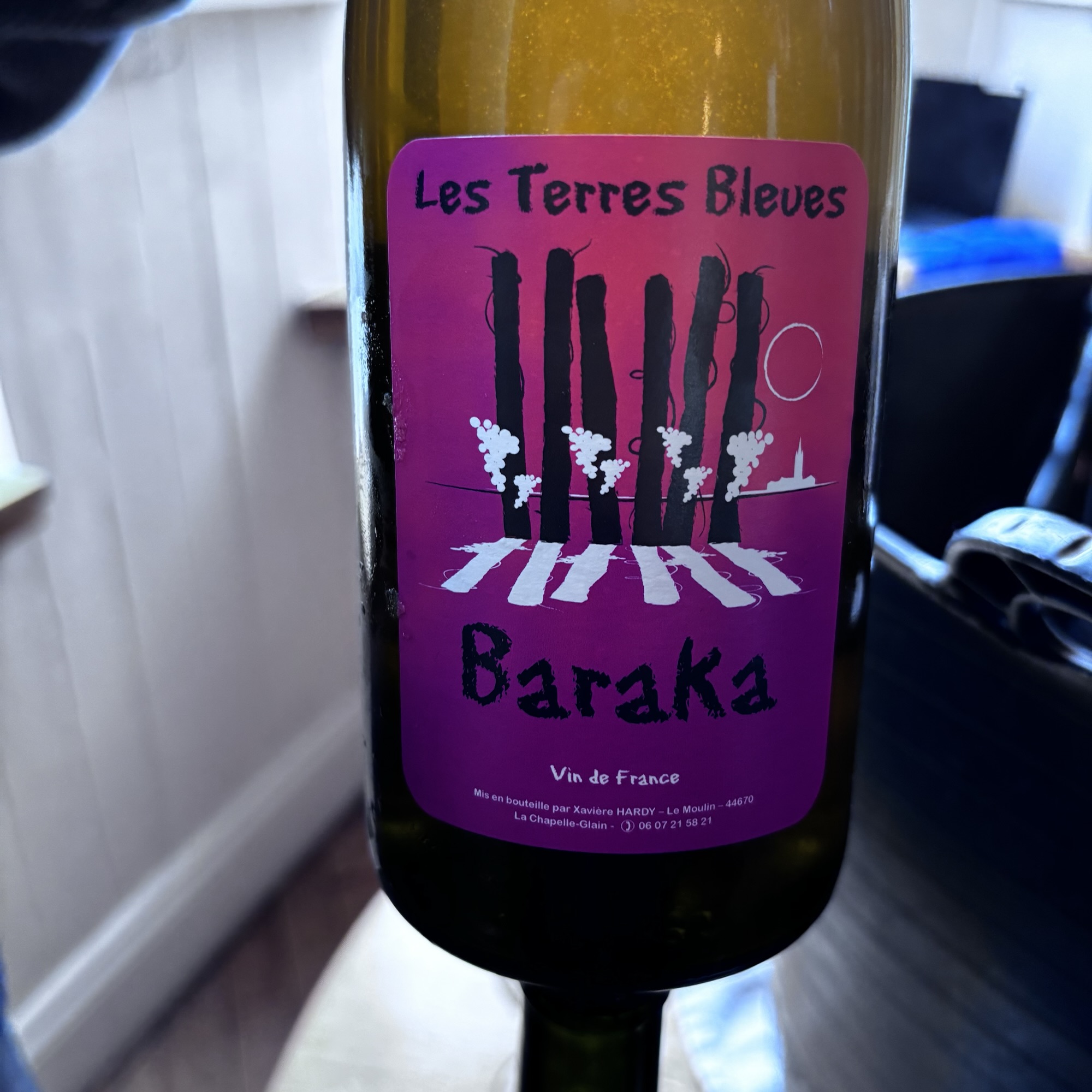
Xavière Hardy is a potential new star of the Loire. She’s another Anjou producer making a name at a domaine called Les Terres Bleues. Her vines, at La Chapelle-Glain, are not located in a traditional location for vines and it took Xavière several years lobbying to get planting rights, for just 1.5 hectares on blue schist. We are northwest of Angers, almost as close to Rennes as to that city. The vines are all on stakes. Winemaking is distinctly artisanal, and she has needed to adapt her techniques in wet vintages, but basically her wines get a direct press into old barrels and when I say “low intervention”, here this does mean zero added sulphur too.
Three wines again. Baraka 2024 is delicious Grolleau, allegedly a Rosé but if you know this underrated variety, you will expect more of a super-refined yet earthy, delicate pale red. But it’s also saline and rich. Ma Garance Voyageuse 2024 is also made from Grolleau. It undergoes three different macerations to give a wine with concentrated red fruits, juicy but not lacking tension. XH2 (XH squared) is made from hand-destemmed Pinot Noir which sees a seven-day maceration, going into old oak. Again, zero sulphur is added. The importer calls this “nimble”, which is pretty apt. It weighs-in with just 11% abv, and is a subtle wine with charm. I can believe the assertion that these are Xavière’s best wines yet. I was very much impressed.
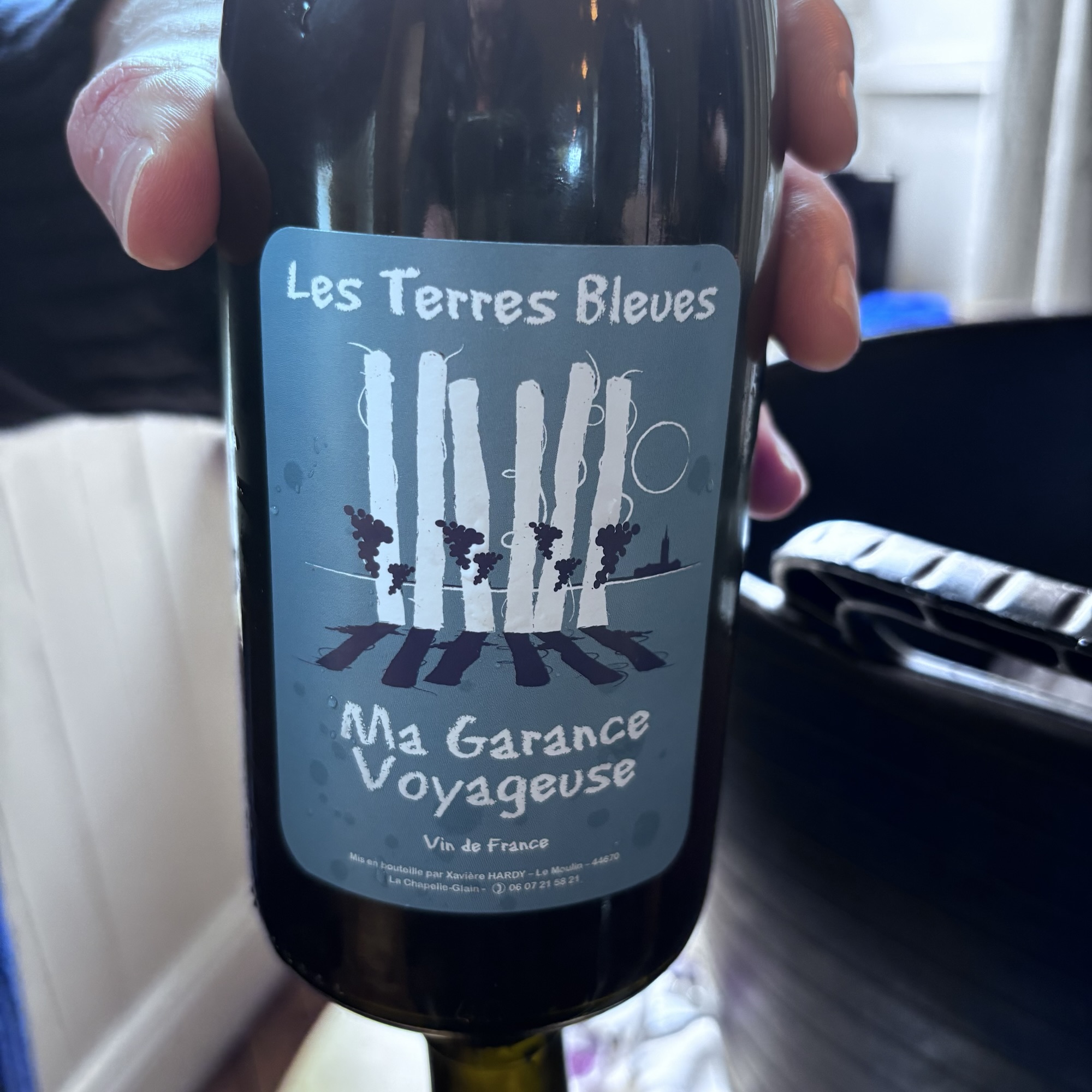
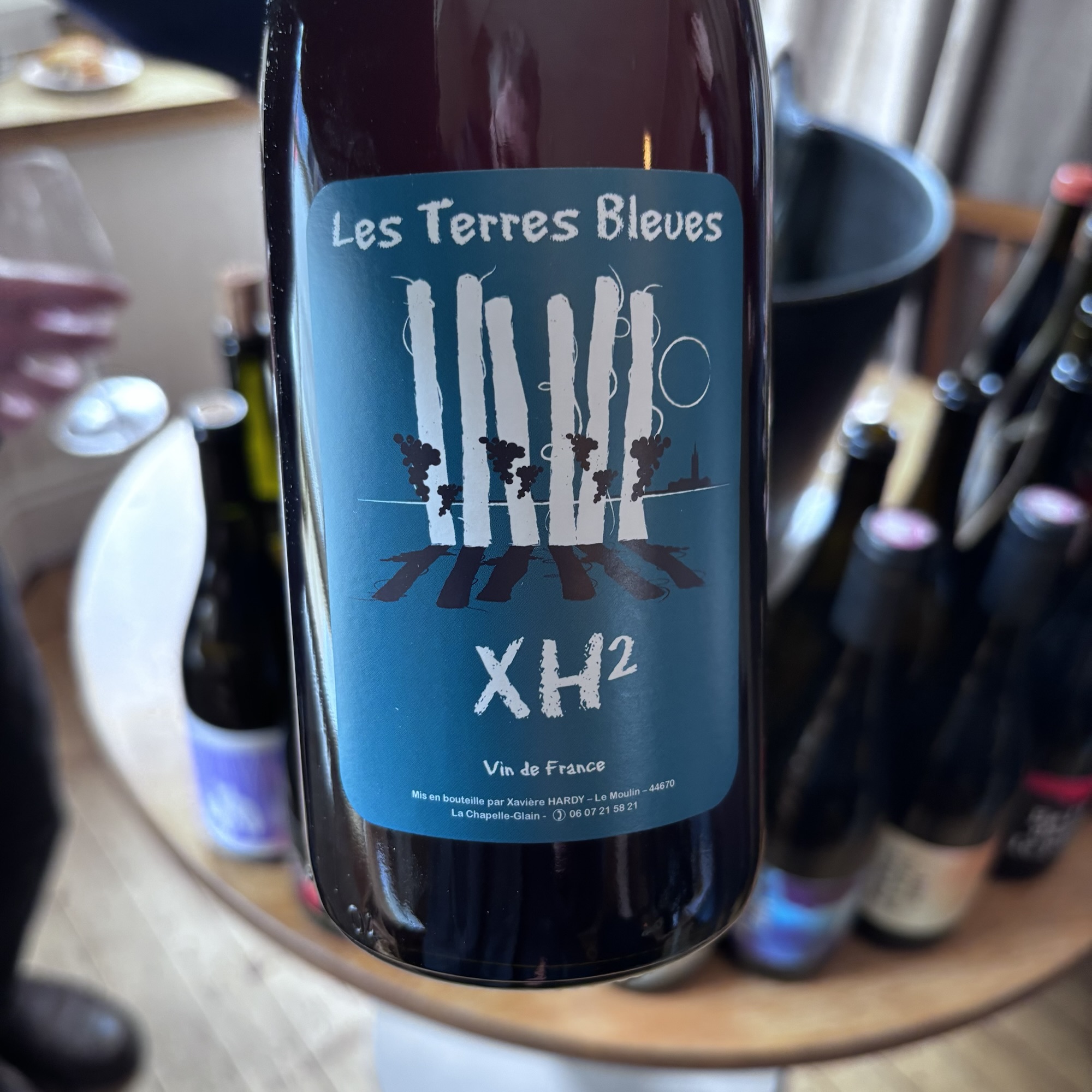
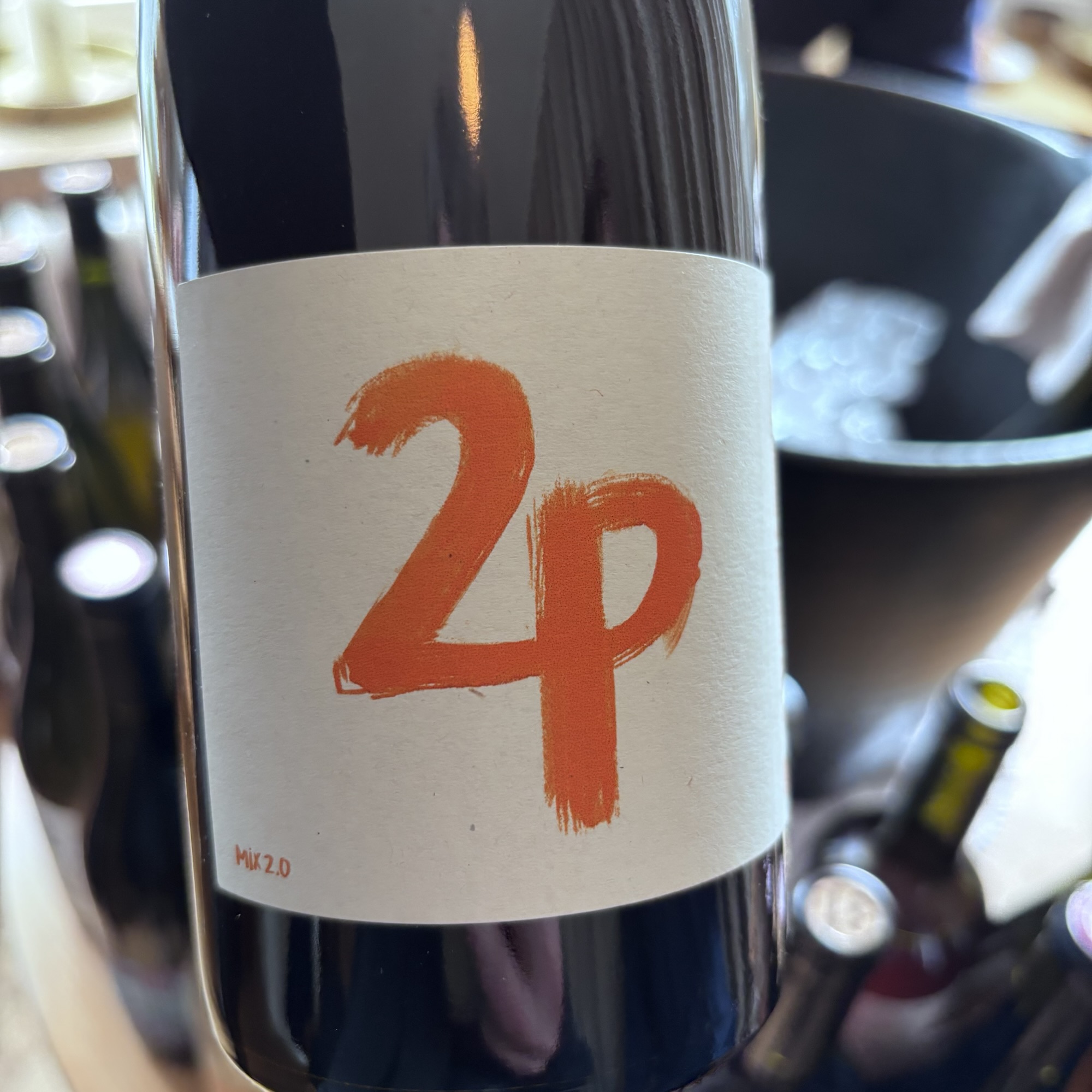
We finish off at WUTB with one of the famous family names of Gaillac, near Albi in France’s southwest. 2P Production is, I think, the correct name for the operation of Romain Plageoles and Fanny Papelard. Romain is one of the sons of a family who were among my first experiences of natural wines, both via Paris and Artington (the latter, of course, from Les Caves de Pyrene). This is a Merlot and Gamay co-fermentation from the same region, sub-titled Mix 2.0. A short, four-day, fermentation in what was a hot year (2022) has produced a well balanced, fruity wine with a restrained alcohol content of 12.5%, but as you might expect, no restraint of glouglou fruit.
WAYWARD WINES
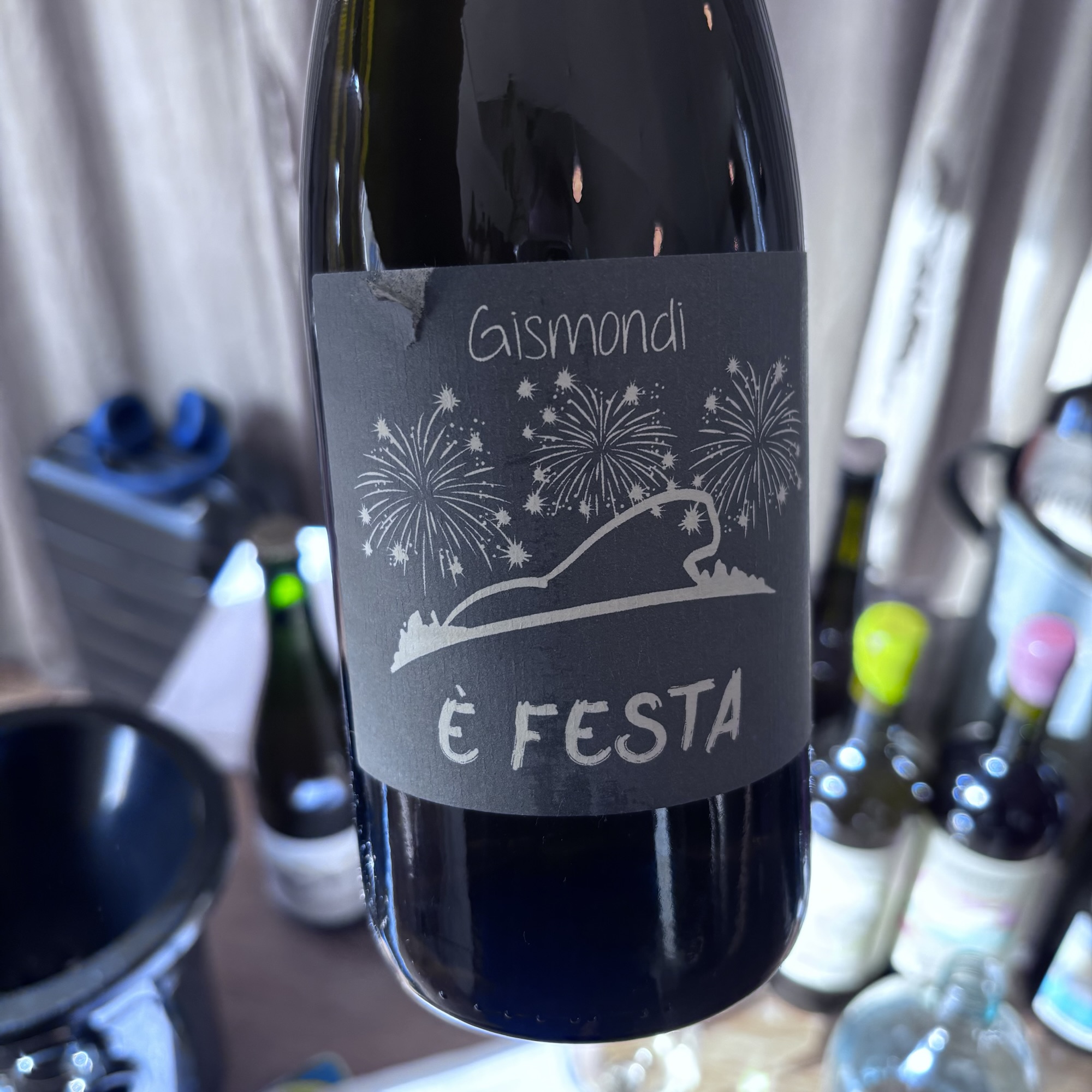
É Festa Cerreto Sannita 2022, Antonio Gismondi (Campania, Italy) is a traditional method sparkling wine. It is refermented on must from the following vintage (2023), and there’s no disgorgement (ie Col Fondo style). As with Campania’s still whites, this is clean and quite mineral, the kind of brilliant simple summer wine you will soon be looking for, but the traditional method, rather than it being tank-fermented, is probably what gives the good definition.
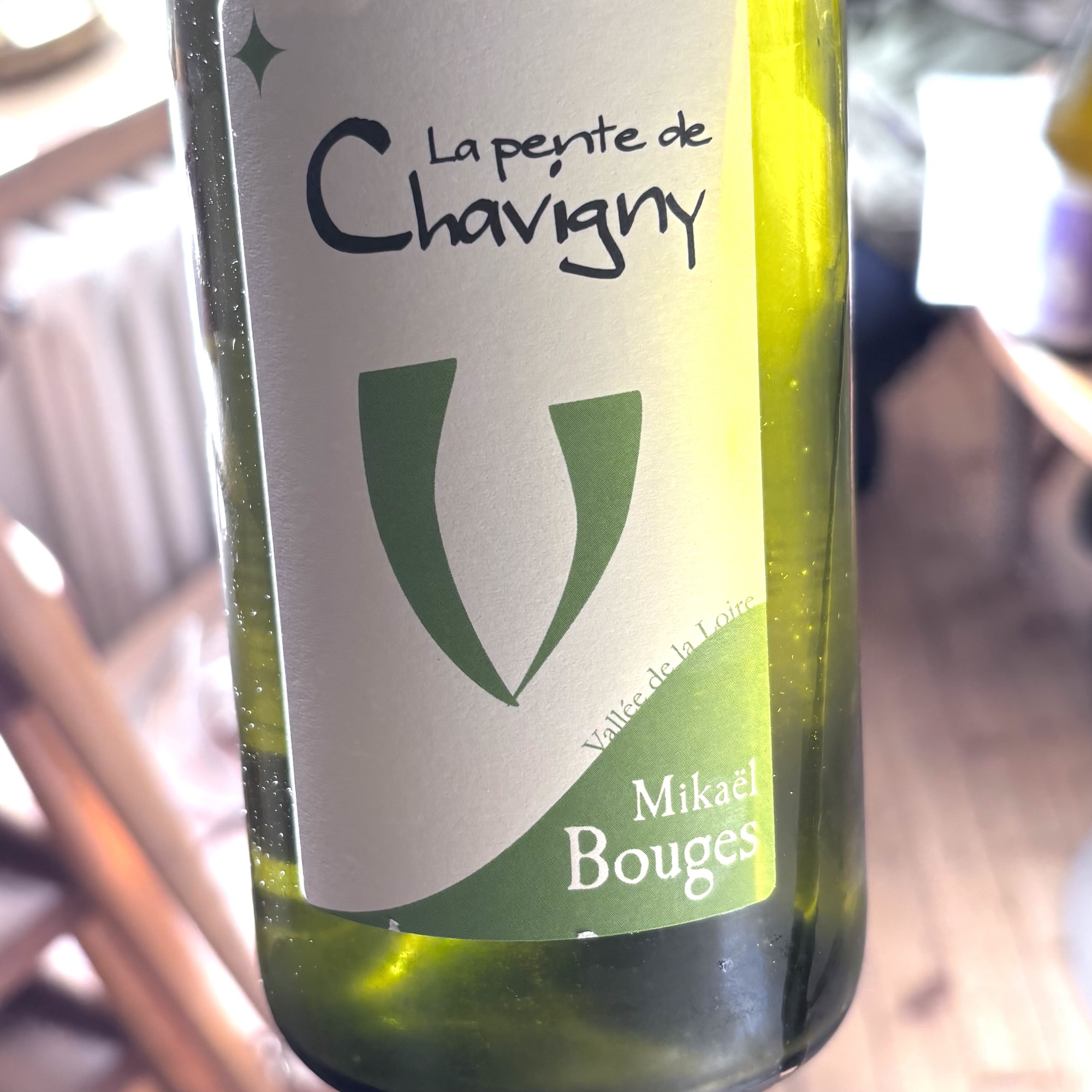
La Pente de Chavigny 2024, Mikaël Bouges (Loire, France) is a Sauvignon Blanc from vines on gravelly limestone. I don’t know this producer but I was told this is Wayward’s “house wine”. I just thought it was nice to find a SB which is so savoury and mineral, and I think if it retails in the mid-£20 range it would be worth a punt.
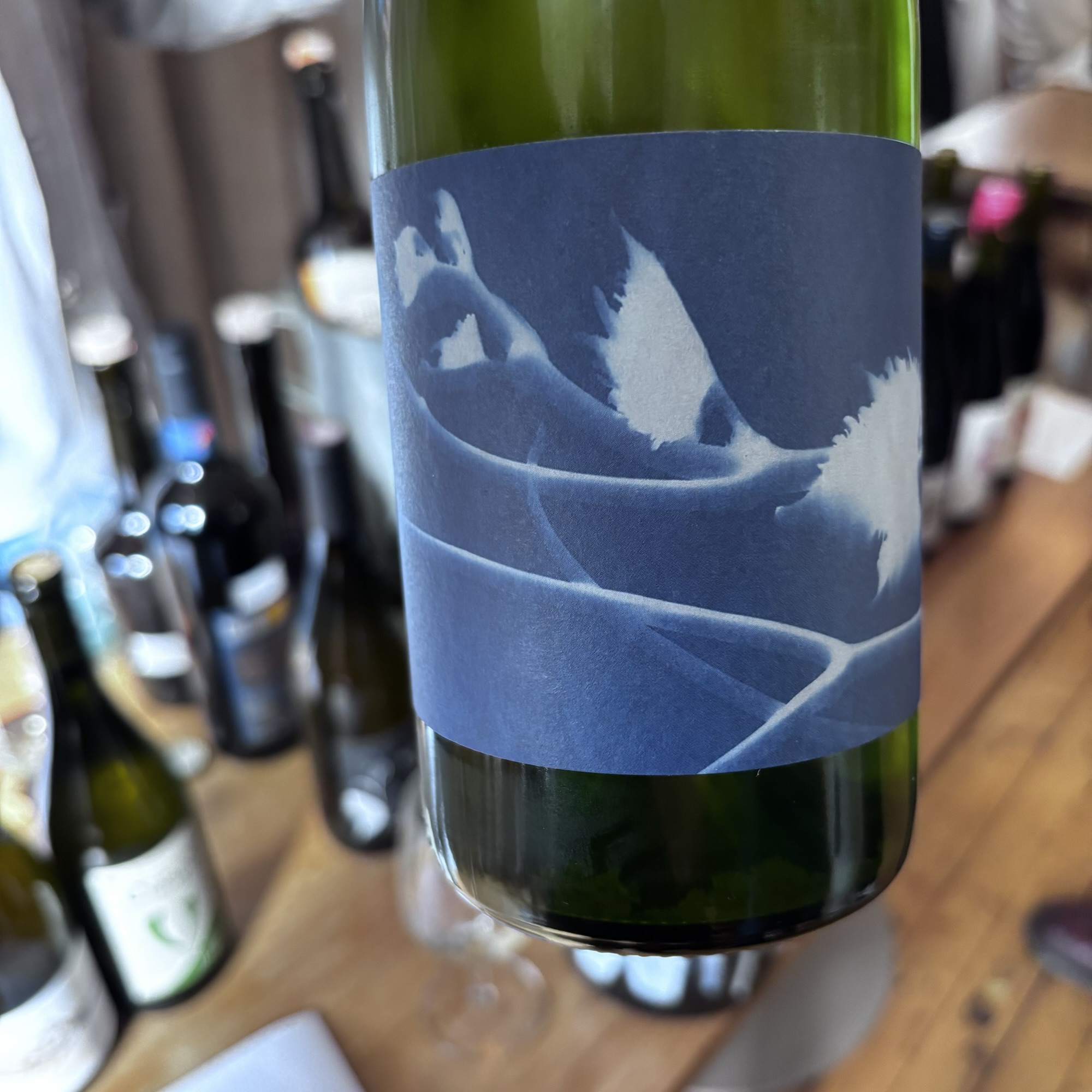
Le Rayon Blanc 2023, Thomas Puéchavy (Loire, France) comes from Nazelles-Négron, which I know, it being on the right bank of the river, just above Amboise. Being vaguely east of the Vouvray appellation, this wine is Chenin Blanc. The vines are between 25 and 40 years old on limestone and clay. The site is a windy one, cool but protected to an extent from disease. This is a natural wine and has no added sulfites. Rounded lemony direct-press fruit and a bit of saline minerality makes for a beautiful Chenin.
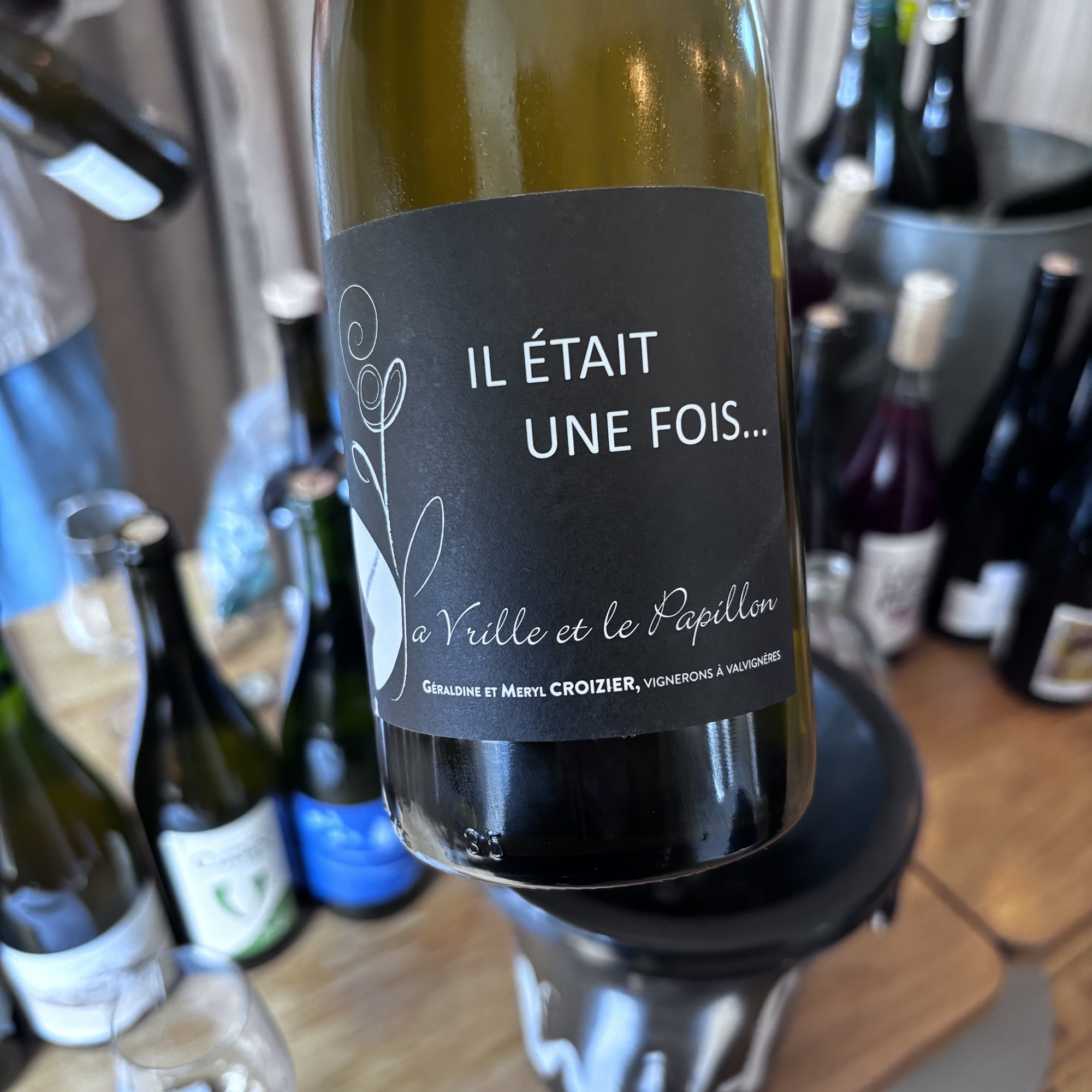
Il Était Une Fois 2024, La Vrille et le Papillon (Ardèche, France) is another zero-sulphur wine made by Géraldine and Meryl Croizier at Valvignères in the Ardèche. Grenache Blanc is the variety, a tasty wine from two partners who, as with so many winemakers here, left the Co-operative to go it alone.
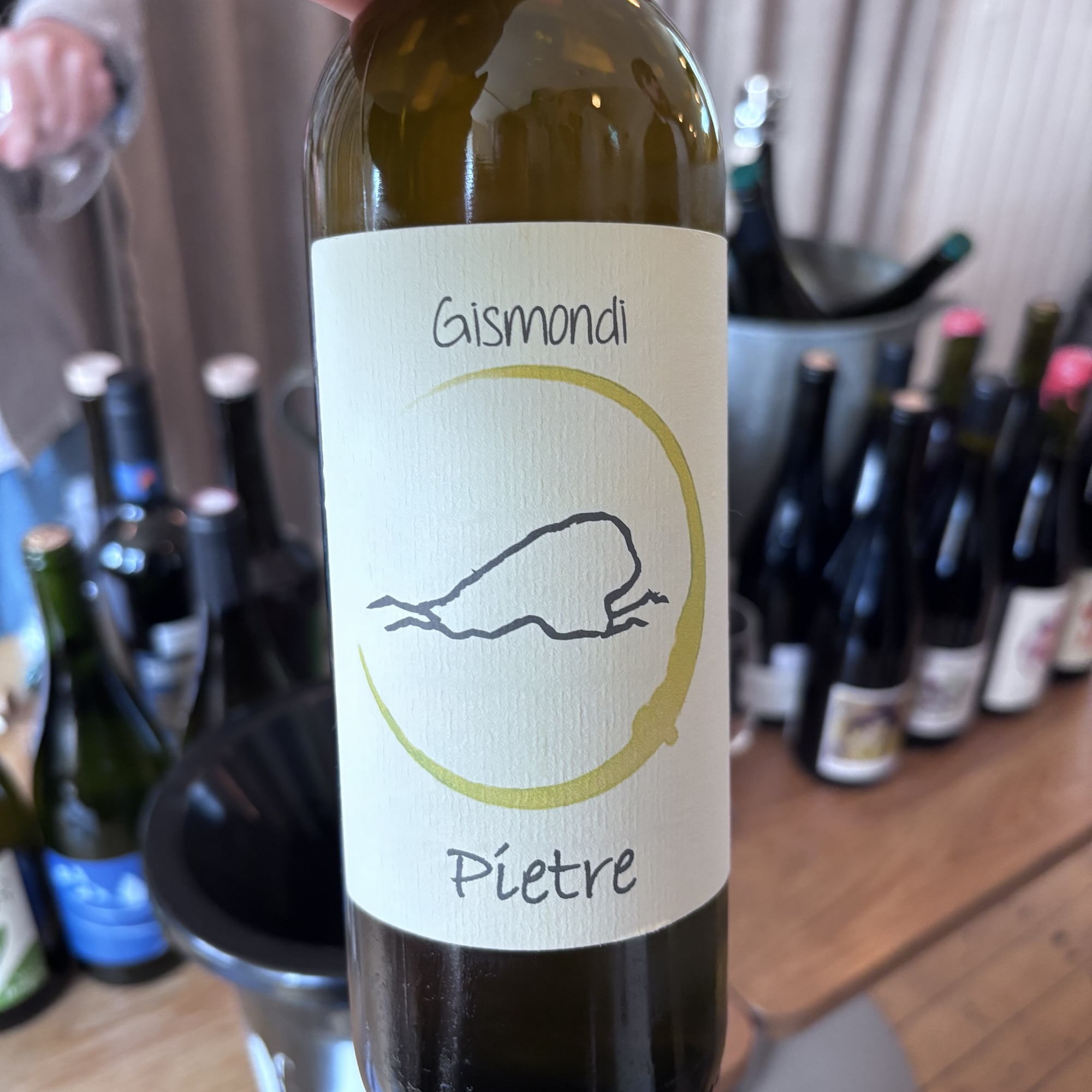
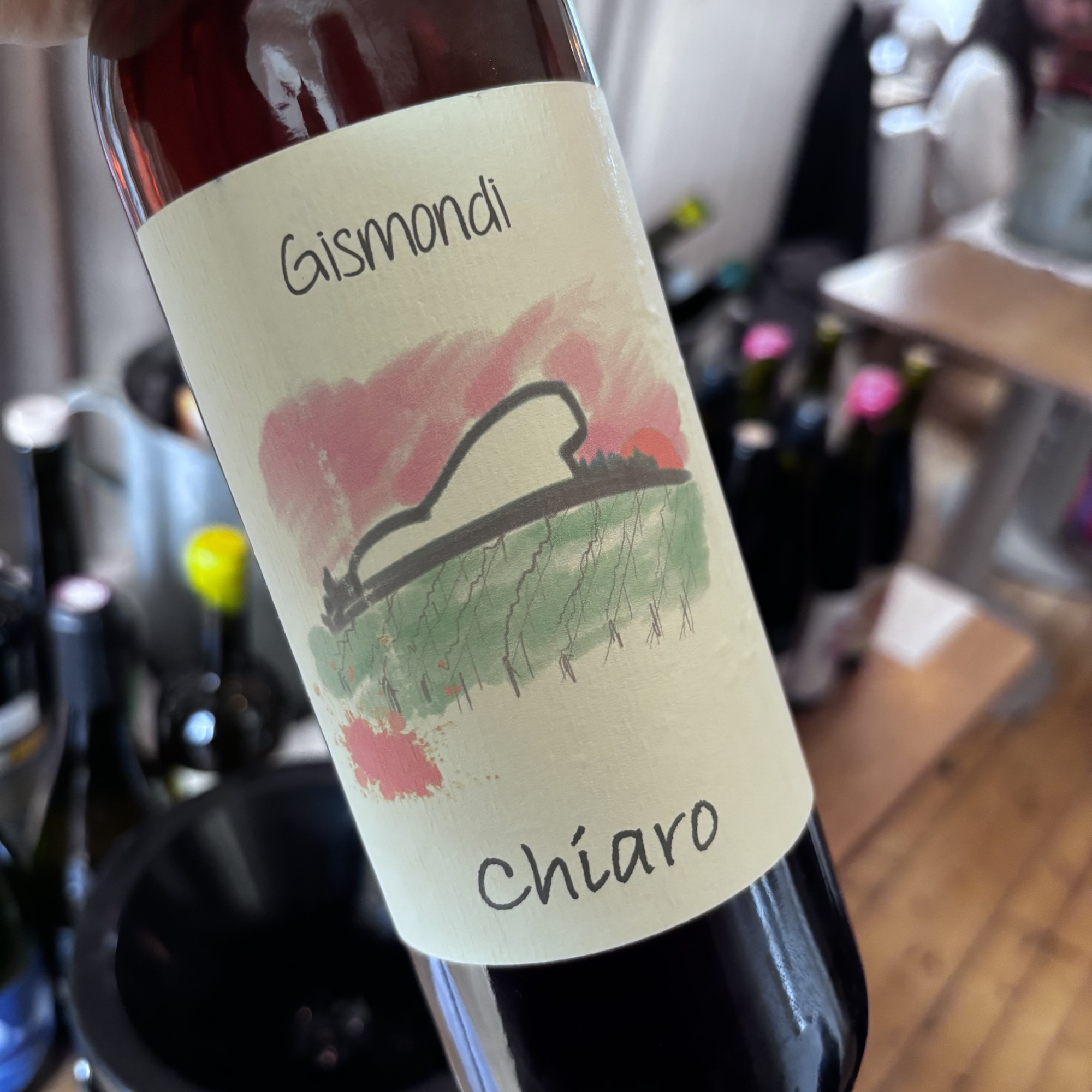
Pietre 2024 is the second wine from Antonio Gismondi at the tasting. This time it’s a still wine, a blend of Falanghina and Malvasia di Candia, also from Campania. Made without temperature control with a fast, six-day, fermentation it is mouthfilling and textured, and very representative of a region of Southern Italy which, because of altitude, perhaps counter-intuitively makes excellent whites. Chiaro 2024 from the same stable is labelled as a Rosato and is a very pale, direct-pressed, wine with wafts of nice red cherry and berry fruit. Both wines have no added sulphur and have a lightness of touch you are pleased to find for what seems relatively inexpensive.
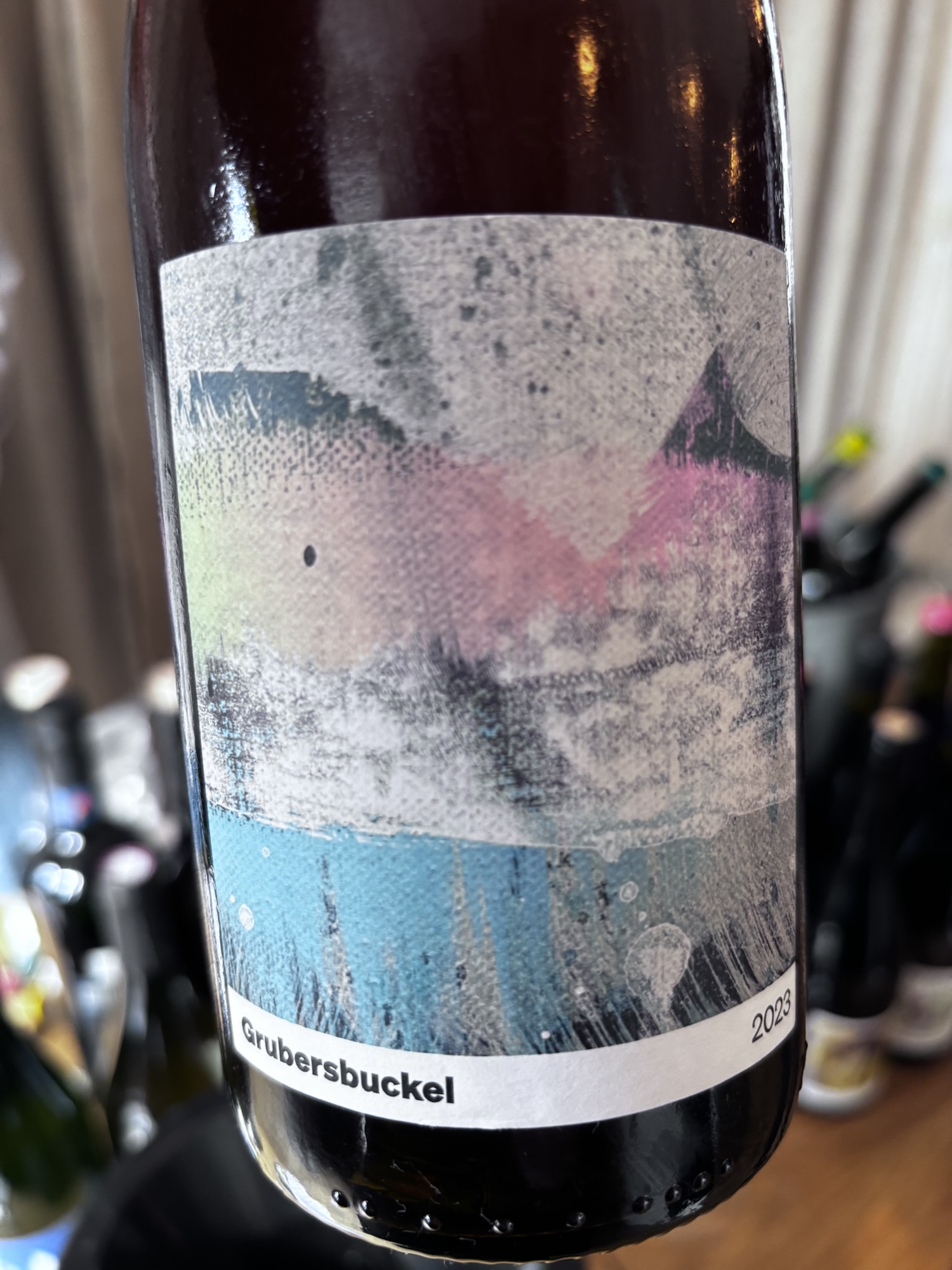
Grubersbuckel 2023, Martin Hirsch takes us to the village of Kitzingen, in Franconia (Germany). It’s one of a growing number of newer, exciting, producers from this sub-zone of villages east of Würzburg (Iphofen, the home of 2Naturkinder, tasted above, is just down the road). The variety is Pinot Gris (often called Rülander here). I think this is new to Wayward, and it’s another young producer who, on the basis of this peachy, smoky, textured wine, is going to be much better known, at least to me. A definite “hit”.
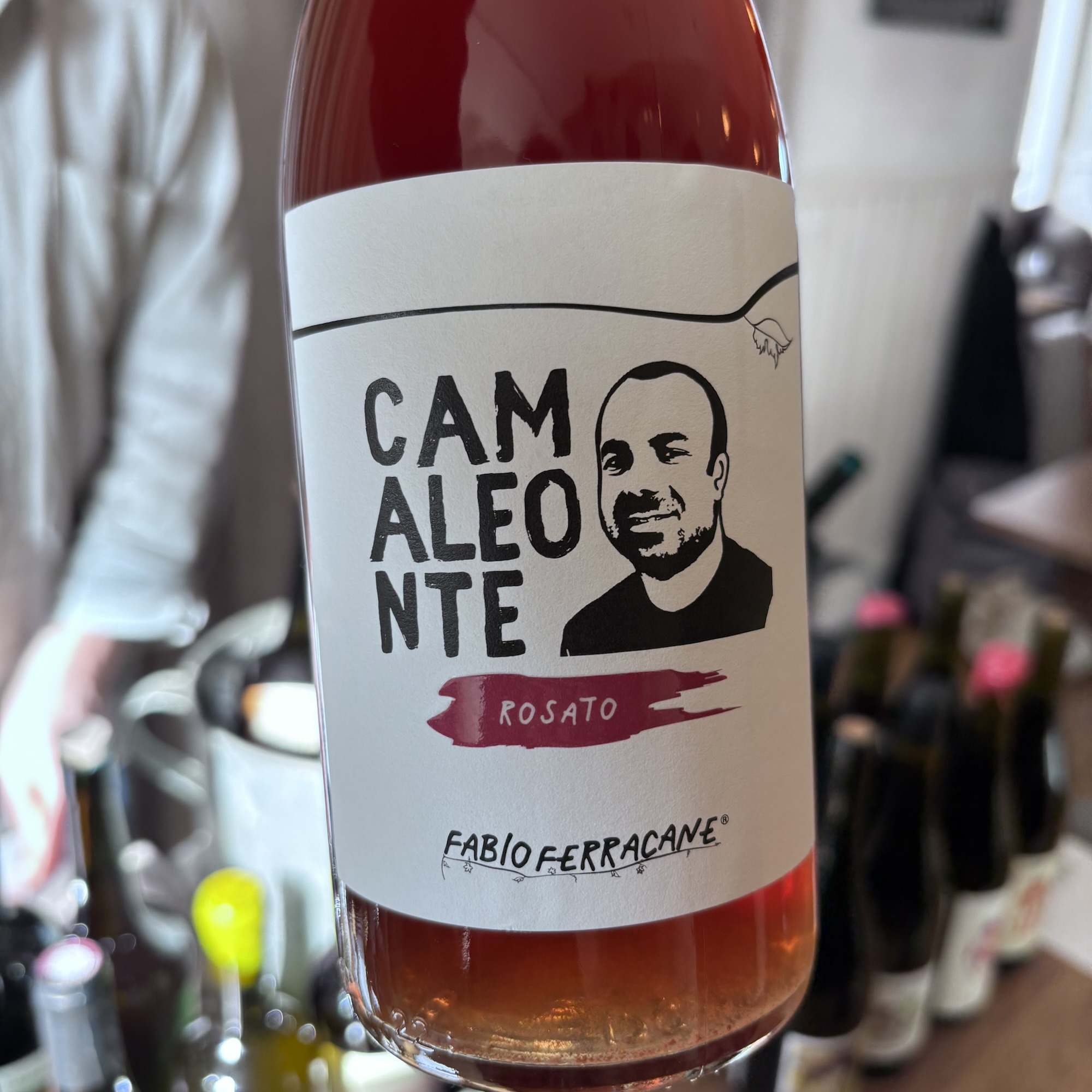
Camaleonte 2024, Fabio Ferracane (Sicily, Italy) is a Rosato wine coming from the Marsala zone, and is a blend of Catarratto, Grillo, Nero d’Avola and Merlot. It’s a fruity summer wine, not super-pale but with a pleasant macerated chalky texture grounding the fruit. The blend changes every vintage, but the ’24 has more red grapes. The result combines cranberry and cherry with a lick of salinity. The wine does, after all, come from the Sicilian coast.
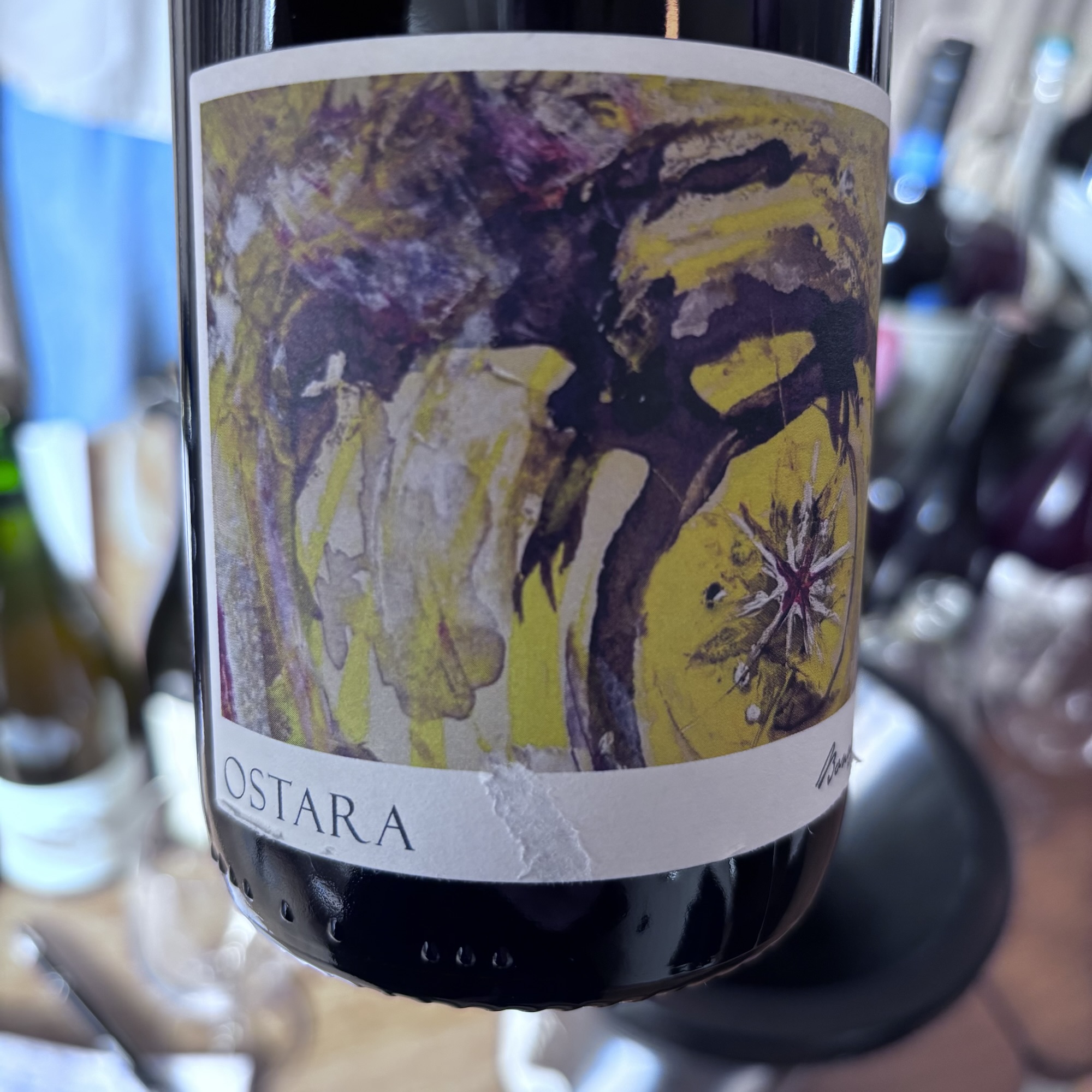
La Tangente Ostara 2023, Patricia and Rémi Bonneton (Ardèche, France) gives us an interesting blend of Grenache, Syrah and Cinsault. It is made from grapes purchased in the Gard, to the south of this couple’s base at Étables in the Ardèche. It is nevertheless made from organic fruit with native yeasts and zero additives (no added sulfites). It’s a mix of direct-pressed grapes with an infusion of whole berries added as the fermentation gets going. Cherry and rhubarb notes add freshness and a touch of complexity.
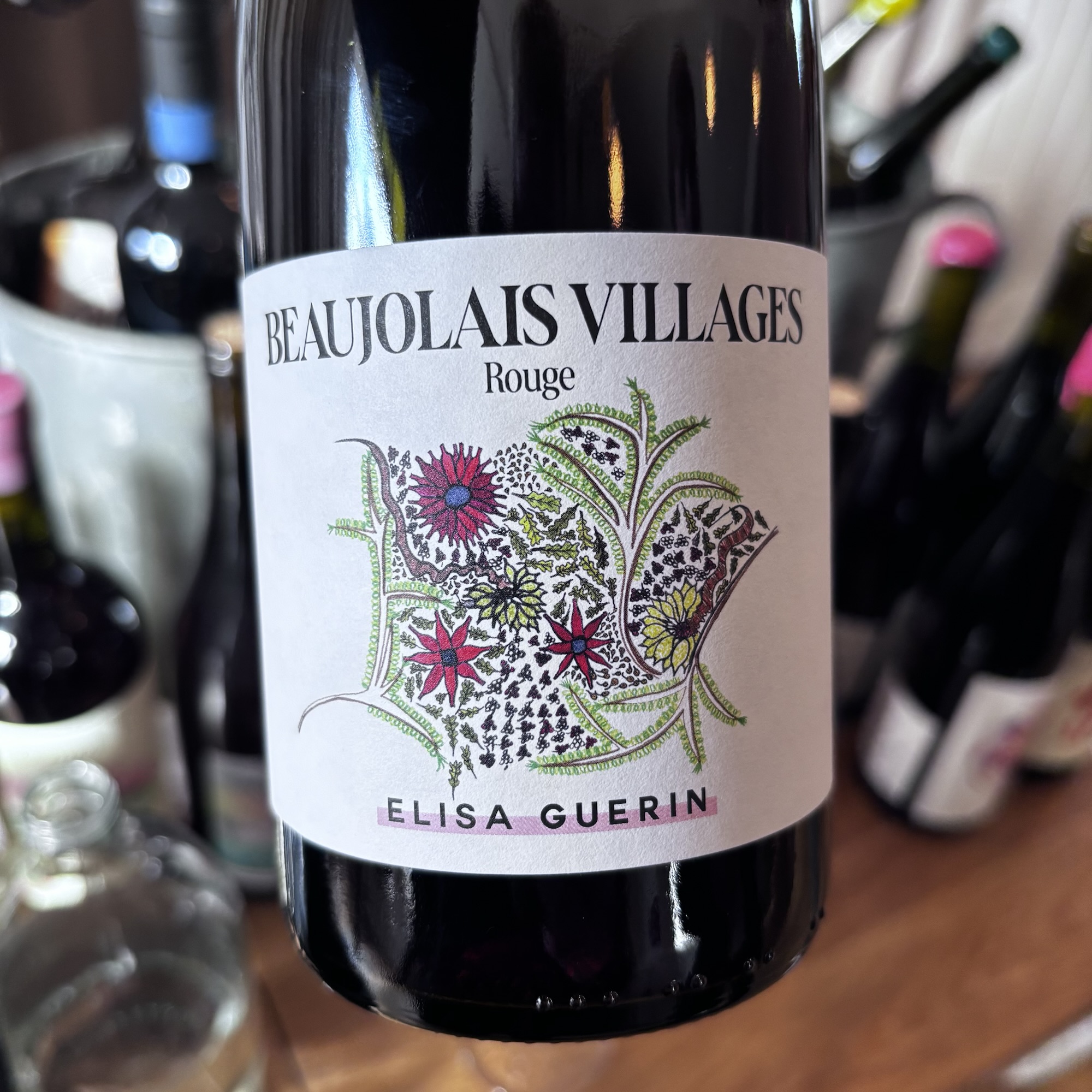
Beaujolais-Villages 2024, Elisa Guerin (Beaujolais, France) is made by a young grower in Chénas, where she has taken over a small domaine. You need to listen up here. According to Nat Hughes in her 2025 “The Wines of Beaujolais”, Elisa is becoming one of the most sought-after winemakers in the region. She did research on the impact of global warming on viticulture at the UK’s Plumpton College before, eventually, returning to her family’s vines in 2018.
She makes natural wines without ever playing on this, and uses mostly concrete and carbon dioxide for her fermentations, but this wine is made in stainless steel. This entry-level “Villages” is from a parcel she rents in Quincié. It is packed with zippy and glossy cherry and strawberry fruit, but still has a little texture. I like this a lot. I think it retails around £24. Wayward brings in four of Elisa’s wines at the moment, and this Villages is additionally available in magnum.
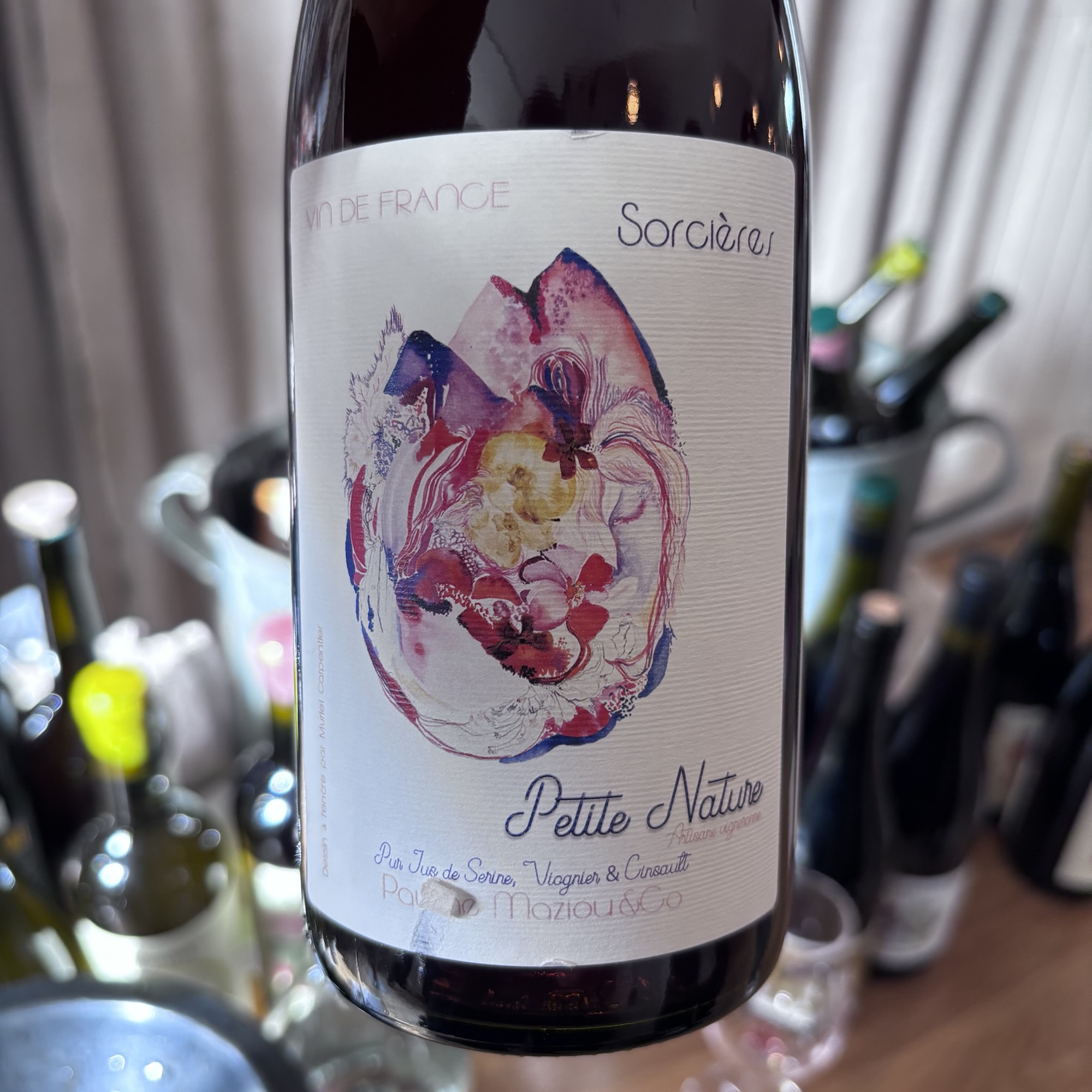
Back to the Ardèche again for our penultimate wine. This is a jump in price (a little over £40 retail, I think). Pauline Maziou began her Petite Nature label in 2019 with just a half-hectare of vines at Quintenas, in the north of the region. This may be why Sorcières 2024 majors on 50% Sérine (a Syrah clone of the Northern Rhône), along with Cinsault (around 20%) and Viognier (30%), the latter grown in the Gard.
The result is indeed a little “Northern Rhône-like”, but with its own personality. The vintage conditions were cool and the wine is pure and elegant, very perfumed, perhaps enhanced by Pauline’s zero intervention/zero sulphur approach, and the wine’s 11.5% abv. It’s one of those wines undoubtedly worth the money yet it must be hard convincing others of that worth. I dread to think what it would cost in a restaurant. I’d definitely love a bottle but wines at this price are becoming rarer additions to my cellar these days.
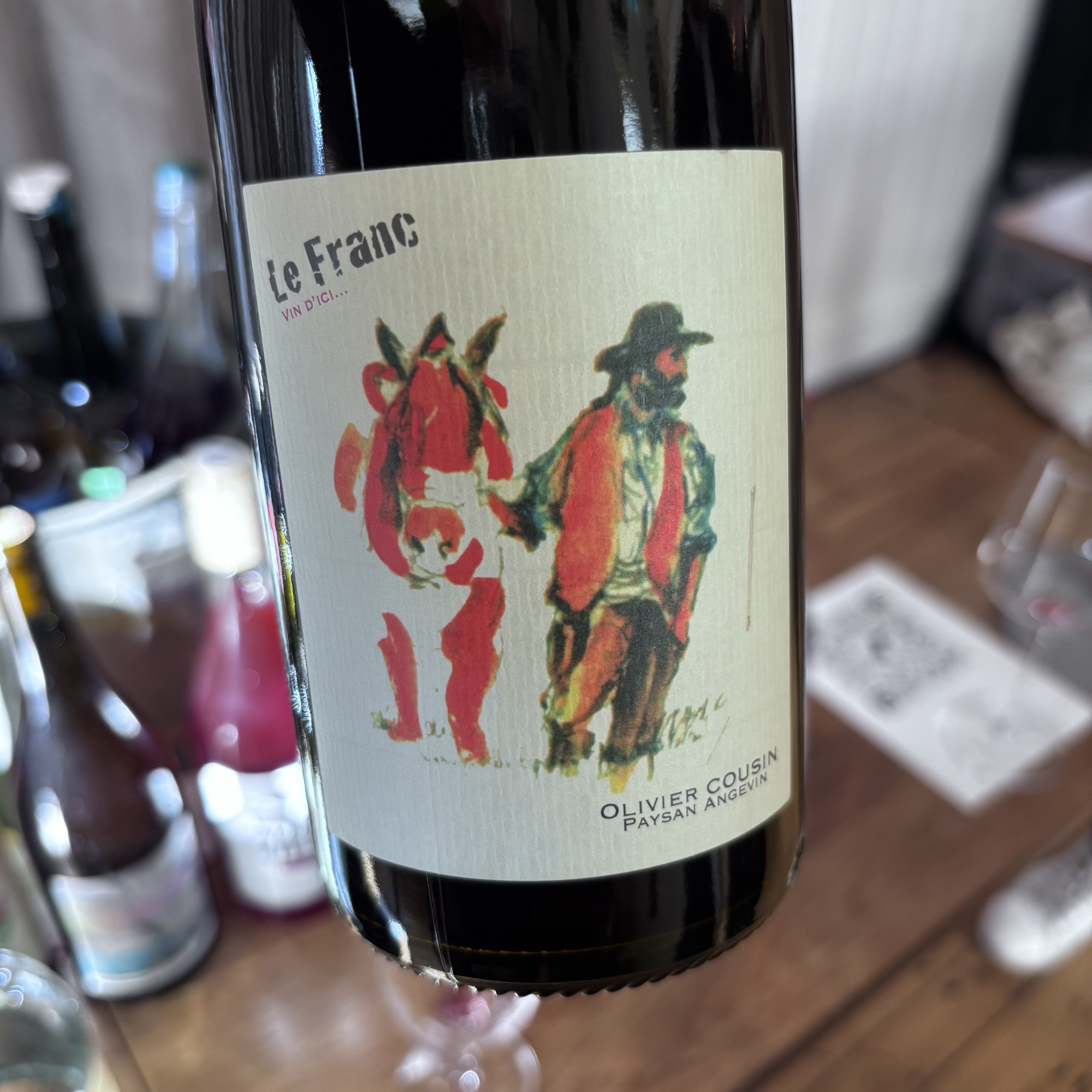
Finally, a wine from a producer that many people scanning a retail shelf or restaurant list will know, Olivier Cousin. Olivier hopefully needs no introduction. He calls himself a “Paysan Angevin” and his back label motto is “Aimer, Observer, Cultiver”. He makes electricity-charged biodynamic wines in Anjou, and this one, Le Franc 2022, fits that bill.
Old massale selection Cabernet Franc vines, grafted by Olivier’s grandfather in the 1940s, are macerated and aged in old oak barrels for 18 months, a somewhat longer time than most of his cuvées. It’s packed with quite dense pure fruit but even with a few years in bottle it still has a tannic structure. You could age it, ideally, or just go crunchy. This is going to retail at around £40 but I’d like to give a shout-out to his “Qveveri” cuvée, also Cabernet Franc, also sold by Wayward Wines, and I think about a fiver cheaper.
That’s all for Part One. The quality doesn’t diminish when we head to Parts Two and Three, but we have seen a consistently high quality and excitement level here from these two importers, the first whose wines I’ve known for some years, the second who is new to me.

 David Crossley's Wide World of Wine