
Whenever I visit Nepal, my recent trip being my eighth time there, I usually have some kind of drink-related story to tell, although it’s not always about wine. One of the most enduringly popular articles on my site is about Tongba (4 January 2016). It is often the most read article here when my annual review of the year comes out. Many of you will know that Nepal has a decent wine estate up in the hills outside Kathmandu, called Pataleban Estate. I didn’t visit this trip, but I did buy a few bottles, one of which gets a mention in my next article. What I want to introduce to you here calls itself wine, and indeed it is wine, but it’s made from apples.
Back in 1988 a young Wideworldofwine visited Nepal for the first time and went on a trek up into the Annapurna Region. Back then this was a pretty remote place. You got a bus to a town called Dumre, half way between Kathmandu and Pokhara, where by Phewa Lake there were the first signs of a resort, a few backpacker hotels and market stalls. The trek involves crossing the Thorong La Pass at 5,400 masl, and a half-day walk below it was the village of Manang, a huddle of windswept, flat-roofed dwellings, one shop with a rugged interior, a post office accessed by a ladder, likewise a couple of American medical students dispensing paracetamol, and one “guest house”.
Today, Manang has changed almost beyond recognition. Instead of a walk of over a week to get there you can now access a much-enlarged village by road, although you do need a jeep. There are many more places to stay, and I’m told that now there is even a cinema. Just outside Manang, a little way down the mountain towards the spectacular solitary Pisang Peak, is a village called Bhratang, which is where you will find the Manang Valley Boutique Winery.
Going back to 1988, trekking was a simple life, mostly camping out under the stars with the occasional night spent in a tea house, which to be honest didn’t afford a lot more luxury, perhaps less in certain areas, but in all cases, meals were pretty basic (if tasty), mostly rice, green spinach and occasionally an egg if a chicken had laid. Beverages were mostly endless black tea, though one time I do recall chugging a beer, an interesting experience at high altitude. When we began to approach the Manang district all of a sudden, we were able to buy apples. It being October they were fresh, and I don’t think I had tasted better anywhere before.
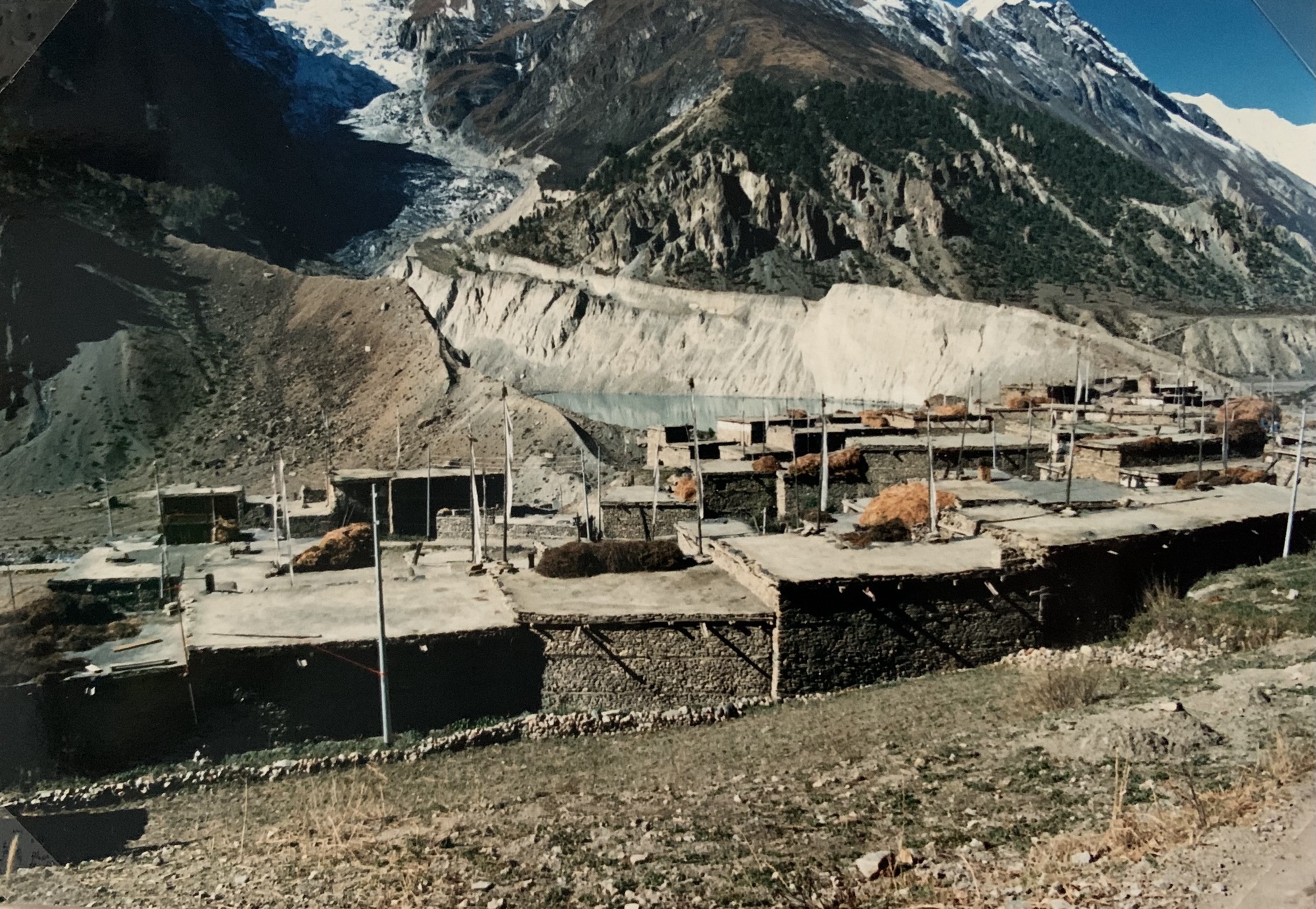
A view of the huddled flat-roof houses of Manang taken in 1988
Apple cultivation up here, and we are talking 3,500 masl, is famous in Nepal, as are the quality of the apples. The problem is that there are now too many apples to get eaten. It is one of the sad things about Nepal that it is capable of producing such variety of food in abundance, yet so much of the produce you see in Kathmandu, certainly in the shops, comes up from India, clogging the roads in old, diesel-belching, trucks. I bought some apples a few weeks ago from a barrow and the vendor claimed they were from Mustang, another region known for its mountain apples. They were good enough to make his claim likely.
The Agro family are third-generation apple farmers with around 80,000 apple trees spread over forty hectares in the Manang Valley. That’s a lot of apples, but the idea of making an apple wine was inspired by collaboration with Texas resident, Chuck Ghale, who brought winemaking and brewing expertise to Manang. From the outset the desire was to focus on quality. Nepal has a host of “fruit wines”, and indeed plenty of home winemaking on a small scale, though with the rather potent Chang to compete with, little fruit wine has grabbed my undivided attention up until now.
The apples undergo a selection for the best fruit, which is then micro-vinified in small batches in stainless steel tanks. This preserves the freshness of the fruit, and what freshness. Imagine the clean mountain air (though admittedly its oxygen content is noticeably diminished up here), and after the monsoon season, in October, the many mountain streams are full of clear, cold, and sometimes clean (if the humans can avoid polluting them) water.
More than anything, of course, it’s cold here. We, as visitors, need to be prepared with warm clothing at night, but the apples love it. The climate gives a long growing season, and makes pests and disease far less prevalent, which allows the producer to follow a minimal intervention approach in terms of synthetic inputs. Not only is there a desire to make a premium product without chemicals, but also a knowledge over time of the need to preserve this unique and special environment with its balance of agriculture, hardy mountain plants and relatively small-scale grazing, the yak being the beast of choice here, for both traditional means of transport and for the table.
The family definitely gets it…that the future of the Manang Valley for apple growing hinges on maintaining the delicate ecological balance here, especially in the face of much increased tourism, which puts enormous pressure on a place with little infrastructure to cope with it (though in many ways the lack of infrastructure is not necessarily a bad thing…it’s a question of balance).
What of the wine? Well first we need to deal with that descriptor. At 11% abv the dryer of the two wines produced certainly has all the attributes of a wine. It definitely tastes like wine and emphatically not cider, and although fruit wines are sort of looked down upon in the UK, something made by amateurs and shown at the village fete, the fermented juice of any fruit is very much considered as legitimately described as wine in many countries outside of Europe.
In fact, in Nepal you will be almost as likely to find a fruit wine as you will a bottle of grape wine, usually in the latter case from India (Sula is ubiquitous) or South America (as an aside I have yet to spot any Chinese wine in Nepal, which surprises me).
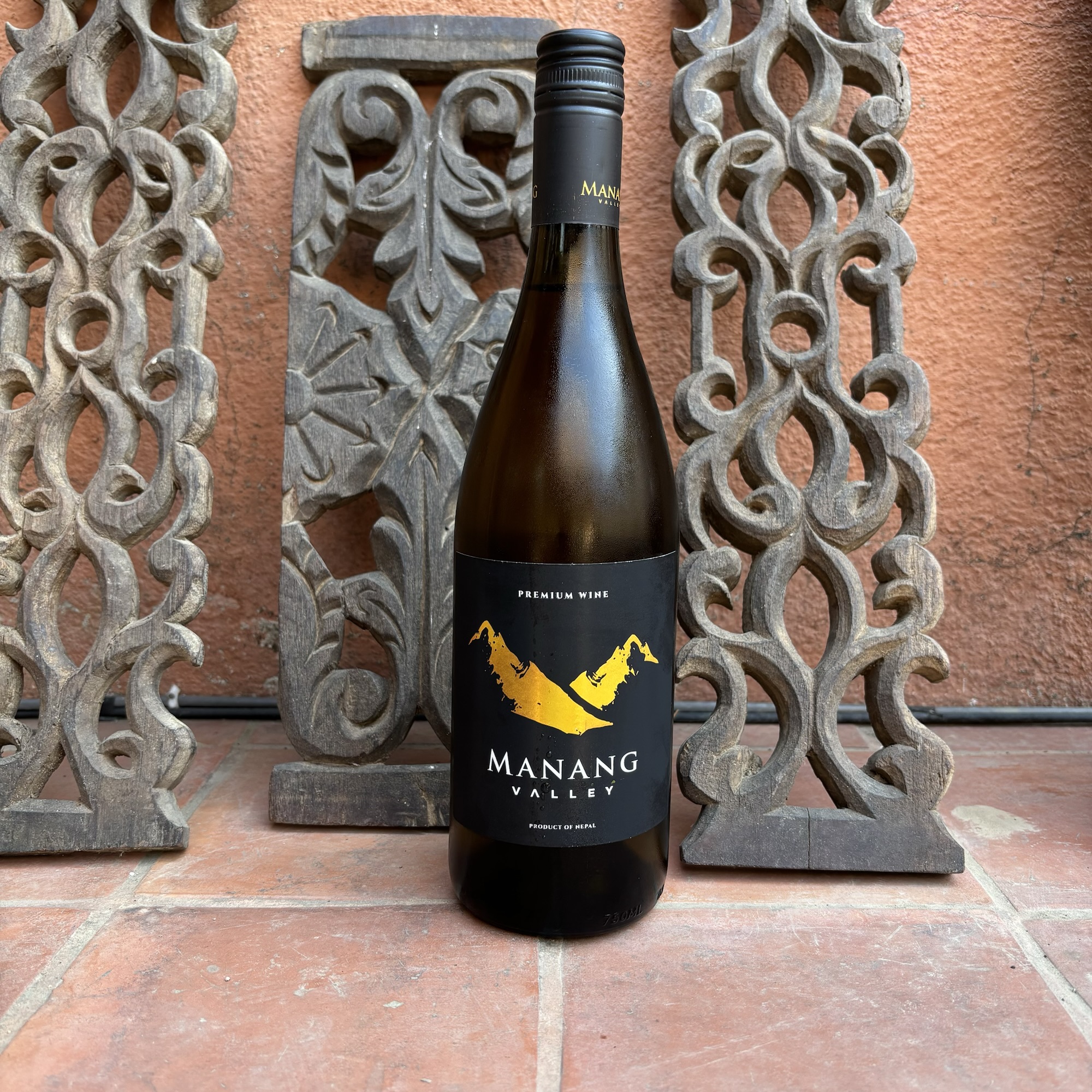
So, there are two wines made up here, described as “Sweet” and “Semi-Sweet”. I had read about the Manang Valley Winery, and in fact followed them on Instagram for some time, but it hadn’t really crossed my mind to buy some when I was in Nepal as I’d not spotted it in any liquor stores, where I’d been poking around for beer, rum and grape wine. Then I was given a bottle of the Manang “Semi-Sweet” as a gift in Kathmandu and my whole reason for writing about it here is that it was so good, and indeed so interesting.
I guess it was “semi-sweet”, though the sweetness comes over more as “richness” in this case. The bouquet is all apples, but there’s also a freshness. That freshness appears on the palate too. There is acidity to balance the richness, but don’t expect the kind of acidity you find in cider. There’s not a lot of complexity, or not the complexity you would expect with wine made from grapes. However, you get mouth-filling fruit which does linger long on the palate.
In Nepal you will pay around Rs 1,000 for a bottle (a little under £6). There’s an export office in Kathmandu and whilst I don’t see any UK or European importers, it does seem to be available in the US for $8-10. The web site for the wines is somewhat full of marketing platitudes and less hot on the factual detail most readers of this blog might wish for, but if anyone wishes to explore further take a look at http://www.manangbeverages.com . Contact is via manangbeverages@gmail.com .
Of course, if you wish to visit, they have nice looking accommodation on-site at Bhratang, and these days you don’t have to trek there on foot. Bhratang is described as “about an hour’s drive south of Manang”. Of course, for me, this is some of the most beautiful mountain scenery in the world.
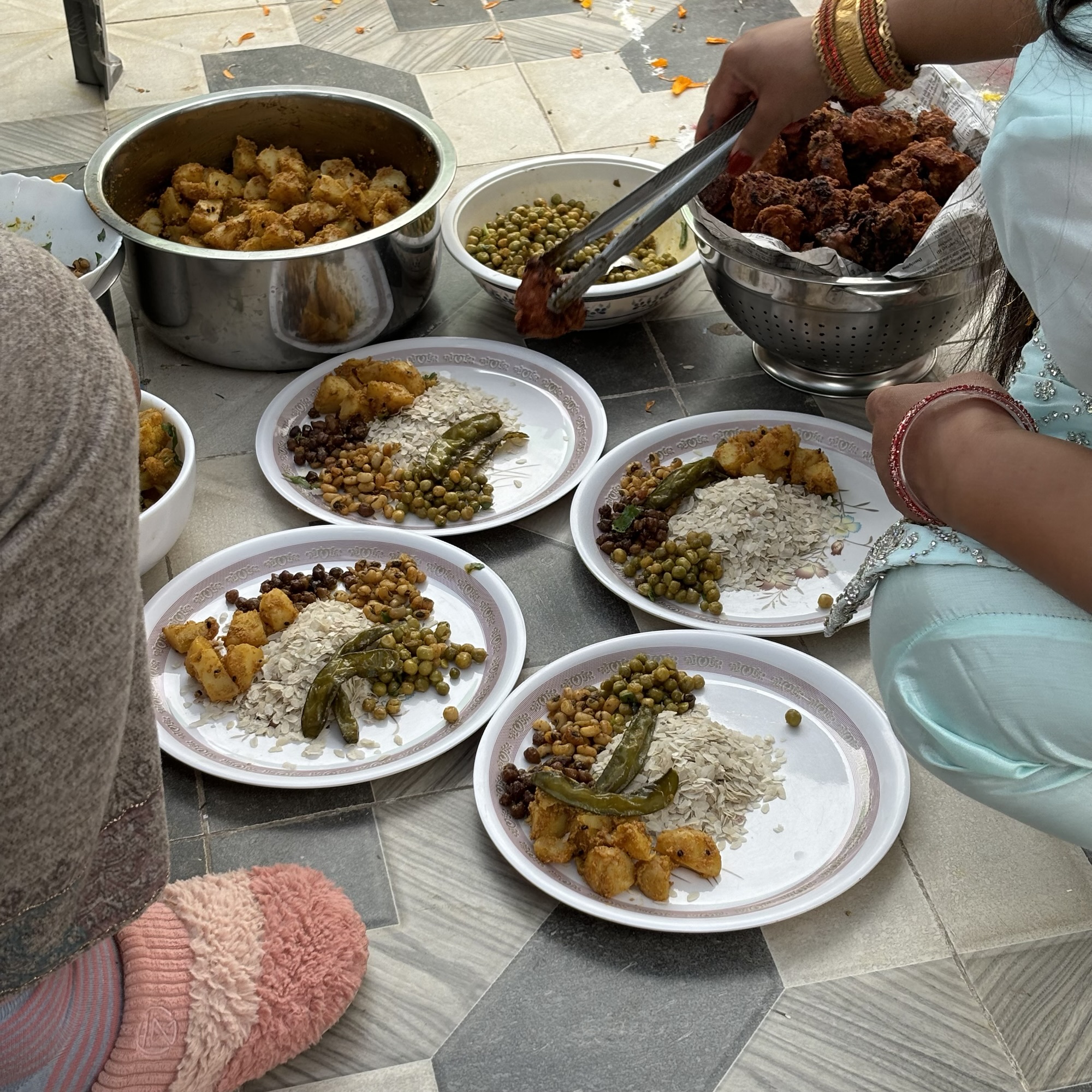
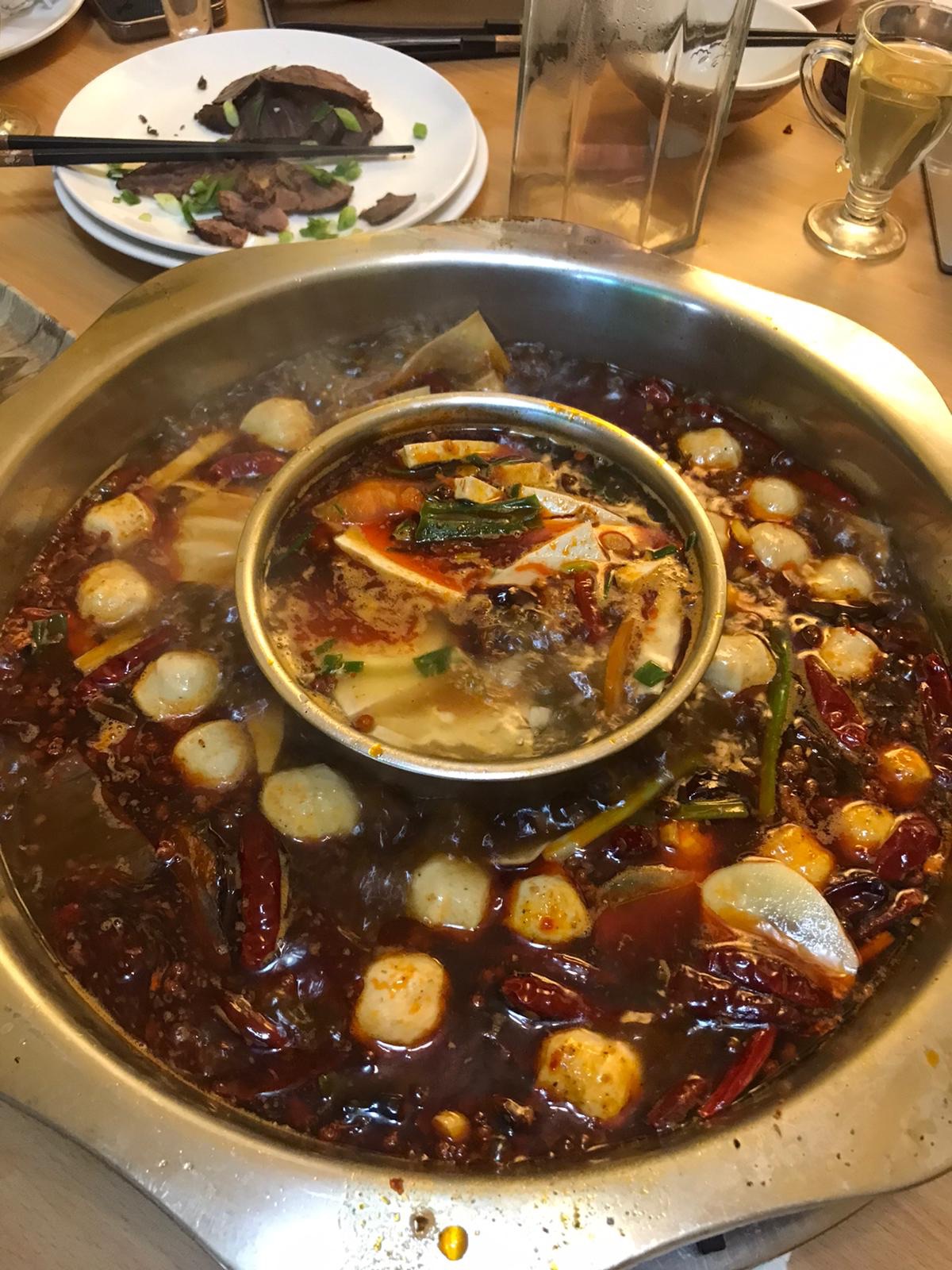
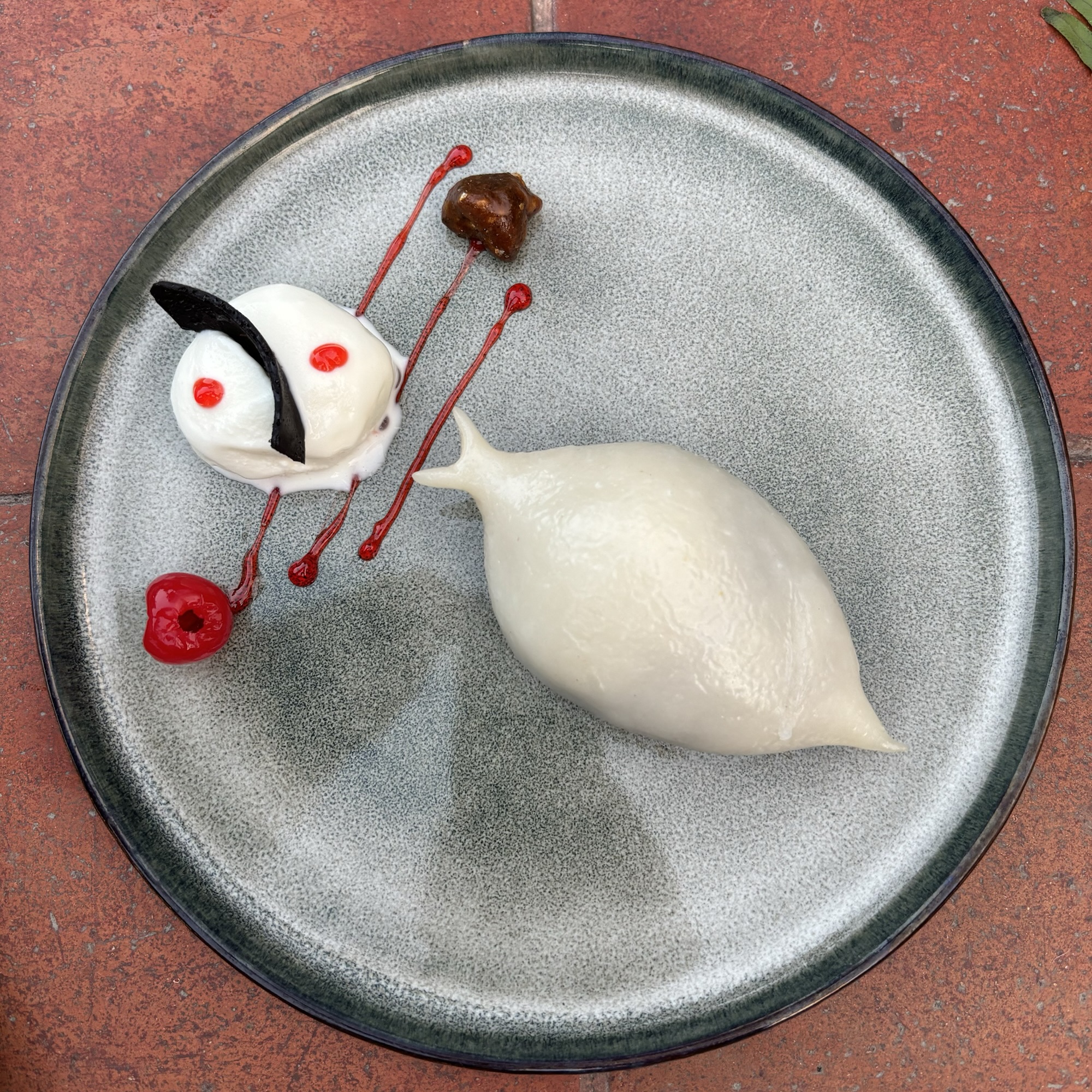
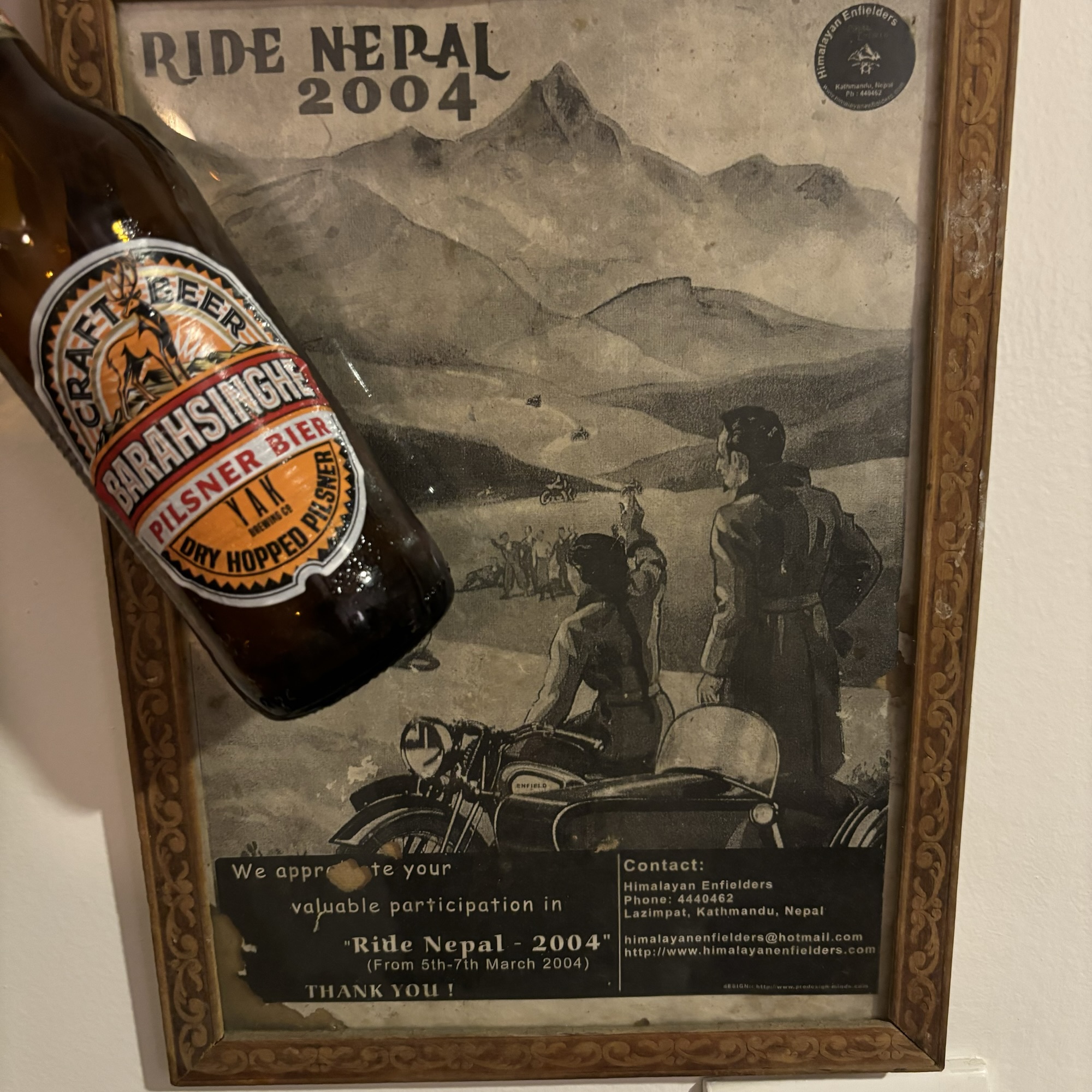
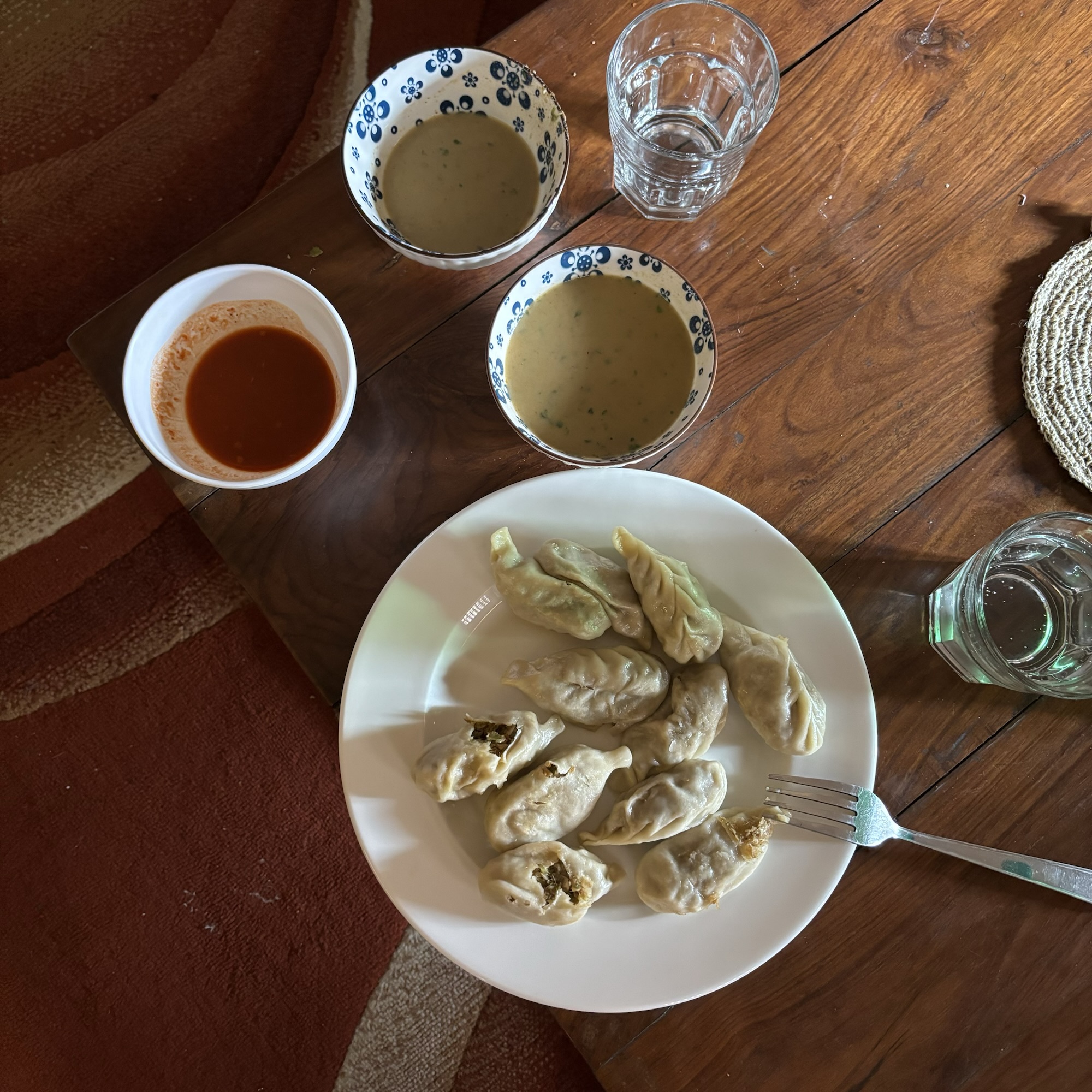
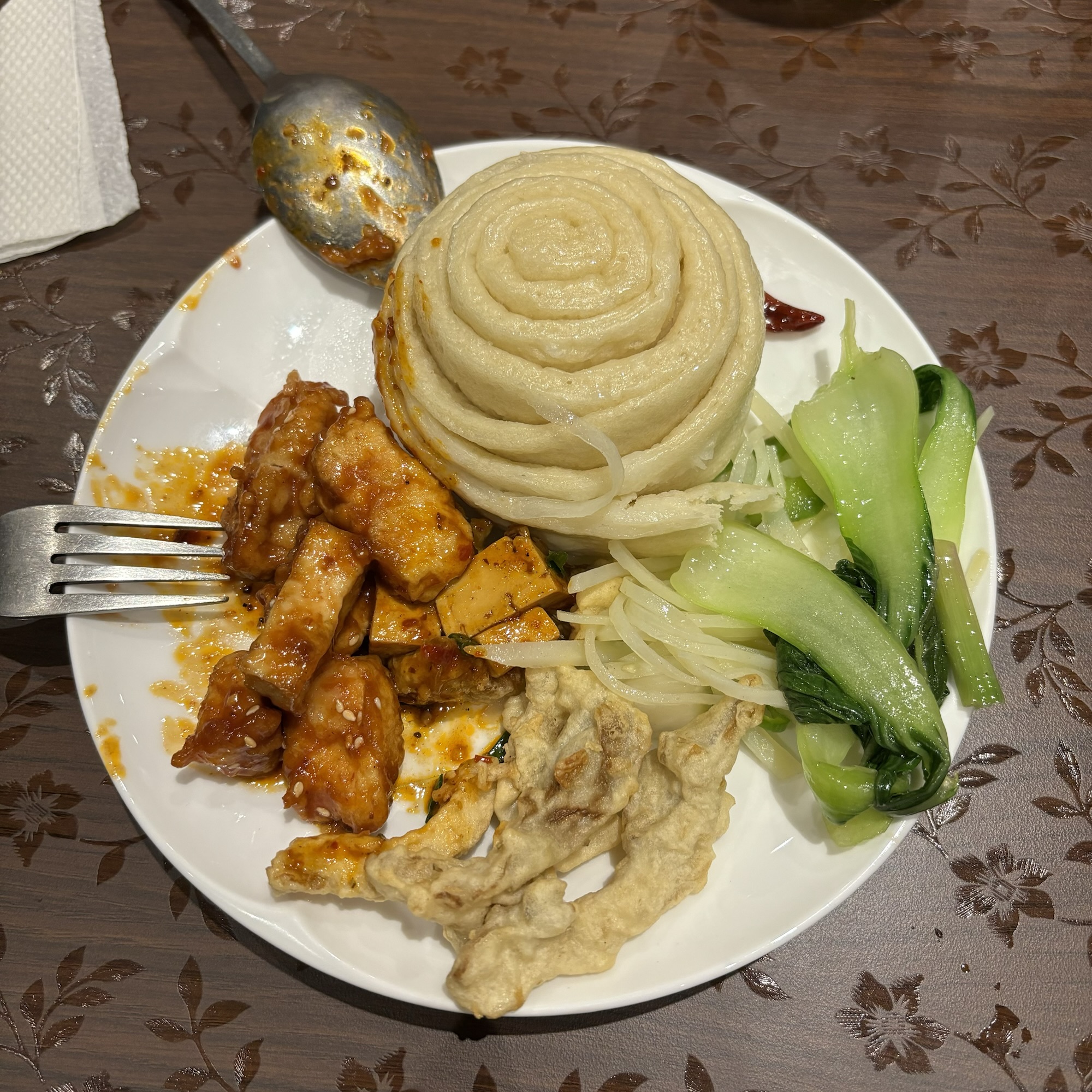
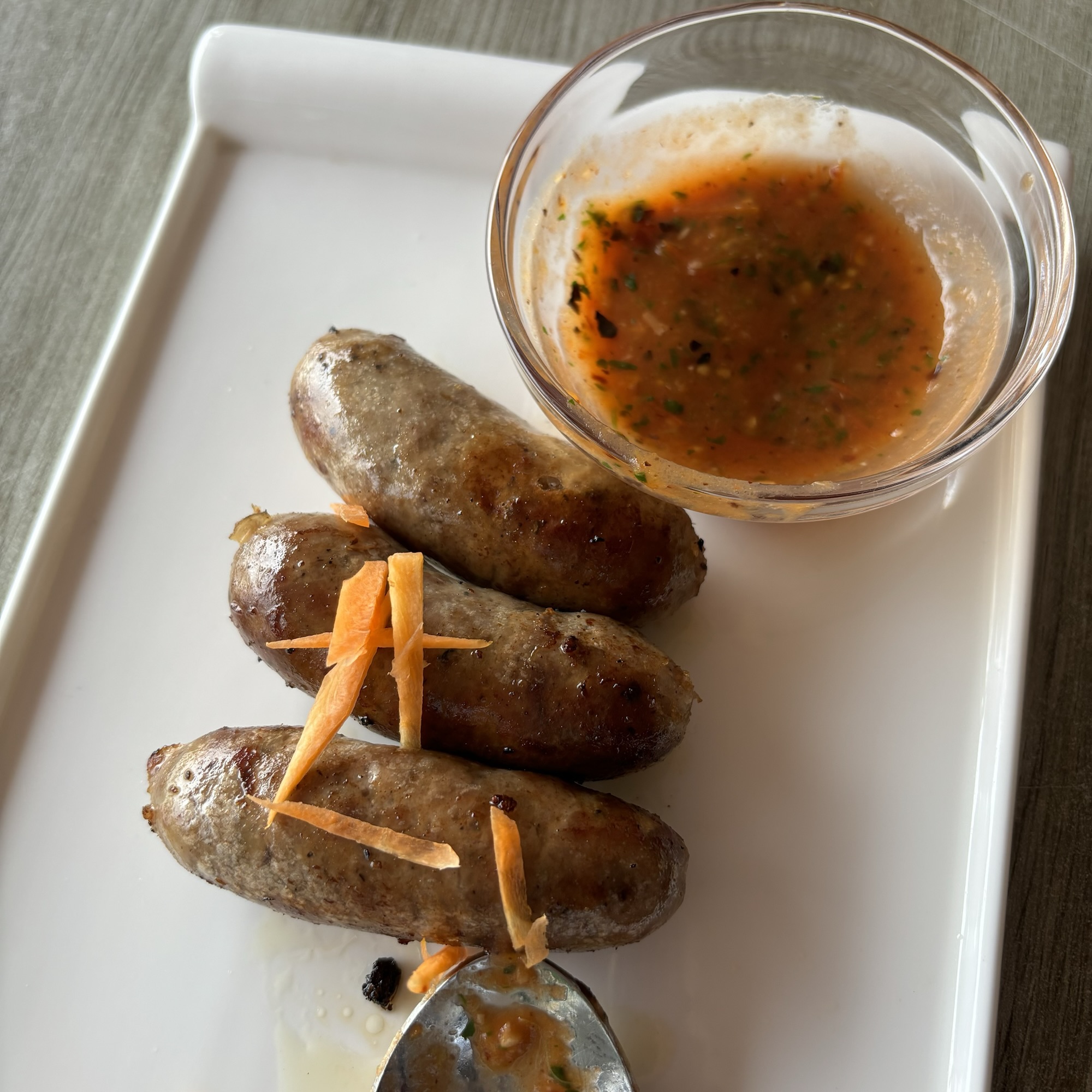
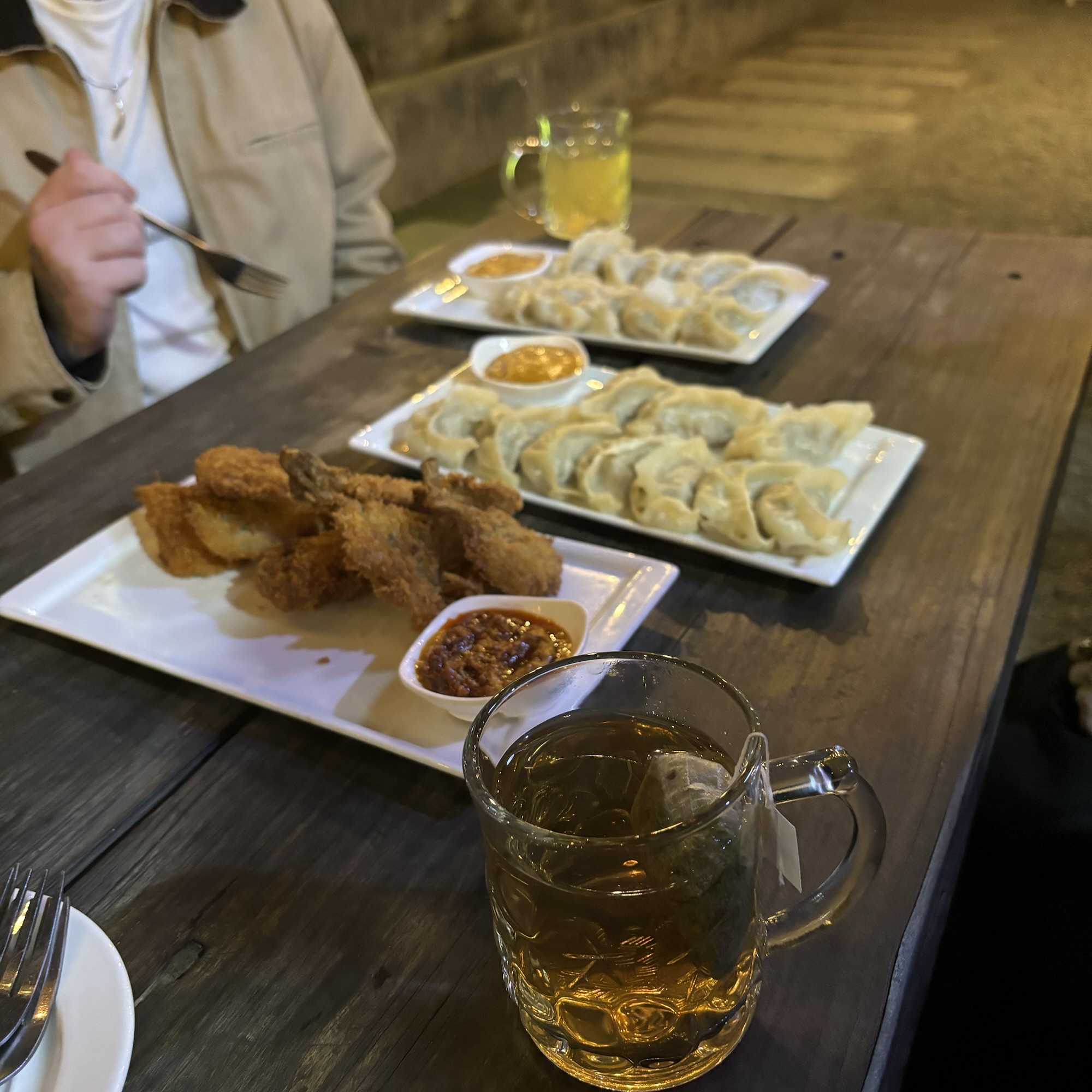
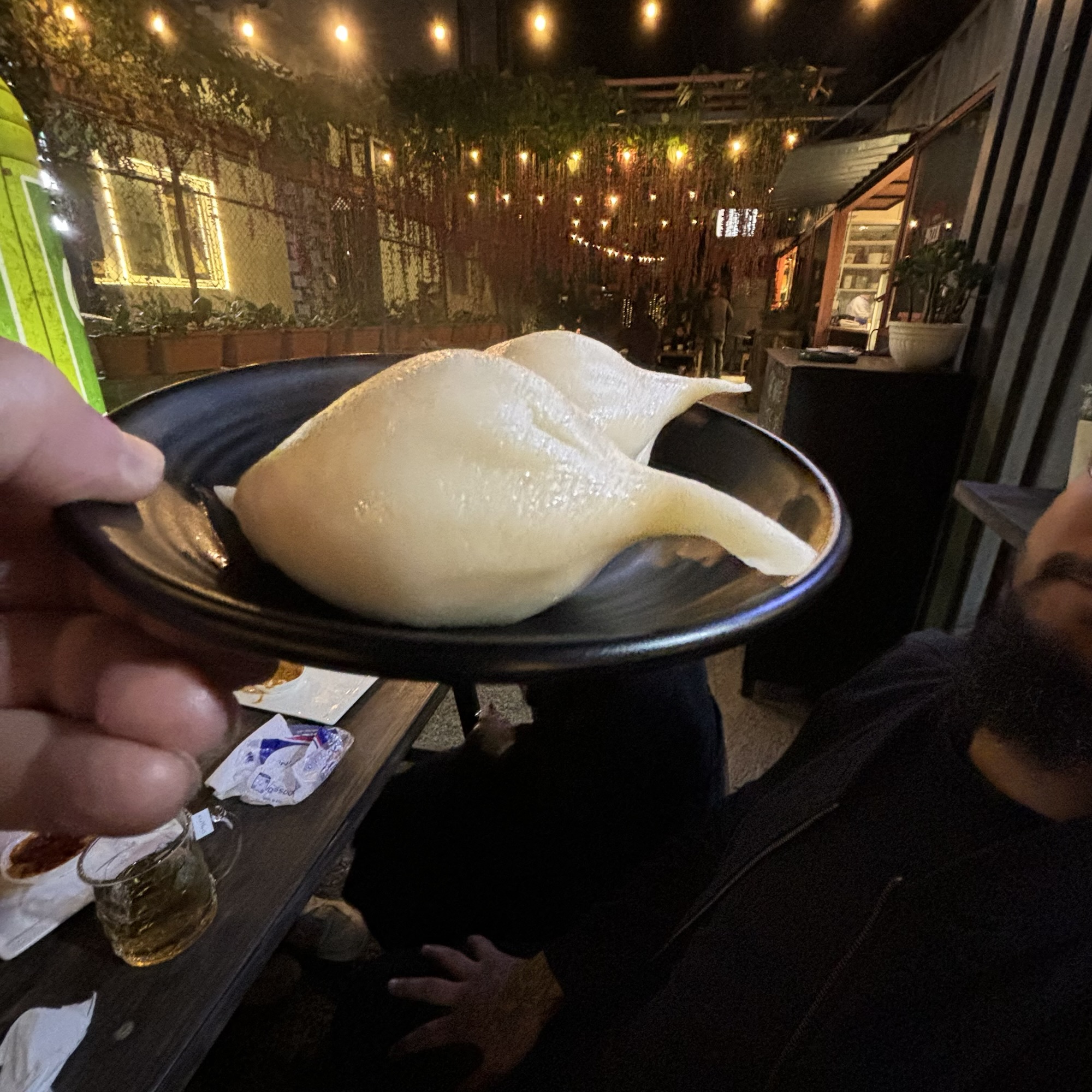
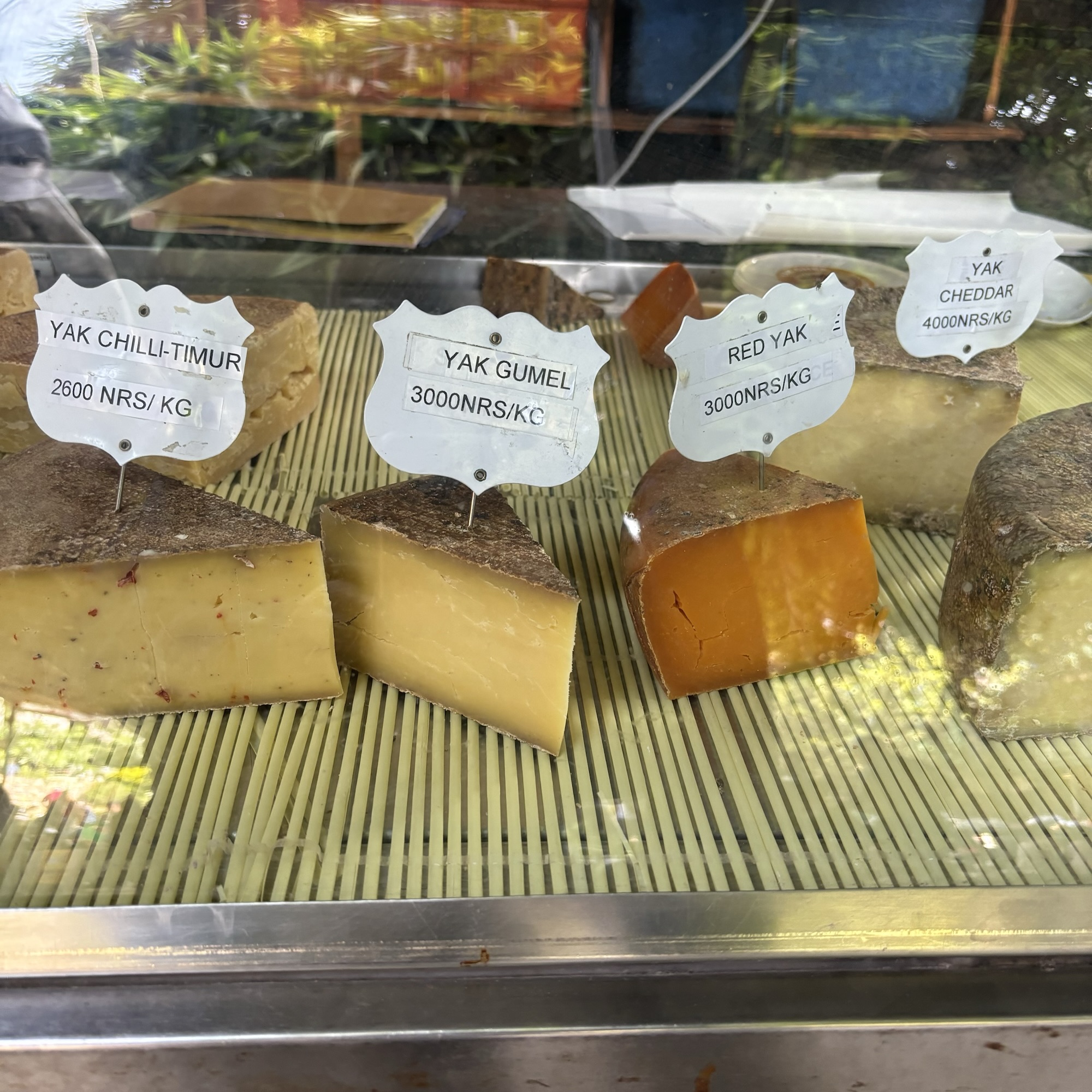
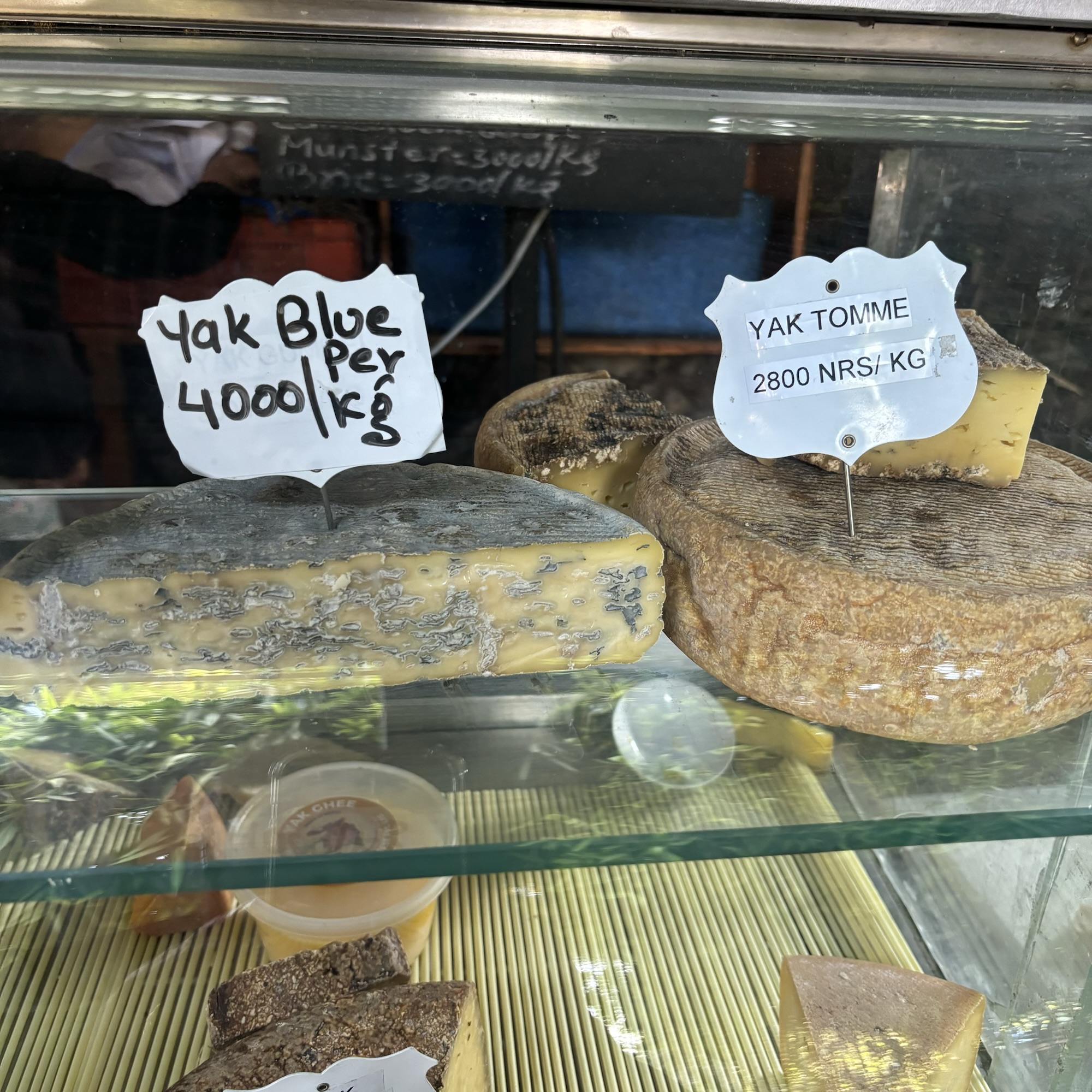
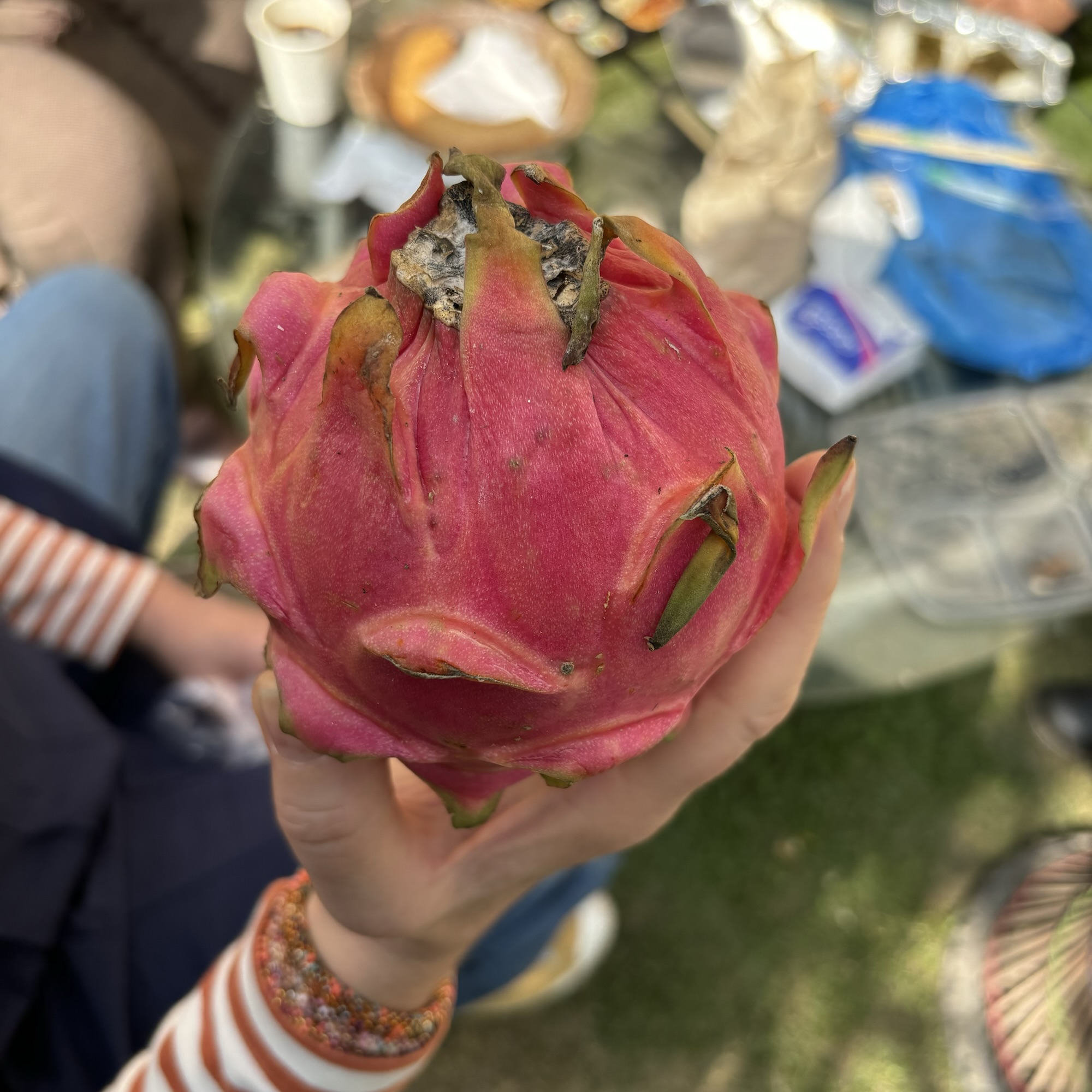
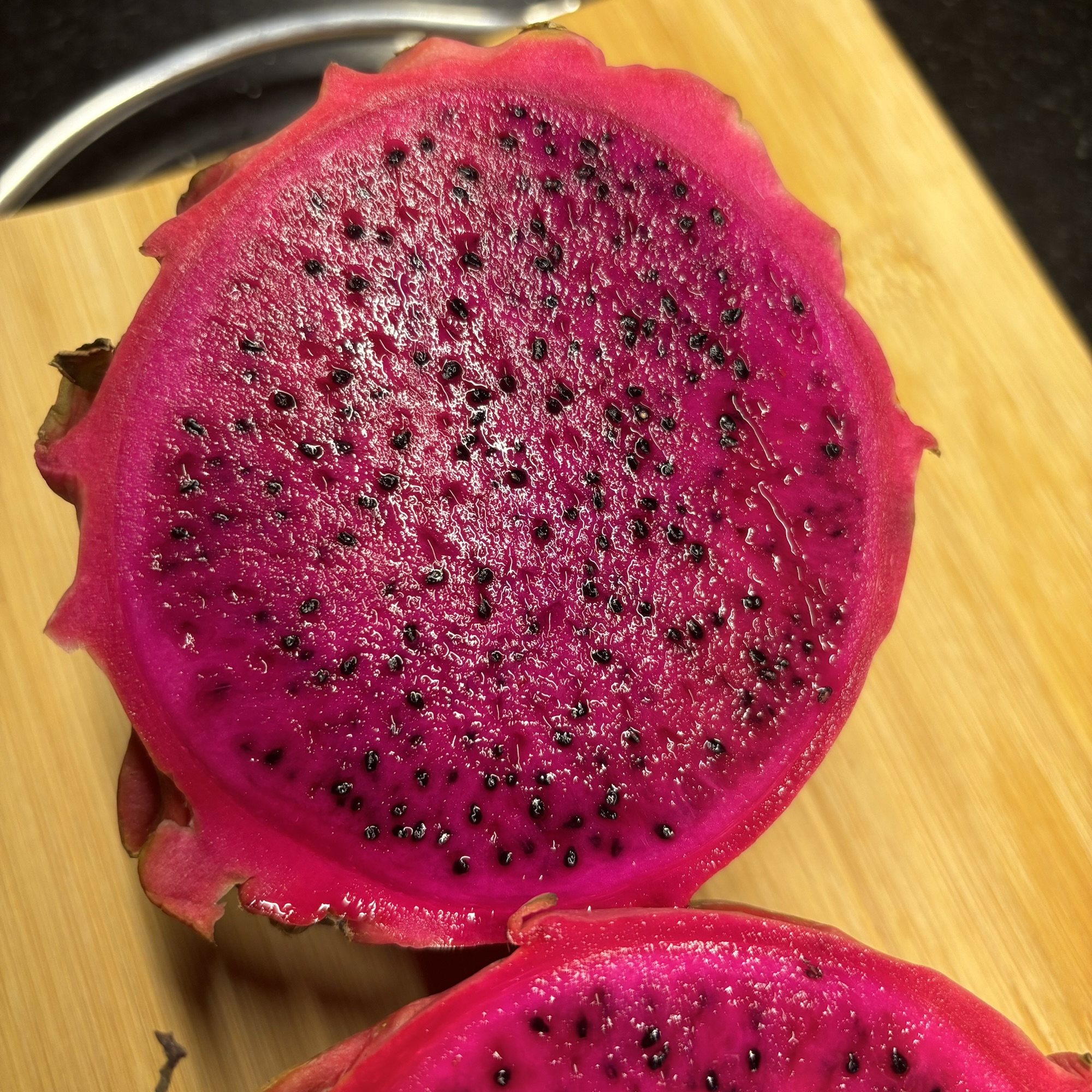
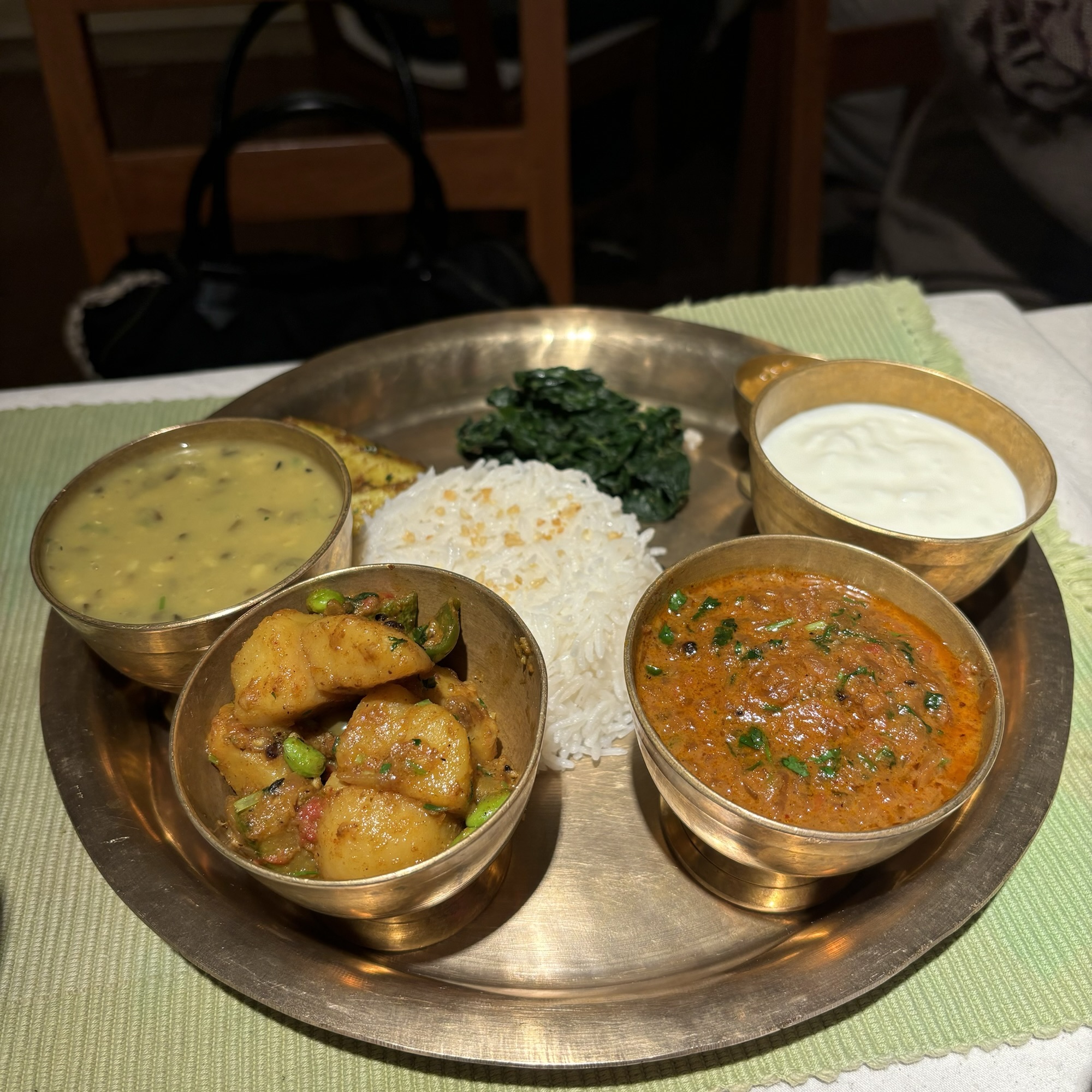
I can’t resist adding a few food pics from our recent trip, along with a new brewery and beer, highly recommended. Do look out for the Manang Apple wines out in Nepal. It is yet another Nepalese beverage I’d like to see here in the UK.







 David Crossley's Wide World of Wine