
Over the period since Brexit and the Covid pandemic the prices of individual bottles of wine I have bought for years have unquestionably gone up…and considerably. I can think of wines which perhaps cost in the low £30s back in 2020 or 2019 which cost more than £50 today. Many have increased in price by 40-50% in perhaps four years. I’m not the only person to notice. Almost everyone I know who is seriously into wine says the same and some commentators have said so in print.
January is a quiet time in the wine trade, not helped by the “Dry January” which some lobby groups promote, but I wonder how these price rises are affecting sales?
There are so many reasons for these price increases. I’m starting this article almost as a stream of consciousness exercise, both to look at the causes for this, whether there are any solutions for we beleaguered drinkers, and whether we are really going to have to suck it all up and, if we want to keep drinking good, interesting, wine, merely stop buying other things. I’m a lover of vinyl, drink good coffee and read a lot of books, and all of those have gone up in price too. Less appreciably for books, but have you seen the ridiculous prices HMV are charging for new vinyl?
Prices and price increases have always been an issue. Back in the 1980s I was a Bordeaux and Burgundy drinker, although my tastes in Champagne had not yet gone so far as to venture outside of the Grandes Marques. Many of you might be surprised that all of these were reasonably affordable before Robert Parker hyped the 1982 vintage in Bordeaux, and it was only by the last years of that decade that Bordeaux and Burgundy prices began to get truly frightening. Even then, this was mostly at the higher levels.
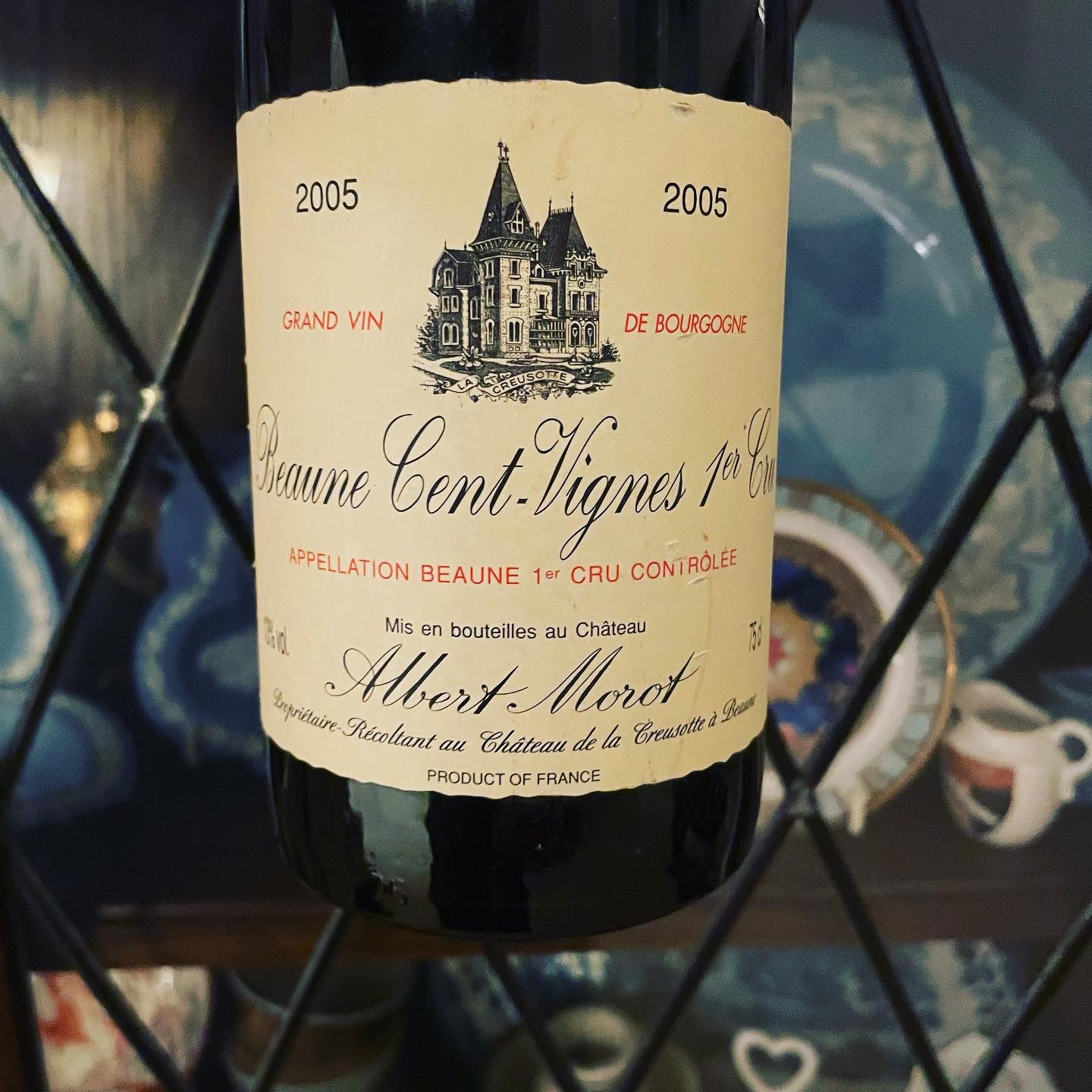
As the 1990s progressed it seemed that prices for these classic wines couldn’t stop rising. It was the time of Wine Indexes, en primeur and the birth of wine investment. No worries, there were plenty more fish in the sea. Tuscany and Piemonte were both turning out some stunning wines, and there was The New World (sic) to get to know better. Not only that, lesser-known European wine regions were also beginning to make very interesting wines at favourable prices. Those wines had the advantage of introducing us to very new flavours, in terms of both grape varieties and wine styles.
It was during the 1990s that my interest in Piemonte, Alsace and Jura solidified, and also when I discovered Savoie, Aosta, Jura and Switzerland. My desire to seek out the obscure began when I travelled extensively in Europe in 1989. At the time I had thought about writing a book, The Lost Vineyards of France. Today, wines from Aveyron, Bugey, Ardèche, Cahors, Irouléguy and Collioure (to name a few) are all known to most wine fanatics, if not a wider public. They are clearly no longer lost.
The one thing that brought them to wider attention, more than anything else, was Natural Wine. That in itself was a phenomenon born out of a reaction against the way classic wines were being made and marketed, but also a desire by some to return to a more paysan life, one in tune with the vineyard and nature. What we now call sustainable viticulture was very much a part of that early natural wine revolution.
When natural wine came along it was frankly a breath of fresh air. You certainly had to reevaluate what you were looking for in a wine. Early natural wines bought in Paris were very often faulty, but somehow Les Caves de Pyrene in England managed to seek out those that weren’t. Doug Wregg taught me the most important wine lesson of my life, if indirectly. That you don’t always need to look for the “best” wine. Better to enjoy diversity and look for the “most interesting”. In effect, get greater pleasure from discovering something new for less money…at least in the early days.
Of course, these new wines weren’t inexpensive compared to the beverage wines you could find in the supermarket and at certain well-known wine chains, but you could get a wine which was going to challenge and excite the tastebuds for £20, and even more for £30, when the classics had more or less left those price levels behind. This was certainly my experience up to the time of our exit from the European Union.
For a few years before Brexit hit the UK, I was happily paying out around £300 for a dozen bottles of wine, one where each bottle in a mixed case cost on average £25. These were often cutting-edge wines from artisans with a story to tell, and being brought into the UK by a new breed of small- and medium-sized independent importers and wine merchants who were getting out into the vineyards and seeking out new growers. When Brexit hit, the prices increased alongside the cost of paperwork and transport costs.
Post-Brexit we had a litany of pressures, not least inflation at record levels, but also increased taxation on wine. Although politicians have tried to tie the overall cost of living crisis to international events affecting other countries just like us, it isn’t difficult to see the lie in that.
As prices have risen, I have correspondingly had less money to spend on wine. It doesn’t help either that I also want to buy records and whisky. That’s not your problem, but my guess is I’m not alone, and I’m also well aware that I’m lucky to be able to afford to drink nice wine, especially right now.
Complaining won’t get us anywhere. I doubt any political party will reduce taxes on wine and the economic pressures on both winemakers and wine sellers (whether importers or retailers, the latter who are also being hit with astronomical rents and rocketing fuel costs) remain. I would also argue, as most of us recognise, that winemakers deserve to make a decent living from what is not only hard physical work, but work which also creates unique financial pressures with so much at the whim of the weather. Also worth remembering that artisans make less wine than industrial producers so their unit costs are so much greater.
If, like me, you can no longer afford wines which used to cost £30 and now cost £50, what can be done? Let’s face it, I’m not alone in having to ditch the Ganevat and Labet for cheaper labels. That was of course the first recourse. If we simply take the Jura region as one example, for every famous name, or highly expensive micro-producer, there were so many other thrilling wines to be had. There still are, but the Covid lull, importers and journalists travelling less, has meant that some have been slow to appear in British retailers and restaurants (but then who can afford to buy decent wine in restaurants anymore?).
As an aside, Champagne! I love Champagne. Once I discovered Grower Champagne, I became a real geek. You used to be able to find plenty from this genre for £30-£40, and a good many “special treats” for £50-£60. I can’t remember the last time I bought Champagne, other than a few bottles for a party which were certainly drinkable for £35, but nothing remotely special. Even English sparkling wine has rocketed up in price, with some favourites having seen a 20% (occasionally more) price rise in just three years. My favourite English producer’s current releases can still be had for under £40/bottle but not for long, I suspect. As for my great love, Bérêche, well I can see some wines having increased by 60%, taking them well out of my price range.

That’s the sad thing. If you love wine, you develop a strong bond and connection with certain producers and when you can no longer afford their wines it becomes more than a nuisance, but something genuinely saddening. This started to happen to me last year for quite a few producers, many listed in my Review of the Year 2023 as those who have both thrilled and educated me over the years.
What can we do? If we want to keep our purchases within a nominal £20-£30 budget there are thankfully several options.
First, join the wine trade. You won’t get a merchant banker’s salary, but then wine trade people tend to be nice to work with, and your employer will more than likely give you a decent discount. It’s why some wines rarely get out of the stock room, but we can’t be bitter about it. We’d do the same.
We could establish ourselves as famous wine writers. Some of the most famous have admitted they get far too much wine to “taste” themselves. One even admitted a few years ago that they often get home to find a case on the doorstep. I was joking with someone only last week that I seem to average one free bottle a year, though things would have to get even worse than they are now for me to wish to write about stuff that I didn’t like and be nice about it.
The first real option, especially if you are into natural wine, is to widen your net. There are countries whose wines just tend to be cheaper. Portugal must rank top of this list, and much of Spain outside the classic, or fashionable, regions. Equally, although many cuvées from Languedoc-Roussillon can be expensive, there are relative bargains to be found. This can be especially so in some of the smaller appellations where wines often have a specific regional character. This is also true of Southwest France, where some individual producers have been shining beacons for decades without their prices rising significantly.
Some countries’ wines are just not that well known and if producers wish to get a foothold in a large market, they are quite likely to go easy on their pricing. Czechia is a classic example, as are Slovakia, Romania, Bulgaria, some wines from Greece etc. As I keep saying, the best of the Czech artisans often provide a lot of interest and excitement for your money.

Australian wine once provided amazing value before it got very expensive, but today, although I see fewer Aussie natural wines in the UK, there are still plenty which hit a good price point. They are often well-made wines from once unfashionable regions, such as Riverland. Likewise check out South Africa, which still sends a tremendous number of excellent wines to the UK, most of which don’t break the budget.

Next option, look at good producers’ entry level wines. Back when we bought Burgundy the mantra was always producer over vineyard. A decade ago, some of the world’s wine bargains came from Burgundy, a good example being Jean-Marc Roulot’s Bourgogne Blanc. It really does taste several levels above its designation. The 2010 cost me £24/bottle, I think. Now prices are frightening. Le Grappin’s Beaune Boucherottes was another, a classic example of a brilliant wine made from a less fashionable Premier Cru. My first purchase was six bottles, now I can’t afford one.
However, I recently drank Hermit Ram’s Field Blend Red (from North Canterbury, NZ) and you can still buy it for under £22. Theo Coles’s Pinot Noir wines from single sites are double that. There are a few bargains like this which remain within reach. Kelley Fox makes a brilliant Pinot Blanc, as, come to think of it, does Philipp Wittman. In the same region as Wittman, Klaus Peter Keller makes a few entry level wines, none more remarkable value for money than his Von Der Fels Riesling. Alice Bouvot (L’Octavin) now prices her domaine wines out of my reach, but her negociant wines can be brilliant, and more affordable, just.

The next thing to do is look at wine regions which have gone slightly out of fashion. If you want thoughtfully made wine but are not hung up on it being fully “natural”, then French regions like Bordeaux are well worth a new look. Whilst the classified châteaux have become the domaine of collectors, oligarchs and PPE millionaires, down the pecking order producers have had problems shifting wine. Plenty of Petits Châteaux are making better wine than they have ever made but prices remain reasonable. Good estates, and some of the entry-level wines from very well-know estates can fall into my nominal £20-£30 price bracket. Sadly, this includes few if any of Bordeaux’s increasing number of low intervention wines.
Other places to look for affordable wine, places where the top wines command stupid prices, can be Piemonte outside of the two Bs, Roero and the other smaller DOCs being good places to look. Chianti Classico (especially at normale level) can also be priced reasonably, with some low intervention wines in this bracket.
Back in France, The Loire is also a good bet. Wines such as Guiberteau and Antoine Sanzay have seen prices for red wines rocket but their Chenin whites, perhaps less fashionable, are no less good. Just two examples. Likewise, The Loire has always been a good source of natural wines and some of the pioneers, whose wines I drank a decade or so ago and then sort of forgot about, have not always seen price rises as large as other regions.
For sparkling wines it’s tricky. There are individual sparkling wines which match good Grower Champagne for a fraction of the price but you do need to taste before you buy in quantity. Many such wines are French Crémants, of which Alsace and Jura seem to provide what I like, although many head to The Loire. Pétnats are also usually cheaper, and I tend to buy quite a few. Petr Koráb from Moravia seems to provide me with several different cuvées every year.
In Germany, prices here have increased more than at any time I can remember. Germany has finally become a little fashionable. That’s good for those German artisans making world class wines, but less easy for those who love those wines. The classic varieties of Riesling and the increasingly world class Pinot Noir/Spätburgunder being made there are running away from us, but there has been a rejuvenation of demand for, and interest in, grape varieties which were once looked down upon. These are often grapes which once made very basic wines (Müller-Thurgau and Dornfelder, for example, and whilst we are here, Zweigelt and Sankt Laurent in Austria).
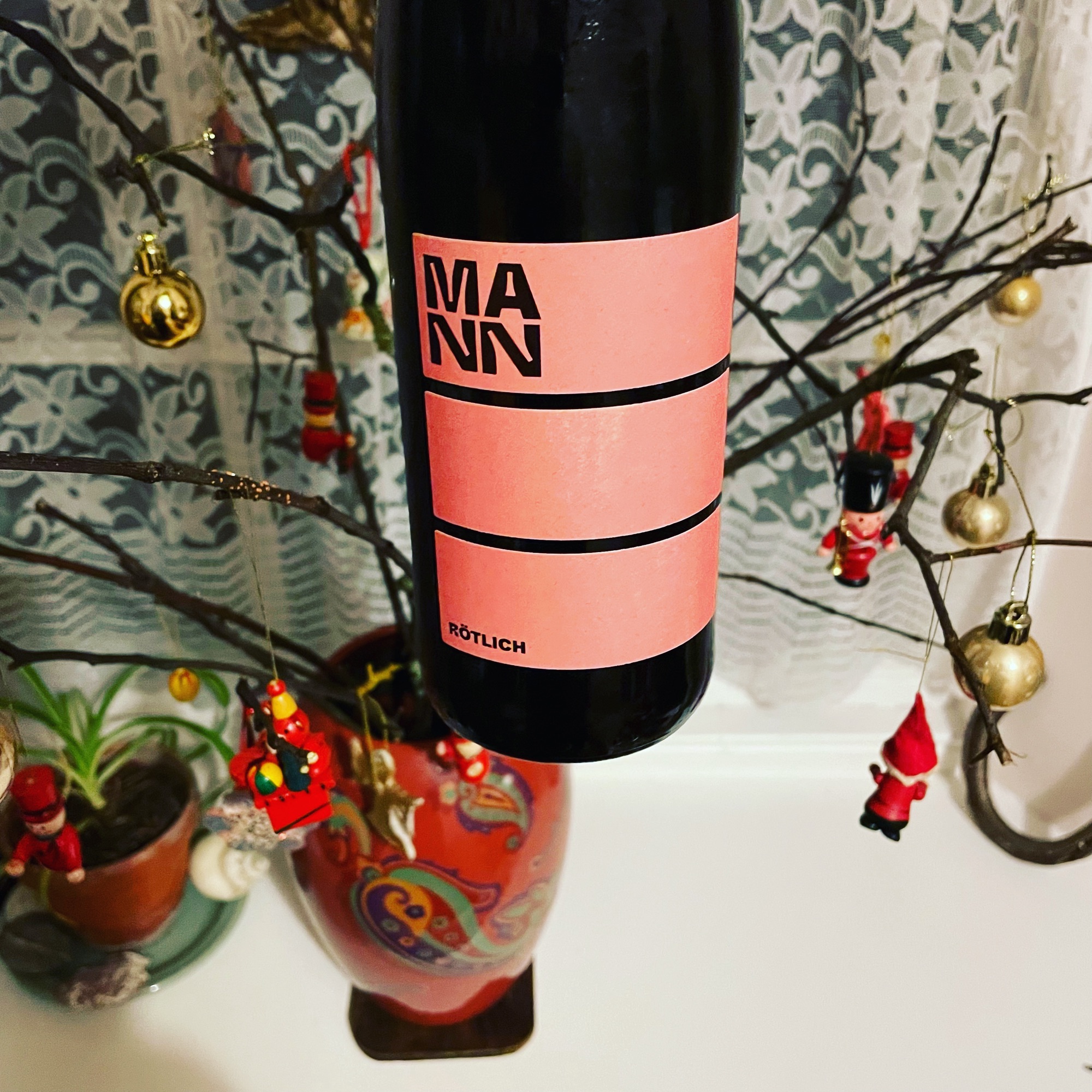

Rudolf Trossen told me a few years ago that the abandoned, steeply terraced, vineyards of the Mosel outside of the famous villages were selling for so little money that owners couldn’t give them away. Now, such sites here, and in other less well-known regions, are being worked by young winzern with high standards and inventive minds. I often say that Alsace is now the most exciting place in Europe for natural wine but Germany seems to be able to do it cheaper.
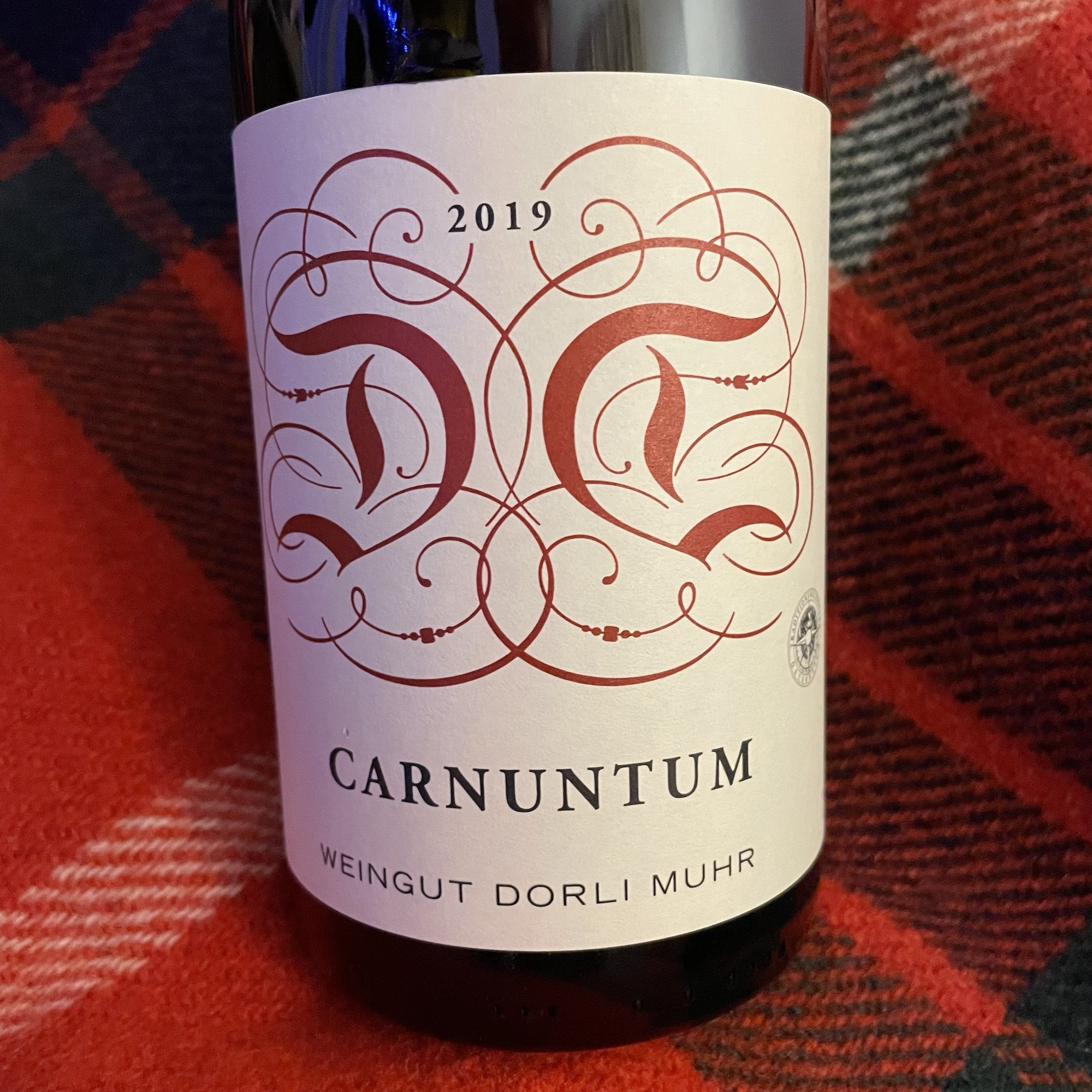
As if to prove that wine can still be affordable, I have recently enjoyed a wine from Dorli Muhr in Austria’s Carnuntum that cost me £16. Okay, her basic regional wine is not in the same league as her single vineyard offerings. It’s a smooth and rich blend of Blaufränkisch and Syrah and it’s perfectly acceptable to my palate at any price. At this price it’s a real bargain, at least from my perspective, that of a wine obsessive. I’ve also realised that Beaujolais still gives us wines of genuine value. Perhaps despite its fashionability among wine obsessives it has never quite lived down the 1980s and industrial “Nouveau” among the general public (I think the “new nouveau” is just beginning to wrest back its reputation).
I’m not going to try to persuade you that Swiss wines are good value, but Switzerland makes an interesting case study. Right now, Swiss wines are probably cheaper in comparison to their competitors than they have ever been. This is because the demographic of a market which consumed the vast majority of wines produced has changed, and for the first time ever, Swiss producers are seeking export markets. There are consequently more Swiss wines available on our UK market and whilst some are just way too expensive for the quality, quite a few are not.

But I’m digressing. I suppose what I’m trying to say is that the wine trade should recognise the difficulties consumers face today in terms of the increased price of wine. It does sometimes feel as if I am being thought of as going downmarket when shopping, for the first time reminding me of the attitudes of certain posh merchants towards the Plebs in the early 1980s. But this applies more to retail. There are importers, and I would say that it is mostly the small, specialist, importers who are in the vanguard, who do seem to recognise the market for interesting artisan wines which are affordable to ordinary wine purchasers. Those of us whose disposable incomes have remained broadly the same when wine prices have sometimes doubled.
To consumers I would say ignore the hype. A certain Japanese winemaker working in Alsace comes to mind. First vintage 2022, tiny production, three wines advertised last week in the UK priced £45, £50 and £55 a bottle (same wines available at a Bordeaux retailer I know for 33-to-36€/bottle, but that reflects costs more than greed, I suspect). I’ve not tried the wines so can’t comment, but… There’s still a lot of very tasty and interesting wine out there. We just have to work harder to find it, just as we have to work harder to find those 70s records we need so badly.


 David Crossley's Wide World of Wine
Certainly an info packed post! I beg to differ about four of the five regions you mention “are all known to most wine fanatics, if not a wider public.” My wider public friends and acquaintances might know Cahors (those in the US thank the Trader Joe’s chain for that), but not the others. But I too digress ;-). Have you tried Charivari located in Rion near Cadillac? Nea is making interesting wines alongside her family’s Ch Carsin. I vote for their Cuvee Noire and Amphora Carmenere.
LikeLiked by 1 person
I’ve never come across Charivari but I will look for them. I do know of Ch Carsin. Thank you for engaging.
LikeLike
Two more – Ch Barouillet in Pomport just S of Bergerac and the Sang du Sanglier for 15€ from Ch de Fayolle (AOC Bergerac yet Chateau is in Saussignac) is a great deal. Haven’t had the last two vintages but previous years consistently 👍🏻
LikeLiked by 1 person
I am very fond of the Bergerac region. The first place I ever stayed in France was just outside Issigeac. I have drunk Barouillet. “Splash!” Comes to mind. Excellent. Fayolle rings a bell.
LikeLiked by 1 person
Strikes a cord here David. I gave up chasing certain producers a long time ago and can now buy only at the bottom end of some regions (particularly Burgundy) so have very definitely started exploring other areas like parts of Italy. I will have to look out for the Pinot Blancs that you mentioned.
LikeLiked by 1 person