
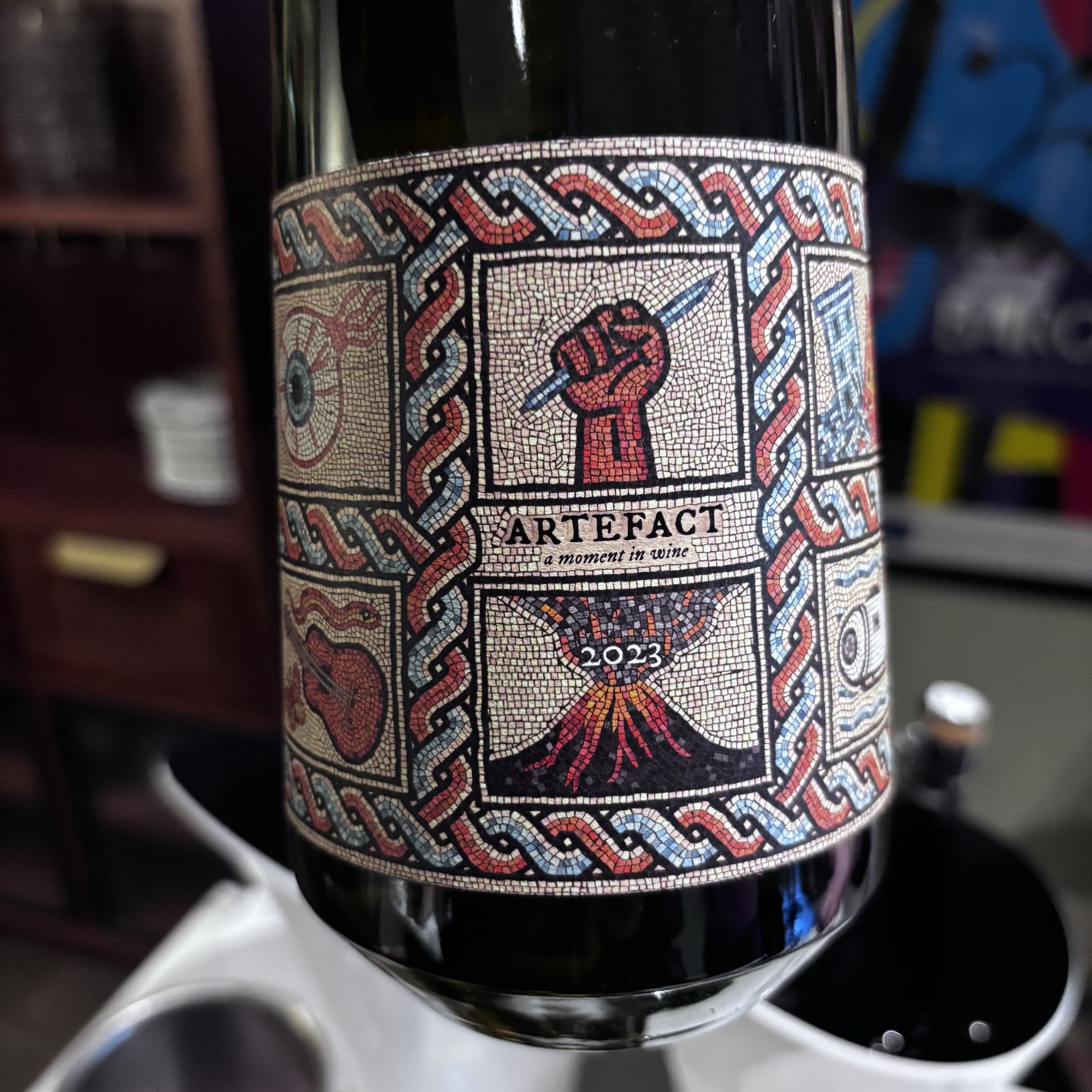
In Part 3 of my coverage of the Clay Wine Fair 2026 at Sotto Restaurant in Edinburgh on Sunday 1 March we have the wines presented by Astral Wines and Passione Vino. Astral Wines also showed a couple of wines from Enrico Rivetto from the Langhe/Barolo. Enrico was due to be there, but he hadn’t arrived by the time I tasted his two delicious wines. Passione Vino was, as is usual in the northern reaches of the UK, represented by Greg Turner (of the Wild Wine School). Greg is great friends with Luke Harbor, who alongside his role as Group Beverage Director of the Pig Hotels down south, collaborates with Castlewood Vineyards in Devon to make a wine I’ve written about in previous vintages, Artefact. The new 2023 vintage was also on show at Greg’s table.
Passione Vino is a London-based merchant specialising in Italy, specifically “small, independent, and authentic Italian winemakers”. They have bars with food in Shoreditch and Exmouth Market in London, an online wine shop, and a twenty-year history of supplying their wines to the trade. Astral wines is a new name on the Edinburgh wine scene, founded by Ed Almond in August last year. They don’t yet have a web site up and running, but they are on Instagram. The wines Astral showed were, as far as I can tell, all Les Caves de Pyrene lines. Les Caves don’t sell directly in Scotland, using L’Art du Vin as a distributor.
ASTRAL WINES
“Phaunus” Loureiro Vinho Verde DOC 2023, Aphros Wines (Minho, Portugal)
Aphros is a 20-hectare estate, run by Vasco Croft (a veritable Portuguese wine name) since 2004. The estate is fully biodynamic, with a very strong focus on biodiversity and regenerative viticulture, and they use clay and concrete in the cellar. This branco (there is a lovely Vinho Verde Tinto from Aphros that is among the very best of its type) spent eight months in clay. It’s super-vibrant with mineral notes, with citrus (lemon and even tangerine) on the palate. Light and refreshing but with depth too. It’s a rare Vinho Verde which, within reason, will improve with age. £29.
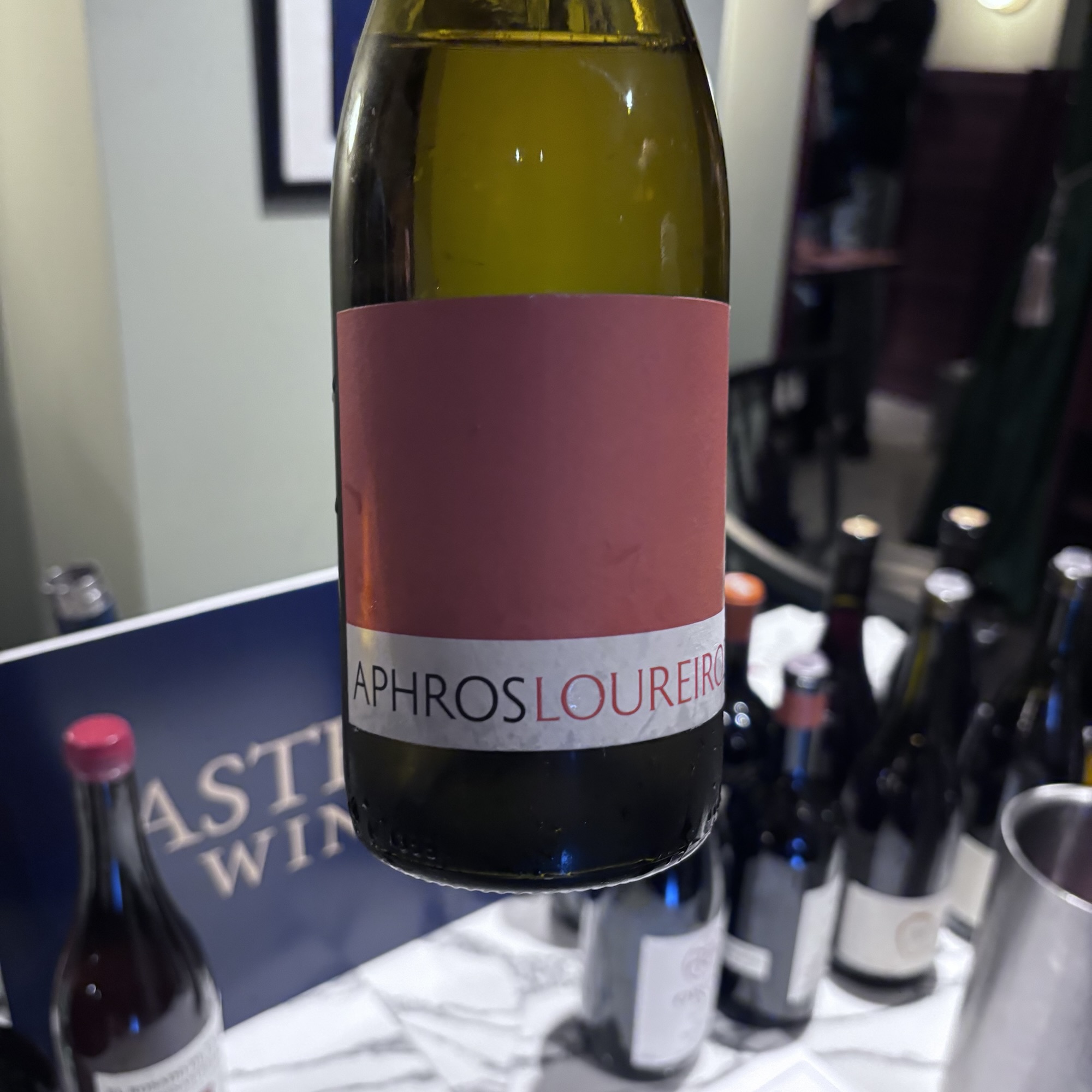
Orgo Rkatsiteli 2023, Teleda Wines (Kakheti, Georgia)
Teleda is a premium producer based near Telavi in northwestern Kakheti, in the Tsinandali appellation. They naturally specialise in the qvevri tradition, and this Rkatsiteli was fermented and aged six months in qvevris buried underground. The bouquet has apricots and spices, and the palate is complex. You get rich dried fruits and nuts, very savoury and also showing some tannins. But the clay makes for a wine with bags of freshness too. For those of us who like the style, it’s a very good example. Winemaking is low intervention using indigenous yeasts etc. They recommend pork as a match…they have the right idea. £25.
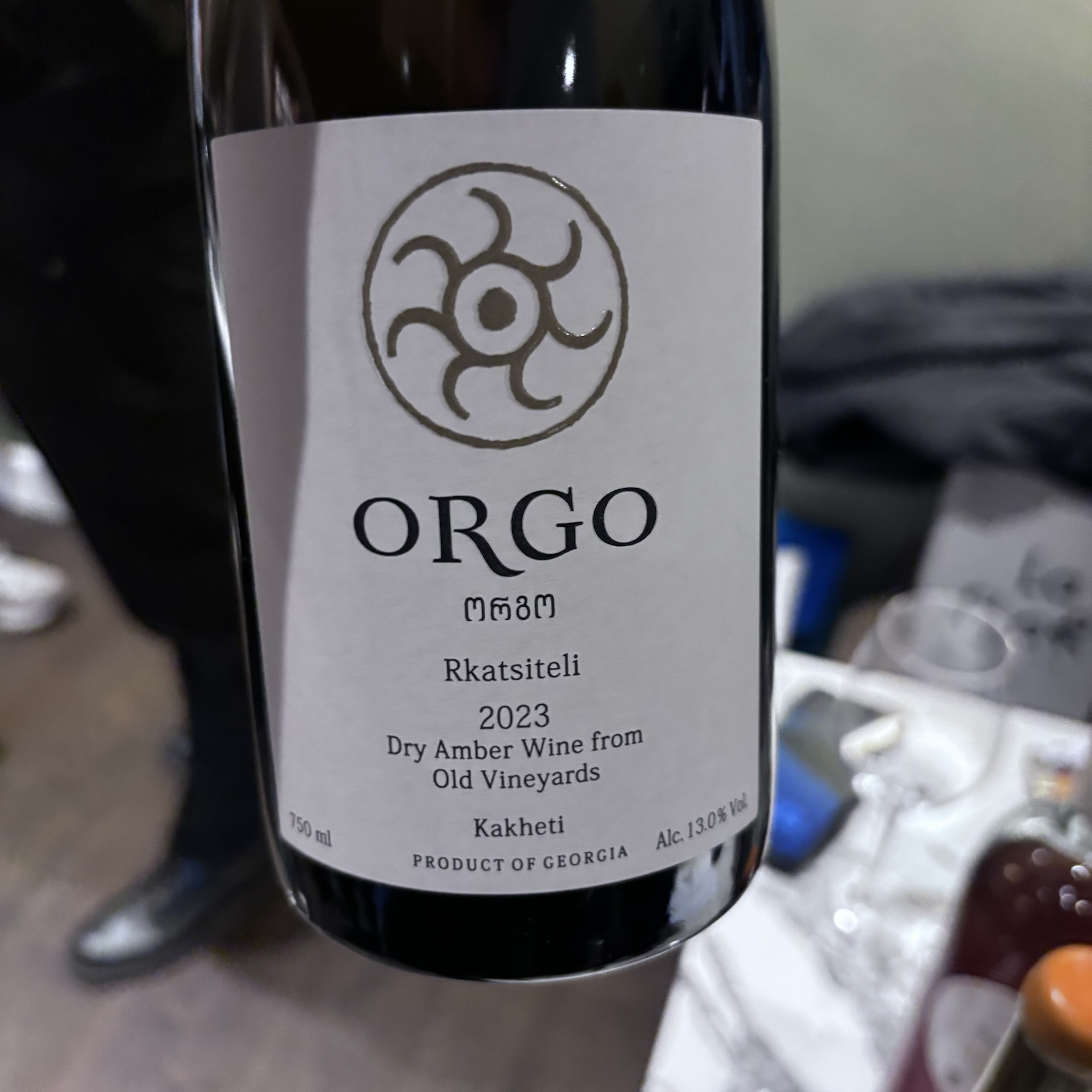
Elevate 2022, Mersel Wines (Bekaa Valley, Lebanon)
Mersel is one of the new names in Lebanese wine, introduced to the UK by Doug Wregg and Les Caves de Pyrene. They have some of the highest vineyards in the Bekaa Valley, their vines reaching between 1,700 and 2,400 masl. These are very old head-trained vines on limestone. This wine (it’s white but there is a red version of Elevate as well), is made from grapes growing at the lower end of that range (but still very much high altitude).
The white cuvée is 100% Daw Al Amar, an autochthonous variety. It is fermented in stainless steel and then aged in a mix of older oak and Georgian qvevri. No sulphur is added to this wholly natural wine. The bouquet is both nutty and appley, with a palate showing confit lemon and a nice lick of acidity. It is both subtle and complex in equal measure, but not hard to drink at 12.5% abv. It tastes like a high-altitude wine, maybe imagine The Valais or Aosta. It’s hard to write about this producer without being aware that the Bekaa is right in the firing line once more and maybe they deserve our support, especially as the wines are good. £31.
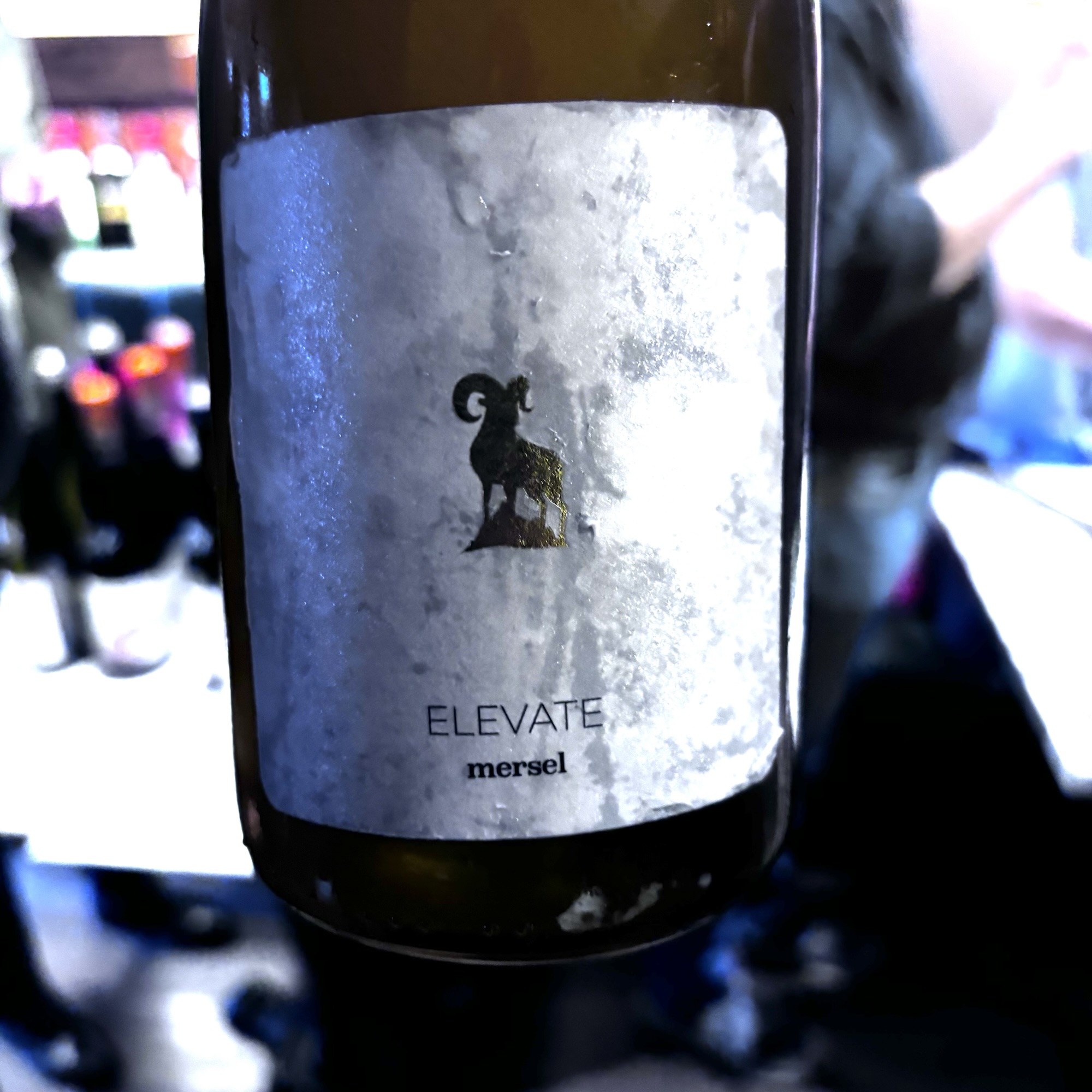
Zibibbo in Pithos 2023, COS (Sicily, Italy)
I can remember what now seems an age ago when this cuvée was first released, in magnums. Zibibbo, aka Muscat of Alexandria, is a variety very well suited to amphora, and COS is just the right winery with the expertise (founded in the 1980s) to do it justice. This is an IGP from one of the first natural wine producers I ever drank, from Les Caves of course. They are based outside Vittoria in the southeast of the island. The bouquet is, for me at least, iconic. Oxidative, almost smelling of its six months in amphora on skins, along with floral notes (blossom) on top. The palate is very fresh, very vibrant. There are hints of honey riding smoothly above a saline texture which also speaks of apricot stone, with gorgeously complex phenolics for the variety. I always adore this wine. £34.
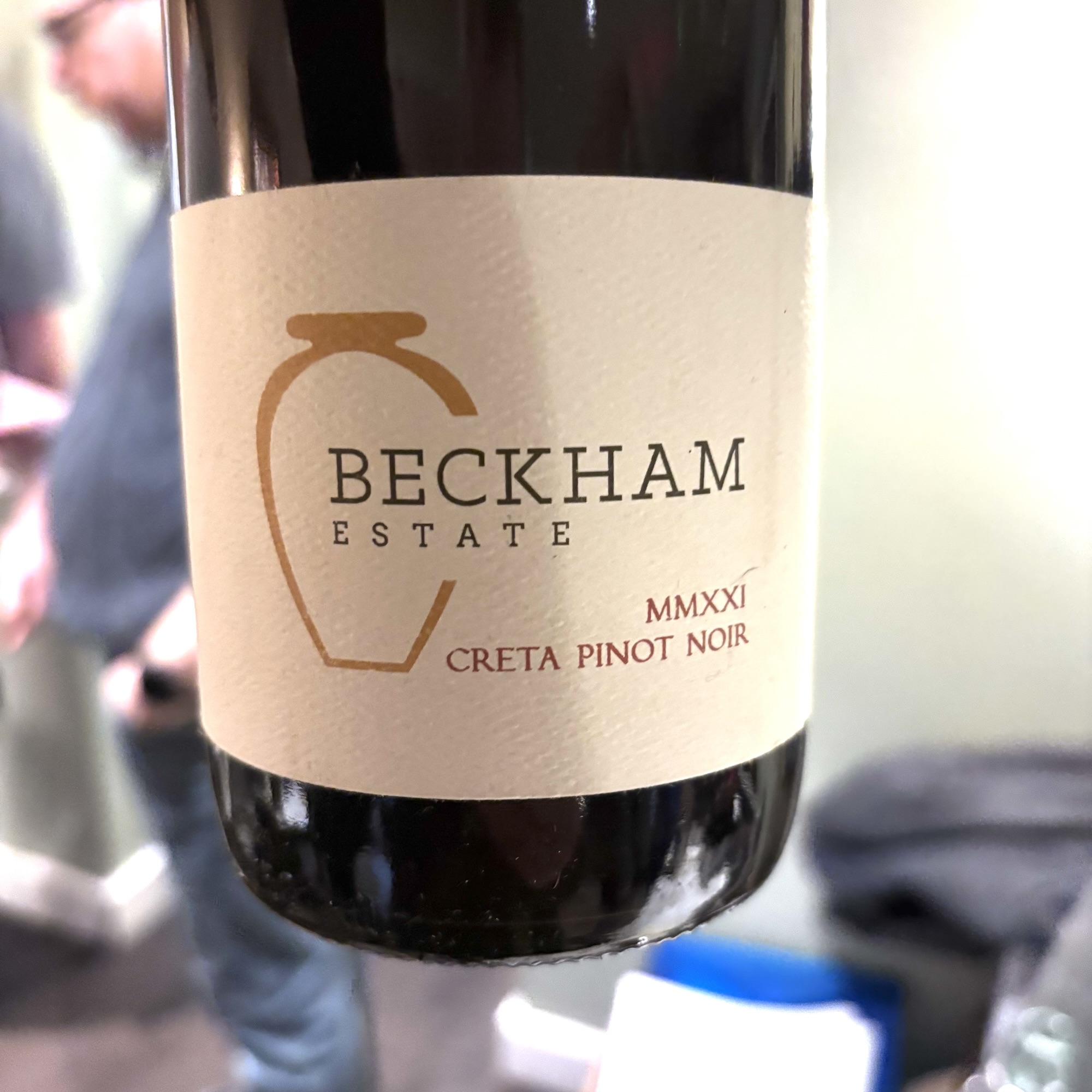
Creta Pinot Noir 2021, Beckham Estate (Oregon, USA)
Ceramicist Andrew Beckham founded his estate, with his wife Annedria, in 2004. His former career is of relevance because it led him to follow what Elisabetta Foradori was doing with clay vessels in Northeast Italy. Andrew cites the longer and cooler fermentations you get in amphora as the main reason he began to favour their use. Viticulture is regenerative with sheep and chickens among the vines, and they try to encourage pollinators through wild flowers and a varied ecology. Winemaking here is pretty much natural, including native yeasts, which I think really make a difference when fermenting in clay. Minimal sulphur is added.
This is a wine from the Creta vineyard’s “Jory” volcanic soils, high in the Chehalem Mountains, fermented and aged in amphora which I believe Andrew made himself. The Creta wines stay in clay for both fermentation and ageing (Lignum is the label for wines aged in oak). Red fruits are layered over an earthy bouquet. The fruit is textured but rounded on the palate, and there is also that texture I used to call “iron filings”. By coincidence, iron filings (okay, in my imagination) is exacctly what I used to find on the amphora reds from COS (see above), especially their Cerasuolo di Vittoria. This Pinot is long and very fine. Actually, that undersells it. It’s brilliant! It deserves a bit more bottle age though. £53.
RIVETTO, LANGHE (Piemonte, Italy)
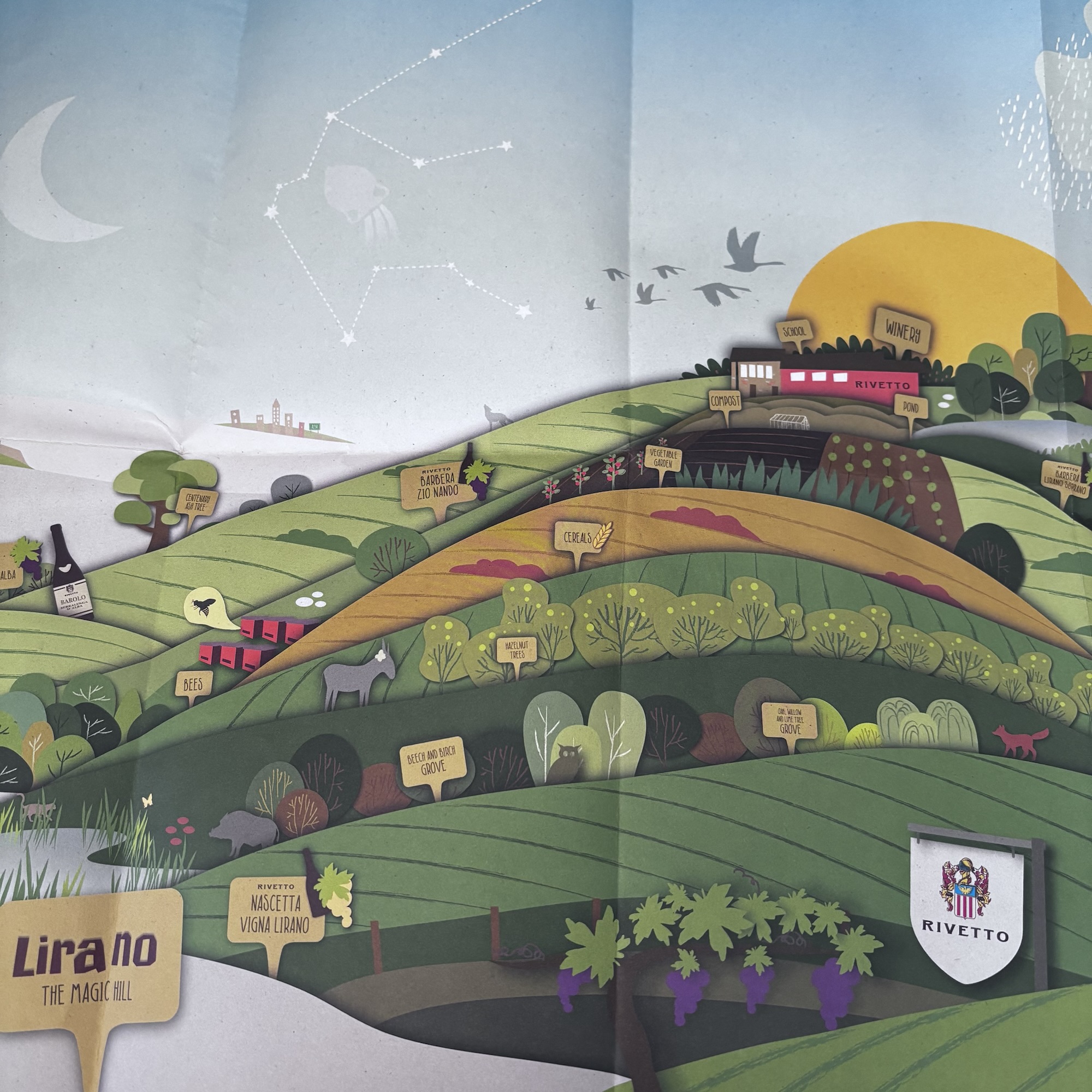
I could easily write a page on the Rivetto philosophy, but perhaps the illustration below gives an idea of the regenerative methods employed on the beautiful Lirano Hill (Vigna Lirano), a ridge between Serralunga d’Alba and Sinio, or between Alta Langhe and the Barolo Hills. Enrico calls it a magnetic hill, a complex ecosystem which he farms biodynamically (possibly the only certified biodynamic producer in the Langhe?). Two wines from Vigna Lirano were on show and poured by Ed of Astral Wines in Enrico’s absence.
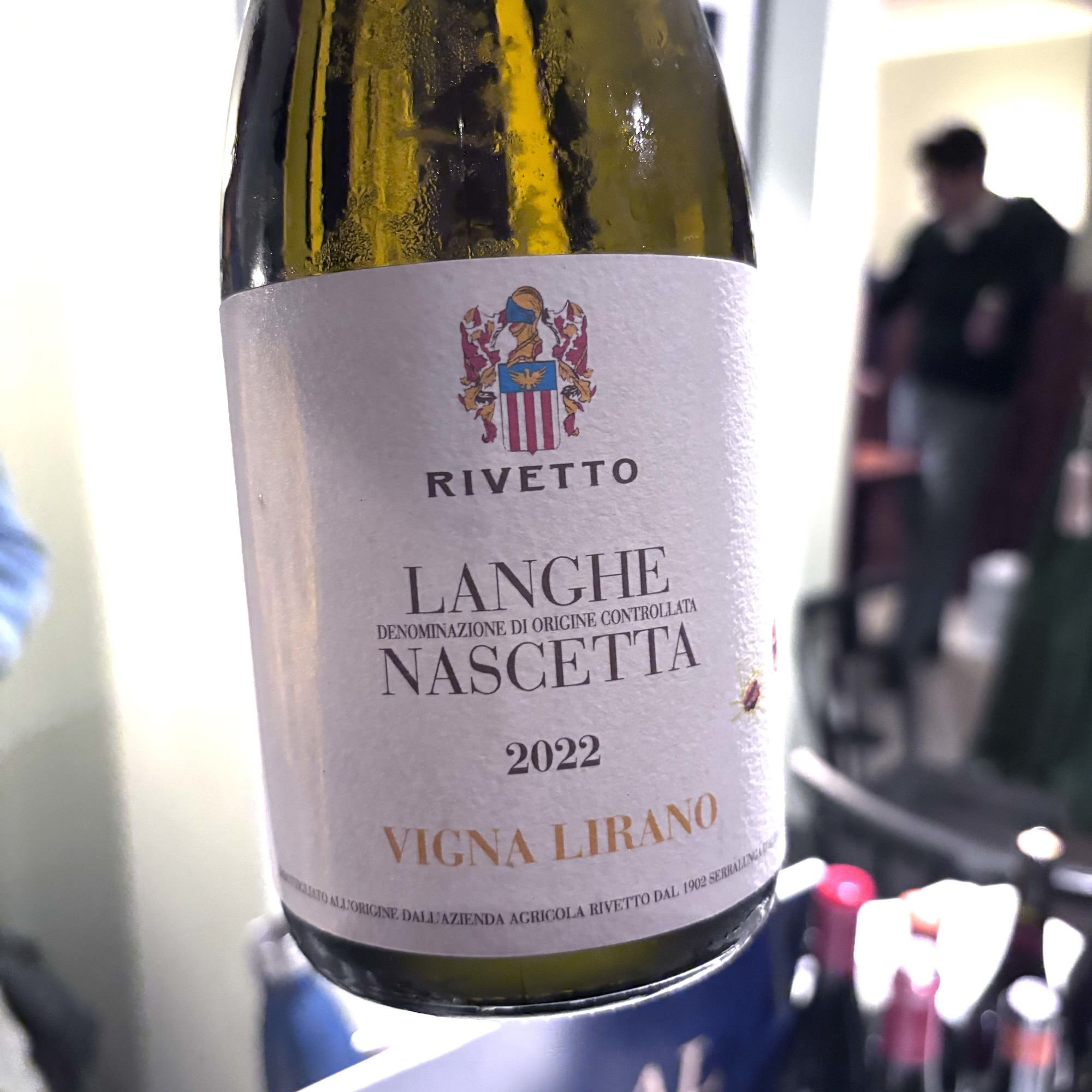
Langhe Nascetta DOC 2022 is an example of a fairly rare autochthonous white variety which has been known in the region for centuries. This is a version which combines the grape’s natural aromatics with a bit of heft (13.5% abv). It saw 30 days, one-third in amphora and two-thirds in stainless steel, with three days on skins. The palate has nutty depth and is quite savoury with just enough pithy texture. Lovely, and super-interesting. £28.
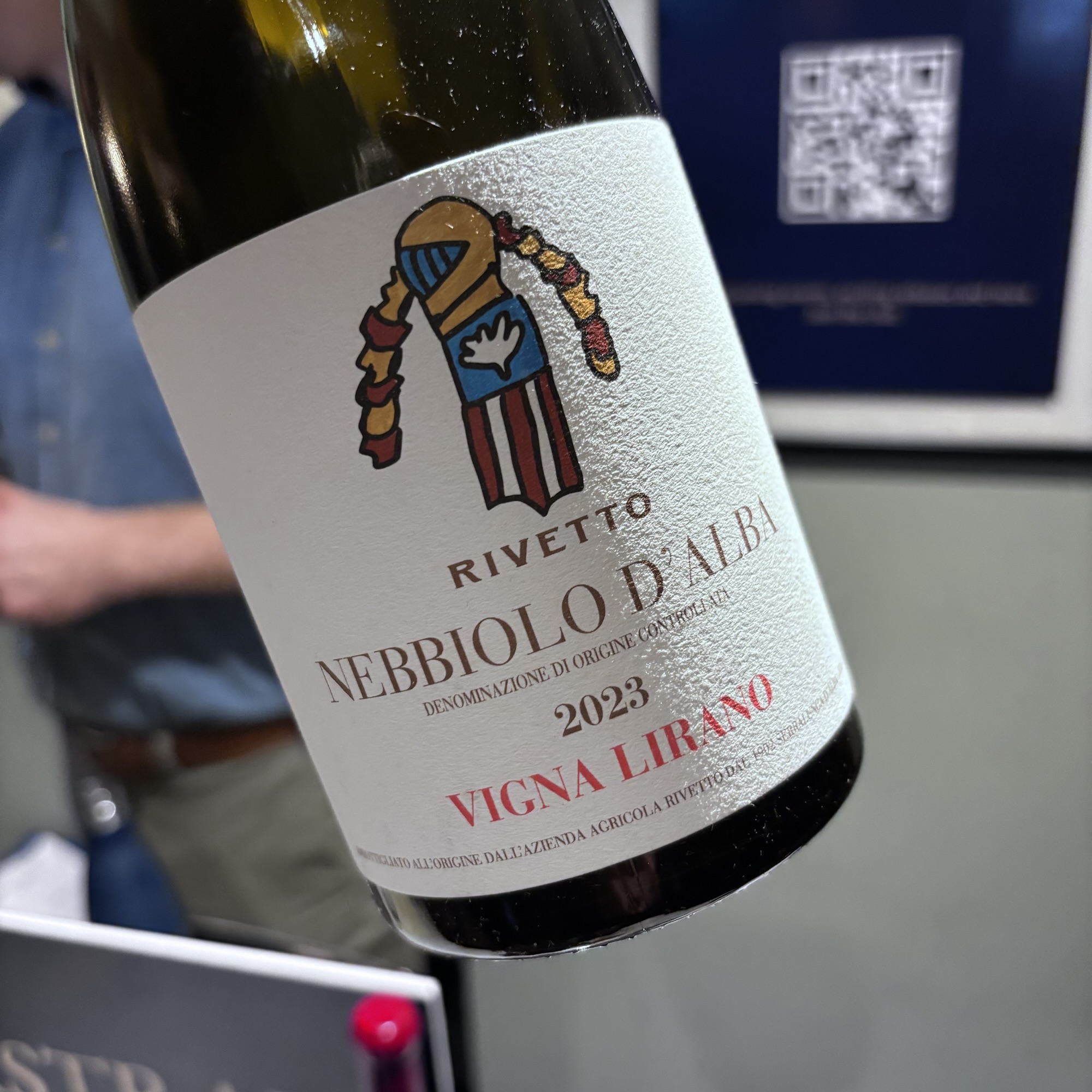
Nebbiolo d’Alba DOCG Vigna Lirano 2023 is classic cherry-packed Nebbiolo, biodynamically produced and with the freshness and brightness to prove it. Fruit is harvested at 400 masl. Fermented in amphora it is pretty young right now, but the tannins are more lightly-grained than hard. Wild herb and violets are slowly appearing on the nose. Sulphur additions are very low. It needs time but it will do for me against most Barolos. £38, but looking at comparable Barolo prices, this is definitely a bargain.
I tasted the 2022 at last year’s Clay Wine and gave it high praise. This 2023 is even better, and will blossom with age, I am certain. It is quite sought after. But it’s an impressive wine for a Nebbiolo d’Alba, a biodynamic beauty with a remarkable sense of terroir.
PASSIONE VINO
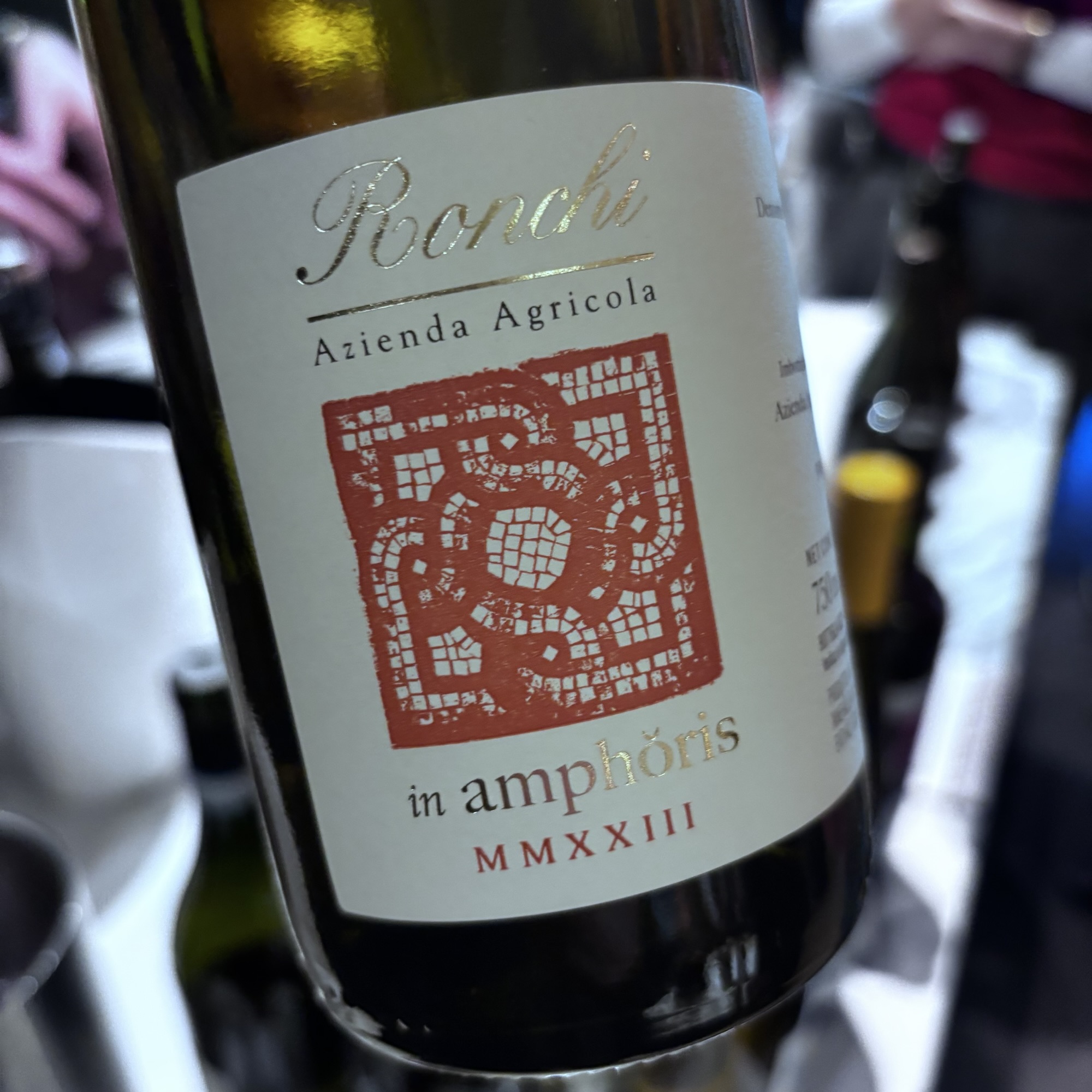
“In Amphoris” Langhe Arneis DOC 2023, Ronchi di Giancarlo Rocca (Piemonte, Italy)
It has taken a while for Arneis to make a name for itself. Much used to be pretty dull, with a few exceptions, and of course this is a region far better known for red wine, where for some producers a white wine might be an afterthought.
This one, from a family estate in Barbaresco, is nice and this is because it manages to retain acidity and freshness alongside its 14% alcohol. In fact, the nose is fresh with zesty citrus and apple, along with the classic white flowers you expect. The palate has quite crisp acids and more pear than any other fruit. The fruit is direct pressed into stainless steel, then moved to amphora, where the fermented wine spends eight months. £30.
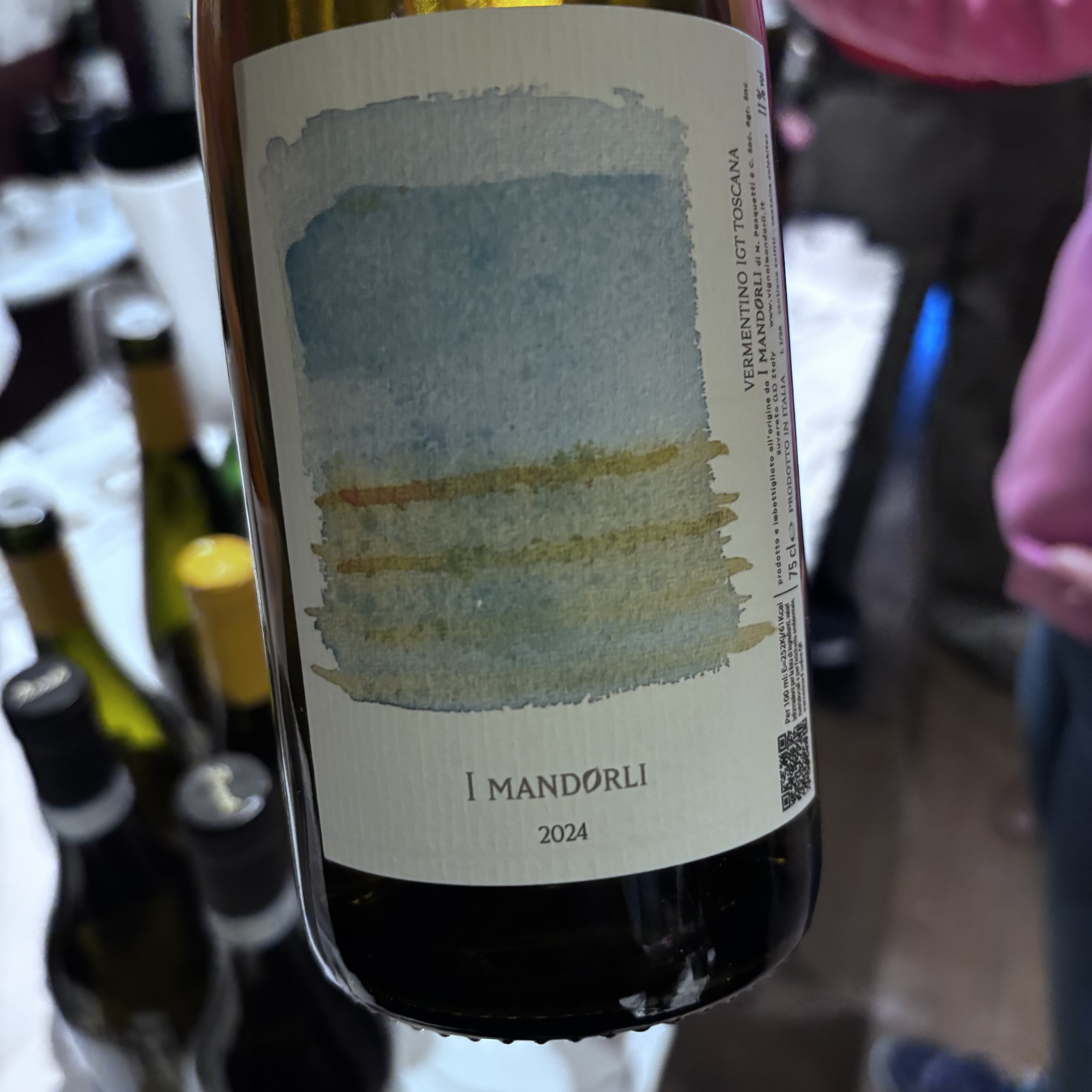
Vermentino Toscana IGT 2024, I Mandorli (Tuscany, Italy)
This is an estate in the Suvereto sub-region of, effectively, the Tuscan Coast, but it lies inland from Val di Cornia and Bolgheri. Although Vermentino used to be better known in Sardinia and Liguria, it has found a home in this part of Tuscany. I Mandorli is a family estate farming biodynamically on mostly stony clay and marl soils.
This Vermentino is an “orange wine”, made from vines on hills of around 300 masl close enough to the sea that you can imagine that’s where its salty tang comes from. This is clean, lemony, with the added texture of skin contact in amphora adding plenty of interest. It’s a wine suited to seafood (especially with its salinity), and maybe a cheese platter. I also think it will perform even better at the table than at a tasting, where its subtlety (at only 11% abv) could be lost. Use a fine glass, not a clay cup, for this one. Not cheap at £40 though.
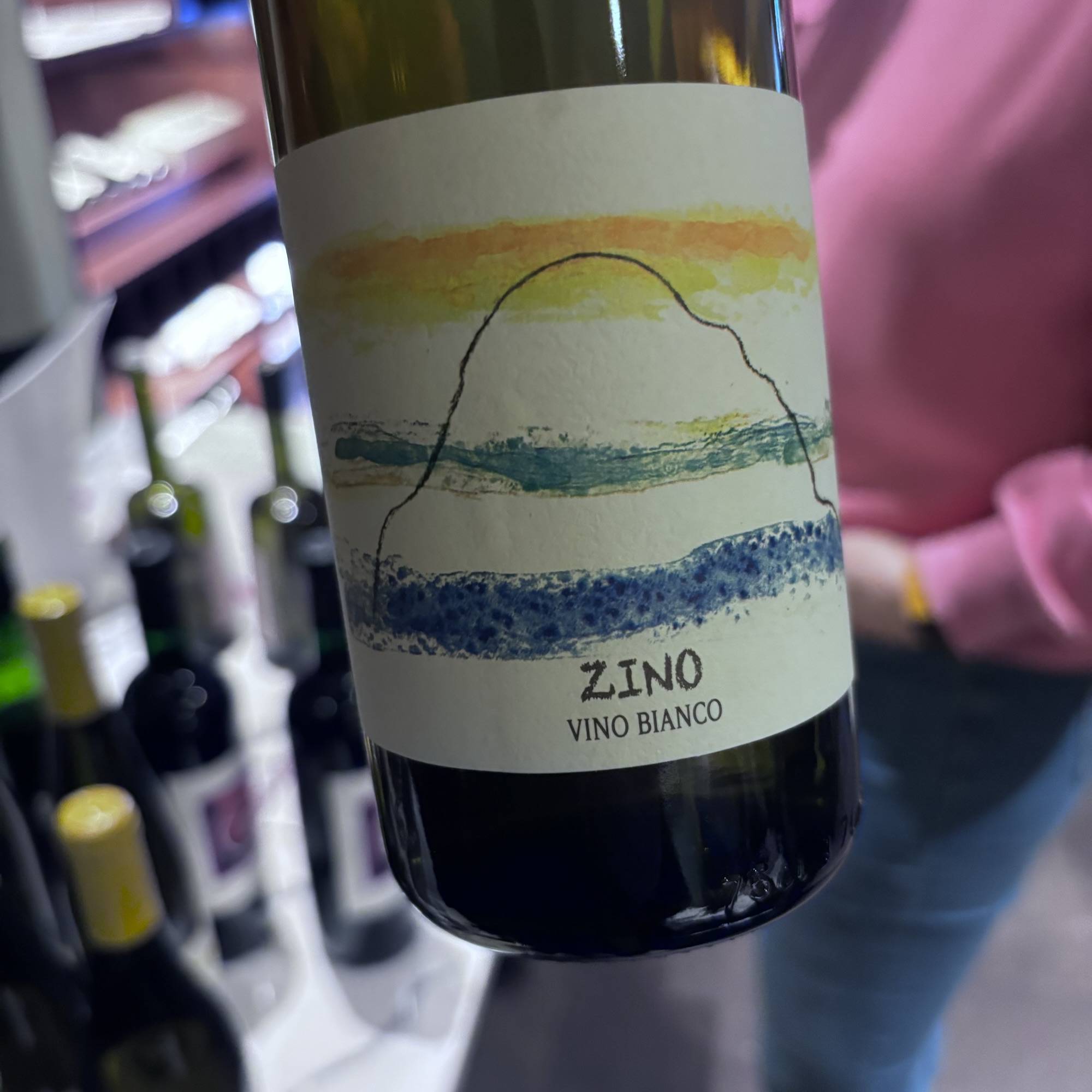
“Zino” Zibibbo Bianco 2023, I Mandorli (Pantelleria, Italy)
I Mandorli make this wine from Muscat of Alexandria (for which Zibibbo is a synonym). Zino, founder of I Mandorli, fell in love with an abandoned parcel of very old Zibibbo vines on the island of Pantelleria off the south coast of Sicily. I first came across the remarkable wines of this island via the passito wines of Marco di Bartoli, but this is a dry wine with a super-clean directness, only a little texture, and real concentration. However, small production of an immaculately made wine isn’t cheap. £55.
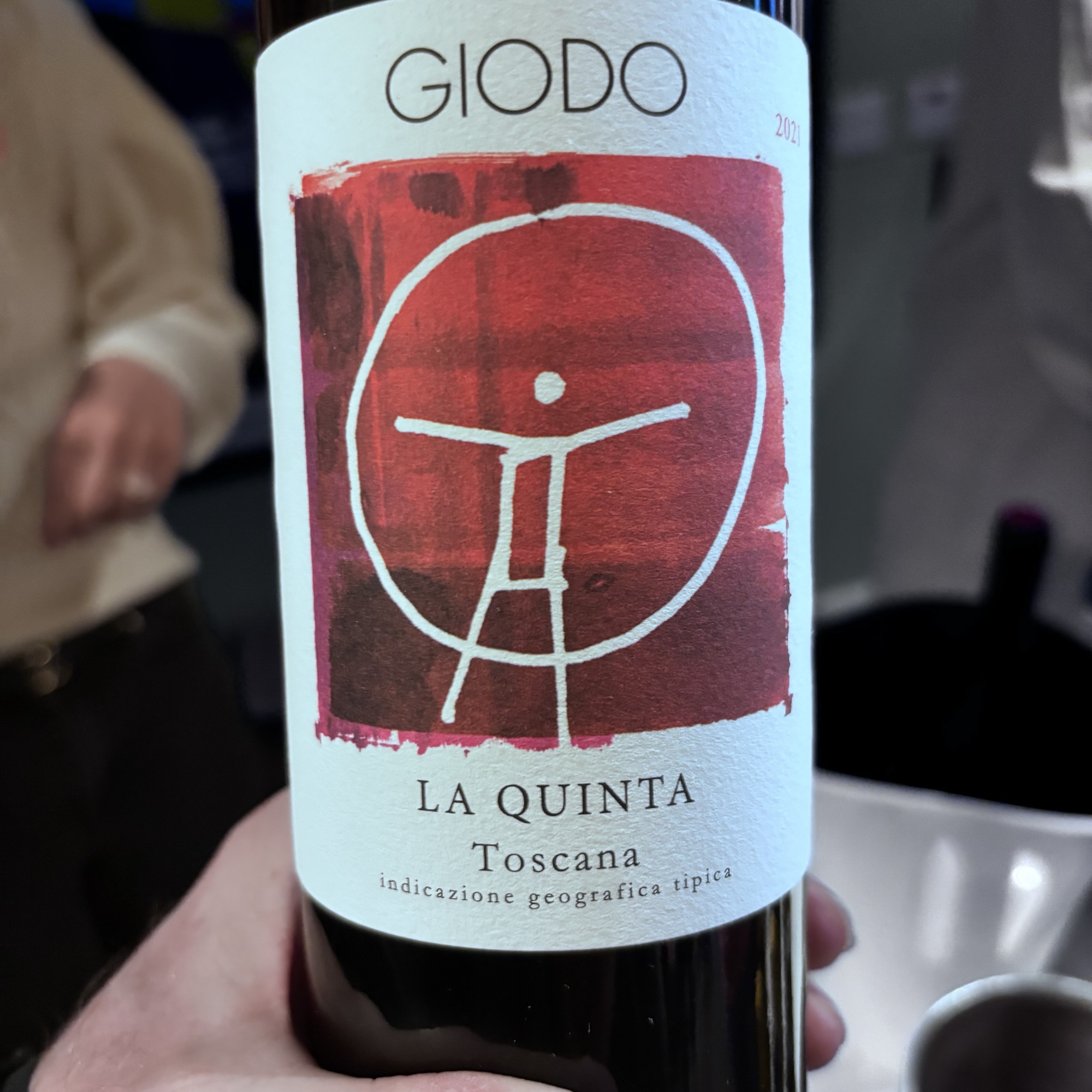
« La Quinta » IGT Toscana 2021, Podere Giodo (Tuscany, Italy)
Podere Giodo is an estate in Montalcino where consultant winemaker Carlo Ferrini crafts fine Brunello. La Quinta, made with Carlo’s daughter, is a 100% Sangiovese from younger vines (7-to-10 years old) aged in a mix of amphora and oak. It takes the place of a Rosso di Montalcino in the estate’s lineup.
It has the classic red cherries and berries you’d expect with a nice touch of spice. The amphora gives it a nice earthy grounding along with a little bit of texture. Not too much, but enough to make this wine a whole lot more interesting than a lot of “afterthought Rosso”. Definitely more bright and pristine fruit than is the norm. It’s just a shame that you used to get good Brunello for the £67 this wine retails for. But then again, this wine is at or around that level of quality for half of today’s prices for the big B.
Artefact 2023, Luke Harbor and Castlewood Vineyards (Devon, England)
This is the third vintage of Artefact I’ve tasted. It’s a Bacchus, grapes harvested in October ’23, fermented on skins in large Tuscan amphorae. There it stays, on lees, for eleven months [so says the blub I read], or 18 months according to Greg Turner whilst pouring the wine.
Greg told me that Luke is always pushing towards lower intervention, with one result that this is now fermented with native yeasts. What I love about this wine is that it combines the freshness of the grape variety (citrus, apple, zippy acids) with the depth and texture of the long time spent in amphorae. It brings out a lot more than your average tank-aged Bacchus. I’ve not yet seen the ’23 on any shelves yet, although AJ Mellis, the cheesemonger where I usually find this up in Scotland, still had a few bottles of the 2022 in Stockbridge last Sunday. £28. I always make a big effort (and a big effort is often required) to get a couple of bottles, and maybe one or two to give away to convert those who are not in the know.
So, just one more part to come. Part Four will cover Woodwinters and Slonk Wines Selections.

 David Crossley's Wide World of Wine