
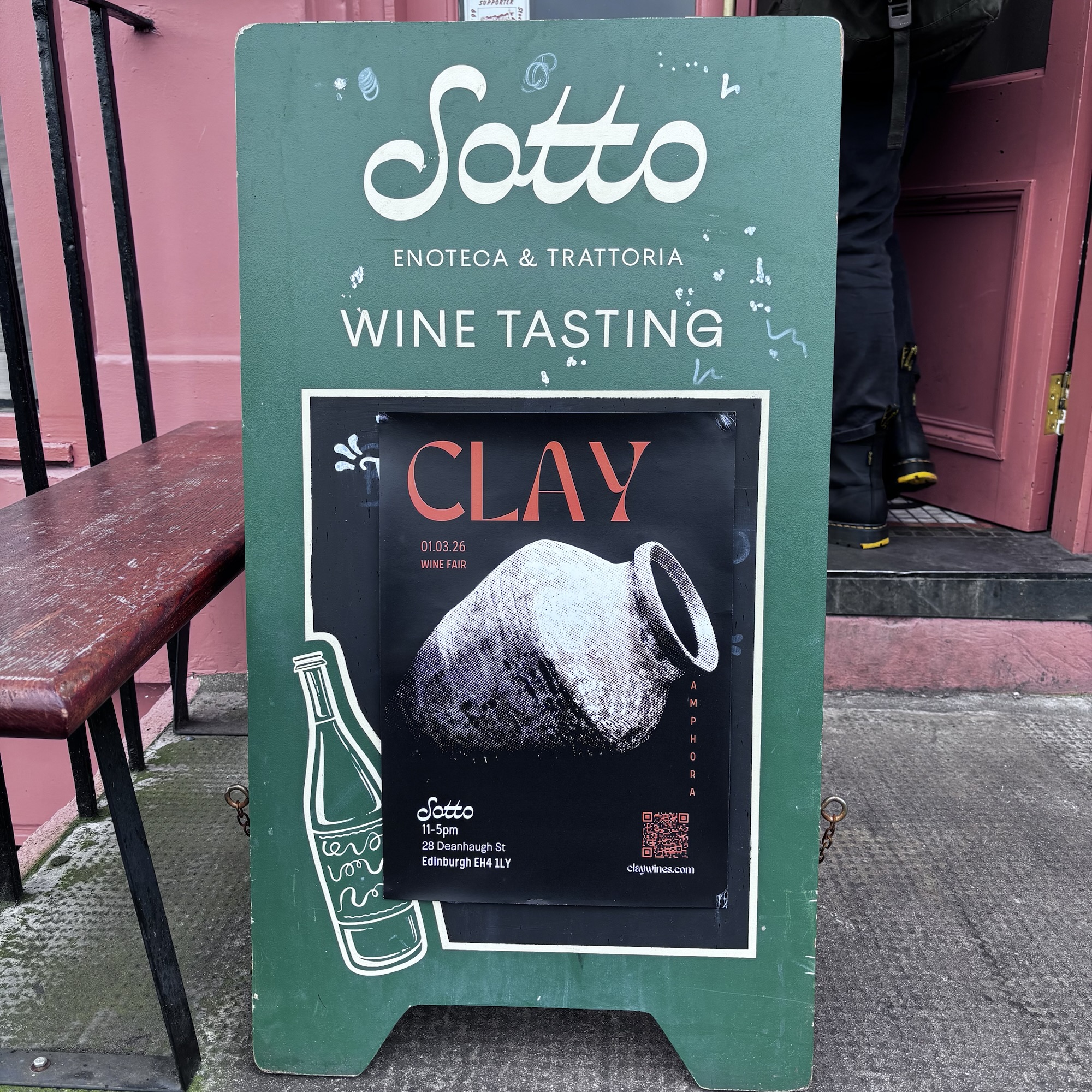
A break in the usual flow of articles has been occasioned by the Clay Wine Fair, which I went to on Sunday (1st March). The second part of my “Recent Wines” from February will follow later in March. I tasted forty-two wines at the Clay Wine Fair (out of a total of sixty-nine on show) which were all fermented and aged, in whole or in part, in various forms of clay vessel, mostly amphora. These were shown by eight importers/retailers. Rather than write one or two very long articles I plan to publish eight shorter pieces, which I think will do better justice to the wines.
The articles will cover the wines in order of tasting. So here in Part 1 we begin with Cork & Cask and Raeburn. Part 2 will cover Fion and Wanderlust Wines and Part 3, Astral Wines and wines from Passione Vino. Part 4 closes with Woodwinters and Slonk Selections. It was unfortunate that I didn’t get to taste the three Georgian wines from 266 Wines. I just couldn’t fight my way in.
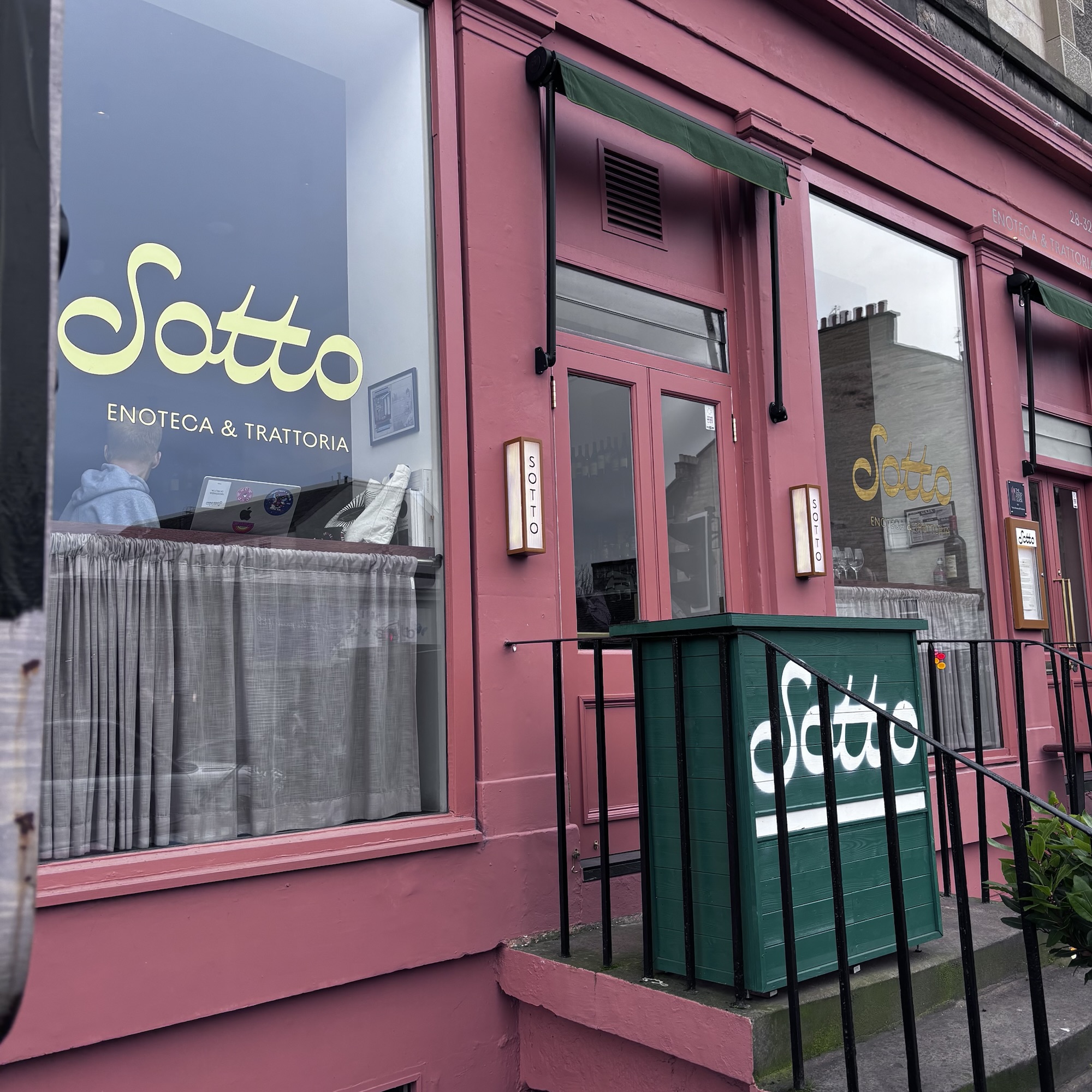
The event was held downstairs at Sotto Restaurant in Stockbridge (Edinburgh). In general, I found it less crowded than last year, but as a public event it did get pretty full by the time I left. The staff at Sotto put on a range of small plates, as they did last year, much appreciated to soak up the alcohol that didn’t quite make it into the spittoons.
Clay Wine is organised by Isobel Salamon, along with her team. The idea of a clay event was genius in my opinion, and I’m so glad to see it continue in its second year. Check out @bellespick @claywines and @slonkwine on Instagram.
Every wine tasted was well-chosen, with no poor wines, at least passing my lips, and a whole range of levels of “orange” was on show alongside plenty of reds as well. Some wines were full-on in terms of textures, whilst other wines gave only minimal signs of having seen clay. There were some classics here.
Prices where given are retail as provided on the day. Where not given the wine may not yet be listed.
CORK & CASK
Cork & Cask is one of Edinburgh’s finest wine shops, south of The Meadows in Marchmont. They are known very much for their adventurous range which has a focus on lower intervention wines, including many natural wines, and their approach to buying which brings wine from many different importers rather than the convenience of one or two. Their wine and spirit buyer, Jamie Dawson (also one of the people behind Blind Summit Whisky), was on hand to pour.
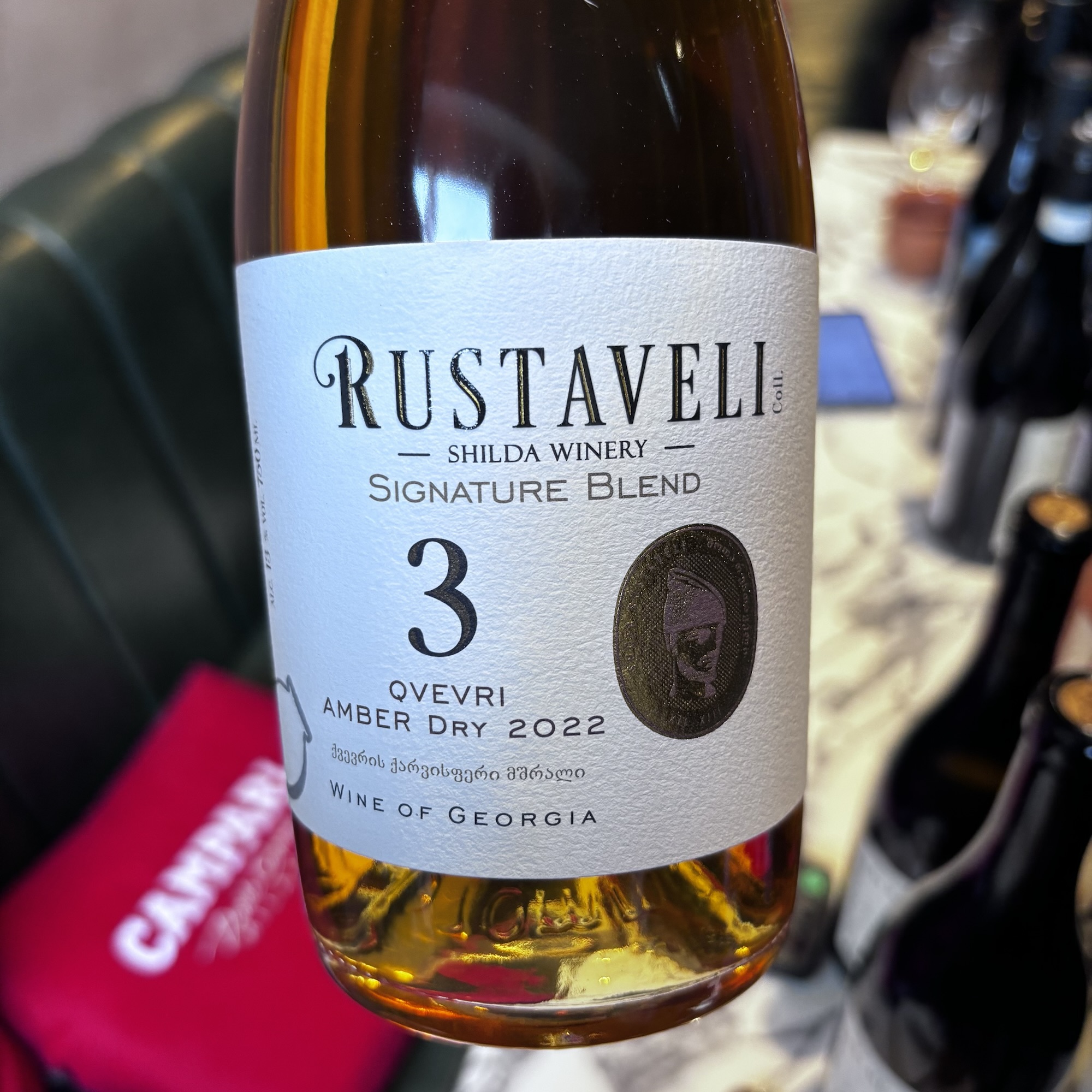
Rustaveli Signature Blend 2022, Shilda Winery (Kakheti, Georgia)
A Rosé which blends Kisi, Rkatsiteli and Mtsvane. It’s fermented in qvevri, but with just 10% skins (six months maceration and six months after). Bright pink-straw colour*, the bouquet is stone fruit (apricots). Acidity is balanced in a nice wine with 13% abv, which means I’d drink it with food. A good start here. £25.
*We were given lovely clay cups, glazed on the inside, to taste from. It’s a fun way to taste at an amphora event, but you had to be inventive to analyse colour. Some of those pouring the wine were using glasses to show colour where they felt it was an important aspect of the wine, to show levels of orange/extraction, or perhaps for very pale reds.
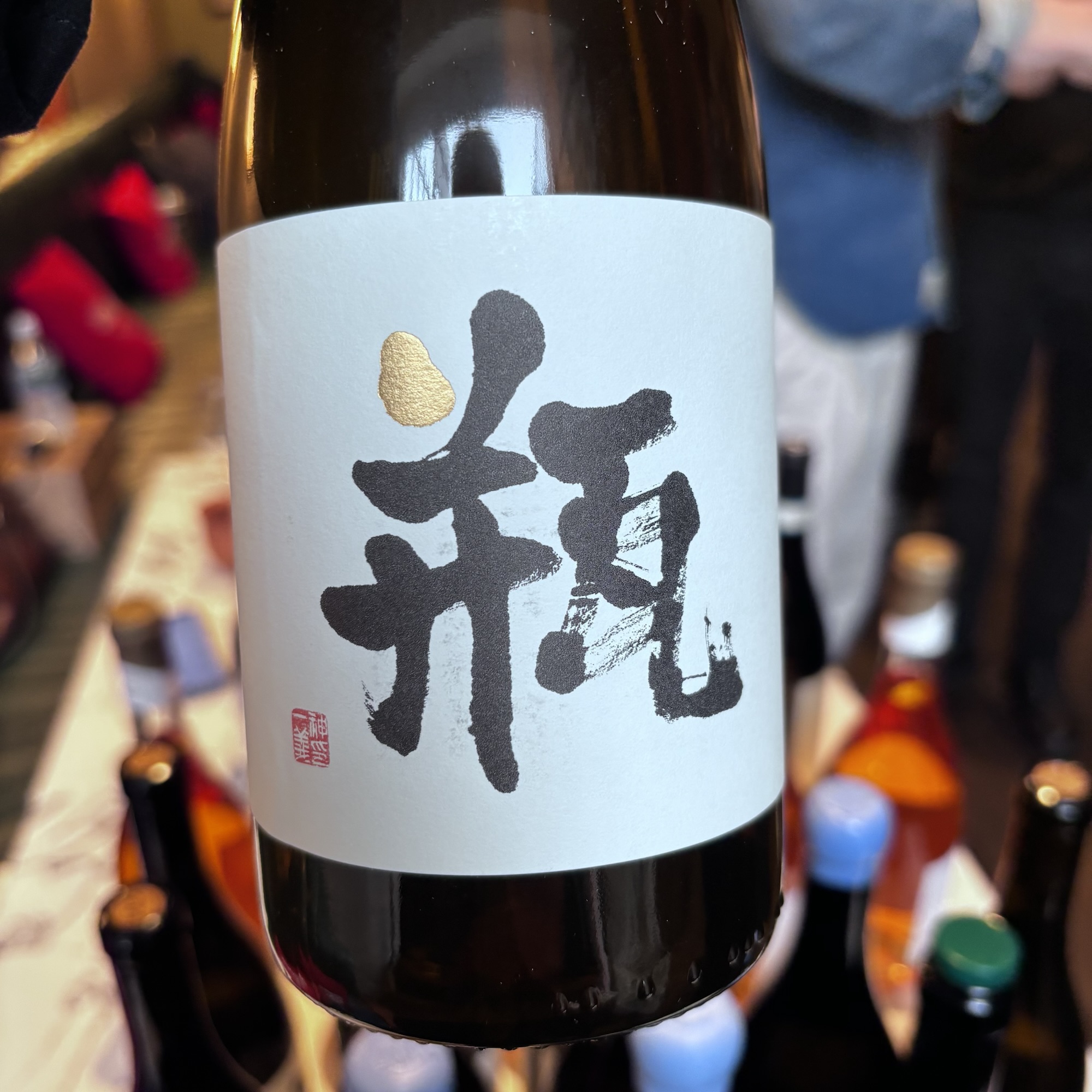
Kha Mé Garnacha Blanca, Bodegas Bhilar (Rioja, Spain)
Bodegas Bhilar is based at Elvillar in Rioja Alavesa, but this amphora-aged white wine is not labelled under the appellation, nor any other IGP. However, it’s an excellent bottle with a floral bouquet. The palate is clean and fresh, more “mineral” than tannic. The Japanese kanji is a close translation of amphora. Lovely wine. £30.
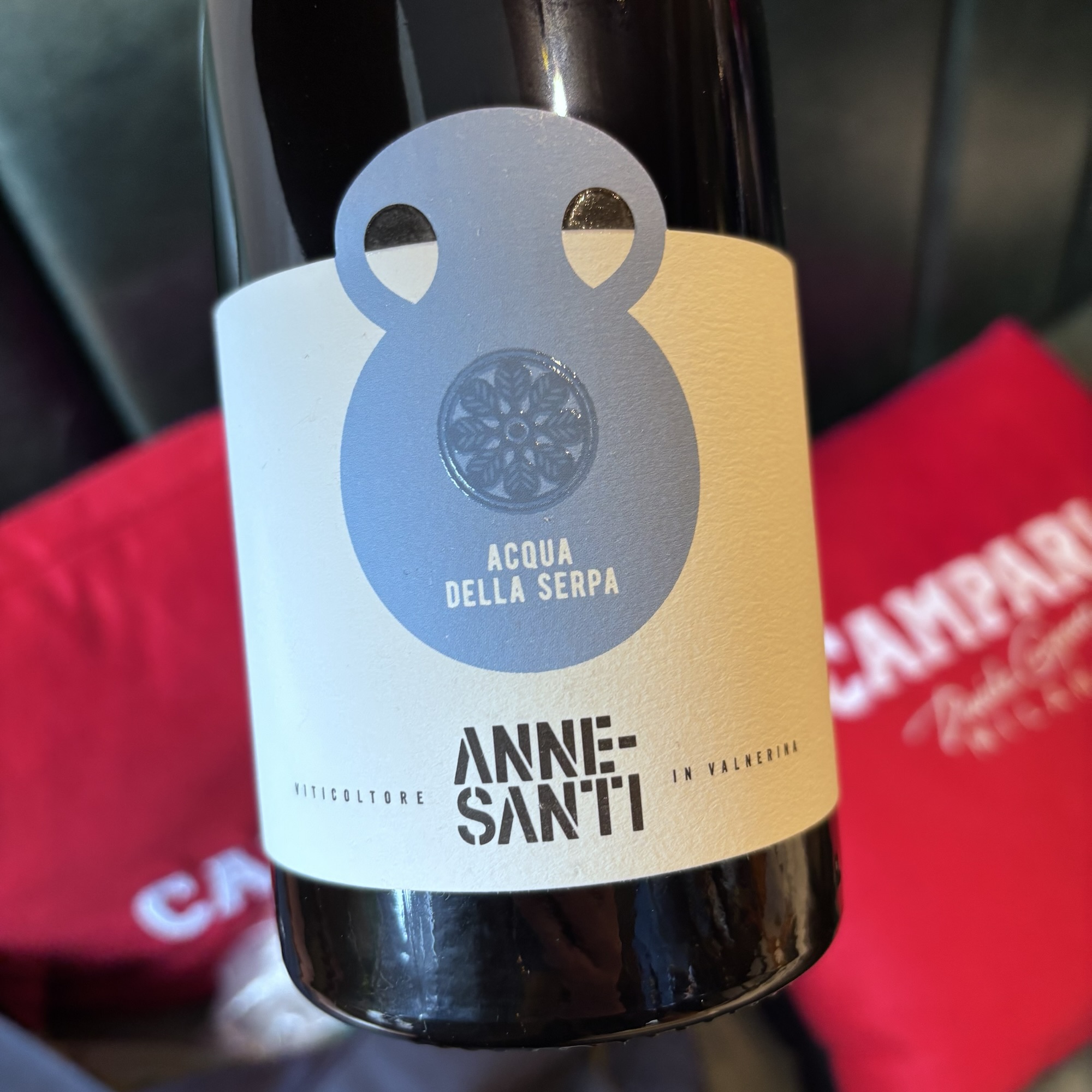
Acqua Delle Serpa Bianco 2019, Anne-Santi (Umbria, Italy)
Made by Francesco Annesanti at Arrone in Umbria (not in Portugal, as the C&C web site oddly suggests), this amphora-fermented wine has a lovely citrus bouquet mirrored on the palate by equally lovely fresh lemon acidity. It has a nice mix of zip and texture, and all of this builds by the second sip into a rather intriguing wine. One of the more subtle amphora wines on show, but not lacking weight despite just 12% alcohol. £37.
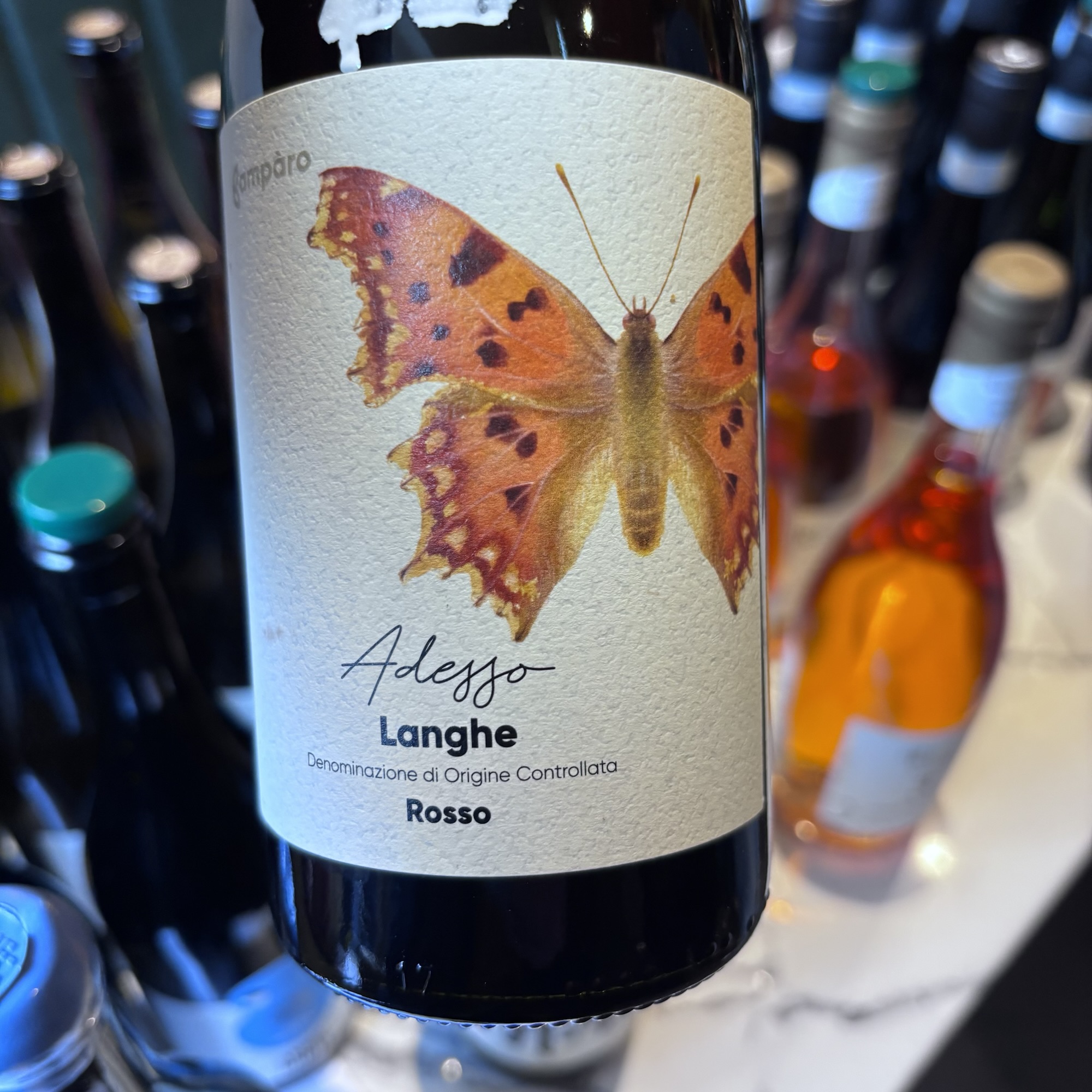
Langhe Rosso “Adessa” 2022, Camparo (Piemonte, Italy)
This is a superb value Langhe blend of 70% Nebbiolo with 30% Barbera from a producer at Diano d’Alba. Although the 2023 was made in amphora, this ’22 was actually made in oak. However, I would buy this at the current price, and Jamie reckons the ’23 amphora version is even better (it simply hadn’t arrived in time). Fresh acids despite 14.5% alcohol make it quite rich and smooth, although there’s tannin too, for sure. But only £22.
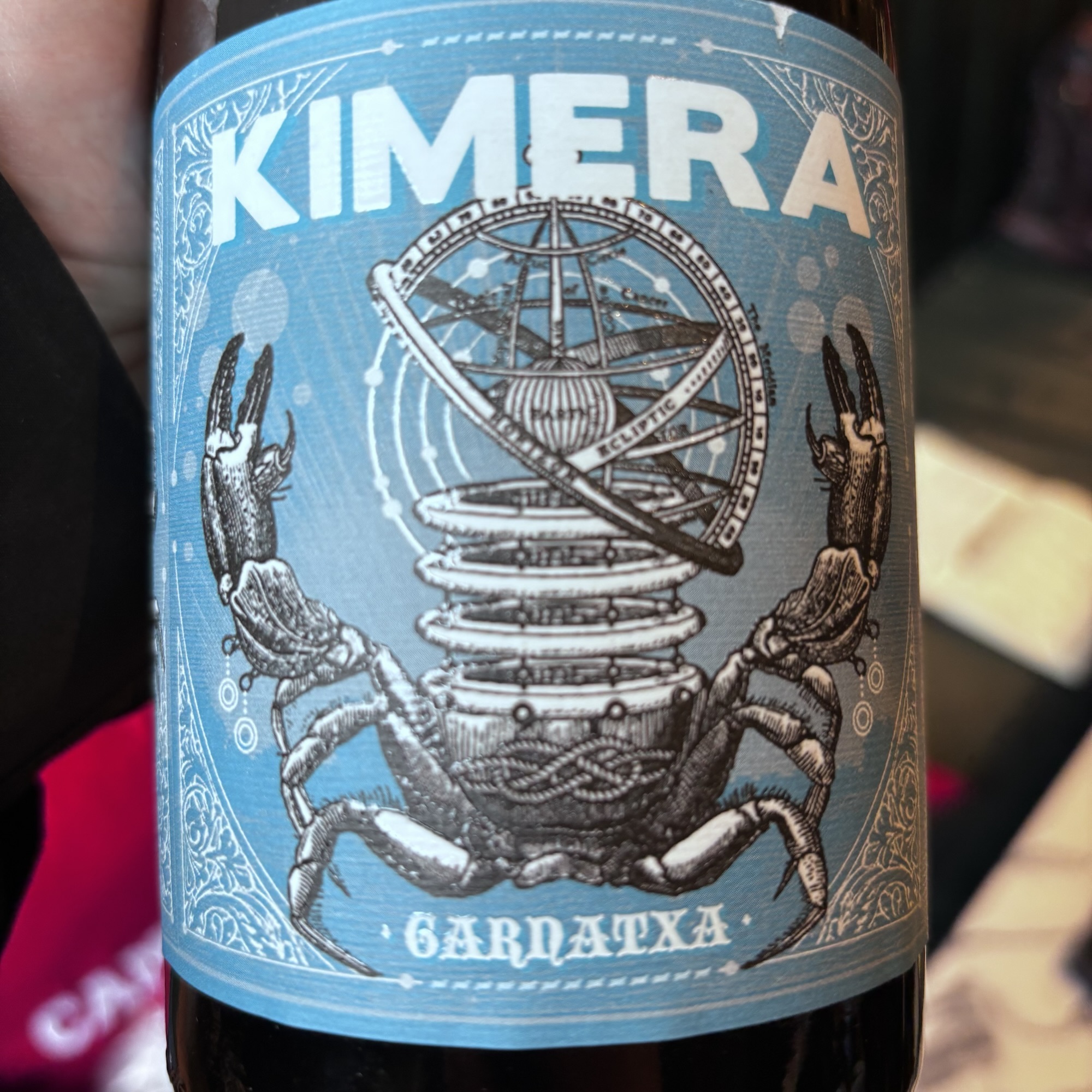
Kimera Amphora Garnatxa 2022, LMT Wines (Navarra, Spain)
LMT Wines is the project of two friends, Luis Moya and Gonzalo Celayeta, who are based in Olite. It is made in traditional Tinaja de Barro. It’s a fascinating wine because the vibrant red colour isn’t exceptionally dark (though not pale), and the freshness, which may come from the clay, covers up 14.5% abv very well. But the clay does give plenty of texture. £26.
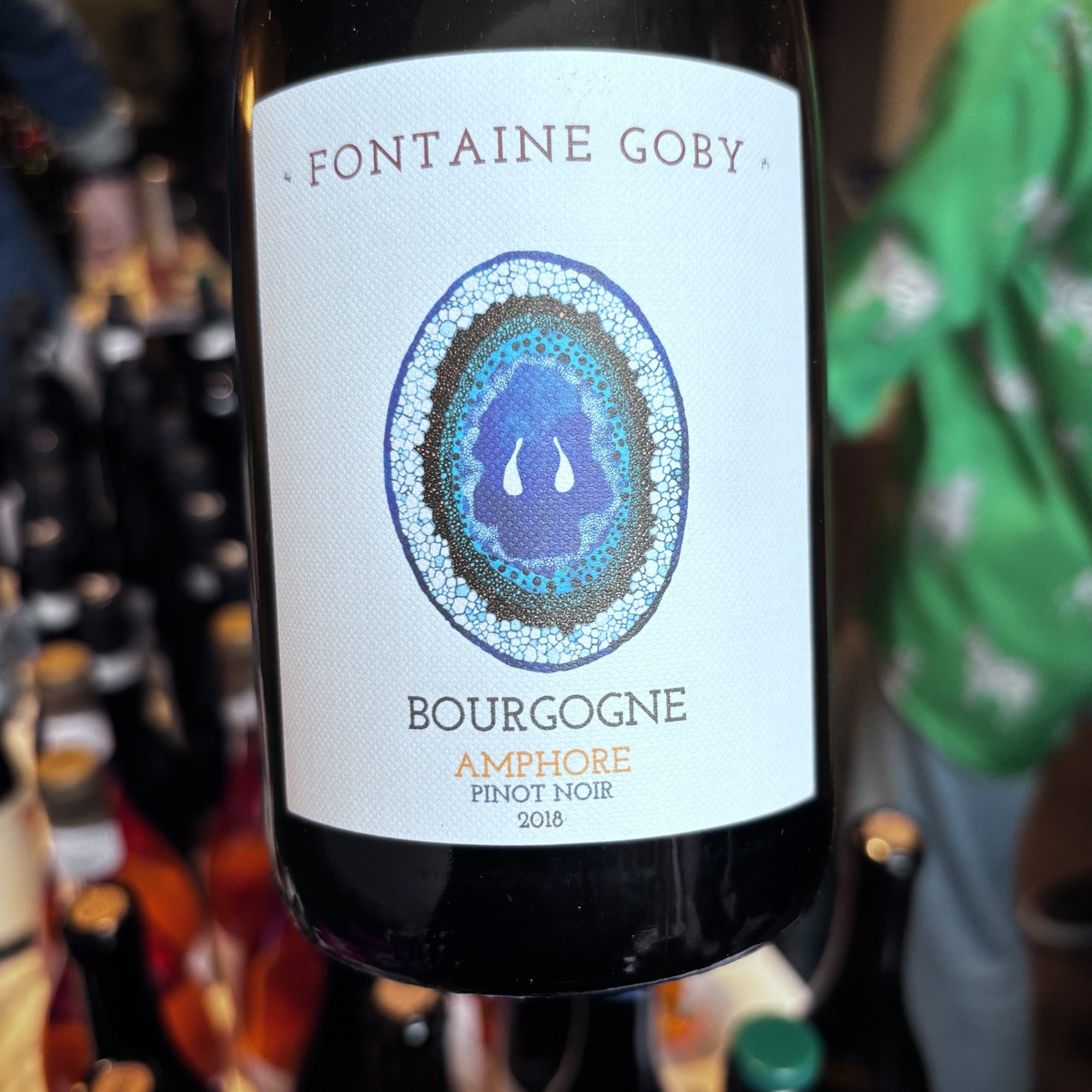
Amphore Pinot Noir 2018, Fontaine Goby (Burgundy, France)
We finish at Cork & Cask with a bit of a stunner, on several levels. Marie-Noëlle and Laurent Ternynck make wine at Préhy, which I’m sure you recognise as being within the Chablis appellation. This red wine is both fermented and aged in amphora (12 months), which seems less common in Burgundy, even if it has become fashionable in Bordeaux. There’s no added sulphur.
It’s so fascinating. Pure cherry scents dominate the nose. The palate is both textured and earthy alongside more cherry fruit. It’s labelled as 13.9% abv and that carries richness. As Jamie says, “a real game wine”. He suggested pigeon, and I’d add partridge, but also autumn mushrooms in garlic and a red wine reduction for those averse to meat. £42 isn’t cheap, but how much good Burgundy is these days. It wasn’t quite the best amphora Pinot at the tasting, but if the Beckham Estate from Oregon (see Pt 3) beats it, then that costs even more than this wine.
RAEBURN FINE WINE
Raeburn Fine Wines, to give them their proper name, are based in Stockbridge, maybe ten minutes from Sotto. Here they have a retail shop piled high with wonderful wines. Although they have “Fine Wines” in their name, and they do import a lot of traditional wines, they also have wide tastes, and if you pay them a visit something will jump off the shelf. They bring in a lot of wines, so perusing their list can take a while, though a fun activity it is. Murray, who was pouring on Sunday, is exceptionally knowledgeable.
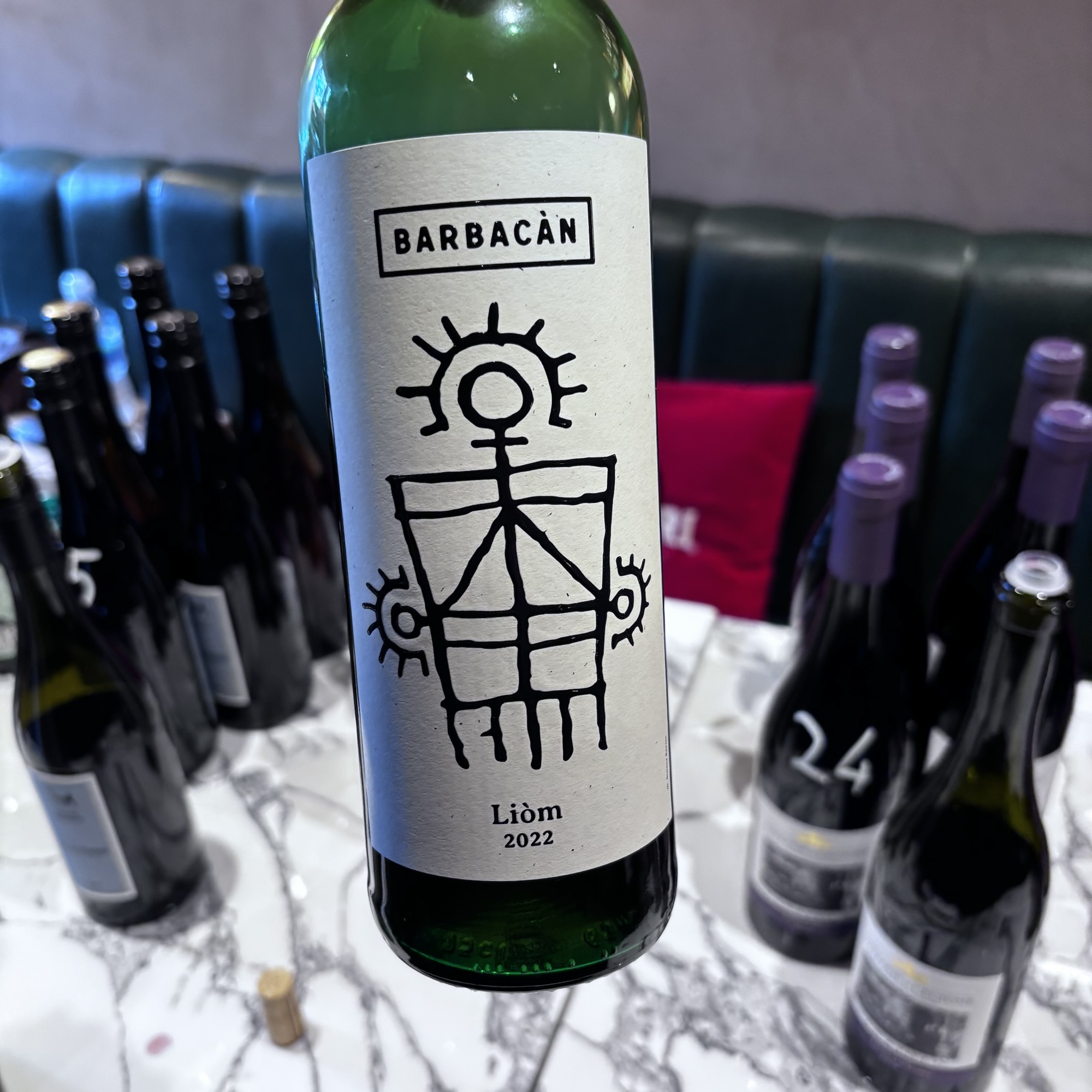
Liòm 2022 IGT Alpi Retiche, Barbacàn (Valtellina, Italy)
The Barbacàn label of Angelo Sega and Sons (now run by Angelo, Luca and Matteo) in San Giacomo di Teglio is one of a growing number of exciting estates in the Valtellina region of Northeast Italy. It is often seen as a good source for Nebbiolo hunters priced out of Piemonte’s major DOCGs. This certainly contains Nebbiolo (here called Chiavennasca) but with local varieties (including Róssola and Róssolino Rosa). The vines for this cuvée grow on the famous terraces at between 550-600 masl. It is vinified in amphora, where it spends one year.
Pale ruby red, it’s very juicy, quite ethereal, beautifully scented. It has a grainy texture, very mineral. It’s a great artisan wine showing a different side of the Valtellina region, and it was very much one of my Wines of the Day. £36.
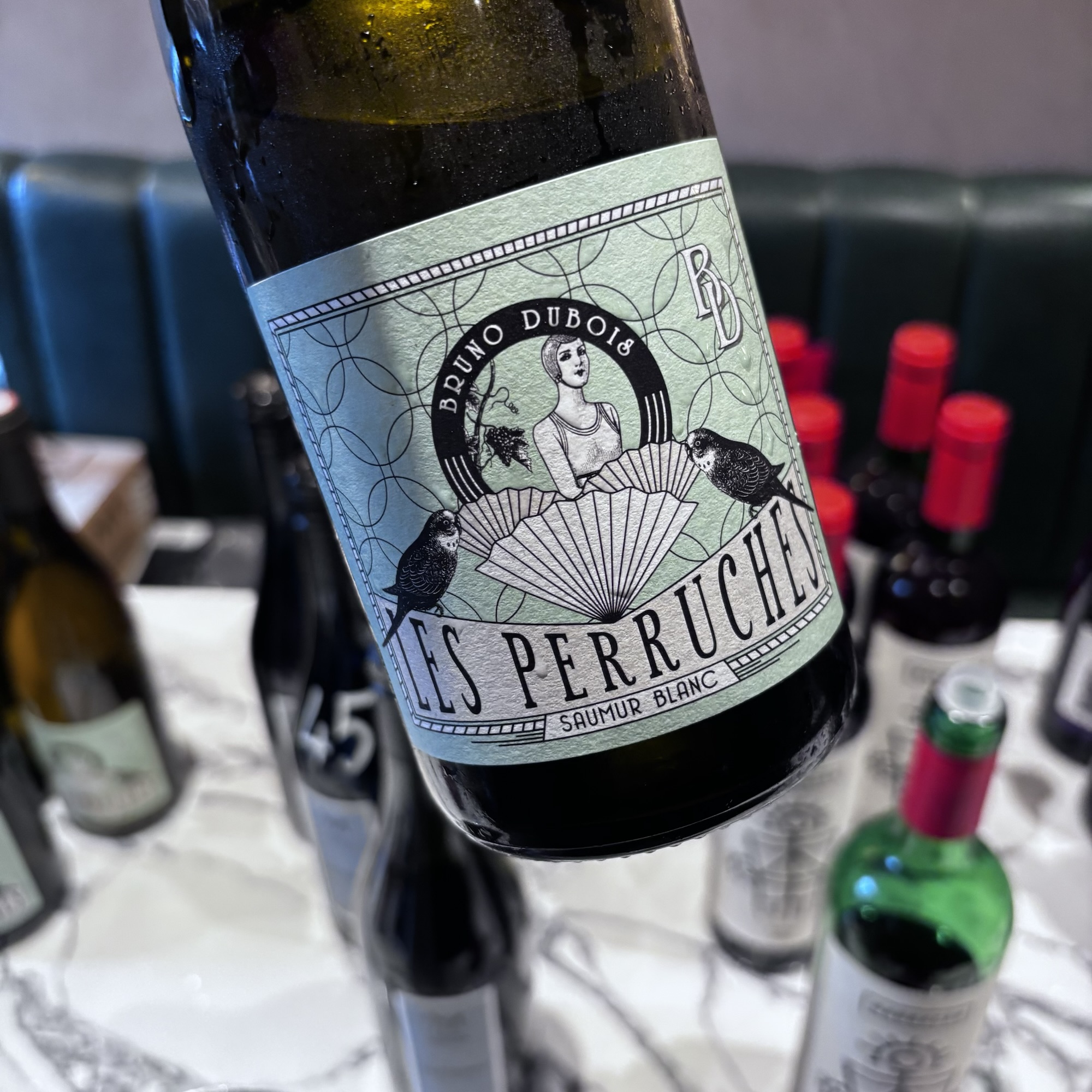
Saumur Blanc « Les Perruches » 2021, Bruno Dubois (Loire, France)
This wine is a pure Chenin Blanc planted on the region’s argilo-calcaire (clay-limestone) soils. The vines are between 40-to-50 years old, and they are farmed biodynamically. Dubois is also committed to diversity in the vineyard, pursuing a regenerative approach. This cuvée sees one year in amphora, from a belief that this medium best expresses the terroir.
It’s certainly a wine of lovely purity. It has rounded fruit (lemon, lime, peach and a touch of pear) which all bring freshness to a wine that tastes alive. The texture is there, but it doesn’t hit the palate immediately leaving time to savour the purity of the fruit. £28.
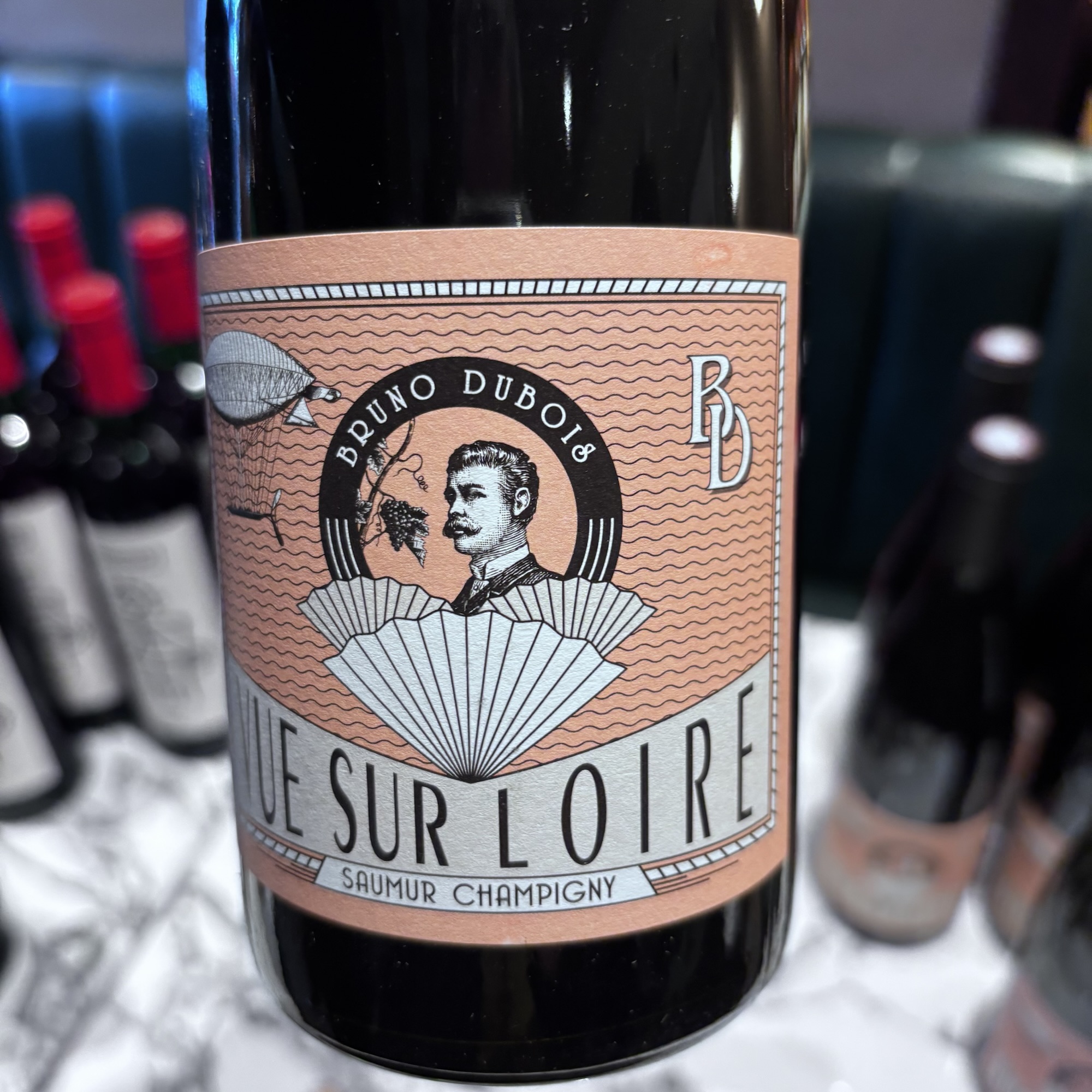
Saumur-Champigny « Vue Sur Loire » 2018, Bruno Dubois (Loire, France)
Another wine from Bruno, who is based at St-Cyr-en-Bourg. It comes off the same clay-limestone soils as Les Perruches, the vines also being farmed biodynamically (see above). The variety here is Cabernet Franc, which as with the Chenin, sees 12 months in amphora. It mixes purity of ripe Cabernet Franc (at 14%) with grainy tannic texture, and just a little poise from age. It’s a cool wine, elegant, with a nice mixture of ripeness and structure. £30.
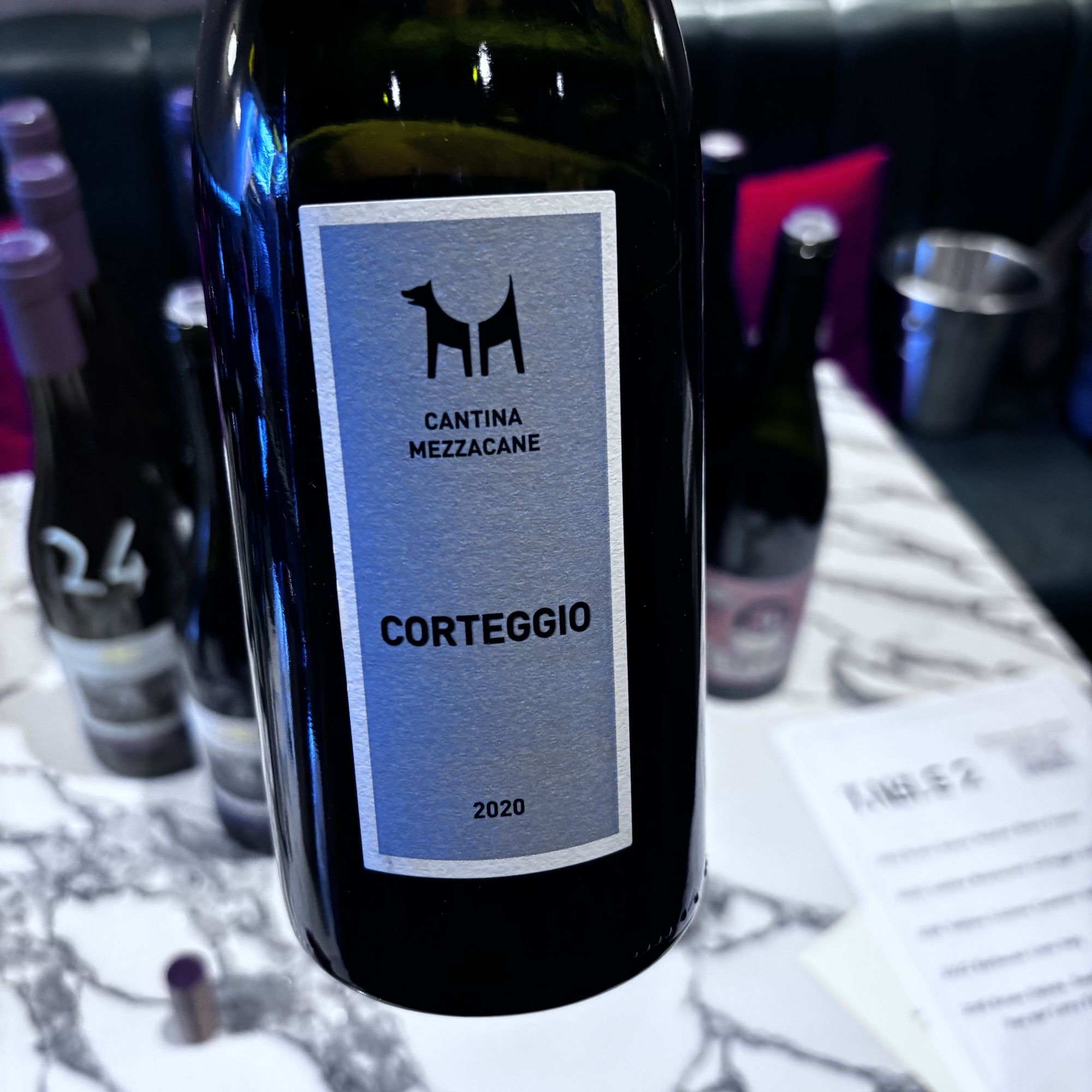
Vino Bianco Corteggio 2020, Cantine Mezzacane (Lombardy, Italy)
This Lombardy estate follows Georgian culture closely. The amphora, imported from Georgia, are buried underground. The organic Cortese fruit spends nine months on skins in the vessels. No sulphur is added to the wine. The nose shows almond and vanilla along with floral aromas, the palate showing quite concentrated fruit with a little spice. The texture is more like a gentle amphora-style brushing, rather than full-on tannin. Extremely pleasant and tasty, as well as classy. £47.50 retail makes it quite pricey, though the quality is undoubtedly there.
That sums up Part 1 for us. A very strong start from Cork & Cask and Raeburn, which we shall hope to continue in the parts which follow.

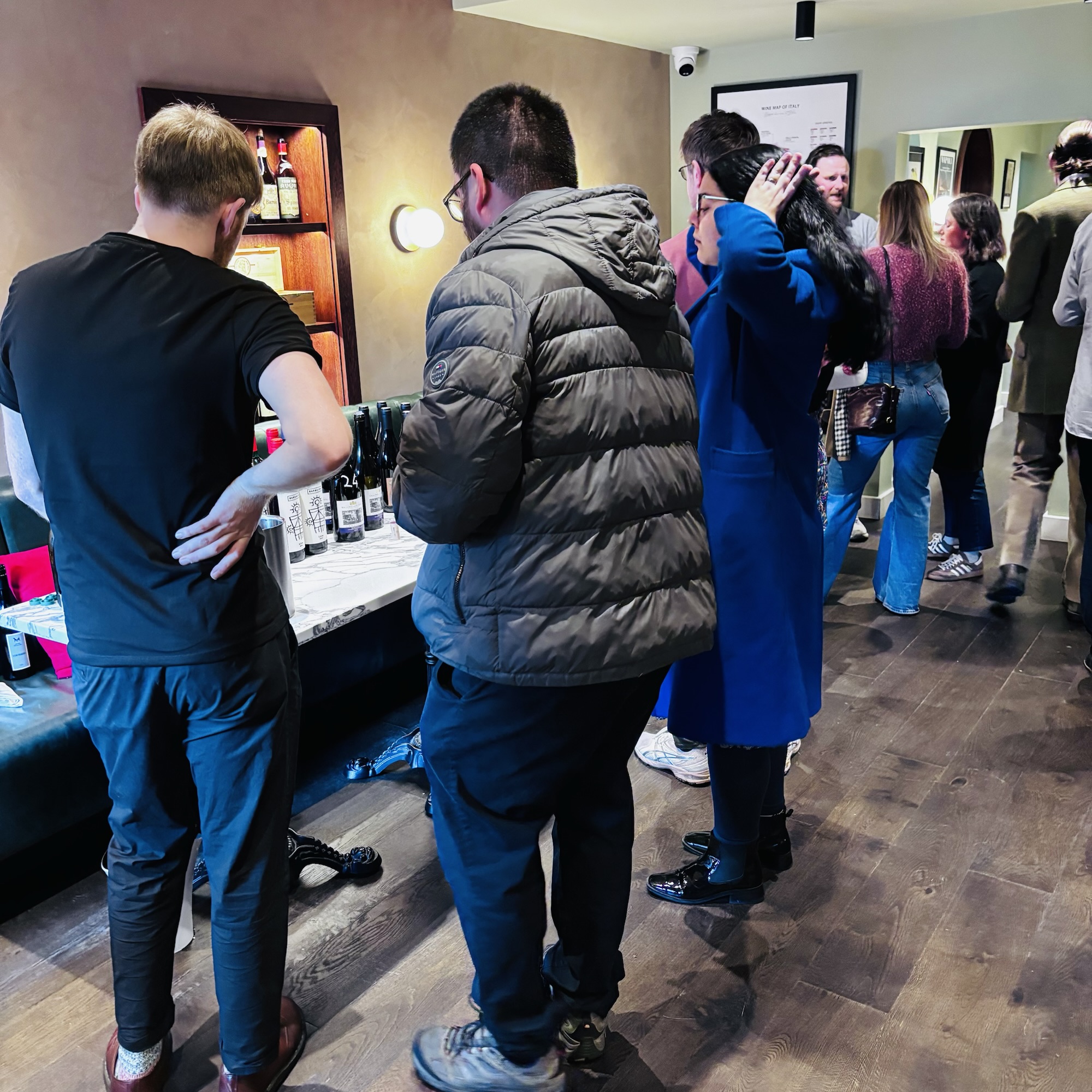
Jamie and Murray hard at work

 David Crossley's Wide World of Wine