
After Part 1 had some classic wines, and some classic regions, we begin here with a couple of leftfield offerings, a Polish Blaufränkisch and a Cretan Vidiano. The sandwich filling here is provided by a very good value Roero Nebbiolo and a Pinot Noir that will be hard to beat all year. That comes from Kelley Fox in Oregon. The final two wines here are a beautifully-aged Sauvignon Blanc from a Hampshire cult winery (you can probably guess), and a Merlot/Cabernet blend made by a small practitioner of permaculture and both regenerative and no-till viticulture in the Dordogne.
A zip through that list might leave some infrequent readers scratching their heads as to what the fuss is about for these wines, but their diversity proves that brilliant wines are being made pretty much everywhere, and that you don’t need to pay fine wine prices for genuine excitement in the glass.
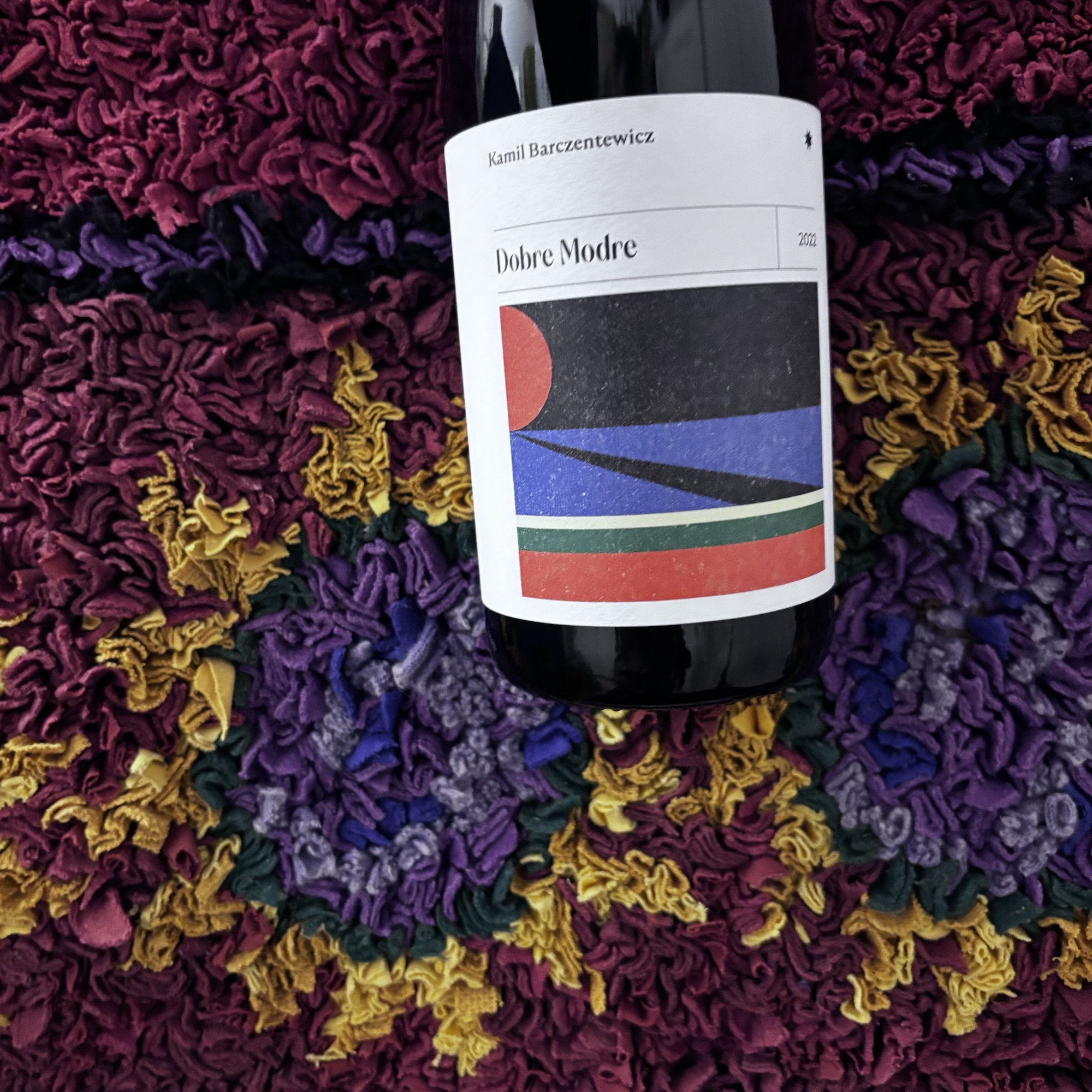
Dobre Modre 2022, Kamil Barczentewicz (Lublín, Poland)
Kamil Barczentewicz farms 12 hectares of vines on a limestone hill at Wilców, close to the River Vistula in a region called Lublín, in southeast Poland. This cuvée is 100% Blaufränkisch, a natural wine made via spontaneous fermentation with indigenous yeasts in open-top vats, and then seeing eleven months ageing in oak (a mix of Hungarian, Slavonian and French). It is rested in stainless steel for a further six months before bottling.
The result has that gorgeous sheen of reddish purple you expect from the variety. The bouquet is all peppery blackcurrant, and the palate is fruity and crisp. It is also developing some autumnal notes and the fine tannins are retreating. It’s very good for £18 from The Wine Society. They are sold out but their web site says it’s due back soon. They do currently have some of Kamil’s 2022 Pinot Noir left. The importer is Élevage Wines.
This is by no means the first good Polish wine I’ve drunk. Unless my senility has really kicked-in now, I don’t see any entry for Poland in the World Atlas of Wine’s current (8th) edition. It’s about time we had one, and I wonder whether Poland will get a mention in the new 9th edition, due out later this year. Perhaps if anyone at Mitchell Beazley, or one of the contributing team, reads this they could let us all know.
I would also like to give a shout-out for The Wine Society. I think it is the same buyer who brought this to TWS as is the buyer for Jura, Savoie and Switzerland (among others). If so, they are on fire, and deserve a pay rise for their sense of adventure as much as their obviously good palate. They probably brought in the recent Ukrainian Chardonnay too? More from Switzerland, artisan Alsace and Jura, and far-flung countries are always welcome in my cellar.
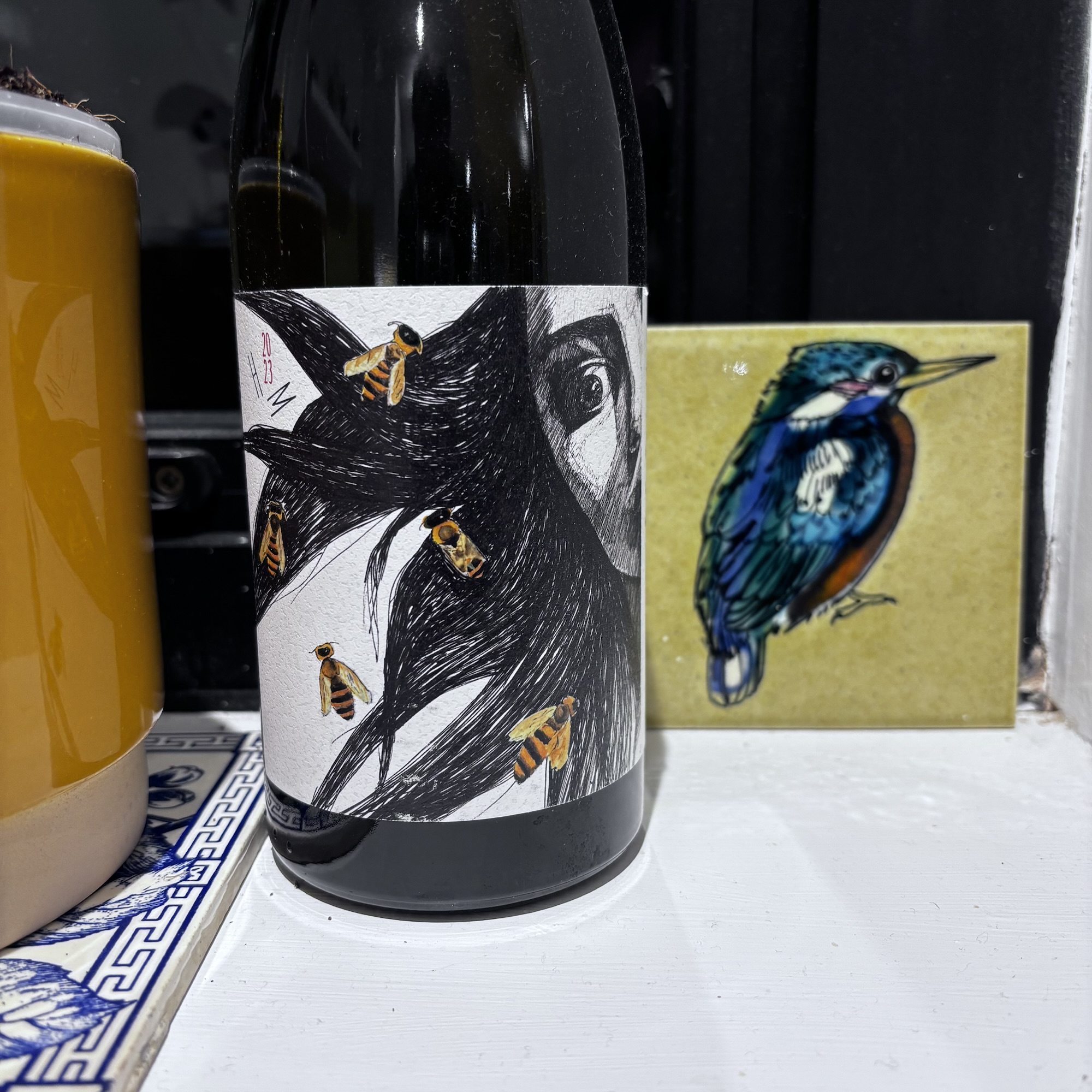
Vidiano Young Vines 2023, Shima Winery (Crete, Greece)
Iliana Malíhin established a winery at Melambes (also spelt Melampes) in 2019, whilst in her mid-20s. Using Vidiano, one of the best of the Cretan white varieties, for this cuvée, the grapes come from the IGP of Rethymno in Northern Crete, where Iliana farms or oversees around ten hectares of organically-farmed vines on clay and schist terraces. Not yet made an appellation (PDO), the vineyards here are packed with an array of “heritage” grape varieties rarely seen outside of Crete.
This is, as you will see, a young vines cuvée. The same shop/importer also had an “old vines”, which judging by how good this is, might be truly amazing…but it costs more. This sees skin contact and six months on lees, both giving a bit more colour and texture. The vines are only between five-to-fifteen years old, so the winemaking gives the wine a little extra personality. Growing up at around 650 masl helps add some brilliant freshness too.
The bouquet reminded me of peach and apricots and the palate has a slightly oily stone fruit texture. The expected herbal note joins in after a minute or two warming up. The other thing to note is the salinity. It has good depth and body but is balanced. For me, young vines or not, it is very impressive.
Keeling & Andrew imports this, and I found it in their shop, Shrine to the Vine. It cost £35. The Old Vines cuvée costs £57 but I’d love to try it as this wine was superb. They also have a varietal Liatiko, a field blend and a Rosé (also made from Liatiko). The latter is the cheapest of Iliana’s wines at £29. Definitely worth heading to Lamb’s Conduit Street, Stoke Newington Church Street or Broadway Market to check out this excellent producer.
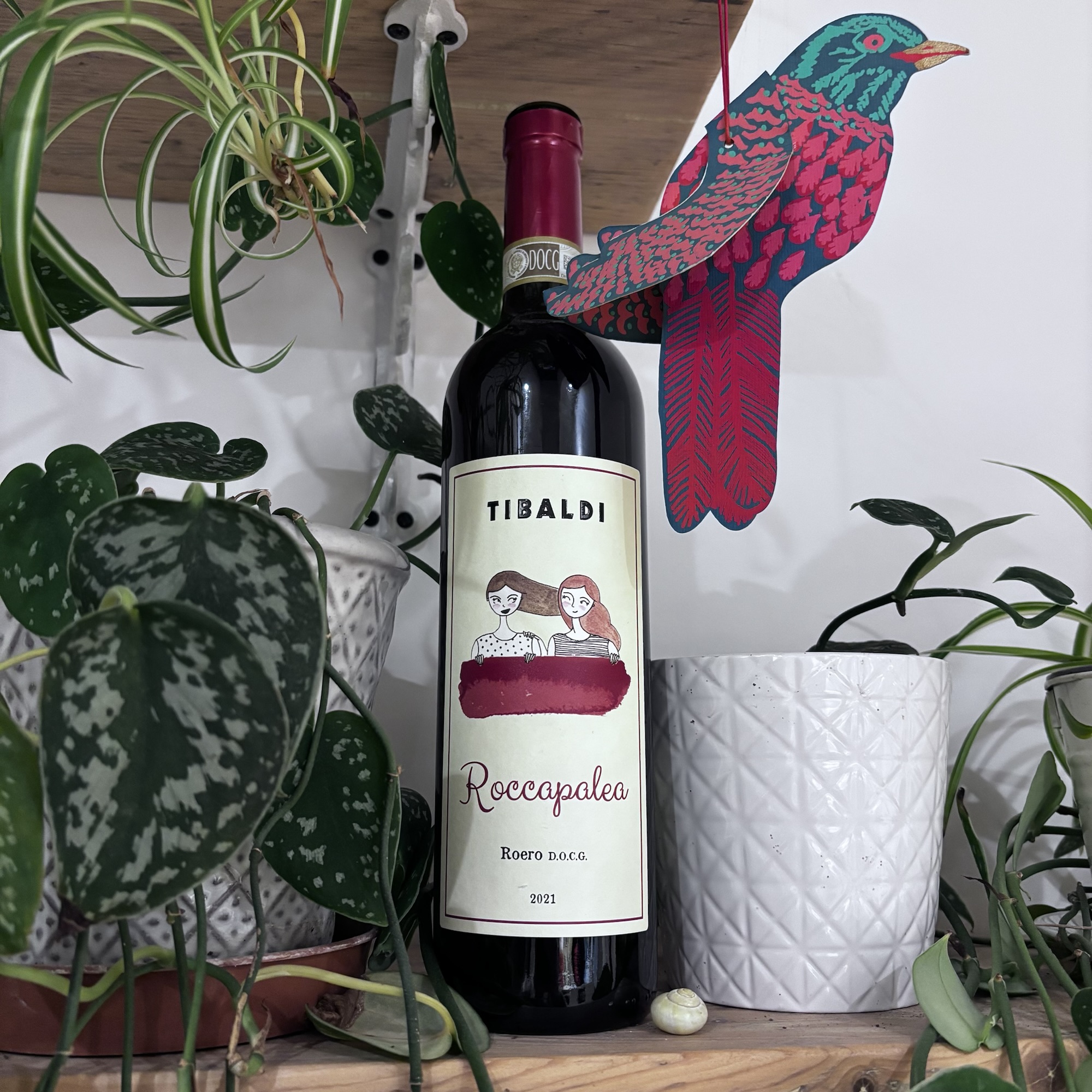
Roero “Roccapalea” 2021, Tibaldi (Piemonte, Italy)
Roero has been a source for some rather good Nebbiolo on my table for a good decade or so. Some is now eye-wateringly expensive where famous names have smelt the coffee and bought-in. However, the region has traditionally been one with many family wineries, making wines in many cases of exceptional value for money. At least for those of us who cherish that grape variety.
Roero is, for those who don’t go deep into Piemonte, to the north of Alba. You reach it by crossing to the left bank of the Tanaro River and heading up into the hills towards Canale. The soils here differ from the Langhe in being more sandy in nature. It’s not all about Nebbiolo. Roero Arneis is an increasingly attractive aromatic and crisp white wine, and Favorita (aka Vermentino) can be a good insider pick too.
The Tibaldi Roero, made by Monica and Daniela Tibaldi, is certainly a lighter style of Nebbiolo than you might find in Barolo. The soils have their influence, but equally, this cuvée is made using 30% whole bunches. Its deep ruby red colour betrays ripe sweet cherry fruit on the palate, with a finish that to me hinted at both liquorice and soy sauce, and definitely mint leaf. The bouquet is quite beguiling in its own way, very perfumed in the ways you hope for in Nebbiolo.
The alcohol sits at 14%, but for a wine like this, being well balanced, it seems just right. It was well matched with a winter stew, and to be frank there’s a big call for winter stew wines here right now. Just ones that have some degree of subtlety, as this one has, rather than jammy fruit and brawn.
Another purchase from The Wine Society, and another wine that has all gone (because, contrary to what the online requests for reviews right after I’ve bought a bottle expect, I tend to keep even modest wines a month or two, to rest, before opening). I wouldn’t be surprised to see it back at some point. It cost £20, and who doesn’t want good, drinkable, Nebbiolo for that kind of price? Tanners of Shrewsbury has the 2019 Roccapalea for £33 along with several other wines from this producer, so they may well be the importer.
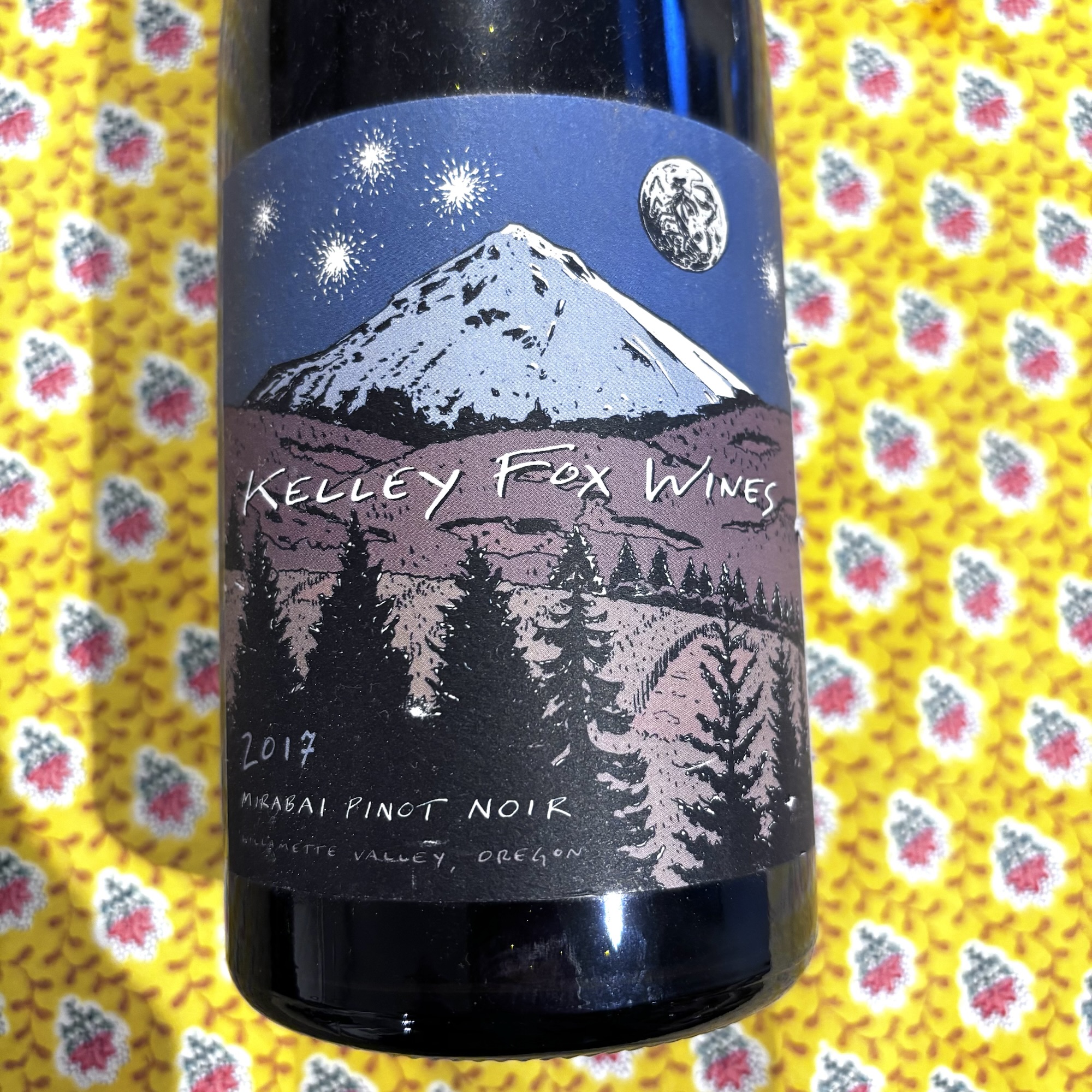
Mirabai Pinot Noir 2017, Kelley Fox Wines (Oregon, USA)
Kelley Fox works from the ADEA Wine Company facility, four minutes out of Gaston, down the Tualatin Valley Highway, in Northeast Oregon. Some of her wines come from highly acclaimed single vineyards, around nine of them including Freedom Hill and Maresh. Mirabai, Named after a sixteenth century Hindu mystic poet-saint from India, a devotee of Krishna, is labelled from the broad Willamette Valley AVA, but the fruit comes largely from the Dundee Hills AVA, centred on the historic Maresh Vineyard with its volcanic terroir. Fruit for the blend is also usually sourced from the Weber Vineyard and sometimes Momtazi.
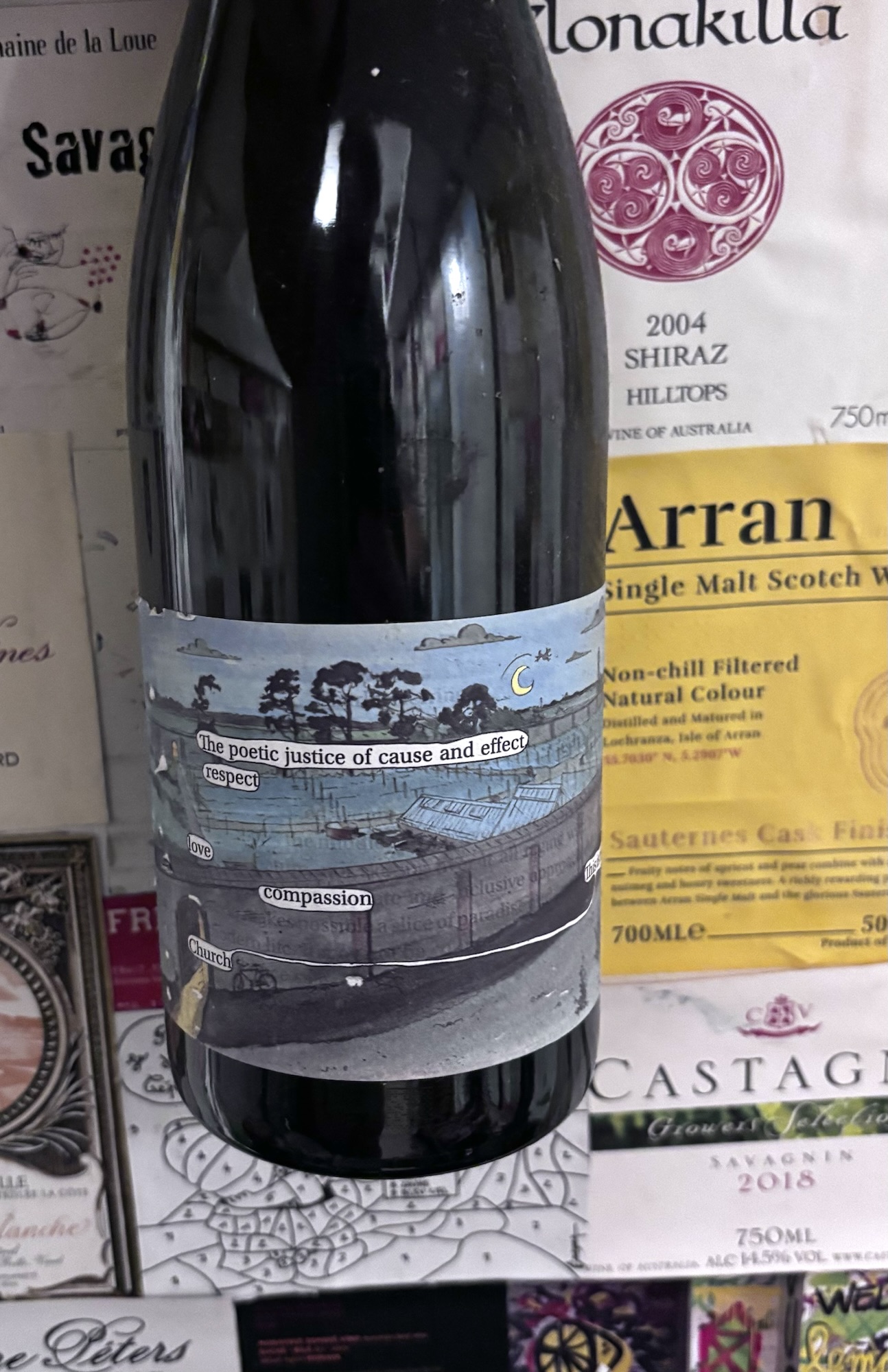
Kelley’s vines are all dry-farmed and she follows organic and certified biodynamic practices. Winemaking is gentle and hands-off and every wine I’ve drunk from Kelley has had a natural elegance, and a characteristic I’d call fluidity. The fruit is perfumed and abundant, strawberry, cherry and redcurrant. The nose really has that ethereal quality that is what hooked me onto Burgundy all those decades ago. The palate is so delicate and there’s real depth. It’s a wine to meditate on, so I guess it is well-named, after a poet.
What really needs to be said is that this blend is not one of Kelley’s more expensive red wines, although it does have one of her most beautiful labels. I suspect little of it gets the chance to age for eight-or-so years, as this bottle has, but it has aged wonderfully. I promise that I will be pushed to enjoy a wine more this year, though I hope many may match it.
Imported by Les Caves de Pyrene, from whom I purchased this direct some years ago. A recent vintage might be had for around £40 (some retailers seem to sell it for more).
“A Fermament” Sauvignon Blanc 2019, Charlie Herring Wines (Hampshire, England)
After visiting Tim last month, I had to delve into my dwindling stash of Charlie Herring wines. I’m quite well off in the sparkling department, but opening this puts me down to just two still wines. If I am slow to open them, it isn’t only because of their scarcity. They also like to spend time sleeping in the cellar.
This is, of course, a low-intervention wine made from fruit grown in Tim’s walled “clos” near Lymington. It is also a wine made with skin contact. The bouquet is initially less direct than most Sauvignon Blanc, but I got quite ethereal dessert apple. The palate is quite grassy with nettles and herbs, and definite texture and added phenolics from the skin contact (though I’m not sure how long it saw on skins?). There’s also a mineral streak which is shockingly Riesling-like for a moment.
Over time the bouquet develops and evolves to a level of complexity you don’t often get with this variety, although it reminds me more, once it has opened-up, of a SB from Austria’s Styria than any I know from France (or New Zealand, which it does not remotely resemble). These wines are aged before release but I would suggest further ageing if you can. The complexity will increase, as it will if not served too chilled and allowed air. It has not lost any freshness, but it has gained plenty of depth. A remarkable wine. I mentioned the Kelley Fox label above, but you have to admit that Tim’s labels also excel, each and every one of them being too good to throw away.
Although Tim’s wines are pretty hard to source, other than directly on an open day, occasionally via Les Caves de Pyrene, or from local wine store The Solent Cellar, Londoners might be in luck. The latest release seems to be in stock at to Shrine to the Vine. The largest number of bottles (12) appears to be in the Lamb’s Conduit Street store, with just a couple in each of their other two locations (Stoke Newington and Broadway Market). Good hunting.
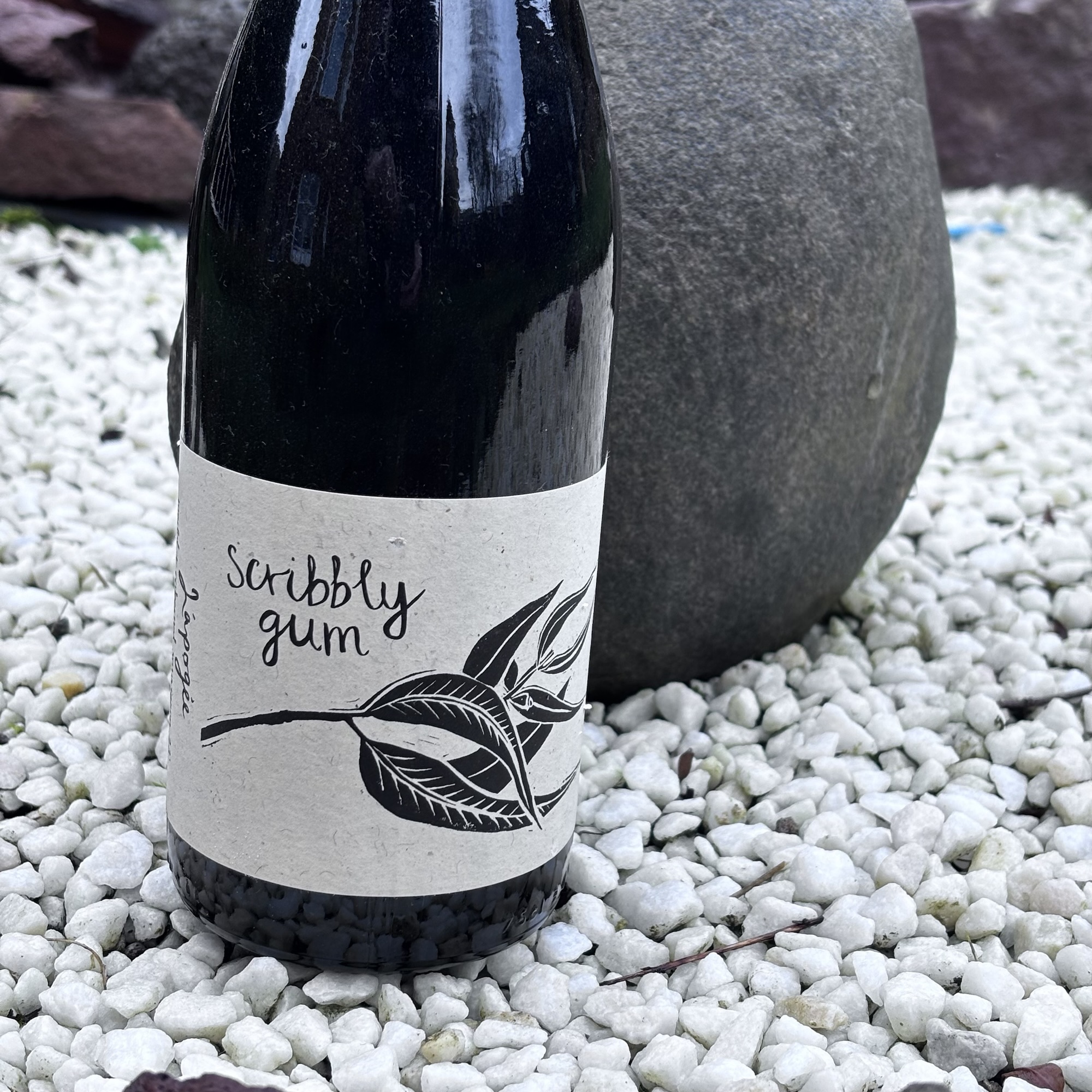
Scribbly Gum 2023, Ferme L’Apogee (Dordogne, France)
« Scribbly Gum » is not an Australian blend such as you might find in a supermarket, indeed far from it. Ferme L’Apogee is a permaculture project, set up by Vincent Lebon and Millie Dominy, the French owners of Brighton’s famous Plateau natural wine bar, who returned to the French countryside after Brexit and the Covid pandemic. The farm is at Sainte-Croix, which is south of the Dordogne River, off the road to the beautiful (but super-touristy) bastide town of Monpazier. We are talking southeast of Bergerac.
They practice biodynamic, no-till, agriculture and viticulture and make a range of natural wines alongside growing fruit and vegetables, whilst also experimenting with beers and ciders. This is my second wine from L’Apogee, and my first red. It blends Merlot (65%) with Cabernet Sauvignon (35%), made in sandstone amphora where it is aged, post-fermentation, for twelve months.
It’s a deep and dark wine with a minty bouquet and a palate showing depth of fruit (with 13% abv), zippy fresh fruit acids and a bit of grippy tannin. Like the white Sauvignon Gris which I drank last summer (“Nasturtium”), this is superb drinking, a lovely “country wine” (meant in a very positive sense, a wine with no pretensions). A totally natural wine which will go well with a range of food, including, I dare say, some permaculture veg from the farm.
Imported by Basket Press Wines. They seem to be out of this on their web site, though doubtless they will re-stock. Otherwise, they may be able to point you to other retail or on-trade sources.

 David Crossley's Wide World of Wine