
I couldn’t leave Hampshire without writing about all the wines we drank on our long weekend away, and there were many. As always, plenty of variety, and I would say we did pretty well to put this many away over four nights.
I want to say something about Lymington. This seaside Georgian town is somewhere that some people I know couldn’t wait to leave when they were younger, and it has become a kind of dormitory for the rich and elderly who spend their grandchildren’s inheritance on nearly impossible-to-sell retirement flats or eye-wateringly expensive care homes. However, it does have a lot going for it for the casual visitor. A pleasant ambience is bolstered by the excellent Saturday market in the main street, which does have the feel of a French market.
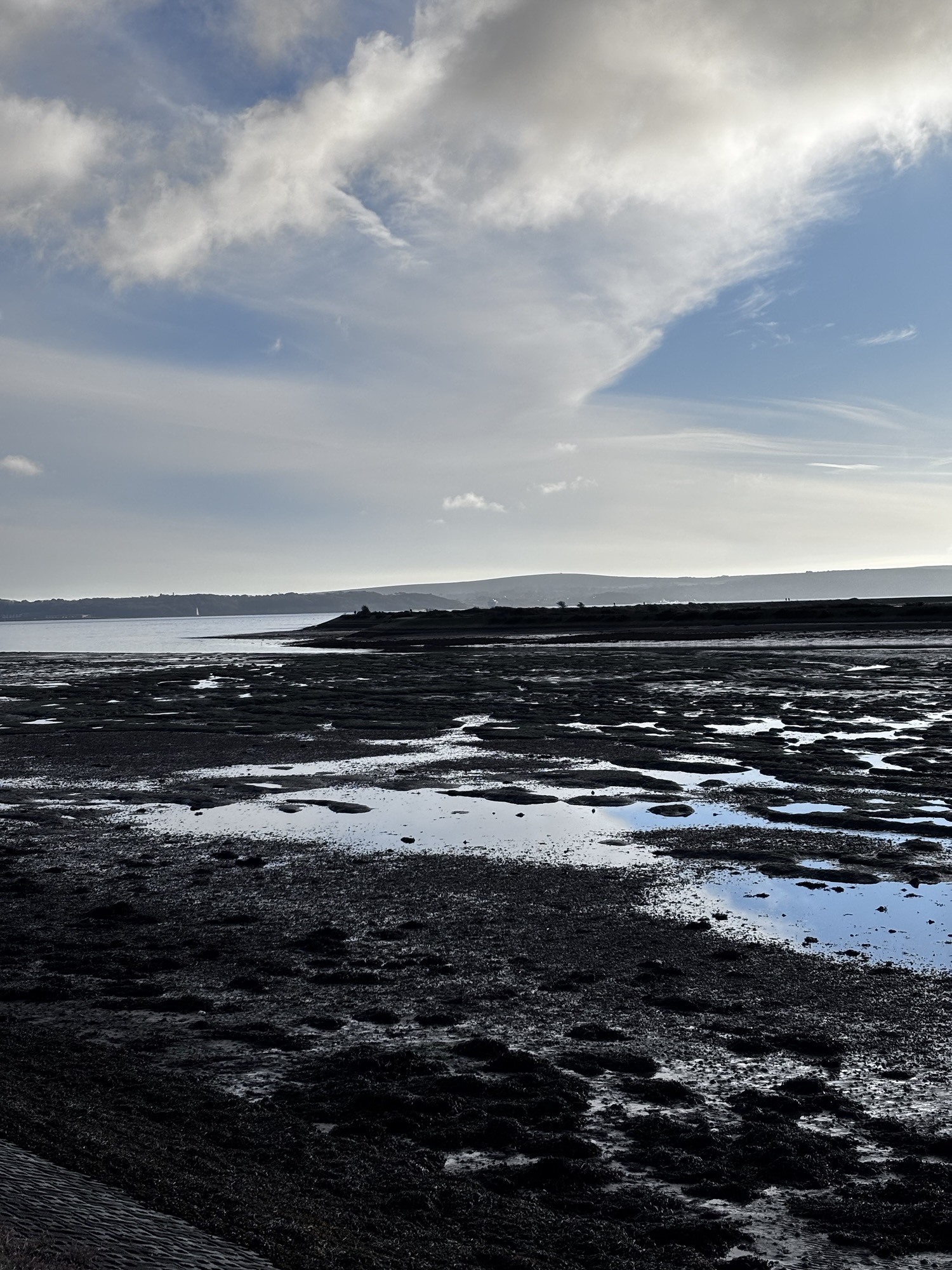
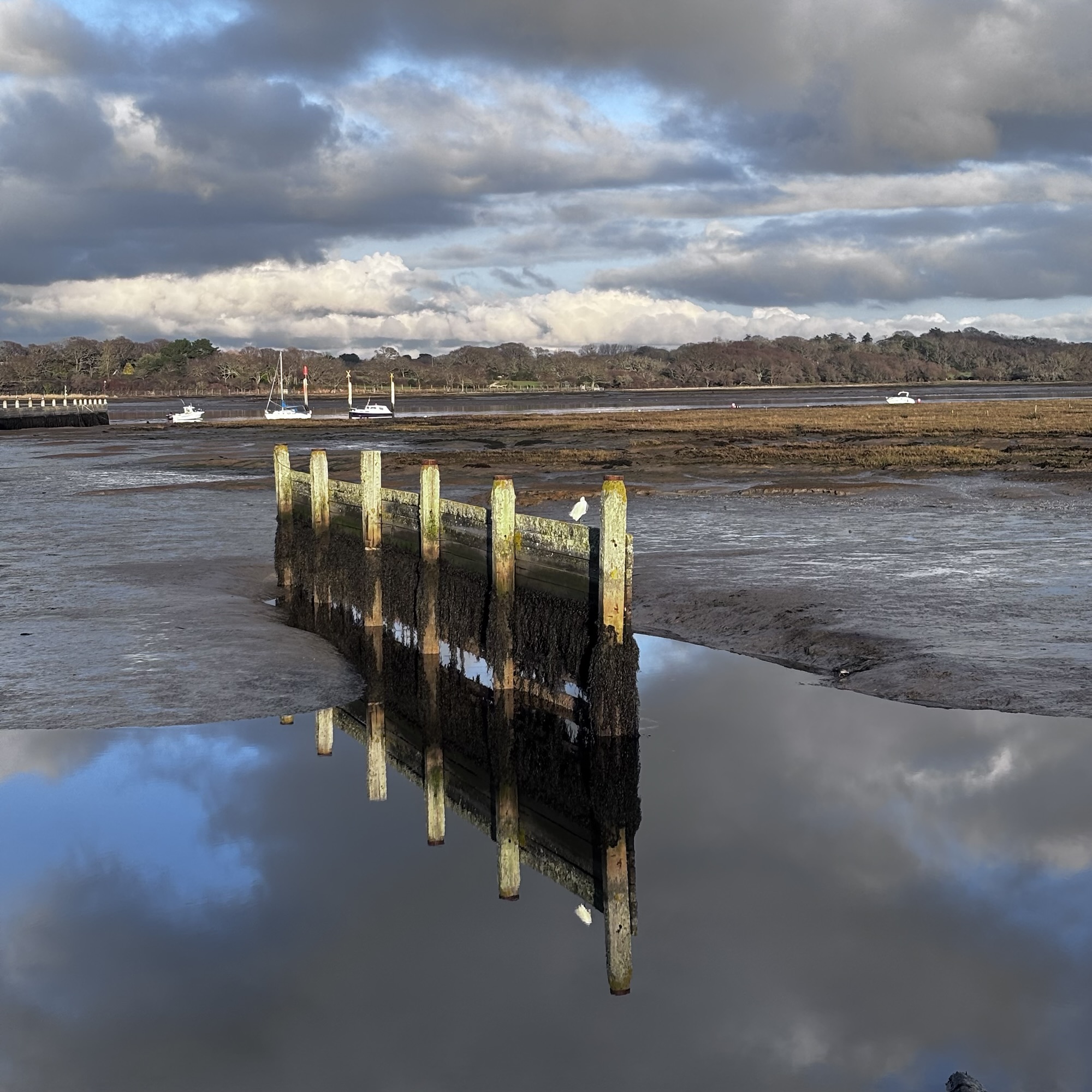
The New Forest is great for walking and cycling, as is Lymington Sea Wall, which traverses the edge of a wetland nature reserve usually packed with bird life. Getting over to the Isle of Wight is easy via the Lymington Ferry to Yarmouth (half an hour, cheaper as a foot passenger), or if you want a shorter trip, the Hurst Castle ferry runs from Keyhaven. For other exercise activities try the Seawater Baths, or cycle hire from Figgures (Henderson Court, off the High Street).
Food lovers have so many options in and around the Forest, from Lime Wood (Angela Hartnett is the proprietor) near Lyndhurst and an outpost of The Pig near Brockenhurst, to the wonderful The Gun Inn at Keyhaven. The Gun has been an inn since the 1600s and is now owned by Chris and Kitty Cecil-Wright, Kitty being perhaps known to some readers as the daughter of wine writer Hugh Johnson. That’s about half of the good places to eat. We also found a new restaurant.
The High Street Kitchen (68 High Street, Lymington) was excellent, and had a big advantage of being a five-minute walk from the Airbnb we stayed in. This was probably just as well as we rolled out at ten o’clock having drunk a few bottles. You will see them below, along with a piece of turbot good enough to satisfy this particular turbot fan. This is also a restaurant capable of satisfying an ardent T-bone steak lover and equally, with notice, a vegan guest. I also enjoyed a partridge starter and a prune and Armagnac tart for dessert.
We stayed in the Airbnb owned by The Solent Cellar, and it’s right above the shop. Very comfortable, warm and a location which could not be bettered. There’s a parking space if you drive down, a precious thing in Lymington, and it means you can stick some wine in the boot from downstairs. Travelling by train, I merely selected some bottles and had a box delivered the day after we got home. There’s always so much here that I want…need to buy.
Here’s a link to the flat on Airbnb.
Anyway, onto the wines…
On arrival, after a day on three trains, we managed to knock back a perfect bottle of Jura. Bas de la Chaux 2022 is a Côtes du Jura Chardonnay from Jean-Luc Mouillard. Based at Mantry, west of Poligny, you might recognise this as Etoile territory, and in fact I’ve bought this producer’s L’Etoile before. Mouillard isn’t one of the sexy young natural wine names (though his son Mathieu might become one), but the estate has been organic since 2020 and quietly makes some tasty wines. This Chardonnay hit the spot perfectly, and costs £28 at Solent Cellar. It’s made with 12 months in oak, ouillé (topped up), and shows a balanced 13.5% abv.
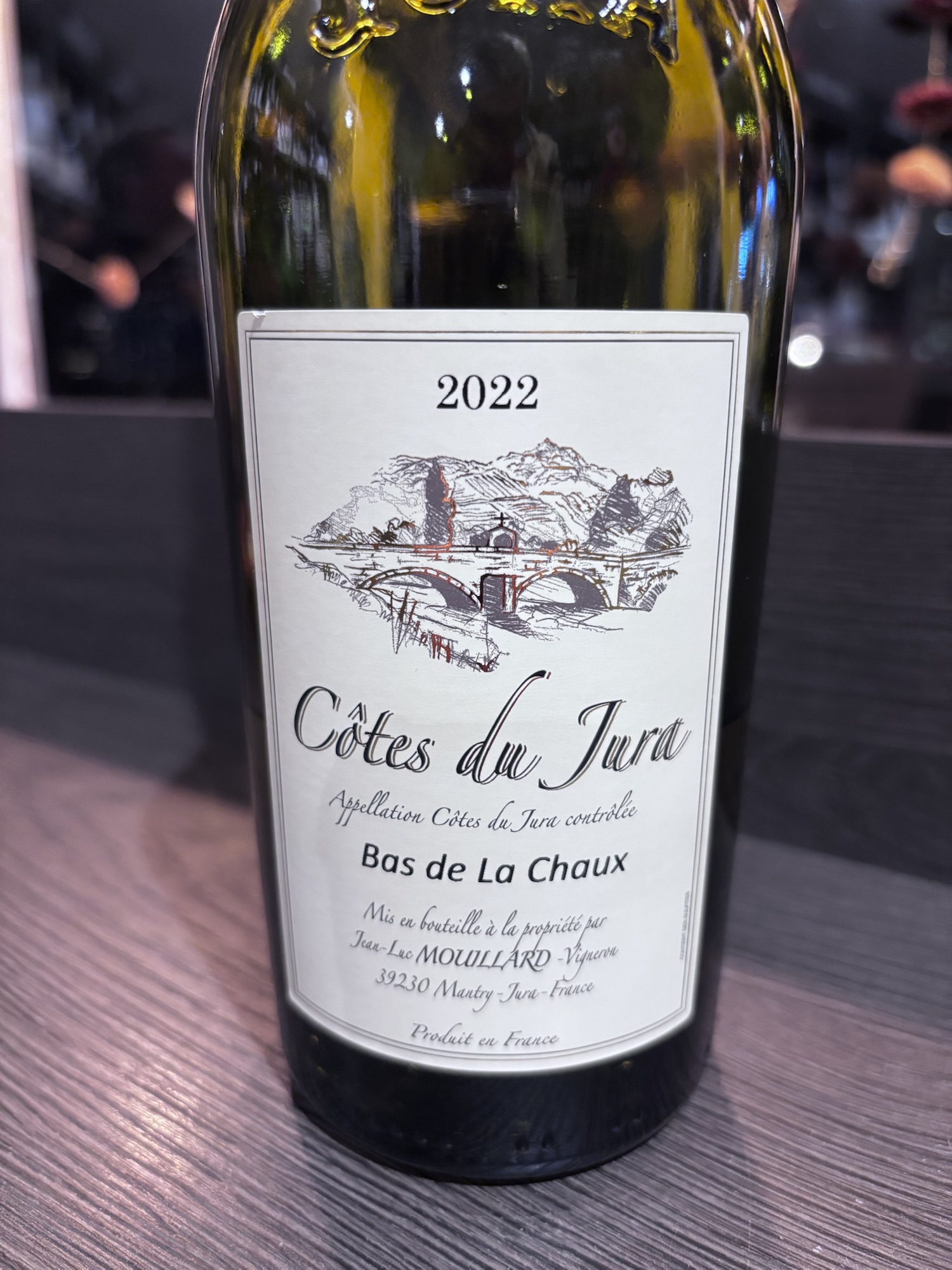
Lymington has a good fish & chip shop, down the bottom end of the High Street hill, on the left. We were not up for cooking, and also needed an early night, so a half bottle of Fino en Rama Peña del Águila, Bodegas César Florido at Chipiona served us perfectly (15% abv). I’m sure you know what it tastes like, fresh and saline, with a bit of “chalky” texture and a bit of body too. This might have been the last bottle from the shop. It’s obviously unfined and unfiltered, but it is not hard to imagine that its salty taste is because the cellar in which the solera is housed is a mere 25 metres from the Atlantic. I hope they are on top of their coastal erosion maps!
Next up, a couple of wines drunk with Tim Phillips (Charlie Herring Wines) after a day of vineyard visits. I’m glad I had been (mostly) spitting, though the B58 Wines Vin de Paille stayed down, I can tell you. First, the wonderful Bourgogne Aligoté “Plantation 1902” 2019, Alice and Olivier De Moor. As Jamie Goode said on his list of top Chablis producers, for De Moor “drink anything you can get”. They are equally masters of Aligoté, and as a fan of this variety, the “Plantation 1902” is nowadays the finest I know, though it has the odd rival. In some ways this behaves almost like fine Chardonnay. A natural wine made from extremely old vines, it has citrus freshness, wet pebble mouthfeel and a salty/savoury finish. Rather magical. From Les Caves de Pyrene.

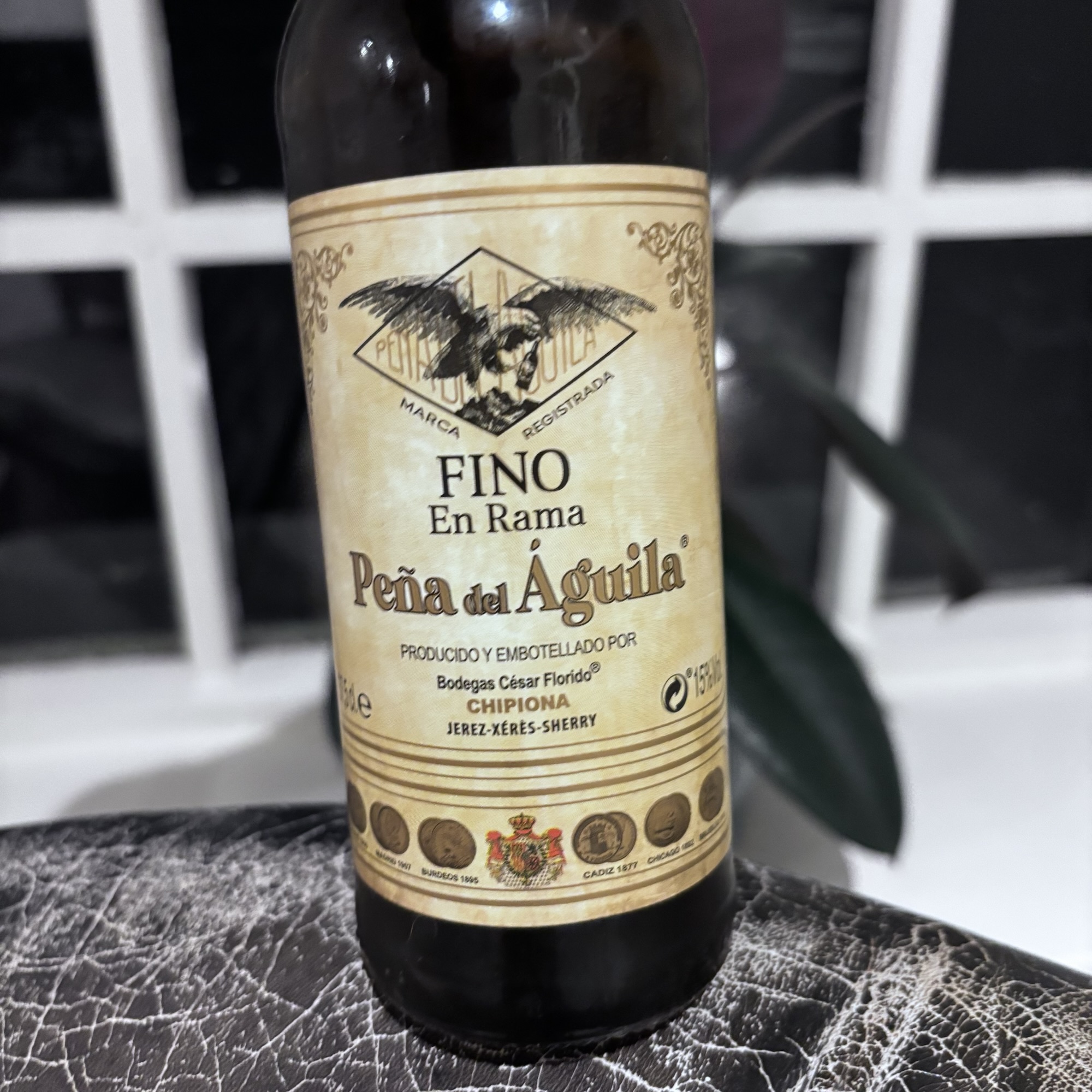
Château Latour 1958 Pauillac – what can I say? I did say to Tim that whatever it tastes like it would be a wonderful experience. The fact that it tasted great immediately on opening was just a bonus, and the decision to decant was the right one (certainly lots of sediment). The best thing was experiencing this wine evolve in the glass over a half-hour, pretty much all it took for three of us to finish the bottle. It began smoky, then the fruit appeared, bags of it, after which there was more bonfire and leaf litter.
No indication of alcohol content appeared on the label (Tim guessed around 11%), though the merchant neck label was still there (Eschenauer). 1958 never had the kudos of 1959, but so often fine Bordeaux from a lesser (so-called) vintage does deliver. I once drank a beautiful Haut-Brion 1984 (not a vintage anyone raved about) which was similarly good. A reminder of how sophisticated Bordeaux used to be pre-Parkerisation, both fruity and savoury, moving from one to the other in the glass, and both gentle but strong.
Saturday Night’s Alright for Drinking, to mess with one of Elton’s finest. This was our trip to The High Street Kitchen. I should say that we arranged BYO. If I were to make one suggestion to the team there, I think maybe a few more middle-end wines on the list, but at a moderately affordable level. The food is amazingly good here though.
For a pre-restaurant aperitif we drank the first of two bottles from Champagne Marie-Courtin. This is Dominique Moreau’s natural wine domaine at Polisot on the Côte des Bar. Eloquence is a vintage (here 2018) special cuvée made from 100% Chardonnay emanating from a very tiny parcel. Brut Nature (zero dosage), it is dry and very mineral. It somehow combines Chardonnay generosity with a tautness that must be wound up in the minerality. Even young, it is complex. Peter Liem has called it “one of the most exciting Champagnes being made in the Aube today”. £90 at The Solent Cellar, via Les Caves de Pyrene.
Over at The High Street Kitchen we tucked into our second Marie Courtin of the night, but this was Dominique’s “Le Blanc du Tremble” 2018 Coteaux Champenois. This is a rare still wine made from 100% Pinot Noir vinified in amphora. Both biodynamic, and a natural wine, this is one of the finest still white wines from the Aube I have tasted. It sees zero added sulphur and its stone fruit and lemon flavours seem really expressive right now. The acids have softened a little, adding complexity, but it still hints at the wound minerality that it has when young. Les Caves de Pyrene once more imports, though my bottle came from the much–lamented Littlewine online shop, my Covid-era lifesaver. Expect to pay between £65 to £70 for a newer vintage these days.


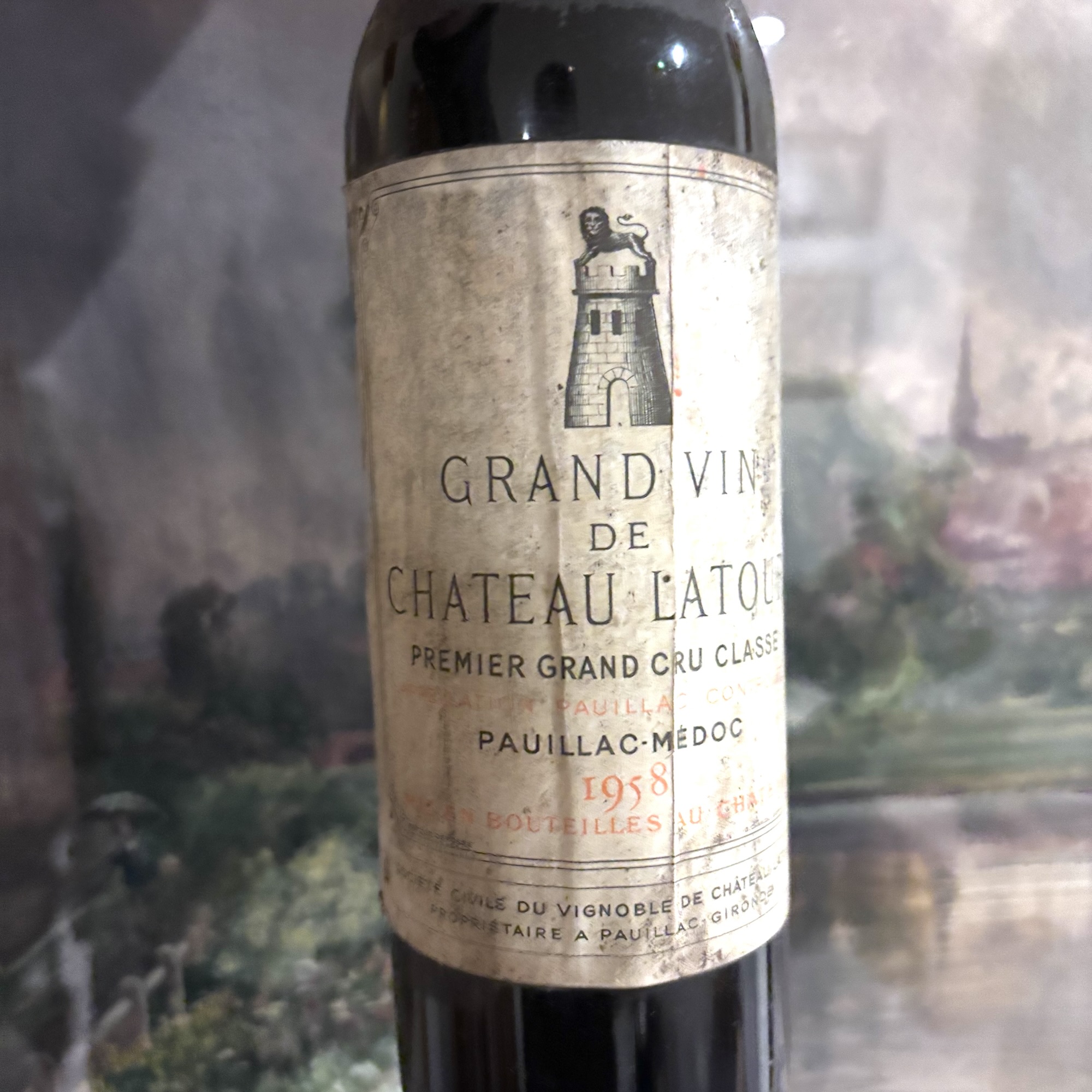
Second-up with dinner, Cabernet Sauvignon Cyril Henschke 1990, Henschke (Eden Valley). I don’t often get to drink Henschke wines these days, but they are surely one of the finest Australian producers. Based at Kyneton in South Australia’s Eden Valley, Stephen and Prue Henschke made this winery what it is today, arguably still the finest medium-sized producer in the country, but the wines of Henschke go back to 1868 and the famous Hill of Grace vineyard (a wine I have never tried, unfortunately).
This wine (it actually contains 5% Merlot along with the Cab), comes from just over three hectares on sandy loam, picked as three parcels and fermented in open-top vats. Ageing was in French Nevers hogsheads and American oak for 18 months. Blackcurrant and a perfumed violet bouquet with notes of wood and leaf litter, now smooth, elegant, complex and majestic on the palate. I think Liberty Wines now bring in Henschke to the UK.
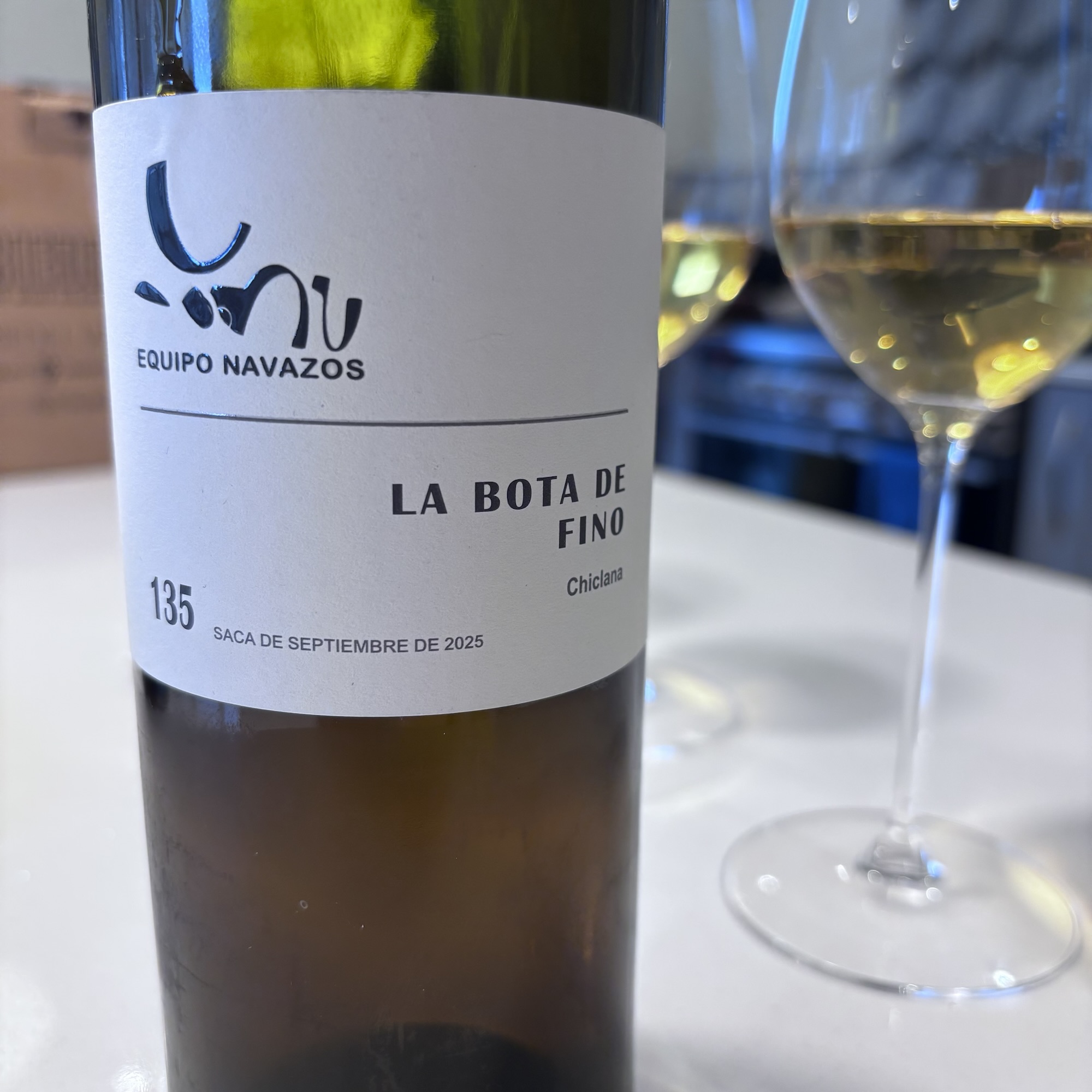
La Bota de Fino 135, Equipo Navazos is I think the most recent release, which I’d not tried before. It comes from the bodega of Chano Aragón at Chiclana. This is a mature Fino with real salty Atlantic influence. It had the lightest of filtering so it is pretty zippy but there’s a chalky texture to soften it a little. Served cold, it has bags of freshness, but as it warms in the glass, we get greater complexity and richness coming through. Superb.
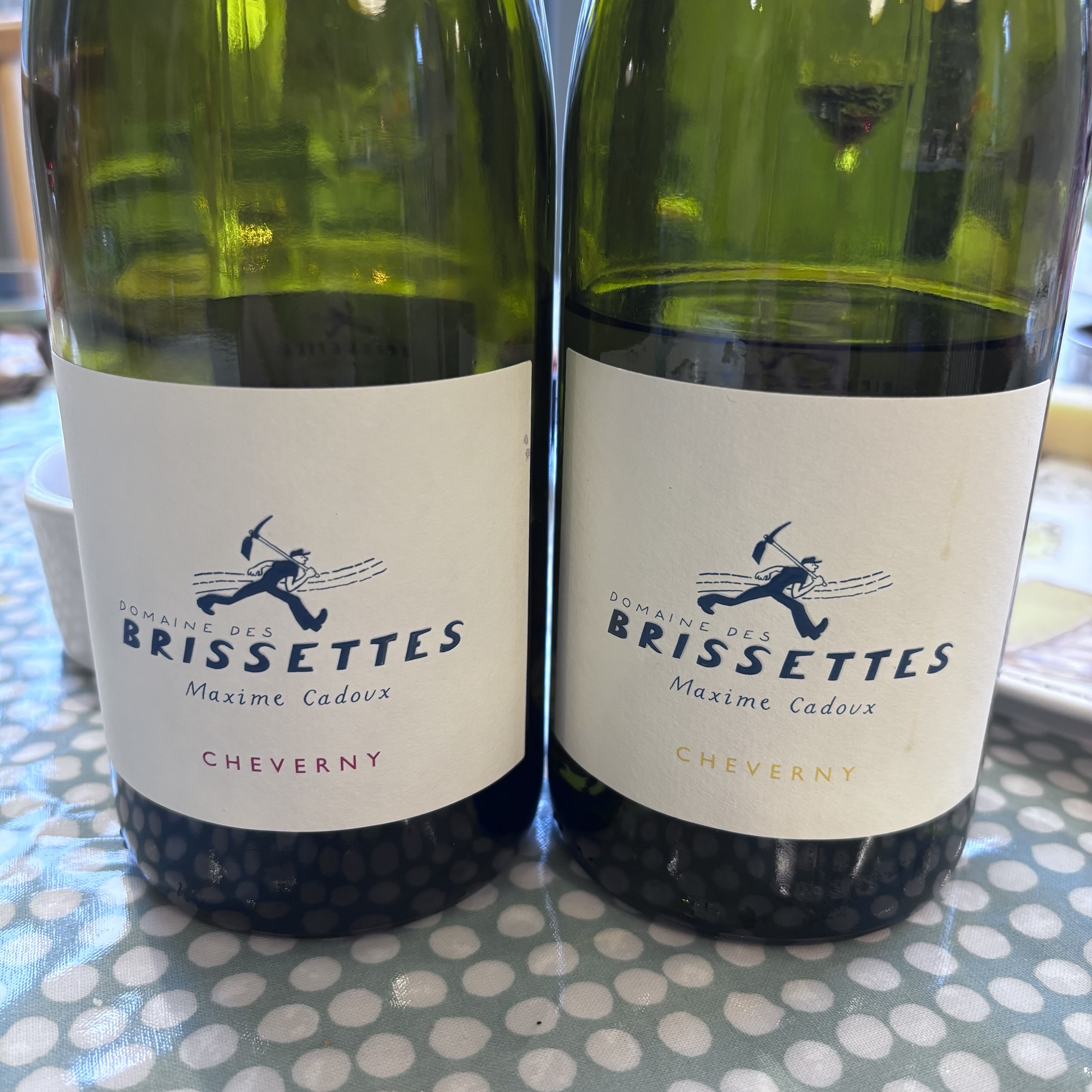
Something very different next, two wines from Cheverny that The Solent Cellar is considering bringing in. I’ve no idea of the price points they will hit but I enjoyed both and kind of hope they do…their Loire imports are growing and I have no doubt that The Loire is one of the best regions in France for quality versus value for money. The wines in question were from Maxime Cadoux’s Domaine des Brissettes at Saint-Claude-de-Diray, which is in the northeastern part of the Cheverny appellation, not far from Blois, but on the opposite (left) bank of the Loire.
Cheverny Rouge 2023 is 80% Pinot Noir with 20% Gamay. It’s fruity, for sure, but a bit more than just simple. The vines are over 30 years old. I’d call it bright, with a bit of a stony texture. Cheverny Blanc 2024 is a blend again, but this time 80% Sauvignon Blanc with 20% Chardonnay. It’s a fresh Sauvignon Blanc with added depth, from both the Chardonnay and once more, some 30-year-old vines. I do like decent Sancerre, but some of the other Loire appellations making Sauvignon Blanc can churn out wines with which I lose interest quickly (though certainly not all). Here, however, the Chardonnay definitely adds something. If these are imported by Solent Cellar, and cost let’s say around £20, I’m likely to buy a few.
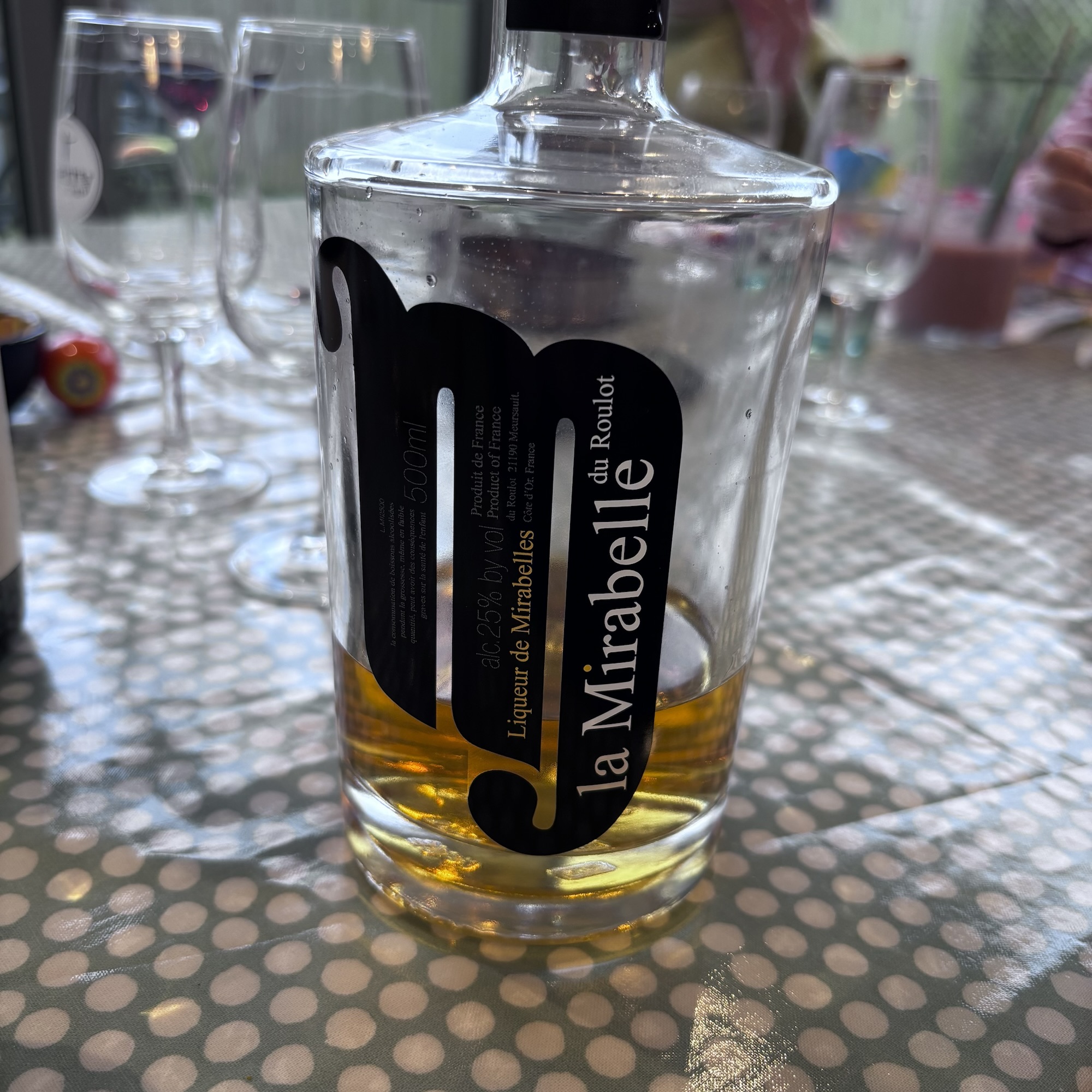
Finally, a treat, and thankfully my brave acceptance of a glass did not cause me too many problems on the way home…which involved just under an hour’s walk, though a beautiful walk it was. Jean-Marc Roulot obviously makes stunning wines at every level (even his Bourgogne Rouge tops quite a few Meursaults I’ve tried, different as it is), but did you know he makes spirits? His liqueurs are legendary, if you are able to find any. Well, I’ve drunk his “Abricot” a few times before, but this was my introduction to the Liqueur de Mirabelle.
The brandy is distilled on the estate, and the result is very fine and pure. In fact, I could talk about the plum fruit, their stones and the floral elements which make up this liqueur but it is the elegant purity that makes it so good, so fine. The alcohol is 25%, which seems just enough to hit the spot and leave you standing (despite that Fino aperitif and a couple of bottles of wine on a Sunday lunchtime) for the long walk back to our Airbnb.
We did sensibly decide to have an alcohol-free night before the long train journey home but no heads were harmed in the making of this short trip south.


 David Crossley's Wide World of Wine