
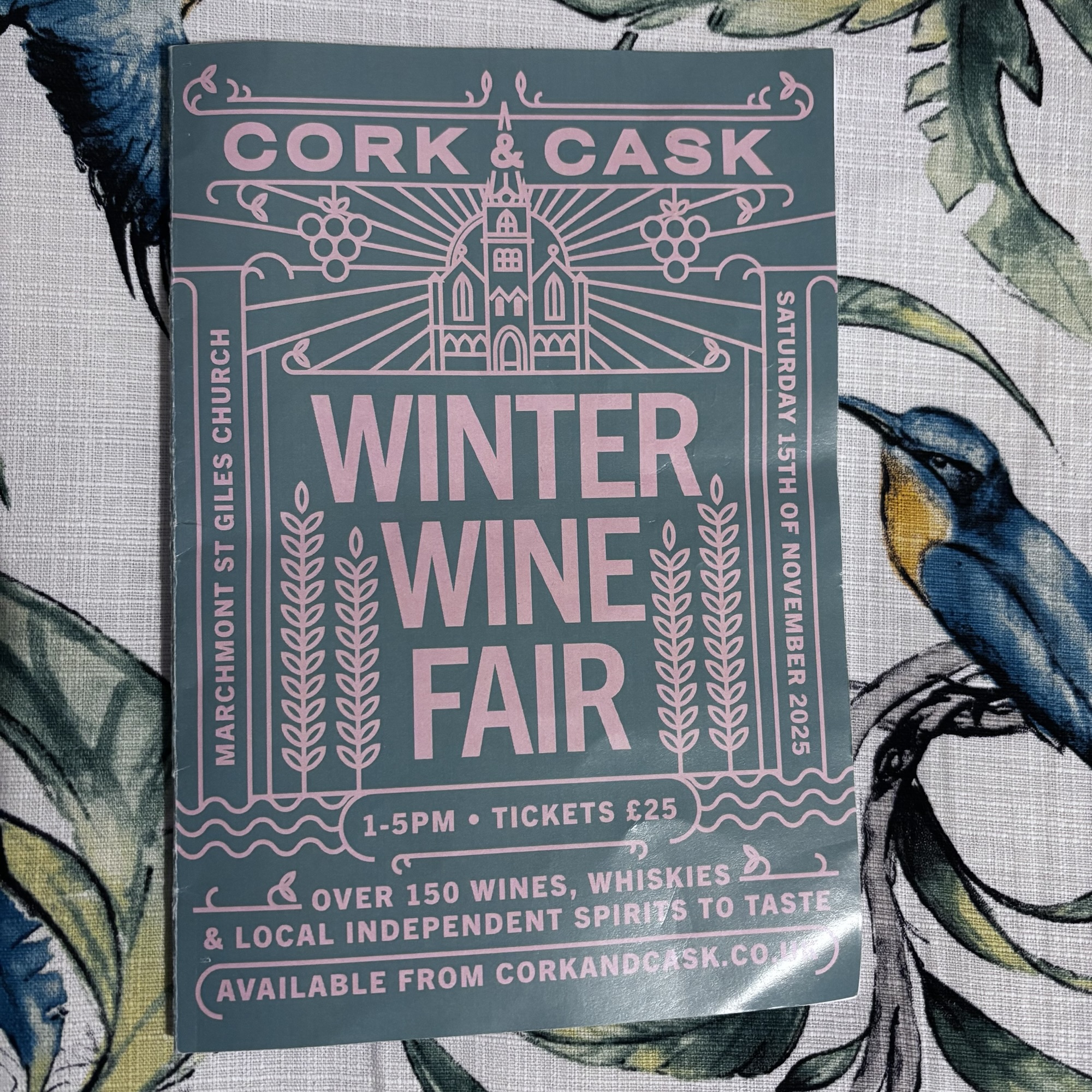
The third and final part of my coverage of Cork & Cask’s mammoth Winter Wine Fair 2025 covers three wine agencies/importers. Two are based in England, being Alliance Wine and Indigo Wine, and sandwiched between them one from Glasgow, namely Sevslo, the sister company of that city’s fine retailer, Made from Grapes. Perhaps, as the afternoon progressed, it wasn’t quite as easy to taste at these tables. I’m not complaining as this is a rightly very popular public tasting. I apologise to those producers or importers who this time I was not able to taste at all.
ALLIANCE WINE
I began here by allowing Andrew to pour me two wines from Eric Texier. I’m sure he’s familiar to many. Matt Walls, in his 2021 Wines of the Rhône, says “It’s hard to think of a more creative or experimental vigneron than former nuclear engineer Eric Texier”. He is credited with putting the appellation, or village if you wish, of Brézème back on the map, though Jean-Marie Lombard should get some credit. He is certainly the leading producer of Brézème, and his minimalist natural wines can be very special.
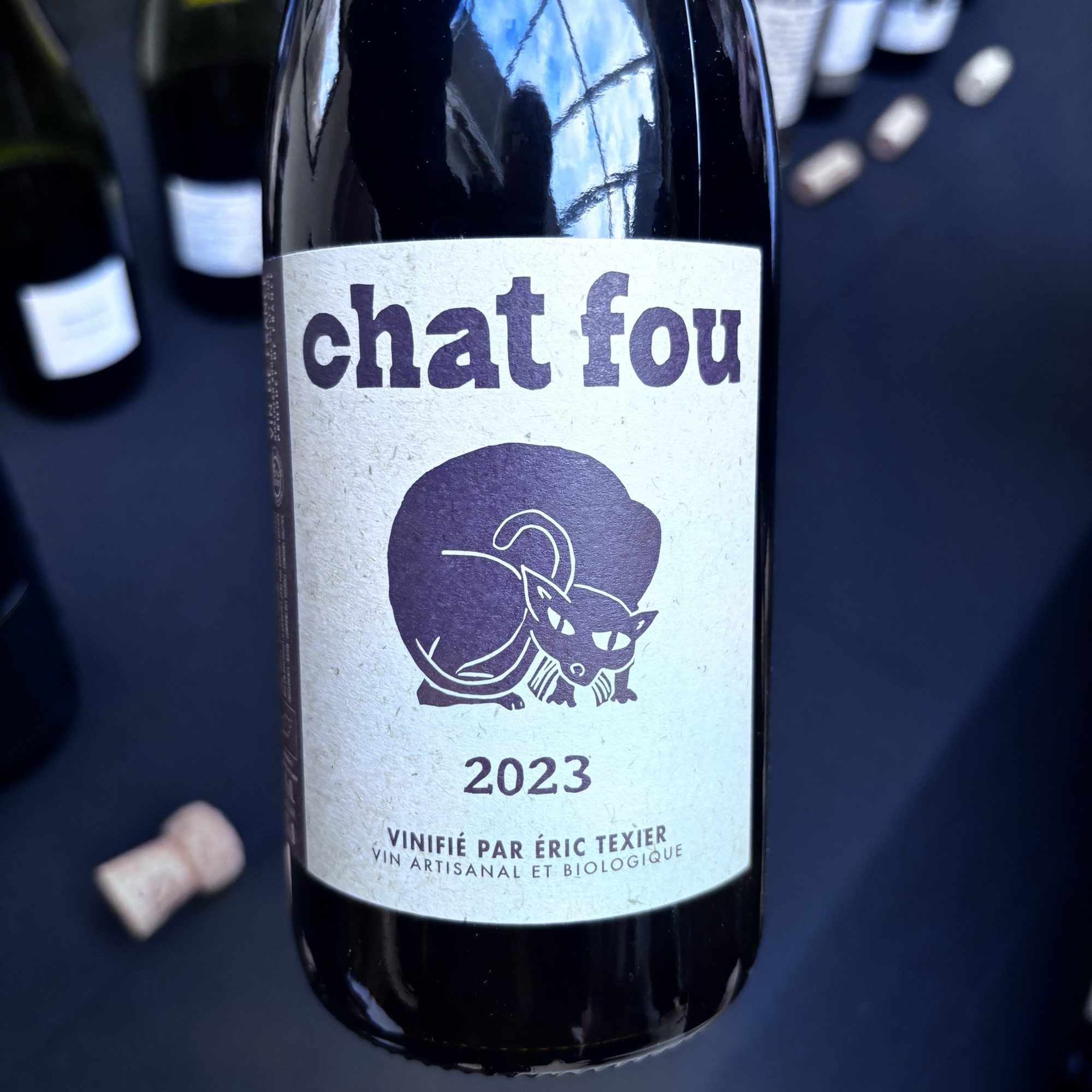
Chat Fou 2023 is a blend of red and white grapes bottled as Vin de France. It is made in open-top concrete tanks with no extraction, resting for 18 months. Minimal added sulphur. Luminous and super-fruity and really at £20 a wine to grab.
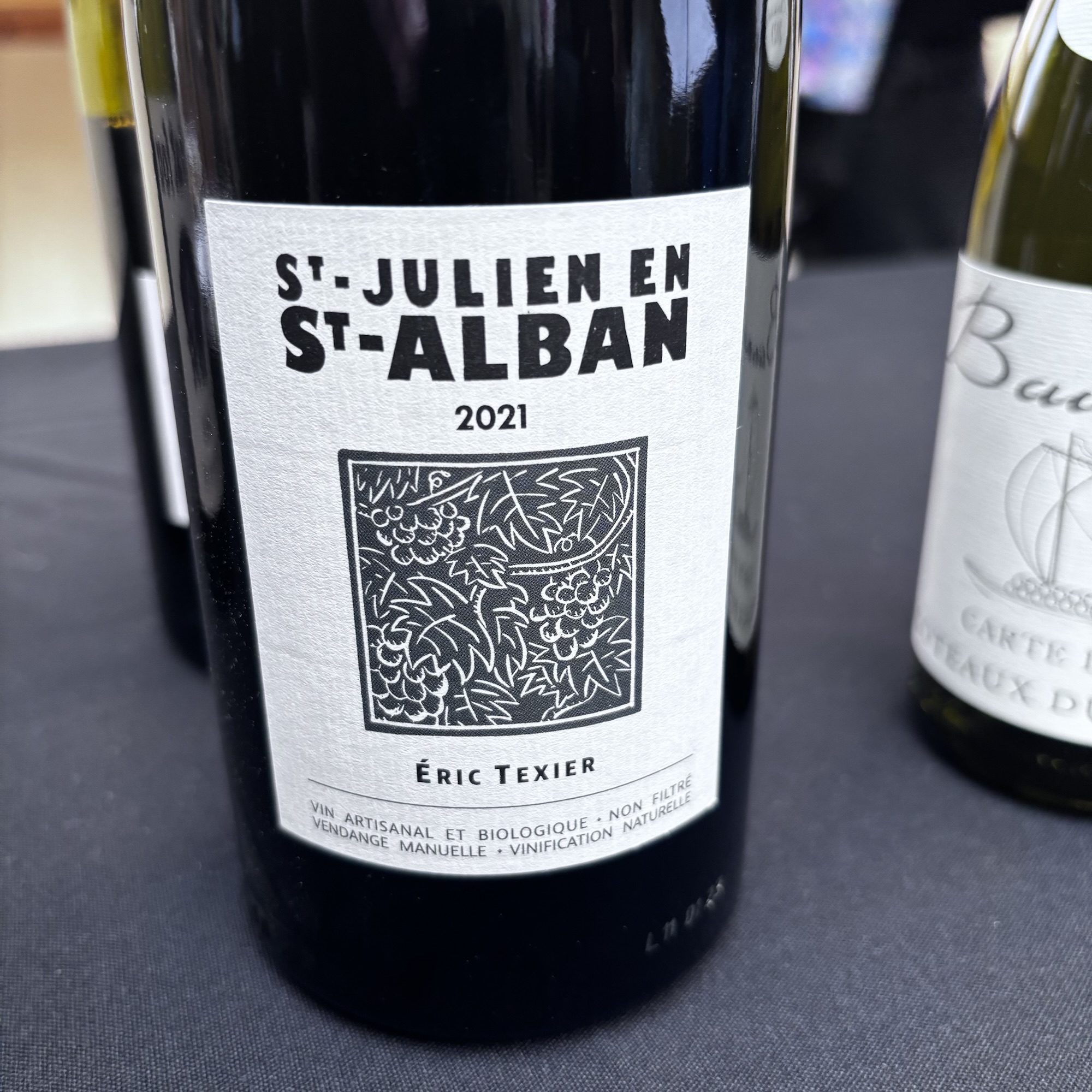
St Julien en St Alban 2021 is a Côtes du Rhône bottling. It’s 100% Syrah off granite from the northern bank of the Ouvèze in the Ardèche. Whole clusters are macerated 8-10 days in wooden vats and this was aged in foudre (they say 36-48 months…it would be good to know exactly how long for the ’21?). Great depth, quite savoury with liquorice and an earthy texture under darker fruits. A little edgy, but not too much. Still only £26.
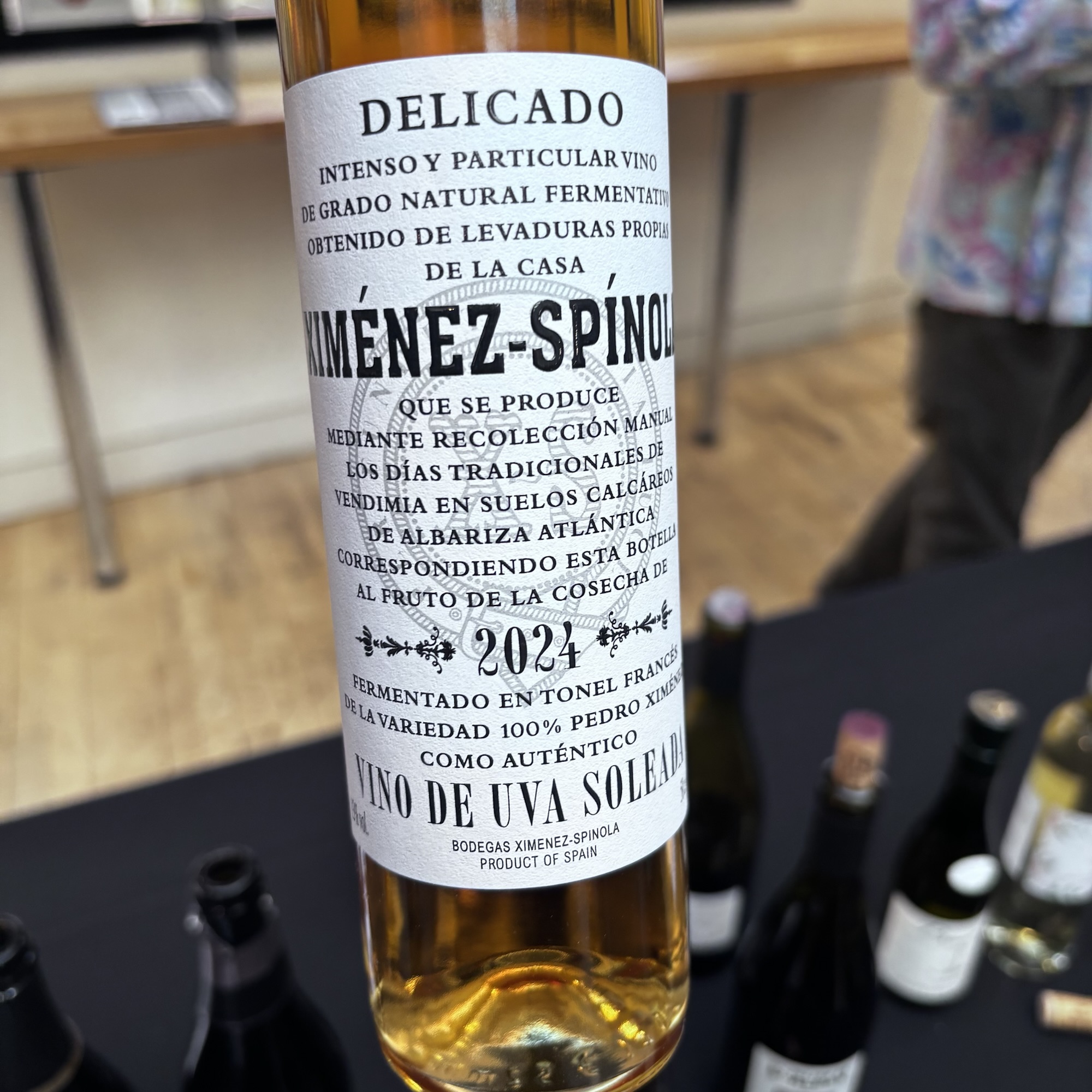
Three delicious wines sitting somewhere in the dessert wine spectrum next, beginning with Bodegas Ximénez-Spinola and their Delicado 2024. This Bodega is focused just on PX, and has been doing so since 1729. Their vineyards are in the Jerez triangle off the famous chalk Albariza soils. The grapes for this cuvée are dried in the sun for 21 days, on mats. This is done between the vines, so that the bunches see both light and shade as the sun moves round. In the winery the grapes only receive a gentle pressing. The result is rich with orange peel, apricot and concentrated raisined, fruit. There is no fortification and alcohol is just 13%. £28 for 50cl.
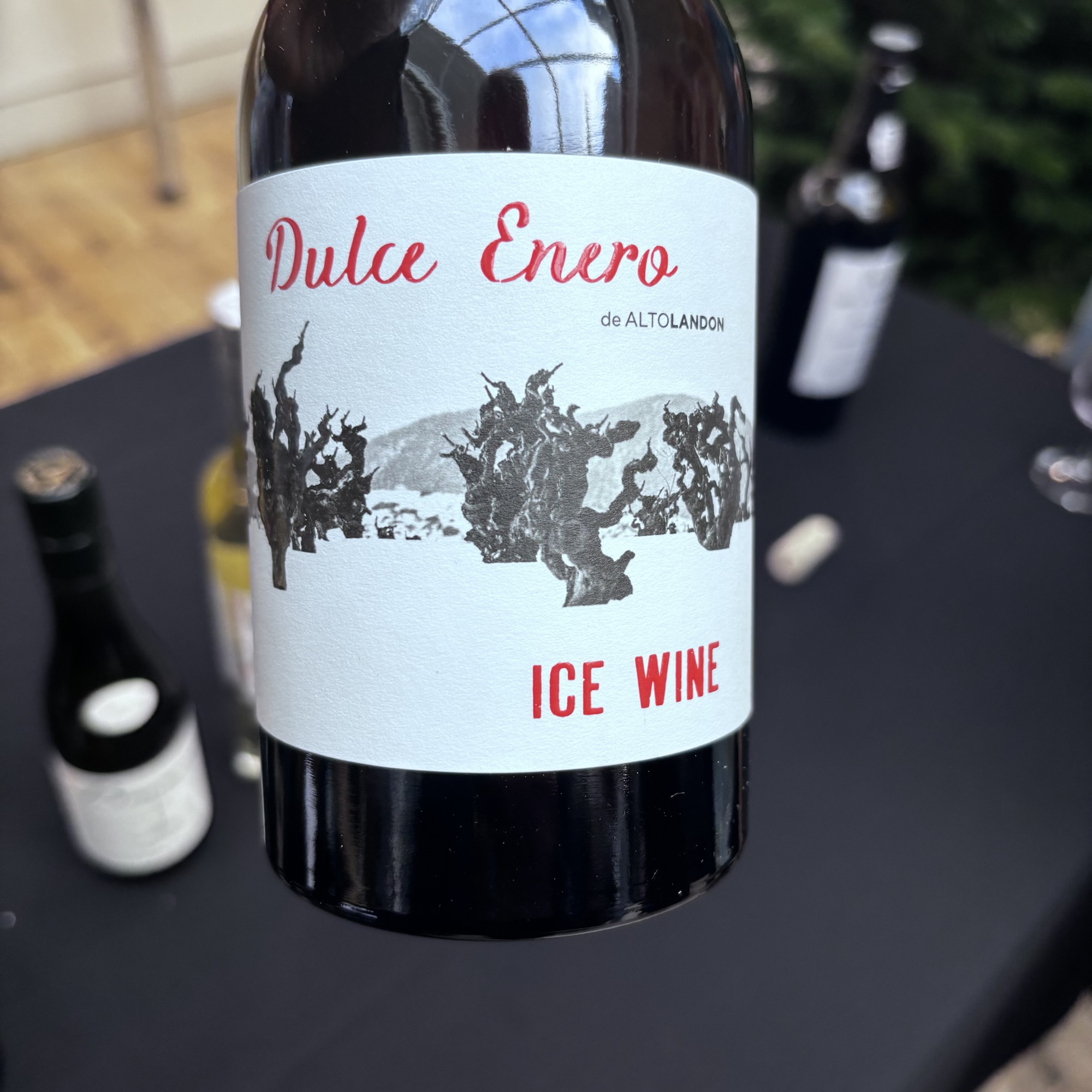
Bodegas Altolandon is new to me. They make exciting sounding organic wines, with some biodynamics, at altitude in Manchuela, at around 1,100 masl. Dulce Enero 2023 is an Ice Wine, bottled in 50cl (as is the Delicado above). Frozen grapes are harvested in January, which means they can’t make this every year. Fermentation can apparently take two-to-three months in stainless steel. It is a completely natural wine, with no added sulphur. Amber in colour, the fruit is tropical and concentrated. The nose explodes with pineapple, peach and caramel, but the palate has decent acid balance and although honeyed, the finish is fresh and not cloying. £25/50cl. This is frankly gorgeous and would go with blue cheese served with Iberico or (if you eat it) Foie gras.
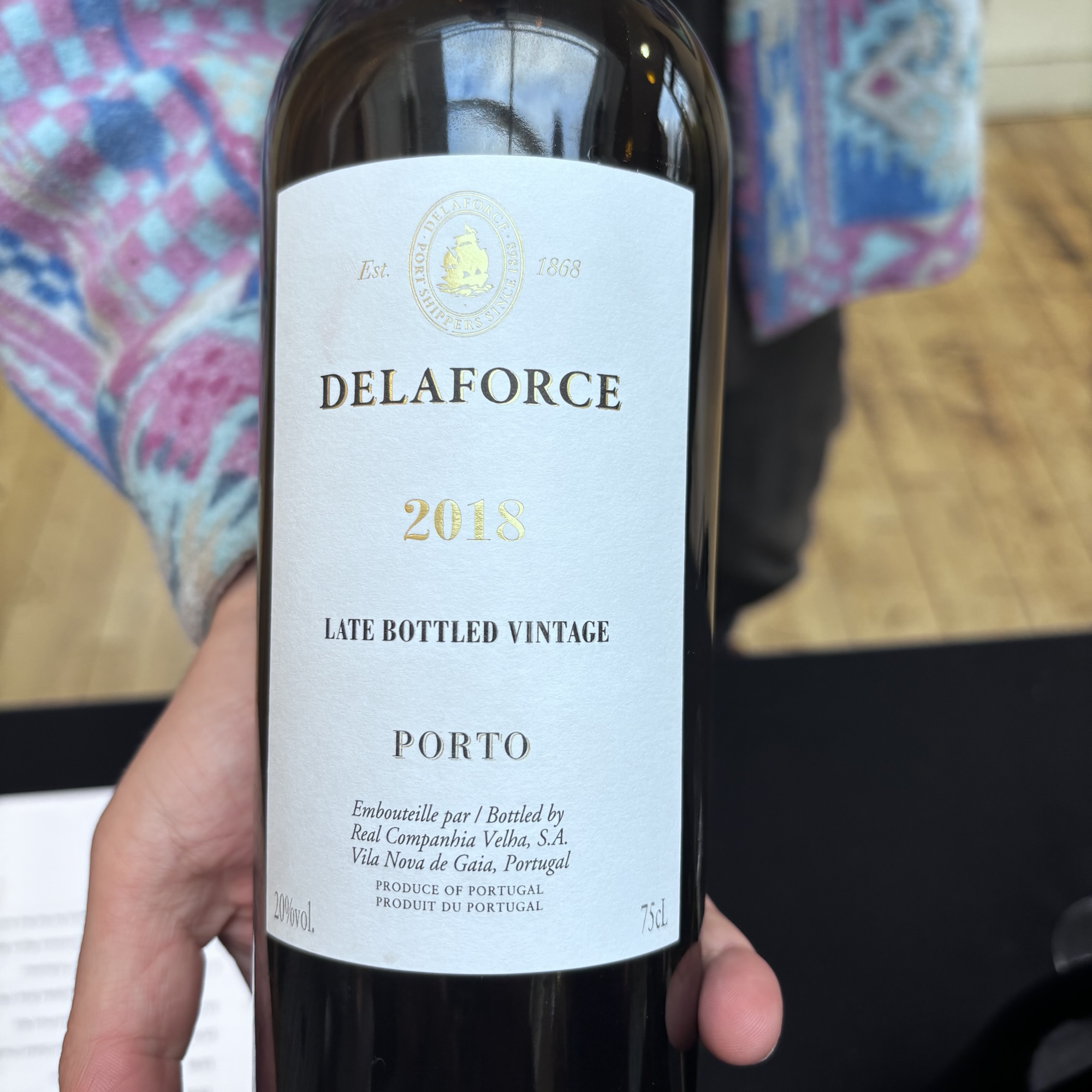
We drink too little Port, by which I mean both myself and all of us. I was reminded of this by several Instagram posts by wine writer Henry Jeffreys recently, and by tasting this Late Bottled Vintage 2018 from Delaforce. This traditional Port House (founded 1756 by the Marquis de Pombal) has managed to combine tradition with modern methods to keep relevant in the 21st Century. LBV is generally ready to drink on release, but you do get a nod towards vintage quality here. A deep plummy nose combines with mellow plum fruit on a smooth palate giving a rich wine, youthful but with some depth. I like the little bit of characterful bite on the finish. I’m not a Port expert but this seems exceptional value for £22.
SEVSLO
Sevslo is based in Glasgow’s South Side, where founder Séverine Sloboda imports a range of natural wines which I think shows a clear inspired difference from her competitors. This is certainly exemplified in Maison Crochet. You don’t see many people confidently importing a range of wines from Lorraine. Wilfried Crochet has been converting his family estate at Buligny, southwest of Nancy in the Côtes de Toul, to natural wines, and the wines now are bottled as Vin de France. I try to buy anything I see from this producer. Three of their wines were on show.
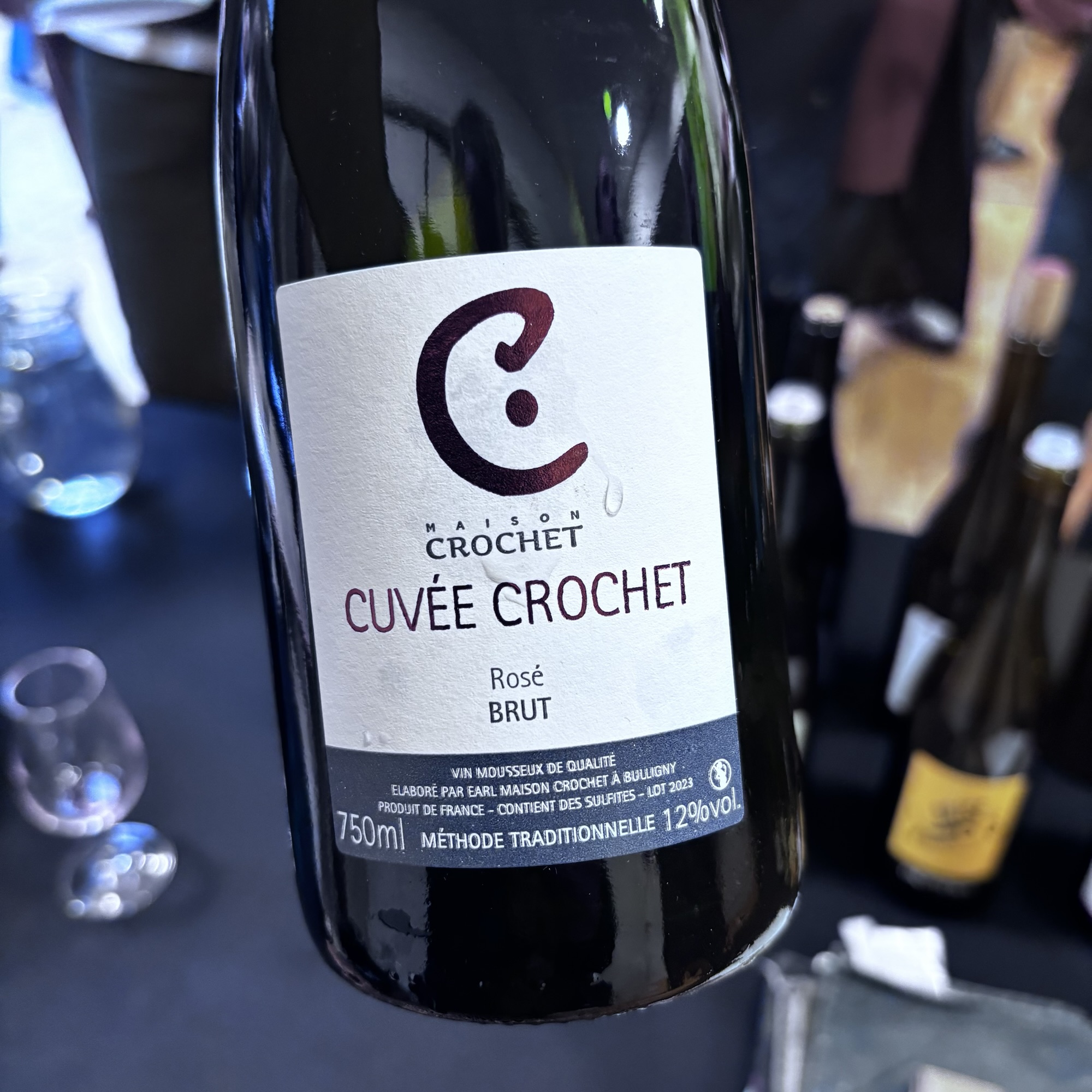
La Cuvée Crochet Rosé is a very dry pink sparkler, 100% Gamay in this new vintage (it previously had 20% Pinot Noir). It had nine months in bottle. It therefore isn’t complex, but it’s not intended to be. It is, however, super-fruity. I like it. £27.
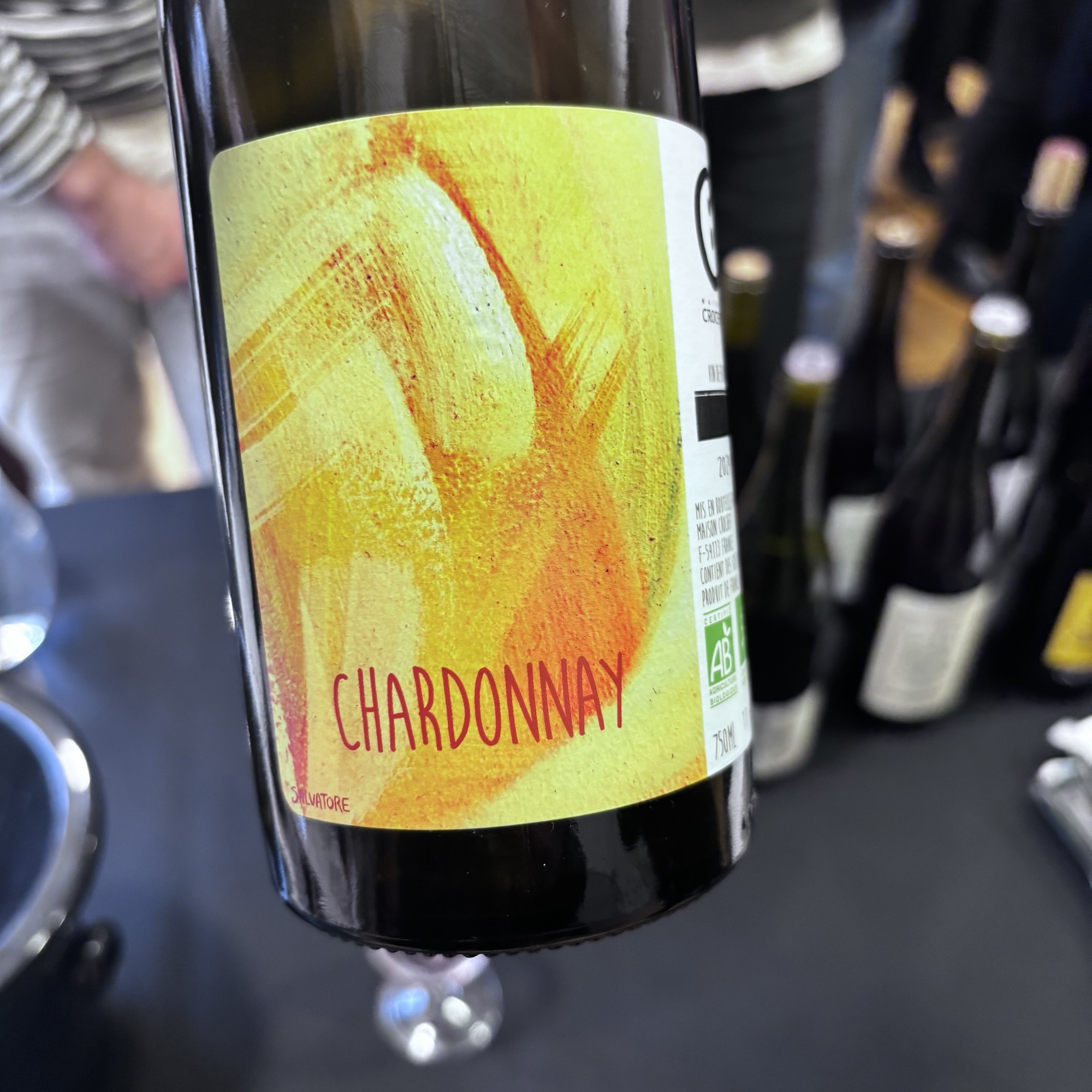
Oaked Chardonnay 2024 is a floral wine, with some noticeable oak influence (not too much). The palate has a nice hazelnut note, and it is quite round and smooth. The alcohol sits nicely at 13%. £28.
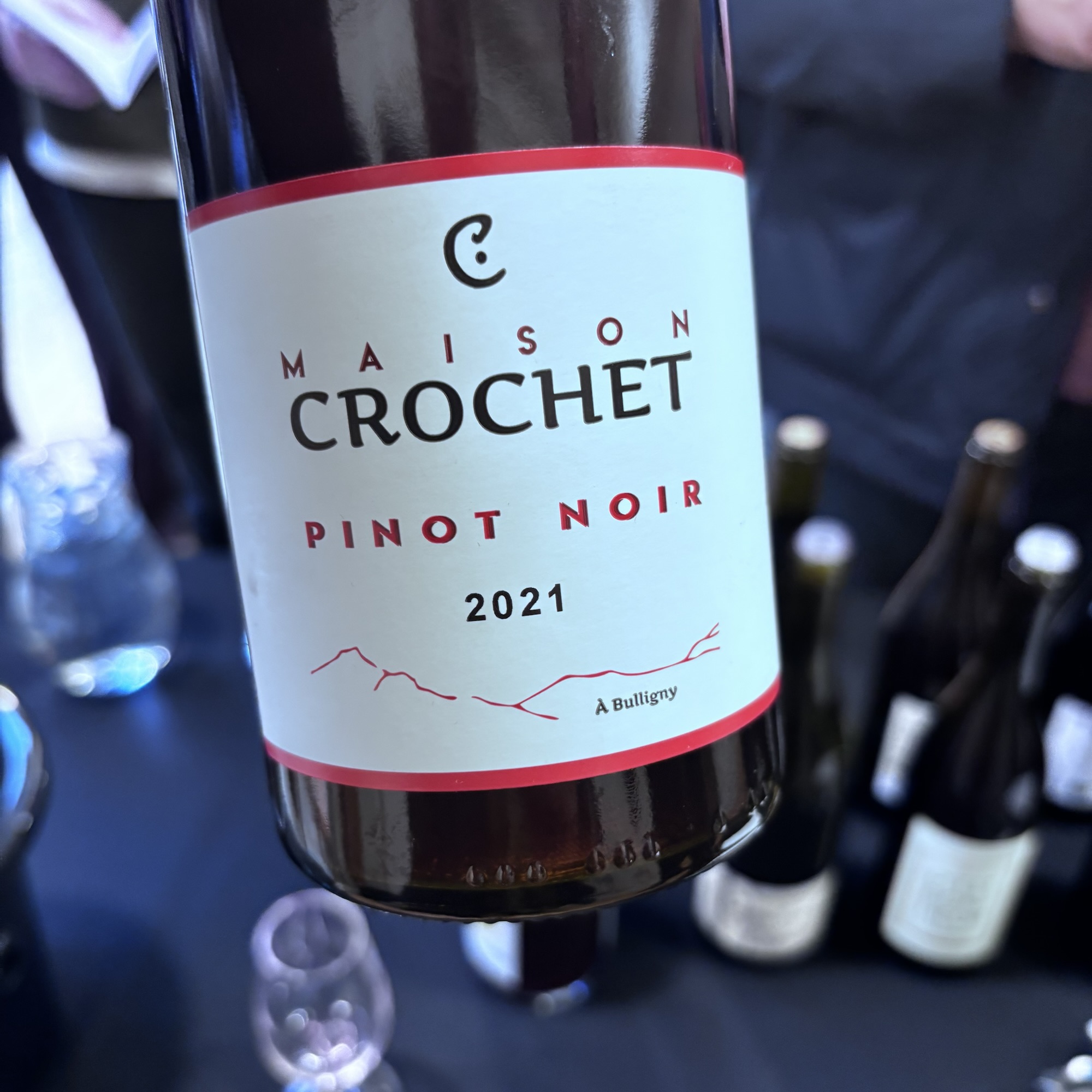
The Pinot Noir, off a clay/limestone mix of soils, is from 2021. Fermentation and ageing (just seven months) are in stainless steel. It is pale, a little on the wild side (which, with wine, you know is where I like to take a walk). Funky, but in a good way. Just £22.
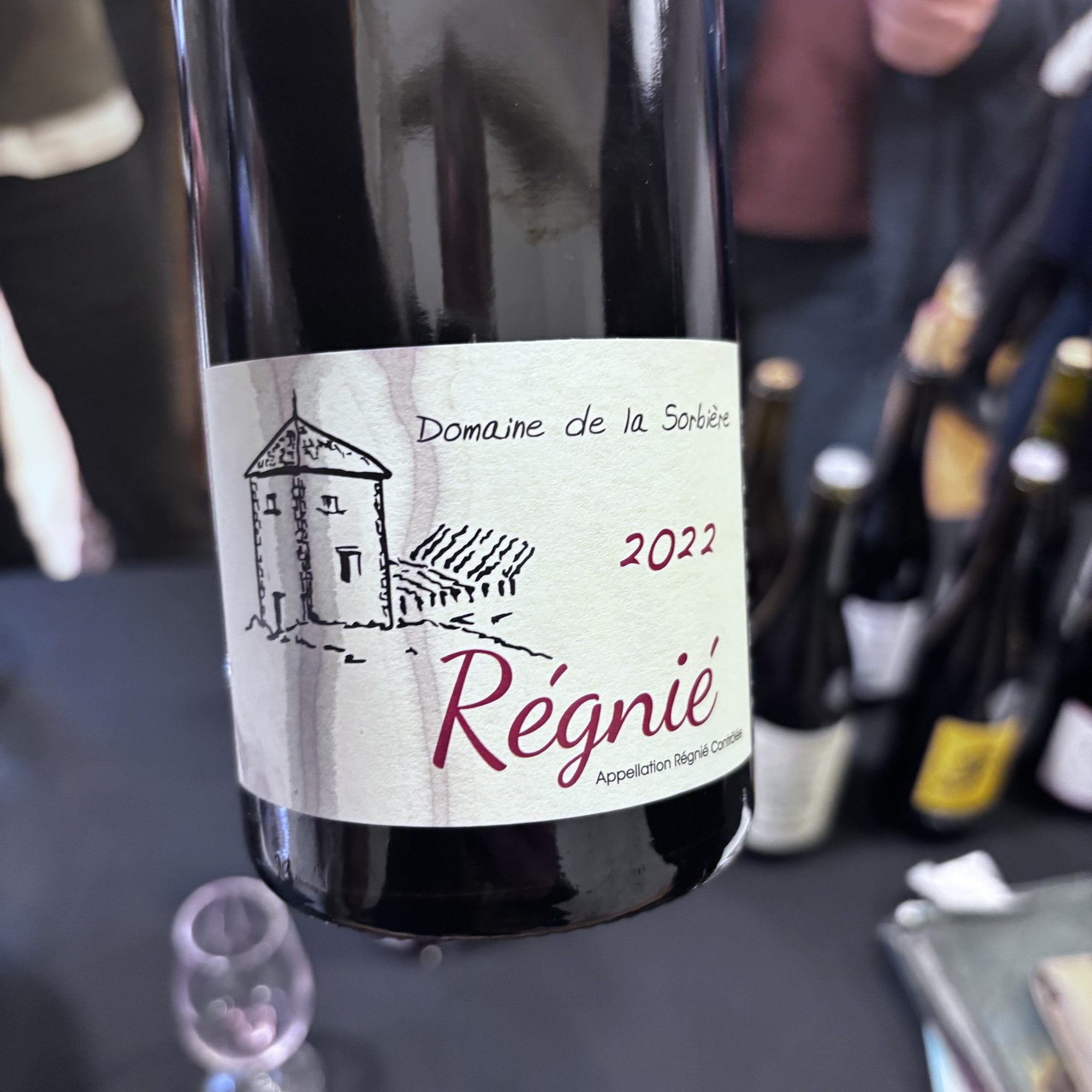
Another not so well-known (it should be) Sevslo-imported domaine worth highlighting is Domaine de la Sorbière in Beaujolais. Jacques Juillard works organically, biodynamically, naturally, and has something of a penchant for amphora. Say “amphora Gamay” (here they say “en jarre”) and my ears prick up. At the Clay Wine Fair in Edinburgh this past February I was lucky enough to try Jacques’s Brouilly en Jarre. It won Gold Medal and was the “Critics Choice” winner. A brilliant wine. On show at this fair was his Regnié 2022. It is made from 80-y-o vines, whole bunch fermentation in stainless steel, aged just three months, with zero added sulphur. Bright and fruity on the palate with a nice gentle, floral, bouquet. £24. Another delicious Gamay for Gamay Season (when isn’t?).
INDIGO WINE
Although we have a few Spanish wines here, from what for me is the best Spanish range I have access to, what was on show was not restricted to Spain. Nine wines were being poured and I’m afraid the three I missed out were the Germanic speakers. But you shouldn’t need me to recommend the wines of Clemens Busch, and Gernot and Heike Heinrich. Cork & Cask always has a good selection of wines from Indigo, but of course The Sourcing Table in Pekham Rye is the place to go in London. Peckham/Peckham Rye and Dulwich are well worth a day out now, packed as this triangle is with restaurants, bars, wine shops, and of course Kanpai Sake Brewery.
Sebastien Brunet isn’t a grower I know, but he makes a Sparkling Vouvray NV called La Rocherie off clay and flint. He’s uncertified organic. This cuvée is made 80% in stainless steel but 20% in 225-litre used oak. The wine sees 18 months sur lattes, a reasonable amount of time for Sparkling Vouvray (the minimum is 12 months on lees, although top growers might age wines for three years or more). This is quite fruit-driven. Although not as complex as some longer-aged wines, it does have nice honeyed Chenin fruit on a very decent finish. £22.
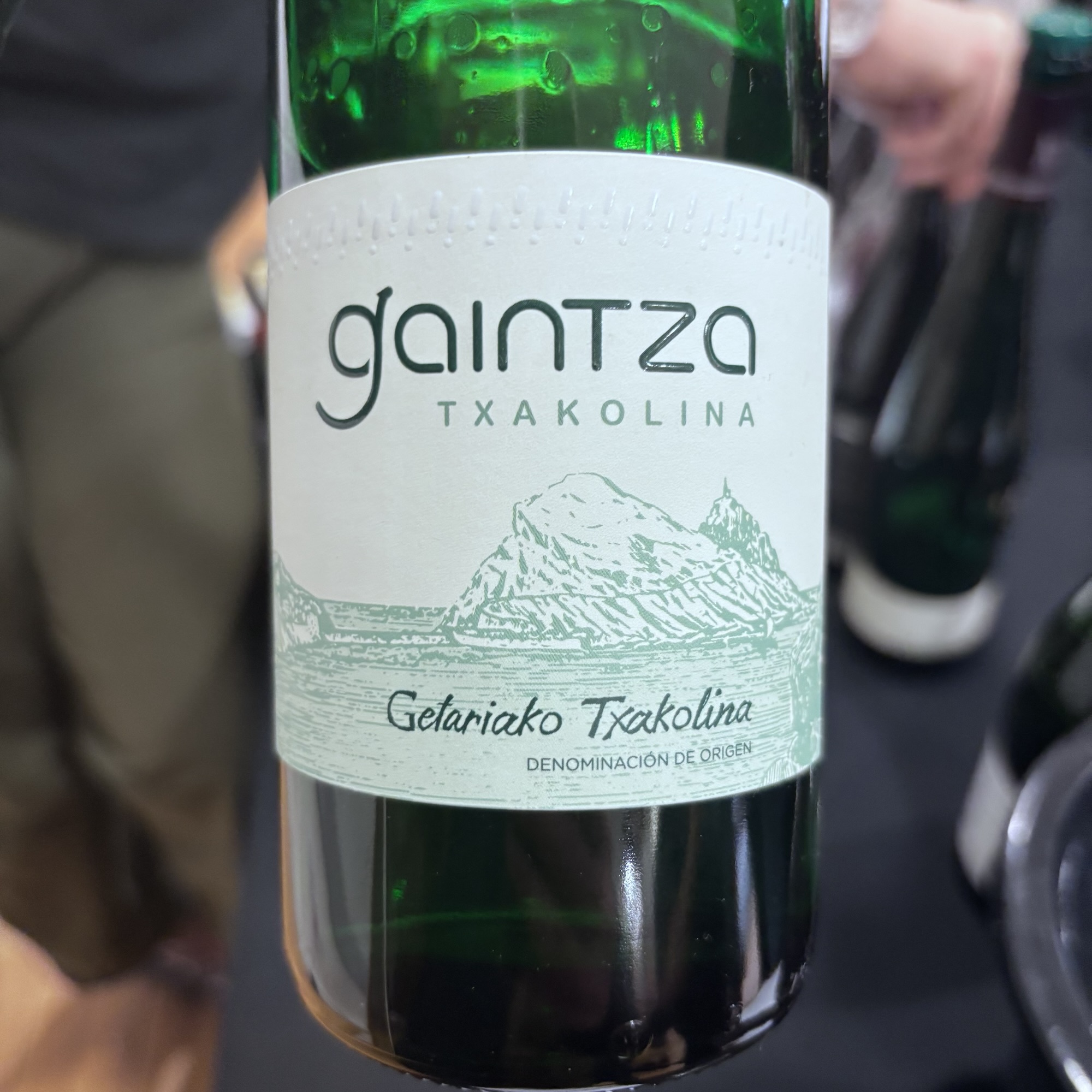
Gaintza’s white Getariako Txacolina (Indigo also imports their excellent pink version) is made in the Basque region from 100% Hondarrabi Zuri. The acutely maritime climate of the Basque coast and the limestone/clay soil mix create apple-fresh wines, cool-fermented, with a little carbon dioxide creating a frothy top to a prickly wine. In its simplicity it is perfect for grilled fish with a squeeze of lime or lemon, or indeed a perfect accompaniment to fish & chips when you don’t want to open a nice Champagne, nor take in the alcohol inherent in a Fino or Manzanilla. £20.
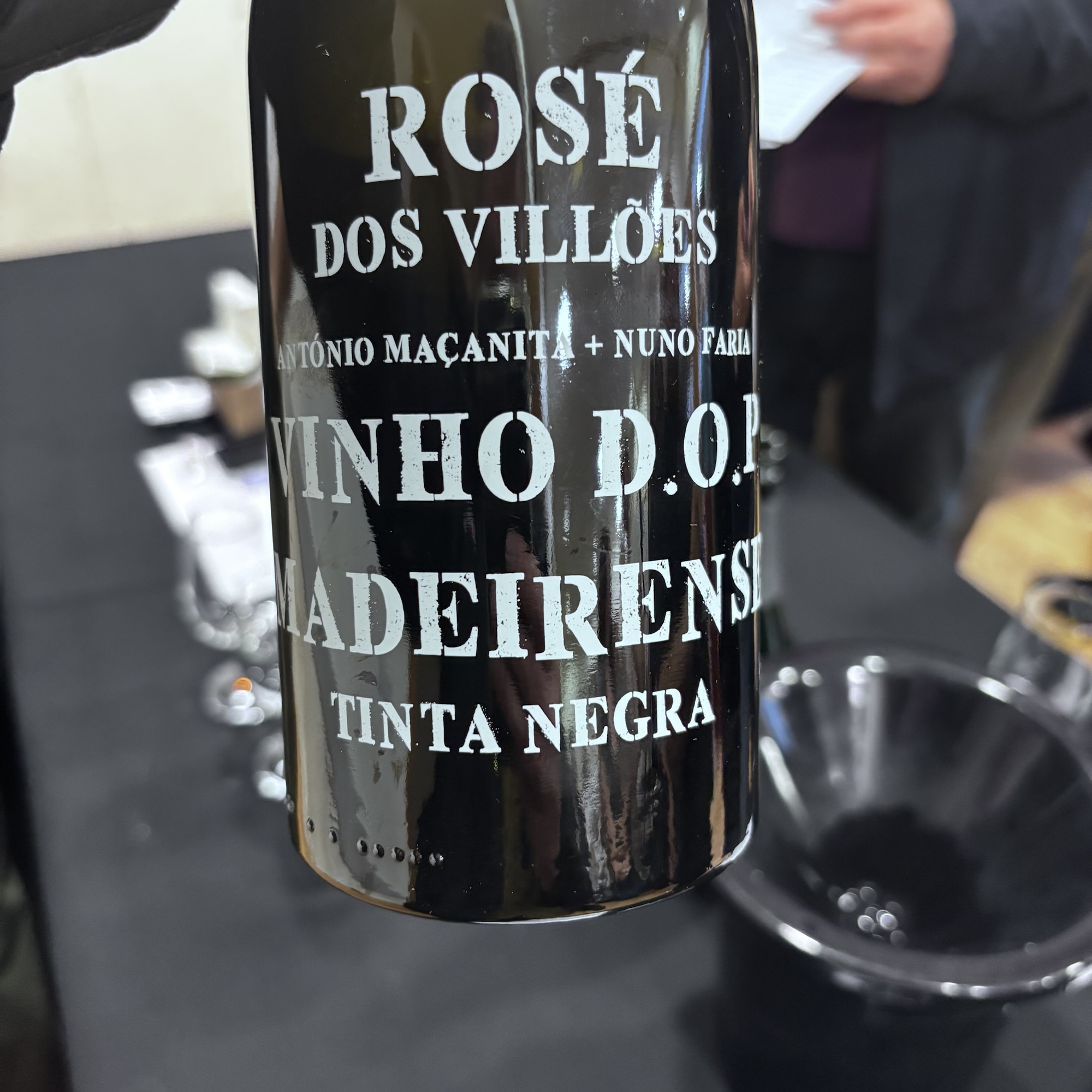
Antonio Maçanita first became known to me through his wonderful wines from the Azores, and it was in this context that I met him a couple of times way back before Covid. Then I got to try some wines he’d made in Portugal itself, and more recently as a partner (with Nuno Faria) in this Madeira project. I drank a very good red table wine called “Dos Villoes” in December last year. That, like this wine, was made from the “Tinta Negra” variety and was pretty pale as reds go. This has been labelled “Rosé” as the photo shows, but it’s not a whole lot paler. Anyway, this is superb if you like that kind of ethereal pink that haunts the air with wafting scents of red fruits, and skips lightly on the palate yet also bursts with fruit bombs. So good I yet again went home with a bottle of Antonio’s Madeirense. Cork & Cask have this Rosé for £25, and also the red for £35.
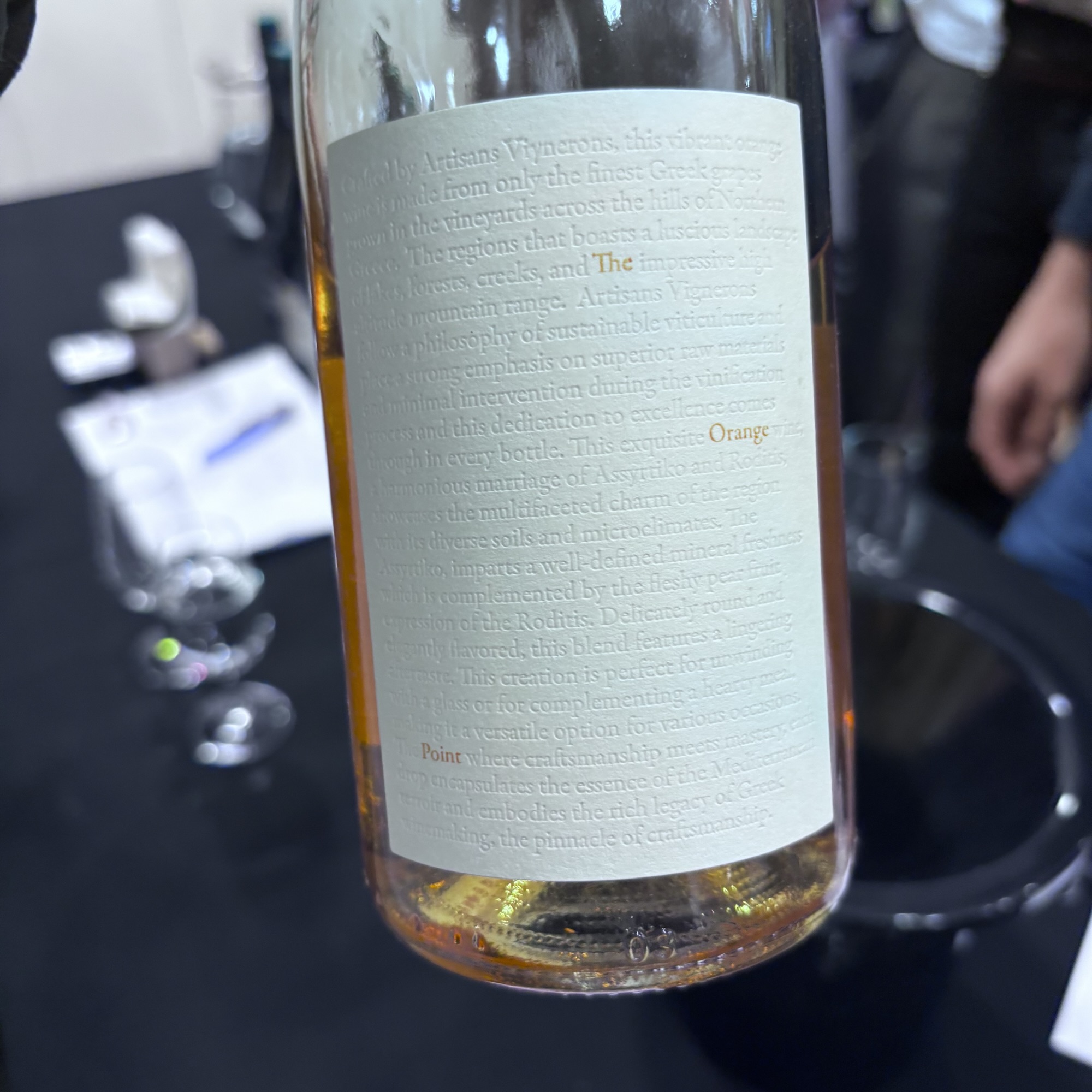
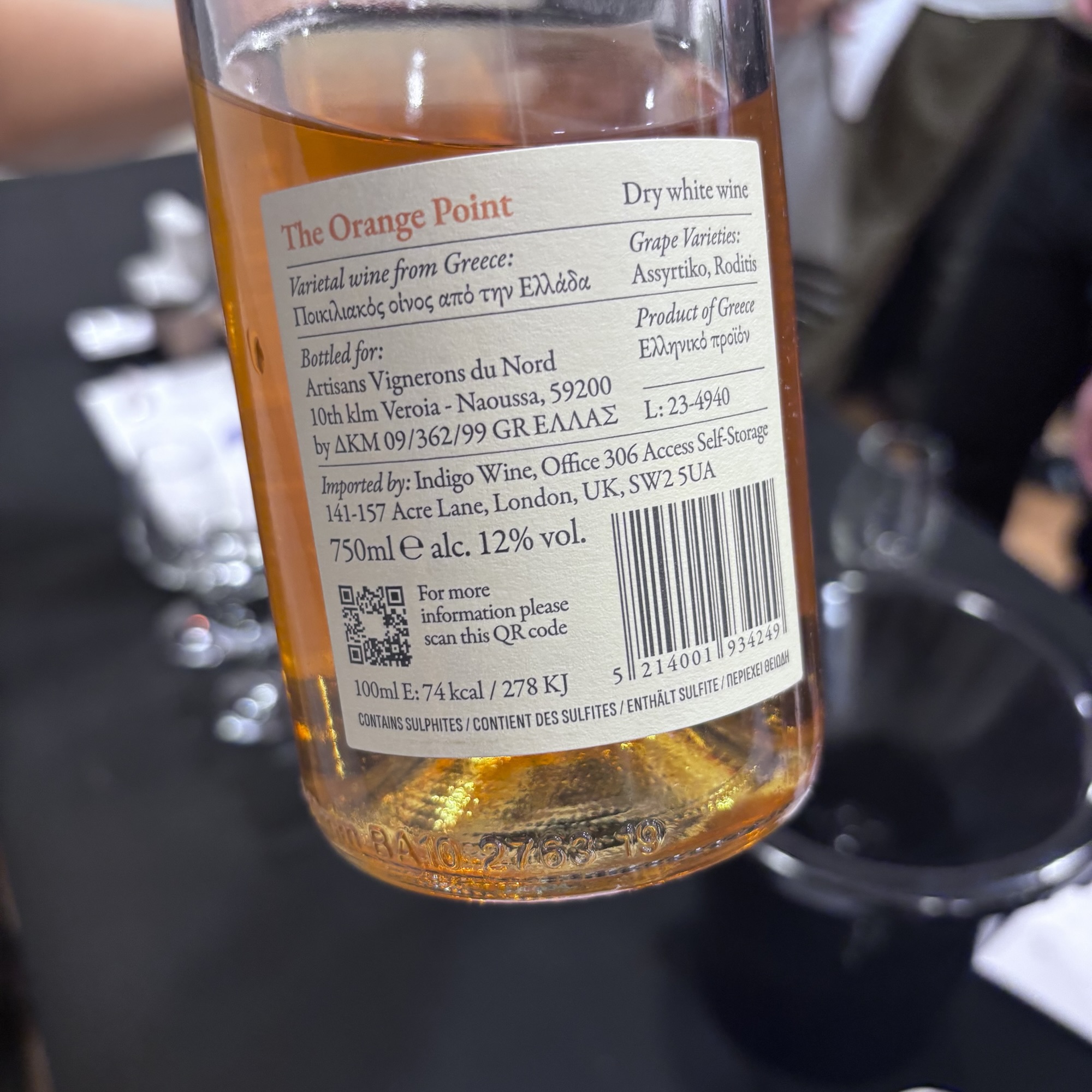
To Greece next (always happy to drink Greek wine, which seems to be getting a little traction now). The Orange Point is from the Artisans Vignerons de Naoussa, a grower collective in this excellent, and now perhaps emerging, region in Amyndeon (Northern Greece). This is a low-intervention, organic, wine made from Assyrtiko and Roditis grown up at over 600 masl. Fruit is co-fermented in stainless steel for over three weeks on skins, then the wine is aged 10 months on fine lees. You get oranges on the nose (why so often oranges in an orange wine?), and lots of apricot freshness and texture which comes especially from the Assyrtiko (think of that Santorini texture in a white wine translated to skin contact orange). Nice packaging, although a photo doesn’t do the textured label justice. £20.
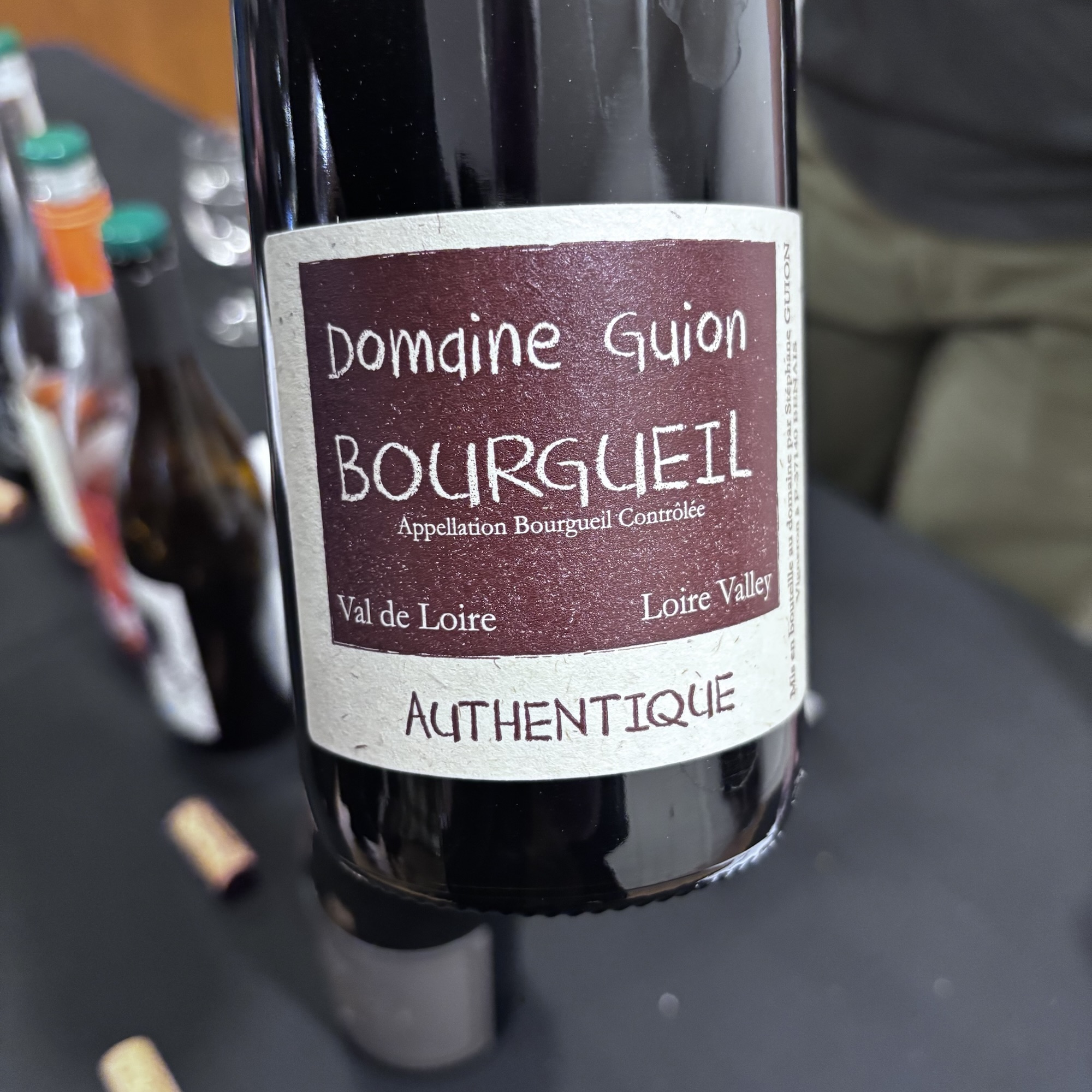
Domaine Guion is based in Bourgueil in the Loire. Stéphane Guion makes ageworthy Cabernet Franc, and only Cabernet Franc, off sandy clay over limestone, and this Cuvée Authentique, which is the new name for Stéphane’s “Cuvée Prestige”, comes from 50-y-o vines. From the 2019 vintage, so you’ve had a good bit of ageing done for you. It’s made in stainless steel, “for purity”, and it has very nice crunchy fruit. This is a good example of Cabernet Franc from a Loire setting in a warm year with a little light late summer rain to freshen it up. Ripe fruit is the result, and when this variety is properly ripe it’s often properly good. £23 seems a good price too.
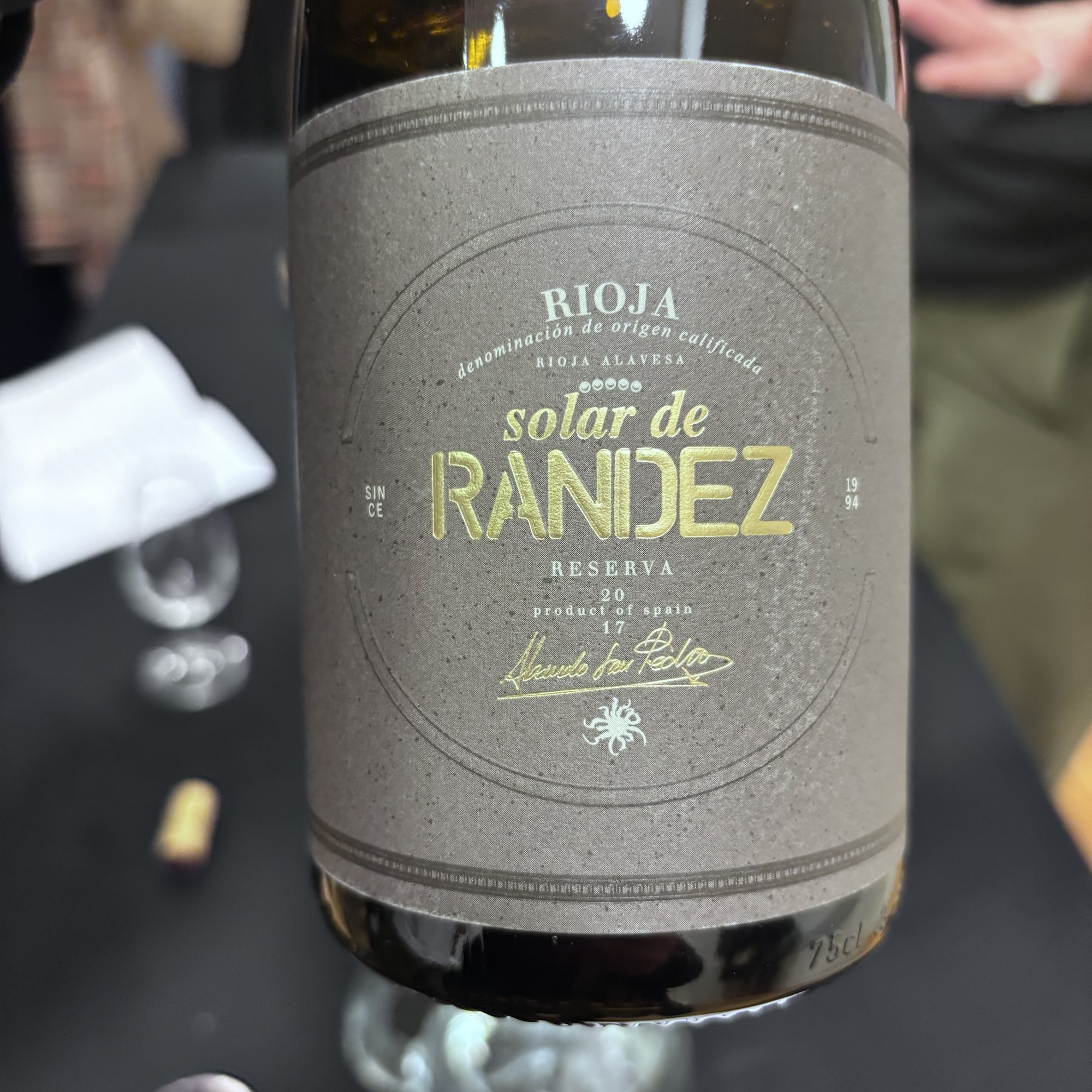
Back to Spain for our final wine, and the Rioja Reserva 2017 “Solar de Randez” from Bodegas Las Orcas. This is a third-generation family producer in the Alavesa sub-zone. 100% Tempranillo off clay/limestone soils, and 24 months ageing in oak, then 16 months in bottle before release. Plummy, and a rare whiff of unmistakable cedar wood, nice and smooth yet also fresh, with good elevated Alavesa acidity. I think this is very good quality for the money, a proper Reserva for £25. Indigo knows Rioja, as I keep discovering.
That brings to a close three articles on this year’s Cork & Cask Winter Wine Fair. Except of course to do what I did with Parts 1 and 2, and give you my favourite wines from each table. It wasn’t easy as each table furnished more than one possibility. Three, possibly four from Alliance, and Indigo’s was pretty hard to choose as well, although all of the wines I’ve written about would be welcome in my cellar. But as I must decide:
- From Alliance Wine I’ve chosen the rather special Bodegas Altolandon Ice Wine.
- From Sevslo I think Maison Crochet’s Cuvée Rosé, delicious pink Gamay.
- From Indigo, Antonio Maçanita Rosé dos Villoes (Madeira table wine).

 David Crossley's Wide World of Wine
Such a mouth watering collection of wines
LikeLiked by 1 person
This is my 4th C&C winter fair and the best yet. I didn’t taste a single wine I’d not happily drink at home (must be at least 75 wines), and filling a mixed case would mean some tough choices as to what to leave out.
LikeLiked by 1 person