
We drank some interesting wines during our three-and-a-half weeks in Australia. I set out to try to drink wines from producers I didn’t know. In the end, that only applies to half the wines here, though only in one case had I tried the exact wine before, in a previous vintage. We were mostly staying with our son, who lives in Newtown, Sydney. It’s a vibrant, young area full of vegan restaurants, record shops, thrift stores, and the city’s best wine merchant, P & V Wines, for those of us who love natural wines. So all but two of the wines here came from them (the Shoalhaven Coast Sauvignon was purchased at the winery). Many readers will know of wine journalist and competition judge, Mike Bennie, one of the company’s founders. They also have another store in Paddo (Paddington). If you are in Sydney this is the one wine merchant which I recommend you visit. The Newtown store appears to be the larger of the two.
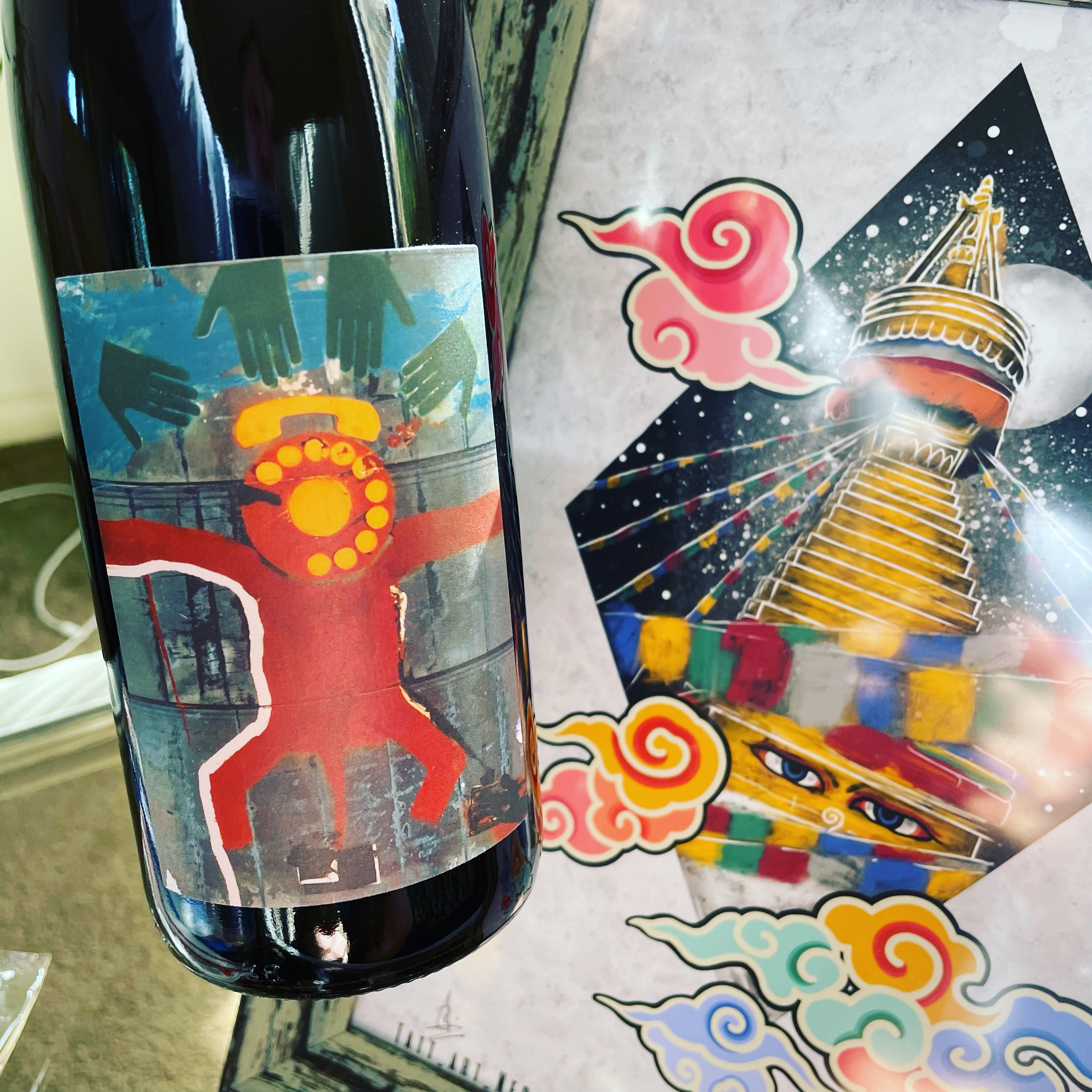
Dr Ongo Dr Op Pinot Noir 2022, Dr Edge Wines (Tasmania, Australia)
This is a gorgeous light Pinot Noir from rising star of Tassie natural wine, Peter Dredge. Turning to wine following a sporting injury, Peter worked at Petaluma in South Australia for twelve years before moving to Bay of Fires in Tasmania as Head Winemaker. His next move involved taking over winemaking at Meadowbank, in Tassie’s Derwent Valley alongside launching his own Dr Edge label. He eventually became a partner at Meadowbank, which had become a main source of fruit for Dr Edge (his nickname at Petaluma).
A four-day maceration is enough to give this easy-drinking Pinot a bit of colour. It has a white wine level of acidity yet is packed with fresh cherry fruit, assisted by an off-the-scale fragrance. A hint of complexity is added via peppery spice and herbs, but overall, it’s a glugger. Definitely recommended for chilling. $40AUS.
Peter’s P & V connection is enhanced through making wine with Joe Holyman and P&V’s Mike Bennie under the “Brian” label.
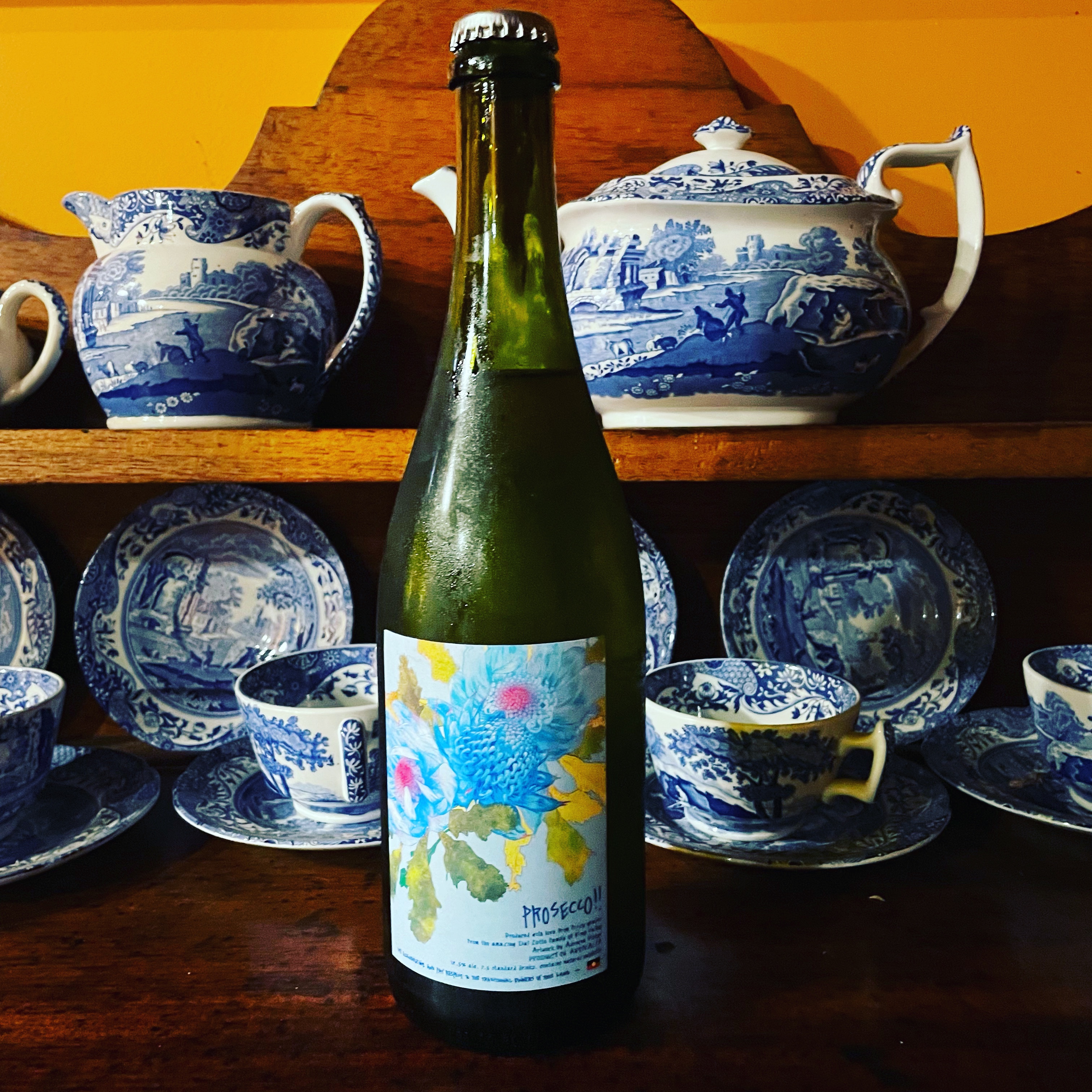
Prosecco, Dal Zotto (Victoria, Australia)
Dal Zotto is a great family winery based in the King Valley, which is one of the high-altitude wine regions (Beechworth is another) in North East Victoria. I’ve met these guys a number of times in London at tastings organised by their UK agent, Graft Wine (formerly Red Squirrel) and they are great people, super-friendly and massive fun. This is the first of two Dal Zotto wines I drank in NSW.
Now the arguments about “Prosecco” will rear their head, I guess. In principle I would not disagree with those who would claim the name “Prosecco” for the wines produced under those DOC(G)s in NE Italy, but it should be said that Italian families like the Dal Zottos have been marketing their Glera varietal wines as Prosecco in Australia for a long time now, and of course no one out there sees it as a problem. Anyway, at least Otto Dal Zotto emigrated from the Prosecco Hills (in 1967) and his sons were the first to plant the Glera variety in Australia (1999), so they, more than most, know what they are doing.
This “Prosecco” is made specially for P&V and is an easy drinking fizz with an enticing floral bouquet. P&V suggest adding Campari or peach nectar, which would have been a nice idea – we enjoyed pretty-warm autumn days, some up to 28 degrees, down south of Sydney on the East Coast. But this went down pretty well on its own, on a family farm near Milton. I make no massive claims except for its sheer drinkability and its price. $25! Today with $1 = 53p that’s £12-£13. Seriously folks, we are being fleeced by the Chancellor.
Alphonse Sauvignon 2021, Cupitt’s Winery (NSW, Australia)
Cupitt’s is just outside the small town of Milton, a popular stop-off for tourists and close to the beaches of Mollymook (where, at Bannister Head, Rick Stein has a smart restaurant). The wine region here is Shoalhaven Coast. It has been described by Australian Gourmet Traveller Magazine as “emerging”, and it does have a distinctive coastal climate. Although vines stretch a good distance along the coast here, they gather as small islands among pasture and there are not, as yet, all that many wineries. Cupitt’s is typical of many in that most of the fruit it processes comes from other regions. However, it does boast a vineyard (and a popular restaurant) from which they make one wine…this one.
This Sauvignon Blanc is fermented in French oak but there is little oaked character. It is clean with lemon zest and apple freshness. It’s more French-leaning than, for example, most SB that New Zealand produces though. They also suggest they don’t add sulphur to this cuvée, but for those who think they don’t like natural wines, it is not in the slightest bit funky. $36 at the cellar door.
This is a winery which perhaps makes more of its location for dining (they also make cheese here too) and “luxury” accommodation than wine, but it definitely has the potential to make good wines in a region where there is certainly a good market from relatively high-end tourism, being a two-hour drive from Sydney. As I have connections down here, I’m always keen to pop in and keep an eye on what they are doing when I visit. Their low-intervention approach also appeals. Apparently, they won a NSW “Hall of Fame” Tourism Award since my last visit.
Other wineries within the Shoalhaven Coast region include Mountain Ridge, Coolangatta Estate (a highly regarded Semillon is made here), Two Figs, Silos Estate, Mountain Ridge Wines, Cambewarra Estate (near the famous and impressive Kangaroo Valley and Cambawarra Mountain), Lyrebird Ridge, Bawley Vale and Yarrawa.

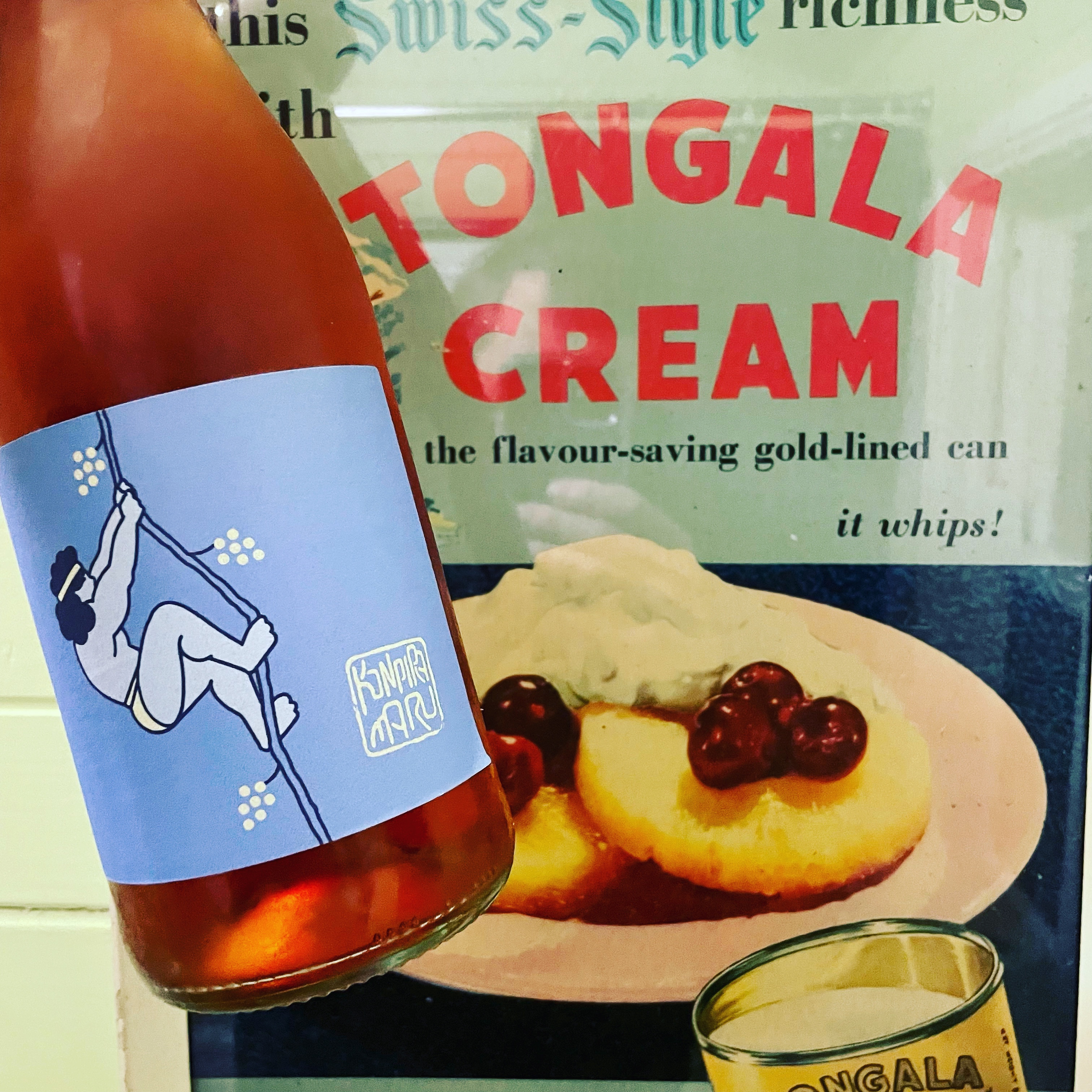
Mt Midoriyama Chevaucher L’Eclair 2022, Konpira Maru (Victoria, Australia)
This confusingly named wine is from the Eminence Vineyard in Wurundjeri Country, Whitlands, Victoria. We are not far from the Dal Zotto winery in the King Valley. Chevaucher L’éclair means “ride the lightening”, which apparently was taken from Stephen King’s The Stand. Konpira Maru is the producer, and this is a petnat, first made in 2014, from equal parts Chardonnay and Meunier. Made as a natural wine, of course. We drank this on a trip up to Katoomba in the Blue Mountains. Hadn’t been there since 1988. It’s a bit more touristy now, but 100% worth the drive.
Aromatically it doesn’t really shout out the varieties. Lemon zest dominates the bouquet. The palate has a mix of oranges and nuts. It’s another fun petnat made for well-chilled slurping on a sunny Sydney afternoon (which means at least 300 afternoons a year). I have to say that these Aussies are totally smashing it with the labels on wines which, like the people themselves, don’t think they should take themselves too seriously. $33 is a nice price for a very nice wine (P&V again).
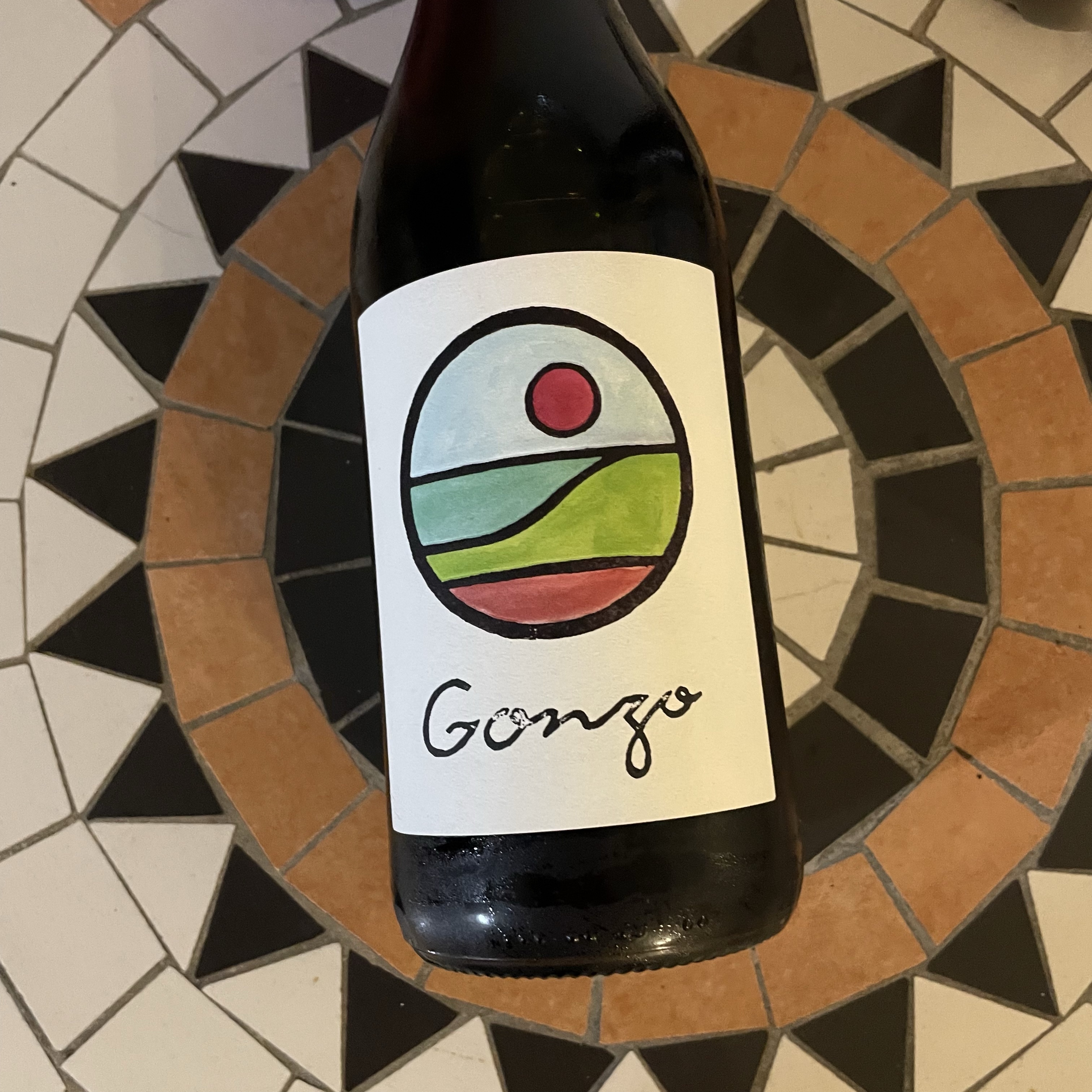
Gonzo 2021, Les Fruits (South Australia)
The origins of this wine are as confusing as they can be in appellation-free Australia. The label says it was conceived by “Les Fruits”, whoever they are, in Lilyfield, NSW. The fruit comes from both Barossa Valley and McLaren Vale, and it was made in the Adelaide Hills.
This is another prime example of a simple, biodynamic, Grenache and Cinsault, blend, here made by well-known natural winemaker, Tim Stock, working from the Commune of Buttons winery in the town of Basket Range (Adelaide Hills). The Grenache is from old vines in the Barossa, and the Cinsault is a mix of Barossa Valley and McLaren Vale fruit. These regions are famous for big wines from these varieties, but this is somewhat the opposite. The grapes were all co-fermented by carbonic maceration and the result is light and zippy, weighing in at just 11.7% abv. Ageing was in large, old, oak.
Strawberry-scented with rose petal fragrance, the palate adds in plums and a hint of both spice and tannin. The acids are good and there’s a twist of pomegranate on the finish. With the low alcohol and the light fruit, you can chill this down, or at least serve cellar cool. I’m loving chilled reds back home as the evenings get lighter (already it is still light towards 10.30 on a sunny day up here in Scotland). Australia may be approaching darker evenings, but they have really embraced reds for the fridge. As the retailer says, it’s fresh and exhilarating, and only $36 from P&V.
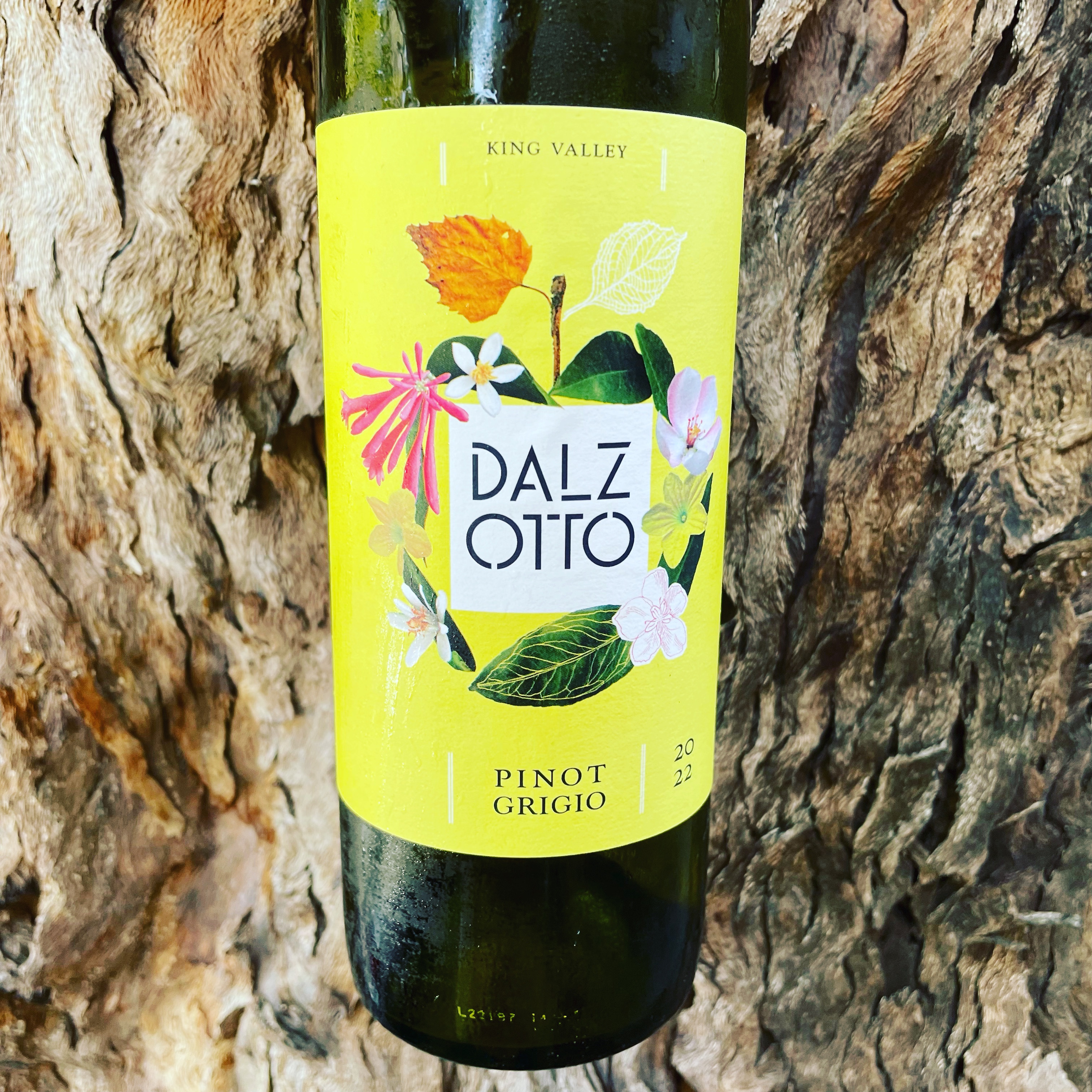
King Valley Pinot Grigio 2022, Dal Zotto (Victoria, Australia)
This second bottle of Dal Zotto wine was picked up in a bottle shop on the northern side of the harbour, on the way to lunch with friends. As the guy in the store said, “if the Italians don’t know how to make Pinot Grigio, then who does?”. I didn’t have the heart to point out that rather a lot of Italian producers actually don’t, but a few most certainly do, and this bottle was definitely in that better category.
What you get here for around $21 (a tenner, basically) is infinitely better than almost any of the Grigio you would be likely to find in any British supermarket, and it’s half the price of the better ones found at UK merchants. Perhaps unsurprising in the latter case, taking account of duty, tax and increased transport costs.
What I like is the definition in this wine. The bouquet gives off ripe pear with a hint of fennel. The palate gives more pear, a squeeze of lemon and perhaps a hint of hazelnut in the textured finish. It’s dry, but has a little weight giving it a food-friendly versatility that wines labelled Grigio (as opposed to Gris) almost never have.
I’m about to pay for a lot of building work at the moment, and the wine budget is tight. I wish I had access to wines like this to make my midweek drinking easier. I’m sure Graft Wine still brings in Dal Zotto, perhaps not this particular wine. But I highly recommend checking them out. These are great value wines, even at UK prices, good fun and from a family serious about their craft. That makes a difference.
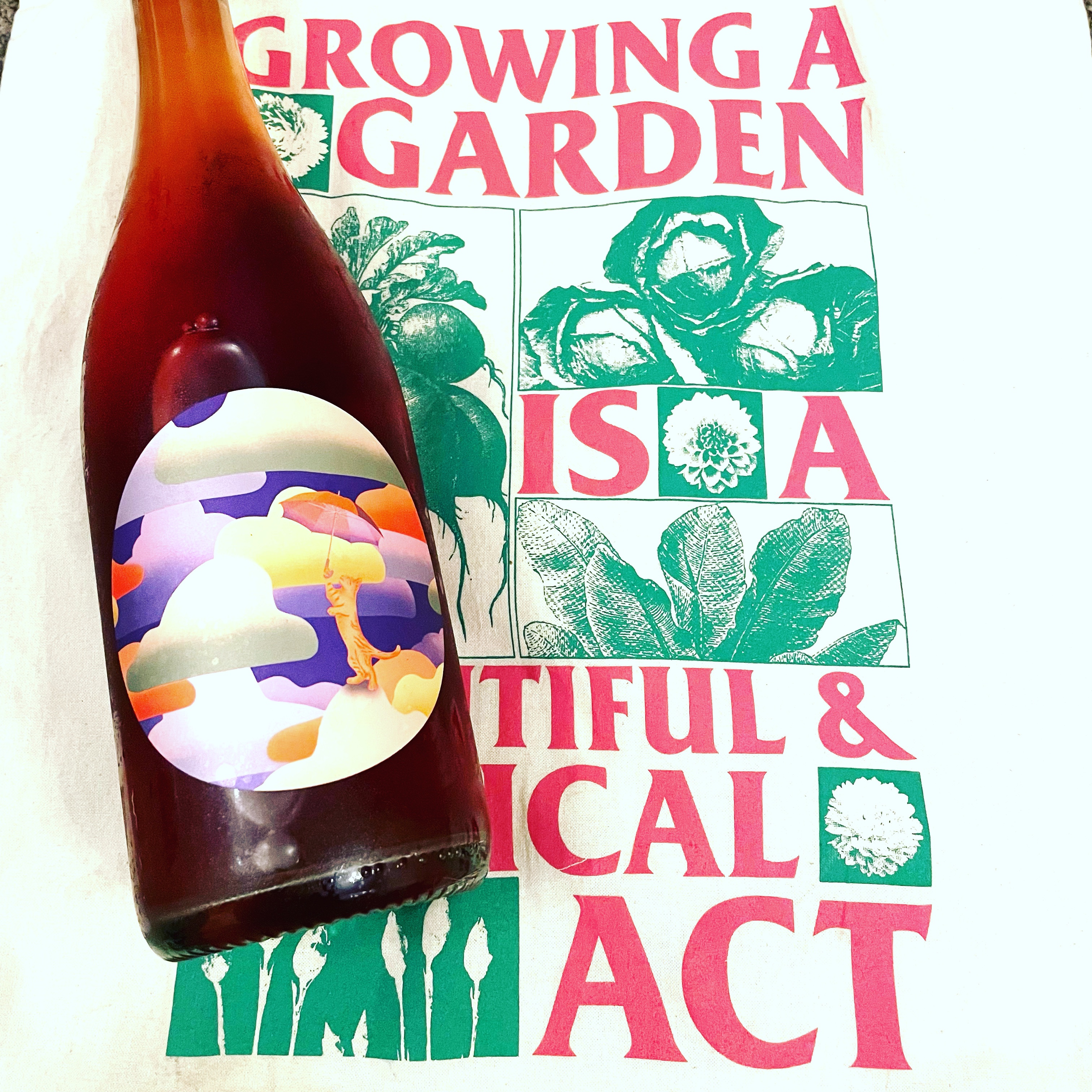
Susan Petnat 2022, Wedded to the Weather Cloud Project (Queensland out of Riverland, Australia)
Here is another wine with a beautiful label and a confusing name. The winemaker is a guy called Doug Woodward, working out of somewhere called Meanjin, in Queensland, though the fruit was grown by the Basham family in Riverland, as it says on the back label “on the traditional lands of the First Peoples of the River Murray and Mallee”. And what fruit. Just under 90% is Fernao Pires, the Portuguese variety, macerated and pressed off skins for eleven days. The remaining grapes in the blend are Montepulciano, which saw seven days of carbonic maceration.
The result is a pale red with an orange glow. There’s a gentle sparkle, more than full on fizz, but the bubbles push out a lovely spiced cherry aroma. The palate adds zingy raspberry to the cherry notes, and continues the spice motif. Another wonderful, fun wine from P&V for $30. You know what this reminds me of? Tim Wildman’s wonderful petnats, which you can find over here in the UK, both his Riverland-sourced wines (Astro Bunny, Piggy Pop) and his English heritage varieties “Lost in a Field” project. I bet he knows Doug?
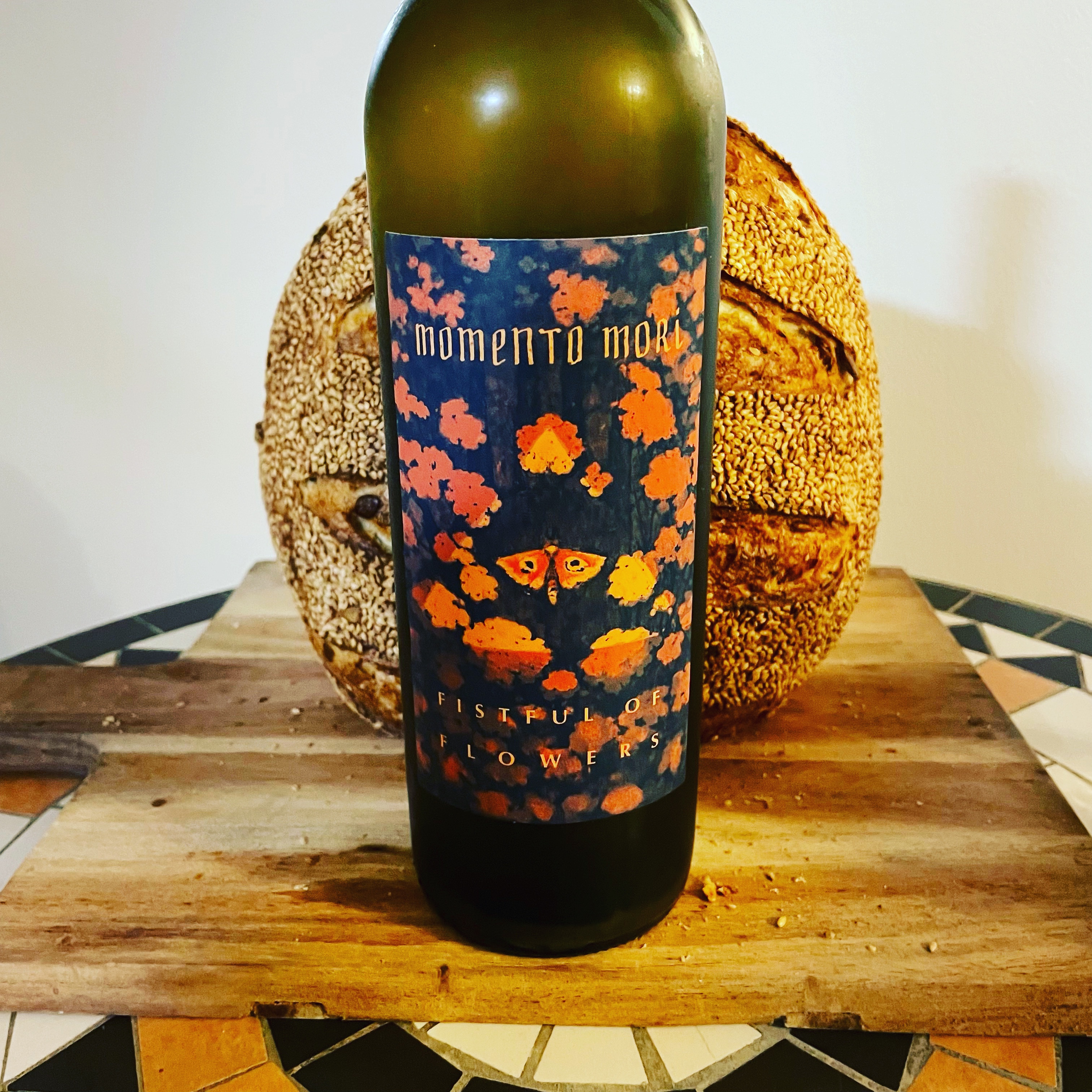
Fistful of Flowers 2022, Momento Mori (Victoria, Australia)
Dane Johns is right up there with my favourite producers in Australia. He’s a little bit on the edge of things, always innovating and experimenting. He has a particular interest in Italian grape varieties, and his Momento Mori label gives these a shop window. Fistful of Flowers blends Moscato Giallo and Vermentino and combines the characteristics of these two grapes to great effect. Most of the Momento Mori wines, including this one, come from Victoria’s Heathcote region.
The fruit was grown by the Chalmers family, who have twenty or more Italian varieties over 80 hectares on the Mount Camel Range, near Colbinnabin. Those of us who first heard of Heathcote in its early days, possibly when Robin Yapp began importing Jasper Hill, will remember that it has now famous pre-Cambrian Terra Rossa soils, red clay/loam with ironstone, jasper, dolerite and basalt on higher slopes. The Chalmers’ Vineyards now supply more than forty winemakers with sought-after fruit.
The bouquet is big, with ginger spice competing amiably with heady floral notes. It lives up to its name very well. The palate is mineral, with elderflower and crisp, juicy, apple. It’s an orange/amber wine which saw three weeks on skins. It’s a marvellous wine too (I’d go with “sensational” but some may suggest that’s too subjective). P&V sell it for $35 (around £18). Les Caves de Pyrene import Dane’s wines into the UK and I’ve seen it retail for £35 here (try Natty Boy Wines, or Les Caves’s online shop). The UK price is no one’s fault in the trade. I’m already missing Aussie prices.
I mentioned the food in Sydney and we certainly ate well, even better than on previous trips, so I thought I would add in a few pics to whet the appetite and get the stomach rumbling, along with a couple of photos from P&V…

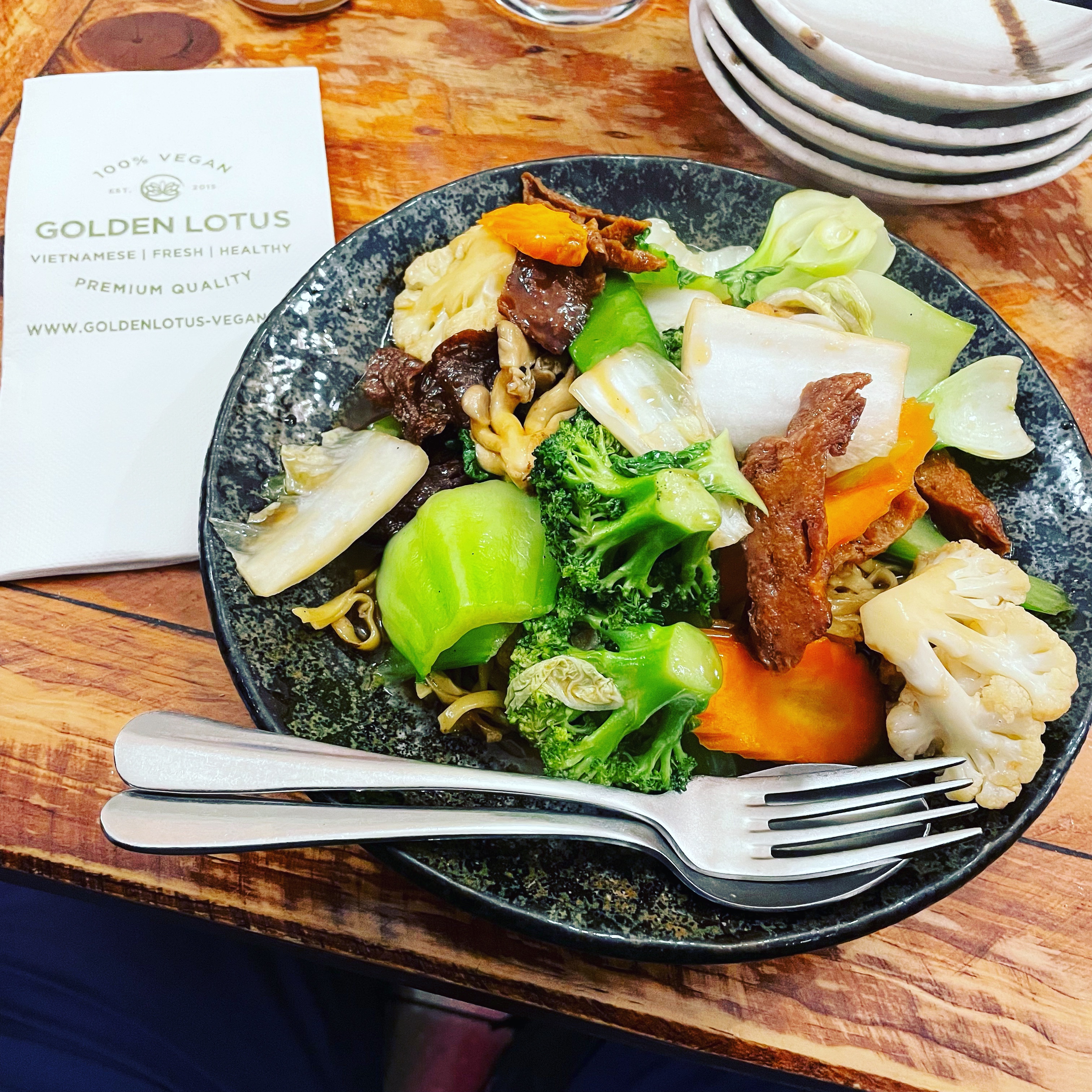
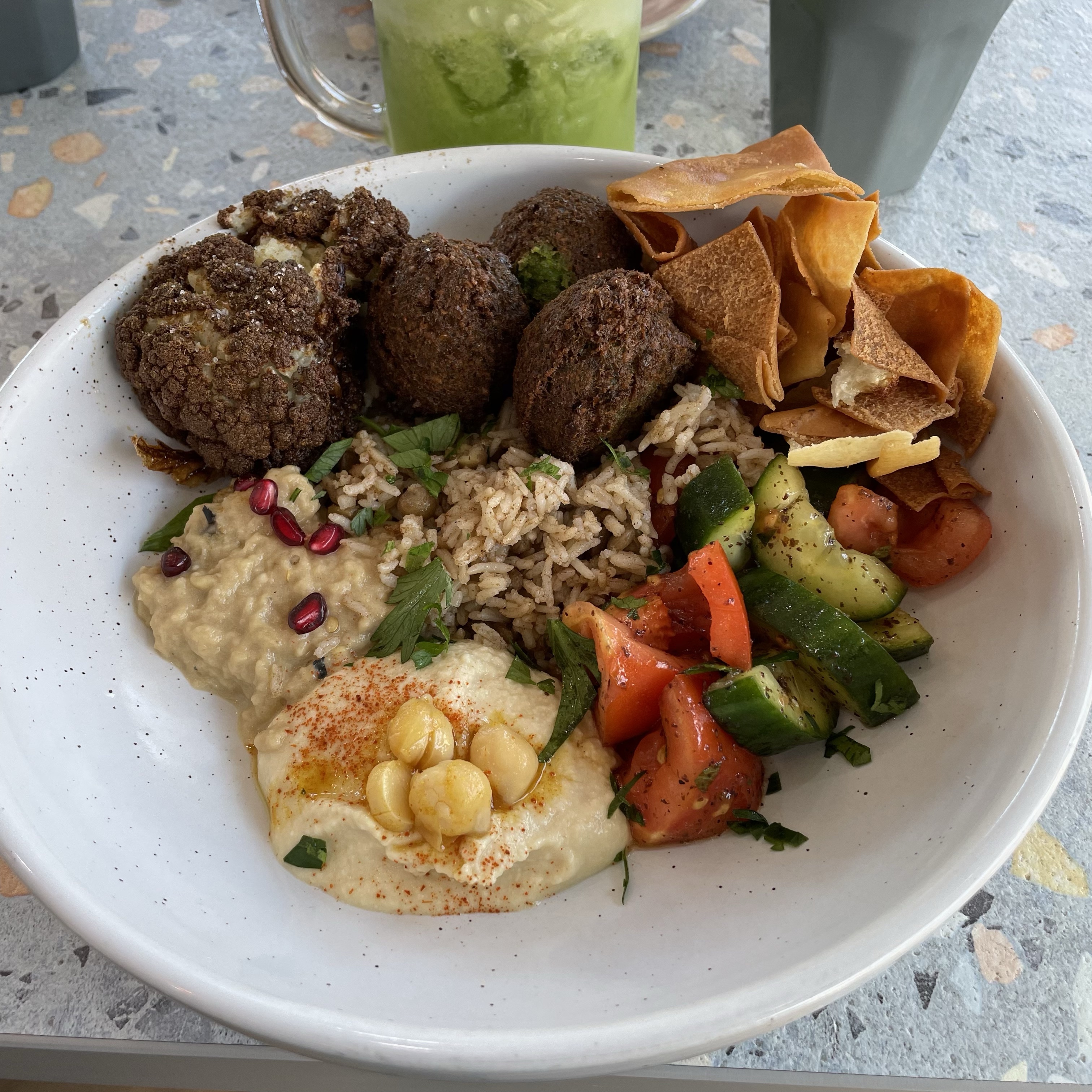
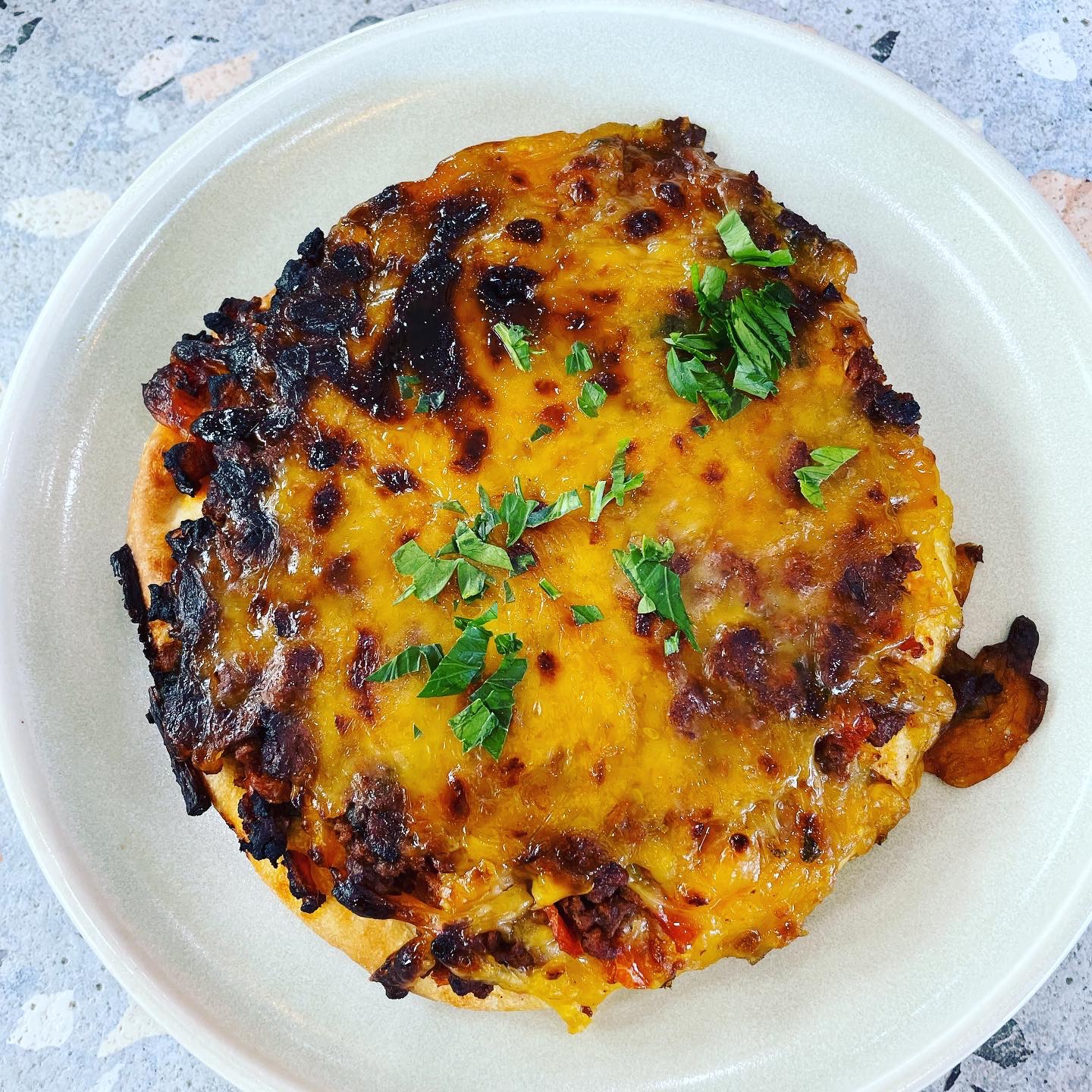
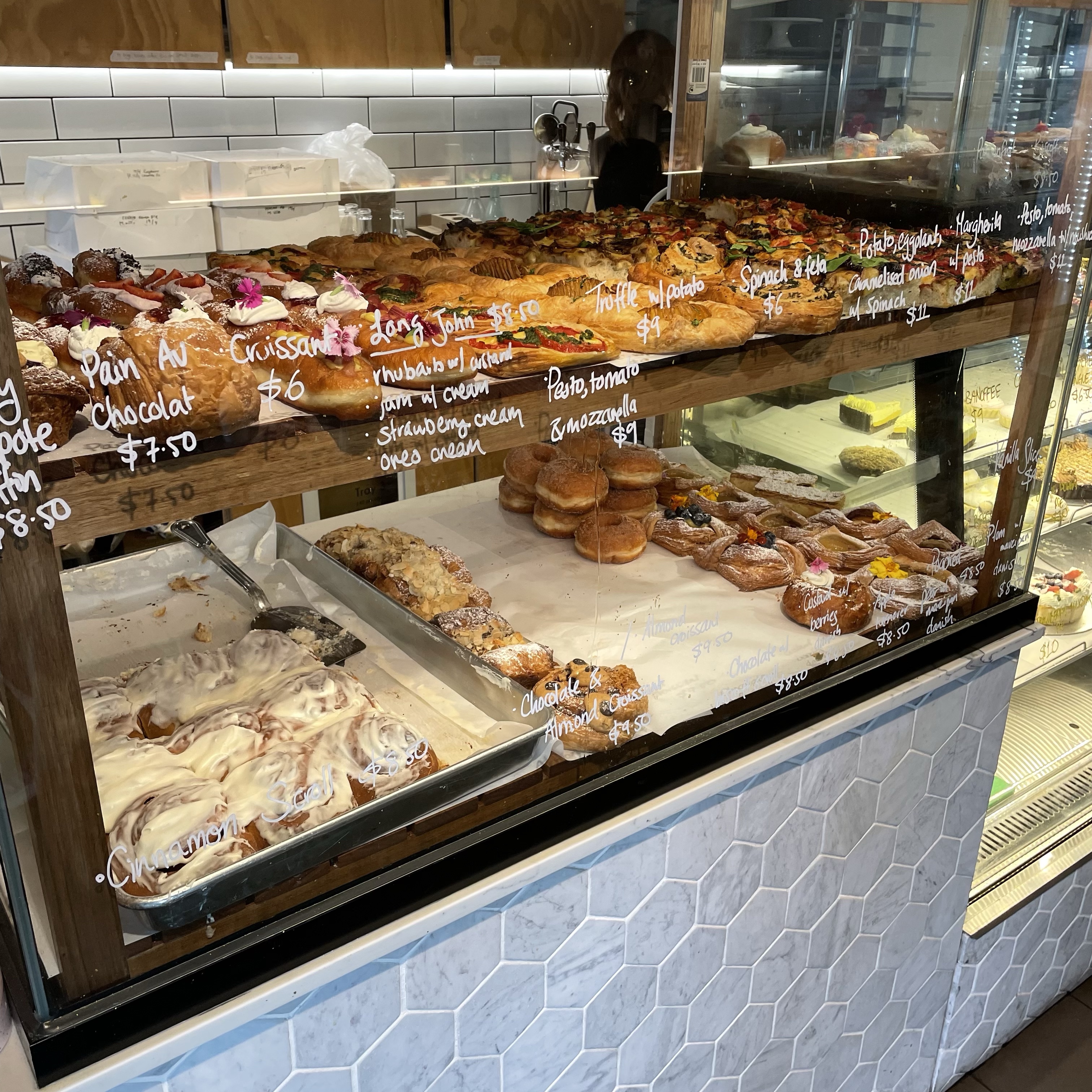
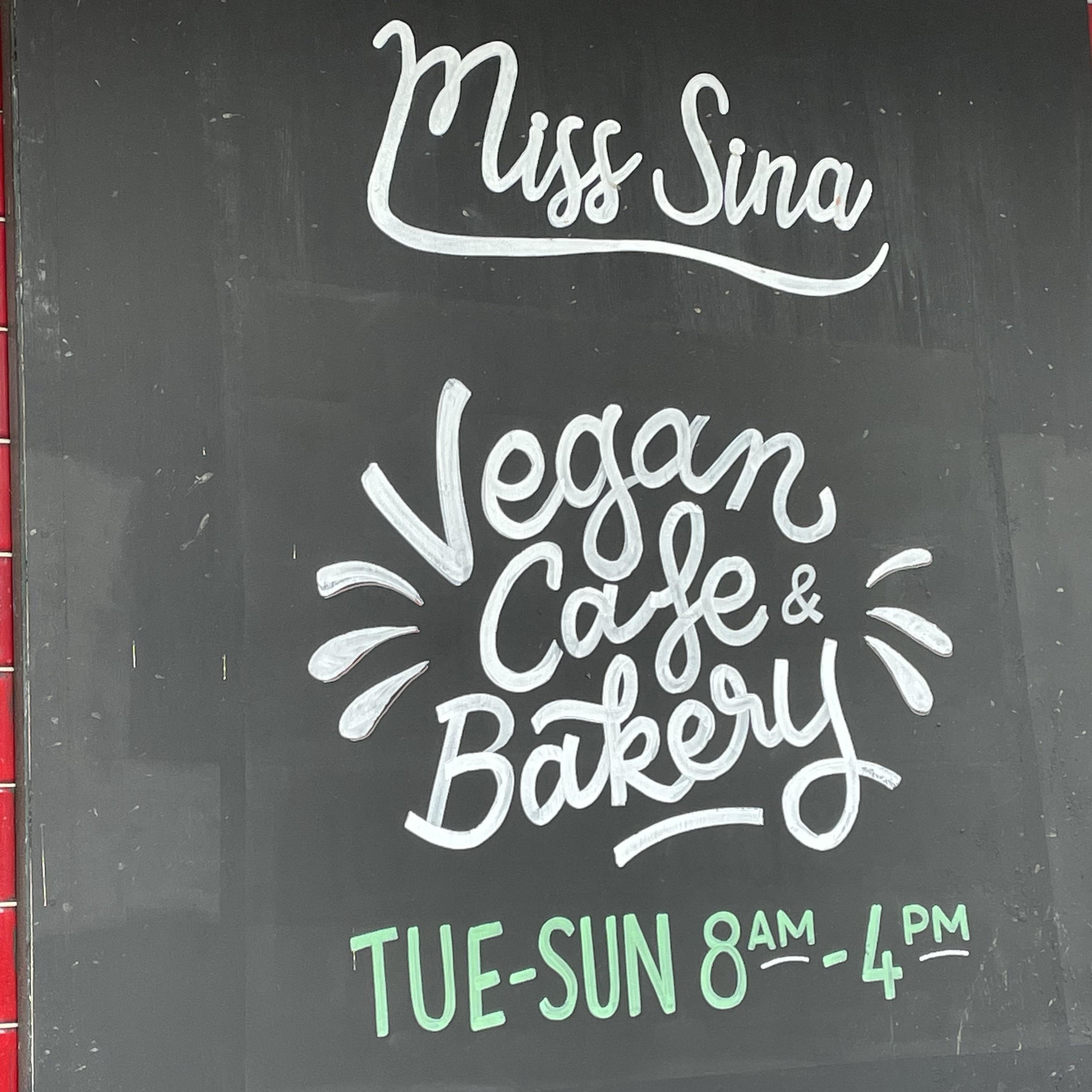
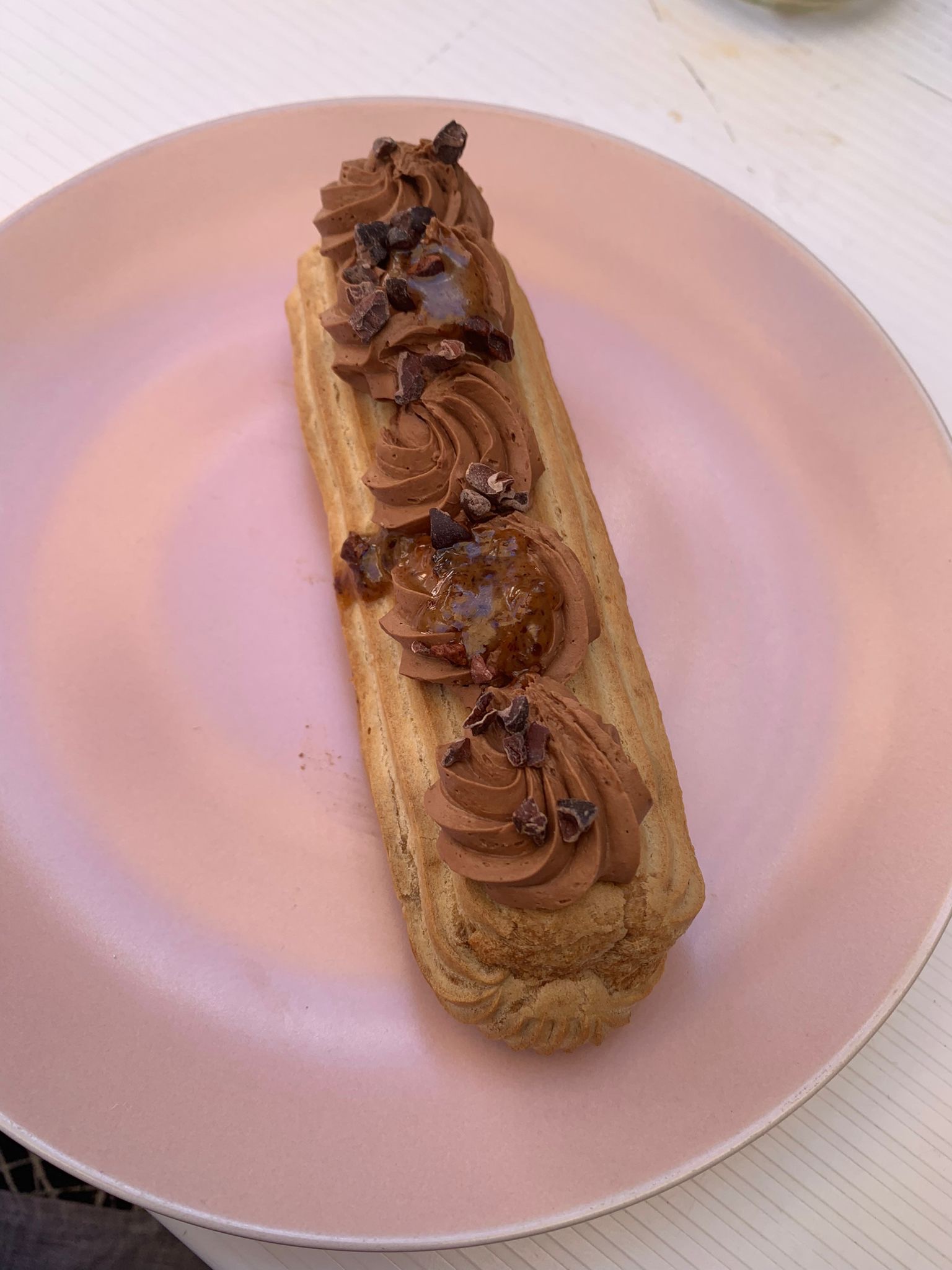
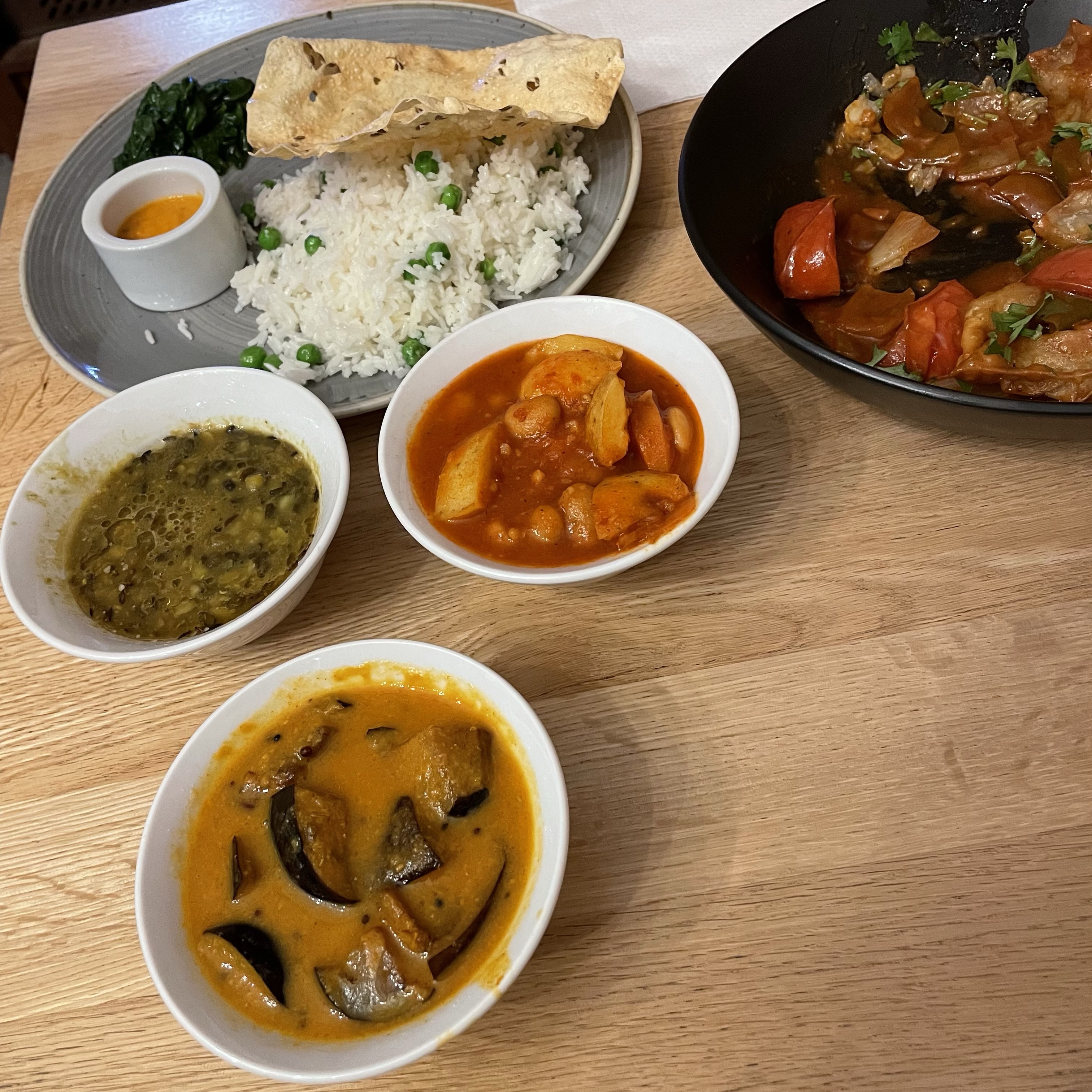
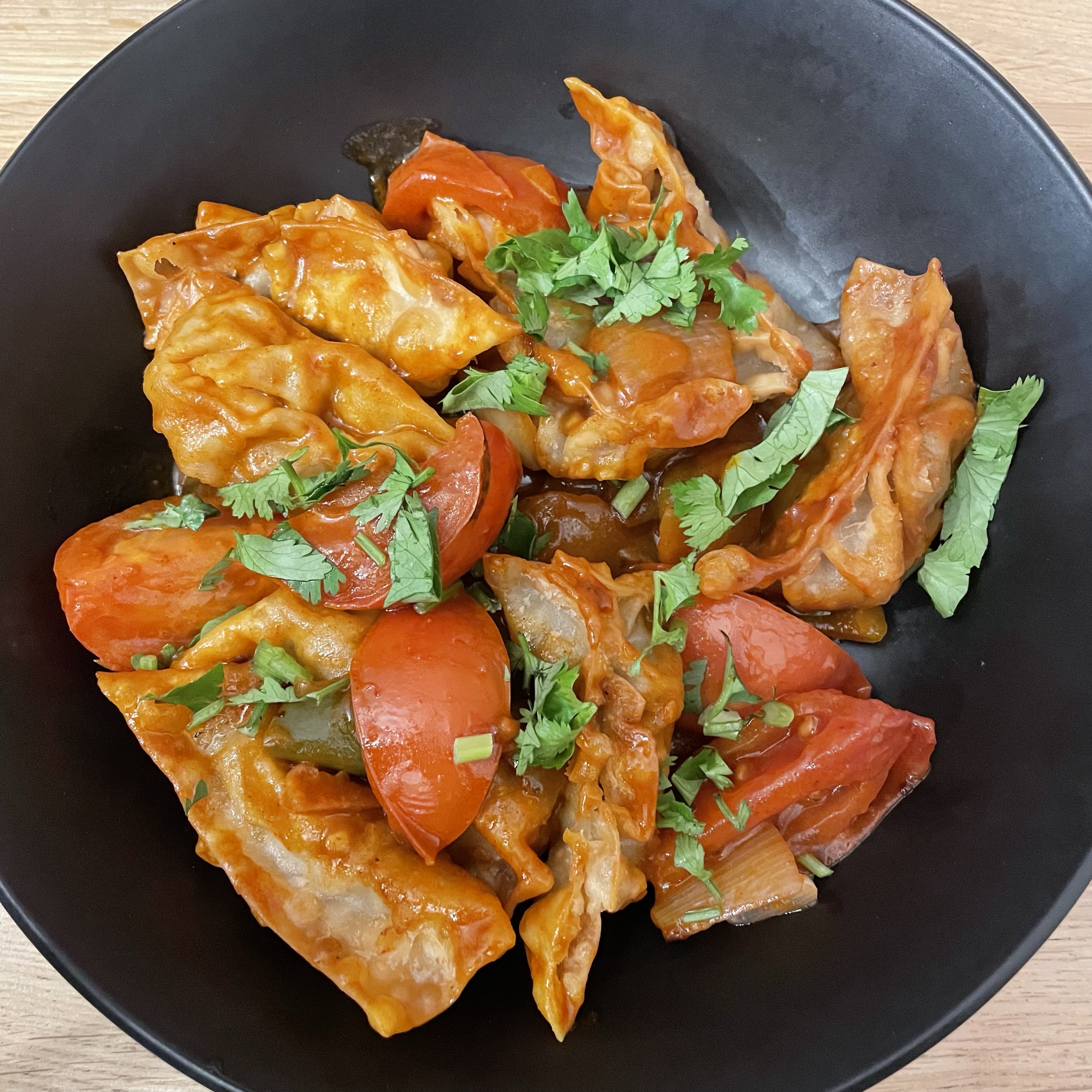
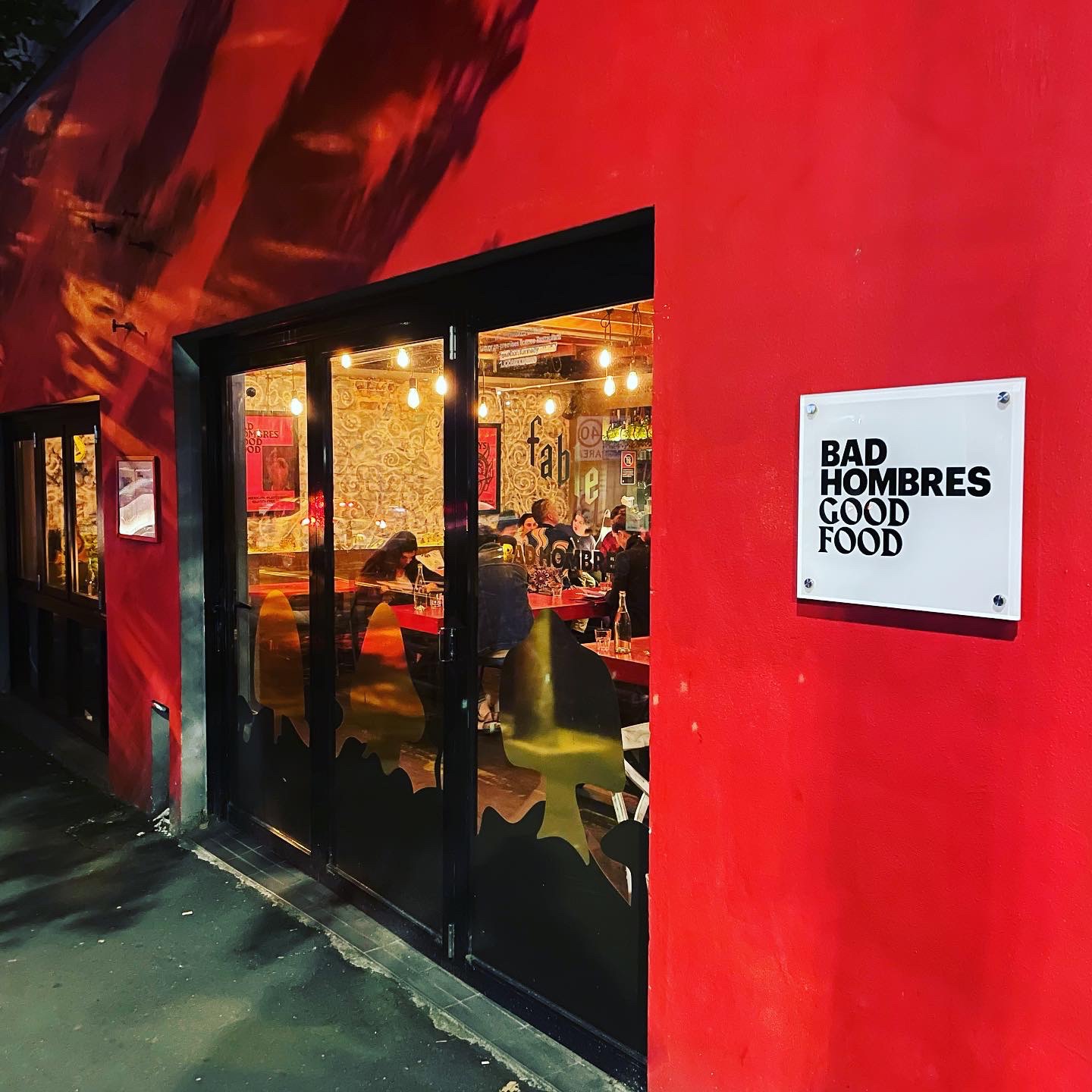

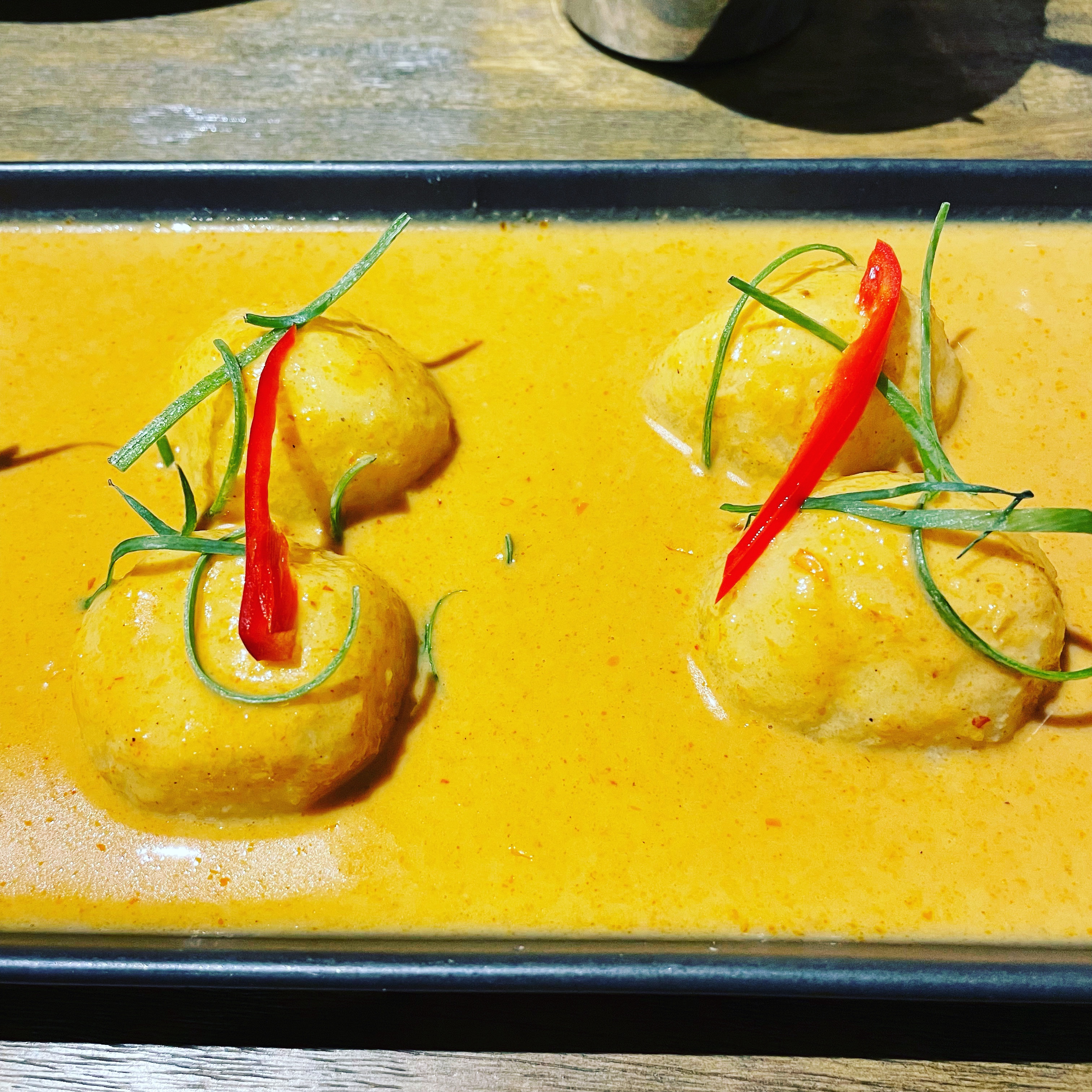
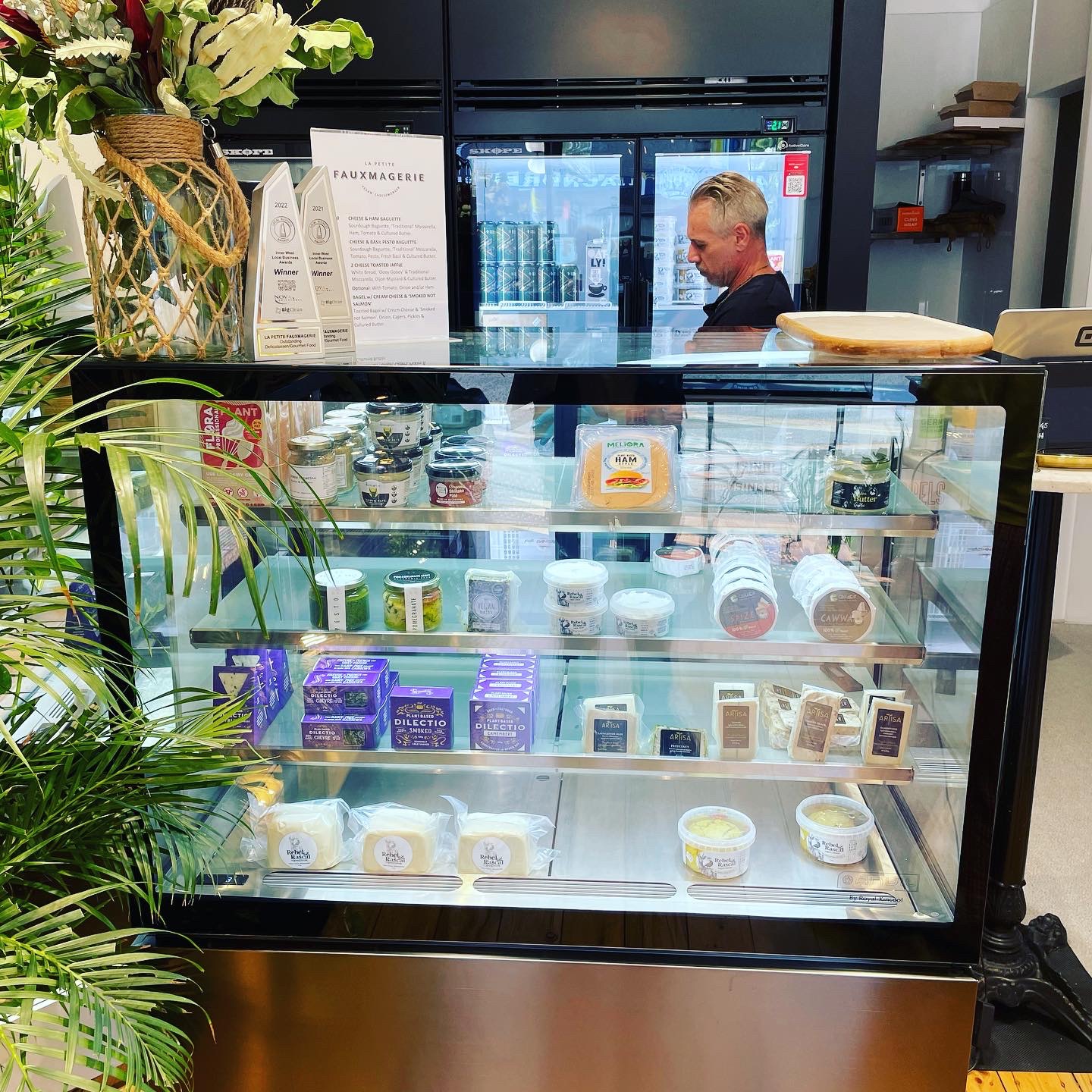
From top, L to R, two from Golden Lotus (Vietnamese), and two from Khamza (Palestinian), both on King Street, Newtown. Eclair and cakes from Miss Sina, Marrickville. Then two from Moksh (Nepalese), also on King Street in Newtown, and the sensational Negroni variation at Bad Hombres (Mexican) in Surry Hills. The food here is very decent but you go for the cocktails! The Masman potato curry was one of the best dishes we ate, at Little Turtle (Thai) in Enmore. All the food pictured is vegan. The bottom pic is at La Petite Fauxmagerie, King Street, Newtown. Generally, I don’t really get on with any vegan cheese. This is the first time I was genuinely impressed, and they also make really good vegan “butter” which tastes as if it has come straight from a French cow. There’s a vegan bakery next door for the accompanying baguette.
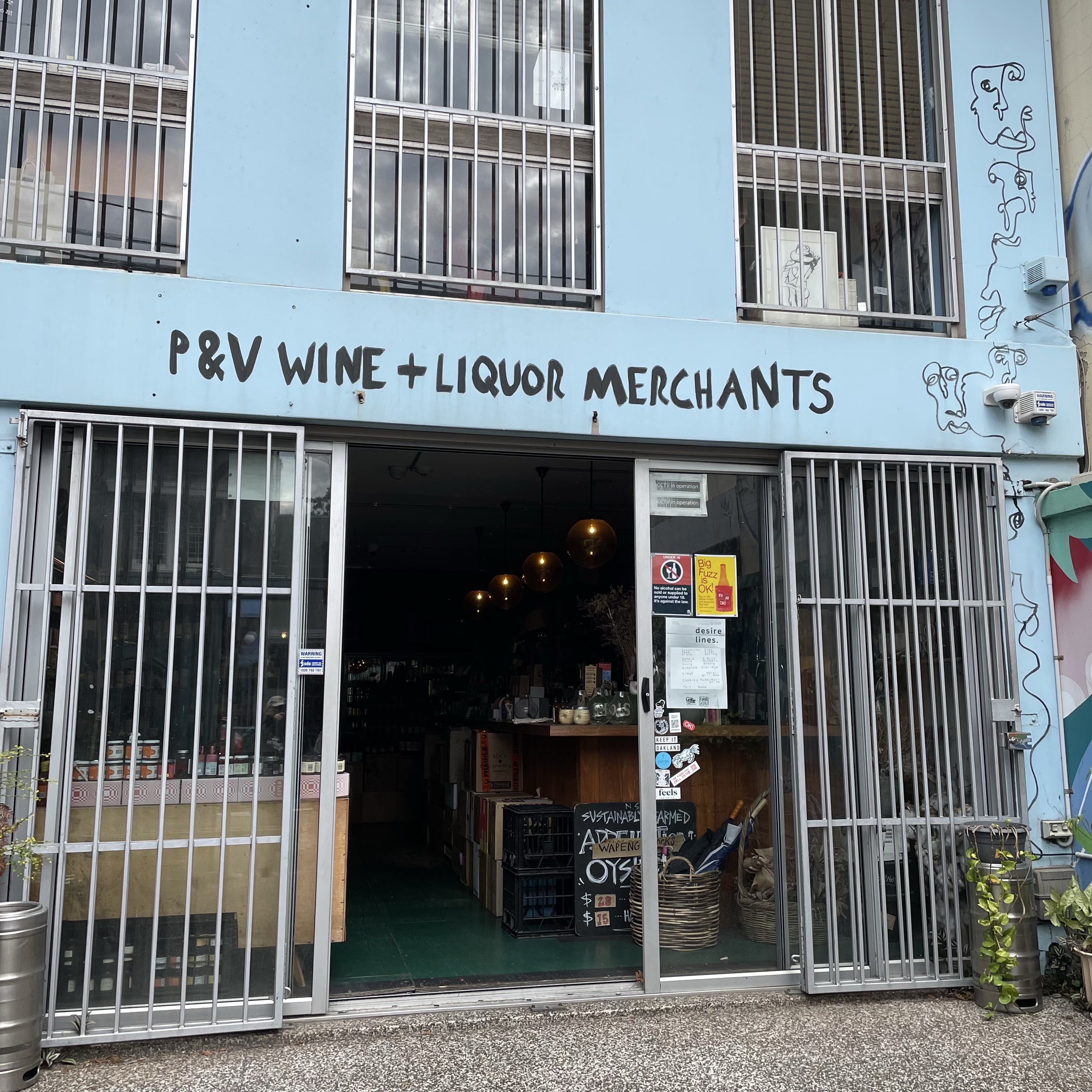

P&V Liquor Merchants, Newtown and Paddo. I am eternally grateful to Jamie at Cork & Cask in Edinburgh for the recommendation to check them out. I’m yet to find a better (natural) wine merchant in Sydney.
Newtown – 64 Enmore Road, 10am to 9pm seven days a week.
Paddo – 268 Oxford Street, Weds to Sun, shop open midday, wine bar from 4pm.
If you are in Sydney check out their events. I bagged a seat at a Jura Masterclass hosted by Mike Bennie, which I will write about soon.

 David Crossley's Wide World of Wine