
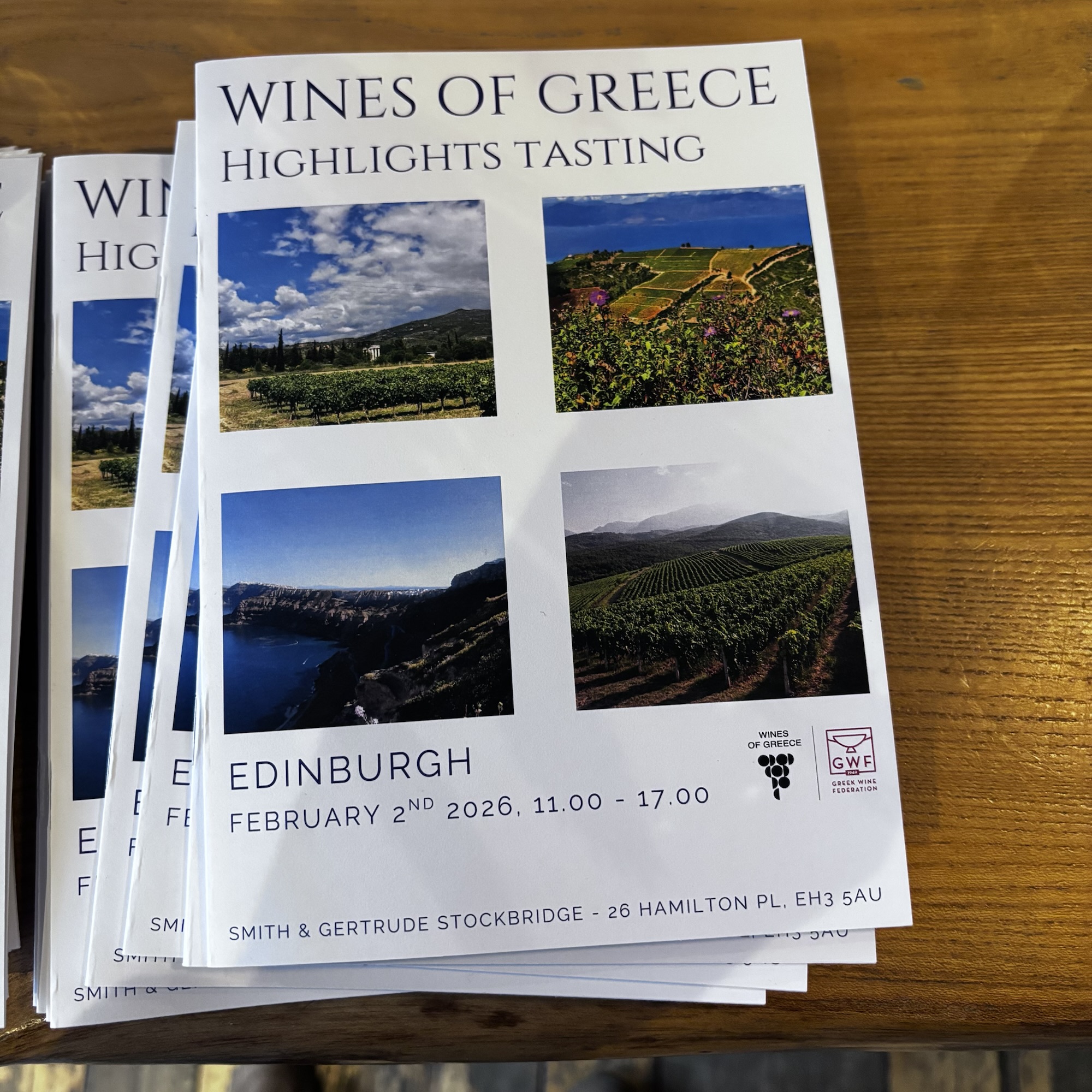
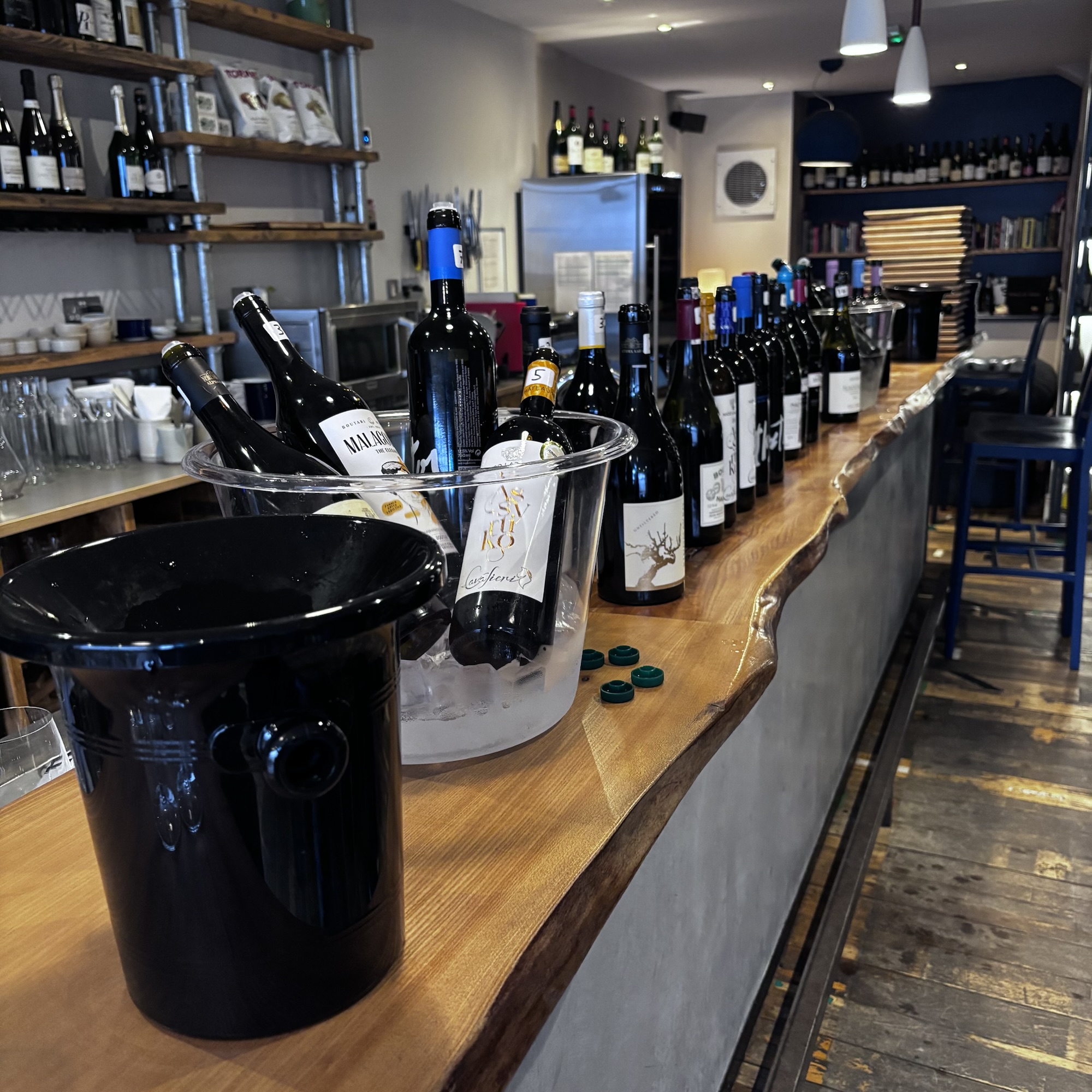
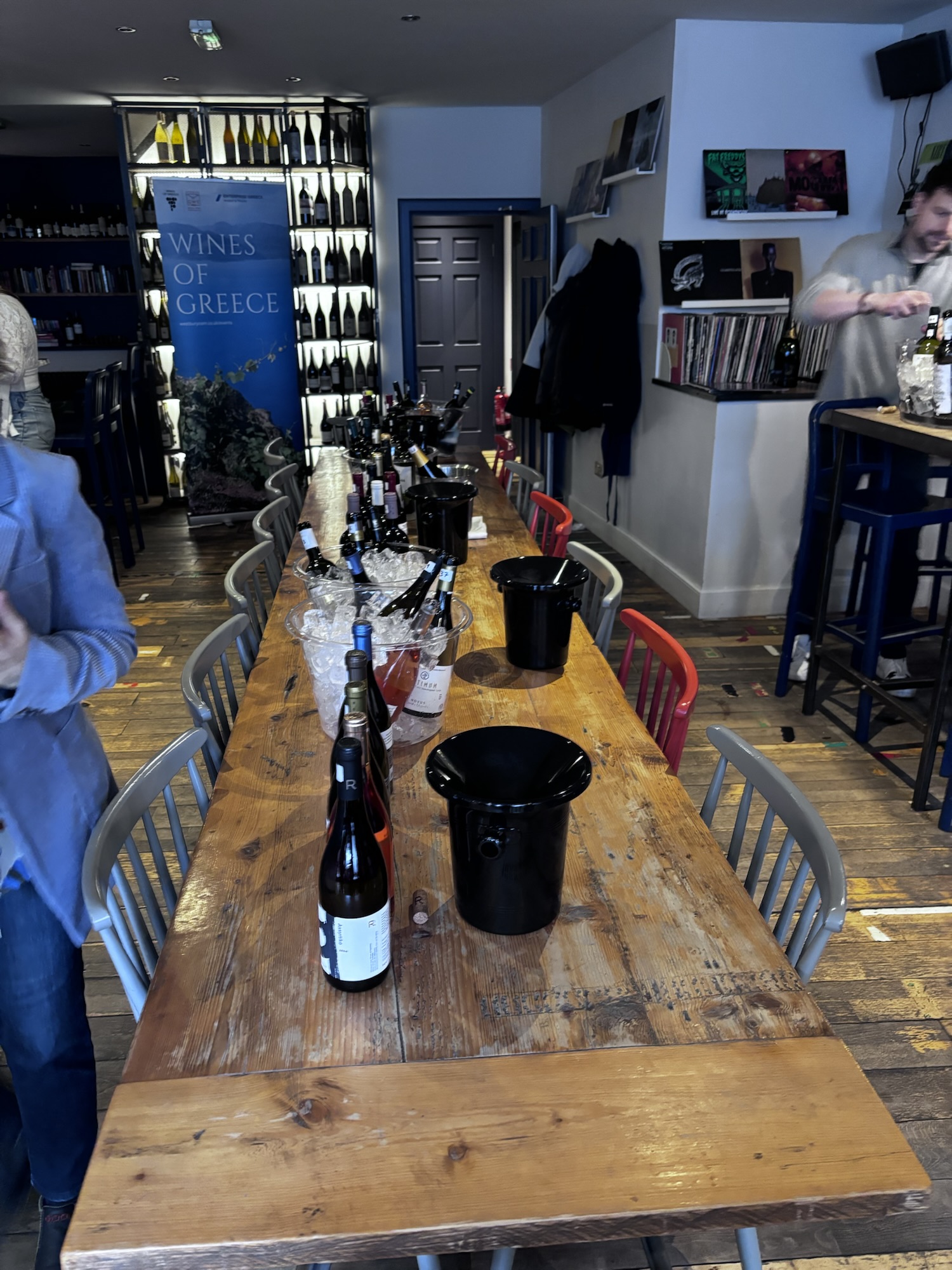
The Wines of Greece Tasting finally made its way up to Edinburgh and took place at Smith + Gertrude’s wine bar in Stockbridge on 2nd February. I’d been very much looking forward to this event. You don’t find a lot of Greek wines in the UK, especially not on retail shelves. I know this to be a travesty because the country is making exciting wines from a diverse array of grape varieties. Wines of Greece, through UK Wine PR company, Westbury Communications, showed 64 wines from 32 producers, with a spotlight largely on Greek autochthonous varieties. In my opinion those are the varieties, such as Assyrtiko, Malagousia, Xinomavro, Robola, Roditis and a host more, which make the most interesting wines.
My overall impressions were very positive. For example, I liked the regional differences between examples of the well-known Greek varieties (or at least I mean well known to trade insiders). The lesser-known varieties, I’m thinking grapes like Monemvasia, Savatiano or Limniona etc, were shown to bring interesting flavours to the table. Some of the wines here were exceptional, and I would love to buy my favourites.
One negative was tannin management. Some wines showed big tannins which would need some years in bottle to mellow. Fair enough if that’s the wine you want to make, but some producers did show they were able to make more approachable wines with the same varieties, which seems an approach more in keeping with how the pendulum has swung towards less heavy reds, and less oaky whites as well.
My caveat regarding oak-fermented and -aged whites is that my wine of the tasting was made that way. Also, remarkably, it was the first wine I tasted, Wine #1 on the table. At the end I had to go back to taste it again, just to confirm I was right. I was almost tempted to take the bottle home, but to be fair it is not super-expensive, if I can find it.
The notes on the 30+ wines below are often very brief. All those I have written something about were well made. Some were definitely more immediately appealing than others. The dilemma for the winemaker is which style to go for. Prestige on the domestic market may be sought via wines set for the long haul, whereas for Greek wine to sell in this market I suspect consumers are looking for wines they can drink now. At least initially. For this reason, many of the whites will be an easier sell.
That said, if you take some producers which were not present, for example Thymiopoulos, whose Jeunes Vignes hits the spot, or Tetramythos, you can find a different style of red. It should also be noted that as with these big tastings you always find some exceptional artisans don’t get represented. My favourite Greek producers, Ligas and Kalathas were not represented, but it can be hard to convince national wine bodies of the sheer brilliance, and international standing, of such fine Natural wines. To be fair, those two producers probably don’t need to pay an industry body to hawk their small production.
The standard of white winemaking in Greece seems pretty high, on this showing. There’s nothing wrong with the red winemaking but you need to pick and choose if you prefer accessibility over oak and tannin. Some red wines are good wines, and may be even better in time, but they occasionally remind me of a mindset I’ve seen before, in Tuscany and in Ribera del Duero for example.
Prices are suggested retail, as given in the tasting booklet. Spellings are mostly as printed and may differ from those you see in, for example, the “World Atlas of Wine”. Where a common anglicised version exists, I may have used that, or given both spellings (eg Corinth/Korinthos).
I am aware that this article is long and there are a lot of wines. See how far you can get. Although I feel it is unfair to single out any importer, because there are many other wines here which merit support, I can’t help but notice that Hallgarten and Novum seems to have a larger Greek range than I was aware, and they do import a number of my favourite wines here. So, if you are a retailer for whom the current economy has not killed your sense of adventure and you want to dip a toe into these wines, they may be part of your solution.
Alpha Estate (Macedonia, imported by Hallgarten and Novum)
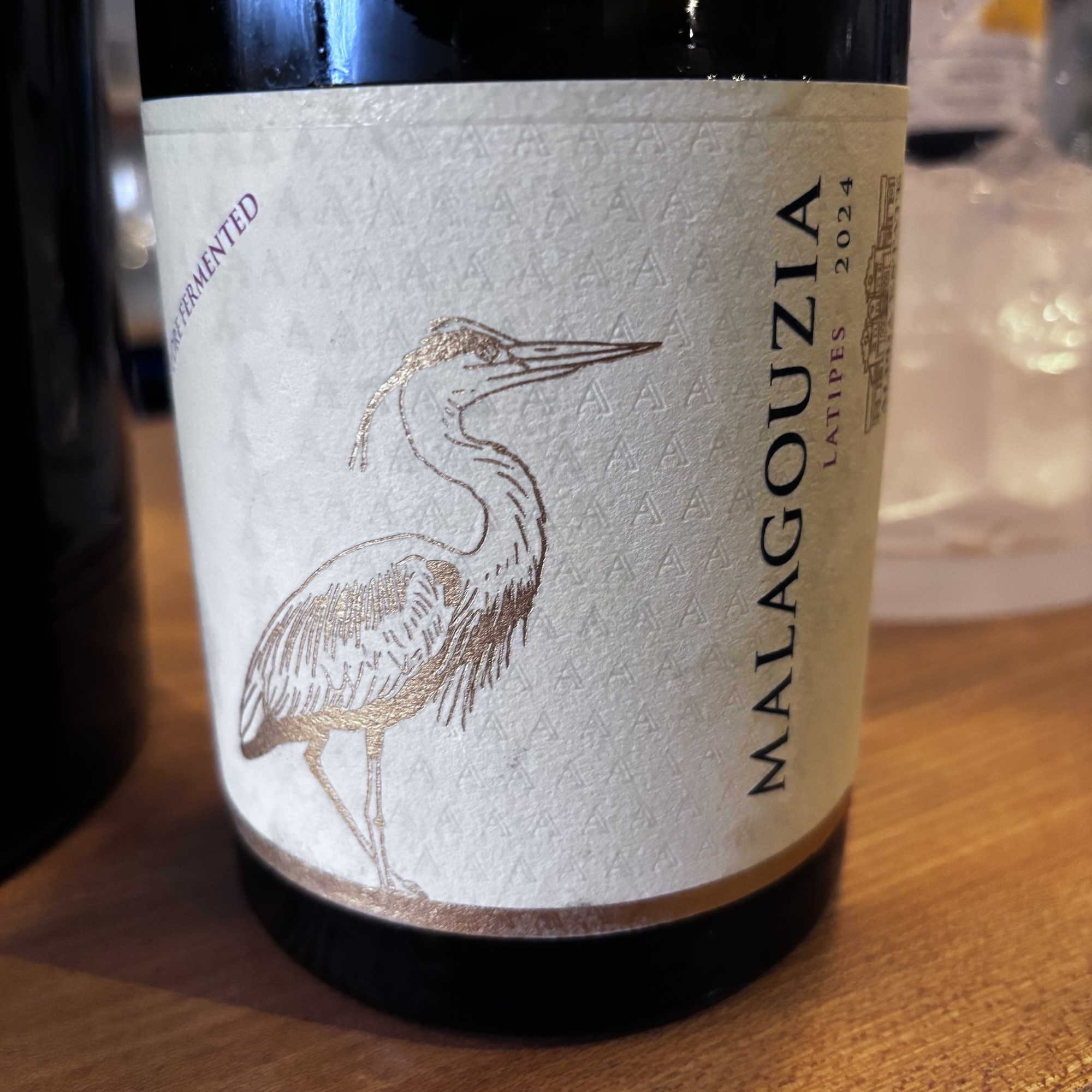
“Latipes” 2024 is a single block varietal wine made as a PGI Florina from Malagousia (the variety spelt with the alternative “z” on the label). Fermented in foudre and aged in French Nevers and American oak for 12 months, the fruit is grown at around 650 masl on limestone. It sees some skin contact and they used indigenous yeasts. This is a modern-looking winery established in 1997, which I remember back in the day. Their wines were, I always thought, quite “modern” but exceptionally well made. I loved this white. As I said, wine of the tasting for its perfumed bouquet, and balance of purity, richness, minerality and acidity, all carried on a long palate. RRP £29.50.
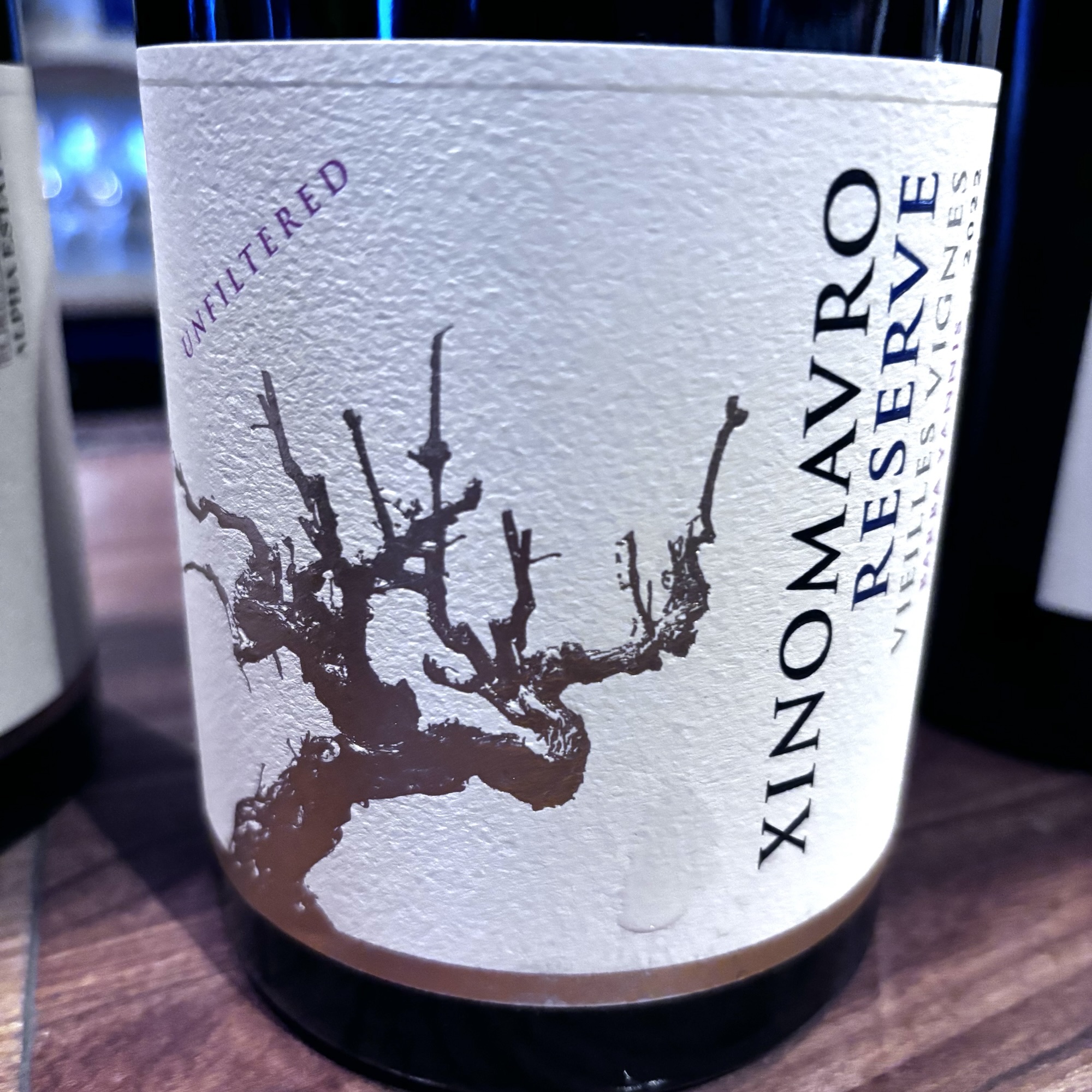
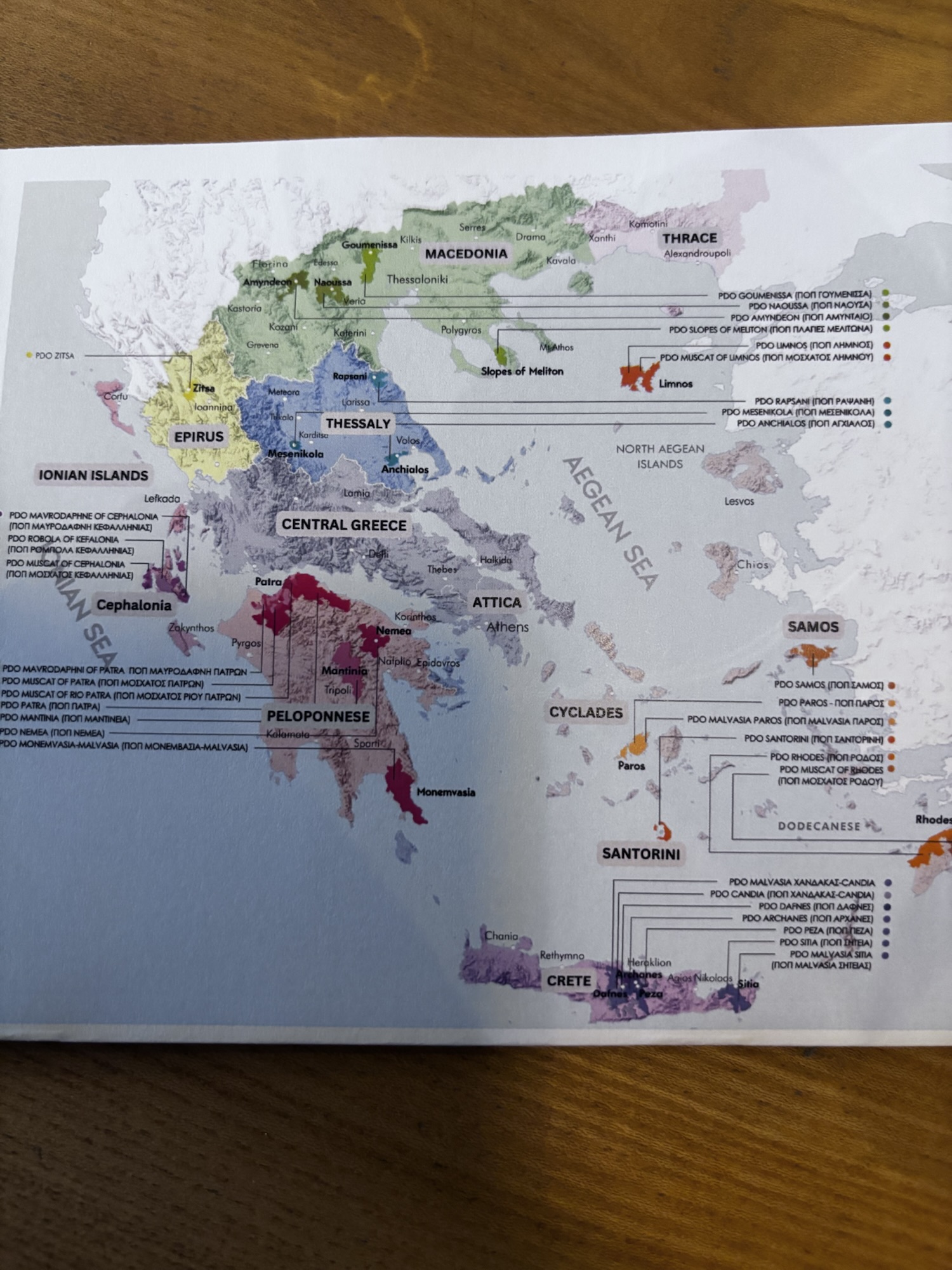
Barba Yannis 2022 is 100% Xinomavro. This classic autochthone can be made in many styles, some which emphasise the “mavro”. Its PDO, or appellation, is Amyndeon (aka Amindeo) on the Northwest-facing slopes of Mount Vermio, where Xinomavro is often more elegant and maybe a touch lighter that the better known, potentially fine, wines of Naoussa, so often compared to Barolo, which sits to the southeast. From a 3.7 ha site, again on limestone, it is aged in French oak, giving sweet cherry fruit with a bit of tannin, but not too much, though I’d maybe keep it a year or two. It doesn’t feel like a wine with 14.6% abv. £34.
I’d go out of my way to buy both.
Château Nico Lazaridi (Macedonia, imported by Agora Greek Delicacies)
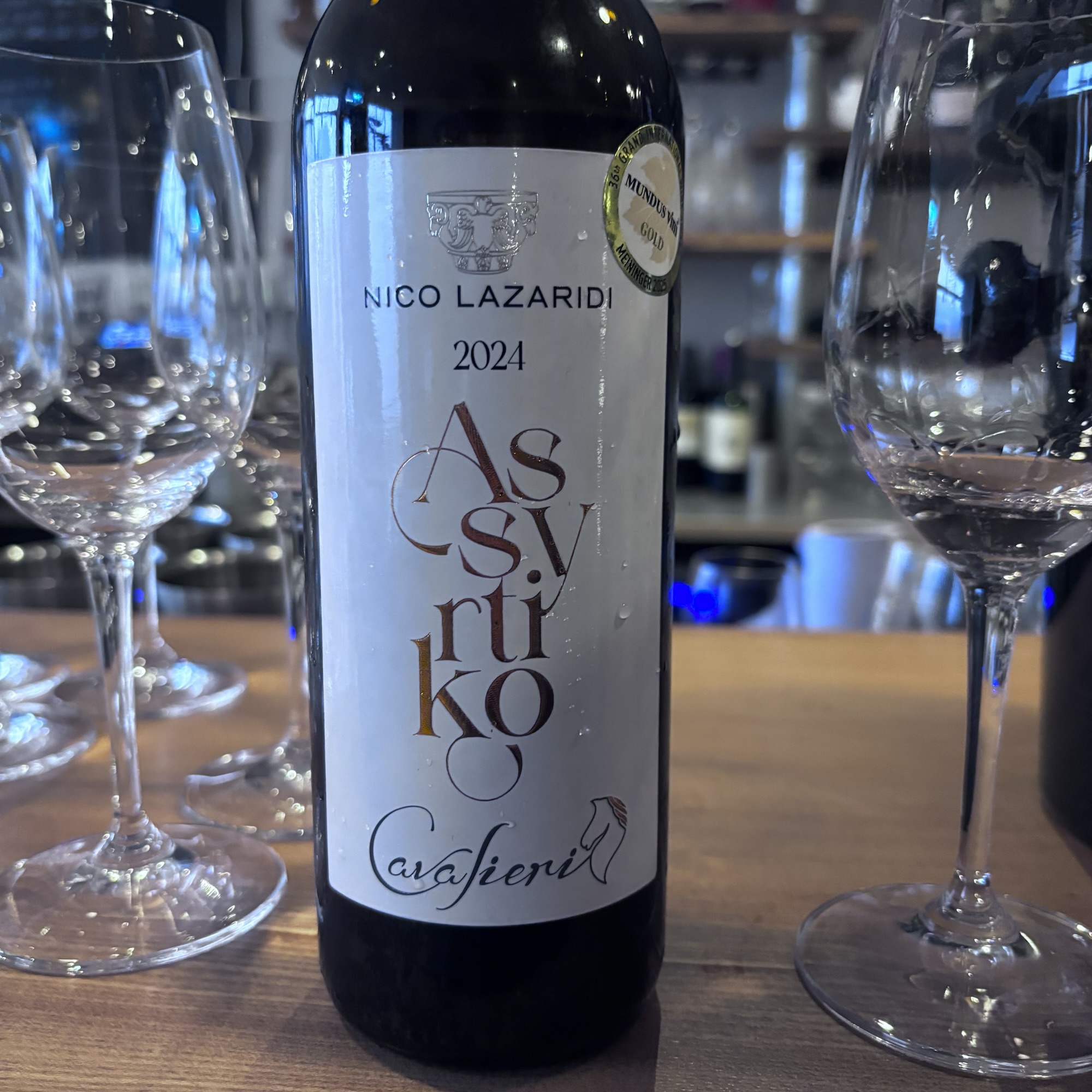
Cavalieri Assyrtiko 2024 is a PGI Drama wine with a nice balance of 12.5% alcohol. Floral, with jasmine and citrus on the nose and a palate showing dry stone fruits. A clean wine without the richness of the Alpha Estate. It was matured in oak, but only for a short time, on lees. £22.
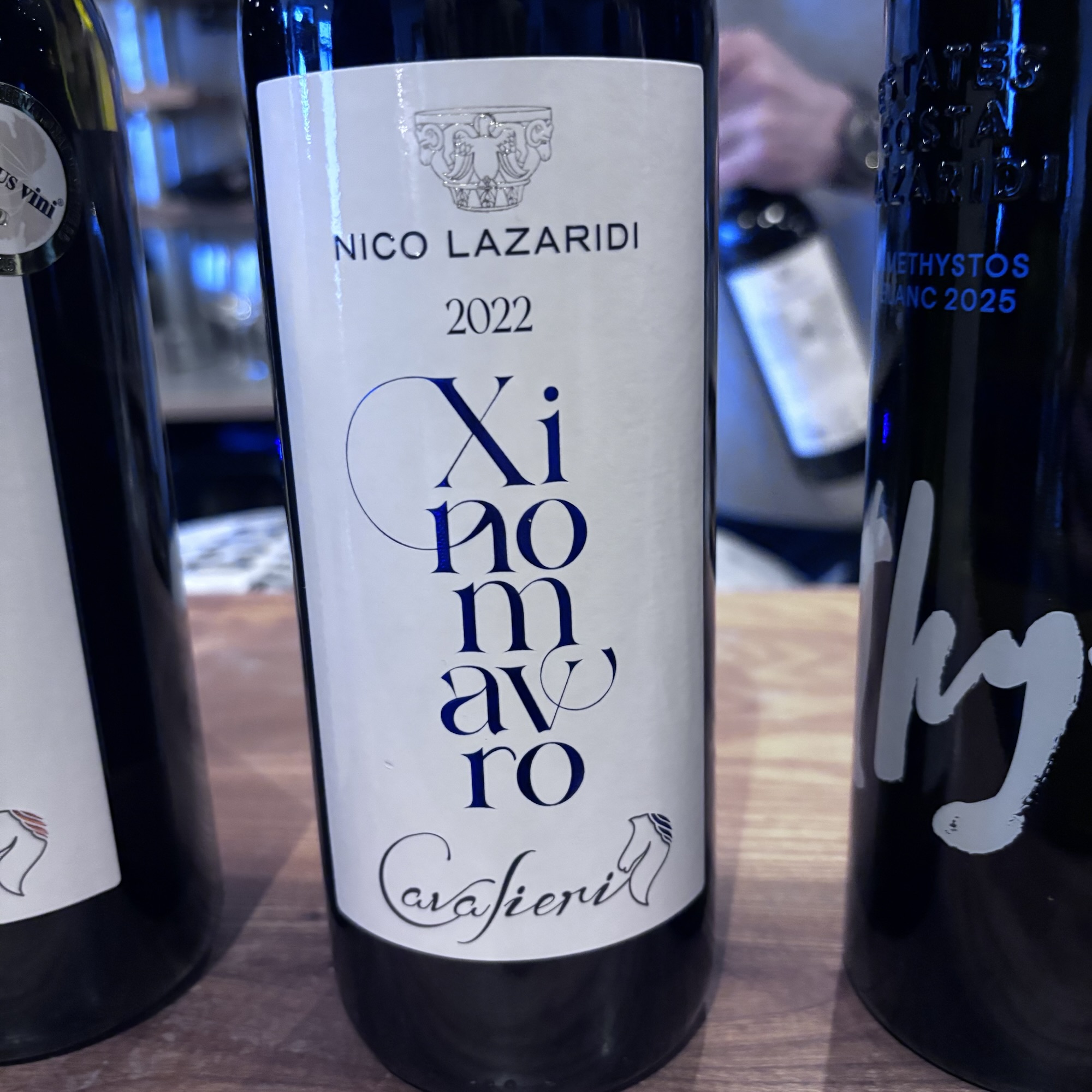
Cavalieri Xinomavro 2022 is also from Drama. It saw 24 months in oak but was less tannic than many reds on show here and had decent red fruits with a bit of spice. Nice. £28.
Estates Costa Lazaridi (also Macedonia and same importer)
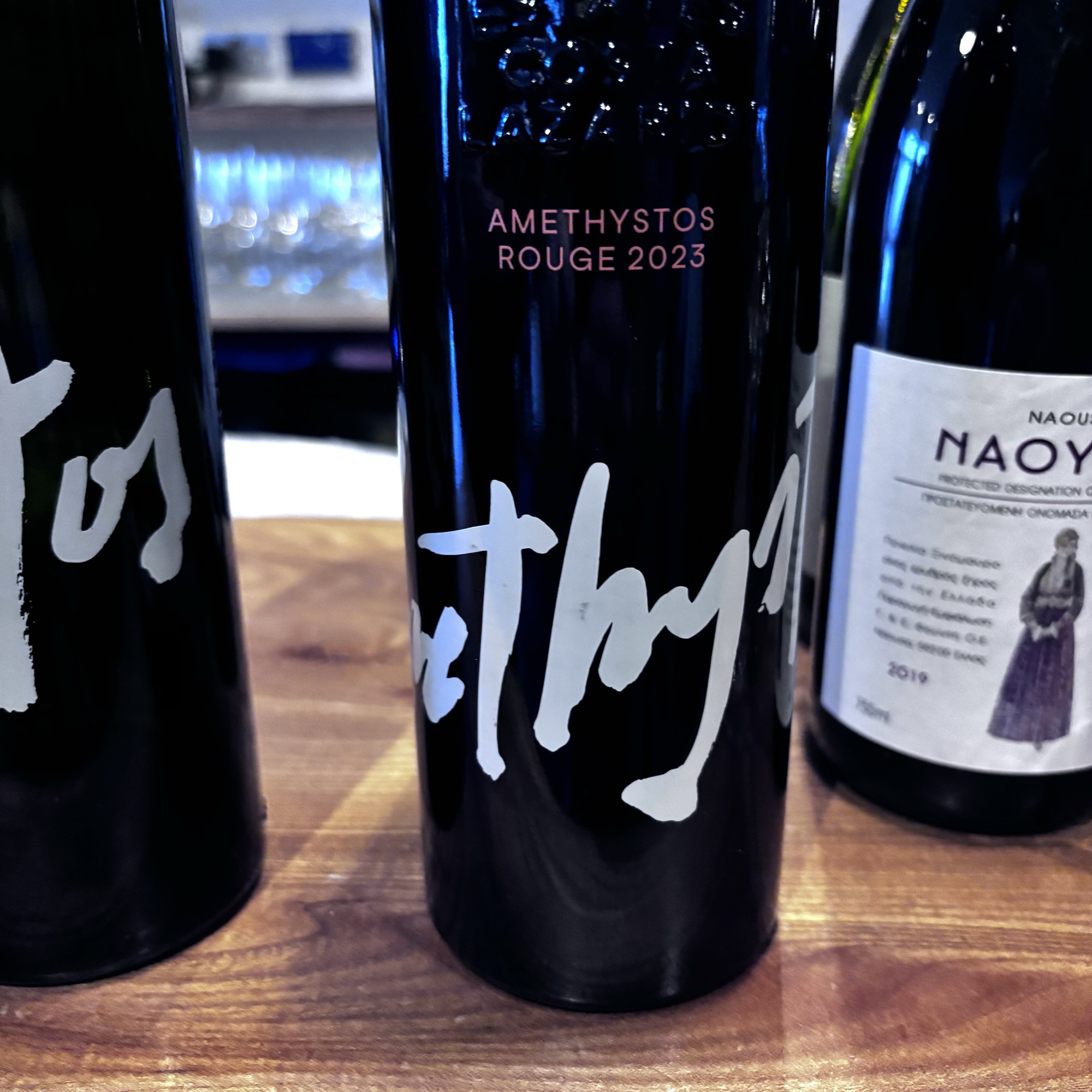
Amethystos 2023 from the same PGI, Drama, is a blend of 70% Cabernet Sauvignon, 20% Merlot and 10% Agiorgitiko. This is a bit more tannic and it’s up at 14% alcohol. It’s going to take a while to come around, I think. Not sure how long it saw in oak, and whether that oak was new, but the tannins are currently chunky. Also, quite “international”. £25.
Foundi Estate (Macedonia, Imp Clark Foyster)
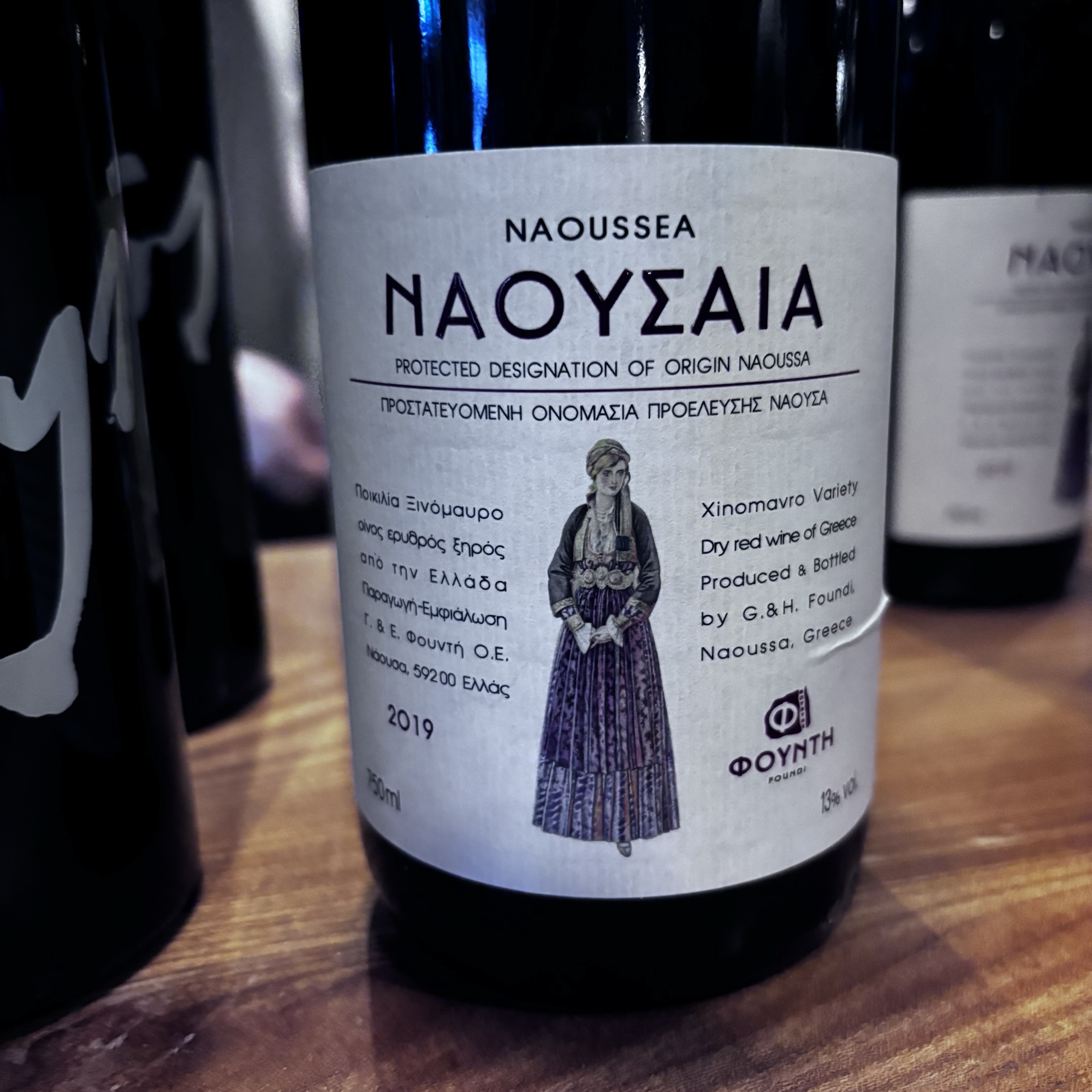
Naoussa 2019 is a good example of what the fuss is all about for this northern PDO, but at an affordable price. Alcohol is a sensitive 13%, and we have some nice age here too. The bouquet is consequently mellow. There is certainly still some tannin, but there’s freshness too. £29.
Ktima Gerovassiliou (Macedonia, Imp Hallgarten and Novum)
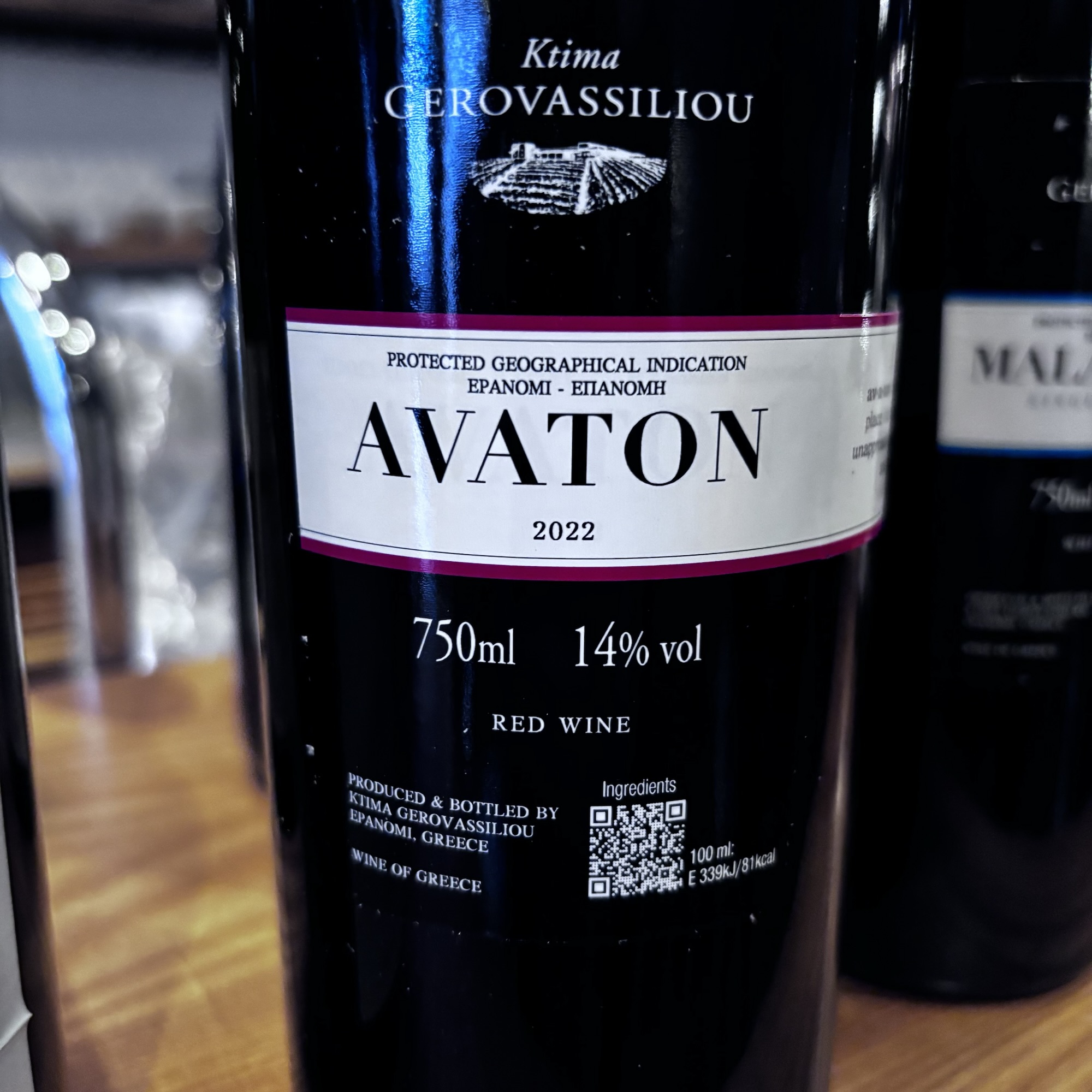
Avaton 2022 comes from one of Macedonia’s less-known appellations, Epanomi (a PGI, not PDO). The winery is close to Thessaloniki, and they farm a large 70+ hectare domaine. It’s another winery, like Alpha, which I remember from the first wave of Greek wines to hit our shores in the 1990s (Oddbins was the catalyst). This red wine blends 85% Limnio with 10% Mavrotragano and 5% Mavroudi, both indigenous Macedonian varieties. It shows it’s not all about Xinomavro here. Cherry fruit gives a bit of depth and interest. It has spice too, and a bitter (as in “Italianate”) finish. £30.
Ktima Kir Yianni (Macedonia, Imp Liberty Wines)
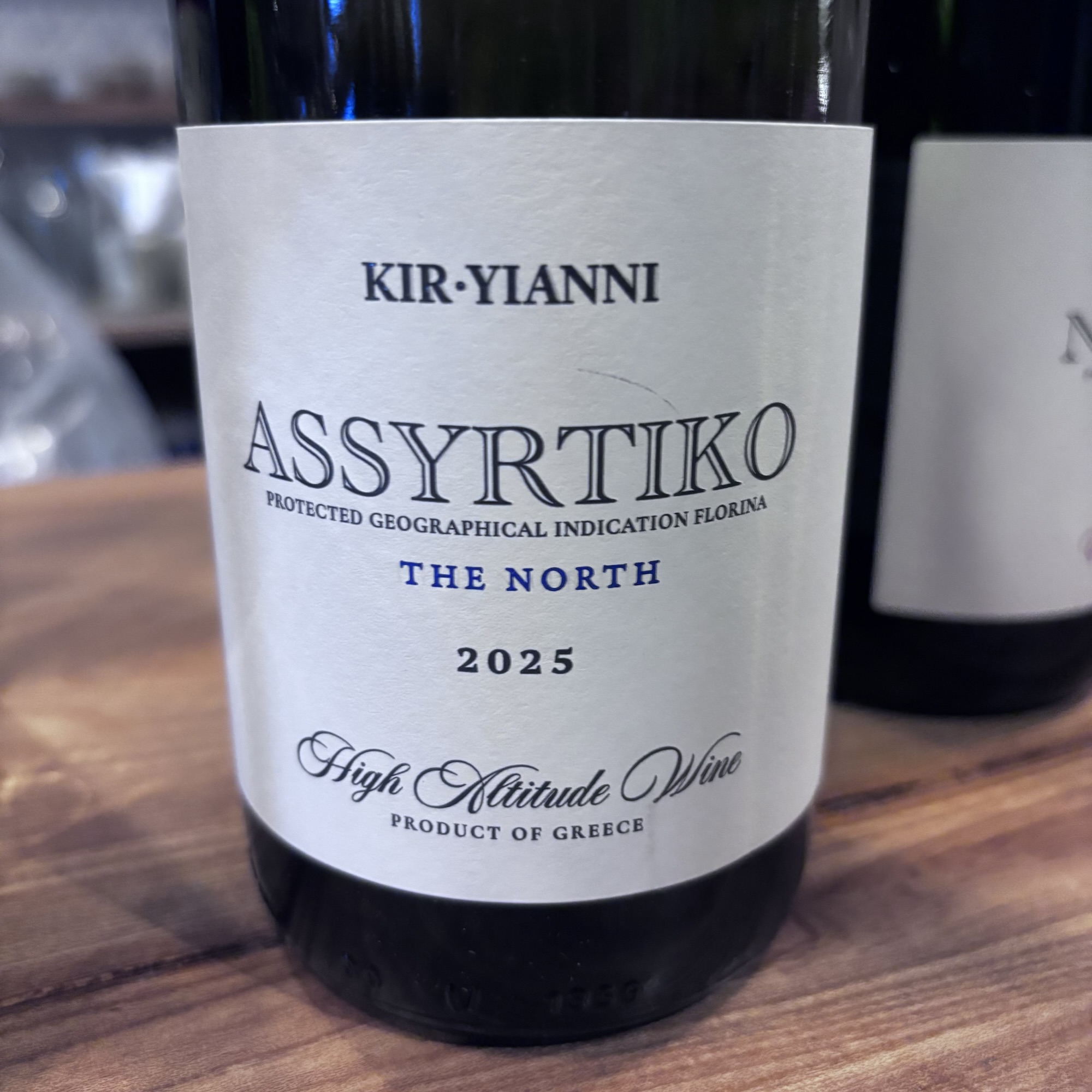
Assyrtiko “The North” 2025 is PGI Florina and the winery is based in Andymion. This is a less mineral, richer and more fruity expression of this variety than most of those from Santorini. It was pleasant and very fresh, though not as complex as some more expensive Assyrtiko can be. £19.
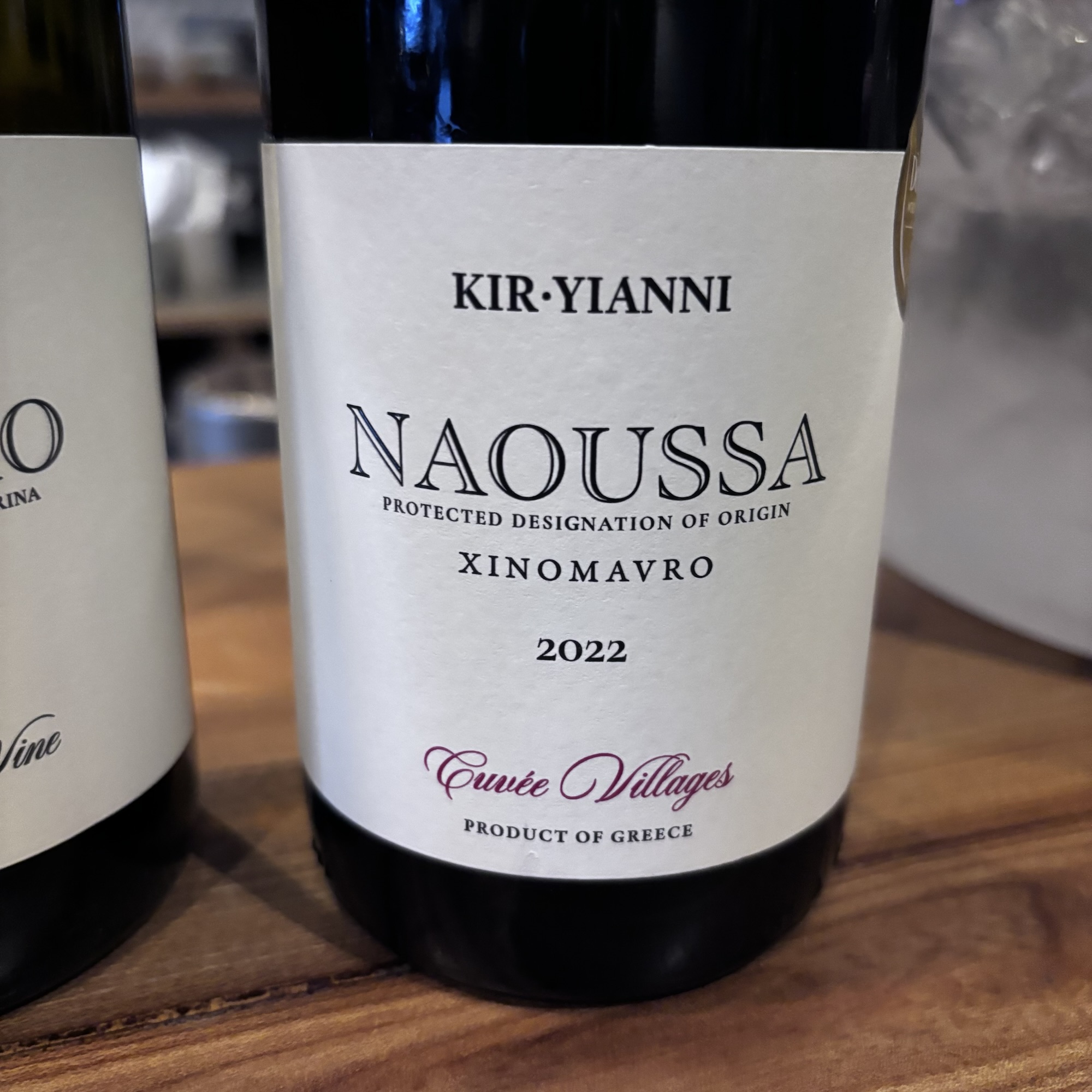
Naoussa Cuvée Villages 2022 has a nice freshness, despite the alcohol level (14%). In fact, you don’t expect that, nor the bags of juicy fruit. There’s a bit of minerality you don’t always find in Xinomavro, but it is all currently held in-check by a tannic structure. But food and time to breath should soften this enough to enjoy with richer food. £20.
Ktima Pavlidis (Macedonia, Imp The Greek Delicatessen)
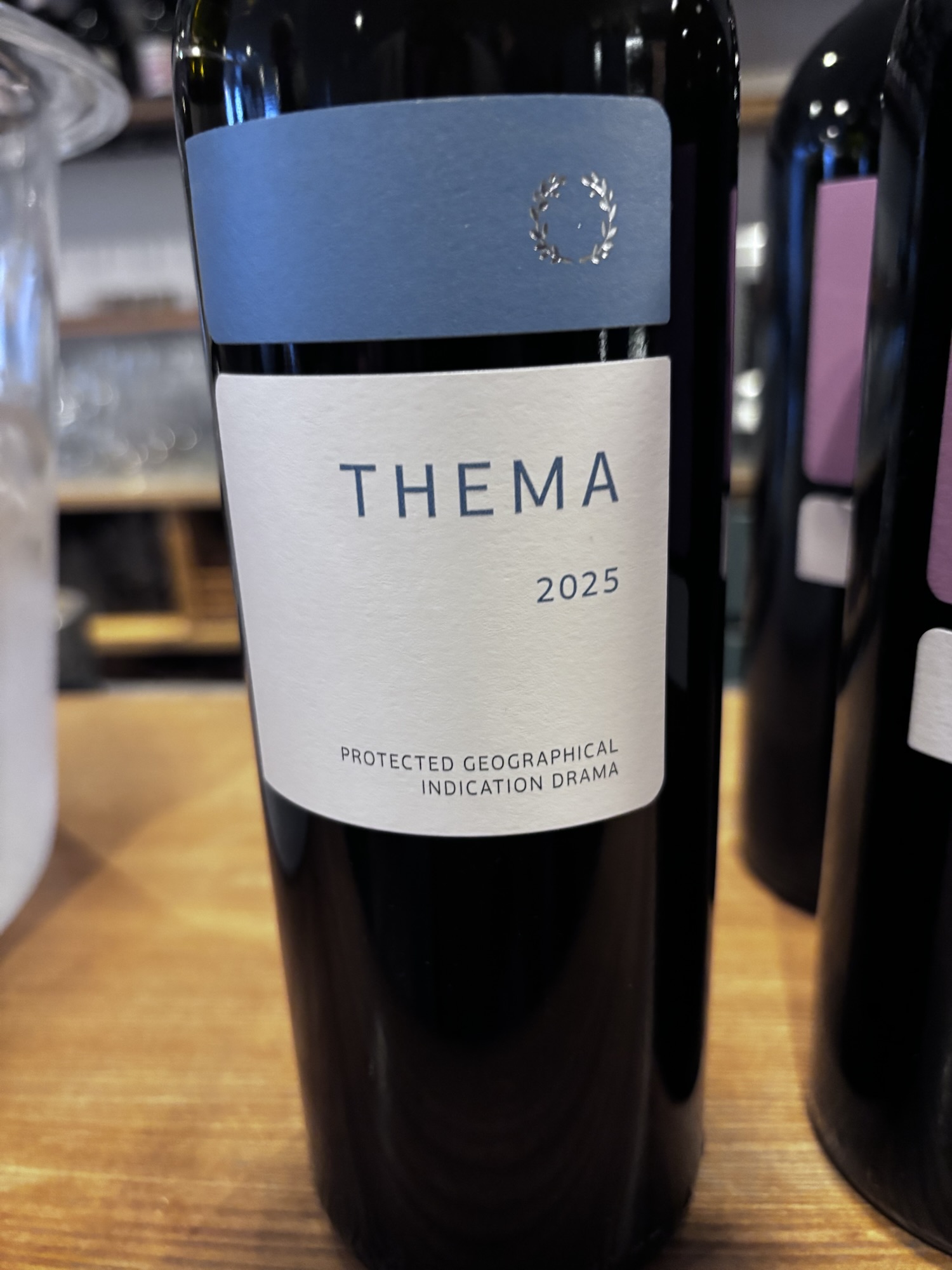
Thema 2025 is another wine from PGI Drama, from a producer close to the two Lazaridis estates previously covered. This is a white wine, an equal blend of Assyrtiko and Sauvignon Blanc. The nose is very much Sauvignon Blanc, more European than New Zealand. The palate shows the Assyrtiko’s mineral nature. 13.5% alcohol adds a bit of richness and a plumper mouthfeel. A versatile wine, to either sip of drink with food. £16.
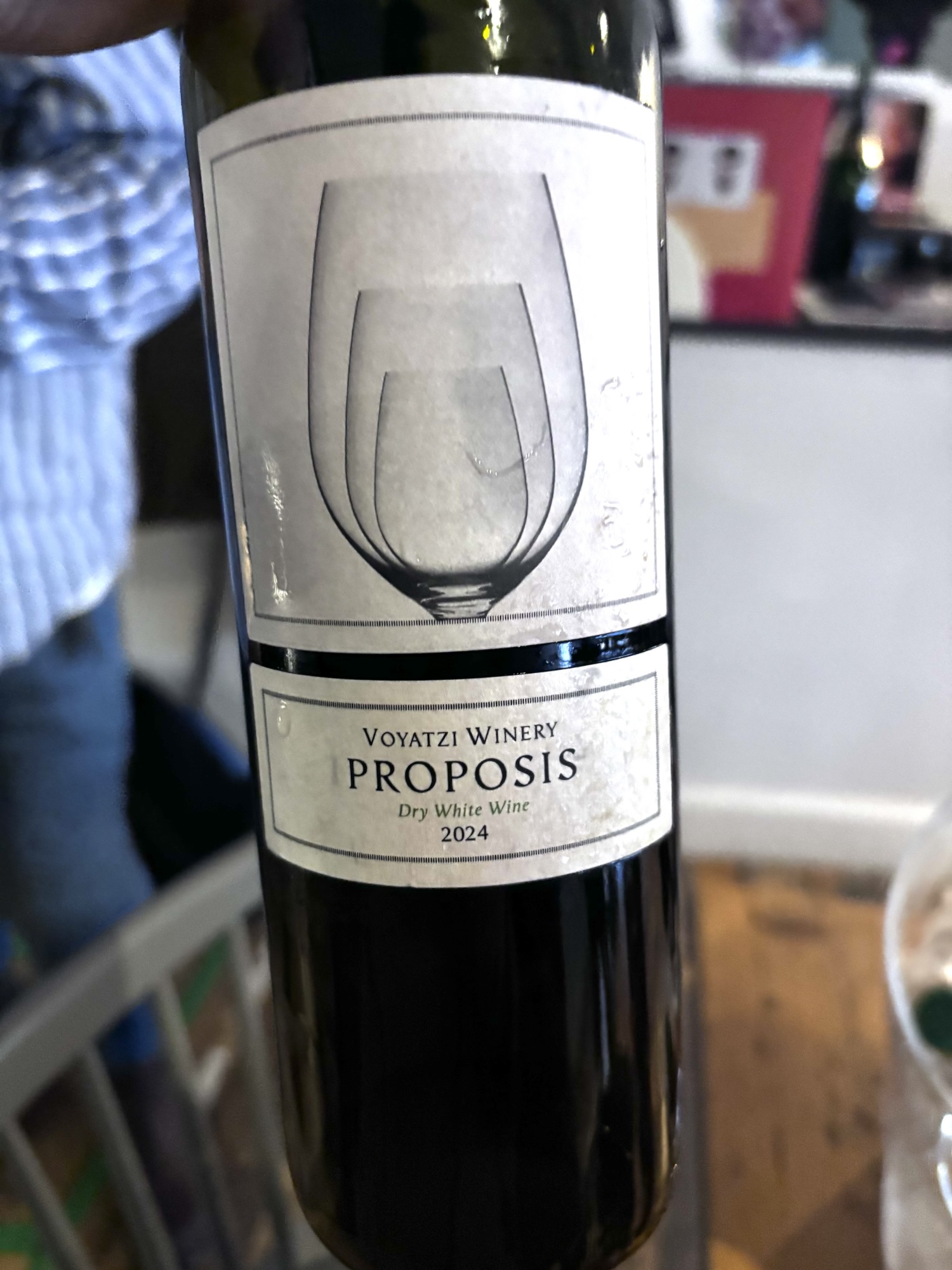
Ktima Voyatzi Proposis 2024 is a slightly more complex blend, adding Chardonnay to the Assyrtiko/Sauvignon Blanc mix of the previous wine. This Macedonian wine is from the PGI of Macedonia this time. The Chardonnay seems to push the Sauvignon Blanc back a little, and perhaps some might like that. Enjoyable for £20 (imported by Vindependents).
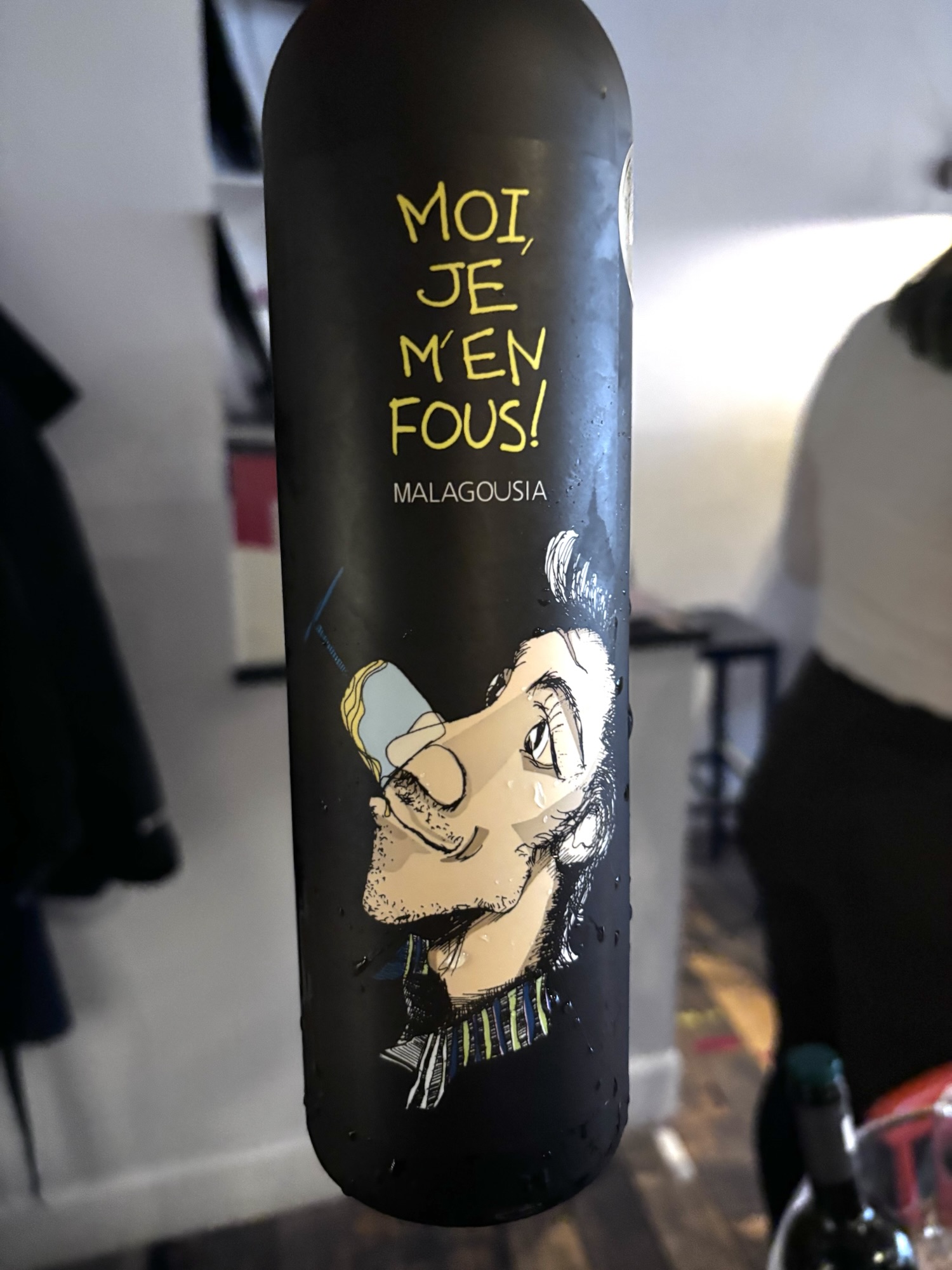
Karamitros Winery Moi Je M’En Fous 2024 looks, from its label, like a “fun wine”, though whether at around £19 it will attract those willing to spend this much remains to be seen. Here we move away from Macedonia, to PGI Karditsa, in Thessaly (to the southwest, a little closer to the Peloponnese). This is a very easy drinking white wine made from Malagousia. It tastes lighter than its 13.5% abv suggests, and I’d be happier if it sat between £12-£15 myself. But it is well made. £19 from The Greek Delicatessen).
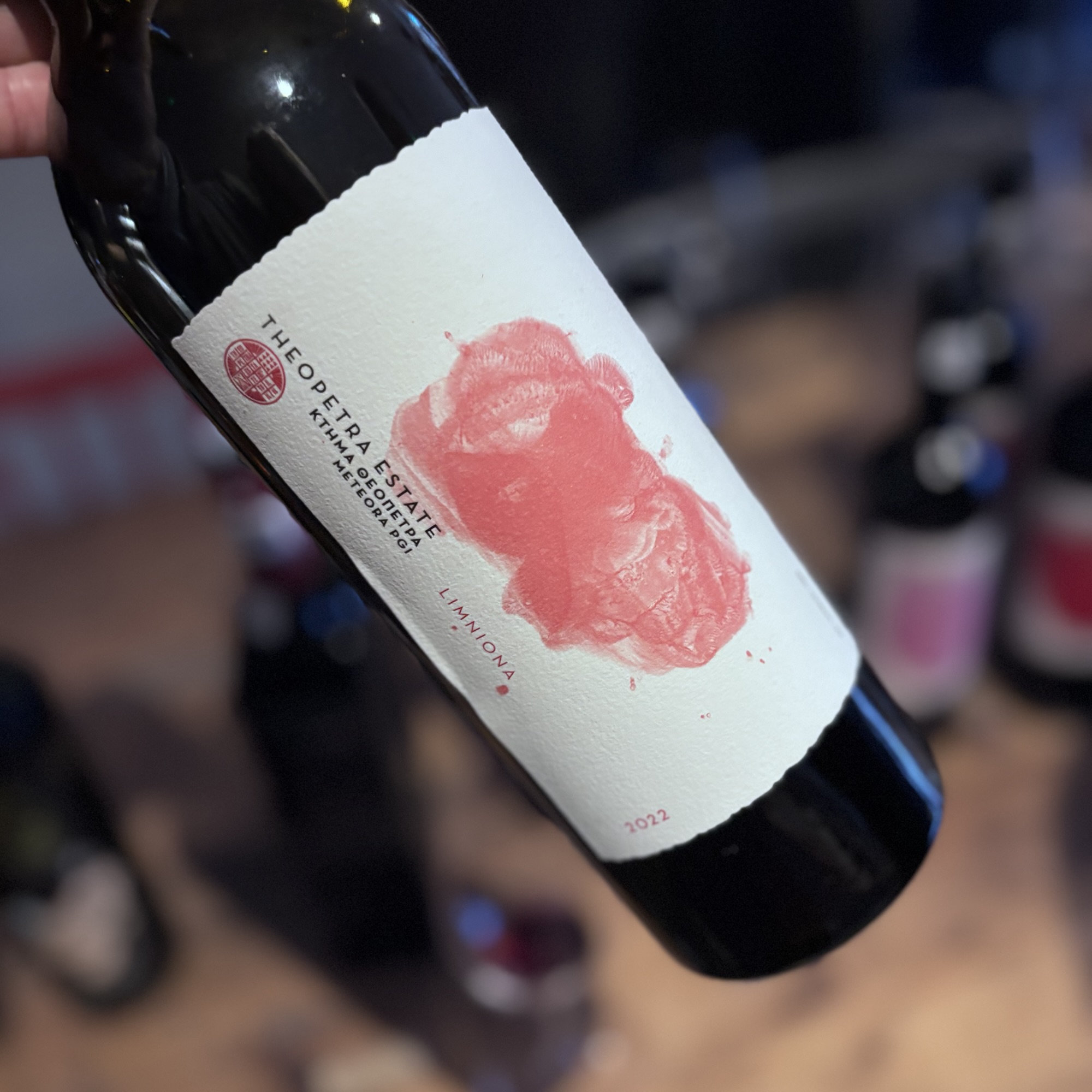
Theopetra Estate Limniona 2022 is PGI Meteora. Finally, a wine just named after its grape variety. Limniona (aka Limnio) usually makes quite firm reds. This has seen 12 months in American oak, but it also has a bit of bottle age. It’s consequently lighter than many, and only 12.5% abv. The cherry fruit is nice. Again, my only criticism, not for quality but for shiftability, is price. £28.50 from Hallgarten and Novum. But otherwise, a nice wine.
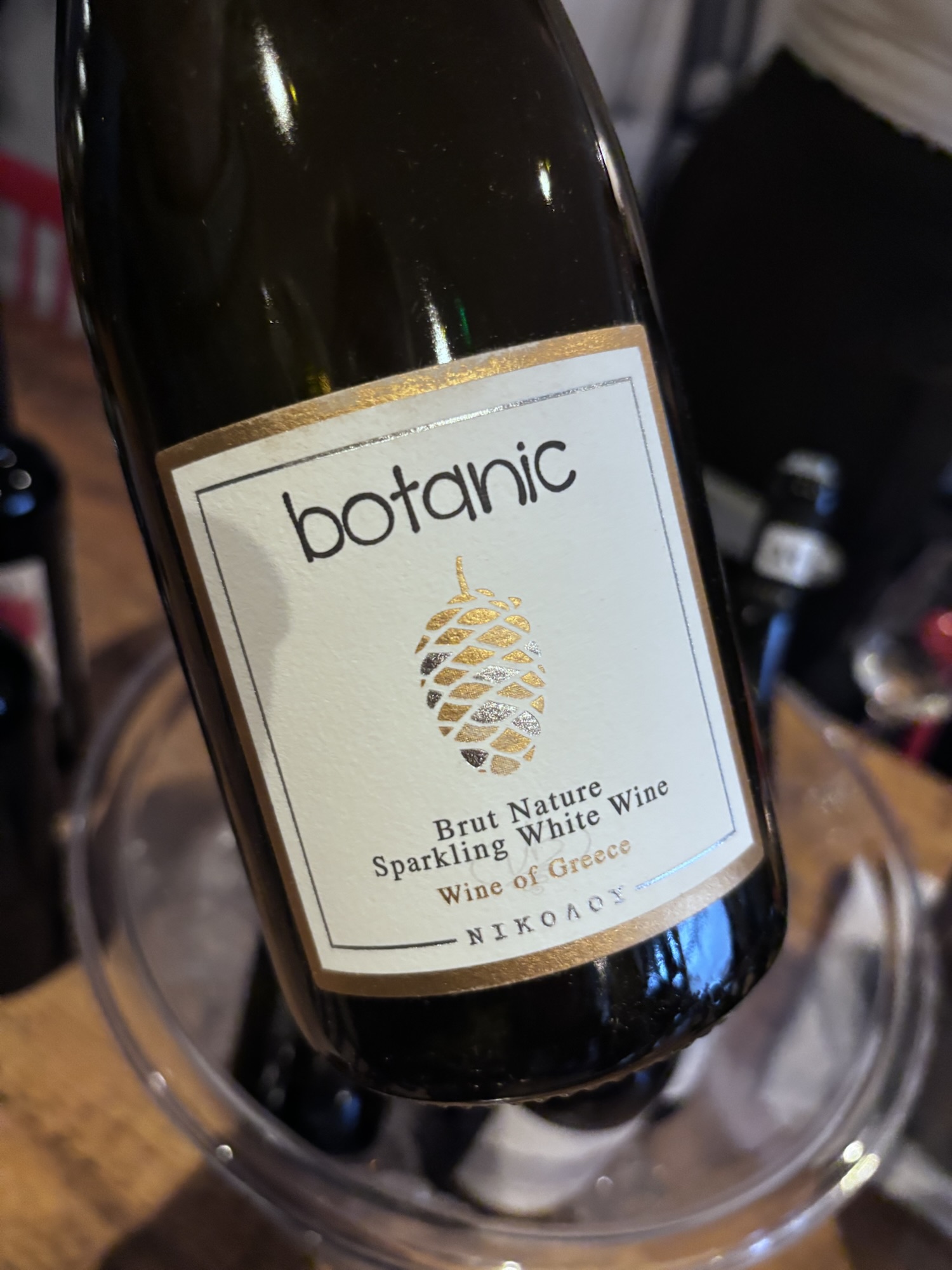
Nikolou Winery Botanic Sparkling 2022. Made solely from the Savatiano grape variety, the grapes sourced across Central Greece, this floral bottle-fermented wine saw zero dosage so is very dry. There’s a bit of depth and although still young (as in firm and steely), it seems to be good value and good quality too. £26.50, imported by Southern Wine Roads.
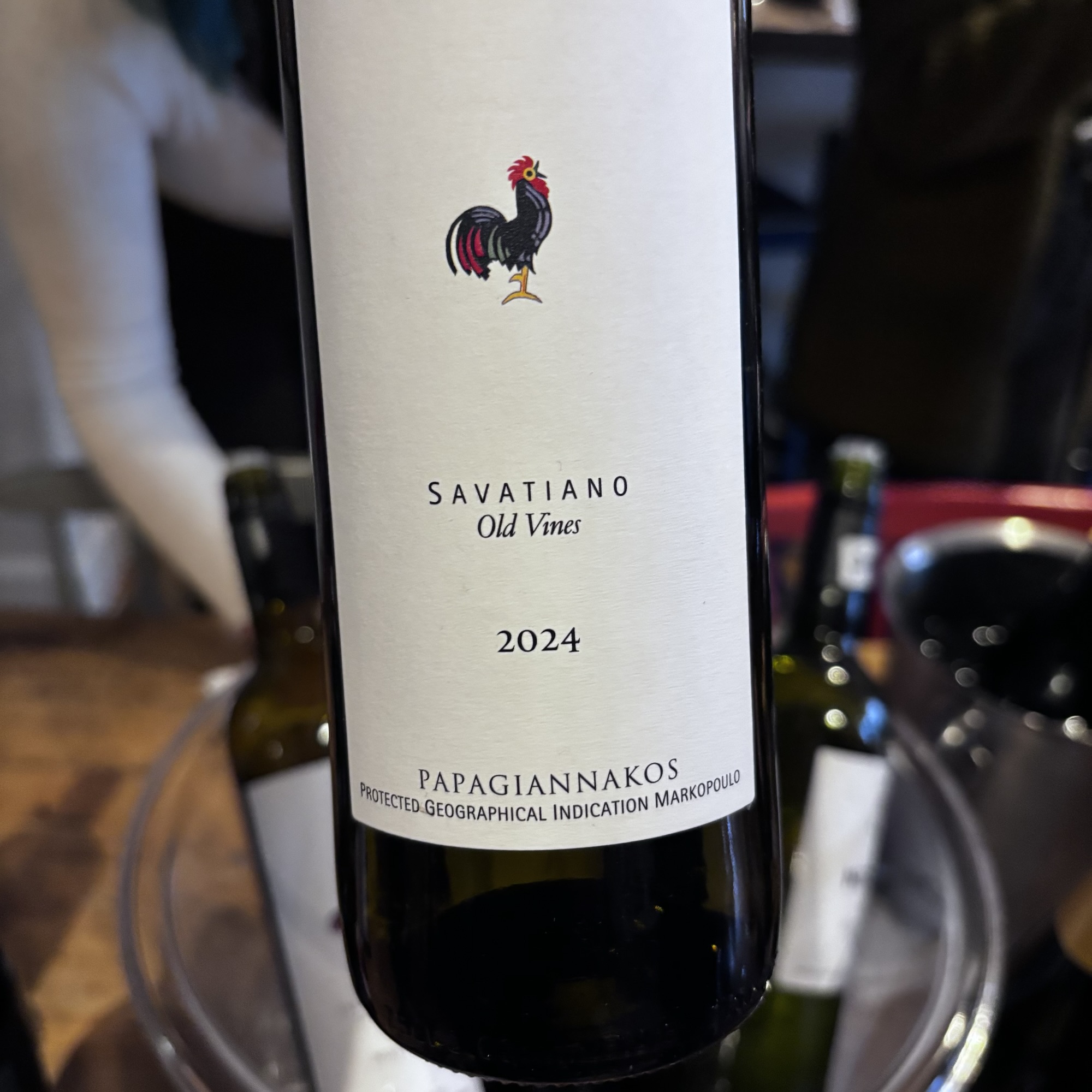
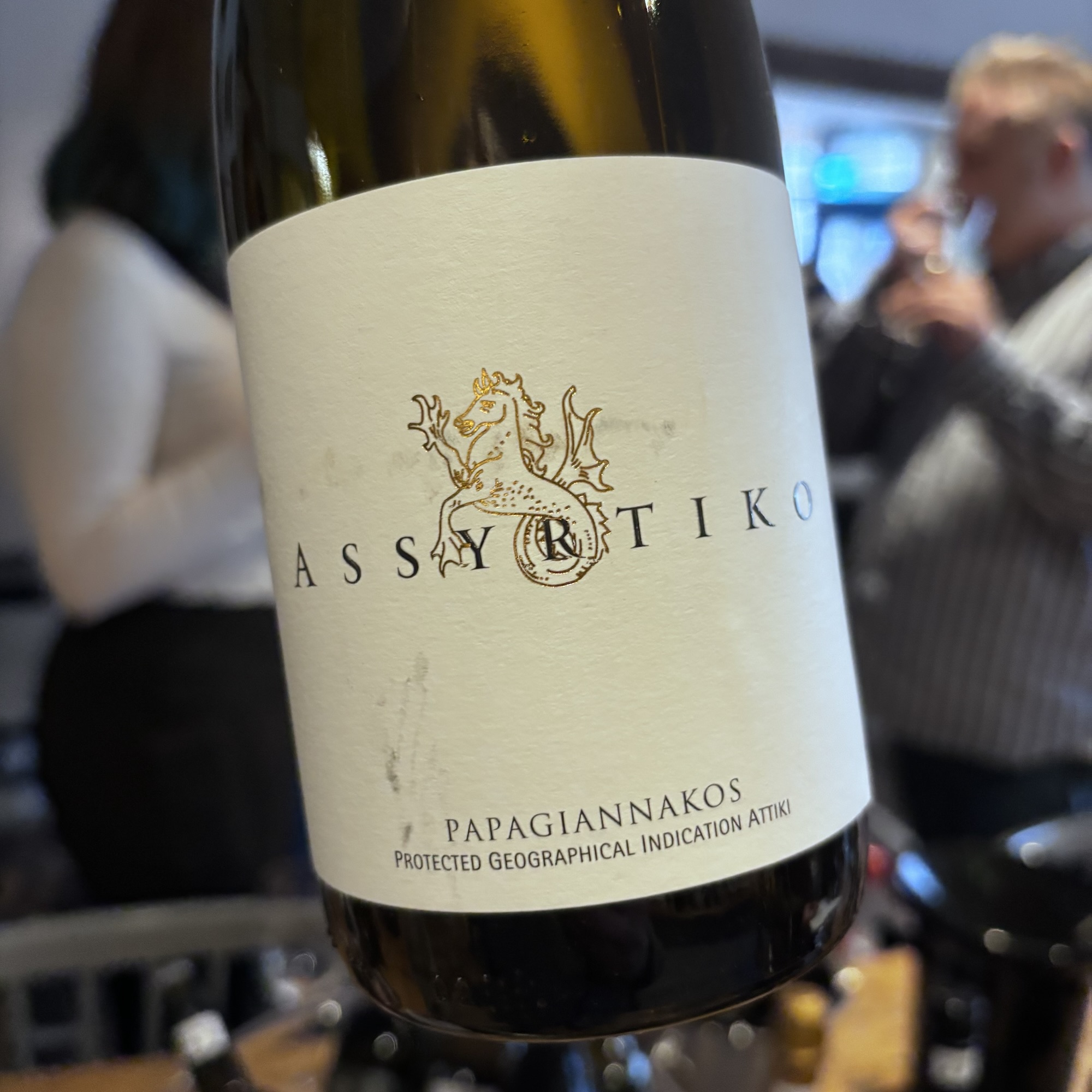
Papagiannakos Winery Old Vines 2024 is from PGI Markopoulo, and is also made from Savatiano. If you don’t know Savatiano you’ve probably tasted it, as it is a major variety in Retsina. This means it is one of Greece’s most widely planted grapes. One of its attributes is supposed to be its low acidity, though how that works with the sparkling wine above, I don’t know? This still wine is nevertheless attractive, as in fruity, mineral, and has a nice mouthfeel. I quite liked it and for only £18 it would be worth trying a bottle. Imported by Boutinot.
Assyrtiko 2024 from the same estate is PGI Attiki. This is the region around Athens which we know more commonly as Attica. If you want to try Assyrtiko that is quite different to Santorini Assyrtiko, have a sniff of this. Orange blossom and lime citrus with some herbs. Less intensely mineral, but still textured. £20, also from Boutinot.
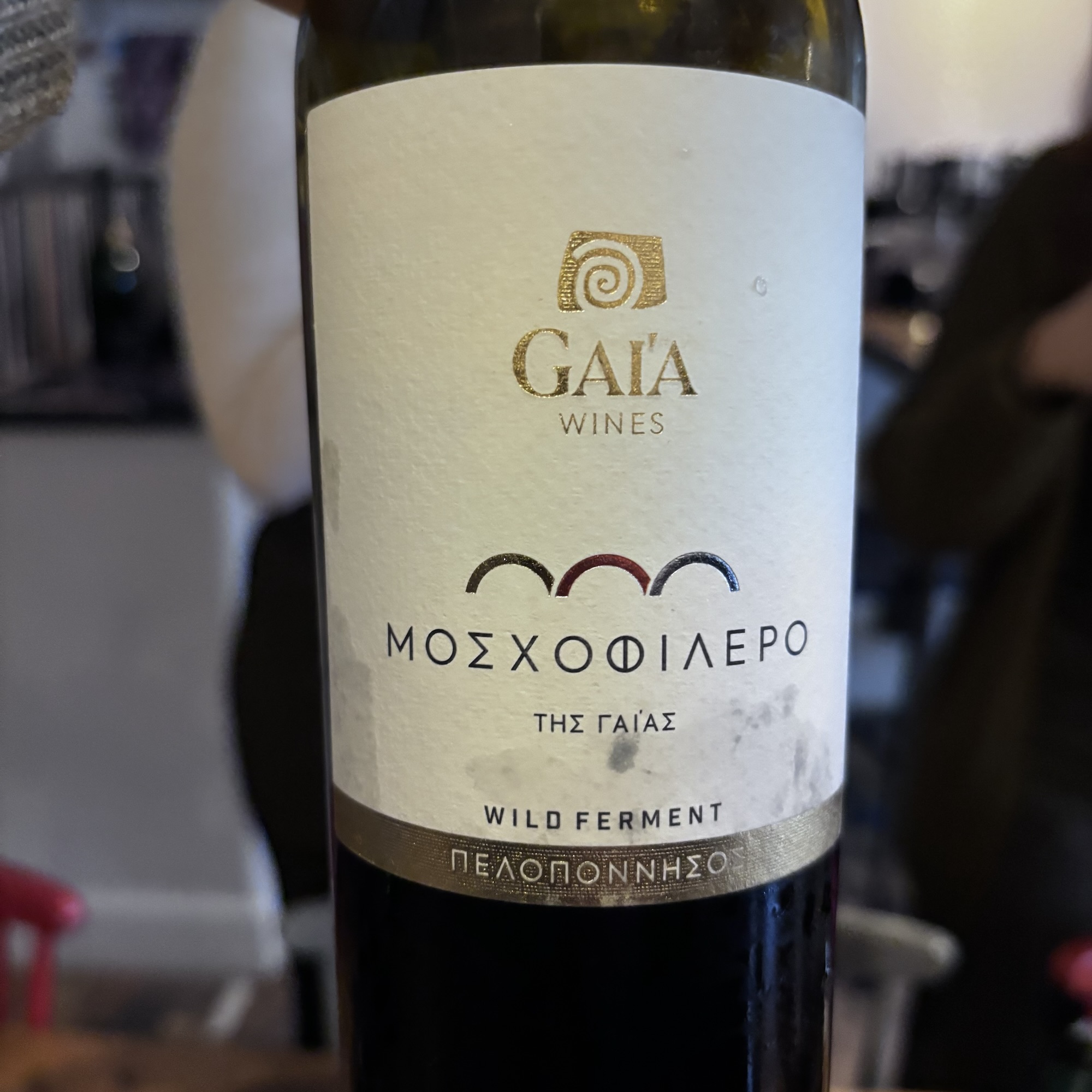
Gaia Winery Moschofilero 2024 takes us into the Pelopponese, and to the PGI of that name. Gaia is well known in the UK, and their Notios blend was on show. It may have been the first Greek wine I bought in the UK, back in that first wave of Greek wine introduced by Oddbins in the (was it?) late 1990s. Their main wineries are on Santorini, and in the appellation of Nemea, in the Eastern Peloponnese. This varietal Moschofilero is from the latter, of course. It is fermented with indigenous yeasts and rocks only 12% abv. It’s savoury and food-friendly and well-priced if it is on the shelf at £25-£26. Another wine from Hallgarten and Novum.
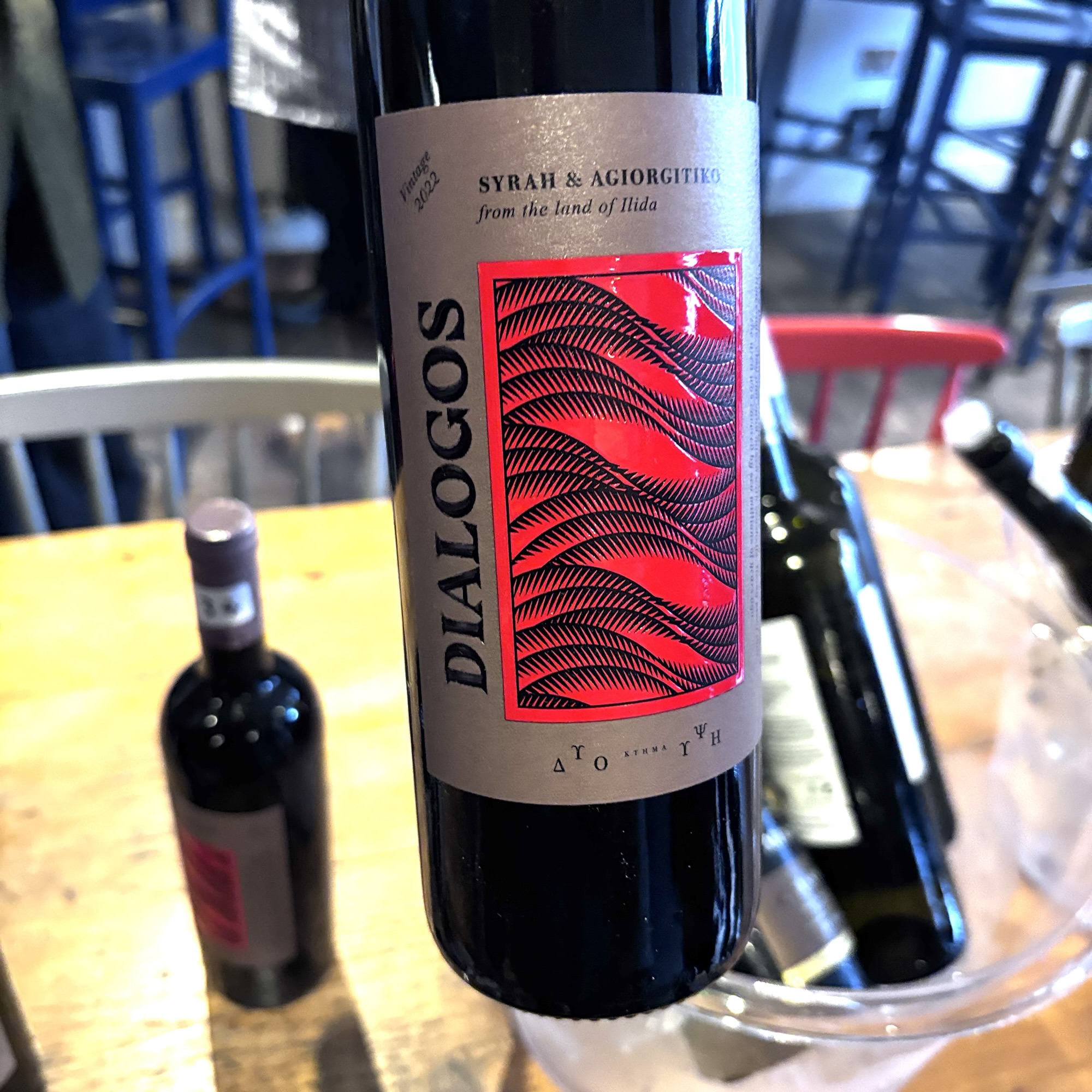
Ktima Dio Ipsi Dialogos 2024 is an interesting blend of Syrah and Agiorgitiko in equal proportions. Agiorgitiko is the great red grape of Nemea, one that shows potential up until now mostly not fully realised. This wine, however, comes from the northeast of the Peloponnese. Aged in oak, it is savoury but also fruit-forward, and with a bit of bottle age it showed here nicely. The importer, Cava Spiliadis UK, has the 2020 vintage for £27, but I can’t vouch for that vintage.
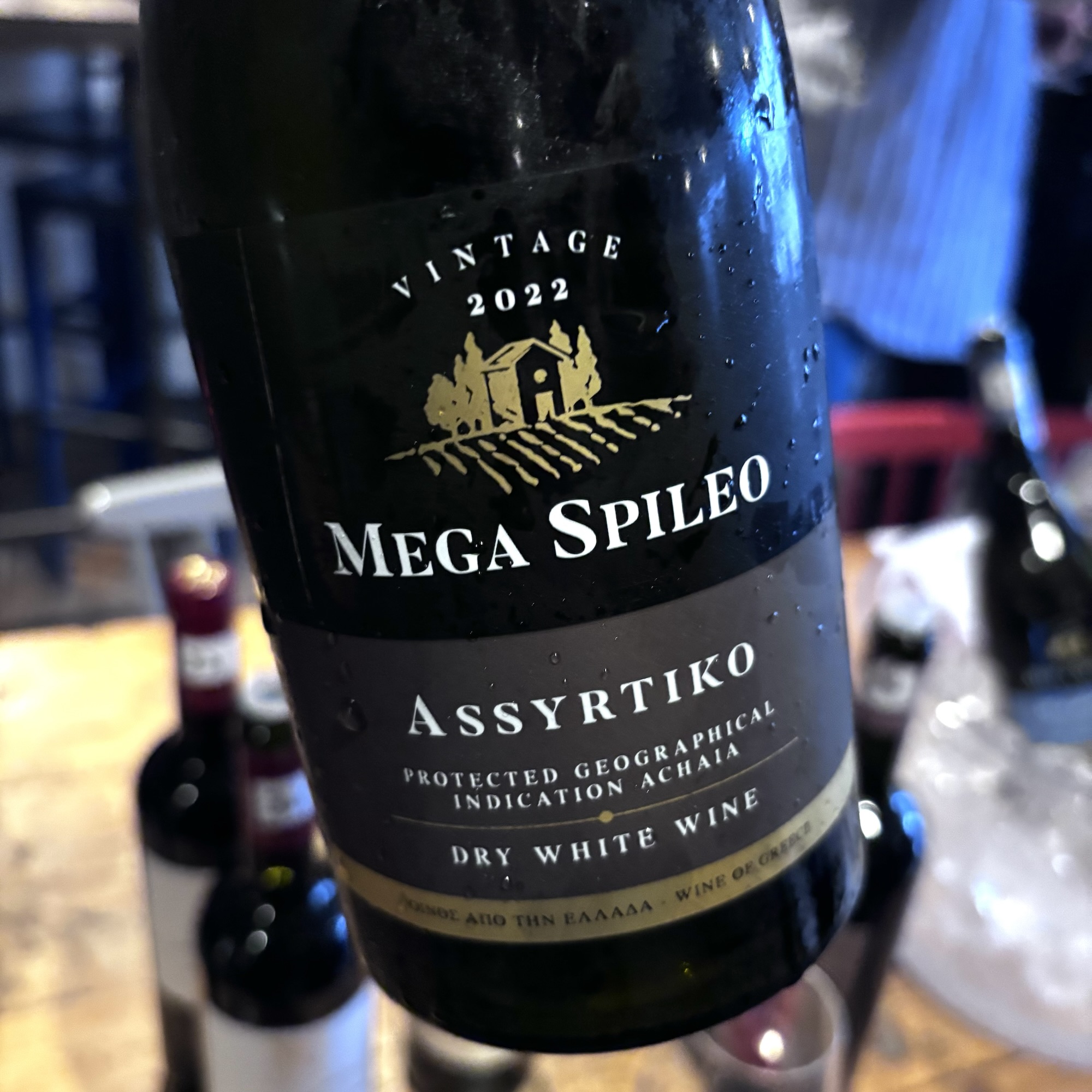
Mega Spileo Estate Assyrtiko 2022 is from the PGI of Achaia (still in the Peloponnese). A slightly cheaper Malagousia was shown, but I preferred this Assyrtiko. It had a more complex bouquet, citrus but also pineapple. The palate is dry with some texture and it is refreshing. About £16, imported by Agora Greek Delicacies.
Novus Winery (Peloponnese, imp Eclectic Wines)
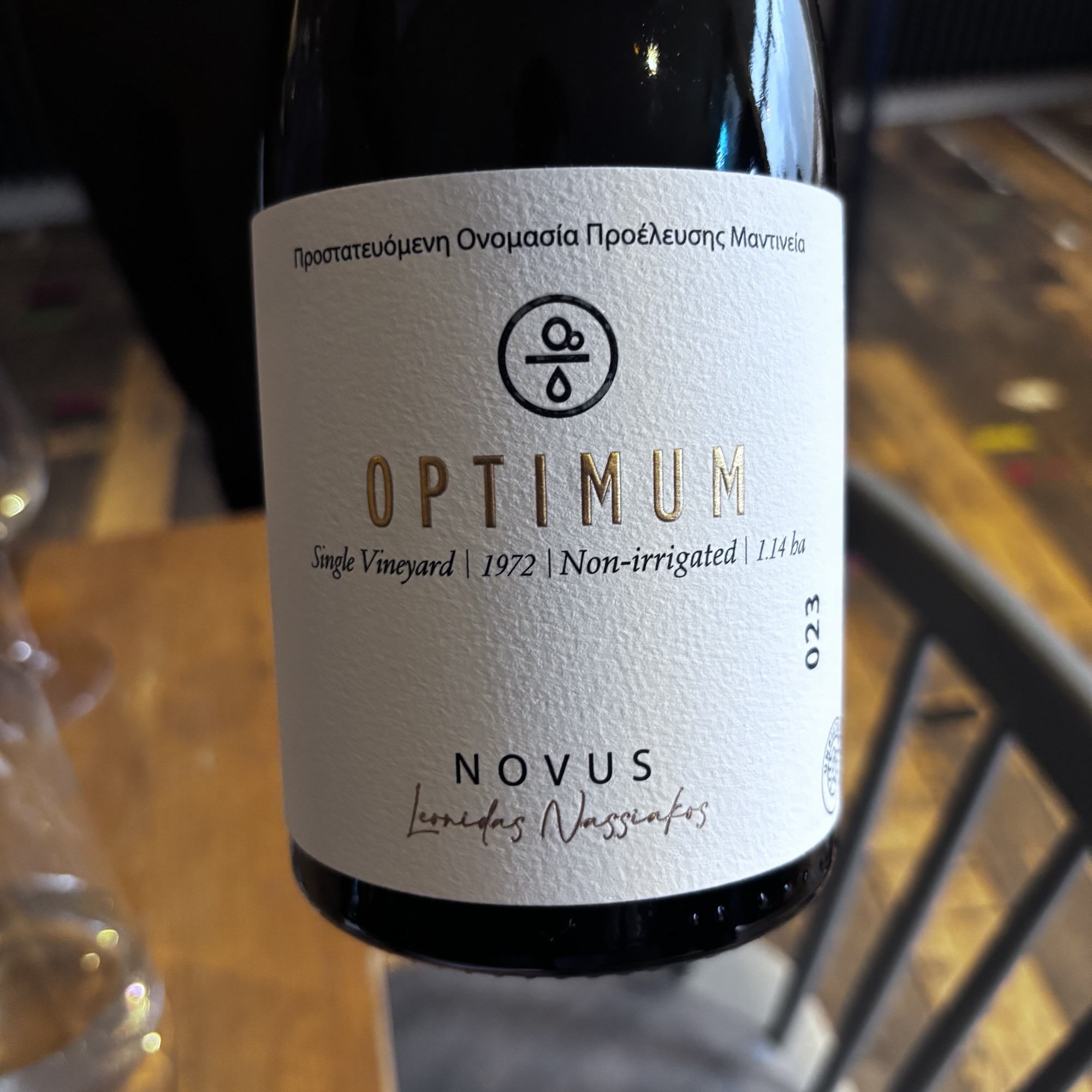
Optimum 2023 is from the PDO (appellation) of Mantinia, in the Central Peloponnese, near to Tripoli. It’s a white varietal Moschofilero from a single vineyard, old vines. It has a nice peachy flavour, good mouthfeel and nice length. The fruit is juicy and the stone fruit texture grounds the wine but doesn’t dominate it. £25.
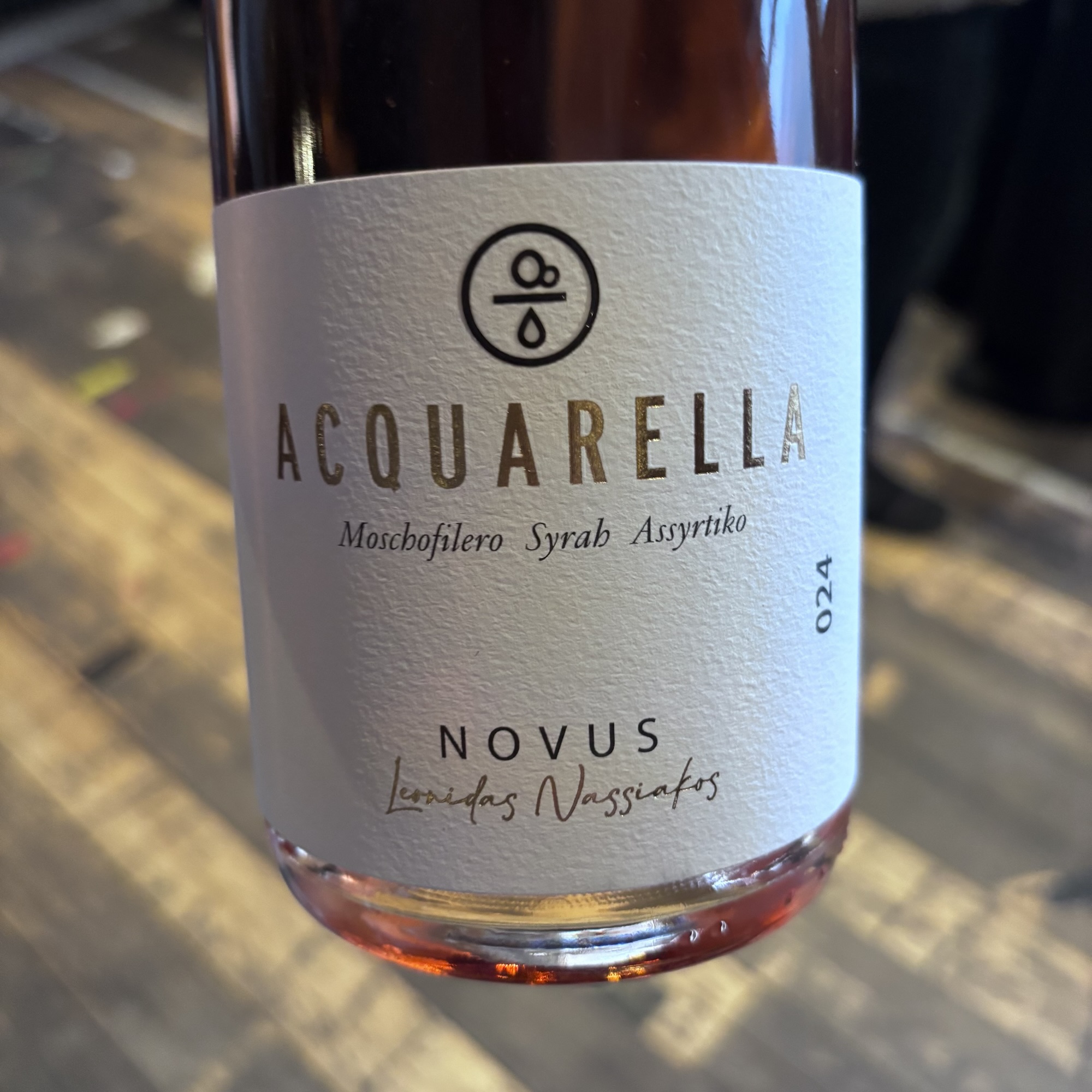
Acquarella 2024 was the only Rosé I tasted and I thought it was really good, like the white from Novus. I heard other appreciative noises too. A fresh and fruity bouquet translates to the palate. Not too much acidity. A bit of orange citrus there. Labelled as 12.8% abv. I think this would be enjoyable in warmer weather, though you might need to hand-sell it. £20.
Rouvalis Winery (Peloponnese, imp Maltby & Greek)
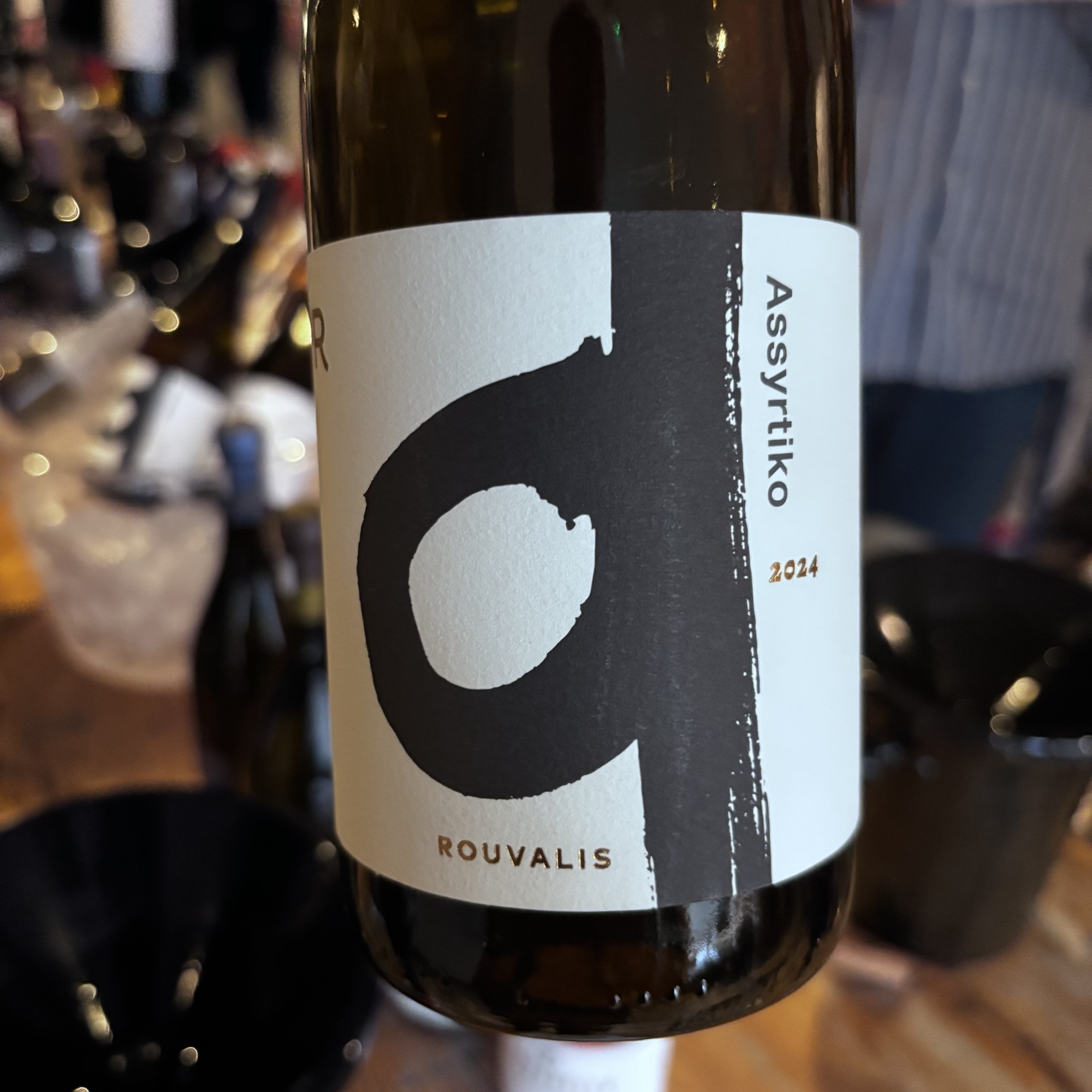
Assyrtiko 2024 comes from a PGI/IGP called Slopes of Aigialeia in the north of the Peloponnese. Appellation wines here are usually Patra, but we are in the mountains (several rise above 2,000 masl), so cool climate viticulture dominates. This Assyrtiko is a nice, distinctive, rendition aged on lees from several small parcels at altitude. Well worth seeking out. £22.
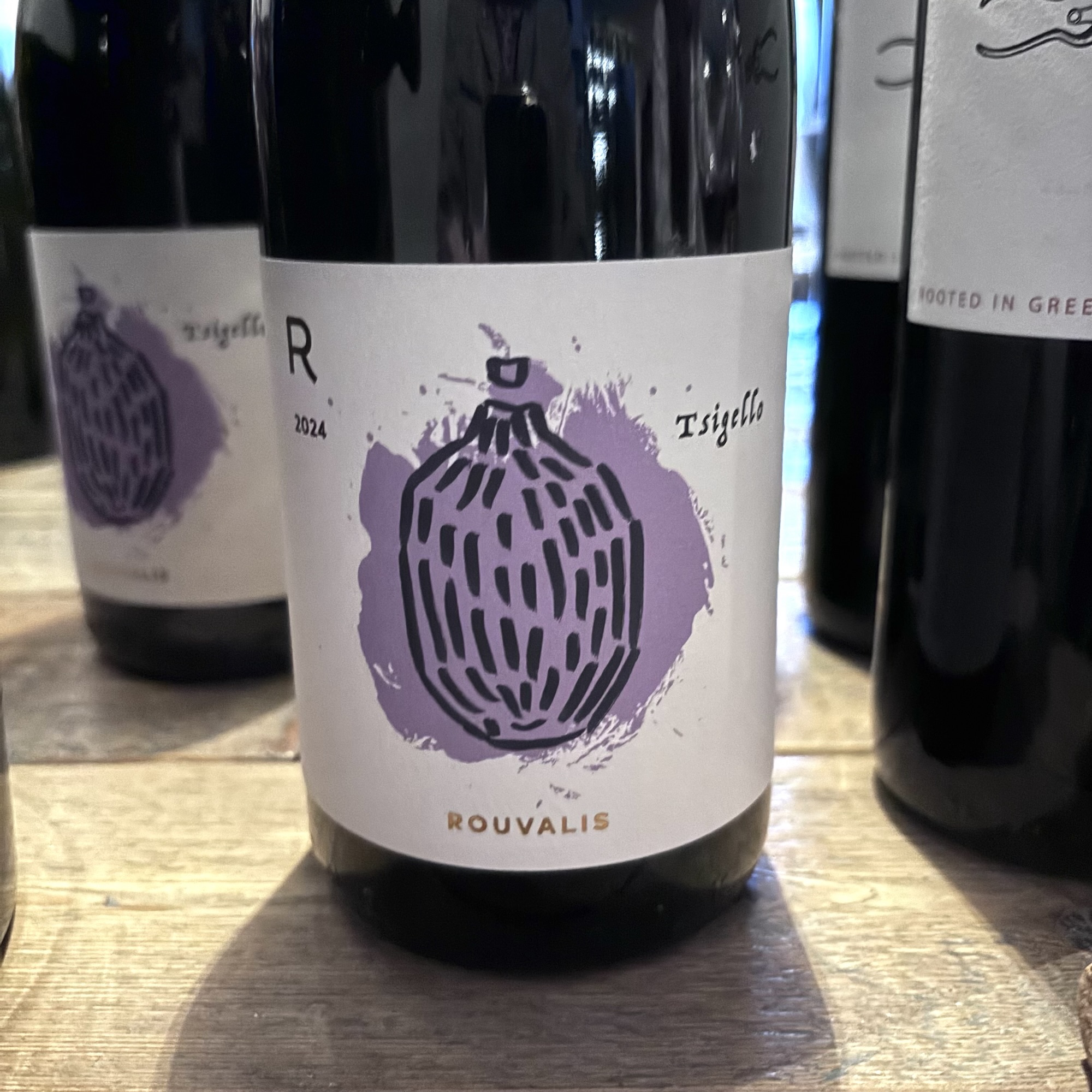
Tsigello 2024 is made from the well-known local red variety, Mavrodaphne. Although the variety is the named mainstay of the Patra appellation (Mavrodaphne of Patras), here we are once more in PGI territory (Aigialeia, in those mountains). The wine is dry and earthy with an interesting profile – fruity but also savoury. There’s a bit of texture and tannin but not too much for a 2024. It is made in amphora, which you might well guess. £23. Both of these wines from Maltby & Greek are worth a punt.
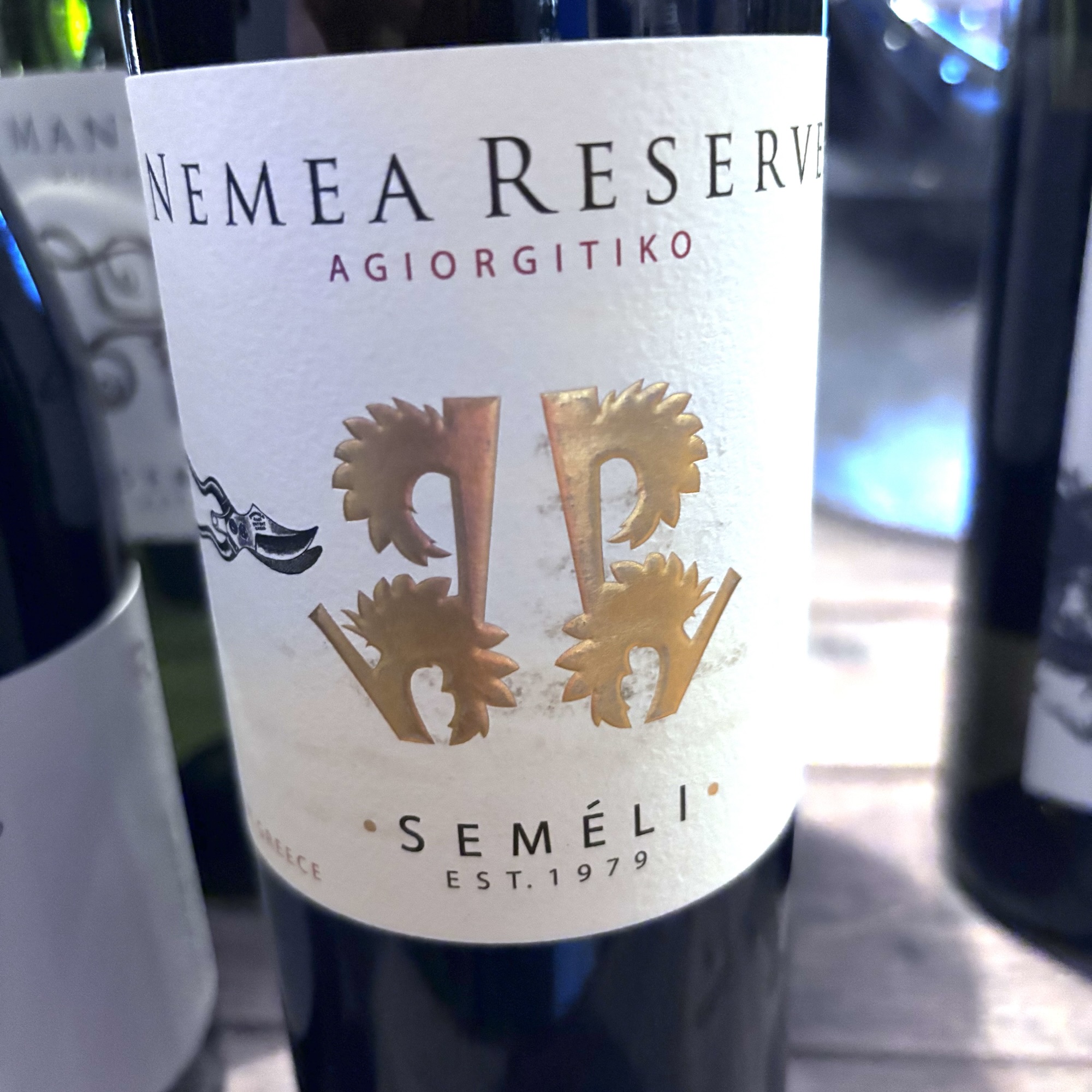
Semeli Estate Nemea Reserve 2022 comes from one of Greece’s seminal estates, founded in 1979, and obviously named after Handel’s finest opera-oratorio (only joking). They are up in the mountains west of Corinth/Korinthos in a region, Nemea, synonymous with one of the country’s potentially finest varieties, Agiorgitiko. This is a tannic wine, built to age, but like a young Bordeaux, there’s bags of fruit and potential if it is allowed to mature. The importer is Boutinot. It is listed as “POA”, and may well be expensive, although the winery’s attractive white Moschofilero from the Mantinia appellation is only £17.
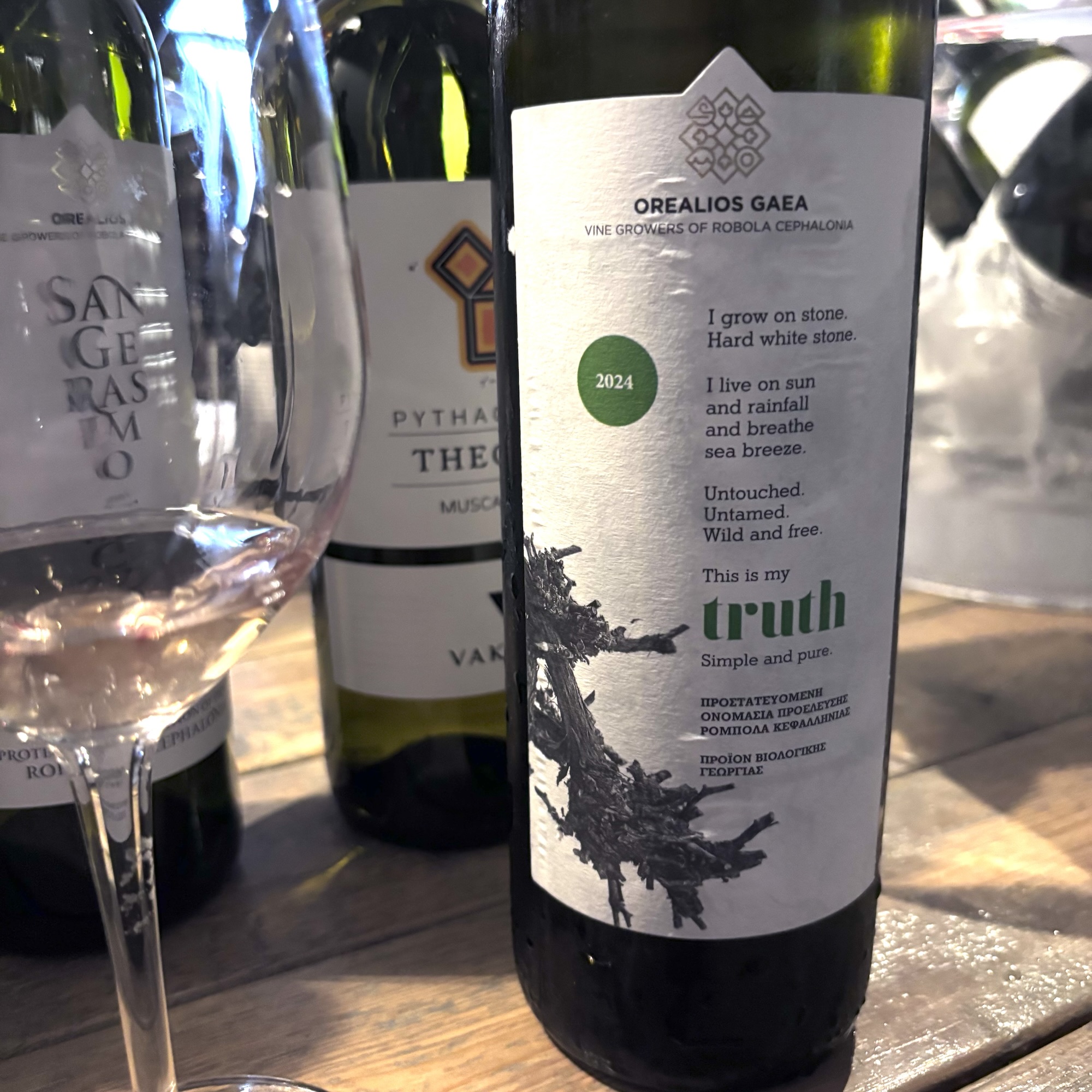
Orealios Gaea (Cephalonia, imp Maltby & Greek)
Truth 2024 is made from the Robola variety, DNA profiling confirming that it is a separate variety from the NE Italian autochthone, Ribolla, as once thought. Cephalonia is the largest of the islands set in the Ionian Sea to the east of the mainland and the Peloponnese. Until recently it may have been better known for the portrayal of its wartime occupation in Captain Corelli’s Mandolin by Louis de Bernières than for its wine. This organic Ribola is clean, fresh and mineral, hailing from the island’s highest vineyards. At £19.50 it is pretty good value.
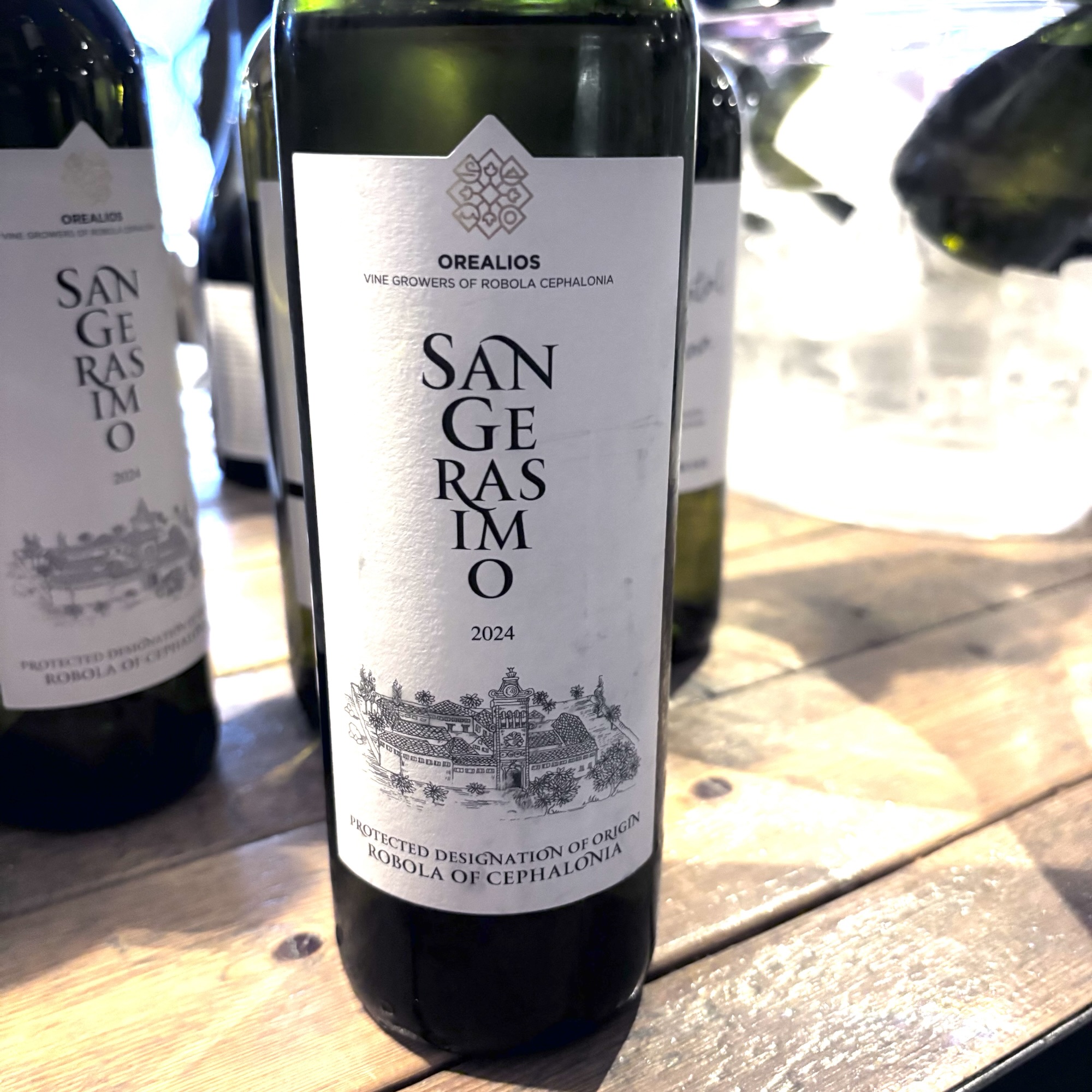
San Gerasimo 2024 is also Robola, and the same price as the wine above. Both are 12.5% abv and both are from the Robola of Kephalonia appellation (PDO). This version seems slightly more mineral and less fruity. It is clean, with a little texture and more salinity. There’s definitely a rocky island set in a warm blue sea vibe. Take your pick between the two. Both are fascinating yet tasty wines. There is no technical information to differentiate them.
Venetsanos Winery (Santorini, imp Cava Spilidis UK)
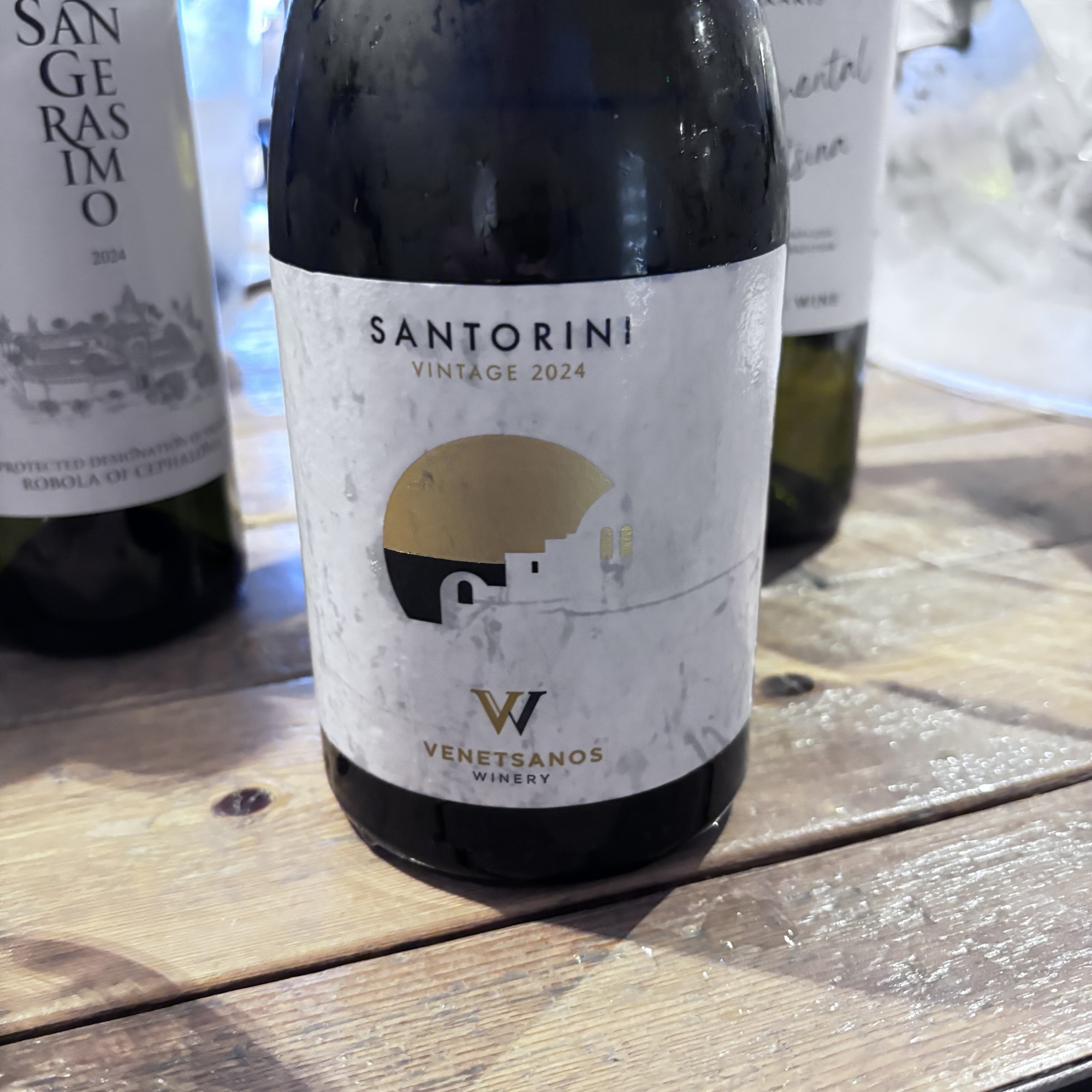
Assyrtiko 2024 is labelled “Santorini” which is surely the best-known appellation for white wine in the whole of Greece. One can ponder the reasons why only one Santorini producer appeared at the tasting. This varietal Assyrtiko was fully in character, saline, clean and fresh with lemon citrus and a dry herbal note. It showed surprising hints of complexity in a wine so young, so it should age.
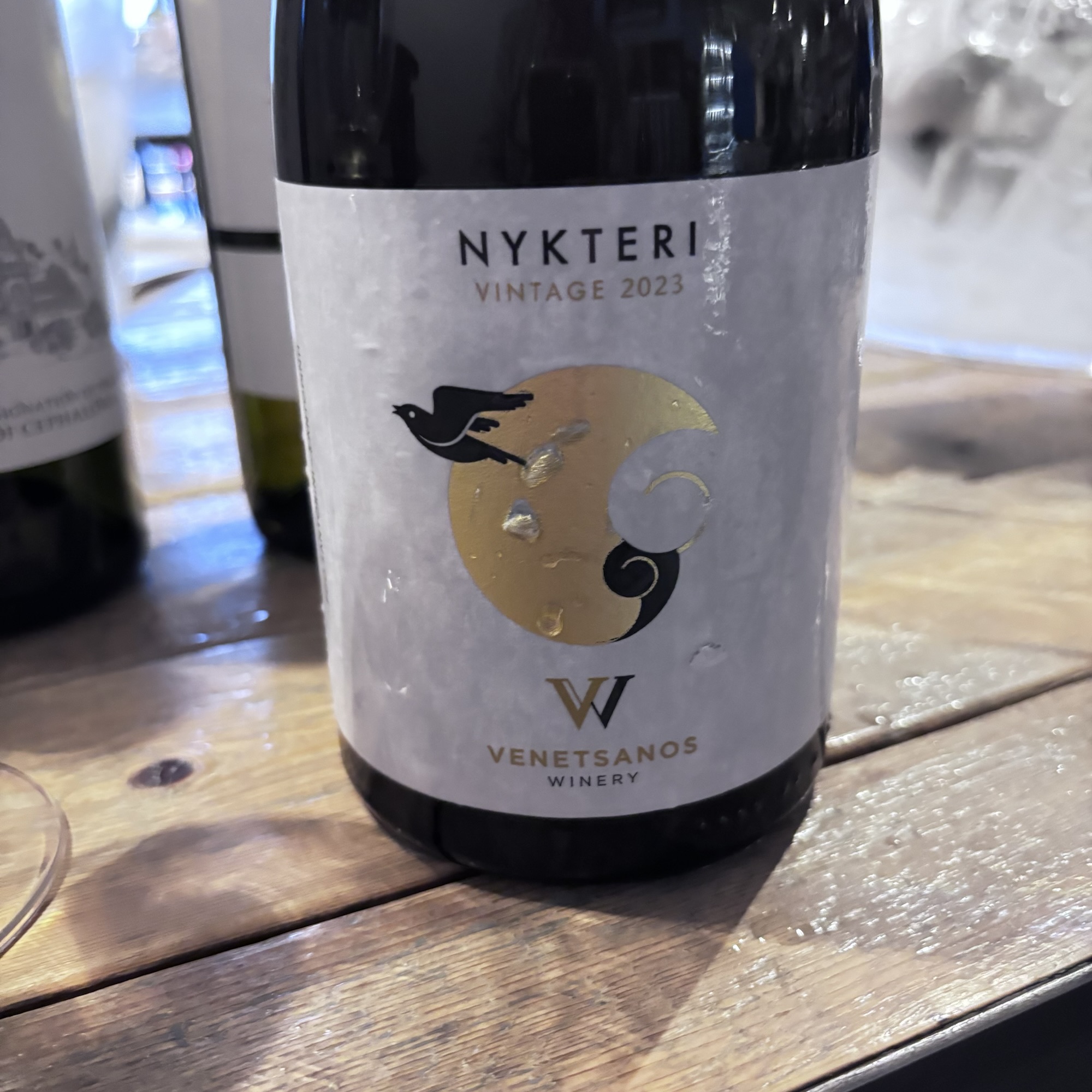
Nykteri 2023 shows Assyrtiko (95%) in a blend with a little Athiri and Aidani. The profile is very similar. Perhaps this is a touch more savoury. My slight preference was for the 100% Assyrtiko for its salinity and mineral texture on a clean palate, but either would do me.
However, take a look at the prices. RRP £40.50 for the varietal and £44.25 for the blend. That’s Santorini for you. Superb wines, but you will find plenty of Assyrtiko from other regions if these are too steep for your wallet.
Paros Farming Community (Paros, imp Woodwinters)
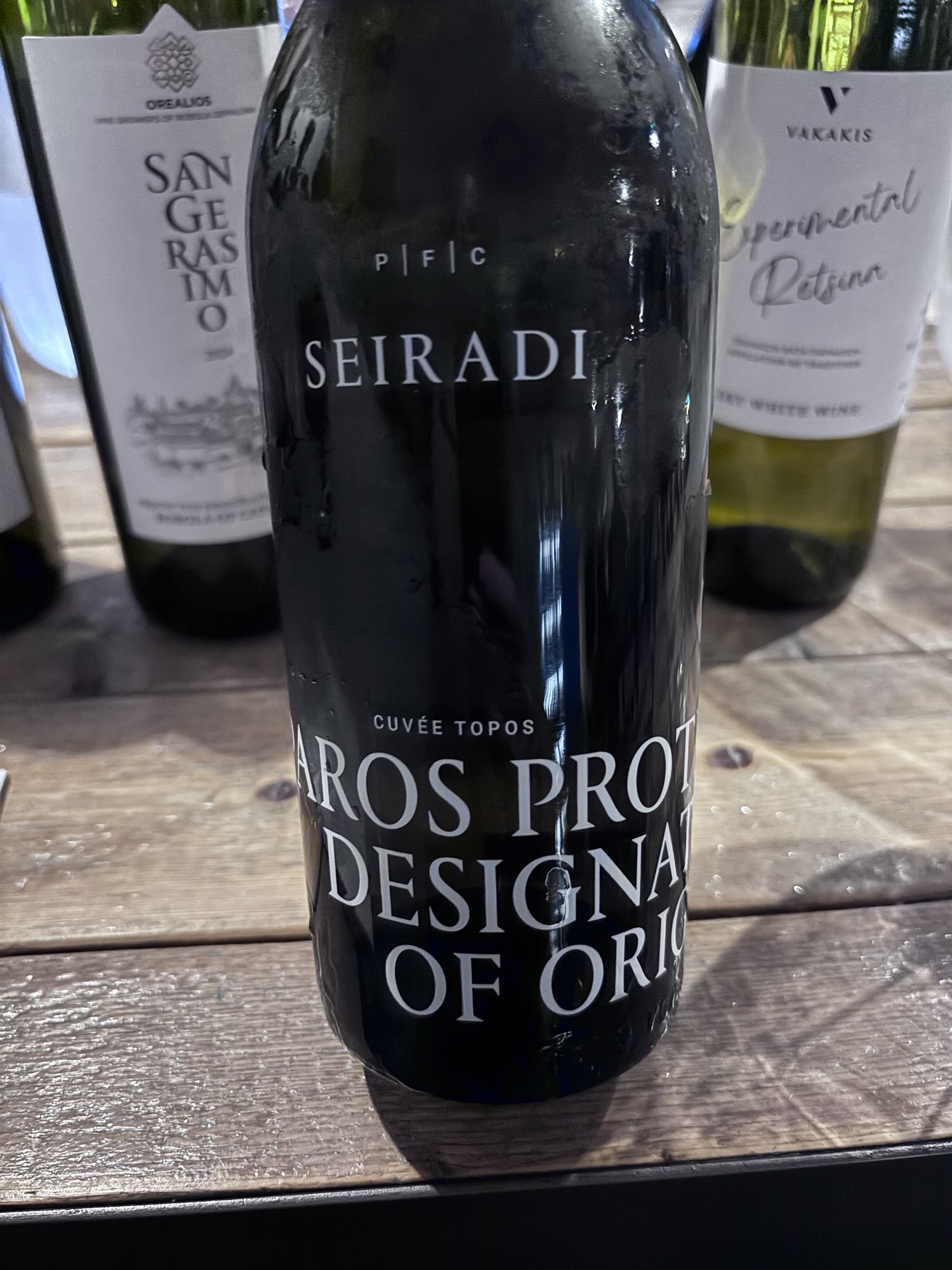
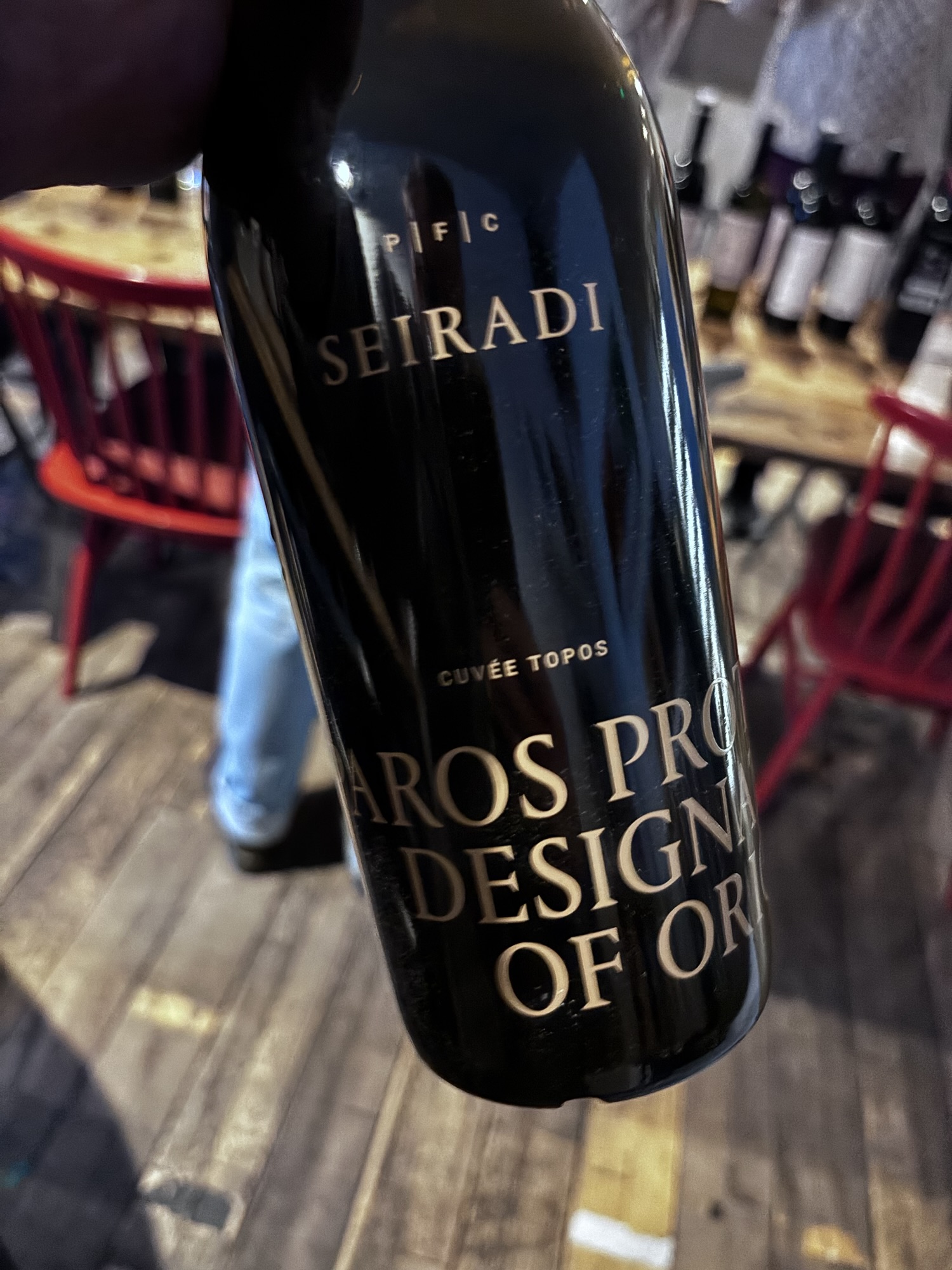
Paros sits in the middle of the Aegean, part of the Cyclades, north of Santorini and just west of Naxos. This cooperative, also known by the acronym SEIRADI, has been going for a hundred years. They cannot, however, be accused of being old-fashioned as this is a modern co-op in all respects. As on Santorini, vines are often grown low to the ground to protect them from high winds. Those vines are the local varieties, Monemvasia and Mandilaria.
Cuvée Topos White 2023 is 100% Monemvasia, a variety presumably named after the small ancient town on a promontory on the eastern finger of the Peloponnese, and which is well worth a few days of your time in my humble opinion. Just 3,800 bottles made. The nose starts out a little lactic (unusual) but the palate is savoury and dry, and clean. Almost feels a hint of some Swiss Chasselas, that kind of vibe. Dried herbs but with salty seawater here, perhaps.
Cuvée Topos Red 2022 blends 55% of the white variety, Monemvasia, with 45% of the red Mandilaria. The result is a lighter-style red with 12.6% alcohol. Again, the initial nose seemed a little lactic, but a shake and a swirl allowed fruit (raspberry and cherry) and pepper to come through. There are broad (ie not harsh) tannins underlying the fruit.
Both wines have a RRP of £26.
Idaia Winery (Crete, importer Hallgarten and Novum)
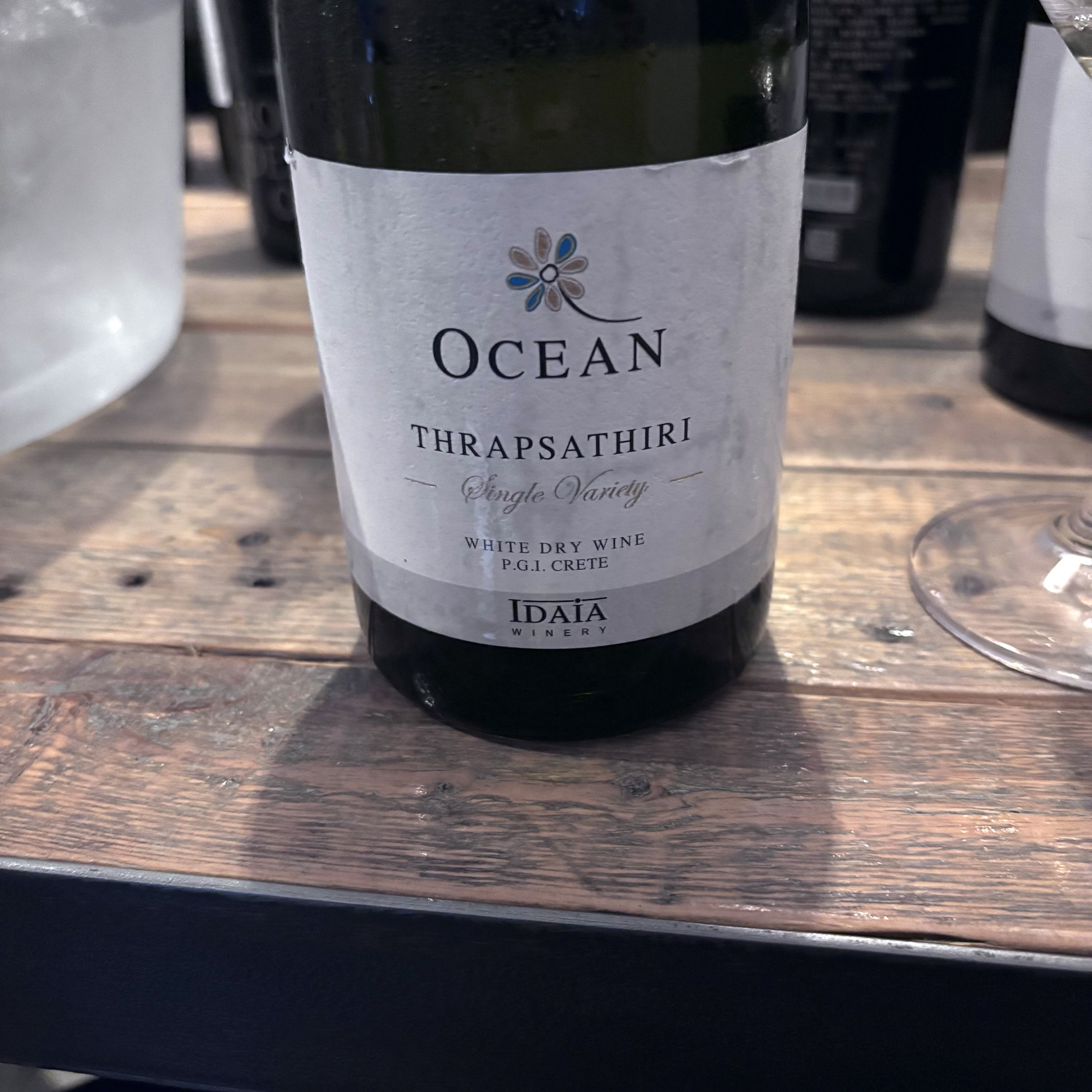
Ocean 2024 is made from a Cretan variety I am not sure I know, Thrapsathiri. Once only found blended with Vilana, it is now prized for its drought-resistant qualities. It’s also a late-ripener. Here, it combines minerality and elegance on the palate with a nice aromatic bouquet. Nice texture too, and another nice wine I would buy at the listed £22.50. To be honest, Crete is making some superb wines now, and I was surprised not to see more at the tasting.
So there, all done. I make that 31 wines, and I thought it better to paint a broad-brush selection than focus on just a few wines. If the best here are somewhat subsumed in a larger selection, it would have been unfair to exclude the rest to focus only on the very best.
In all, as I said at the beginning, 64 wines were on show. I’m not sure whether anyone tasted them all, and I’ll be surprised if anyone writes about them all. I had been eagerly awaiting this tasting and whilst I’m not saying these wines are the best thing since sliced Jura, they did deliver plenty of interest and not a little excitement. Now it’s up to the wine shops to, as one Brighton wine retailer might say, “get involved” with Greece.

 David Crossley's Wide World of Wine